Arts, Culture, and Heritage as Drivers of Change
Scânteia
{Empty}
Scânteia is an independent contemporary art centre located in Casa Presei Libere, Bucharest, Romania. Founded in 2023 by two young Romanian visual artists, Dani Ghercă and Roxana Morar, the project transforms abandoned industrial spaces into a sustainable ecosystem for artistic production, exhibitions, and community engagement.
Romania
National
Mainly urban
It involves a physical transformation of the built environment (hard investment)
Yes
2025-05-28
No
No
No
Organisation
Scânteia is an independent contemporary art centre located in Casa Presei Libere, Bucharest, Romania. Founded in 2023 by two young Romanian visual artists, Dani Ghercă and Roxana Morar, the project transforms abandoned industrial spaces within a landmark modernist building into a sustainable ecosystem for artistic production, exhibition, and public engagement.
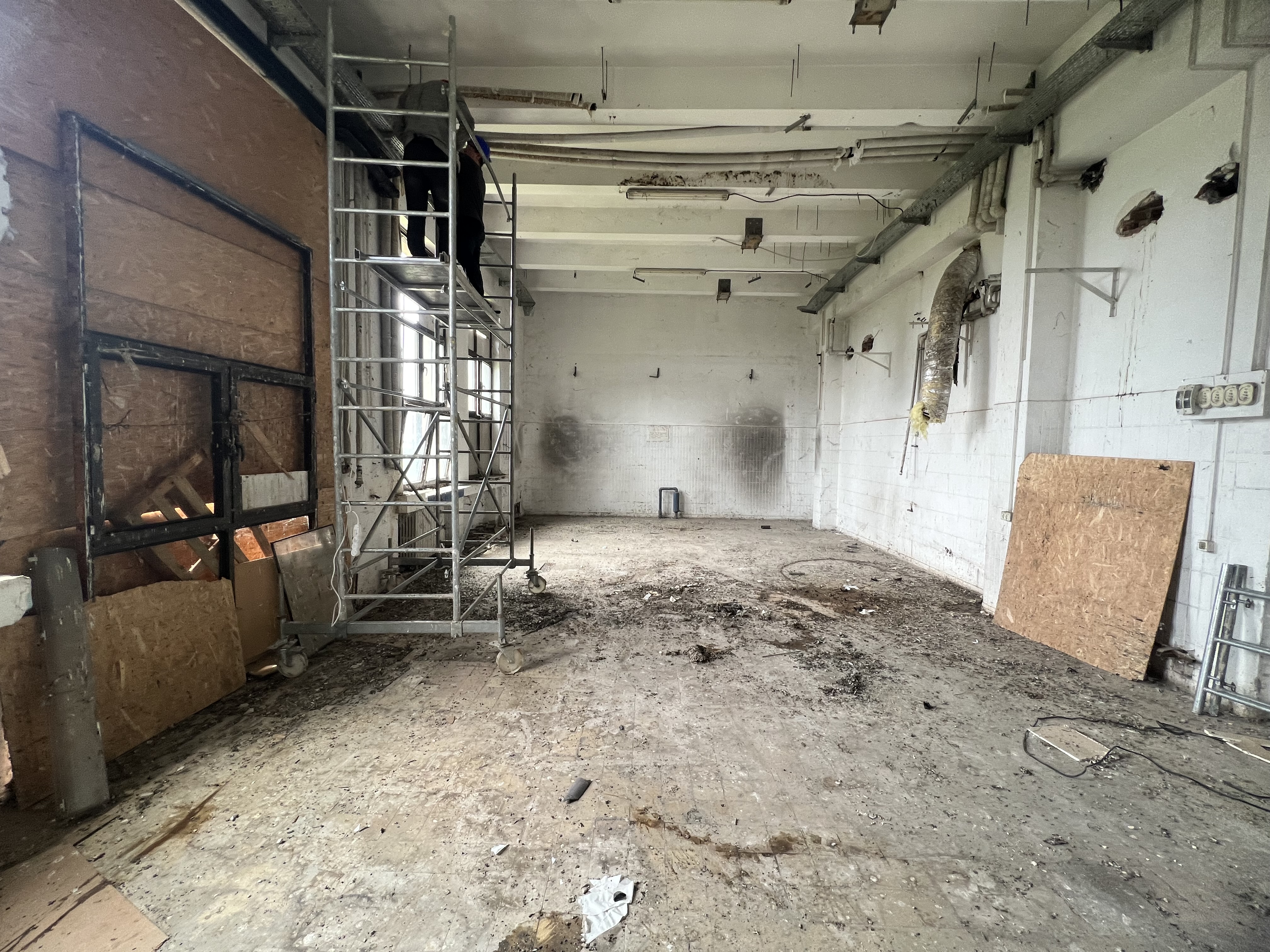
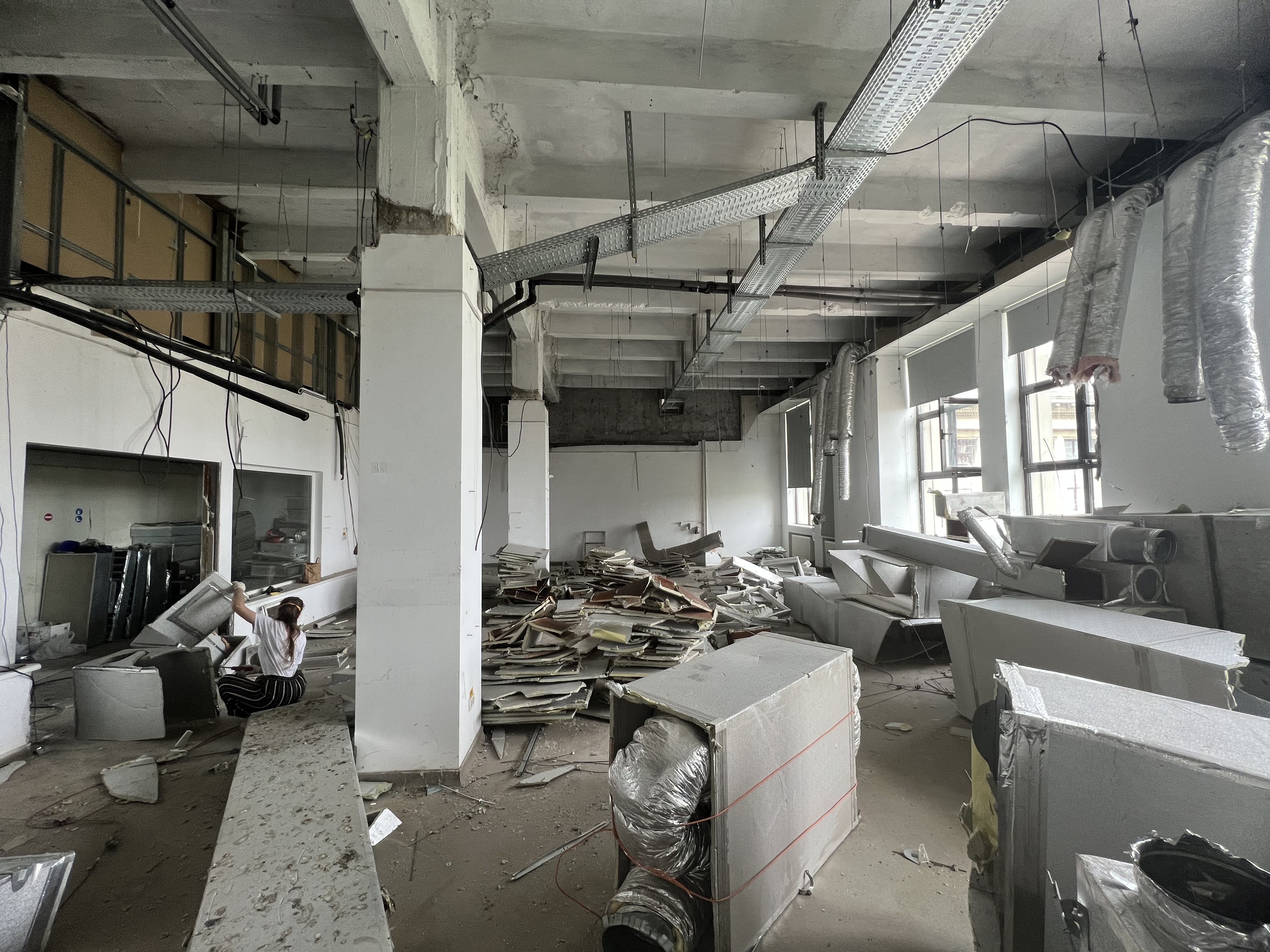
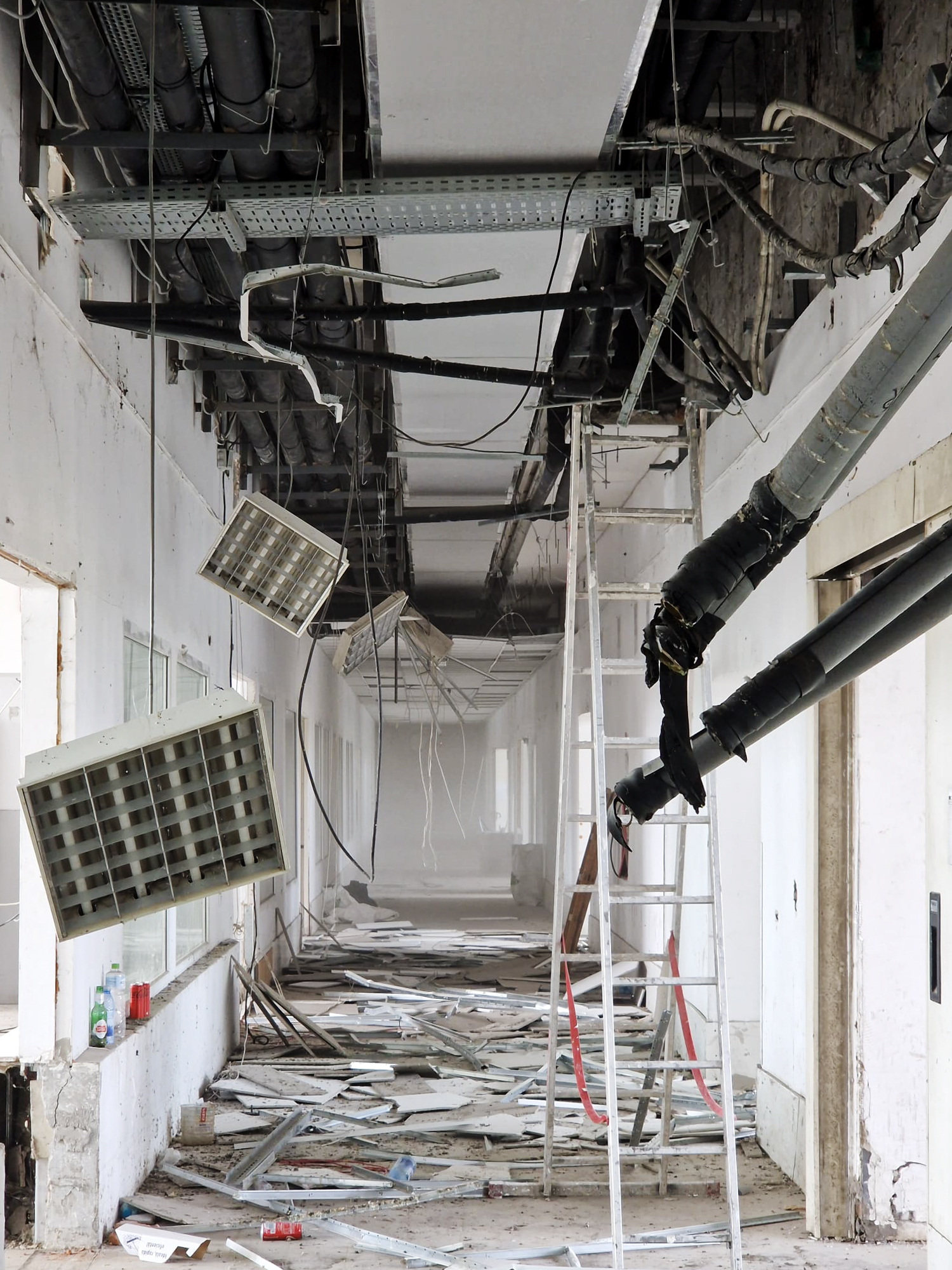
Casa Presei Libere, formerly Casa Scânteii, was built in the 1950s and functioned until 1989 as the headquarters of the main communist propaganda newspaper. After 1990, large parts of the building fell into disuse and degradation. At the same time, Bucharest lost almost all of its industrial buildings through demolition and speculative real easte development, creating a severe lack of adequate spaces for contemporary art.
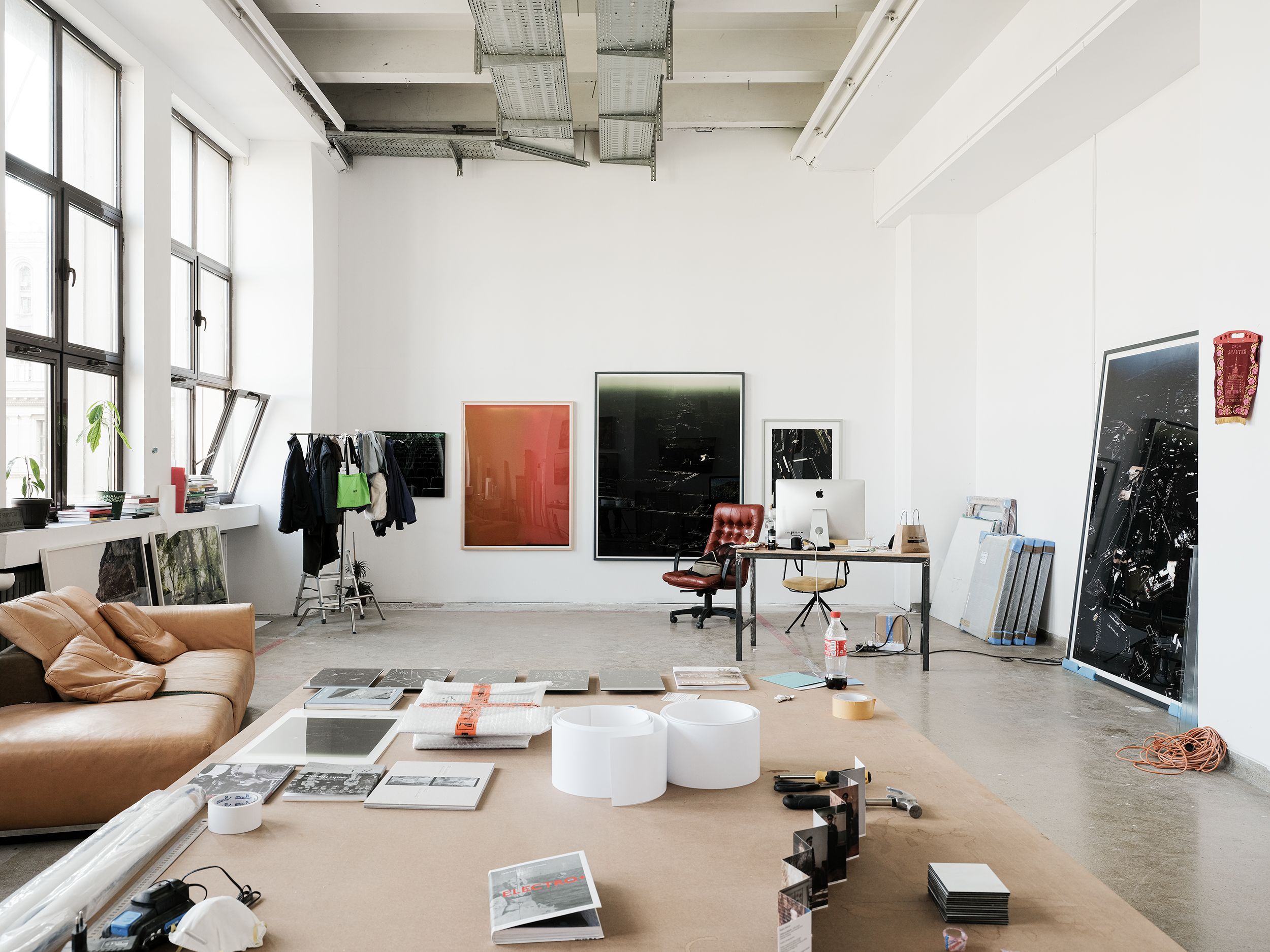
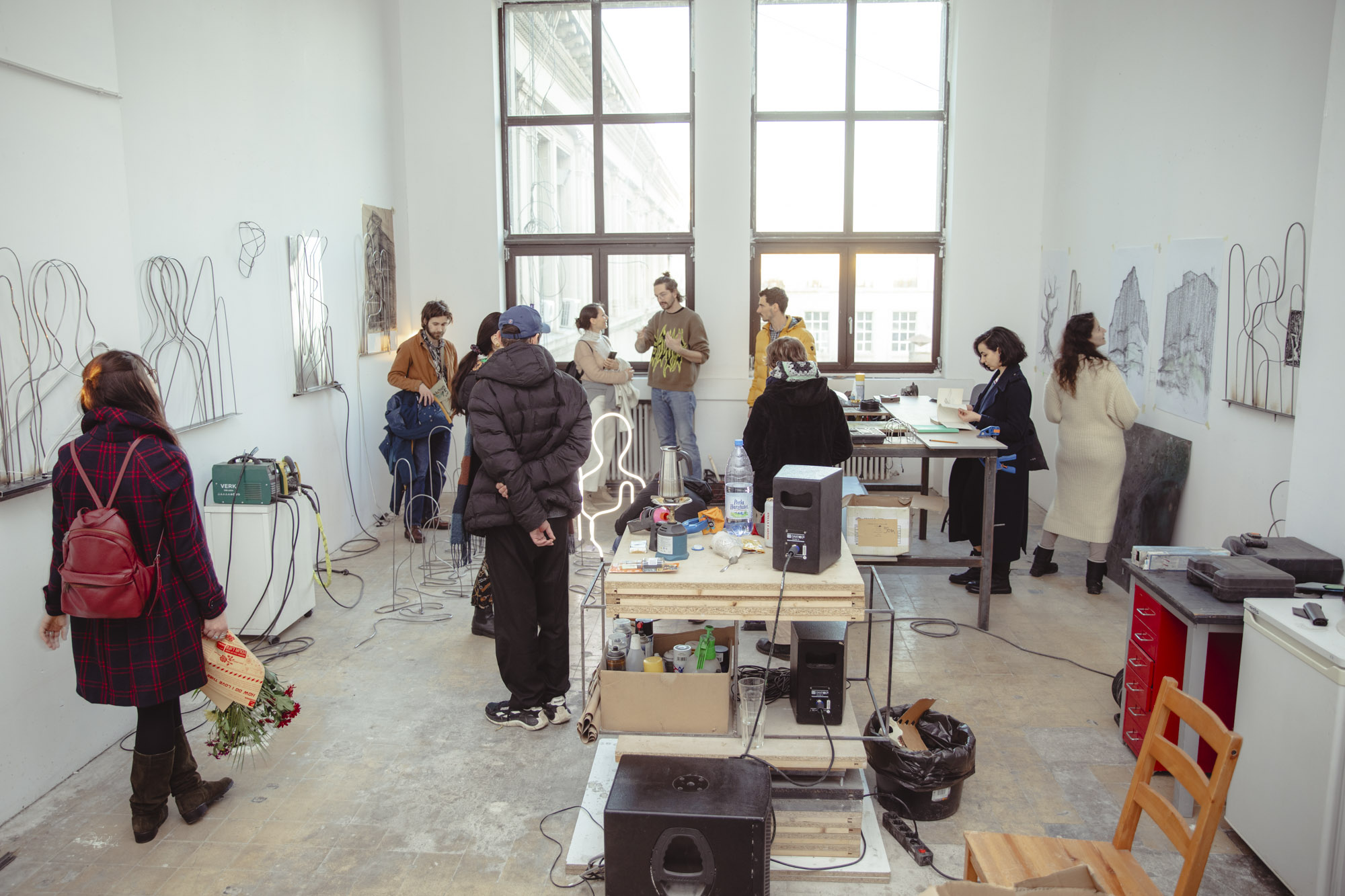
In May 2023, Asociația Scânteia rented approximately 1,000 sqm of a highly degraded space and renovated it using private funds and public cultural grants. The centre officially opened in September 2023 with 15 individual artist studios and 2 art galleries. The project immediately became a focal point for the local art scene, revealing a strong unmet demand for affordable studios and non-commercial exhibition spaces. Within six months, a waiting list of around 70 artists was created.
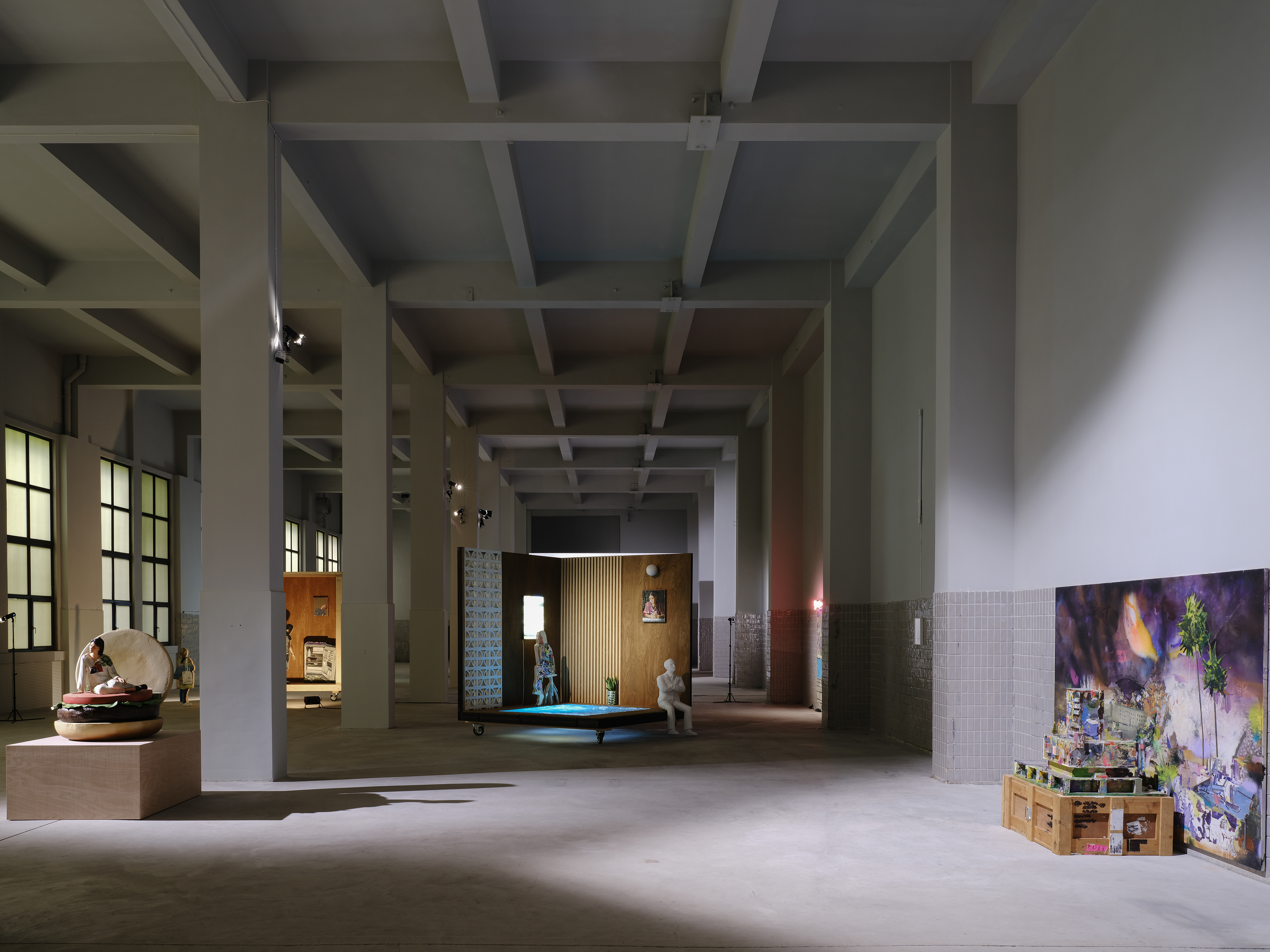
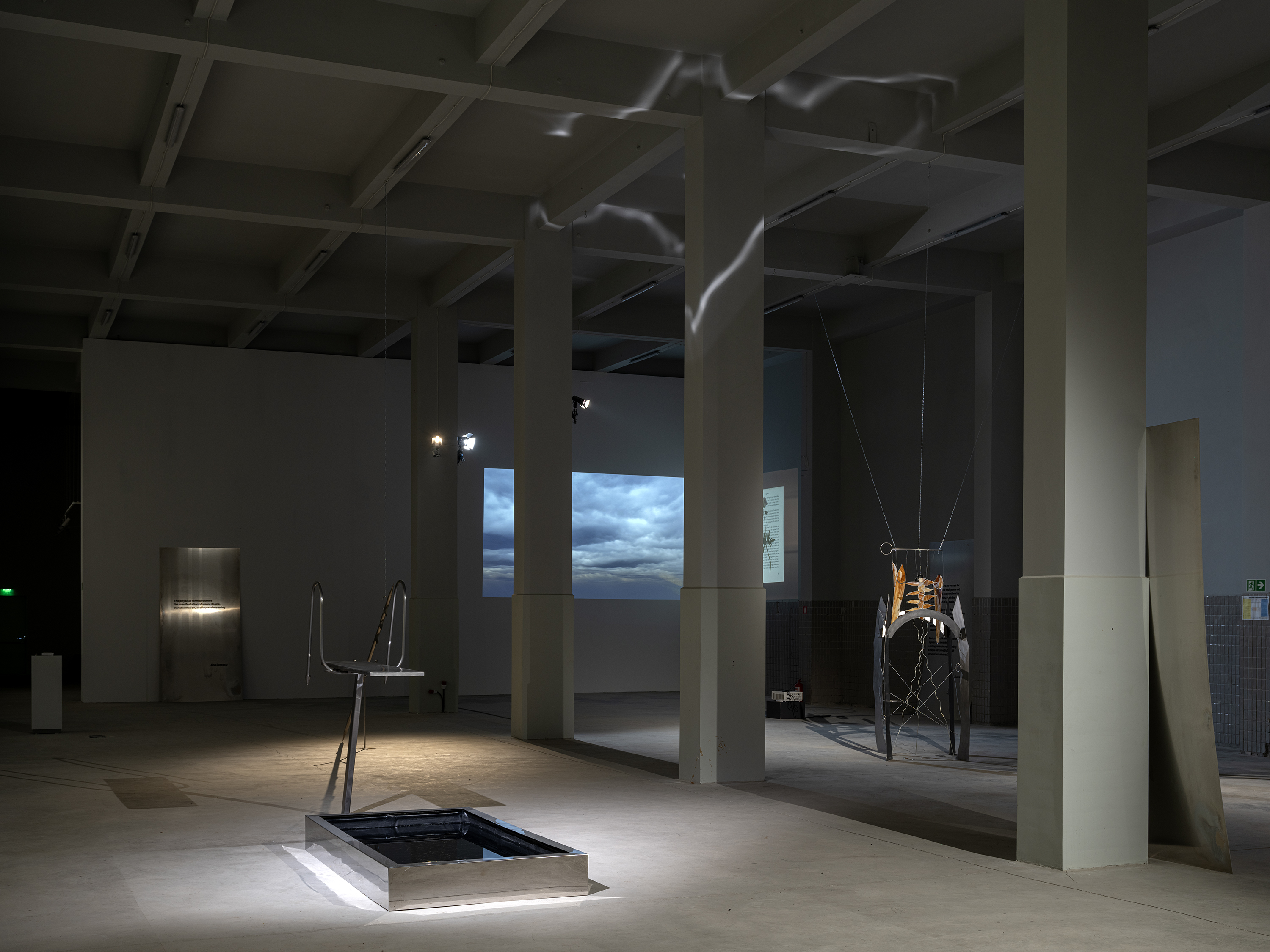
In 2024, the project expanded by an additional 800 sqm. We renovated it from an advanced state of decay, and opened a large-scale kunsthalle-type exhibition space, the only independent one of its kind in Bucharest.
The long-term impact of Scânteia lies in demonstrating how artist-led initiatives can drive urban regeneration, reuse existing building stock sustainably, and build resilient cultural infrastructure. The project has reactivated an emblematic building, generated cultural life in a previously inactive area, supported artistic production, and strengthened the contemporary art community in Romania, offering a scalable model for inclusive, culture-led regeneration across Europe.
Scânteia emerged from a direct, practical need identified by artists working in Bucharest: the near-total absence of adequate, affordable spaces for contemporary artistic production and exhibition. After 1990, most industrial buildings in the city were demolished and converted into commercial real estate, leaving artists without access to large-scale, flexible spaces with natural light and sufficient height.
In early 2023, romanian visual artist Dani Ghercă identified unused production areas inside Casa Presei Libere, a landmark building that still retained industrial infrastructure such as high ceilings, freight elevators, and large windows, but was largely abandoned and in an advanced state of degradation. Together with other artists, he initiated discussions with the building’s administration and secured a long-term lease for approximately 1,000 sqm in one of the building’s wings.
Over a three-month period, this group of artists carried out a full renovation of the space. The renovation was financed through a combination of personal funds and public cultural funding, ensuring that the existing structure was reused rather than replaced. The spatial layout was developed collaboratively, prioritising flexible studios and exhibition areas that could adapt to different artistic practices.
After the openening in September 2023 the response from the artistic community exceeded expectations, leading to the creation of a waiting list that reached around 70 artists within six months.
In 2024, we leased an additional 800 sqm of severely degraded space and undertook a second renovation. This resulted in the opening of Scânteia+, the single large-scale, non-commercial exhibition space of kunsthalle type in Bucharest.
The project was implemented incrementally, through hands-on involvement, strong peer networks, and continuous dialogue with artists and audiences, ensuring that the centre grew organically in response to real, on-the-ground cultural needs.
Adaptive reuse of built heritage
Culture-led urban regeneration
Artist-led community building
Sustainable cultural infrastructure
Inclusive access to contemporary art
Scânteia responds simultaneously to environmental, social, cultural, and economic challenges through a culture-led model of adaptive reuse and community-based development. The project is located in Casa Presei Libere, where large, previously abandoned industrial spaces were reactivated instead of constructing new buildings. By reusing existing structures, the project significantly reduces material consumption, construction waste, and embodied carbon, offering a concrete alternative to demolition-driven urban development.
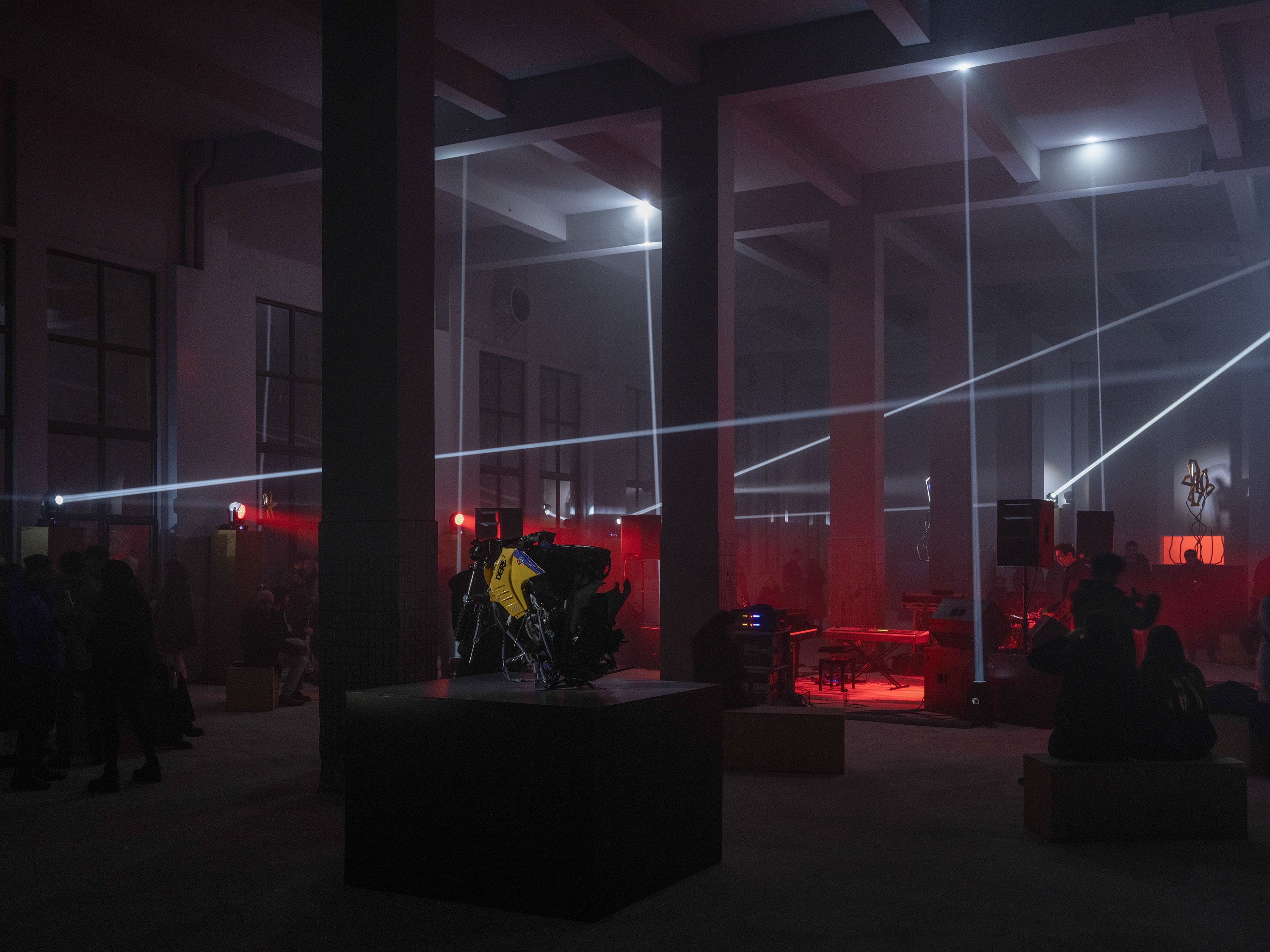
From a social perspective, the project addresses the precarity faced by artists and cultural workers in Bucharest, who often lack access to affordable, long-term spaces. Scânteia provides low-cost studios, shared infrastructure, and non-commercial exhibition opportunities. The open public programme, exhibitions, talks, workshops, and discussions, ensures inclusive access to contemporary culture for diverse audiences.
Culturally, the project reclaims a site historically associated with centralized power and propaganda and transforms it into a space of critical reflection, experimentation, and plurality. By hosting independent artistic practices, Scânteia contributes to a more democratic and diverse cultural landscape, while preserving and reinterpreting modernist architectural heritage.
Economically, Scânteia operates as a non-profit, reinvesting resources into maintenance, programming, and affordable rents rather than profit extraction. The centre supports local creative economies by enabling artists to produce and collaborate locally.
The project is exemplary in Romania because it integrates environmental responsibility, social inclusion, cultural value, and economic resilience into a single, scalable model. Its vision prioritises reuse over replacement, community over speculation, and cultural infrastructure over short-term gains, demonstrating how artist-led initiatives can contribute to sustainable urban transformation.
Scânteia contributes to making everyday life more meaningful and beautiful by transforming abandoned, inaccessible industrial spaces into open places for creativity, encounter, and shared cultural experience. Located in Casa Presei Libere, the project reintroduces public life into a landmark that had long been perceived as closed, deteriorated, and disconnected from its surroundings.
On an everyday level, the centre offers artists low-cost and stable studios, and opportunities for exchange, collaboration, and visibility. For local residents, students, and visitors, Scânteia provides regular access to exhibitions, talks, and cultural events that were previously absent from this area of Bucharest. These recurring encounters foster curiosity, dialogue, and a sense of shared ownership of the space, gradually embedding it into the daily cultural life of the city.
In the longer term, the project reshapes the identity of the building and its neighbourhood. By continuously activating the space through artistic production and public programmes, Scânteia replaces narratives of abandonment with ones of care, creativity, and collective responsibility. Artists, audiences, and partner organisations develop emotional and practical ties to the site, contributing to a strong sense of belonging.
Aesthetically, the project is exemplary through its respectful, minimal intervention approach. The renovation preserved the raw industrial character of the building, high ceilings, large windows, exposed structures, while adapting it for contemporary use. Rather than imposing a new visual identity, Scânteia allows the architecture and artworks to coexist, creating spaces that are both functional and evocative. This balance between reuse, authenticity, and artistic expression reflects a New European Bauhaus understanding of beauty as something rooted in place, care, and shared cultural meaning rather than surface decoration.
Scânteia addresses accessibility and affordability by directly confronting structural barriers that limit participation in contemporary cultural life, particularly for artists and audiences with limited financial resources. By reusing large, underutilised spaces within Casa Presei Libere, the project avoids the high costs associated with new construction and commercial real estate, enabling the accesisibility of long-term, affordable artist studios and non-commercial exhibition spaces.
Affordability is embedded in the project’s operational model. Studio rents are set below market levels and designed to remain stable over time, offering artists financial predictability and reducing precarity. Exhibition spaces are offered without commercial pressure, allowing participation regardless of market visibility or sales capacity.
Accessibility is approached both physically and socially. The building’s existing infrastructure, including elevators and wide circulation areas, supports varied forms of access, while the programme prioritises clear communication, welcoming formats, and non-expert entry points to contemporary art.
In terms of governance, Scânteia operates as a non-profit, artist-led organisation with horizontal decision-making processes. Artists are not only users but contributors to programming, spatial adaptation, and strategic development. This participatory governance model redistributes agency and fosters shared responsibility.
Scânteia is fundamentally a community-driven, artist-led initiative, developed in direct collaboration with the citizens and cultural actors who benefit from it. From its inception, the project was shaped by the needs of artists, cultural workers, and local audiences who lacked access to affordable workspaces, non-commercial exhibition venues, and inclusive cultural infrastructure in Bucharest.
The primary community involved consists of visual artists, curators, writers, and cultural practitioners. Artists were not only beneficiaries but active contributors: they participated in defining spatial needs, adapting studios and exhibition areas, and shaping the cultural programme. The rapid formation of a waiting list of approximately 70 artists demonstrated both the scale of need and the trust placed in the initiative by the artistic community.
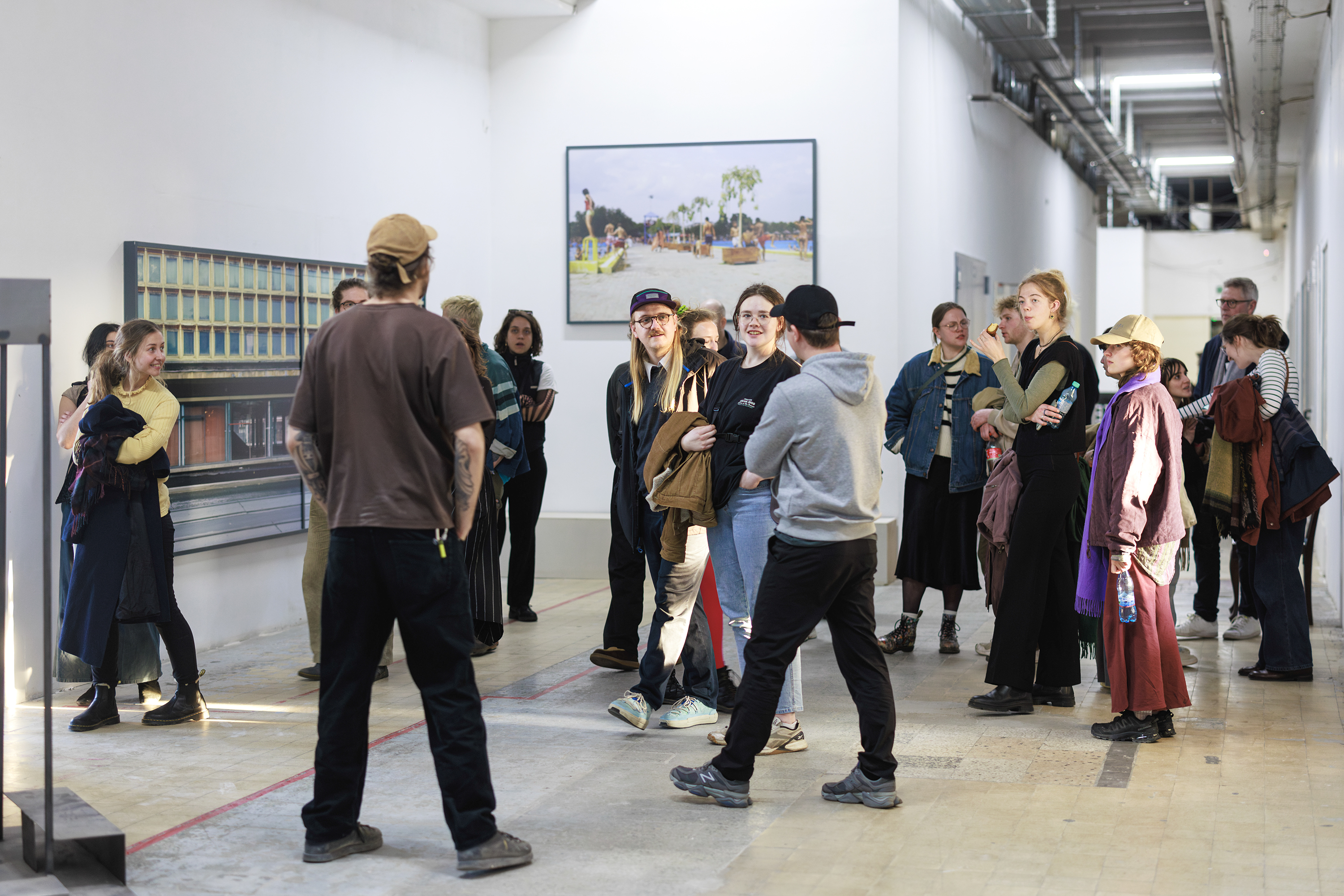
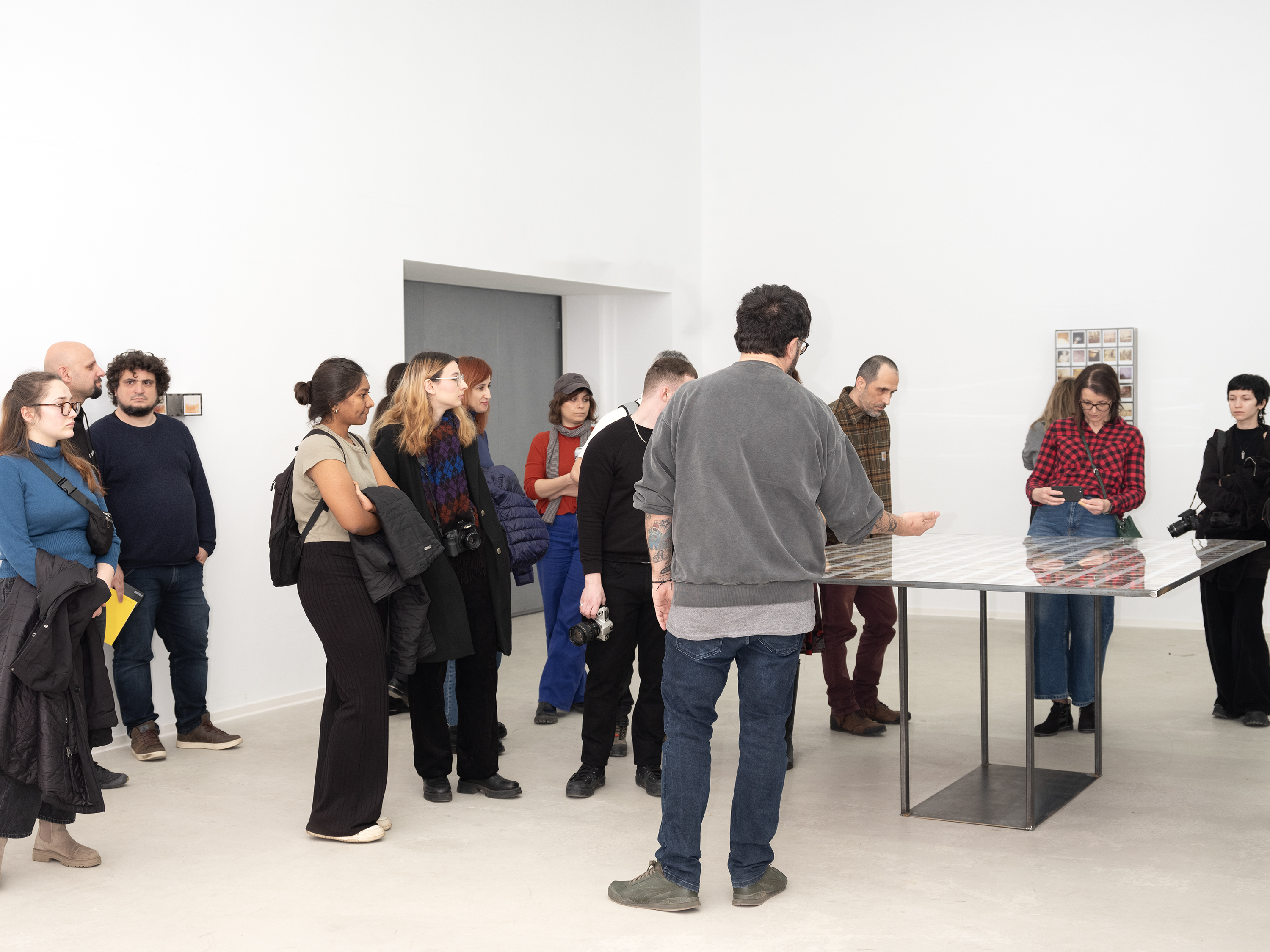
Civil society organisations and independent cultural actors have been involved through partnerships, co-produced events, and use of the space for public programmes. The space regularly hosts artist talks, book launches, discussions, and workshops that are open to the public and free or low-cost, ensuring accessibility beyond professional art circles.
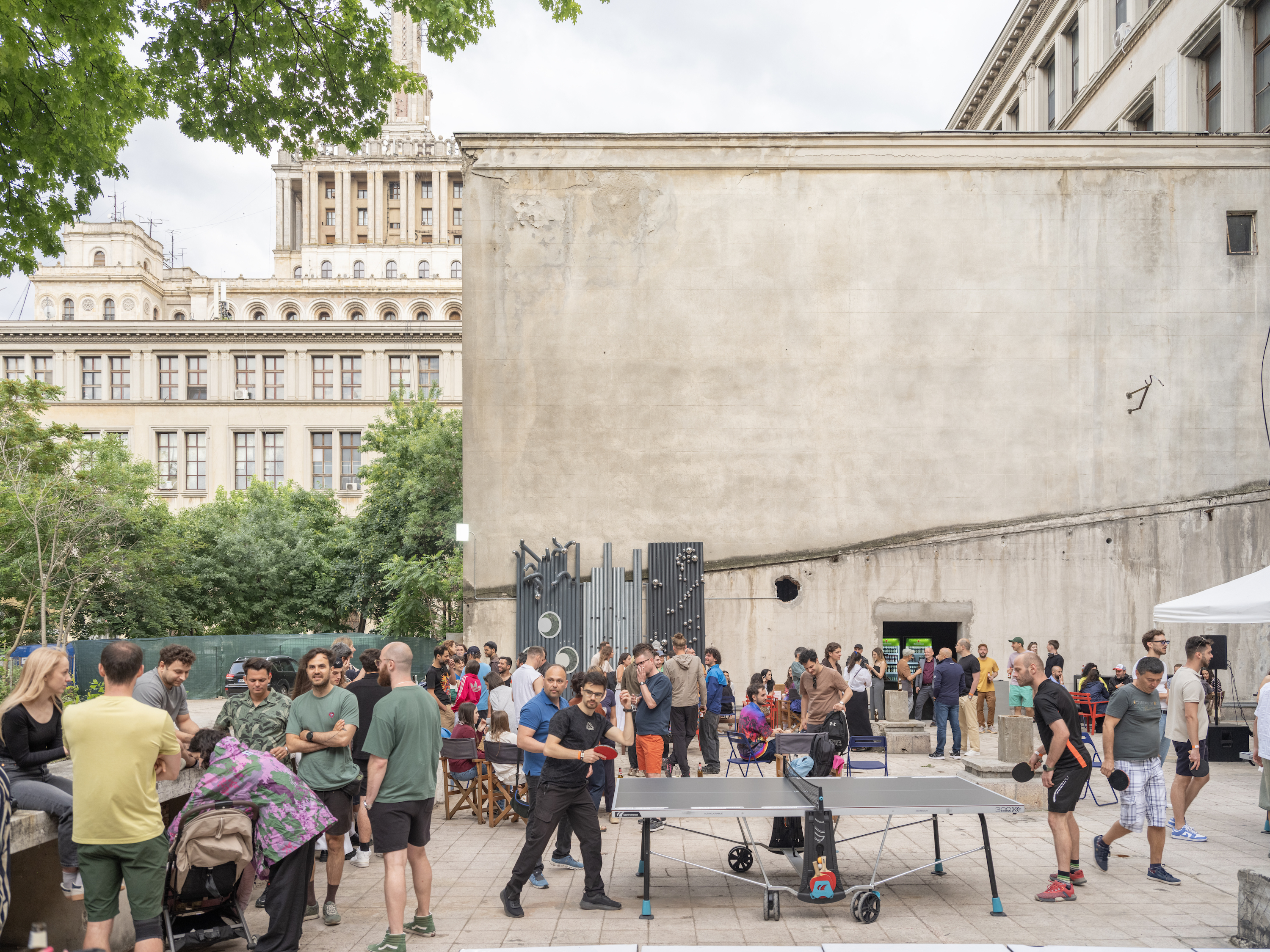
Local audiences, students, and visitors, are engaged as active participants rather than passive spectators. By opening previously inaccessible industrial spaces within Casa Presei Libere, the project reconnects citizens with a landmark building that had long been associated with exclusion and decay. Public access to exhibitions and events has helped shift perceptions of the site, transforming it into a place of encounter, dialogue, and cultural exchange.
The impact of this involvement is both social and cultural. Artists gain stable working conditions and peer networks; civil society organisations benefit from a flexible, independent platform; and citizens gain access to contemporary culture in a previously inactive area of the city.
Scânteia was developed through the involvement of stakeholders at multiple levels, whose engagement added legitimacy, resources, and long-term resilience to the project.
At the local level, the core stakeholders were artists, cultural workers, and local audiences. Artists were directly involved in shaping the project from the outset: identifying spatial needs, adapting studios and exhibition areas, and contributing to programming. Their role went beyond consultation, as many were active participants in renovation and co-producing exhibitions and public events.
At the city level, collaboration with public cultural funders and local authorities played a key enabling role. Financial support from cultural funding bodies, ARCUB, allowed the renovation of severely degraded spaces and ensured that the project could operate as a non-profit, affordable initiative rather than a commercial venture. This engagement demonstrated how public cultural funding can effectively support grassroots, artist-led regeneration initiatives.
At the national level, the project is supported through recurring public funding dedicated to cultural production from AFCN. These stakeholders played a crucial role in financing exhibition production and public programmes, strengthening the project’s institutional credibility and enabling long-term planning. In parallel, the exhibition programme is supported by constant sponsorship partnerships with major Romanian corporations, whose involvement provides financial stability.
At the European level, Asociația Scânteia aligns with New European Bauhaus values and engages with European cultural discourse through international artists, curators, and audiences participating in exhibitions and events. While primarily locally rooted, the project contributes to a shared European narrative on adaptive reuse, culture-led regeneration, and artist-led governance.
Scânteia was designed and implemented through a transdisciplinary approach that brought together multiple fields of knowledge, reflecting the complex nature of culture-led urban regeneration.
The visual arts are at the core of the project, as it was initiated and coordinated by artists and is primarily dedicated to artistic production, exhibition, and experimentation. Artistic practice informed both the spatial organisation and the public programme, ensuring that the spaces respond directly to contemporary artistic needs.
Architecture and spatial design played a key role through the adaptive reuse of industrial interiors within Casa Presei Libere. Rather than applying a top-down architectural redesign, spatial decisions were developed collaboratively, balancing functional requirements with respect for the building’s modernist and industrial character.
Urban studies and heritage knowledge informed the project’s understanding of the building’s historical, symbolic, and urban significance. The transformation of a former propaganda centre into an open cultural space reflects an awareness of how built heritage can be reinterpreted to serve contemporary social and cultural needs.
Cultural management and education were integrated through the organisation of public programmes such as artist talks, workshops, book launches, and discussions, which translate artistic practice into accessible forms of knowledge exchange.
Social sciences and community practice were reflected in the participatory governance model and in the project’s focus on community building, affordability, and inclusion. Informal feedback, peer-to-peer learning, and collective decision-making shaped both the implementation and ongoing operation of the centre.
Asociația Scânteia operates through a hybrid, non-profit business model that combines earned income, public funding, and private-sector support, ensuring long-term financial sustainability while preserving its cultural and social mission.
A core pillar of the model is stable, recurring revenue generated through affordable long-term rentals of artist studios. These rents are set below market level but provide predictable monthly income that covers essential operational costs such as utilities, basic maintenance, and administration. This structure allows artists to access secure studios while ensuring continuity for the organisation.
The second pillar consists of public cultural funding dedicated primarily to programme and exhibition production. Asociația Scânteia is a regular beneficiary of competitive grants from Administrația Fondului Cultural Național (AFCN), the Ministerul Culturii, and ARCUB. These funds support the development of exhibitions, public events, educational activities, and artist fees, reducing dependence on commercial income and ensuring artistic independence.
A third pillar is formed by long-term sponsorship partnerships with major Romanian corporations, which support the exhibition programme and specific cultural projects. These partnerships provide financial stability, enable higher production standards, and represent a form of cross-sector collaboration between independent culture and the private sector, without influencing curatorial autonomy.
In addition, the centre generates own-source revenue through cultural events and hospitality activities. Scânteia periodically organises public parties and social events with entry fees, which attract diverse audiences and strengthen the centre’s role as a social and cultural meeting point. The project also operates a bar within the Scânteia centre, generating regular supplementary income that directly supports daily operations and programming costs.
Scânteia is conceived as a context-specific project, yet many of its core elements are transferable and can be replicated in other cities, regions, or cultural contexts facing similar challenges.
A key transferable element is the artist-led adaptive reuse model. The project demonstrates how underused industrial buildings can be reactivated through low-cost interventions driven by end users rather than speculative development. This approach can be applied in other post-industrial or post-socialist cities where large-scale buildings remain vacant but structurally viable.
The incremental development strategy is another scalable aspect. Scânteia did not emerge fully formed, but grew step by step, first studios and small galleries, followed by expansion into a kunsthalle-type space in response to real demand. This phased approach reduces financial risk and allows projects to adapt organically to community needs.
The hybrid financial model is also transferable. By combining affordable studio rents, public cultural funding, corporate sponsorships, and own-source revenues from events and hospitality, the project demonstrates how independent cultural infrastructure can achieve long-term sustainability without commercialising its core mission.
In terms of governance, Scânteia’s artist-led, non-profit structure with participatory decision-making offers a replicable alternative to hierarchical institutional models. Empowering users as contributors builds resilience, trust, and relevance across different contexts.
The project offers key learnings in culture-led urban regeneration: the importance of long-term leases, collaboration with public funders, reuse over demolition, and maintaining accessibility through affordability. Together, these elements form a flexible toolkit that can be adapted to different scales and locations, supporting inclusive, sustainable cultural ecosystems across Europe.