Enhancing Circularity, Sustainability, and Innovation
Phenomenon network (Ilmiöverkosto)
Phenomenon network: Connecting Practice and Research for Change
Phenomenon network brings together real estate and construction practitioners and researchers in Finland to address systemic transformation across all dimensions of sustainability. It applies a research-based, participatory, and interdisciplinary approach with strong links to industry practice. By building skills and shared understanding, it equips actors to navigate a rapidly changing operating environment and catalyses REC-sector renewal in Finland in alignment with the New European Bauhaus.
Finland
National
It addresses urban-rural linkages
It involves other types of transformations (soft investment)
Yes
2025-05-14
No
No
No
Organisation
The Phenomenon Network (Ilmiöverkosto) is a Finnish initiative that builds a shared, research-based understanding of the systemic transformation of the real estate and construction sector (REC-sector). It brings together practitioners, researchers, and public actors nationwide to identify key drivers of change and emerging solution areas shaping the sector’s future. Rather than isolated findings, the results form an interconnected network of phenomena, reflecting the systemic forces shaping the REC-sector.
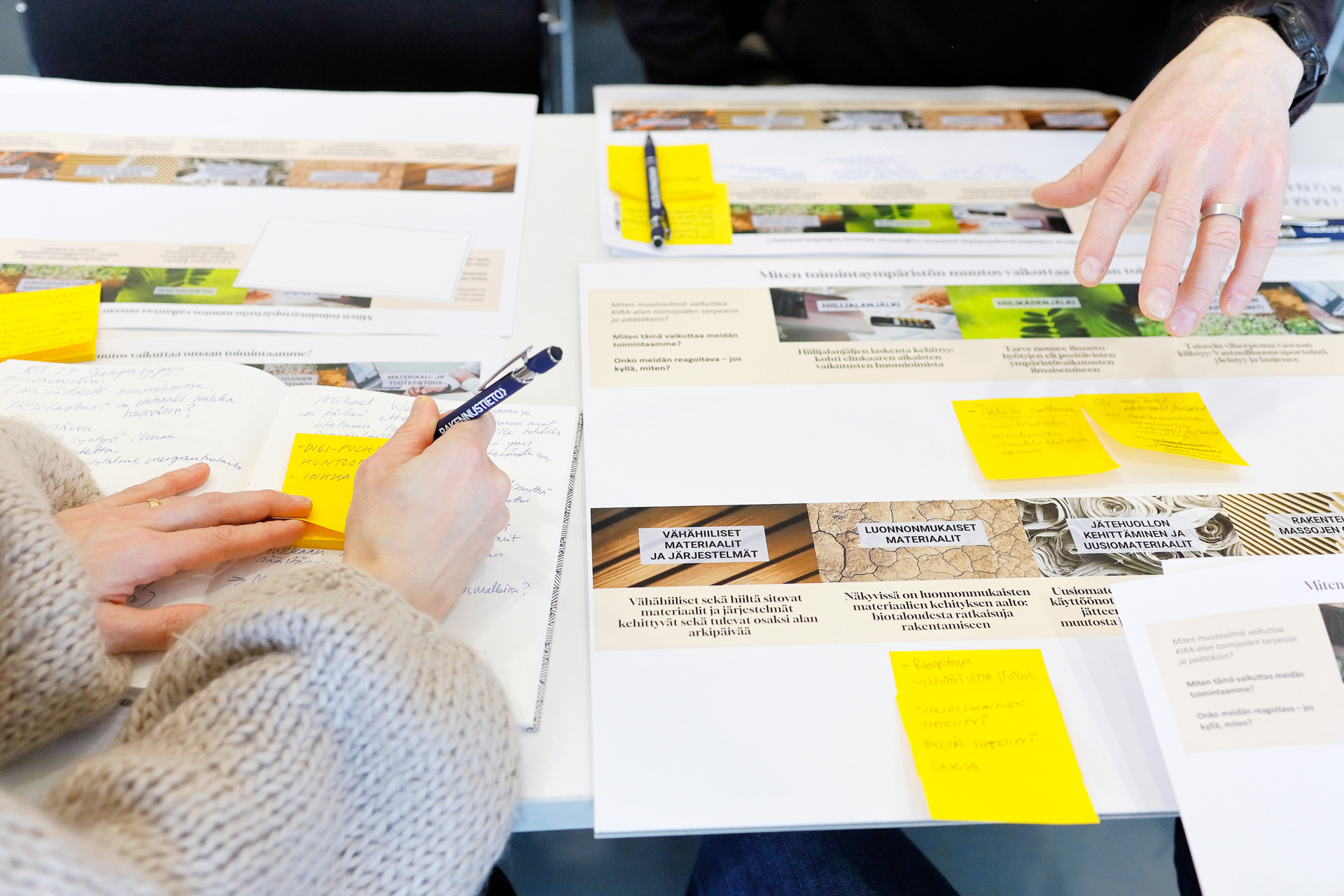
Developed in line with New European Bauhaus (NEB) values, the project is rooted in participation, co-creation, and transdisciplinary collaboration. It brings together REC-sector companies, public actors, and researchers, breaking down silos between disciplines and integrating sustainability perspectives across building physics, structures, HVAC systems and architecture. Through events and workshops, it fosters dialogue and shared learning across sectors.
The core output is a comprehensive publication (14 May 2025) that structures the sector’s transformation in Finnish context into an accessible and actionable whole, integrating all dimensions of sustainability. The main result, methods, tools, and engagement models used in this project are fully operational and replicable. Yet, impact scaling is still ongoing—through events, podcasts, and workshops. The workshops, for example, help organisations translate insights into action, build capabilities, and embed systemic thinking into everyday decision-making across the built environment sector. The podcasts provide an accessible entry point to the results through curated 20-minute interview formats.
In the long term, Phenomenon Network strengthens the REC-sector’s capacity in Finland to navigate sustainability transitions, accelerates innovation uptake, and drives systemic change by aligning actors around shared knowledge, priorities, and future-oriented solutions in line with the New European Bauhaus.
The Phenomenon Network project emerged from a clear gap: while high-quality research on the built environment exists, it is often fragmented and difficult to translate into a coherent overall picture that supports practical development — especially for SMEs. At the same time, the REC-sector faces unprecedented pressures: climate change, biodiversity loss, the energy transition, geopolitical uncertainties, resource scarcity, and growing pressures on human well-being.
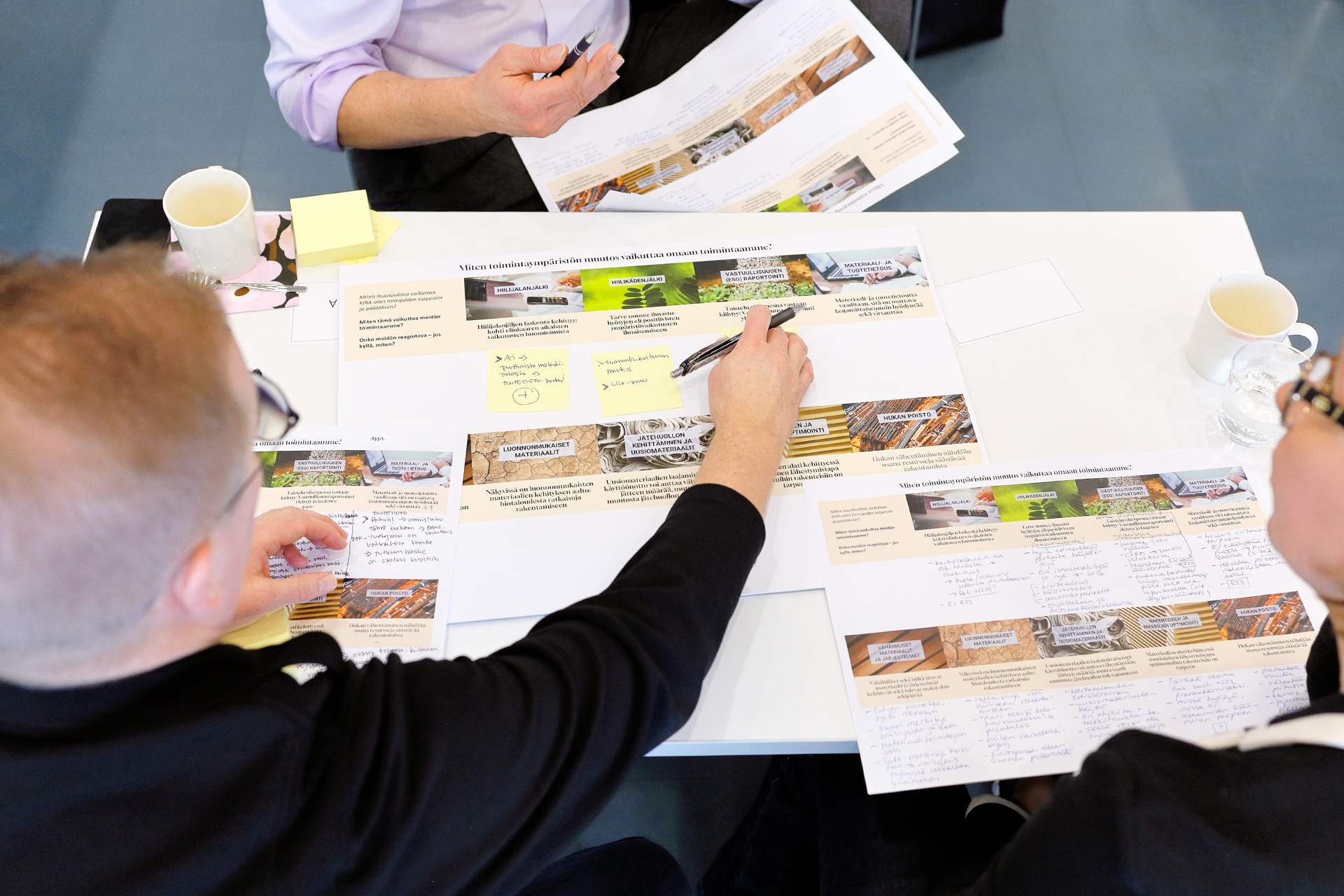
To address this, the Phenomenon Network was developed as a collaborative, research-to-practice platform. The implementation followed a structured, multi-phase process: a literature review (international, mainly European context) to identify drivers, a three-round Delphi study with 160 Finnish experts to define key change phenomena, in-depth interviews, and co-writing with specialists and researchers.
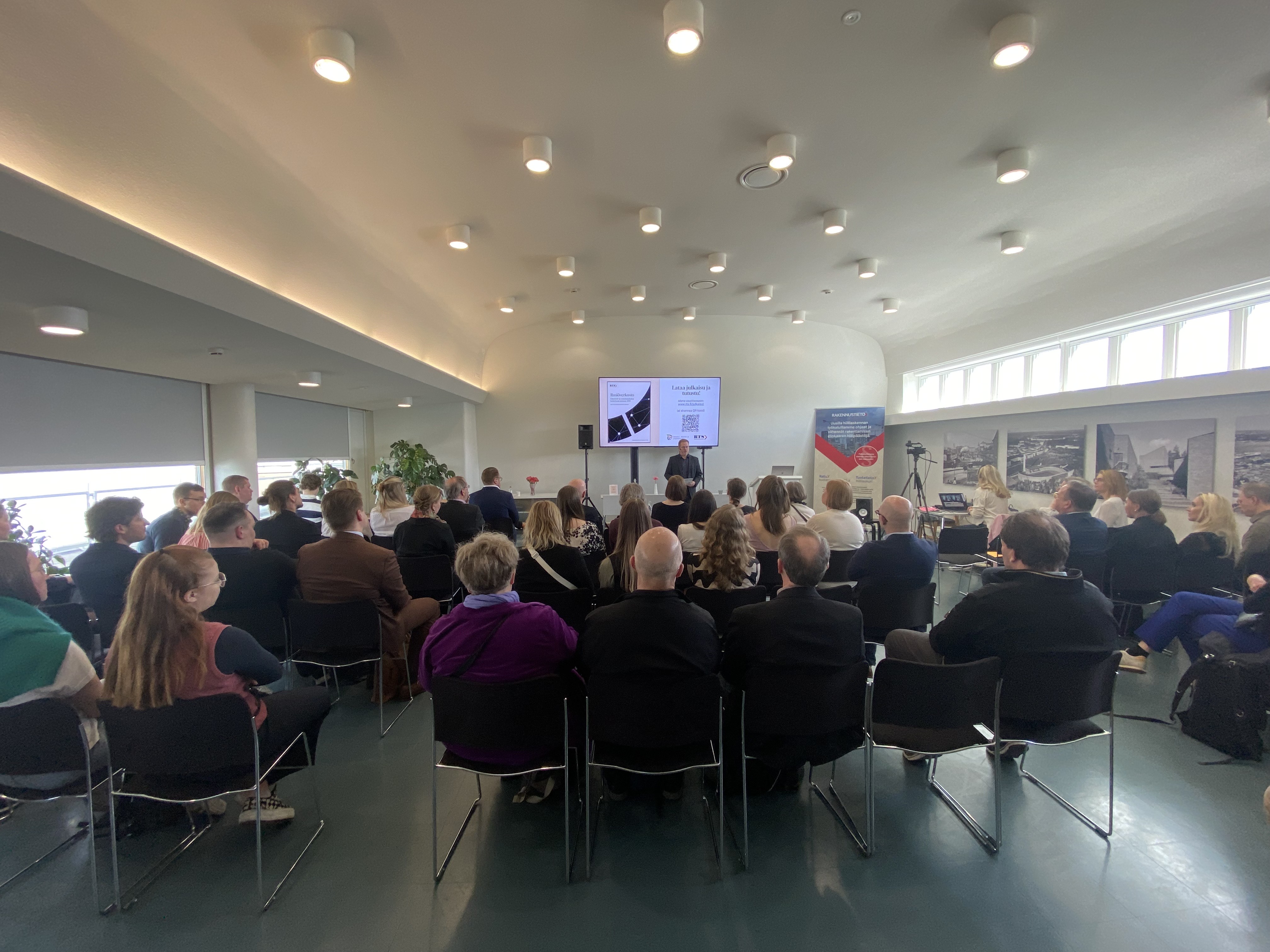
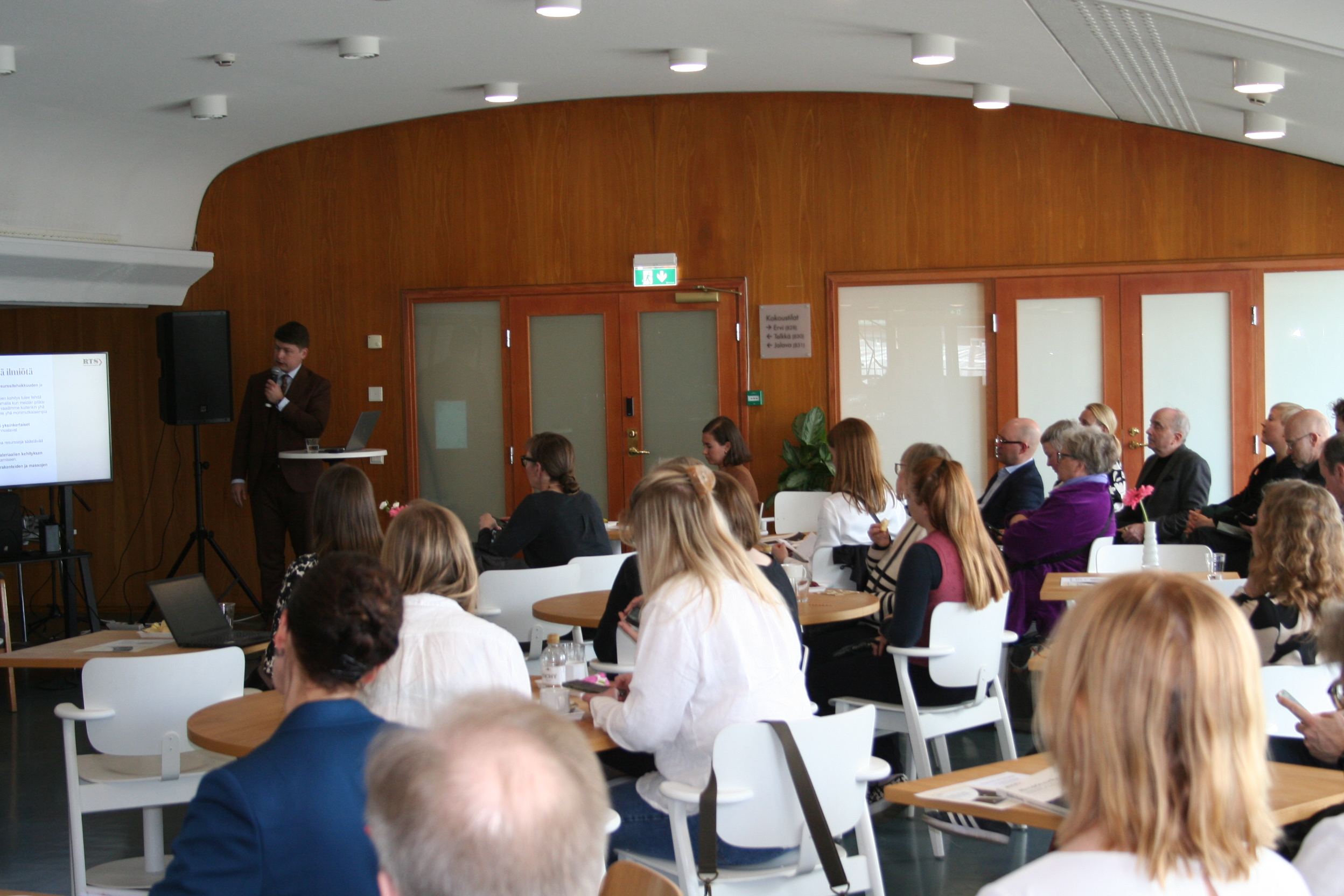
The project has been implemented at national scale through an extensive ecosystem approach. It includes workshops, public events and podcasts. These formats ensure that knowledge is not only produced but actively disseminated and developed into practical application through multiple formats. In addition to the core content, the workshops have introduced companies to development, innovation, and investment funding opportunities (including NEB funding opportunities), providing concrete stepping stones for further scaling and implementation.
Systemic transformation
Built environment
Sector development
Knowledge co-creation
Knowledge brokerage
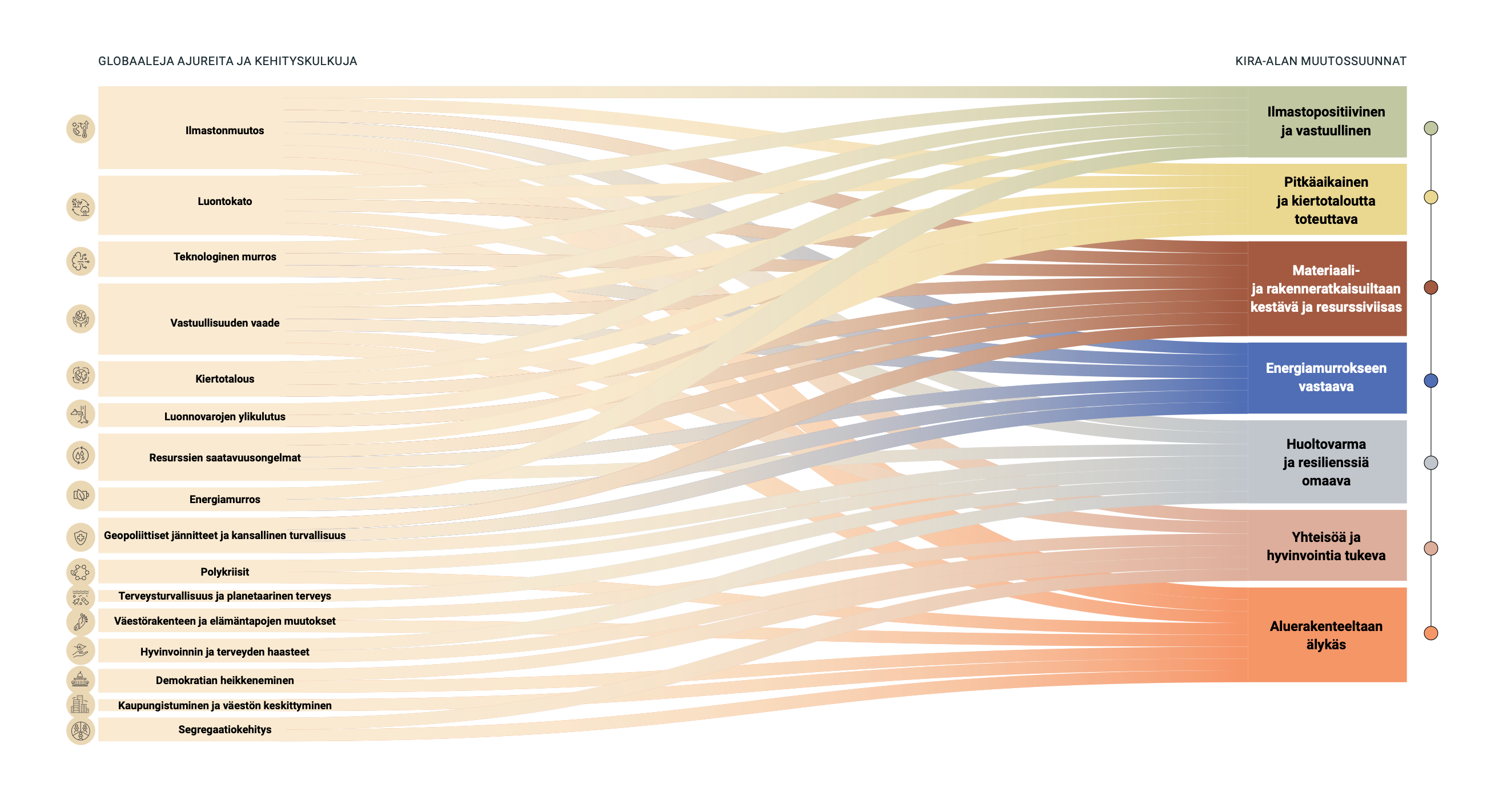
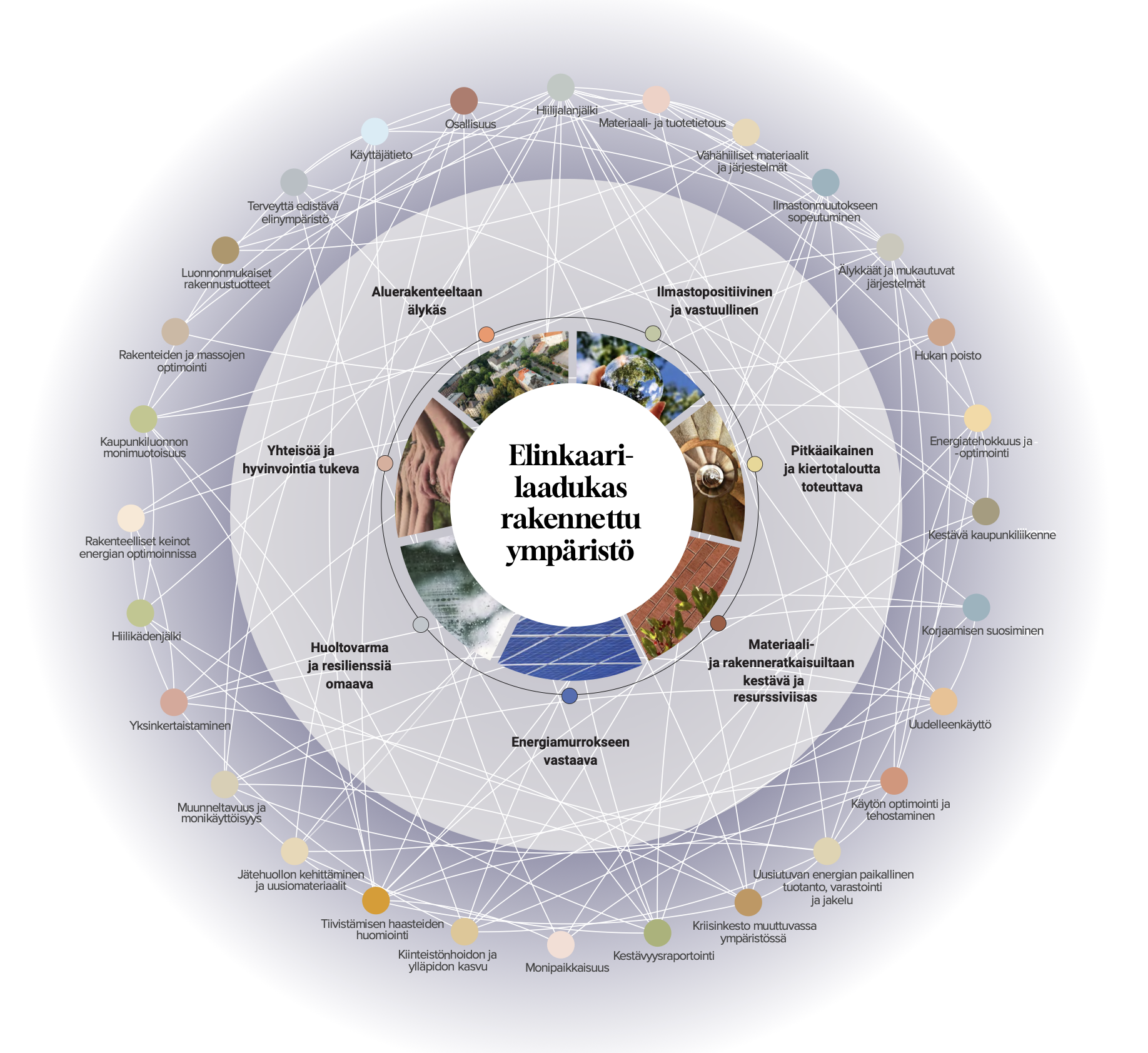
The Phenomenon Network frames the transformation of the REC-sector as part of a broader sustainability transition. It brings together both the key systemic drivers of change and a wide range of more concrete development themes into one structured whole: a network of interlinked change directions and phenomena. The framework draws on the multi-level perspective (MLP), developed by Frank W. Geels, which provides a lens for understanding how systemic change unfolds.
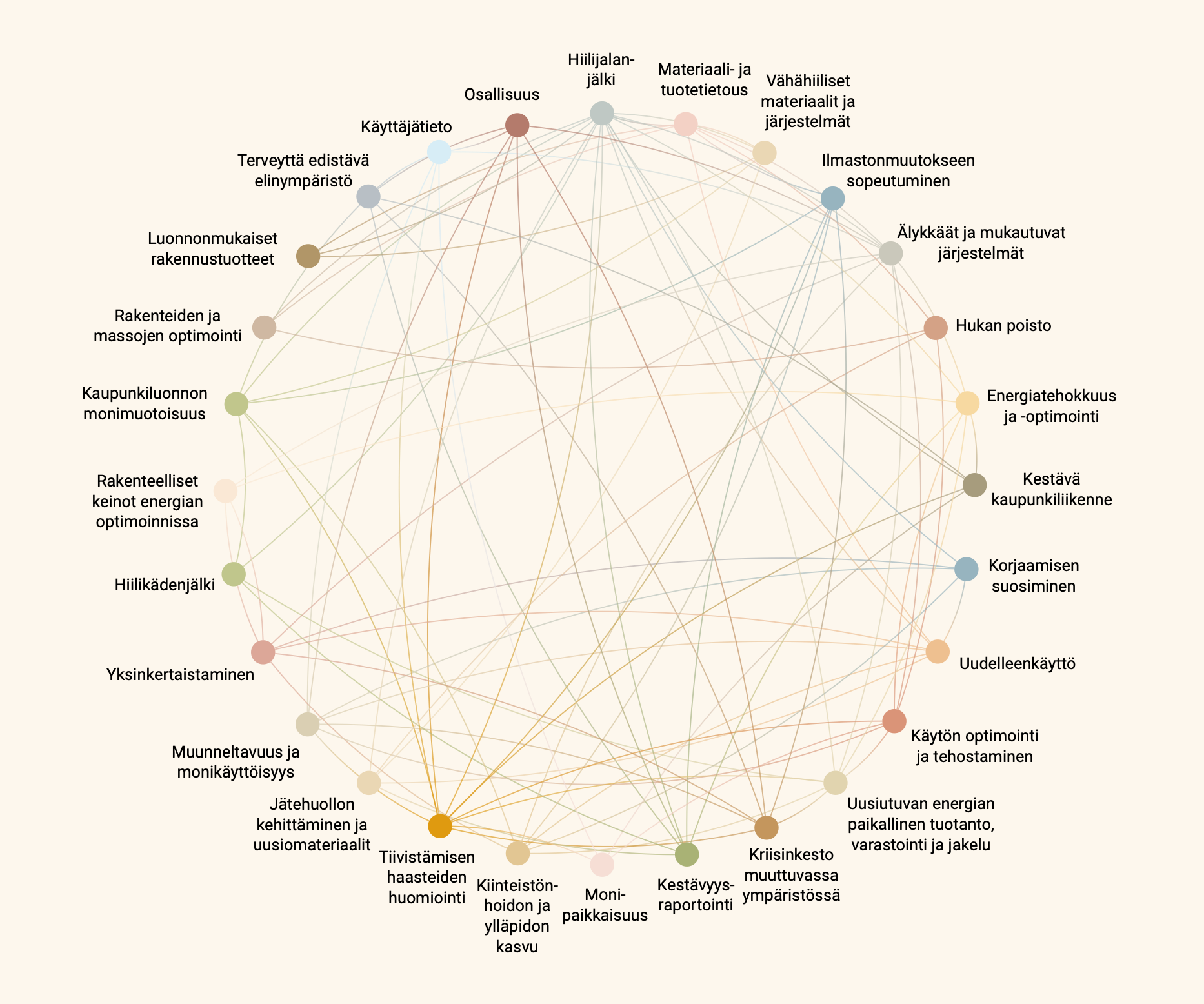
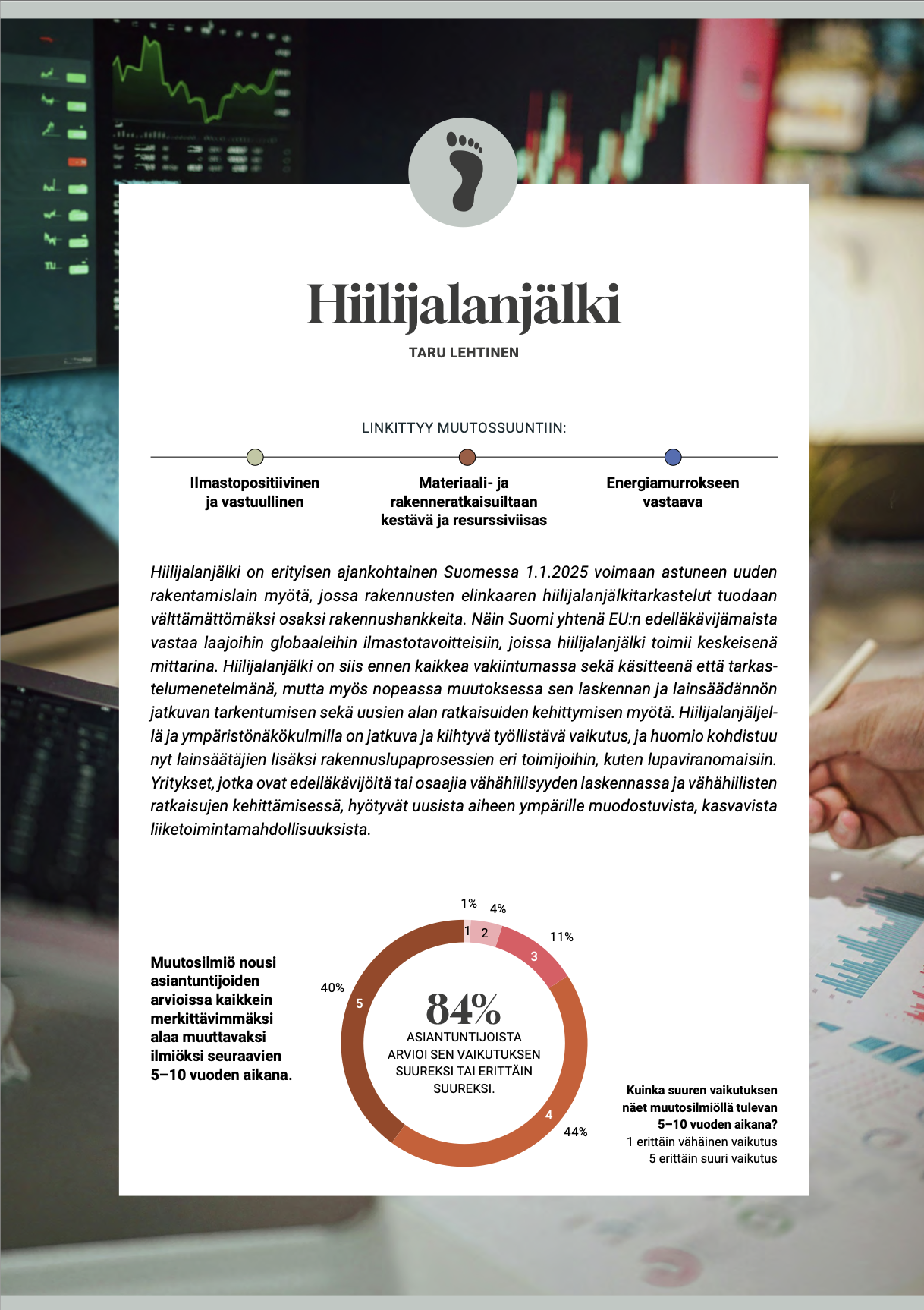
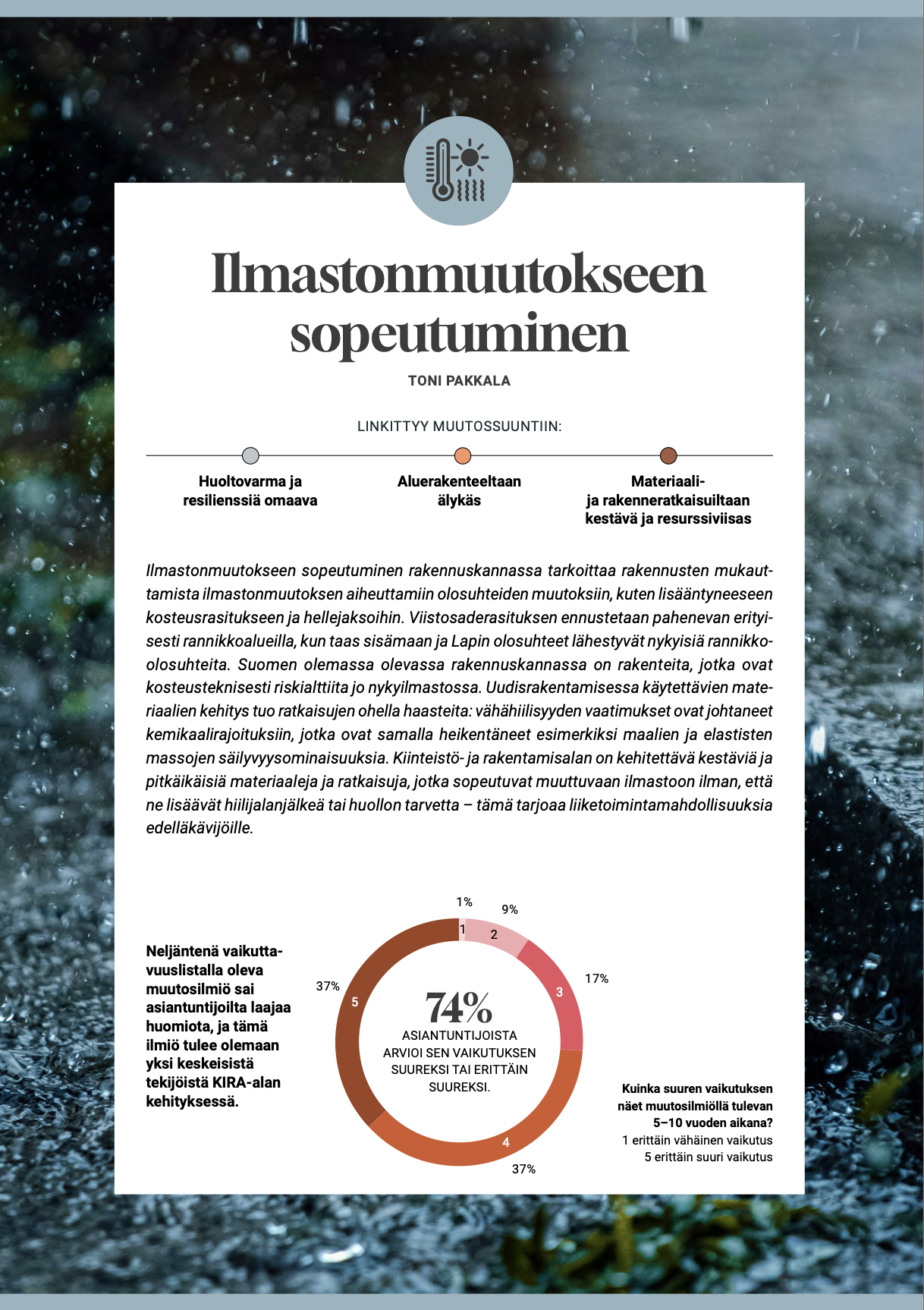
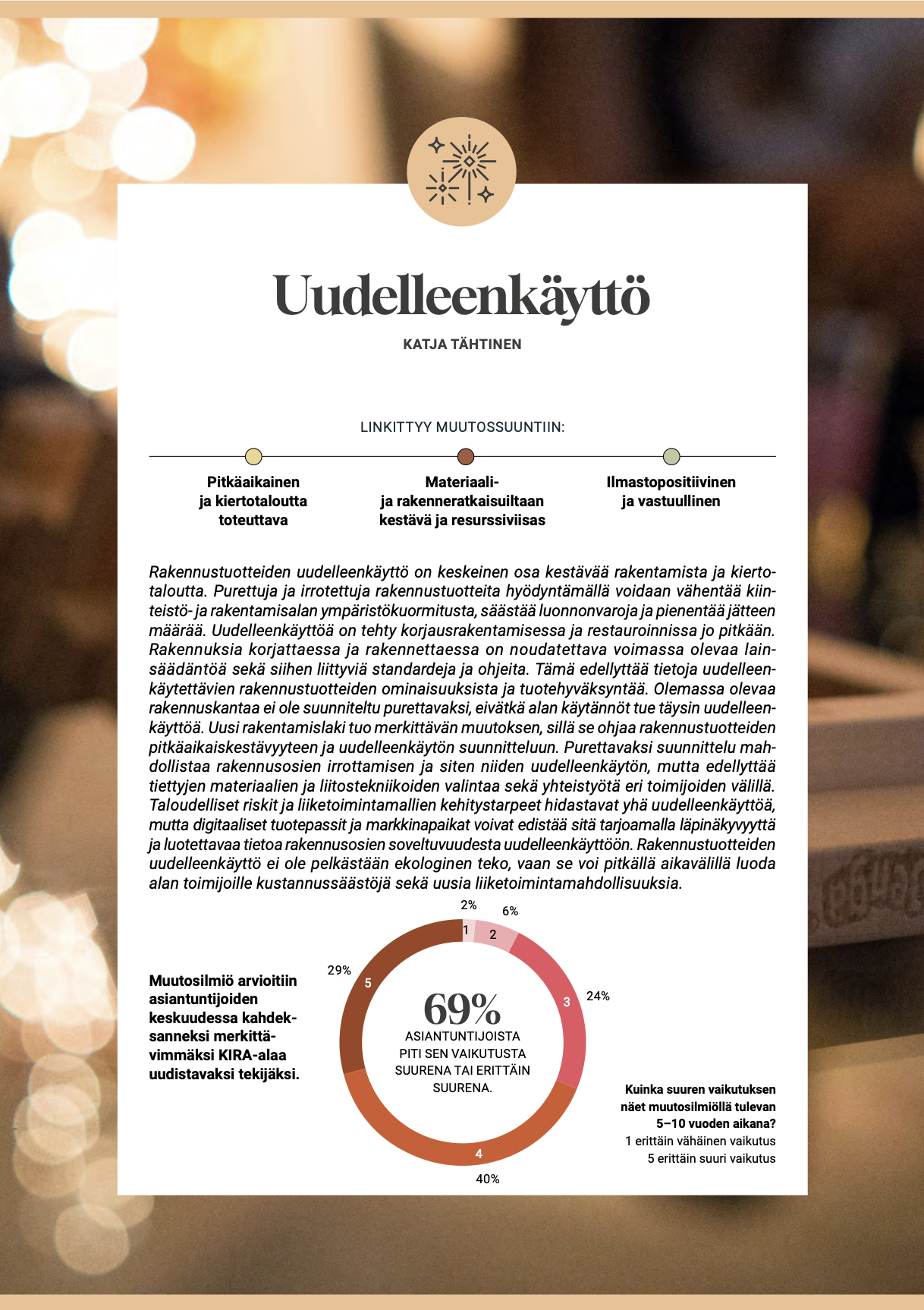
Within this structure, (1) seven change directions describe the overarching sustainability drivers shaping the REC sector. The next layer consists of (2) change phenomena—current and emerging clusters of solutions that are transforming industry practices. The change phenomena translate the directions into actionable themes. These include carbon footprint and carbon handprint, material knowledge, low-carbon materials and systems, climate adaptation, smart and adaptive systems, waste reduction, energy efficiency and optimisation, sustainable urban mobility, prioritising renovation, reuse and DfD, optimisation of use, local renewable energy production, resilience, sustainability reporting, multi-locality, maintenance, densification challenges, circular materials, adaptability, simplification, structural optimisation, nature-based materials, urban biodiversity, health-promoting environments, user knowledge, and participation. On the outermost layer are (3) cross-cutting themes, i.e. transversal solutions that support and enable the realisation of each change phenomenon.
The key added value of this work lies in how the network brings these elements together into a coherent whole, co-created with dozens of researchers and over 160 Finnish industry experts. Together, these elements form an interconnected system. The work demonstrates that sustainability in the built environment emerges from the deliberate integration of multiple dimensions, thereby advancing NEB thinking within the Finnish REC-sector.
The Phenomenon Network project frames aesthetics as a human-centred and future-oriented quality of the built environment — not merely something visually pleasing, but something that remains usable, inclusive, and valuable throughout its lifecycle and across different contexts.
Themes such as adaptability emphasize that spaces should not be designed for a single fixed purpose but should accommodate evolving life situations, hybrid work, ageing populations, diverse household structures, and shifting social needs. A health-promoting built environment adds another dimension: beauty is experienced through comfort, safety, accessibility, connection to nature, and environments that support both physical and mental well-being. Urban biodiversity contributes an aesthetic quality that goes far beyond visual decoration. In this sense, beauty lies not only in how a place looks, but in how it feels, supports well-being, and connects people to everyday nature.
Importantly, aesthetic dimensions are closely interconnected with more technical sustainability themes. When translating these insights into practice, companies have been challenged to consider how they can integrate themes such as multi-location living, adaptability, health-promoting environments, and urban biodiversity into their business models, leveraging them as sources of innovation and competitive advantage in the market.
Inclusion is addressed in the Phenomenon Network both as a process and as an outcome. A key highlight is that inclusion cannot be achieved through expert knowledge alone; it requires the systematic collection and use of user insight throughout the lifecycle of the built environment: from goal-setting and planning to implementation, use, and post-occupancy evaluation. Data gathered through surveys, interviews, workshops, co-design, and feedback processes helps reveal real needs, barriers, and inequalities that would otherwise remain invisible. This strengthens the knowledge base for creating fairer, more user-centered, and meaningful environments.
The work also emphasizes that participation must be influential rather than symbolic. Inclusive governance requires moving beyond one-way consultation towards shared understanding, co-creation, and genuine opportunities to shape outcomes. Inclusion is reflected in reducing exclusion, loneliness, and segregation; it also supports economic sustainability by improving user satisfaction, long-term property value, and resource allocation. At the same time, it advances environmental sustainability by enabling the development of long-lasting, adaptable, and well-utilized buildings.
Overall, inclusion is not treated as a separate theme but as inherently connected to broader sustainability goals. In translating these ideas into practice, a central question for companies has been how to embed inclusion into everyday operations — for example, how to systematically collect and utilize user knowledge so that it becomes a continuous source of learning and sustainable growth?
The project has embedded participation as a core methodological principle by engaging a broad and diverse group of stakeholders throughout the entire process. Rather than relying on one-way consultation, it was built on iterative and multi-directional interaction with researchers, experts, practitioners, and representatives of different sectors.
The participants actively shaped the content, priorities, and framing of the work. Through a three-round Delphi process, participants first identified emerging change phenomena, then evaluated their relevance, and finally co-developed concrete actions for implementation. This iterative approach enabled participants to reflect on others’ views, refine their own perspectives, and collectively build shared understanding. In addition, targeted interviews and collaborative writing further deepened the co-creation process, ensuring that multiple perspectives—including practical, scientific, and societal, were integrated.
Overall, by March 2026, the Phenomenon Network project has engaged built environment actors in Finland actively and interactively approximately 890 times* through its network activities:
Expert panel participating in the Delphi study: 160 experts
Research interviews and collaborative writing: 25 experts
Project-organised events (gathering insights and sharing knowledge): 534 participants
Expert speakers at project-organised events: 40 experts
Futures workshops (gathering insights and sharing knowledge): 129 participants
*Yet, it is important to note that some participants have been involved repeatedly in different roles, which demonstrates the project’s success in actively engaging stakeholders.
In addition, the project has reached a significantly wider audience: it has been widely presented across Finland, reaching over 1,000 listeners. The project’s podcasts have also surpassed 1,000 listens, with numbers steadily growing, and event streams further demonstrate engagement.
The project applied a multi-level approach. At the European level, it was grounded in an extensive review of international, primarily European, literature, which informed and guided the national engagement. Based on this foundation, seven overarching change directions were defined, providing a structured and European framework for identifying key change phenomena in the national context.
At the national level, Finnish built environment experts, including researchers, companies, and public actors, played a central role. Through a Delphi process, interviews, and collaborative writing, they actively contributed to defining and refining both the change directions and the phenomena. At the local and regional levels, practitioners and organisations participated through events and workshops, bringing practical insights and testing the relevance of the results in real-world contexts.
The added value of this approach lies in its ability to combine research-based knowledge (drawing on interdisciplinary scientific expertise and literature) with practice-driven insights from a wide range of practitioners. This integration strengthens both the relevance and the applicability of the outcomes across different levels.
The Phenomenon Network project was deliberately transdisciplinary. The project’s core value lies in creating a coherent whole that transcends traditional boundaries between disciplines and/or knowledge fields. Rather than treating these perspectives separately, the project integrates knowledge into a shared understanding. This enables the identification of interconnected change directions and phenomena that reflect the complexity of the built environment as a socio-technical system.
Futures research methods supported this integration, while collaborative approaches, such as workshops and co-writing, enabled knowledge to be combined across disciplines and professional roles. The added value of this approach lies in its ability to move beyond fragmented, discipline-specific solutions and instead generate systemic, actionable insights that support sustainable transformation across the entire built environment sector.
Futures research methods supported this integration, while collaborative approaches, such as workshops and co-writing, enabled knowledge to be combined across disciplines and professional roles. The added value of this approach lies in its ability to move beyond fragmented, discipline-specific solutions and instead generate systemic, actionable insights that support sustainable transformation across the entire built environment sector.
The Phenomenon Network is operated by a non-profit foundation working in the public interest, with the aim of advancing the sustainable transformation of the built environment sector. The activities of the Phenomenon Network are primarily funded through public support: the project has received development funding from the Finnish ELY Centre (Centre for Economic Development, Transport and the Environment) in Finland for the period 2023–2026. In addition, the foundation contributes its own funding to the project. This blended funding model, combining public funding with the foundation’s own funding and resources, enables neutral, high-quality work that is not driven by individual commercial interests, while still remaining closely connected to practical industry needs. The blended funding model allows also continuity, and long-term development.
The Building Information Foundation RTS sr is a non-profit, neutral, and independent influencer in the Finnish REC-sector. The foundation promotes a sustainable and high-quality built environment that supports human well-being. In collaboration with its networks, it implements research and development projects, advances innovative practices in the REC-sector, and accelerates collaboration between research and practice. The foundation’s own mission and long-term agenda to advance the REC-sector and its development towards holistic sustainability ensure that the results of the Phenomena Network remain usable over time. The foundation’s activities also enable the wide rollout and scaling of the results, which is actively underway.
The Building Information Foundation RTS sr is a non-profit, neutral, and independent influencer in the Finnish REC-sector. The foundation promotes a sustainable and high-quality built environment that supports human well-being. In collaboration with its networks, it implements research and development projects, advances innovative practices in the REC-sector, and accelerates collaboration between research and practice. The foundation’s own mission and long-term agenda to advance the REC-sector and its development towards holistic sustainability ensure that the results of the Phenomena Network remain usable over time. The foundation’s activities also enable the wide rollout and scaling of the results, which is actively underway.
The Phenomenon Network model is highly scalable. One scalable element is the process itself: it begins with a European-level literature review to establish a shared knowledge base, continues with national-level Delphi studies and researcher collaboration to identify and refine key themes, and extends to regional and local engagement through events and workshops built around the generated knowledge.
This multi-stage process creates a continuous flow from broad evidence to contextualised insights and practical application, making it highly transferable to other contexts. This structured yet flexible approach can be adapted to different national or regional contexts. A Europe-wide knowledge exchange could be significantly strengthened if similar models were implemented across different countries and linked through shared platforms for collaboration and learning. Establishing structured arenas for cross-country dialogue would enable continuous comparison, mutual learning, and the scaling of best practices beyond national contexts.
Another scalable element is the MLP-inspired linkage between high-level change directions, articulated for the REC sector, and concrete, emerging solution bundles operationalised as change phenomena. While these elements, especially at the level of overarching drivers, are likely to be somewhat similar across countries, the “regime” layer between them, shaped by local regulations, market structures, and practices, functions differently in each context. Systematic comparison across countries would provide valuable insights into how sectoral transformation unfolds in practice and help identify effective, transferable best practices.