Enhancing Circularity, Sustainability, and Innovation
SettBox
Modular storage system
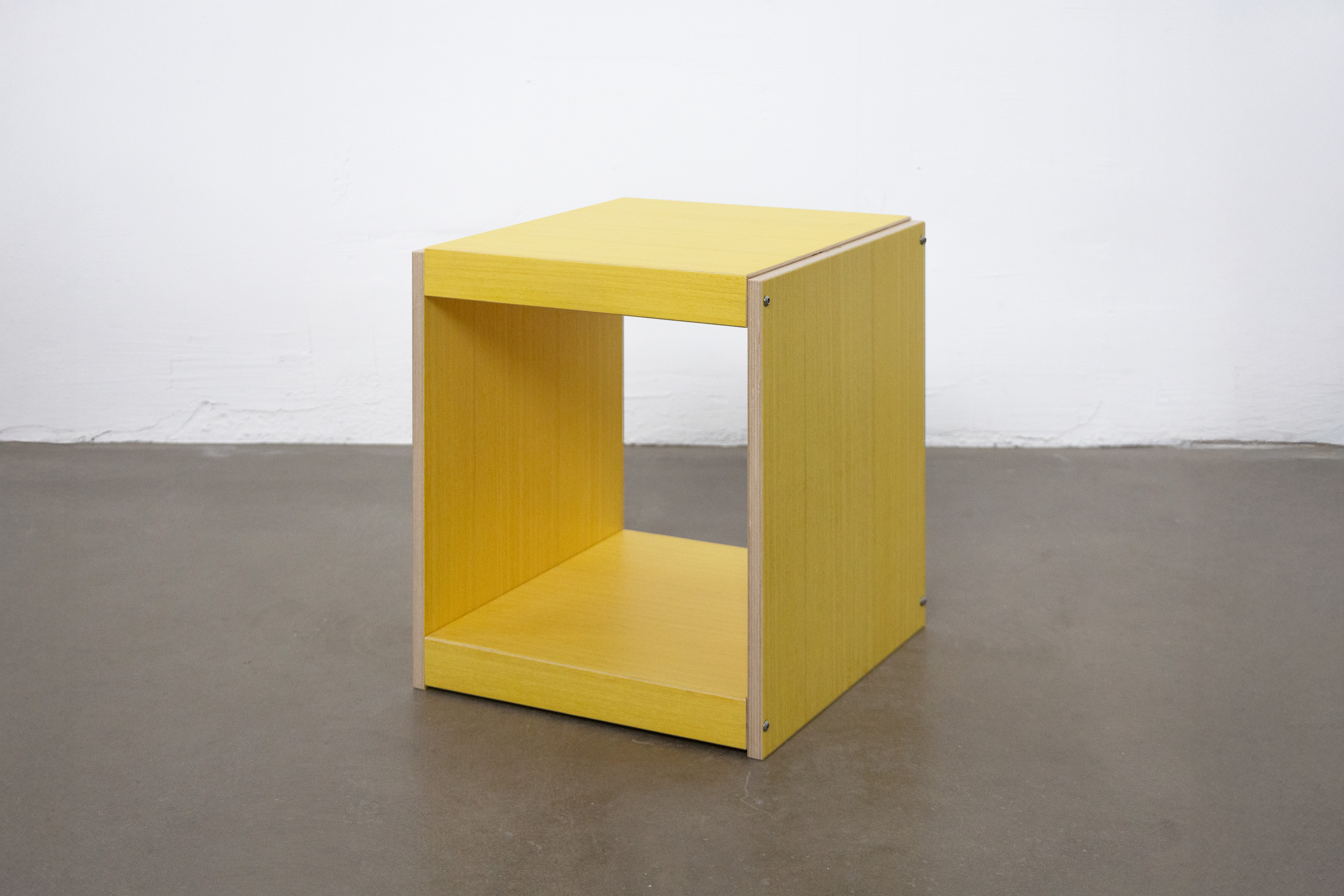
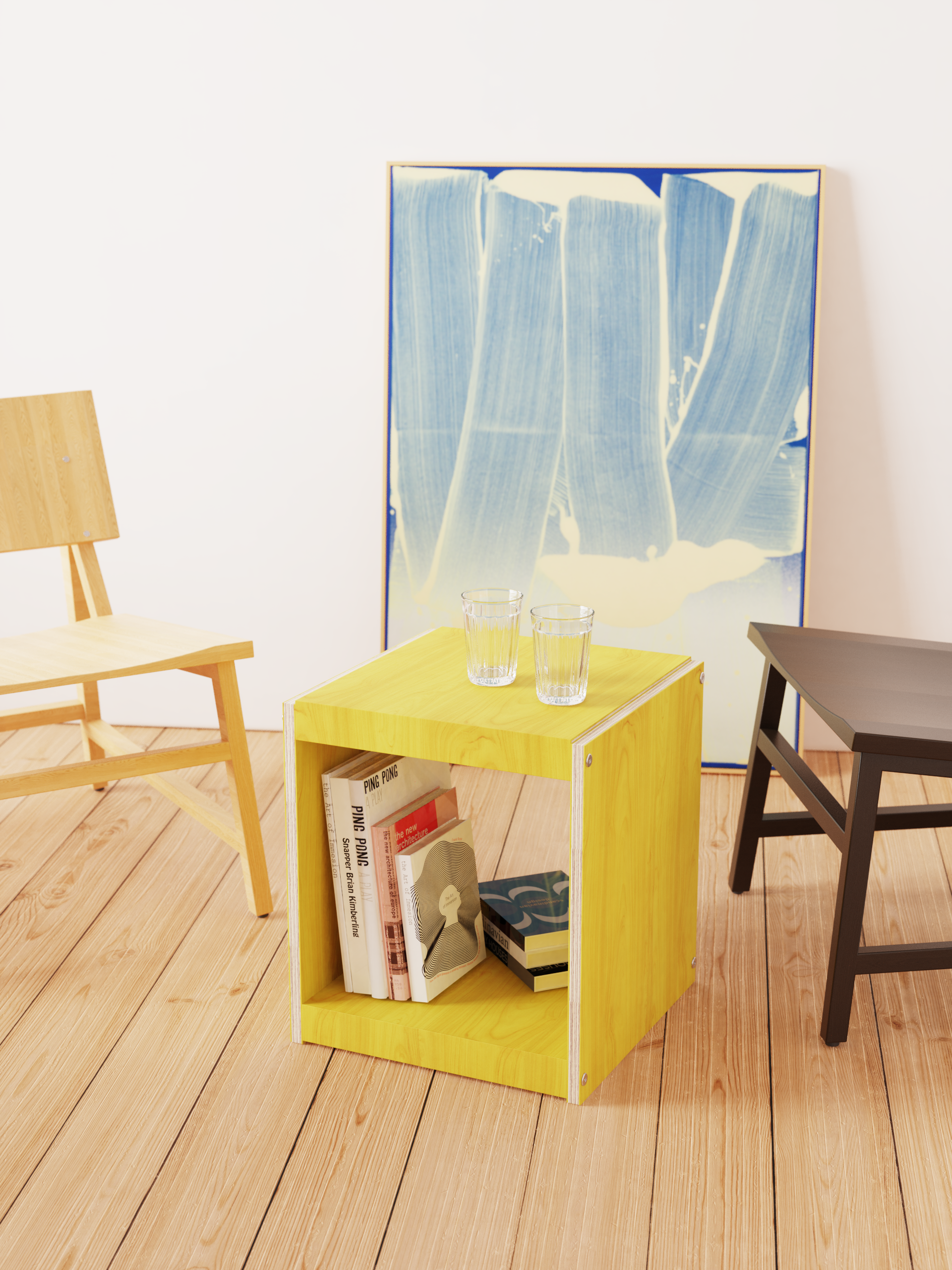
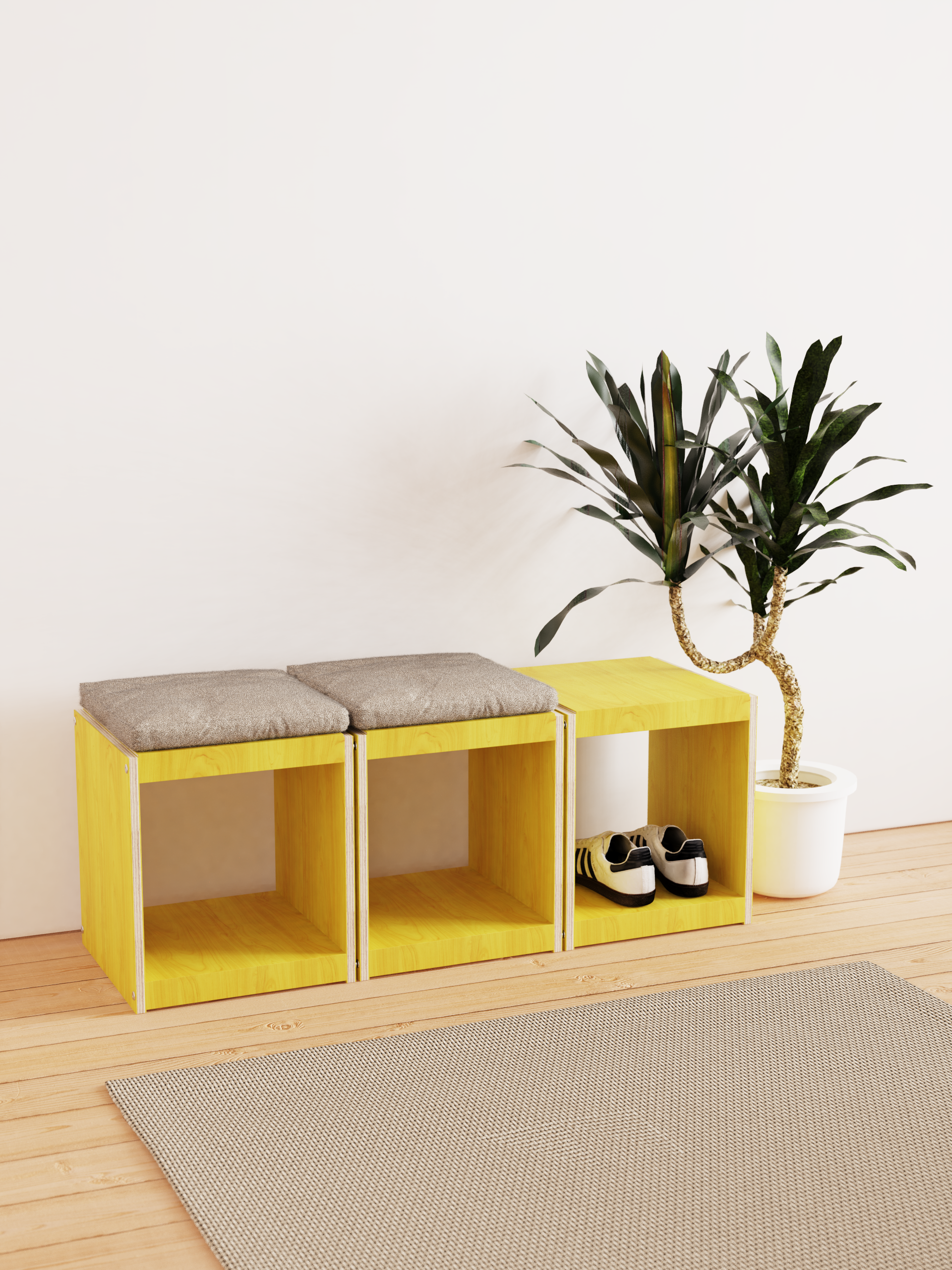
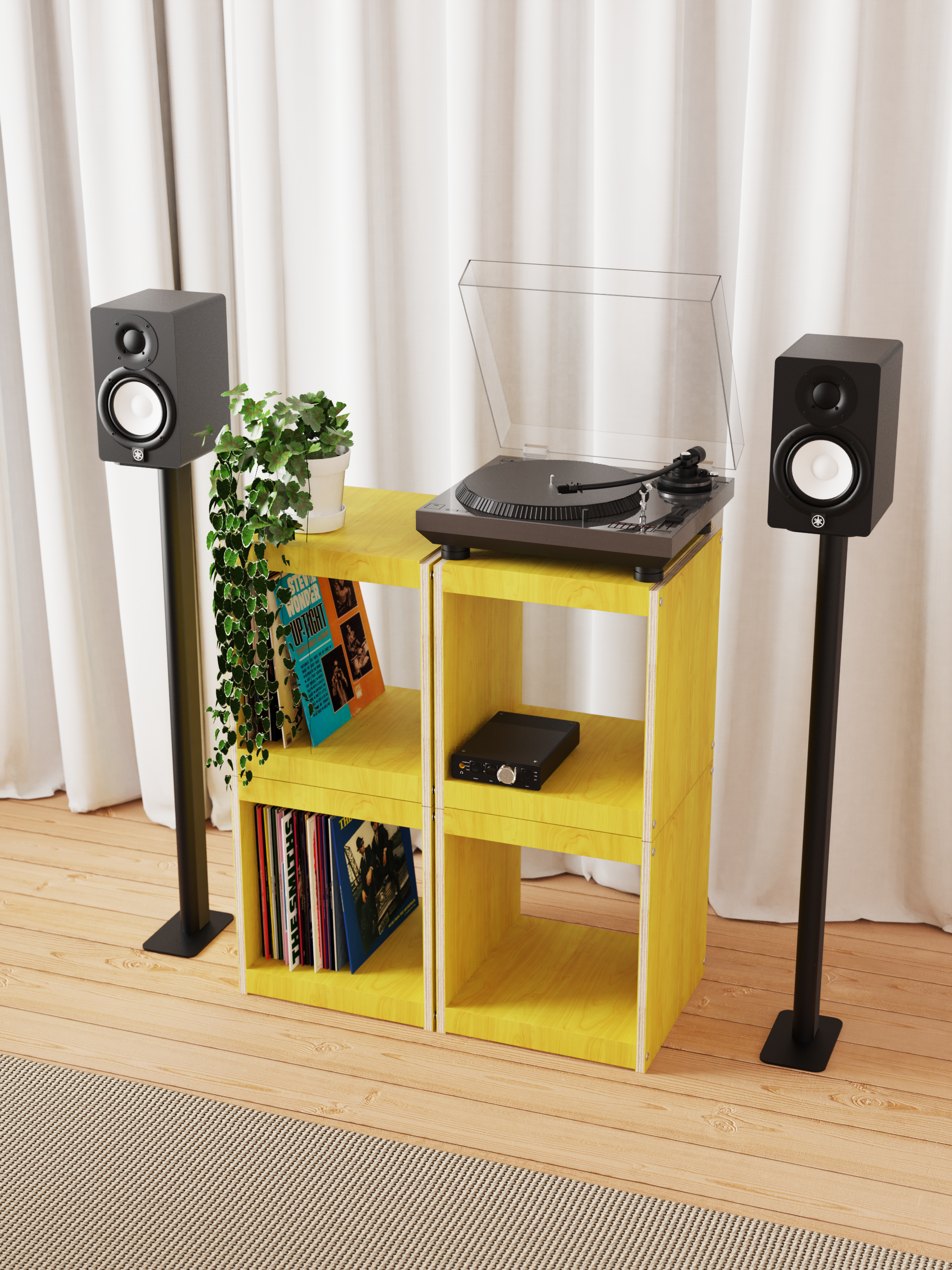
SettBox is a modular seating, table, and
storage system designed with simplicity and
practicality in mind. Its minimal, raw aesthetic
allows it to fit seamlessly into both home and
work environments, while its modular design
makes it multifunctional.
storage system designed with simplicity and
practicality in mind. Its minimal, raw aesthetic
allows it to fit seamlessly into both home and
work environments, while its modular design
makes it multifunctional.
Hungary
Regional
Europe
Mainly urban
It involves other types of transformations (soft investment)
Yes
2026-01-01
No
No
No
Individual
SettBox originated from the observation that living and working environments are becoming more compact and dynamic, while furniture often remains rigid and single purpose. We set out to design a system that could adapt to changing needs without increasing material use or complexity. The core idea was to create one modular unit that could function as seating, storage, or a table, and that could be combined with others to form larger configurations.
The project began with sketches and scale models, followed by full size prototypes to test proportions, load capacity, and stackability. Through iterative refinement, we developed a precise geometry that allows each unit to connect seamlessly while remaining stable and durable.
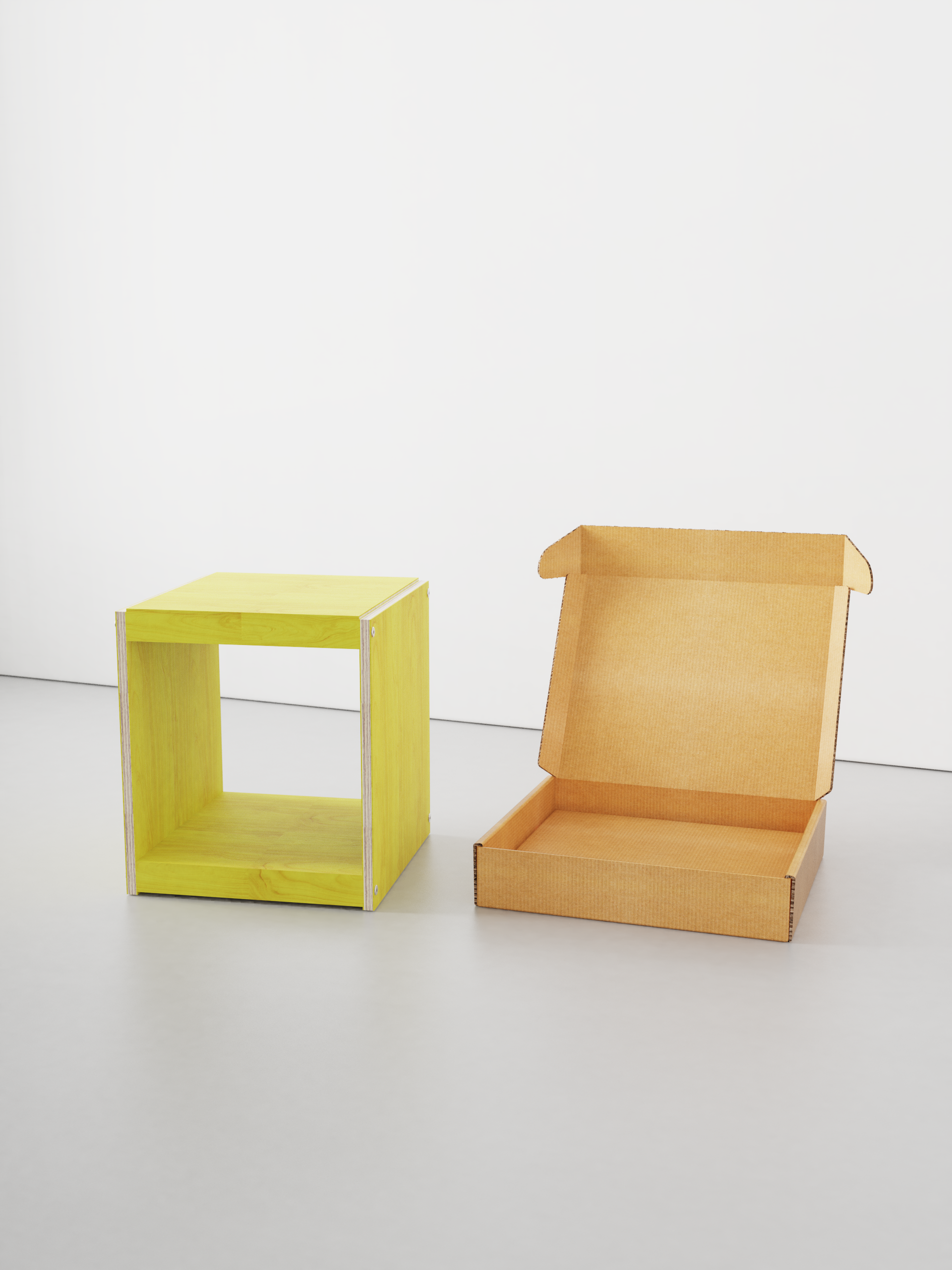
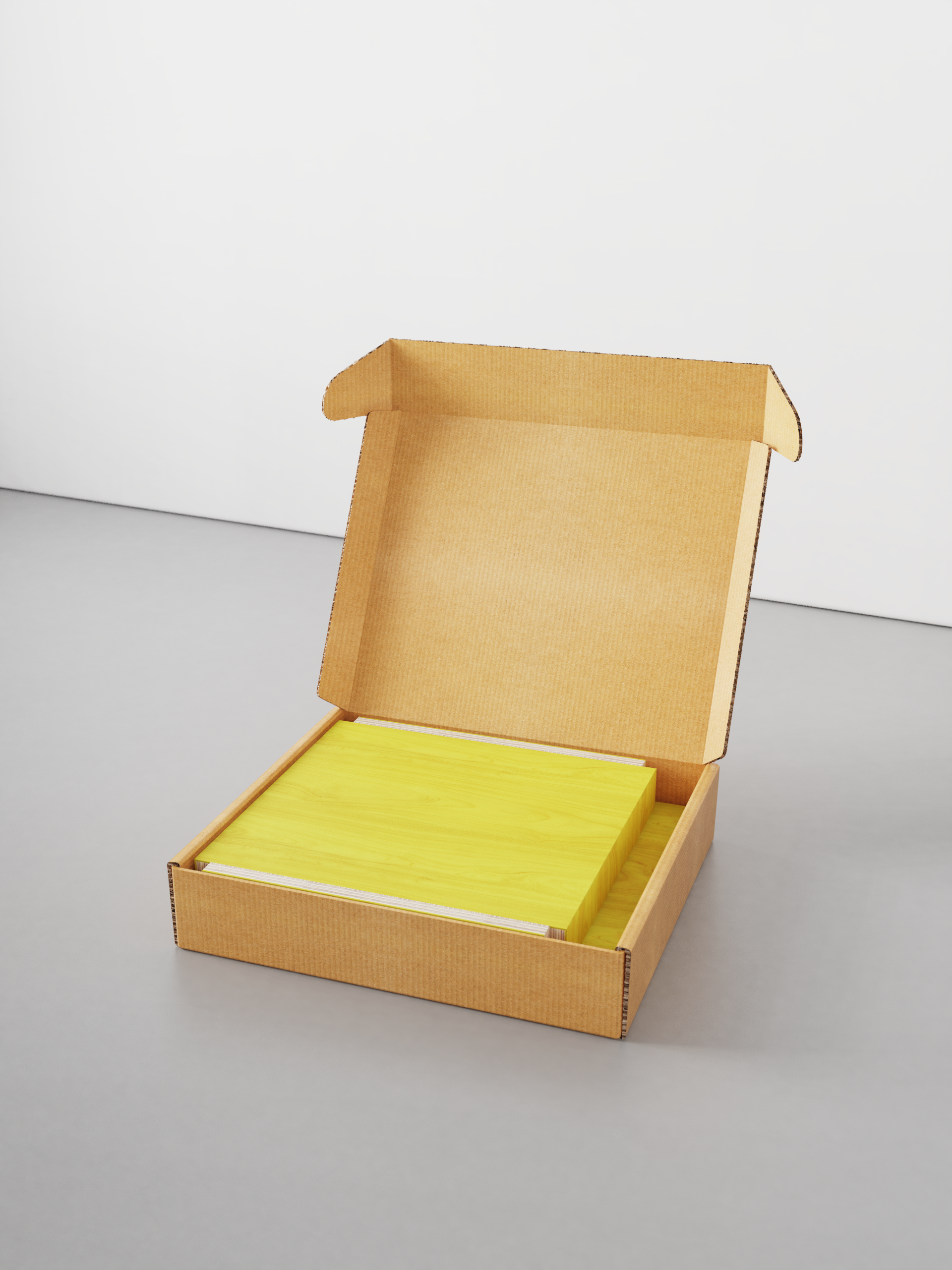
Implementation focused on realistic production conditions. The design was optimized for CNC milling, cutting, and powder coating so it can be manufactured efficiently by local workshops. Packaging dimensions were carefully engineered to comply with common parcel size and weight limits, enabling e commerce distribution and reducing transport emissions. SettBox was therefore realized as a practical, production ready system grounded in sustainable manufacturing and logistics.
SettBox emerged from observing how modern living spaces are becoming smaller and more flexible while most furniture remains fixed and oversized. We wanted to create a simple object that could serve multiple purposes without adding complexity. The idea was to design a modular unit that functions as seating, storage, and a table, either alone or combined with others.
The project developed through hands on prototyping and continuous testing to refine proportions, stability, and stackability. From the beginning, we focused on local production using accessible processes such as CNC milling and powder coating. The dimensions were carefully planned to meet common parcel size limits, making the system easy to ship and store.
SettBox was implemented as a production ready, modular solution that supports adaptable living and sustainable distribution.
Modular design
Circular economy
Local manufacturing
Space efficiency
Sustainable logistics
SettBox addresses environmental, economic, and social challenges through its design, production logic, and distribution strategy.
Environmentally, the project reduces material consumption by combining multiple functions into one modular unit. Instead of purchasing separate items for seating, storage, or tables, users invest in a single adaptable system. Its stackable geometry optimizes transport volume, allowing more units per shipment and lowering CO₂ emissions. The packaging is designed to meet standard parcel limits, supporting efficient e commerce distribution and reducing the need for oversized freight. The system also encourages long product lifecycles, as users can expand or reconfigure their setup rather than replace entire pieces.
Economically, SettBox is optimized for local manufacturing using accessible processes such as CNC milling and powder coating. This reduces dependency on complex global supply chains and enables small workshops to produce the system efficiently. The straightforward construction minimizes waste and production time, supporting viable small scale manufacturing models.
Socially and culturally, the project promotes adaptable living solutions suited to smaller urban homes and flexible workspaces. Its modularity empowers users to shape their own environments according to changing needs, fostering a sense of ownership and long term use rather than disposable consumption.
SettBox can be considered exemplary in sustainability because it integrates environmental responsibility, economic feasibility, and user adaptability into one coherent system. Sustainability is not treated as an add on feature but embedded in the product’s structure, logistics, and long term use model.
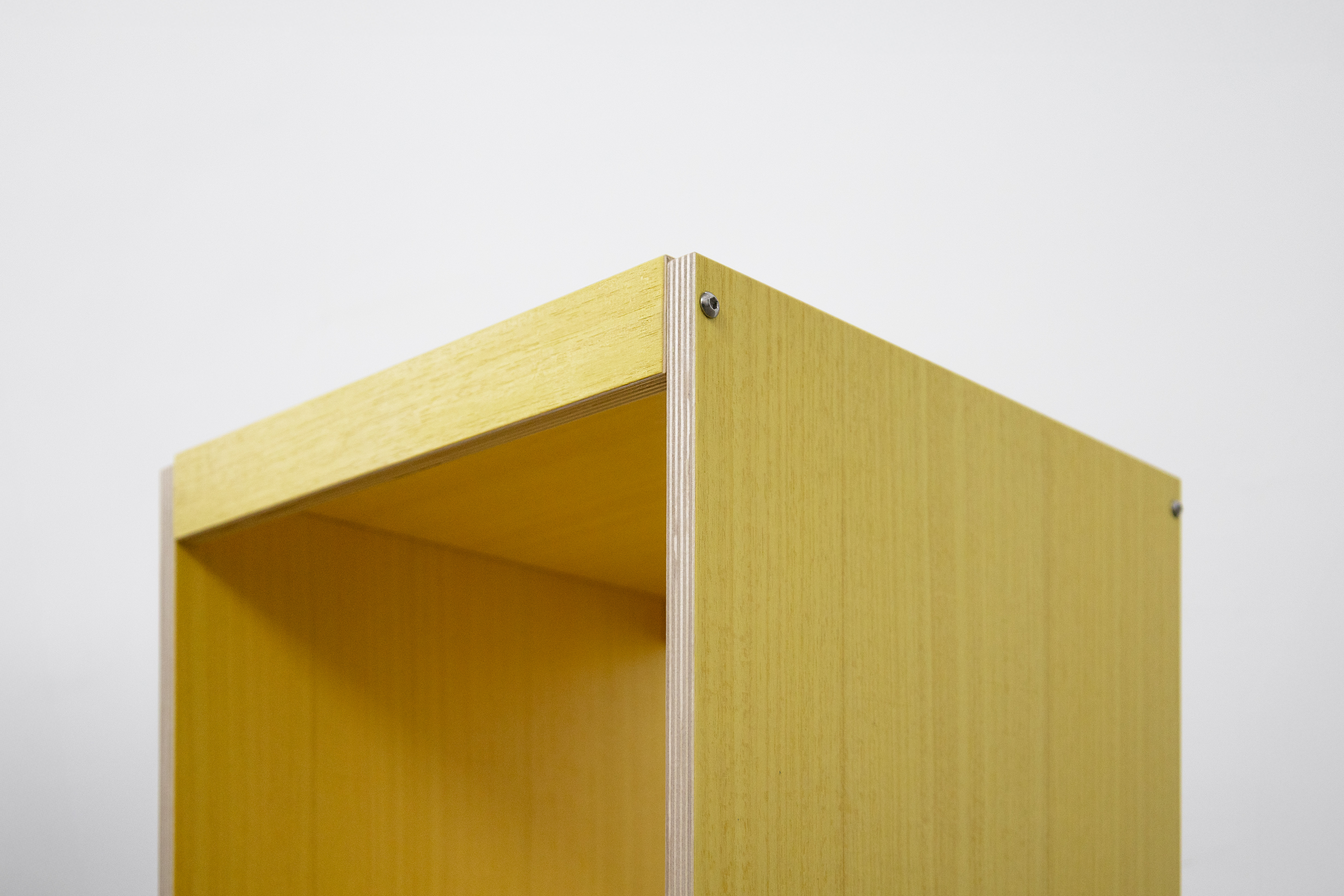
SettBox contributes to everyday beauty through clarity, proportion, and material honesty. Its minimal and raw aesthetic avoids visual noise, allowing it to integrate naturally into different homes, workplaces, and shared environments. The clean geometry and balanced proportions create a calm visual presence that supports rather than dominates a space.
The modular logic also has an aesthetic dimension. Because units can be stacked, aligned, or combined in various ways, users actively shape their surroundings. This flexibility allows people to create compositions that reflect their needs and personality. The availability of different colours and finishes further strengthens individual expression while maintaining a coherent design language.
In neighbourhoods and shared spaces, SettBox supports adaptable interiors such as studios, co working areas, and small apartments. Its understated design fits diverse cultural contexts without imposing a fixed style. Over time, this adaptability encourages longer use and emotional attachment, fostering care instead of replacement.
SettBox can be considered exemplary in aesthetics because beauty is embedded in its function, structure, and simplicity. The visual language is directly derived from how the system works, creating an honest and timeless design that enhances everyday environments while remaining adaptable for the future.
SettBox addresses inclusion through affordability, accessibility, and adaptability. By combining seating, storage, and table functions into one modular unit, the system reduces the need to purchase multiple pieces of furniture. This lowers overall costs and makes quality, durable design accessible to a broader range of users, including students, young families, and people living in smaller urban homes.
The product is designed for easy transport and e commerce distribution, as its dimensions comply with common parcel size and weight limits. This allows people in remote or underserved areas to access the system without relying on specialized delivery services. Its straightforward assembly and intuitive stacking logic follow design for all principles, requiring no complex tools or technical knowledge.
From a production perspective, SettBox supports local manufacturing using widely available processes such as CNC milling and powder coating. This enables small workshops to participate in value creation, strengthening local economies and shortening supply chains.
SettBox can be considered exemplary in inclusion because it integrates affordability, ease of use, and decentralized production into one coherent model. It promotes access to adaptable, long lasting design while supporting more equitable economic structures.
SettBox was developed through continuous dialogue with potential users, including students, young professionals, and small studio residents. Early concepts and prototypes were shared in informal workshops and feedback sessions, where participants tested stacking options, seating comfort, and storage usability. Their input directly influenced the final proportions, load capacity, and connection details.
Users highlighted the need for flexibility in small spaces and the importance of easy transport without a car. As a result, packaging dimensions were refined to meet common parcel limits, and the modules were optimized for lightweight handling. Feedback also shaped the decision to keep the system visually minimal and adaptable to different interior styles.
Local workshops were consulted during the development phase to ensure the design could be produced efficiently using accessible machinery such as CNC milling and powder coating. Their involvement helped simplify construction details and reduce material waste.
The impact of this participatory approach is a system grounded in real everyday needs and realistic production conditions. Instead of being a purely conceptual design, SettBox reflects practical input from users and makers, resulting in a more inclusive, functional, and implementable solution.
SettBox integrates stakeholders at multiple levels to ensure feasibility, relevance, and scalability.
At the local level, collaboration with small workshops and manufacturers played a central role. Their technical input shaped construction details, material choices, and production methods such as CNC milling and powder coating. This ensured that the system can be produced efficiently within local economies, strengthening regional value chains and reducing transport distances.
At the regional level, engagement with retailers and logistics providers informed packaging dimensions and storage optimization. Their feedback helped align the product with existing distribution infrastructures, particularly regarding parcel size and weight limits. This made the system compatible with established supply networks while improving transport efficiency.
At the national and European level, the project aligns with broader sustainability and circular economy objectives, including reduced material use, optimized logistics, and long product lifecycles. By meeting common European shipping standards and supporting decentralized production models, SettBox is designed to scale across different markets without structural redesign.
The added value of this multilevel engagement lies in bridging design ambition with real implementation conditions. Input from production, logistics, and market actors ensured that SettBox is not only conceptually strong but also economically viable and adaptable across regions. This coordinated approach increases resilience, supports local industry, and enables broader European relevance.
The SettBox project embodies the New European Bauhaus working principle of transdisciplinarity by synthesizing several specialized fields into a cohesive modular system. At its core, the project utilizes Product Design and Architecture to create a minimal, raw aesthetic that serves as a multifunctional seating, table, and storage solution. This design expertise is coupled with Engineering and Manufacturing knowledge, specifically through the use of CNC milling and powder coating to ensure each element fits precisely for endless configurations.
The project also integrates Environmental Sciences by prioritizing sustainable practices, such as local production and the reduction of $CO_{2}$ emissions through space-efficient, "E-commerce Compatible" packaging that optimizes shipping volume. Furthermore, Digital Technologies are reflected in the precise technical drawings and "Version 03" specifications, which allow workshops to produce the modules efficiently. Finally, the design addresses Social Sciences and Human-Centric Design by focusing on user-friendly portability and the ability for individuals to personalize their space with various colors and textures.
The project also integrates Environmental Sciences by prioritizing sustainable practices, such as local production and the reduction of $CO_{2}$ emissions through space-efficient, "E-commerce Compatible" packaging that optimizes shipping volume. Furthermore, Digital Technologies are reflected in the precise technical drawings and "Version 03" specifications, which allow workshops to produce the modules efficiently. Finally, the design addresses Social Sciences and Human-Centric Design by focusing on user-friendly portability and the ability for individuals to personalize their space with various colors and textures.
The business model of SettBox is based on collaboration between a designer, a manufacturer, and sales partners. The designer develops the product concept and design, while the manufacturer ensures efficient and scalable production. In many cases, sales are carried out through distributors and partner stores. However, in some situations the distributor is not involved and the product is sold directly to customers through online platforms, events, or direct partnerships.
Revenue is primarily generated through the sale of SettBox products. The financial sustainability of the project can be further supported by workshops, educational programs, and potential public grants or crowdfunding initiatives. This flexible, multi-channel model supports long-term sustainability and gradual growth of the project.
Revenue is primarily generated through the sale of SettBox products. The financial sustainability of the project can be further supported by workshops, educational programs, and potential public grants or crowdfunding initiatives. This flexible, multi-channel model supports long-term sustainability and gradual growth of the project.
SettBox is designed with scalability in mind. The core concept, product design, and methodology can be easily replicated and adapted to different contexts and user groups. The modular structure of the product allows new versions or thematic variations to be developed for different educational, creative, or community settings.
The production process can be transferred to different manufacturing partners, enabling local or regional production. The project’s tools, workshop formats, and learning methods can also be implemented by schools, cultural institutions, or community organizations. In addition, the distribution model, through partners or direct sales, can be adapted to different markets. These elements make SettBox flexible and transferable to new locations and audiences.
The production process can be transferred to different manufacturing partners, enabling local or regional production. The project’s tools, workshop formats, and learning methods can also be implemented by schools, cultural institutions, or community organizations. In addition, the distribution model, through partners or direct sales, can be adapted to different markets. These elements make SettBox flexible and transferable to new locations and audiences.