Enhancing Circularity, Sustainability, and Innovation
Earthquake Safety Capsule
Modular Impact-Resistant Safety Capsule Furniture for Earthquake Survival and Civilian Protection
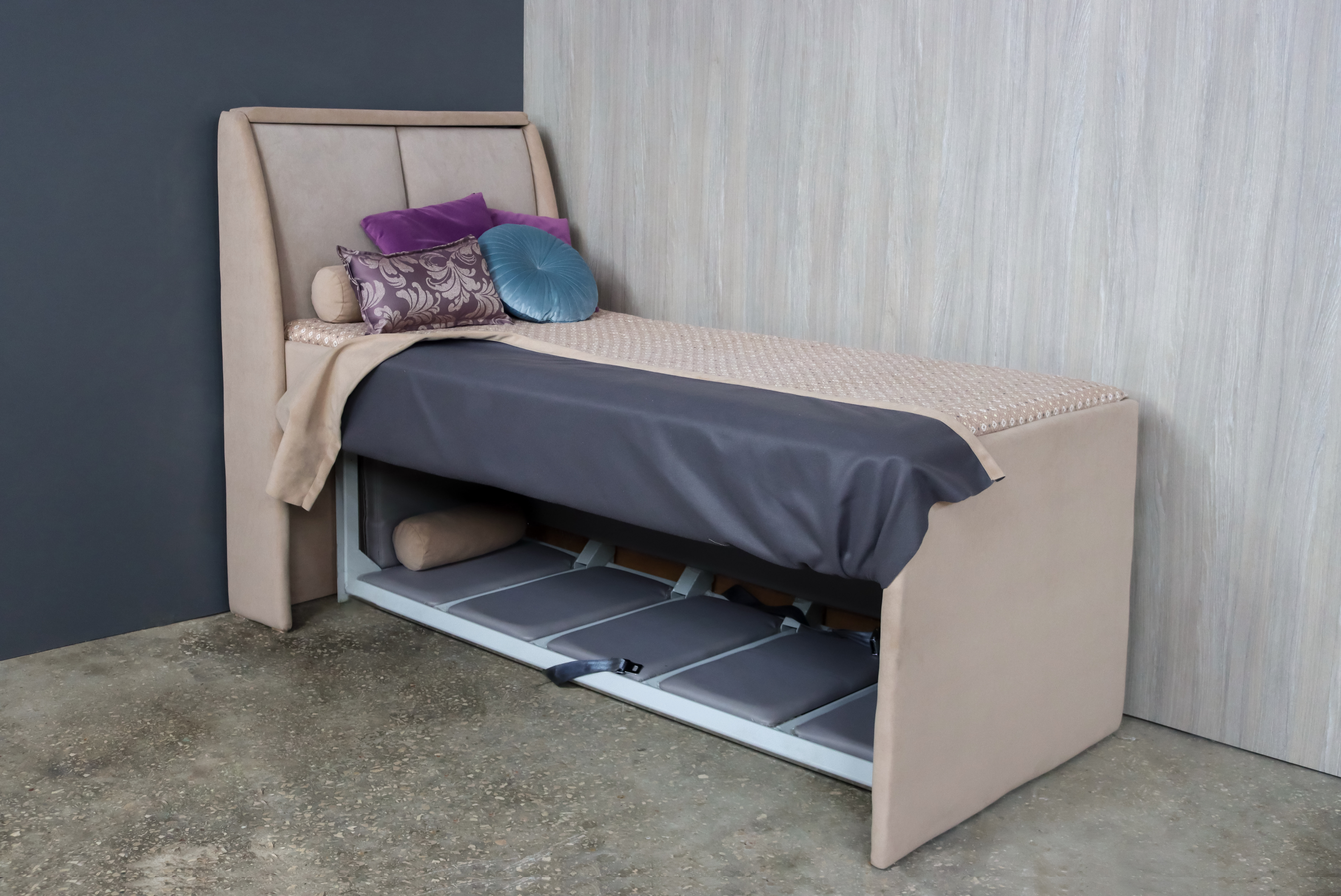
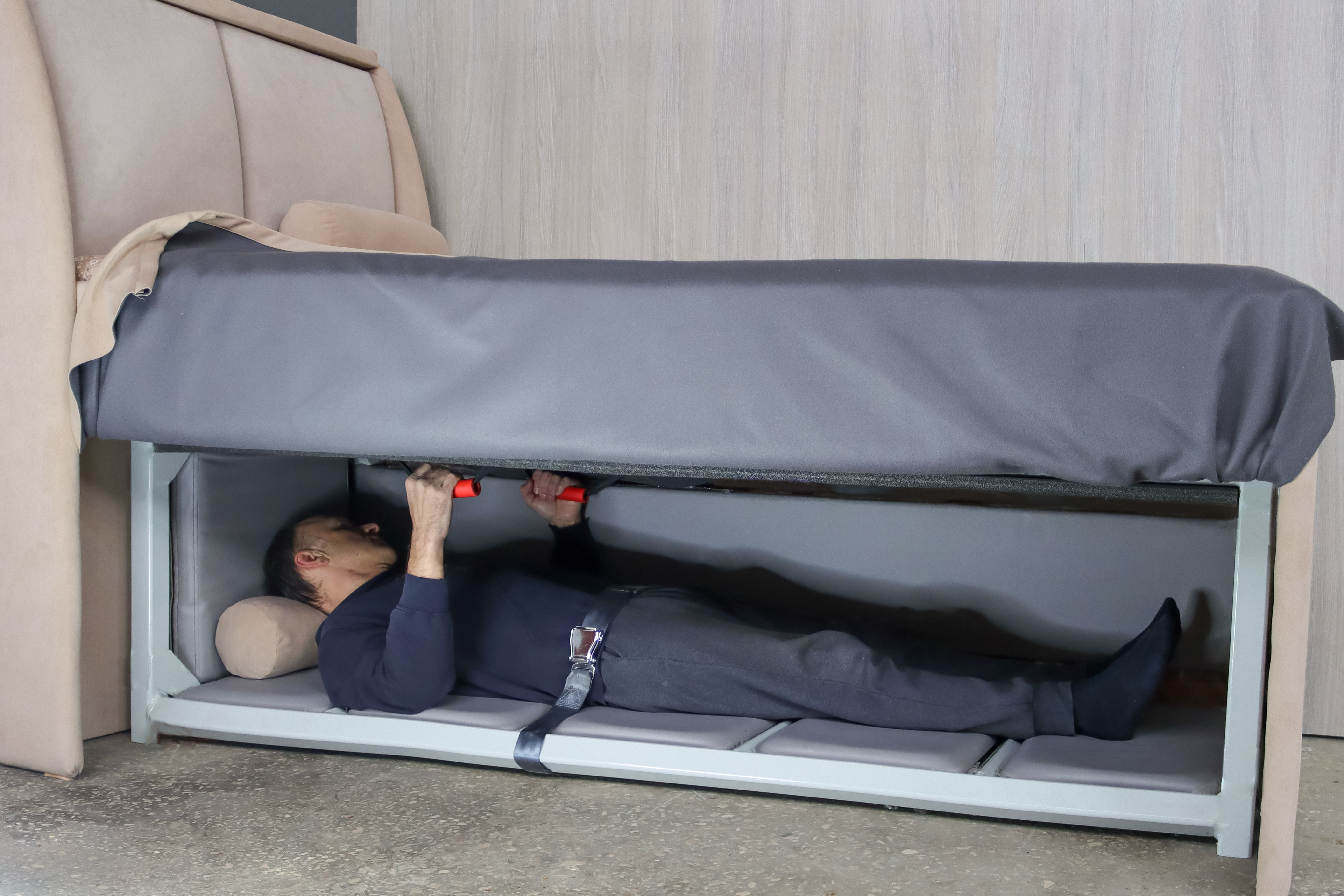
Safety Capsule Furniture is an innovative bed with an integrated survival capsule for earthquakes and disasters. It combines comfort, modern design, and life-saving protection. The capsule shields users from debris and provides emergency supplies. It can be used in homes, hotels, and public buildings worldwide, transforming furniture into a new standard of safety and resilient living.
Ukraine
Regional
Ukraine and international seismic regions
Mainly urban
It involves other types of transformations (soft investment)
Yes
2024-05-15
No
No
No
Individual
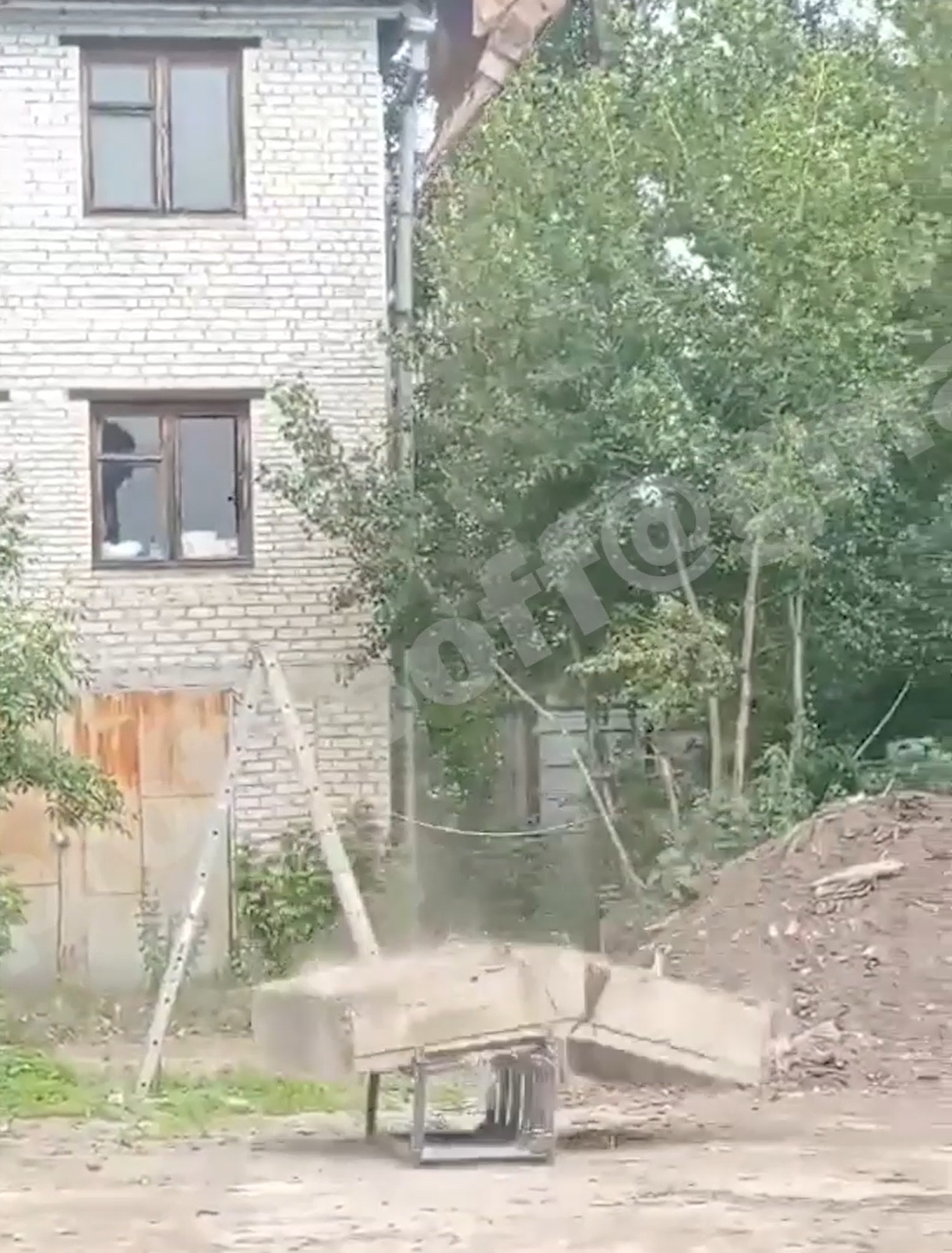
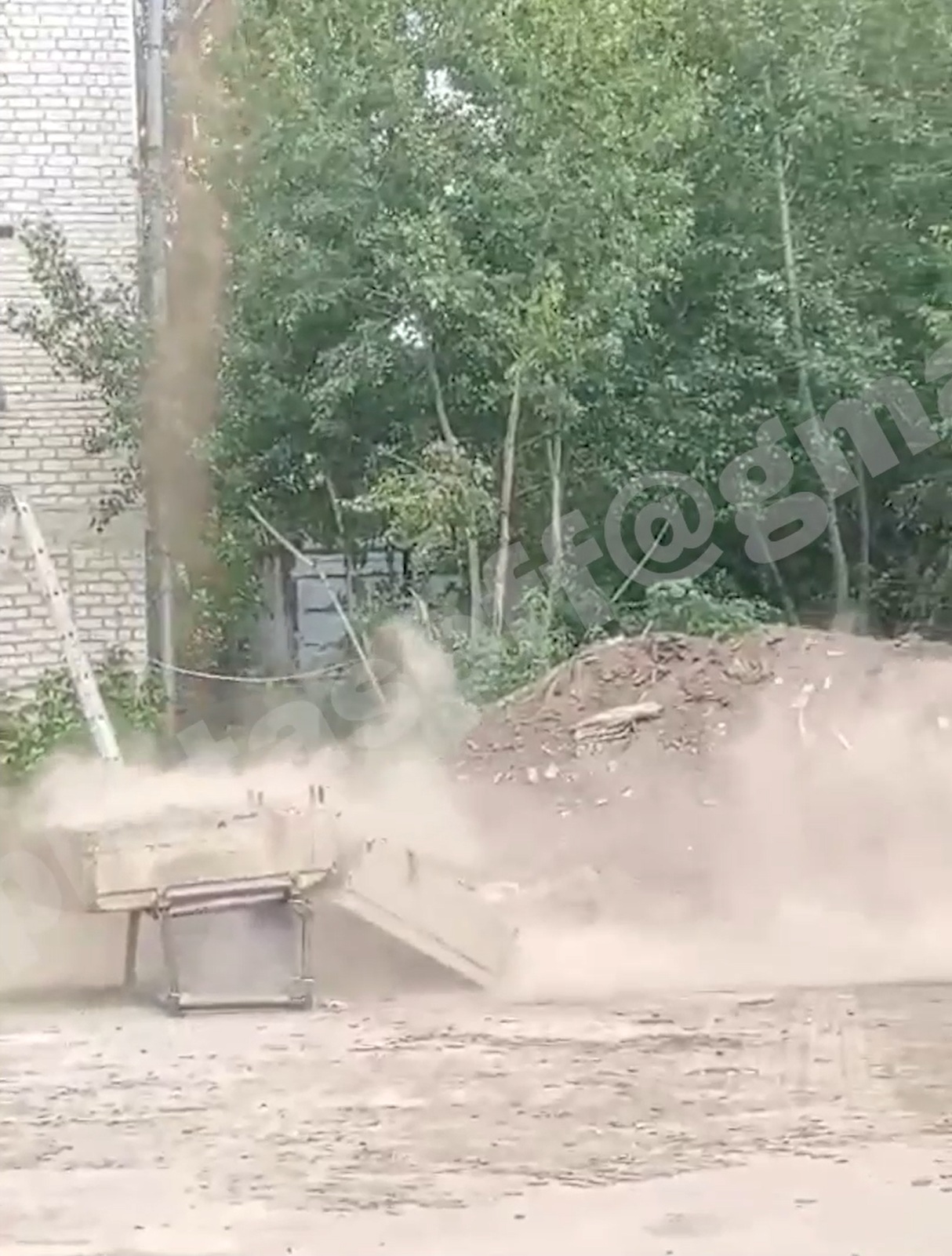
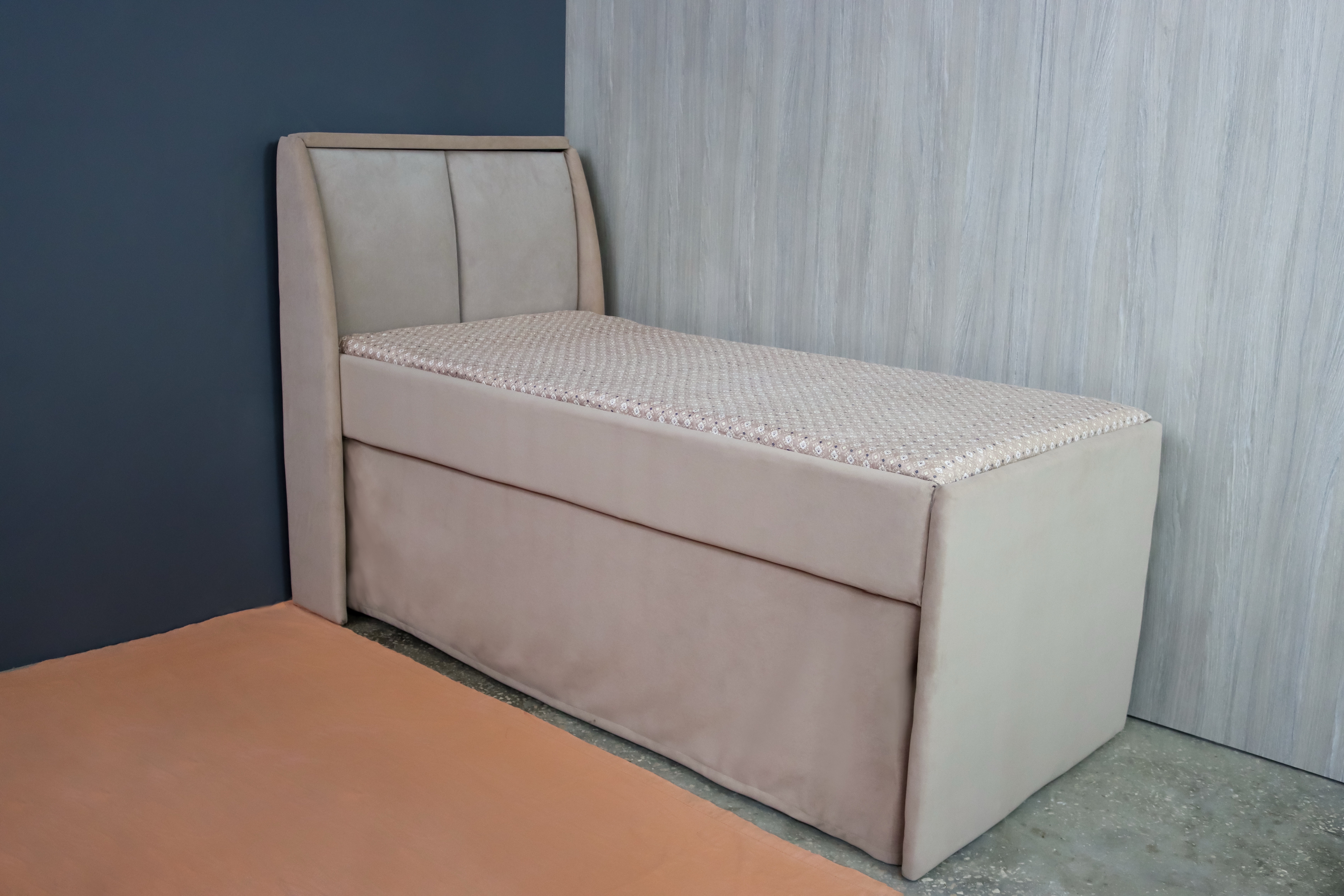
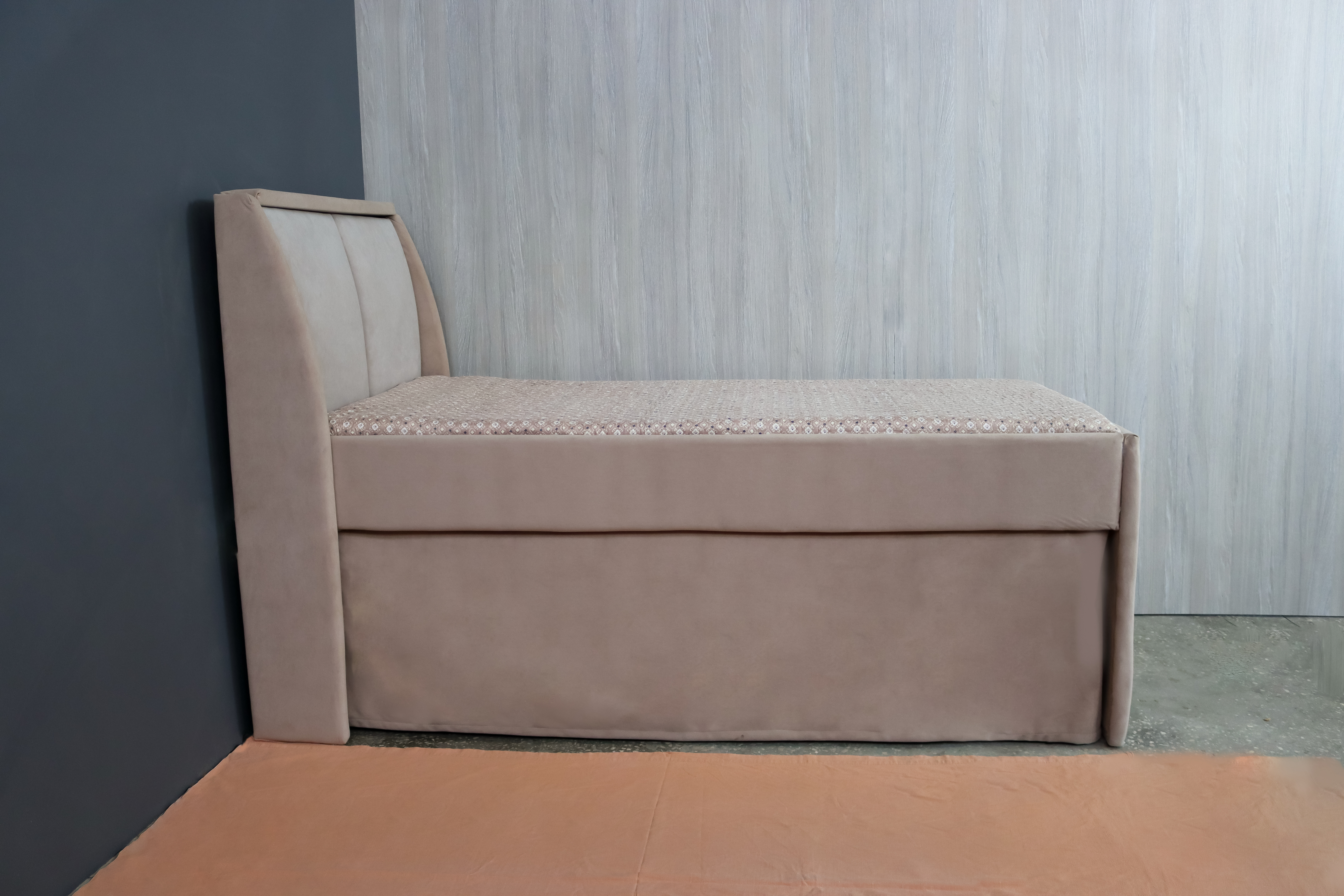
Modular Earthquake Safety Capsule Bed is an innovative piece of safety furniture designed to protect human life during earthquakes and structural collapses. The project introduces a compact, capsule-like sleeping unit made from high-strength materials capable of resisting falling debris and maintaining survivable space.
The project has been fully developed and officially registered as intellectual property in Ukraine in 2024. A working prototype and design documentation have been completed, demonstrating the technical feasibility and practical application of the concept.
The capsule integrates safety, sustainability, and human-centred design. Its modular structure allows efficient manufacturing, transportation, and installation in residential buildings, student housing, dormitories, and emergency shelters. The design uses durable and recyclable materials, supporting circular economy principles and long-term sustainability.
This project addresses a critical global challenge: the protection of civilians in earthquake-prone regions such as Türkiye and the Balkans. It offers an affordable, scalable solution that can significantly reduce casualties during disasters.
The project reflects the New European Bauhaus values by combining beauty, sustainability, and inclusion. It transforms everyday furniture into life-saving infrastructure, contributing to safer, more resilient, and human-centred living environments.
The Modular Earthquake Safety Capsule Bed was born from a personal and professional commitment to protect human life through design. As an engineer and designer, I have always worked at the intersection of functionality and aesthetics. The turning point came in 2020, after conversations with partners and friends in Türkiye, a country deeply affected by earthquakes. Their stories and the tragic statistics of casualties revealed a critical gap in everyday safety.
I began asking a simple but powerful question: can ordinary furniture become life-saving infrastructure?
The bed became the focus because it is where people spend a significant part of their lives and where they are most vulnerable during night-time earthquakes. I developed the concept independently, combining engineering analysis, ergonomic design, and safety principles.
The project resulted in a modular capsule bed that integrates a protective survival space into a familiar domestic object. I created several design versions, including models for adults, children, and people with disabilities, ensuring inclusiveness and accessibility.
The concept was transformed into a working prototype and officially registered as intellectual property in Ukraine in 2024. Visual materials and video demonstrations were produced to communicate its practical application.
Although developed in Ukraine, the project is intended for implementation in earthquake-prone regions such as Türkiye and the Balkans. It represents a scalable and affordable solution that can be integrated into homes, student housing, and public facilities.
This project reflects my mission to redefine the meaning of safety in everyday life and to demonstrate how design can actively protect human dignity and resilience.
earthquake safety
protective design
resilient housing
human-centred innovation
sustainable product design
The Modular Earthquake Safety Capsule Bed contributes to sustainability by redefining how safety, durability, and resource efficiency are integrated into everyday living environments.
Environmentally, the project promotes long product lifespan and material efficiency. Instead of requiring separate emergency infrastructure, the protective function is integrated into furniture that already exists in the home. This reduces the need for additional construction, saves resources, and minimises environmental impact. The modular structure allows repair, upgrading, and replacement of individual components, extending the product’s lifecycle and supporting circular economy principles.
Socially, the project addresses one of the most urgent challenges in earthquake-prone regions: the lack of accessible and immediate protection inside homes. By embedding safety directly into familiar furniture, the solution increases resilience without requiring behavioural change, additional space, or costly infrastructure. The design includes adaptable versions for children, elderly people, and persons with disabilities, supporting inclusiveness and equal access to safety.
Economically, the project offers a scalable and affordable solution. It can be produced using standard manufacturing technologies and integrated into residential buildings, student housing, and public facilities. This creates opportunities for local production, job creation, and regional economic development.
Culturally, the project introduces a new approach where furniture becomes part of life-saving infrastructure while preserving aesthetic and emotional value.
By combining durability, adaptability, accessibility, and efficient use of resources, the project represents a sustainable, long-term solution for safer and more resilient living environments.
The Modular Earthquake Safety Capsule Bed contributes to aesthetics by transforming a life-saving structure into a beautiful and emotionally comforting part of everyday living. Instead of creating fear-associated emergency equipment, the project integrates protection into familiar and elegant furniture that naturally belongs in the home.
The design follows the principle that safety should not disrupt the visual harmony of living spaces. The capsule is carefully integrated into the bed’s form, maintaining clean lines, balanced proportions, and a calm, reassuring presence. It avoids an industrial or technical appearance and instead offers warmth, normality, and dignity.
This approach helps people feel safe without constantly reminding them of danger. It preserves the emotional function of the bedroom as a place of rest, privacy, and comfort, which is essential for psychological well-being, especially in regions exposed to natural disasters.
The project also contributes to long-term aesthetic value by redefining the role of furniture in the built environment. It introduces a new design philosophy where beauty and protection coexist, showing that functional safety solutions can also enhance the quality and meaning of living spaces.
By combining protective performance with thoughtful, human-centred design, the project strengthens the relationship between people and their homes, creating a deeper sense of care, belonging, and trust in their everyday environment.
The Modular Earthquake Safety Capsule Bed promotes inclusion by making life-saving protection accessible, affordable, and adaptable to the needs of diverse users and living conditions.
The project follows the “design for all” principle by ensuring that safety is integrated into everyday furniture that people already use, eliminating the need for separate shelters or specialised infrastructure. This approach makes protection available to a broader population, including people living in small apartments, social housing, or shared living environments.
The design includes adaptable versions for children, elderly people, and persons with disabilities, recognising that vulnerability during disasters is not equal for all. The capsule provides a secure and dignified space where individuals can remain protected without relying on external assistance.
Affordability is a key aspect of inclusion. The project is designed to be produced using standard industrial processes and materials, allowing cost-effective manufacturing and scalability across different regions and income levels. This enables both private households and public institutions, such as student dormitories or social housing, to adopt the solution.
The project also introduces a new societal model where safety becomes an integrated and democratic part of everyday life, rather than a privilege limited to specialised or expensive infrastructure.
By combining accessibility, adaptability, affordability, and dignity, the project represents an inclusive approach that empowers people and communities to live more safely and confidently.
The Modular Earthquake Safety Capsule Bed was developed through continuous dialogue with individuals and communities living in earthquake-prone regions, particularly in Türkiye. The initial concept emerged after discussions with people who had experienced earthquakes and shared their fears, practical challenges, and the lack of accessible protection inside their homes.
Their insights played a critical role in shaping the project. These conversations helped define key priorities, such as the need for immediate accessibility, emotional comfort, and integration into familiar living environments rather than relying on external shelters.
Throughout the development process, feedback from potential users, engineers, and designers was considered to refine the structure, dimensions, and usability of the capsule. This participatory exchange ensured that the project responds to real human needs rather than being purely a theoretical or technical solution.
Visual presentations and video demonstrations were created and shared publicly, allowing broader audiences to understand the concept and contribute feedback. This helped validate the social relevance of the project and strengthened its practical orientation.
This participatory approach contributed to a human-centred design that reflects real-life experiences and expectations. It ensured that the project is not only technically feasible but also socially meaningful, accessible, and aligned with the needs of the communities it aims to serve.
The Modular Earthquake Safety Capsule Bed was developed through engagement across multiple levels, reflecting both local initiative and international relevance.
At the local level, the project was designed and prototyped in Ukraine, where engineering expertise, design development, and intellectual property registration were completed. This provided the technical and creative foundation of the project.
At the international level, the concept was strongly influenced by dialogue with stakeholders in earthquake-prone regions, particularly in Türkiye. Their experiences and needs informed the project’s practical direction and ensured its relevance to real-world conditions. These stakeholders represent potential users, partners, and communities who could benefit directly from the solution.
At a broader level, the project has been shared publicly through digital platforms, video presentations, and participation in international innovation programmes. This has enabled engagement with global audiences, experts, and innovation ecosystems, contributing to feedback, validation, and visibility.
This multilevel engagement creates added value by connecting local innovation with global societal needs. It ensures that the project is technically grounded, socially relevant, and scalable beyond its place of origin.
By linking local development, international needs, and global innovation networks, the project reflects a governance approach that supports the wider adoption of sustainable and human-centred solutions.
The Modular Earthquake Safety Capsule Bed is a transdisciplinary project that integrates knowledge and methods from engineering, industrial design, architecture, safety science, and human-centred design.
Engineering played a central role in developing the structural concept. Principles of structural resistance, load distribution, and impact protection were applied to create a capsule capable of maintaining survivable space during building collapse.
Industrial and product design contributed to integrating this protective structure into everyday furniture. The project balances functionality, ergonomics, and aesthetics, ensuring that the bed remains comfortable, visually appropriate, and suitable for daily use.
Architectural thinking influenced how the project relates to the built environment. The capsule bed is conceived as part of a broader safety ecosystem within residential spaces, contributing to more resilient housing systems.
Human-centred design and social considerations were essential in addressing emotional comfort, accessibility, and usability for diverse users, including children, elderly people, and persons with disabilities.
Digital technologies were used to develop visualisations, technical drawings, and video demonstrations, enabling testing, communication, and public engagement.
By combining engineering, design, architecture, and social awareness, the project creates an innovative solution that redefines the relationship between furniture, safety, and the built environment, demonstrating the value of transdisciplinary collaboration.
The business model combines intellectual property protection, industrial scalability, and integration into European and global housing and hospitality markets.
The project introduces a new product category: safety-integrated furniture. Revenue is generated through direct sales to households, licensing agreements with European furniture manufacturers, and strategic partnerships with real estate developers, hotels, and public housing providers.
The hospitality sector represents a particularly strong market opportunity. Hotels located in earthquake-prone regions can enhance guest safety without structural building modifications, transforming safety into a competitive advantage and value-added service.
The modular design enables cost-efficient mass production using existing European manufacturing infrastructure, supporting local industry, job creation, and technological competitiveness. Licensing allows regional production, reducing transport emissions and strengthening local circular economies.
The project aligns with European priorities in sustainable construction, resilient housing, and innovation-driven growth. It contributes to the development of a new safety-oriented design sector within the European furniture and built environment industries.
Financial sustainability is ensured through diversified revenue streams, including product sales, licensing, and business partnerships. The global relevance of disaster resilience creates strong long-term demand and scalability.
The long-term vision is to establish safety-integrated furniture as a new international safety standard, positioning Europe as a leader in human-centred resilient design and innovation.
The Modular Earthquake Safety Capsule Bed has exceptionally high potential for transferability and scalability due to its modular design, industrial feasibility, and universal relevance.
The core innovation — integrating a protective capsule into standard furniture — can be replicated across different product types, including beds, sofas, and other residential furniture, without requiring changes to building structures. This allows rapid adoption in both new and existing housing.
The project is geographically transferable to all earthquake-prone regions, including Southern and Eastern Europe, the Balkans, Türkiye, and other global markets. Because the design can be manufactured using standard industrial processes and locally available materials, it can be adapted to regional production systems, supporting local economies and reducing environmental impact.
The solution is also transferable across multiple sectors. In addition to private households, it can be implemented in hotels, student housing, social housing, hospitals, and emergency accommodation facilities, significantly improving safety standards without major infrastructure investments.
The intellectual property framework enables licensing and partnerships with manufacturers, facilitating rapid scaling and market entry.
The project introduces a new safety-oriented design model that can influence future furniture, housing, and safety standards globally.
By combining scalability, adaptability, and industrial feasibility, the project demonstrates strong potential to become a widely adopted solution that improves safety, resilience, and quality of life for diverse populations.