Enhancing Circularity, Sustainability, and Innovation
BioGS-1.0
Biomass microCHP for houses and small businesses with biochar production
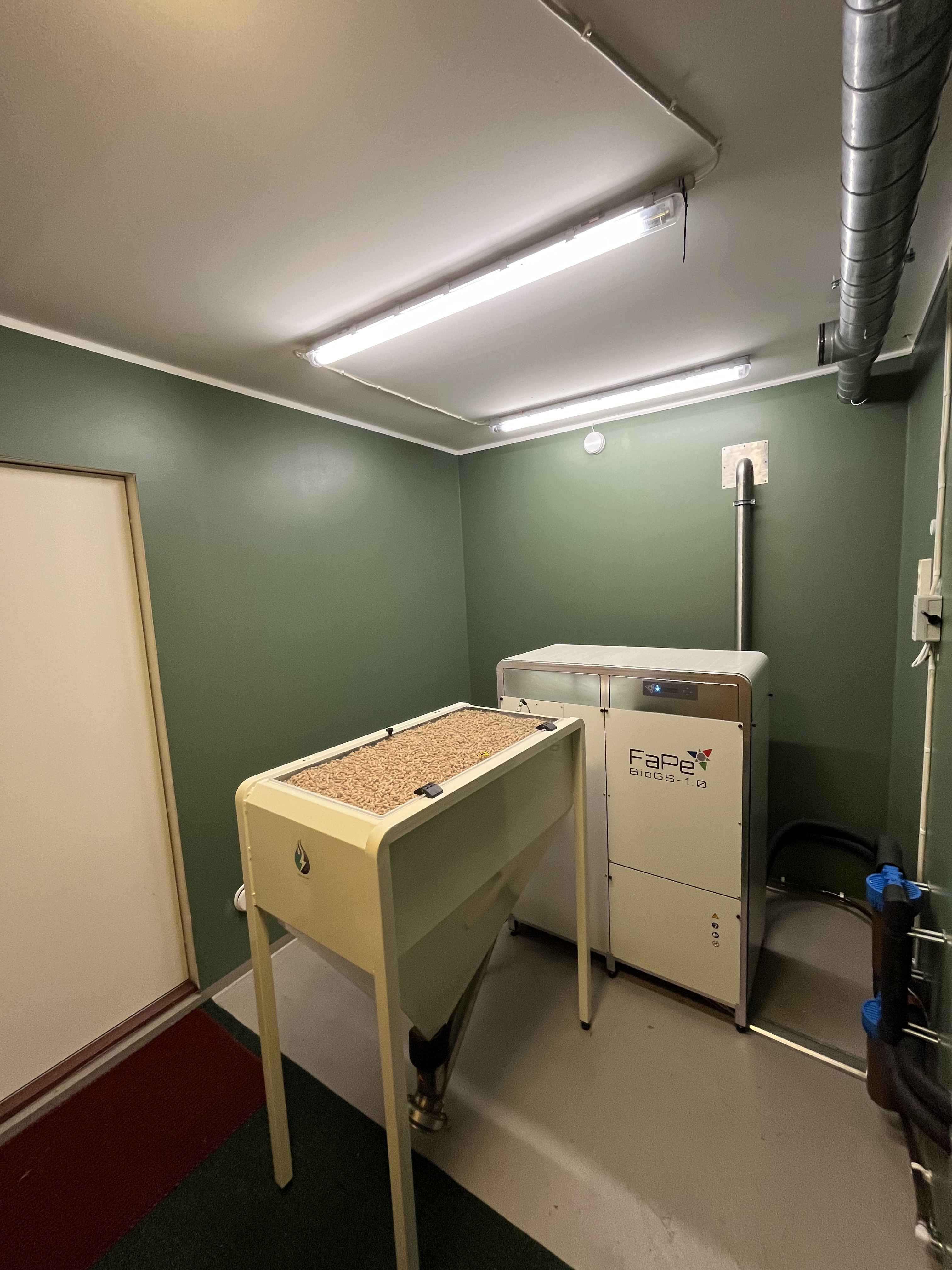
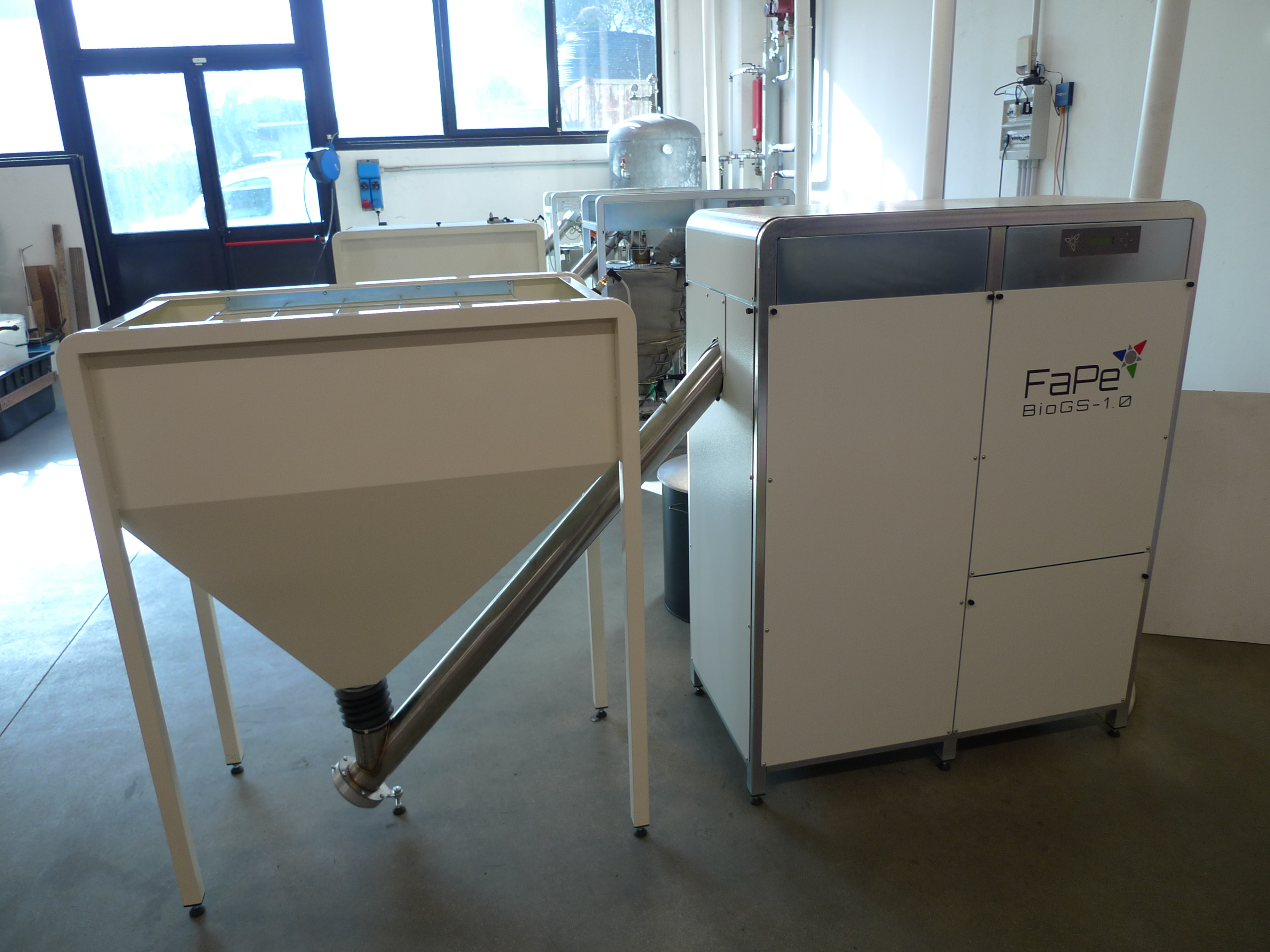
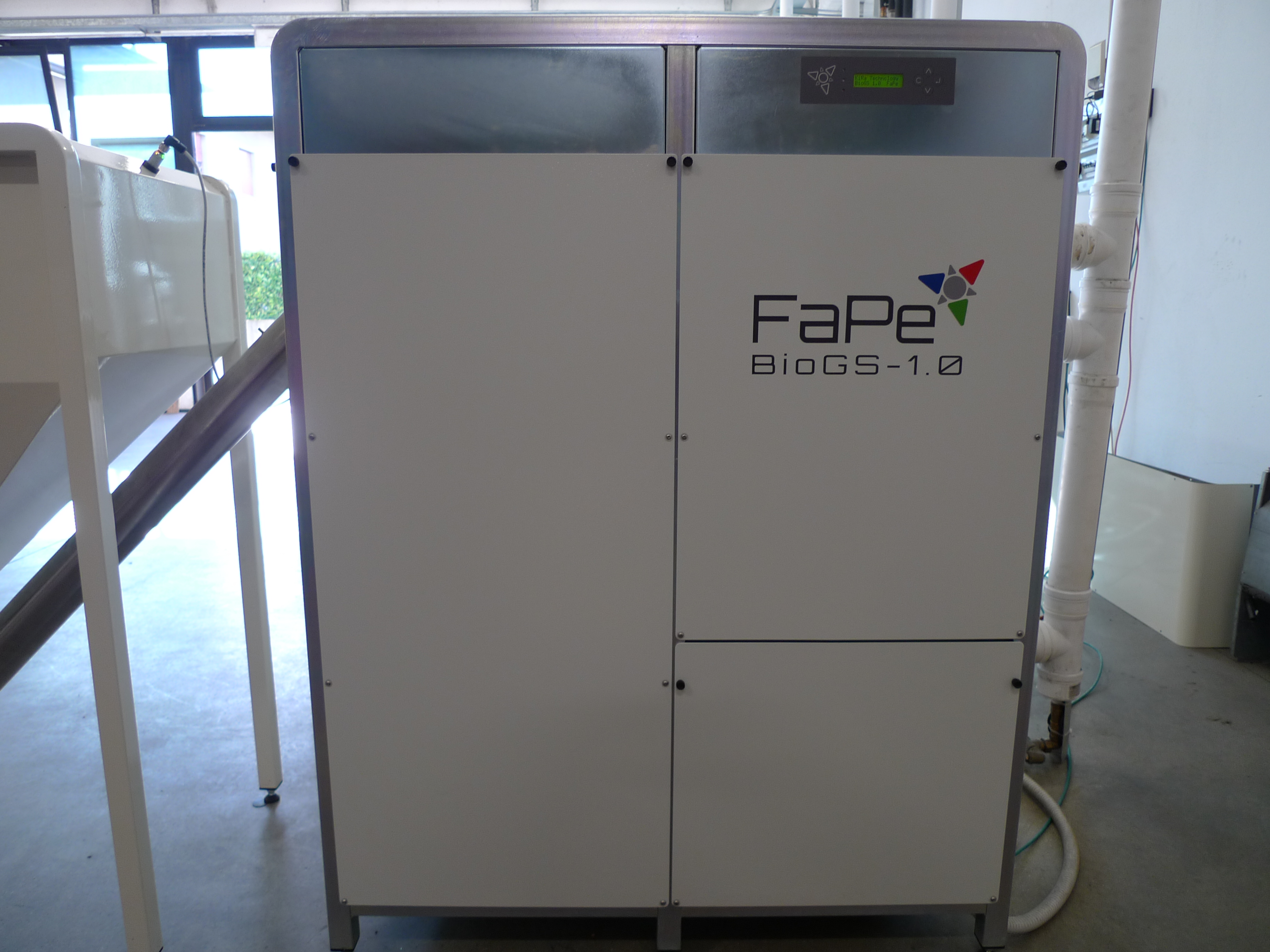
BioGS-1.0 is an innovative, high-tech micro-CHP system for homes and small businesses.
Using residual or waste biomass, it produces electricity, hot water, and biochar.
It can meet the user's entire energy needs, achieving complete self-sufficiency.
Biochar is a useful soil improver; its production makes the system carbon-negative and completes the perfect circular economy of biomass.
For the first time, cogeneration is home sized, distibuted and perfectly circular.
Italy
National
Mainly rural
It involves other types of transformations (soft investment)
Yes
2025-12-23
Yes
ERA-Net Smart energy systems
No
No
Organisation
BioGS‑1.0 is a compact micro‑CHP system that combines pyrolytic gasification, a Stirling engine, and advanced electronic control to transform residual and waste biomass into clean energy and stable carbon.
The project aims to valorise local biomass resources, reduce energy costs, and generate a climate‑positive impact through the production of biochar. After nearly ten years of R&D, the system is now operating with early adopters who produce renewable electricity, heat, and biochar directly on site.
BioGS‑1.0 enables users to replace fossil‑based or inefficient thermal systems with a high‑efficiency, low‑emission solution. Biochar, the solid co‑product, provides long‑term carbon sequestration and can be used to improve soil quality, increase water retention, or serve as a functional filler in materials such as concrete, filters and plastics, supporting multiple circular‑economy applications.
System performance:
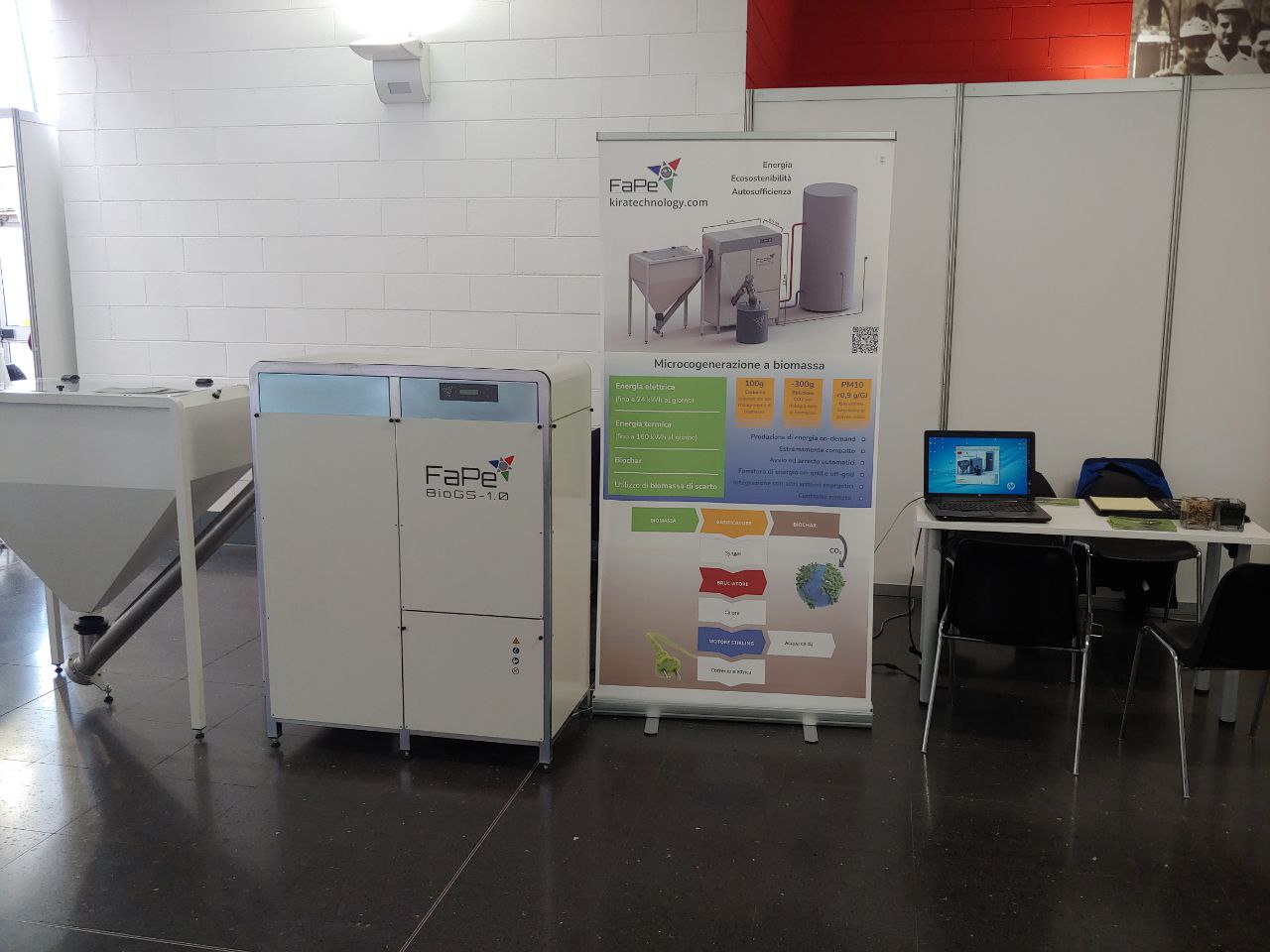
• Electrical production: up to 24 kWh/day
• Thermal production: up to 160 kWh/day
• Electrical power: 1.0 kW
• Thermal power: 6.0 kW
• Output: 230 VAC, 50 Hz
• Global efficiency: >95%
• Biomass use: 2.2 kg/h
• Biochar output: 0.25 kg/h
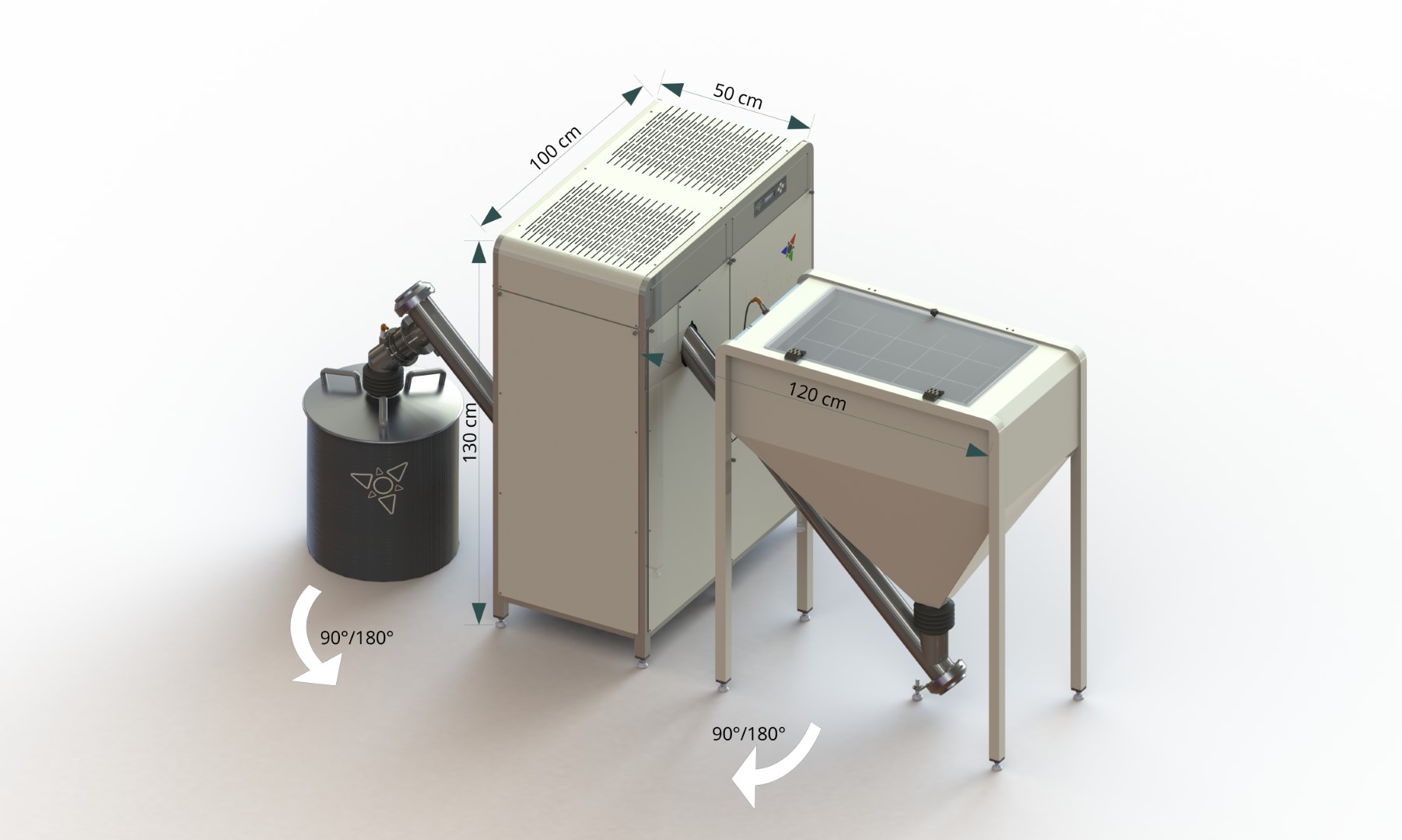
• Dimensions: 100 × 52 × 130 cm (storages excluded)
• Footprint: < 4 m²
Environmental impact:
• 100 g carbon sequestered per kg of processed biomass
• 300 g CO₂‑equivalent reduction per kg of input biomass
• PM10 < 0.9 g/GJ, among the lowest in small biomass systems
Long‑term, BioGS‑1.0 supports local energy autonomy, waste reduction, soil regeneration, and the creation of circular value chains around biochar. It offers a practical, scalable solution for communities seeking affordable renewable energy and measurable climate benefits.
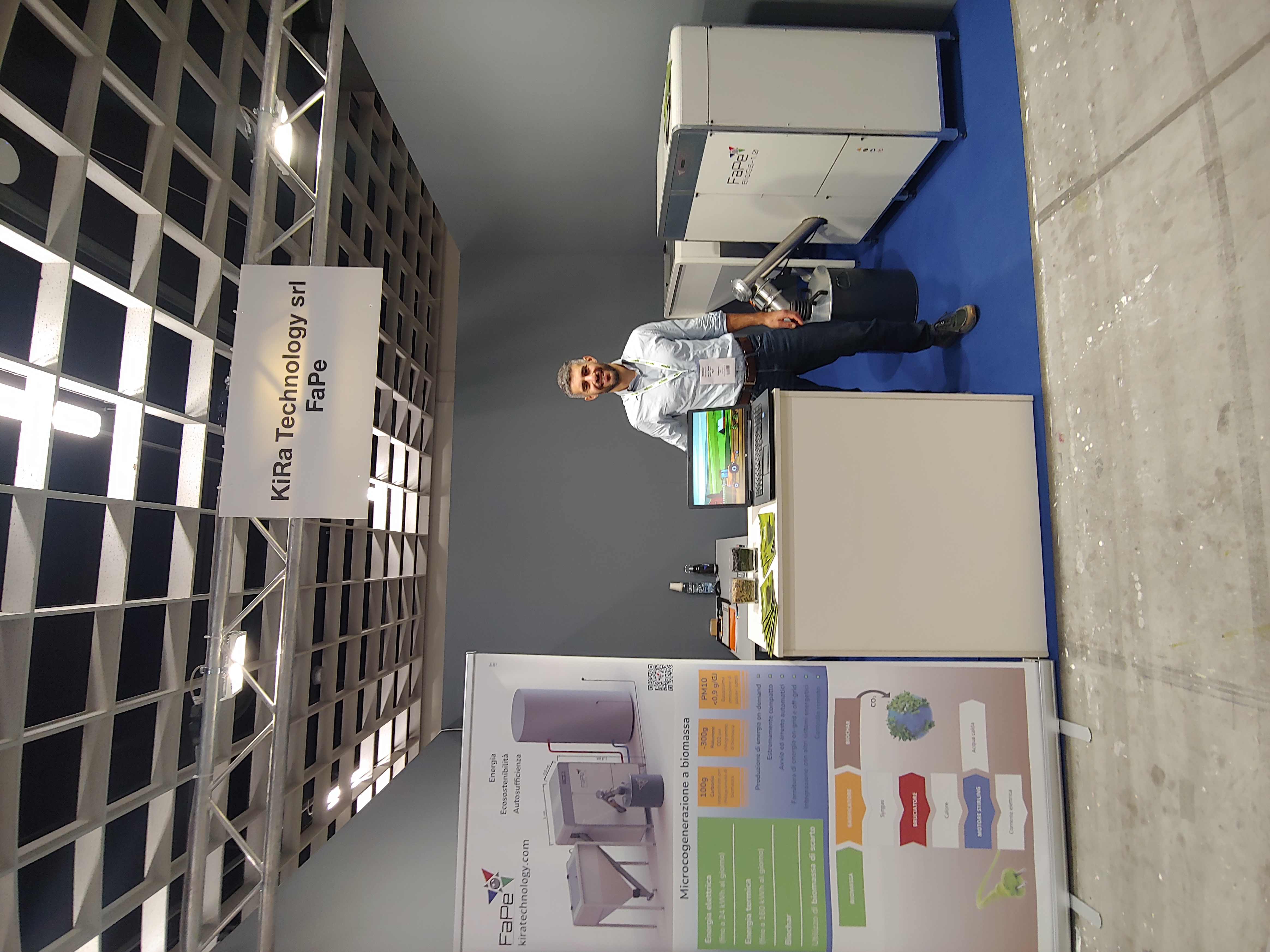
KiRa Technology is an Italian family‑run SME specialised in energy conversion and owner of the registered brand FaPe.
The origins of the project go back to 2014, when Fabio and his father Piergiorgio began experimenting with pyrolytic stoves in their garage. During these first prototypes, a simple but powerful question emerged: could biomass be used not only to produce clean energy, but also to sequester organic carbon and reduce CO₂ emissions?
This idea became the foundation of a long research path. Over nearly ten years of design, testing and optimisation, the initial prototype evolved into BioGS‑1.0, a compact and fully automated micro‑CHP system capable of transforming residual biomass into electricity, heat and biochar. The project was implemented directly on the ground with continuous field testing in farms and small enterprises, allowing the system to be refined in real operating conditions. Today, the first customers are already producing their own renewable energy and biochar, demonstrating the practicality and impact of the solution.
Fabio and Piergiorgio form the technical heart of KiRa Technology.
Fabio, a mechanical engineer with experience in energy‑system control, is responsible for mechanical design, simulations, development and testing. His work shaped the pyrolysis reactor, the heat‑exchange system and the integration with the Stirling engine.
Piergiorgio, an IT manager and programmer with expertise in green building, developed the firmware and software that manage the combustion process, safety systems and automation. His contribution made BioGS‑1.0 simple to operate even for non‑technical users.
The story of BioGS‑1.0 is the story of a small team turning a garage‑born intuition into a practical, climate‑positive technology that helps communities produce clean energy while caring for the environment.
circular economy
energy efficiency
biomass
biochar
independence
BioGS‑1.0 addresses key environmental and socio‑economic challenges by transforming residual biomass into clean energy and stable carbon.
Its high‑efficiency pyrolytic gasification process enables climate‑positive operation: for every kilogram of biomass processed, around 100 g of carbon is permanently sequestered in biochar, while approximately 300 g of CO₂ emissions are avoided thanks to clean combustion and displacement of fossil‑based energy.
With particulate emissions below 0.9 g/GJ and a global efficiency above 95%, the system offers one of the cleanest small‑scale biomass solutions available.
The project applies circular‑economy principles by converting low‑value waste streams into three valuable outputs: renewable electricity, thermal energy, and multifunctional biochar.
The latter supports soil regeneration, water retention, reduced fertilizer use, and can serve as a filler in green building materials, filters, and industrial composites. This multiplies the environmental impact while creating new sustainable value chains.
BioGS‑1.0 strengthens local resilience by enabling farms, small enterprises, and remote sites to produce their own energy from resources already present in their territory, lowering operating costs and reducing dependency on fossil fuels or unstable grids.
Its compact footprint and simple operation broaden access to decentralised renewable energy, supporting local skills and green jobs.
Economically, the system is competitive thanks to low operating costs, additional revenue from biochar, and minimal maintenance needs.
Environmentally, it provides measurable emission reductions and a regenerative approach to biomass management.
BioGS‑1.0 exemplifies sustainability by combining advanced engineering with circular design, climate mitigation, and community benefit, fully aligned with the New European Bauhaus vision.
BioGS‑1.0 contributes to a more beautiful and harmonious living environment by transforming energy production from something typically hidden, polluting, and visually intrusive into a compact, clean, and elegant technological element that can be integrated naturally within farms, rural communities, and small enterprises.
Its minimal footprint (<4 m²), clean lines, and silent operation make it suitable for places where people live and work, without generating nuisance or visual disturbance.
By enabling communities to valorise their own biomass resources, the project strengthens a renewed relationship with the landscape. Waste that would otherwise accumulate, ferment, or require transport is transformed locally into renewable energy and biochar. This process helps maintain cleaner environments, reduces open‑air burning, and supports healthier soils and greener surroundings.
The presence of a BioGS‑1.0 unit becomes a symbol of care for the territory, showing that energy production and environmental stewardship can coexist beautifully.
In the long term, the system enhances place‑based aesthetics by supporting regenerative agriculture and landscape restoration through biochar use. Healthier soils, improved vegetation growth, and reduced erosion contribute to visually richer and more resilient ecosystems beauty as a direct result of ecological improvement.
The project also carries an aesthetic of technological craftsmanship. The combination of advanced engineering, precise control electronics, and a compact pyrolytic core embodies a refined approach to energy design: functional, clear, and purposeful. It demonstrates that small‑scale energy systems can be not only efficient but also visually discreet, accessible, and pleasant to interact with.
BioGS‑1.0 can be considered exemplary in terms of aesthetics because it unites technical elegance, integration with local identity, and visible ecological regeneration.
BioGS‑1.0 makes clean, affordable and local energy accessible to users who are often excluded from the energy transition, such as small farms, rural households, craft businesses and off‑grid communities. By using residual biomass that is already available on site, the system eliminates energy‑supply barriers and reduces operating costs, helping to tackle energy poverty and improving access to renewable heat and electricity even for low‑income users.
Its design follows “design for all” principles: compact, easy to install, fully automated and intuitive to operate. The advanced control system manages combustion, safety and optimization, allowing non‑technical users to run the unit confidently. This lowers the technological gap and gives people direct control over their energy production, turning consumers into active participants of the clean‑energy transition.
BioGS‑1.0 also promotes inclusive local governance. Because it works best with short‑supply biomass chains, it encourages cooperation among farmers, small enterprises and municipalities. These small networks can share biomass resources, exchange biochar and distribute energy benefits locally. This model supports local jobs, strengthens community cohesion and builds a sense of shared responsibility for the territory.
The biochar produced by the system creates new opportunities for inclusive circular economies: it improves soil fertility, supports regenerative agriculture, reduces waste, and can be sold or exchanged as a valuable material. Even very small actors can generate environmental value and economic return from resources that were previously unused.
BioGS‑1.0 is exemplary in terms of inclusion because it democratizes access to renewable energy, supports community‑based resource management, and offers a technology that is economically and technically accessible to all, enabling everyone to contribute to climate and landscape regeneration.
BioGS‑1.0 was developed through continuous interaction with the communities that use and benefit from it.
Since the earliest prototypes, farmers, small rural enterprises and local technicians played a central role in defining functional needs, safety requirements and practical design aspects. Their feedback guided key decisions such as compact dimensions, simplified loading systems, low‑maintenance operation and automation of the control logic. This participatory process ensured that the final product responded not to theoretical assumptions but to real on‑the‑ground needs.
During field testing, early adopters collaborated closely with KiRa Technology by sharing operational data, suggesting improvements and identifying opportunities for circular practices. Their involvement helped refine combustion control, optimize thermal recovery and ensure the system could function reliably with different local biomass types. This collaborative phase significantly improved the robustness and versatility of BioGS‑1.0.
The project also engaged local communities and civil‑society actors interested in sustainable land management, regenerative agriculture and waste reduction. Demonstration events, open‑day installations and discussions with local associations created awareness about biochar, soil regeneration and circular biomass use. These interactions strengthened community ownership of the project and highlighted how small‑scale technologies can contribute to shared environmental goals.
The impact of this participatory approach is evident: BioGS‑1.0 reflects the practical expertise, cultural context and environmental values of the communities it serves. It is not only a technical product but a locally rooted solution shaped by its users, enhancing acceptance, usability and long‑term sustainability.
BioGS‑1.0 was developed through cooperation across local, regional, national and European levels.
Locally, farmers, biomass suppliers and technicians tested early prototypes and shaped practical design features such as size, automation and biomass compatibility.
Regional agricultural and renewable‑energy networks supported field trials and helped align the system with circular‑economy and land‑management strategies.
National bodies provided regulatory guidance on emissions, safety and efficiency, ensuring compliance and market readiness.
At European level, the project was inspired by EU priorities on decarbonisation, circularity and carbon removal, which guided the system’s development and long‑term vision.
This multilevel engagement strengthened the project’s technical robustness, environmental performance and integration within broader sustainability frameworks.
The design and implementation of BioGS‑1.0 integrates multiple disciplines to create a system that is efficient, user‑friendly and environmentally regenerative.
Mechanical and energy engineering guided the development of the pyrolytic reactor, Stirling engine and heat‑recovery systems.
Electronics and digital technologies shaped the advanced control firmware, safety logic and automation.
Environmental sciences supported biomass characterization, emission reduction and biochar quality assessment.
Industrial design contributed to compactness, ergonomics and ease of use, while agricultural knowledge ensured compatibility with local biomass streams and practical needs of farmers.
KiRa Technology adopts a lean and scalable business model based on the production and sale of BioGS‑1.0 units and related spare parts.
The company focuses its internal resources on design, engineering and manufacturing, ensuring high product quality and continuous innovation, while leveraging external partners for distribution and installation.
For the EU market, KiRa operates through a network of authorized dealers, each supported by their own installers. This structure allows the company to expand rapidly across different countries without the need for a large internal sales force. Dealers provide local pre‑sales assistance, installation services and first‑level maintenance, ensuring proximity to customers and reducing operational costs for KiRa.
In the Italian market, KiRa collaborates with commercial agents who promote the product, support customer decisions and coordinate installations through trusted technicians. This approach guarantees strong territorial coverage while keeping the commercial structure flexible and performance‑based.
Revenues come from several complementary sources:
• Sales of BioGS‑1.0 units, the core business.
• Sales of spare parts and consumables, which generate recurring income as the installed base grows.
• Optional accessories and upgrades, such as remote‑monitoring modules or additional storage solutions.
• Service packages, provided directly or through partners, ensuring long‑term reliability for customers.
The economic sustainability of the model relies on high product value, low operational costs and a growing market demand for decentralized renewable energy and circular‑biomass solutions. The partnership‑based distribution strategy minimizes fixed costs and scales with market demand, while the recurring revenue from spare parts and services ensures financial stability over time.
BioGS‑1.0 is designed to be easily transferable and scalable thanks to its modular technology, standardized components and simple operational requirements.
Several elements of the project can be replicated in different contexts, beneficiary groups and geographical areas.
The core technology is compact, self‑contained and does not rely on external infrastructure. This allows the system to be deployed in farms, rural communities, small industries and off‑grid sites across Europe with minimal adaptation. The automation and user‑friendly interface also make the technology accessible to non‑technical users, enabling replication without specialized skills.
The biomass‑to‑energy process is highly adaptable: the system can operate with a wide range of residual biomass types, which makes it suitable for regions with different agricultural or forestry profiles. This flexibility supports scaling in Mediterranean, continental, mountain or peri‑urban contexts.
The project’s distribution model, based on EU dealers and Italian agents, is fully scalable to other countries. It can be easily extended by creating new partnerships with local installers, ensuring rapid market expansion with low operational costs. The same structure can be replicated outside the EU through export agreements or localized production.
The biochar value chain is another scalable element.
Communities can reproduce the circular model created around BioGS‑1.0: converting waste biomass into energy and using biochar for soil regeneration, filtration, or green-building materials. This approach enables small actors to develop local carbon‑removal and circular‑economy ecosystems.