Enhancing Circularity, Sustainability, and Innovation
CLIC SEA: Regenerative Ocean Barriers
CLIC SEA Circular regenerative barriers transforming human hair in marine pollution capture systems
CLIC SEA transforms human hair waste into biodegradable barriers that capture pollutants in marine environments. By turning a global waste stream into regenerative environmental infrastructure, the project protects coastal ecosystems, improves water quality, and supports circular blue economy solutions. Already implemented in ports, CLIC SEA demonstrates how circular innovation can reconnect industry, nature, and communities while restoring the health of our oceans.
Spain
National
Mainly urban
It involves a physical transformation of the built environment (hard investment)
Yes
2025-06-26
Yes
NEB Catalyse EIT Food 2026
No
Yes
Organisation
CLIC SEA™ is a regenerative environmental infrastructure solution developed by CLIC RECYCLE that transforms human hair waste into engineered biodegradable barriers capable of capturing pollutants in marine and coastal environments. The project addresses two global challenges simultaneously: waste management and water pollution by converting an abundant urban waste stream into a circular material for ecosystem protection.
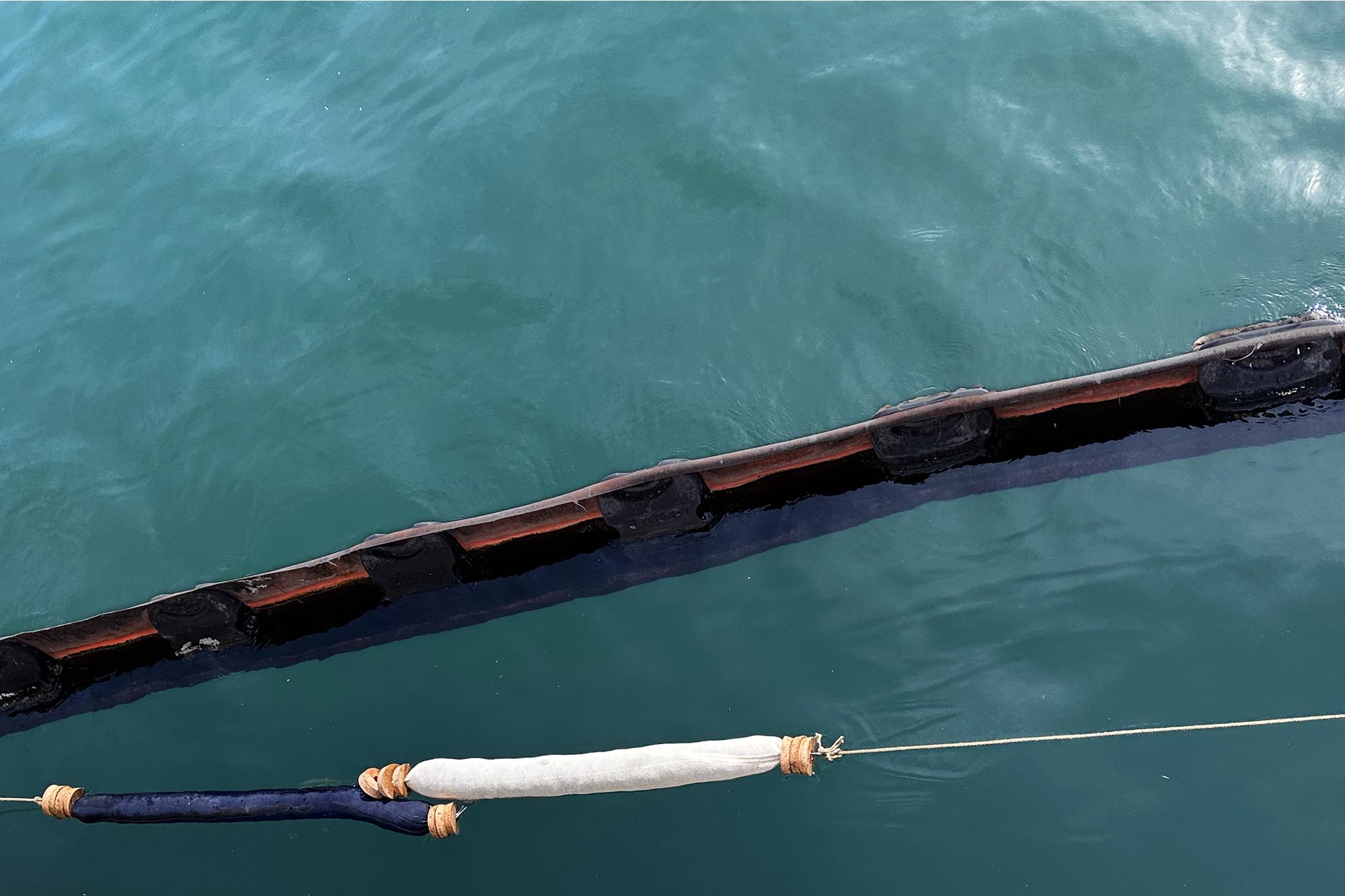
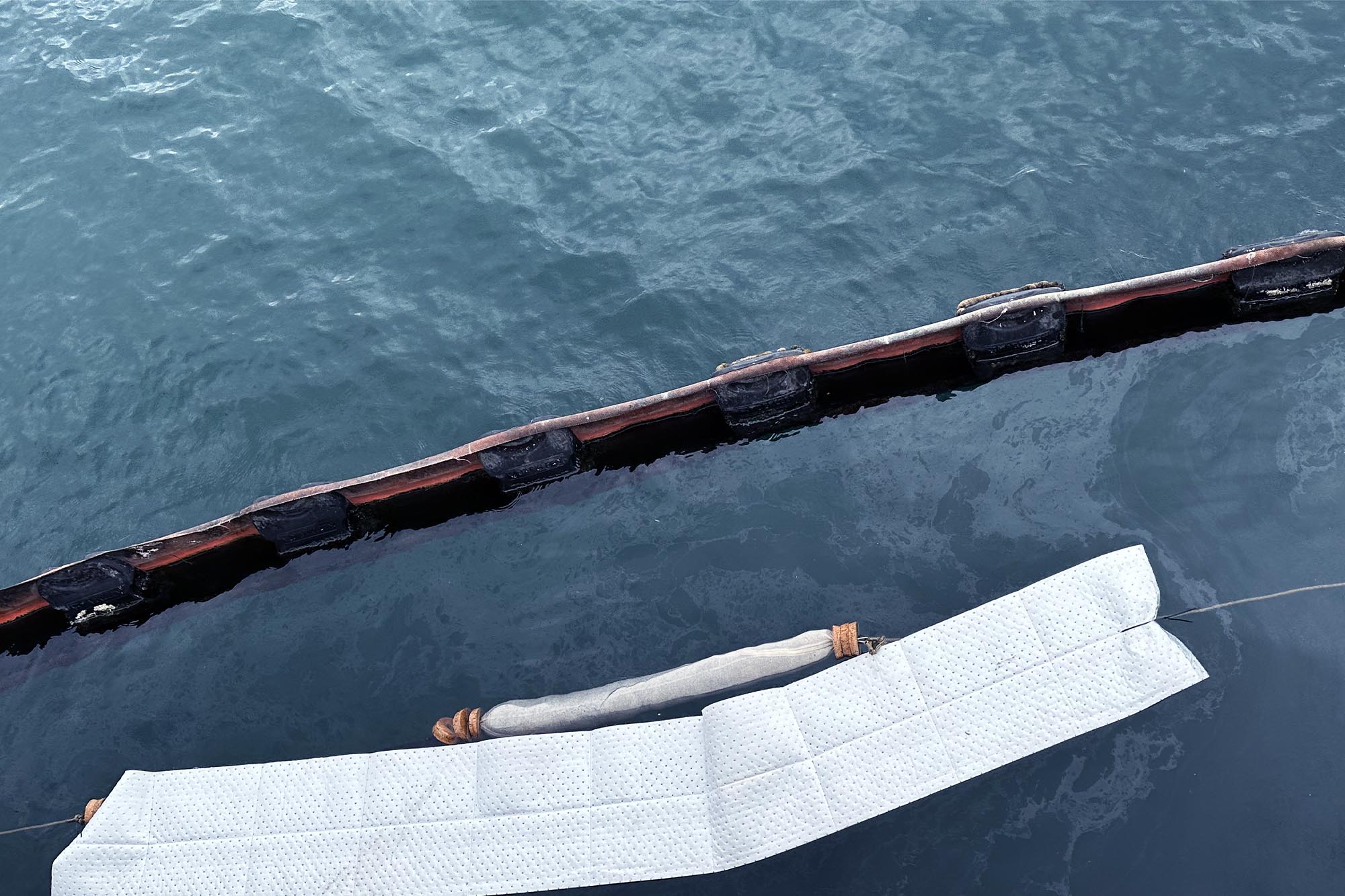
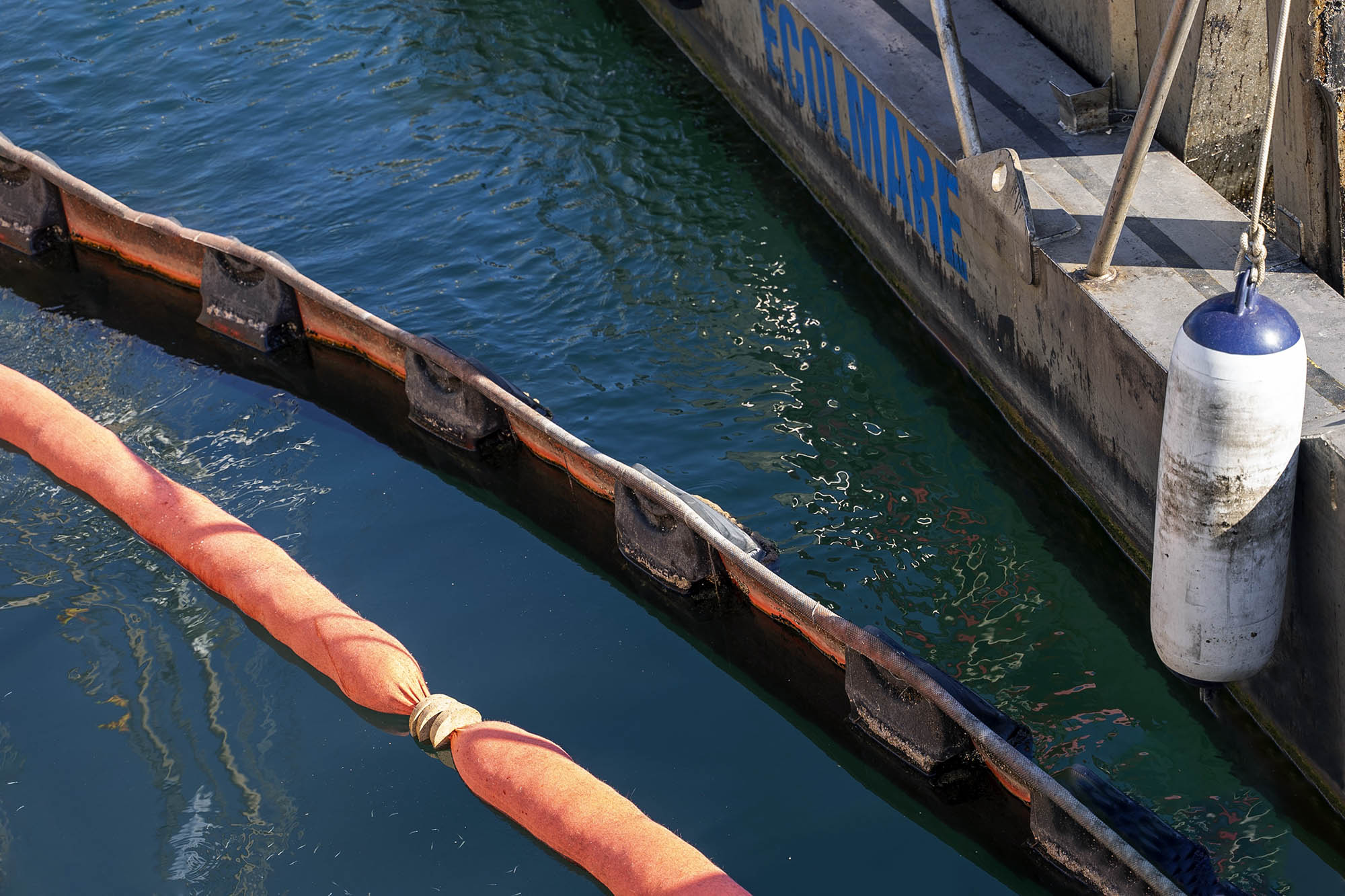
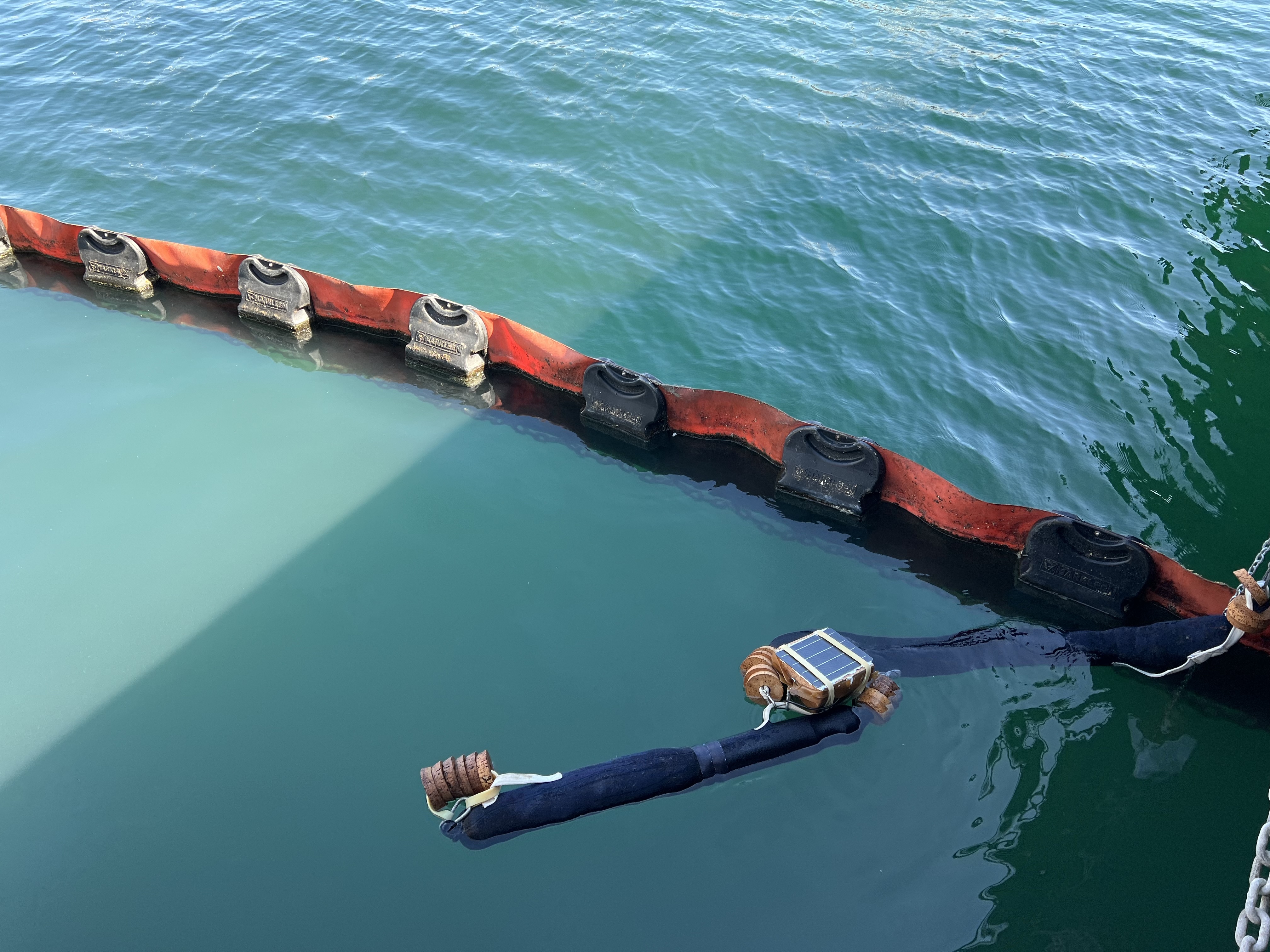
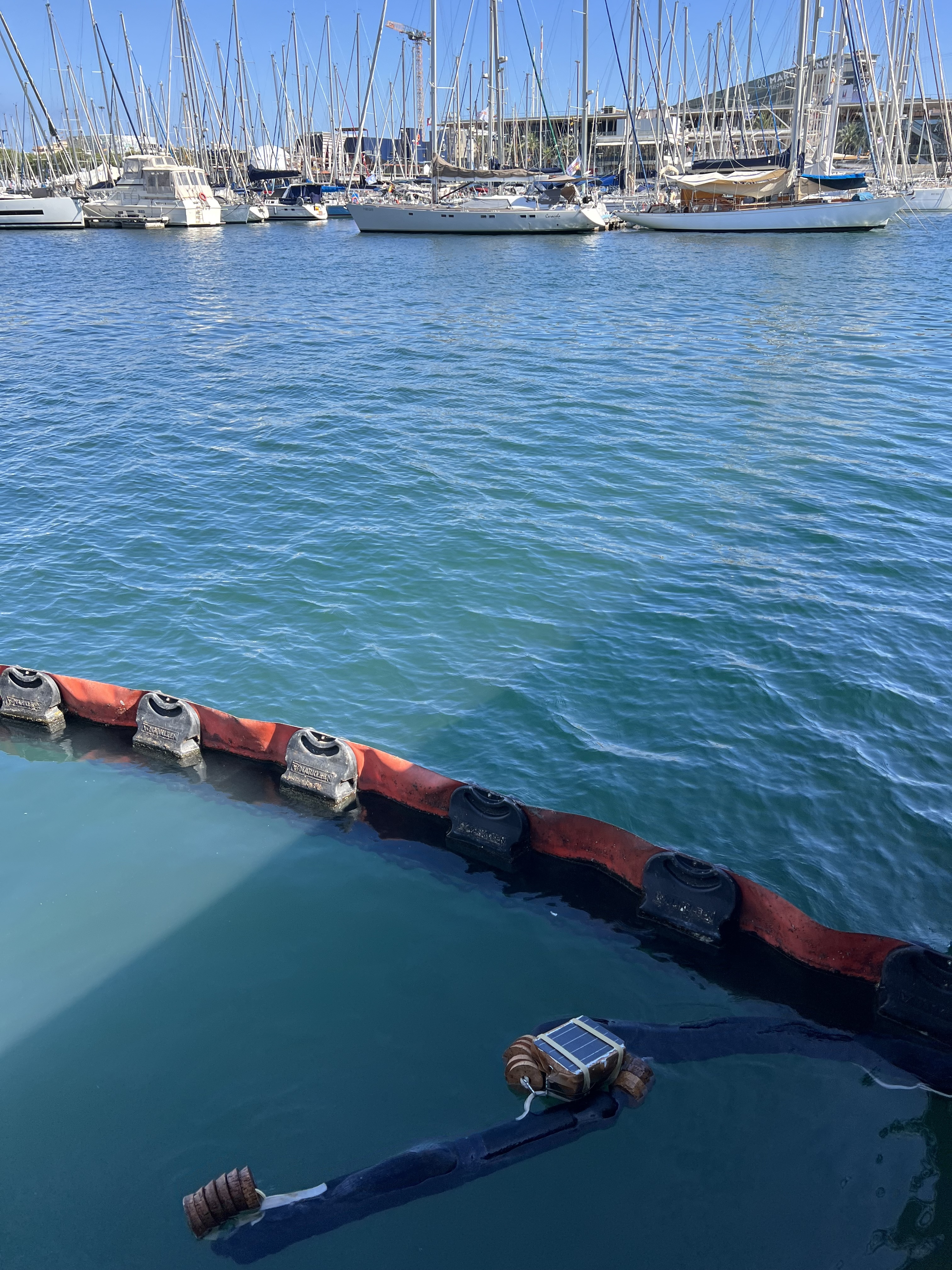
The solution consists of modular barriers made from recycled human hair, a natural material with high pollutant absorption capacity. These barriers are deployed in ports and coastal infrastructures, where they capture hydrocarbons, heavy metals and other contaminants, improving water quality while preventing pollution from spreading to marine ecosystems. The system is fully biodegradable, low-carbon and designed for integration into existing maritime infrastructure.
CLIC SEA has already been implemented and validated in real port environments, demonstrating operational feasibility, measurable pollution capture and scalability. The project has established a circular value chain involving hairdressers, waste management actors, ports and industrial stakeholders, creating local green jobs and fostering circular economy practices. By transforming waste into environmental protection systems, the project contributes to climate mitigation, biodiversity protection and resource efficiency.
Beyond its immediate environmental benefits, CLIC SEA supports long-term systemic change by introducing a model of regenerative infrastructure that reconnects urban activities with natural ecosystems. The solution contributes to healthier coastal environments, strengthens climate resilience of port infrastructures and promotes more sustainable industrial practices. Its modular design enables replication across European and global coastal regions, supporting the transition towards a circular and regenerative blue economy.
CLIC SEA™ was born from the intersection of two urgent challenges: marine pollution in ports and coastal areas, and the daily disposal of large quantities of human hair from urban hairdressers. Recognising the natural adsorption capacity of hair for hydrocarbons and heavy metals, CLIC RECYCLE set out to transform this overlooked waste stream into a regenerative environmental infrastructure solution.
The project began with laboratory validation and material testing to confirm the performance of human hair as a natural adsorbent. Through collaboration with universities and research institutions, early prototypes were developed using circular and biodegradable materials, designed to replace conventional polypropylene-based barriers that generate microplastics and additional emissions.
Implementation moved rapidly into real-world conditions. From 2023 through 2024 and continuing into 2025, multiple immersion phases were carried out in the Port of Barcelona, allowing progressive optimisation of design, durability, modularity and operational integration. Each pilot phase improved performance, leading to advanced technological maturity and validation in operational maritime environments.
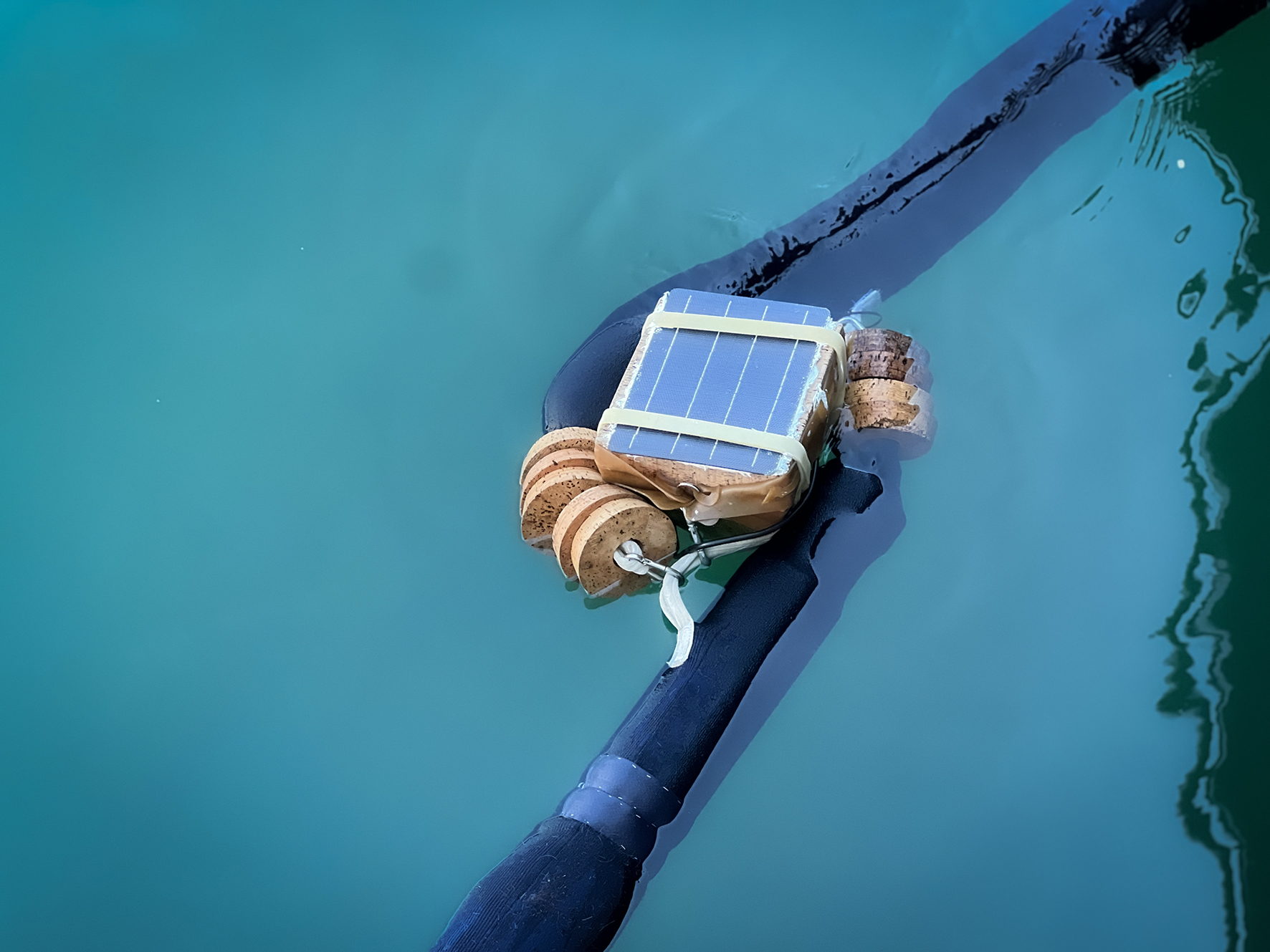
In 2025, the project evolved beyond material innovation into smart regenerative infrastructure. CLIC SEA now integrates solar-powered sensors, IoT connectivity and geolocalisation systems that enable real-time monitoring of water quality and barrier performance. This allows predictive maintenance, environmental data collection and traceable impact measurement, strengthening regulatory reporting and climate accountability.
A circular value chain supports the entire system: hair is collected locally from salons, processed into engineered barriers, deployed in ports, and monitored digitally. This model reduces plastic use, captures pollutants, supports local employment and introduces a new regenerative approach to coastal infrastructure.
Circular economy
Nature-based solutions
Water resilience
Regenerative infrastructure
Pollution reduction
CLIC SEA™ addresses environmental, social and economic challenges through a circular approach that transforms human hair waste into biodegradable barriers that capture pollutants in marine and coastal environments. The project tackles marine pollution, plastic dependency and resource inefficiency by converting an abundant urban waste stream into regenerative environmental infrastructure.
Environmentally, the solution replaces fossil-based polypropylene barriers with a biodegradable and reusable alternative, reducing microplastic pollution, CO₂ emissions and waste generation. Its environmental performance is validated through Life Cycle Assessment (ISO 14040/14044). By improving water quality and protecting marine biodiversity, the project contributes to climate mitigation, ecosystem restoration and coastal resilience. The integration of sensors and IoT systems enables real-time monitoring of environmental impact, ensuring traceability and continuous performance improvement.
Socially and economically, CLIC SEA creates a circular value chain involving hairdressers, waste management actors, research institutions and port authorities. This model supports local employment, promotes responsible resource use and helps industries comply with environmental regulations while reducing pollution management costs.
CLIC SEA is exemplary in terms of sustainability because it demonstrates a scalable and replicable model that integrates circular material innovation, nature-based solutions and smart technology within existing infrastructure, delivering measurable long-term benefits for ecosystems, communities and industry.
CLIC SEA™ contributes to making life more beautiful by restoring the visible and ecological quality of coastal and port environments. Ports are often perceived as purely industrial spaces, disconnected from communities and natural ecosystems. By improving water clarity, reducing pollution and replacing plastic-based barriers with biodegradable, natural materials, the project helps transform these areas into cleaner, healthier and more harmonious environments.
The design of CLIC SEA is modular, discreet and based on natural fibres, integrating into maritime landscapes without introducing additional visual or material pollution. Unlike conventional synthetic barriers that deteriorate and release microplastics, CLIC SEA promotes a softer, regenerative presence that aligns infrastructure with ecological processes rather than opposing them.
Beyond its physical form, the project contributes to a renewed sense of belonging and care. By collecting hair locally from salons and transforming it into environmental protection systems deployed in nearby ports, CLIC SEA creates a tangible connection between citizens and marine ecosystems. Urban communities become active contributors to coastal protection, reinforcing awareness, responsibility and shared stewardship.
In the longer term, the project supports a cultural shift: from extractive and disposable infrastructure to regenerative and circular design. It demonstrates that environmental protection systems can be intelligent, traceable and integrated into the built environment while enhancing ecological quality. CLIC SEA is exemplary in terms of aesthetics because it links environmental performance with spatial improvement, material coherence and community participation, contributing to more resilient and meaningful coastal spaces.
CLIC SEA™ promotes inclusion by creating an accessible and participatory circular model that involves diverse stakeholders in environmental protection. The project transforms locally collected human hair from hairdressers into regenerative environmental infrastructure, enabling citizens, small businesses and industries to actively contribute to marine ecosystem restoration. This approach democratizes participation in environmental action and strengthens shared responsibility for protecting natural resources.
The solution is designed to be accessible and affordable for public authorities and industrial operators. Its modular design allows easy deployment within existing port and coastal infrastructure without major investment or complex installation, reducing operational costs compared to conventional plastic-based solutions and enabling broader adoption across regions.
CLIC SEA also promotes inclusive governance through collaboration with local hairdressers, waste management actors, research institutions and port authorities, creating a cross-sector ecosystem that supports knowledge sharing, local value creation and responsible resource management. The circular value chain generates local economic opportunities and supports green jobs while strengthening connections between urban communities and coastal environments.
The project can be considered exemplary in terms of inclusion because it introduces a new societal model where waste becomes a shared resource and environmental protection becomes a collective effort. By connecting citizens, industry and institutions in a common circular system, CLIC SEA fosters accessibility, participation and equitable environmental benefits while supporting a more resilient and inclusive transition to sustainability.
CLIC SEA™ has been developed through a participatory and cross-sector approach that actively involves citizens, small businesses, research institutions and port authorities. The circular value chain begins with local hairdressers, who contribute human hair as a resource rather than waste. By engaging salons and urban communities in collection systems, the project enables citizens and micro-enterprises to directly participate in marine ecosystem protection.
Port authorities and maritime stakeholders were involved during pilot implementation phases between 2023 and 2025, contributing operational feedback that helped optimise barrier design, modularity, durability and integration into existing infrastructure. Universities and research centres supported validation, analytics and environmental performance assessment, ensuring scientific rigour and continuous improvement.
CLIC RECYCLE’s participation in the NEB Catalyse programme further strengthened its participatory dimension in EIT Food . Through this initiative, the project engaged with European experts, designers and stakeholders to refine its environmental, social and aesthetic impact, aligning the solution with New European Bauhaus values and enhancing its societal relevance.
The impact of this participatory approach has been tangible: improved product performance, stronger stakeholder trust, local job creation and increased awareness of circular practices. By connecting urban citizens with coastal ecosystems through a shared material cycle, CLIC SEA fosters collective stewardship and demonstrates how environmental infrastructure can emerge from community collaboration.
The project is exemplary in terms of participation because it transforms environmental protection from a top-down technical intervention into a shared, multi-actor process that empowers communities, industry and institutions to co-create regenerative solutions.
CLIC SEA™ has been developed through a multilevel governance approach involving stakeholders at local, regional, national and European levels, ensuring strong institutional alignment and scalability.
At the local level, hairdressers and urban communities participate in the collection of human hair, transforming waste into a resource for environmental protection. Local port authorities played a key role in pilot deployments between 2023 and 2025, providing operational environments, technical feedback and validation under real conditions.
At the regional level, research institutions and universities supported testing, environmental analysis and technology validation, contributing scientific expertise and performance assessment. Collaboration with waste management actors and regional innovation ecosystems enabled the development of circular resource flows and local implementation strategies.
At the national level, the project aligns with sustainability and circular economy priorities and engages with innovation and environmental stakeholders supporting regulatory compliance, market adoption and industrial transition.
At the European level, CLIC RECYCLE participated in the Blue invest and Green Assist for elaborate the ISO LCA of the product and at the end the New European Bauhaus Catalyse programme and engaged with European innovation and investment ecosystems, strengthening alignment with EU sustainability goals and supporting knowledge exchange, design improvement and scalability across regions.
This multilevel engagement ensured technical robustness, regulatory alignment and social acceptance while accelerating implementation and replication potential. The collaboration of actors across governance levels provides added value by connecting local action with European sustainability objectives and enabling a scalable model for regenerative environmental infrastructure.
CLIC SEA™ was developed through a transdisciplinary approach combining expertise from environmental science, materials engineering, circular economy design, digital technologies and industrial implementation.
Environmental science and marine biology informed the understanding of pollution dynamics, ecosystem restoration and water quality improvement. Materials engineering and chemistry supported the development of human hair as a high-performance natural adsorbent and the design of biodegradable barriers capable of capturing hydrocarbons and heavy metals.
Circular economy and industrial design principles guided the transformation of urban waste into regenerative environmental infrastructure, ensuring modularity, durability, reuse and integration into existing port environments. Engineering and maritime expertise enabled deployment in operational port infrastructure and optimisation of system performance under real conditions.
Digital technologies also play a key role in the project. IoT connectivity, solar-powered sensors and geolocalisation systems enable real-time environmental monitoring, data collection and traceability of impact. Data analysis and predictive tools support continuous improvement and operational efficiency.
The project also integrates social and economic perspectives through stakeholder engagement, circular value chain development and collaboration with local businesses, research institutions and public authorities.
This combination of scientific, technological, environmental and societal knowledge enables a holistic solution that connects innovation, sustainability and real-world implementation, demonstrating a truly transdisciplinary approach to regenerative environmental infrastructure.
CLIC SEA™ operates through a circular service-based business model that generates revenue from the production, deployment and maintenance of biodegradable pollution capture barriers for ports, coastal industries and environmental operators. Customers include port authorities, maritime infrastructure managers and environmental service providers seeking cost-effective and sustainable solutions for pollution prevention and regulatory compliance.
Revenue is generated through the sale and installation of modular barriers, recurring service contracts for maintenance and monitoring, and environmental performance services supported by real-time data collection through IoT and sensor systems. The solution reduces operational and environmental costs compared to conventional plastic-based alternatives, creating strong economic incentives for adoption.
The project is supported by a circular supply chain in which human hair is collected from local hairdressers as a low-cost raw material, ensuring resource efficiency and stable production costs. The modular and scalable design allows deployment across multiple locations without major infrastructure investment, supporting financial sustainability and rapid market expansion.
Additional revenue streams include carbon credits and environmental impact verification services enabled by traceability systems and Life Cycle Assessment methodologies. Strategic partnerships with ports, research institutions and industrial stakeholders further strengthen market adoption and long-term economic viability.
This model ensures financial ustainability by combining circular resource use, recurring service revenues, measurable environmental impact and scalable deployment across European and global coastal regions.
CLIC SEA™ is designed as a modular and scalable solution that can be easily replicated across different geographic contexts, industrial environments and coastal ecosystems. Its core technology — biodegradable pollution capture barriers made from recycled human hair — can be deployed in ports, marinas, coastal infrastructures and industrial water environments without requiring major infrastructure changes.
The project’s circular methodology is highly transferable. The local collection of human hair from hairdressers, its processing into environmental materials and its deployment in nearby ecosystems can be replicated in urban areas worldwide, creating local circular value chains and reducing dependence on virgin resources. This model enables cities and regions to transform local waste streams into environmental protection systems.
The modular product design, low-cost raw material supply and simple installation process allow implementation in different regulatory and operational contexts. The solution can also be adapted to various types of water pollution challenges and environmental conditions.
CLIC SEA’s digital monitoring platform, including IoT connectivity, geolocalisation and impact traceability systems, supports standardised deployment, performance monitoring and knowledge transfer across locations. This enables data-driven optimisation and facilitates replication at scale.
Key learnings from pilot deployments in port environments, stakeholder collaboration and circular supply chain development provide a transferable framework for other regions, industries and communities seeking regenerative and circular environmental solutions. The project therefore offers a replicable model that supports scalable impact across European and global coastal regions.