Arts, Culture, and Heritage as Drivers of Change
Hex Haus
Hex Haus - Sound Shaped
dalH
Slovenia
National
Mainly urban
It involves other types of transformations (soft investment)
Yes
2025-12-31
Yes
Creative Europe
No
No
Organisation
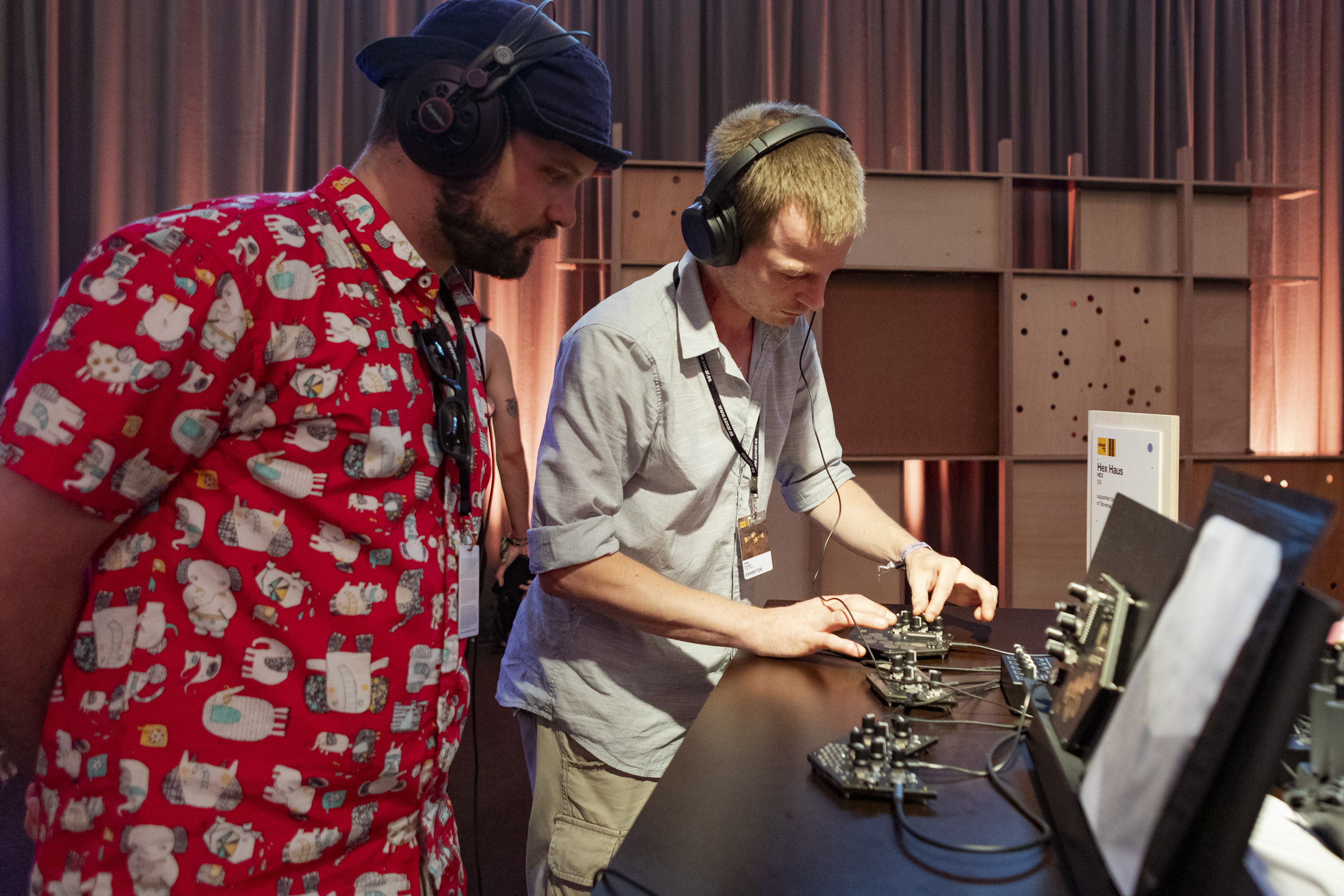
HEX HAUS is an interdisciplinary initiative and production laboratory that merges sound, art, sustainable design and community education through the development of authorial electronic sound instruments. Our results include the development and commercialization of a family of compatible instruments - HEX cor, lag, row - available in both assembled and DIY versions; the receipt of prestigious international recognitions such as the Silver Award at the Taipei Design Award and the A’ Design Award for the design of HEX cor; and organisation of international workshops (in Slovenia and Croatia), where we have technologically empowered users of all ages in the fields of sound synthesis and electronics. HEX cor have also been validated on significant global stages, ranging from the Sónar Festival to Berlin Design Week.
The long-term impact of HEX HAUS is reflected in a radical transformation of the relationship between users and technology. By advocating for open-hardware, right-to-repair and ecodesign principles, we promote a shift from passive consumerism toward active creativity. Our instruments are modular with 100% replaceable components. By that, we established a sustainable standard of repairability that significantly reduces electronic waste and supports a circular economy.
Our goal is the democratization of access to new technologies through the development of electronic musical instruments that are easy to use while maintaining professional technical and aesthetic standards. In doing so, we are establishing an economically viable model for the creative industries that combines refined artistic expression with accessible STEAM principles. Through DIY kits, the project enables the global replication of its methodology, ensuring regenerative social impact and an inclusive future for technological development.
The HEX HAUS project began in 2019 as a grassroots initiative emerging from a collaboration between two intermedia artists. At a time when much interaction with technology was moving toward screens, we wanted to explore the opposite direction: how to remain technologically up to date while bringing interaction back into the physical world through touch, listening and shared making.
The project was conceived as something “for the people” – not simply an object to buy, but a tool users could co-create, modify, and repair. With this in mind, we began developing a musical instrument that combines artistic design with open technological access.
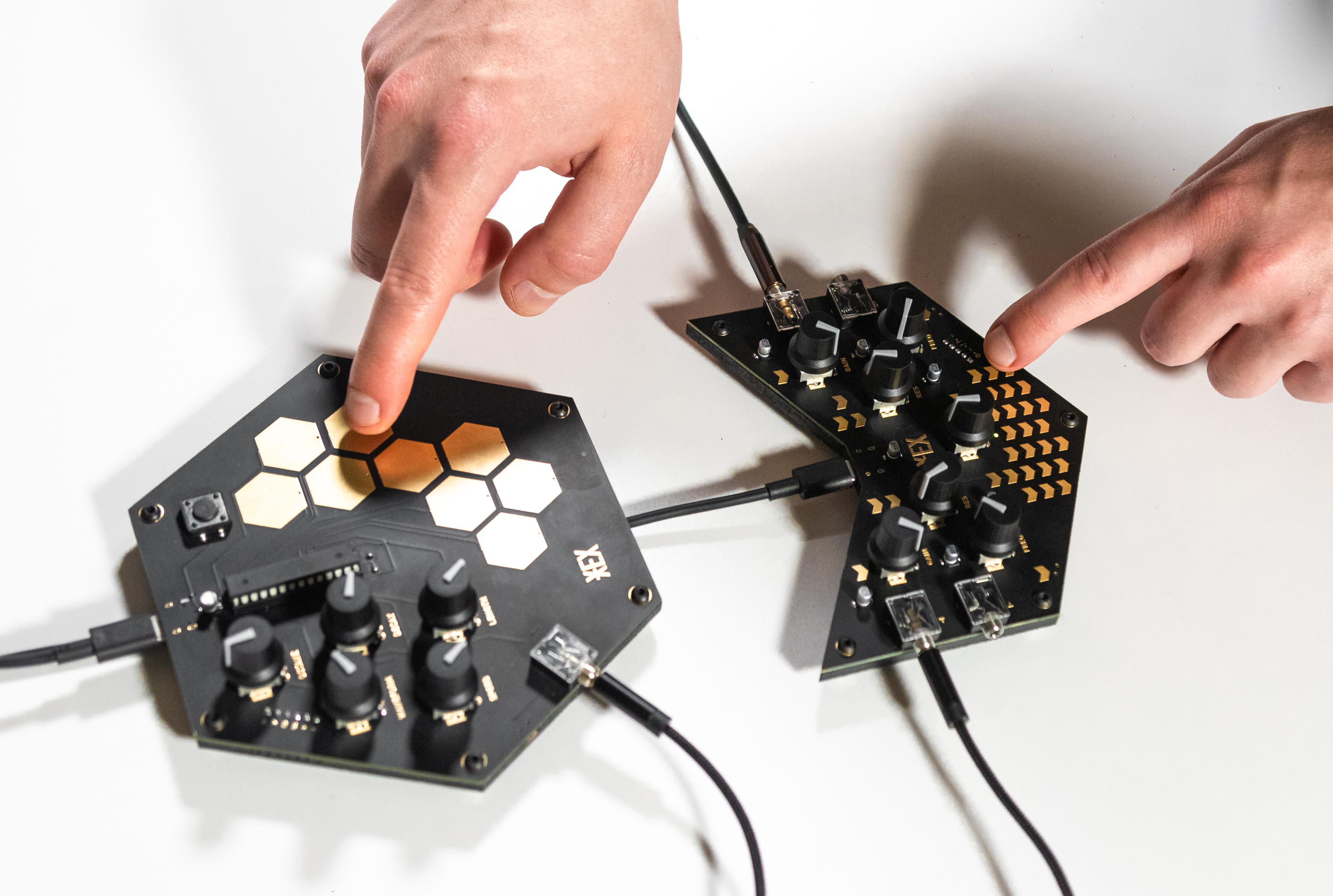
This approach led us to the hexagon as the form of our first instrument. The hexagon references the beehive, a symbol of cooperation and collective work, which also resonates with the long tradition of beekeeping in Slovenia. Inspired by cultural tradition, we reflected on how objects were once designed to be repaired rather than discarded, and how knowledge about tools was often shared collectively. These ideas shaped the architecture of our instruments, which are modular systems that can be opened, repaired, modified and upgraded by their users.
The first prototype, HEX 1.0, was developed within the synthesizer community at Ljudmila Lab, a laboratory connecting art, science and technology. Between 2020 and 2021, the instrument evolved through participatory workshops in Slovenia and Croatia, where musicians and enthusiasts provided feedback that directly influenced its development.
In 2022, the project expanded with institutional support through cohesion funding from the Centre for Creativity in Ljubljana, enabling the transition from a local initiative to a professional platform and culminating in the founding of the HEX HAUS institute.
Between 2023 and 2025, we developed new instruments, HEX lag and HEX row, while expanding internationally through workshops and educational programs such as POW Academy.
Technological literacy
Participatory learning
Beautiful and sustainable design
Interdisciplinary practice
Community co-creation
HEX HAUS addresses the environmental and systemic challenges of the electronics industry by replacing the “black box” practices with a transparent, regenerative model. To concretely reduce environmental impact, we implement strict ecodesign principles in which every instrument is optimized and designed so that all of its components are easily replaceable. This empowers users to repurpose and upgrade their devices indefinitely, directly countering planned obsolescence and the global growth of e-waste.
From its beginning, HEX HAUS has been designed to close the loop by integrating users directly into the production and maintenance cycle through DIY kits and open-hardware documentation. This shift from passive consumerism to active local production creates a collaborative system in which repairability is the standard. We further minimize resource extraction by opting for standardized USB power, encouraging users to reuse their existing cables/phone chargers.
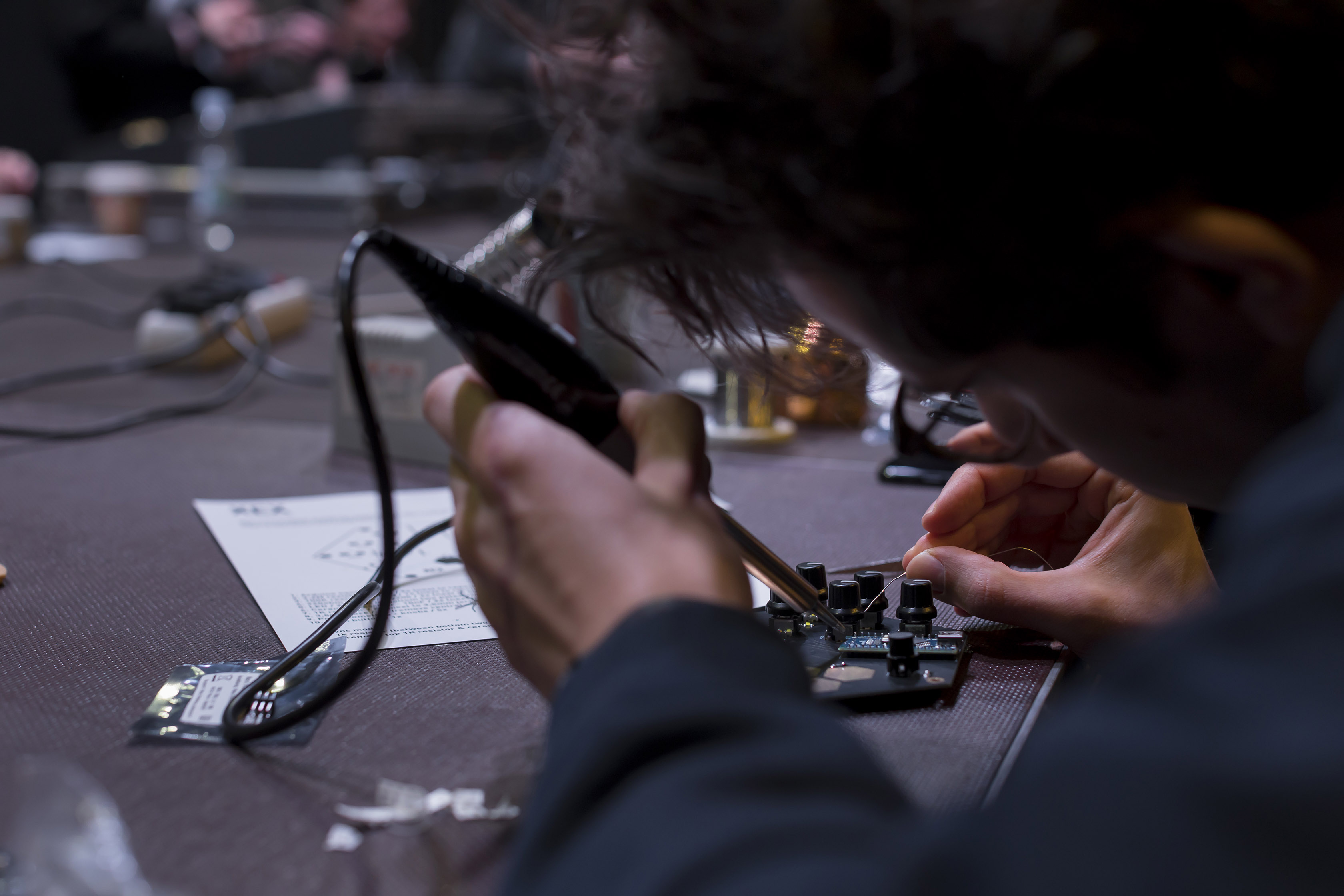
Culturally and socially, HEX HAUS is exemplary because it seeks to regenerate the human relationship with technology through a fundamental paradigm shift. Instead of buying a device off the shelf and discarding it when it malfunctions, we develop instruments that can be repaired or improved through a community-led workshops, video tutorials and online platforms (Instagram). Each instrument is accompanied by two videoguides that lead users from soldering SMD components (even if they have never soldered before) to playing the instrument. The same knowledge is also available offline through a printed manual included with the kit. Together, these resources foster technical literacy and creative empowerment while supporting a culture of repair, experimentation and shared knowledge.
Economically, HEX HAUS demonstrates a model for creative industries that prioritizes long-term durability and circularity over extractive mass production, offering a replicable framework for a more environmentally responsible future.
HEX HAUS contributes to making life more beautiful by transforming technology into a meaningful, hands-on artistic experience. Through collaborative workshops and accessible DIY kits, participants engage in building and playing electronic instruments, supported by clear tutorials that require no prior knowledge. This process merges creativity, learning and craftsmanship, enhancing both mental well-being and sensory awareness.
Our instruments are designed as both professional tools and aesthetic objects. Their distinctive hexagonal form is not decorative, but symbolic, expressing complexity, connection, and emergent possibilities. By aligning visual identity with technological function, we translate abstract electronics into a tangible, performative experience that resonates emotionally and perceptually. By integrating practical solutions such as portable USB power and headphone outputs, the instruments can be used in different environments, including outdoors.
HEX HAUS fosters a strong sense of belonging by creating inclusive, intergenerational spaces for co-creation. In collaboration with cultural and maker institutions, participants become active contributors to the “future of sound.” This shared process builds confidence, strengthens community ties and opens pathways into technology for diverse audiences. Feedback from participants shows that these experiences often inspire continued learning, with some users going on to develop their own instruments.
The project is exemplary in redefining the aesthetics of technology through openness, modularity and repairability. By challenging the “black box” paradigm, HEX HAUS presents transparency and adaptability as core aesthetic values. Recognition through design awards for the HEX cor instrument demonstrates that our approach achieves both artistic excellence and cultural relevance.
HEX HAUS invites communities to reimagine their relationship with technology by making it more creative, inclusive and - beautiful.
HEX HAUS promotes inclusion by making advanced sound technologies accessible, understandable, and affordable for a broad and diverse audience. Our instruments are designed to be intuitive and inviting rather than intimidating. Our goal is the democratization of access to new technologies by enabling people with different levels of technical knowledge to engage with electronic sound and hardware. The interface emphasizes tactile interaction and visual feedback, allowing users to explore technology through experimentation rather than prior expertise.
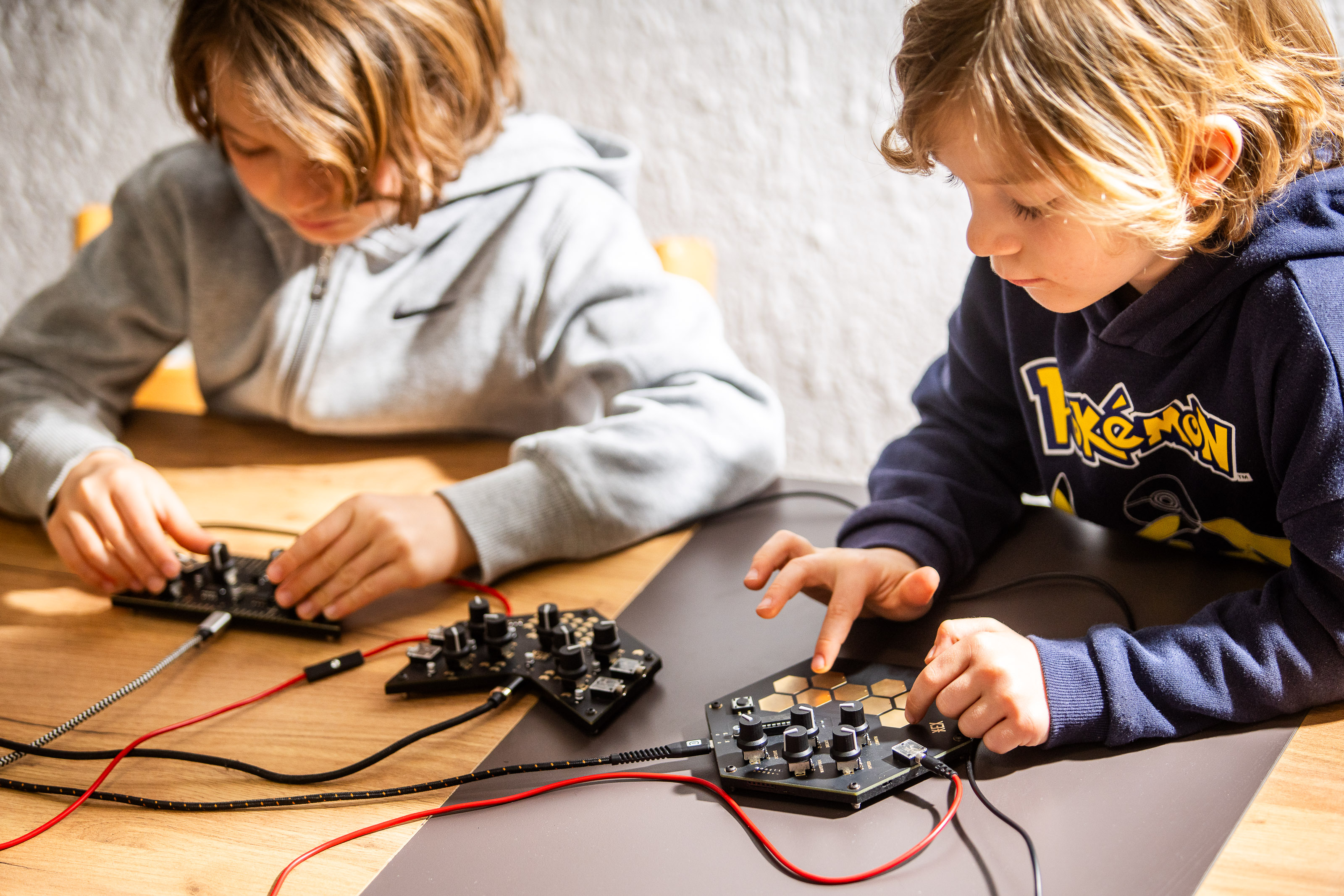
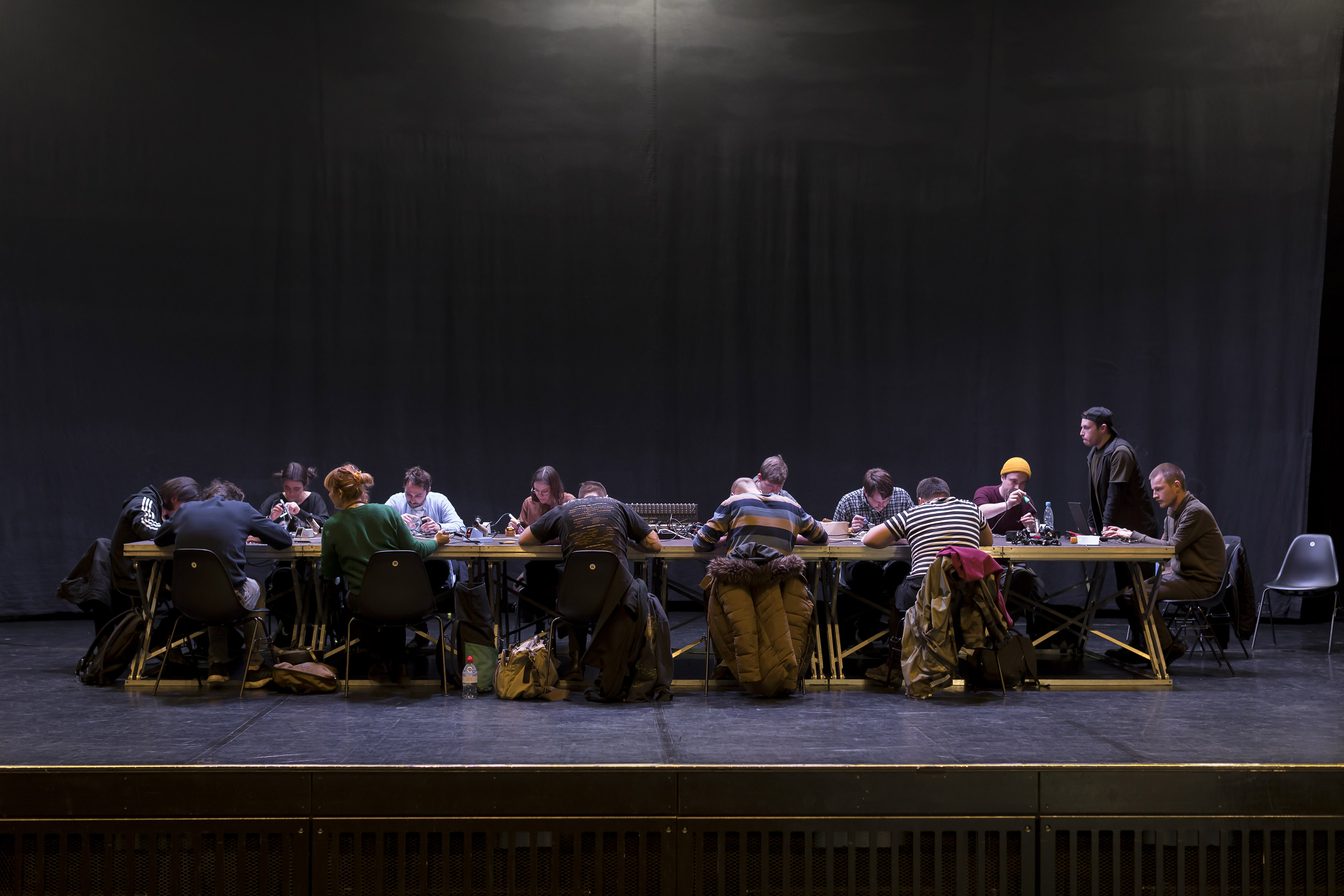
Accessibility is further supported through our workshop-based model. Since 2020, we have been organizing workshops in collaboration with cultural institutions, maker spaces, and NGOs. Many of these workshops are publicly subsidized, ensuring that participation remains affordable and open to students, young creatives, and communities that might otherwise have limited access to technological education. Our instruments are suitable for users aged 15 and above, while the HEX blob was specifically developed for children.
HEX HAUS promotes inclusion by shifting the role of the user from consumer to co-creator. Through DIY kits, open-hardware documentation and online tutorials, participants can independently assemble, modify and repair their instruments, fostering autonomy and technical confidence. As the materials support both guided and self-paced learning, this also ensures that the instruments can be used and assembled by people with diverse abilities, including those with mobility impairments and users who benefit from tactile and auditory interaction.
HEX HAUS can be considered exemplary in terms of inclusion because it transforms advanced technological tools into accessible cultural resources. Instead of positioning electronic instruments as specialized equipment for experts, the project introduces them through a participatory model that invites people to learn, build, and modify the technology themselves.
Participation is a core principle of HEX HAUS and has shaped the project from its earliest stages. Rather than developing instruments in isolation, we involve users, communities and cultural organizations directly in the process of testing, learning and co-creating the technology.
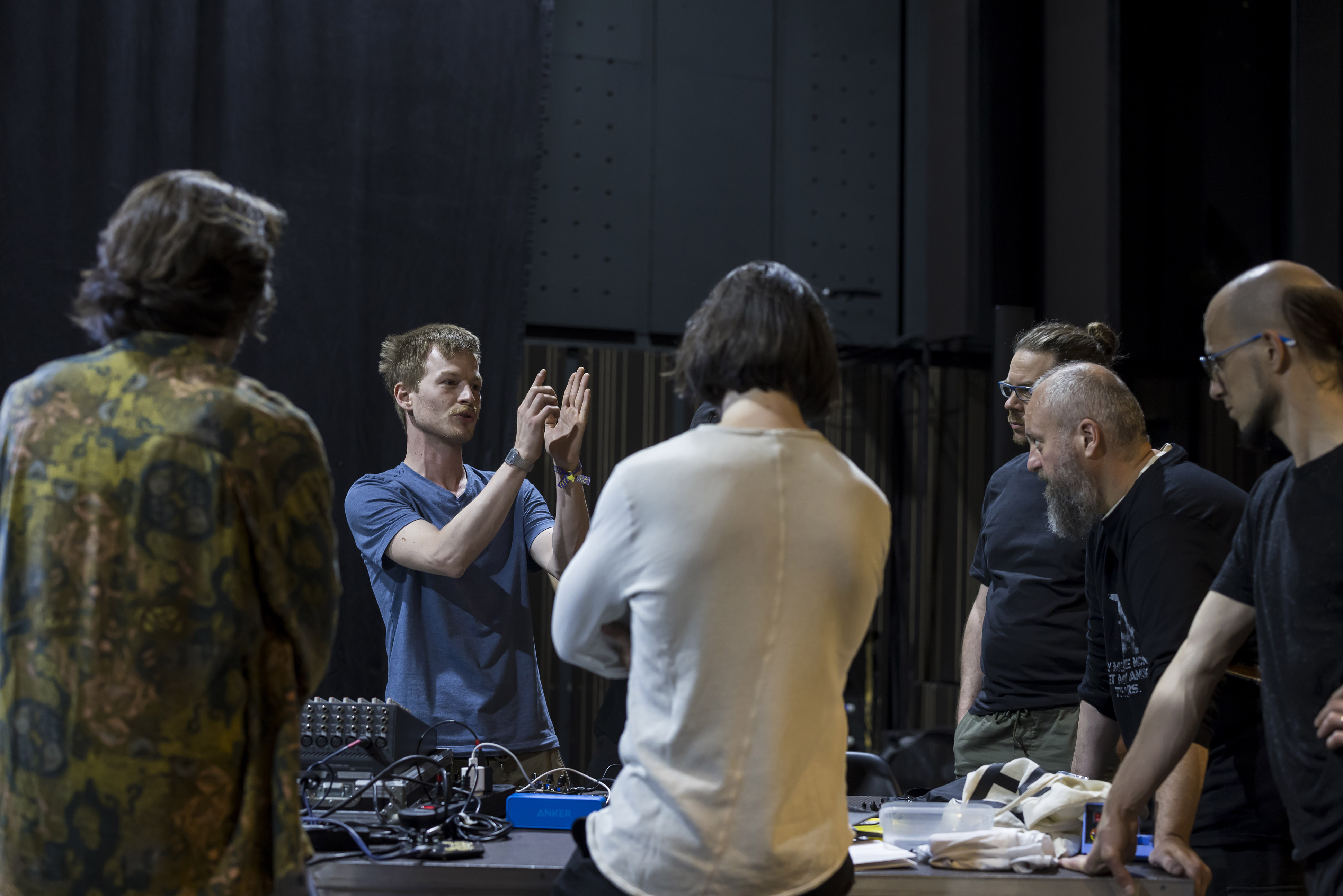
Workshops and community gatherings have been the main participatory format of the project. In Slovenia, the Synthesist Meetups within Ljudmila Lab created open environments where musicians, artists, students and beginners could experiment with sound synthesis and electronics together. These meetings function not only as educational events but also as spaces where participants actively test prototypes and share feedback that informs further development.
Our studio at Center Rog in Ljubljana further deepened this participatory approach. Through open studio days and workshops, visitors were able to try instruments, test prototypes and discuss ideas with the creators. This direct interaction significantly influenced the development of new instruments (HEX row and HEX lag) which were refined through user feedback and experimentation. Participation also extended beyond Slovenia. Through long-term collaboration with Radiona in Zagreb, HEX HAUS organized workshops and exhibitions that connected the project with broader European maker and sound-art communities.
In addition to physical events, the project engages with global synthesizer communities through online forums, articles and video demonstrations where users discuss the instruments and share their own modifications and creative uses. Musicians and influencers/creators (Molten Music, Quincas Moreira, etc.) who present the instruments on their platforms further extend this participatory learning by introducing the project to their audiences and communities.
Through this model, HEX HAUS evolves together with its community, demonstrating how technological innovation can be shaped collectively rather than produced in isolation.
The development of HEX HAUS has relied on collaboration with stakeholders across multiple levels whose contributions shaped both the design of the instruments and the broader implementation of the project.
At the local level, the project evolved through close collaboration with creative communities and cultural organizations. Early development took place within the community at Ljudmila Lab and Rog Center in Ljubljana (but also for example at the International Festival of Computer Arts Maribor), where the instruments were tested and modified with artists and makers. Participatory workshops and testing sessions allowed musicians, hobbyists and students to directly influence the design of the instruments.
At the national level, institutional partners played an important role in supporting the professionalization of the project. Through cohesion funding provided via a call from the Centre for Creativity in Ljubljana, we were able to further develop our instruments and establish the HEX HAUS institute. HEX cor was also recognized with the Slovenian “Made in Slovenia” mark of excellence, which validated the instrument’s cultural and innovation potential and helped increase its visibility within the national creative sector.
At the international level, HEX HAUS expanded its network through collaborations, exhibitions and recognitions (awards) in global design and music technology contexts. The project has been presented in international design platforms and competitions such as A’ Design Award, Taipei Design Award (Silver Award) and events such as Sónar. These international connections allowed the project to test its concepts in diverse cultural environments and connect with broader communities of artists, designers, and technologists.
Together, these collaborations helped transform HEX HAUS from a grassroots artistic experiment into a growing ecosystem (added value) that connects cultural practice, technological education and sustainable design.
The HEX HAUS project was initiated by two intermedia artists whose artistic practice already operates at the intersection of multiple disciplines, such as sound, electronic media, interactive design and (performative) installations. This background naturally shaped HEX HAUS as a project that moves fluidly between art, design, technology and education rather than belonging to a single field.
At its core, the project is rooted in sound art and experimental music. The instruments function as tools for artistic exploration and performance, drawing from traditions of electronic music, modular synthesis and interactive installations.
This artistic perspective is closely connected to product and interaction design. The instruments are developed as carefully designed objects whose form, interface, and visual language influence how users engage with technology. Elements such as modular structures, tactile interfaces and the recognizable hexagonal geometry translate complex digital processes into intuitive physical interaction.
The project also integrates electronics engineering and digital technologies. The instruments incorporate microcontrollers, programmable sound synthesis and modular electronic systems similar to those used in experimental music technologies.
A key dimension of the project is education and participatory learning. Workshops and DIY kits allow participants to assemble and experiment with the instruments themselves, combining elements of maker culture, informal STEAM education and artistic practice. This hands-on approach enables both professionals and beginners to engage with electronics, sound design and creative technology.
The project also connects artistic experimentation with digital fabrication and small-scale manufacturing. Prototyping and production rely on tools such as CNC machining and modular construction methods, allowing instruments to be locally produced, repaired and adapted.
HEX HAUS operates through a hybrid business model that combines product sales, educational activities and strategic partnerships, ensuring long-term financial sustainability while maintaining its artistic and social aims.
The core revenue stream is based on a dual- product strategy for the HEX cor, lag and row instruments. Each instrument is offered both as a fully assembled product for professional users and as a DIY kit version for makers, students and educational contexts. This approach enables access to multiple customer segments while maintaining a consistent product ecosystem. The compatibility of HEX instruments with each other and with standard audio equipment further expands their market reach beyond niche synthesizer communities.
Revenue is generated through direct sales via the project’s online platform, allowing higher margins and reinvestment into development, as well as through selected distributors, museum shops and festivals. The DIY kits create an additional entry point into educational institutions and informal learning environments.
A second key pillar is education-based income. Workshops, lectures and mentorship formats function both as revenue-generating activities and as channels for product dissemination. These formats are often supported by public funding or institutional partnerships, ensuring accessibility while contributing to financial stability.
The business model is further strengthened by an efficient design approach. By integrating interface and circuitry into a single printed board, production costs are reduced while maintaining a strong visual identity. Modular design and replaceable components extend product lifespan and reduce after-sales costs.
Additional sustainability comes from a diversified funding structure that includes public grants, cultural funding and project-based collaborations at national and European levels.
The most scalable element of the HEX HAUS project is its co-creation methodology, which combines artistic practice, technological learning and product development within the same process. Instead of presenting a finished instrument to users, the project invites participants to build and experiment with electronic sound instruments themselves. Through guided DIY assembly and sound exploration, participants learn about electronics, digital sound and creative experimentation while directly contributing to the evolution of the instrument.
What makes this methodology distinctive is that workshops function simultaneously as educational environments and design laboratories. Participants test the instruments, experiment with their interfaces and provide feedback that informs further development. This creates a continuous exchange between community engagement, technological learning and artistic research.
Another factor supporting scalability is the compact and portable nature of the instruments. Because they are relatively small, self-contained objects, HEX instruments can easily move between different contexts (e. g. workshops, festivals, classrooms or exhibitions) without requiring specialized infrastructure.
This methodology can therefore be transferred to a wide range of environments, including cultural centres, makerspaces, festivals, schools and museums. The process is further supported by modular open-hardware technology, DIY kits and video tutorials, which allow educators and cultural organizations to reproduce the experience locally.
The HEX instruments function not only as musical devices but also as educational and experimental tools that can be used by artists, designers, technologists, students and beginners alike. A key learning from the HEX HAUS project is that complex technological systems become more accessible when approached through artistic experimentation and collective making.