Enhancing Circularity, Sustainability, and Innovation
Insieme
Insieme: Track, Trace, and Transform Reclaimed Stories
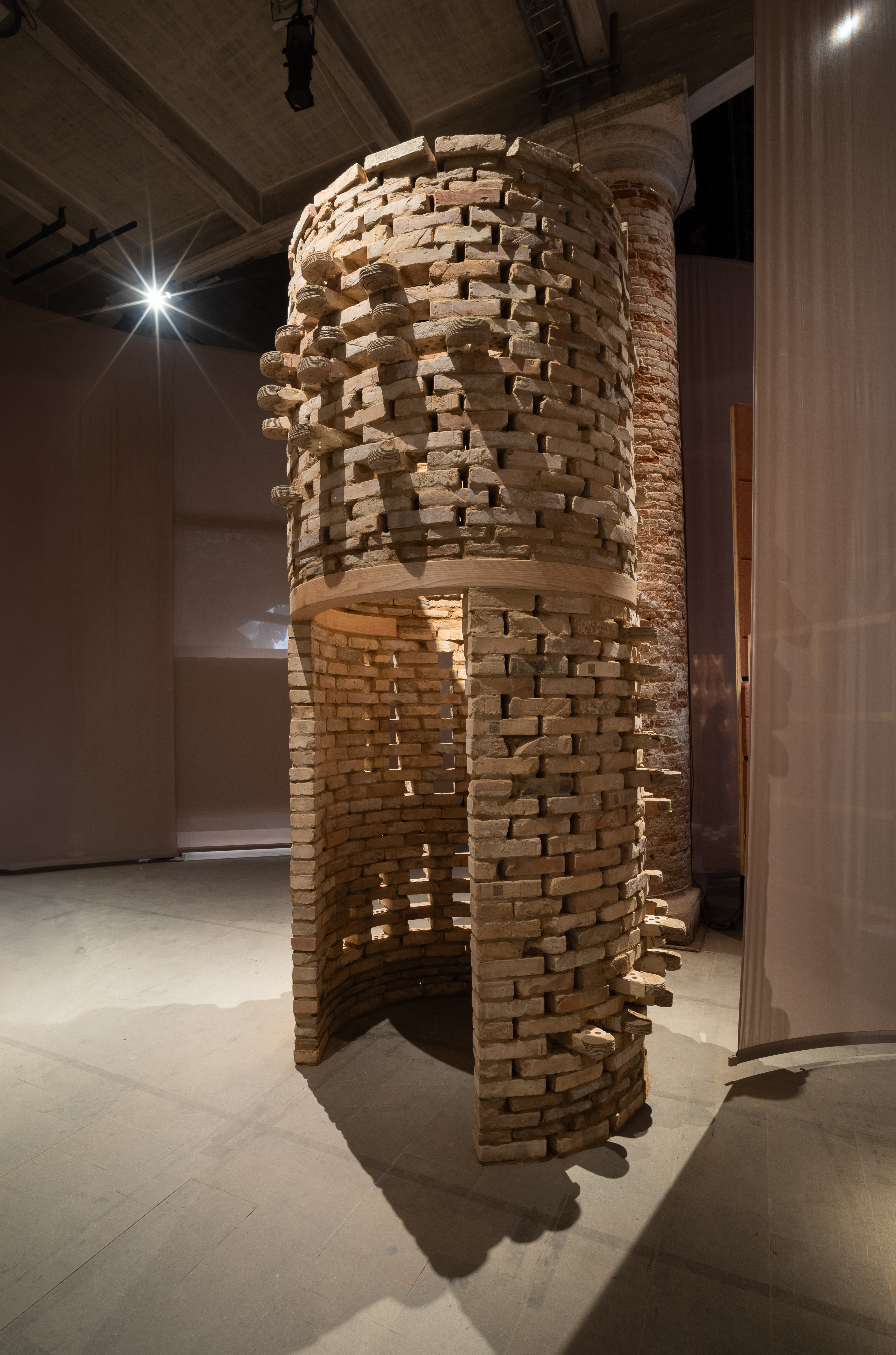
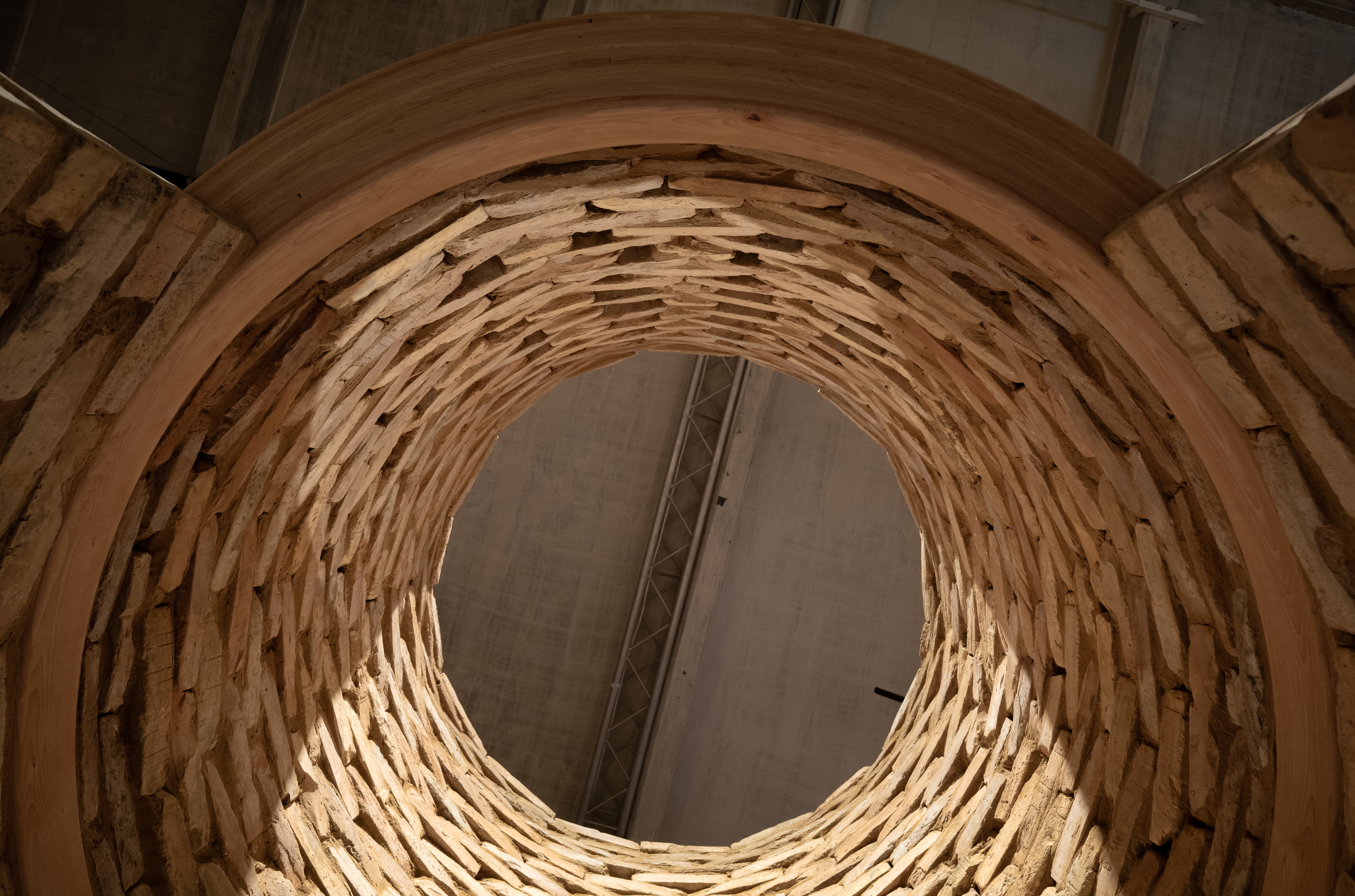
Insieme – Track, Trace, and Transform Reclaimed Stories is an architectural installation built from reclaimed bricks salvaged in Switzerland and Italy. Historic Üetliberg and Venetian bricks are repaired with a novel 3D-printed biomaterial made from construction waste. Engraved QR codes let visitors trace each element’s origin, transformation, and future reuse, demonstrating how architecture can preserve memory while advancing circular construction.
Italy
National
Mainly urban
It involves a physical transformation of the built environment (hard investment)
Yes
2025-05-05
No
No
No
Individual
Insieme – Track, Trace, and Transform Reclaimed Stories is an architectural installation presented at the 19th International Architecture Exhibition – La Biennale di Venezia 2025. The project demonstrates how digital technologies, material science, and architectural design can enable circular construction by giving new life to reclaimed building materials.
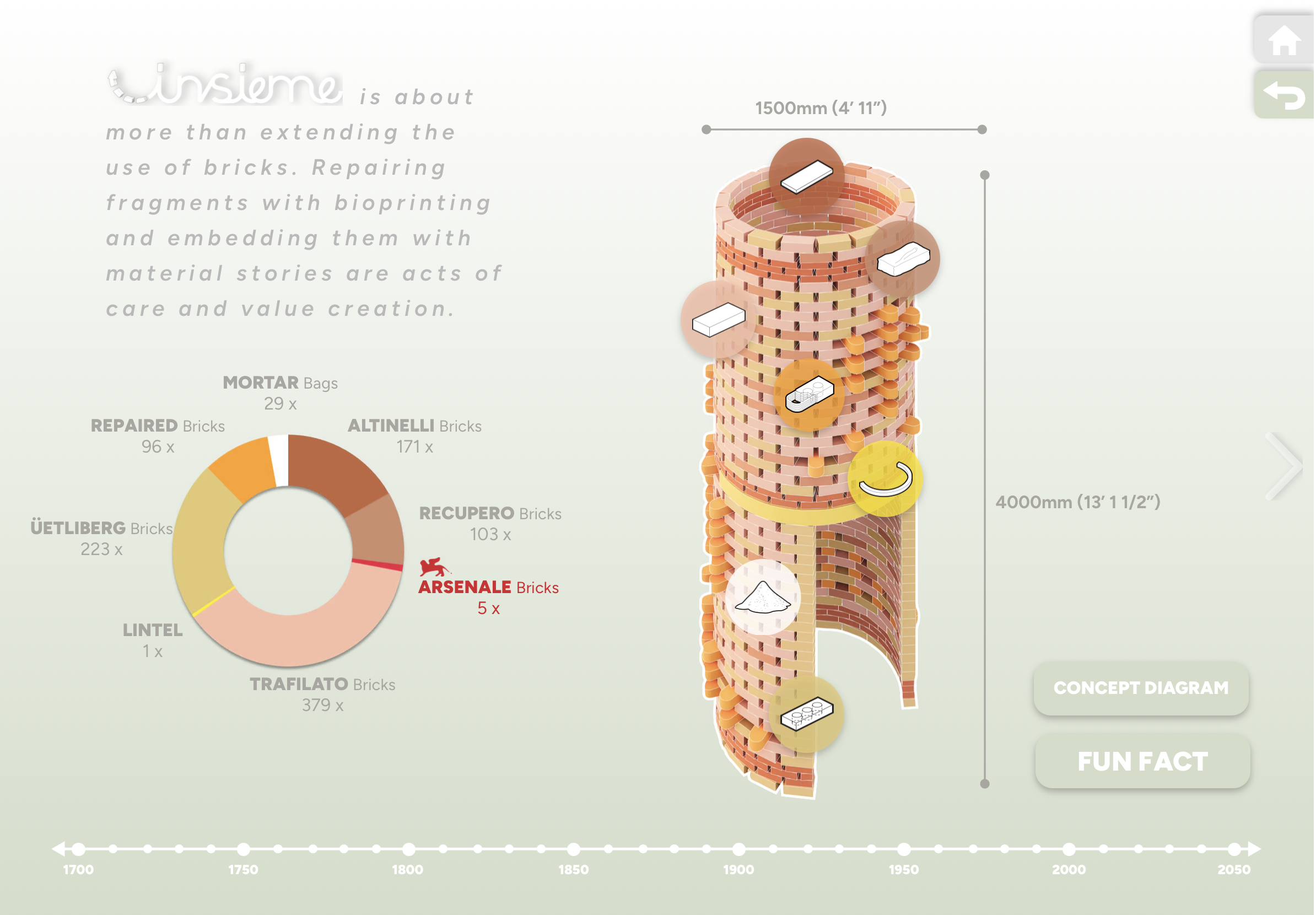
The installation is built from reclaimed bricks salvaged from demolition sites in Switzerland and Italy. Instead of discarding damaged bricks, researchers at ETH Zurich developed a novel repair method using a 3D-printed biomaterial made from construction waste. The repaired bricks form an architectural structure that embodies both the physical reuse of materials and the cultural narratives embedded in them.
The project combines this physical installation with a digital platform accessible through QR codes engraved directly on selected bricks. Visitors can scan the codes to access each brick’s history, including its origin, transformation, and potential for future reuse. In this way, Insieme demonstrates how digital material passports can enable traceability and long-term circular resource management in construction.
Already realised and exhibited to an international public at the Venice Architecture Biennale, Insieme illustrates how heritage materials, advanced fabrication, and digital infrastructure can work together to transform construction practices. By connecting past craftsmanship with emerging technologies, the project advocates for a shift from linear building processes toward circular systems that value repair, reuse, and material memory.
In the long term, the project contributes to systemic change in the construction sector by promoting scalable strategies for material reuse, digital traceability, and circular design cultures.
Insieme emerged from ongoing research at ETH Zurich’s Chair of Circular Engineering for Architecture on digital tools and design strategies that enable the reuse of building materials. The opportunity to contribute to the Venice Architecture Biennale 2025 created a platform to translate this research into a built demonstration accessible to a global audience.
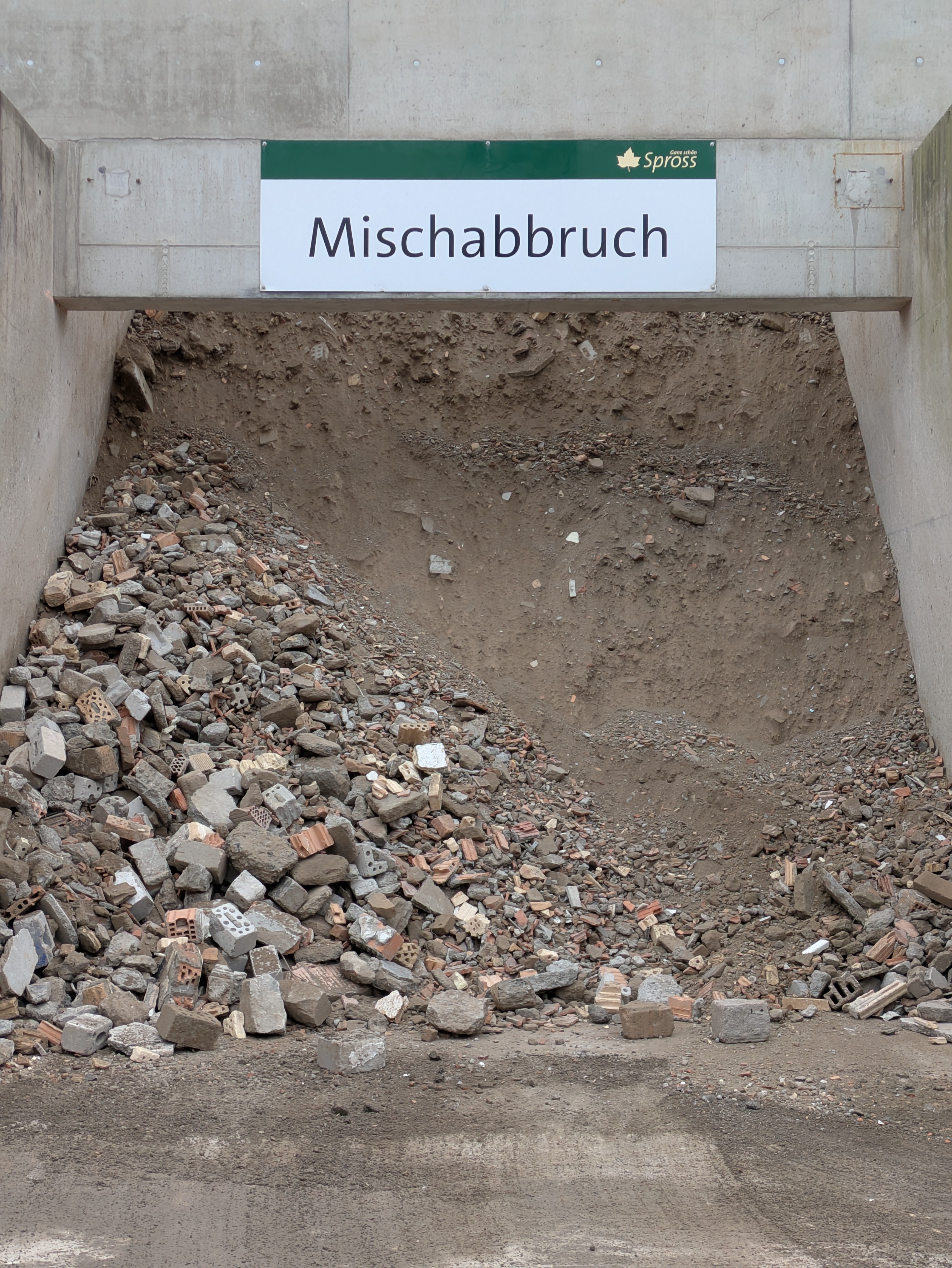
The project began with the search for reclaimed bricks from demolition sites in Switzerland and Italy. Historic Üetliberg bricks were recovered from construction waste streams in Zurich in collaboration with Spross Transport & Recycling. In Italy, bricks from several historical periods were sourced from demolition sites near Venice through the masonry reuse company Antico Mattone. During the renovation of the Venice Arsenal, the Biennale exhibition site, additional bricks from the building’s façade were salvaged and incorporated into the installation.
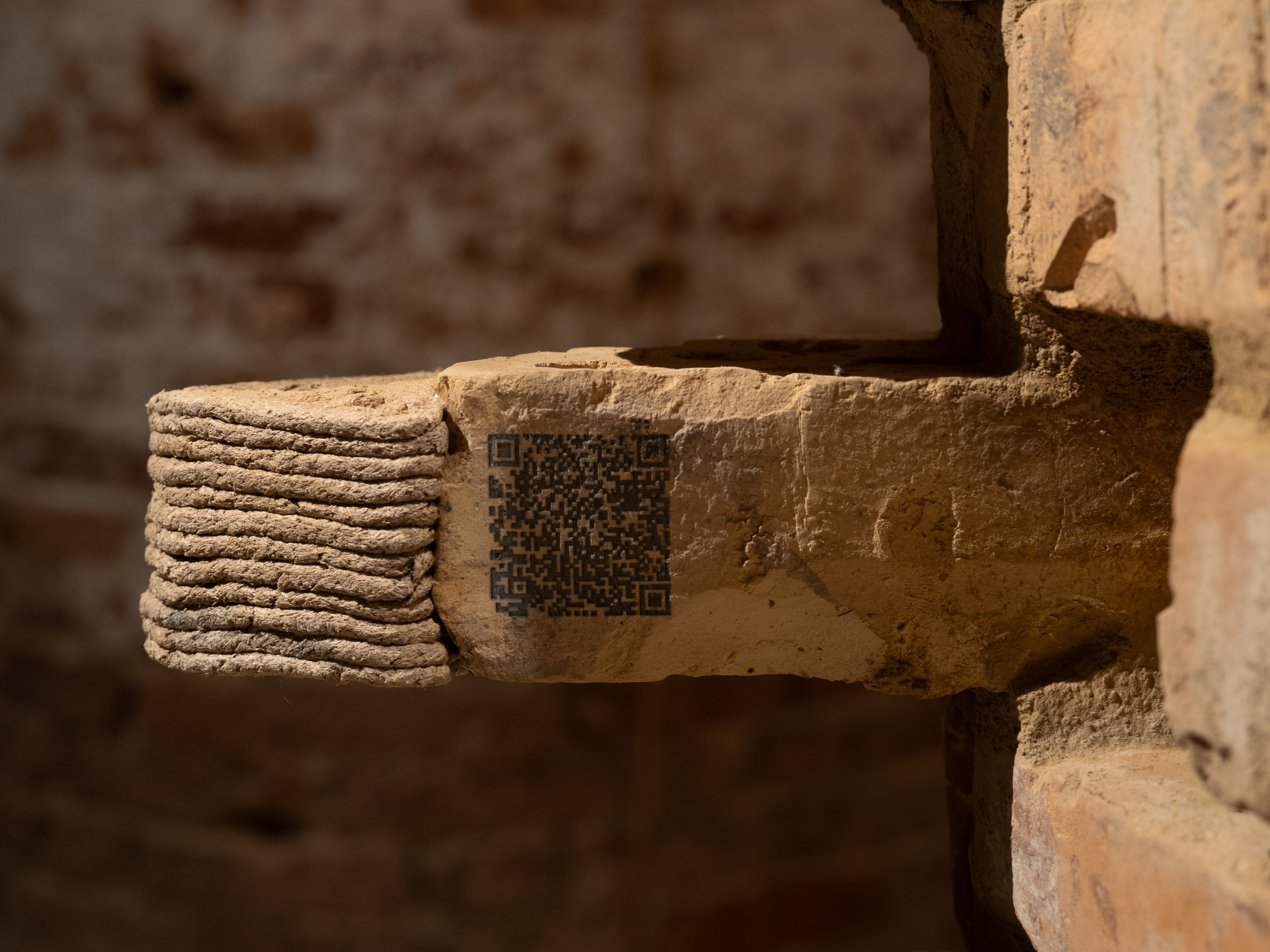
Many of the reclaimed bricks were damaged or incomplete. Instead of discarding them, the team developed a repair strategy using a newly developed 3D-printed biomaterial produced from recycled construction waste. The printed additions express the process of repair.
The construction of the installation brought together researchers, masons, engineers, designers, and students. Alongside the physical structure, the team developed a digital platform that records the origin and transformation of each material element. QR codes engraved in the bricks link visitors directly to these digital material stories.
Through this combination of physical reuse and digital storytelling, Insieme demonstrates how architecture can reconnect materials, technologies, and people across time and place.
Circular construction
Material reuse and repair
Digital material passports
Material memory
Regenerative design
Insieme addresses the environmental challenge of construction waste by demonstrating how existing building materials can be repaired, reused, and digitally tracked rather than discarded. The installation is built entirely from reclaimed bricks salvaged from demolition sites in Switzerland and Italy, showing how materials already present in the urban environment can be reintegrated into new architectural applications.
A key innovation is the repair of damaged bricks using a 3D-printed biomaterial developed from construction waste. This process transforms previously unusable fragments into functional building elements, extending material lifecycles and reducing the demand for new raw resources. By emphasizing repair rather than replacement, the project challenges prevailing linear construction practices and promotes a circular approach to building materials.
Beyond the physical installation, Insieme introduces digital material passports accessible through QR codes embedded in the bricks. These digital records store information about each material’s origin, transformation, and future reuse potential. This approach demonstrates how digital infrastructures can enable traceability, transparency, and long-term resource management across building lifecycles.
By combining material reuse, digital technologies, and architectural design, Insieme illustrates a new paradigm for circular construction. The project serves as a prototype for future building systems where materials are continuously recovered, documented, and reintegrated into new structures. In this way, it contributes to reducing resource depletion, construction waste, and greenhouse gas emissions while fostering more responsible and regenerative building practices.
Insieme explores how circular construction can be both environmentally responsible and architecturally expressive. The installation celebrates the visual and material diversity of reclaimed bricks from different regions, historical periods, and manufacturing traditions. Their varying colours, textures, and imperfections create a layered architectural composition that reveals the passage of time embedded within the materials.
Rather than concealing damage, the project makes repair visible through 3D-printed additions that connect broken brick fragments. These interventions highlight the act of repair as a creative architectural gesture, transforming what would normally be considered waste into a new form of craftsmanship. The resulting aesthetic emphasizes care, transformation, and the value of existing materials.
The project also enhances the aesthetic experience through storytelling. Visitors can scan QR codes embedded in the bricks to access the history of each material element, including its place of origin and transformation. This digital layer connects physical architecture with narrative and memory, encouraging visitors to engage with the deeper histories embedded in building materials.
By combining heritage materials, contemporary fabrication techniques, and digital storytelling, Insieme creates an architecture that is both visually compelling and culturally meaningful. The installation demonstrates that circular design can produce spaces that inspire curiosity, reflection, and a renewed sense of connection between people, materials, and places.
Insieme promotes accessibility and inclusion by making the stories and knowledge embedded in building materials visible and understandable to a broad public audience. Through QR codes integrated into the installation, visitors can access the digital platform using their smartphones, allowing anyone to explore the history and transformation of the materials in real time.
This approach transforms technical research on circular construction into an interactive public experience. Visitors of different ages and backgrounds can learn how building materials are recovered, repaired, and reused. The project therefore serves also as an educational platform that raises awareness about resource consumption and encourages a more responsible relationship with the built environment.
In addition, the project brings together diverse actors across academic research, industry, craftsmanship, and civil society. Masonry reuse experts, recycling companies, digital designers, engineers, and researchers collaborated to realise the installation. Educational activities, including workshops for children organised by the social initiative Trazando Espacios, further expanded the project’s outreach.
By combining physical architecture, digital accessibility, and educational engagement, Insieme demonstrates how circular design can be shared and experienced by a wide public. The project fosters awareness, learning, and collective responsibility for material resources, contributing to more inclusive approaches to sustainable architecture.
Insieme was developed through a collaborative process involving researchers, industry partners, craftspeople, students, and cultural institutions. The project brought together experts in architecture, engineering, material science, and digital technologies with practitioners working directly with reclaimed building materials.
Local industry partners played a key role in the implementation of the project. Recycling company Spross Transport & Recycling facilitated the recovery of historic Üetliberg bricks from construction waste streams in Zurich, while the masonry reuse company Antico Mattone sourced reclaimed bricks from demolition sites near Venice. Masonry experts contributed practical knowledge about brick reuse and construction techniques, ensuring that the installation reflected real-world building practices.
The project also engaged broader audiences through educational initiatives. Workshops for children and public visitors were organised during the exhibition, encouraging participants to explore circular construction through hands-on activities and discussions about material reuse. Through the digital platform, visitors can actively engage with the installation by discovering the stories and histories embedded in each brick.
This participatory approach ensured that the project was not only an academic demonstration but also a collaborative effort that connected research, industry, and the public. The engagement of diverse actors strengthened the project’s relevance and helped communicate the importance of circular construction to a wider community.
The development of Insieme involved collaboration across multiple institutional and geographical levels, connecting academic research, local industry partners, and international cultural institutions.
At the academic level, the project was led by the Chair of Circular Engineering for Architecture at ETH Zurich, working closely with other research groups within the university. This research was supported by national funding structures, including the Swiss National Science Foundation and ETH Zurich initiatives focused on digital fabrication and circular construction.
At the local and regional level, industry partners played a crucial role in implementing the project. Swiss recycling company Spross Transport & Recycling enabled the recovery of historic bricks from Zurich construction waste streams, while the Italian masonry reuse company Antico Mattone provided reclaimed bricks from demolition sites in the Venice region. These collaborations ensured that the project was grounded in real material supply chains and practical reuse processes.
At the international level, the installation was presented at the Venice Architecture Biennale, one of the world’s most influential cultural platforms for architecture. This context allowed the project to reach a global audience of architects, researchers, policymakers, and the public.
By connecting local material recovery practices with international cultural discourse, Insieme demonstrates how circular construction initiatives can operate across scales, from local material flows to global knowledge exchange.
Insieme is fundamentally transdisciplinary, bringing together knowledge and methods from architecture, engineering, material science, digital fabrication, computer science, and heritage studies.
Architectural design shaped the spatial concept of the installation and the integration of reclaimed materials into a coherent structure. Structural engineering ensured the stability and feasibility of building with reused bricks. Material science research enabled the development of a new 3D-printed biomaterial derived from construction waste, allowing damaged bricks to be repaired and reused.
Digital technologies also played a central role. Computational tools were used to design the installation, while a digital platform and QR-based material passport system enable visitors to access the history and lifecycle information of individual bricks. These digital infrastructures demonstrate how traceability and data can support circular construction practices.
The project also incorporates traditional craftsmanship. Masonry experts contributed practical knowledge about brick reuse, construction methods, and the handling of reclaimed materials. This combination of advanced technologies and traditional building techniques highlights the value of integrating different forms of knowledge.
By bridging scientific research, digital innovation, architectural design, and craftsmanship, Insieme demonstrates how transdisciplinary collaboration can create new approaches to sustainable construction.
Insieme is primarily a research and demonstration project developed within an academic context at ETH Zurich. Its financial support comes from a combination of public research funding, institutional support, and collaborations with industry partners.
Research activities related to circular construction, digital material passports, and material repair technologies are supported through research grants, including funding from the Swiss National Science Foundation and ETH Zurich. Industry partners contribute through material sourcing, technical expertise, and logistical support, creating a collaborative innovation ecosystem between academia and practice.
The long-term economic potential of the project lies in the development of scalable technologies and methodologies for circular construction. Digital material passports, traceability platforms, and material repair techniques demonstrated in the project have the potential to be adopted by construction companies, recycling industries, and digital platforms supporting circular material markets.
These innovations can enable new business models centred on material reuse, including marketplaces for reclaimed materials, digital tracking systems for construction components, and services related to material assessment and repair.
By demonstrating practical applications of these technologies within a highly visible international exhibition, Insieme contributes to accelerating the adoption of circular economy strategies within the construction sector and supporting the development of emerging circular building markets.
Several key elements of Insieme have strong potential for transferability and replication across different geographic contexts and sectors of the construction industry.
First, the concept of digital material passports demonstrated through the project’s QR-based platform can be applied to many types of building materials beyond bricks. By recording the origin, characteristics, and transformation of materials, such digital systems can support traceability and enable materials to be reused across multiple building lifecycles.
Second, the repair strategy using 3D-printed biomaterials provides a replicable approach to extending the usability of damaged building components. Similar techniques could be adapted to other masonry elements or construction materials that would otherwise be discarded.
Third, the project demonstrates a methodology for integrating reclaimed materials into architectural design from the earliest stages. This approach can be adopted by architects, engineers, and planners seeking to incorporate circular strategies into their projects.
Finally, the combination of physical demonstration and digital storytelling offers a powerful communication tool for engaging the public and industry in circular construction practices.
Because these methods rely on widely available technologies, namely digital platforms, additive manufacturing, and reclaimed material supply chains, they can be adapted and implemented in many different regions and building contexts.