Arts, Culture, and Heritage as Drivers of Change
EmpowerED
EmpowerED: Fostering Employability, Cultural Understanding, and Digital Resilience in VET Education
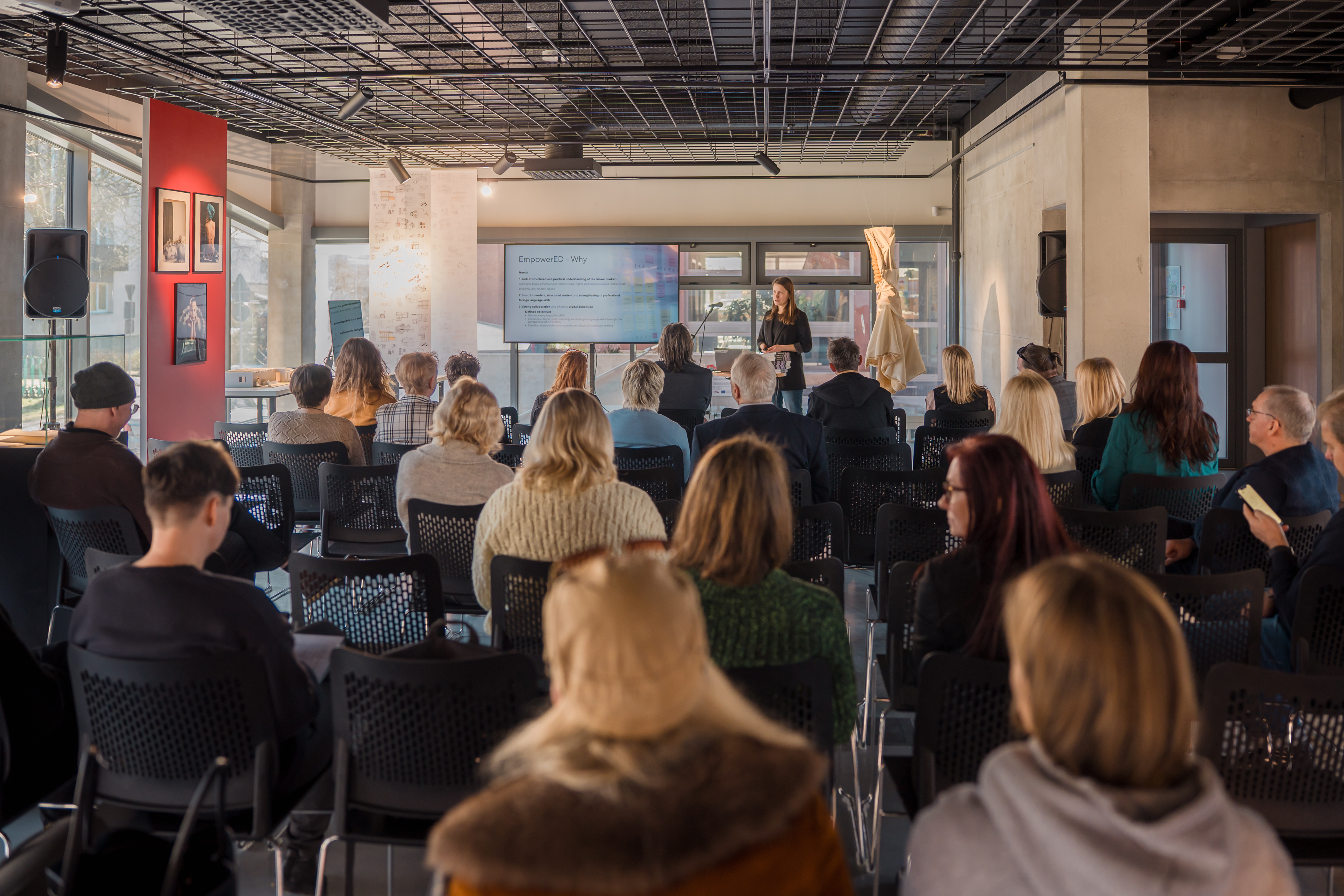
EmpowerED is a cross-border vocational education project that connects contemporary art and design, professional English, and entrepreneurship skills through multilingual and digitally accessible learning materials. By strengthening cultural understanding, employability, and digital resilience, it helps young creatives build sustainable careers and contribute to a more inclusive and future-oriented Europe.
Latvia
Regional
Kurzeme (Latvia)
Moravia (Czech Republic)
Moravia (Czech Republic)
Mainly urban
It involves other types of transformations (soft investment)
Yes
2026-02-27
Yes
ERASMUS
No
No
Organisation
EmpowerED is a completed cross-border vocational education project implemented by art and design schools in Latvia and the Czech Republic. The project developed and publicly released a comprehensive set of multilingual, open-access digital learning materials that integrate contemporary art and design history, professional English, and entrepreneurship education.
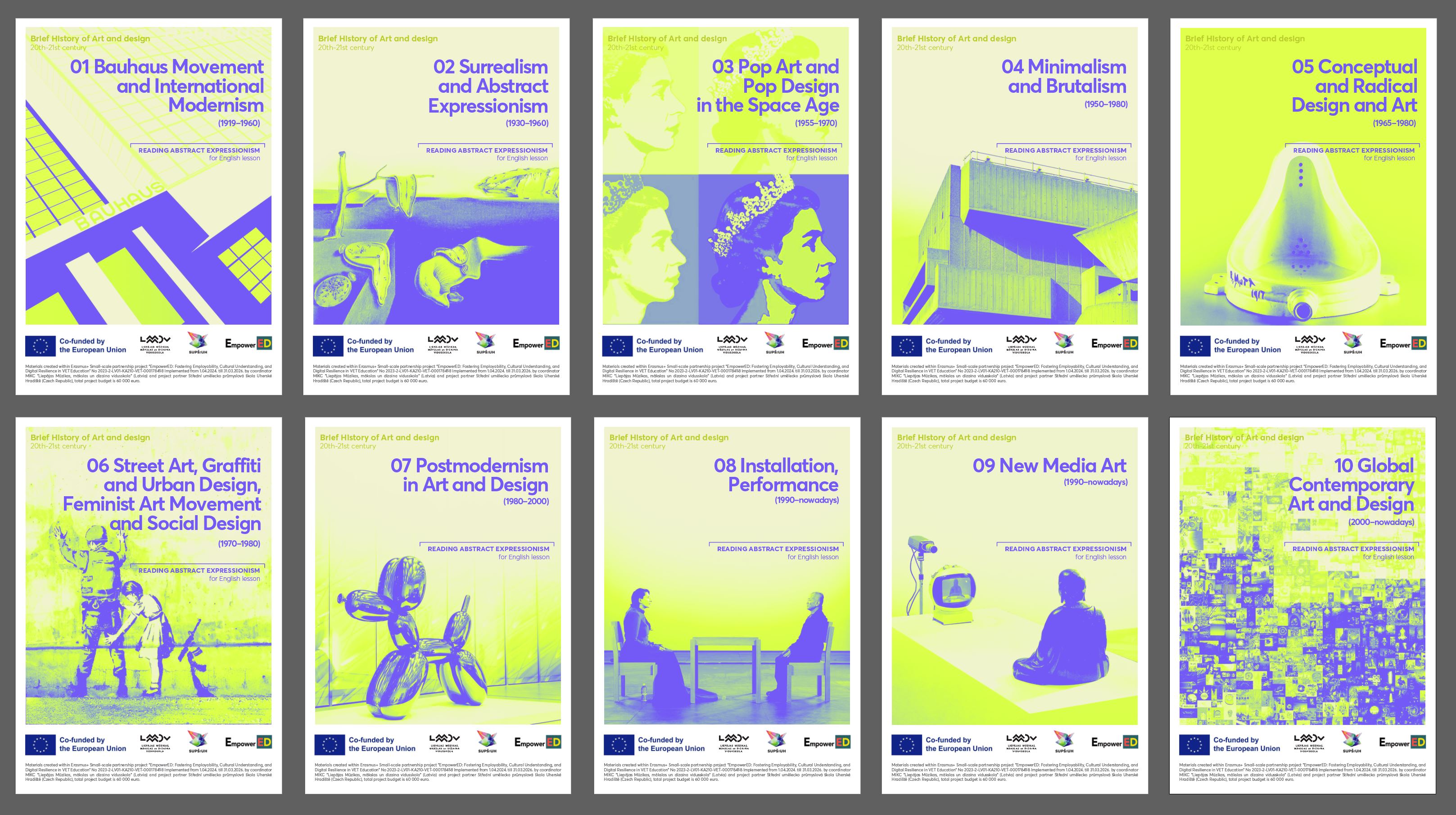
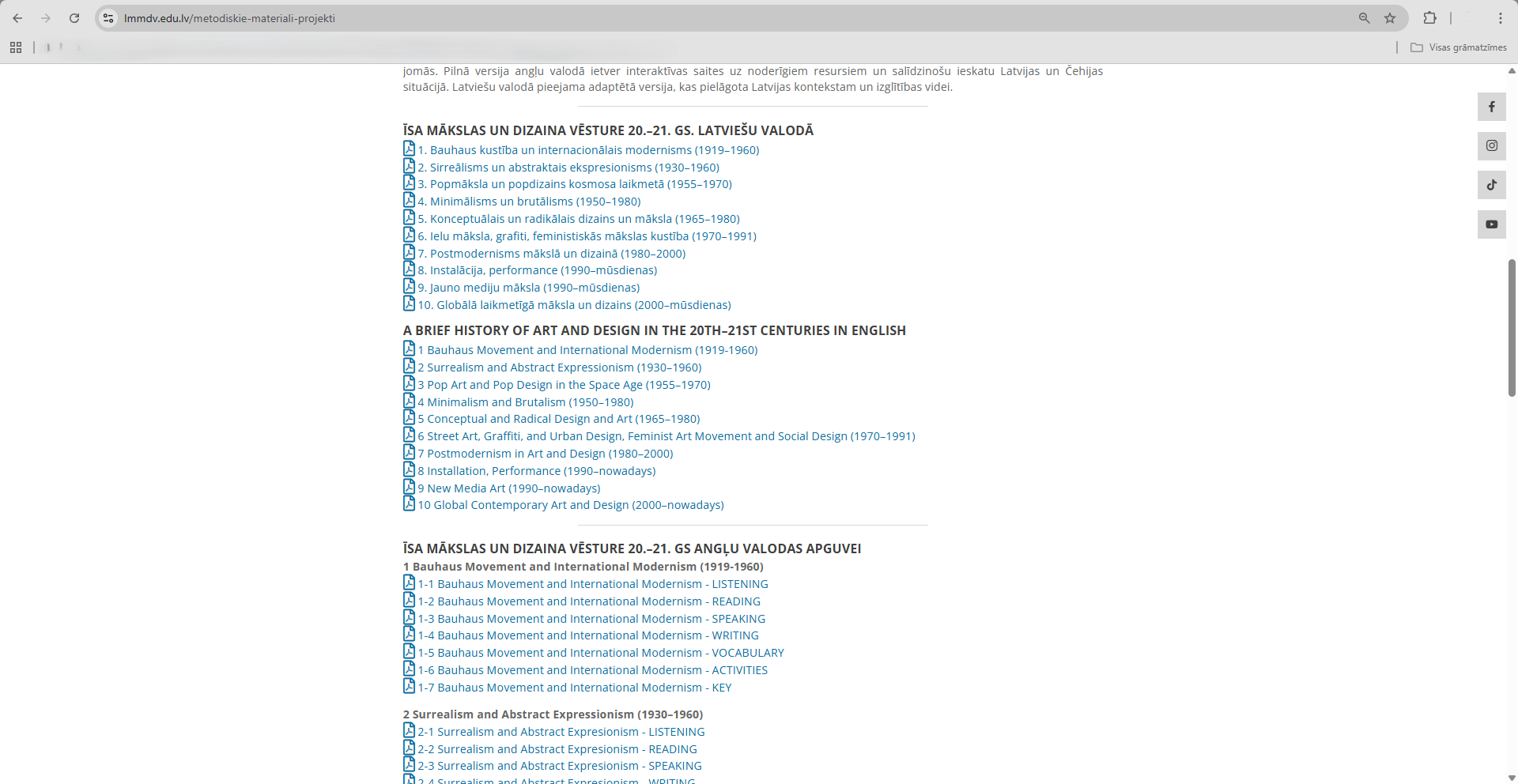
The core results include ten structured History of Art units covering key movements of the 20th and 21st centuries, from Bauhaus to global contemporary practices, incorporating Latvian and Czech cultural perspectives. Each topic has been adapted into interdisciplinary English language learning materials supporting reading, listening, speaking, writing, and professional vocabulary development. All resources are available in English, Latvian, and Czech and can be accessed freely online without registration.
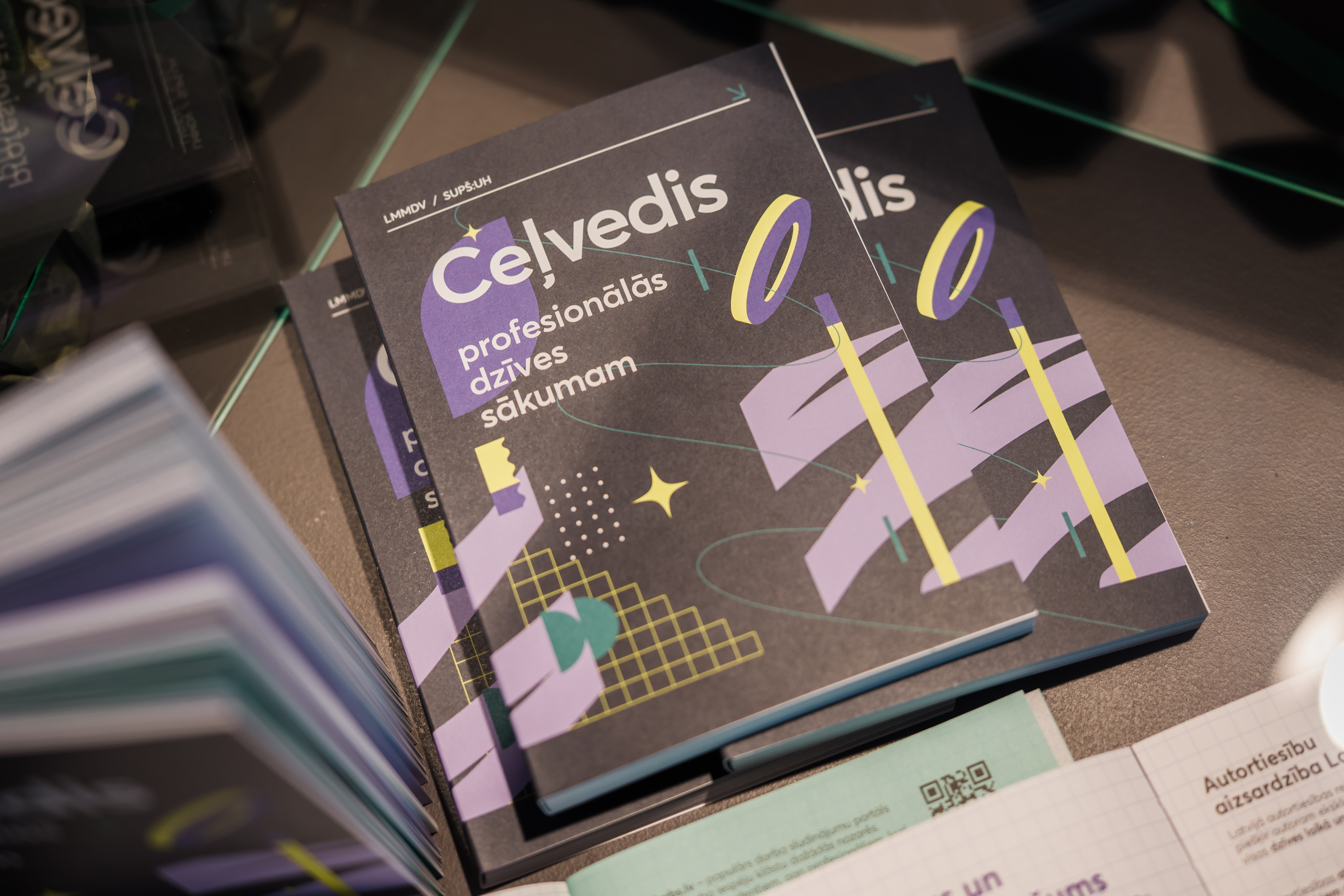
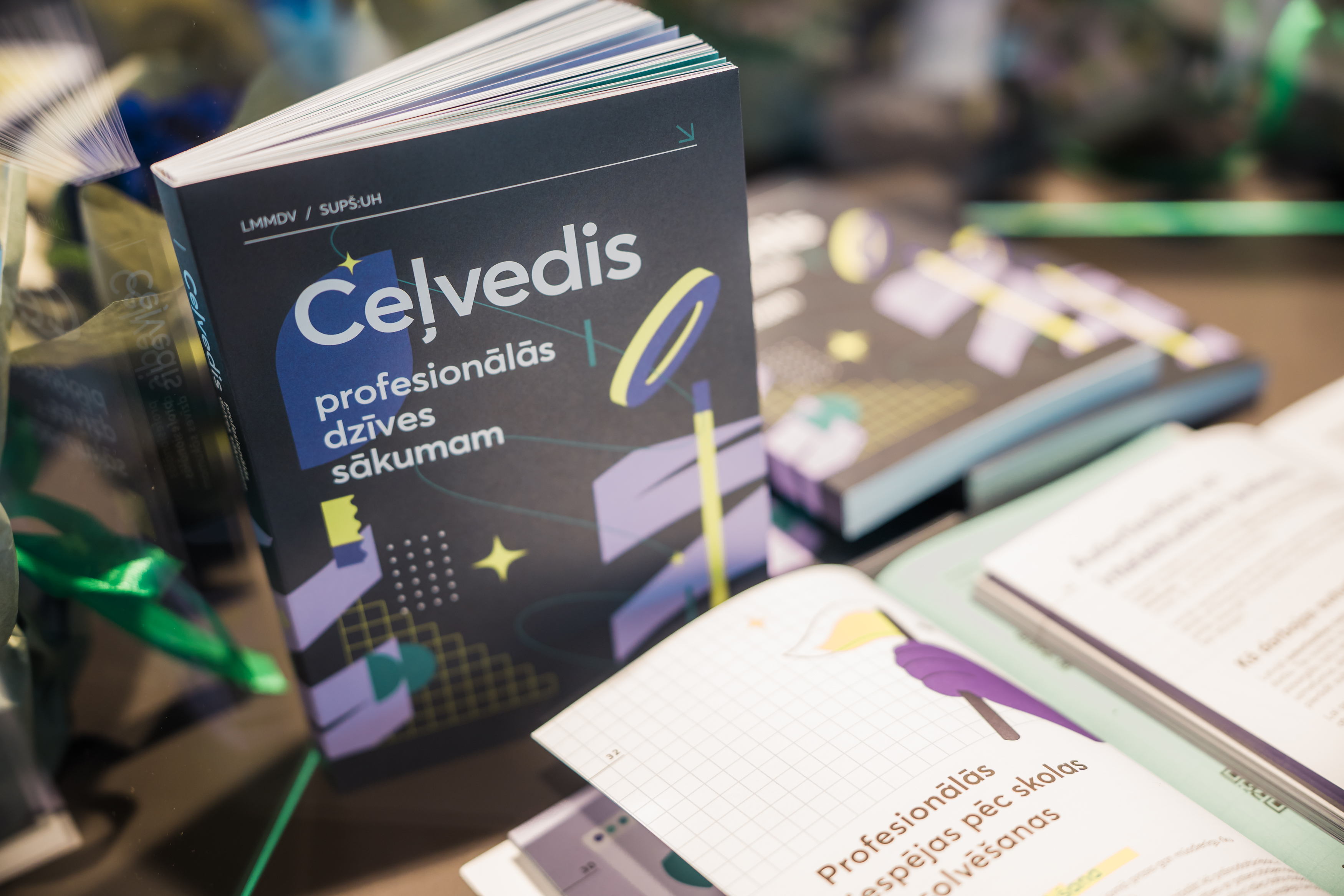
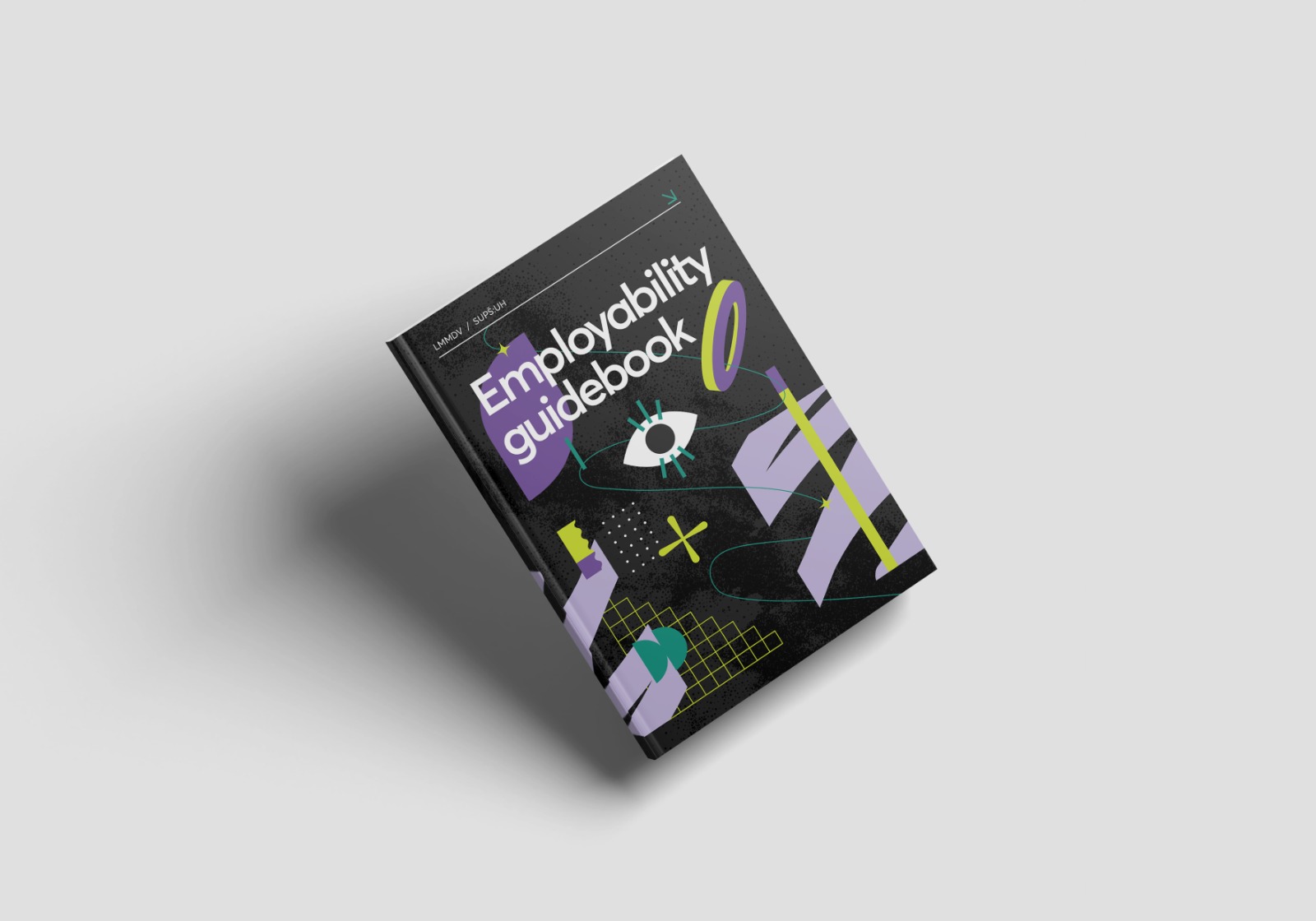
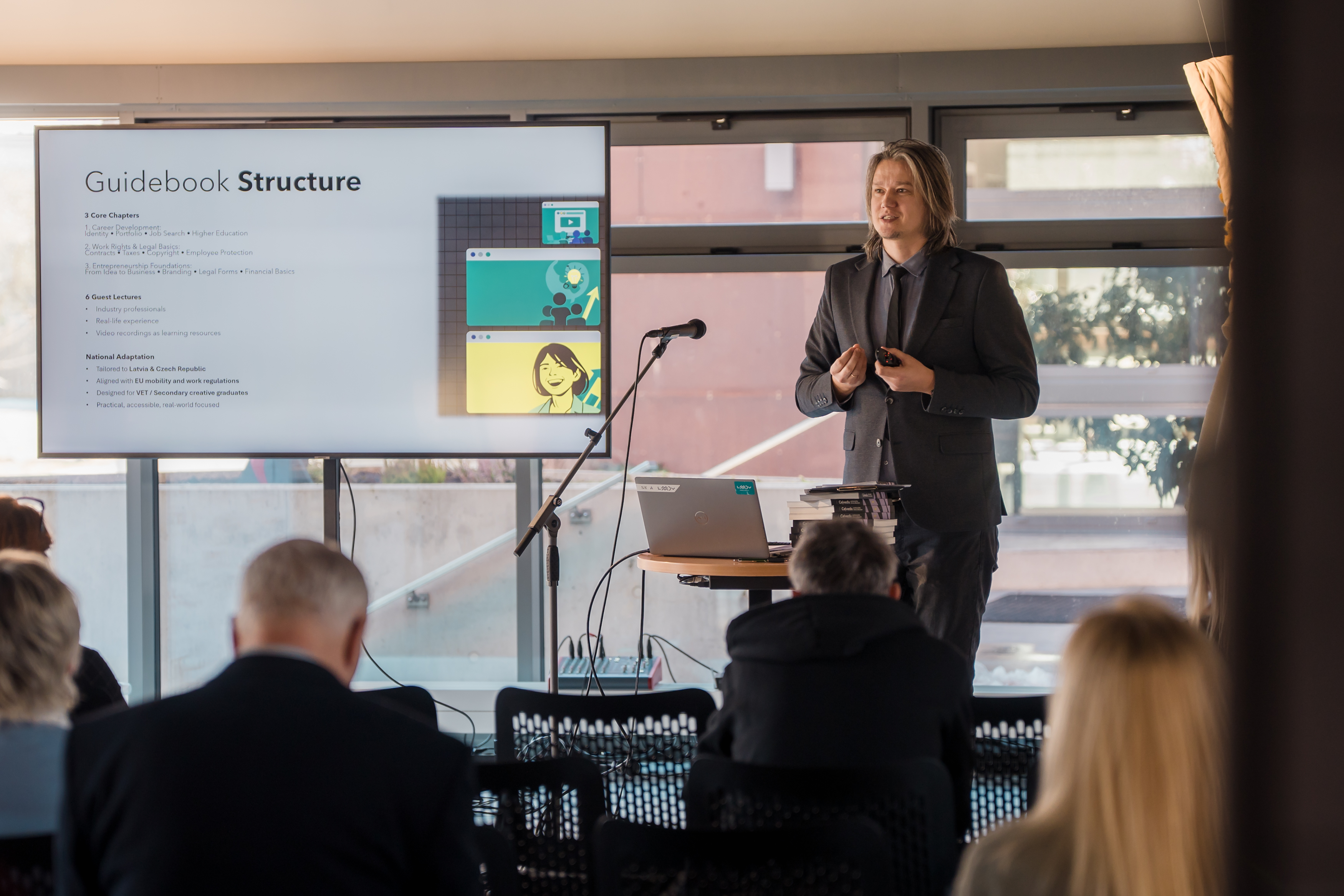
In addition, the project produced a comprehensive guidebook on entrepreneurship and employability in the creative sector. It addresses career planning, labour rights, intellectual property, financial literacy, and employment models relevant to young creatives. The guidebook combines general professional principles with national comparisons and integrates six recorded guest lectures by international practitioners, which are publicly available.
Project contributes to long-term systemic impact by providing a replicable educational model that connects cultural knowledge, digital learning, and responsible professional practice. By embedding design heritage, contemporary creativity, and practical career skills into vocational education, the project supports young creatives in building sustainable careers and strengthens the role of culture as a driver of inclusive and future-oriented European development.
It demonstrates how art and design history, professional language, and employability skills can be integrated into a coherent educational model that responds to the evolving realities of creative industries
EmpowerED emerged from a shared reflection between two vocational art and design schools in Latvia and the Czech Republic on the changing realities faced by young creatives. Through discussions with teachers and senior students, both institutions identified a common need: to strengthen employability skills, deepen cultural understanding of 20th–21st century art and design, and enhance digital readiness in a rapidly evolving creative sector.
The project was developed as a practical response grounded in everyday educational practice. Rather than producing abstract recommendations, the partners chose to co-create learning materials that could be directly integrated into the curriculum. Responsibilities were shared according to expertise. Both schools collaboratively developed ten History of Art units in English as a working language, combining global art and design developments with national cultural perspectives. These topics were then adapted into interdisciplinary English language learning materials linking subject knowledge with communication skills.
In parallel, the partnership developed a comprehensive guidebook on entrepreneurship and employability in the creative sector. The guidebook combines general professional principles with country-specific legal and labour frameworks relevant to Latvia and the Czech Republic. Six guest lectures by international practitioners were organised, recorded, and integrated into the guidebook as additional learning resources.
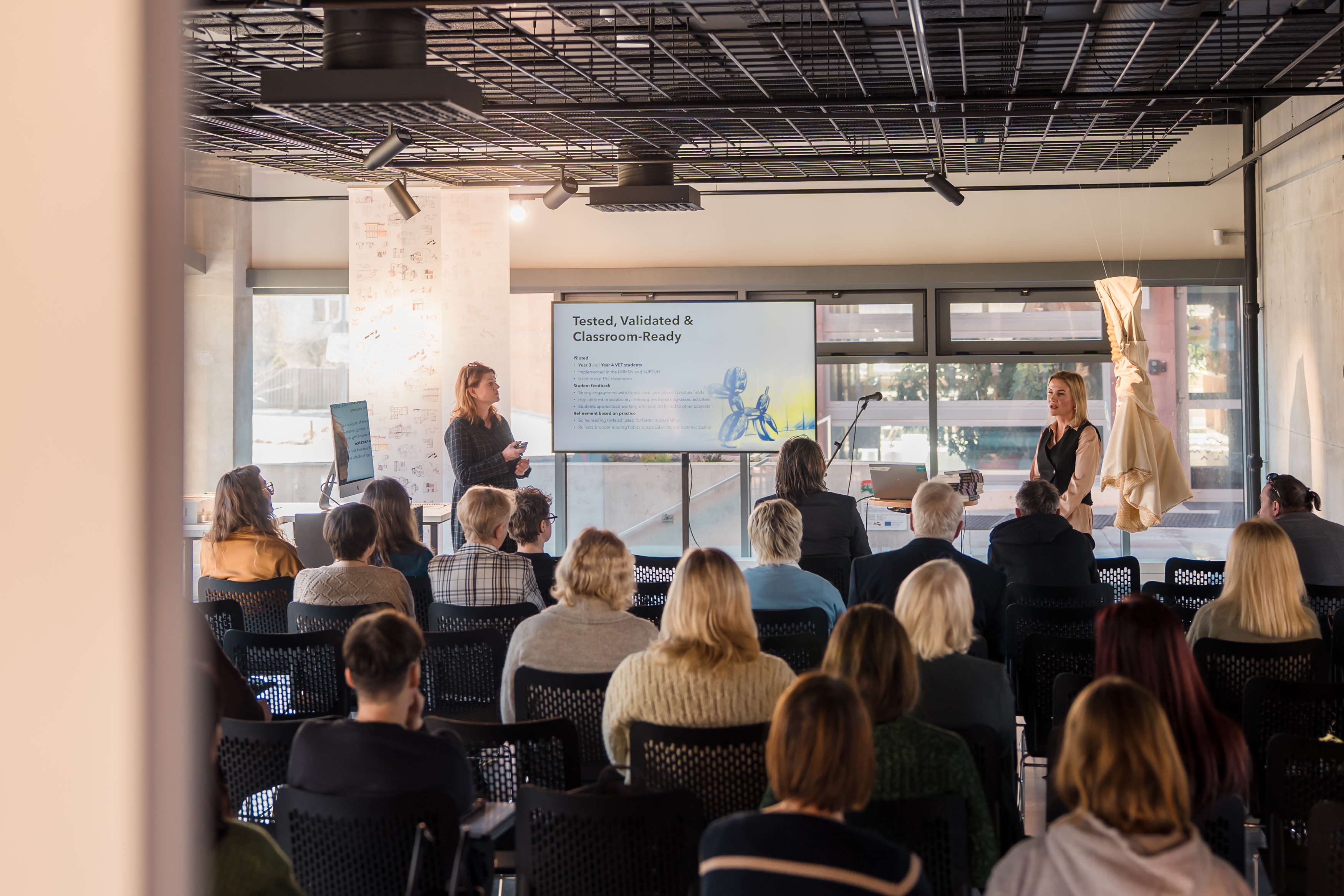
Implementation relied on regular coordination meetings, shared digital platforms, peer review, and classroom testing with senior vocational students. Feedback from learners helped refine the structure, clarity, and practical relevance of the materials.
Through collaborative development, iterative refinement, and direct application in teaching practice, the project transformed an identified educational need into a concrete and publicly accessible educational resource.
Culture-led Educational Innovation
Sustainable Creative Careers
Digital Resilience in VET
Cross-border Cultural Collaboration
Open-Access Replicable Learning Model
EmpowerED addresses sustainability through an integrated cultural, social, economic, and digital approach rooted in vocational education.
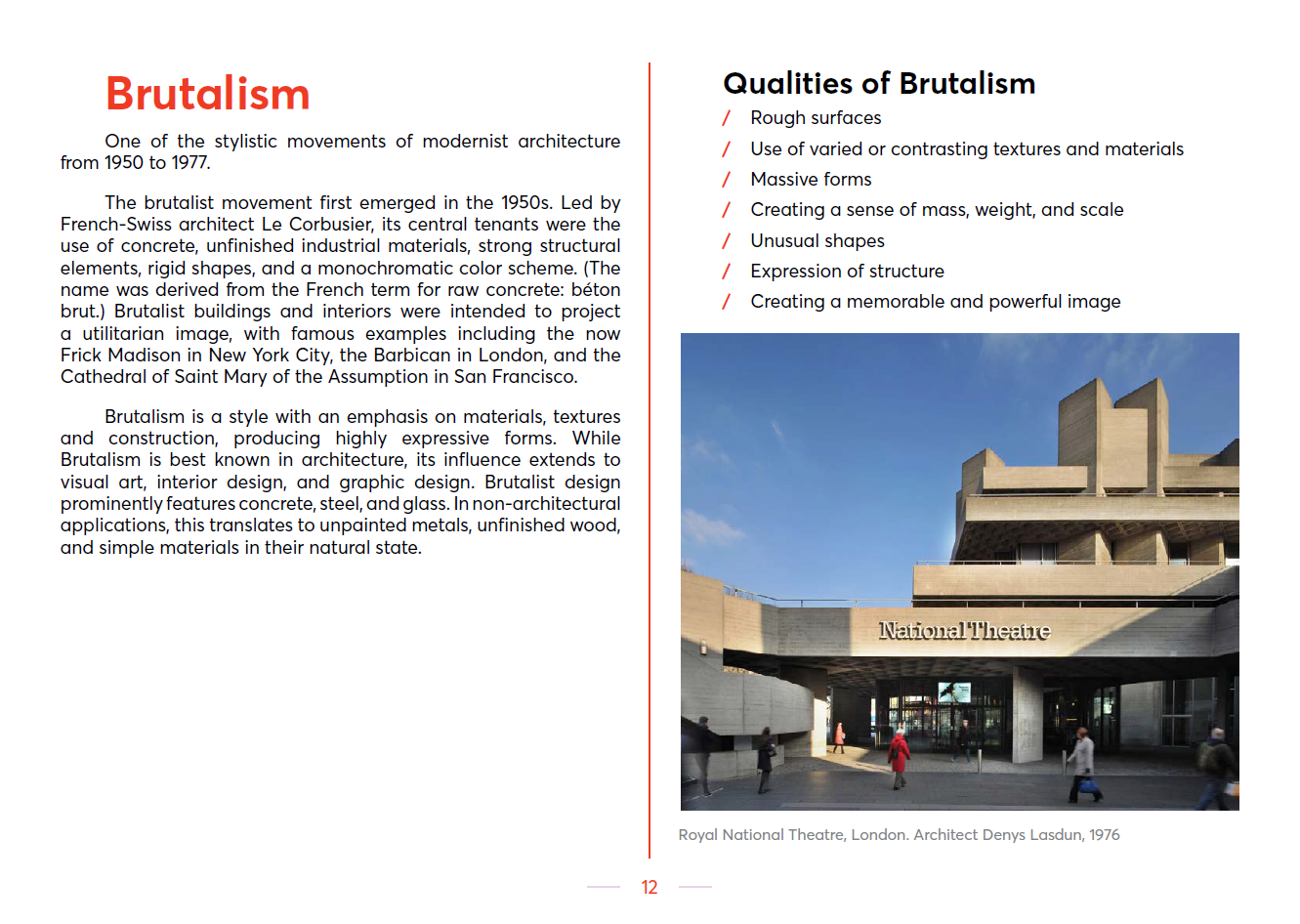
At the environmental level, sustainability is embedded in the educational content itself. The History of Art units include contemporary movements such as eco-art, social design, biodesign, and post-industrial practices, encouraging critical reflection on material use, production systems, and responsible design. By connecting historical Bauhaus principles with current sustainability-oriented design approaches, the project promotes long-term ecological awareness among future creative professionals.
At the economic level, the guidebook on entrepreneurship and employability supports sustainable professional pathways in the creative sector. It equips young creatives with practical knowledge about contracts, intellectual property, taxation, and self-employment models, enabling them to build stable and responsible careers. By strengthening financial literacy and legal awareness, the project contributes to the long-term resilience of cultural and creative industries.
At the social level, the materials are freely accessible, multilingual, and designed for inclusive use in vocational education. Open access without registration or data collection ensures equitable availability of knowledge and reduces barriers to professional development.
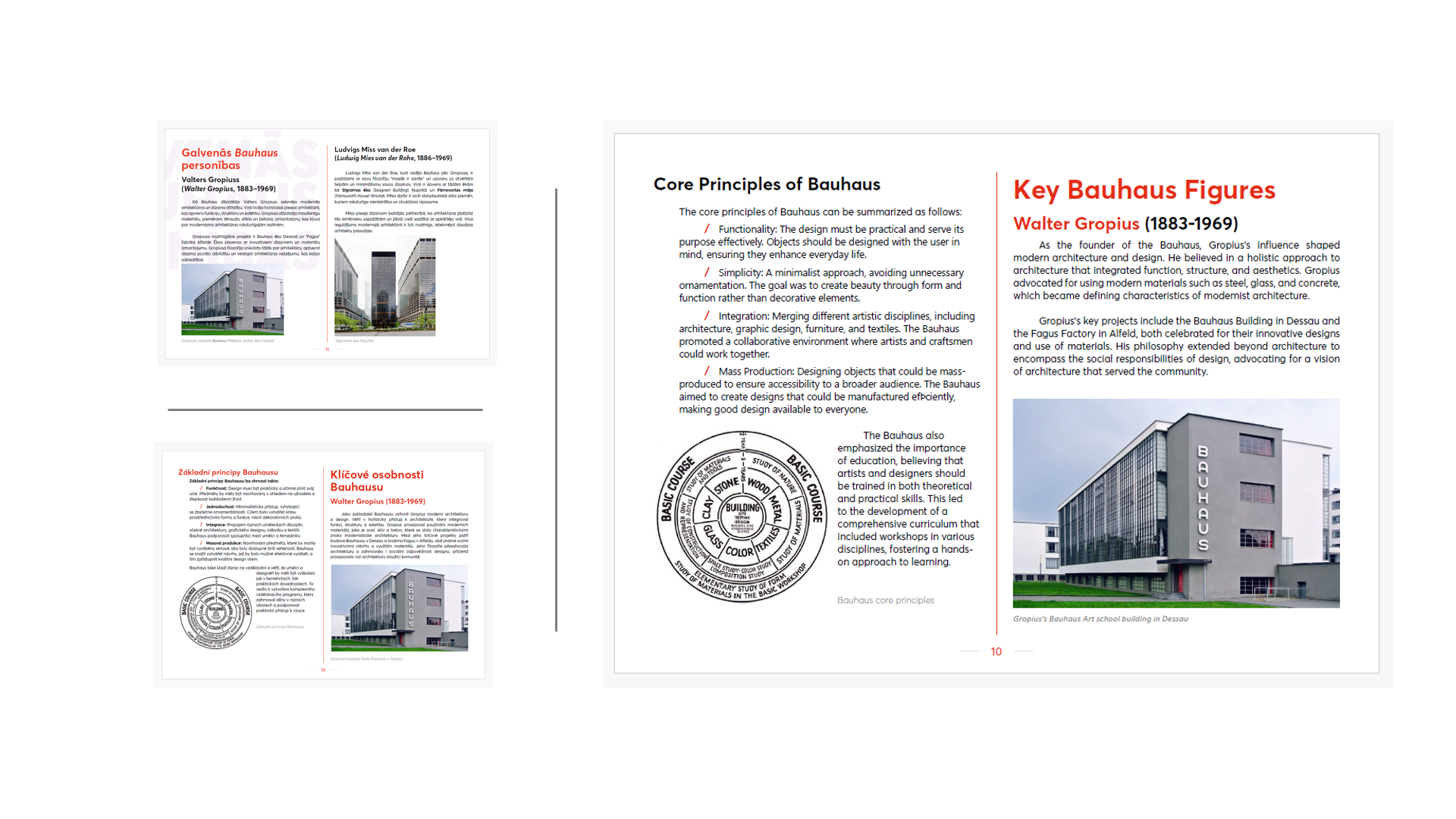
Culturally, the project reinforces sustainability by linking European design heritage with contemporary creative practice. It highlights how historical innovation, including Bauhaus ideas about responsible design and social function, continues to inform current approaches to sustainable creation.
EmpowerED therefore approaches sustainability not as a single topic but as an integrated framework combining ecological awareness, economic responsibility, and cultural continuity within vocational art and design education.
EmpowerED contributes to aesthetics by placing design quality, visual literacy, and cultural awareness at the centre of vocational education.
The project strengthens young people’s ability to understand, interpret, and create meaningful visual environments. Through structured learning units covering Bauhaus, modernism, postmodernism, social design, new media art, and global contemporary practices, students develop an informed understanding of how aesthetics shape everyday objects, public spaces, digital environments, and cultural identity. By connecting historical design heritage with contemporary creative challenges, the project nurtures an appreciation of form, function, material honesty, and responsible innovation.
Aesthetics is not treated as decoration, but as a framework for thinking. Students learn how visual decisions influence behaviour, accessibility, sustainability, and social inclusion. This awareness directly affects how future designers, artists, and creative professionals shape their communities and professional environments.
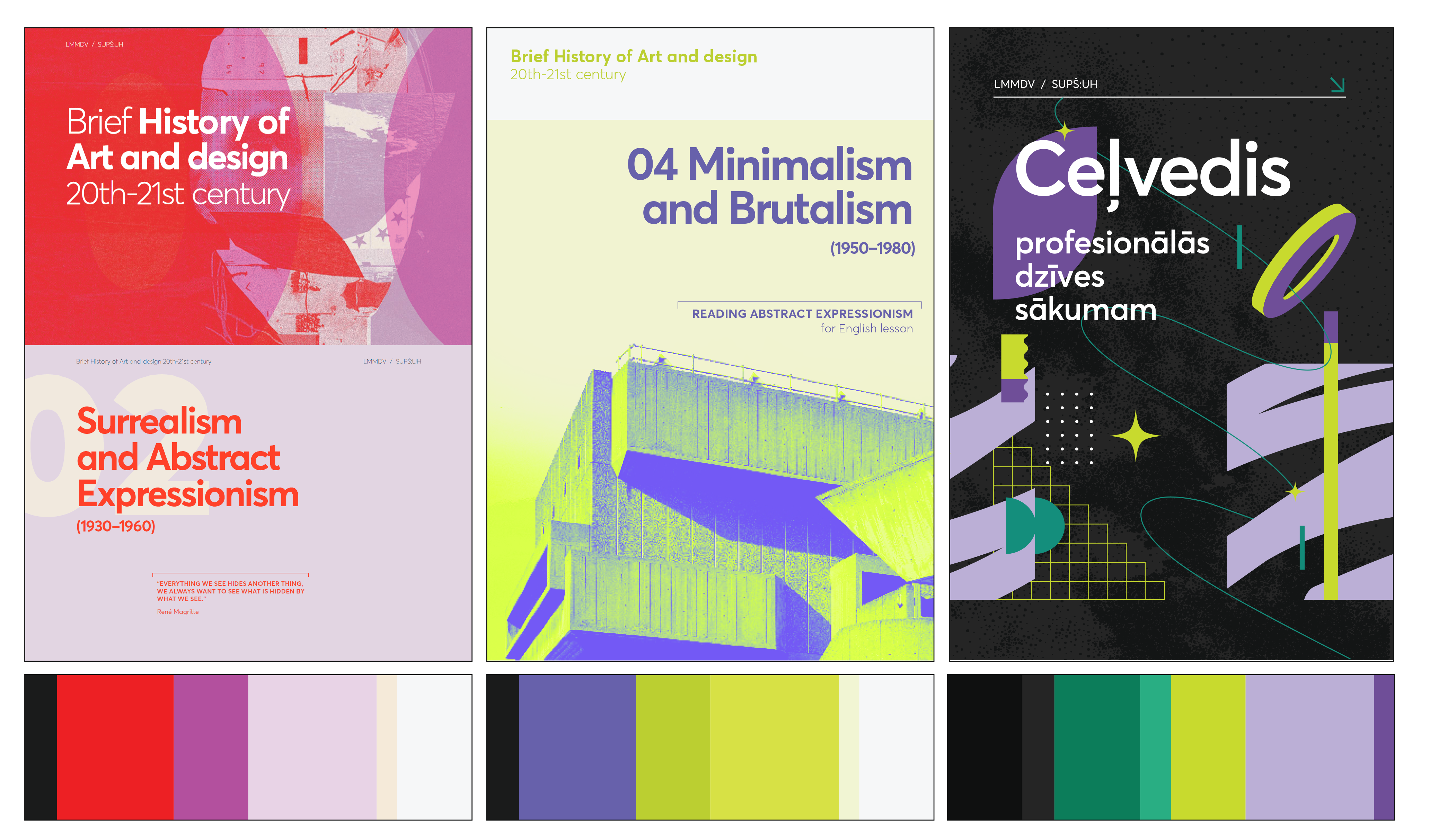
The project also applies aesthetic coherence in its own outputs. All materials follow a unified visual identity and structured design approach, ensuring clarity, usability, and professional quality. This demonstrates that beauty and function are inseparable and that good design enhances both learning and everyday experience.
In the longer term, the project strengthens a sense of belonging by embedding Latvian and Czech cultural perspectives within a broader European narrative. By recognising local creative heritage alongside global movements, it fosters cultural continuity and care for place. It encourages young creatives to see themselves as active contributors to the aesthetic and cultural quality of their environments.
The project can be considered exemplary in terms of aesthetics because it integrates design literacy, cultural heritage, and functional clarity into a coherent educational model.
EmpowerED promotes inclusion through open access, multilingual design, and equitable participation in education.
All project materials are publicly available online, free of charge, without registration or data collection. This removes financial and administrative barriers and ensures equal access to knowledge for students, teachers, career counsellors, and institutions beyond the original partnership. The resources can be downloaded, adapted, and reused by other vocational schools, supporting broad and affordable dissemination.
The project also addresses linguistic inclusion by providing materials in English, Latvian, and Czech. English functions as a shared European working language, while national language versions ensure accessibility within local educational contexts. The guidebook combines general European principles with country-specific legal frameworks, helping learners understand both their national systems and cross-border professional realities.
In addition, the project promotes inclusive collaboration through co-creation. Content development involved cooperation between partner institutions, peer review processes, student feedback, and contributions from external professionals through recorded guest lectures. This approach values shared responsibility and collective knowledge-building.
By removing financial and linguistic barriers and by encouraging collaborative development, EmpowerED creates a transferable educational framework that supports wider and more equitable participation in the cultural and creative sectors.
EmpowerED was developed through direct collaboration between educators, students, and external professionals within the vocational art and design community.
Students were not treated solely as recipients of content. Senior VET learners in both partner schools participated in testing the first versions of the materials during English and art history lessons. Their feedback on clarity, workload, relevance, and structure informed revisions and refinements, ensuring that the final outputs respond to real classroom dynamics rather than theoretical assumptions.
Teachers played a central role in the co-creation process. Content was jointly designed, reviewed, and refined through regular coordination meetings and peer feedback. Decisions on structure, thematic focus, and pedagogical approach were made collaboratively, reflecting shared professional responsibility rather than a top-down model.
The project also involved creative sector professionals through six guest lectures integrated into the entrepreneurship guidebook. These practitioners shared practical insights from their own careers, connecting students with real industry experience. Their recorded contributions remain publicly available, extending the dialogue beyond the immediate project partnership.
Dissemination activities further widen participation. The guidebook is shared with career counsellors and peer institutions, allowing additional educators and learners to engage with and adapt the materials.
This participatory approach strengthened both the relevance and credibility of the results. Because those who teach, learn, and work in the creative sector were directly involved in shaping the materials, the project reflects real professional contexts and fosters a sense of shared ownership.
EmpowerED was implemented through cooperation across several governance and professional levels, connecting local educational practice with broader European networks.
At the local level, the project was developed and tested within the partner vocational schools in Latvia and the Czech Republic. Teachers, students, and school management were directly involved in designing, implementing, and evaluating the learning materials. The guidebook will also be used locally by career counsellors working with graduating students and young creatives entering the labour market.
At the national level, the project aligns with vocational education priorities and cultural education strategies. The results are disseminated through national networks of art and design schools and through institutional channels responsible for cultural education. In both Latvia and the Czech Republic, the materials are shared with organisations connected to the cultural education system as well as with other vocational and creative education institutions.
At the European level, the project builds on long-standing cooperation between the partner institutions and an extensive network of art and design schools with whom both partners have collaborated for several decades through exchanges, joint activities, and international projects. The results are shared with these partner institutions and will also be disseminated through European education networks and the Erasmus+ Project Results Platform.
Engagement at multiple levels helps ensure that the project responds to real educational needs while remaining transferable to other contexts. Local classroom experience informed the development of the materials, while wider professional networks support their dissemination and future use in other institutions and countries.
The project was conceived as an interdisciplinary educational model connecting several knowledge fields that are often taught separately in vocational education.
At its core lies the field of arts and design, explored through structured learning units on 20th–21st century art and design movements. These units introduce students to key artistic ideas, design philosophies, and cultural contexts, linking historical developments such as Bauhaus with contemporary creative practices.
The project simultaneously integrates language education, specifically professional English used in the cultural and creative sectors. The art history topics were adapted into language-learning materials that support reading, listening, speaking, and writing skills while developing subject-specific vocabulary. This approach connects cultural knowledge with the communication competences required in international creative environments.
A further dimension comes from entrepreneurship and economic literacy. The employability guidebook introduces students to the practical realities of working in the creative sector, including contracts, intellectual property, taxation systems, and different forms of employment and self-employment. This integrates elements of business education and labour market knowledge into the learning process.
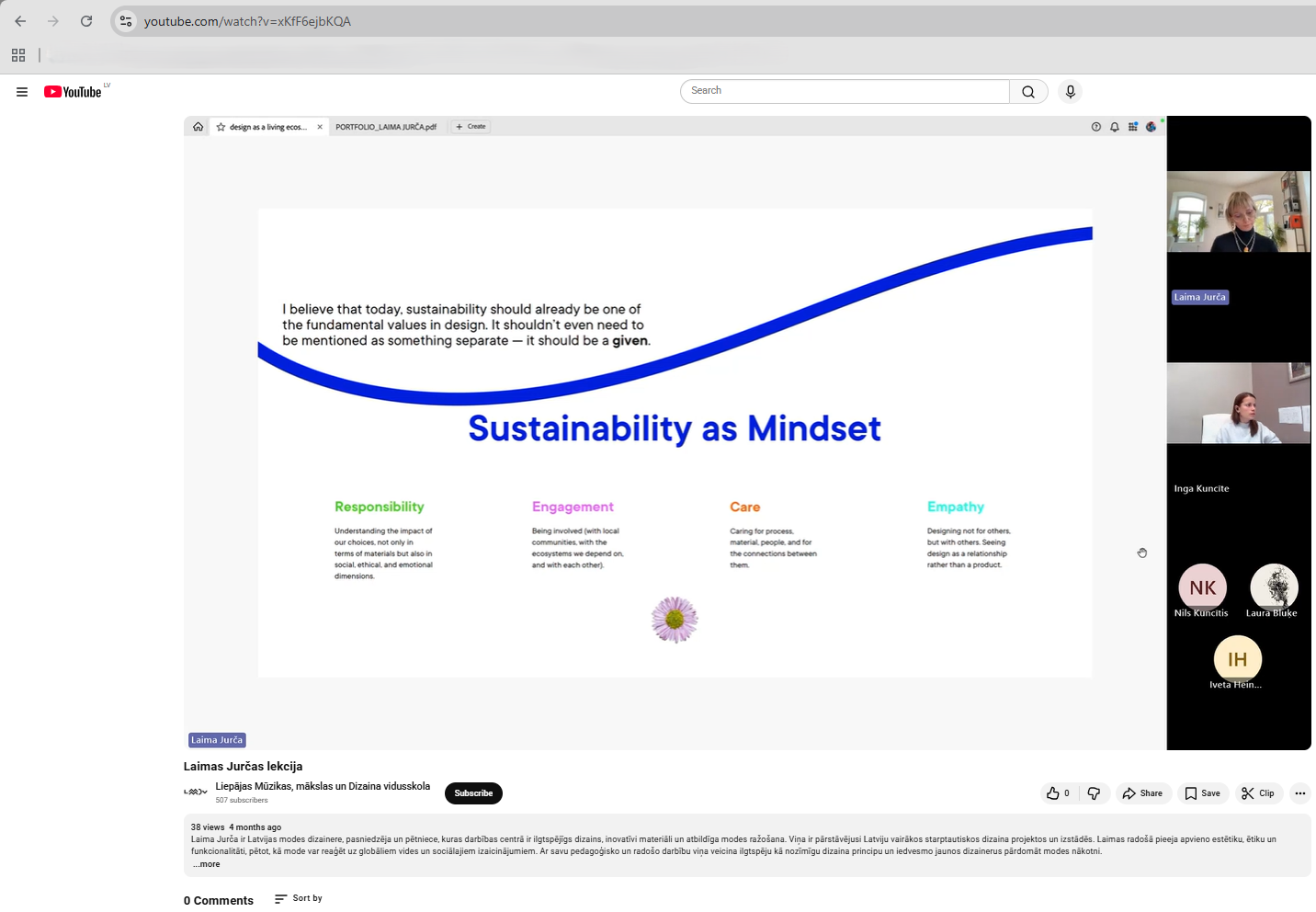
Digital technologies also played an important role in both the development and implementation of the project. The materials were created as digital resources, collaborative work was organised through online platforms, and recorded guest lectures from creative professionals were integrated into the learning materials.
By bringing together arts, language education, entrepreneurship, and digital learning environments, EmpowerED creates a transdisciplinary educational framework that reflects the complex skill set required for contemporary creative professions.
The project was developed within the Erasmus+ programme as a publicly funded educational initiative, which enabled the learning materials to be created, tested, and published as freely accessible resources. Instead of relying on commercial revenue, EmpowerED follows a sustainability model based on open access, institutional integration, and long-term educational use.
All materials are available online without payment, registration, or data collection. This ensures that vocational schools, teachers, and students can access and reuse the resources without financial barriers. Making the materials openly accessible was an intentional decision, as the primary goal of the project is to strengthen professional education in the cultural and creative sectors rather than generate direct profit.
Financial sustainability is ensured through institutional integration. The developed materials are incorporated into teaching practice within the partner schools and will continue to be used in courses related to art history, professional English, and career preparation. The entrepreneurship guidebook will also be distributed to graduating students and used by career counsellors supporting young creatives entering the labour market.
The project also benefits from existing educational networks. Through long-standing international cooperation between art and design schools, the materials can be shared and reused by other institutions without requiring additional development costs. This significantly increases their long-term value and impact.
By combining public funding, open-access dissemination, and long-term institutional use, EmpowerED establishes a sustainable model in which educational value and societal benefit are prioritised over commercialisation.
First, the modular structure of the learning materials allows individual units to be used independently or integrated into existing courses. The ten History of Art topics and their corresponding English language learning materials can be applied in art education, language education, or interdisciplinary programmes. Schools can select specific modules according to their curriculum needs without implementing the entire programme.
Second, the multilingual approach increases transferability. The materials were originally developed in English and then adapted into Latvian and Czech. This structure allows other institutions to translate and adapt the content into additional languages while maintaining the same pedagogical framework.
Third, the digital and open-access format enables easy distribution and reuse. All resources are publicly available online and can be downloaded without registration or payment. This removes administrative and financial barriers and allows educators, institutions, and organisations to adopt the materials directly.
The methodological approach is also transferable. The project demonstrates how art and design history, language learning, and employability skills can be integrated into a coherent educational model. This interdisciplinary structure can be replicated by other vocational schools or training programmes within the cultural and creative sectors.
Finally, the entrepreneurship and employability guidebook offers a framework that can be adapted to different national contexts. While the guide includes country-specific information for Latvia and the Czech Republic, its structure allows other countries to incorporate their own legal and professional frameworks.
Together, these elements create a model that can be realistically adopted and adapted by educational institutions across Europe without requiring significant additional resources.