Arts, Culture, and Heritage as Drivers of Change
Taraf Revival in Moldovan Villages
Reviving the Taraf Tradition: Creating Three Living Folk Ensembles in Rural Communities of Moldova
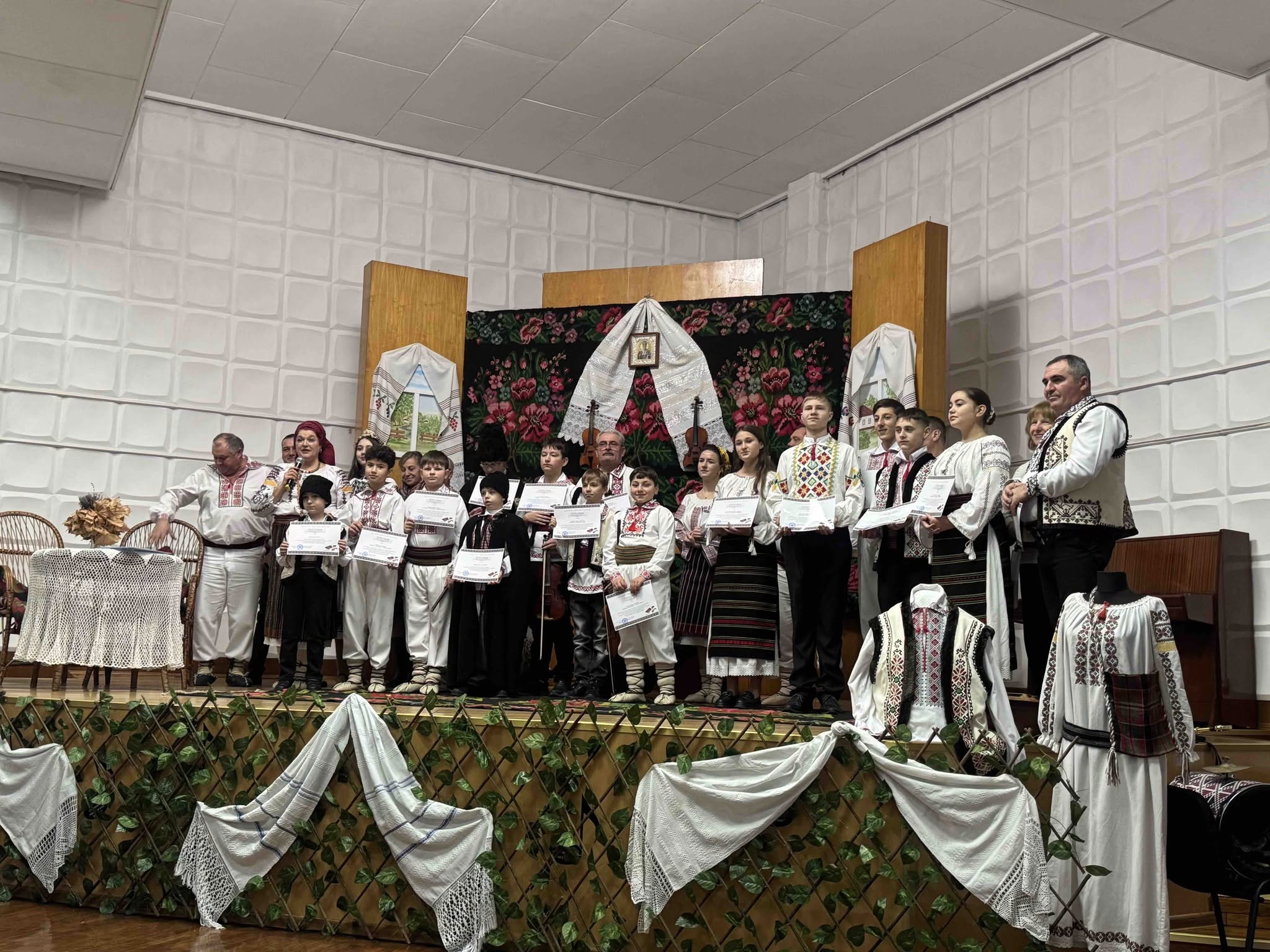
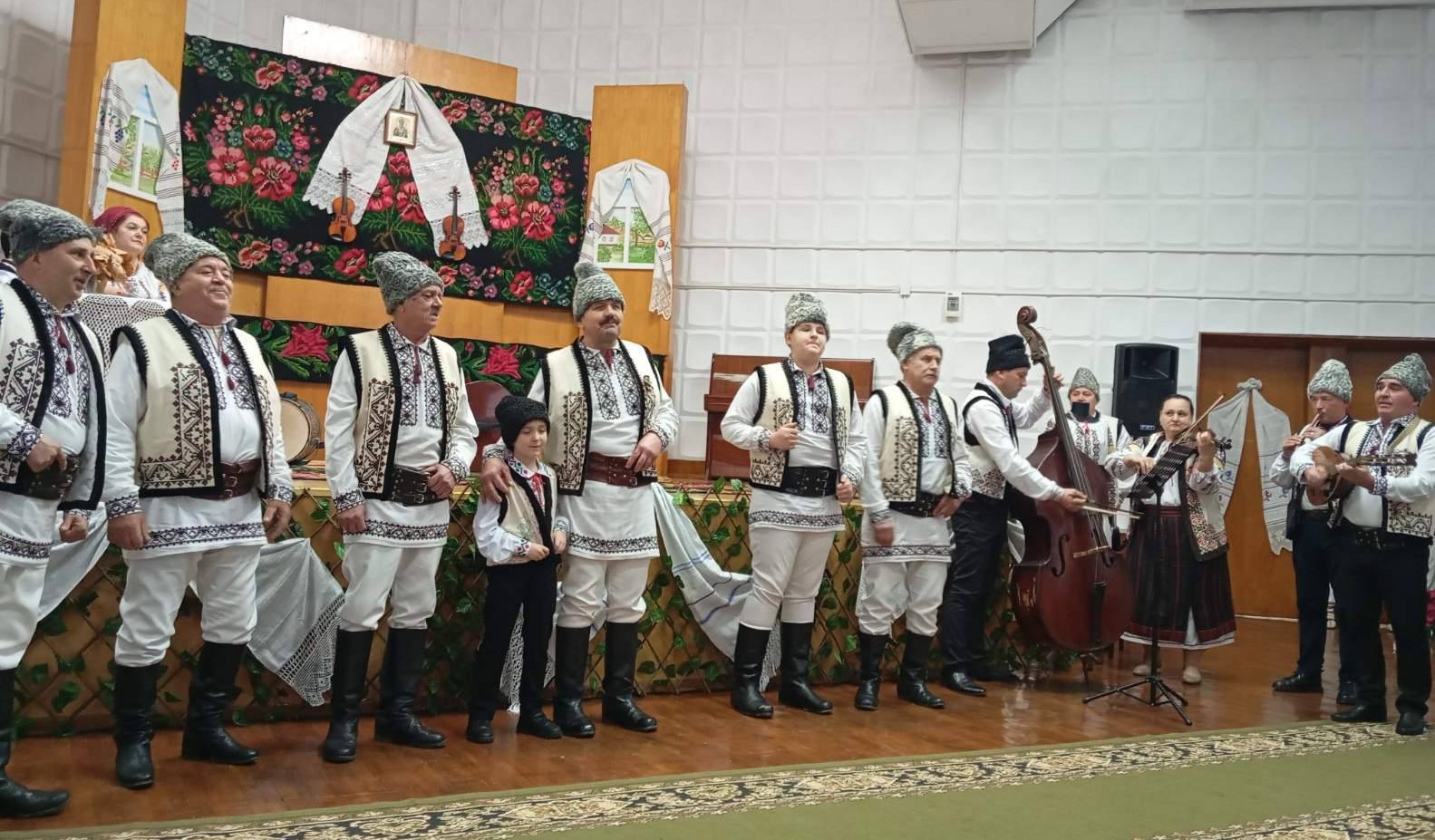
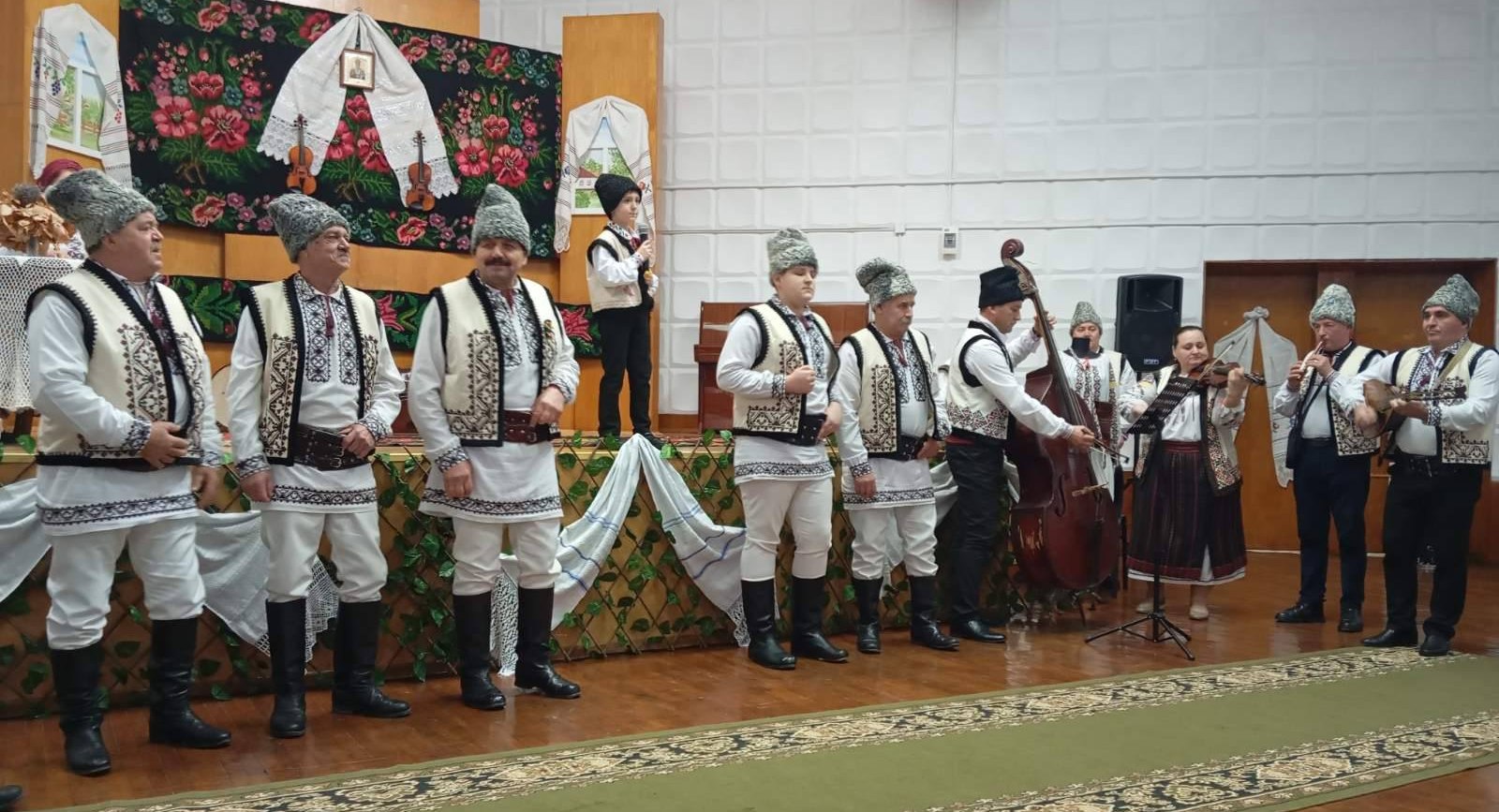
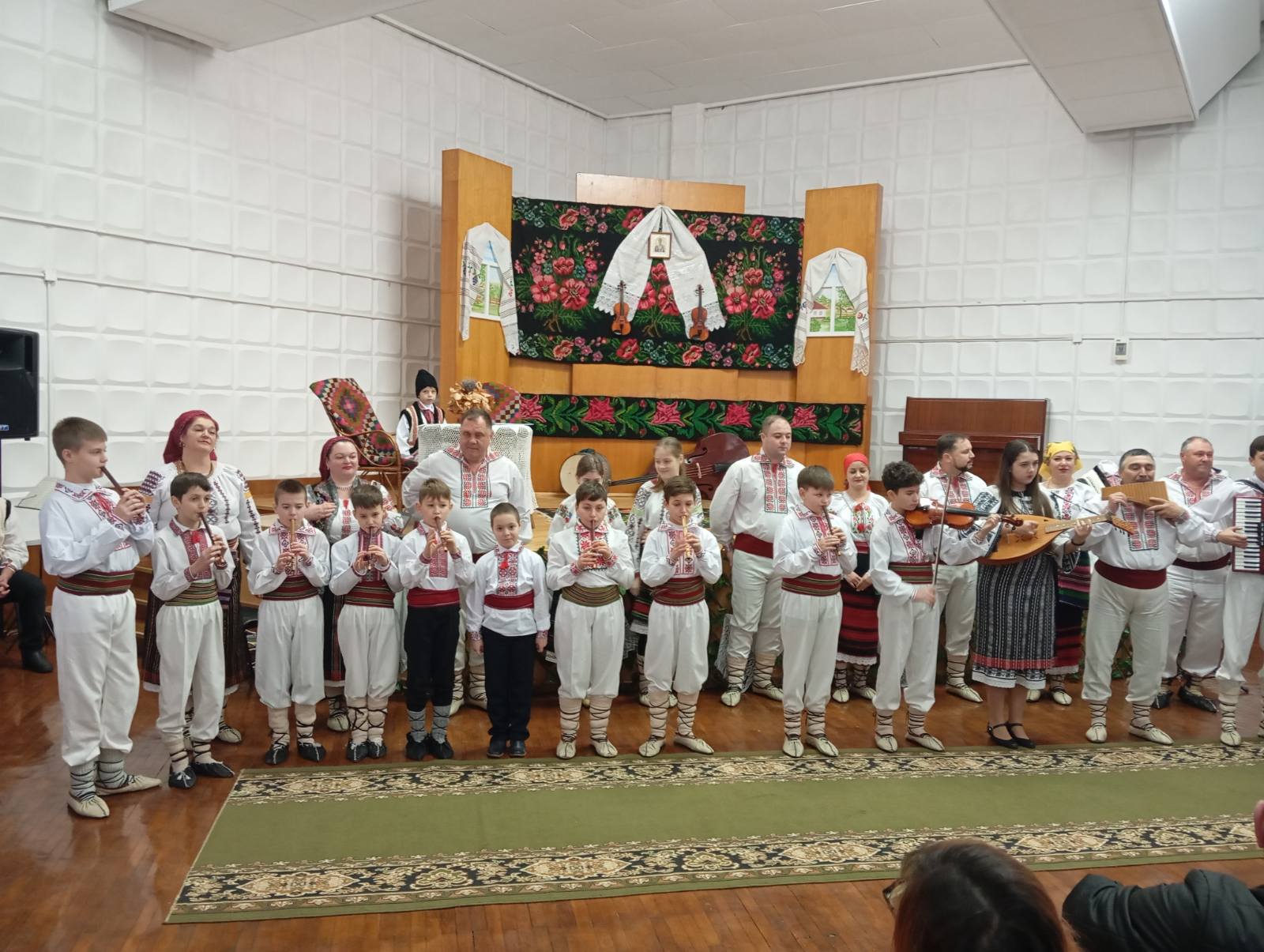
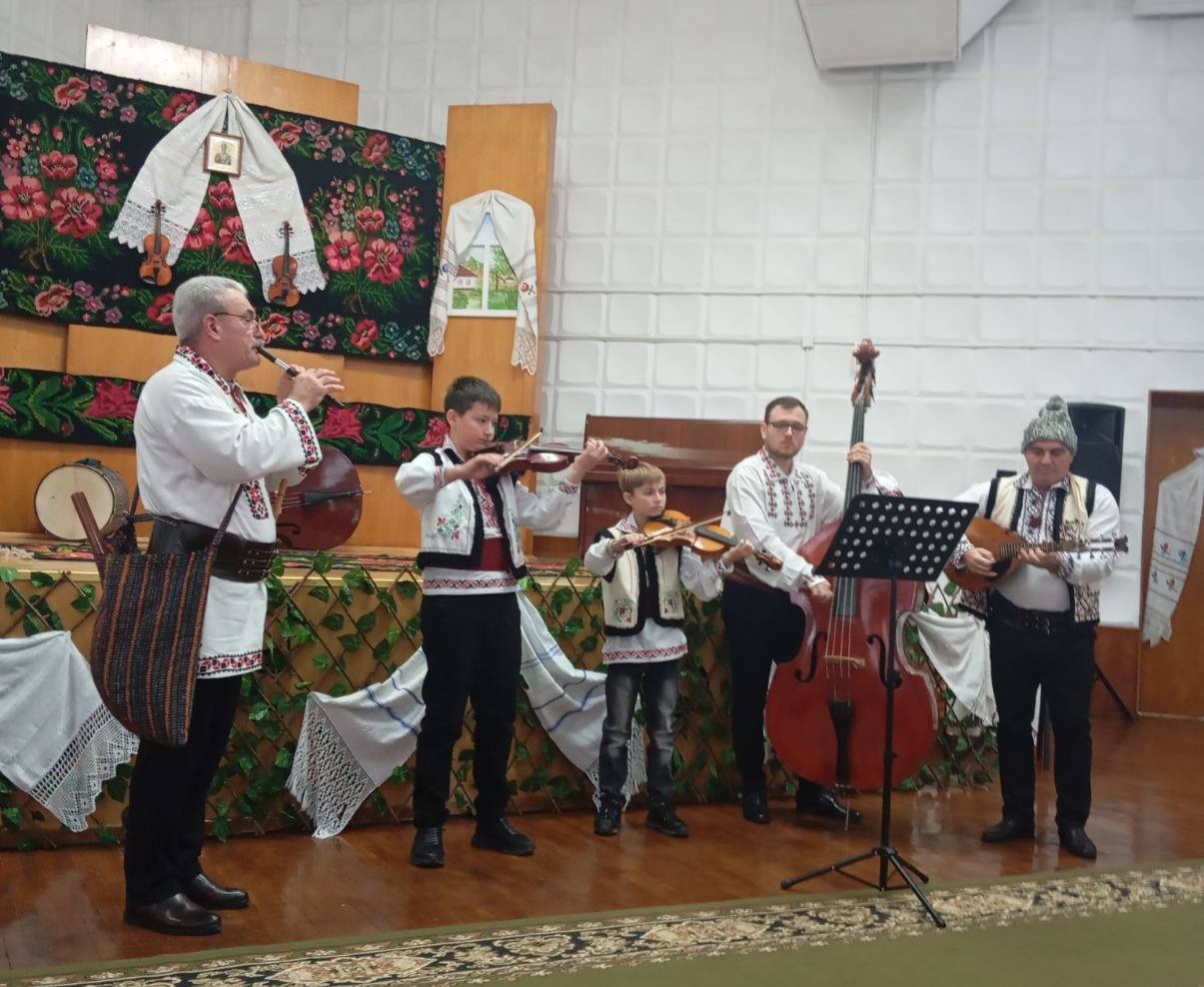
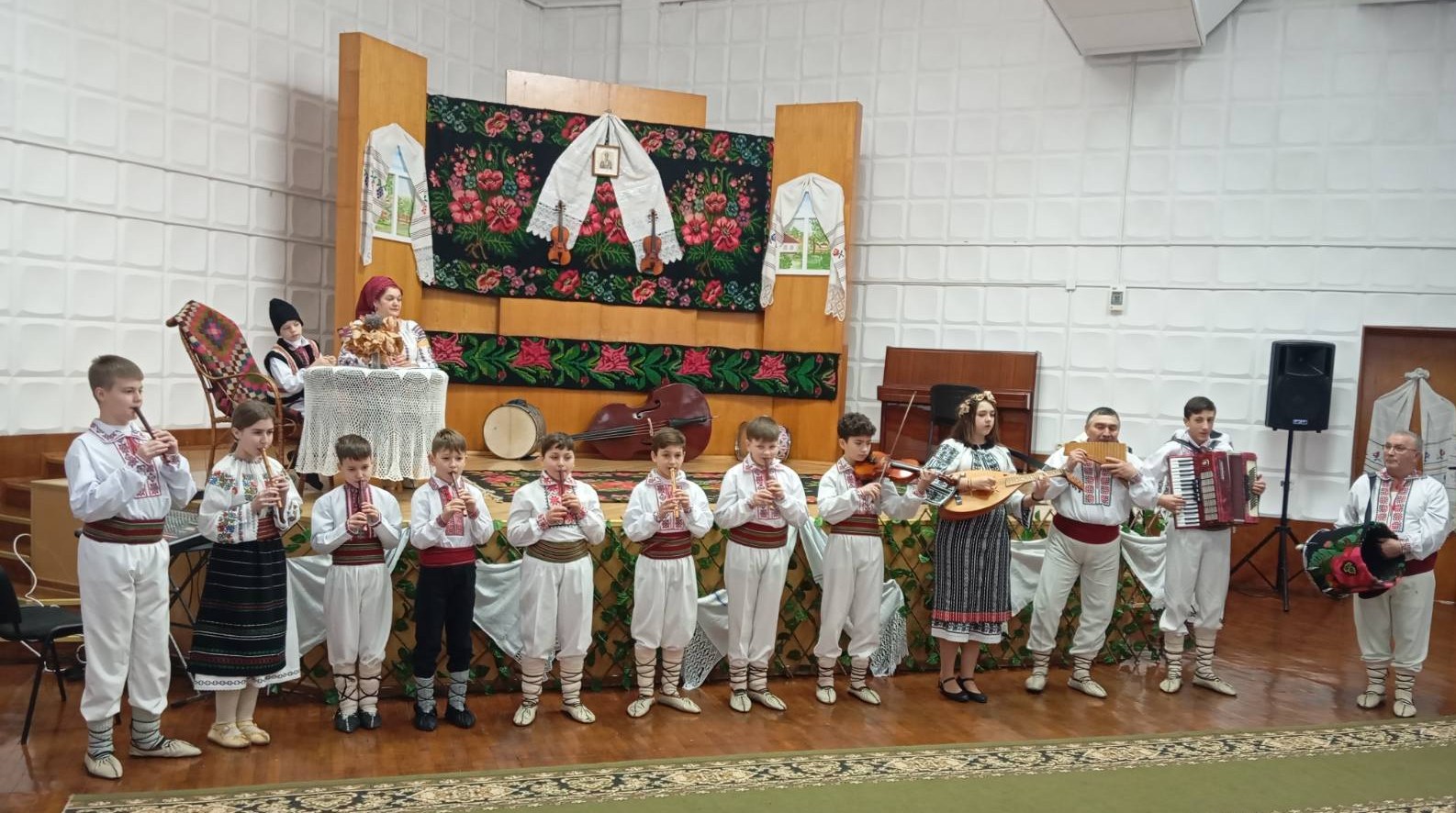
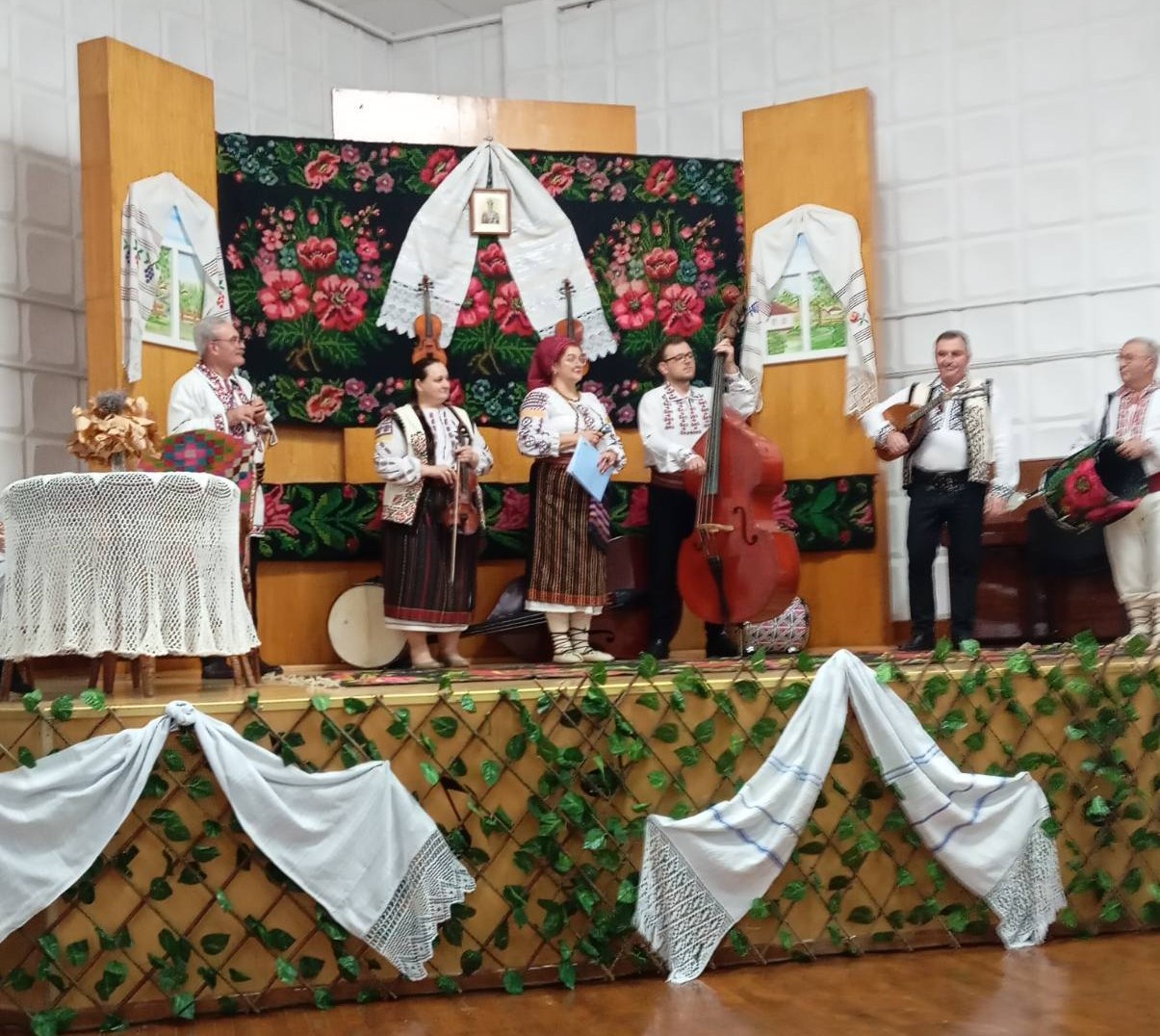
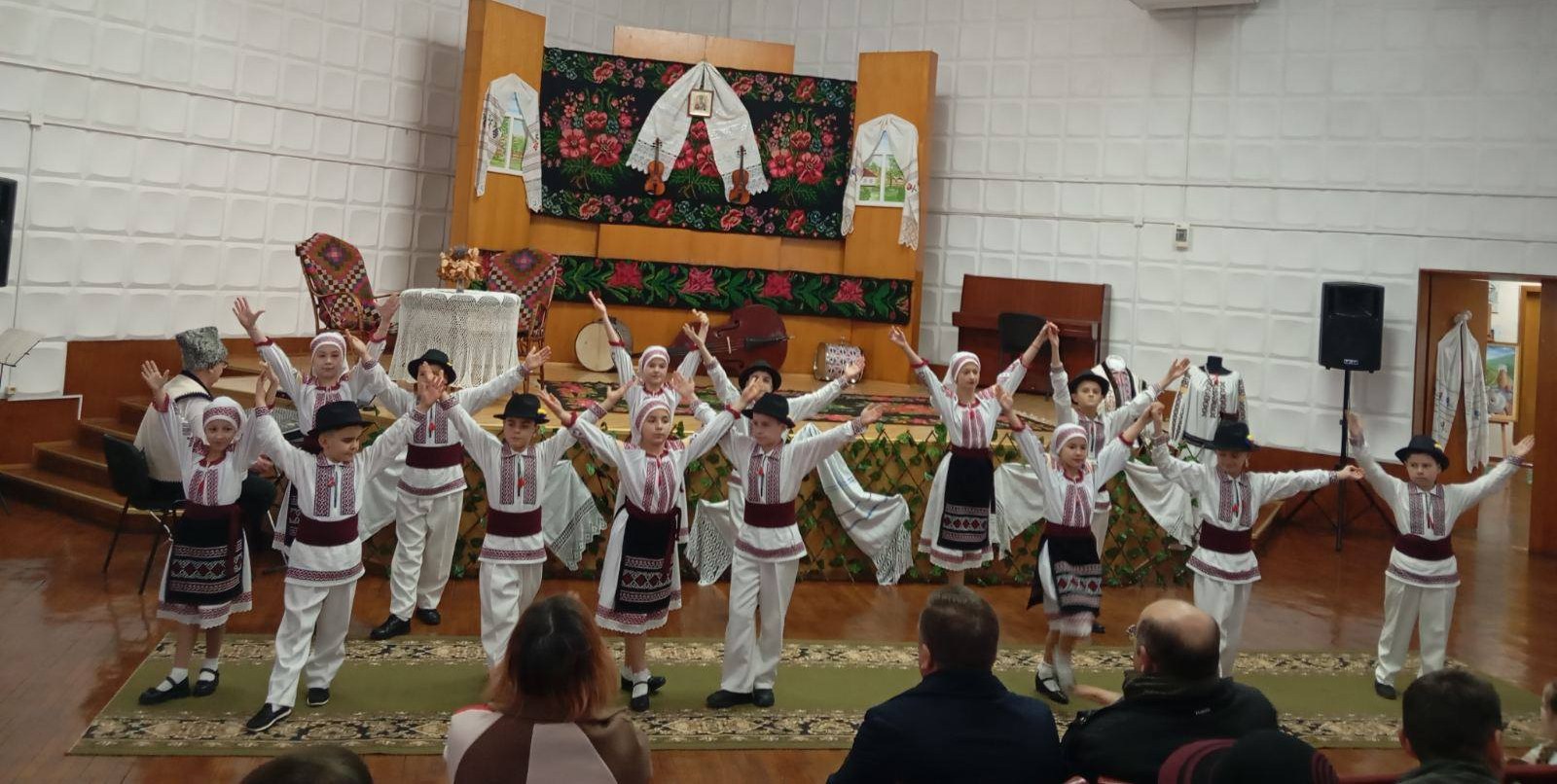
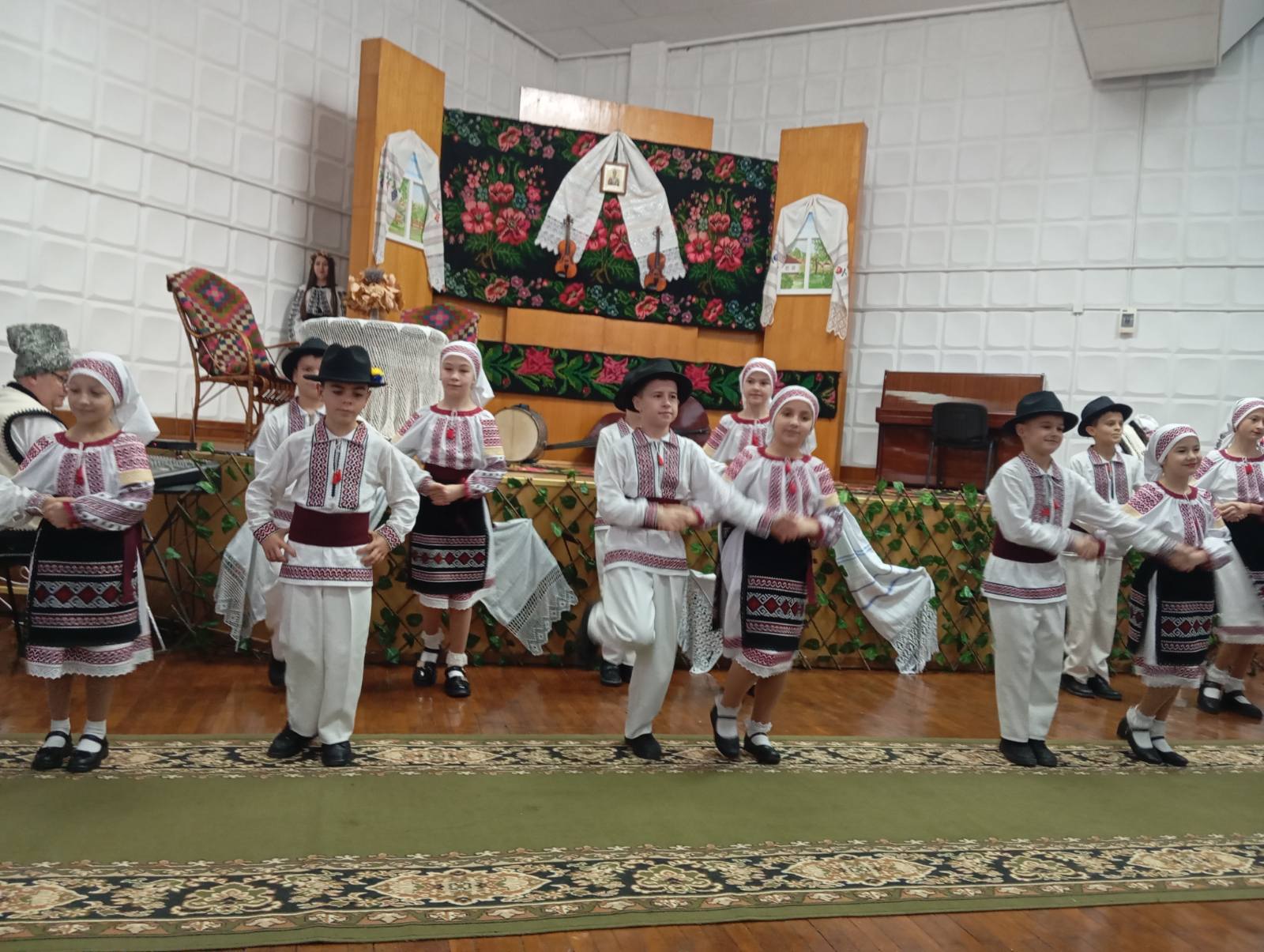
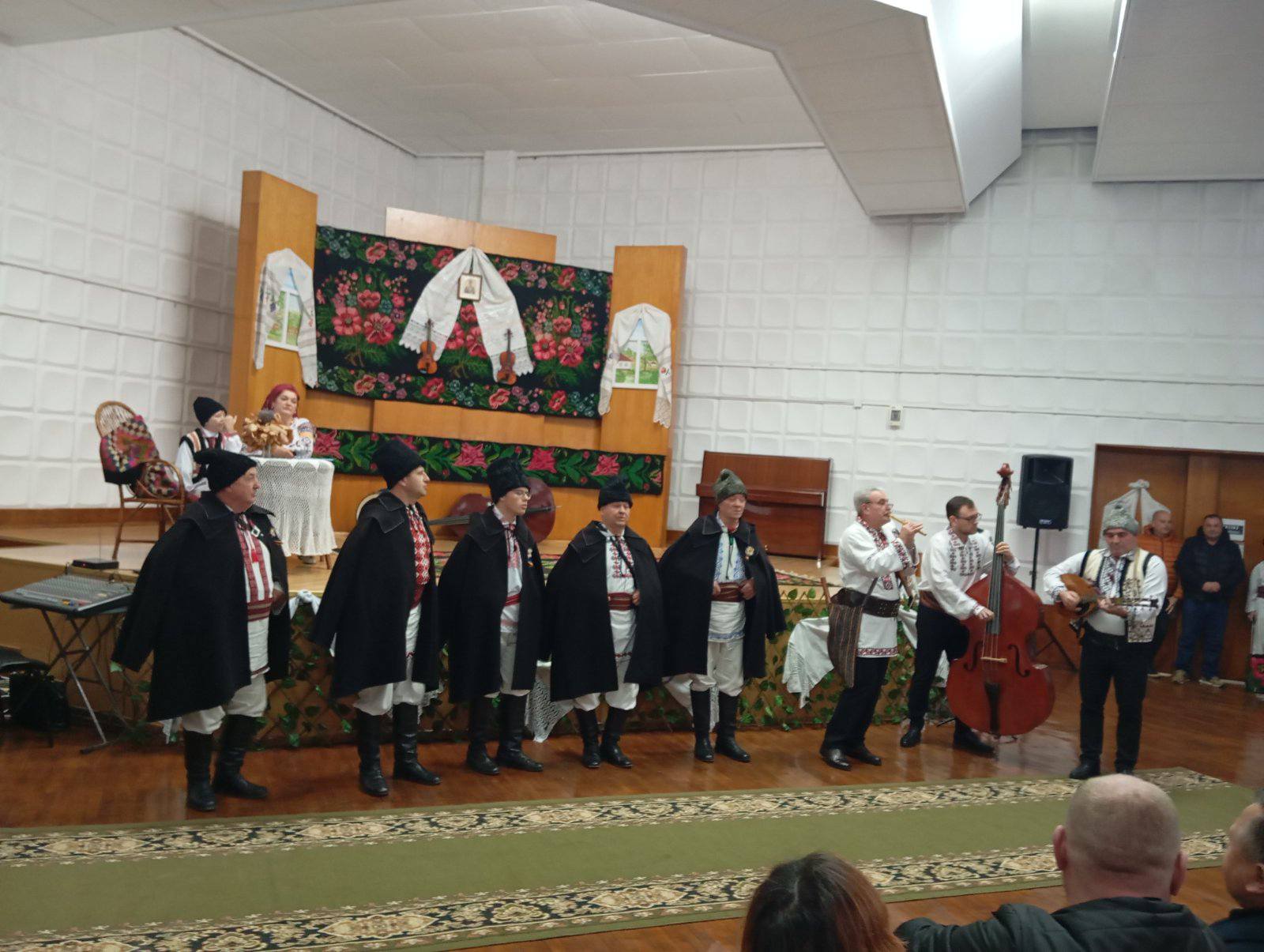
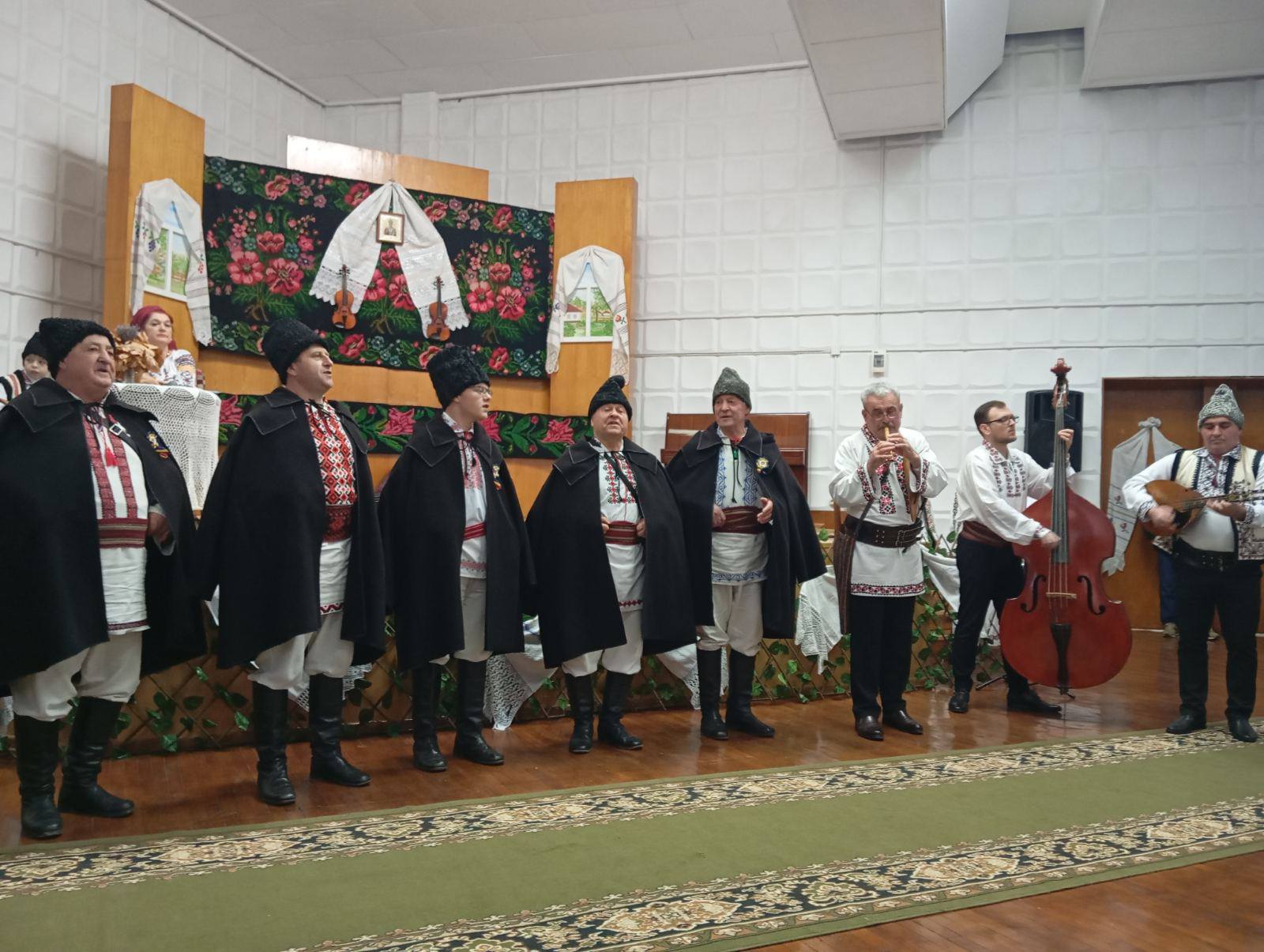
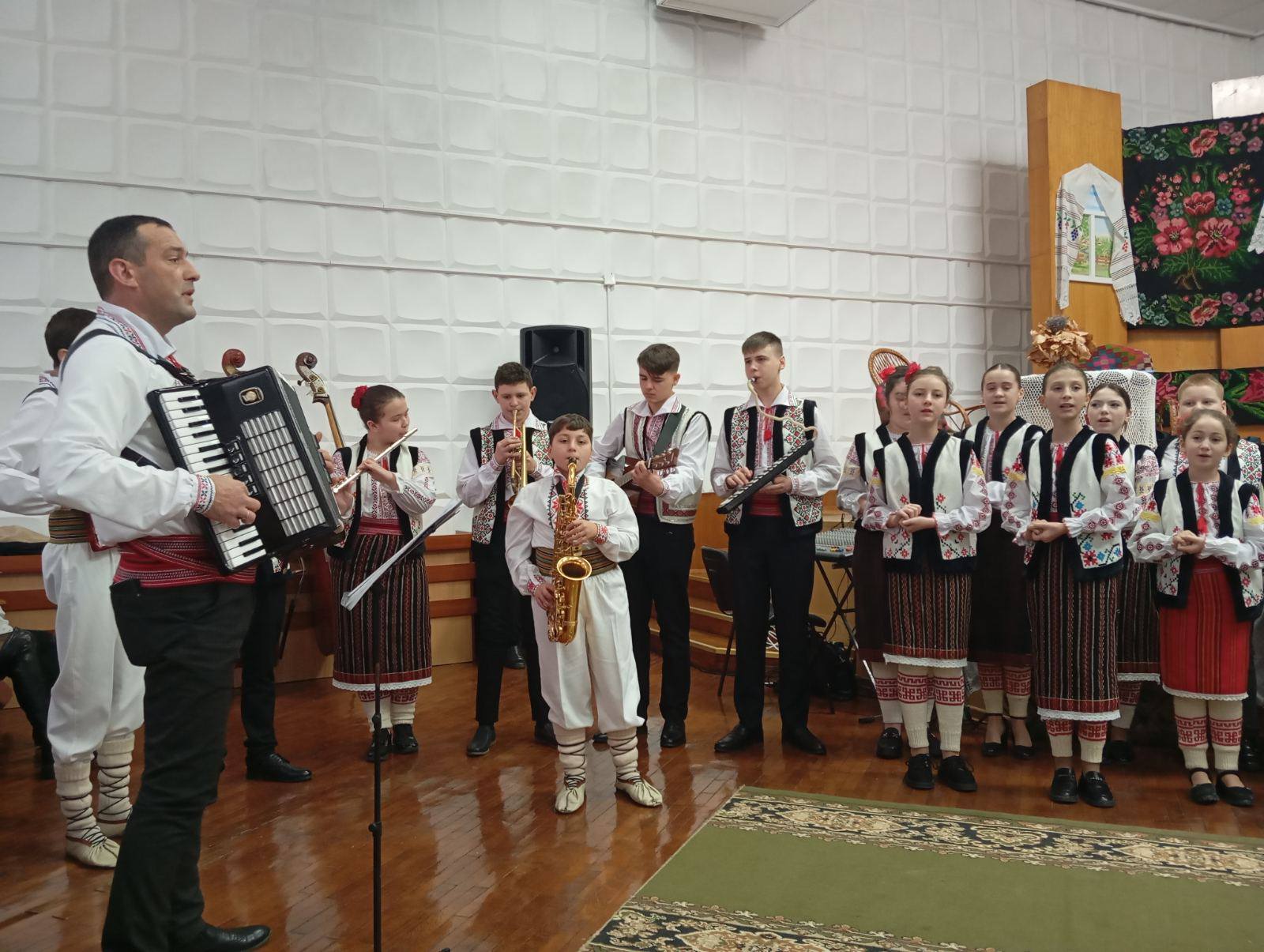
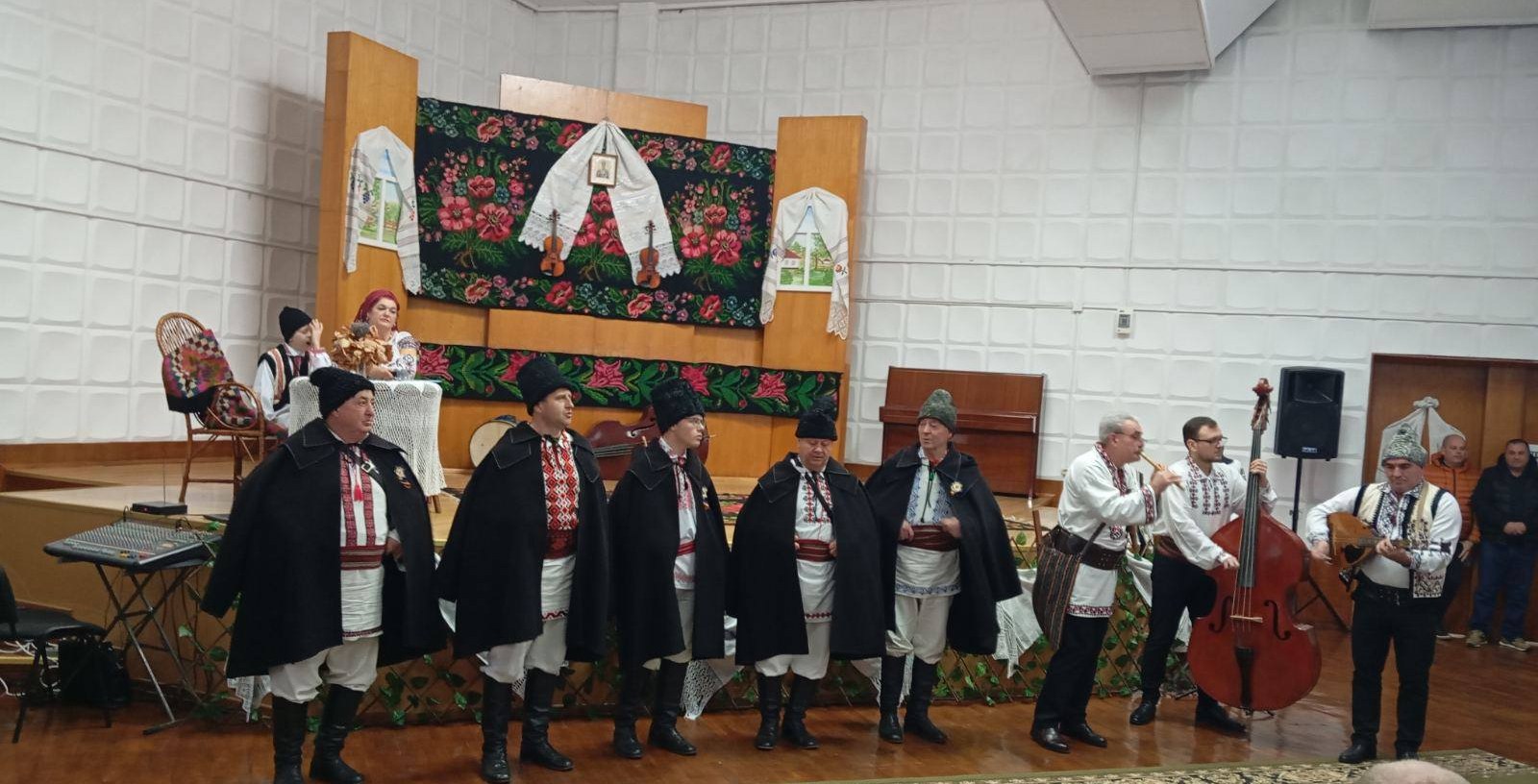
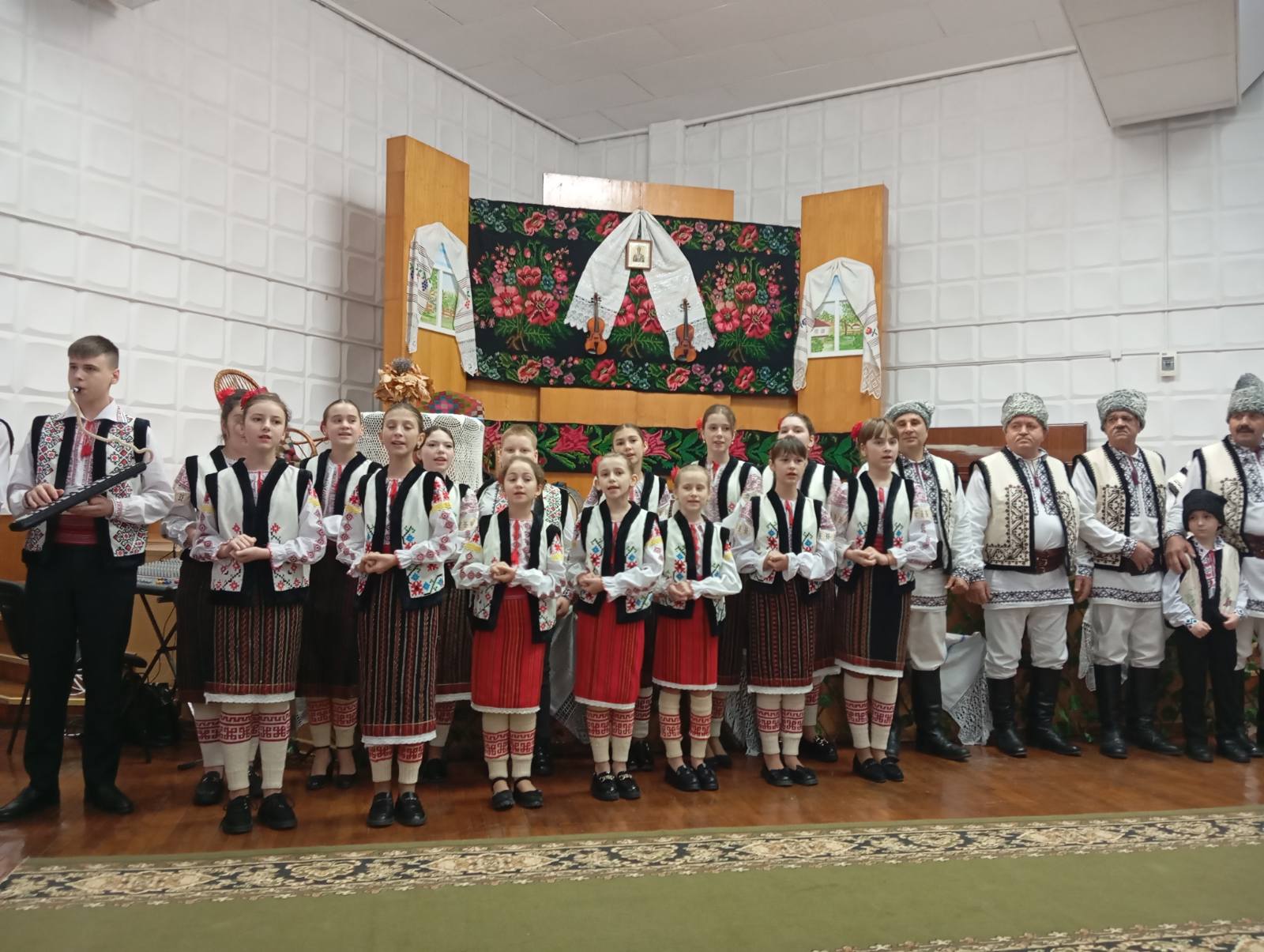
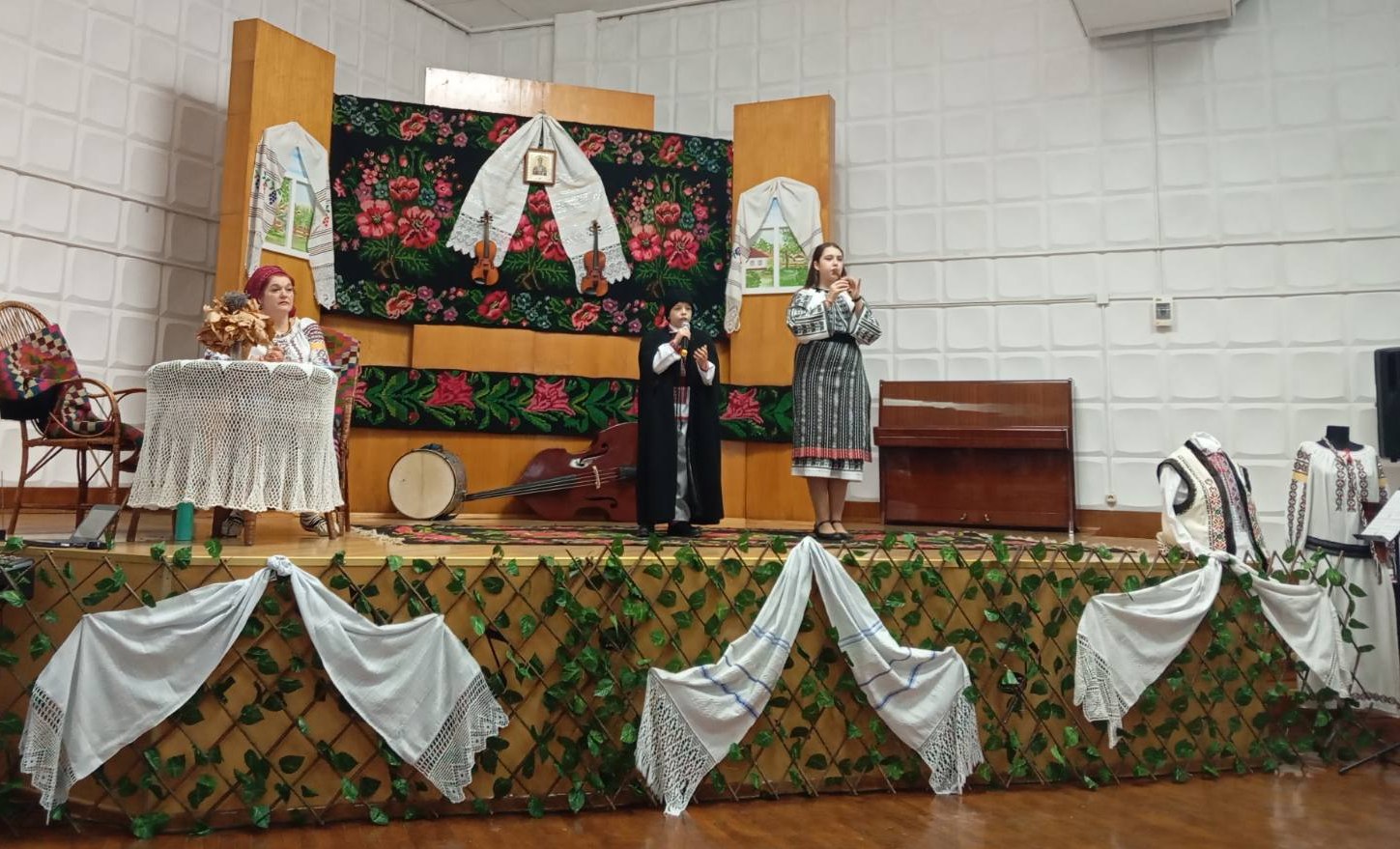
Three traditional tarafuri bring authentic folk music back to life in the villages of Lipnic, Bârnova, and the town of Ocnița in Moldova. Young and elder generations play old melodies on traditional folk instruments, keeping the sounds and stories of living musical heritage alive. The project successfully safeguarded the old tarafuri, reinforcing the communities’ living heritage.
Moldova
Regional
Region: Northern Republic of Moldova – the villages of Lipnic, Bârnova, and the town of Ocnița
Mainly rural
It involves other types of transformations (soft investment)
Yes
2026-02-26
Yes
The “Strengthening Social Cohesion in the Republic of Moldova through Dialogue and Community Empowerment” program, focusing on social cohesion and intergenerational dialogue, implemented by UNDP and UNFPA, with the support of the Government of Switzerland, 2024–2026.
No
No
Individual
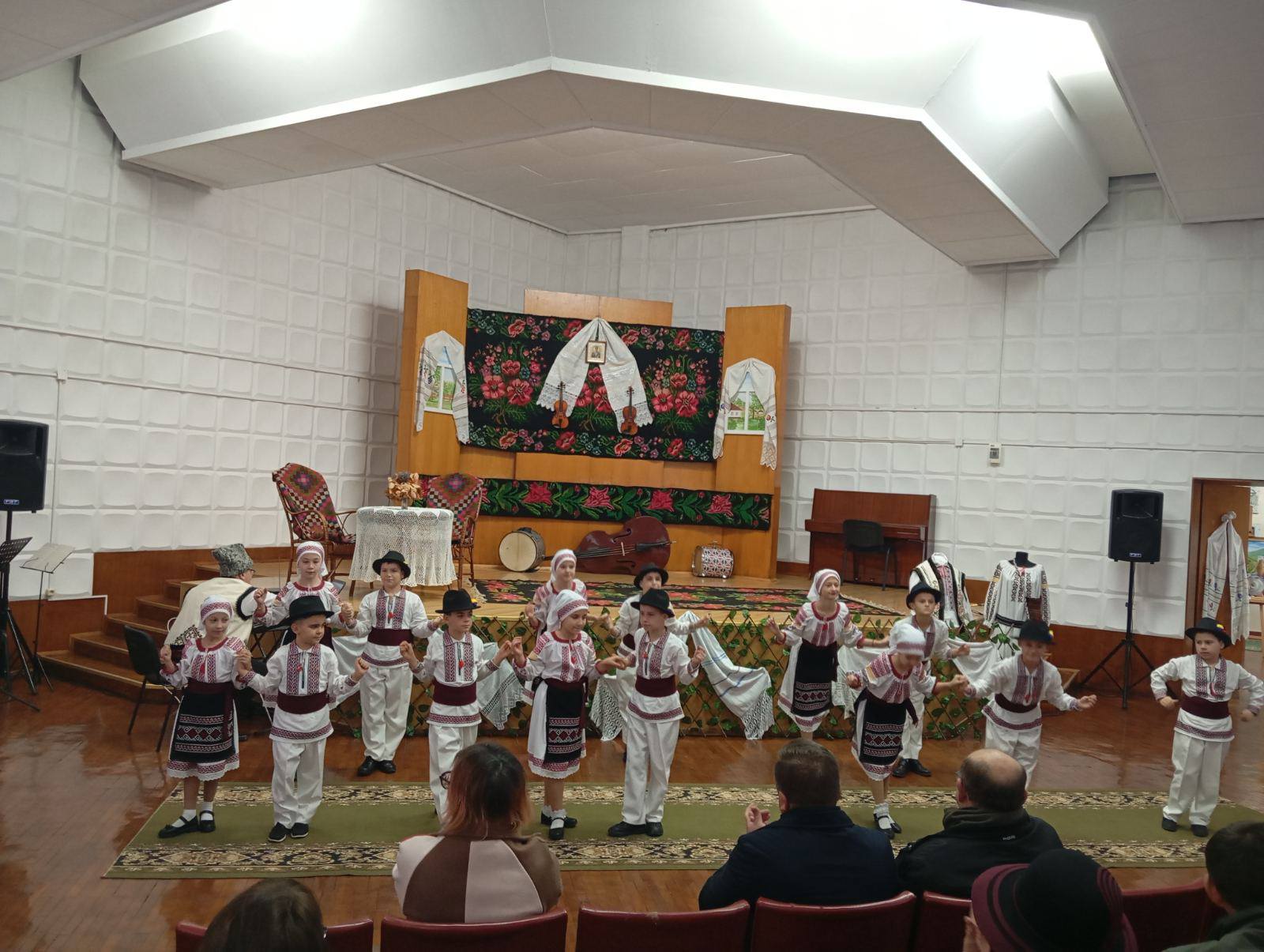
The “Authentic Tarafs” project emerged from the need to preserve Moldova’s disappearing instrumental musical traditions. Many rural ensembles no longer existed, young people lacked role models, and senior lăutari and craftsmen had no space to practice or teach. We created three authentic tarafs in Lipnic, Bârnova, and Ocnița, each composed of 5 senior musicians and 5 children from vulnerable families, fostering intergenerational learning and cultural continuity.
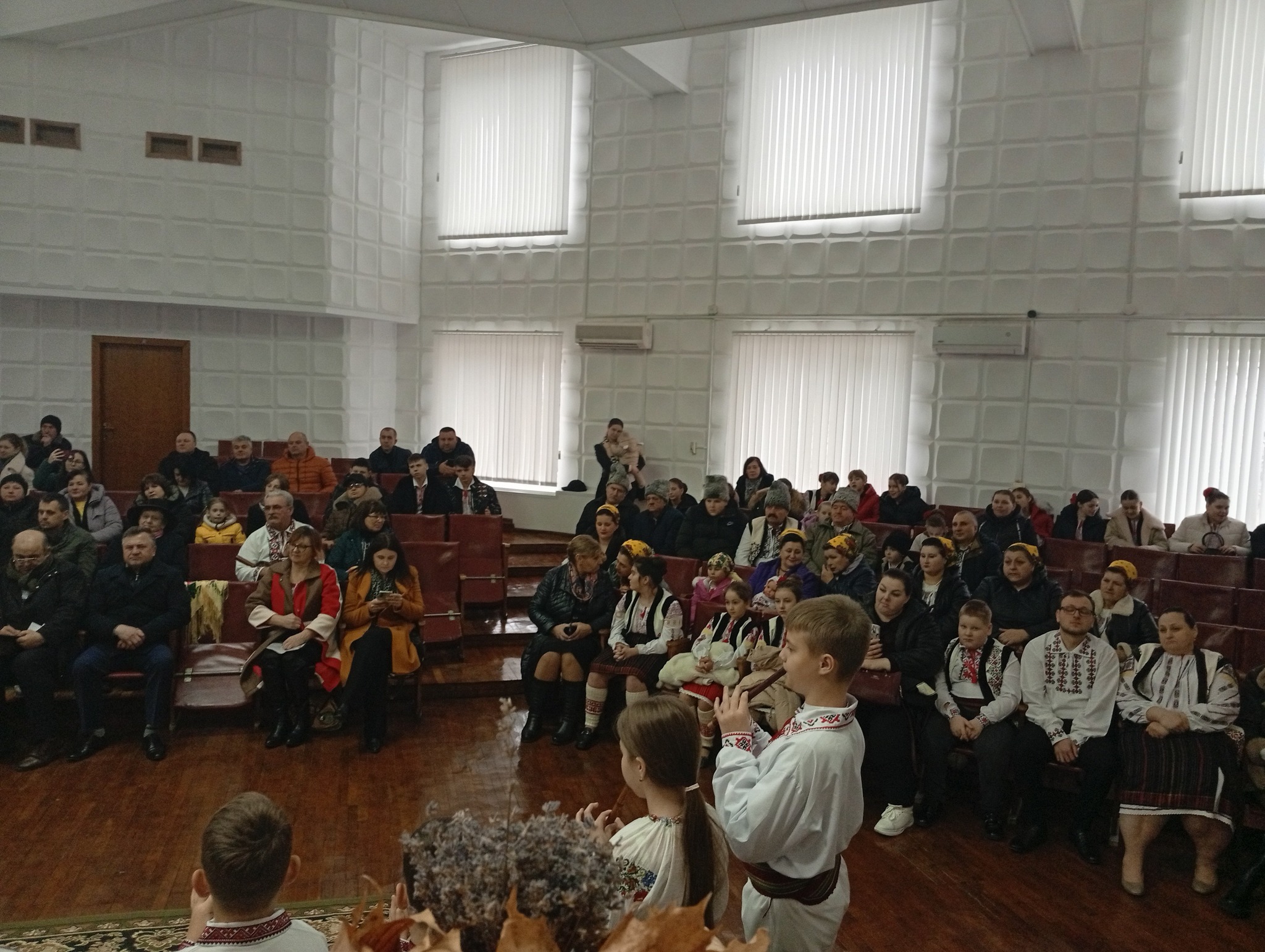
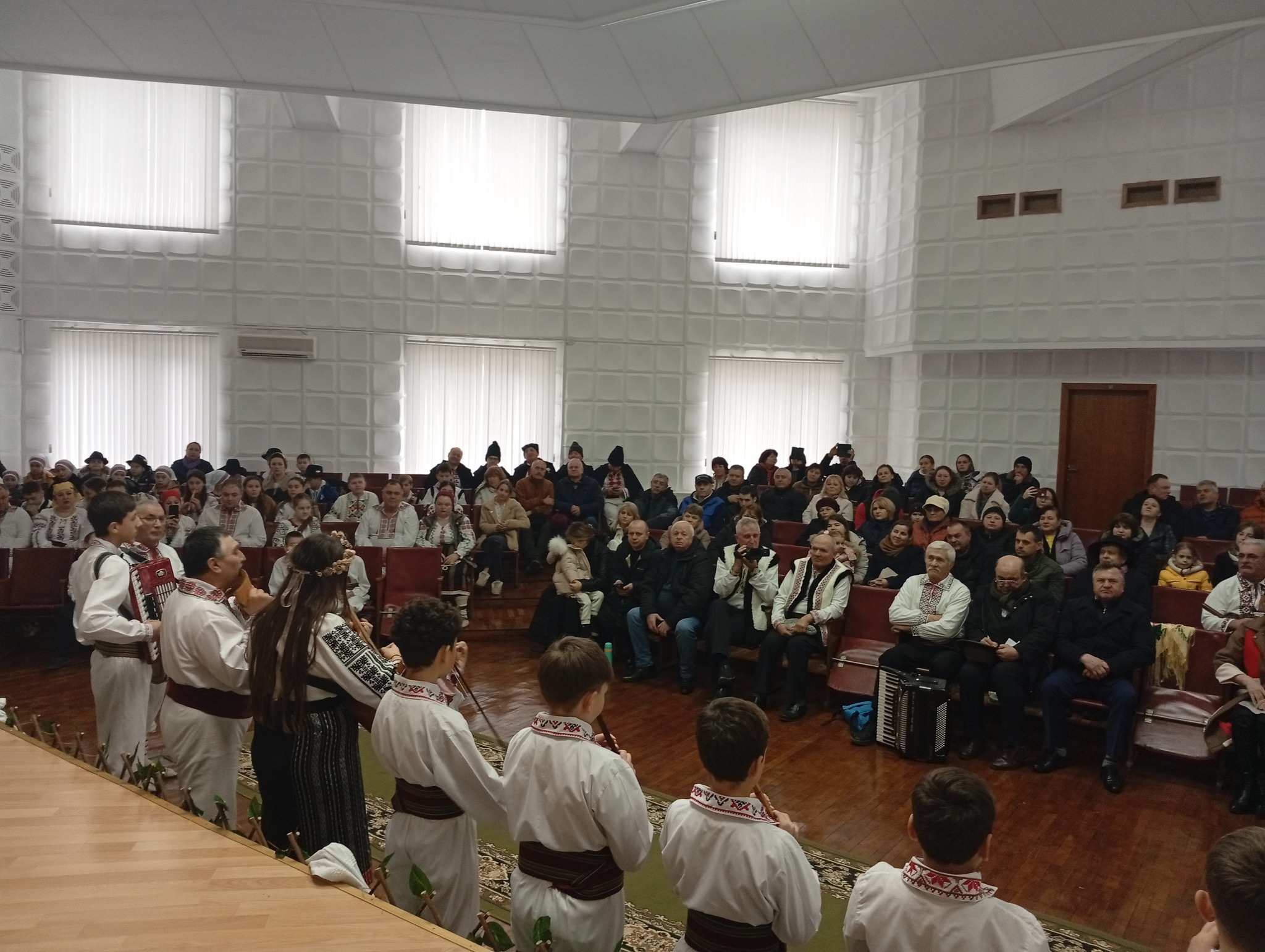
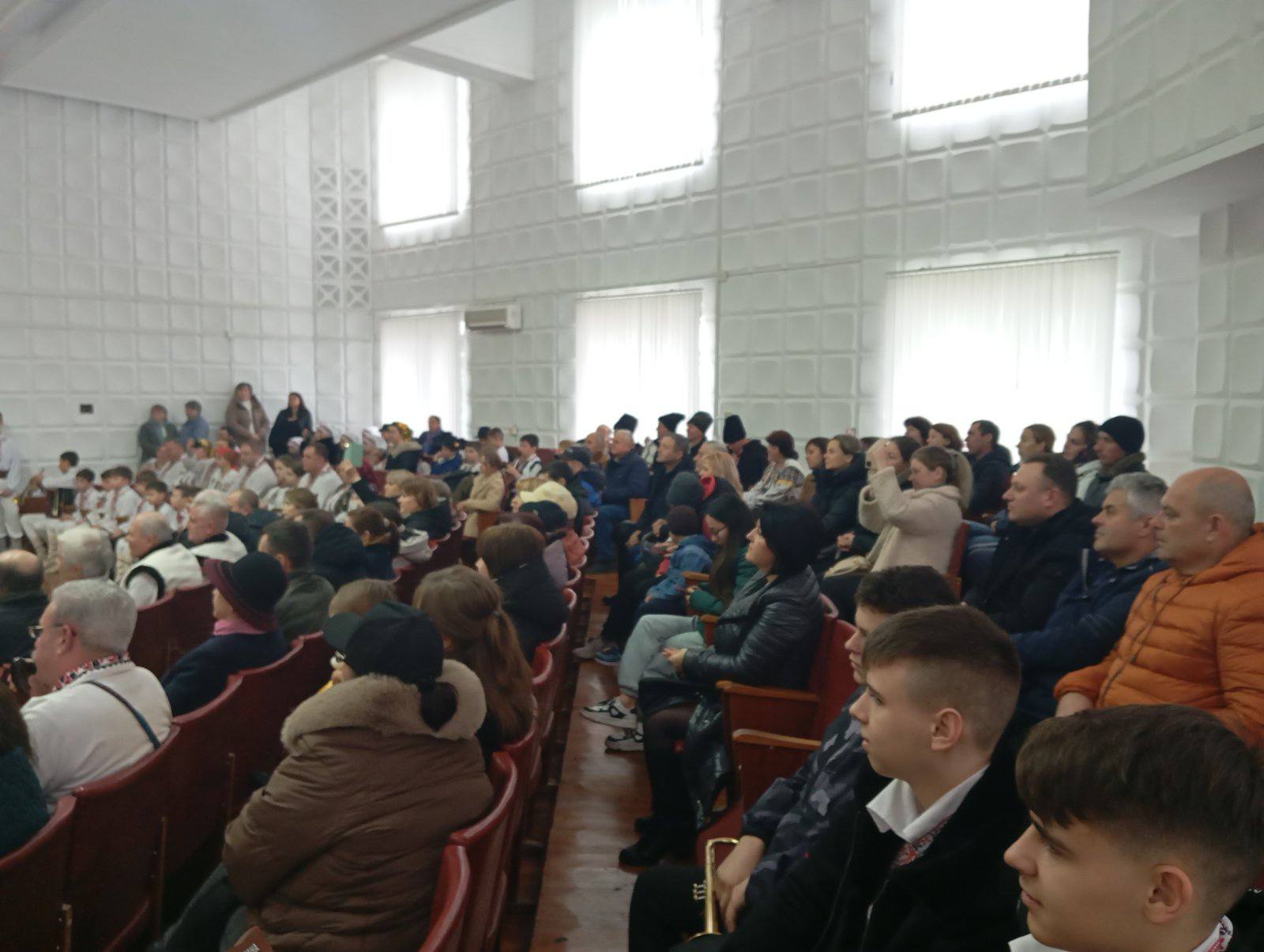
Within four months, the three tarafs performed three community concerts, proving that artistic collectives can connect generations even in isolated communities. Around 54 musicians actively joined, including girls playing the flute, while 42 senior musicians from nearby villages (Hădărăuți, Gîrbova, Sauca, Mereșeuca, Dînjeni, Lipnic, Bârnova, and Ocnița) also participated. Instruments are shared and transmitted among beneficiaries, and rehearsals continue with support from local authorities, music schools, and cultural centers.
The project strengthens cultural identity, revives musical heritage, and promotes social inclusion. Its methodology is replicable: selecting beneficiaries, organizing rehearsals, involving authorities, and partnering with cultural institutions can be adapted for other communities. In Edineț, a partnership with the Youth Technicians Center will launch a Lăutărie School for Romani children to learn from senior lăutari, ensuring long-term transmission of skills.
By combining intergenerational mentorship, community involvement, and sustainable resource management, the project demonstrates that small initiatives can generate lasting cultural, social, and educational impact in rural Moldova.
The project arose from a personal reflection: in the villages of Moldova, instrumental musical tradition was at risk of disappearing, and music ensembles no longer existed. I noticed that young generations lacked learning models, while senior craftsmen and lăutari had no venues to showcase their talents. Knowing three musicians from the villages of Lipnic, Bârnova, and Ocnița, I proposed creating an authentic taraf in each community. I suggested including five adults and five children from vulnerable families in each ensemble.
The tarafs were established within four months, performing three community concerts. Around 54 musicians, including girls playing the flute, joined, and an additional 42 senior musicians from Hădărăuți, Gîrbova, Sauca, Mereșeuca, Dînjeni, Lipnic, Bârnova, and Ocnița also participated. The project demonstrated that it is possible to create sustainable artistic ensembles, foster intergenerational connections, and revitalize local cultural life, even in skeptical or isolated communities.
The tarafs were established within four months, performing three community concerts. Around 54 musicians, including girls playing the flute, joined, and an additional 42 senior musicians from Hădărăuți, Gîrbova, Sauca, Mereșeuca, Dînjeni, Lipnic, Bârnova, and Ocnița also participated. The project demonstrated that it is possible to create sustainable artistic ensembles, foster intergenerational connections, and revitalize local cultural life, even in skeptical or isolated communities.
Musical tradition
Intergenerational education
Social inclusion
Cultural revitalization
Community participation
The project addresses sustainability by preserving traditional musical heritage while creating long-term social and cultural impact. By establishing authentic music ensembles that combine senior musicians and children from vulnerable families, we ensure knowledge transfer, community engagement, and intergenerational continuity. Local authorities, schools of music, and cultural centers support the project with rehearsal spaces, instruments, and logistics, reducing reliance on external resources and enhancing long-term viability.
The model is financially sustainable through a mix of cultural grants, private donations, local support, and community contributions. Reinvesting resources into instrument acquisition, training new members, and organizing concerts allows continuous operation and growth. By promoting cultural participation, strengthening social ties, and empowering local communities, the project demonstrates a sustainable approach to preserving intangible heritage while generating social, educational, and cultural benefits.
The model is financially sustainable through a mix of cultural grants, private donations, local support, and community contributions. Reinvesting resources into instrument acquisition, training new members, and organizing concerts allows continuous operation and growth. By promoting cultural participation, strengthening social ties, and empowering local communities, the project demonstrates a sustainable approach to preserving intangible heritage while generating social, educational, and cultural benefits.
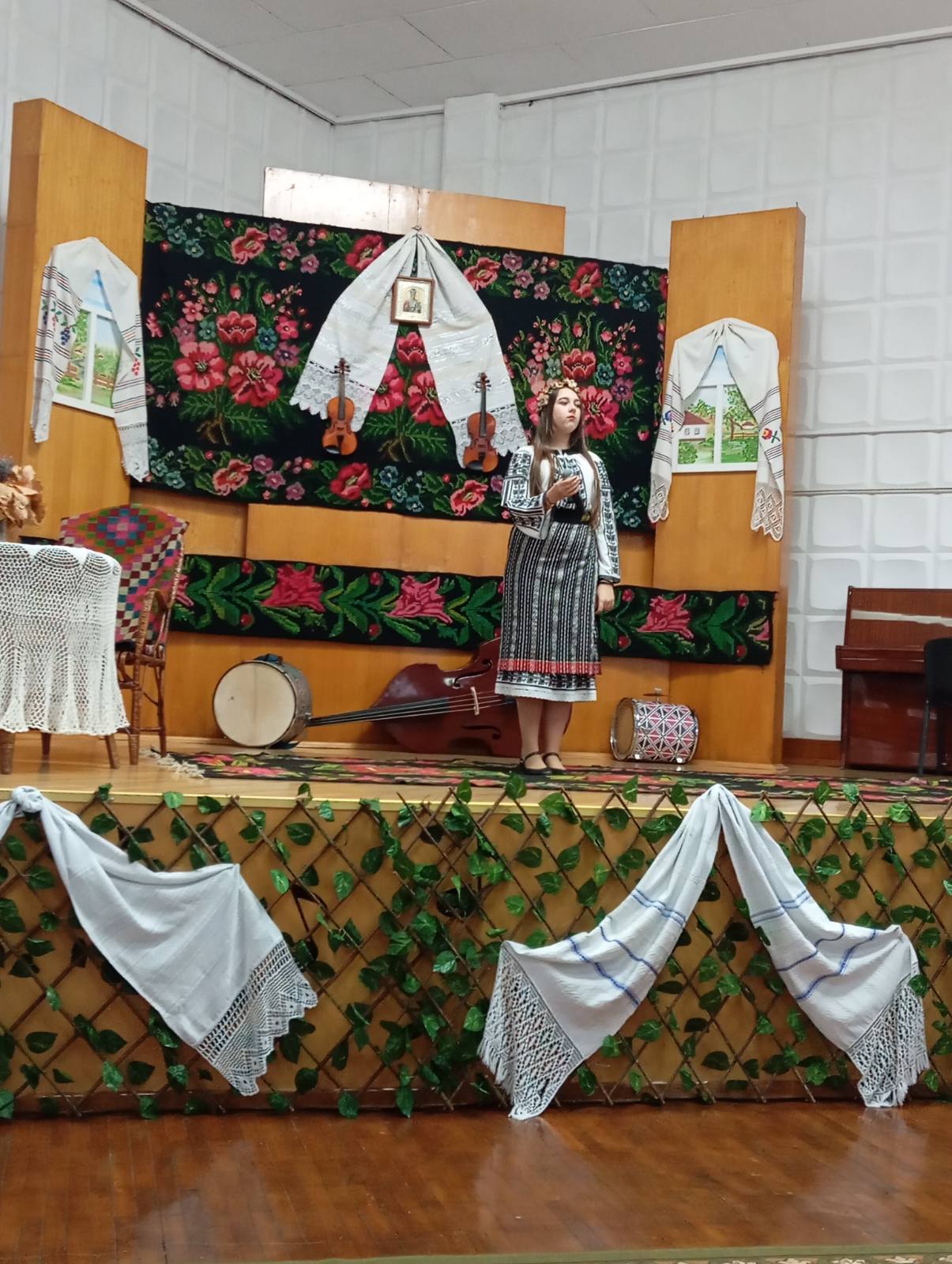
The project contributes concretely to enhancing the aesthetic experience of people and communities by creating authentic musical ensembles that connect senior musicians with children. Through performances in rural areas, music becomes a shared cultural expression that enlivens daily life and strengthens the sense of belonging. Local heritage is celebrated and brought into public awareness, fostering pride and care for the community.
As a result, the project nurtures an environment where cultural activities are both participatory and visually and sonically engaging. The involvement of families and community members in concerts and rehearsals reinforces the feeling of collective ownership of cultural heritage.
In addition, the project can inspire other groups to develop cultural or artistic collectives in vulnerable communities, stimulate social inclusion, and create intergenerational bonds. Its aesthetic value lies in transforming music and local traditions into a living, tangible experience, making rural life more vibrant, meaningful, and connected.
In Edineț, through a partnership with the Youth Technicians’ Center, a project is planned to create a Lăutărie School for children of Roma ethnicity, where they will learn the craft from local senior musicians, further enhancing the aesthetic and cultural continuity of the community.
The project addresses challenges of accessibility and affordability by actively including children and families from vulnerable backgrounds, such as single-parent households, low-income families, and children with health challenges. By offering free participation, access to instruments, and mentorship from senior musicians, the project ensures that cultural and educational opportunities are available to all, regardless of socioeconomic status.
Inclusive governance is promoted through collaboration with local authorities, schools, and cultural centers, which support both the organization of rehearsals and community concerts. Families are actively involved in the activities, strengthening social cohesion and ensuring that decisions reflect the needs of participants.
The project is exemplary in inclusion because it creates intergenerational ensembles that combine senior musicians and young learners, giving everyone a voice and a role in preserving cultural heritage. Participation is not limited to a specific group; the model encourages community engagement and collective ownership, making it replicable in other rural or vulnerable areas.
Through this approach, the project not only provides artistic education but also builds social capital, encourages active participation in cultural life, and creates a sense of belonging for all participants. It demonstrates that inclusive cultural initiatives can bridge generational and social gaps while fostering equity, accessibility, and shared responsibility for heritage.
The project actively involved citizens, communities, and civil society organizations from the very beginning. Initially, 15 adult musicians and 15 children were selected as beneficiaries, but interest from other local artistic collectives expanded participation. In the three community concerts organized, a total of 96 musicians, including children and adult performers from different villages, took part.
Families were engaged not only as supporters but as active participants, helping coordinate rehearsals, facilitating attendance, and encouraging children to join the ensembles. Local schools, cultural centers, and music teachers provided rehearsal spaces, instruments, and mentoring support, ensuring that community members were directly involved in both the planning and execution of events.
Their involvement had multiple impacts: it strengthened intergenerational ties, fostered a sense of belonging, and encouraged the transmission of musical heritage. It also created a replicable model of community engagement, demonstrating that participatory approaches can generate social cohesion, empower local actors, and sustain cultural initiatives over time.
The project was designed and implemented with engagement across multiple governance levels, from local to European.
At the local level, authorities and cultural workers in Lipnic, Bârnova, and Ocnița facilitated access to public spaces, supported concert organization, and encouraged participation from families and children. Music schools and local cultural centers provided rehearsal spaces, instruments, and logistical support, ensuring that the ensembles could function smoothly.
At the regional level, traditional instrument makers from Sadovoe (Bălți municipality) and Sofia (Drochia district) contributed by crafting flutes, violin, cobza, and contrabass, allowing the project to expand its cultural impact and connect communities through shared musical heritage.
At the national level, the National Center for Traditional Culture provided professional consultation, guidance, and mentorship, enhancing the quality of the ensembles’ performances and ensuring alignment with national cultural standards.
At the European level, participation in projects and partnerships with organizations, such as the “Mihai Viteazul” Foundation in Sfântu Gheorghe (Covasna, Romania), offered recognition, international visibility, and comparative insights. This engagement enriched the project with exposure to best practices and cross-border collaboration, enhancing both cultural and administrative capacities.
This multi-level governance approach ensured that project decisions were informed, sustainable, and tailored to local realities. It created a replicable model of collaboration between communities, authorities, and cultural actors, generating long-term impact on cultural heritage preservation and social inclusion.
The project integrated multiple disciplines and knowledge fields. The arts and music education were central, with lăutari seniori mentoring children and young participants, transmitting both performance skills and cultural heritage. Social sciences informed the understanding of community dynamics, intergenerational learning, and social inclusion, ensuring that the project fostered cohesion between generations. Craftsmanship and traditional knowledge were reflected in the work of instrument makers, who used local materials and techniques to create authentic musical instruments such as flutes, violin, cobza, and contrabass.
This combination of disciplines enabled a holistic approach, connecting practical skill-building with cultural preservation, intergenerational education, and social engagement. The project brought together music, education, craft, and social understanding to create a durable and meaningful impact in rural communities.
This combination of disciplines enabled a holistic approach, connecting practical skill-building with cultural preservation, intergenerational education, and social engagement. The project brought together music, education, craft, and social understanding to create a durable and meaningful impact in rural communities.
The “Authentic Tarafs” project is financially sustainable through a combination of funding sources and community involvement. Initially, the tarafs were supported through cultural grants, private donations, and local authority support, which provided rehearsal spaces, instruments, and logistical assistance. Participation from educational and cultural institutions such as the School of Arts in Ocnița, the Children’s Creative Center in Ocnița, and local town halls facilitated access to rehearsal spaces, instruments, and organizational support.
Another key element is community and family involvement, which sustains ongoing activities and the acquisition and maintenance of traditional musical instruments. Purchased instruments are transferred to beneficiaries, ensuring continuity and responsible use. Rehearsals continue with financial support from the School of Arts and the Children’s Creative Center, providing stability for long-term operations.
By diversifying funding sources and combining grants, local support, and donations, the project avoids dependence on a single revenue stream. Resources are reinvested in training new members, acquiring instruments, and organizing concerts and educational events, ensuring continuity and growth. This model demonstrates that a cultural initiative can be financially sustainable while generating social, educational, and cultural impact in rural communities.
The “Authentic Tarafs” project presents a replicable and scalable model due to its methodology and organizational structures. Creating mixed ensembles, combining senior musicians and children from rural communities, can be applied in other villages or towns to revitalize local musical traditions or other forms of cultural heritage.
The project’s clear structure—including beneficiary selection, rehearsal organization, engagement of local authorities, and collaboration with music schools and cultural centers—offers a framework that can be adapted to other communities.
In addition, the project can inspire other groups to develop cultural or artistic collectives in vulnerable communities, promote social inclusion, and foster intergenerational bonds. Scalability is ensured through the flexibility of the methodology, adaptability of tools, and integration with the local context, allowing the model to be adjusted according to resources, community size, and the specific cultural heritage of each region.
Future plans include, in the municipality of Edineț, a partnership with the Youth Technicians Center to develop a School of Lăutărie for Roma children, where they will learn traditional music craft directly from senior local lăutari.