Enhancing Circularity, Sustainability, and Innovation
Michinoku Coastal Trail
Michinoku Coastal Trail – A 1,000 km Community-Nurtured Path for Coastal Resilience
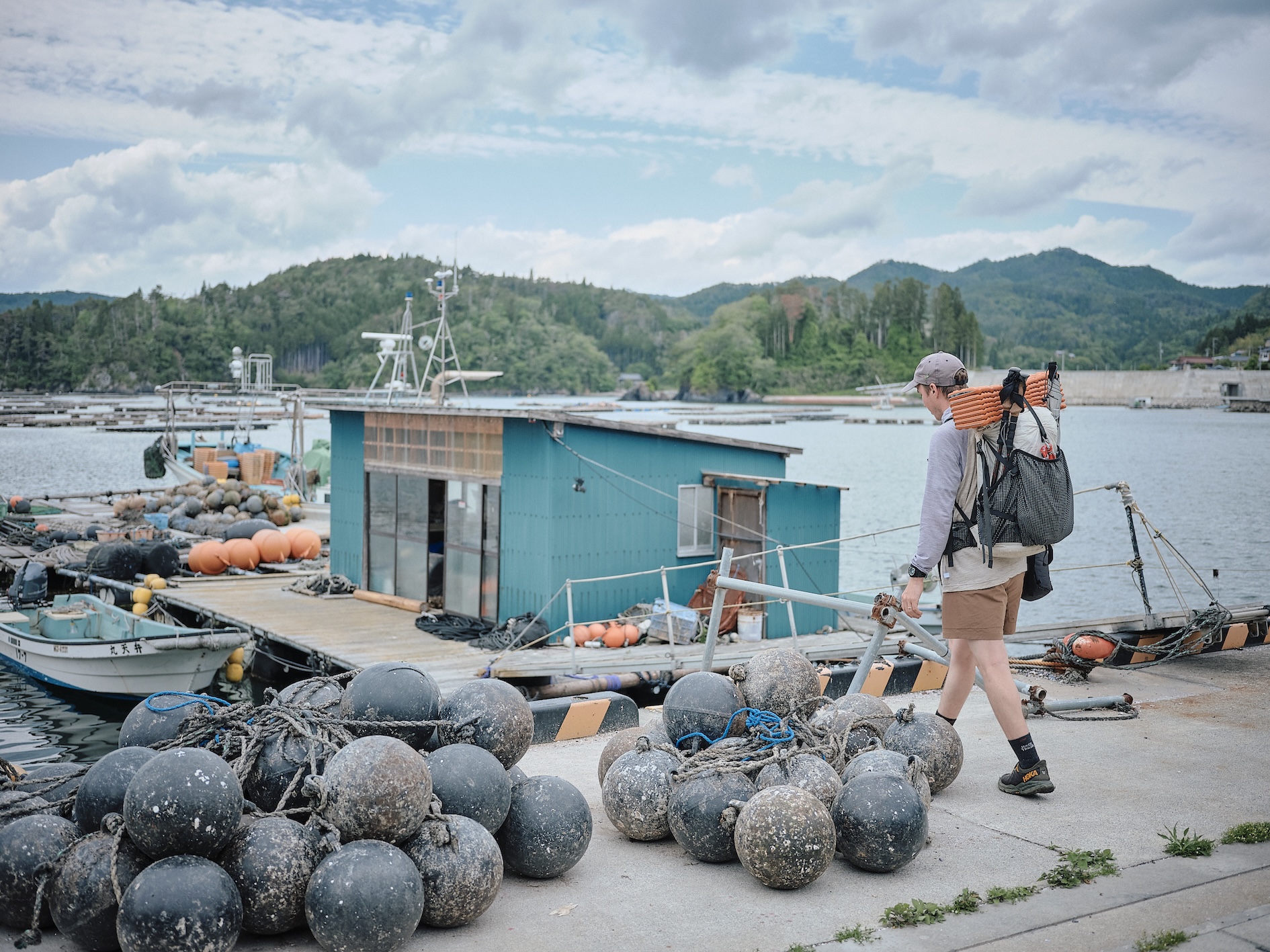
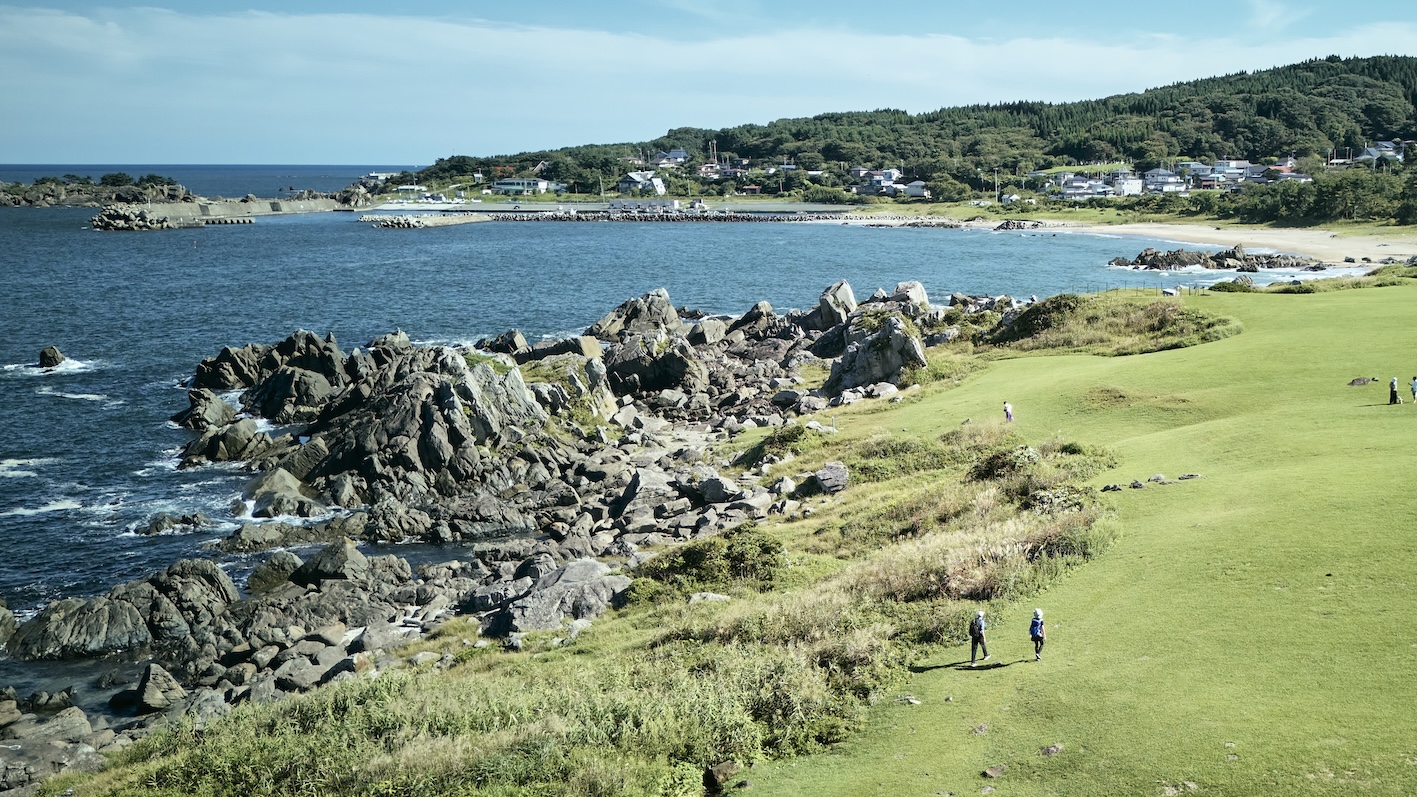
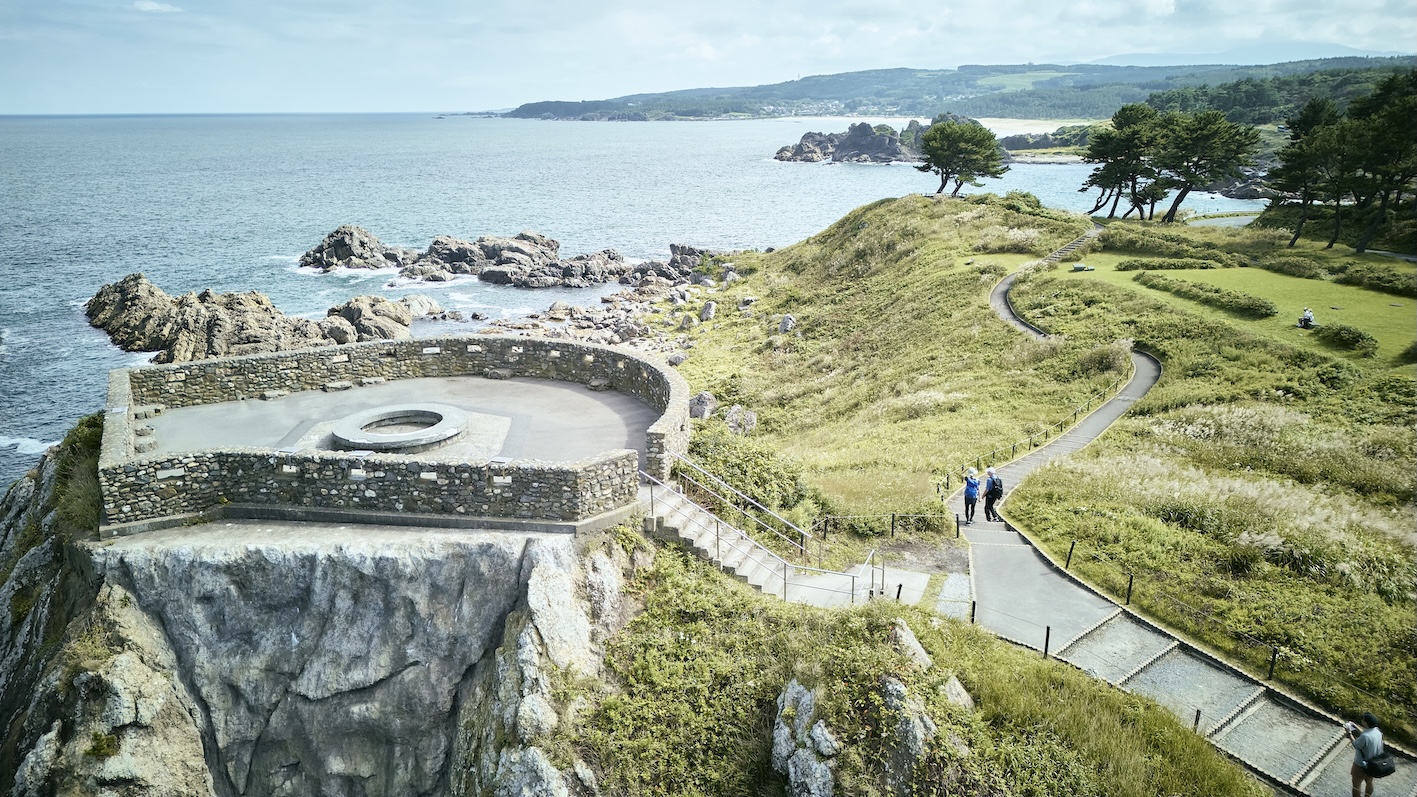
The Michinoku Coastal Trail is a 1,000-kilometre walking route along Japan’s Pacific coast, created after the 2011 earthquake and tsunami. Co-managed by communities, government, and volunteers, it connects 29 municipalities while passing 251 fishing ports, national park landscapes, and diverse coastal landforms. Walking at human speed fosters healing, ecological stewardship, and regional renewal, transforming disaster-affected territory into shared infrastructure for resilience.
Japan
Regional
Tohoku region, northeastern Japan (Pacific coastal area across Aomori, Iwate, Miyagi and Fukushima prefectures).
It addresses urban-rural linkages
It involves other types of transformations (soft investment)
Yes
2019-06-09
No
No
No
Organisation
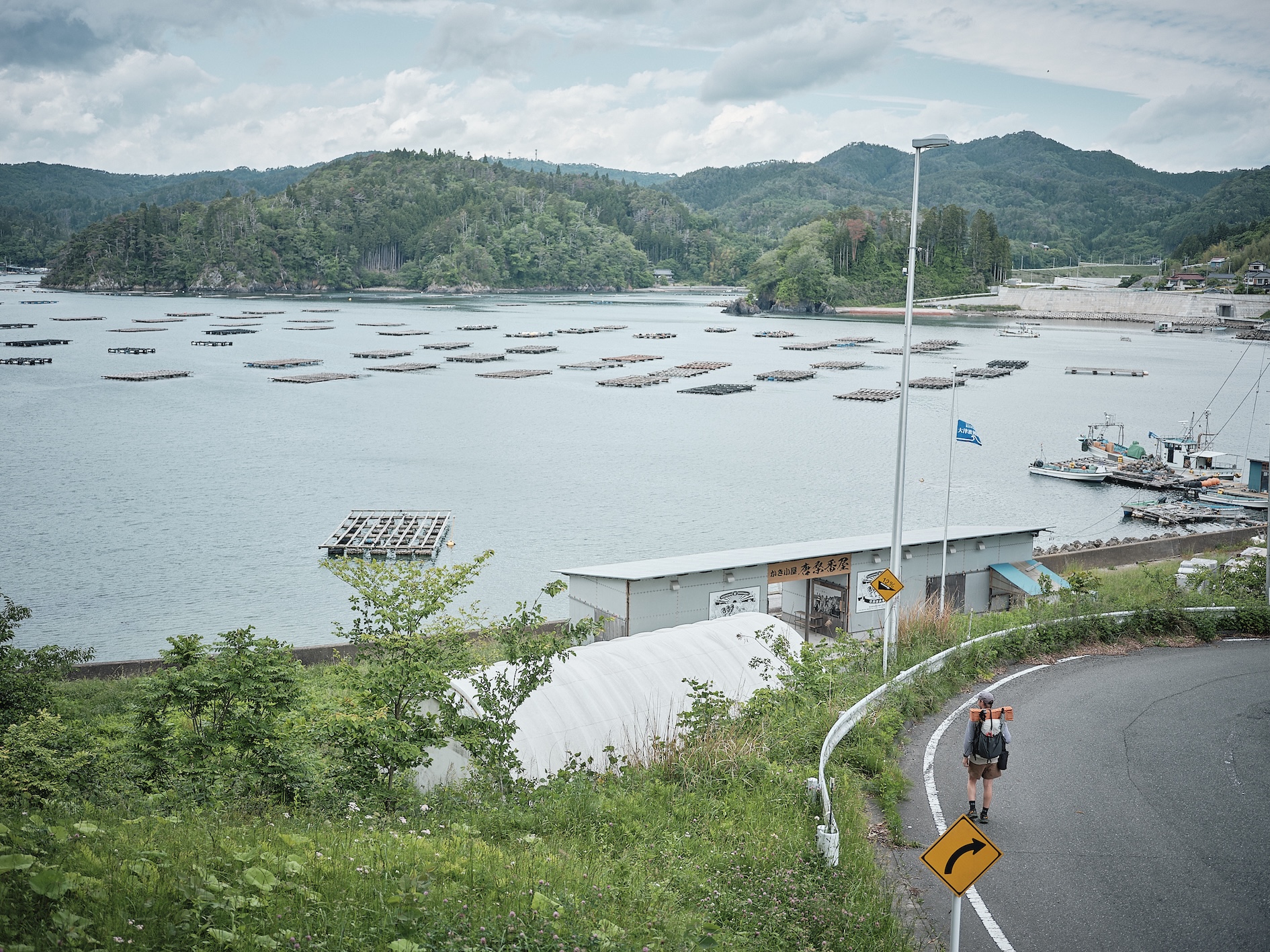
The Michinoku Coastal Trail (MCT) is an approximately 1,000-kilometre long-distance trail along Japan’s northeastern Pacific coast, conceived in response to the 2011 Great East Japan Earthquake and tsunami. Connecting four prefectures and 29 municipalities from Aomori to Fukushima, it allows hikers to walk through coastal landscapes shaped by fishing communities, villages and traditions linked to the sea. The full trail opened in 2019.
Today, the trail is managed by the Michinoku Trail Club, a certified non-profit organization, together with the Ministry of the Environment (MoE), municipalities, local residents, volunteers and private partners. Visitor centers, including Natori Trail Center, support its operation, while over 2,000 people—including residents, businesses, schools and hikers—help sustain the trail.
Hiker numbers have steadily increased, from 120,000 in 2023 to 131,000 in 2024. More than 200 local businesses, like hotels and shops, have joined as “Hiker Supporters,” creating a region-wide system to welcome hikers. At the same time, exchanges between hikers and local communities have fostered a growing culture of hospitality beyond formal structures, with more residents engaging voluntarily, and over 200 media features in 2025.
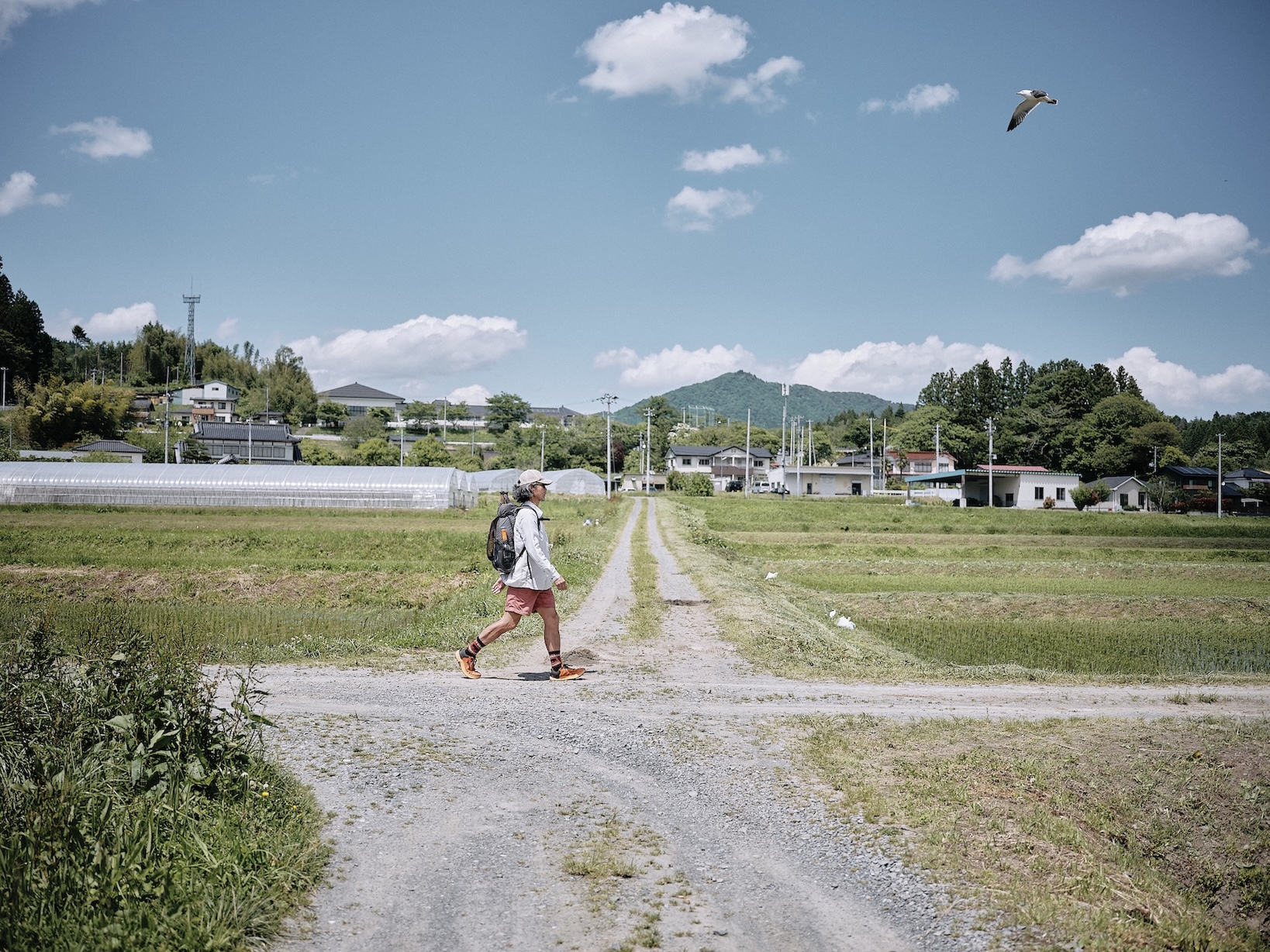
As new post-disaster infrastructure, the trail has created movement, longer stays and connections across a wide coastal region where none existed before. By drawing hikers across dispersed communities, it supports small local businesses and strengthens regional vitality. Local residents are not only beneficiaries but active participants in shaping and caring for the trail, strengthening a shared sense of ownership and belonging.
The project shows how long-distance walking infrastructure can support post-disaster recovery while advancing climate adaptation, coastal resilience and nature-based regional development.
15 years after the disaster, MCT stands as a living example of resilience and sustainable regional renewal.
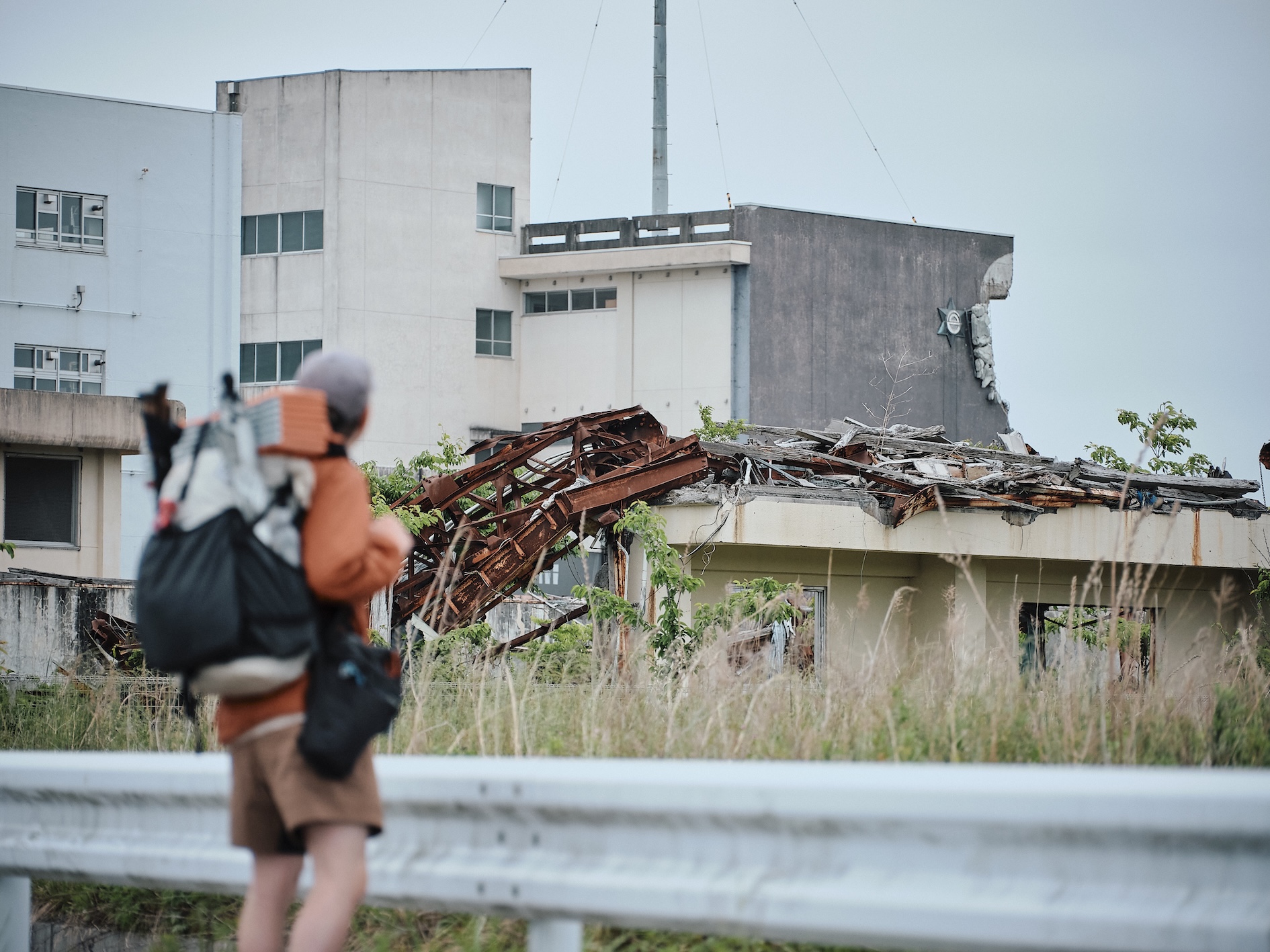
The idea for the MCT emerged in the aftermath of the 2011 Great East Japan Earthquake and tsunami, which devastated coastal communities along Japan’s northeastern Pacific coast. As reconstruction began, there was a shared recognition that recovery should reconnect landscapes, communities and memory, rather than simply rebuild infrastructure.
As part of the Ministry of the Environment’s (MoE) Green Reconstruction initiative, the creation of the Sanriku Fukko (reconstruction) National Park and several related projects was launched. One of these initiatives was the development of a long-distance coastal trail linking communities along the Pacific coast of Tohoku. A basic plan was established in 2012, and the project was developed through collaboration between national agencies, municipalities and civil society.
Community participation was central to the design. More than 200 workshops were organized with local residents to discuss possible routes, share knowledge of landscapes and traditions, and explore how the trail could connect villages, fishing ports and cultural sites. Proposed routes were also walked together, and maintenance work such as clearing paths was carried out jointly by residents and volunteers.
From 2015 onwards, efforts focused on establishing a governance system for managing a 1,000-kilometre trail across four prefectures and 29 municipalities. The MCT Charter was adopted as a shared guiding principle, and the Michinoku Trail Club was established as a non-profit organization coordinating trail management and regional cooperation.
Today, the trail is maintained through partnerships between government agencies, municipalities, local communities, volunteers and private organizations, strengthening coastal resilience and fostering long-term community stewardship of landscapes and heritage.
Post-disaster recovery
Slow travel
Community stewardship
Cultural landscapes
Coastal resilience
MCT addresses environmental, social, cultural and economic sustainability through a shared 1,000-kilometre walking route. Initiated after a major disaster, it promotes low-impact mobility while supporting long-term recovery and environmental conservation in coastal regions.
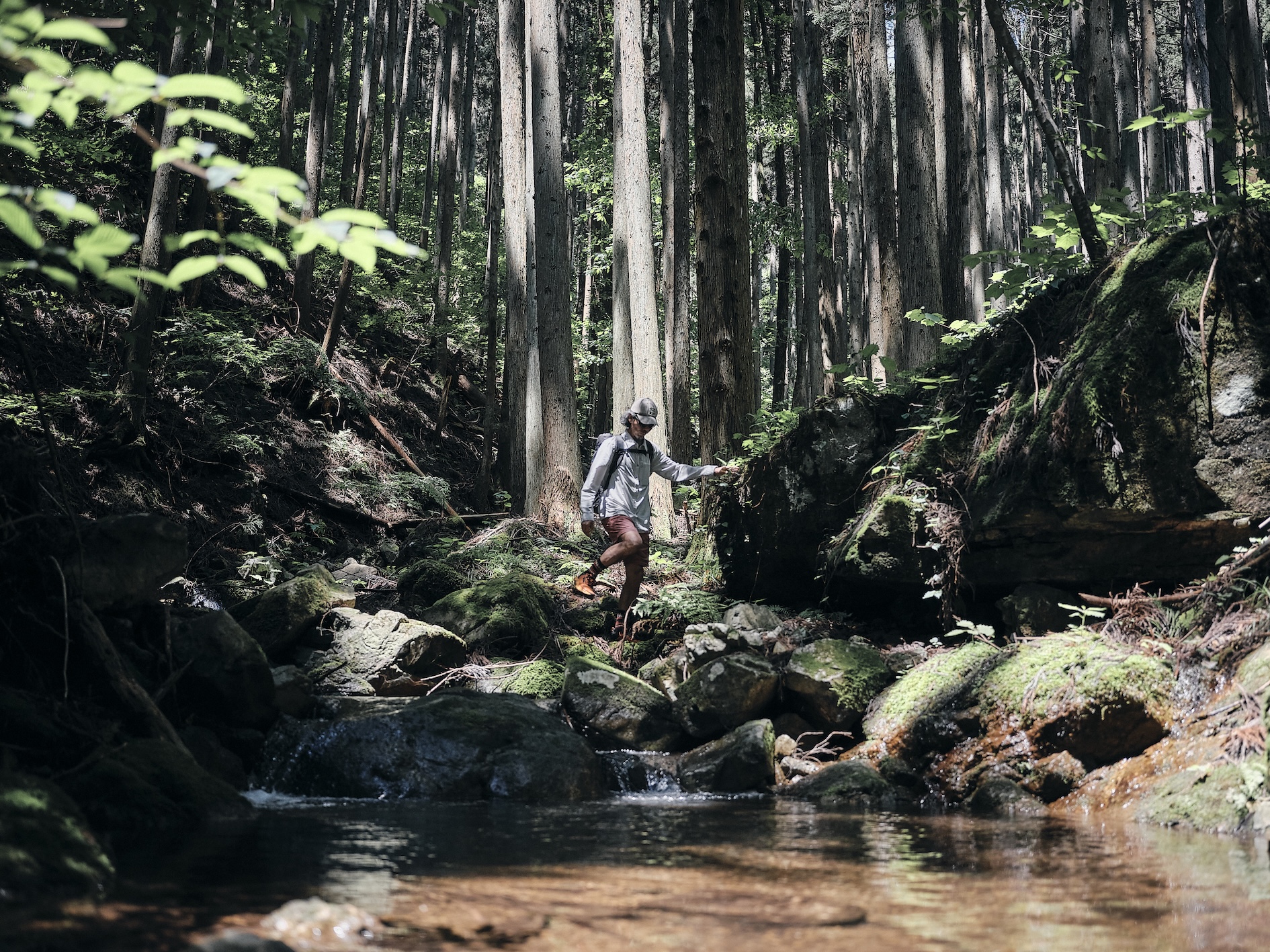
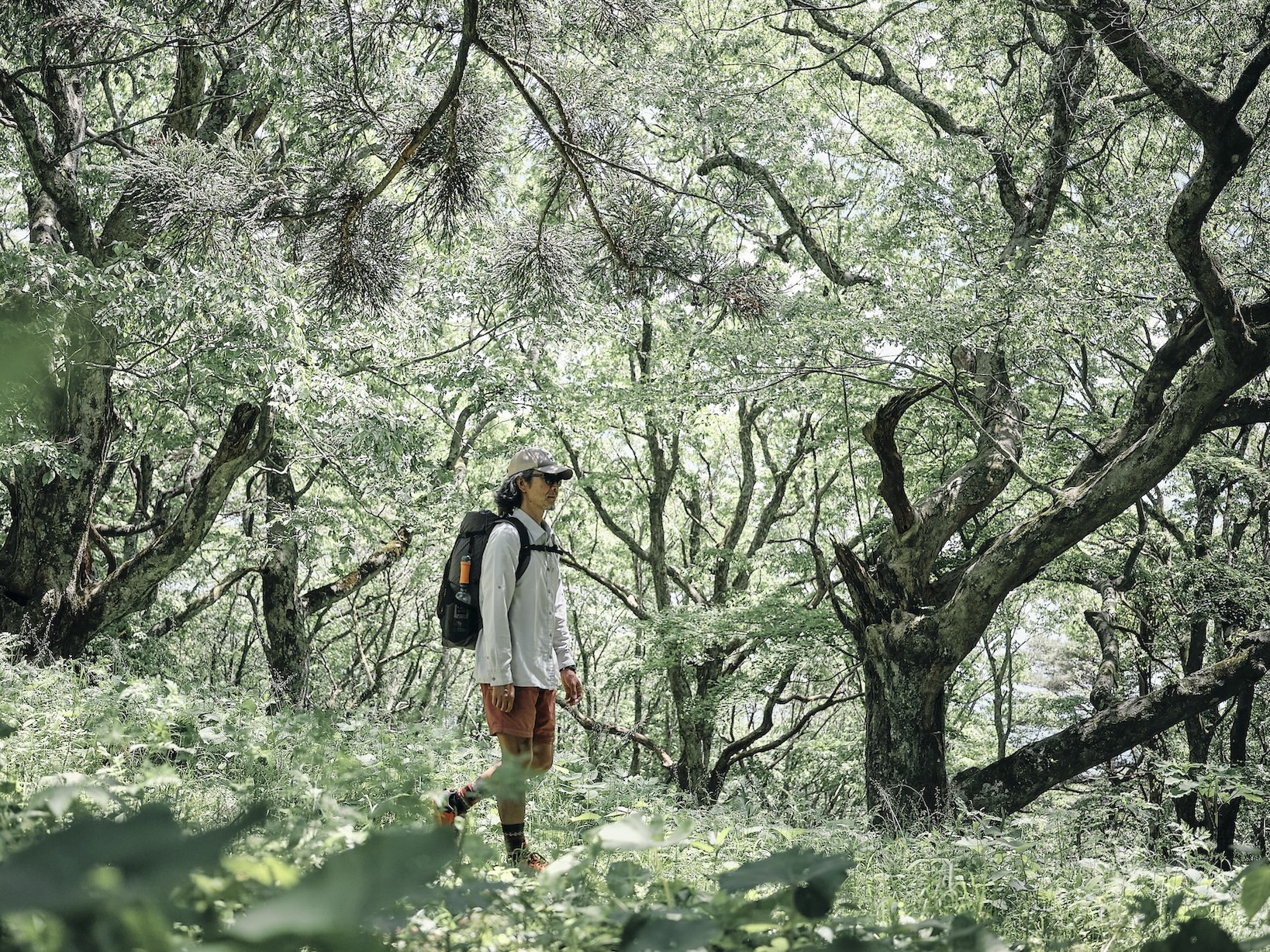
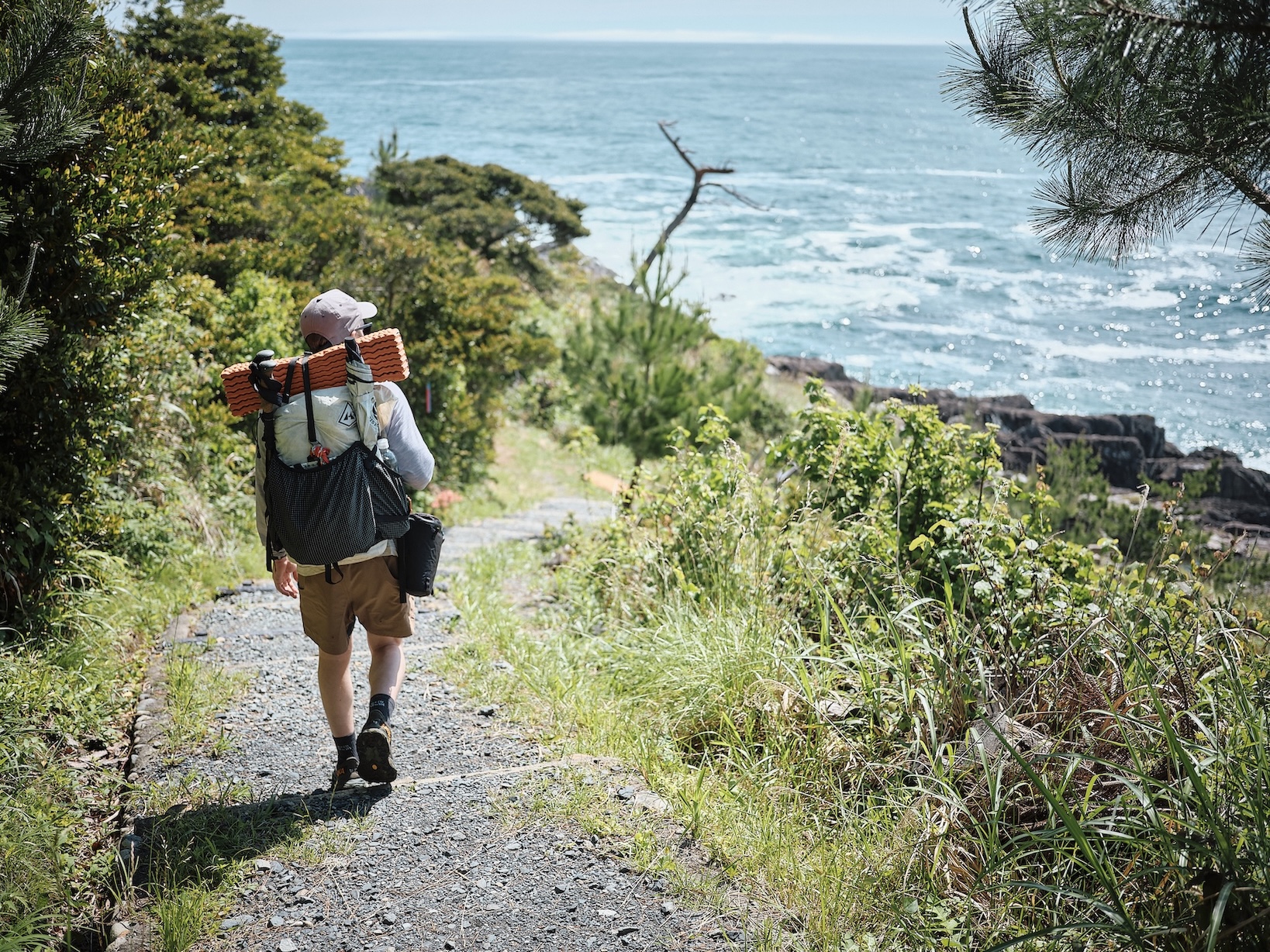
Environmentally, it encourages walking as a low-carbon mode of travel and distributes hikers across a wide area, reducing pressure on specific sites. The route passes through coastal forests, fishing communities and landscapes within National Park, offering insight into the interdependence of ocean, forest, wildlife and human livelihoods. Trail maintenance and clean-up activities are carried out by local groups, residents and volunteers almost every month. Leave No Trace principles are promoted through hiker tags, information sessions and posters, raising awareness among hikers and communities.
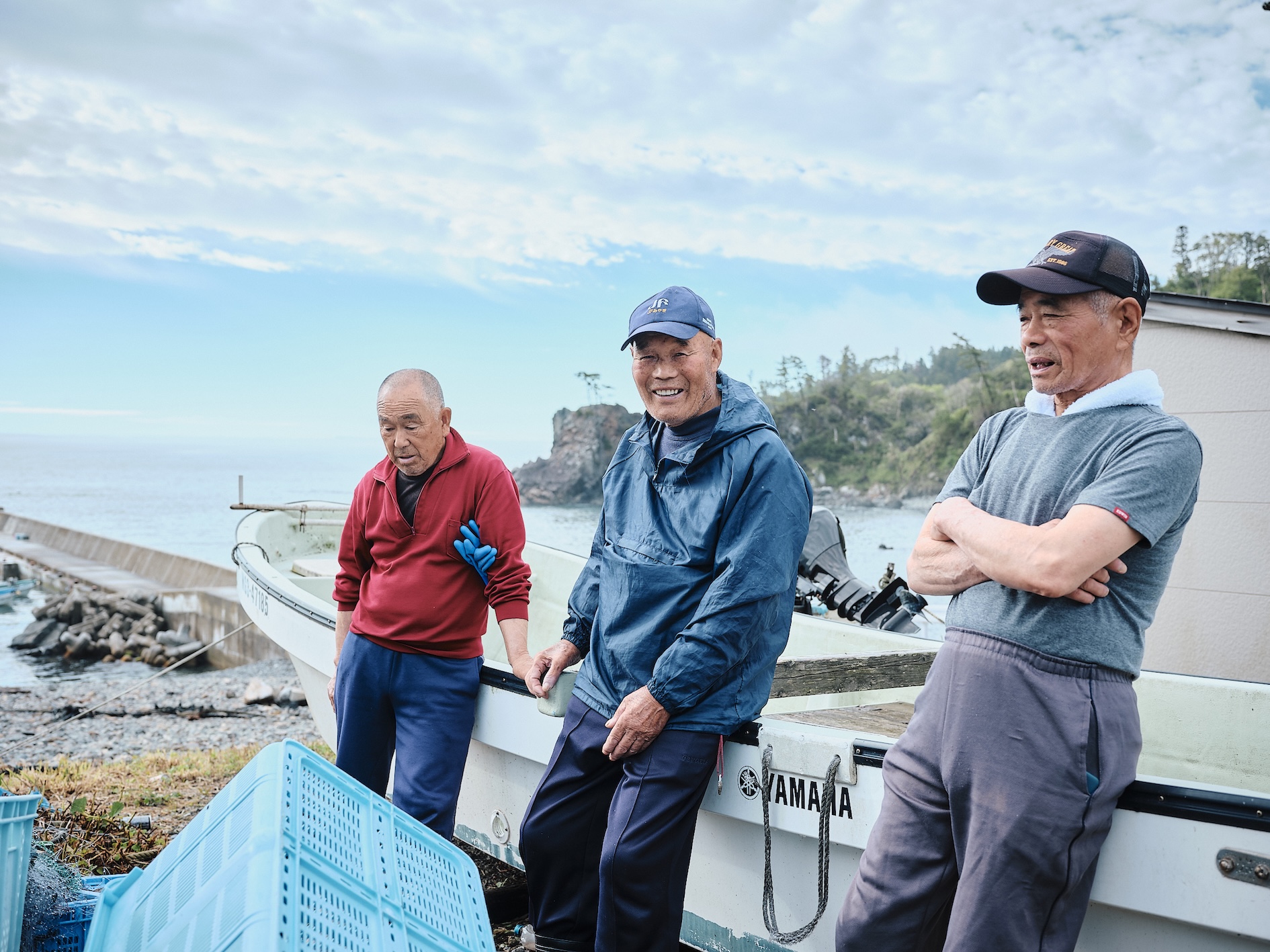
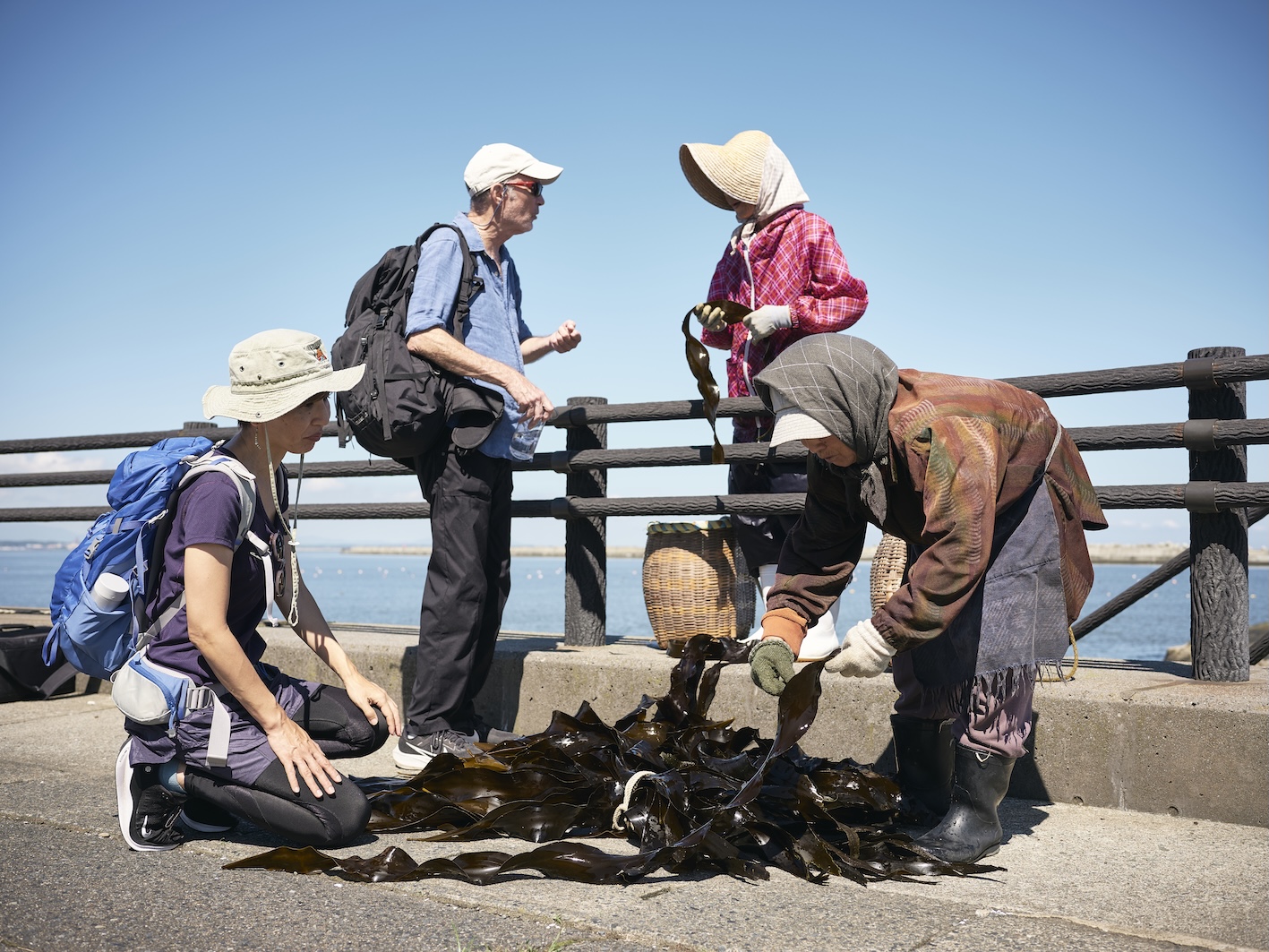
Socially and culturally, MCT creates opportunities for dialogue between residents and hikers. Travelling at walking speed allows people to share experiences of disaster and recovery, strengthening community resilience. Everyday life and landscapes are key regional assets, allowing culture and identity to continue without being reshaped for tourism. Local people naturally welcome hikers, often with a sense of gratitude rooted in post-disaster support. As hikers express appreciation, residents rediscover pride in their communities.
Economically, more than 131,000 hikers annually support small local businesses such as accommodation, food and transport. New services, including luggage transfer and regional travel products, have emerged. By distributing visitors across a wide region and encouraging longer stays, the trail contributes to sustainable local economies rather than short-term mass tourism.
The project demonstrates how long-distance walking infrastructure can integrate environmental care, community participation and regional revitalization, offering a model for sustainable regional development.
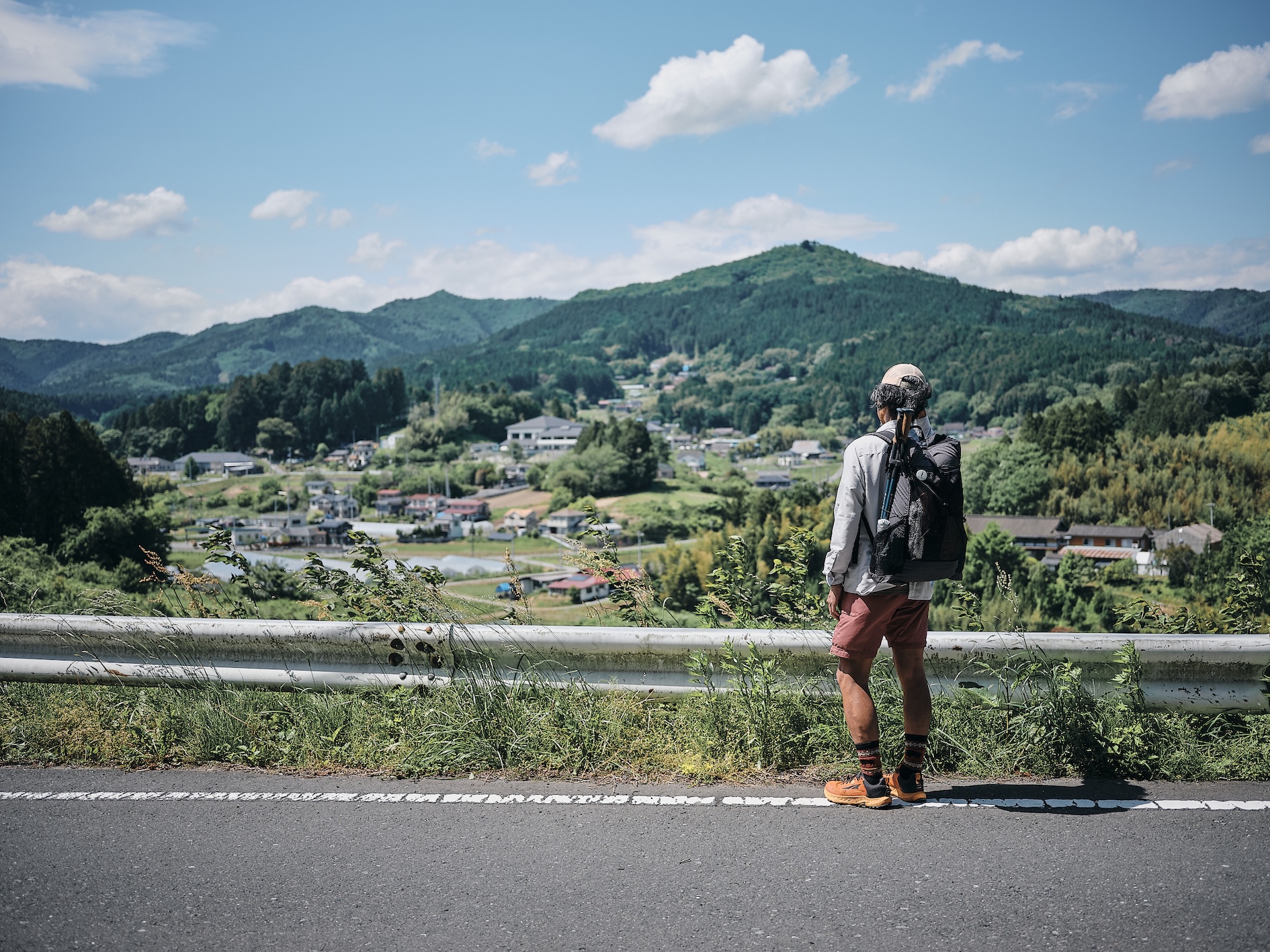
The aesthetic value of MCT lies in revealing the aesthetics of everyday landscapes shaped by nature, memory and human livelihoods, and enabling local residents to rediscover and value them. Rather than introducing new structures, the trail highlights existing coastal environments where sea, forests, fishing villages and farmland form a living cultural landscape.
The trail is embedded in daily life and has gradually influenced how people relate to their surroundings. Residents engage in small acts of care such as cleaning, maintaining paths and planting flowers, while hikers often pick up litter as they hike. These everyday practices help maintain the landscape and nurture a shared sense of pride and attachment to place.
MCT also strengthens relationships between people. Through repeated interactions, residents and hikers build lasting connections that continue beyond the journey. Some hikers return regularly, while others have chosen to relocate along the trail, starting farms, guesthouses or new livelihoods connected to the community. These movements bring new actors and relationships into the region.
Trail maintenance activities and hiking events create opportunities for residents and hikers to meet, collaborate and build connections. The trail functions not only as a route but as a platform where people collectively care for and shape their environment, fostering a sense of belonging. The trail is open and accessible to diverse people, and its flexible use allows individuals to engage with it in ways that reflect their own pace, background and relationship with the place.
By encouraging slow movement and attentive observation, the trail transforms hiking into an aesthetic experience that reconnects people with landscape, history and community. It demonstrates how aesthetics can emerge from everyday life, from care practices, and from long-term recovery and coexistence with nature.
MCT is an inclusive regional infrastructure enabling diverse people to participate regardless of age, nationality or background. As a walking-based trail, it requires no special equipment or high costs, making it accessible to many. Hikers can stay in local inns and guesthouses at low cost or use camping, allowing flexible and affordable ways to experience the trail.
Accessibility is considered in physical, social and cultural terms. The trail is open year-round, and communities do not need to significantly transform their lifestyles for tourism. Residents engage with the trail as an extension of everyday life, reflecting local contexts.
MCT is managed by the Michinoku Trail Club, a certified non-profit organization, in partnership with MoE and municipalities. The organization includes both local and non-local staff, including members who experienced the disaster. Many NPO members are local-residents supporting management and ensuring local voices are reflected in decision-making.
Local-residents participate in maintenance, cleaning, guiding hikers, and sharing local knowledge and culture. Children, students, elderly residents, volunteers and businesses all contribute. This flexible structure lowers barriers and enables community-based governance.
Ensuring accessibility for people with disabilities is a top priority. While not all sections are fully accessible, efforts are underway to develop inclusive routes and programs so more people can experience the region’s nature and culture.
MCT also creates opportunities for small local businesses. The number of registered “Hiker Supporters” has grown from none in 2019 to around 200 today and continues to increase. Hotels, restaurants and shops support hikers, expanding the local economy. Because hikers travel slowly and stay longer, benefits reach smaller communities often excluded from mass tourism.
MCT enables participation across planning, management and use, offering an inclusive community-driven model.
MCT has been created and maintained through continuous participation by residents, volunteers, local businesses, civil society groups, and public institutions. From the earliest planning stages after the 2011 Great East Japan Earthquake and tsunami, community involvement has been a core principle.
During route planning, more than 200 workshops were organized across communities along the coast. Residents gathered around maps to share knowledge of local history, landscapes, and everyday paths connecting villages. Proposed routes were then walked together on the ground. Through this participatory process, the trail was shaped not as externally imposed infrastructure but as a path co-created with local communities.
To deepen understanding of the long-distance trail concept, a series of small forums and learning events were organized in communities along the route over several years. These dialogues helped residents explore how the trail could fit their local context and encouraged new initiatives. As a result, some community members launched services for hikers, such as luggage transfer, while others organized study visits to established trail regions to learn from other examples.
Participation continues through ongoing stewardship. Local residents and volunteers maintain trail sections, share information, and welcome hikers. Many of those who helped create the trail remain involved in caring for it today.
Hikers themselves also become participants by sharing experiences, returning as volunteers, and supporting local businesses along the route.
In 2026, residents organized a community-led gathering called the “1,000 km Community Meeting,” where about 150 people connected to the trail came together over two days to exchange experiences and strengthen relationships.
Through this ongoing participation, MCT has evolved into a shared civic platform supporting recovery, stewardship and regional collaboration.
MCT operates through a multilevel governance model involving local communities, municipalities, prefectures, national agencies, private partners and international networks.
At the local level, residents, volunteer groups and small businesses maintain trail sections, welcome hikers and share knowledge of landscapes, culture and history. Municipalities coordinate route management and community engagement in line with local contexts.
At the regional level, 29 municipalities across four prefectures collaborate beyond administrative boundaries to maintain route continuity and shared management standards, enabling the trail to function as a coherent regional infrastructure.
At the national level, MoE initiated the project as part of post-disaster Green Reconstruction and continues to support long-term vision and coordination. The Michinoku Trail Club, a certified non-profit organization, connects stakeholders, coordinates maintenance systems and facilitates collaboration across the entire route.
Private partners, including transport operators and tourism businesses, support access and long-distance travel.
Internationally, MCT engages in knowledge exchange with global trail networks. During its planning phase, insights were gained from the Camino de Santiago in Spain. More recently, MCT has worked closely with the management team of Via Transilvanica in Romania, sharing practices and experience. These exchanges are part of an ongoing process of mutual learning, where practices are adapted across different cultural and environmental contexts. Through these relationships, MCT both contributes to and benefits from an evolving international community of trail development and landscape stewardship, with partners across Europe and beyond.
This multilevel collaboration enables locally rooted decision-making while maintaining regional coherence. It represents a resilient governance model that strengthens cooperation and supports long-term continuity.
MCT integrates knowledge from multiple disciplines including architecture, landscape planning, environmental science, disaster recovery, tourism management, community development, culture, education, and digital technology.
The initial concept and operational planning incorporated perspectives from architecture and landscape planning, emphasising vernacular landscapes shaped by the interaction of nature and local livelihoods. Route design considers coastal ecosystems, forests, wildlife habitats, geological features, and traditional settlements, drawing on environmental science and the expertise of specialists working with Japan’s Ministry of the Environment.
Social sciences also inform the project. Knowledge from disaster recovery and community development helped shape the idea of using a walking trail as infrastructure for long-term recovery, dialogue, and regional cooperation after the 2011 disaster.
Cultural and creative disciplines contribute through collaborations with artists, designers, photographers, and storytellers who communicate the landscapes and heritage of the region. Education is also central: environmental education and outdoor learning encourage visitors and residents to understand ecosystems and cultural landscapes.
Digital tools such as GIS support route management and information sharing while maintaining low-tech accessibility for hikers.
The project is now developing research collaborations with universities including the University of Tokyo and Tohoku University to strengthen knowledge systems, conservation techniques, and training for future trail stewards. These collaborations connect academic research with local knowledge and practical trail management.
By combining academic expertise with local knowledge and lived experience, MCT functions not only as a recreational trail but also as a platform for ecological awareness, social connection, and sustainable regional development.
MCT operates under a formal management plan that defines roles and responsibilities to ensure long-term sustainability. Core infrastructure is secured by public institutions: trail signage is managed by MoE, while major works such as bridges and repairs are undertaken by local governments, providing a stable foundation. This model enhances resilience by distributing responsibilities across multiple actors, reducing dependence on any single entity and ensuring continuity in times of crisis.
The Michinoku Trail Club focuses on coordination, volunteer-based maintenance, promotion, and network building. This division allows management and uses promotion to reinforce each other and supports long-term sustainability.
This approach has been tested and refined through real-world implementation along the entire route.
Established in 2017, the Michinoku Trail Club sustains its activities through diversified funding. It manages the Natori Trail Center under a public contract, providing about 20% of annual income. Additional revenue comes from around 300 members, map and merchandise sales, and advertisements from local businesses. Public subsidies, grants, corporate donations, and commissions from local governments also support activities.
From zero capital, the organization has grown into a stable non-profit with annual revenue of about 100 million yen (approx. 600,000–650,000 EUR). It operates with nine full-time and three part-time staff, supported by about 50 facility volunteers and 140 maintenance volunteers. This combination of professional management and community stewardship forms a strong foundation for sustainability.
It also offers a transferable framework that can be adapted to other regions facing similar environmental, social, or demographic challenges.
Future plans include establishing a regional travel consortium to coordinate trail-based tourism and reinvest revenues into stewardship, further strengthening long-term resilience.
The MCT model is transferable to regions facing environmental, demographic or post-disaster challenges. Rather than relying on large-scale construction, it connects existing paths, communities and landscapes, enabling long-distance waliking infrastructure to be developed with limited resources.
Replicable elements include walking routes as regional infrastructure, multilevel governance linking national agencies and local communities, volunteer-based maintenance, and diversified funding combining public support, local economic activity and partnerships. These mechanisms distribute responsibilities across public institutions, civil society and private actors, enabling cost-efficient and sustainable management.
The model has already been applied in several regions in Japan. Knowledge from MCT supported the development of the Fukushima Coastal Trail (2023) and has been shared with multiple initiatives nationwide. It also informs efforts to revitalize the 1,700-km Tokai Nature Trail.
In collaboration with us, MoE published a national framework in 2020 outlining 5 key requirements and 14 operational processes for sustainable trail management, now guiding projects across Japan and already applied in multiple regions, including 6 trail initiatives.
At the same time, MCT engages in international exchange through networks such as the World Trails Network and collaboration with trails including Via Transilvanica in Europe, sharing knowledge and practices and strengthening links with European trails.
Following the 2024 Noto Peninsula earthquake, Ishikawa Prefecture and MoE have begun exploring a long-distance trail initiative based on MCT.
MCT demonstrates how walking infrastructure can support environmental awareness, sustainable mobility, regional cooperation and long-term resilience while strengthening stewardship and local ownership of shared landscapes.