Enhancing Circularity, Sustainability, and Innovation
"Senses" by 3,14BAN
"Senses" by 3,14BAN: Turning de-militarised spent casings into long-life objects with social impact
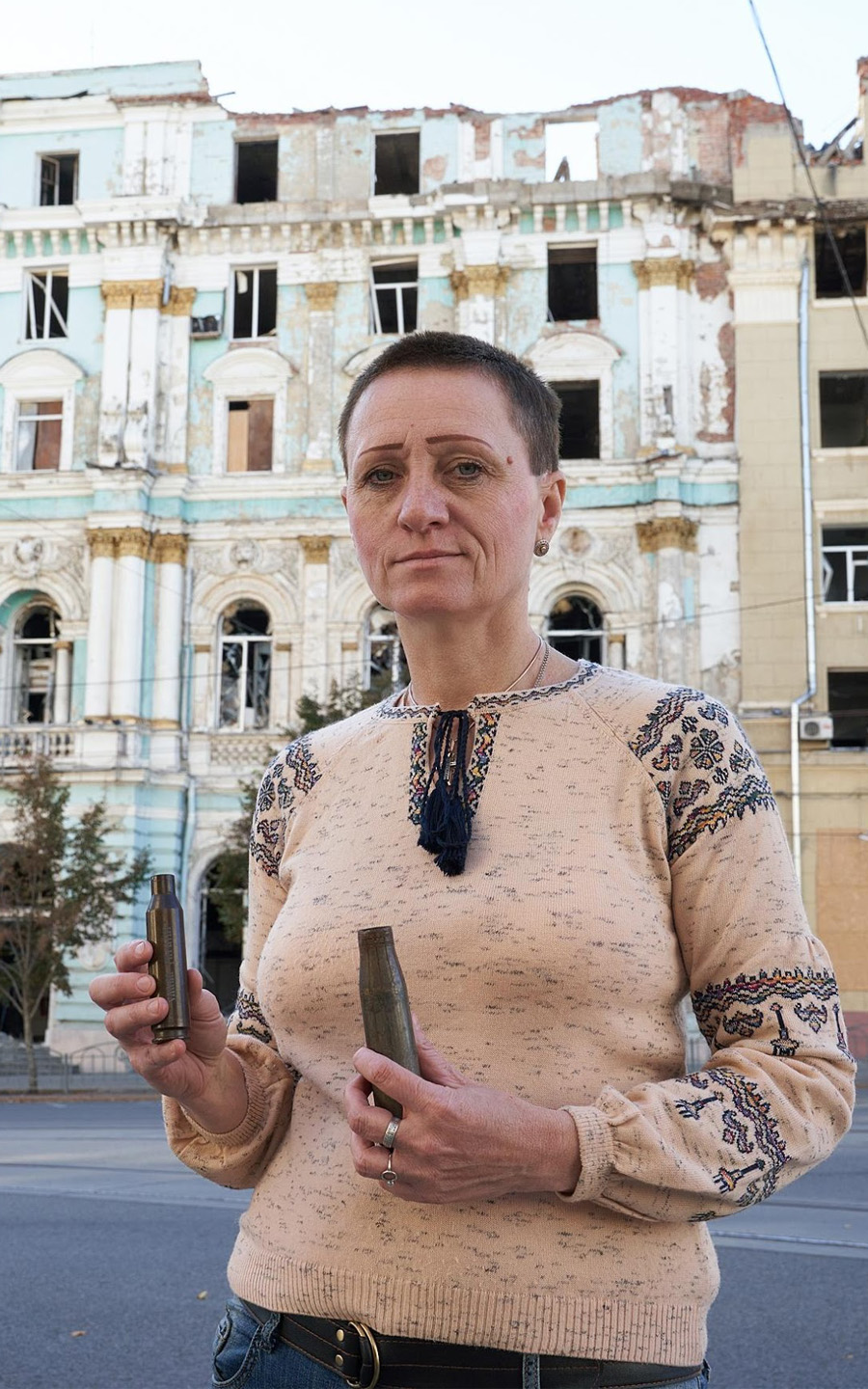
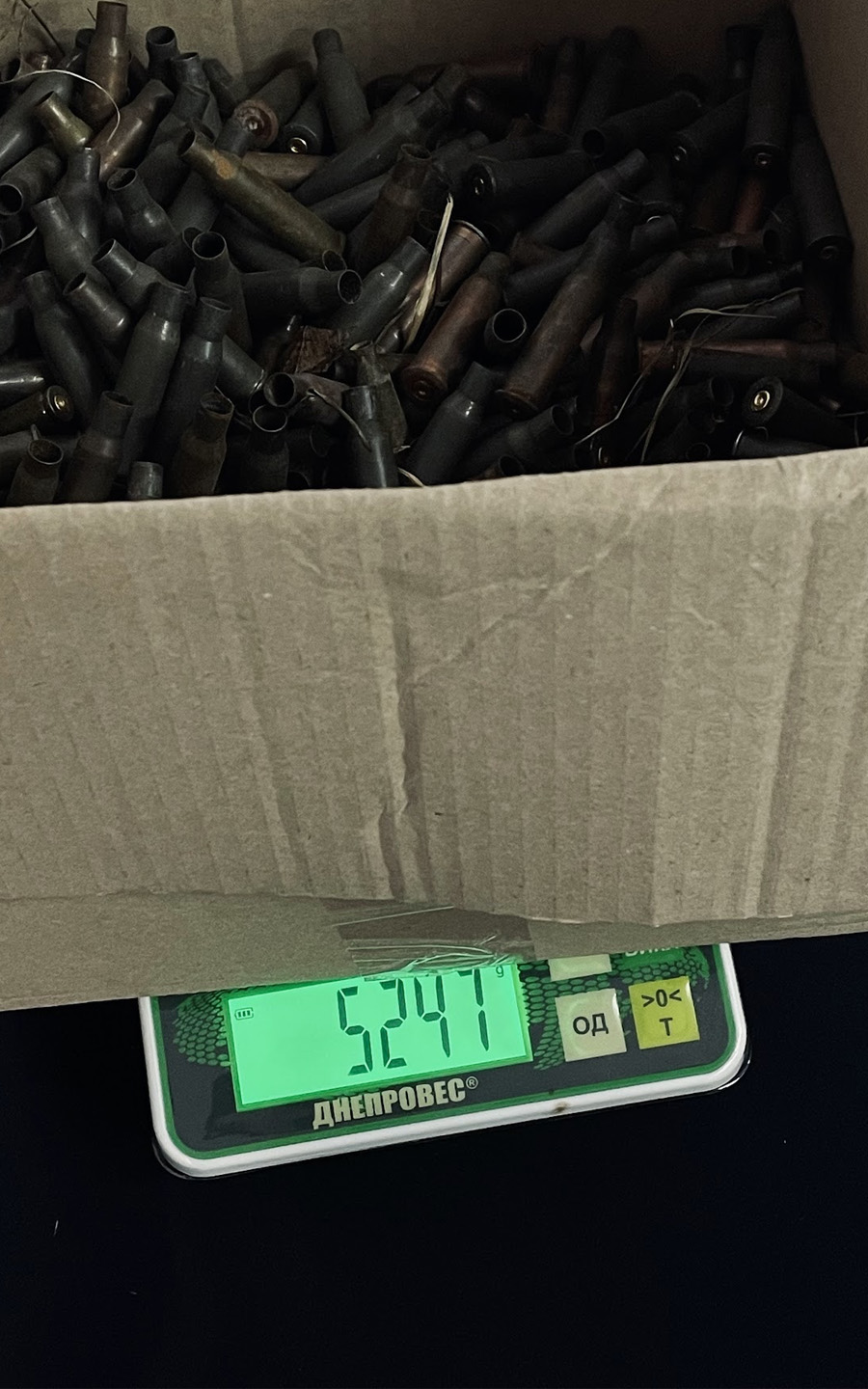
SENSES by 3,14BAN was launched in Kharkiv region after liberated areas needed cleanup. Our team joined volunteer efforts to clear the territory, including collecting de-militarised spent casings. Instead of letting this difficult waste stream become scrap, we upcycle it into safe, functional objects designed for long use. Proceeds from sales support the Armed Forces of Ukraine and help restore the Hryhorii Skovoroda Museum.
Ukraine
Regional
Kharkiv
It addresses urban-rural linkages
It involves other types of transformations (soft investment)
Yes
2022-05-16
Yes
Ukrainian Social Venture Fund support received within “Collaborate for Impact (Partnership for Impact)” -implemented with EVPA and supported by the DG NEAR EU Programme - 2022. SILab Ukraine “Express Online Incubator for Social Enterprises” (supported by 1to4 Foundation) - 2022
No
No
Organisation
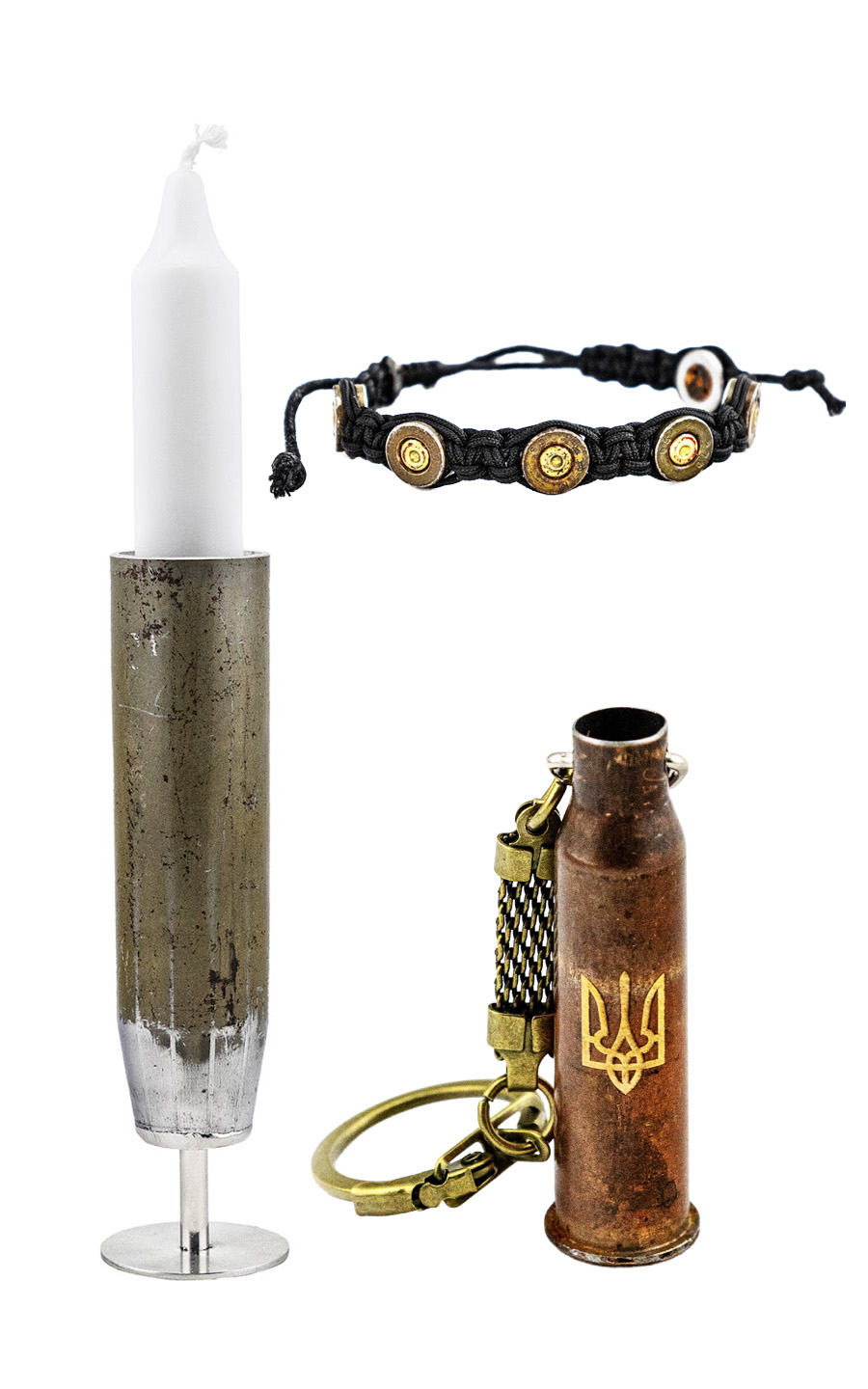
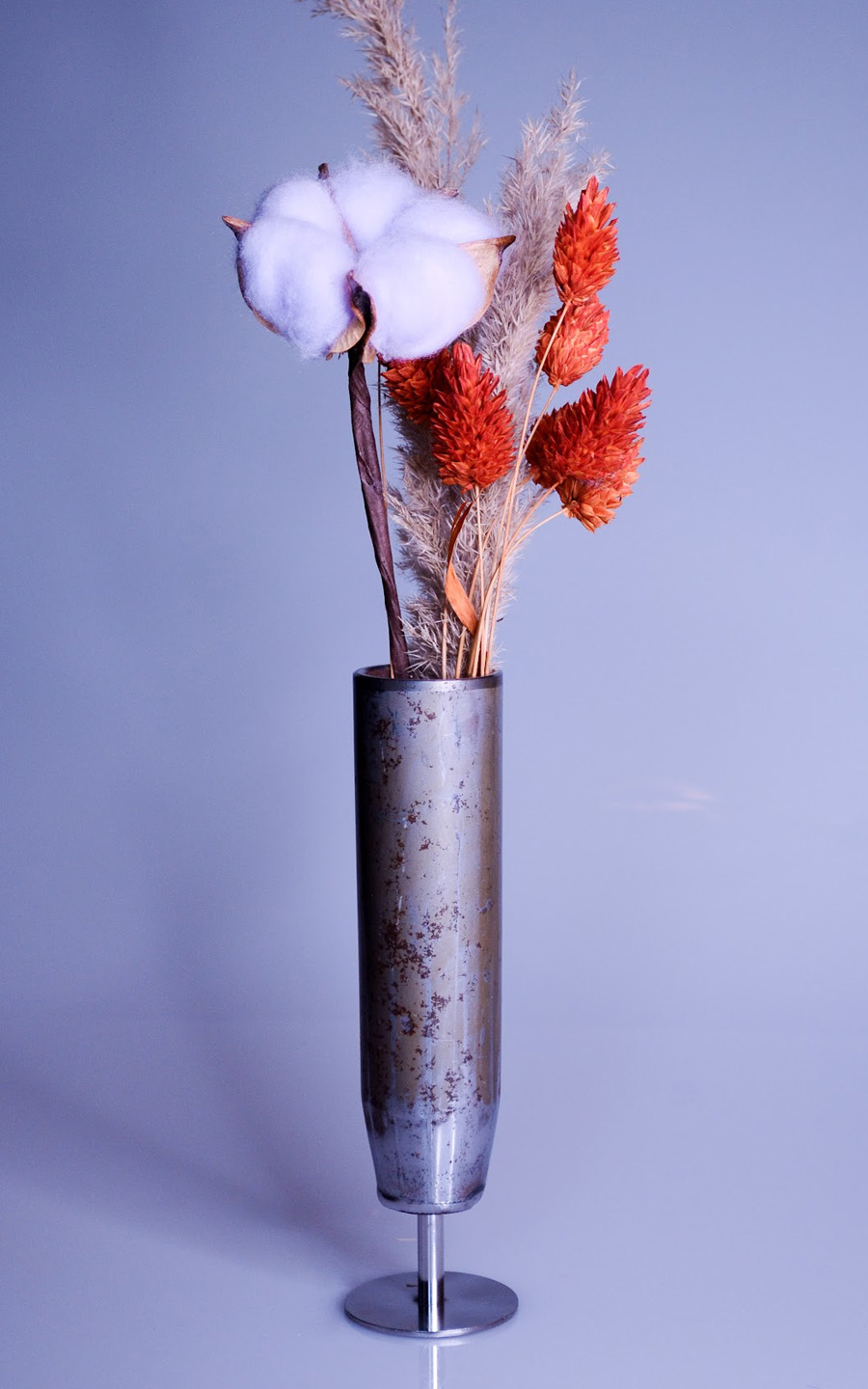
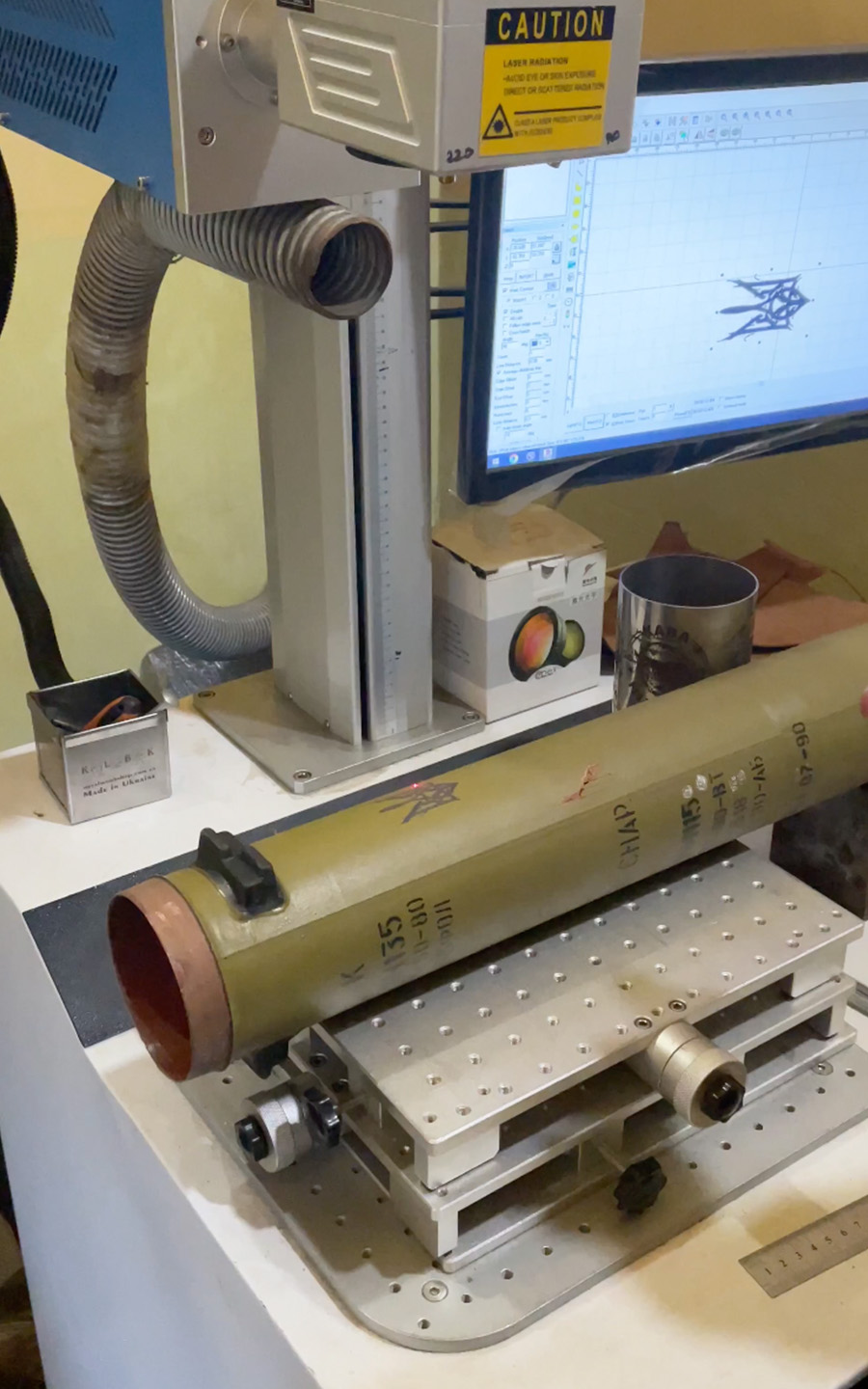
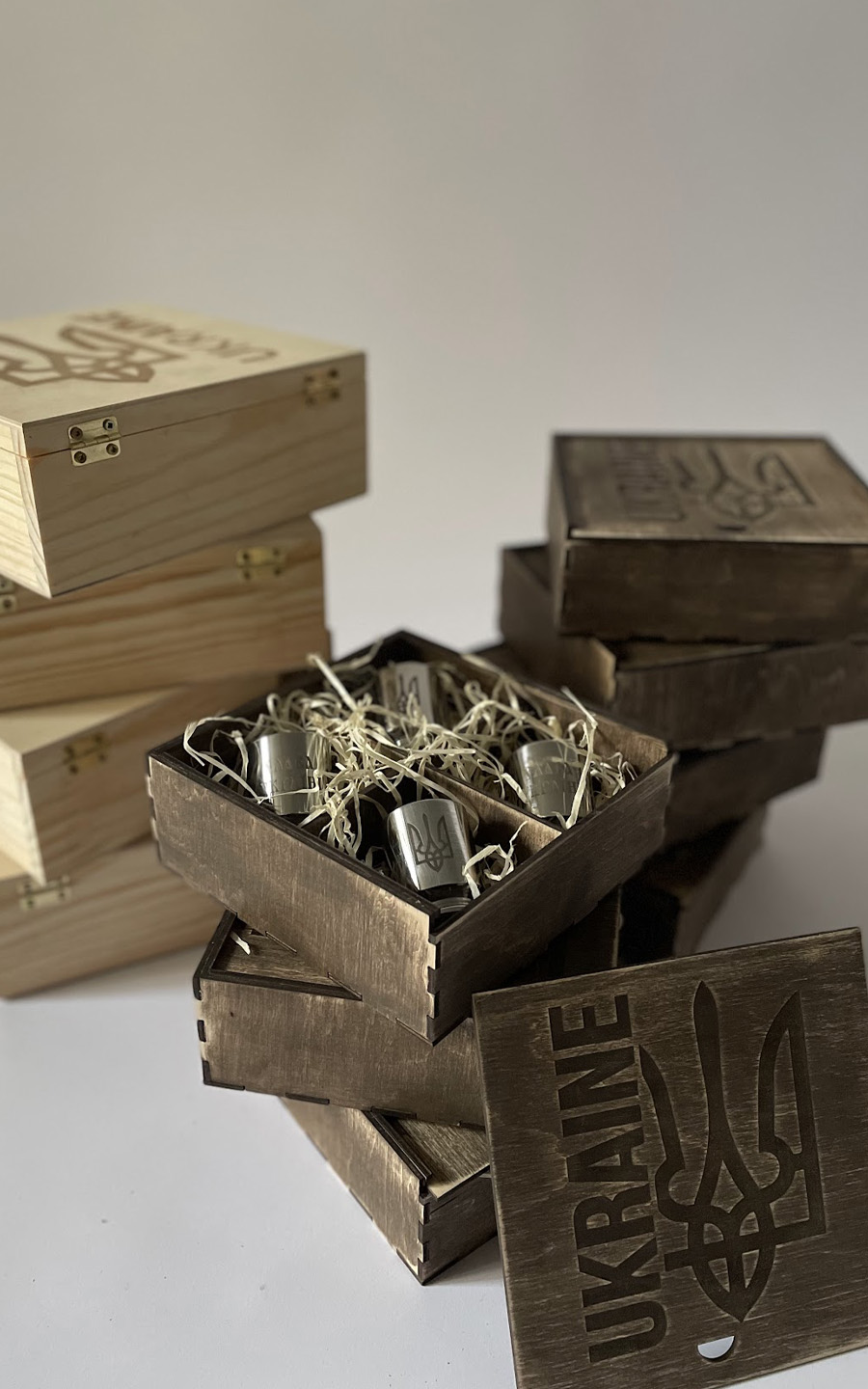
SENSES is a social circular design project by 3,14BAN implemented in Kharkiv region, Ukraine. It applies smart upcycling to a difficult post-conflict waste stream: de-militarised spent casings collected during clean-up efforts in liberated areas. Instead of becoming scrap, the recovered metal is transformed into safe, durable, functional objects designed for long-term use. Each item preserves the material’s traces as a responsible form of memory and a reminder of resilience, while demonstrating that circular design can respond to real societal challenges.
SENSES delivers environmental and social impact simultaneously: it diverts metal waste from the environment, creates meaningful work for local makers, and builds public awareness of reuse, repair and long-life design. The project also embeds a direct social return: proceeds from sales support the Armed Forces of Ukraine and contribute to the restoration of the Hryhorii Skovoroda Museum in Kharkiv region.
In the long term, SENSES aims to scale a replicable model of circular recovery for complex waste streams through transparent sourcing, safe processing, durable design standards and partnership-based fundraising. The project strengthens local circular value chains, supports cultural recovery, and offers a tangible way for people to engage with responsible consumption and memory through everyday objects.
SENSES emerged after parts of Kharkiv region were liberated and communities faced the urgent task of cleaning and restoring their environment. Our team joined volunteer clean-up initiatives on the ground. During these efforts, de-militarised spent casings were collected as a visible and challenging type of waste. We saw an opportunity to respond with design: to transform what is usually discarded into something useful, durable and meaningful, while keeping a respectful record of what communities lived through.
Implementation combined field collaboration and workshop production. Volunteers helped gather and transfer casings from cleared areas. In our workshop, we developed a responsible process focused on safety and material recovery: sorting, cleaning and preparing the material, followed by design development, prototyping, and small-batch production. We prioritised durability, repairability where relevant, and a tactile identity that preserves the material’s traces without glorification. Each product is made to be used and kept, extending material life and preventing waste.
From the beginning, SENSES was built as a social mechanism, not only a product line. Sales are organised with a clear donation purpose: supporting the Armed Forces of Ukraine and contributing to the restoration of the Hryhorii Skovoroda Museum. This creates a direct link between clean-up, circular production, and community recovery, turning a local challenge into a long-term circular practice.
Circular economy
Resource recovery
Community resilience
Cultural heritage restoration
Social innovation
SENSES is exemplary in sustainability because it turns a difficult post-conflict waste stream into long-life value while creating measurable social return. After liberation in Kharkiv region, our team joined clean-up efforts and collected de-militarised spent casings. Instead of becoming scrap or remaining in the environment, the recovered metal is safely processed and upcycled into durable, functional objects designed to be used and kept. This extends material life, reduces waste, and demonstrates smart circular recovery where conventional recycling routes are limited.
SENSES addresses sustainability in an integrated way:
Environmental: waste diversion through reuse and long-life design; reduced demand for new virgin materials.
Social & economic: meaningful work for local makers and a transparent value chain rooted in community recovery.
Cultural: responsible memory embedded in material traces, supporting reflection and long-term awareness.
A core sustainability feature is the built-in social return: proceeds from sales support the Armed Forces of Ukraine and contribute to restoring the Hryhorii Skovoroda Museum in Kharkiv region. By linking clean-up, circular production and cultural recovery, SENSES offers a replicable model for turning complex waste into durable products with lasting environmental and social impact.
SENSES contributes to aesthetics by transforming a harsh material from post-conflict clean-up into objects that are calm, tactile and well-crafted, designed to bring dignity and care back into everyday life. We treat design as a form of healing: proportions, finishing, and functionality are developed to be pleasant to touch, easy to use, and built to last. The material’s traces are not used for shock or decoration; they are handled with restraint and respect, turning “war waste” into a quiet reminder of resilience.
In the everyday, SENSES adds beauty through useful objects people can live with items that invite care, repair and long-term attachment. In the longer term, it supports a sense of belonging by linking objects to place: Kharkiv region, local recovery, and the restoration of the Hryhorii Skovoroda Museum. When people use or gift SENSES items, they carry a story connected to community and cultural heritage, strengthening emotional ties to place and shared responsibility.
SENSES is exemplary in aesthetics because it proves that beauty is not a luxury but a standard: even the most difficult materials can be shaped into honest, functional design with a clear ethical stance. By combining minimal, durable aesthetics with responsible storytelling, the project makes circularity visible and desirable and turns care for objects into care for communities.
SENSES is exemplary in inclusion because it turns post-conflict recovery into a participatory, community-rooted circular practice that people can join at different levels: volunteering, making, purchasing, gifting, and supporting cultural restoration. The project started from clean-up efforts in liberated areas of Kharkiv region, working with volunteers and local networks to collect and transfer de-militarised spent casings. This creates a bridge between rural and urban communities and gives people a concrete, safe way to contribute to recovery.
Inclusion is also built into the project’s governance and social model. SENSES operates with transparent purpose and accountability: sales are linked to clearly communicated donations supporting the Armed Forces of Ukraine and the restoration of the Hryhorii Skovoroda Museum. This model allows people with different financial capacities to participate by buying an object, choosing a smaller item, or supporting through partnerships and campaigns while ensuring that value returns to the community.
Design for all principles are addressed through usability and accessibility: objects are functional, durable, and intended for everyday life, not for exclusive collectors. The project promotes repair and long-term use, making circular design approachable rather than elitist. By combining community participation, transparent social return and accessible functional design, SENSES demonstrates an inclusive pathway for circular economy and cultural recovery in wartime and post-war contexts.
SENSES is participatory by design: it was initiated through community clean-up efforts in liberated areas of Kharkiv region and continues to involve citizens, volunteers, and civil society through collection, meaning-making, and social return. Local volunteers and community networks played a core role in identifying, collecting and transferring de-militarised spent casings from cleared territories. Their involvement shaped the project’s purpose and ethics: treating the material as a responsibility, not a trophy, and focusing on safety, respect and long-term value.
Civil society actors and local partners support the project’s community linkage. The Hryhorii Skovoroda Museum (and its supporting foundation/community) represents a cultural beneficiary and helps connect SENSES to local heritage restoration. Support organisations and networks (such as Ukrainian Social Venture Fund / incubation support) contributed to strengthening the project model, transparency and impact communication.
Participation continues through buyers and supporters who choose to engage not only as consumers but as contributors: each purchase is tied to donations supporting the Armed Forces of Ukraine and the restoration of the Skovoroda Museum. This creates a feedback loop between citizens and communities affected by the war, circular production, and recovery needs. The impact of participation is tangible: safer and cleaner environments through waste removal, stronger local solidarity, and a shared, accessible way to turn recovery into everyday circular practice.
SENSES follows a multilevel governance logic because stakeholders at different levels shape both implementation and impact. At the local level (Kharkiv region communities and volunteer networks), citizens contributed to clean-up actions and the collection/transfer of de-militarised spent casings from cleared areas. Local cultural stakeholders (the Hryhorii Skovoroda Museum and its supporting community/foundation) provide a clear recovery focus and ensure that the project contributes to heritage restoration that matters to the region.
At the regional level, SENSES strengthens local circular value chains by engaging makers, small workshops and logistics networks that transform recovered material into safe, durable products. At the national level, the project connects to broader civil society fundraising and support mechanisms for the Armed Forces of Ukraine, ensuring that proceeds translate into tangible public benefit.
At the European level, the project model has been reinforced through social enterprise support and impact-oriented programmes (e.g., Ukrainian Social Venture Fund support within “Collaborate for Impact”, implemented with EVPA and supported by the DG NEAR EU Programme). This added value includes improved transparency, governance practices, impact communication and the ability to scale a replicable circular model. Together, these levels create a coherent chain from local clean-up to product-based circularity and community recovery.
SENSES is transdisciplinary because it combines multiple fields to address a complex post-conflict challenge through circular design. It integrates:
Design and crafts (product design, aesthetics, ergonomics, durability, repair-friendly thinking) to create functional objects meant for long-term use.
Material and process expertise (safe preparation, cleaning, sorting, quality control) to recover value from de-militarised spent casings responsibly.
Social innovation and community work (volunteer engagement, participatory clean-up actions, transparent donation mechanism) to turn production into social return.
Culture and heritage (link to the Hryhorii Skovoroda Museum restoration) to connect objects with place, memory and cultural recovery.
Communication and education (storytelling, public outreach) to make circularity understandable and desirable for wider audiences.
By working across these domains, SENSES moves beyond “product-making” and becomes a circular recovery model that links environmental clean-up, safe material reuse, community participation and cultural restoration.
SENSES is built as a social enterprise model within 3,14BAN. Financial sustainability comes from sales of small-batch, durable functional objects made from de-militarised spent casings. Revenue covers the full cycle: safe material handling and preparation, design and prototyping, local craftsmanship, quality control, packaging and distribution. Because the main material input is recovered locally through clean-up networks, the project reduces reliance on virgin raw materials and keeps production costs predictable.
The model has two parallel streams: (1) direct-to-customer sales via the 3,14BAN website and social channels; and (2) partnership and corporate/collector orders that support larger production runs and provide stable cash flow. The project’s social mission is embedded through a transparent donation mechanism: a defined share of proceeds from each sale is directed to support the Armed Forces of Ukraine and to the restoration of the Hryhorii Skovoroda Museum. This “buy-and-support” approach enables recurring demand while ensuring direct community return.
To strengthen resilience over time, SENSES reinvests in tooling, safe processing, and product development, expanding the range of price points to keep participation accessible. Early support (incubation/impact programmes) helped refine the model and governance, but the core sustainability driver is recurring product revenue combined with partnership-based fundraising.
SENSES was designed as a transferable circular recovery model that can be replicated in other regions and contexts where communities face complex waste streams after crisis. The replicable elements include:
1) Methodology and governance: a clear “collect–recover–design–sell–donate” chain linking clean-up actions with circular production and a transparent social return (support for a defined public cause, e.g., cultural restoration and community recovery).
2) Safety-first processing protocol: sorting, cleaning/preparation, documentation of material origin, quality control and ethical handling of sensitive materials (respectful storytelling without glorification).
3) Product system: a modular approach to small-batch functional objects that can be adapted to local needs, different price points, and different audiences (everyday use, gifts, interior pieces).
4) Partnerships and community engagement: cooperation with volunteer networks, local makers, and cultural institutions/beneficiaries to ensure local legitimacy and shared ownership.
5) Impact communication tools: simple templates for traceability, impact reporting, and public education that make circularity understandable and desirable.
This model can be transferred to other geographies in Ukraine and beyond, and to other sectors dealing with hard-to-recycle or “sensitive” waste streams (e.g., industrial leftovers, urban debris) by adapting the safety protocol, product design, and beneficiary partnership. The core learning is replicable: turn local clean-up into long-life value, and link every transaction to measurable community benefit.