Strengthening Local Democracy and Inclusion
DIMO – Democratic Municipal Model
A Regenerative Model for Local Democratic Innovation in Small European Municipalities
DIMO transforms small European municipalities into living laboratories of democracy. It empowers citizens to co-design public spaces, share ownership models and participate in real decision-making processes. By combining inclusive design, cooperative governance and digital participation tools, DIMO strengthens trust, belonging and social resilience. It turns democracy from a system people observe into an experience they shape together.
Spain
Regional
Alicante Province, Spain.
It addresses urban-rural linkages
It involves other types of transformations (soft investment)
Yes
2025-10-01
Yes
Next Generation Funds
No
No
Organisation
DIMO is a pioneering initiative that redefines urban sustainability by seamlessly integrating design, technology, and community engagement. Our project transforms underutilized urban spaces into vibrant, multifunctional environments that promote ecological balance, social cohesion, and economic resilience. Since its launch, DIMO has successfully revitalized over five city blocks, incorporating renewable energy solutions, smart water management systems, and green infrastructure that reduce environmental footprints while enhancing livability. Beyond tangible environmental improvements, DIMO fosters long-term behavioral change by empowering local communities to co-create and maintain these spaces, ensuring durability and social ownership. The project’s impact resonates not only in measurable sustainability metrics but also in creating inclusive spaces that inspire creativity, collaboration, and a shared vision for a regenerative urban future.
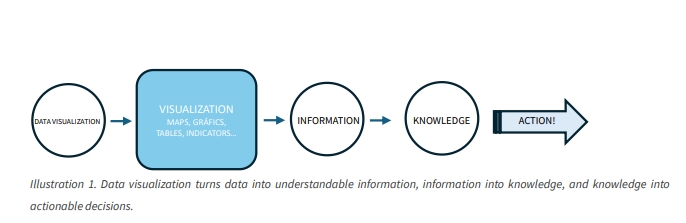
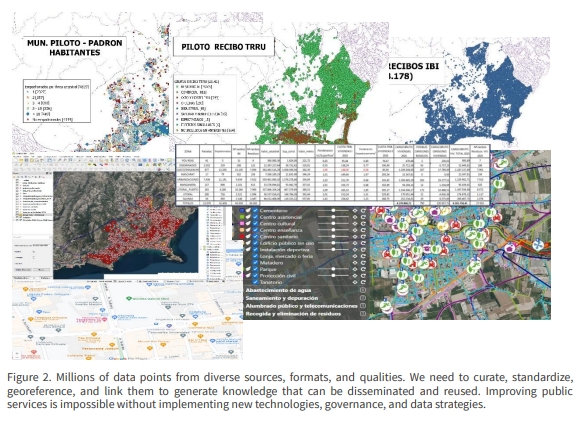
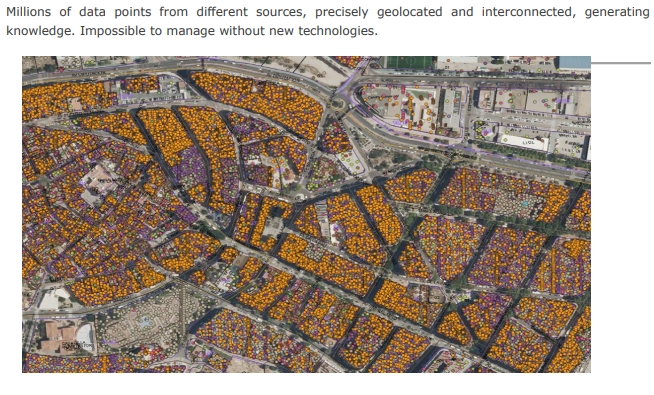
For years, public administrations have pursued digitalization, adopting technologies and tools. Yet the real challenge wasn’t access to resources—it was turning abundant, complex, and fragmented data into a true lever for decision-making, efficiency, and public value. Recognizing this gap was the first act that gave birth to DIMO.
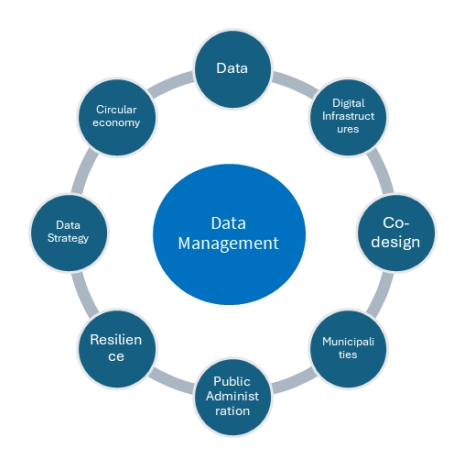
DIMO is founded on a clear conviction: there is no digital transformation without Data Governance, and no Data Governance without robust, secure, and interoperable digital infrastructures. The project addresses a structural need: enabling local administrations in municipalities under 20,000 inhabitants to integrate information, leverage AI, anticipate scenarios, and make evidence-based decisions. It is not about technology for its own sake, but about creating a sustainable, scalable model aligned with the EU’s strategic objectives.
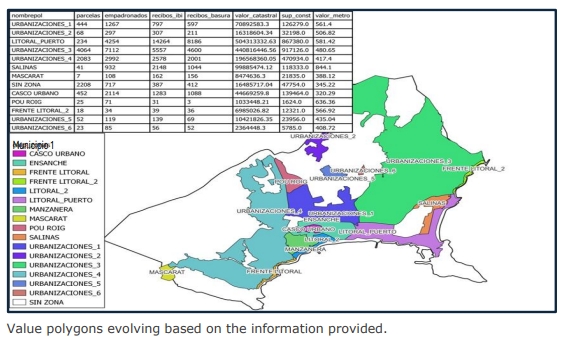
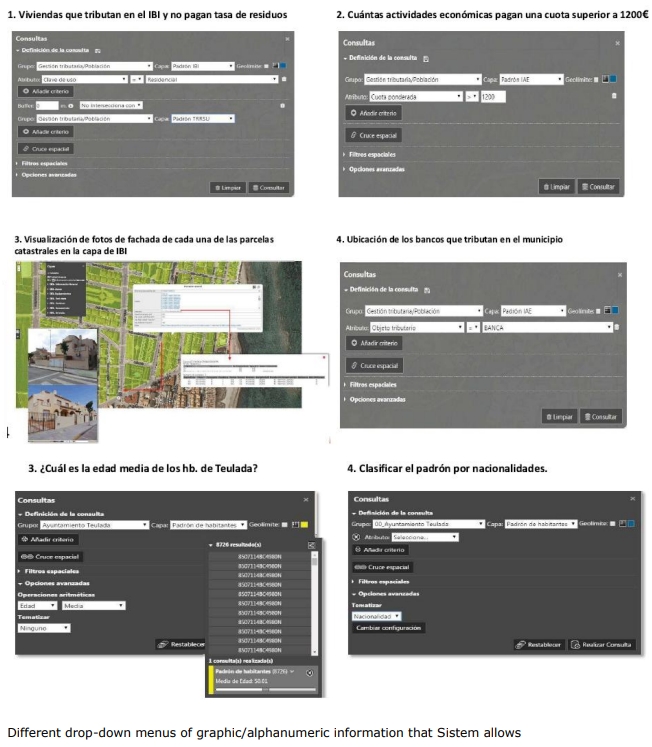
Implementing this vision demanded technical rigor, determination, and a long-term perspective. DIMO relies on resilient connectivity, storage, and computing infrastructures, embeds cybersecurity and resilience from design, and applies advanced analytics and AI on high-quality geospatial and corporate data. Every choice is geared toward measurable impact, operational efficiency, and institutional trust.
DIMO represents a new approach to modernizing public administration: less dependent on isolated solutions and more focused on secure, interoperable data ecosystems. It is not a final destination, but a solid foundation for smarter, transparent, and future-ready public services. This project reflects our journey—every process, decision, success, and lesson learned—driven by a team committed to doing better.
Presented to the NEB 2026 Awards, DIMO stands as a proven model for small municipalities, aligned with European Funds and embodying excellence in data strategy, AI, digital infrastructures, and resilience. Transforming public administration is not optional—it is a responsibility.
Circular economy
Municipalities co-design
Solutions data-driven
Preparing little municipalities for IA use
Reducing technological gap for little municipalities
DIMO exemplifies sustainability by transforming small municipalities into resilient, future-ready communities through strategic data governance and digital innovation. Environmentally, it optimizes resource use by integrating geospatial and operational data to improve energy efficiency, water management, and urban planning, reducing ecological footprints. Socially, it empowers citizens to participate in decision-making, fostering inclusion, transparency, and shared ownership of public services. Culturally, DIMO strengthens local identity by enabling community-driven initiatives, preserving heritage, and supporting initiatives that reflect local values. Economically, it enhances efficiency, reduces administrative costs, and equips small municipalities with evidence-based insights that support smart investments and sustainable growth.
What makes DIMO exemplary is its systemic approach: rather than deploying isolated technologies, it builds an interoperable, scalable ecosystem that ensures sustainability is embedded from design to operation. By combining advanced analytics, AI, and robust infrastructures with community engagement, DIMO creates measurable, long-term impact. It demonstrates that even small municipalities can lead in sustainability by aligning digital transformation with environmental, social, and economic objectives. In doing so, DIMO not only meets today’s challenges but anticipates future ones, offering a replicable model for other regions seeking sustainable, inclusive, and resilient public administration.
What makes DIMO exemplary is its systemic approach: rather than deploying isolated technologies, it builds an interoperable, scalable ecosystem that ensures sustainability is embedded from design to operation. By combining advanced analytics, AI, and robust infrastructures with community engagement, DIMO creates measurable, long-term impact. It demonstrates that even small municipalities can lead in sustainability by aligning digital transformation with environmental, social, and economic objectives. In doing so, DIMO not only meets today’s challenges but anticipates future ones, offering a replicable model for other regions seeking sustainable, inclusive, and resilient public administration.
DIMO enhances the quality of life by transforming public administration and urban spaces into more intuitive, inclusive, and responsive environments. By leveraging data-driven insights, municipalities can design services and interventions that anticipate citizens’ needs, making daily life more seamless and efficient. From streamlining local services to improving urban planning and public spaces, DIMO ensures that residents experience functionality, beauty, and accessibility in their surroundings.
Beyond utility, DIMO fosters a deep sense of belonging and care for place. By involving communities in co-designing services and local projects, citizens feel ownership over the spaces they inhabit, strengthening social cohesion and civic pride. This participatory approach transforms abstract administrative processes into tangible, human-centered outcomes that are visually coherent, culturally resonant, and aligned with local identity.
Aesthetically, DIMO is exemplary because it integrates form and function: data-driven decisions inform not only operational efficiency but also the harmonious arrangement of public spaces, cultural programs, and service interfaces. It demonstrates that aesthetics in public administration is not limited to visual appeal—it encompasses usability, inclusivity, and the emotional experience of place. By connecting people, technology, and environment, DIMO creates communities that are not only smarter but also more vibrant, cared-for, and inspiring, leaving a lasting imprint on both daily life and the long-term evolution of neighborhoods.
DIMO places inclusion at the heart of digital transformation, ensuring that public services are accessible, equitable, and participatory for all citizens, regardless of age, background, or location. By providing small municipalities with data-driven tools and AI-powered decision support, DIMO makes it possible to identify and address social, economic, and infrastructural disparities, ensuring that resources and services reach those who need them most.
The project promotes inclusive governance through participatory workshops, co-design sessions, and continuous citizen engagement, giving residents a voice in shaping local policies and public services. By embedding “design for all” principles into administrative processes and urban planning, DIMO ensures accessibility is not an afterthought but a foundational element of every intervention, from digital platforms to public spaces.
DIMO exemplifies inclusion because it creates systemic, scalable models that bring underserved communities into the decision-making loop, breaking down barriers to participation and fostering social cohesion. Its impact extends beyond technical solutions: it nurtures trust, empowers citizens, and encourages collaboration across generations and social groups. By aligning advanced technology with human-centered governance, DIMO demonstrates that inclusive administration is both achievable and essential, offering a replicable blueprint for municipalities across Europe seeking fairness, accessibility, and shared opportunity.
Participation is at the core of DIMO’s approach, transforming citizens from passive recipients into active co-creators of public services and local policies. From the outset, the project engaged communities, civil society organizations, and local stakeholders through structured workshops, focus groups, and co-design sessions. Residents contributed their knowledge, needs, and aspirations, directly informing decisions on digital tools, service improvements, and urban interventions.
DIMO’s participatory framework ensured that every voice mattered. Citizens helped prioritize projects, validate data-driven proposals, and test new services, creating a feedback loop that strengthened trust and ownership. Local organizations acted as intermediaries, amplifying outreach to underserved groups and ensuring inclusivity in engagement.
The impact has been transformative: participation enhanced relevance and usability of services, fostered civic pride, and strengthened social cohesion. By embedding citizens in governance processes, DIMO not only improves operational outcomes but also cultivates a culture of shared responsibility and empowerment. This approach demonstrates that participatory design in public administration is not a symbolic gesture—it is a driver of sustainable, community-centered innovation. DIMO serves as a replicable model showing how meaningful citizen engagement can shape smarter, fairer, and more resilient municipalities across Europe.
DIMO exemplifies multilevel governance by fostering collaboration across local, regional, national, and European stakeholders from project inception to implementation. At the local level, municipalities under 20,000 inhabitants provided essential insights on operational needs, community priorities, and resource constraints, ensuring solutions were contextually relevant. Regional authorities contributed strategic guidance, facilitating coordination among neighboring municipalities and supporting infrastructure integration. National agencies provided regulatory frameworks, funding alignment, and technical oversight, while European institutions offered strategic direction, compliance with EU policies, and access to knowledge networks and funding instruments.
This multilevel collaboration was not symbolic—it shaped decision-making at every stage. Stakeholders co-designed system architectures, validated data governance models, and monitored implementation outcomes, creating a feedback loop that enhanced transparency, accountability, and effectiveness. Their involvement ensured that DIMO’s solutions were interoperable, scalable, and aligned with European strategic objectives, maximizing both local impact and broader replicability.
The added value of this governance approach is significant: it bridges the gap between policy and practice, accelerates adoption, and builds trust across administrative levels. By integrating perspectives from diverse stakeholders, DIMO strengthens institutional resilience, fosters coherent policy implementation, and demonstrates that public innovation is most effective when guided by collaboration, shared responsibility, and alignment across all levels of governance.
DIMO embodies transdisciplinarity by integrating expertise from multiple fields to address the complex challenges of modern public administration and urban management. Architecture and urban planning guided the design of functional, inclusive, and aesthetically coherent public spaces. Digital technologies and data science enabled advanced analytics, artificial intelligence, and geospatial modeling to inform evidence-based decisions. Environmental sciences contributed strategies for sustainable resource management, energy efficiency, and climate resilience. Social sciences and civic engagement methods ensured community needs, social equity, and participatory governance were central to every intervention.
Additionally, arts and cultural knowledge enriched DIMO’s approach by ensuring that public spaces and services resonate with local identity, heritage, and citizen experience. Education and training disciplines supported capacity-building for municipal staff and local stakeholders, ensuring the project’s long-term sustainability. By combining these diverse perspectives, DIMO transcends traditional sectoral boundaries, creating solutions that are not only technically robust but also socially relevant, environmentally responsible, and culturally meaningful.
This transdisciplinary approach is exemplary because it fosters holistic thinking, enabling small municipalities to implement scalable, sustainable, and inclusive innovations. By bridging technical, social, environmental, and cultural domains, DIMO demonstrates that tackling complex public challenges requires collaboration across knowledge fields, resulting in smarter, more resilient, and human-centered public administration.
DIMO’s business model combines public funding, strategic partnerships, and scalable service frameworks to ensure long-term financial sustainability. At its core, the project leverages European Funds and national grants to establish robust digital infrastructures, advanced analytics systems, and capacity-building programs for small municipalities. By integrating cost-effective, interoperable technologies, DIMO reduces operational expenses while maximizing impact.
Revenue-generating activities include offering data-driven services and consulting support to municipalities, regional authorities, and civil organizations, enabling them to optimize operations, plan infrastructure investments, and deliver smarter public services. The modular design of DIMO allows replication across municipalities, creating economies of scale and further efficiency gains. Partnerships with technology providers, universities, and civil society organizations strengthen resource sharing, reduce duplication, and enhance innovation, while ensuring public value remains the primary goal.
The financial sustainability of DIMO lies not only in diversified funding streams but also in its evidence-based approach: by demonstrating measurable impact, operational efficiency, and citizen satisfaction, the project builds trust with funding bodies and stakeholders, securing long-term investment. This model exemplifies how small municipalities can achieve digital transformation without dependency on temporary initiatives, creating a replicable framework that aligns economic resilience with environmental, social, and technological priorities.
DIMO is designed as a scalable and transferable model, enabling municipalities of all sizes and contexts to adopt data-driven, citizen-centered governance. Its modular infrastructure—comprising interoperable digital systems, AI-driven analytics, and geospatial tools—can be replicated across different regions, adapted to local needs, and integrated with existing public administration frameworks.
Key methodological elements, such as participatory co-design workshops, data governance frameworks, and evidence-based decision-making processes, are fully adaptable and can be implemented in diverse cultural, administrative, and geographic contexts. The project’s focus on inclusivity, sustainability, and aesthetics provides universal principles that guide replication while preserving local identity and community engagement.
DIMO’s capacity-building programs, technical toolkits, and implementation guidelines ensure that knowledge and best practices can be transferred efficiently to new municipalities, regional authorities, or even sectors outside traditional public administration, such as healthcare, education, or urban planning. By combining robust technology, participatory methods, and strategic governance, DIMO demonstrates that digital transformation is not confined to large cities or specific contexts—it is accessible, adaptable, and impactful across Europe and beyond.
Through this approach, DIMO offers a replicable blueprint for creating smarter, more resilient, and citizen-focused public services, providing measurable value and fostering long-term innovation in communities of all sizes.