Enhancing Circularity, Sustainability, and Innovation
RegCOM
Regenerating water from the community
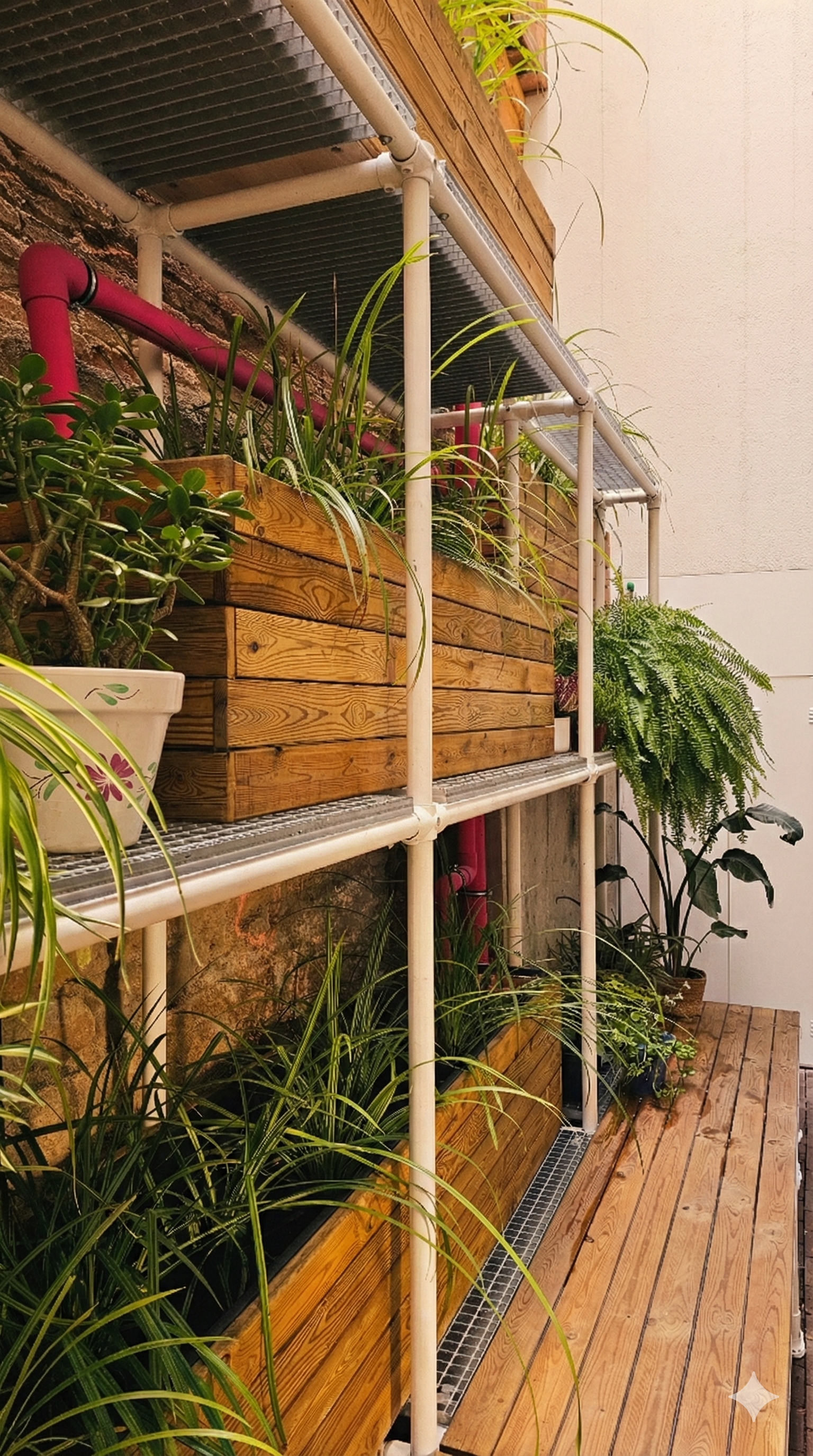
RegCOM is a nature-based solution for the regeneration and reuse of greywater in buildings, aimed at more sustainable water management. It is architecturally integrated into courtyards or rooftops, makes the water cycle visible, and enables the closure of up to 30% of water consumption, with low energy use, minimal costs, and a positive impact on biodiversity and urban resilience.
Spain
Local
Barcelona
Mainly urban
It involves a physical transformation of the built environment (hard investment)
Yes
2025-12-22
No
No
Yes
Organisation
The RegCOM project (Regenerating water from the community) emerged from “La Ciutat Proactiva” (Proactive City), innovation challenge promoted by BIT Habitat, developed by a consortium including Constraula (Sorigué), UPC research groups Rearq and Gicited, Societat Orgànica, and Naturalea. It addresses the need for sustainable urban water models aligned with contemporary climate and social challenges.
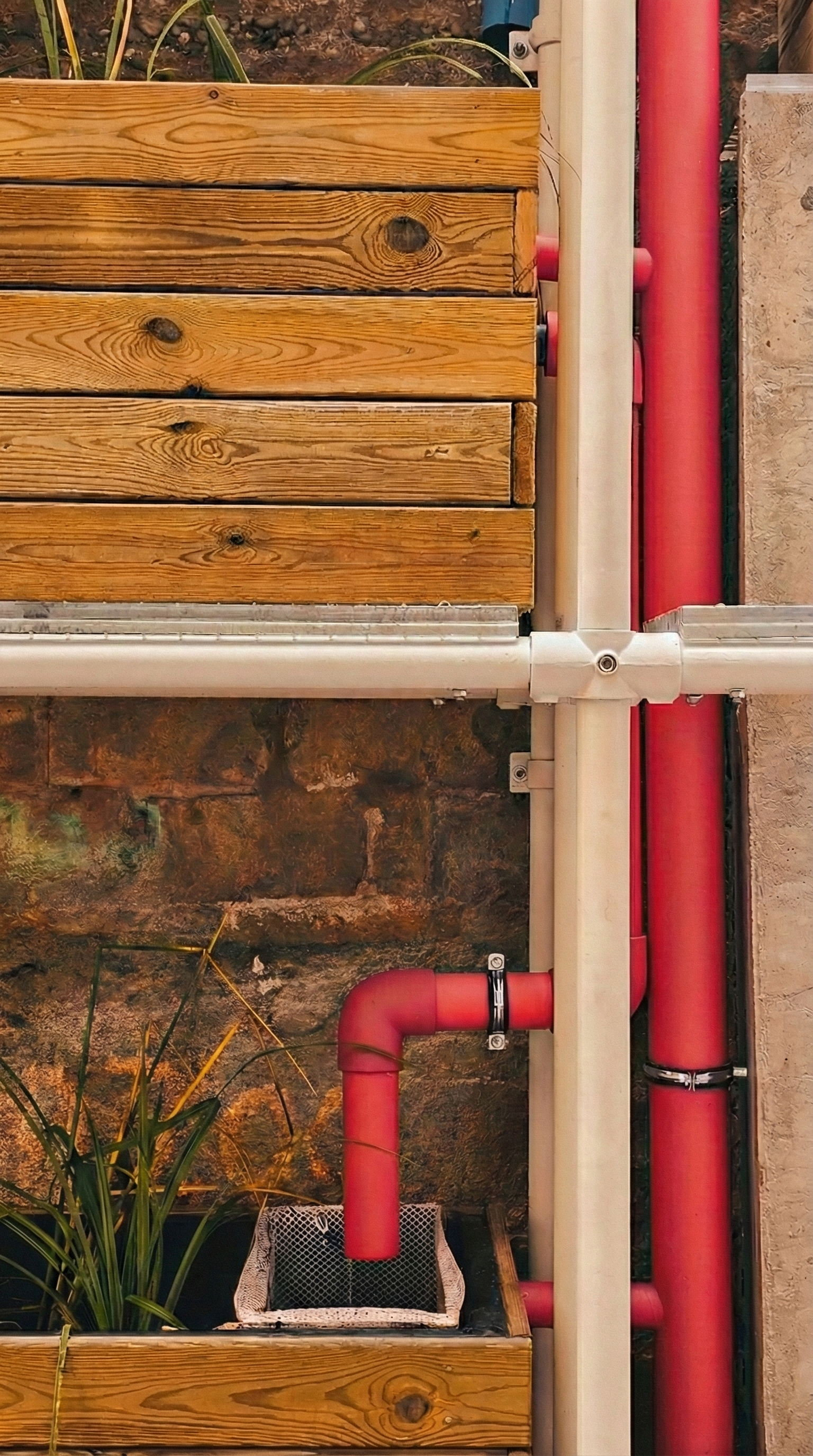
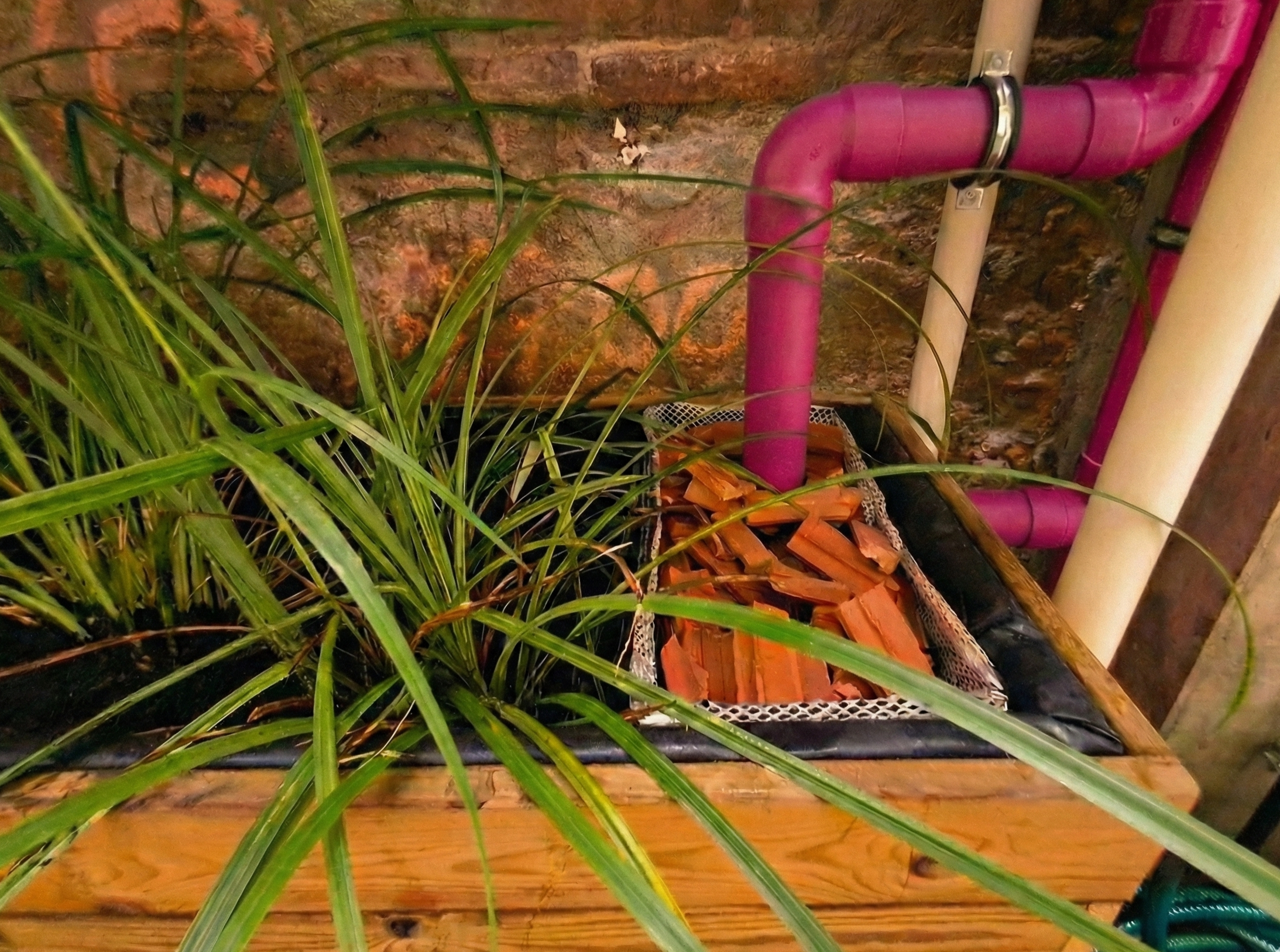
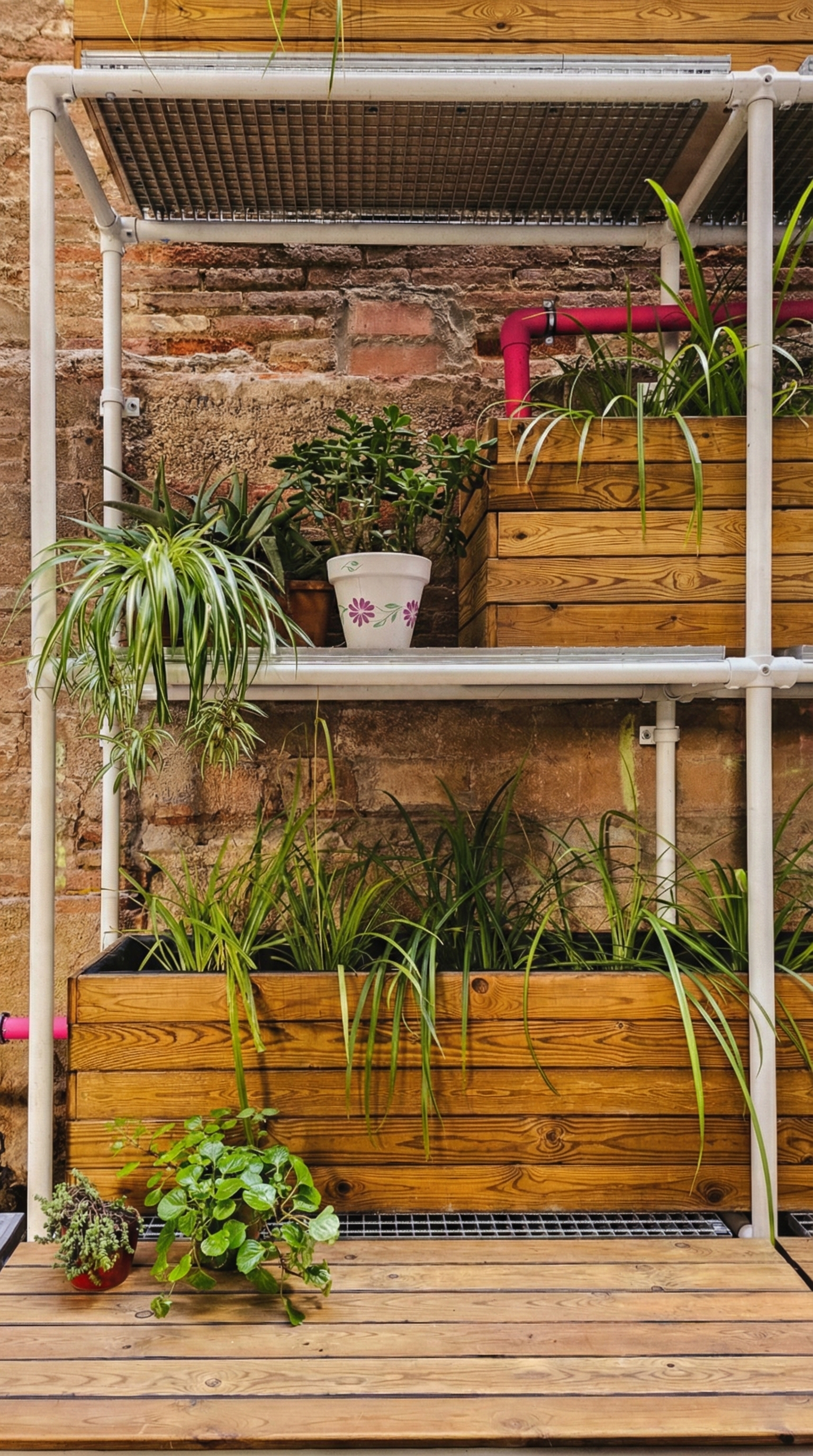
RegCOM is a greywater treatment system using nature-based solutions (phytodepuration), designed as visible, architecturally integrated infrastructure adaptable to different building typologies. Based on circular economic principles, it regenerates water from showers and sinks, covering approximately 30% of a building's water consumption. The system also promotes social sustainability by involving residents in water management, while contributing to urban regeneration through renaturalization, reducing heat island effects and reinforcing climate resilience.
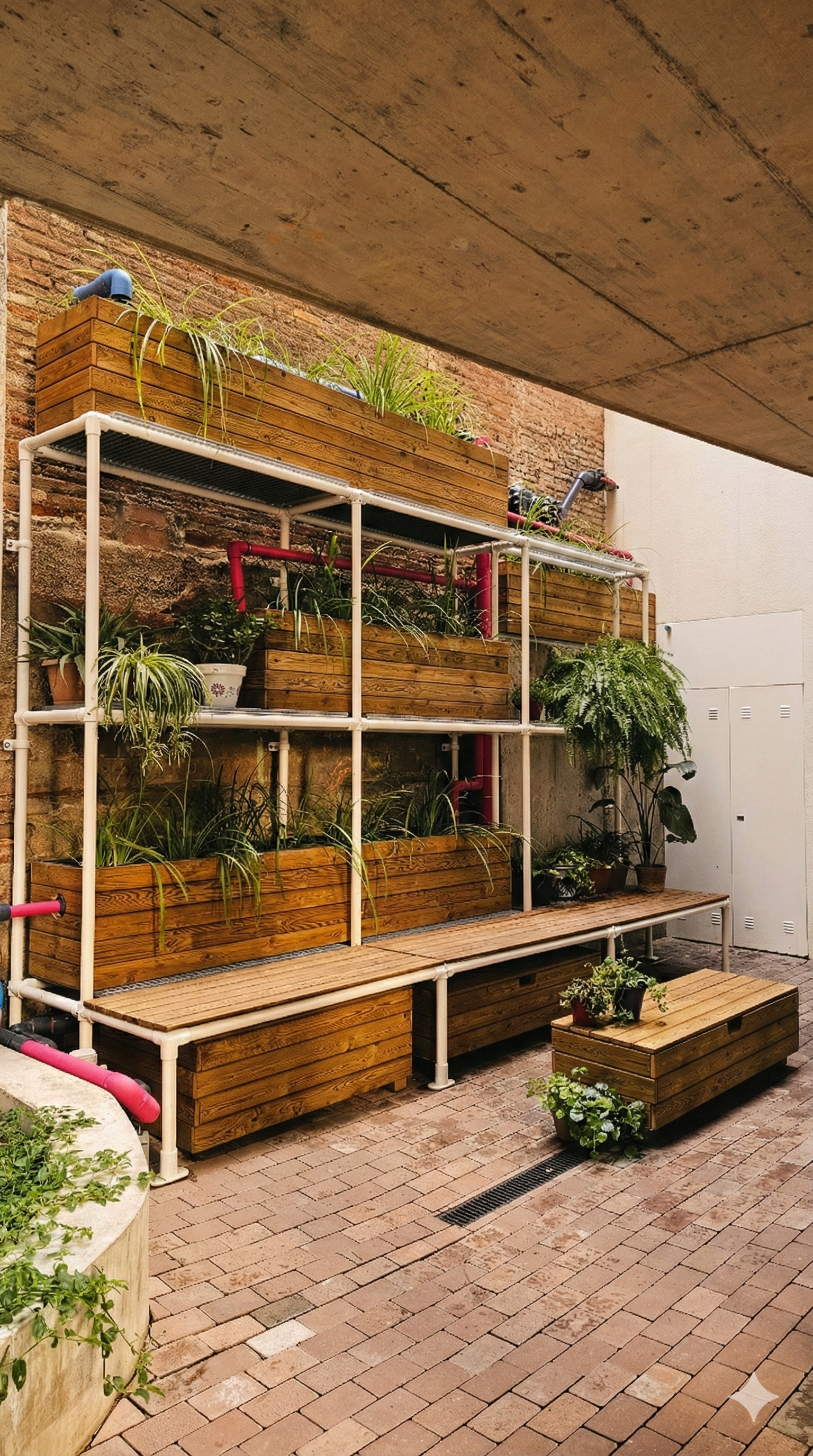
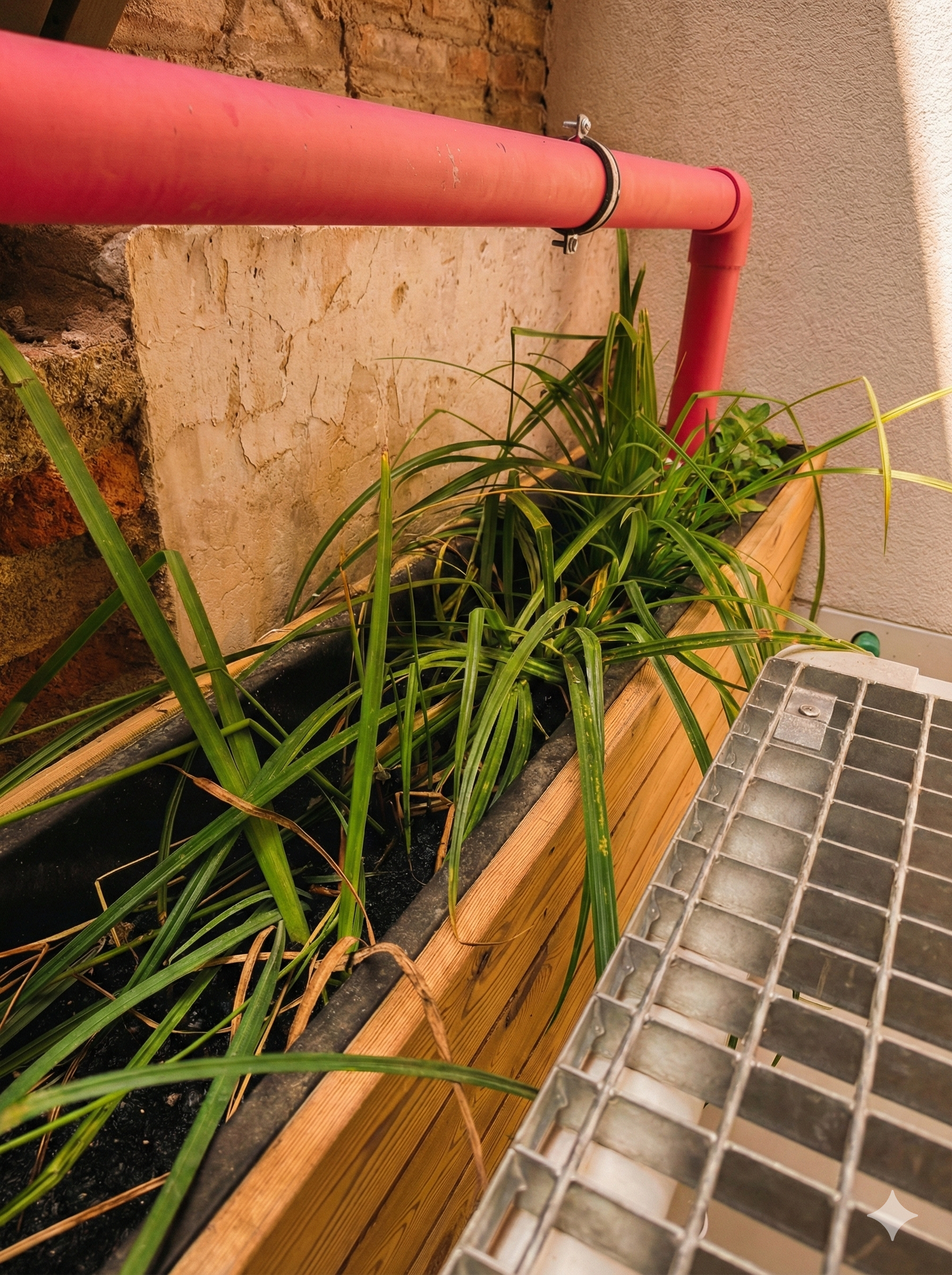
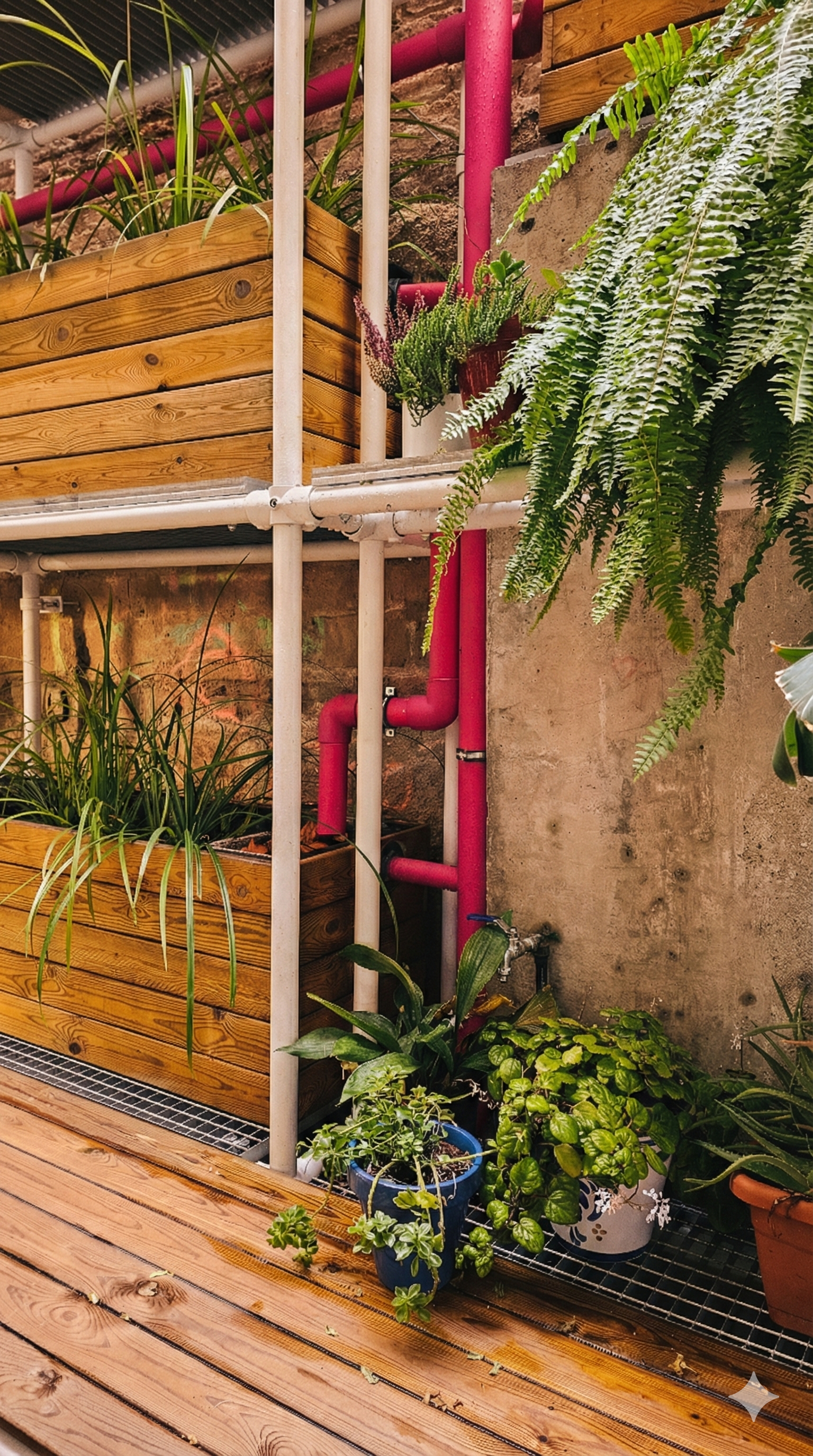
Selected as a winning proposal, RegCOM was implemented at La Morada, a 12-home cooperative building in Barcelona, where it operates in the access courtyard, placing sustainable water management at the heart of community life. Technically, greywater flows to a phytodepuration module installable in courtyards or rooftops, introducing new spatial qualities while treating water that is then stored for toilet flushing.
Water quality tests confirm 98% treatment efficiency, complying with Royal Decree 1085/2024. At urban scale, RegCOM reduces pressure on supply and sanitation networks, promoting circular economy and water resilience. Environmentally, it offers low energy consumption, minimal operating costs, fosters biodiversity, and closes the water cycle naturally.
RegCOM originated when BIT Habitat, Barcelona's urban innovation agency, launched the 2024 challenge "La Ciutat Proactiva" promoting sustainable urban water management in response to the city's recent drought episodes. A multidisciplinary consortium formed: Constraula (Sorigué) contributed engineering and construction expertise; UPC's Rearq and GICITED research groups provided architectural design and academic rigour; Societat Orgànica brought knowledge in sustainability and urban water cycles; and Naturalea contributed phytodepuration specialization. Their proposal won.
The consortium partnered with La Morada, a twelve-home cooperative housing building in Nou Barris. Founded on collective living principles, the community embraced integrating RegCOM into their home. Through workshops and co-design sessions, neighbours worked alongside the consortium, making key decisions including material selection, ensuring the system responded to their preferences and needs.
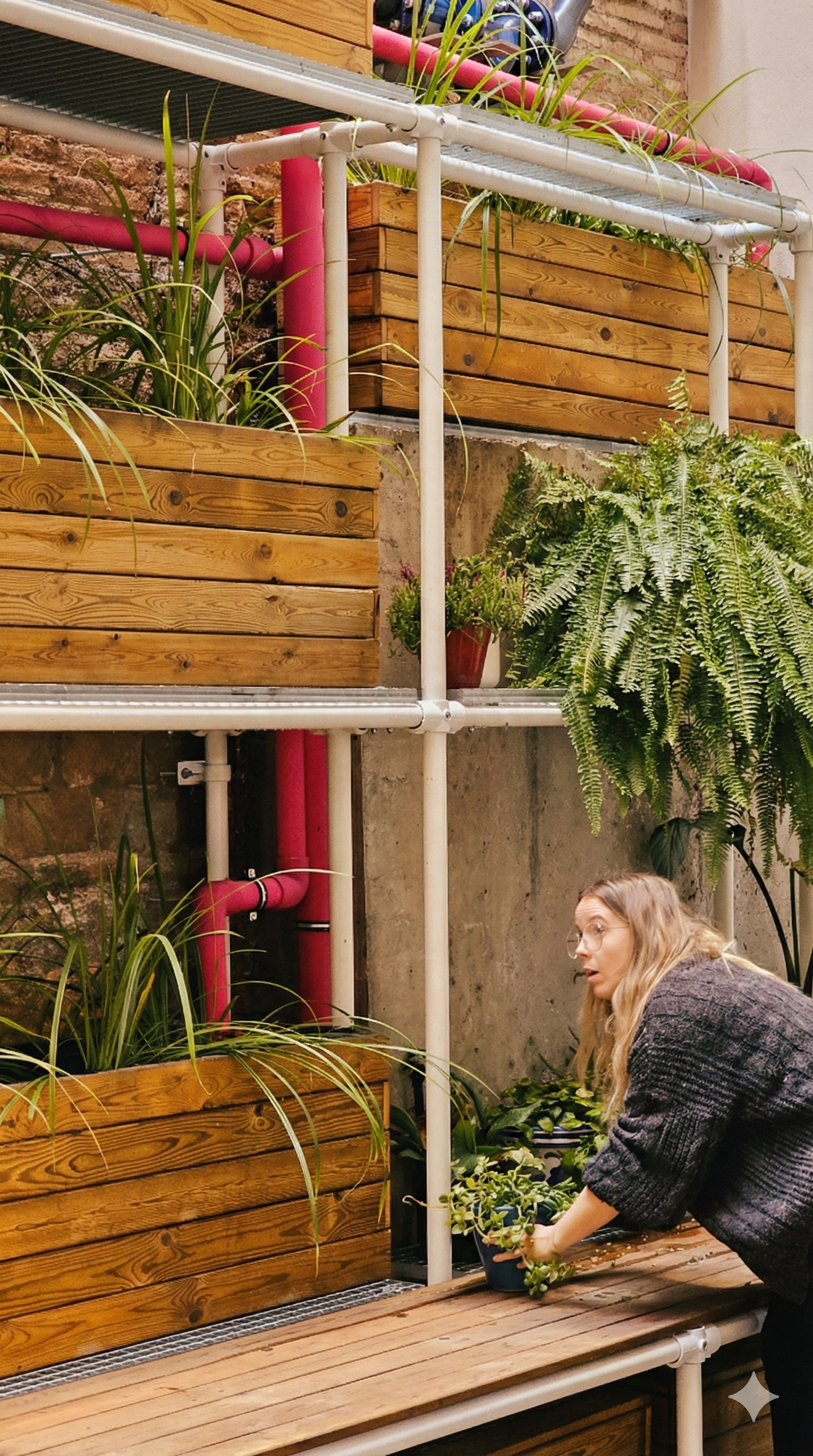
Implementation transformed the building's entrance courtyard. The phytodepuration module was installed, bringing vegetation and natural processes into daily view. Greywater from showers and sinks flows through the system, where plants and microorganisms naturally filter pollutants. Treated water is stored for toilet flushing. Technical monitoring confirms ninety-eight percent pollutant removal, complying with Royal Decree 1085/2024.
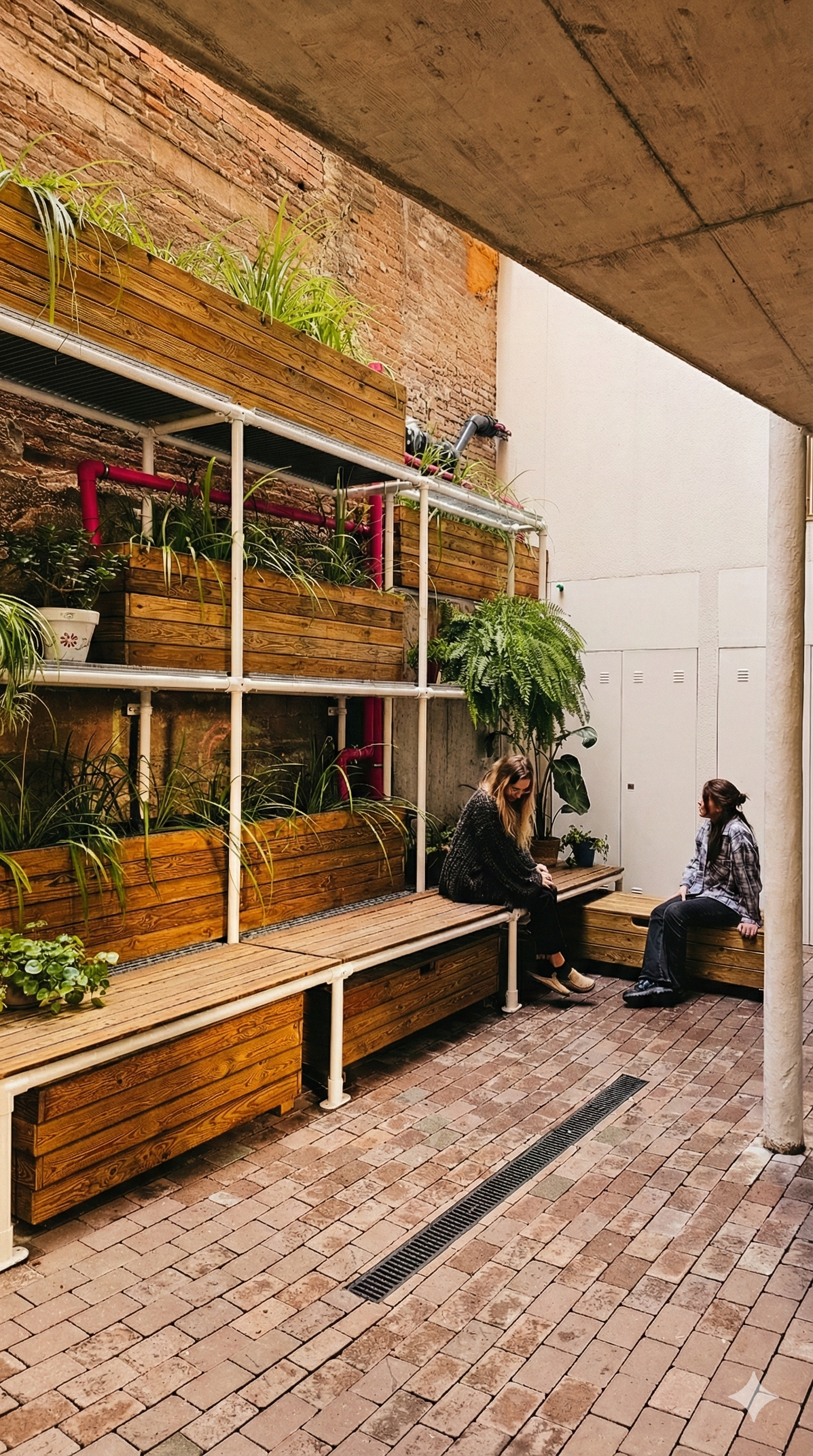
Today, neighbours are active stewards, participating in maintenance and integrating care into collective life. The courtyard has become an encounter place where sustainability is visible and shared. RegCOM demonstrates infrastructure can be more than functional: it can catalyze community, bring beauty, and show how cities might regenerate resources and social fabric. From a public challenge to a living Barcelona installation, RegCOM shows what becomes possible when disciplines collaborate and communities co-create.
nature-based solutions
water resilience
urban regeneration
social cohesion
community co-design
The RegCOM project concretely addresses the environmental and economic challenges of the contemporary city by transforming a linear and wasteful water system into a circular and ecologically integrated model.
Environmentally, it tackles the lack of space for green infrastructure in dense urban areas through a compact nature-based solution that treats greywater via phytodepuration. By recycling up to thirty percent of a building's water consumption from showers and sinks for reuse in toilets, it significantly reduces pressure on municipal supply and sanitation networks, with lab tests confirming a 98% removal rate of pollutants in full compliance with Royal Decree 1085/2024.
At the same time, it reintroduces biodiversity into built environments, mitigates the urban heat island effect, and enhances overall climate resilience. Economically, the system is designed for low energy consumption and minimal operational costs, creating direct savings for residents while its modular and adaptable nature offers a cost-effective pathway for retrofitting existing buildings at scale. RegCOM is exemplary in terms of sustainability because it embodies a holistic and systemic approach that merges high technical performance with ecological function. It is circular by design, closing a resource loop at the building scale while proving its viability through real-world data and compliance with stringent regulations. Ultimately, its capacity for replication across different building typologies and urban contexts makes RegCOM a powerful and scalable blueprint for a more sustainable and resilient urban future.
The RegCOM project contributes to making life more beautiful by transforming essential infrastructure into a visible, integrated, and meaningful part of daily life. Rather than hiding water treatment away as a purely technical function, the system brings it into the open, situating it in communal spaces such as the entrance courtyard of the La Morada building in Barcelona. Here, the phytodepuration module is not an industrial addition but an architecturally designed element that introduces new spatial qualities, textures, and living elements into the everyday environment.
The presence of vegetation, water, and natural processes within the courtyard creates a calming and attractive space that residents encounter each day, turning a functional necessity into a source of sensory pleasure and connection with nature. In the longer term, this visibility fosters a profound sense of belonging and care for the place. Because the system is shared and its workings are apparent, residents develop a relationship with it; they see the water being cleaned, they witness the plants thriving, and they understand that their collective actions contribute to the health of their home and community. This transforms the courtyard from a mere passage into a cared-for, living heart of the building, where sustainability becomes a shared and beautiful practice.
The project is exemplary in terms of aesthetics because it demonstrates that ecological infrastructure can and should be beautiful, that technical performance and spatial quality are not mutually exclusive, and that integrating natural cycles into architecture enriches both the visual experience of a place and the emotional connection people feel to it. RegCOM offers a powerful model for how cities can weave regenerative systems into their fabric in ways that are not only efficient but also deeply humane and beautiful.
The RegCOM project addresses accessibility and affordability through a cost-effective, scalable system adaptable to different socio-economic contexts. Its low energy consumption and minimal maintenance requirements ensure that long-term water savings are accessible to communities with limited resources, making sustainable water management an affordable reality rather than a privilege.
The project promotes inclusive governance and shared responsibility from the ground up. At La Morada, the design process was developed collaboratively with the neighbours, who actively participated in key decisions, including the selection of materials. This co-design approach ensured the intervention responded to the community's own aesthetic preferences and practical needs, fostering a deep sense of ownership and pride.
By situating the water treatment system in a common space and making its functioning visible, RegCOM invites residents to become active participants not only in its creation but also in its ongoing management. Today, the neighbours are actively involved in the system's maintenance, taking collective responsibility for this shared resource. This transforms the infrastructure into a true common good that reinforces the cooperative model and builds community bonds across generations.
The project also embodies design for all principles, ensuring architectural integration enhances the communal space without creating barriers, making the experience of nature and the visible water cycle accessible to everyone regardless of age or ability.
RegCOM demonstrates that sustainability infrastructure can be a catalyst for social cohesion and democratic participation, proving that the transition to more sustainable cities can be rooted in affordable solutions that empower communities to build more equitable and resilient urban living together.
The RegCOM project originated from the urban innovation challenge "la ciutat proactiva", promoted by Bit Habitat, an initiative of the Barcelona City Council, which sought collaborative solutions co-created with local communities. From the outset, the consortium worked closely with the cooperative community of La Morada, where the first prototype would be implemented.
The neighbours participated actively in co-design workshops, making collective decisions about the system, including the selection of materials for the prototype, ensuring it responded to their preferences and needs. This involvement extended beyond design, as the community now plays an active role in the maintenance of the system, becoming everyday stewards of this shared infrastructure.
The impact of their participation has been significant: it has fostered a strong sense of ownership and responsibility, strengthened social bonds within the building, and turned residents into ambassadors for the project. Their feedback has also helped refine the system for future replication.
RegCOM demonstrates that when citizens are empowered as co-designers and co-managers, the result is not only a more inclusive solution but also one that is deeply cared for and sustainable in the long term.
The RegCOM project was made possible through the involvement of stakeholders across different governance levels, each contributing unique value to its design and implementation.
At the local level, the project originated from the urban innovation challenge "La Ciutat proactiva" promoted by Bit Habitat, an initiative of the Barcelona City Council. This local institutional support provided not only funding but also a framework for experimentation within the city's broader sustainability goals, connecting the project to municipal strategies for climate resilience and circular economy.
At the regional level, the Generalitat de Catalunya and metropolitan entities have shown interest in the project as a replicable model for water management in dense urban areas, offering pathways for future scaling within the region.
At the national level, the project aligns with and responds to the recent Royal Decree 1085/2024 on water reuse, demonstrating how innovative local solutions can anticipate and comply with emerging regulatory frameworks, providing valuable feedback for policy implementation.
At the European level, RegCOM embodies the principles of the New European Bauhaus and the EU's circular economy action plan, and its presentation to these awards represents an opportunity to connect local innovation with European networks and ambitions.
The added value of this multilevel engagement has been significant. Local involvement ensured the project was grounded in real community needs and urban contexts.
European visibility offers the potential to inspire and inform similar initiatives across the continent, creating a virtuous cycle where a local prototype can contribute to a broader transformation of urban water systems. This multilevel governance approach has thus amplified the project's impact far beyond its immediate context.
The project was developed through a Quadruple Helix collaboration model, bringing together public administration, academia, private sector and civil society.
• Public administration, represented by Barcelona City Council through BIT Habitat, launched the urban challenge, provided funding for the project and created the institutional framework for experimentation and innovation in the city.
• Academia and research, represented by the Universitat Politècnica de Catalunya (UPC) through the REARQ and GICITED research groups, contributed architectural design, technical expertise and academic rigour.
• Private sector, represented by Constraula (Sorigué), Naturalea and Societat Orgànica, provided engineering, construction, sustainability and phytodepuration expertise, enabling the practical implementation of the prototype in a real urban context.
• Civil society, represented by the residents of La Morada cooperative housing, played a key role by hosting the prototype and engaging with the project in their daily environment, providing feedback and helping to evaluate its social and environmental impact.
Through this collaboration, the project brought together disciplines including architecture, engineering, environmental sciences, urban sustainability and social sciences. Continuous collaboration between these disciplines enabled the development of a holistic and practical solution to address a growing challenge.
The result is a solution that is not only technically effective, achieving 98% pollutant removal, but also architecturally integrated, ecologically functional, and socially embraced. The added value of this collaboration lies in the synthesis achieved: RegCOM demonstrates that complex urban challenges require multiple perspectives working together, and that the most innovative solutions emerge when disciplines are not simply added together but genuinely integrated from the start.
The RegCOM project's business model combines public seed funding, commercial scalability, and long-term operational savings to ensure financial sustainability. The prototype at La Morada was developed through the "La Ciutat proactiva" innovation challenge promoted by Bit Habitat and Barcelona City Council, which awarded a grant covering eighty percent of costs. This public backing enabled the transition from concept to real-world application without private investment, reflecting the project's alignment with municipal sustainability goals.
Beyond the prototype, RegCOM is designed as a scalable product with multiple revenue pathways. The system consists of lightweight, prefabricated kits that can be adapted to different building typologies and urban contexts. Commercialization targets housing cooperatives, building owners, and public housing authorities through kit sales, installation services, and maintenance contracts. Additional revenue can come from co-manufactured solutions for renaturalization and water conservation that complement the core system.
Financial sustainability is reinforced by direct economic benefits for users. By recycling up to thirty percent of a building's water consumption, the system significantly reduces potable water demand and supply costs for residents, creating a compelling value proposition for adopters. The system's low energy consumption and minimal operational costs ensure long-term affordability for communities.
This combination of public co-funding for innovation, a scalable product-based revenue model, and tangible user savings positions RegCOM as a financially sustainable solution capable of growing beyond its initial prototype while continuing to deliver environmental value.
The RegCOM project has been conceived as a scalable and replicable model with multiple transferable elements. The core technology, a modular phytodepuration system for greywater treatment, is designed as a lightweight, prefabricated kit that can be installed in courtyards, rooftops, or other underutilized spaces within dense urban fabrics. This flexibility allows integration into both new construction and existing buildings across European cities facing water scarcity and climate challenges.
Beyond the technology, the co-design methodology developed with the La Morada community is highly transferable. The participatory process involving neighbours in material selection and design decisions can be adapted to different communities, ensuring future implementations respond to local needs and values. The governance model, where residents become active stewards of shared infrastructure, can also be transferred to other cooperative housing projects or neighbourhood-scale initiatives.
The business model is designed for replication, combining public seed funding for innovation with commercial revenue through kit sales, installation, and maintenance contracts. Documented water savings, compliance with Royal Decree 1085/2024, and proven treatment efficiency provide the evidence base to build trust with new adopters, whether housing cooperatives, private developers, or public authorities.
Key learnings from La Morada, including optimal system sizing, material choices balancing aesthetics and durability, and effective community engagement strategies, ensure each new iteration becomes more efficient and adaptable. RegCOM offers a transferable blueprint for urban water resilience that can inspire similar initiatives across Europe and beyond.