Arts, Culture, and Heritage as Drivers of Change
The GRIVIȚA 53 Community Theater
GRIVIȚA 53 – A Blooming Community-Built Theater Reviving a Historic Neighbourhood in Bucharest
The G53 community Theater is the first brand-new independent theatre built in Romania in over 80 years. Its success is due to the support of a community of 14,000 citizens and private companies closely collaborating for 9 years while surpassing incredible obstacles. The project began in 2016, when, after launching a world-wind crowdfunding campaign, winning the hearts and minds of like-minded people, the project promoter together with the community supporting her built the G53 Theater.
Romania
National
Mainly urban
It involves a physical transformation of the built environment (hard investment)
Yes
2025-12-05
Yes
EEA and Norway Grants – Ro-Culture programme
No
No
Organisation
The GRIVIȚA53 Community Theater emerged as a direct response to the complete lack of independent cultural infrastructure in Bucharest and to the gradual decline of the historic GRIVIȚA neighbourhood, considered the equivalent of “Montmartre” in Paris.
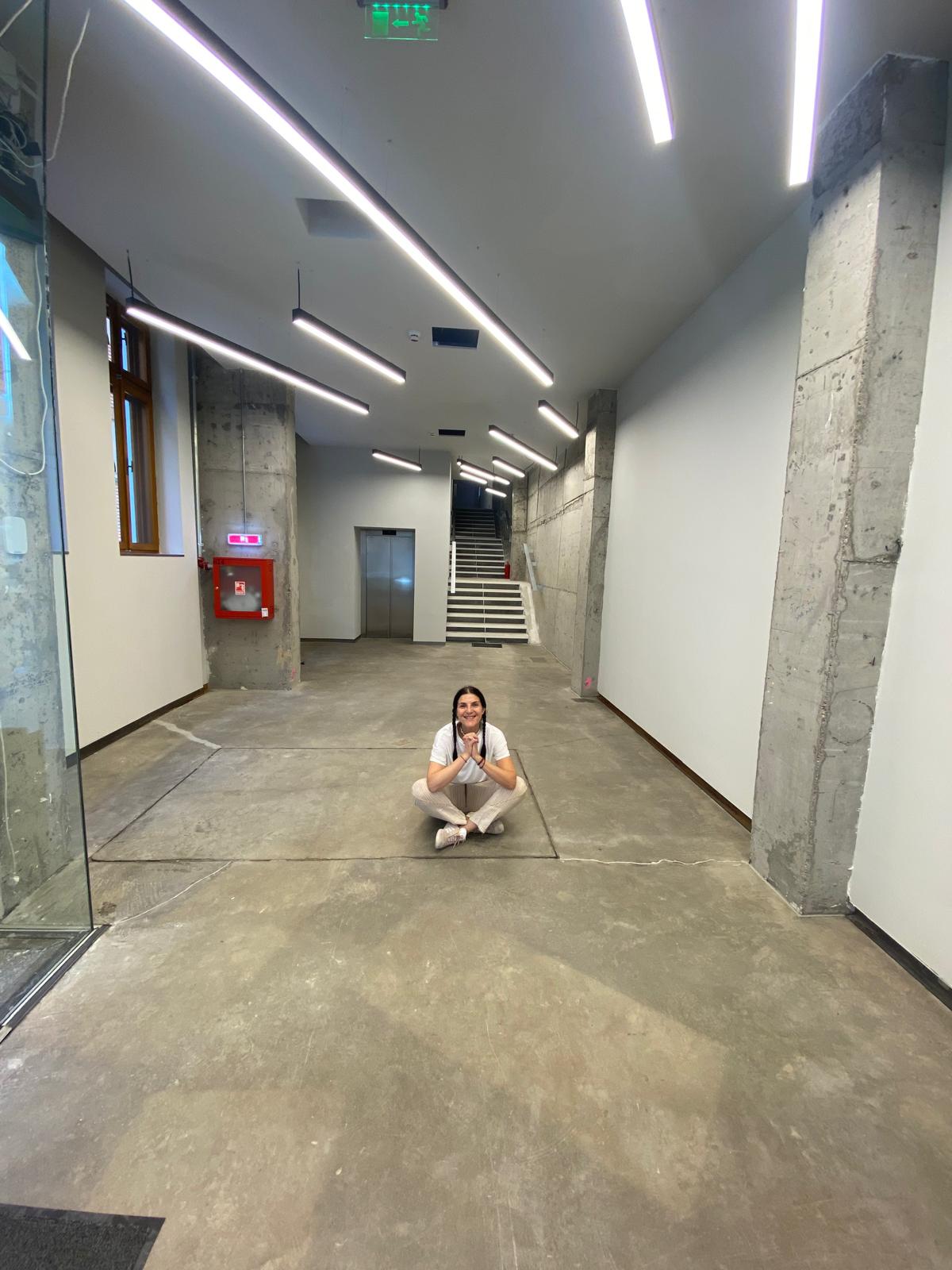
The initial result was the transformation of a completely abandoned lifeless building into a wonderful independent community Theater and cultural national landmark. Currently, the GRIVIȚA53 Community Theater s life and community revolves around preparing and hosting a serios of various national and international performances, workshops and artistic collaborations connecting artists, cultural professionals and local audiences like never before possible. The Theaters programme is expected to attract more than 10,000 spectators annually while providing a professional stage for hundreds of independent artists.
By restoring cultural life to a neglected urban area, the project directly contributes to the regeneration of the GRIVITA neighbourhood and strengthens social cohesion through shared cultural experiences.
The GRIVIȚA53 Community Theater demonstrates how civic initiative, cultural vision, national and European support create sustainable cultural infrastructure rooted in strong community participation.
The Grivița 53 Community Theater started with the physical transformation of the built environment (a theater was built on ruins) and continued with the integration of the theater in the various communities it represents: the GRIVIȚA neighbourhood community, the Bucharest theater and cultural arena community, the national and international theater communities through its international plays in English language. The shows developed by/at the GRIVIȚA53 community Theater will be the motor behind a long-term increase in the effervescence of the individual theater scene in Bucharest – Romania ( a capital of almost 2.5 million citizens) and in the EU, if not further.
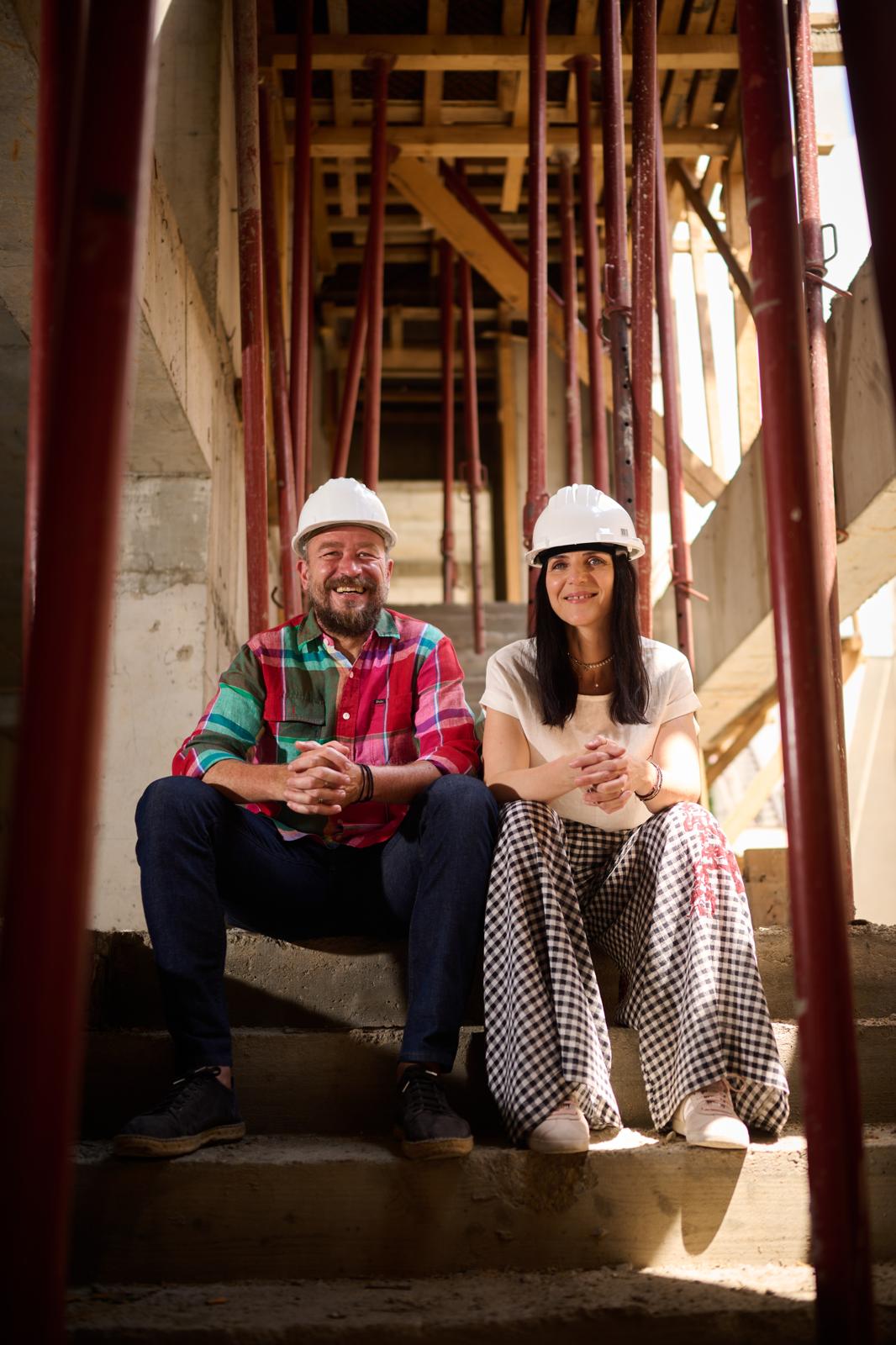
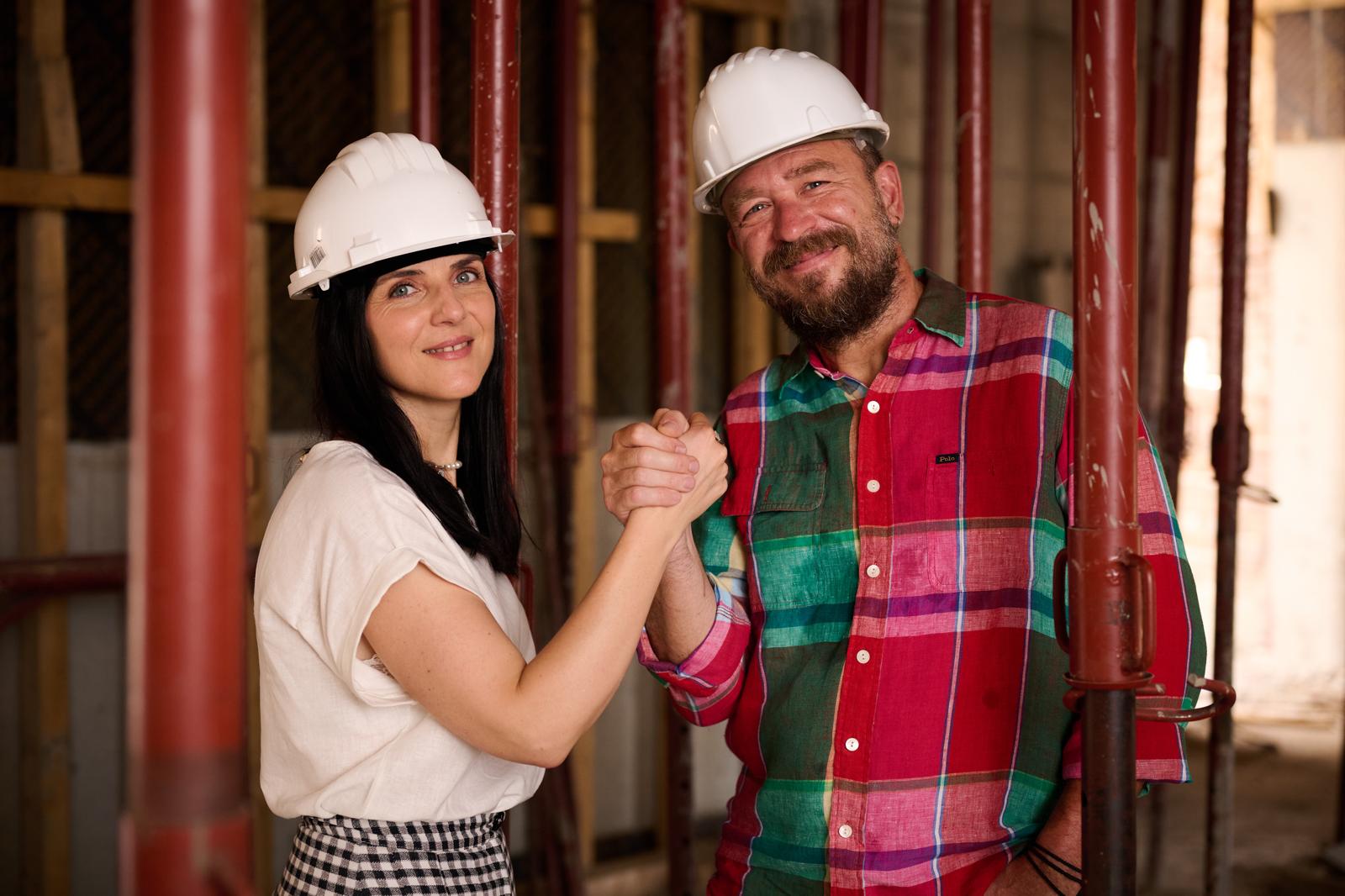
The GRIVITA53 community Theater began as a personal and professional aspiration of theatre director Chris Simion-Mercurian to create a new cultural platform for artists and audiences alike. Her vision was to establish a cultural stage for independent artists voices in a neighborhood that had completely lost its historical cultural vitality.
In 2016, Chris Simion-Mercurian sold her grandmother’s house to purchase the land and ruins of a historic property in the GRIVITA neighbourhood. From the beginning, the project was conceived not as a private investment but as a collective civic initiative involving the community in building a new cultural space.
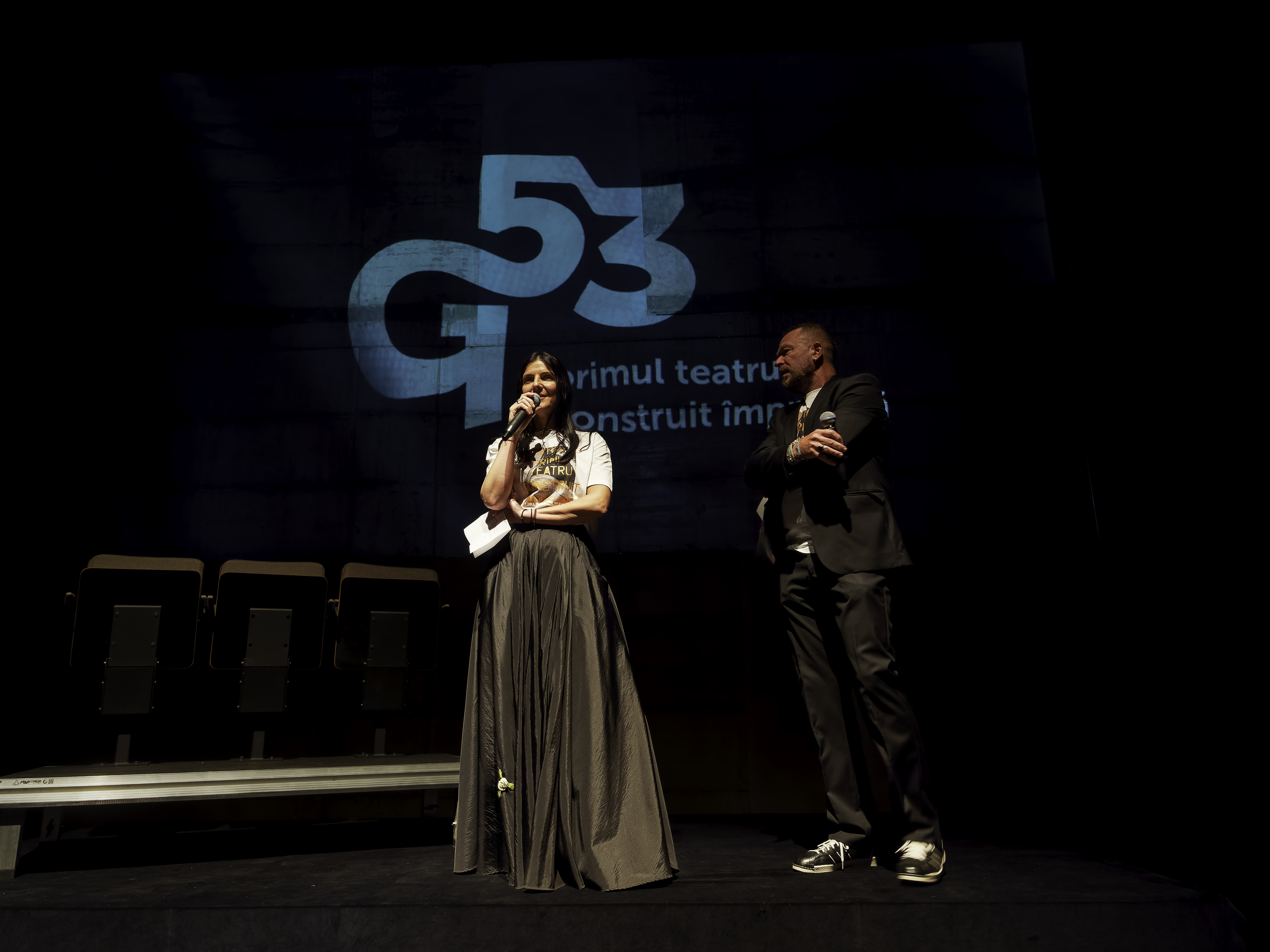
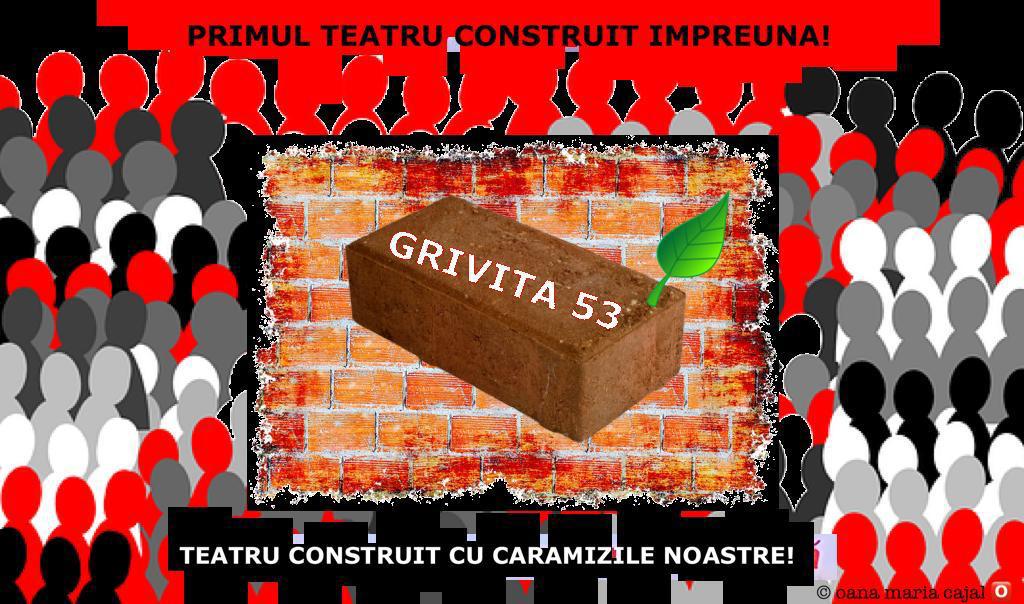
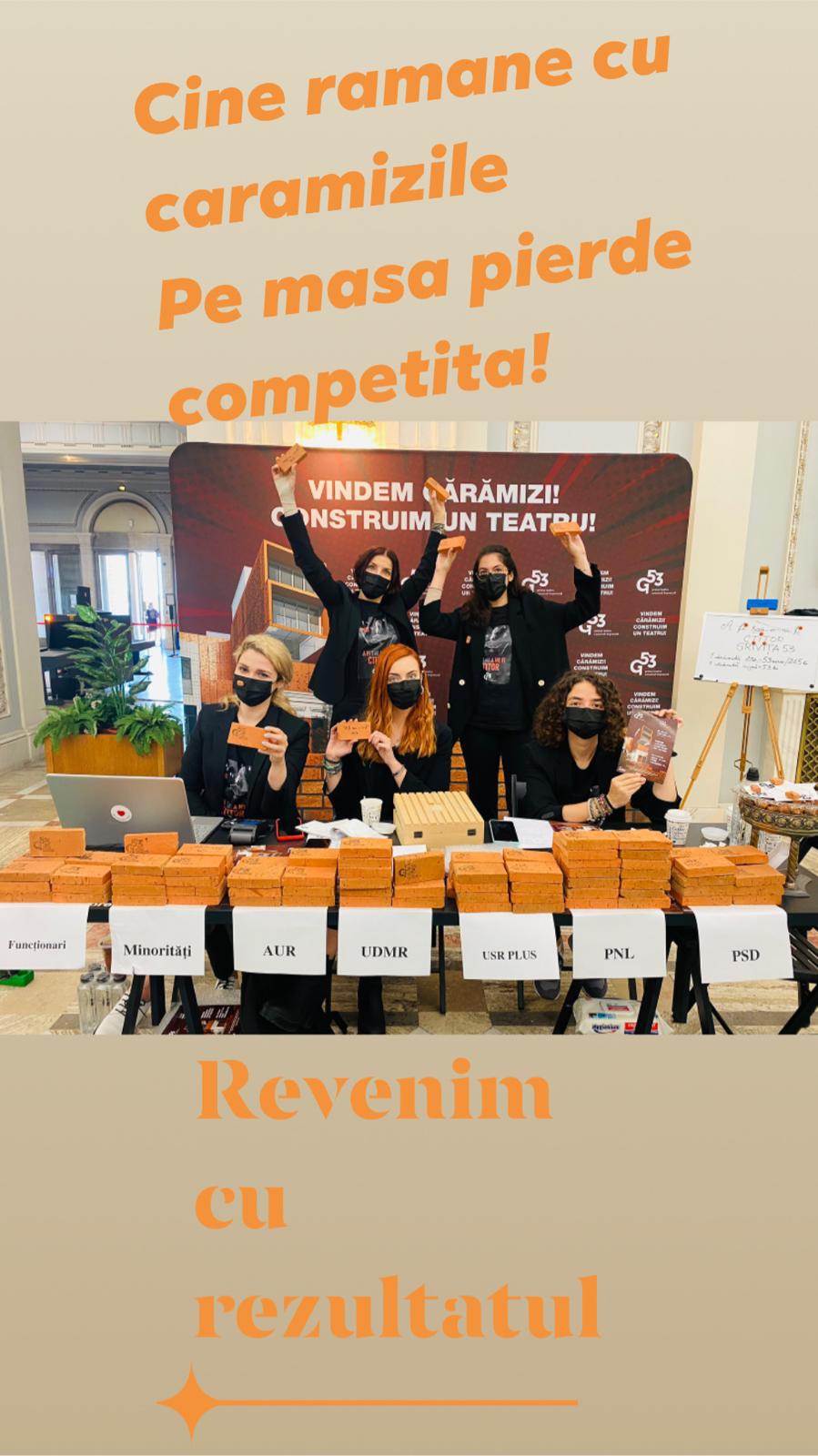
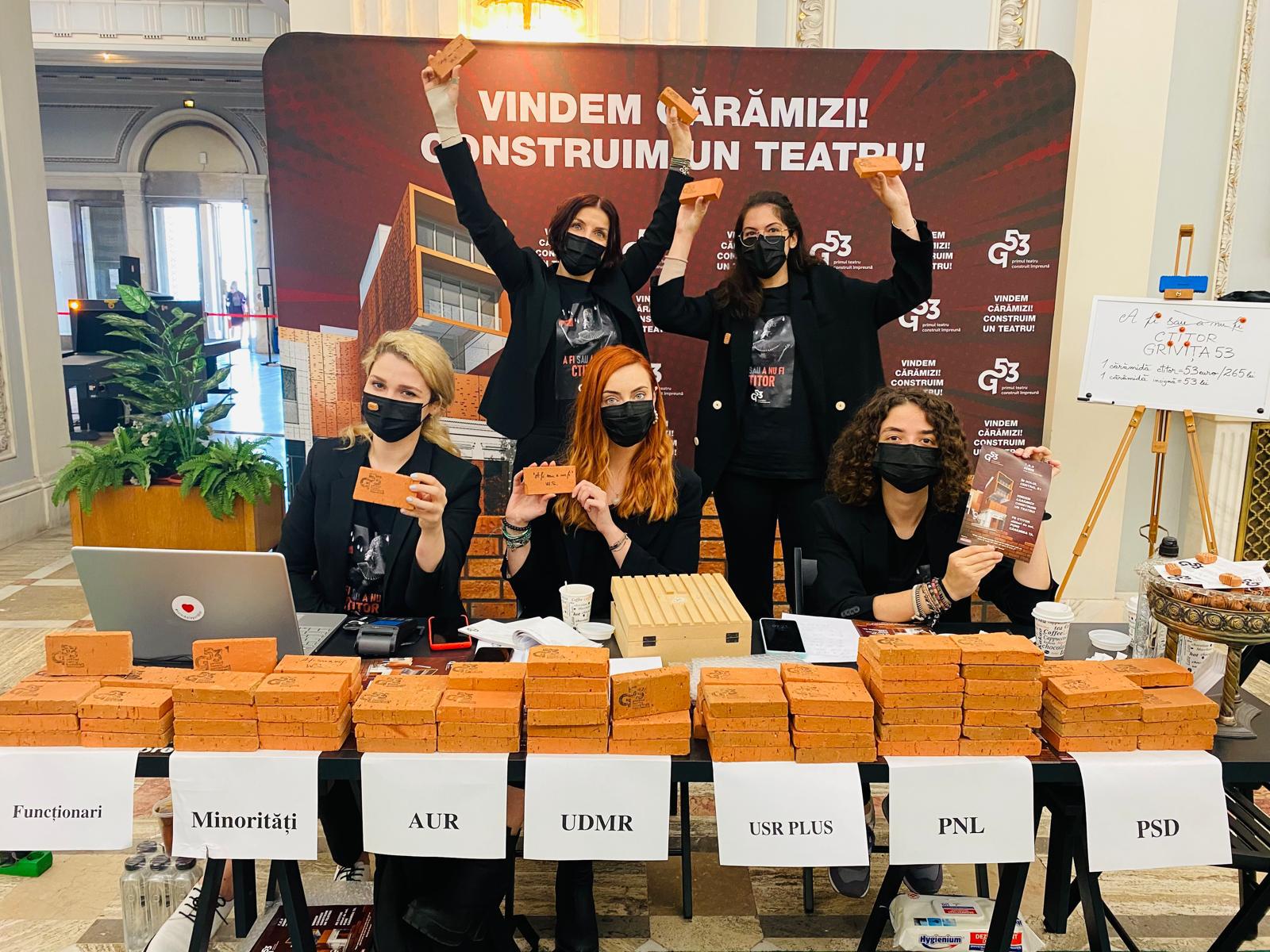
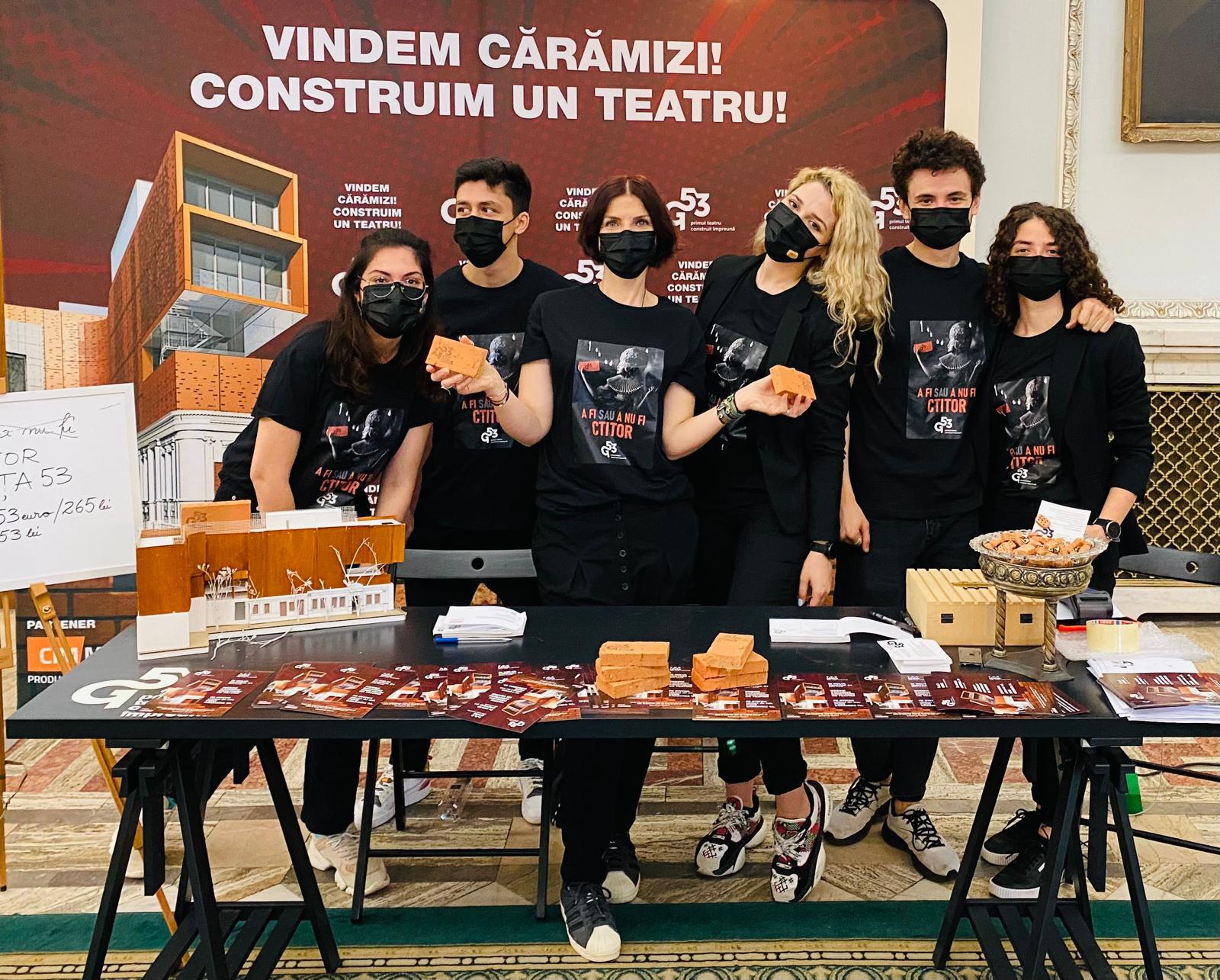
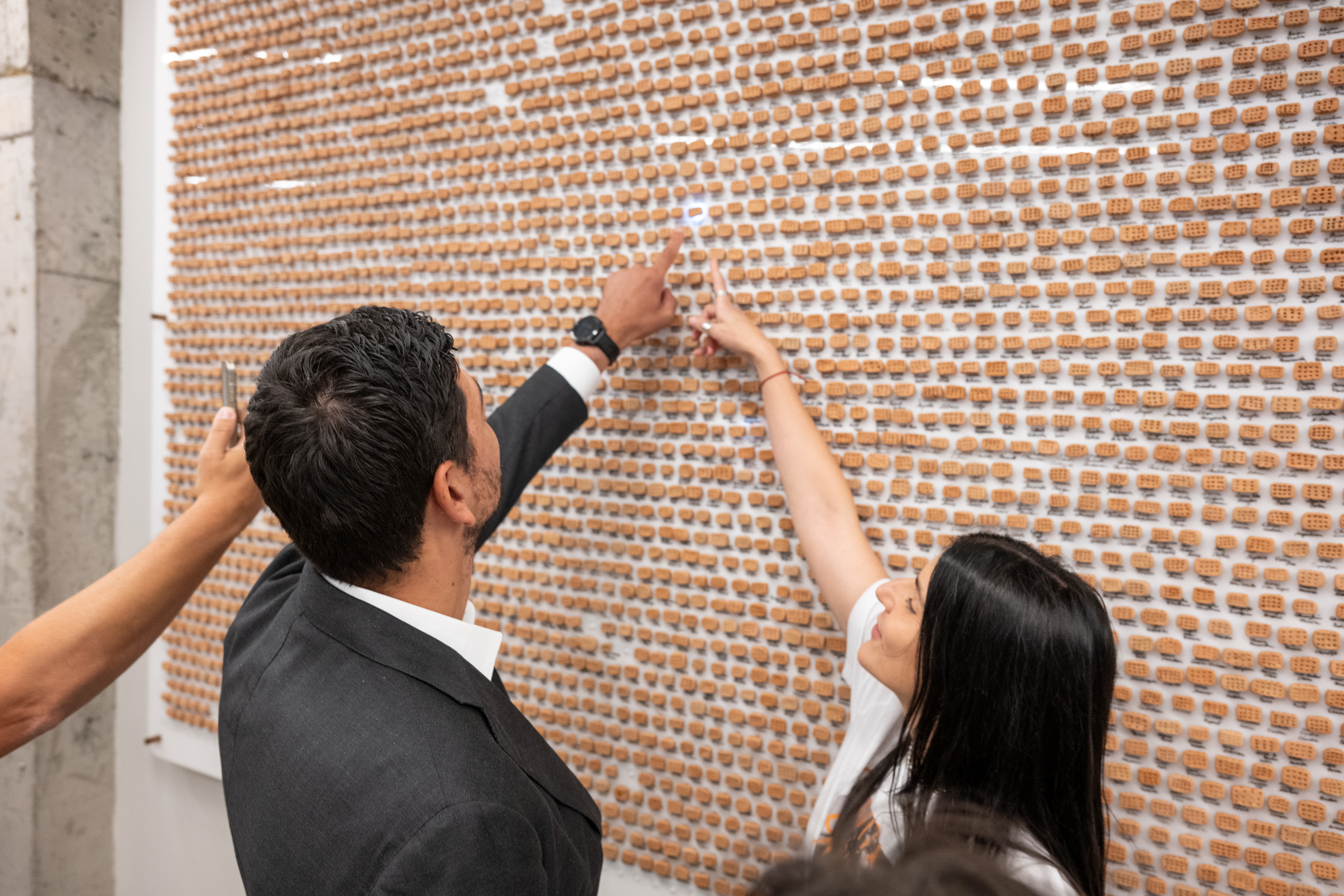
In 2017 the campaign “The first theatre built together” invited all citizens to contribute to the construction by symbolically purchasing bricks thereby mobilizing artists (theater, film, animation, dance, etc) architects, engineers, volunteers and other types of supporters. More than 14,000 individuals and companies joined the effort through crowdfunding, cultural events and fundraising campaigns. The project became one of the largest civic cultural mobilizations in Romania, demonstrating how community participation can create new cultural infrastructure and revitalize urban neighbourhoods.
In 2018 Chris Simion-Mercurian was diagnosed with breast cancer, yet, despite personal difficulties and complex administrative procedures, fundraising efforts and architectural development continued.
In 2021 a decisive moment came with the financial support of the EEA & Norway Grants 2014–2021 (RO-CULTURA Programme), enabling the smooth transition from a civic mobilization to construction. Building permits were obtained in 2022, works began in 2023 and after nearly a decade of perseverance, the GRIVITA53 community Theater was inaugurated in 2025 to the real-life and virtual cheers of all its supporters, followers and local, regional, national and international donors.
Please see further Annex 7 - Project Story
1.Sustainable cultural infrastructure - The GRIVITA53 community Theater building creates a space that is beautiful, inclusive & sustainable through its own community resources.
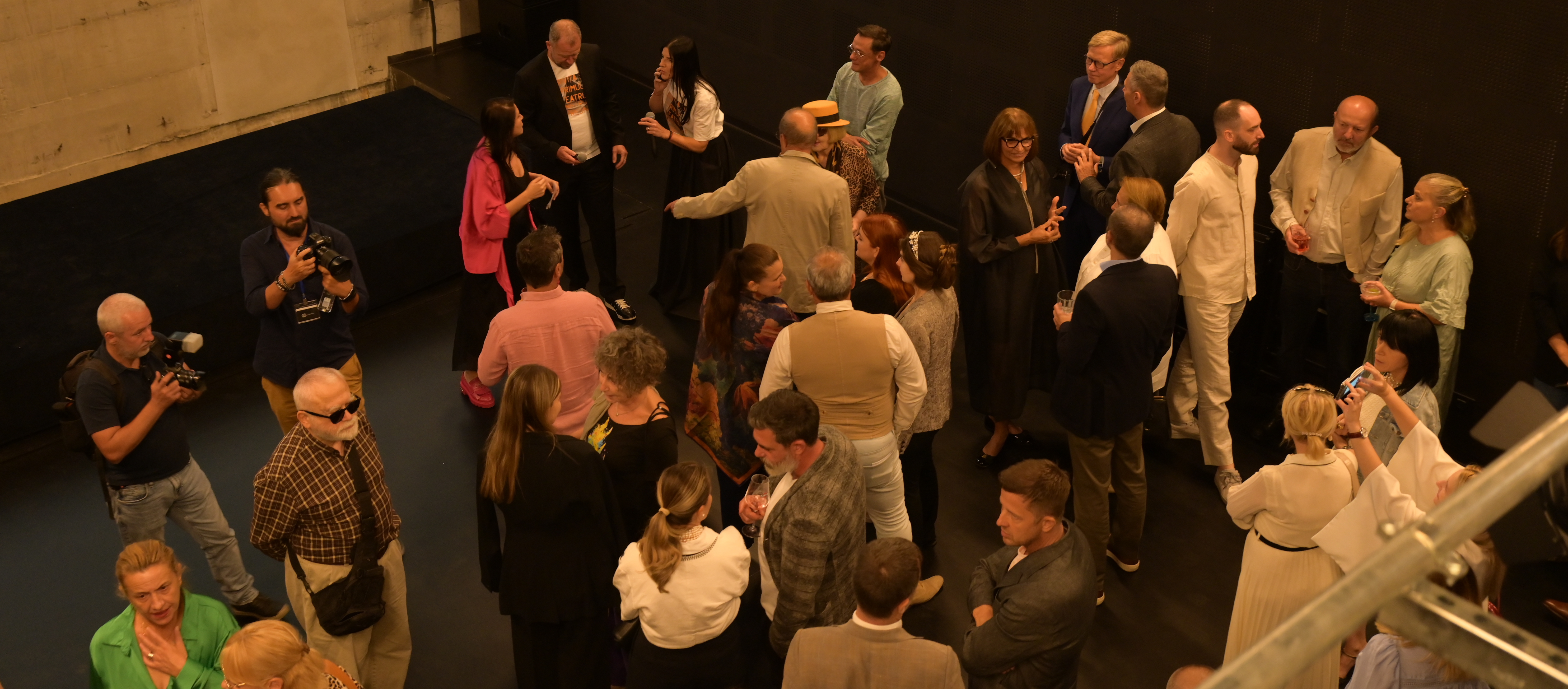
2.Community participation - The G53 Theater thrived on collaboration between entrepreneurs, artists, teachers, local, national, european and international citizens, contributing to a shared vision of how theater improves our lives and general well-being.
3.Urban revitalisation - The G.53 community Theater focuses on community supported solutions, and active citizen participation, aiming for comprehensive neighbourhood regeneration.
4.Inclusive cultural access - The G.53 community Theater ensures the accessibility of its community to all organized events reflecting openness towards interaction with its community, both online and offline.
5. Collective ownership - The G.53 Theater represents a shift towards collaborative governance, where communities and stakeholders – 14,000 – share symbolic responsibility for, and control over, local asset of the building and the spaces surrounding it.
The GRIVITA53 community Theater addressed environmental, cultural and economic challenges in the historic GRIVITA neighborhood of Bucharest, by transforming a completely abandoned derelict space into a highly effervescent contemporary cultural space and by regenerating the existing urban fabric while preserving local memory.
The GRIVITA53 community Theater demonstrates a strong model of social sustainability as it was created through an extensive participatory process mobilizing 14,000 citizens via daily and extensive crowdfunding and community engagement efforts.
The project created new cultural infrastructure supporting long-term regeneration and revitalization of the area and contributing to cultural sustainability by establishing local cultural infrastructure uniquely dedicated to independent artistic production.
The GRIVITA53 community Theater provides cultural/creative professionals as well as artists working outside the traditional state-funded system the adequate working conditions while supporting cultural diversity, artistic experimentation and continuous public dialogue and interaction.
By integrating urban regeneration, community participation and sustainable cultural programming, the GRIVITA53 community Theater demonstrates that civic initiative and cultural entrepreneurship can create resilient cultural infrastructure which benefits both local and virtual communities therefore cities in the long term.
Positive emotions and community involvement generate well-being that can only benefit the citizens of a city in the long term and that is exactly what the GRIVITA53 community Theater strives for with their creative performances.
For more information about our application please see:
Annex 1 - About the project,
Annex 2 - The Project
A.3 - OFFICIAL PROJECT DOCUMENTATION AND SUPPORTING EVIDENCE
A.4 - Events of G53 community Theater
A.5 - FAMOUS impressions and quotes on the G.53 Theater and community
A. 6 - Interviews and Media Links
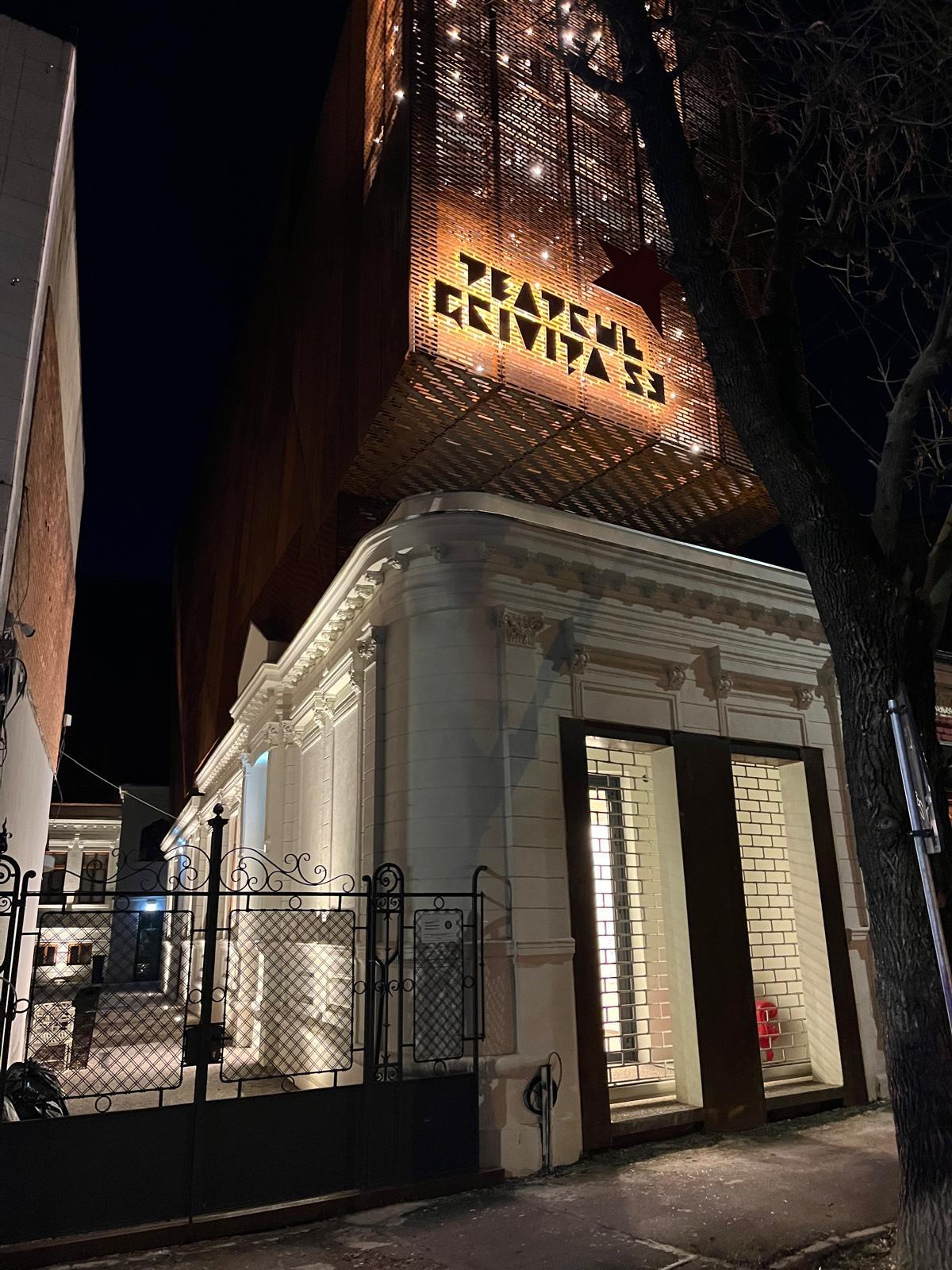
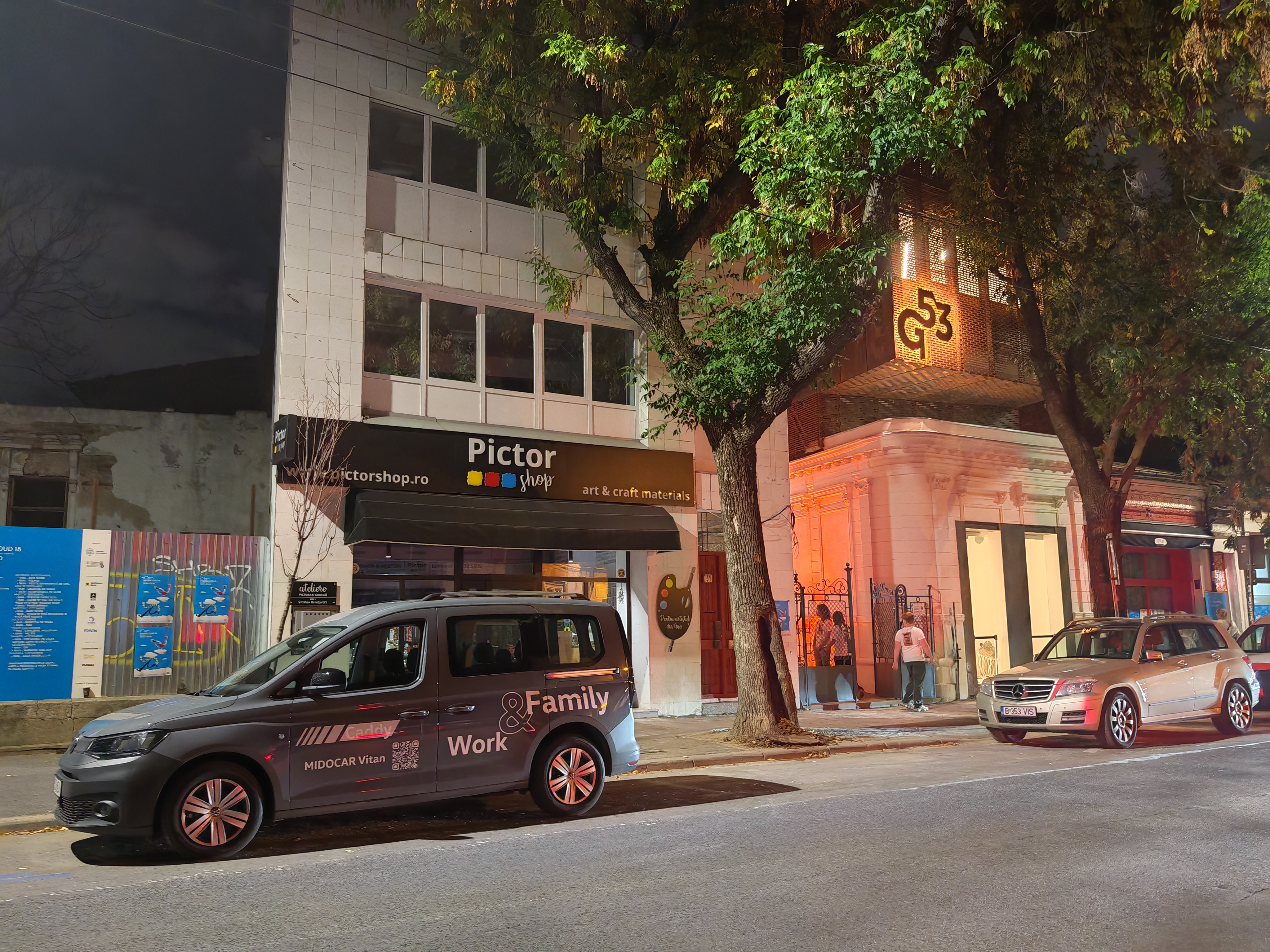
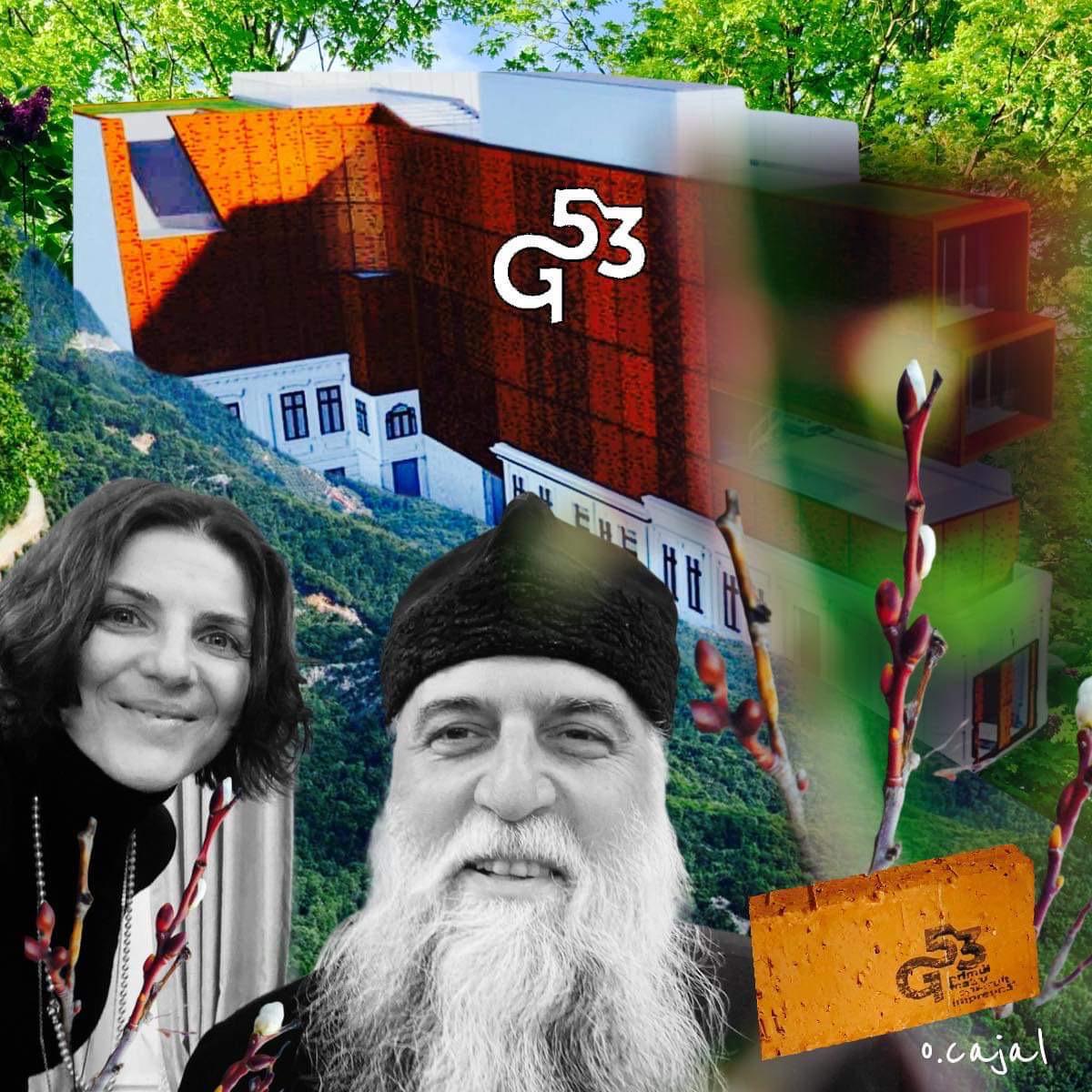
The GRIVITA53 community Theater contributes both directly and indirectly to making daily life more beautiful for people, for its community and its neighborhood. Firstly, by completely transforming a neglected urban property into a welcoming cultural landmark rooted in architectural quality and community meaning, the project creates a dialogue between a historic building dating from 1870, preserved from a state of ruin, and a strong contemporary intervention defined by corten steel, generating a distinctive architectural identity within the neighborhood.
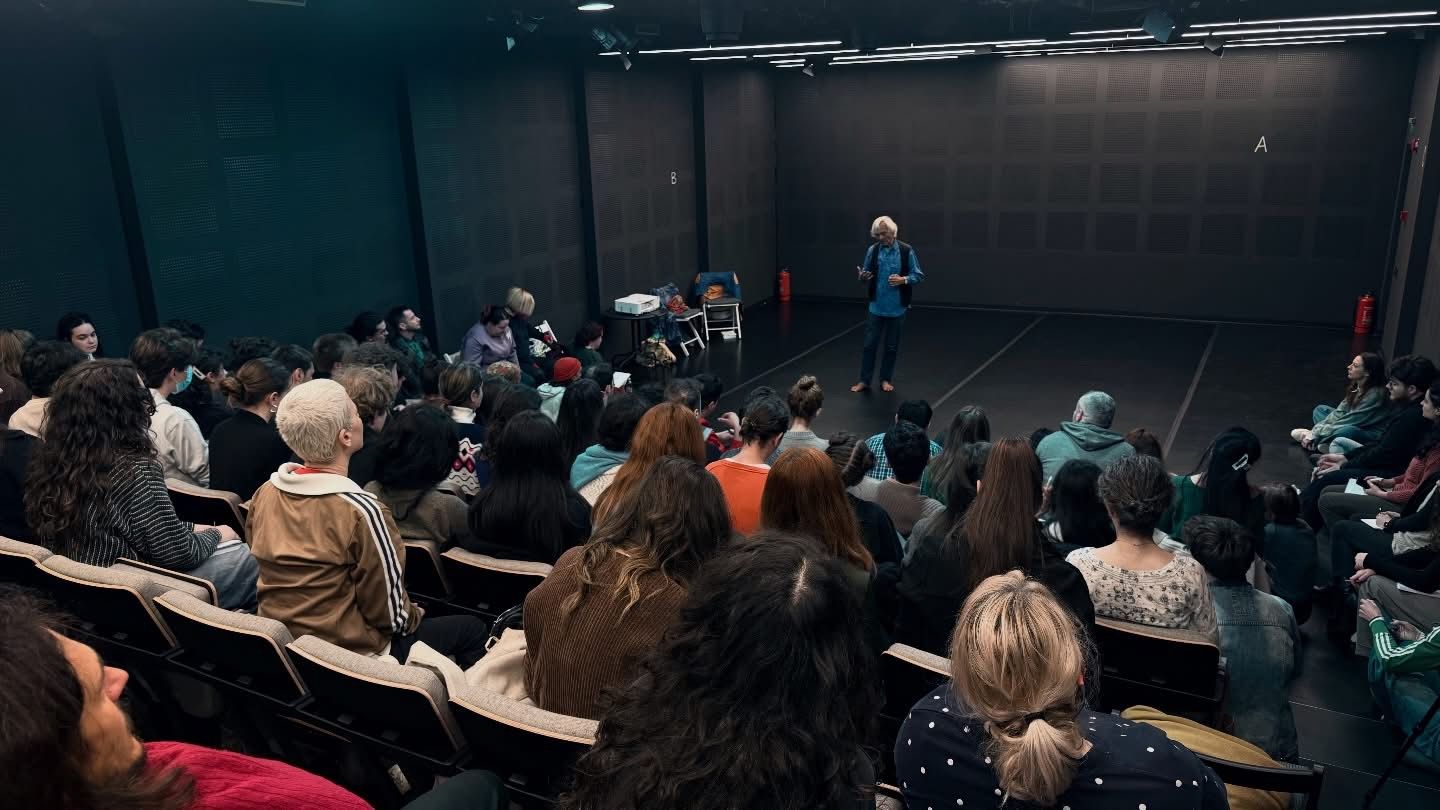
Secondly, based on the professional advice of architects and other experts closely involved in the project, the GRIVITA53 community Theater was conceived not only as a functional building but as a carefully designed cultural space where architecture, proportion and atmosphere invite and enhance artistic expression and social interaction. The intimate relationship between artists and audiences, the accessibility of the space and the welcoming atmosphere embedded in its design create a unique cultural experience in which all senses are heightened (visually, hearing, touch, sounds etc). By the full-seats since its inauguration and the incredible interest from all community members the GRIVITA53 community Theater demonstrates how thoughtful architectural design and artistic vision can transform an abandoned site into a meaningful cultural space where innovative artistic performance and community participation coexist – in a warm, inviting urban space.
Thirdly, the GRIVITA53 community Theater contributes to restoring cultural visibility and creative energy to an area that had experienced only decline for the past 80 years. Through its architectural aesthetically distinctive presence and continuous cultural activity, the GRIVITA53 community Theater strengthens the historical and beautiful identity of the neighborhood and reinforces its sense of place and belonging.
The GRIVITA53 community Theater addresses inclusion by creating a cultural space that is open, accessible and rooted in community participation. From the beginning, the project was designed as a collective civic initiative rather than a traditional top-down cultural institution. Through crowdfunding, more than 14,000 citizens and companies contributed to building the theatre, transforming it into a shared community achievement. The inclusiveness is reflected in the GRIVITA53 community Theater funding mechanism and in the GRIVITA53 community Theater s cultural activities.
The GRIVITA53 community Theater supports cultural accessibility by providing professional working conditions for independent artists who often lack stable performance spaces within the traditional state-funded system. By offering a platform for diverse artistic voices, the project encourages accessibility for cultural diversity, experimentation and dialogue between various artists and diverse audiences in Ro and En languages. Beyond artistic production, the theater functions as an open cultural hub hosting workshops, discussions and community events that bring together cultural professionals and interested citizens.
The project illustrates an inclusive governance system in which communities can play an active role in shaping their cultural environments while contributing to more inclusive and resilient neighbourhoods and cities. This inclusive cultural environment strengthens social cohesion and fosters active civic participation. The G53 theater is significant not only in its success in building a community-supported theatre in a historic neighborhood, but also in its role as a example of how cultural initiatives can contribute to a more inclusive and sustainable society. The project reflects new societal models for Ro and demonstrates how community action, collaborative governance and shared responsibility can generate meaningful cultural infrastructure that benefits both artists and citizens.
Throughout the implementation period of the project, starting from the initiation until the inauguration of the G.53 community Theater, an extensive participatory effort took place. Involvement of stakeholders stood at the core of the GRIVITA53 community Theater – which was conceived as a collective civic effort aimed at building a culturally vibrant unforgettable space. All citizens and organisations were invited (publicly and privately) to contribute to the creation of the G.53 Theater through the campaign “The first theatre built together” – in which people of all backgrounds could symbolically purchase bricks that would become part of the Theater.
The campaign mobilized a wide range of citizens and organisations including artists, architects, engineers, volunteers, entrepreneurs and cultural organisations, amongst others. A total of 14,000 individuals and companies mobilized through crowdfunding, public events and fundraising initiatives, supported the project and turned the construction of the theatre into a shared civic process.
All G53 members had a great impact on the creation of the first independent Theater in Ro. in over 80 years as their participation extended beyond financial contributions. They supported the project through volunteering, advocacy and cultural events that maintained public engagement during the long implementation period (9 years). This process created a strong sense of ownership and transformed the vision of the G53 theatre into a real-life space shaped by and for the community.
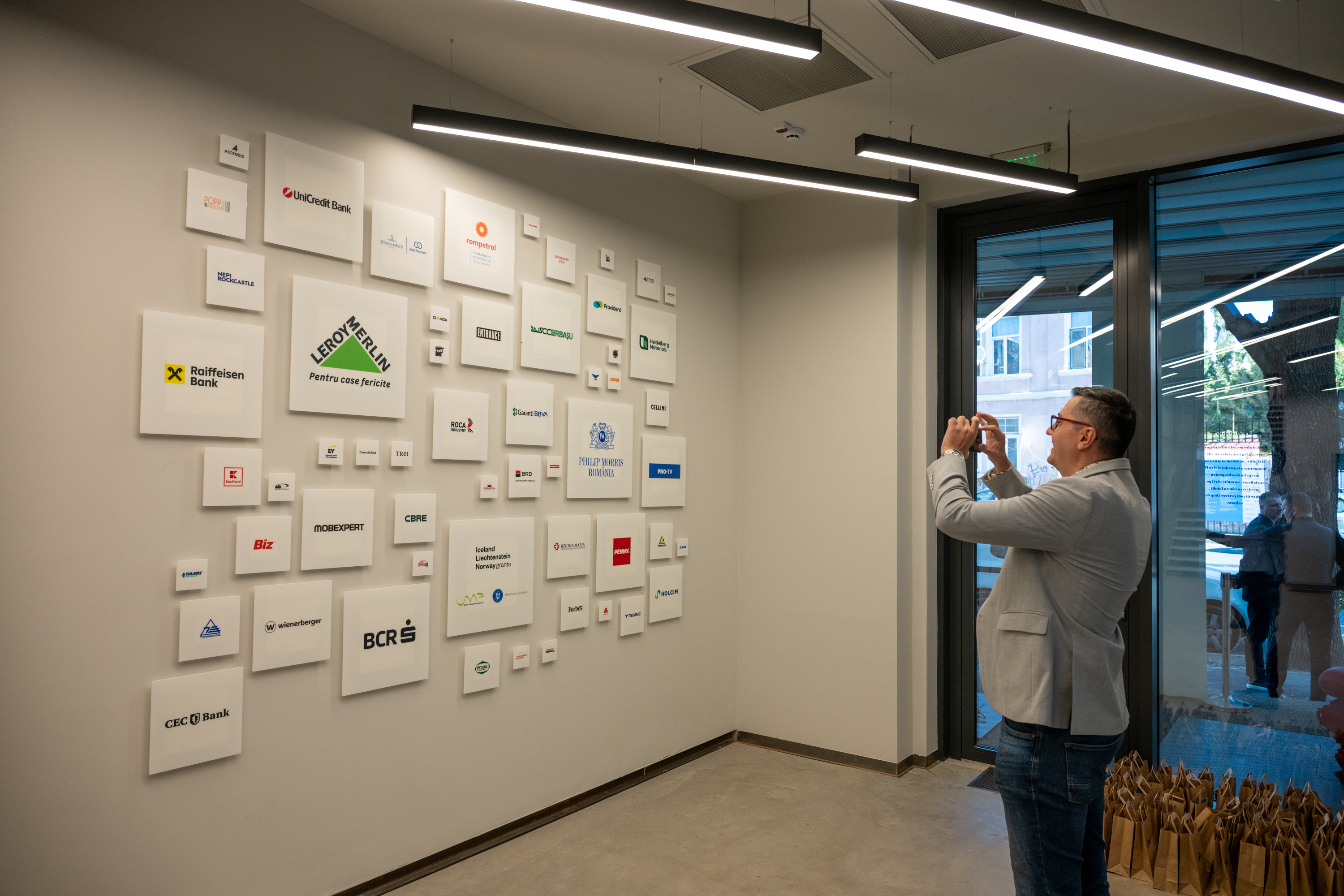
The participatory approach reflected collaborations between cultural professionals, civil society actors, public institutions, banks and private companies and many other types of networks surprisingly not only cultural. This multi-stakeholder engagement taking place daily, monthly, yearly, both formally and informally helped maintain trust in the project s capacity to respond to a real life social and cultural need.
The theater director Mrs. Chris Simion-Mercurian, building on her professional credibility and personal commitment, a cancer survivor during this entire process, succeeded in mobilizing the largest civic community engagement in the recent history of Romanian independent theater.
In RO, the G53 Community Theater represents the national symbol for the first theatre built with direct community support from all levels: local, regional, national and european.
At local level, the project was driven by more than 14,000 citizens and numerous companies who contributed through a large-scale crowdfunding campaign. Their involvement provided financial resources, social legitimacy and strong public validation. Independent artists, journalists, architects and engineers also supported the creation of the theatre, amongst others.
At national level, the initiative operated within the Romanian legal and administrative framework, obtaining construction permits and complying with all technical and regulatory requirements. Cultural TV and Radio networks, media platforms and private partners amplified visibility and strengthened the project’s credibility.
At European level, G53 secured support through the RO-CULTURA programme, with a grant of 1.9 million EUR, enabling the transition from civic mobilization to the construction phase.
The added value of this multilevel engagement lies in balancing a bottom-up initiative with public institutional support, strong community engagement, private sector interest while transforming a personal vision into a concrete resilient cultural infrastructure. This collaborative model illustrates how civic action at local, regional and national level (media campaigns) and European cooperation (funding) can support sustainable cultural development.
By transforming ruins into a cultural space, an ambitious dream evolved into the first independent theatre developed in Romania demonstrating the potential of civic engagement in cultural development.
The G.53 was conceived by a theater director and implemented through the integration of the expertise of a very high number of experts from various disciplines, combining their artistic vision (video-mapping, lighting design, etc), technical expertise and civic engagement. Architecture and engineering were central to transforming a neglected urban property into a contemporary cultural space. The design process required coordination between architects, engineers and urban specialists to ensure safety, functionality and integration within the historic neighborhood. Performing arts and cultural management shaped the theatre’s identity. The space now supports contemporary performance practices and close interaction between artists and audiences.
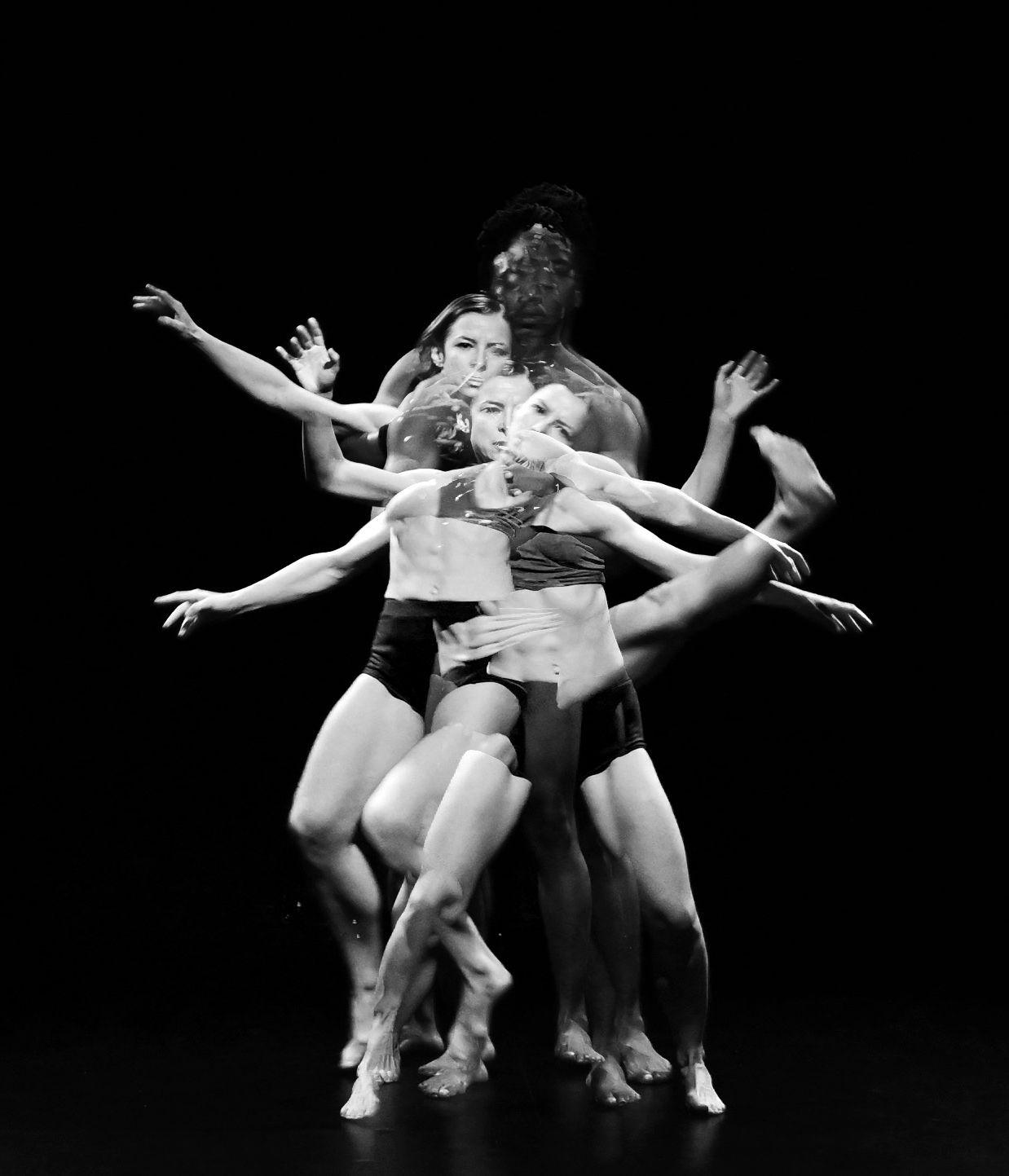
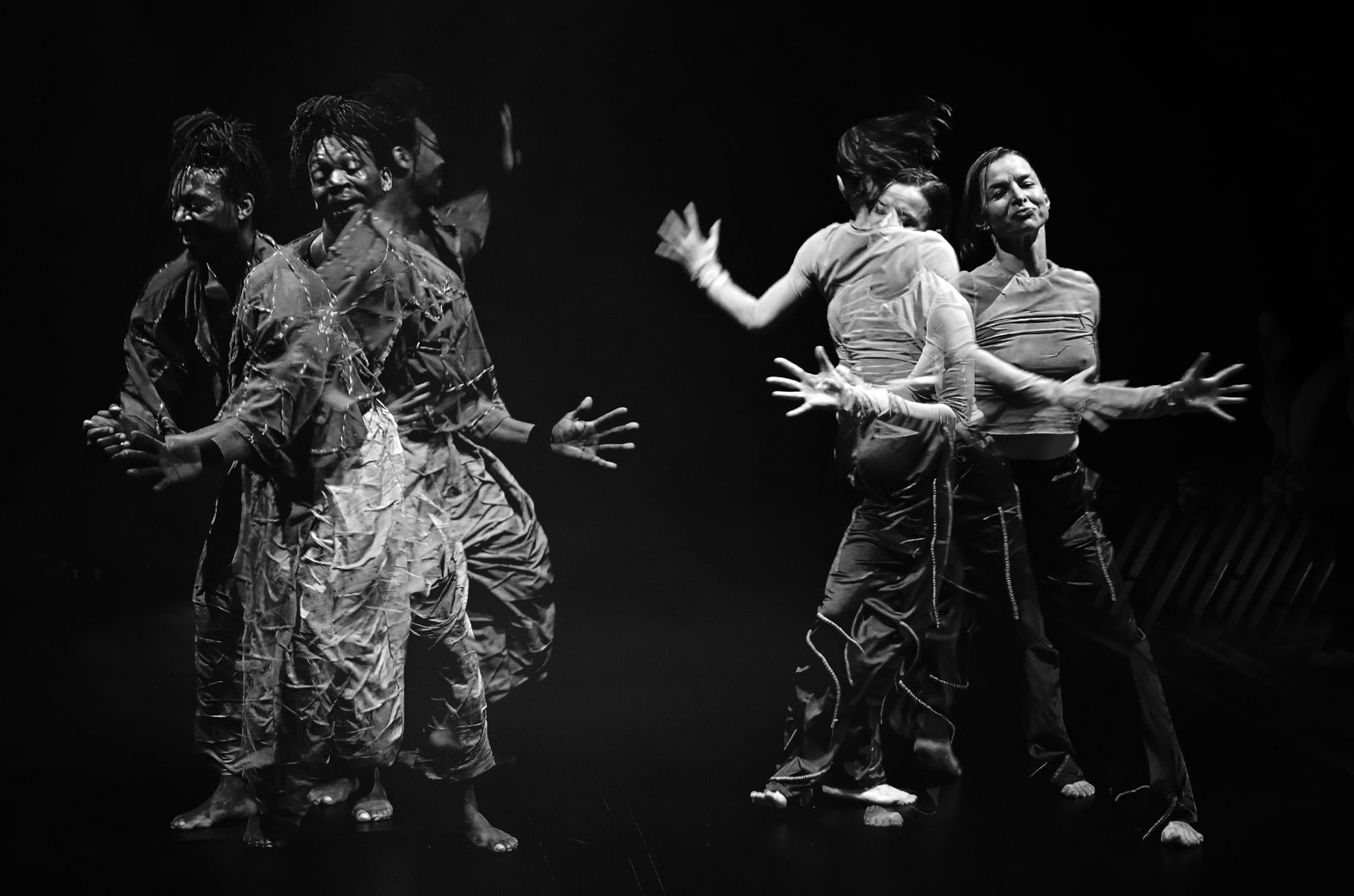
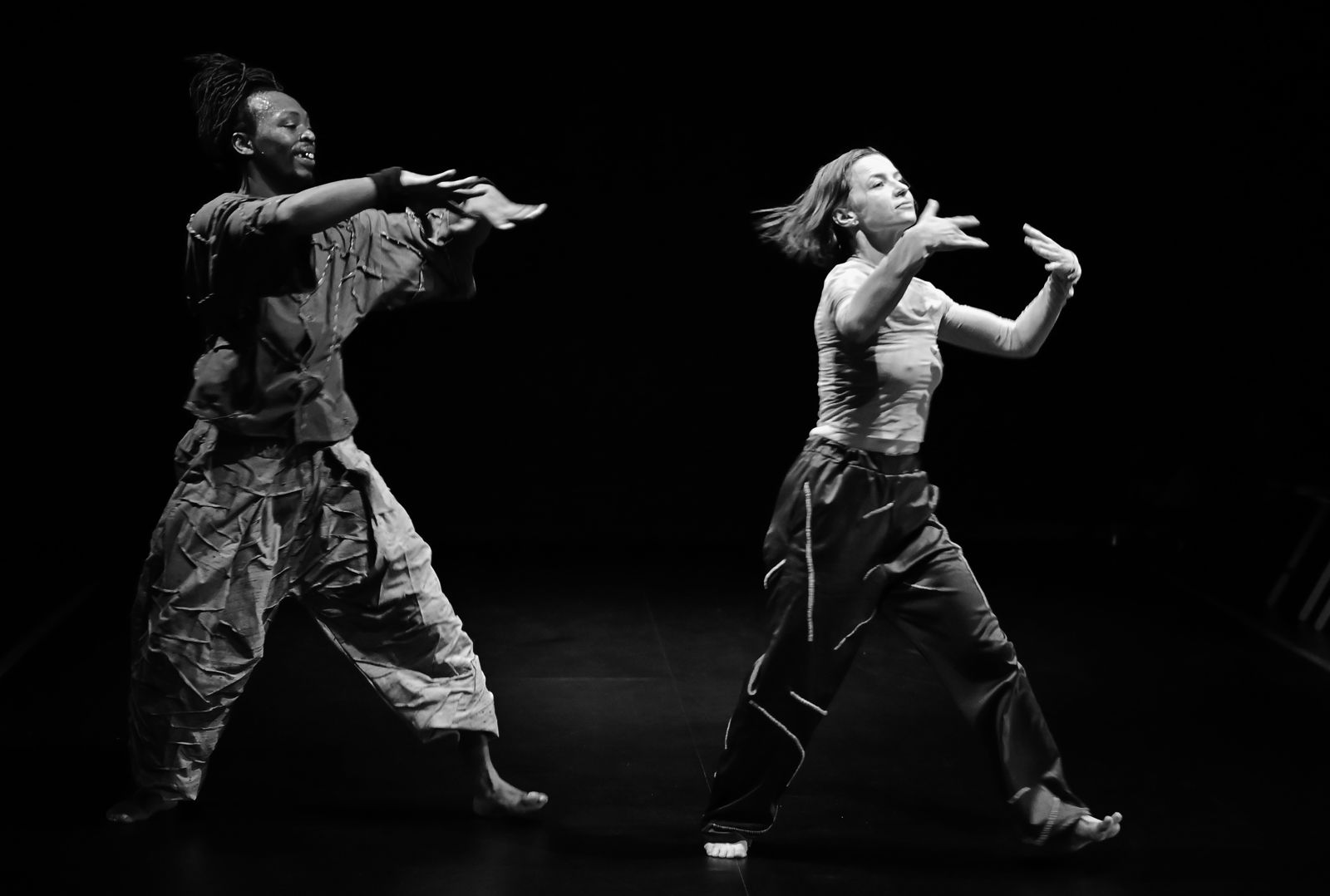
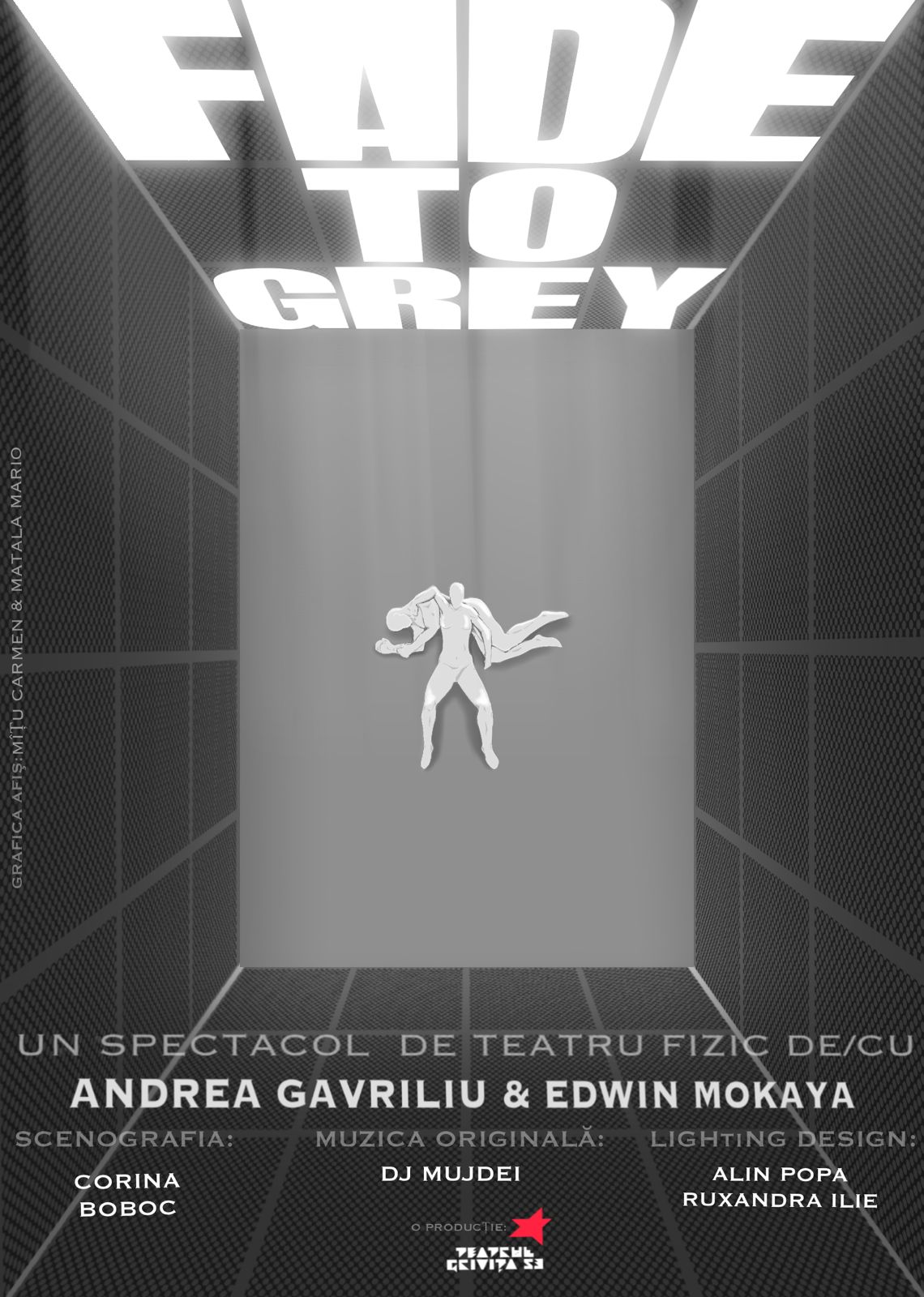
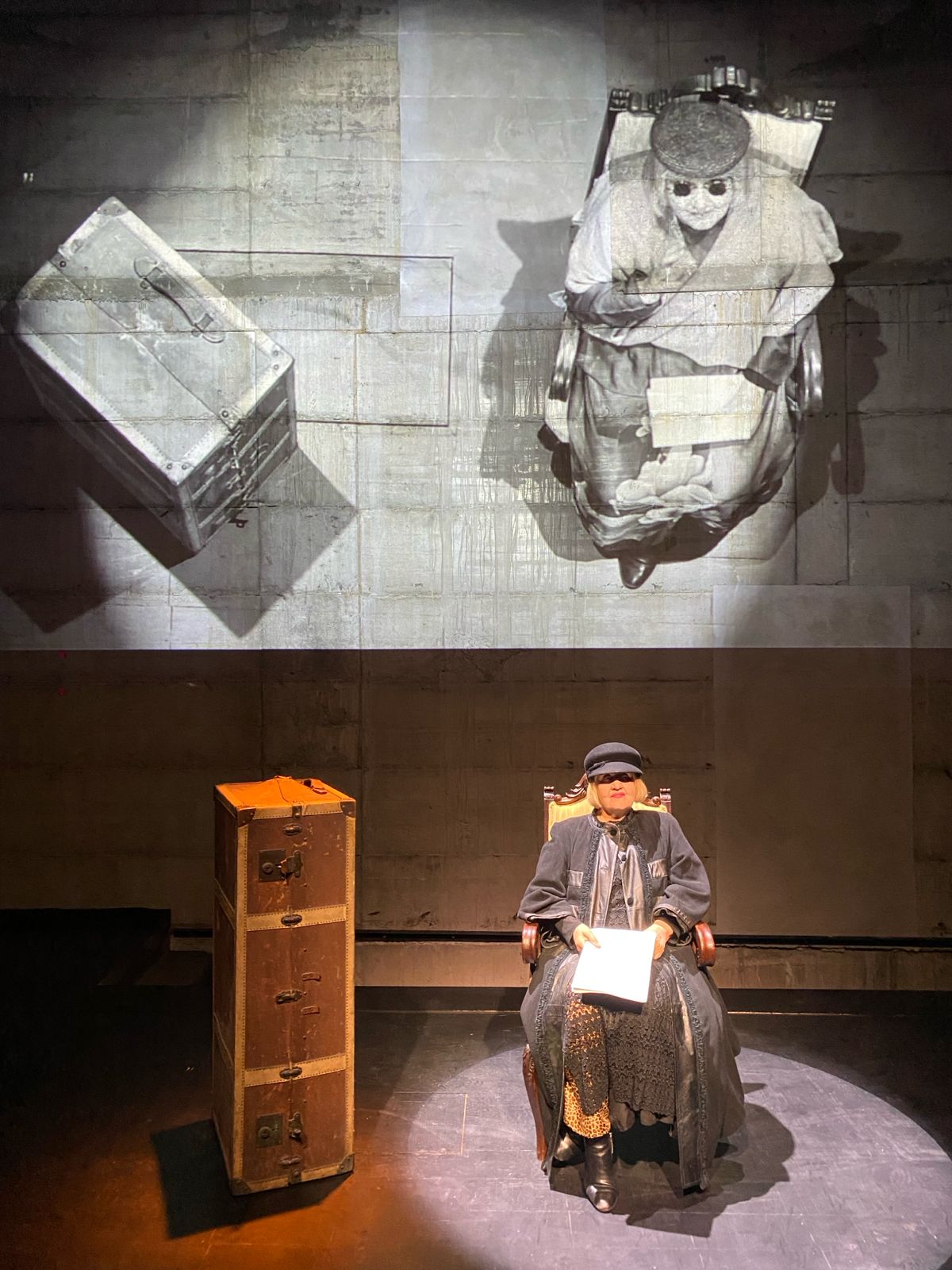
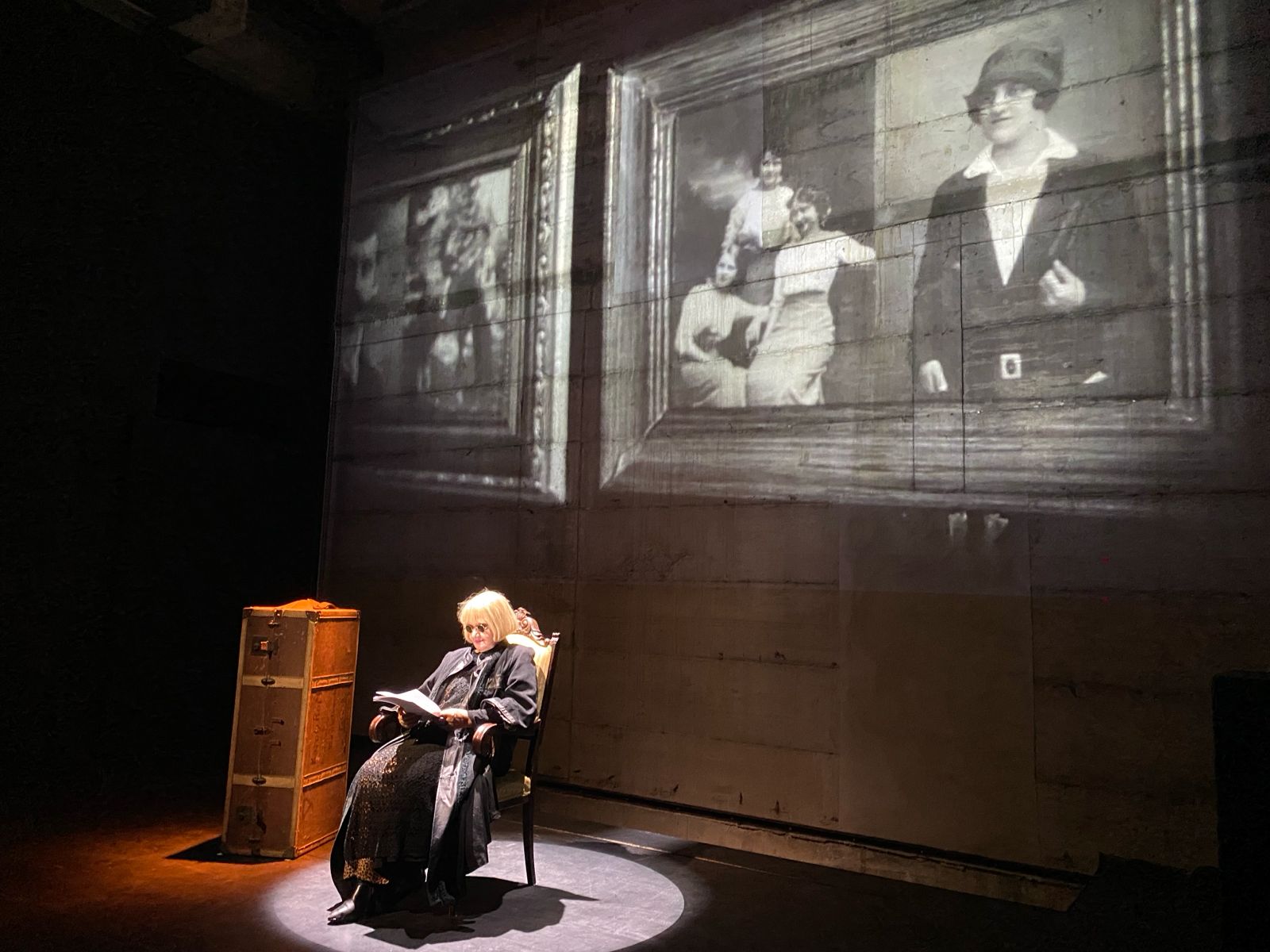
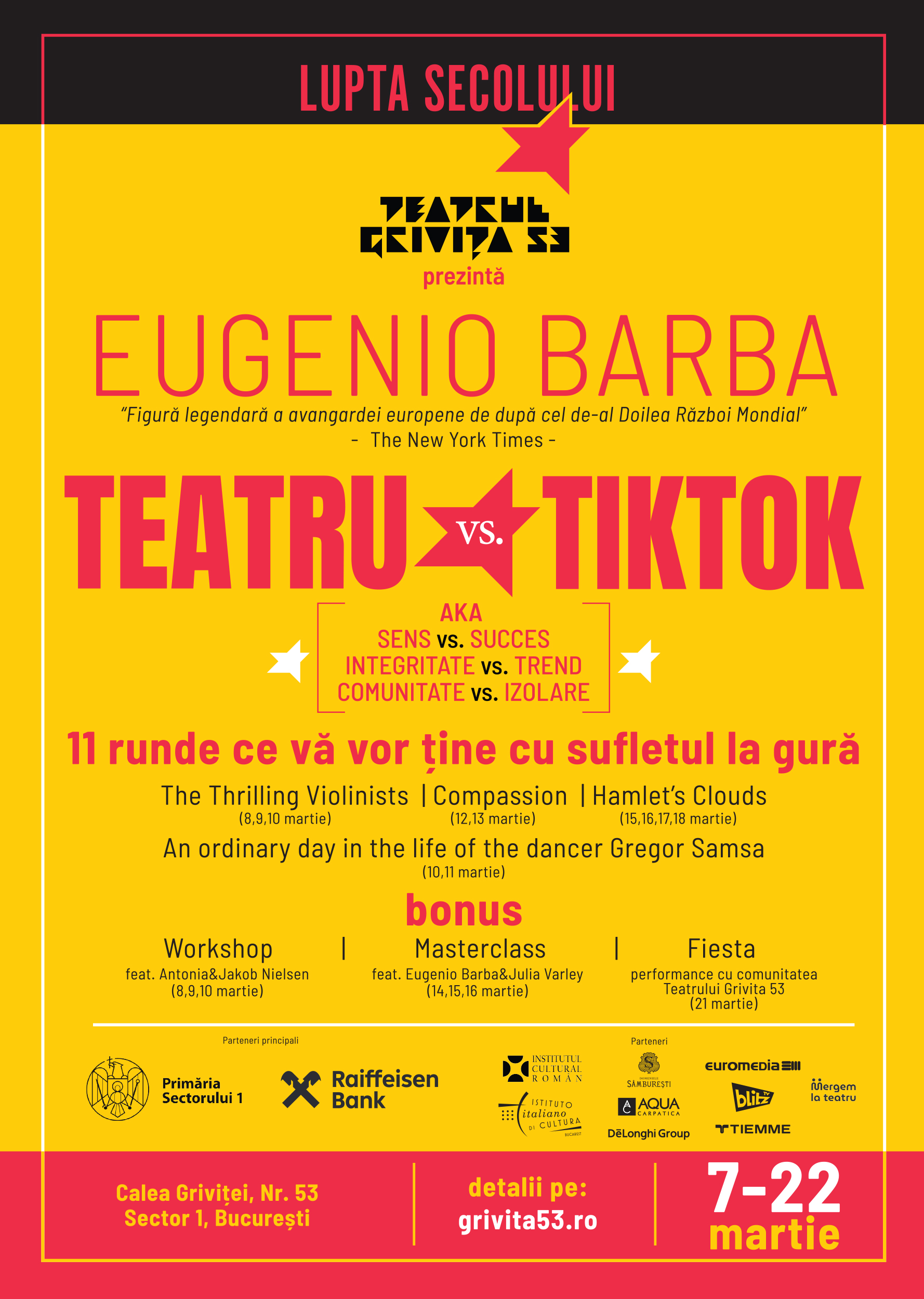
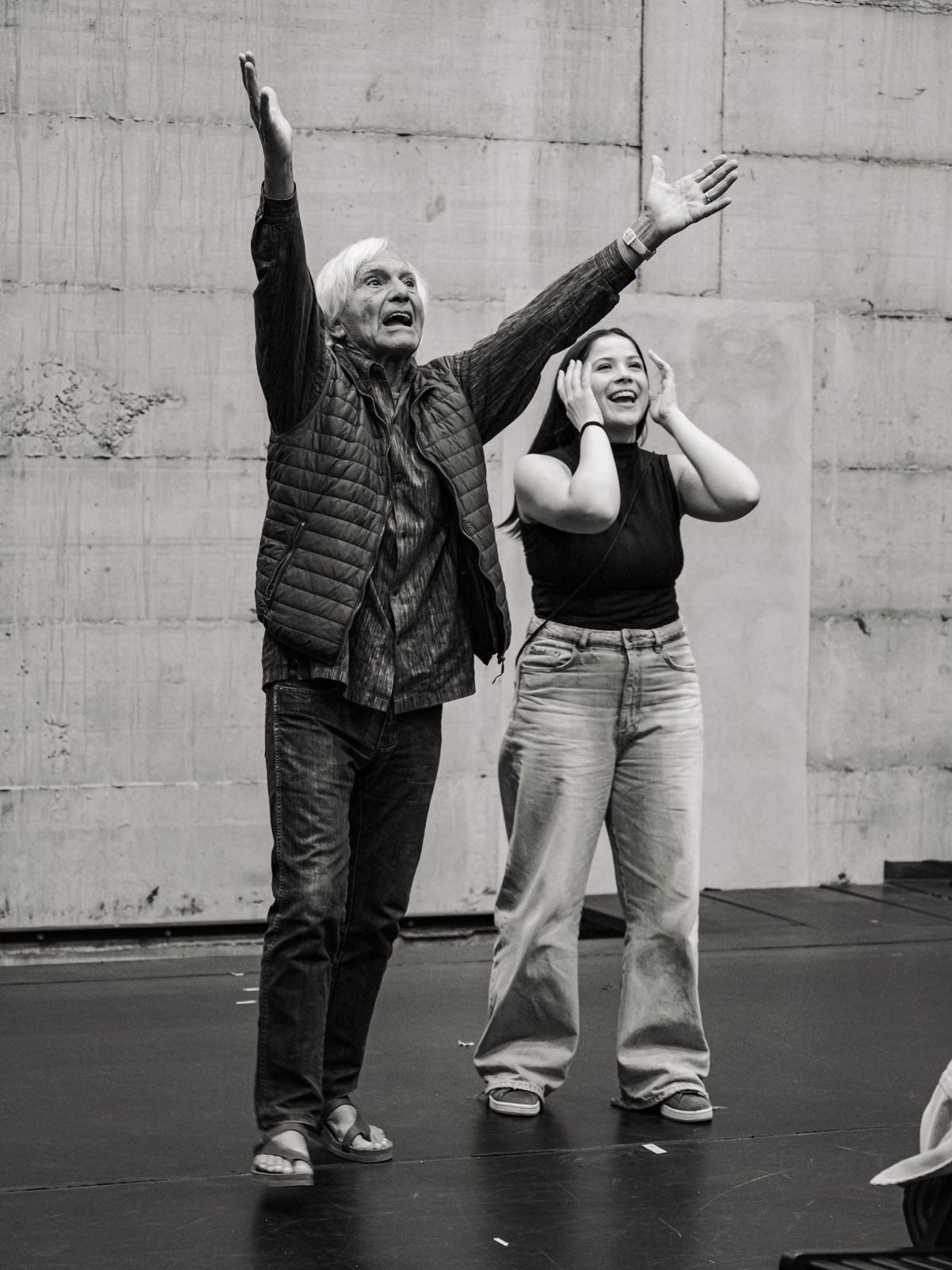
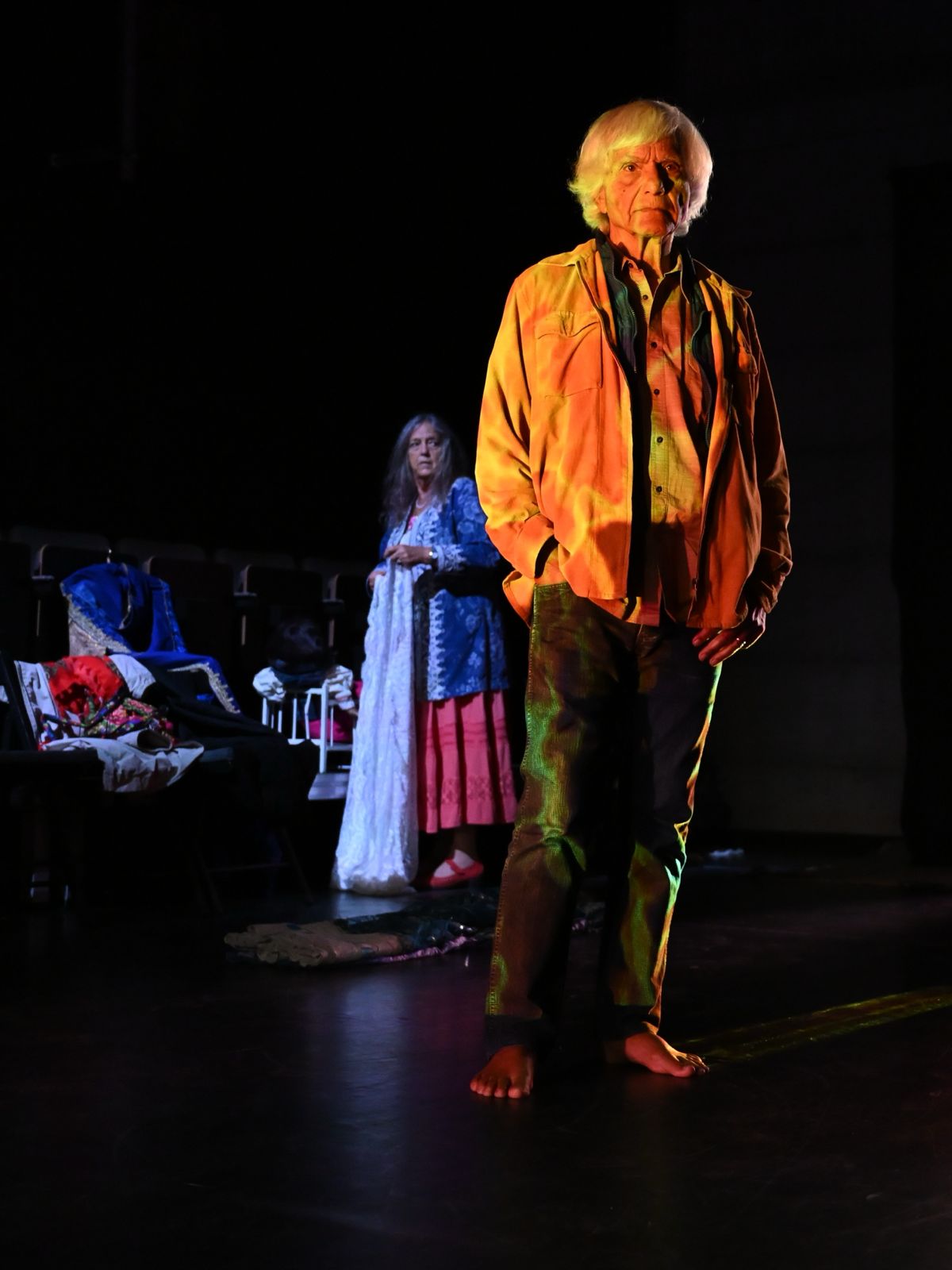
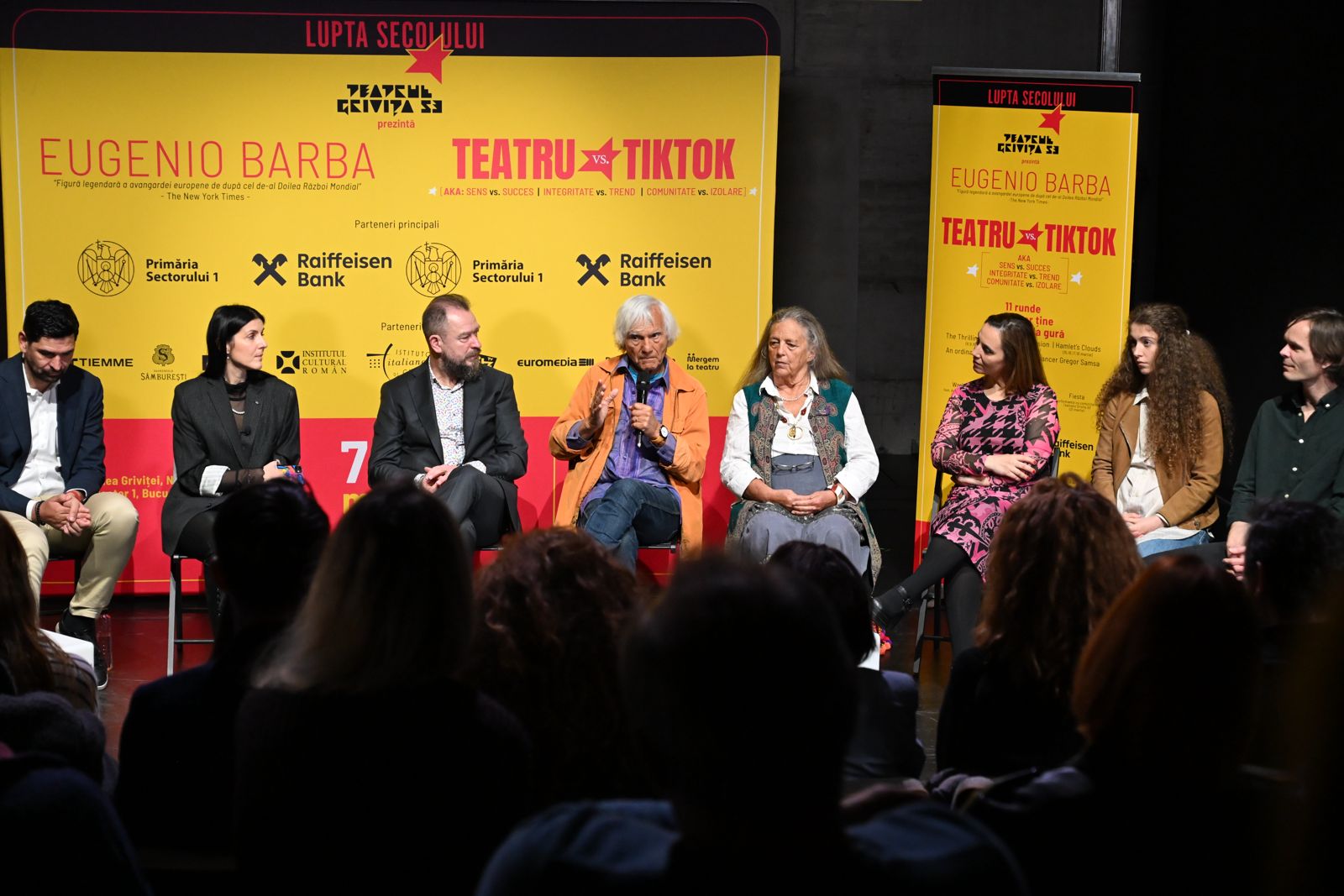
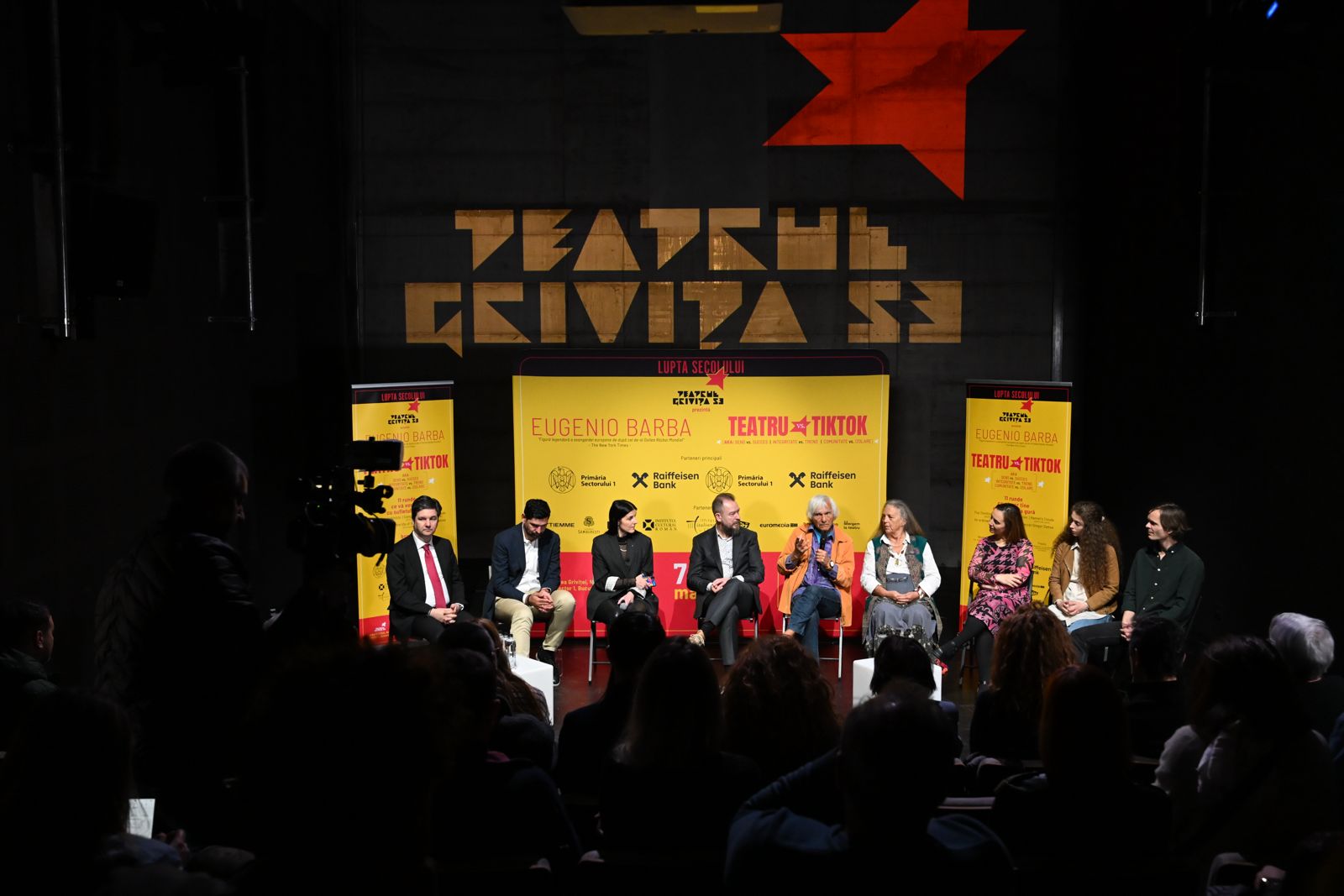
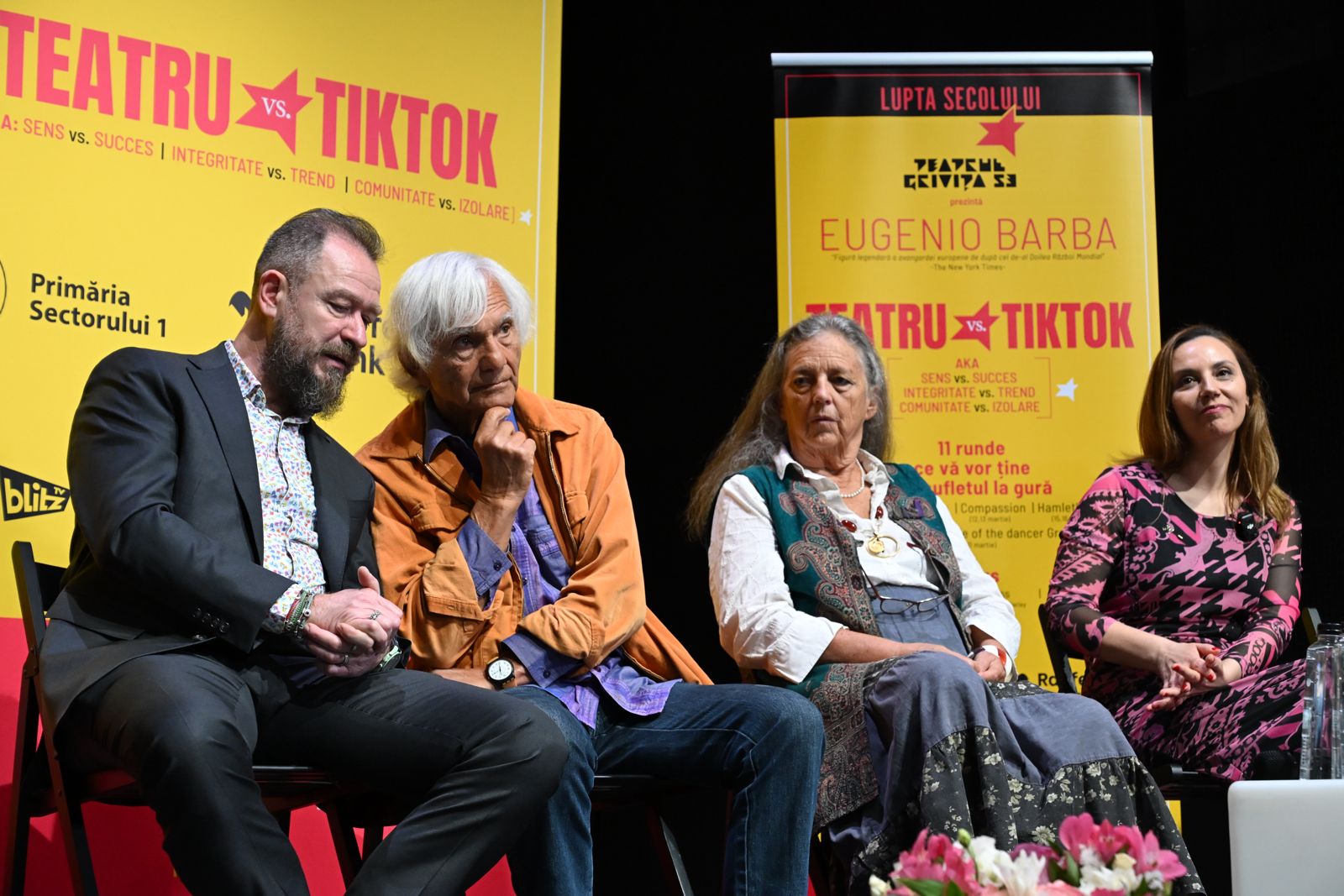
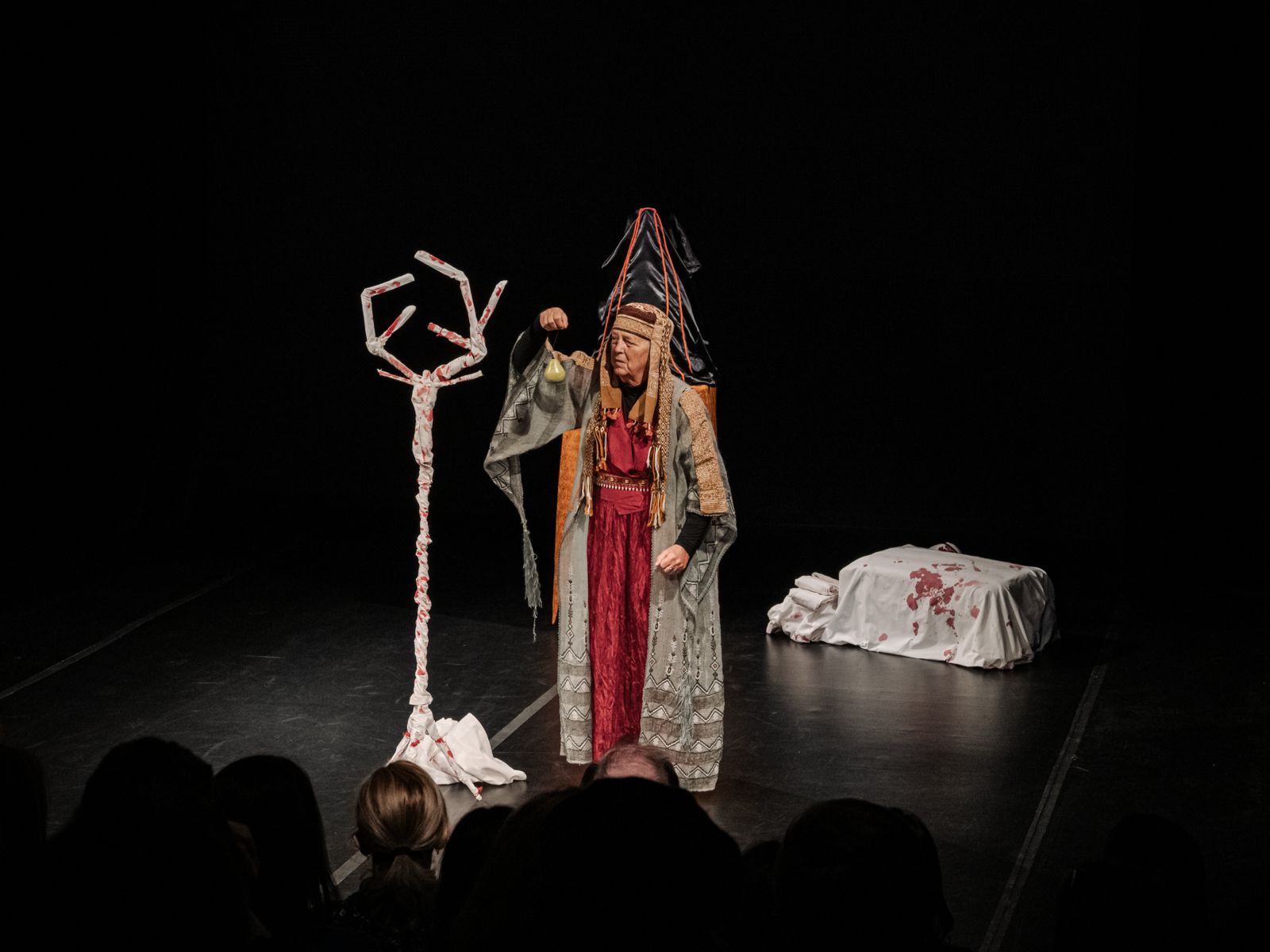
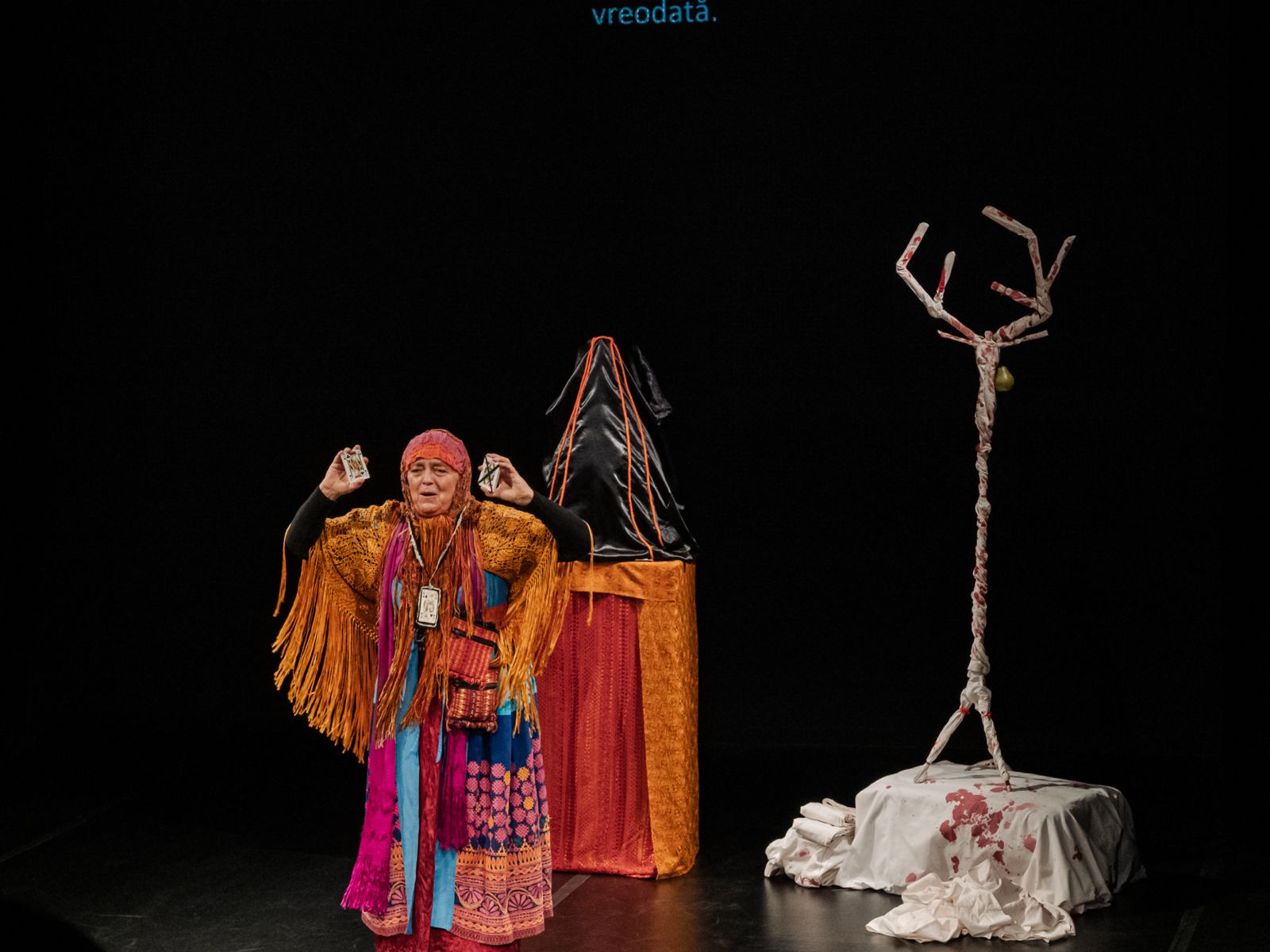
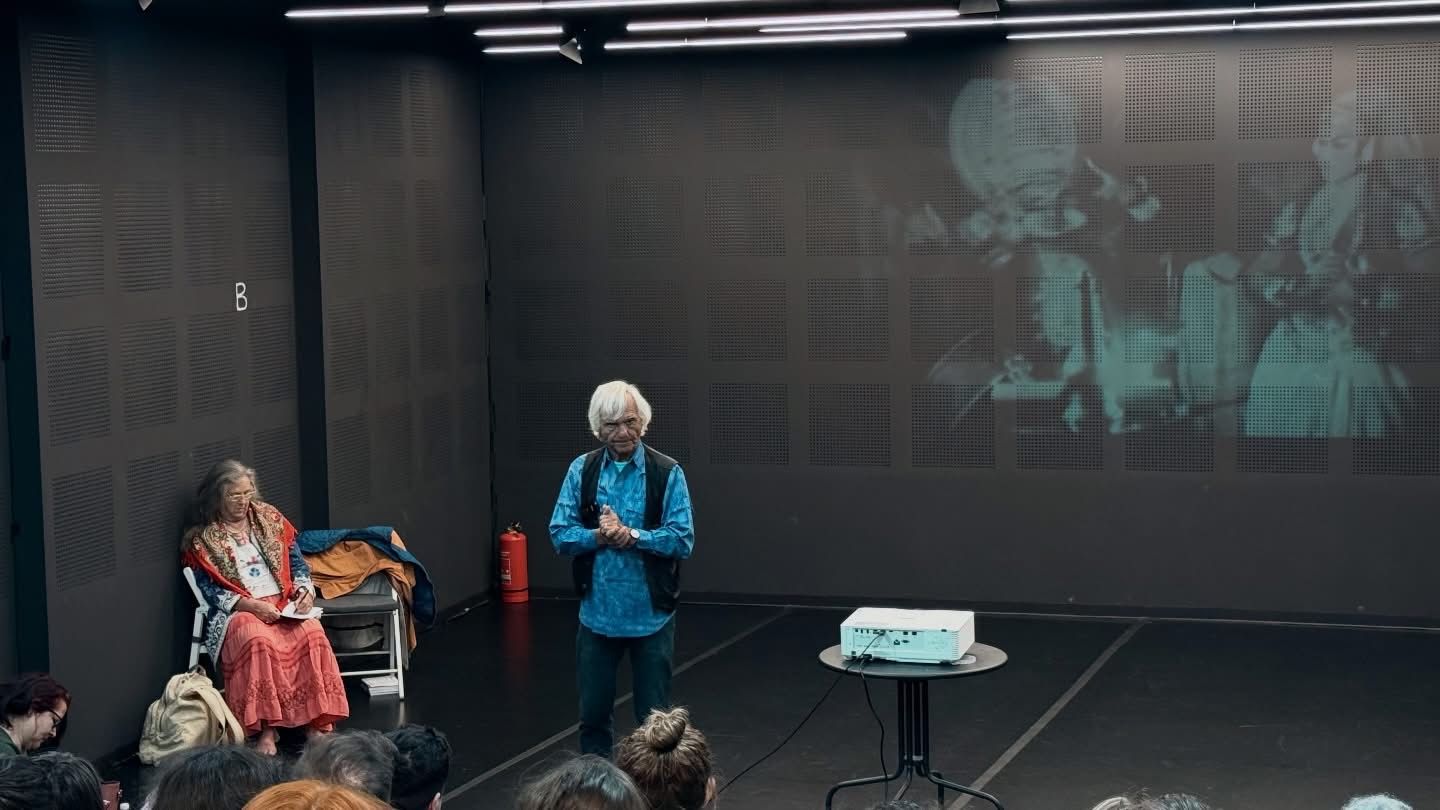
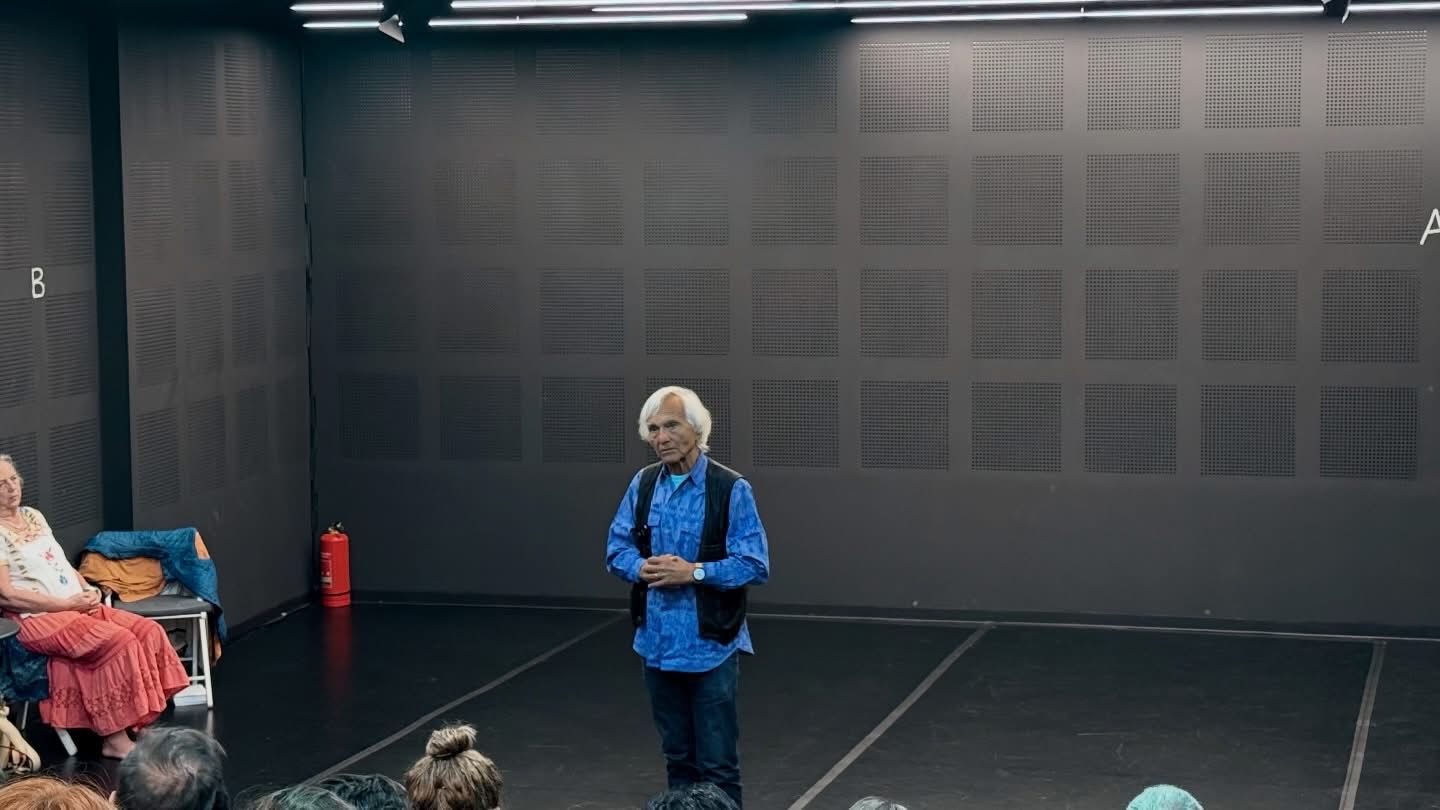
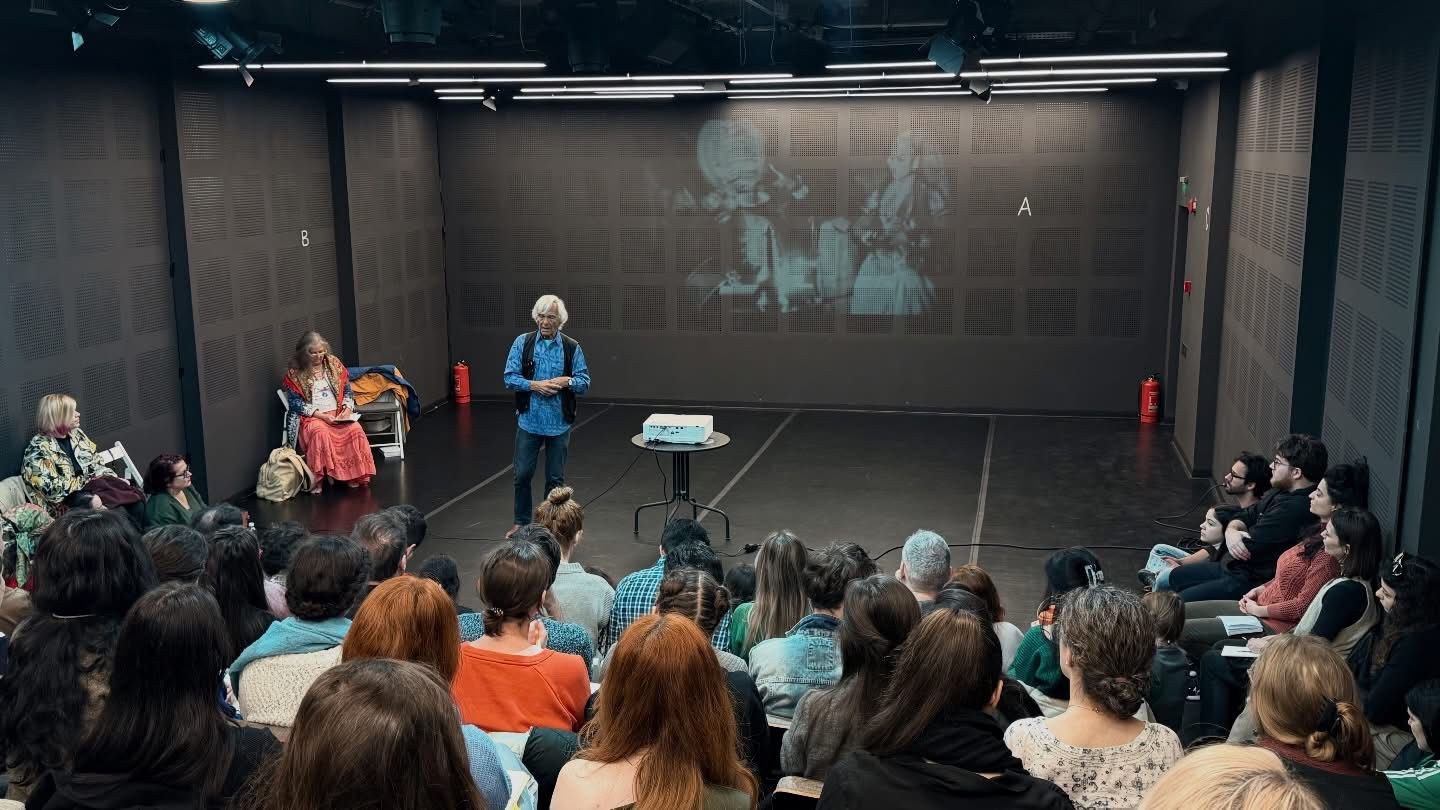
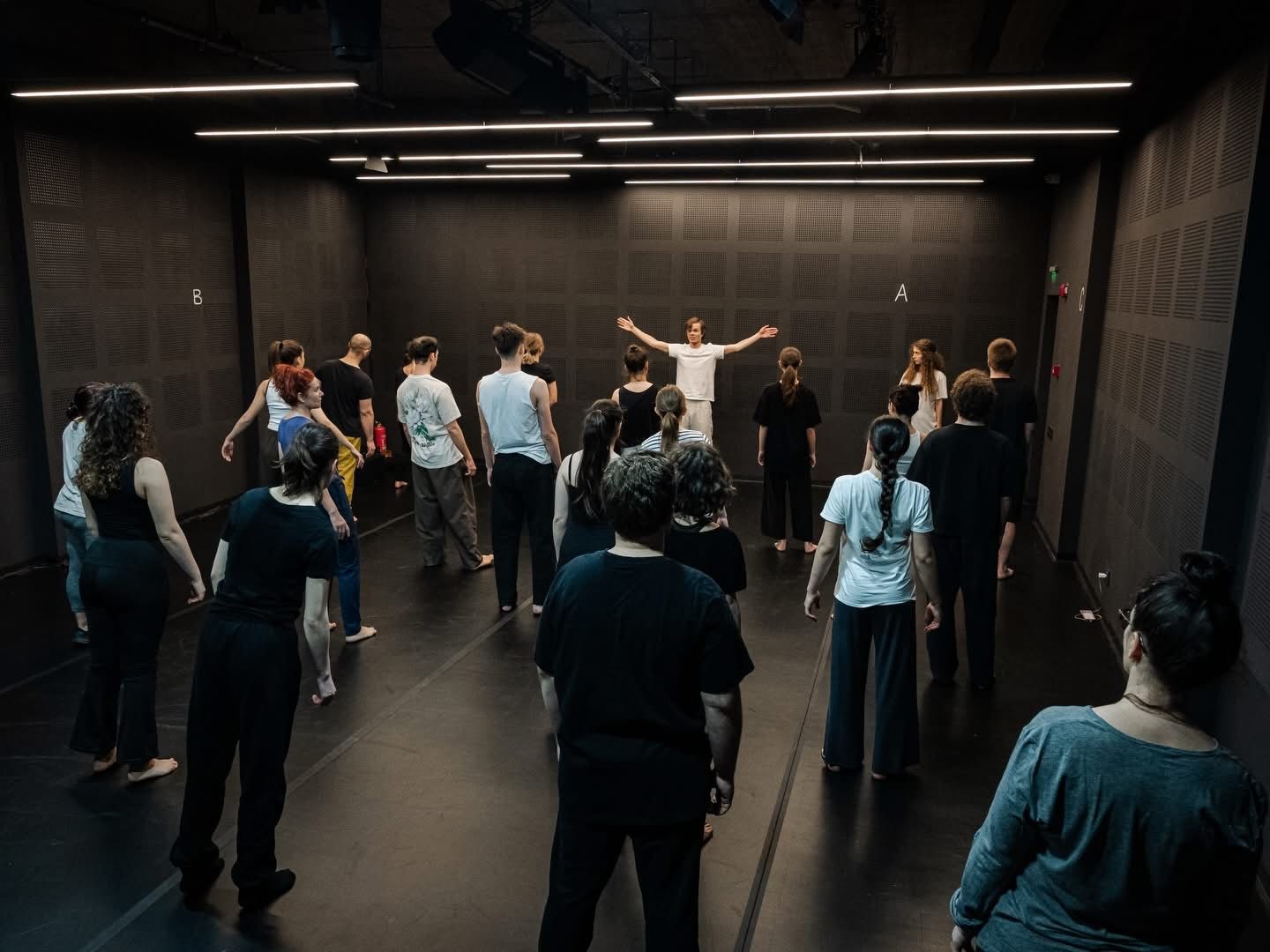
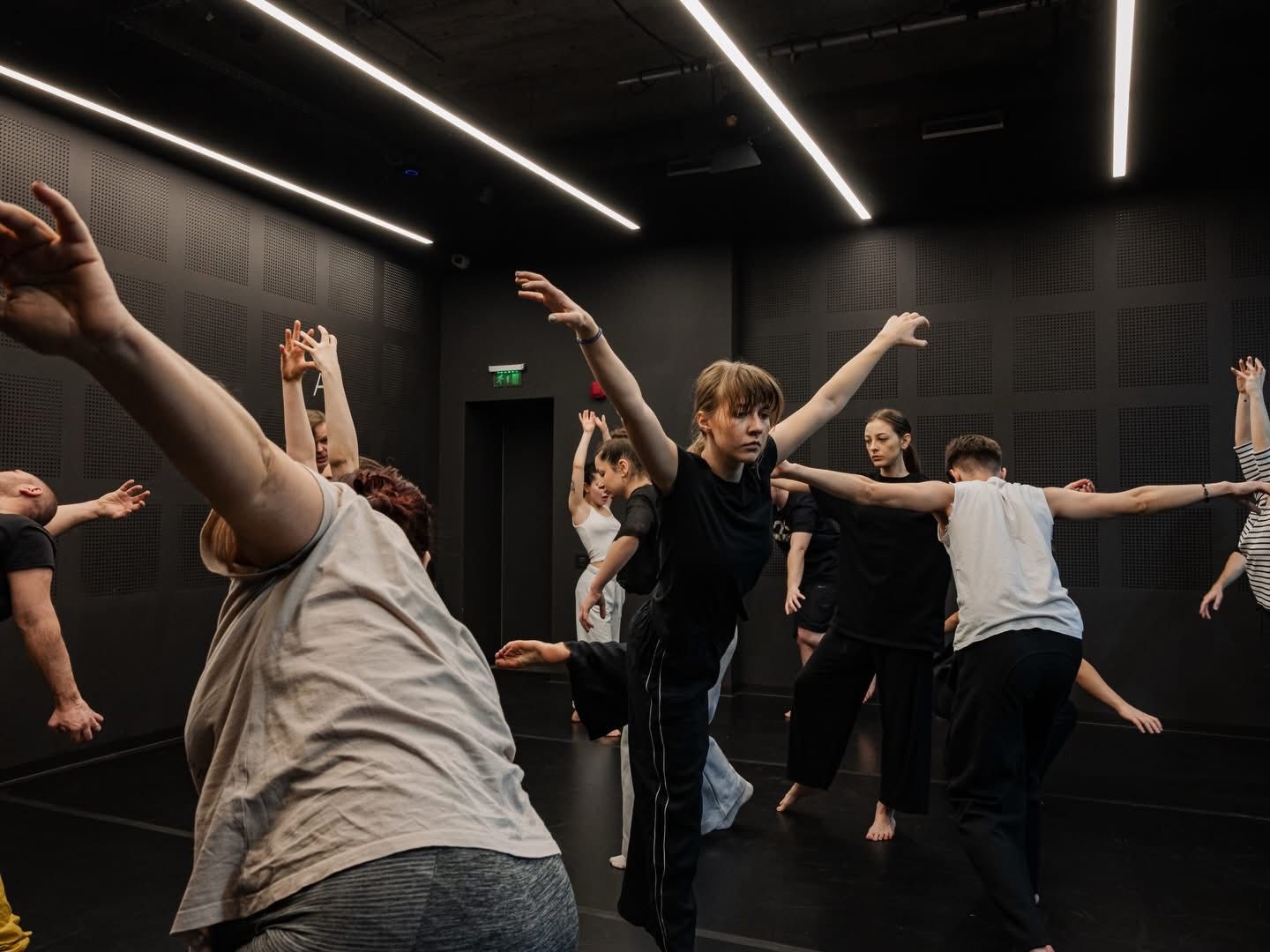
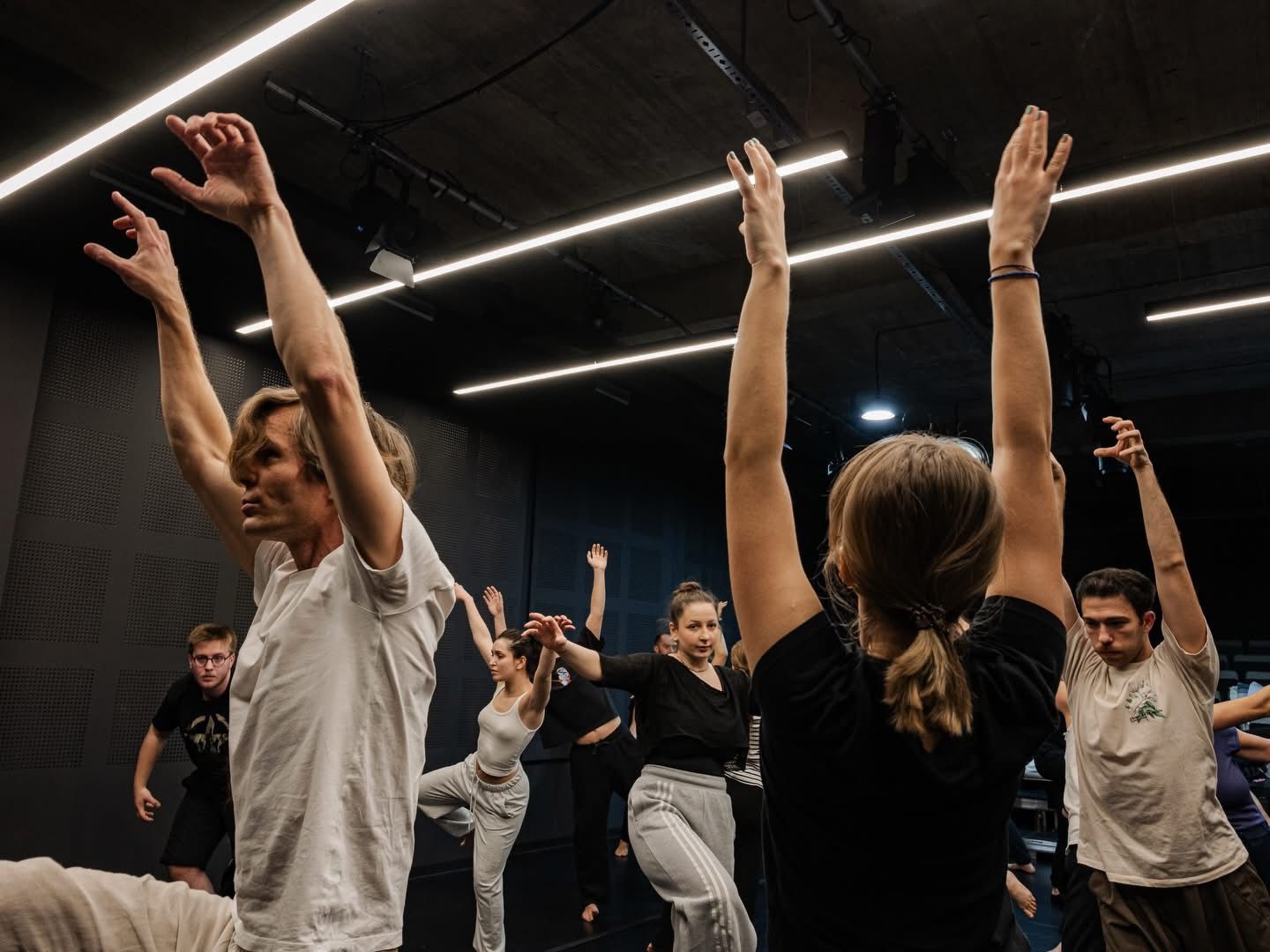
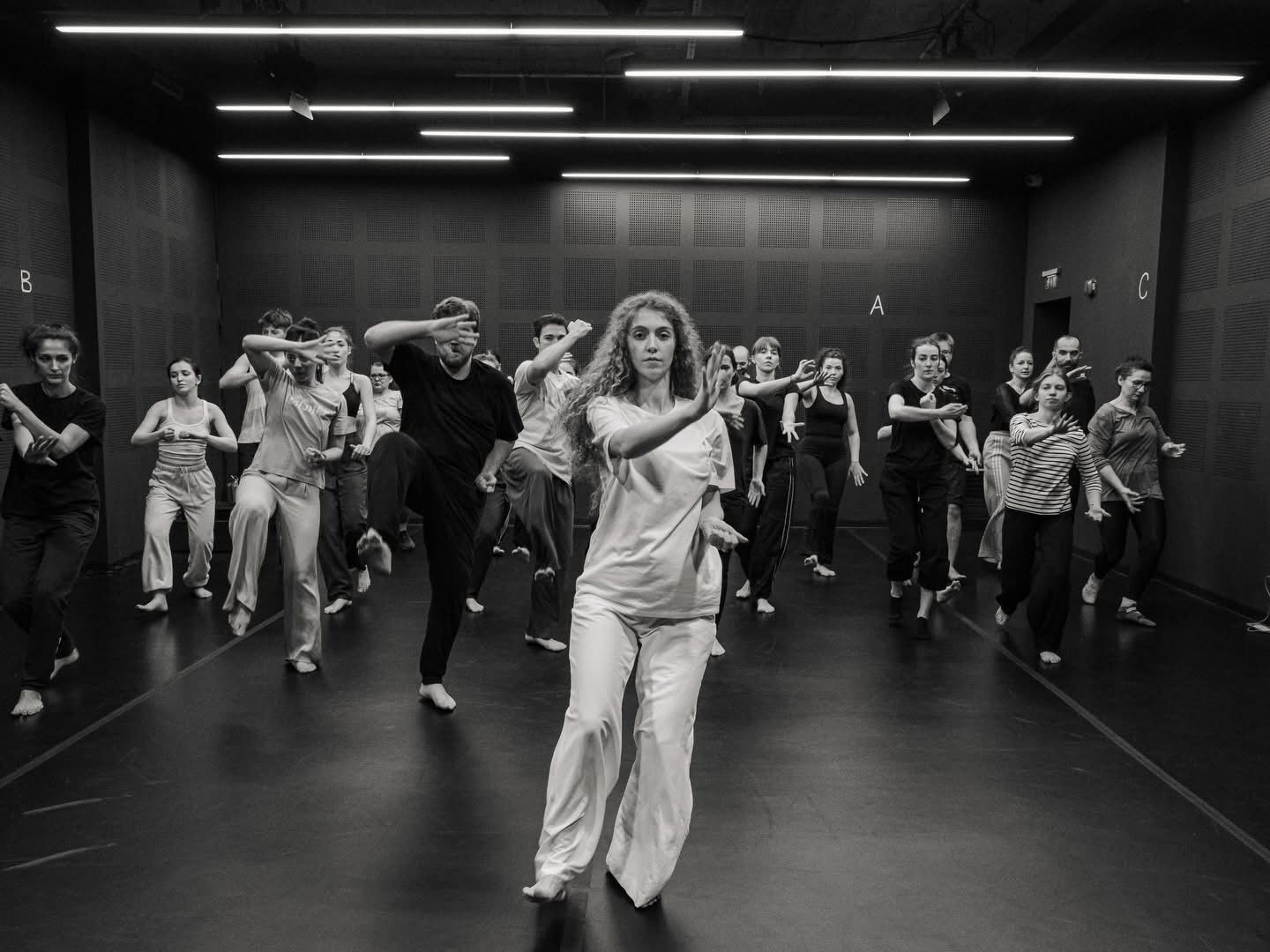
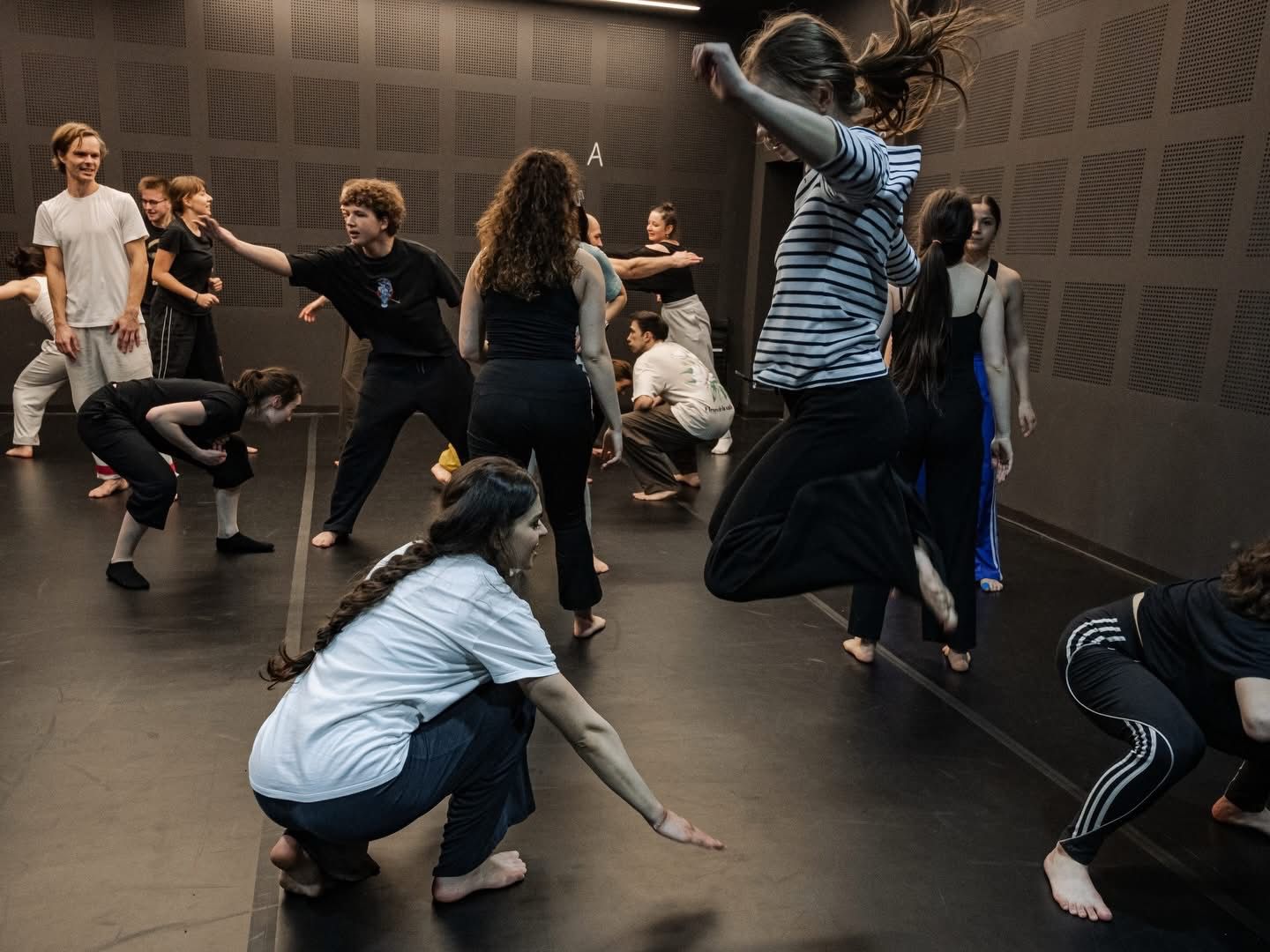
Since its opening in 2025, the G.53 theater held premieres such as: “5+3=9”, solo shows (“Compassion “), dancing (“ An ordinary day in the Life of Gregor Samsa“), Fade to Grey (Edwin Mokaya – African Dance experts), interpretations (“Hamlet’s cloud “) already contributing to the broader independent theatre ecosystem. Education and intercultural exchange were key components. A African dance workshop led by Edwin Mokaya introduced intercultural movement practices, creating cultural bridges through embodied learning. The “Barba 90” programme, is an initiative developed by its founders to honour one of the most influential figures in contemporary theatre and founder of Odin Theatre. The March programme includes performances, masterclasses and public dialogues that connect the local community with international theatrical practices.
Digital, communication and financial know-how went hand in hand during the process, outreach strategies were crucial in mobilizing contributors while financial planning and legal expertise ensured compliance with EU funding frameworks. By integrating architecture, engineering, performing arts, intercultural education, communication and finance, G.53 reflects a genuinely transdisciplinary approach.
The G53 Community theater was brough to life through a hybrid business model designed to ensure long-term financial sustainability while preserving its independent cultural mission.
Despite its modest initial budget (€100,000), it combined community contributions, private sponsorship, national and EU funding. Via the “The first theatre built together” crowdfunding campaign it invited citizens to contribute to the construction of the theater by symbolically purchasing bricks and show their support. More than 14,000 individuals and companies joined the effort, turning the theatre into a collective civic initiative. Contracts were signed with strategic private partners and companies involved in the construction of the space. This participatory financing approach provided capital and built a committed community that continues to support the theatre’s activities.
This diversified financing structure and community mobilization were later reinforced by the EEA Grants (€1.9 million), enabling the transition from civic private fundraising to structured construction and ensuring the long-term financial viability of the project.
G.53 currently generates revenue through ticket sales, artistic productions and hosted performances. It balances artistic experimentation with financially viable productions, ensuring cultural impact and a stable source of revenues. Income streams include space rentals, partnerships and collaborations with independent (national, international) artists and organizations. G.53 actively engages with cultural institutions to increase collaborations and focuses on common activities generating revenues. A 3-year partnership with the City Hall reinforces long-term commitment towards collaboration. By combining earned income, civic contributions, private sponsorship, strategic partnerships and public funding at national and European levels, G.53 mitigates financial risk and enhances resilience. G.53 did not contract financial instruments (bank loans).
The G53 provides a replicable process for transforming high-levels of civic energy into intergenerational cultural infrastructure of all types across Europe and offers a clear transferable methodology for developing community needs-based driven cultural infrastructure, by including:
1.Generating high levels of civic mobilization before institutional reinforcement can guide future community project managers. A successful development model reflects: (1) a strong personal initiative, (2) public validation through crowdfunding campaigns, (3) land acquisition, architectural planning and regulatory compliance, (4) consolidation of funding (national/EU).
2.Governance model: by integrating diverse stakeholders the project demonstrates how bottom-up initiatives can evolve into stable cultural institutions. The diversification of stakeholders has a high potential of transferability. On-line and off-line campaigns dedicated to specific donor groups were key. Donors are always looking for their next favorite community project. If its in support of their own neighbourhoods and if their involvement can be accepted online, even better!
3.Crowdfunding and participatory ownership: G53 s experiences can inform practices, create scalable models for financing the independent theater sector everywhere in the EU and further. By allowing supporters to symbolically fund specific elements of the building (bricks, seats, structural components) G53 transformed fundraising into participatory ownership, strengthening local commitment while generating capital. Diversifying income streams reduced vulnerability and increased long-term sustainability.
4.Developing of an abandoned property in a neighbourhood offers a replicable regeneration approach based on reuse rather than expansion. This strategy can be applied in all areas facing cultural and social decline.
This model can be adapted for schools, community-centres, creative hubs, cultural and creative sectors or social infrastructure.