Arts, Culture, and Heritage as Drivers of Change
Terra Mourama
Terra Mourama, a creative hub rooted in the territory.
Our aim is to investigate and promote alternative ways of living, working and caring in the community. Rooted in the landscape, the project proposes the integration of daily life, digital work, wellbeing practices, culture and artistic creation to combat urban burnout and modern disconnection. It explores the concept of eco-design as an artistic practice connected to nature, with a view to integrating and promoting new artistic languages.This is achieved through our space, programme and services
Portugal
Regional
Alto Minho
Galiza
Galiza
Mainly rural
It involves a physical transformation of the built environment (hard investment)
Prototype level
No
No
No
Individual
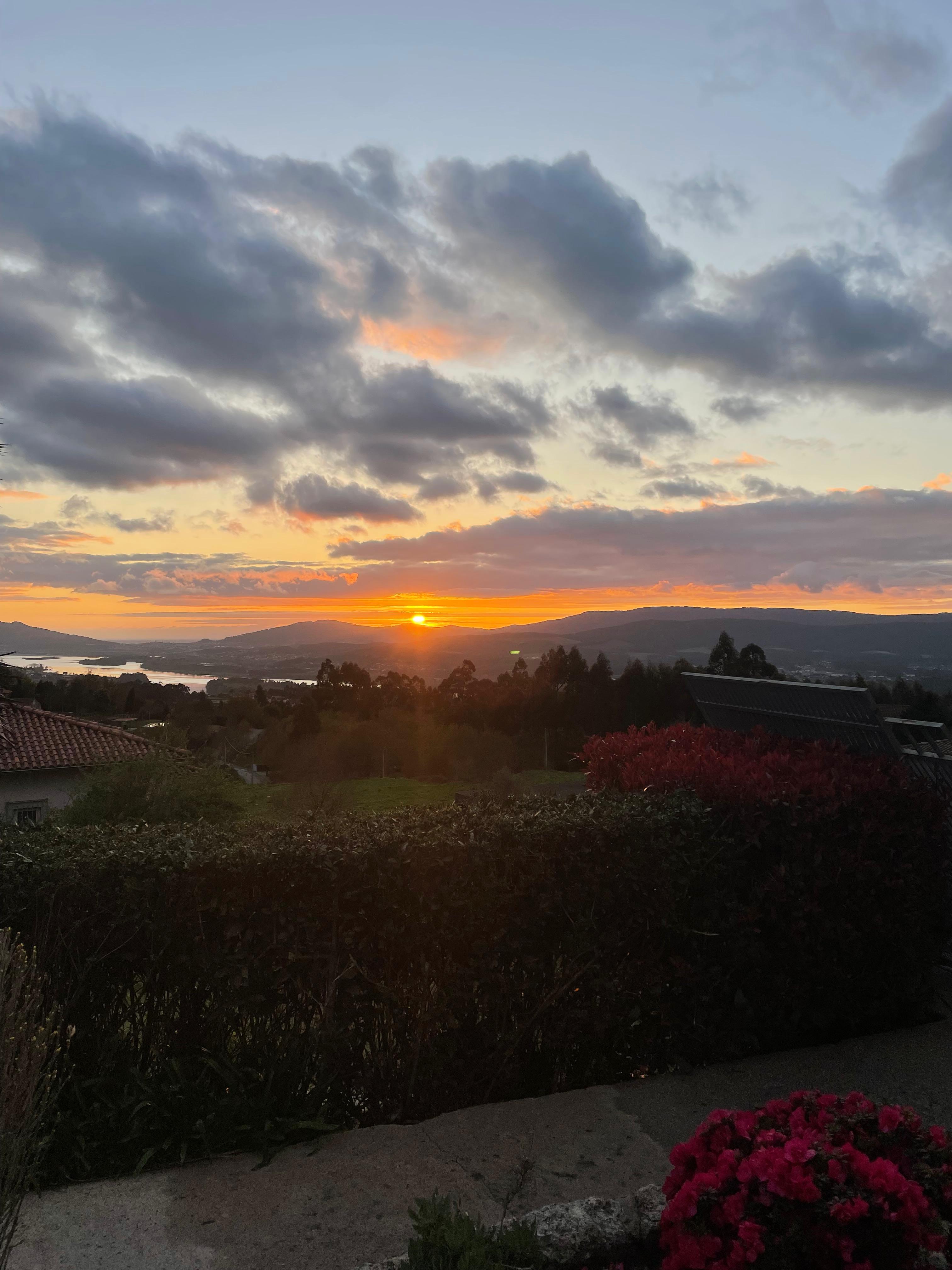
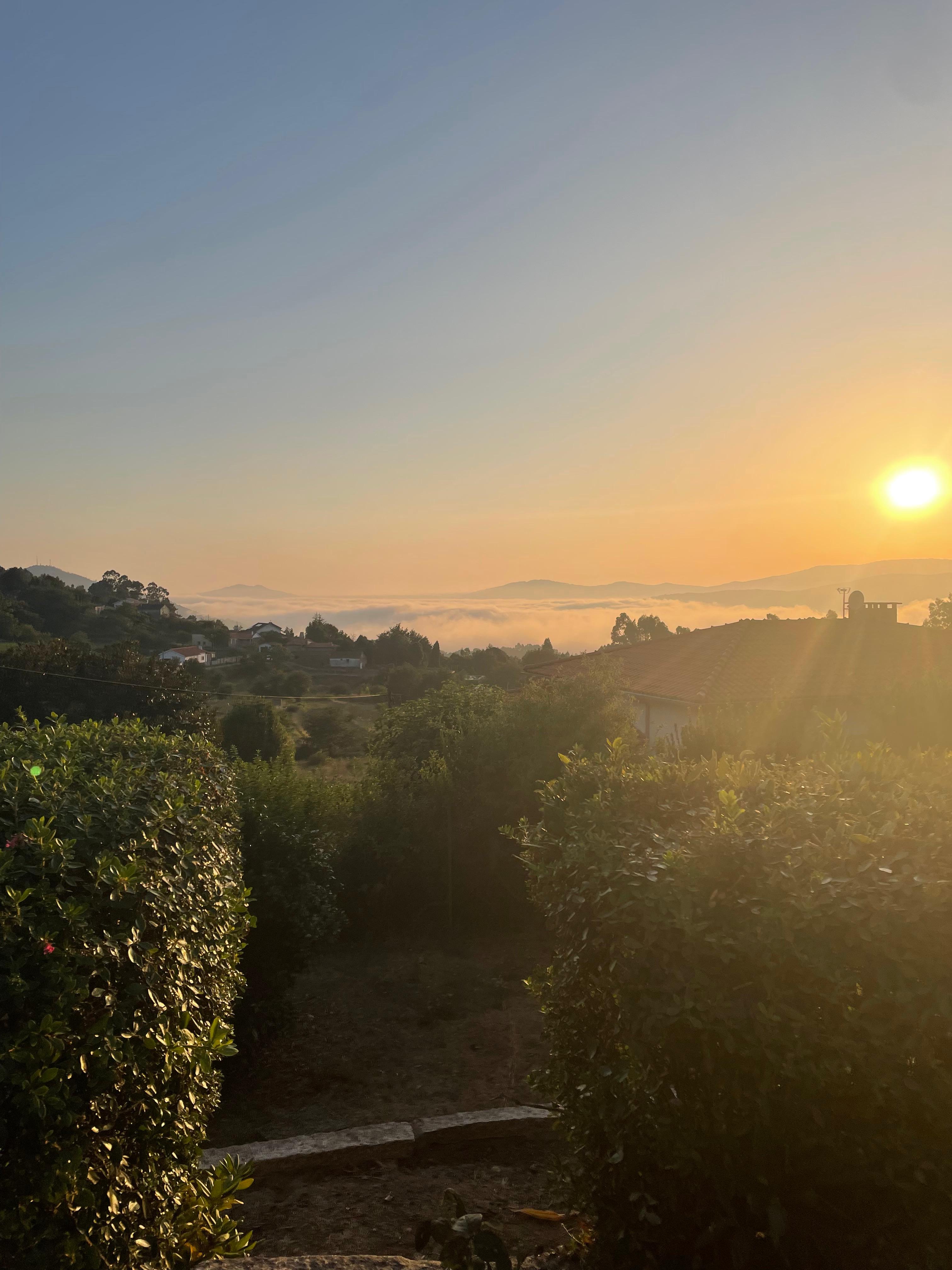
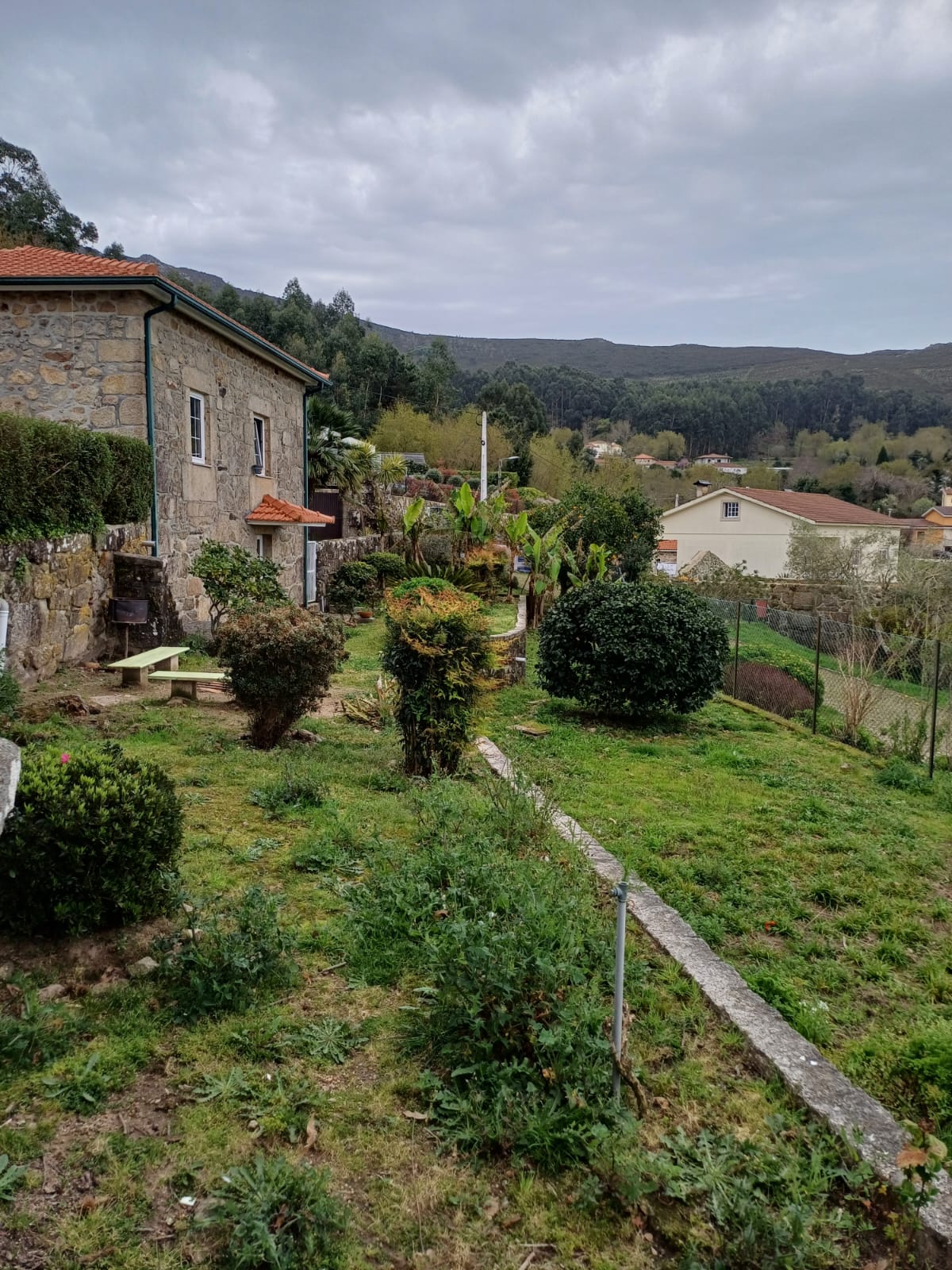
Terra Morgana is a pioneering rural creative hub situated in mountains with breathtaking views of the Minho River estuary, between Portugal and Galicia. Our core mission is to research and promote alternative forms of community living, working, and caring that offer an alternative to the growing urban burnout and modern disconnection.
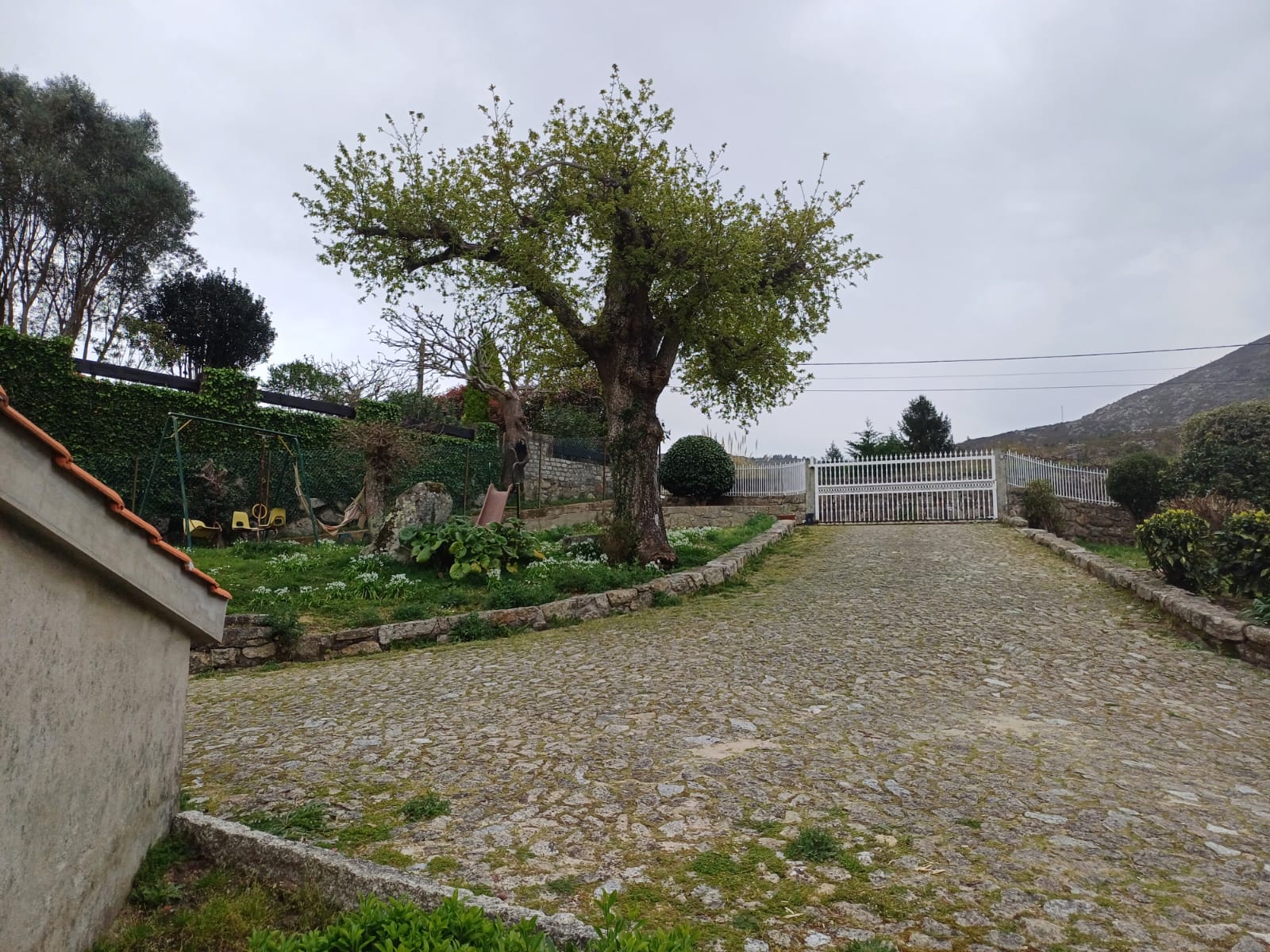
The project integrates daily life with digital work, healing practices, and artistic creation, establishing a harmonious relationship between human activity and natural rhythms, following ecodesign guidelines (totally aligned with NEB principles of sustainability, aesthetics and inclusion). We offer accommodation in co-living spaces, coworking areas, therapeutic practice room, multipurpose space, aromatic herbs garden, organic vegetable plots, and a sanctuary forest.
Our approach uses design and art as tools for regeneration, promoting more conscious, collaborative, and sustainable ways of life based on listening, caring, and connecting to territory. Through workshops, meetings, and small-scale residencies, we create spaces for community engagement, exchange and personal transformation.
The project differentiates itself through its exceptional location, multi-layered business model and highly qualified professional team. Terra Mourama’s panoramic views, mountain tranquility, proximity to Spain (enabling cross-border collaborations), accessibility to the Camino de Santiago and other hiking trails, and closeness to coastal beaches make it an exceptional place to recalibrate and create, totally embedded in nature and cultural heritage. Our dedicated team and community form the foundation of this unique ecosystem.
The idea emerged from a personal journey. Our young founder had been living in the city when, unexpectedly, remote work brought her back to her home village. Initially reluctant to return, the new routine gave her space to reflect. And so Terra Mourama’s concept emerged from recognizing the growing crisis of urban burnout and ecological disconnection in modern society. We are creating a space where not only people could reconnect with themselves, each other, and nature but where local ancient wisdom and heritage could be honored, preserved, and integrated into contemporary life.
The development process involved careful site selection in the mountains to leverage the natural therapeutic power of landscape and tranquility. The concept evolved through community engagement, identifying the need for spaces that combine work, rest, healing, and creative expression.
Development phases (in progress):
Vision and territory research, including local heritage, ethnobotany, Portuguese culture and Galician connections;
Team formation and space assessment;
First test residencies with collaborators from our network;
Participatory workshops with future community members and partners;
Development of programme structure, pricing model, and communication strategy;
Development of sustainable infrastructures using eco-design principles;
Establishment of partnerships with local communities and regional network;
Preparation of funding applications for infrastructure development (summer 2026);
Development of programmatic content focused on regeneration and conscious living.
Going forward, the project will deepen its roots. Establishing the first garden and eco-design workshops, publishing the first fanzine, and formalising partnerships with Galician cultural organisations and local producers.The project was built on the principle that true sustainability requires addressing not just environmental concerns, but also social, cultural, and economic dimensions simultaneously.
Community
Education
Art
Land
Connection
The project serves as a living laboratory for eco-design principles and regenerative practices.Our practices include organic gardening, aromatic herb cultivation, and forest sanctuary management, promoting biodiversity and sustainable land use.
It aims to demonstrate that rural living can be simultaneously regenerative, economically viable, and culturally rich; to reduce the ecological footprint of the resident community through shared resources, biological food production, and low-impact material choices; to contribute to the preservation of local biodiversity and ecological knowledge.
At a more economic level, the project has been designed towards a 360º multi-layered business model, based on a sustainable balance between private and public funding through combining space rentals (accommodation, events, etc) to regular services (holistic therapies, yoga classes, surf classes…) and a dynamic ongoing cultural program (including concerts, workshops, tours, etc). We are also actively working on amplifying our networks towards working in collaboration with other projects across Europe that are aligned with our mission.
Rooted in a specific, unique beauty: the landscape of the Monte da Pena, with its privileged views over the Minho River estuary and the hills of Galicia, its forests and layered cultural history as a border territory between two countries and multiple traditions.
Our aesthetic philosophy is rooted in simplicity, authenticity, and the beauty of natural materials. We want to maintain the historical identity of the pace. Preserving traditional tools used in the vegetable garden and for wine-making; maintaining the natural state of the woodland adjacent to the house; and designing homes using eco-friendly construction methods and making extensive use of local stone. The spaces are designed and projected to encourage interaction with the natural environment.
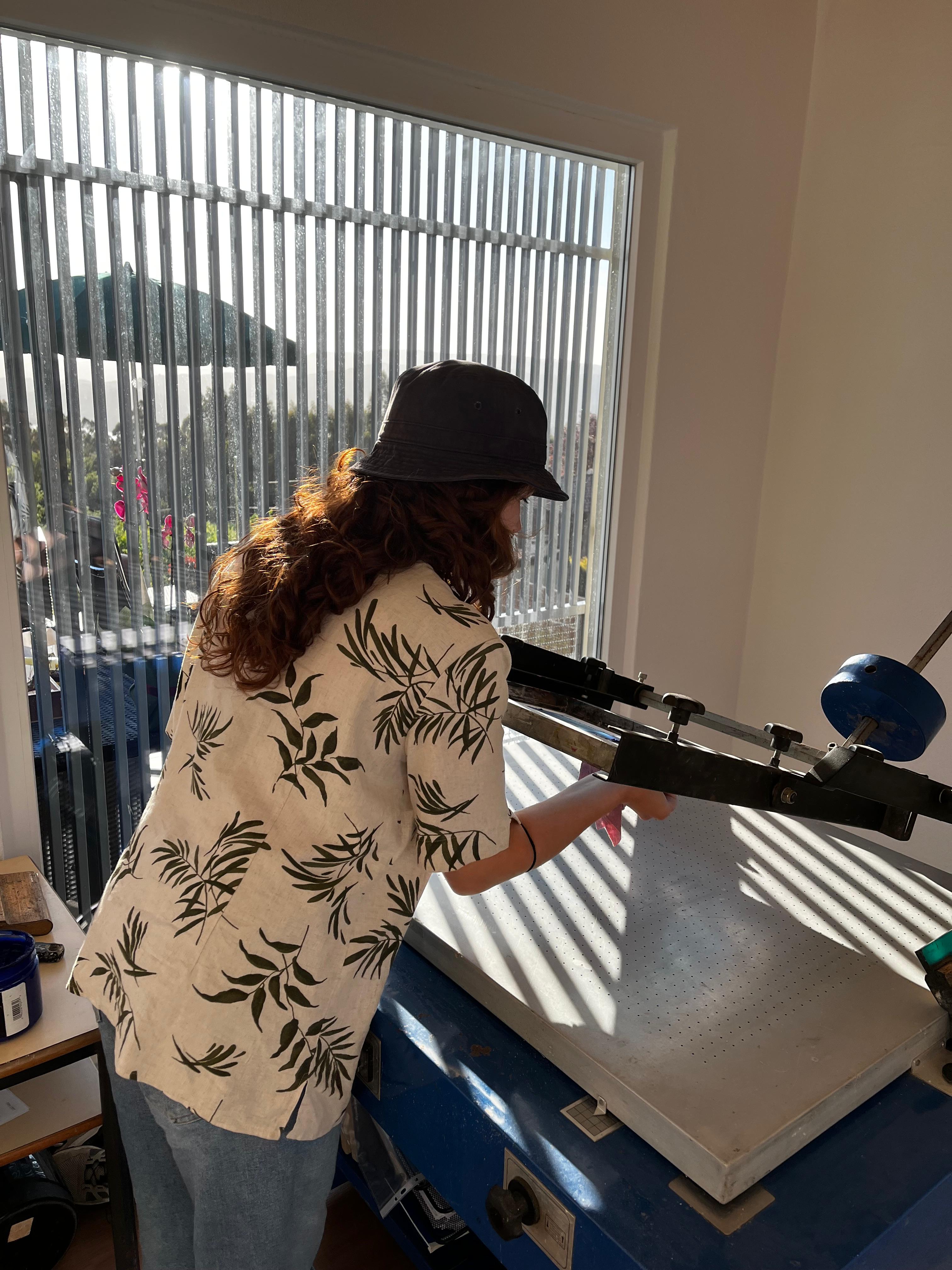
Through collaborative creative projects (workshops on artistic techniques such as the creation and use of natural pigments, screen printing, linoleum, cyanotype, analogue photography, etc.) and the cultivation of collective memory through our annual fanzine publication, our spaces are designed to encourage interaction while providing opportunities for solitude and personal reflection, creating a sense of belonging.
Our objective is to make regenerative rural living accessible beyond the conventional tourism market; to create genuine encounter between people of different ages, origins, professions, and backgrounds; to integrate the local community - farmers, elders, artisans - as knowledge holders and active participants rather than background scenery; to address the spatial isolation of both rural residents and urban workers who have no viable alternative to city life. For that, we work actively in developing partnerships with private and public structures, at local (such as Bienal de Cerveira, Museu da Água, local schools) and European level (Meander magazine, CRAB - Creative Habitat project). We also combine both private rentals to open publicly funded activities that allow us to keep the space accessible to all, while economically sustainable.
We demonstrate how intentional community design can break down social barriers and create opportunities for meaningful connection.
We demonstrate how intentional community design can break down social barriers and create opportunities for meaningful connection.
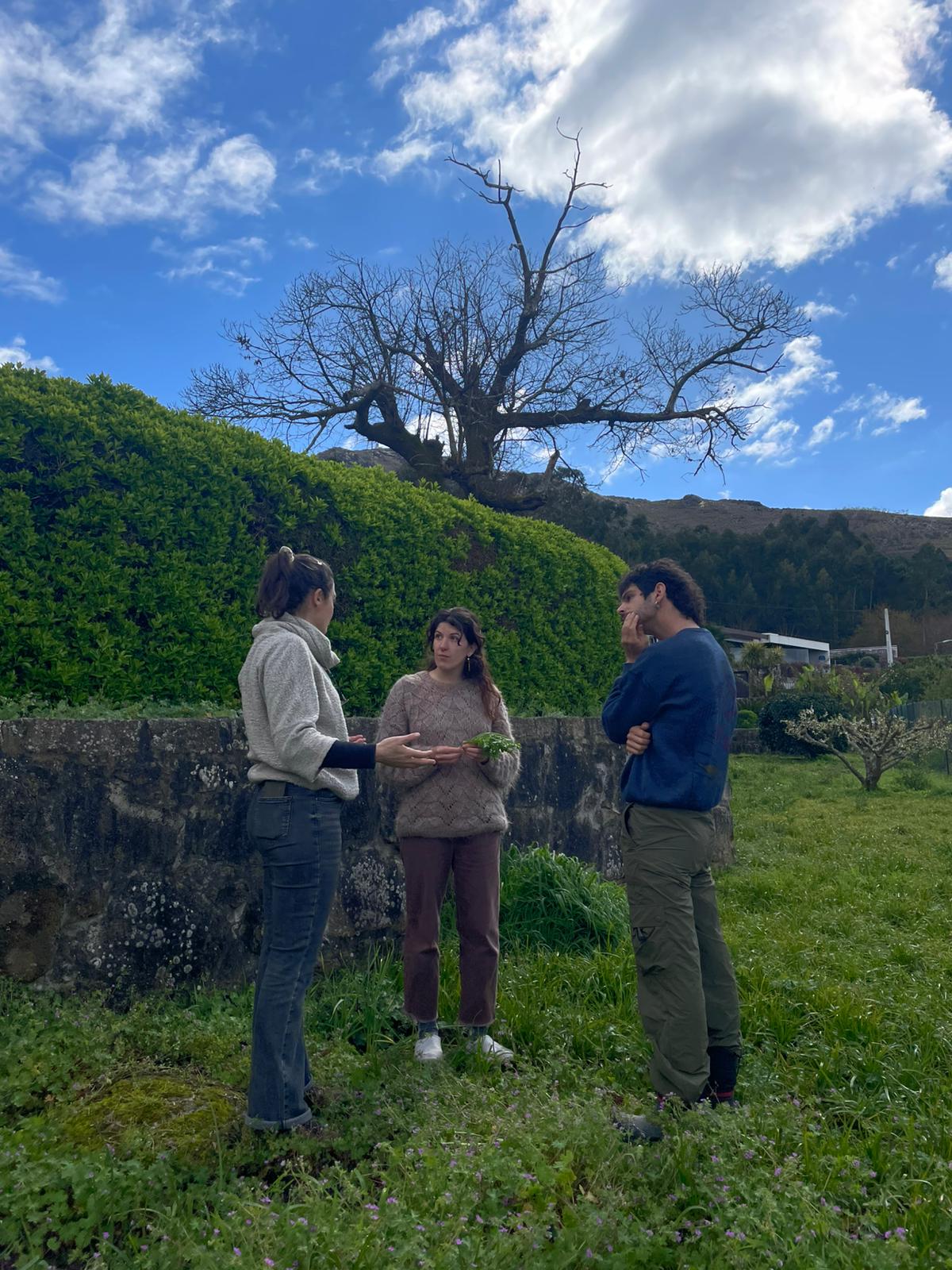
We’re working on developing mechanisms for community input starting with regular gatherings, digital platforms, and feedback forms, ensuring the project evolves in response to participant needs and experiences. We also want to involve traditional knowledge holders (elders, craft masters, and local storytellers) to ensure the project respects and integrates authentic local traditions, preventing cultural appropriation and ensuring the transmission of genuine ancestral wisdom.
As mentioned before, we are also currently working on expanding our networks and partnerships, at local and European level.
As mentioned before, we are also currently working on expanding our networks and partnerships, at local and European level.
We’re working with local municipalities, traditional knowledge holders, and small businesses (such as Vila Nova de Cerveira Municipal Council, the Vila Nova de Cerveira Art Biennial, Guardiãs da Natureza, Alfa Flor, Ulli on the run, …) to ensure the project contributes positively to the local economy and cultural landscape. Local artisans and producers are being integrated into our supply chain and programming.
We seek partnerships with European networks focused on sustainable living, creative industries, and cross-border cooperation (such as European Creative Hubs Network, CRAB - Creative Habitat project, Meander Magazine, Conscious Marketing Movement, Creatives for Climate,…). The proximity to our growing network in Galicia also offers opportunities for EU-funded cross-border projects and cultural exchange programs.
We seek partnerships with European networks focused on sustainable living, creative industries, and cross-border cooperation (such as European Creative Hubs Network, CRAB - Creative Habitat project, Meander Magazine, Conscious Marketing Movement, Creatives for Climate,…). The proximity to our growing network in Galicia also offers opportunities for EU-funded cross-border projects and cultural exchange programs.
Disciplines represented in the founding team: design (graphic and eco-design); veterinary and ecology (biodiversity and territory); web design and digital communication; public relations and institutional communication. We have also hired an external consultant, specialized in the strategy and development in the cultural and creative sector, to assist us in developing our initial business model and long-term sustainability strategy.
Each workshop and residency brings additional disciplines into the space. Herbalism and ethnobotany connect ecology with medical tradition and sensory knowledge. Eco-design workshops draw on materials science, traditional craft,natural pigments, and contemporary design research. Somatic therapy practice connects neuroscience, body awareness, and cultural healing traditions. The fanzine production process integrates writing, visual art, printmaking, and editorial design.
We provide the infrastructure for remote work and digital connectivity while maintaining a healthy balance with offline,nature-based activities. Digital tools support community communication and program management.
Revenue-generating activities:
Accommodation fees (weekly/nightly rates for co-living spaces),
Coworking space rentals (daily, and monthly options),
Therapy room rentals (daily and monthly rates),
Multipurpose space (daily rates),
Catering and meal services (optional add-on for residents and event participants),
Fanzine sales and eco-friendly merchandise (tote bags, postcards,...),
Workshop and event registration fees,
Therapeutic session fees (when offered by practitioners),
Traditional craft apprenticeship programs (example: basket making, bread making, herbal medicine),
Yoga classes
Surf tours
Cultural hiking events
Seasonal traditional celebrations and ceremonies.
Funding sources:
Public funding from national and European programs (rural development, sustainable tourism, cultural heritage, cross-border cooperation - Turismo de Portugal, DGArtes, Erasmus+, Creative Europe, NEB programs…).
Financial sustainability strategies:
Diversified revenue streams to reduce dependency on any single income source,
Phased development approach with initial focus on core revenue-generating activities,
Community-supported models such as membership programs,
Partnerships with local businesses to create mutual benefit and cost-sharing opportunities,
Partnerships with equivalent structures across Europe, for sharing information and resources.
Seasonal pricing strategies to optimize occupancy throughout the year,
Digital marketing and community building to maintain consistent demand.
The importance of choosing the right location, involving the community from the outset, and striking a balance between various sources of income are lessons that can benefit similar projects. The same applies to the value of cross-border partnerships and networks. However, rather than simply growing in scale, we aim to increase our impact in the region, socially, culturally, economically and environmentally. The structure will only increase to the extent that this ensures the sustainability needed to create a distinctive impact on our community and the area in which we operate.
In the year following the application, Terra Morgana will focus on creating a living ecosystem of cultural revival and sustainable community living. The journey begins with establishing our foundation through architecture project completion and brand identity development, while simultaneously improving existing infrastructure like screen printing studios and coworking spaces to create immediate functionality. We'll launch our digital presence through website and social media platforms, supported by a comprehensive marketing strategy to build initial community engagement.
As we move forward, our core focus shifts to program delivery and community building, with the official launch of workshop series and residency programs that bring traditional knowledge to life. We'll recruit our first cohort of residents and participants, implementing a participatory governance structure that ensures community ownership and establish partnership with similar projects and small business owners both in Portugal and Galiza (as a start). The publication of our annual fanzine will begin, serving as both documentation and cultural dissemination tool, while we establish formal partnerships with artists, therapists, and educators who share our vision.
Simultaneously, we'll complete all construction and interior design work, creating spaces that honor both tradition and contemporary needs. Throughout this period, we continuously expand our offerings based on community feedback, strengthening partnerships across local, regional, national, and European levels. We'll actively pursue diverse funding sources including national and European grants, sponsorships, and co-productions, while developing robust impact indicators to measure our success in cultural preservation, community well-being, and sustainable practices.