Arts, Culture, and Heritage as Drivers of Change
Beļava Reborn
Beļava Reborn: Community-Led Repurposing of Rural Cultural Heritage
In rural Latvia, a forgotten manor house has been transformed into a living cultural commons. Through heritage rediscovery, craft education, festivals and participatory governance, Beļava Manor now demonstrates how community-led rural regeneration can build resilience, beauty and belonging across generations. Values-based activities have reshaped the mindests of local government, as well as repurposing the site by building heritage community, creating visual identity and interpretation plan.
Latvia
Local
Pilskalns village
Mainly rural
It involves other types of transformations (soft investment)
Yes
2025-11-04
Yes
LEADER, 2025
No
No
Organisation
Beļava Reborn is a community-led, values-based regeneration project implemented in Pilskalns Village, Beļava Parish, Gulbene District, Latvia. It transforms Beļava Manor — a historically significant but long-neglected estate — into an inclusive rural cultural hub rooted in participation, craftsmanship and shared governance.
The project began with a professional architectural and artistic investigation that revealed rare 18th and 19th Century wall painting fragments of high artistic and historical value. This discovery reactivated the site’s cultural importance and catalysed collective action.
Instead of restoring the manor as a static monument, the local heritage community chose a regenerative approach: re-democratising the estate and reopening it as a shared commons.
Throughout 2025, several activities have taken place with the financial support of the State Cultural Capital Fund, the Vidzeme Culture Programme, LEDAER programme and the Gulbene Municipality aimed at activating the heritage site community and highlighting its importance at a national and European historical and heritage space.
Participatory and values-based activities allowed for the creation of a strong core of the heritage community, changing the perspective of local decision-makers on site development plans, identifying the values (cultural significance) of the heritage site, and creating a platform of a new cultural space in a rural region of Latvia.
Activities in 2025 resulted in the creation of a heritage community core of 3 people, the creation of a heritage support community of approximately 30 people, the development of an interpretation plan for the Beļava Manor House, the development of the manor`s website, as well as it`s visual identity. The results have facilitated discussions with both local decision-makers and the National Heritage Board, transforming Beļava Manor House from an abandoned place into a priority asset.
The roots of initiatives can be traced back to 2024, when Mg.Art Ilze Vanaga defended her master's thesis, identifying strong aesthetic, historical, ecological and historical values of the then abandoned Beļava Manor House. Interest in the site was increased also by the architectural and artistic research and public expectations for management activities that the municipality didn`t come up with.
In 2025, 3 volunteers launched series of initiatives aimed at:
* Building the heritage site`s community.
* Raising awareness and popularity of the place.
* Developing its homepage and visual identity.
* Developing its interpretation plan.
* Bringing the heritage site into the political agenda.
The aims were achieved by such activities as:
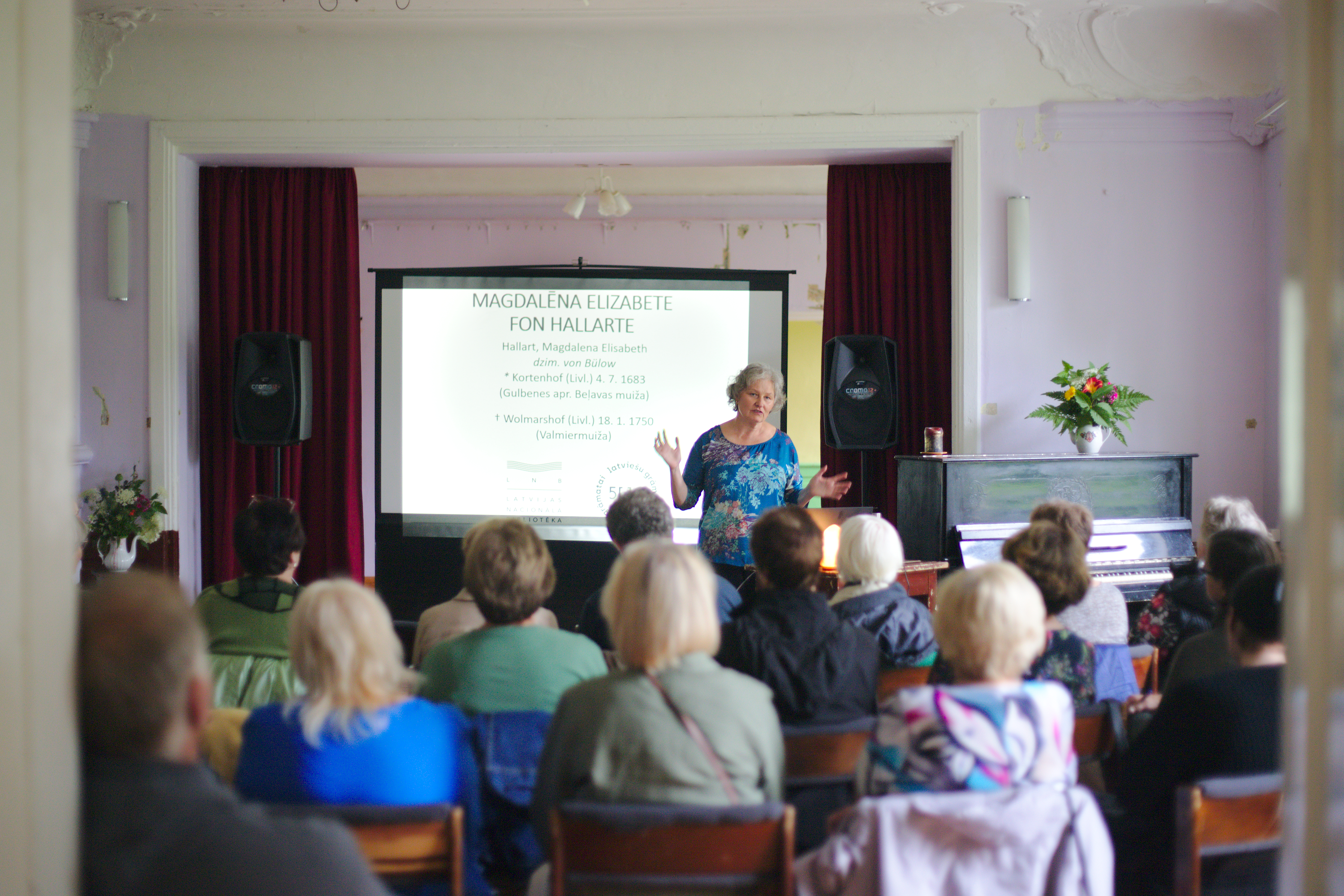
* Lectures on historical periods and personalities of the Beļava Manor in collaboration with the National Library of Latvia.
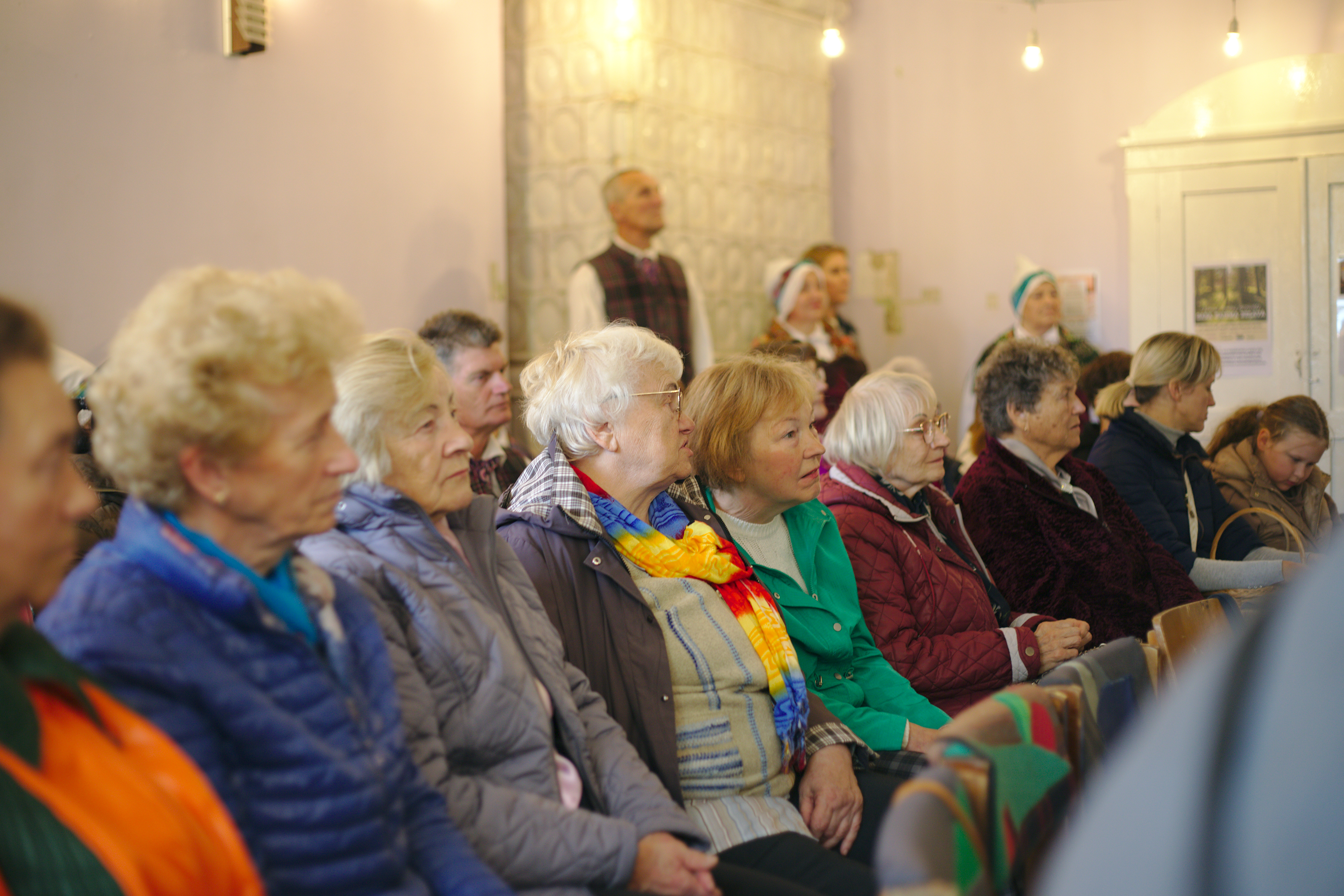
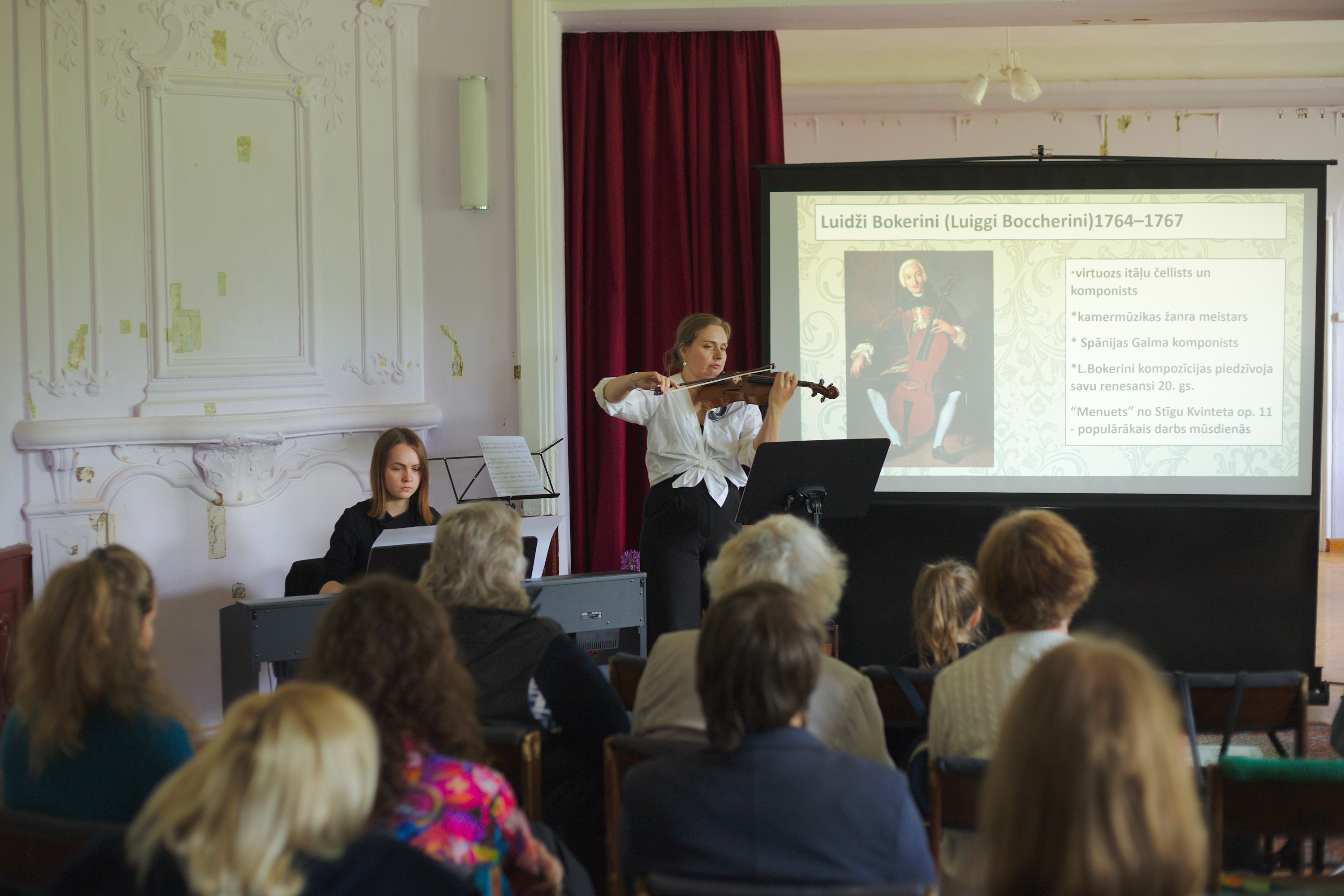
* Latvian traditional and Baroque music concerts with professional and local musicians.
* Manor development workshops leaded by urban planner Mārtiņš Eņģelis.
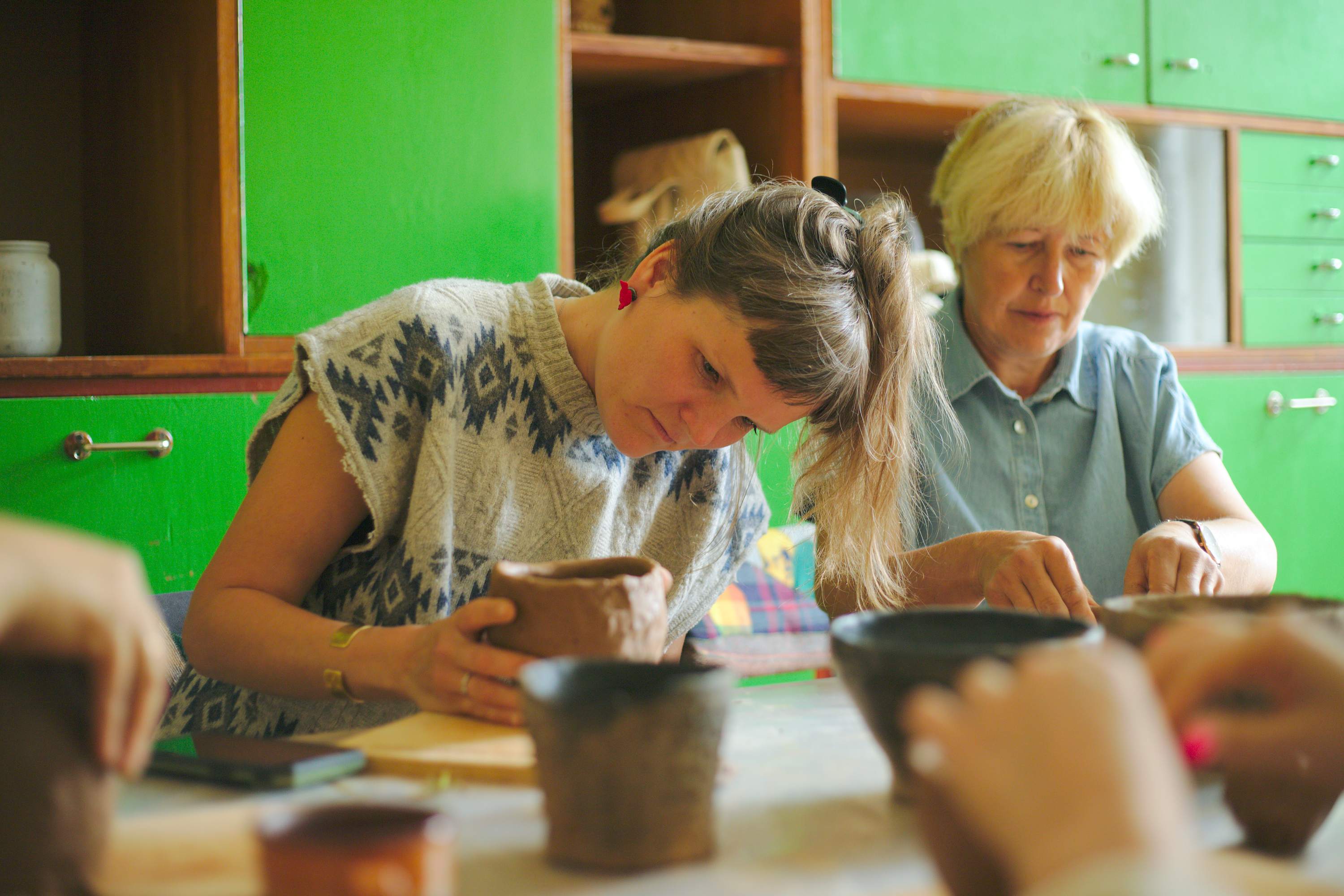
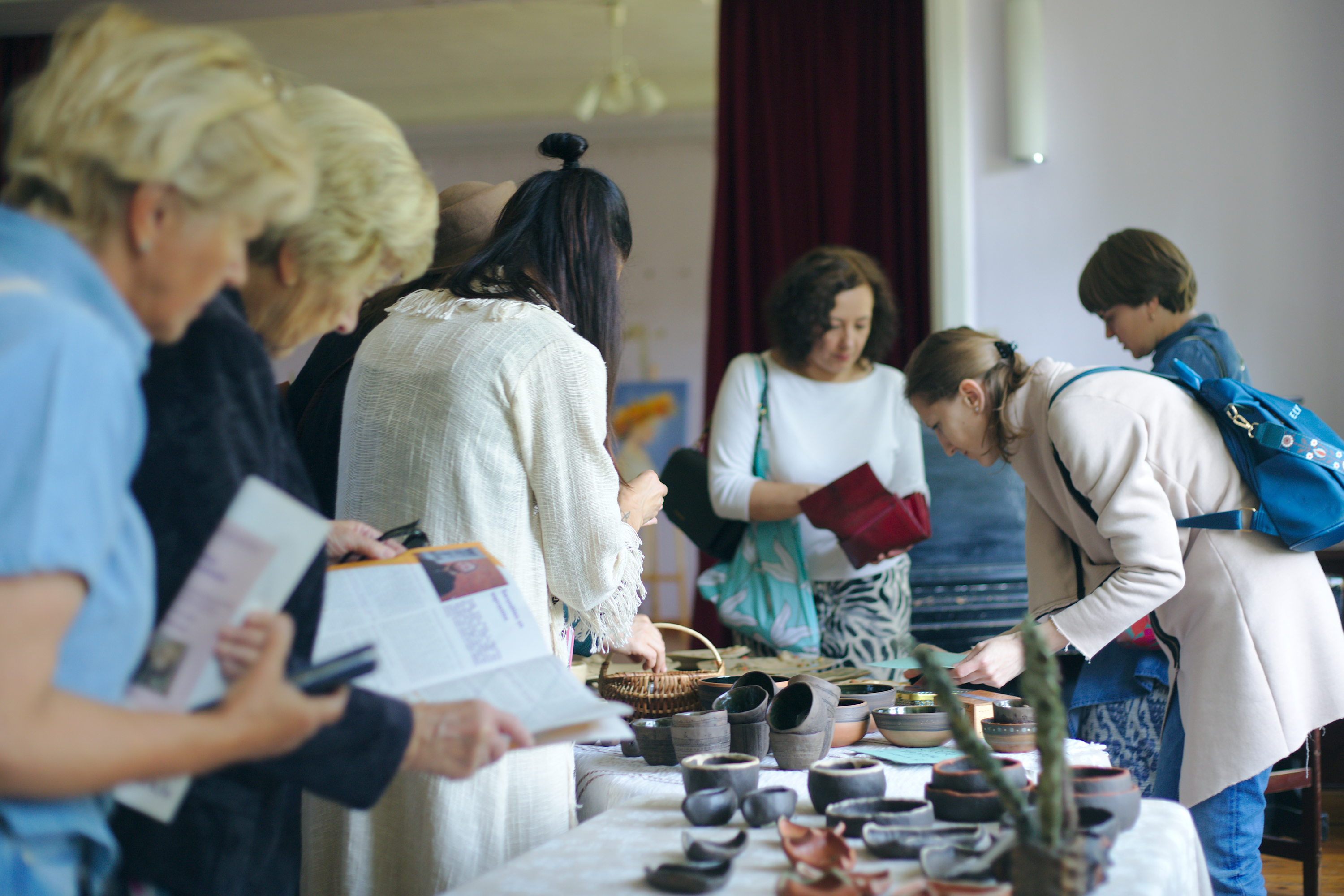
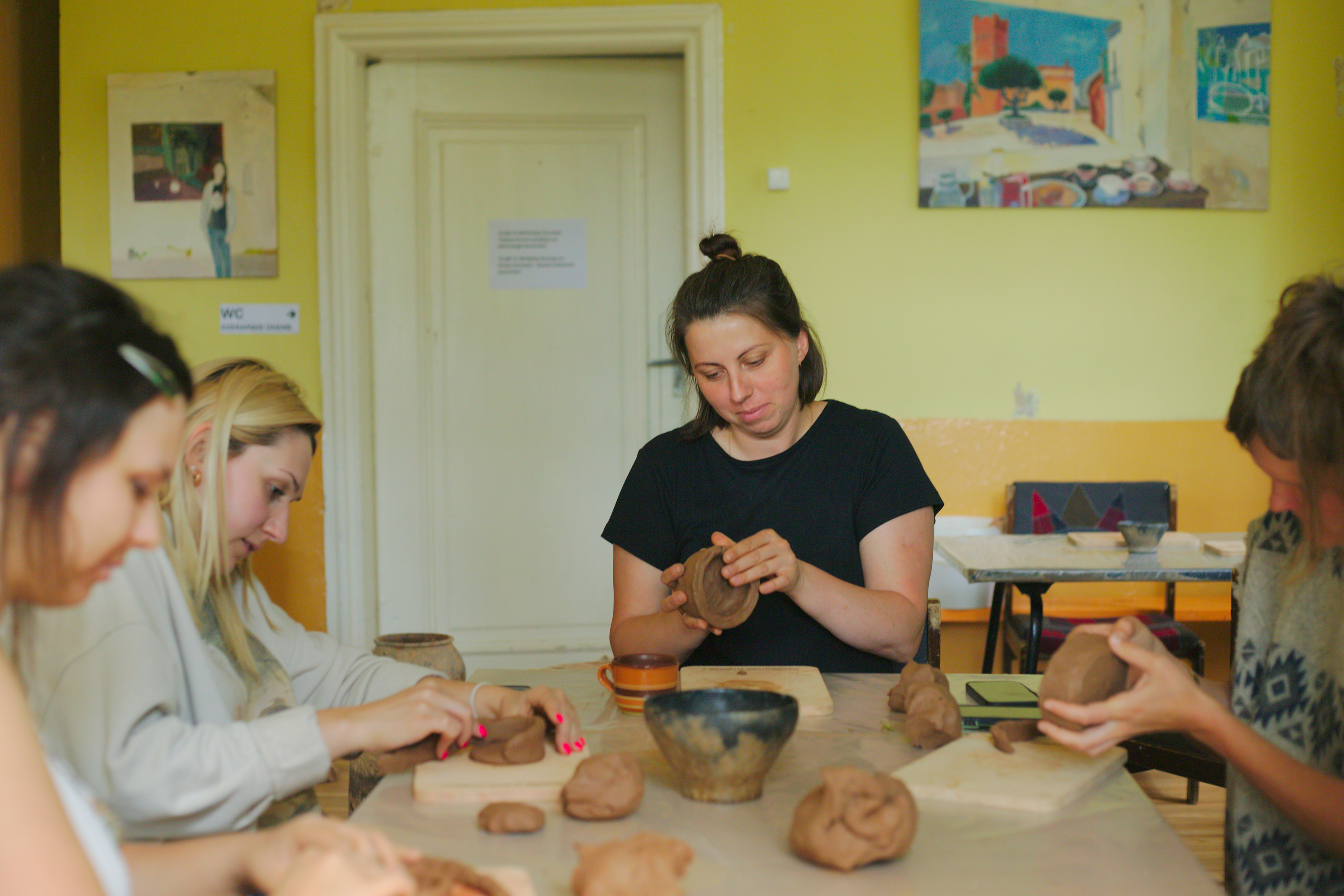
* 4 professional ceramic workshops led by artists from Latvia, Lithuania and Estonia in frames of a full-day clay festival and pottery market.
* Creation of the regional ceramic network “Tālava Clayworkers” uniting ceramics enthuziasts and start-ups.
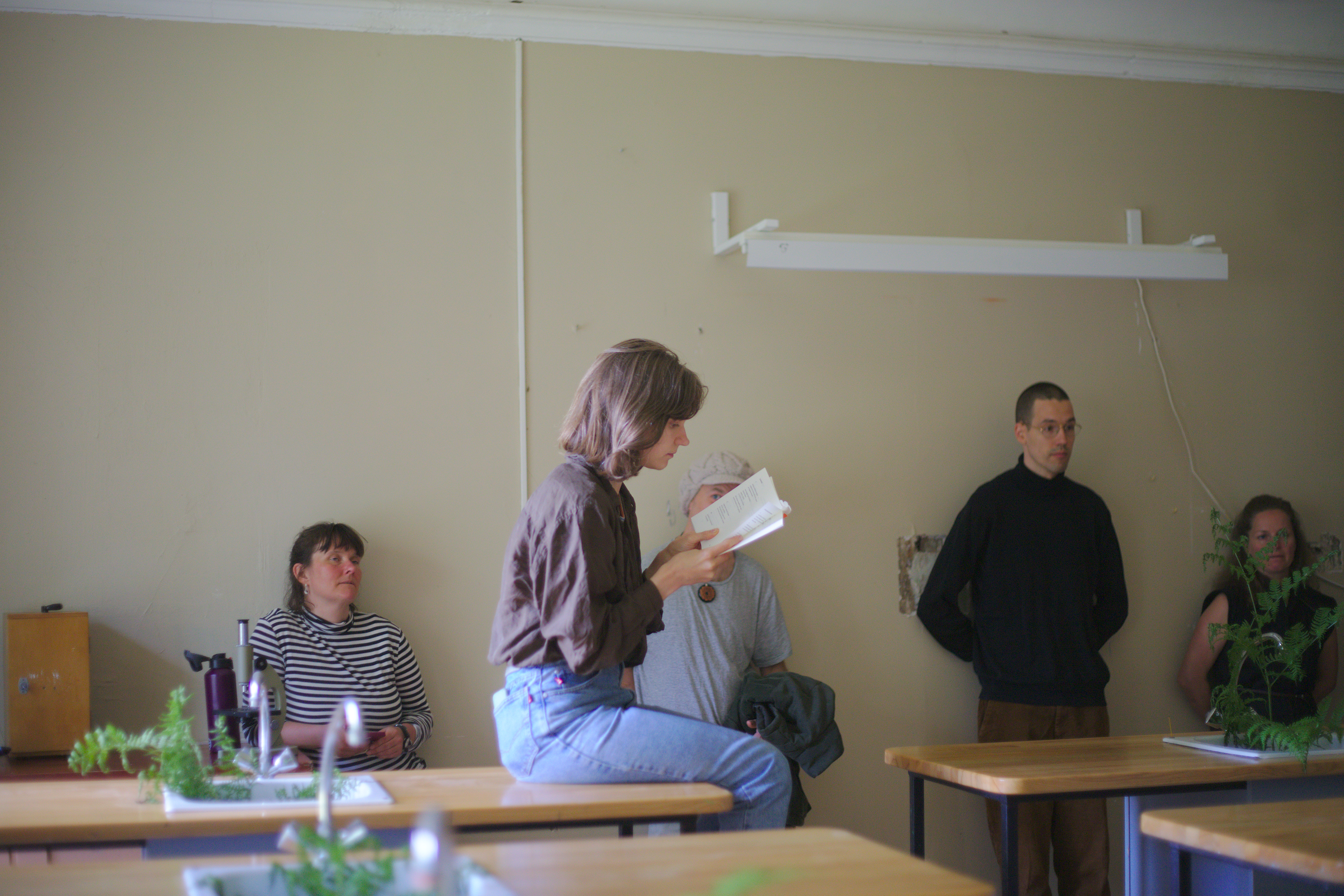
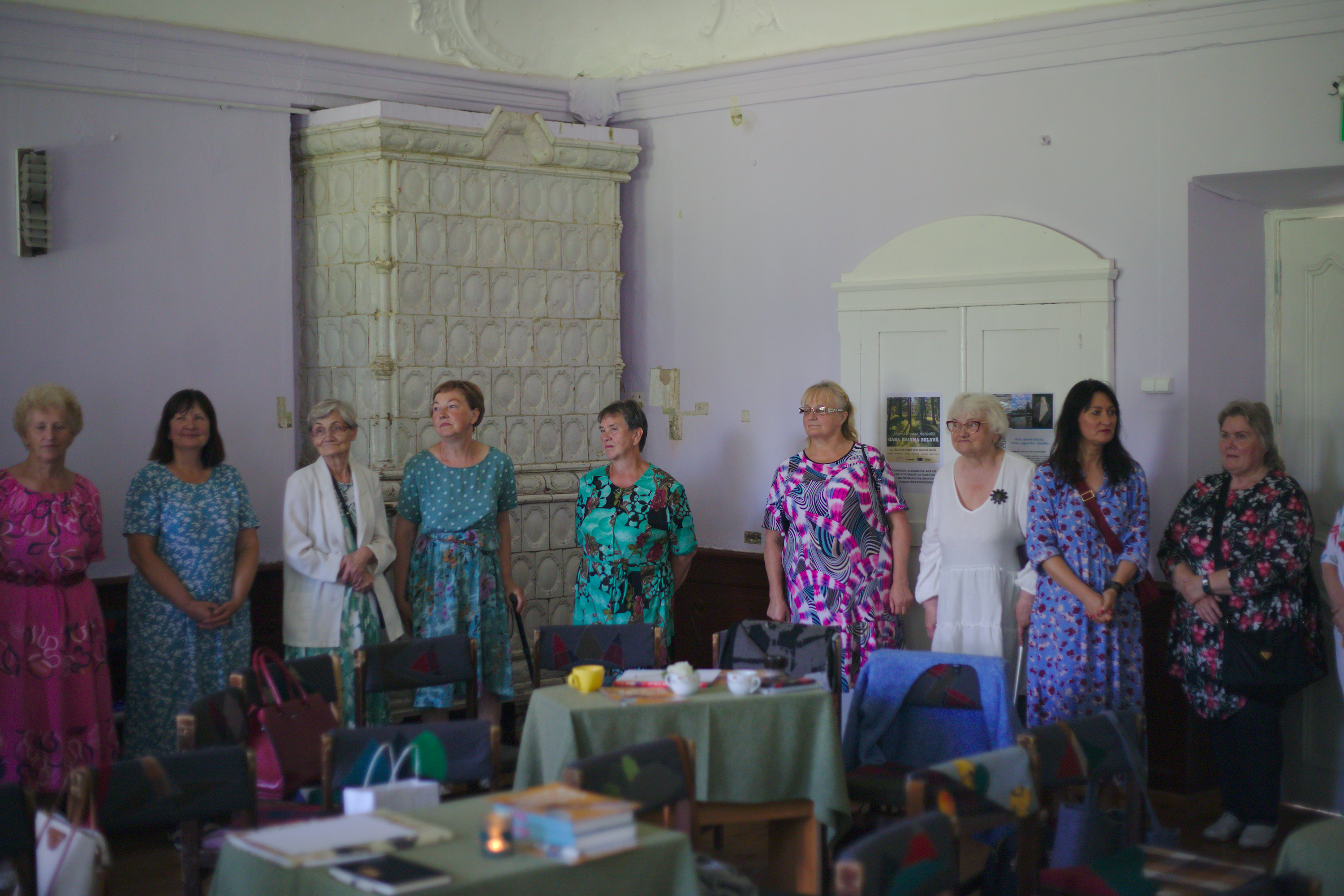
* One day festival “Light of Spirit in Beļava” providing several workshops, such as creative writing, nature therapy, poetry performances and other.
* A Harvest and Thanksgiving celebration engaging local residents, municipal leaders and amateur art collectives.
* 2 meetings with deputies and National Heritage Board on the future of the site.
The activities helped bringing together different stakeholders, fully engage them in identifying the heritage site`s values, illuminating different visions on the future of the site, that served as a base for the development of interpretation plan, creation of website, visual identity and a ground future activities.
Community-led heritage repurposing
Cultural commons
Heritage community
Heritage interpretation
Values-based heritage management
Beļava Reborn integrates environmental, social, cultural and economic sustainability. Environmentally, it prioritises adaptive reuse of an existing heritage structure, minimising material consumption and land use. Carl Elefante, former president of the American Institute of Architects, has declared: "The greenest building is the one that already exists". We are taking this statement as a guiding principle for our community needs trying to reuse an existing building and respectfully adapt it. This approach benefits both the preservation of cultural heritage asset and satisfies the local people's need for contemporary cultural expressions and creativity.
The historical background (Baroque interior elements, the personality of Magdalene von Hallart, Classicism style wall paintings) also provides inspiration for contemporary cultural expressions, ensuring intergenerational connections and the heritability and continuity of cultural processes.
Craft practices centred on clay reconnect creative production with local natural resources. It forsters the integration of traditional Latvian crafts into a contemporary cultural space. It strengthens also economical sustainability, by stimulating local creative entrepreneurs through workshops, markets and festivals, establishing “Tālava Clayworkers” as a long-term regional network.
Socially, it strengthens rural resilience by fostering intergenerational exchange, cross-border artistic cooperation and collective ownership of heritage.
The project is exemplary because it links conservation with activation, social innovation with cultural continuity, and heritage protection with economic vitality. Long-term, Beļava Manor is evolving into a sustainable cultural ecosystem and creative economy catalyst, demonstrating how heritage can drive rural transformation rather than decline.
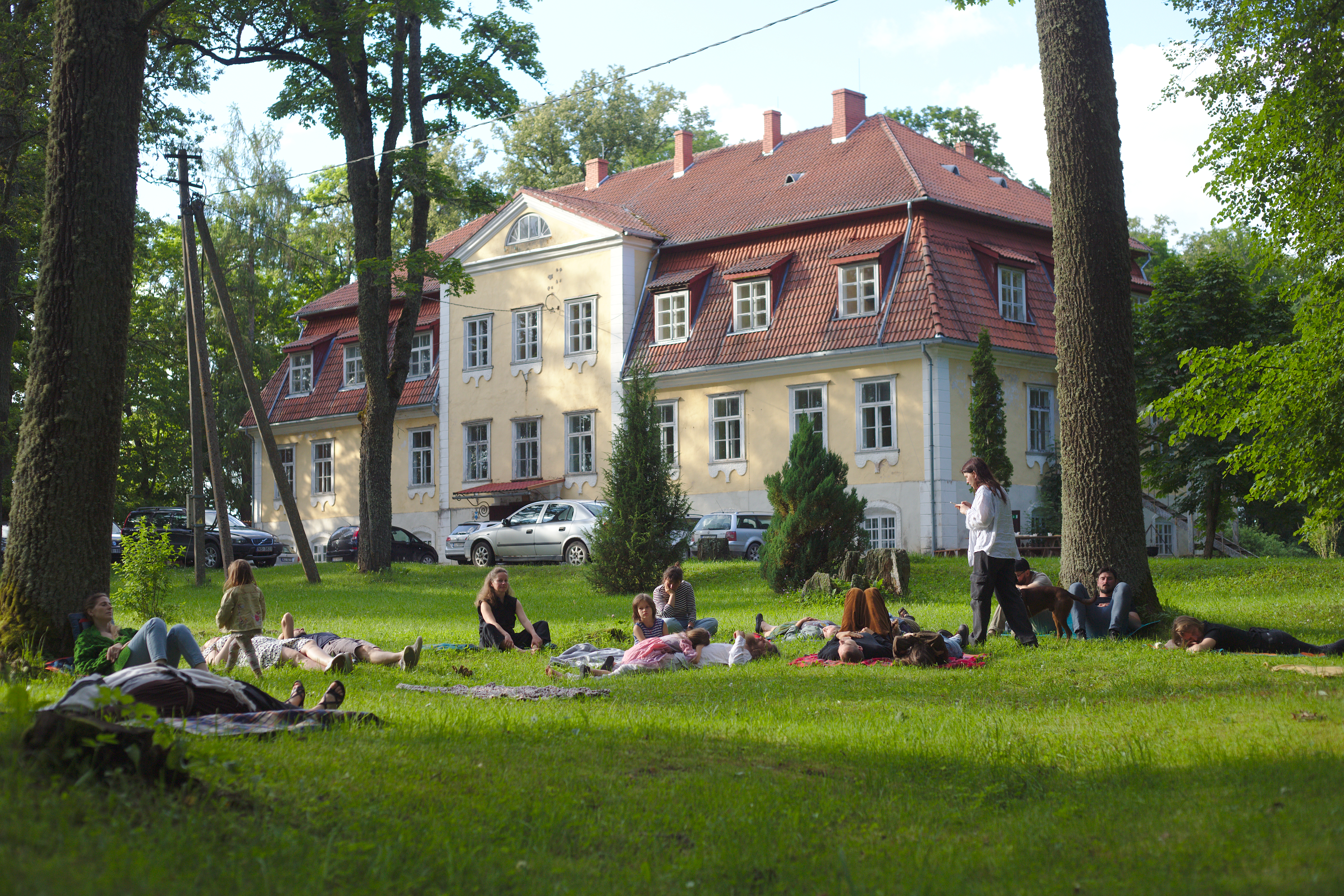
Beļava Manor House is a mid-18th-century Baroque style monument of national importance located in North-East Latvia and owned by the Gulbene Municipality. The heritage site lost its function in 2019, after hosting a school for almost 100 years.
The manor house is one of the oldest architectural monument in Gulbene District, which has not suffered in any of the historical crises - neither the 1905 revolution, nor the world wars. Thus, the architectural monument has preserved invaluable Baroque, Rococo and Classicism interior elements. The intact and well-preserved environment provides an opportunity to meet high-quality aesthetic and authentic art evidence of the 18th and 19th Centuries.
Beļava Reborn highlights beauty not only in architecture but in social relations. The encounter with historical architecture, different musical experiences, tactile engagement with clay and poetry create a multisensory cultural landscape. Beauty is experienced collectively — through participation rather than consumption.
By reconnecting people with place, history and materiality, the project rebuilds emotional attachment and care for the environment. Aesthetics here is both authentic and democratic: co-created, lived and embedded in everyday rural life.
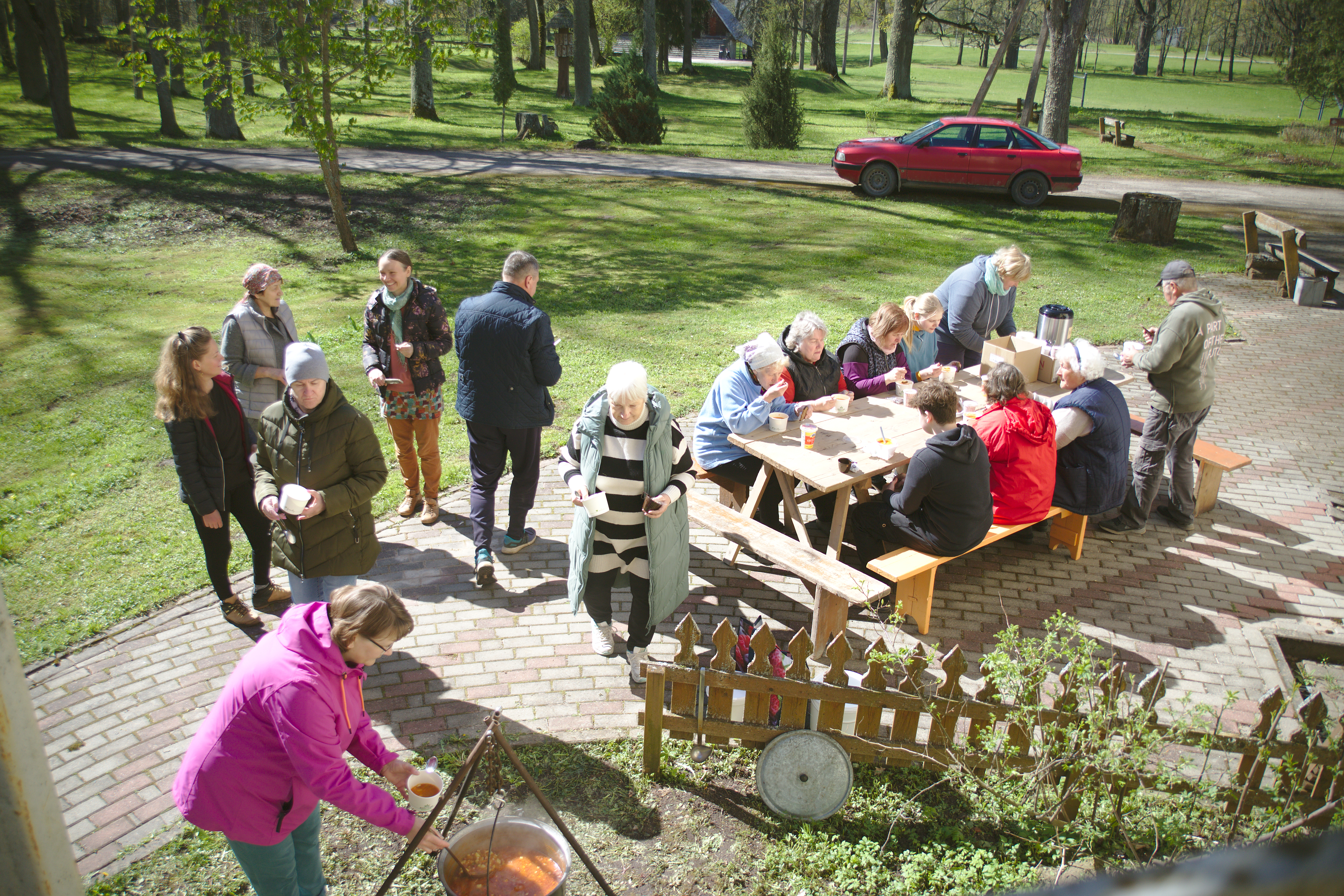
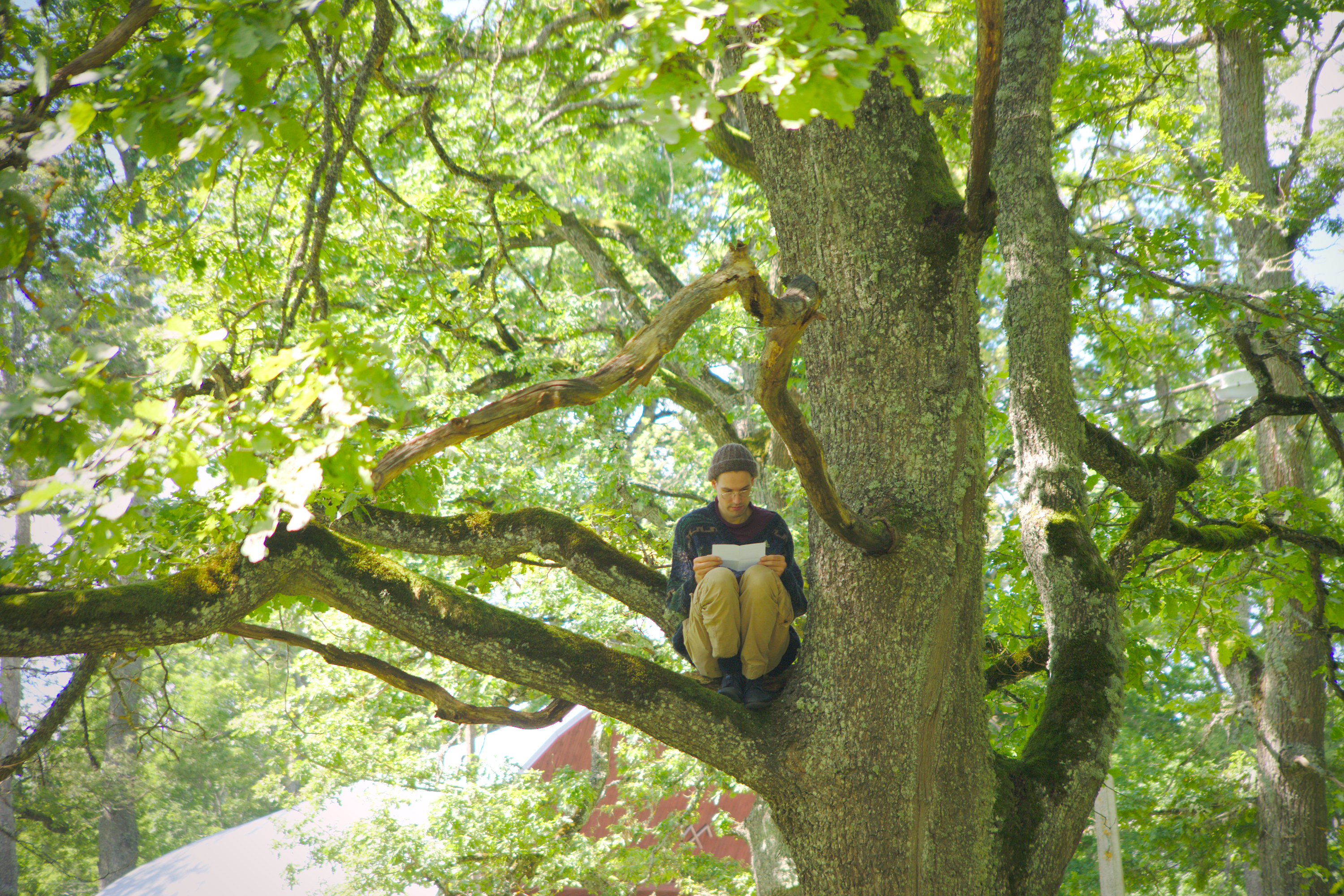
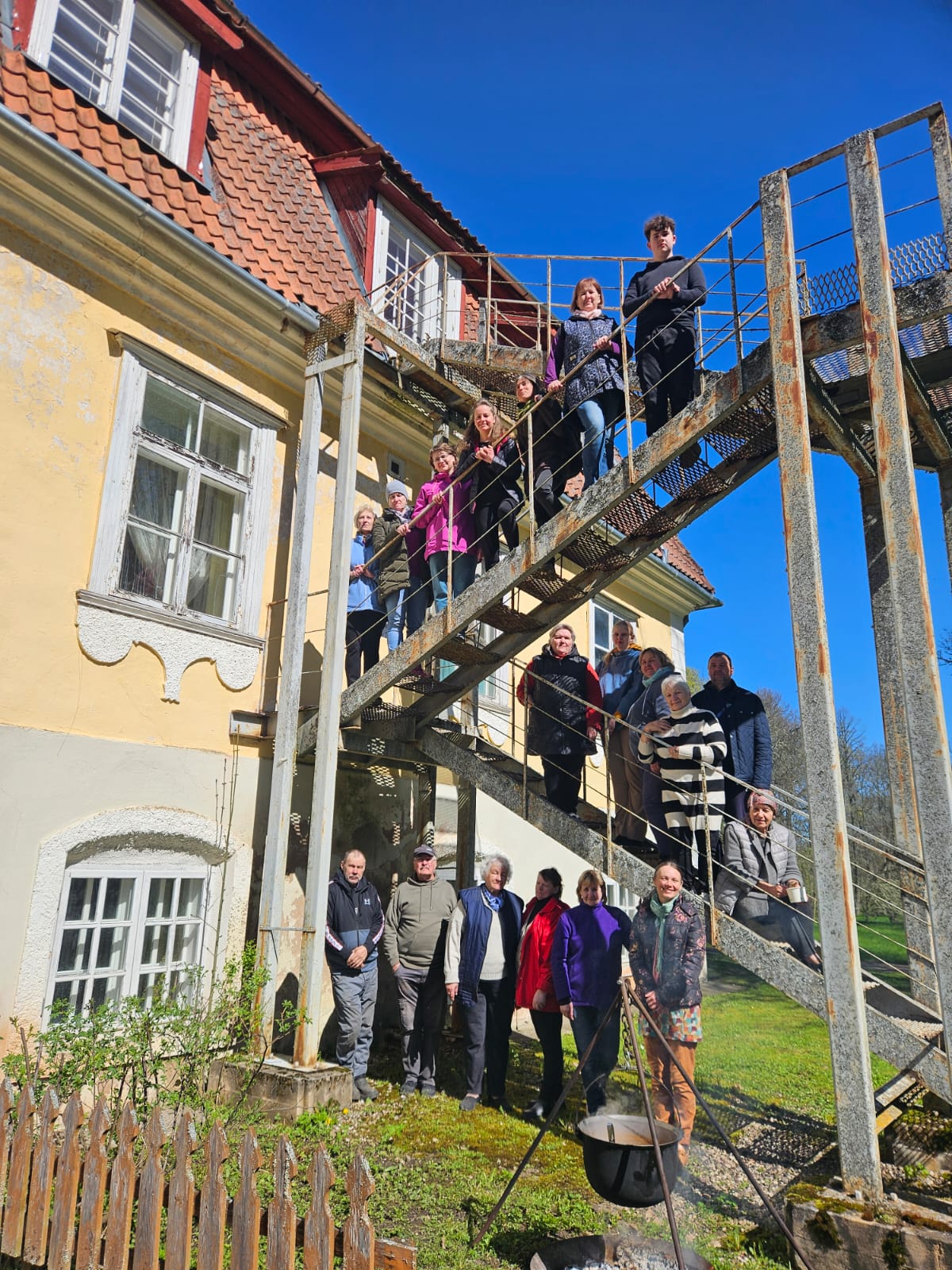
The aesthetics of manor architecture are also enhanced by the environmental aspect. The manor park is an integral unit of the manor complex, which gives it added value. Thus, the project activities are organically intertwined with the aesthetics of nature, without which it would be impossible to implement such activities as nature therapy, poetry readings surrounded by trees, creative writing, making vegan soup on fireplace etc.
Historically, manor houses symbolised hierarchy and exclusion. Beļava Reborn reverses this narrative.
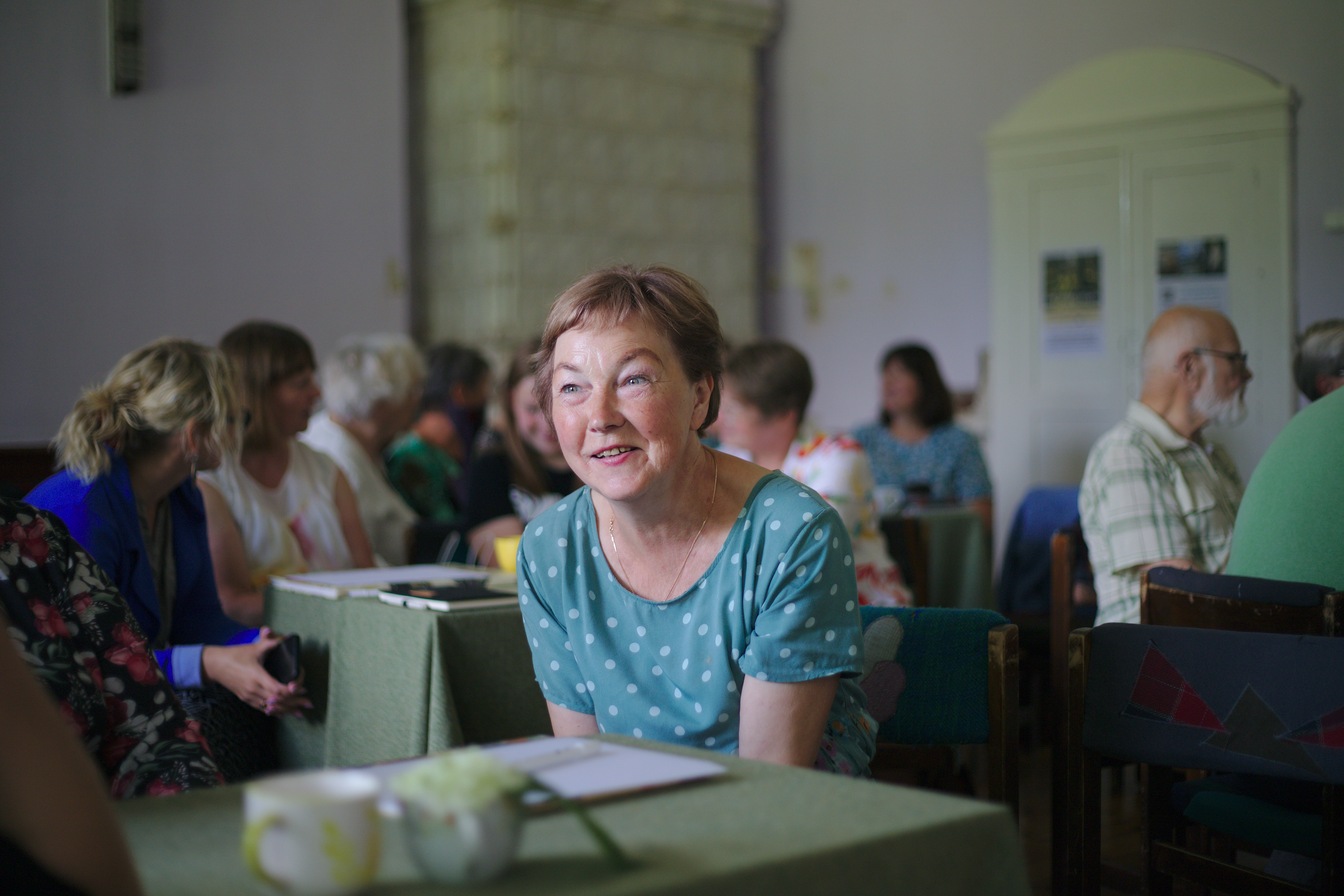
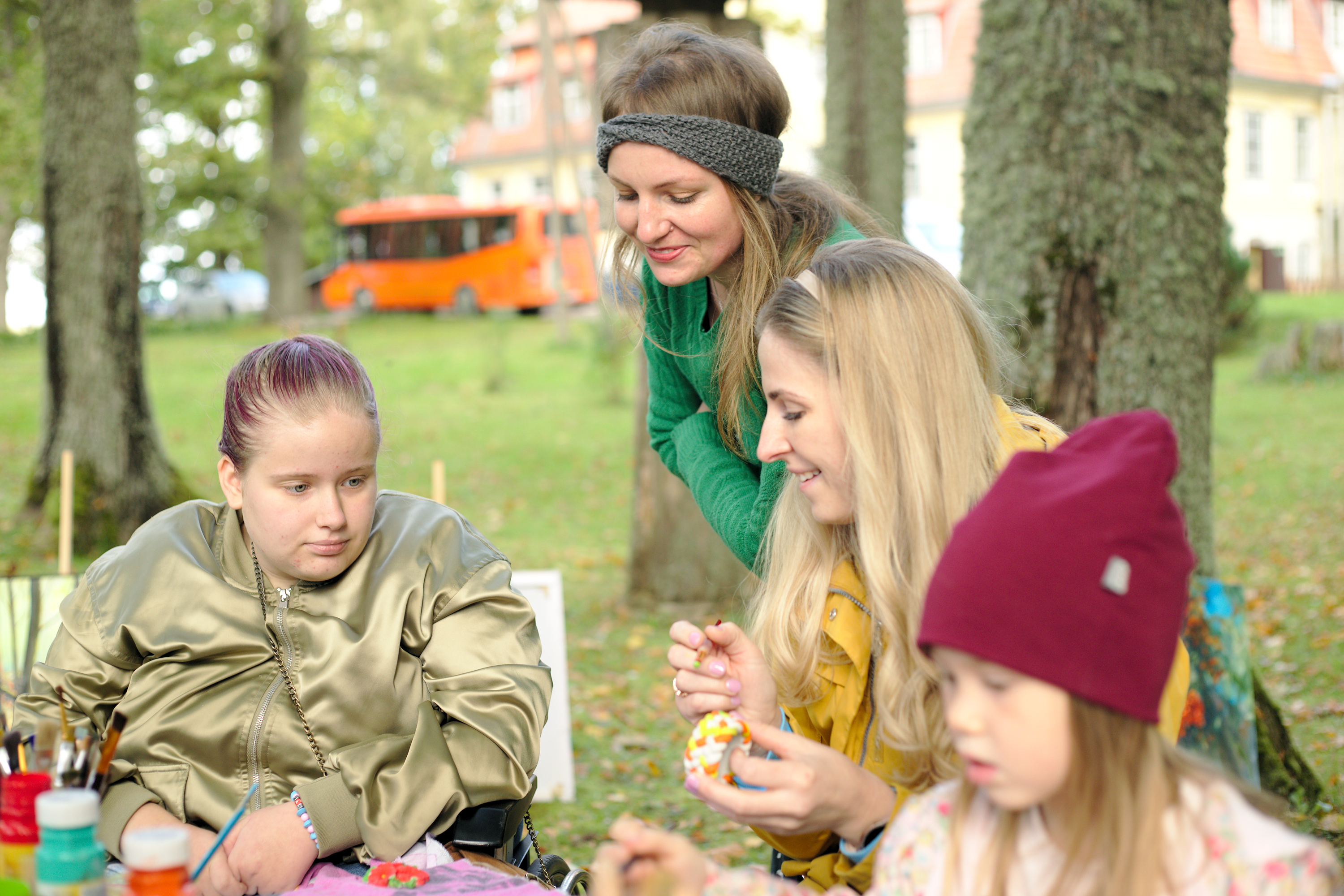
The site is now open and accessible to diverse age groups with different socio-economic backgrounds. Citizens actively shaped programming and future development strategies through development workshops. Voices of different stakeholders were heard and brought together when creating the interpretation plan of the site.
Experimental entrepreneurial clayworking partnerships ensured accessibility for young people who are interested to develop their professional and interpersonal skills. Cross-border collaboration expandsed cultural exchange beyond local boundaries, and involving external experiences.
The project models an exemplary transition from elite heritage ownership to shared cultural governance — positioning heritage as a public good. It also demonstrates the trust of decision-makers in the non-governmental sector, bringing an aspect of inclusion to public governance.
Project activities were affordable for all: no or low participation fees were requested for participation in the events. This way, we were also able to attract older or unemployed people facing financial difficulties in rural areas.
Two active NGOs in Gulbene District - "tabureTE" and "Dēms" - can be considered as the administrative platforms of the project. The leaders of the associations received a delegation from the Gulbene Municipality to implement the activities. The process was led by 3 volunteers - heritage community leaders - Ilze Vanaga, Laura Vecmane-Bārtleta and Herta Pugača - each of them responsible for different segments of the process.
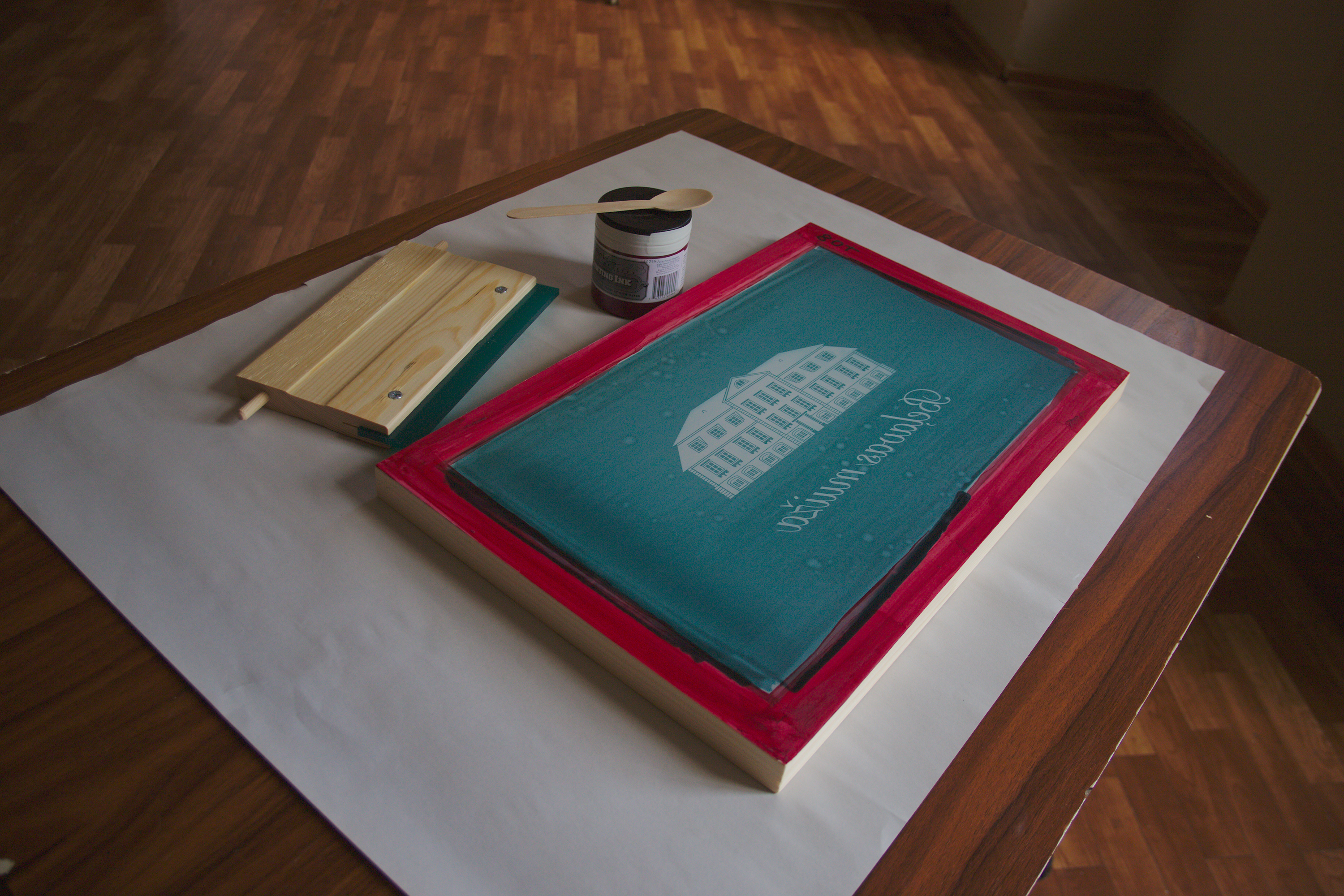
Herta was responsible for the management of literary and artistic events, as well as photo recording of the events. Laura led the clay festival management, as well as managed the creation and development of the ceramicists' network "Tālava Clayworkers". Ilze took responsibility for informing and activating the wider heritage community, involving the local residents and other stakeholders in the events. Her task was to gather and analyse the opinions of various parties, site values and visions, and to develop an interpretation plan based on them. In cooperation with the Latvian National Museum of Art Brand Foundation, the visual identity guidelines of the site was developed. This process was also community-led: throughout the entire activity season, visitors could vote for their favorite visual identity and potential logo of the site.
All the project activities were community-, voluntary- and projects-based, co-financed and sustained by heritage community leaders and supporters.
The initiative was conceived and implemented by a heritage community and is considered to be participatory in all stages. Municipality residents co-designed activities, contributed voluntary work and collectively envisioned long-term development. This participatory structure generated ownership, continuity and social cohesion.
The project demonstrated multi-level management at all its stages. The activities followed values-based management planning principles by identifying, analyzing and integrating values attributet to the heritage site by different stakeholders.
Beļava Reborn attracted interest groups that have certain "relationships" with the heritage site - memories, associations, emotional attachment, professional experience and opinion, etc. The main interest groups involved in the project were:
* Locally: Beļava Parish and Gulbene District residents, former school community, municipality government and administration, heritage experts from Gulbene Municipality Museum of History and Art, Stāmeriena Palace. Local artists, ceramists and amateur collectives participated and also created the content of cultural program.
* Regionally: representatives from the National Heritage Board regional branch, ceramists from the Vidzeme region.
* Nationaly: tourism and cultural heritage experts, art historians. Two historians from the National Library of Latvia were engaged for reliable historical research. Development of the visibility guidelines, logo and homepage was conducted in collaboration with the Latvian National Museum of Art Brand Foundation. Professional poets and musicians ensured quality cultural program.
* Internationally: two ceramists from Estonia and Lithuania who conducted clay workshops in frames of the clay festival.
Engagement of these groups ensured rich and diverse cultural program, life-long learning opportunities, fostered the sense of belonging and appreciation of local heritage that now is seen through another perspective. Voices, values, historical information and visions helped to formulate 2 future interpretation directons: MAGNETIC AUTHENTICITY and CONTEMPORARY ENLIGHTENMENT (document in attachment). Multilevel governance helped to avoid disagreements, unspoken issues, resentments that usually spur out at the micromanagement of heritage sites.
Firstly, it is important that the project is rooted in academic knowledge and cultural heritage theory at its core. The content of all activities is constructed on theoretical concepts explored in Mg. Art Ilze Vanaga`s master`s thesis "Cultural Significance in the Management Planning of Built heritage. The Case of the Manor Houses of the Gulbene County", such as value-based heritage management, cultural significance (Burra Charter, 1979), and the 8 primary values model by researchers Ana Tarrafa Silva and Ana Pereira Roders (2012).
Beļava Reborn brings together such knowlegde fields as history, heritage management, architecture, applied arts, life-long learning, music and literature. The project activities combined various traditional and contemporary creativity territories, offering different interest groups the opportunity to become both activity leaders and creators (amateur art groups, local musicians and ceramists), consumers (attending Baroque and traditional music concerts, exploring site`s architecure that has been hidden for years), beneficiaries and learners (participating in clay workshops, history lectures), policy makers (by participating in development workshops and expressing values and sharing visions of the site).
Beļava Reborn brings together such knowlegde fields as history, heritage management, architecture, applied arts, life-long learning, music and literature. The project activities combined various traditional and contemporary creativity territories, offering different interest groups the opportunity to become both activity leaders and creators (amateur art groups, local musicians and ceramists), consumers (attending Baroque and traditional music concerts, exploring site`s architecure that has been hidden for years), beneficiaries and learners (participating in clay workshops, history lectures), policy makers (by participating in development workshops and expressing values and sharing visions of the site).
Beļava Reborn operates through a hybrid cultural economy model combining:
* Public cultural funding (State Capital Foundation, Vidzeme Cultural Program, LEADER, municipality co-financing).
* Workshop participation fees.
* Festival revenues.
* Pottery market sales.
* Donations and community support.
This diversified model reduces dependency on single funding sources and enables gradual reinvestment into future management and development of the site. Based on the Beļava Reborn business model, also future activities in 2026 are being built by attracting public cultural funding and to become more independent.
It is significant to mention that the project also fostered individual entrepreneurial attempts. Several ceramists have expanded their pottery start-ups thanks to the "Tālava Clayworkers" network, such as
* Sigita Enika:
www.instagram.com/sigita_enika/
* Kristīne Vārpiņa:
www.facebook.com/varpina.kristineaurelija
The network continues its actions also in year 2026 by gathering ceramists and ceramics enthusiasts of the region and advancing their skills, practices and sales opportunities.
DEVELOPMENT WORKSHOPS
This methodology was introduced from the Valmiermuiža Manor who suggested this structured and guided approach to foster discussions and to gather the vision of different target groups about the heritage site. Workshops consisted of several sequent actions:
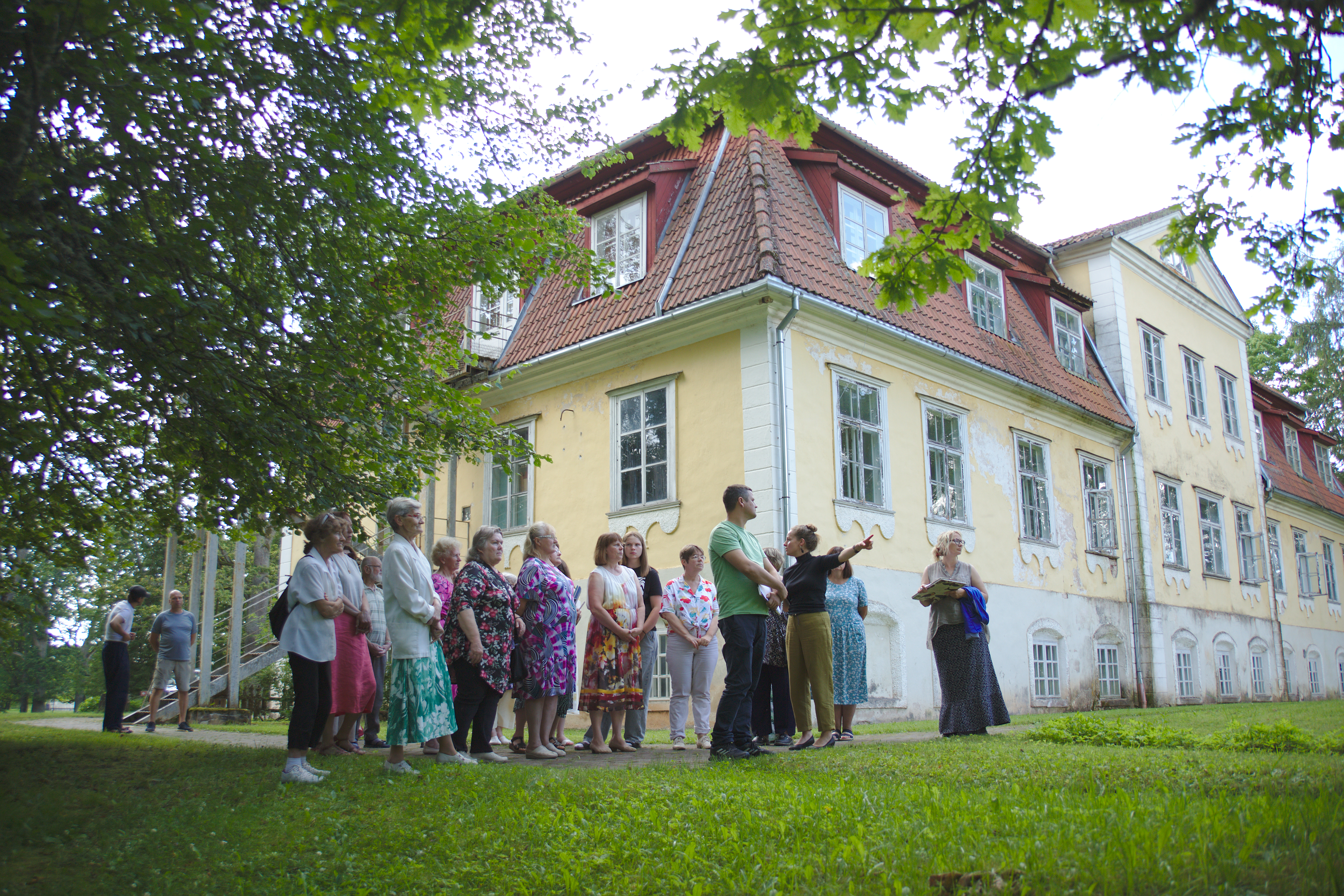
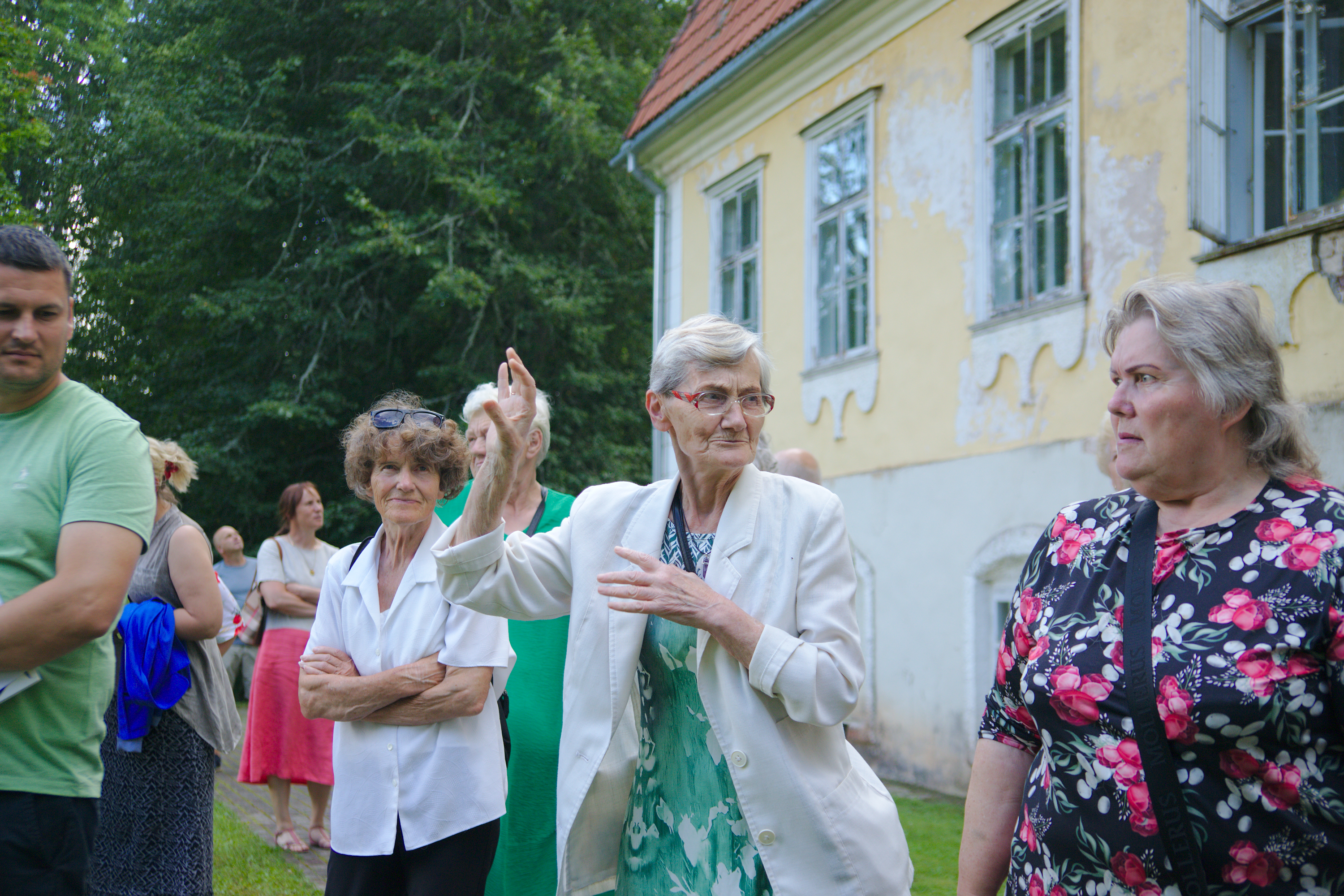
1. The heritage walk - getting to know the place and sharing historical facts and memories of the site.
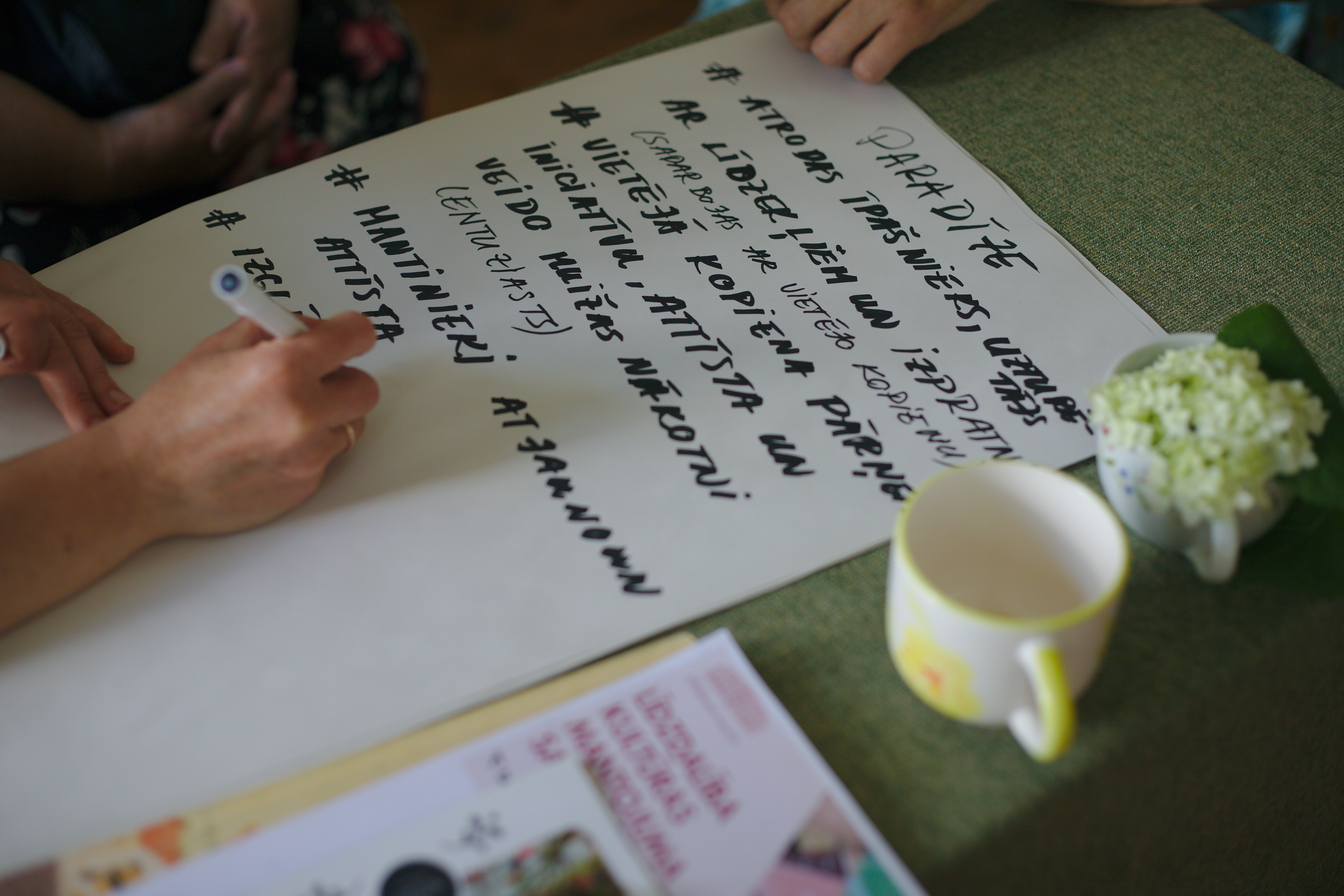
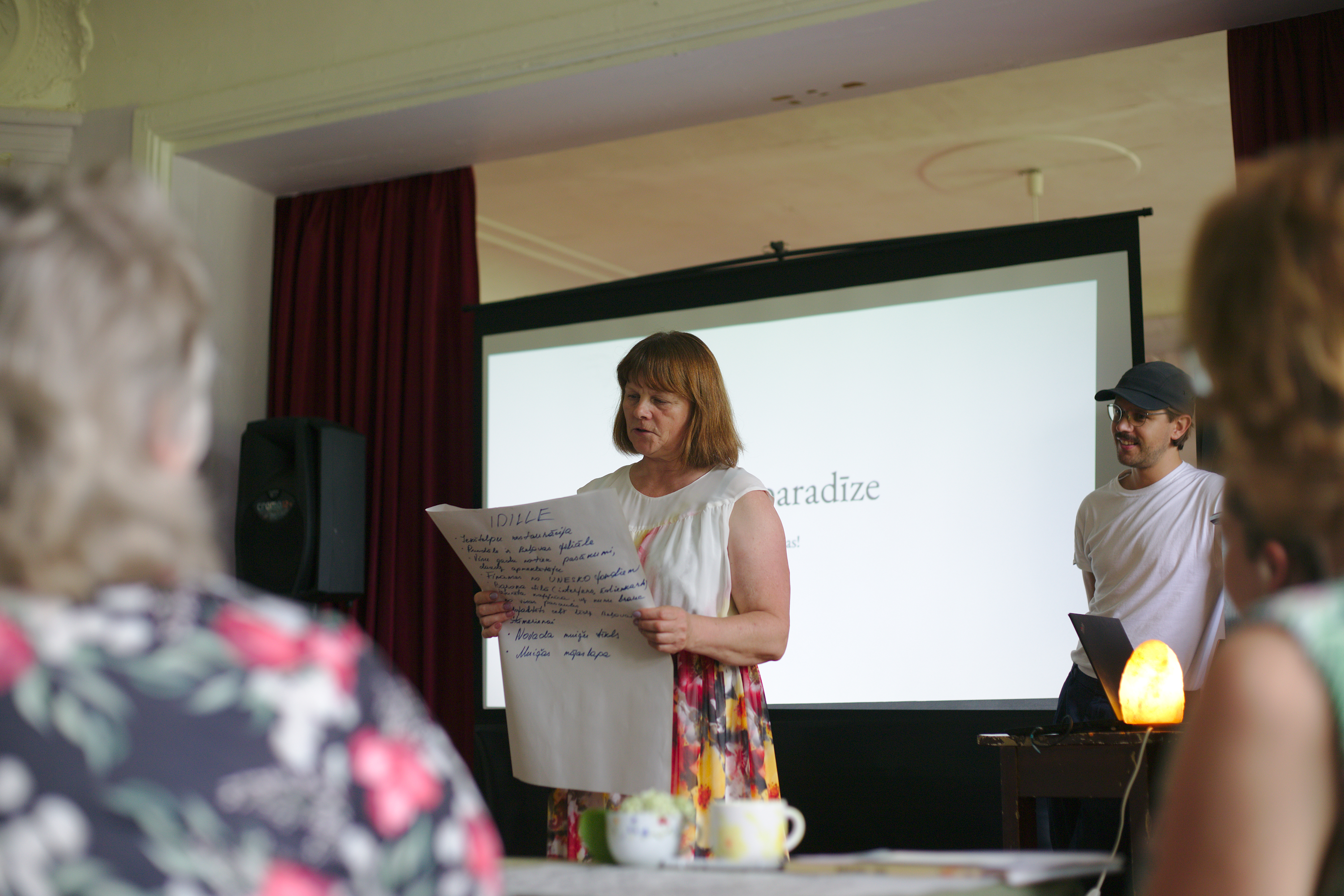
2. "Hell and Paradise" - modeling best and worst case scenarios that could happen with a place.
3. Brainstorming the future: in working groups, participants express their vision of the potential future of the place and its functions, including aspects of public accessibility, ownership issues, and potential content.
This methodology can be fully transferred to other heritage places, creating a base for interpretation plans and other strategic planning documents.
VALUES-BASED HERITAGE MANAGEMENT
Values-based management planning is characterized by 4 sequential steps: data collection; assessment of cultural significance (values and qualities); assessment of conditions; development of a management plan (Taylor, Verdini, 2022). All these stages are implemented by the involvement of different interest groups. This planning process is based on the awareness of values, setting directions for future management and maintenance. This approach is highly valued and recommended in working with any heritage site, as it includes, recognizes, and summarizes the needs, visions, dreams, and values of various interest groups. It complies with modern governance and inclusion principles that shape community-led and place-based initiatives.