Strengthening Local Democracy and Inclusion
La Foresta - community academy
A vibrant urban-rural commons in a collectively regenerated Alpine train station
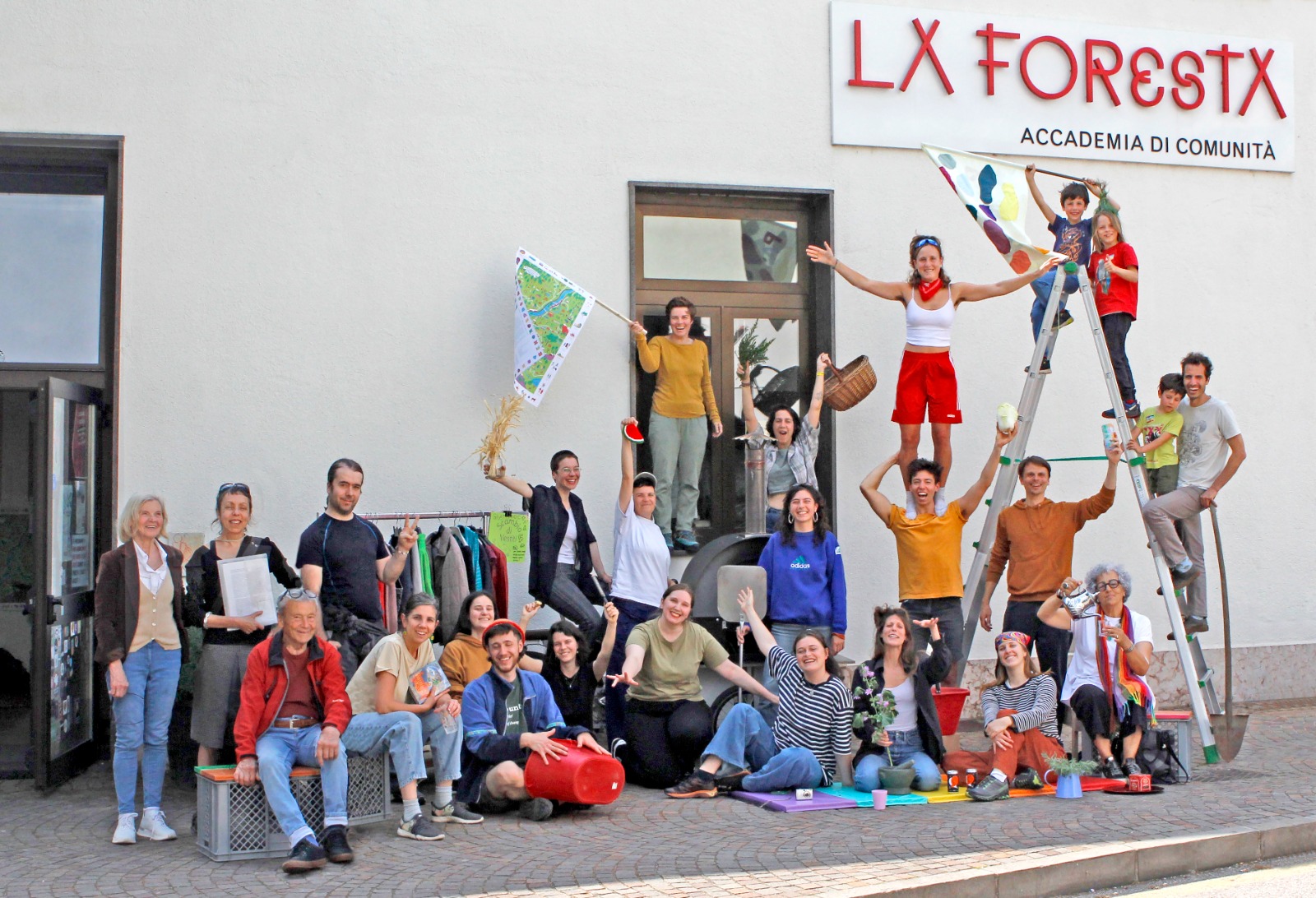
La Foresta is a community-led learning space at the train station of Rovereto. It has been co-created by over 30 grassroots actors (with expertise in design, social work, the humanities, agroecology), the municipal Office for Social Policies and the Italian Railway Network. Since 2021, it is open daily, experimenting with convivial, low-threshold activities both at the station and in the 19 villages served by the station with the aim to strengthen social cohesion and local democratic processes.
Italy
Regional
Trentino
Trentino-Alto Adige
Alpe-Adria region
Euregio Tirol-Südtirol-Trentino
Trentino-Alto Adige
Alpe-Adria region
Euregio Tirol-Südtirol-Trentino
It addresses urban-rural linkages
It involves a physical transformation of the built environment (hard investment)
Yes
2025-12-31
Yes
Erasmus+, Marie Sklodowska-Curie Actions, Creative Europe, ERDF
No
No
Organisation
“A welcoming space, where I feel safe and inspired!” Aya, 14, daily visitor
“Week after week, a breath of fresh air!” Betty, 55, weekly participant
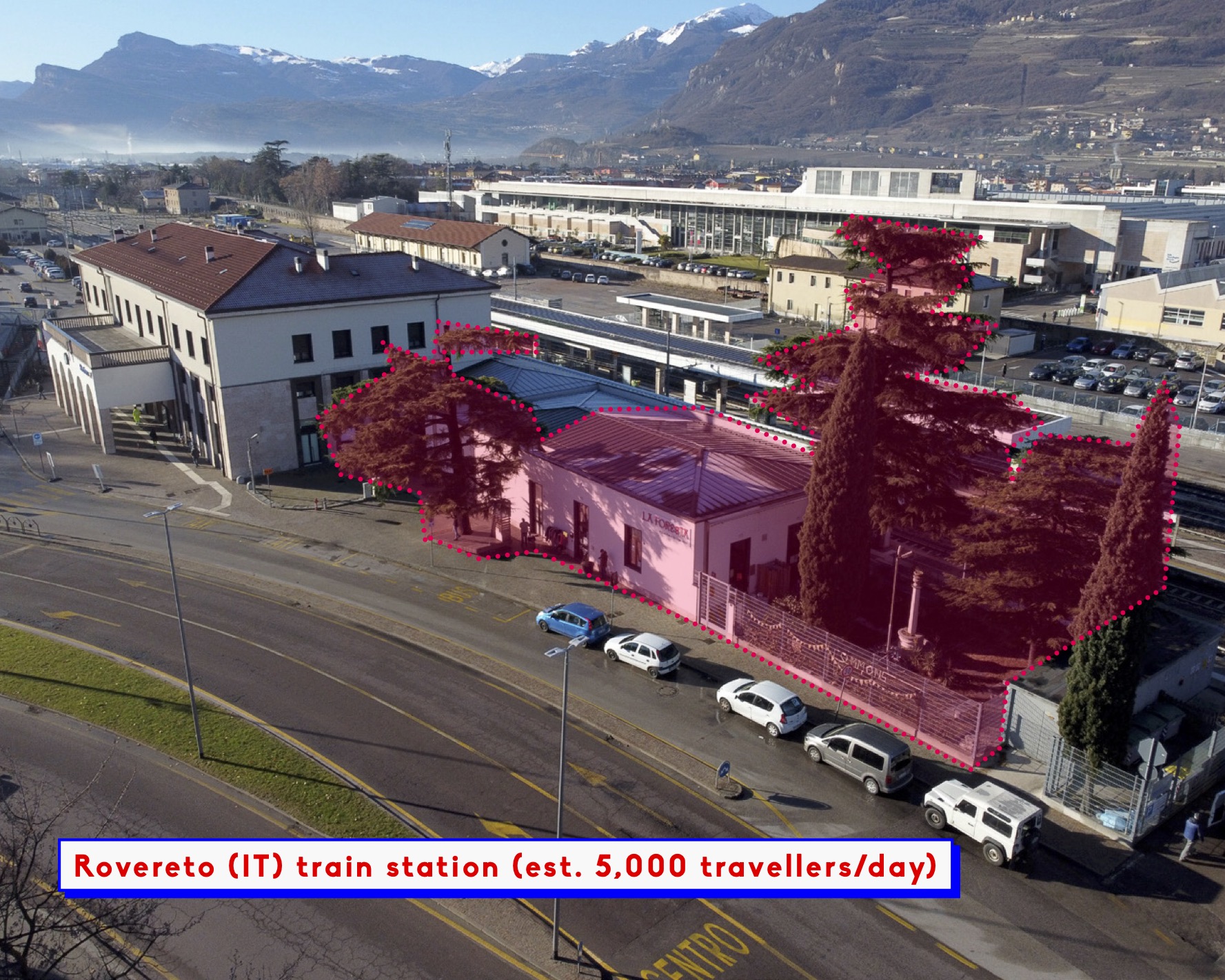
La Foresta is a community academy at the train station of Rovereto (pop. 40,000). Once an unused station building, we have transformed it into a lively hub for the valley, currently hosting 24 participatory projects on issues such as mental health, community cohesion and biodiversity, engaging in 2025 alone over 8,000 participants.
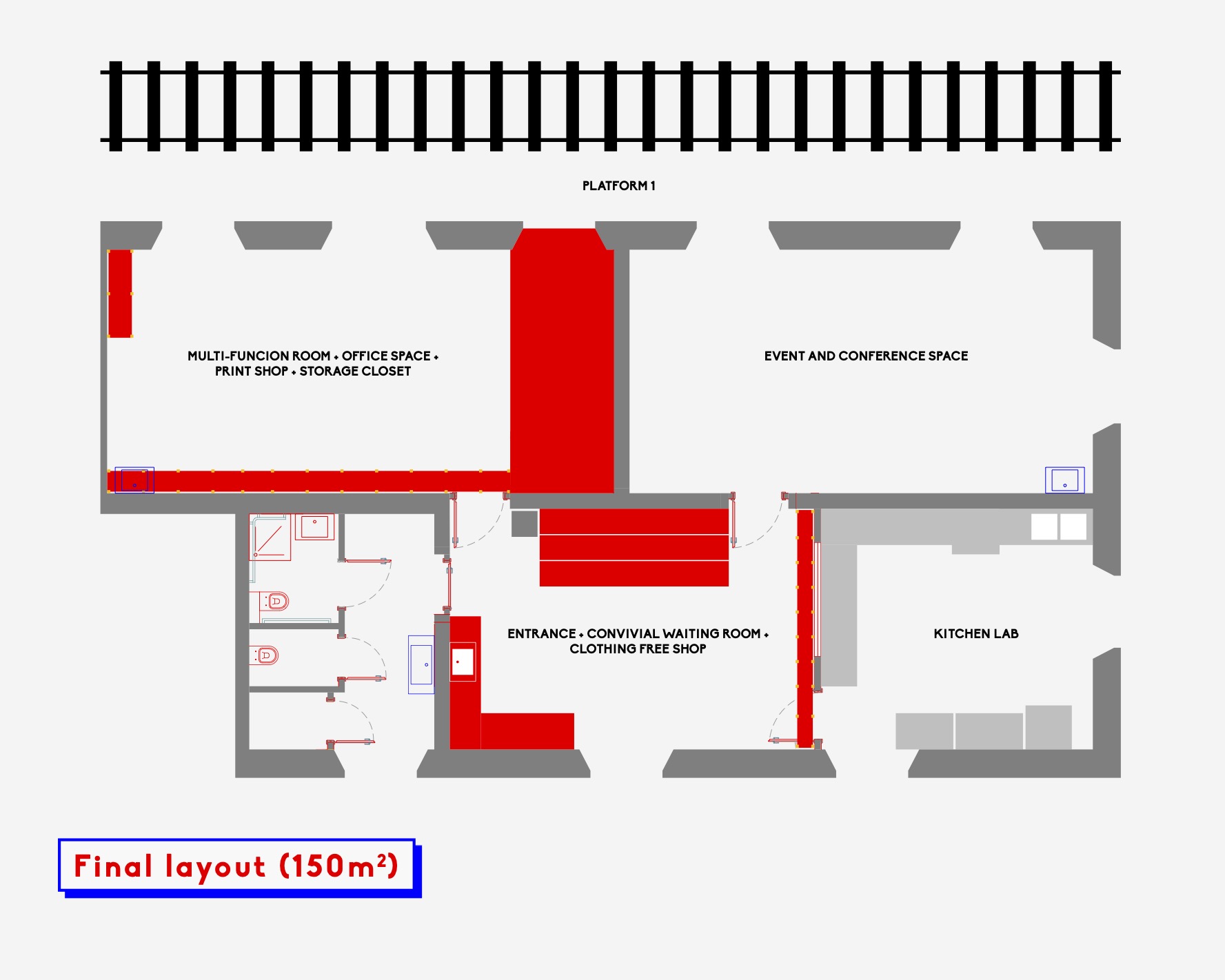
To create La Foresta, we co-designed, renovated and now activate a 150m2 space, creating a unique yet replicable model of how neglected railway buildings can be transformed into inclusive, self-organized spaces for urban-rural innovation and community building. Our daily activities include informal educational programs, cultural events, environmental projects, culinary experiments and mutual-aid practices. We bring together citizens, associations and municipal actors around shared topics such as social isolation, food democracy and inventive youth work.
We also innovate in the areas of governance and economies: nationally, we exemplify modes of horizontal decision-making, shared civic–public care for community infrastructures and collaborative project development across civic and public actors. Internationally, we contribute to the Community Economies Research Network and Trans Europe Halles.
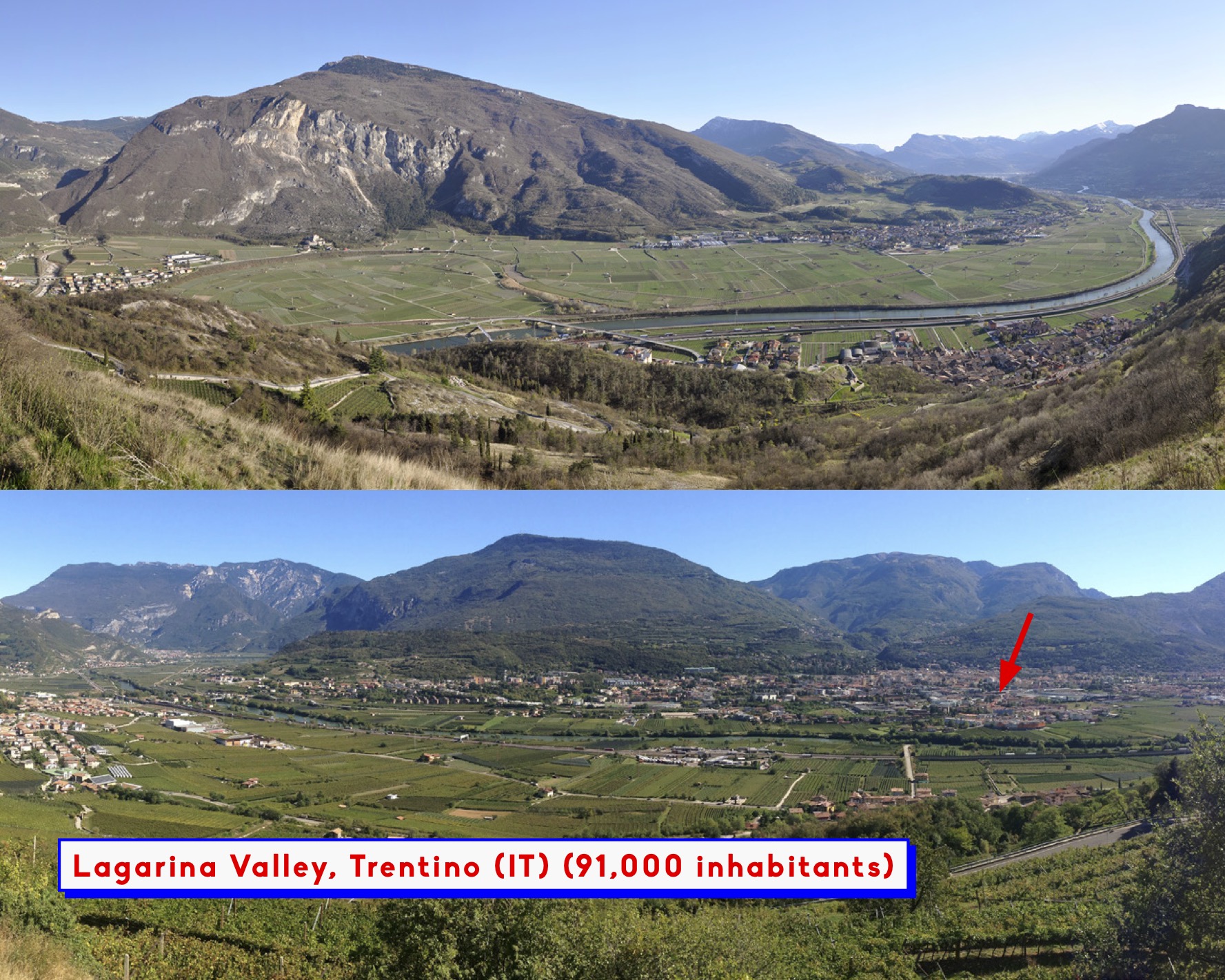
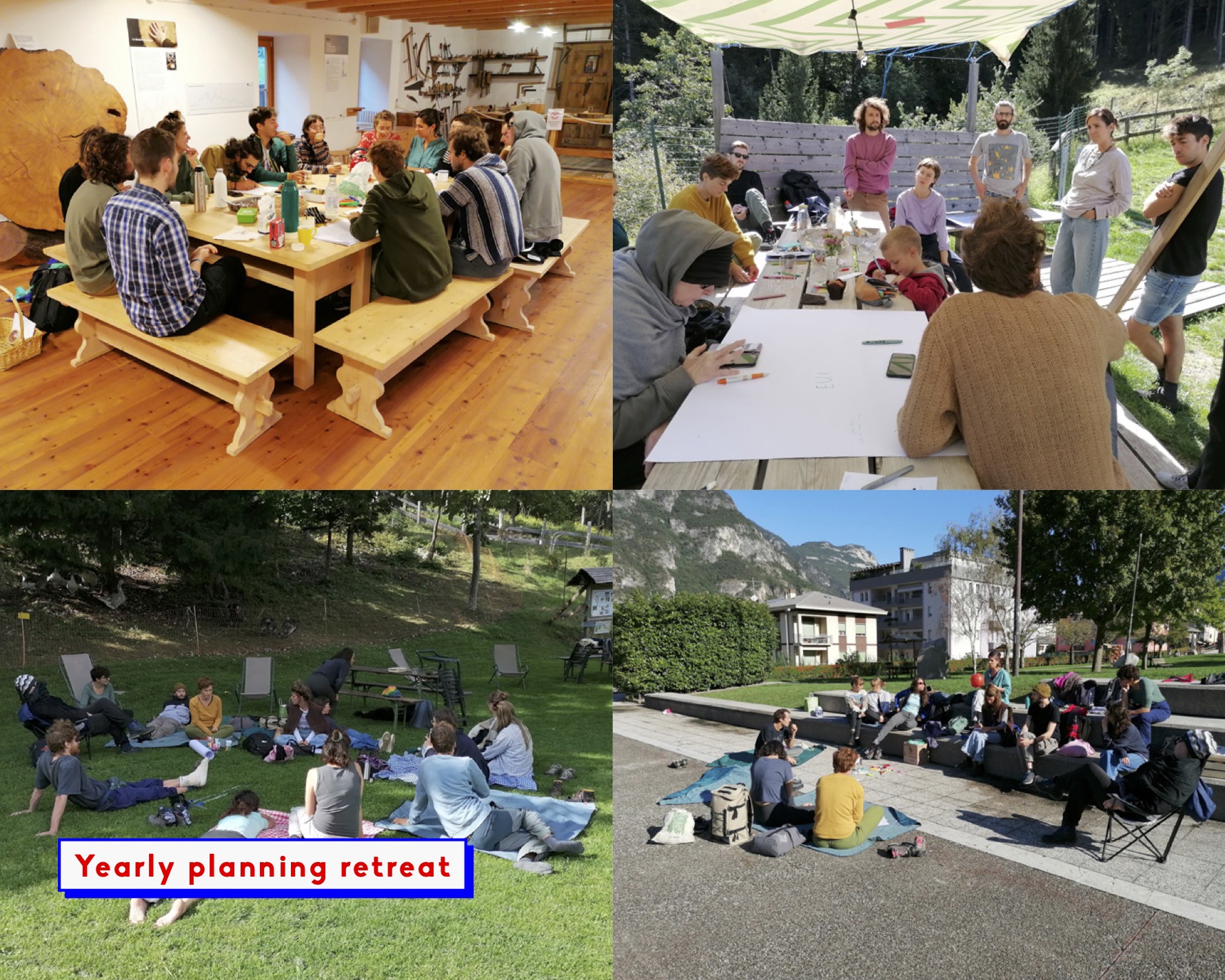
In the long term, we activate La Foresta as a regional common good, fostering community resilience, belonging and democratic literacy. The valley is experiencing the outmigration of young people, while many of those who remain face increasing social isolation. Our region is also already feeling the climate crisis. This makes a space, where people can meet, engage in democratic exchange and foster a sense of future possibility, even more crucial. We build a culture of shared responsibility and trust, encourage engagement with European values such as democracy, solidarity and environmental care.
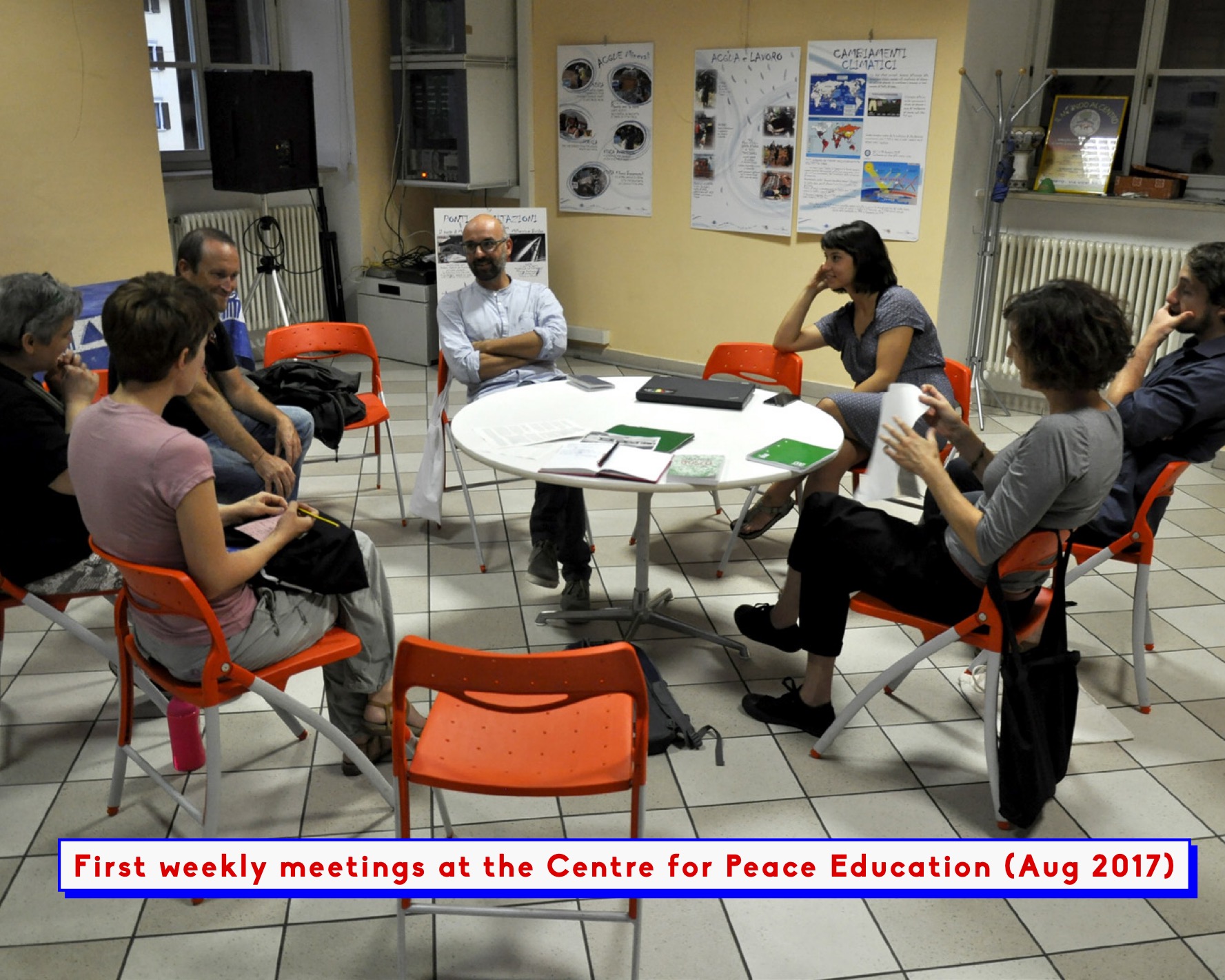
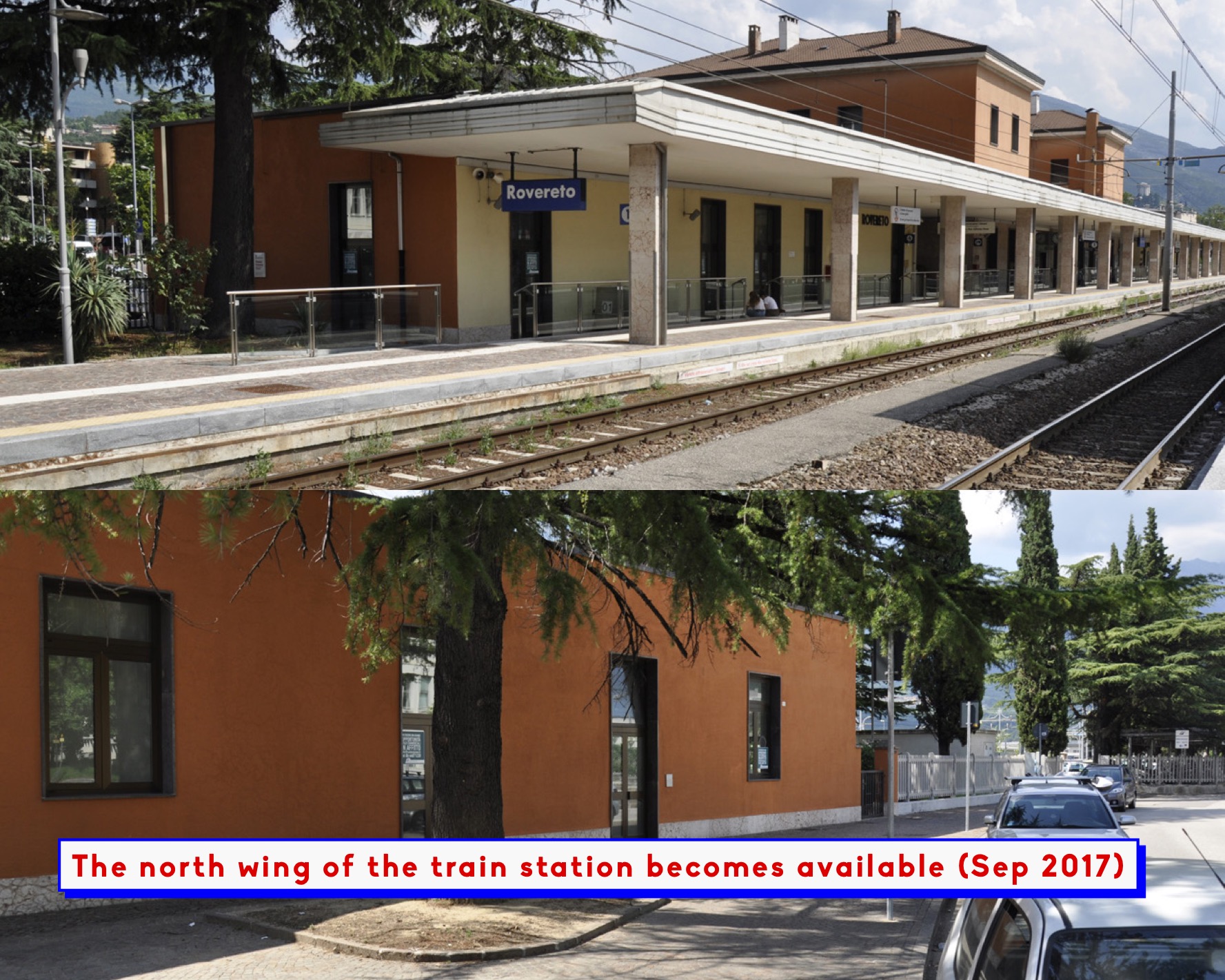
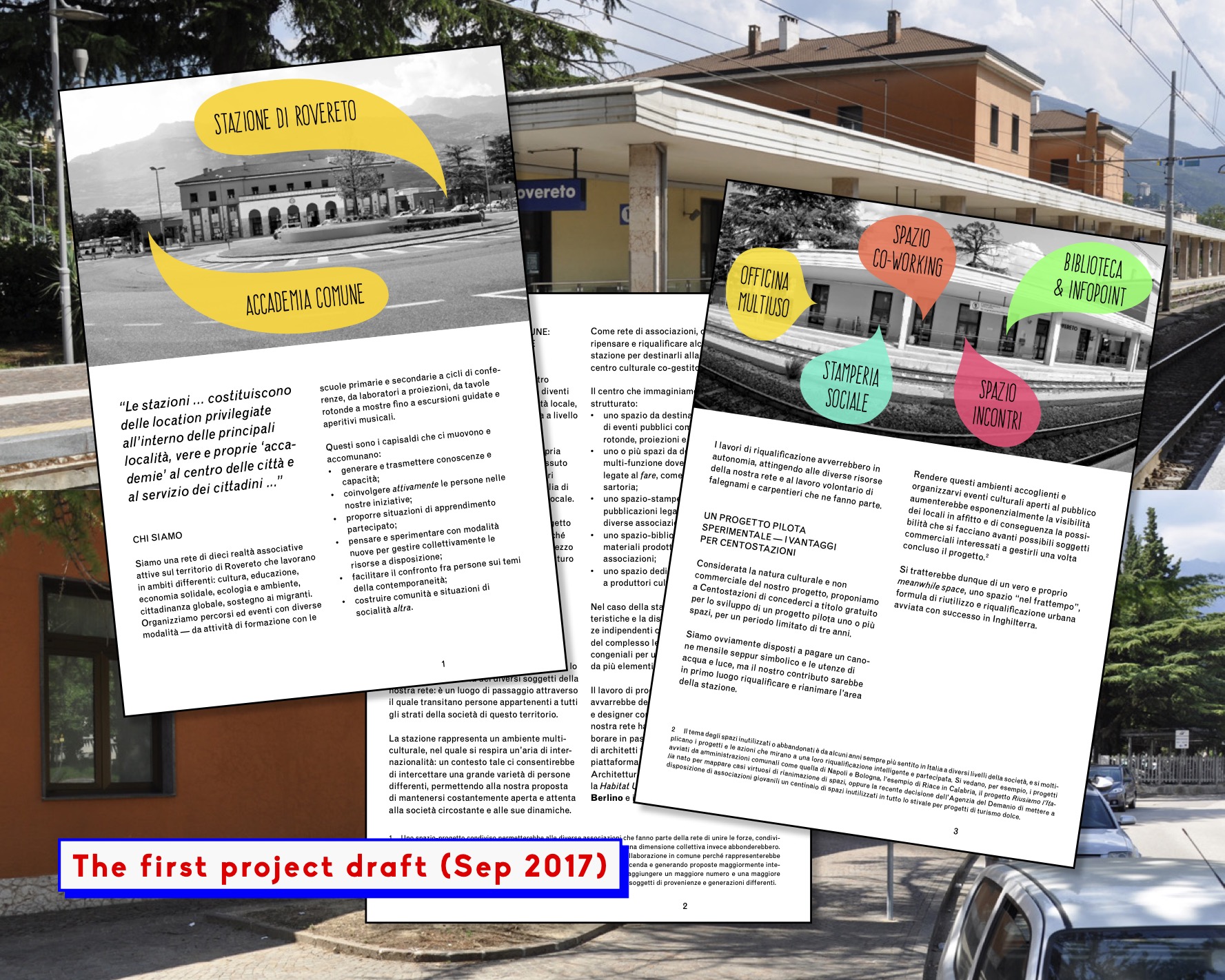
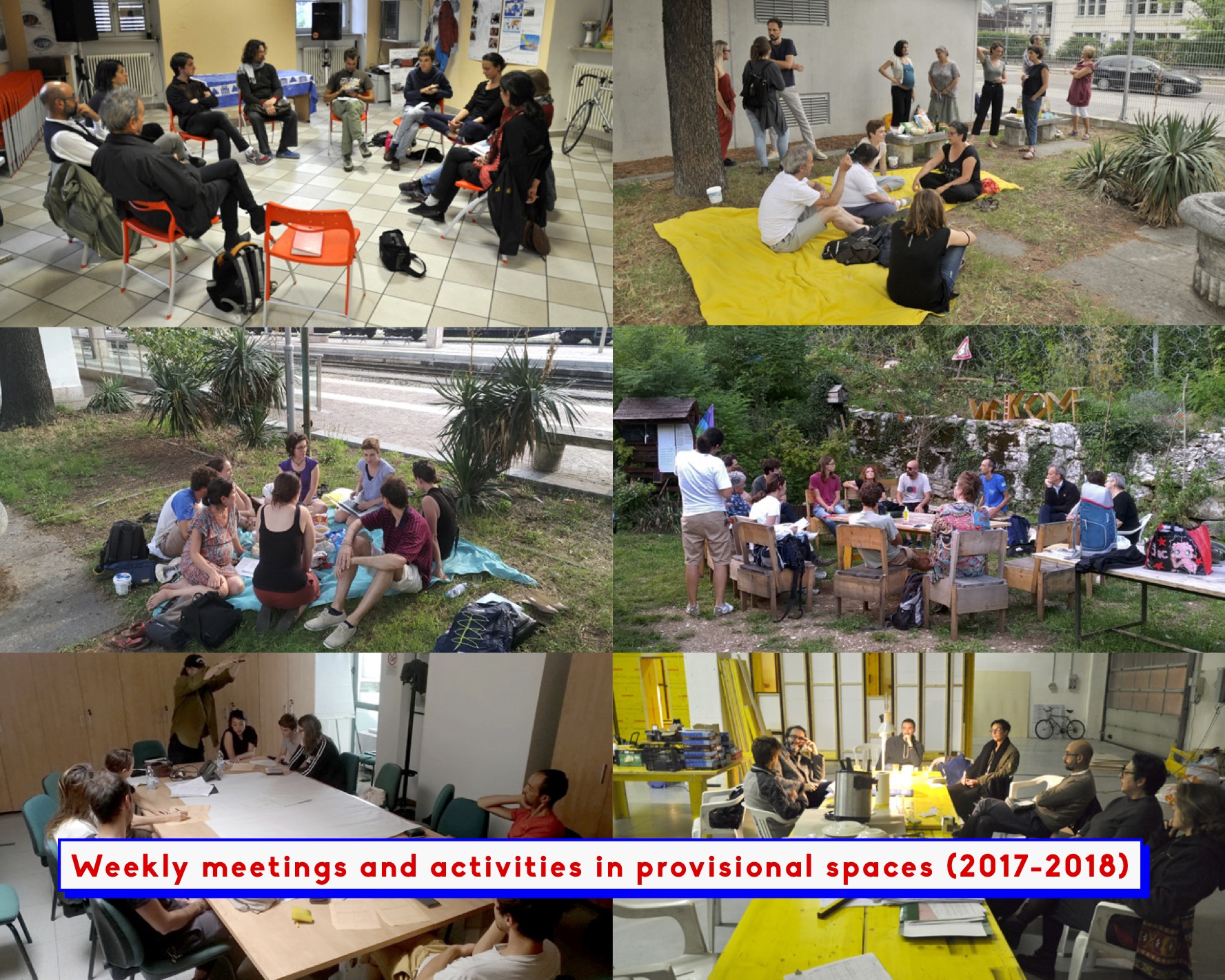
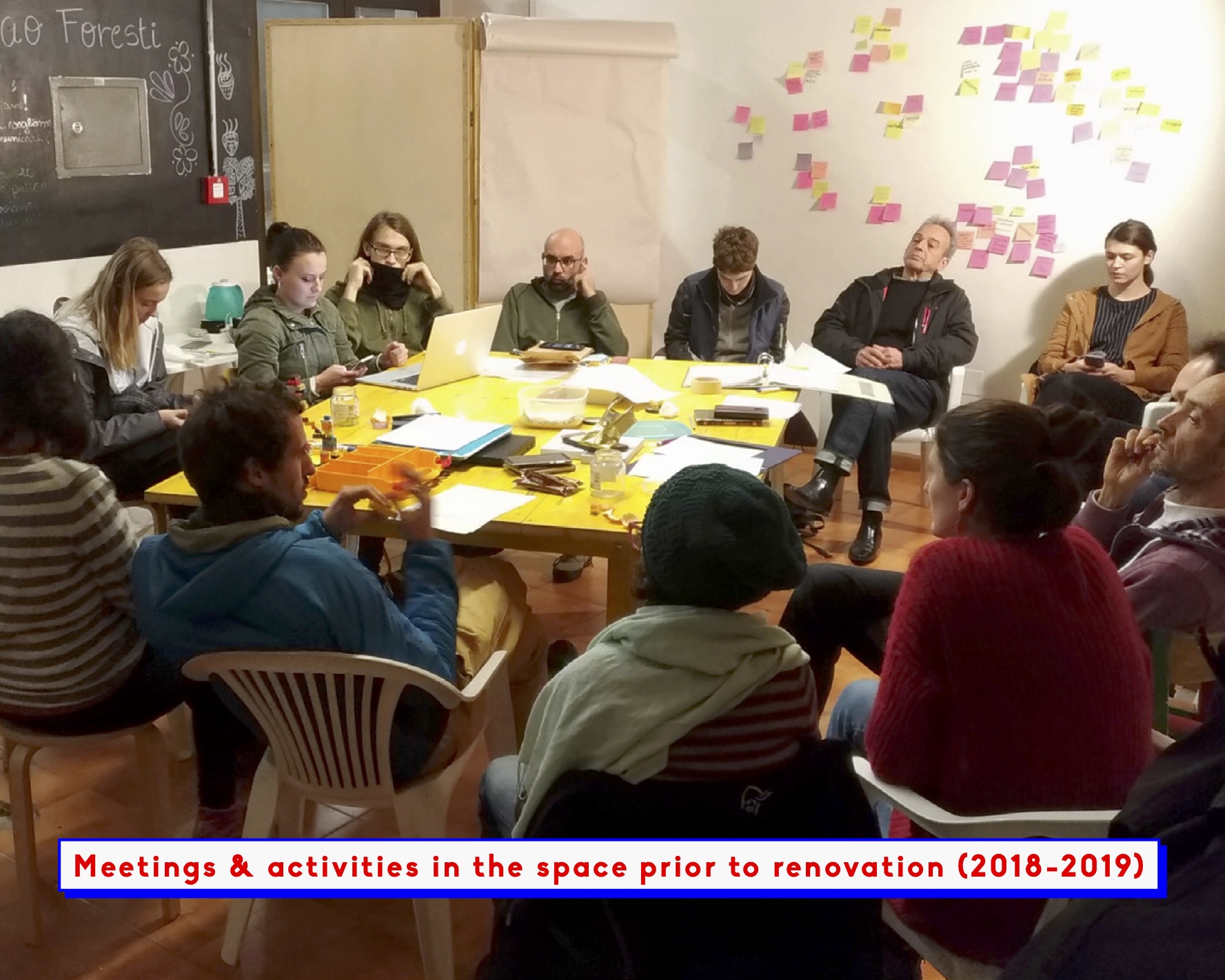
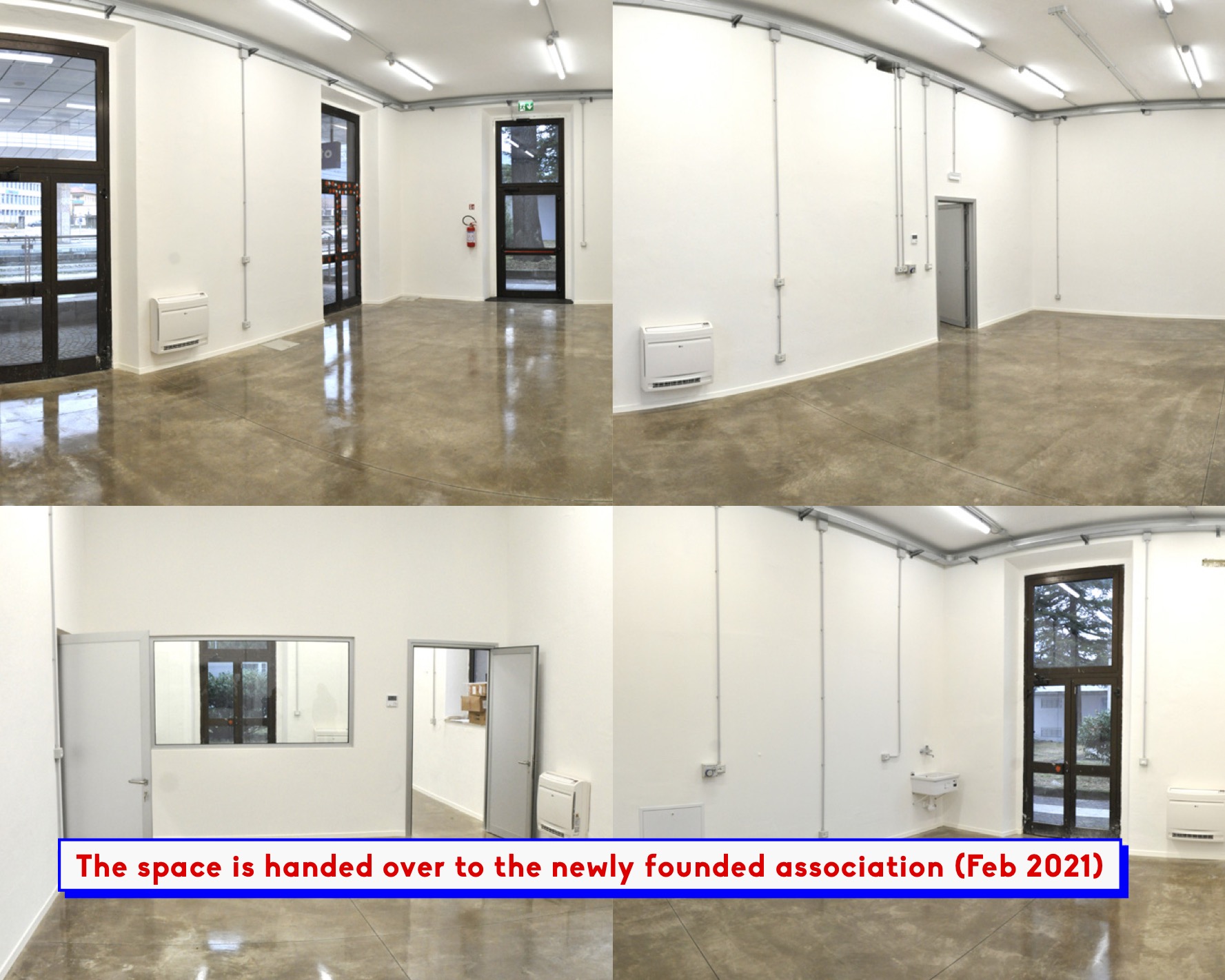
From 2017 onwards, we developed La Foresta as a physical space and cultural organization. Its creation grew out of two local experiences led by design collective Brave New Alps (BNA): a community garden and a temporary cultural space in a building hosting asylum seekers. These allowed grassroots actors in culture, social work, and agriculture to get to know each other and to sense the strength a shared, commonly governed space - that also includes the voices of welfare recipients - can bring to democratic culture.
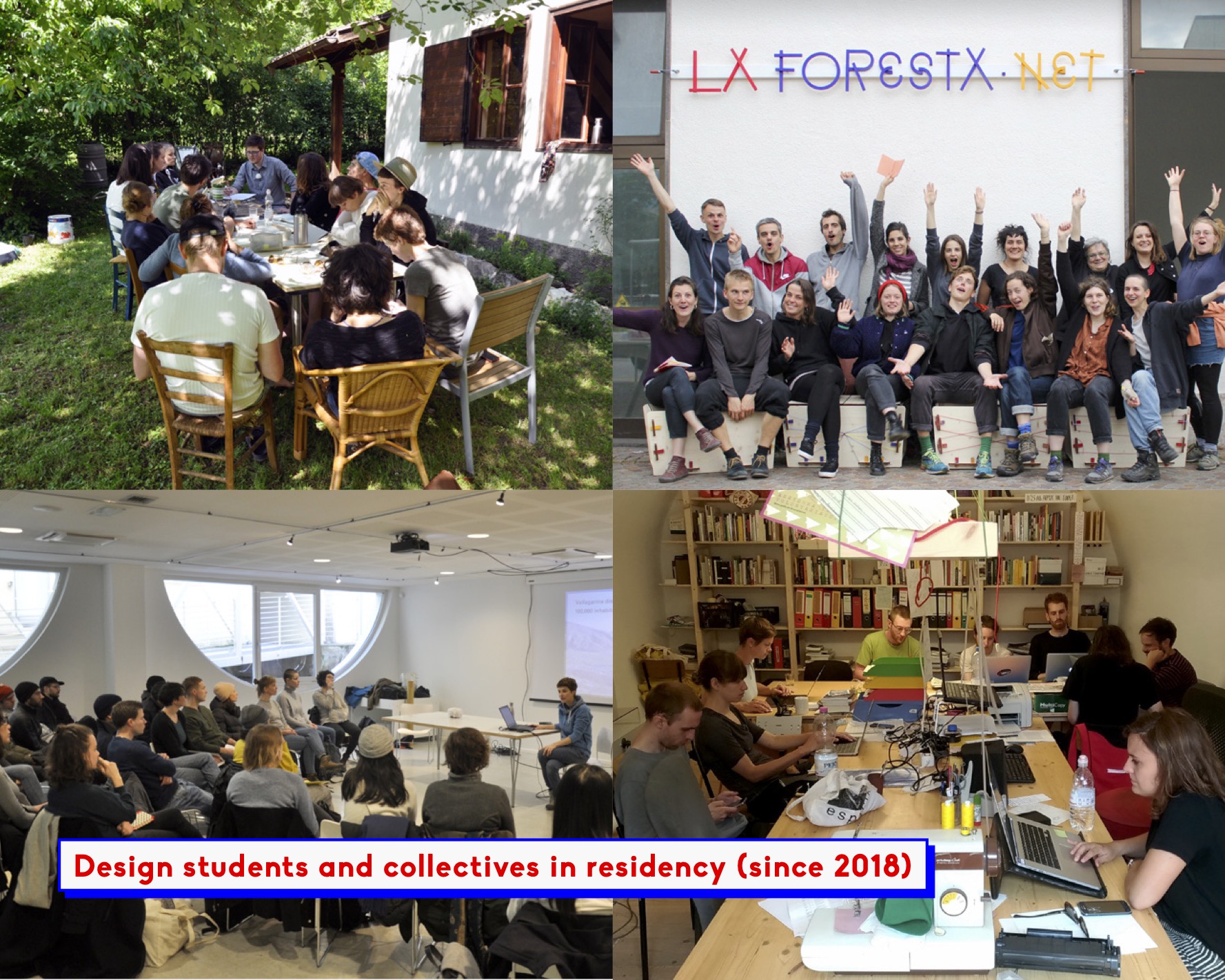
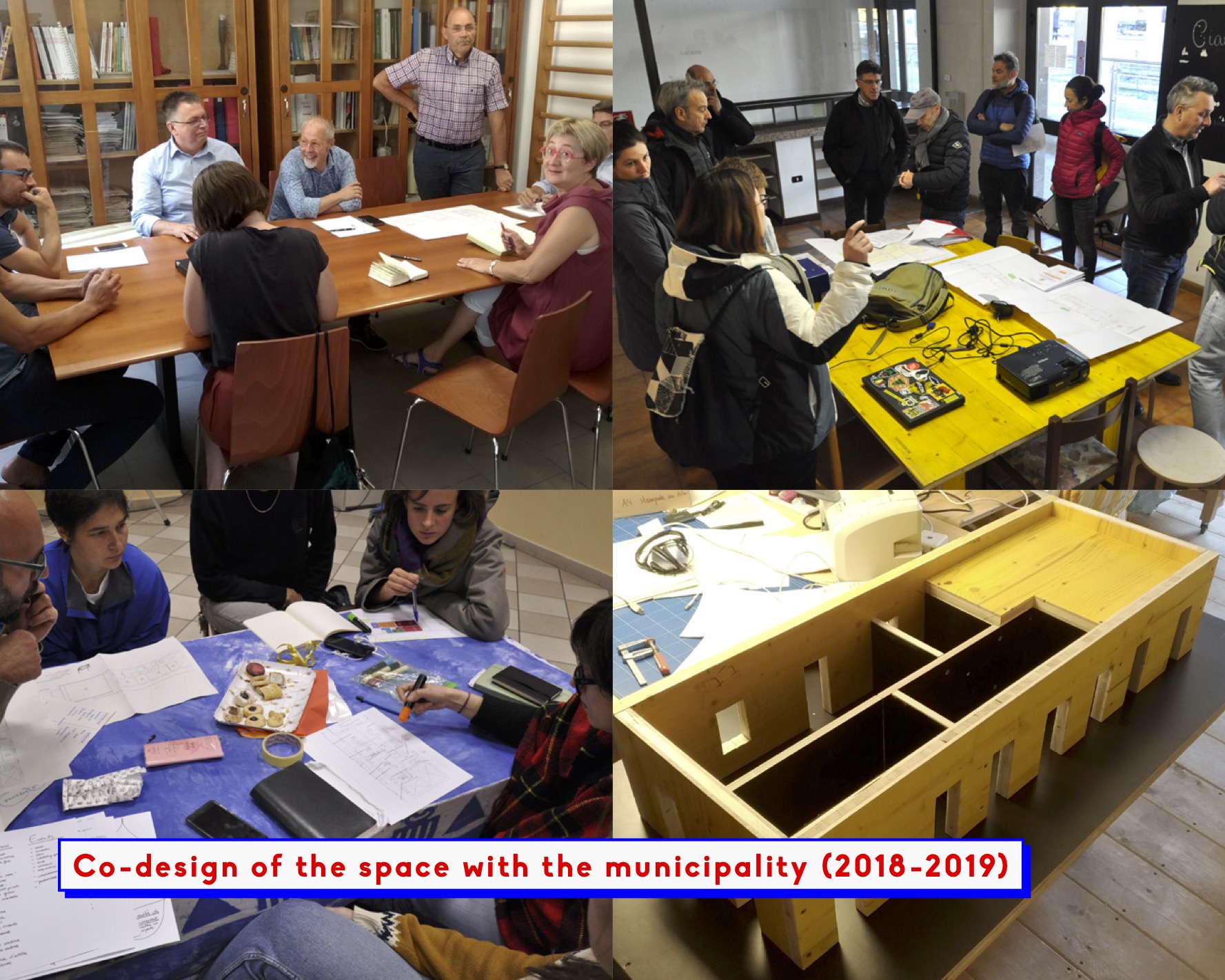
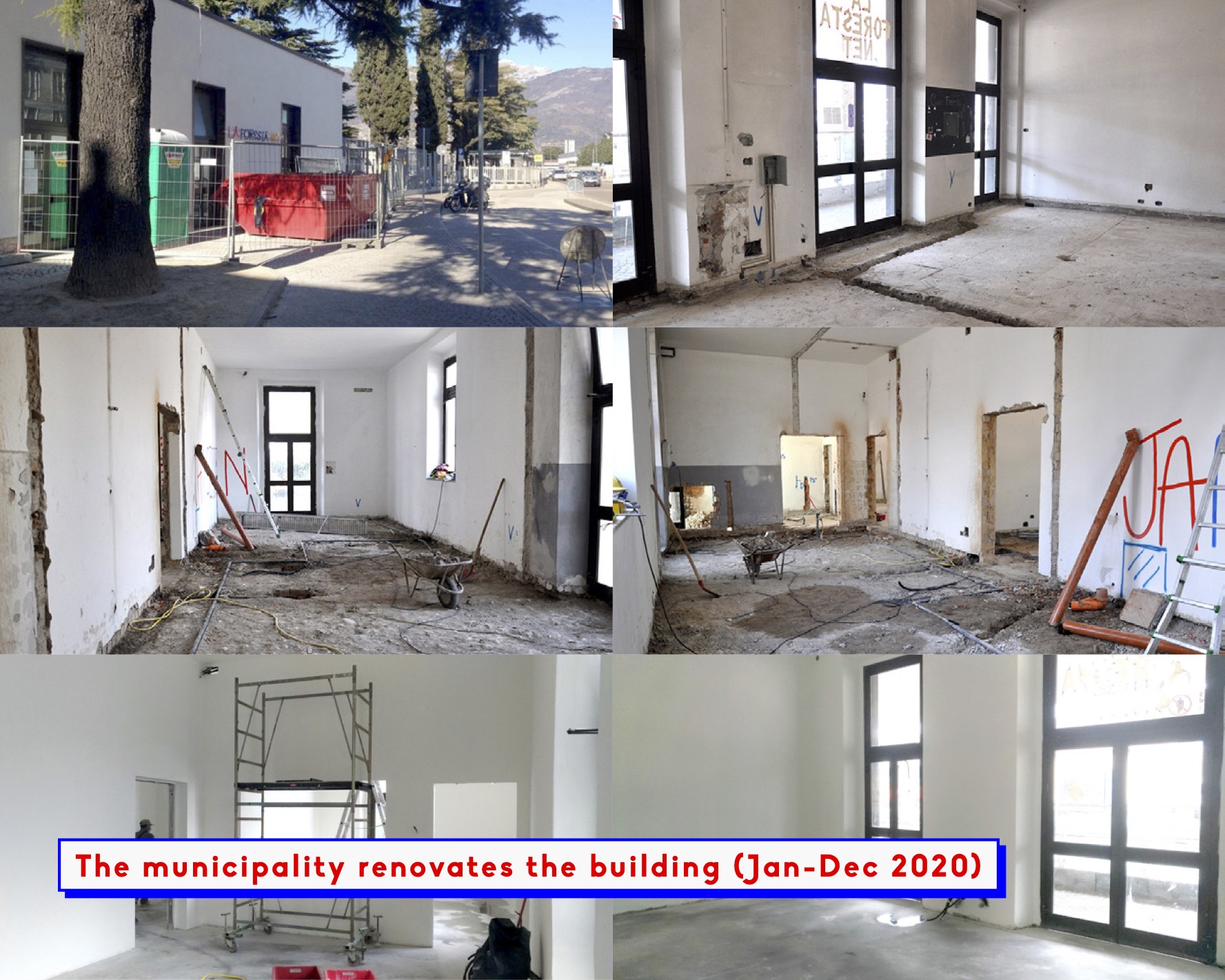
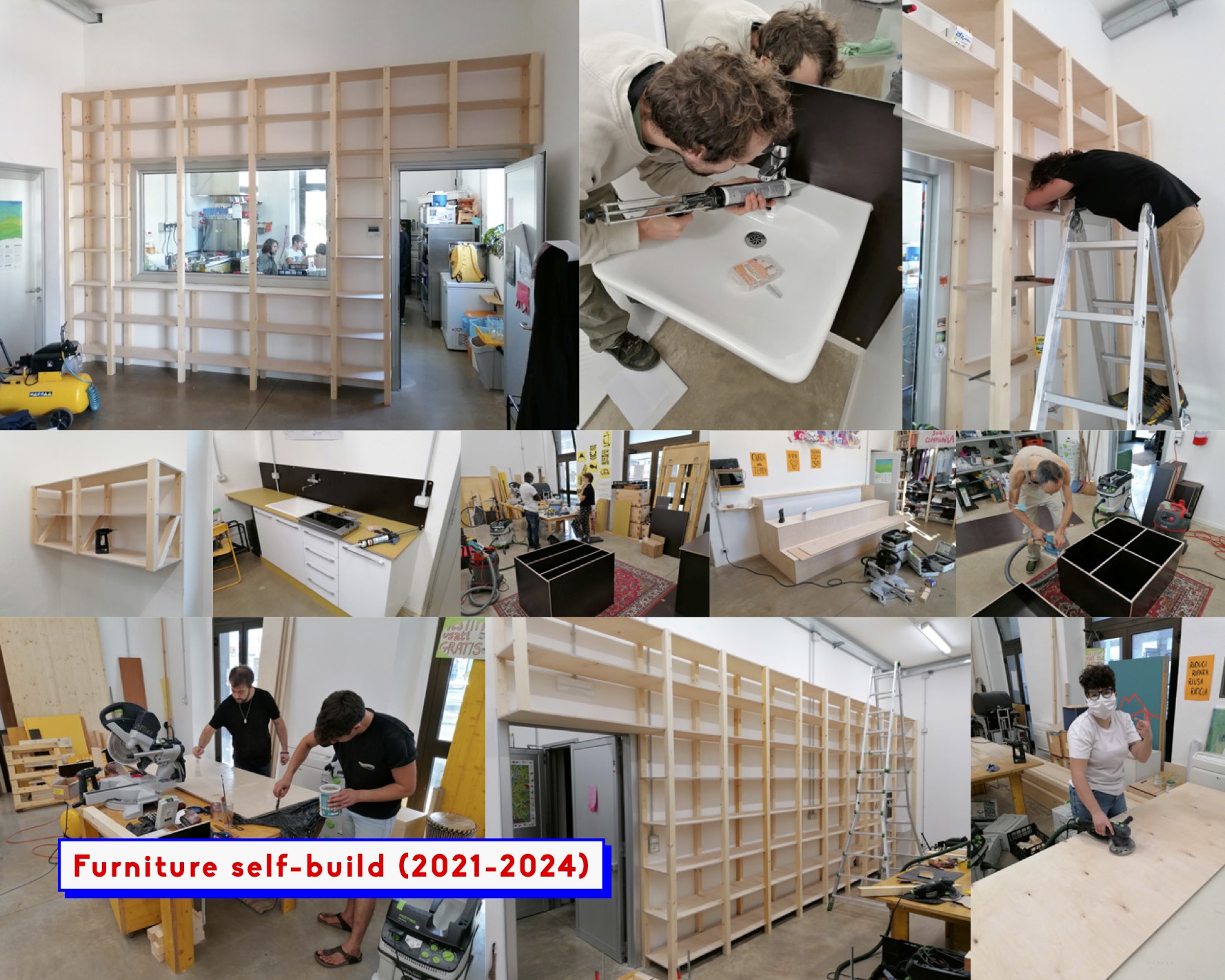
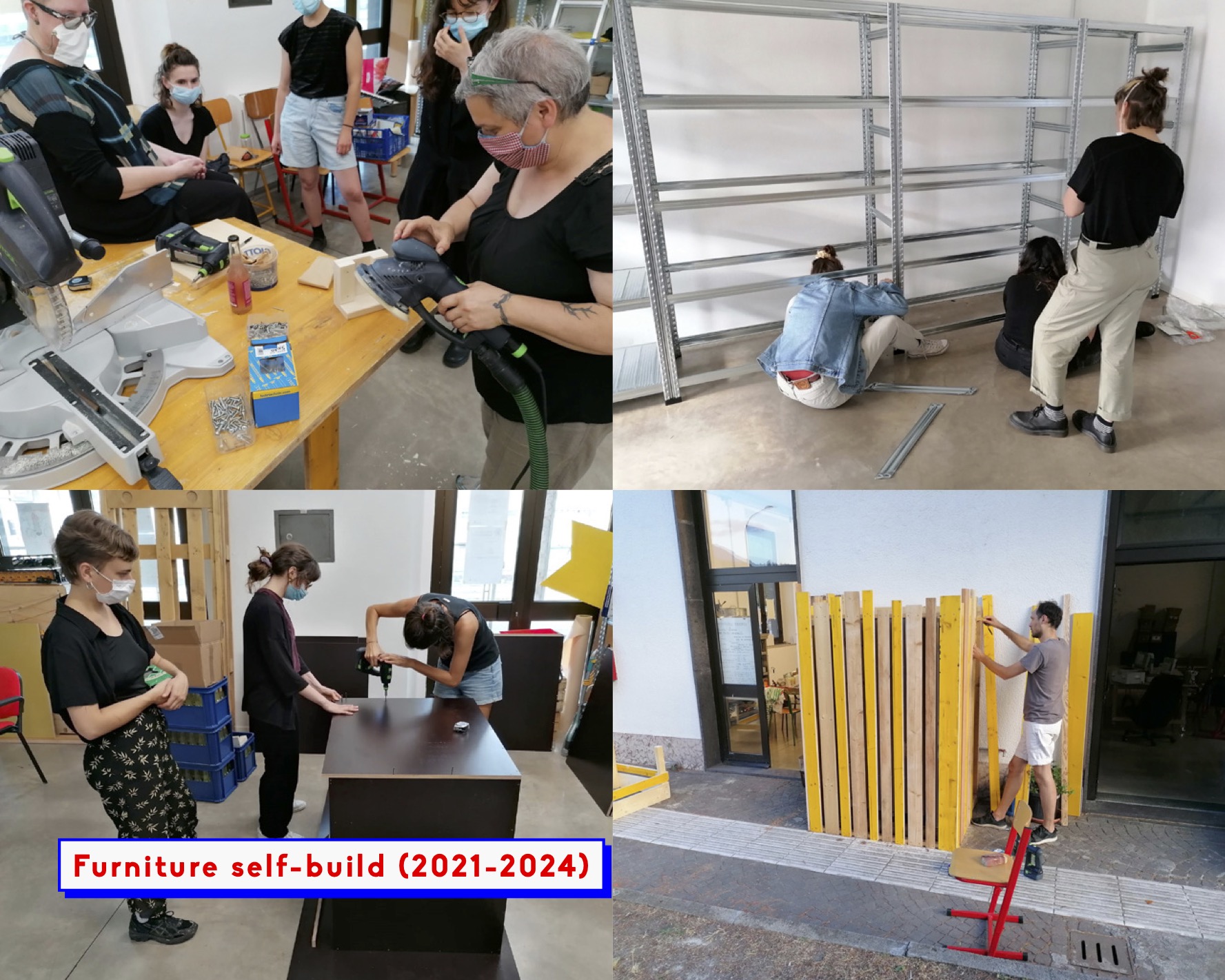
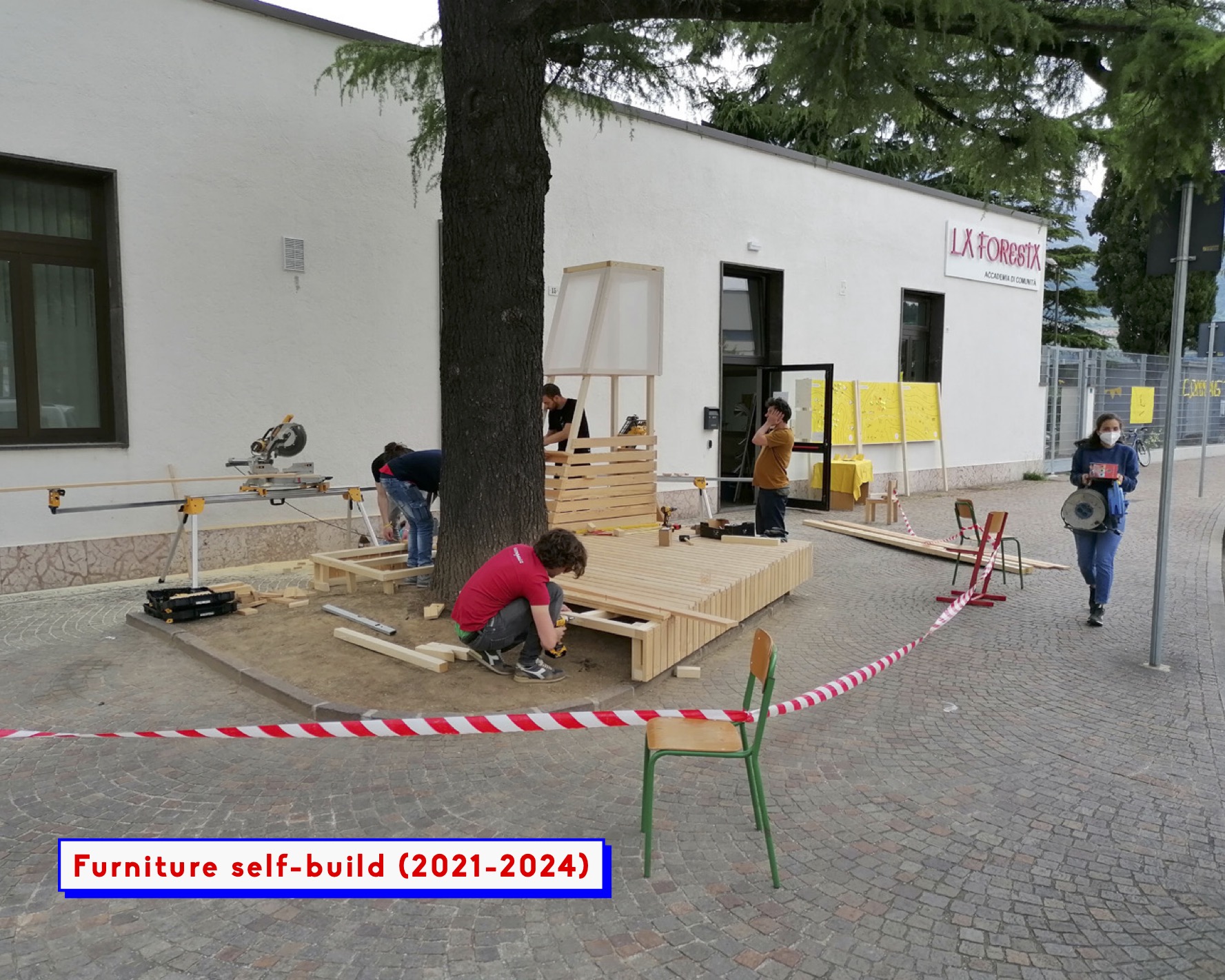
To develop this multidisciplinary catalyst for participation in tackling contemporary challenges, an empty space at the lively yet neglected train station became our obvious choice: the station serves 19 municipalities (around 100,000 people) and is widely seen as the shared “door” to the valley, with also high-speed and int. trains stopping. After an 18 months multilevel co-design process governed collaboratively by the Municipality and BNA, the Italian Railway Network granted the space rent-free for 18 years. The Municipality supported the regeneration with €250,000, active citizens contributed over 30,000 hours of regeneration work, and local organizations raised funds and organized workshops with int. design schools to experiment with new community formats.
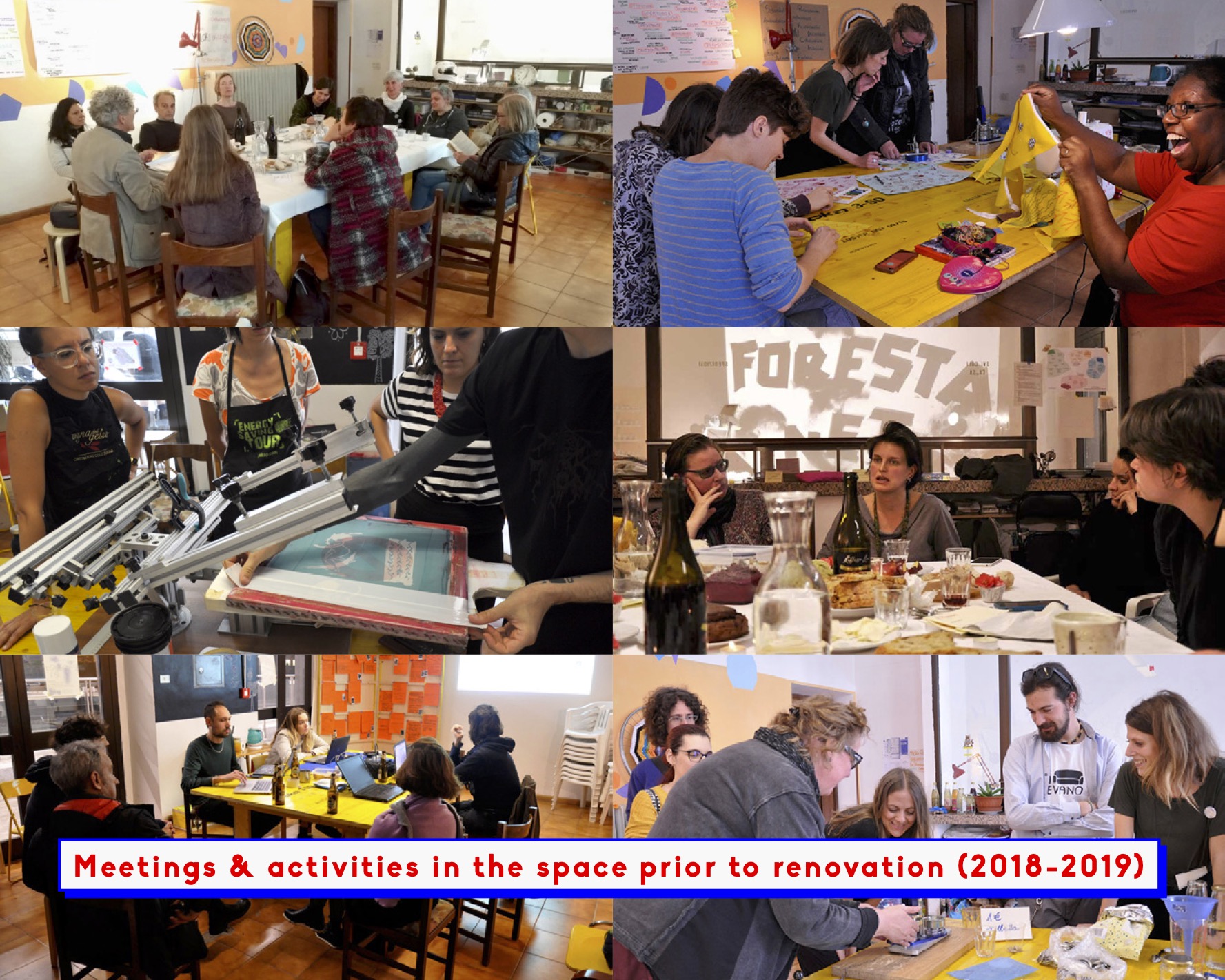
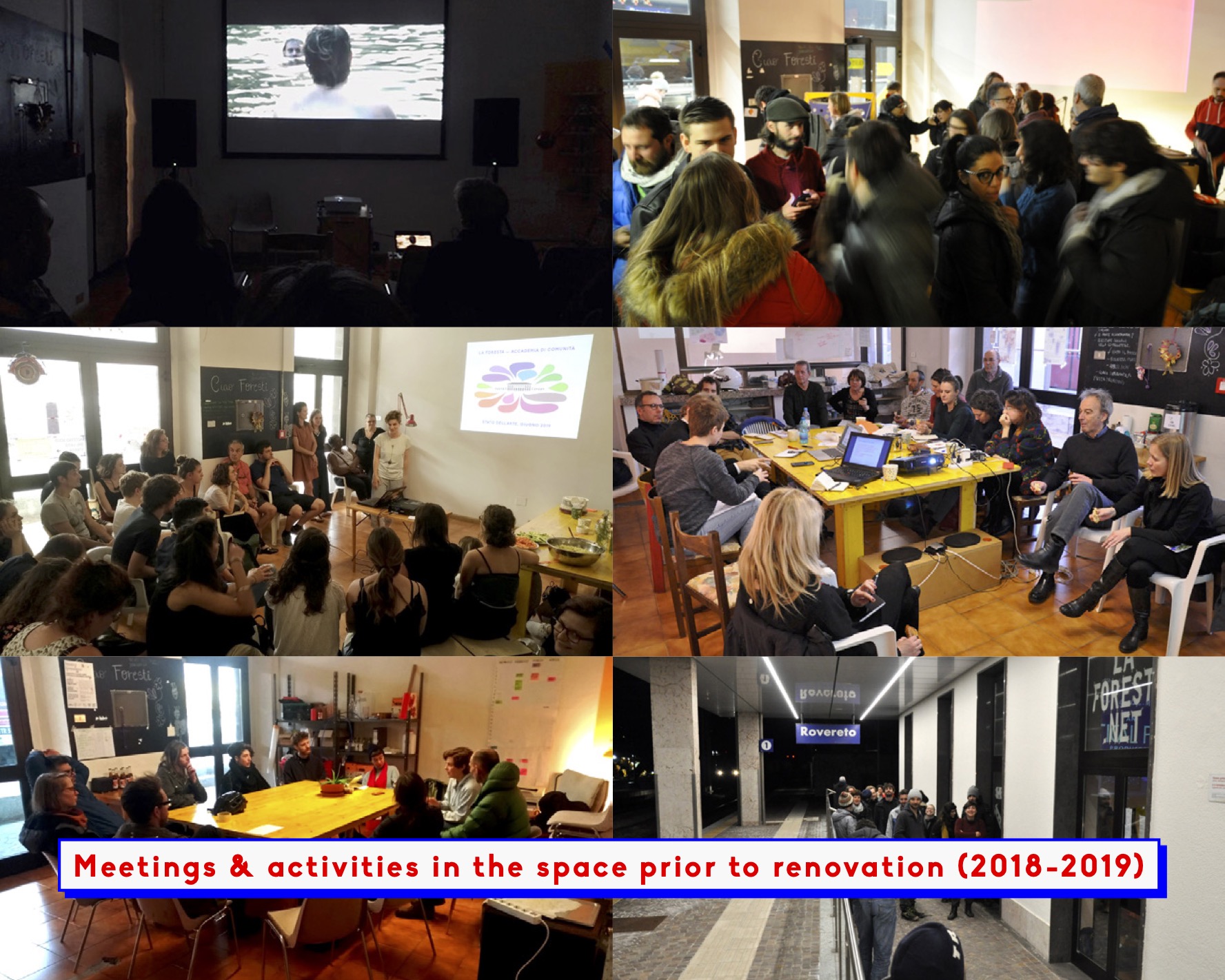
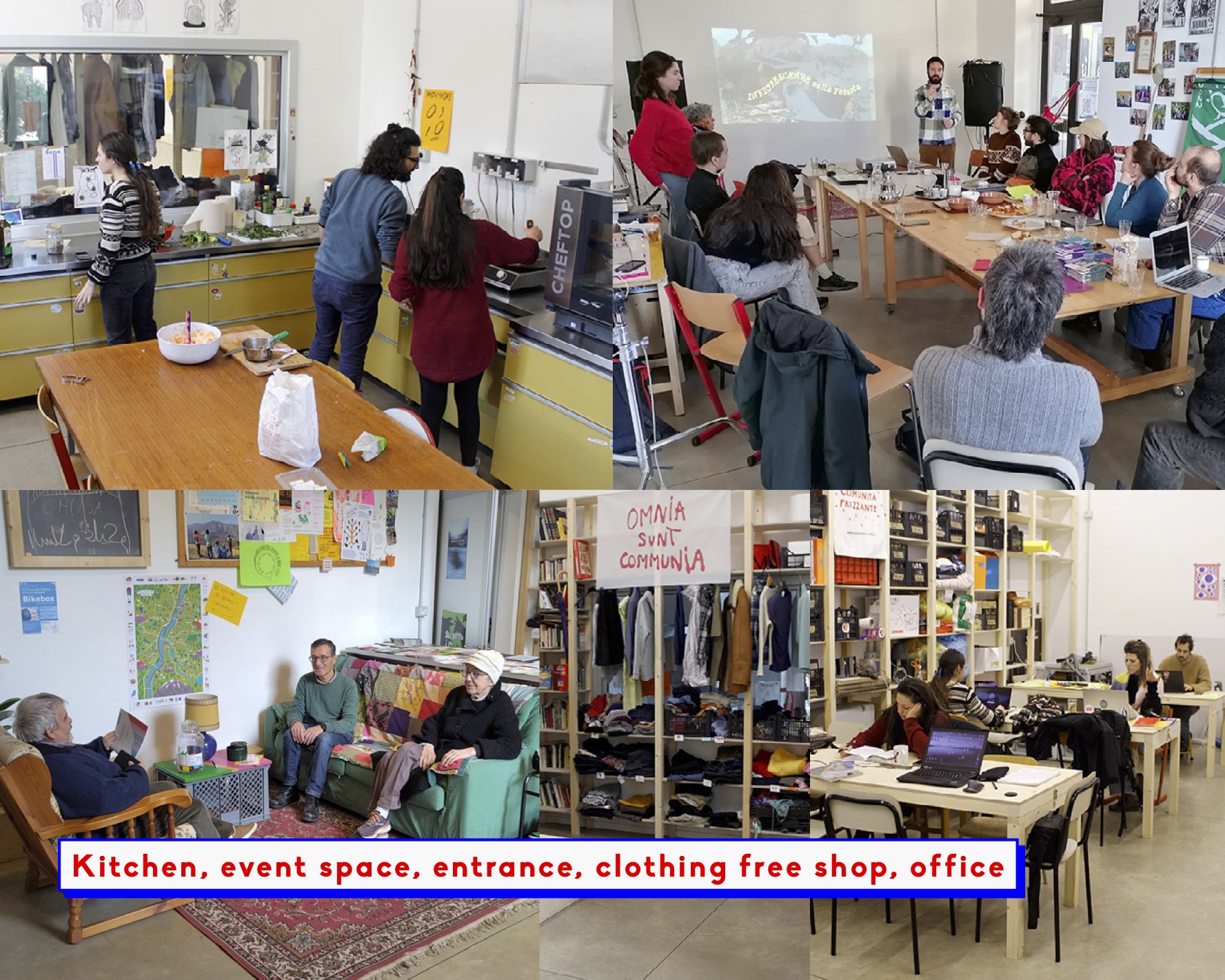
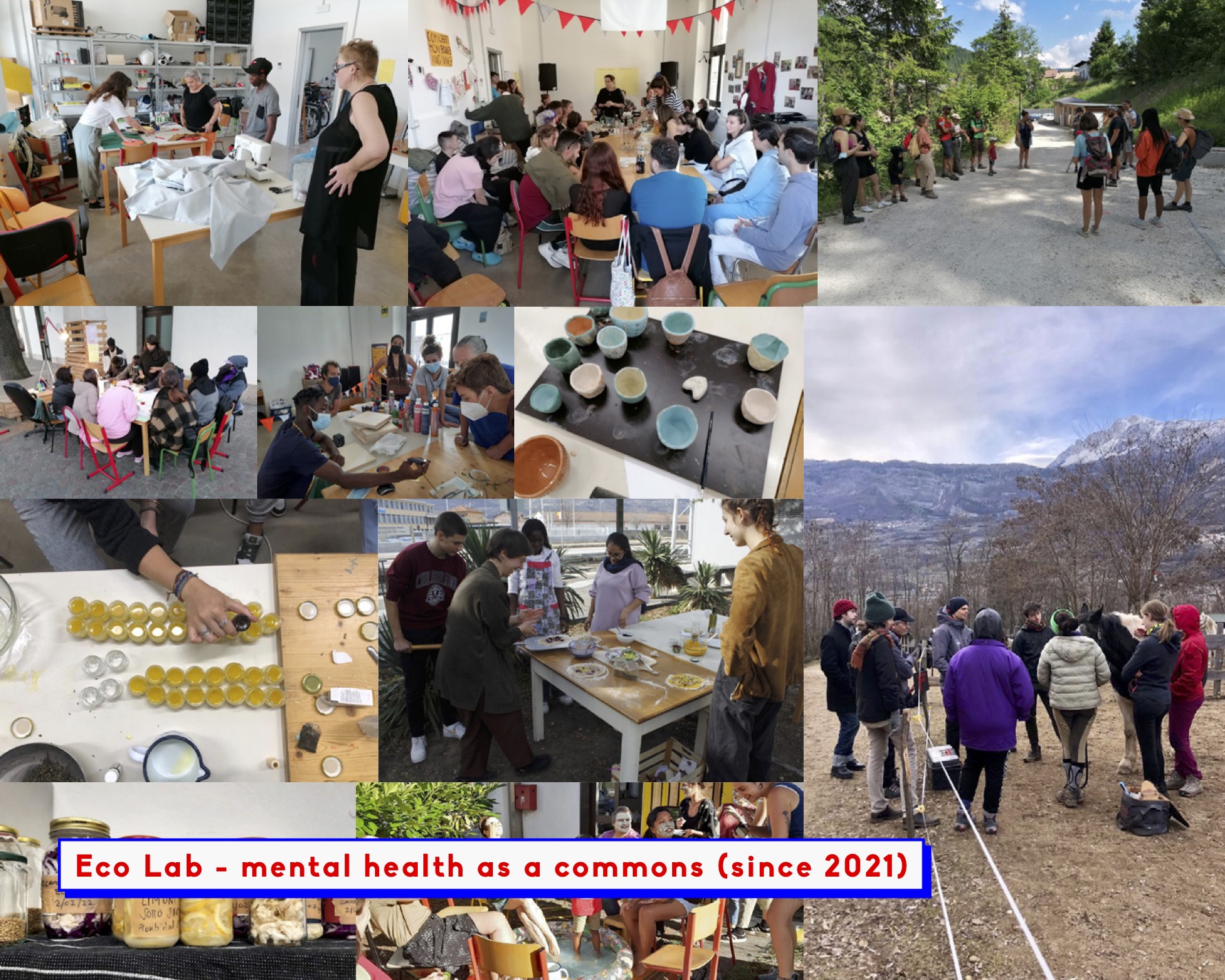
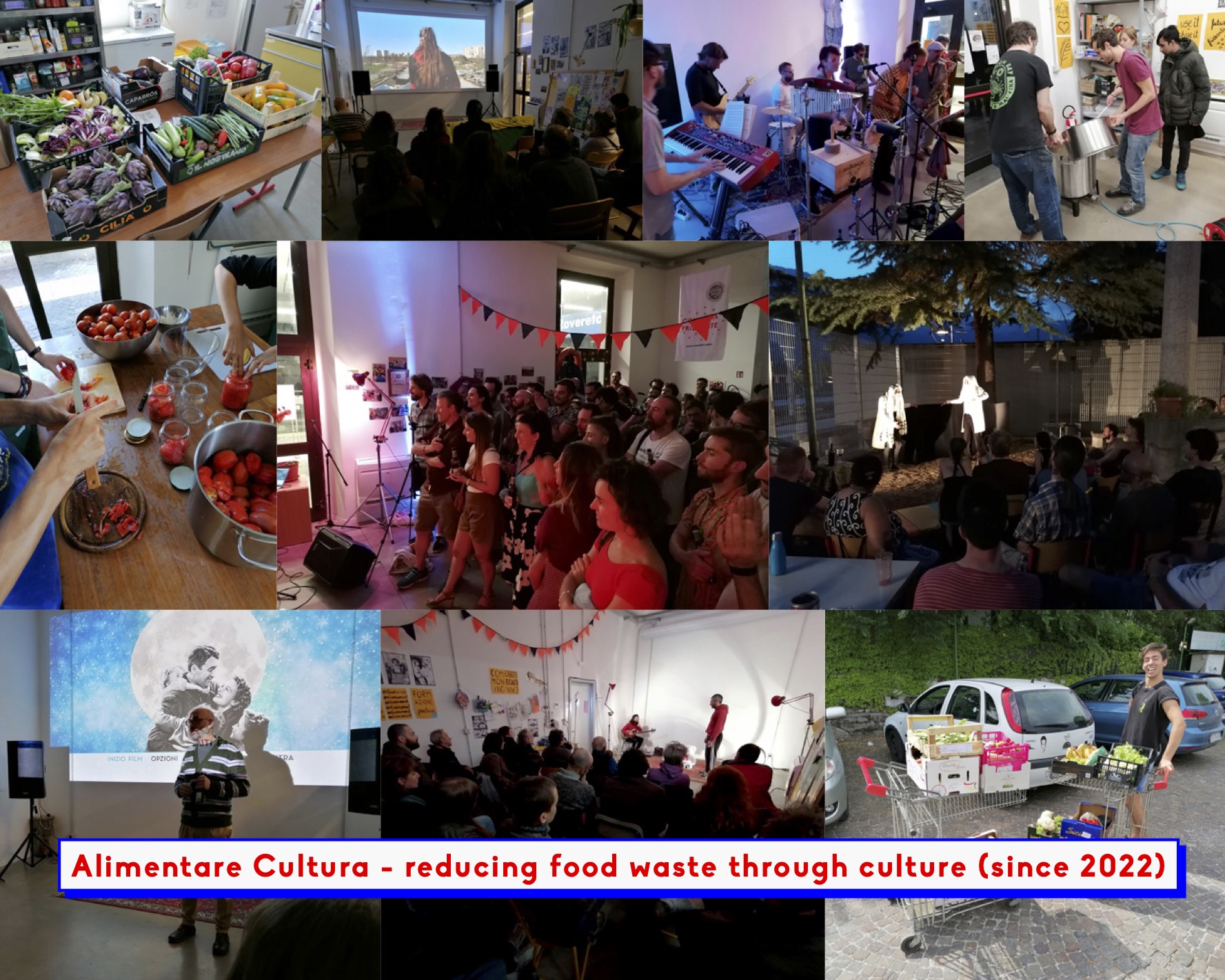
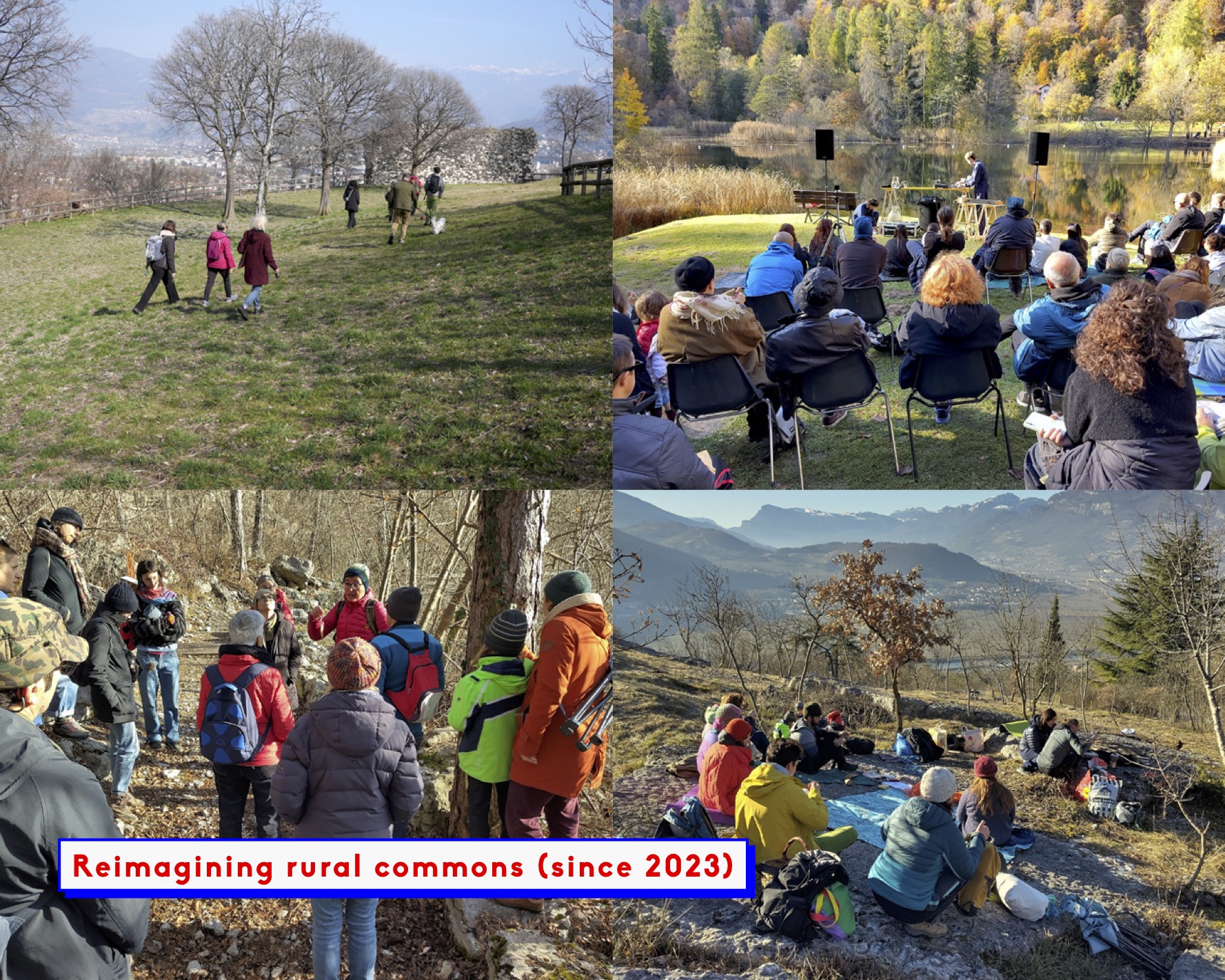
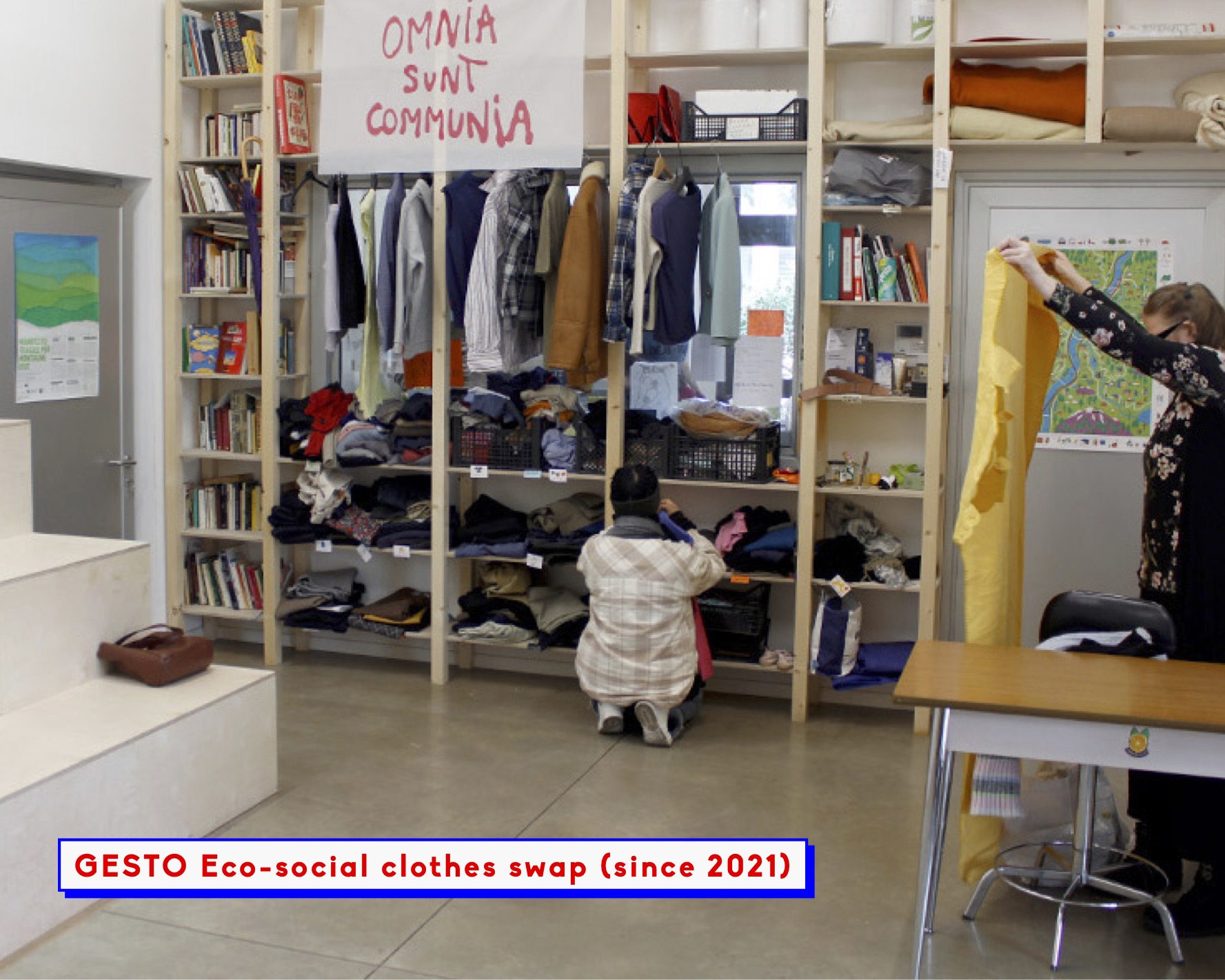
Since 2021, we are open daily, hosting free, low-threshold, intergenerational and intercultural activities—such as cooking, gardening, foraging, music, art, repair, sexual education—alongside a permanent clothes swap and support services for homeless people. With these activities we explore how humans relate to each other and the wider ecosystem. We are now 15 people (age 24-48) working daily in the valley thanks to La Foresta.
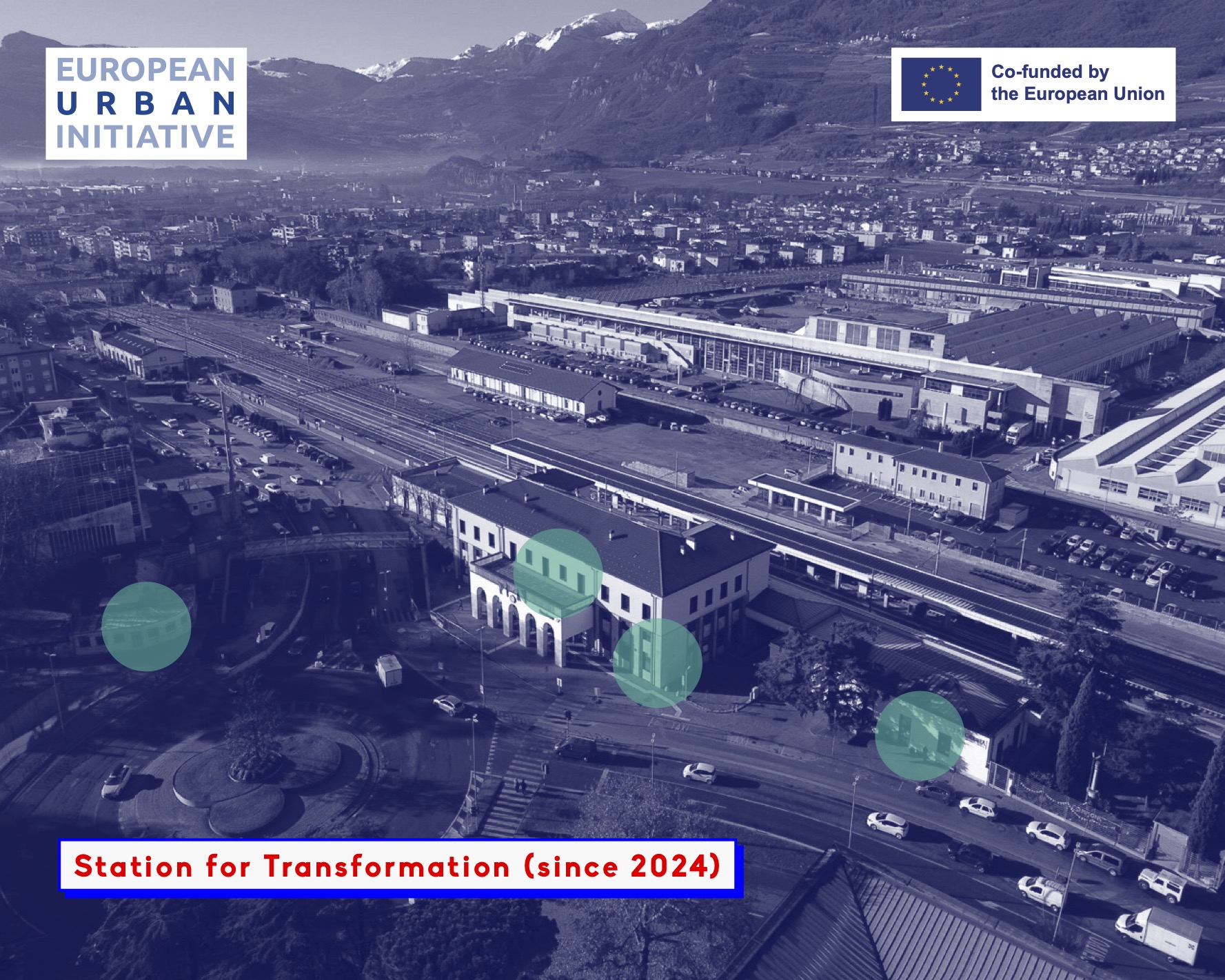
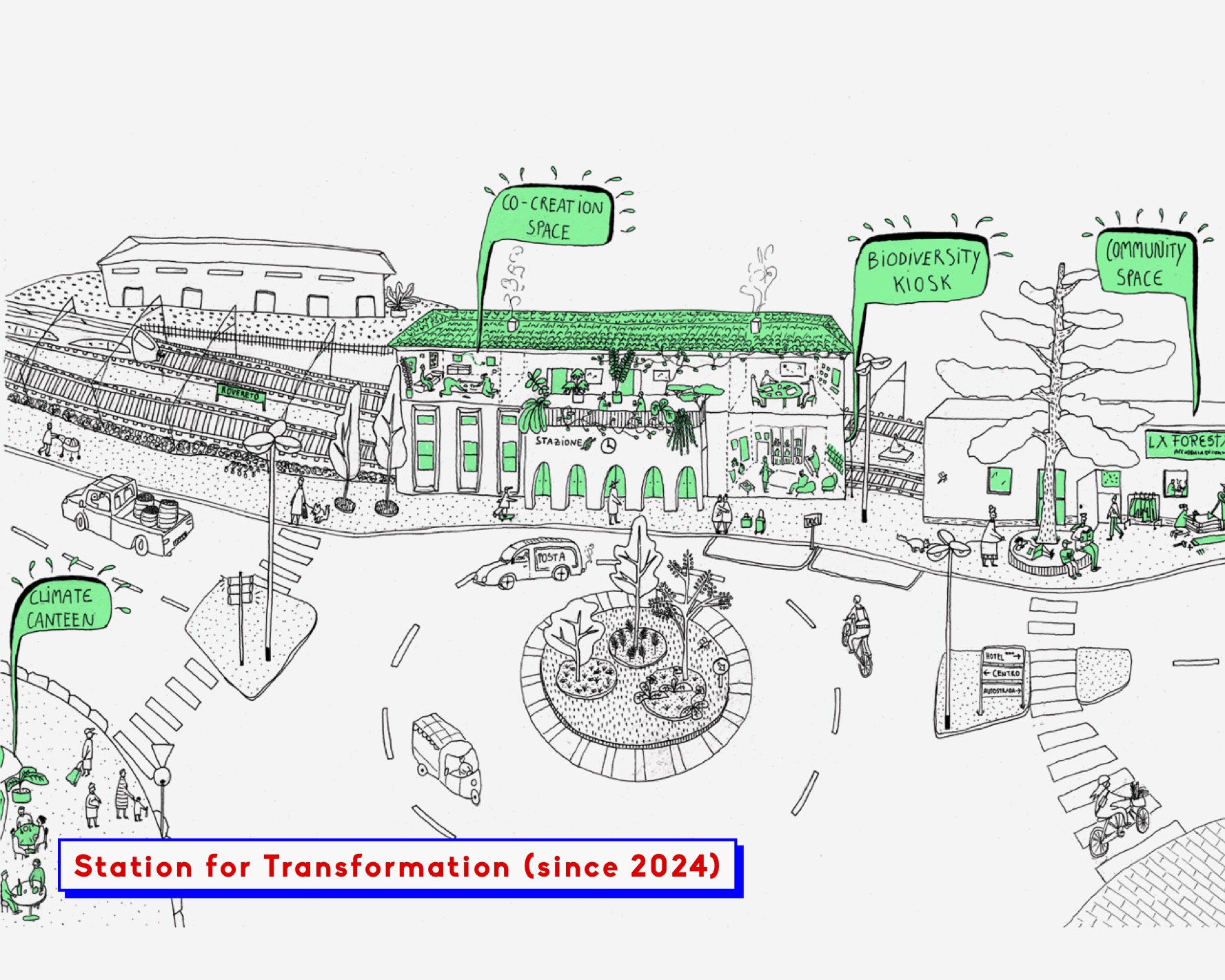
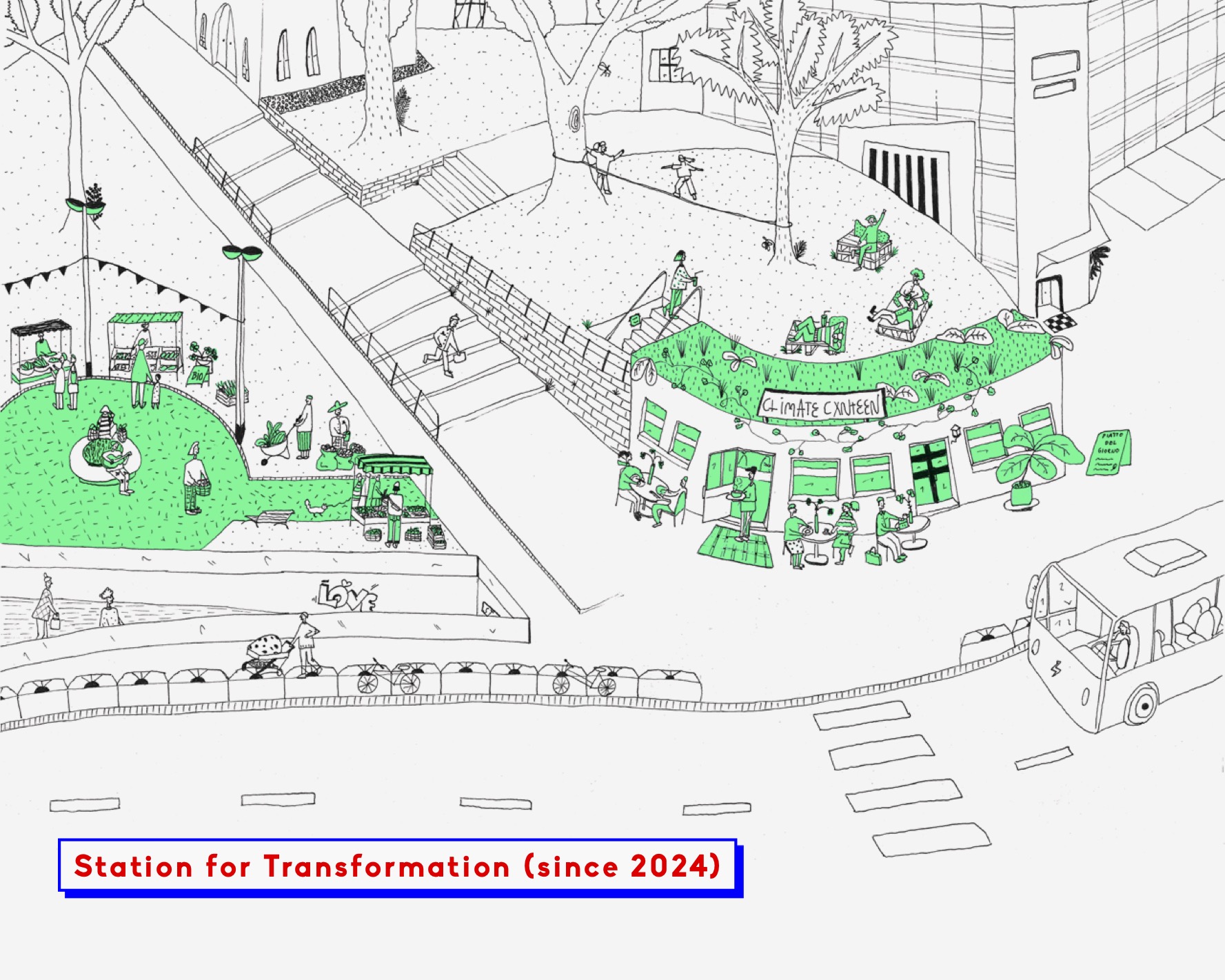
We now build on the experience of La Foresta with the €5 million NEB Demonstrator “Station for Transformation” (EUI Innovative Action), transforming another 600m2 of unused spaces in the station area into a living lab for democracy, climate and community resilienc
Collective design
Urban-rural futures
Participatory decision making
Experiential learning
Community economies
Our aim is to inventively combine social, environmental, cultural and economic sustainability in order not sacrifice one for the other.
In ENVIRONMENTAL SUSTAINABILITY, we:
● integrate reuse and repair into all design strategies
● reclaim and re-signify abandoned infrastructure (e.g. buildings, land)
● address climate and biodiversity challenges through civic engagement and accessible outdoor activities
● operate as an internationally connected academy with a no-fly policy
● introduce the community to the planetary health diet
In SOCIAL SUSTAINABILITY, we:
● foster long-term community cohesion through participatory methods
● support young people returning to the valley and strengthen intergenerational ties
● value local knowledge, incl. expertise of marginalized welfare recipients
● center activities on mental health as a shared community resource
● experiment with wealth redistribution, e.g. clothes swap, repair workshop, community garden
● upskill the community in nonviolent communication, facilitation, sexual education
In CULTURAL SUSTAINABILITY, we:
● blend local knowledge with contemporary design and transformation sciences
● maintain a core team rooted in the valley, contributing to participatory processes
● design with long-term horizons (40+ years)
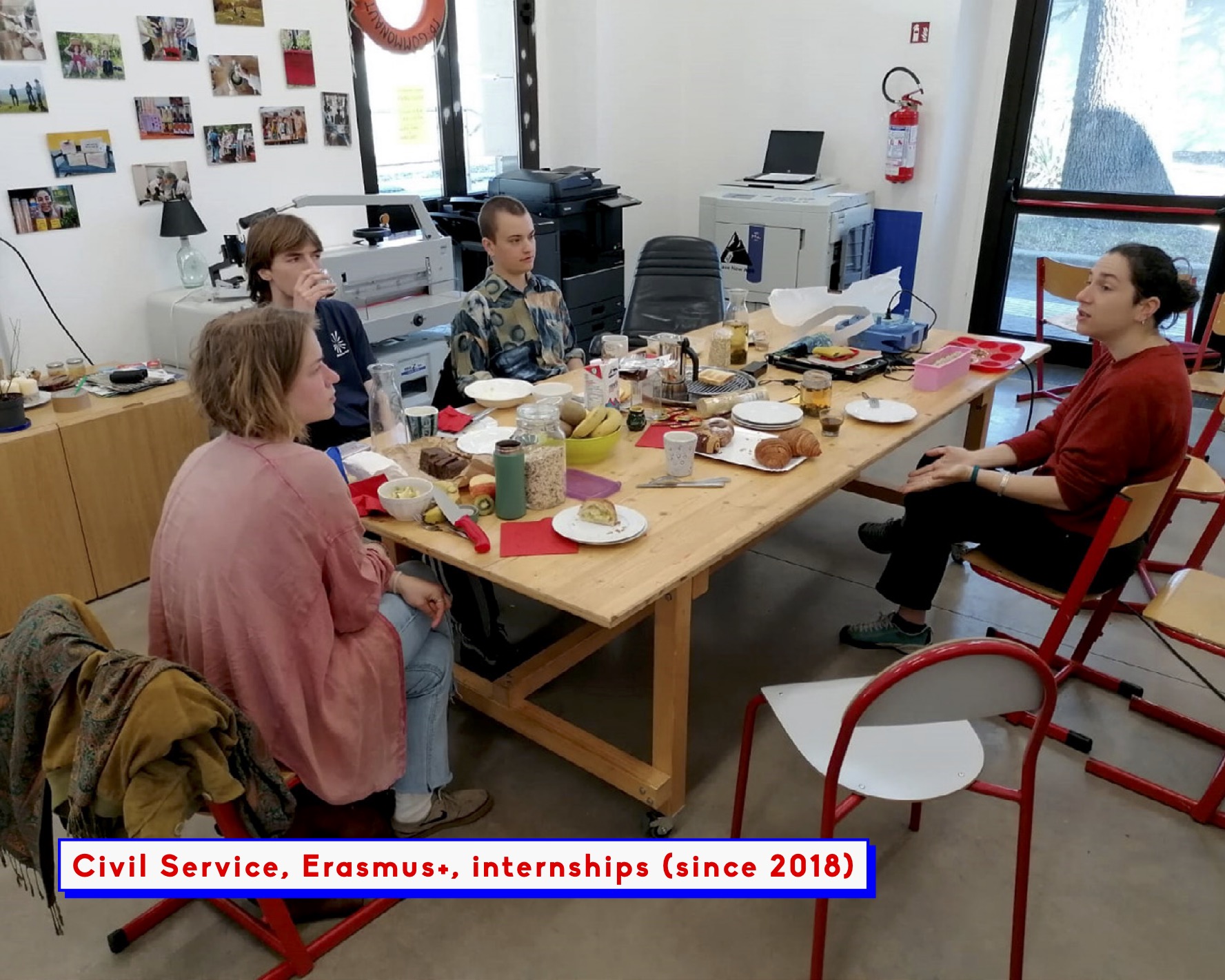
● train participants in participatory methods via voluntary service, traineeships, ongoing development
● support informal groups launching projects aligned with European values
● bridge rural and urban knowledge, using the train station as a valley-wide hub
● preserve, activate and evolve local traditions and practices
In ECONOMIC SUSTAINABILITY, we:
● collaborate across civic, municipal and state levels
● apply a community economies approach within an international network
● maintain long-term commitment to place and networks
● activate projects that strengthen the broader network of local initiatives
● serve as a resource center for community-led economic development
“Thanks to La Foresta, I now feel much safer in the station area.” Anna, 25, student
One of La Foresta’s strengths is our carefully crafted yet approachable and inclusive aesthetics, rooted both in formal design training, DIT/make-do culture and vernacular traditions. Our approach embraces low budgets and the creative imperfections that emerge from collective, participatory making, where design skills are applied to community work. This aesthetics shapes visual communication, interior spaces, and activity design, creating a convivial, welcoming environment where everyone feels included—including welfare recipients who might feel alienated in institutional or mainstream cultural spaces. By involving the community in design and co-creation activities, we foster a strong sense of belonging and attentive care for the environment.
By being present in and around the train station area, our aesthetics contributes to reshaping how the area is perceived. Places such as station districts are often associated with social problems or marginalization; through a thoughtful and welcoming visual presence, La Foresta helps to challenge these stereotypes. In this way, the project contributes to the destigmatization of social spaces and station areas, highlighting them instead as places of encounter, openness, and community life.
Another central element of our aesthetic strategy is a focus on tasty, healthy food. Food connects all disciplines within La Foresta, enabling inclusive, experiential and convivial learning environments. Meals, ingredients, and food production activities often become entry points to explore wider urban-rural challenges, including social inequality, climate change and biodiversity loss.
Together, these practices show how participatory design, sustainability and social inclusion can enhance everyday life, nurture community bonds and sense of belonging, and create inspiring examples of European living environments.
“Upon encountering La Foresta, my first thought was ‘these young people bring new perspectives to our work!’. So I made sure to start a collaboration to have our mental health patients benefit from the spaces of conviviality and personal empowerment they create.” Dr Lucchi, Head Psychiatrist, Rovereto Hospital
Our entrance area—with the free clothes swap—functions daily as a welcoming entry point. Here, visitors always find someone to talk to, have a drink, exchange clothes, ask for information and get emergency support (>3400/yr). In the collaboration with social services we further offer support for homeless people, job seekers, and others in need (>350/yr).
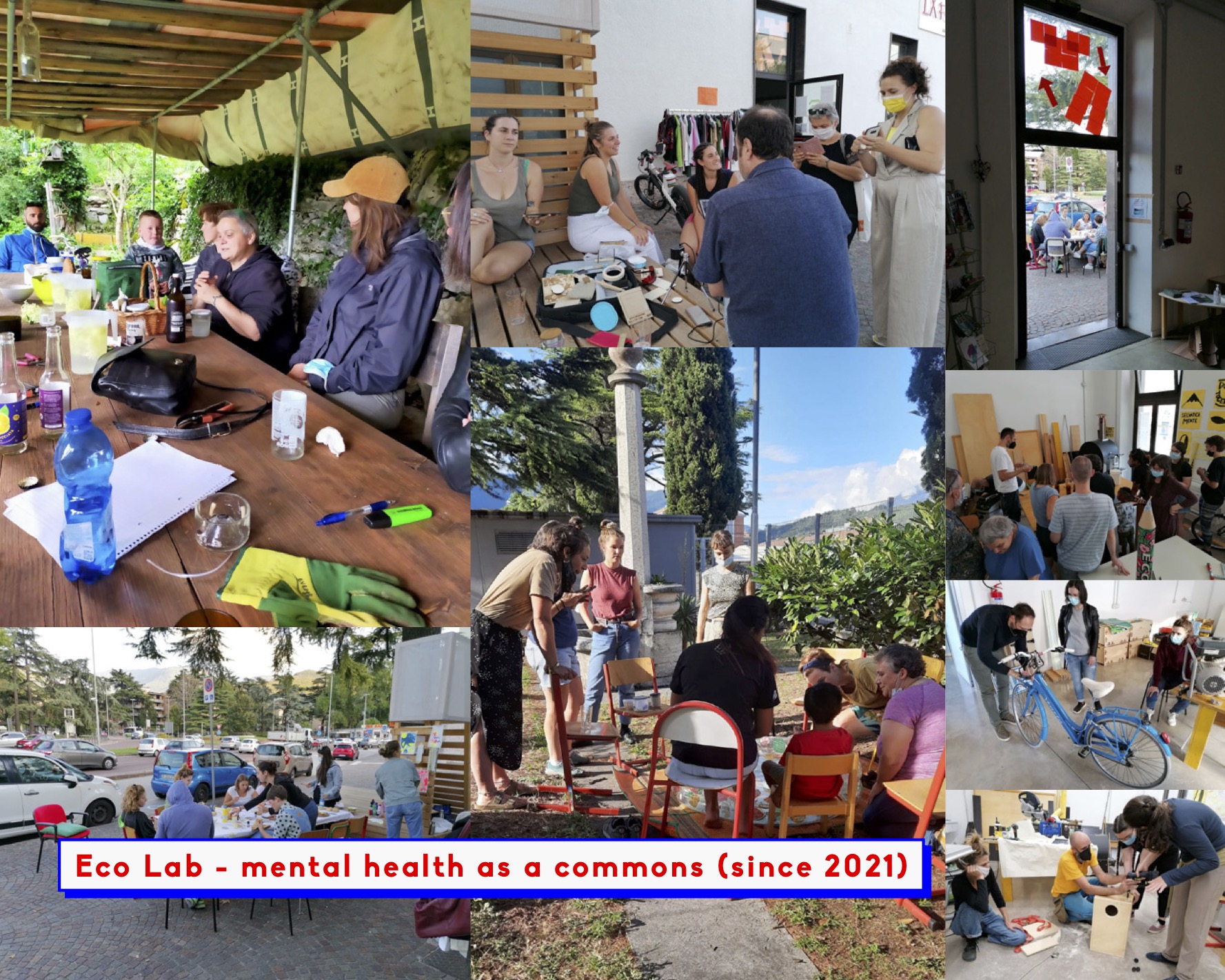
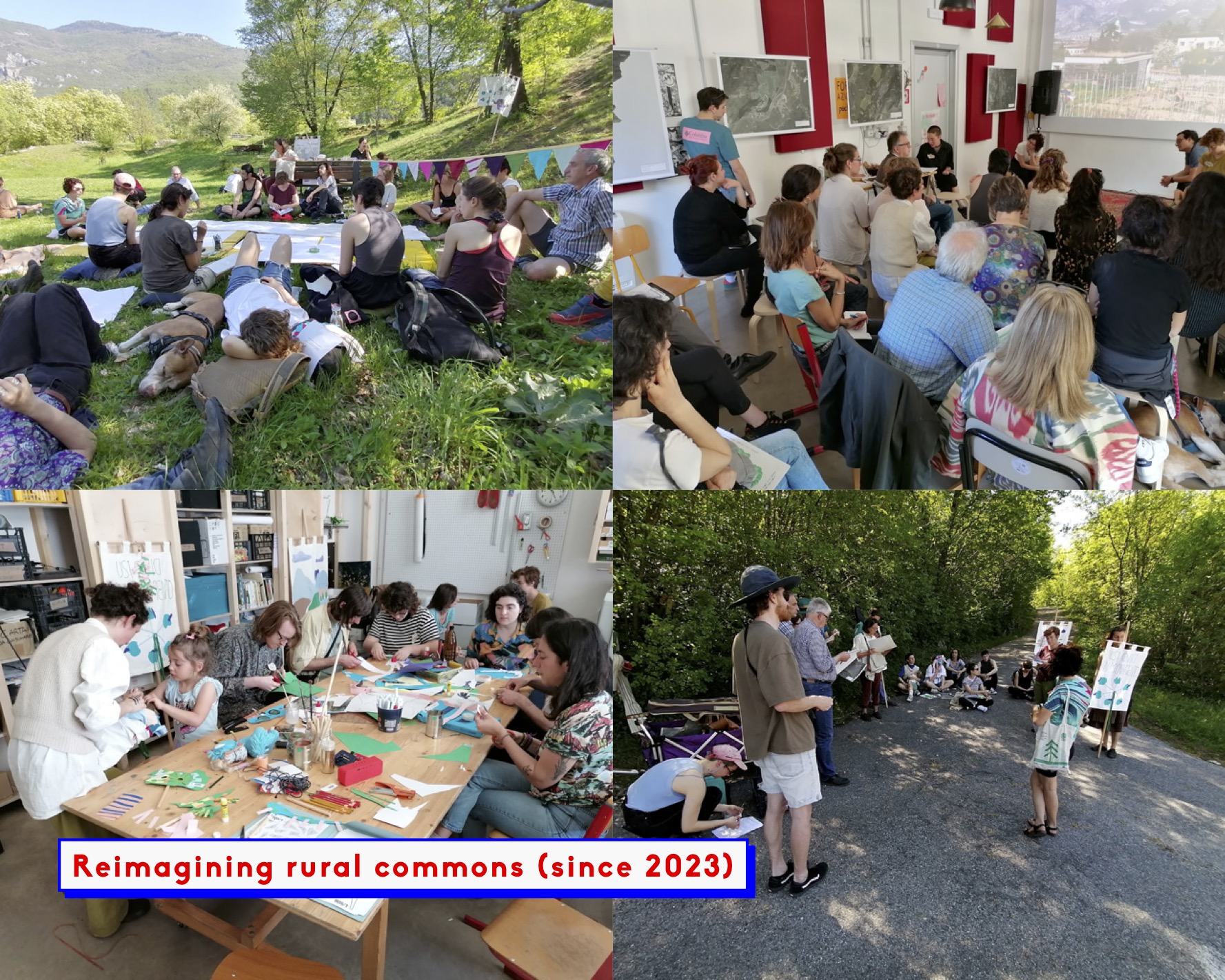
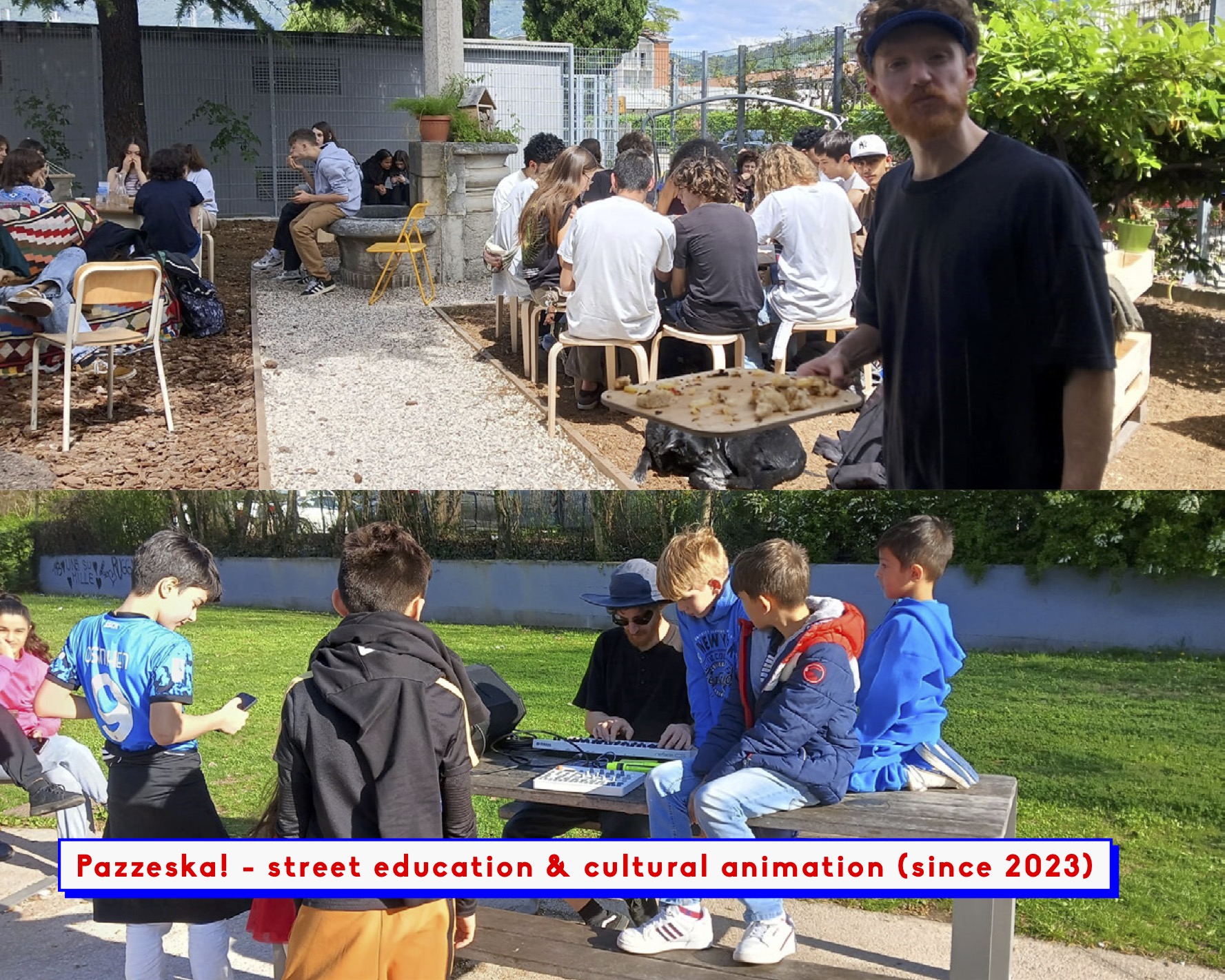
We organise most learning and cultural activities together with other local organizations and often less visible individuals and groups, making sure a plurality of voices is heard and supported. Our central strategy of inclusion is making things together. We actively include vulnerable groups in the creation of activities, programmes and spaces, thus generating new, de-stigmatizing moments of encounter between social bubbles. Through experiential pedagogies, we reduce the divide between “experts” and “learners.” For example with Eco Lab, we organise ∼8 workshops a month with a focus on mental health and making where patients become co-programmers, learners and teachers (>500 ptcpts/2025). We also take activities into the valley, meeting people where they already spend their time. Our Pazzeska! youth program supports the passions and interests of teenagers, engaging them in re-thinking our town (>1100 ptcpts/2025).
Our activities are either free or operate on a sliding-scale economy, ensuring that financial constraints do not prevent participation. Through low-barrier accessibility, participatory governance, practical engagement and inclusive formats, we demonstrate how community spaces can cultivate belonging, agency and shared responsibility—making democracy and inclusion tangible in everyday life.
La Foresta began as a grassroots initiative, bringing together informal groups, associations, and a diverse mix of local inhabitants—designers, agro-ecologists, social workers, philosophers, environmental educators, architects, youth workers, retired cooperative movement leaders, open innovation experts, welfare recipients, and young people not in education, employment or training.
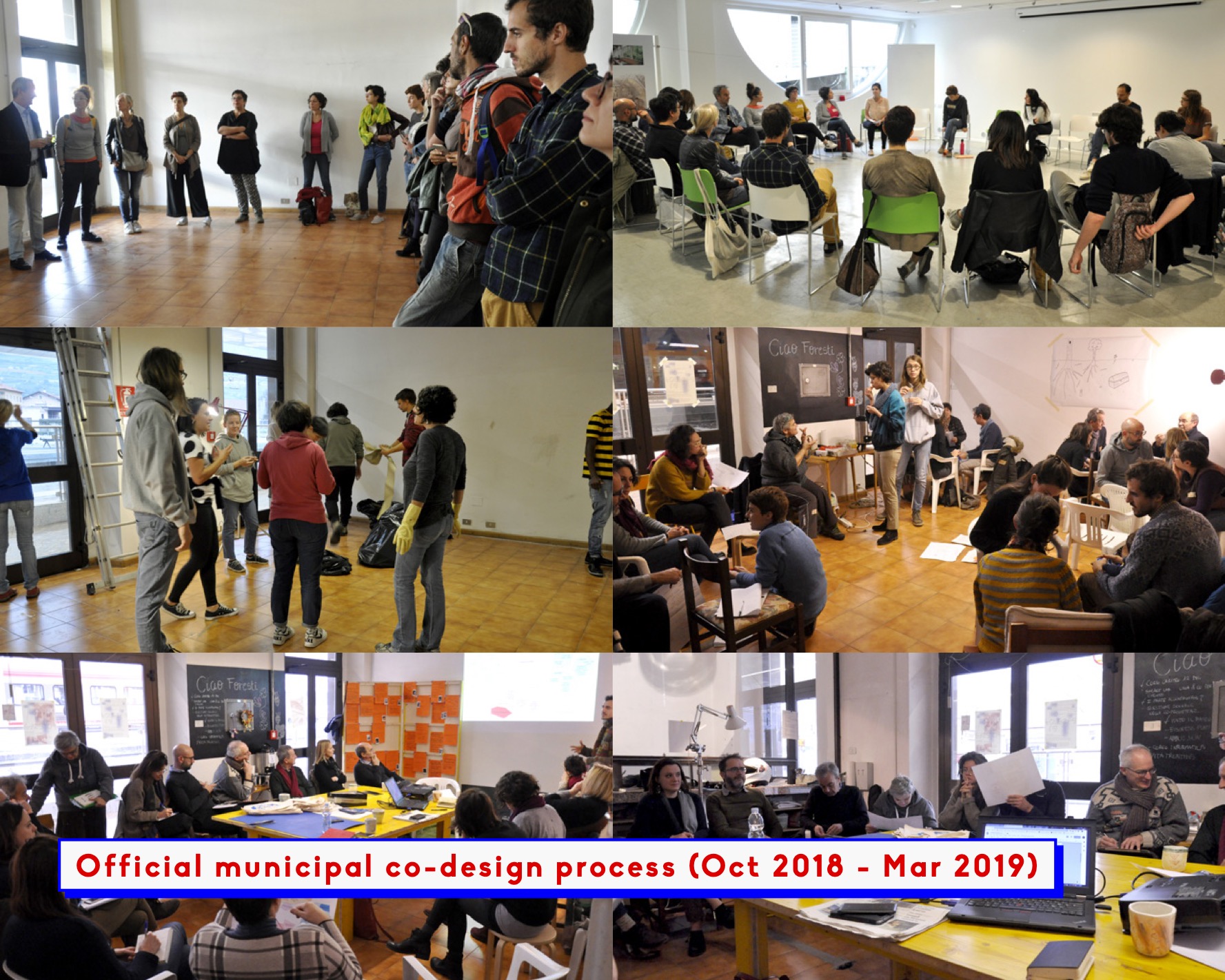
Brave New Alps and the Municipality of Rovereto formalised this grassroots energy through an Italian-wide unique co-design process bringing together grassroots actors (>40), municipal employees (6), innovation researchers (4), and the Italian Railway Network. Over 18 months, stakeholders collaboratively planned the regeneration of Rovereto station, enacting democratic participation, inclusion, and transdisciplinary imagination and problem-solving.
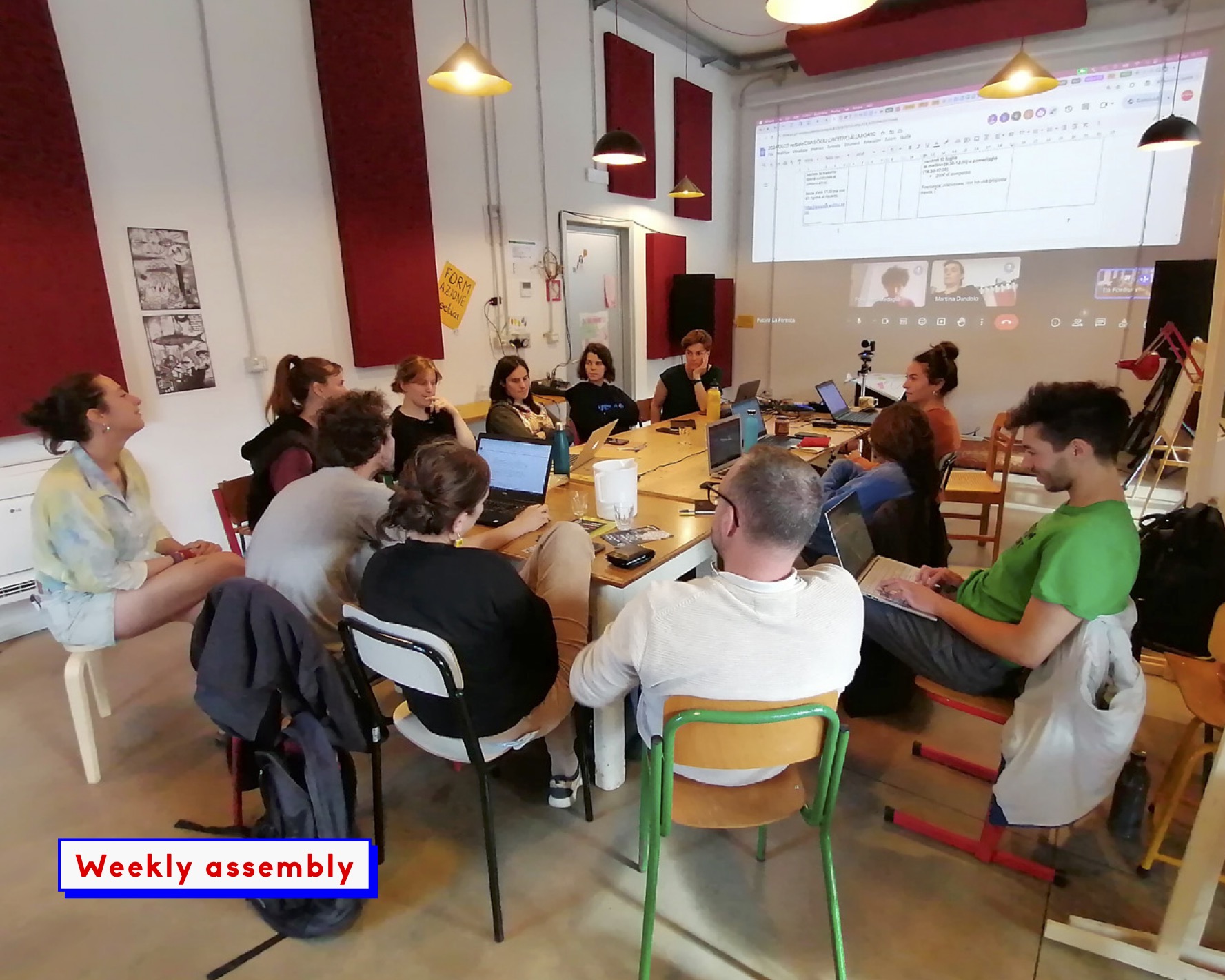
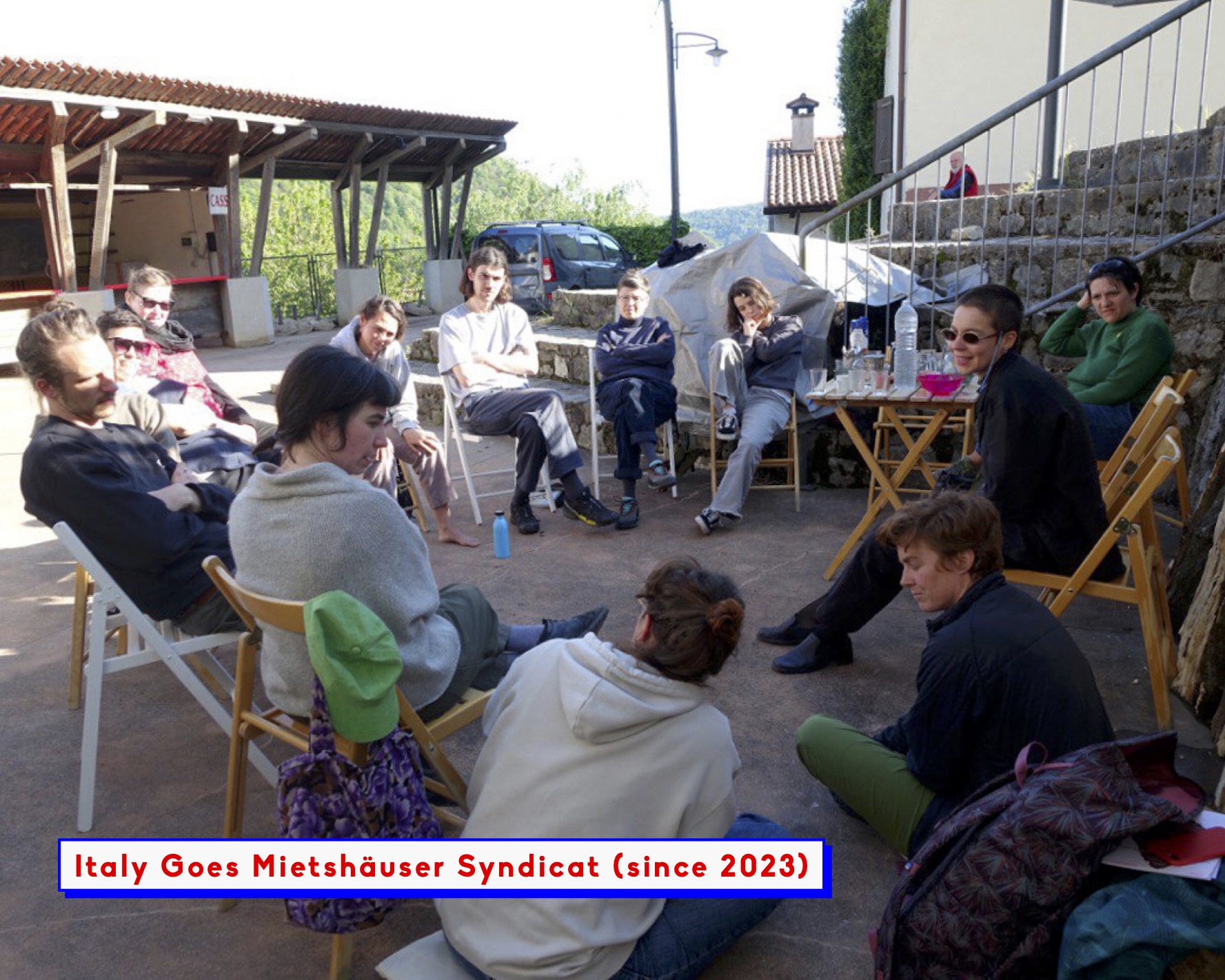
Today, we are 40 people holding keys to the academy and collectively volunteer a minimum of 30hrs/week to daily staff the entrance area, creating a strong sense of ownership and responsibility. We operate with a horizontal, sociocratic governance model, holding weekly assemblies that emphasize openness, active listening, care in conflict, collective experimentation, and learning from mistakes. This approach not only strengthens local participation but is also shared with regional and national networks, spreading expertise in co-design and collaborative governance. Several times a year, we welcome public administrators and grassroot groups from across Italy and Europe to share the participation strategy enabling La Foresta.
The impact of citizen involvement has been profound and continues to determine our eclectic programming shaped by cultural workers, senior citizens, environmental educators, welfare receivers, social workers and youth groups - all feeling ownership of the space, which continue to generate new initiatives centering democracy and inclusion (e.g. Station for Transformation NEB demonstrator; youth street-work program).
“This is local democracy and caring economic practice in action! It’s a joy to see grassroots initiatives and public institutions in creative, impact-oriented dialogue around key EU policies.” Prof Forno, University of Trento
La Foresta grew from the energy of local grassroots groups who imagined a space that belongs to everyone. Yet, right from the beginning, the Municipality of Rovereto was engaged in the co-design process: citizens and municipal workers spent months planning the station regeneration and the programme of the academy. This collaboration continues today through monthly exchanges and a €25,000 annual contribution.
At the national level, Rete Ferroviaria Italiana (RFI) became a crucial partner. A co-design workshop with RFI in Rome led to the allocation of the station spaces with a type of contract new to RFI: allowing for social economic practices in rent-free spaces, thus setting the basis for turning more neglected railway infrastructure into civic hubs. We annually meet with RFI and social projects in Italian stations to share learnings.
La Foresta’s vision extends beyond Italy since its inception: through exchanges with (later) NEB Prize-winning projects—like R-Urban, Floating University—and the broader NEB community, we contribute to the cross-pollination of inventive approaches to sustainable urban-rural practice. Engagement with the Trans Europe Halles network and the global Community Economies Research Network strengthens our diverse economic strategies, participatory governance and community-led multiannual programmes.
These collaborations have shaped La Foresta into a living example of civic-led multilevel transformation and learning. Local communities feel ownership and agency, public institutions provide support and engage in dialogue, international networks offer inspiration and speed up innovation. Together, these layers foster resilience, adaptability and rootedness in place.
At La Foresta we bring together diverse fields of knowledge in a single, lively community academy. From the beginning, the project combined grassroots insight with professional expertise: eco-social design, architecture, and spatial practice shaped the station’s interior and outdoor areas, creating flexible, inviting spaces. Community organizing, facilitation, and participatory governance guide decision-making through weekly assemblies, fostering collaboration, experimentation, and shared responsibility. Insights from economic geography, sociology, and rural development inform how local resources and infrastructure can support inclusion, resilience, and civic engagement.
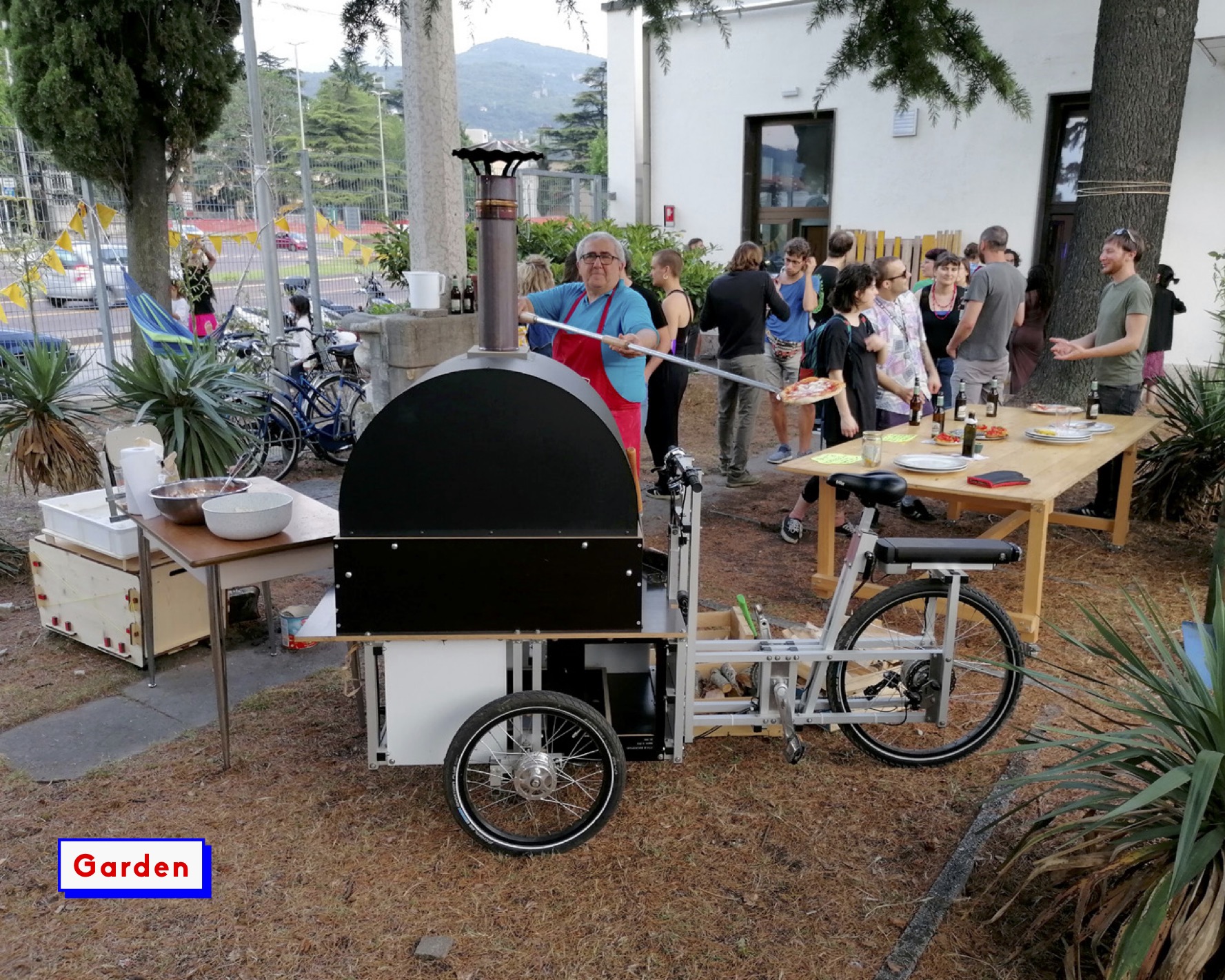
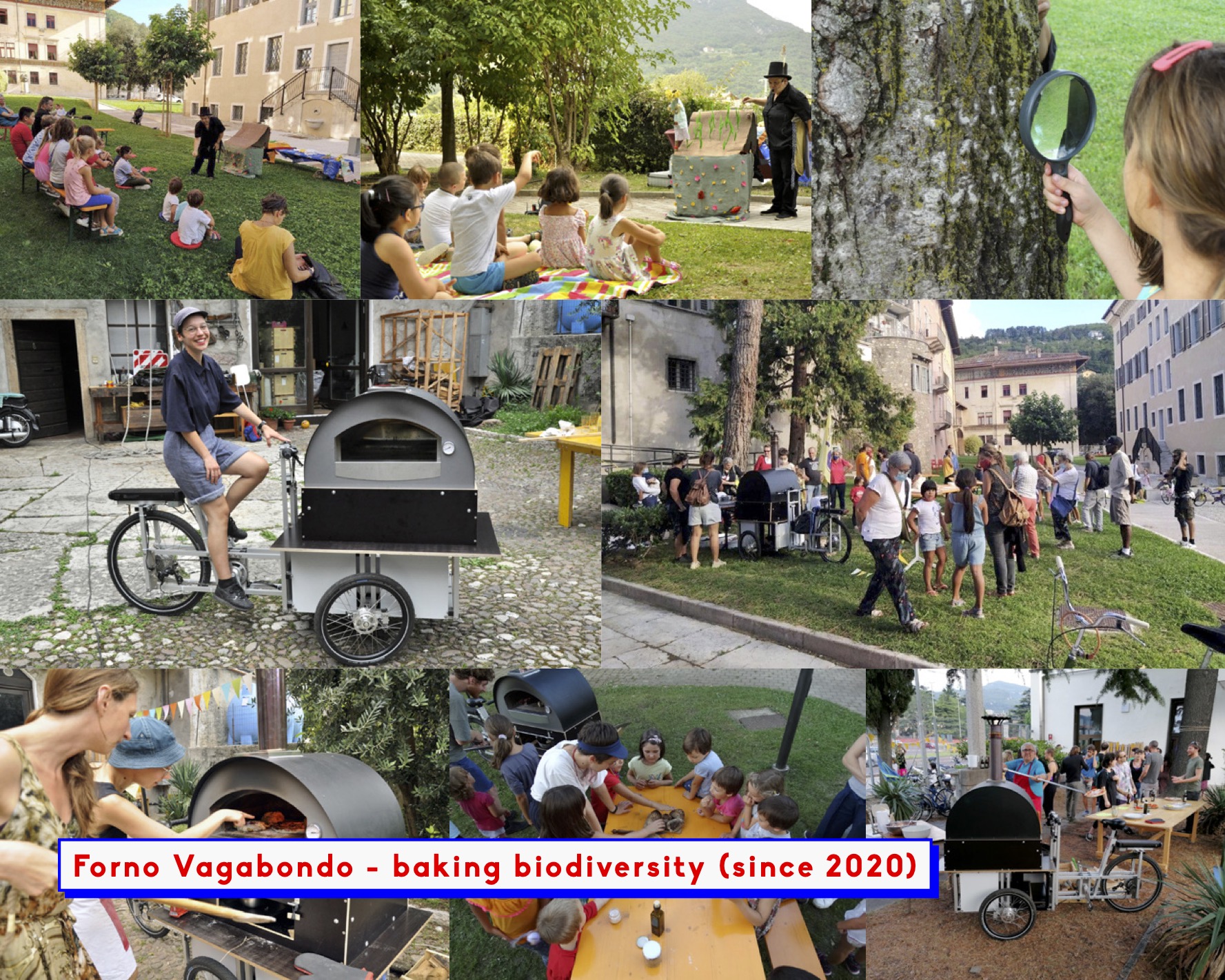
Hands-on knowledge from agro-ecology, permaculture, and environmental sciences underpins workshops in gardening, foraging, and climate projects such as Forno Vagabondo, making abstract environmental topics tangible for participants. Arts, critical pedagogy, and educational methods foster creativity, dialogue, and reflection, while digital technologies support documentation, communication, and collaborative experimentation. Psychology, gender studies, and the lived experiences of welfare recipients inform the design of inclusive activities, mental health support, and community spaces.
Practical expertise from the cooperative and commons movements shapes La Foresta’s horizontal, sociocratic governance, shared resource management, and collective learning practices. Administrative and public-sector knowledge ensures alignment with municipal, regional, and national frameworks, supporting long-term sustainability.
Together, these disciplines intersect in daily practice in activities such as food projects, environmental initiatives, and community rituals. By combining professional knowledge, lived experience, and hands-on experimentation, we demonstrate how transdisciplinarity can transform neglected infrastructure into inclusive, resilient, and socially vibrant spaces.
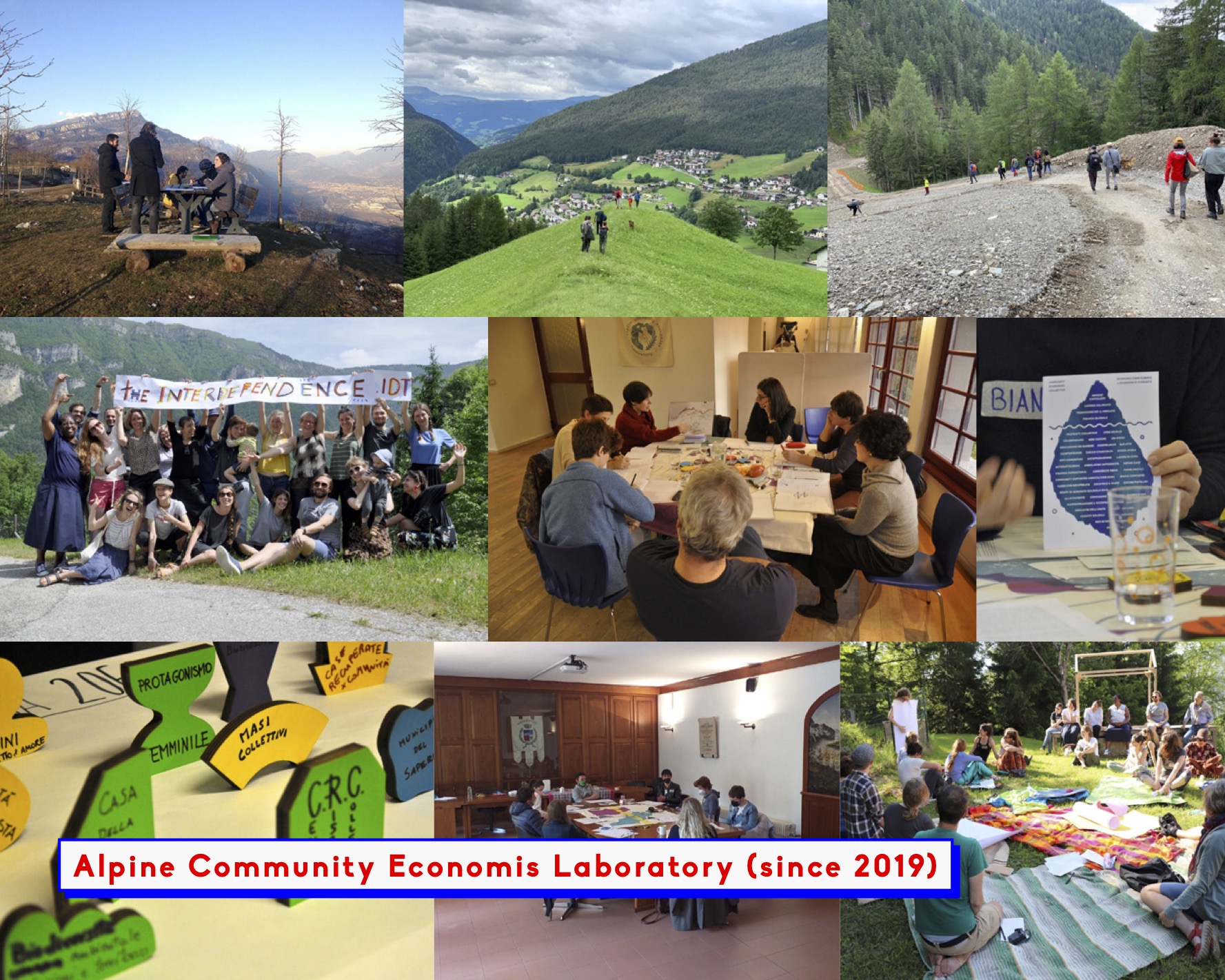
At La Foresta we operate according to an innovative community economies model, recognizing both visible and invisible economies, monetary and non-monetary contributions, and valuing volunteer work, solidarity, and mutual support as central assets. Our aim is to create a replicable business model that strengthens social cohesion, social and intergenerational fairness and that gives citizens a real sense of economic empowerment. Currently, 15 people (age 24-48) work daily at and through La Foresta.
While across our region, organisations struggle to engage people in volunteer community work, in 2025 alone, we mobilised almost 8,000 hours of civic and professional volunteer time across an intergenerational base. Our economic sustainability is strengthened by multisectoral support: the Italian Railway Network provides rent-free use of the station spaces, while allowing us to produce up to 20% of our income from commercial activities. This is an empowering, so far unique yet highly replicable contractual model allowing innovative civic-state collaborations for shared care for smaller yet fully functional train stations across Italy. Utilities are covered by the municipality, which also contributes 5% of the project’s annual baseline funding. We also mobilise in-kind support: people and companies support us, for example, with materials (from food to machinery), access to affordable living spaces and vehicles. Additional resources come from EU grants, e.g. Erasmus+ and European Urban Initiative, but also from private local and international foundations.
As La Foresta we continuously diversify our economies: some activities generate small revenues, while others build social capital and collective value that sustain long-term participation. By integrating monetary, in-kind, and volunteer contributions, we create a resilient economic ecosystem to sustain our activities while reinforcing social bonds and community ownership.
La Foresta demonstrates high potential for transferability and replicability across geographies, sectors, and types of beneficiaries. Our methodology combines community-led design, participatory governance, and collaborative experimentation, offering a framework that can inspire other rural and urban contexts.
Key elements of replication include the COMMUNITY ECONOMIES APPROACH, which integrates monetary and non-monetary exchanges, cooperative practices, and solidarity-driven local networks. This model allows other initiatives to mobilize both visible and invisible economies, strengthen local collaboration, and enhance resilience.
The MULTILEVEL CO-DESIGN METHODOLOGY provides another replicable model. La Foresta shows how grassroots actors and public authorities can collaboratively plan, implement and manage public spaces, building trust, shared responsibility and long-term sustainability. This approach is applicable to other civic spaces, cultural hubs, and infrastructure projects.
COLLABORATION WITH THE RAILWAY NETWORK exemplifies how underused infrastructure can be transformed into inclusive, community-driven spaces. Negotiating rent-free or low-cost access, combined with joint planning and maintenance, offers a concrete model for activating neglected public assets in both urban and regional contexts.
The project-based approaches to TOPIC STRANDS provide transferable frameworks and tools rooted in participatory learning, convivial practices and inclusive design, e.g.:
• Tackling mental health as a commons (Eco Lab–Euregio Volunteer Excellence Award 2025)
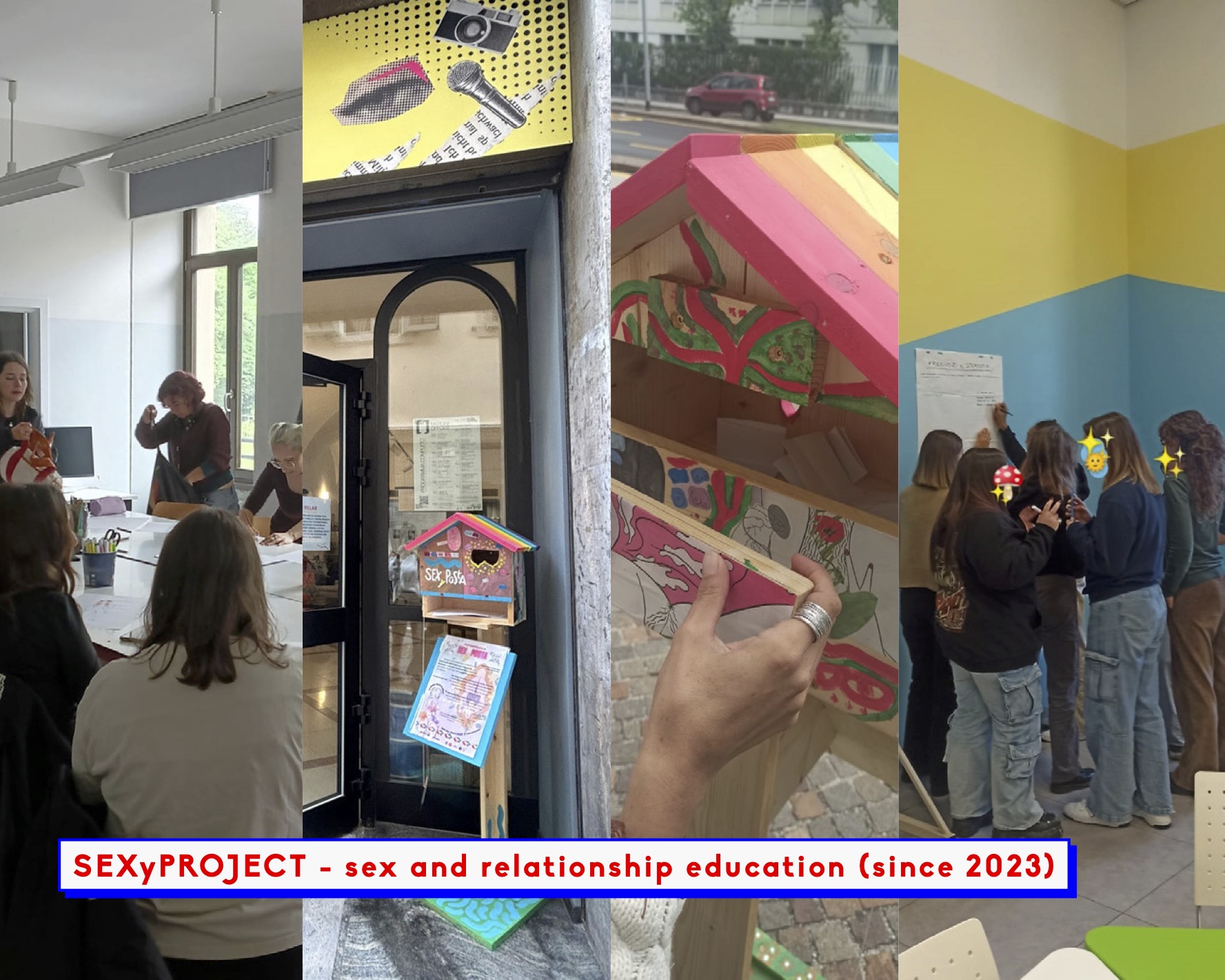
• Youth sexual education (SexyProject–Per Iris Prize 2024)
• Embodied approaches to food democracy (Forno Vagabondo–NEB Prize finalist 2022)
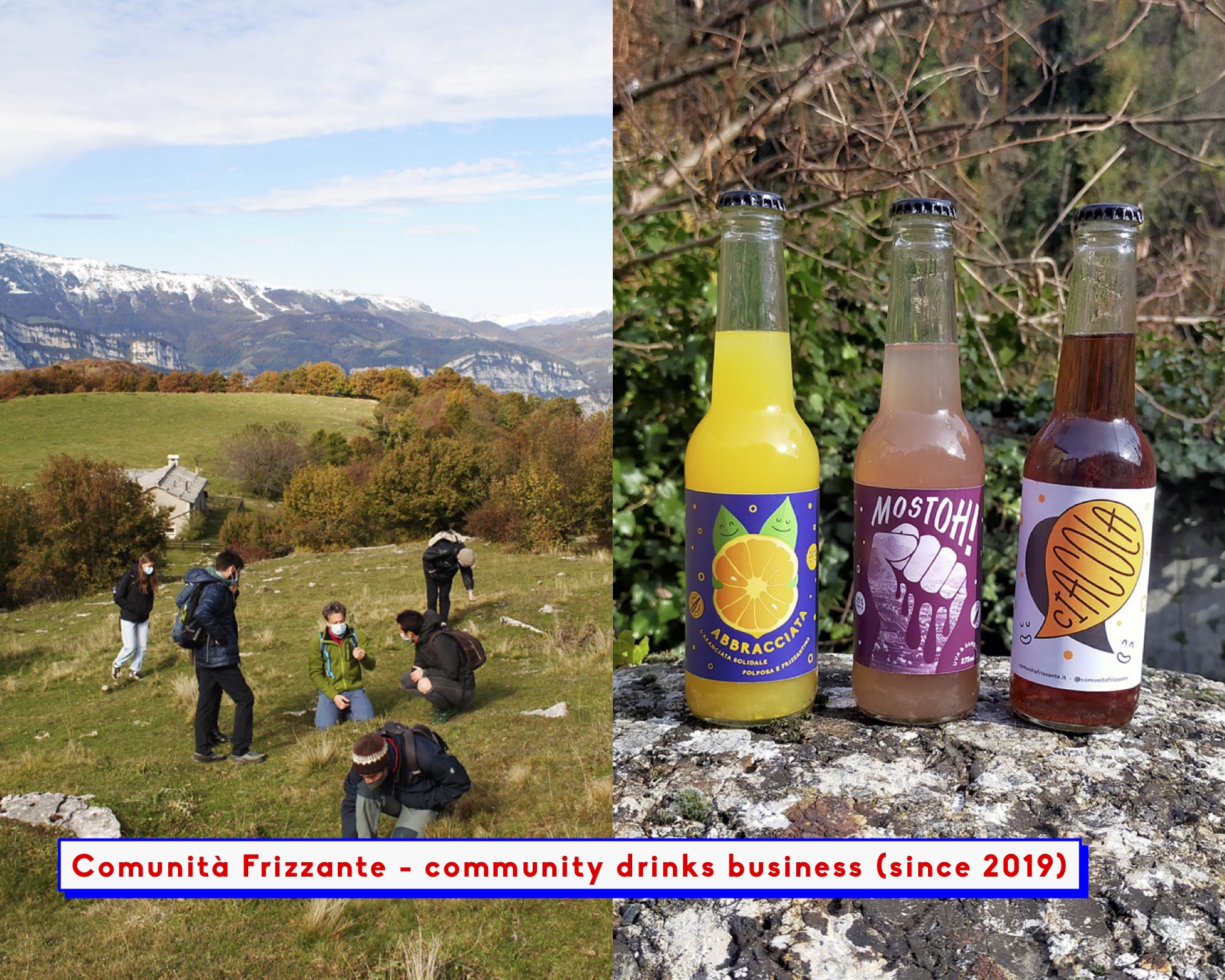
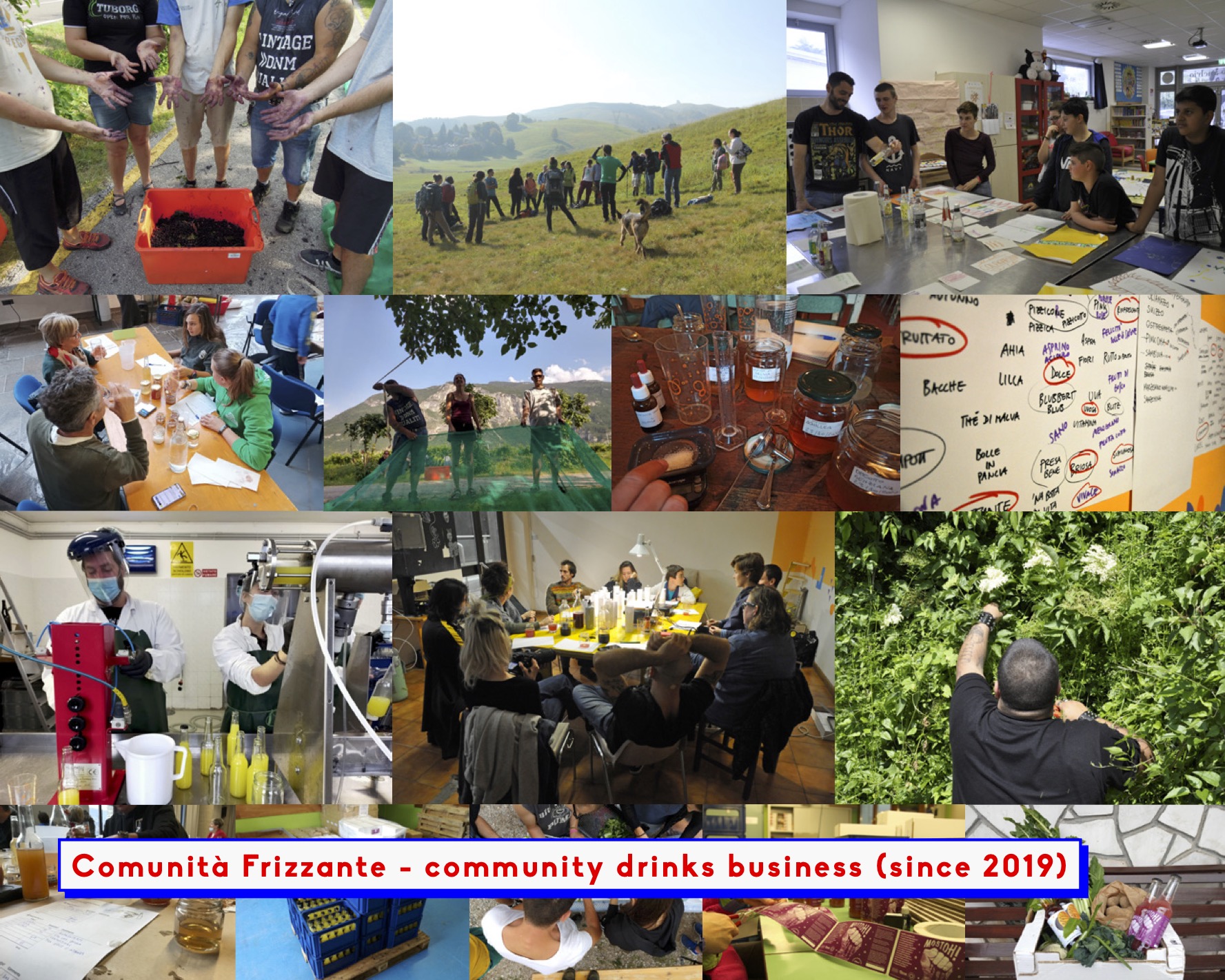
• Community entrepreneurship (Comunità Frizzante–Lush Spring Prize 2022)
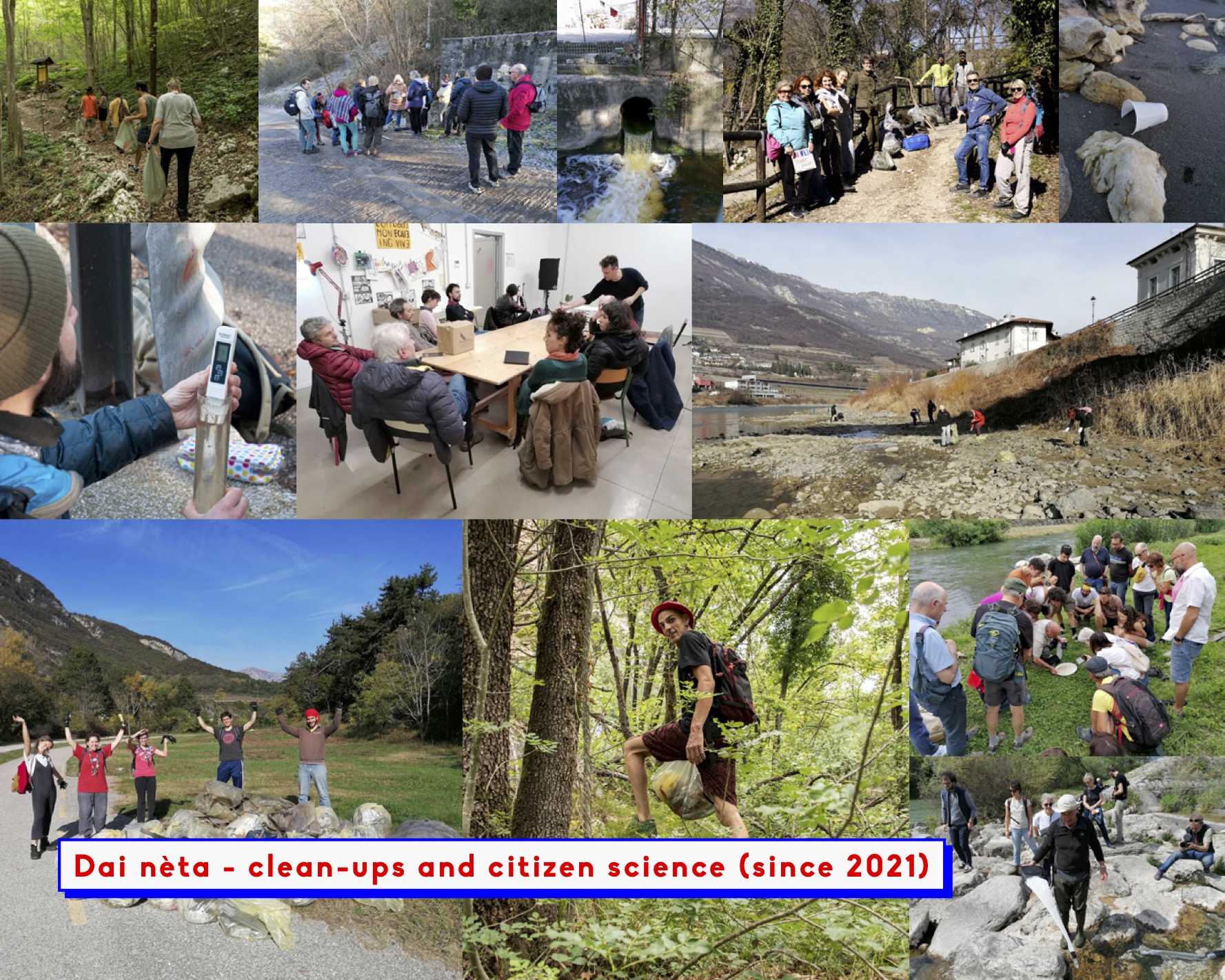
• Environmental stewardship (Dai nèta–Bandiera Verde Award 2022)
Each offering tools, processes and principles for involving communities in addressing social and ecological challenges.