Enhancing Circularity, Sustainability, and Innovation
Growing Futures
Growing Futures: a mycelium - robots- humans ecosystem
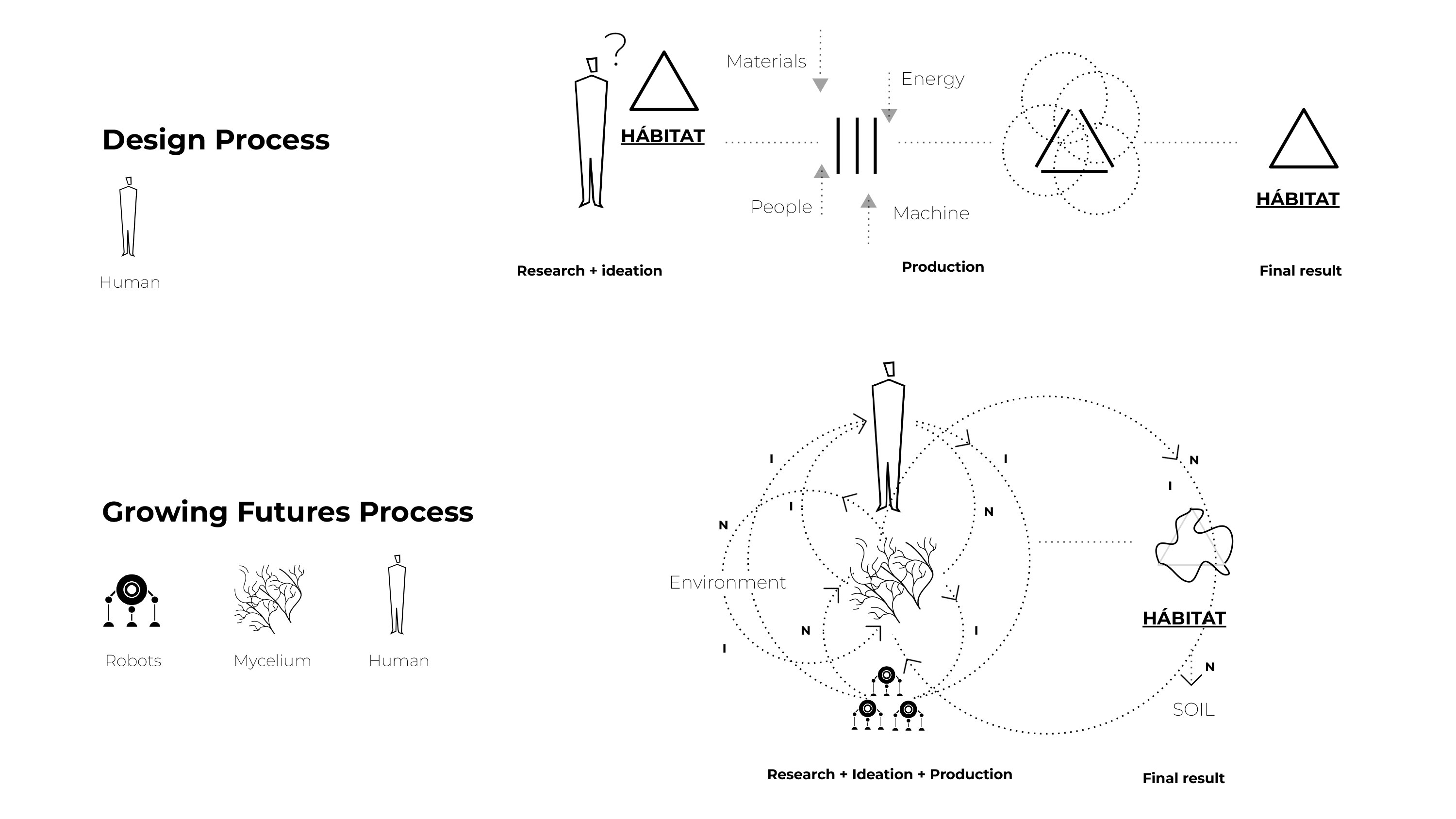
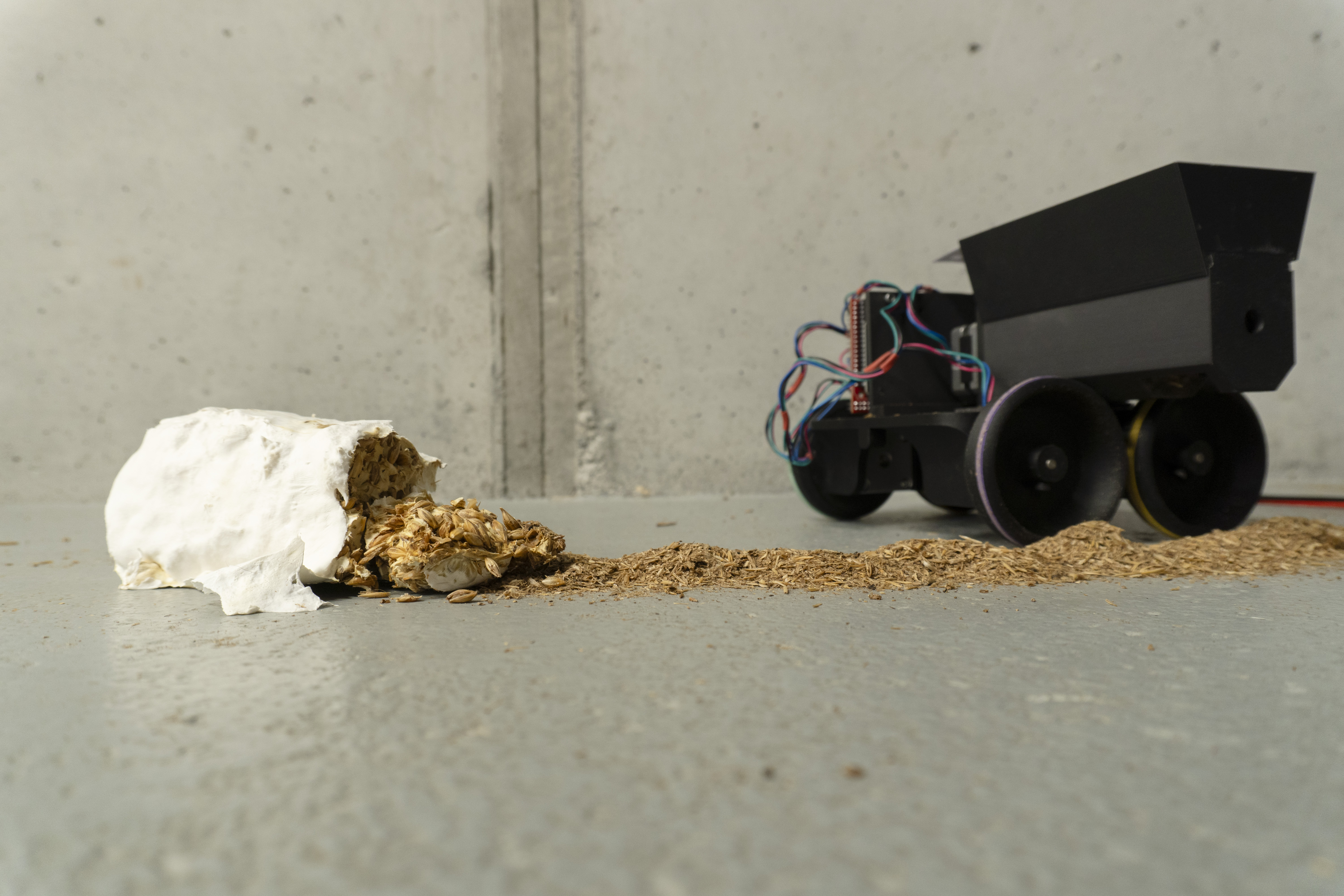
Growing Futures explores a regenerative design paradigm where mycelium, robots, and humans collaborate to grow biodegradable habitats directly on-site. Using local food waste as substrate, fungal networks transform waste into building material while robotic systems monitor and nurture growth. The project proposes a shift from extractive production to cultivating living ecosystems, envisioning architecture that grows, adapts, and reintegrates into natural cycles.
Spain
Regional
Basque Country (Spain), Italy
It addresses urban-rural linkages
It involves other types of transformations (soft investment)
Yes
2025-09-25
Yes
Horizon2020 / Horizon Europe
Yes
S+T+Arts residency
No
Individual
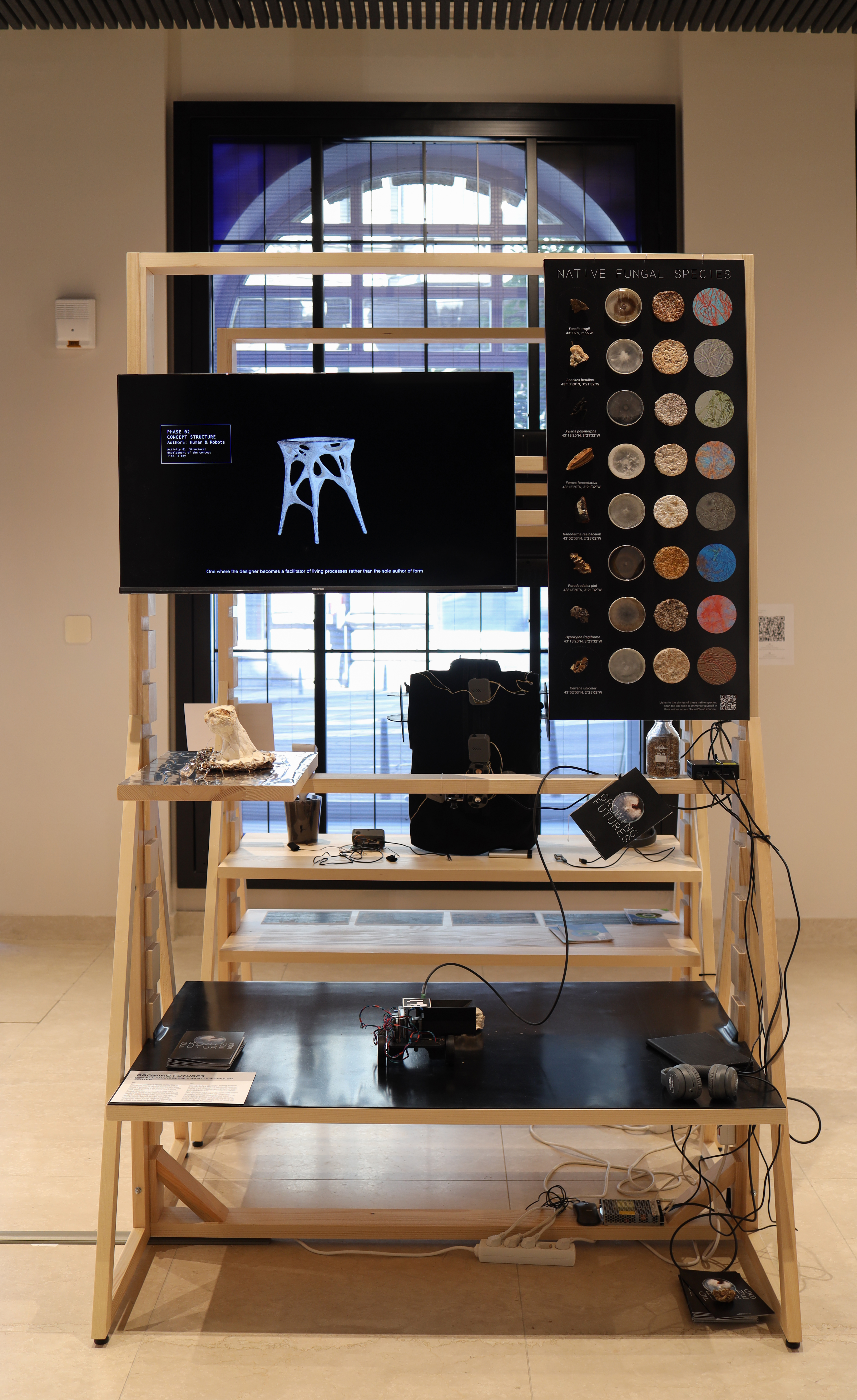
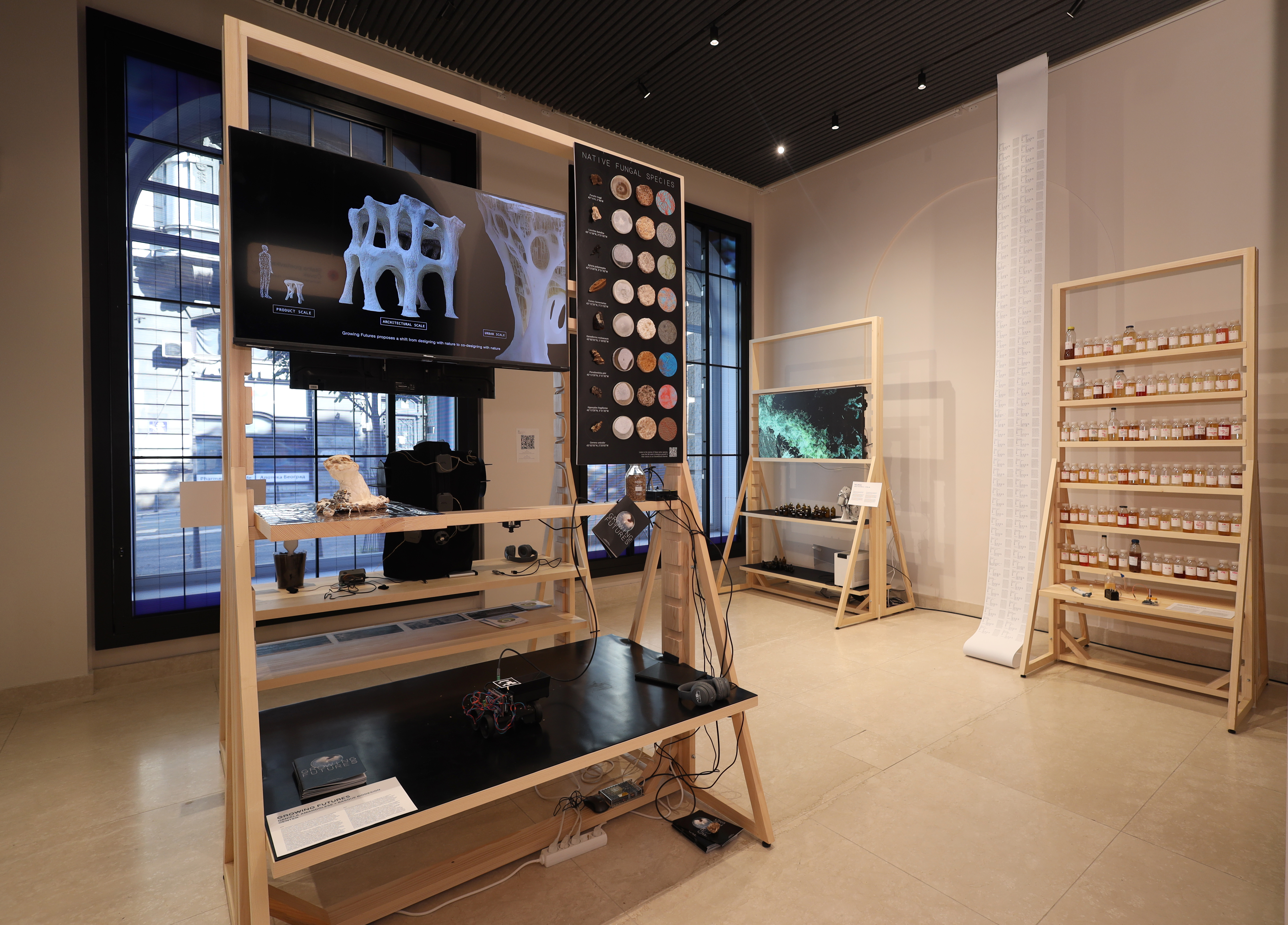
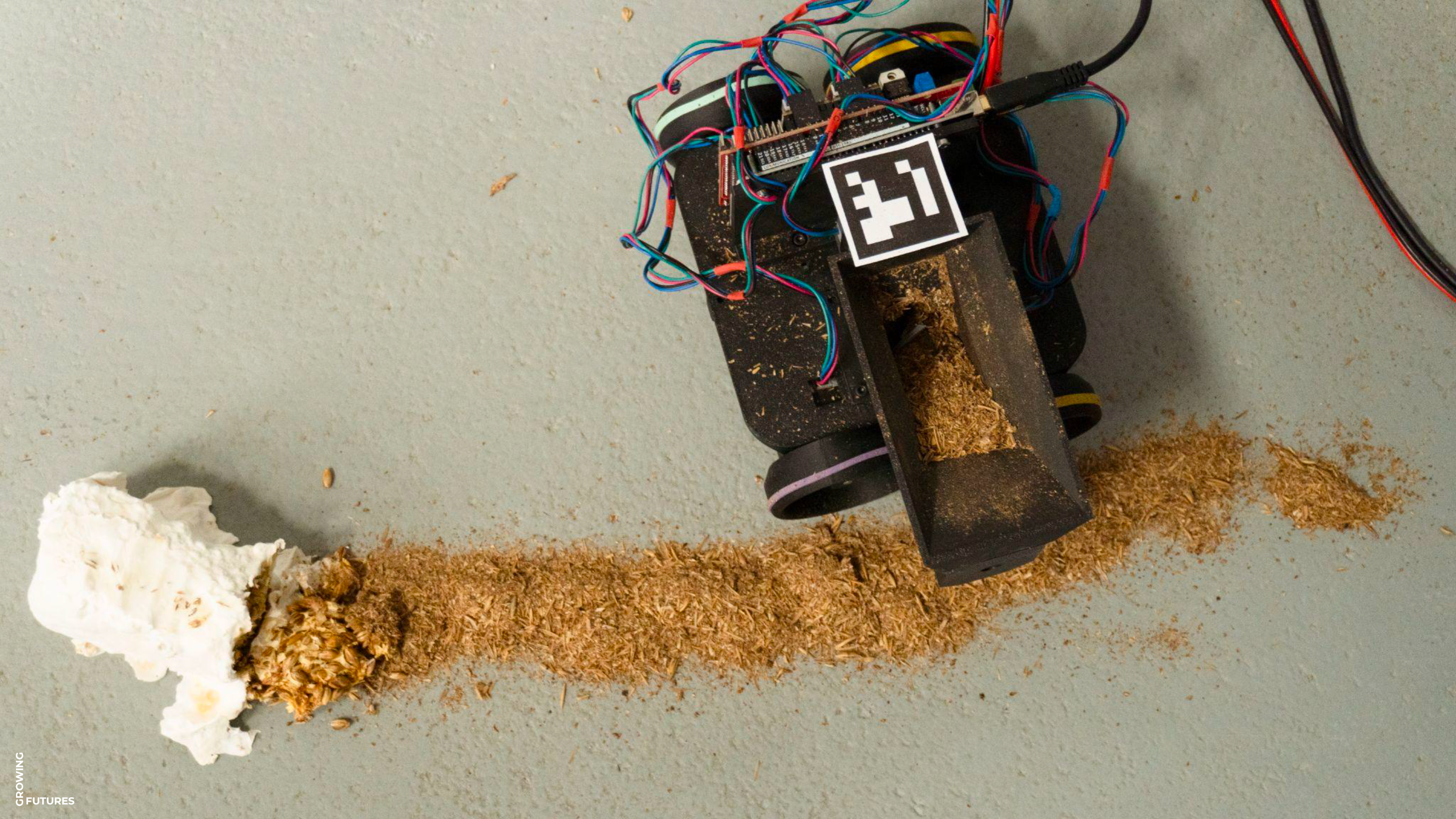
Growing Futures is a regenerative design research project exploring a new paradigm of sustainable production where mycelium, robotics, and humans collaborate to grow biodegradable structures directly on-site. Developed within the EU S+T+ARTS initiative (MUSAE project) in collaboration with the Basque BioDesign Center, the project investigates how living materials and autonomous technologies can co-create adaptive habitats while reducing the environmental impact of conventional manufacturing. The research focused on transforming local food and agricultural waste into bio-based materials using native fungal species. Through laboratory experiments and iterative prototyping, a biofabrication process was developed in which mycelium grows on organic substrates, binding them into lightweight and fully biodegradable structures. Sensors and robotic systems were introduced to monitor environmental conditions such as temperature, humidity, and oxygen levels, while robotic units supported the growth process by distributing nutrients and adjusting conditions. The project produced several experimental prototypes and tested different growth scenarios, including unconstrained biological growth, controlled casting within molds, robotic nutrient distribution, and integrated ecosystems combining sensors, robotics, and living materials. These experiments demonstrated how biological growth can be guided through technological support while preserving the natural adaptability of the organism. Beyond material experimentation, Growing Futures proposes a shift from extractive production to regenerative co-creation. By transforming waste into materials and integrating robotics as caretakers of biological processes, the project envisions a future where design cultivates living systems rather than manufacturing static objects.
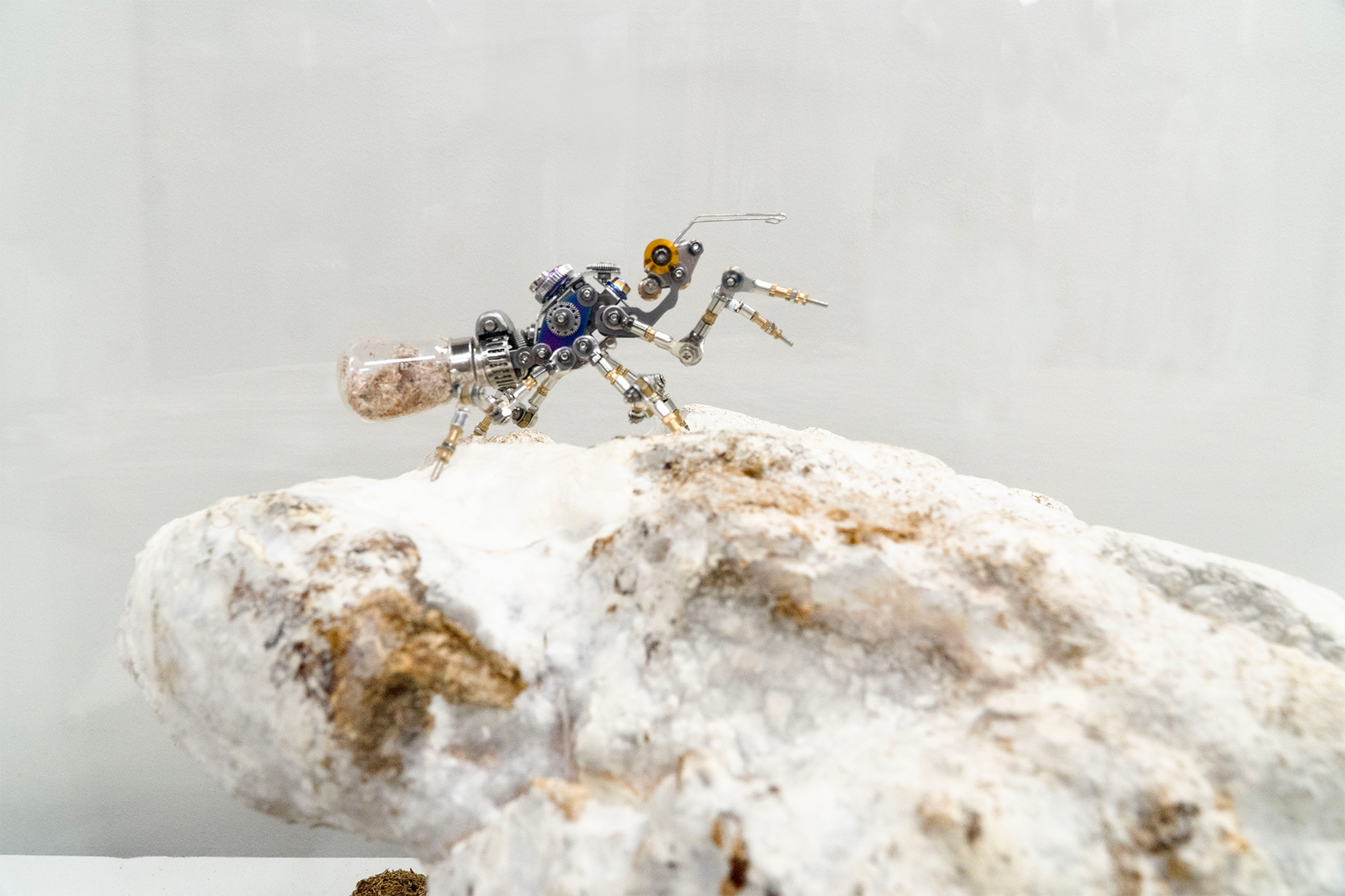
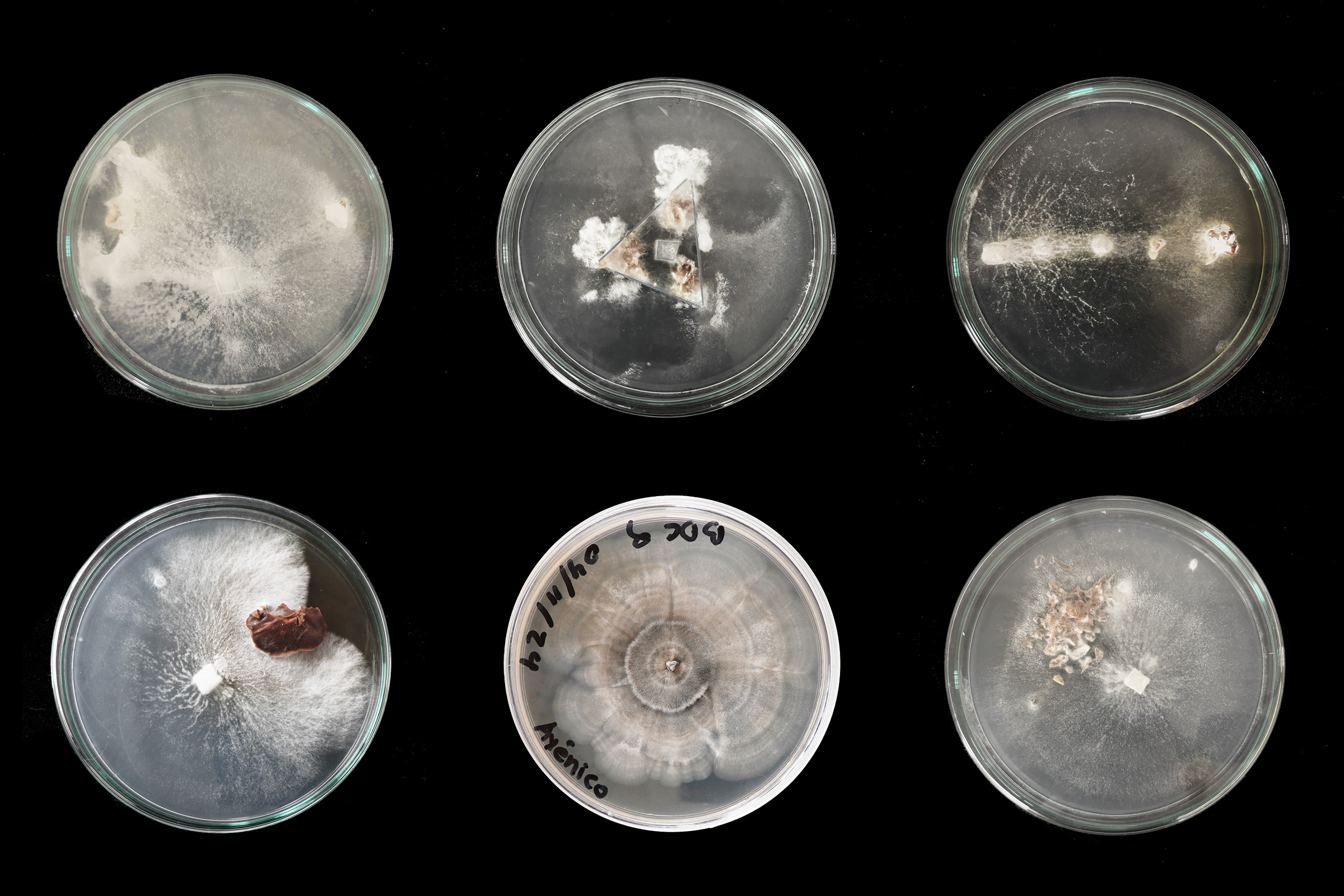
Growing Futures was born from Daniela’s curiosity about how the role of the designer is evolving and how humans can co-create with living materials instead of merely shaping them. Together with the Basque BioDesign Center, the team drew inspiration from leafcutter ants, which cultivate fungi to protect their colonies, imagining a natural symbiosis between humans and mycelium, with robotics acting as intermediaries to monitor, nurture, and communicate with the living material. Developed with interdisciplinary expertise: Zana and Eduardo as architect, designer and researchers, Francisco as mycologist, and robotics specialists who created systems to support mycelium growth, deliver nutrients, and monitor environmental conditions - the project explored direct collaboration with living organisms. It began with a mapping of local organic waste, focusing on materials difficult to dispose of - brewery bagasse, rice husks, straw, coffee grounds - which became substrates for over 50 native fungal species, creating a regenerative, circular material cycle rooted in local ecosystems. Prototyping translated research into practice through twelve iterative experiments exploring unconstrained growth, controlled casting, robotic nutrient delivery, and fully integrated ecosystems. Sensors and robots established feedback loops with mycelium and humans, producing adaptive, biodegradable structures that respond to environmental conditions while reducing waste. Growing Futures demonstrates a shift from designing objects to cultivating living systems. It merges aesthetics, sustainability, and technology in a collaborative journey, reimagining design as stewardship, care, and co-creation. The process offers a model for regenerative habitats with applications in architecture, urban design, education, and environmental restoration, where humans, technology, and mycelium grow together, adapt, and return nutrients to the environment, bridging innovation, beauty, and ecological intelligence.
Living Materials
Regenerative Design
Biodesign
Symbiosis
Biofabrication
Growing Futures addresses sustainability by transforming local organic waste - such as brewery bagasse, rice husks, straw, and coffee grounds - into regenerative, biodegradable structures using mycelium as a living material. By mapping local waste streams and selecting materials difficult to dispose of, the project reduces environmental impact while creating value from resources typically considered refuse.
The process replaces traditional extractive practices with in-situ biofabrication, where mycelium grows directly on-site, adapting to local environmental conditions. Robots act as caregivers rather than controllers, monitoring humidity, temperature, and nutrient distribution to optimize growth, minimizing waste and energy use. Structures produced are fully biodegradable, returning nutrients to the soil at the end of their life cycle, closing the loop and contributing to a circular, regenerative ecosystem.
Socially, the project fosters interdisciplinary collaboration between designers, researchers, micologists, and roboticists, encouraging knowledge exchange and skill development. Cultural sustainability is embedded through a site-specific, context-aware approach, which respects local ecosystems and highlights the potential of regional organic waste.
Economically, Growing Futures demonstrates a low-cost, locally sourced material alternative, offering opportunities for communities to create adaptive structures without relying on imported or industrial materials.
The project is exemplary in sustainability because it goes beyond minimizing harm: it regenerates resources, integrates living materials into design, and proposes a scalable model for co-creation with nature. It reframes human intervention as stewardship, showing how design can actively restore ecosystems, nurture biodiversity, and promote sustainable innovation at multiple scales.
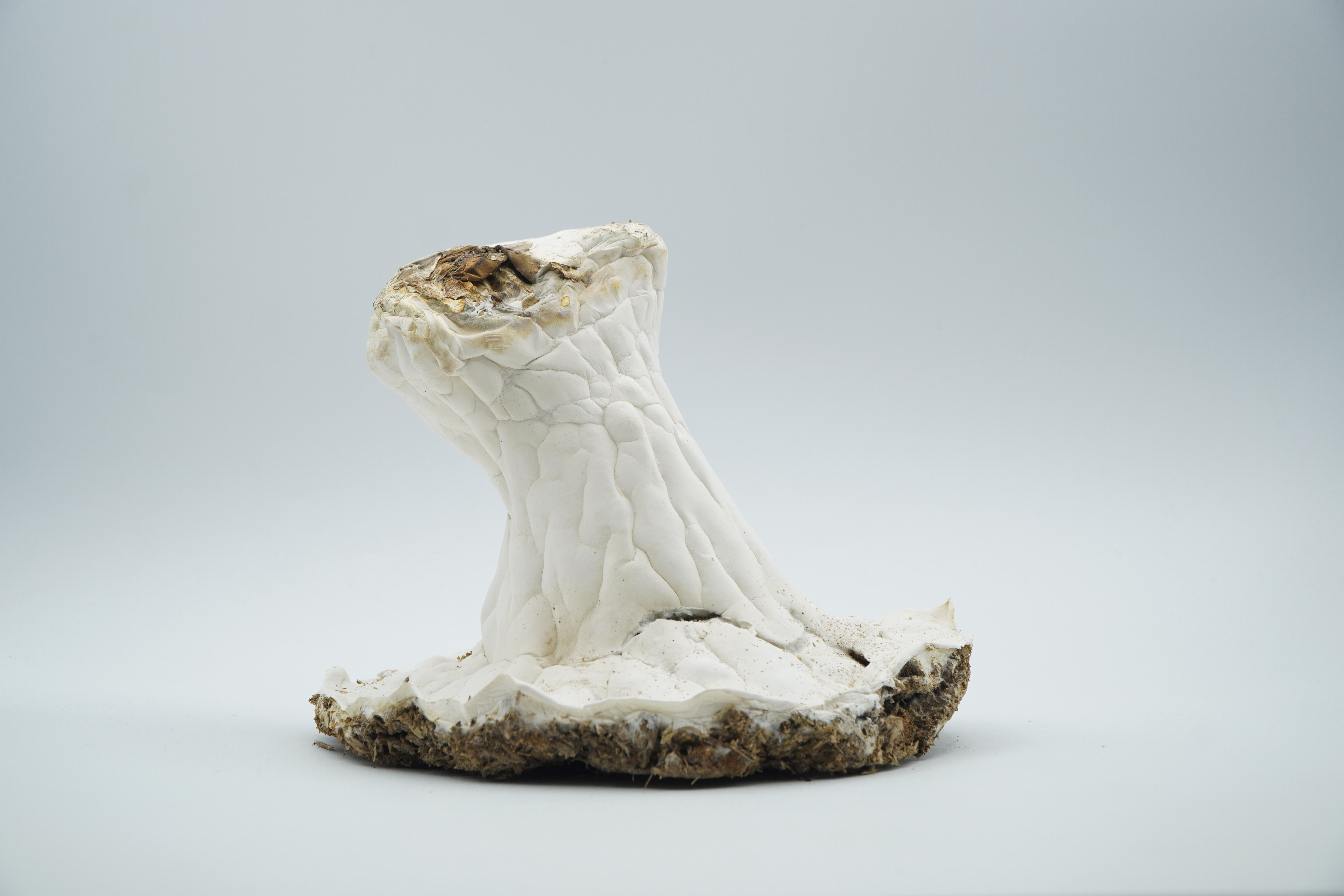
Growing Futures redefines aesthetics by challenging the traditional perception of “finished” products. In conventional design, forms and surfaces are fully controlled by humans, often producing standardized objects that may lack connection with natural processes. In contrast, this project shares authorship with living mycelium, allowing the material to influence its own growth and final shape. The result is a visually rich, irregular, and dynamic aesthetic, where human intention and biological agency converge. By embracing the unpredictability of living materials, Growing Futures encourages people to experience beauty as a co-creation rather than a fixed outcome. This approach fosters a deeper connection with natural processes and cultivates a sense of care and belonging toward the materials, the spaces they inhabit, and the surrounding environment. Communities interacting with these structures gain an awareness of the intelligence of living systems and their role in nurturing ecological cycles. The aesthetic impact extends beyond individual objects: adaptive, biodegradable structures can reshape everyday environments, from small-scale furnishings to architectural elements, creating spaces that evolve over time and reflect the rhythms of life itself. The visual irregularity, textural richness, and subtle responsiveness of the mycelium structures communicate a new sensibility, where beauty emerges from collaboration between humans, fungi, and technology. Growing Futures exemplifies aesthetic innovation by integrating ecological intelligence, design, and technology, offering a model for sustainable beauty that is site-specific, emotionally engaging, and culturally meaningful. It demonstrates that aesthetics can be regenerative and participatory.
Although Growing Futures is not a social inclusion project per se, it promotes accessibility, participation, and co-creation across disciplines, communities, and living systems. By using locally sourced organic waste the project demonstrates that biofabrication and sustainable material production can be low-cost and accessible, enabling communities, students, and small initiatives to engage with advanced living materials without relying on industrial or imported resources. Inclusion is also embedded in the collaborative process. The project brings together designers, micologists, roboticists, and researchers to co-create with living mycelium, fostering interdisciplinary knowledge exchange and mutual learning. Extending this idea, the human-micelio-robot collaboration acts as a metaphor for participatory systems, where multiple agents - including more than human ones - contribute to shaping outcomes. Through workshops, experiments, and educational activities, Growing Futures provides opportunities for hands-on engagement, raising awareness of regenerative cycles, sustainability, and the potential of local resources. Participants gain a sense of agency and responsibility, understanding their role in co-creating living, adaptable systems. The project is exemplary in inclusion because it shows that innovation, sustainability, and co-creation are accessible beyond elite labs, integrating multiple actors - humans, robots, and mycelium - into a shared ecosystemic process. It provides a replicable, scalable model for inclusive, regenerative practices, where knowledge, resources, and creativity are shared, bridging social, ecological, and technological inclusion in a meaningful and tangible way.
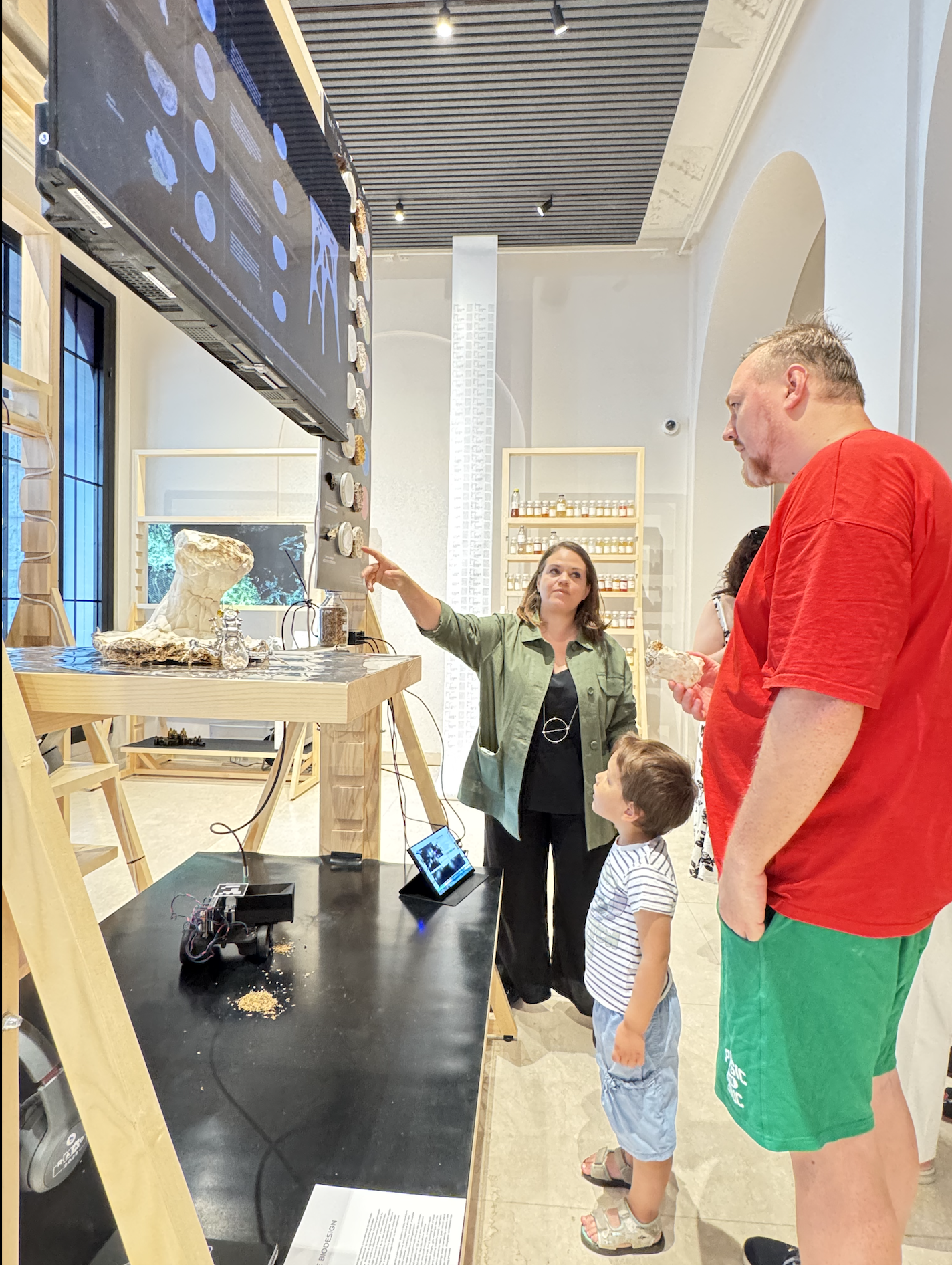
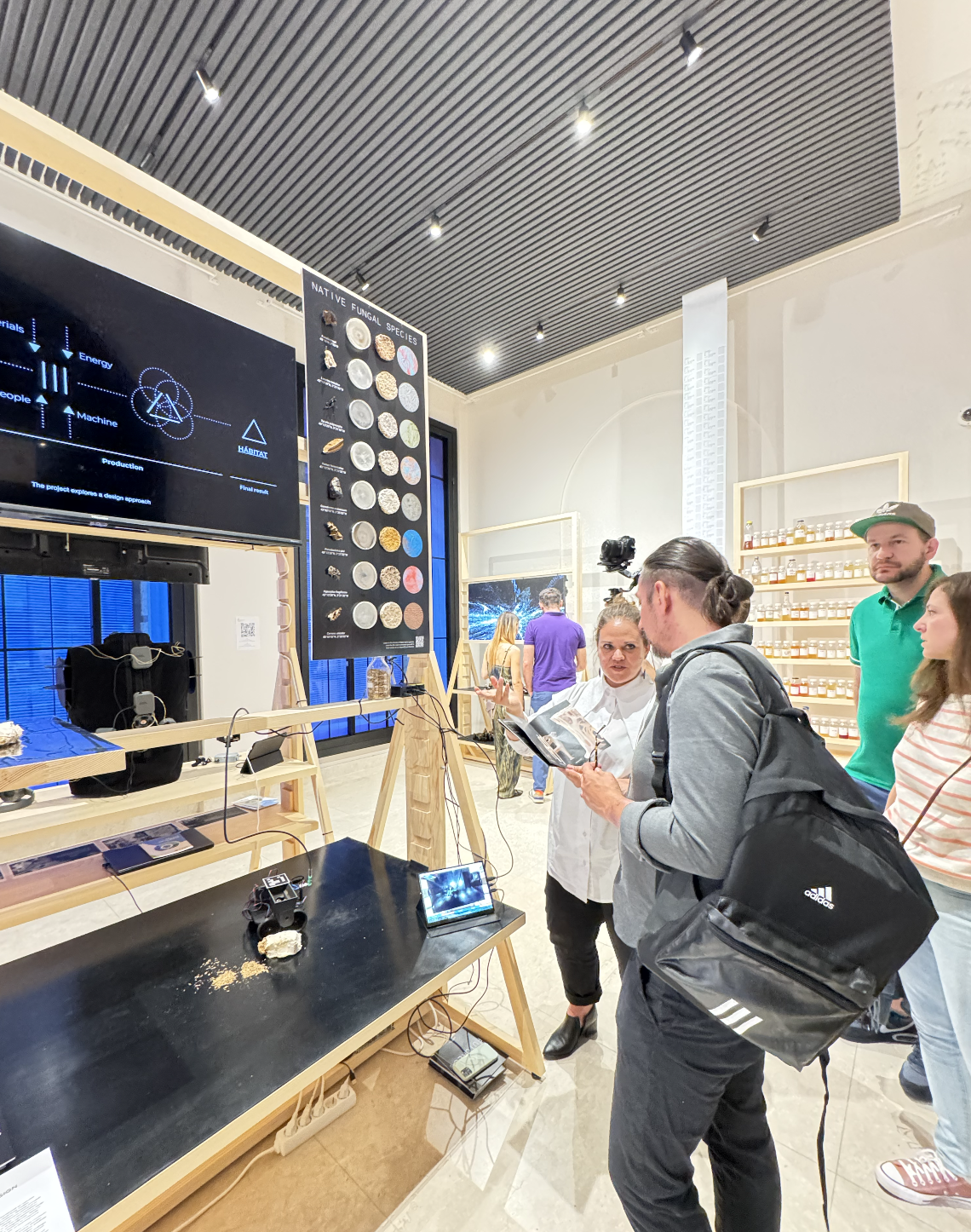
Growing Futures adopted a participatory approach, engaging diverse actors in co-design with living materials. Three complementary user studies were conducted: a qualitative Google Form questionnaire, a controlled usability evaluation using the System Usability Scale (SUS), and an informal observational test during a public exhibition in Belgrade. Participants included students, designers, architects, artists, robotics experts, families, and general visitors, aged 20–60. The qualitative test explored emotional and conceptual engagement with co-design alongside mycelium and robots, while the SUS test assessed usability, clarity, and confidence in using the interface. The observational test captured spontaneous interactions and engagement across a broad audience. Through hands-on experimentation - controlling robots, distributing nutrients, and observing mycelium growth - participants contributed directly to prototyping and iterative design. Feedback highlighted high usability, engagement, curiosity, and understanding of regenerative co-creation processes. Growing Futures demonstrates how participatory design can cultivate cultural awareness and ecological literacy, encouraging humans to rethink their role with living materials. By combining scientific expertise, creative practice, and public engagement, the project exemplifies a model where humans, robots, and fungi co-create, learn from one another, and co-evolve. This participatory process fosters mutual learning, inclusive dialogue, and appreciation for ecological processes, showing that participatory innovation can empower communities and professionals to experience, understand, and contribute to living, regenerative ecosystems, setting a benchmark for participatory design in sustainable futures.
At the local level, the project collaborated with communities and local organizations in the Basque Country and Italy to map food waste streams and select site-specific substrates for mycelium growth. This ensured that the materials and processes were tailored to the ecological and cultural context of each site, fostering local engagement and relevance. At the regional level, the Basque Biodesign Center provided expertise in bio-design, robotics, and mycology, guiding the experimentation and prototyping phases. Their role as both research collaborators and facilitators of workshops helped bridge scientific knowledge and creative practice, ensuring technically and biologically sound outcomes. At the national level, academic institutions such as the Politecnico di Milano contributed to conceptual framing, methodological guidance, and dissemination of results, creating opportunities for knowledge exchange and cross-disciplinary collaboration across Italy and Spain.
At the European level, the S+T+ARTS MUSAE program supported the residency, funding, and visibility of the project, connecting it to a broader network of innovators exploring art, technology, and sustainability. This network provided inspiration, feedback, and recognition, increasing the potential impact and scalability of the project. The engagement of stakeholders across levels created a multi-layered governance model: local materials and communities shaped the design; regional and national research institutions provided scientific and methodological rigor; European initiatives facilitated visibility, cross-pollination of ideas, and access to funding. The added value lies in integrating ecological, technical, and social dimensions, ensuring that the project is both context-specific and scalable, fostering collaboration across disciplines and borders.
At the European level, the S+T+ARTS MUSAE program supported the residency, funding, and visibility of the project, connecting it to a broader network of innovators exploring art, technology, and sustainability. This network provided inspiration, feedback, and recognition, increasing the potential impact and scalability of the project. The engagement of stakeholders across levels created a multi-layered governance model: local materials and communities shaped the design; regional and national research institutions provided scientific and methodological rigor; European initiatives facilitated visibility, cross-pollination of ideas, and access to funding. The added value lies in integrating ecological, technical, and social dimensions, ensuring that the project is both context-specific and scalable, fostering collaboration across disciplines and borders.
The project integrates design, art, robotic engineering, mycology, material sciences, architecture, anthropology, and digital technologies. Collaboration between artists, designers, mycologists, and engineers enabled the development of co-design solutions involving humans, robots, and mycelium, exploring sustainability, aesthetics, and innovative processes. During the residency, the team held weekly online meetings and on-site sessions, supported by digital tools like Miro and Figma to share research, ideas, and prototypes. Multidisciplinary workshops involved external experts, integrating scientific, artistic, and technological perspectives, enriching the concepts and prototypes. The concept development phase produced four main proposals: “Panacea,” “Symbiotic,” “Interaction,” and “Grow it Yourself,” exploring diverse modes of interaction between mycelium, robots, and the environment. The transdisciplinary approach combined technological precision (robotics and sensors), biological knowledge (mycelium and local waste streams), and artistic vision (co-design and shared aesthetics). Specialized mentoring and practical experimentation ensured a balance between scientific rigor, technological innovation, and creative sensitivity. Usability tests and observations in public settings engaged designers, artists, architects, and general audiences, providing both qualitative and quantitative insights into the process and interactions. This multidisciplinary approach fostered not only innovative solutions but also a deep understanding of the dynamics between humans, technologies, and living materials, demonstrating how integrating diverse expertise can generate scalable, replicable, and sustainable projects.
The Growing Futures project is financially and operationally sustainable because it is process-driven rather than product-driven. Its core “business model” relies on transforming local organic waste into biodegradable materials, using mycelium guided by robotics and human co-design. By focusing on replicable production processes rather than single products, the project can be adapted to different regions, industries, and local resources, ensuring long-term applicability. Key partnerships with bio-design centers, universities, and research institutes provide ongoing expertise and access to facilities, while collaboration with local industries (e.g., beer, wood, textile) supplies organic substrates, creating a circular loop that reduces waste and costs. The project integrates prototyping, user training, and co-creation workshops, ensuring that knowledge and techniques are shared, adopted, and scaled beyond the initial site. Revenue and sustainability are achieved through service-based offerings, consultancy, workshops, and licensing of the methodology, rather than a single product. By combining scientific, technological, and artistic expertise, the model fosters innovation, ecological restoration, and decentralized production, providing communities and industries with tools to generate customized, on-demand, low-impact materials. Ultimately, the project demonstrates that sustainable, regenerative, and collaborative production is feasible, scalable, and adaptable across regions and sectors, creating a long-term, positive environmental, social, and technological impact.
The Growing Futures project demonstrates high scalability thanks to its flexible, process-driven approach integrating mycelium, robotics, and human co-design. The methodology- combining local waste mapping, substrate selection, and robotic-assisted mycelium growth - can be replicated in diverse contexts. By leveraging locally available organic waste streams, the system empowers communities to transform residues into biodegradable materials and functional structures, fostering environmental awareness and circular practices. The project’s digital infrastructure, including a shared Miro board for collaborative design and a SoundCloud channel for process documentation and knowledge exchange, facilitates remote guidance, replication, and co-creation across geographies. The robot and interface, validated at TRL 5, provide a replicable technological setup adaptable to different mycelium species, waste types, and design requirements, ensuring usability for diverse users. Moreover, the principles of symbiotic collaboration between humans, technology, and living materials can be applied beyond mycelium, inspiring new forms of bio-based production and co-design practices. The approach encourages experimentation while maintaining ecological responsibility, allowing other communities, research centers, and designers to adopt, modify, and scale the model locally or regionally. In sum, the project offers a transferable framework: a combination of methodology, tools, technology, and documentation that can be applied worldwide, fostering regenerative practices, sustainable production, and community engagement.