Arts, Culture, and Heritage as Drivers of Change
TowerTopia SPA - Sanus per Artem
TowerTopia SPA - Sanus per Artem: Empowering Humanity with Art
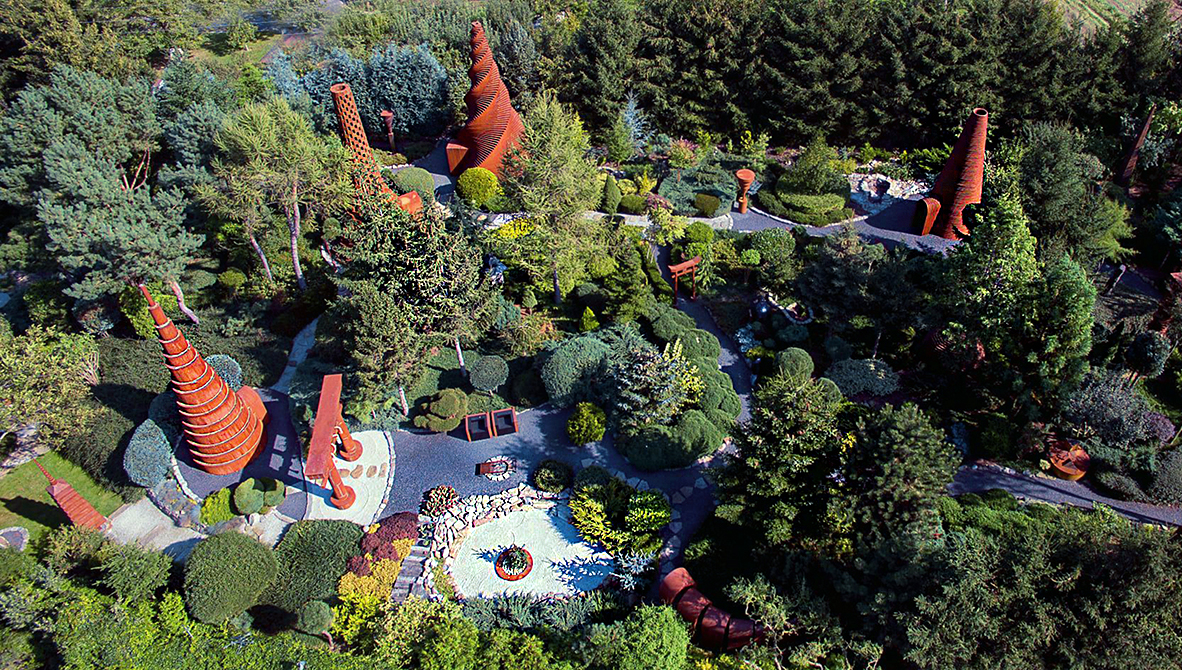
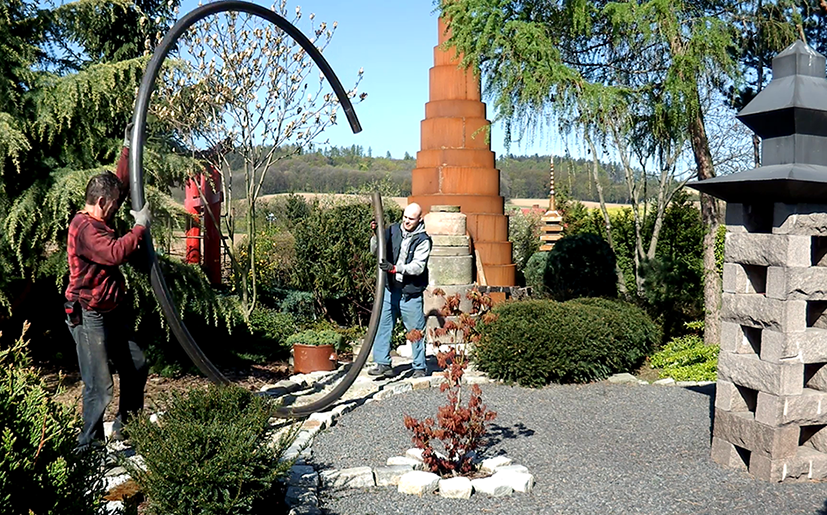
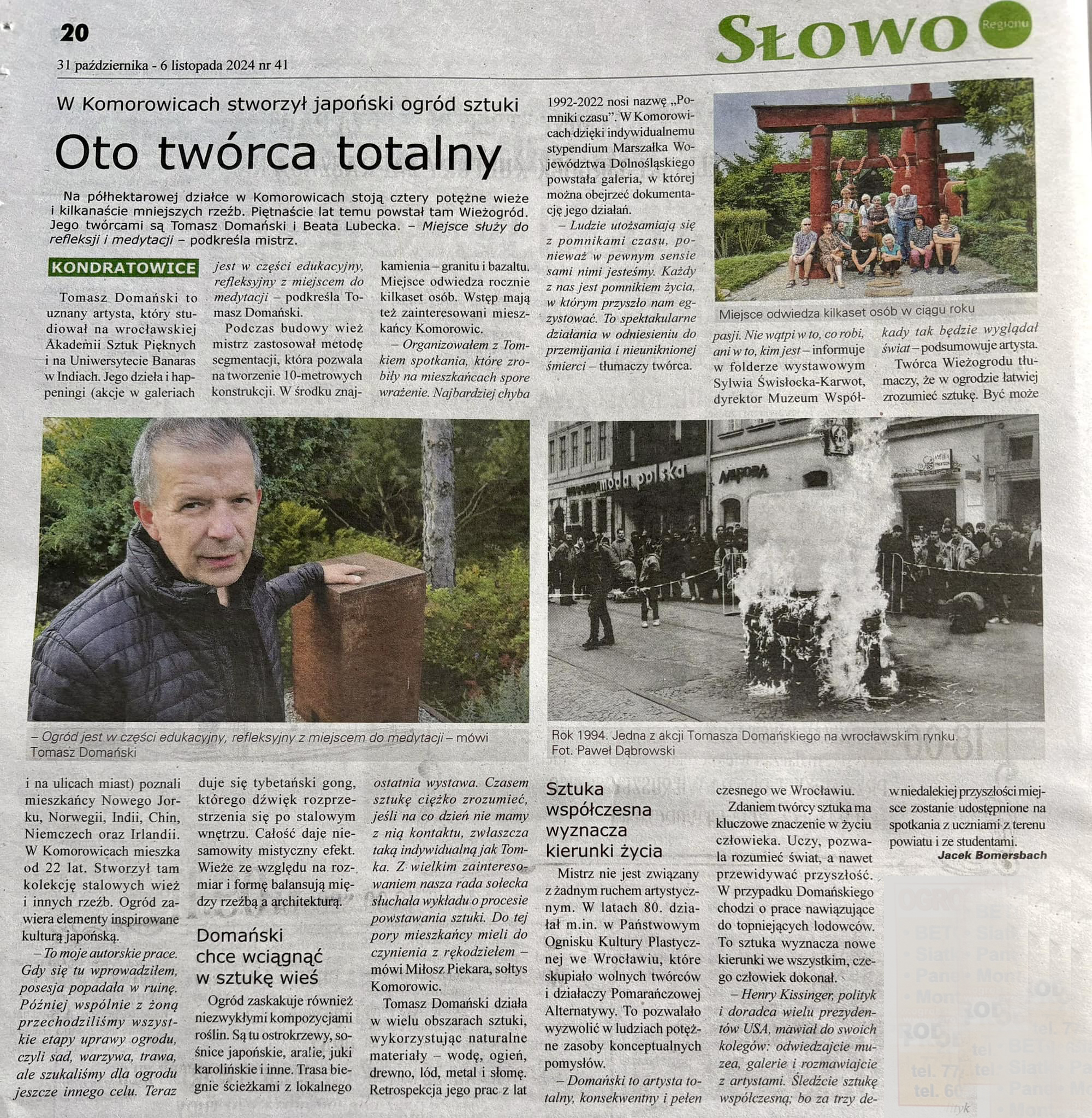
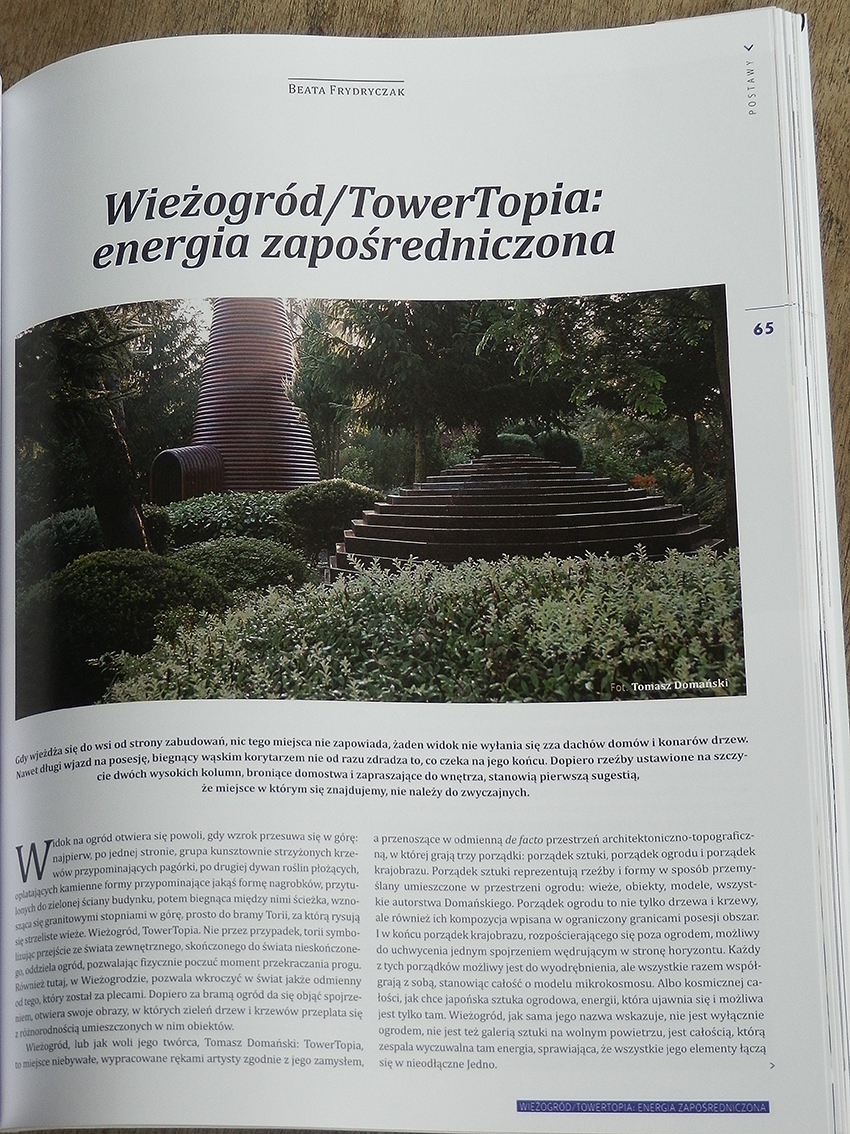
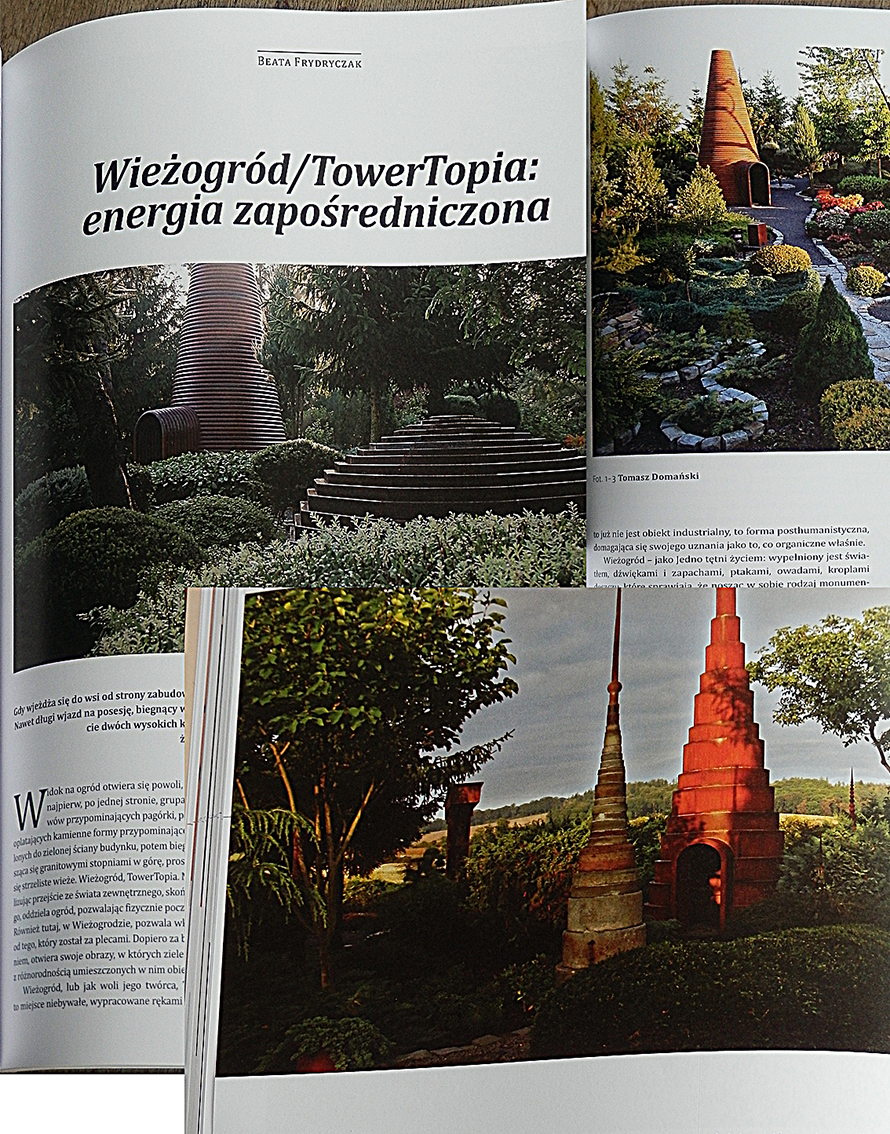
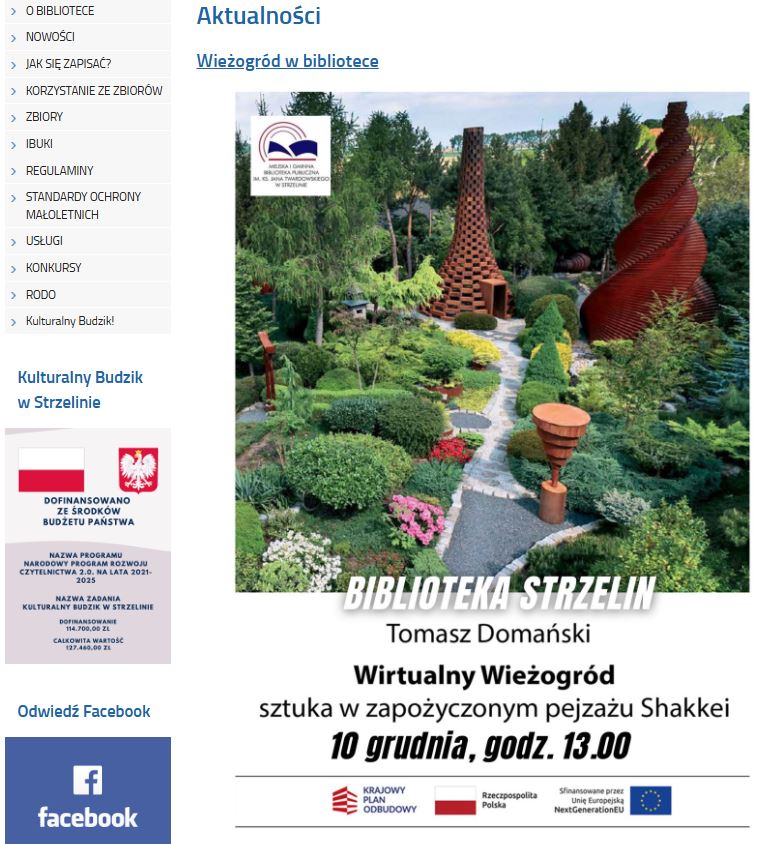
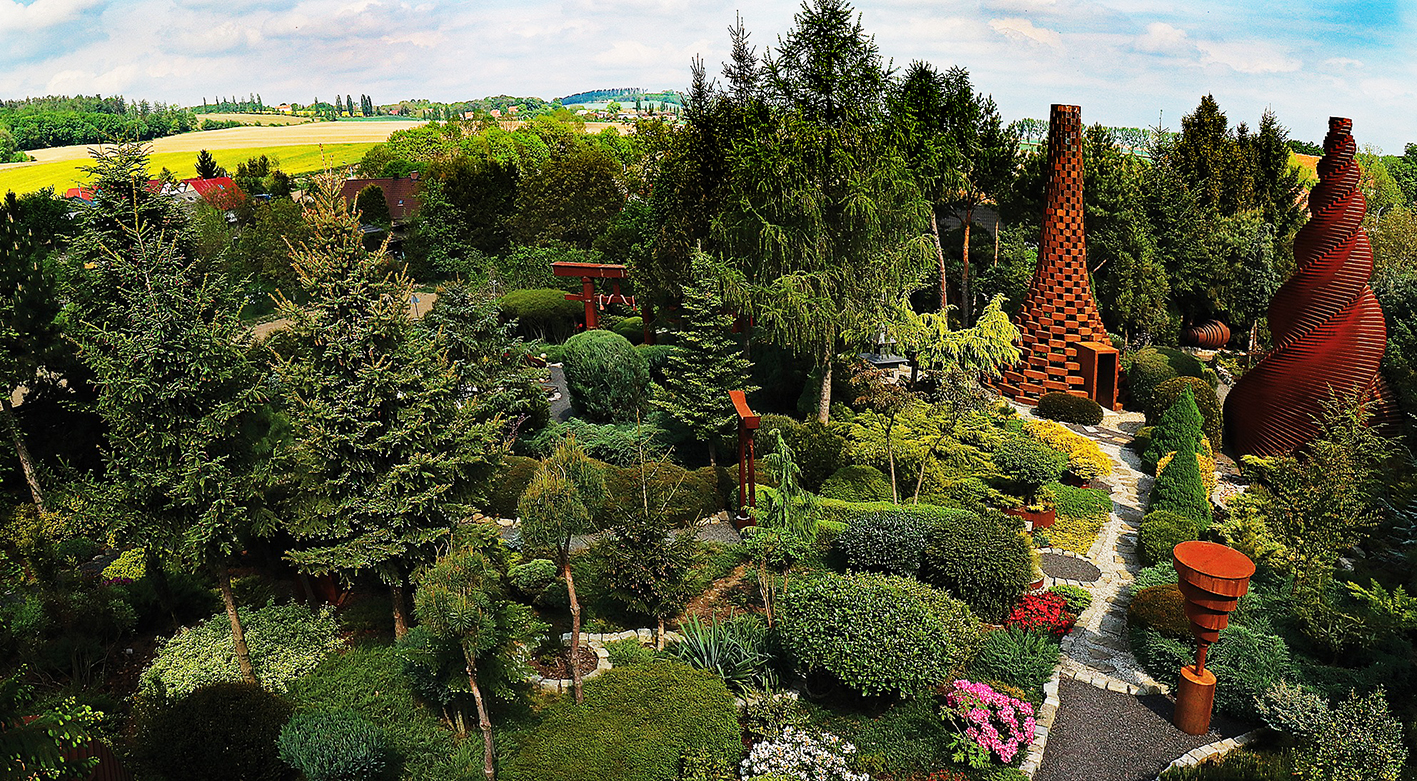
TowerTopia tells the story of a sculpture garden made of recycled steel, set amidst rural fields. This multi-year project transforms a neglected space into an open-air art gallery, attracting local villagers for whom it is the only opportunity to engage directly with an artist sharing insights into the creative process and contemporary art. The aesthetics of the intervention harmonize with nature, engaging visitors emotionally and sensorially. TowerTopia is recognized the Lower Silesia region.
Poland
Regional
Lower Silesia (Dolnoslaskie, PL)
Mainly rural
It involves a physical transformation of the built environment (hard investment)
Yes
2025-09-30
Yes
Next Generation EU
No
No
Organisation
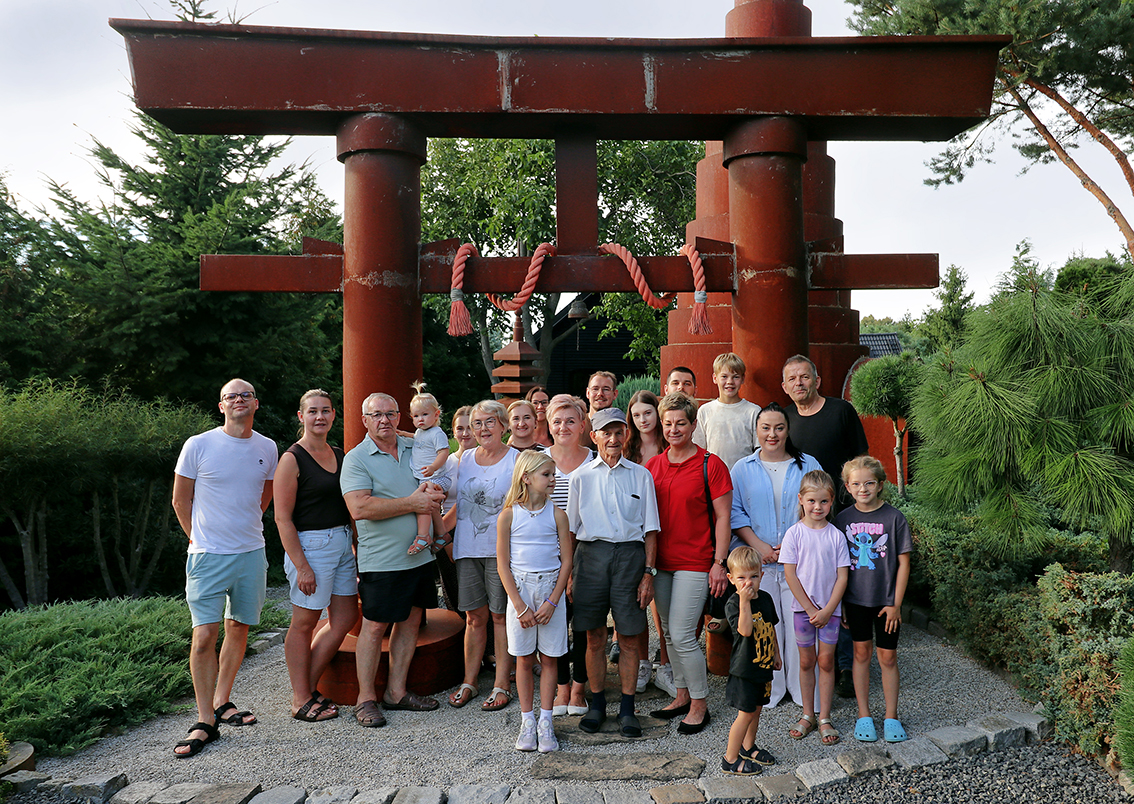
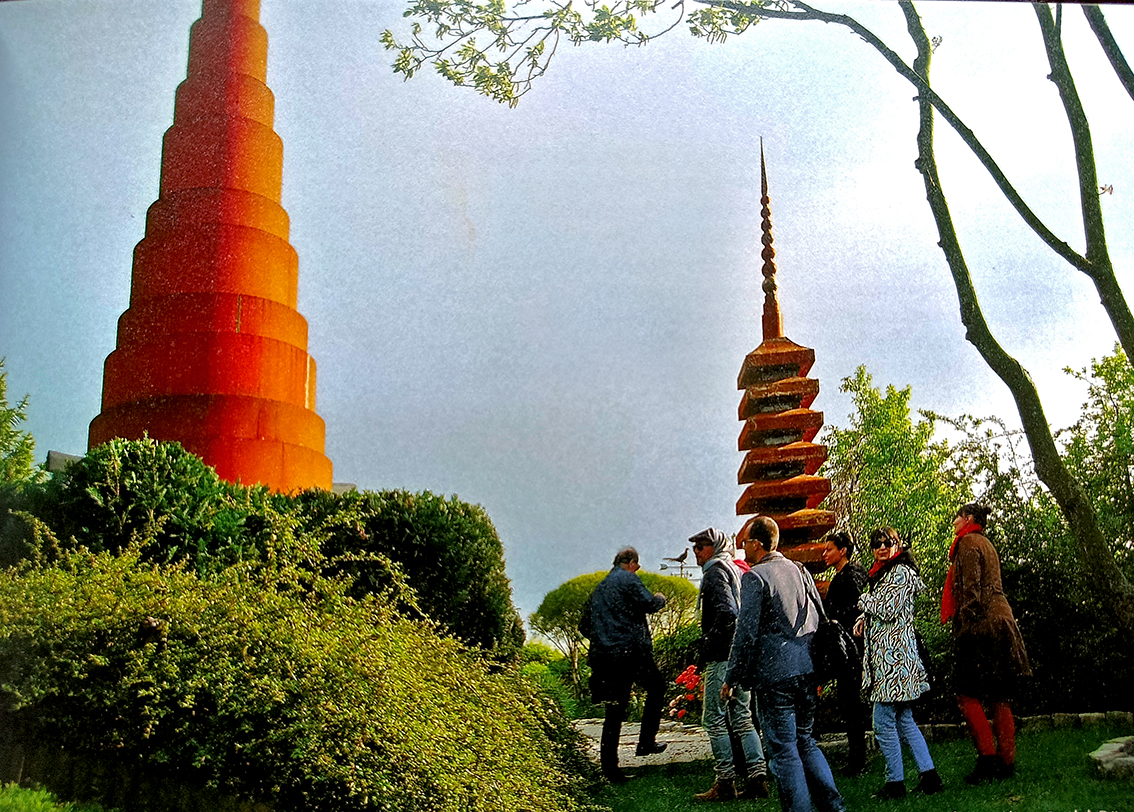
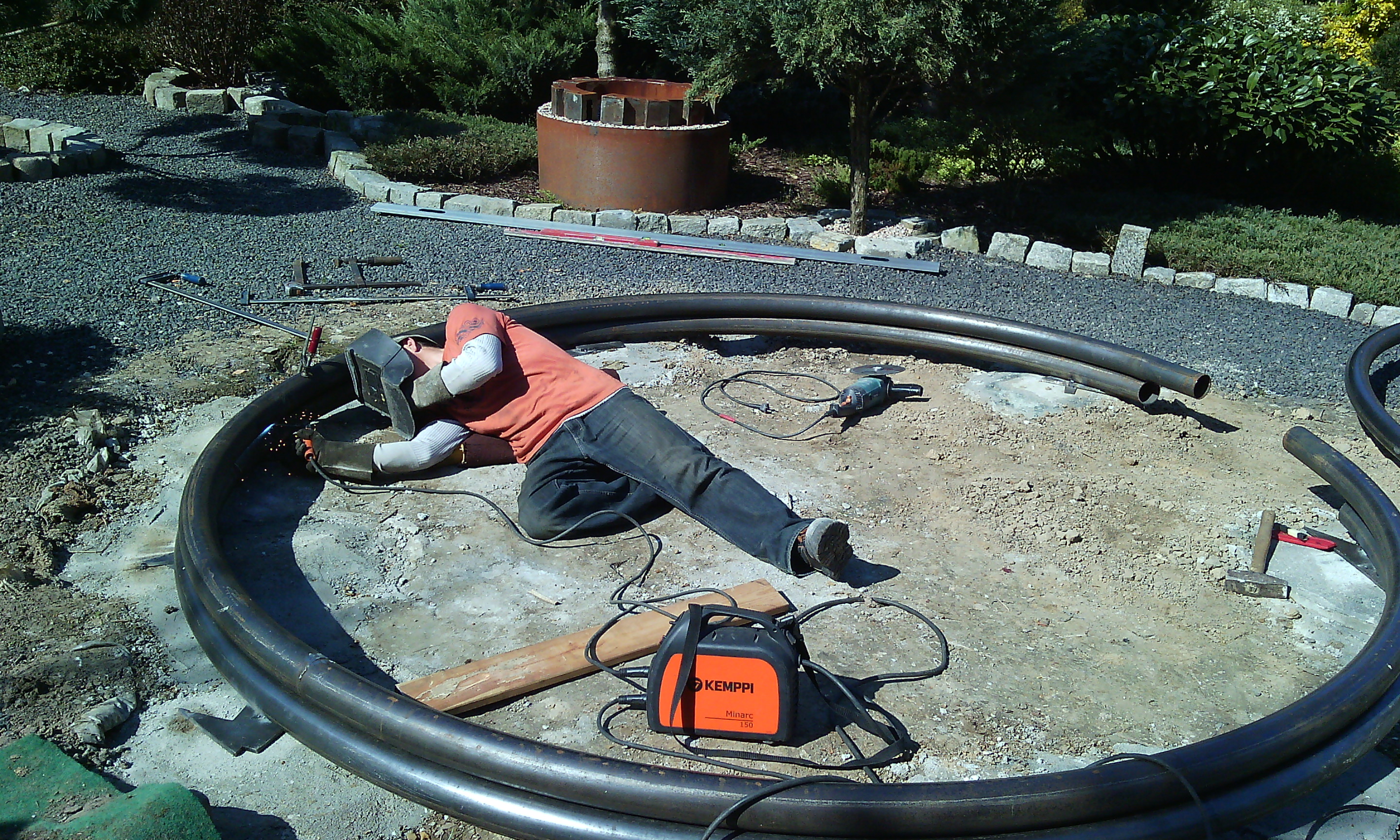
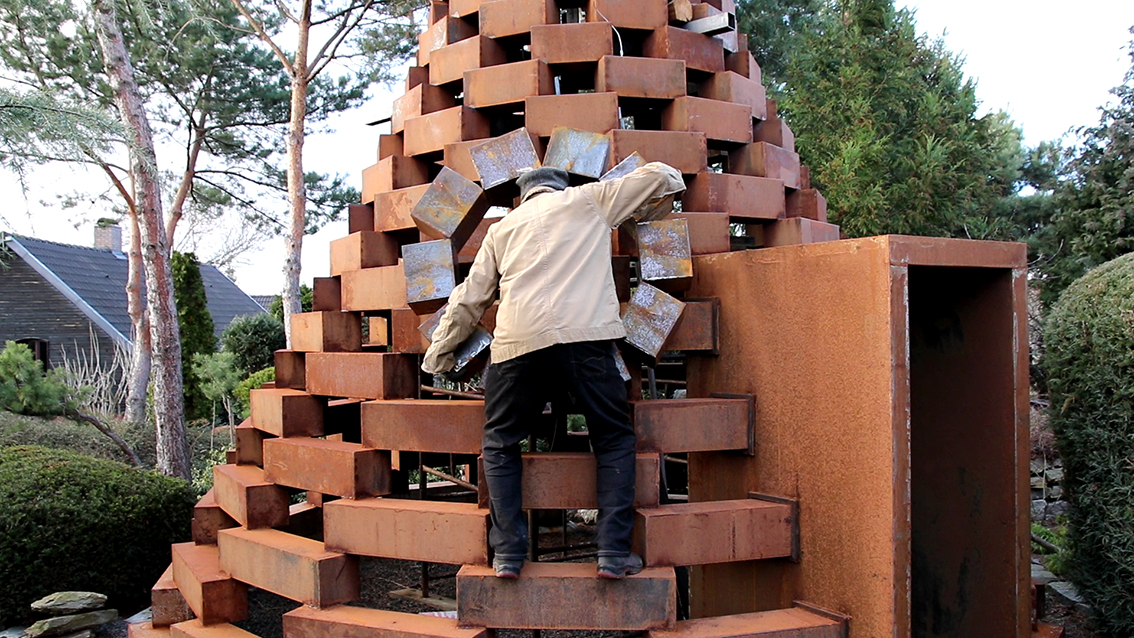
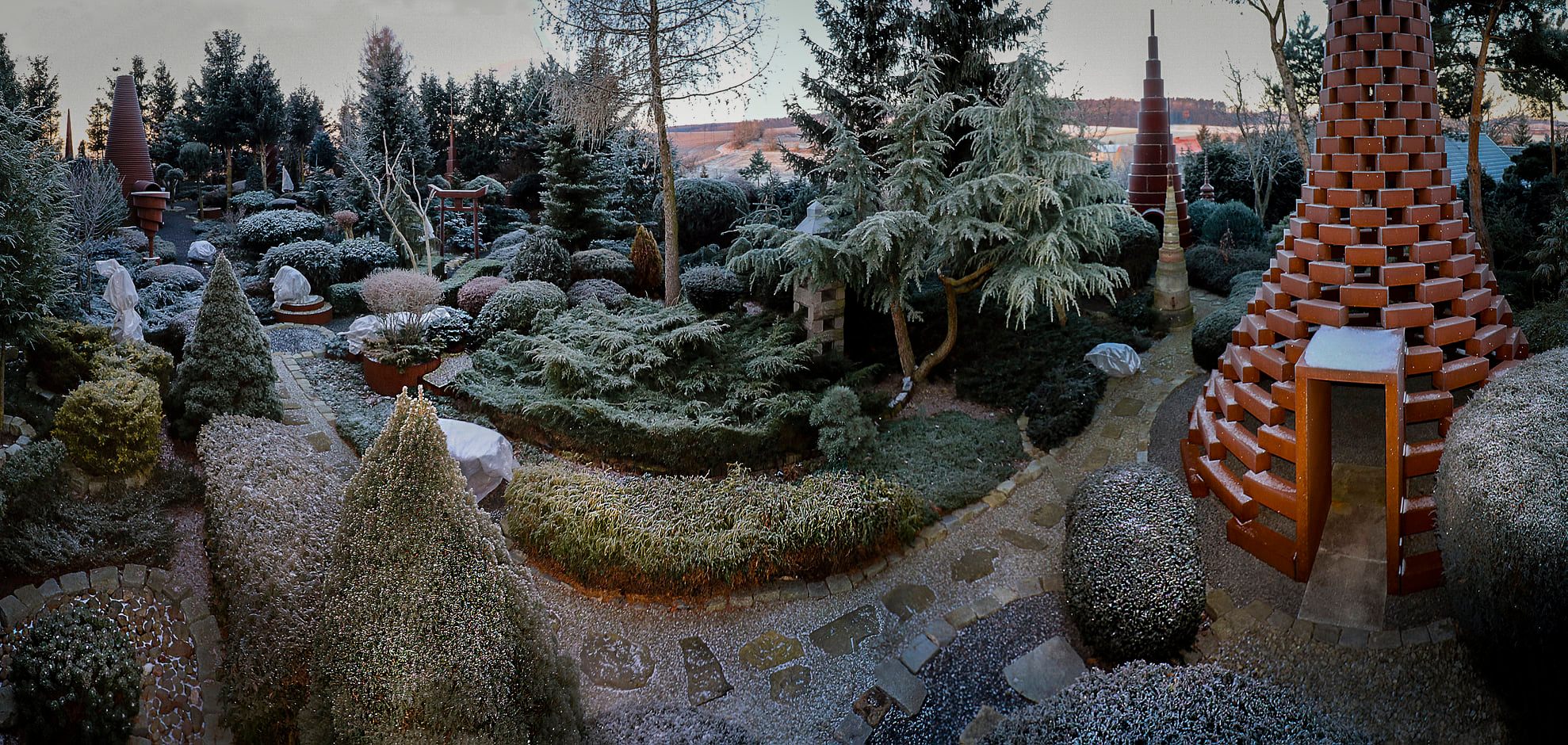
TowerTopia is a unique place that brings together nature, art and design. The project was developed over the course of five years. All the tower structures, as well as those used for open galleries are examples of the reuse of industrial materials. The site is located in the village of Komorowice, an area still marked by the legacy of former collective farm (kolkhoz) buildings. Situated far from major tourist and cultural routes, the place calls for transformation and for actions that draw on humanistic values and art that fosters a sense of agency. This long-term initiative has turned an abandoned area into an open-air art gallery, inviting local residents, for whom this may be the only opportunity to experience art directly. The aesthetic of the intervention harmonizes with nature while engaging visitors emotionally and sensorially. TowerTopia already functions as a point on the cultural map of the region. To make the place more accessible, a virtual tour has been created, allowing visitors to reach TowerTopia online as well. In addition to visual experiences, the site also offers auditory ones through musical site-specific events.
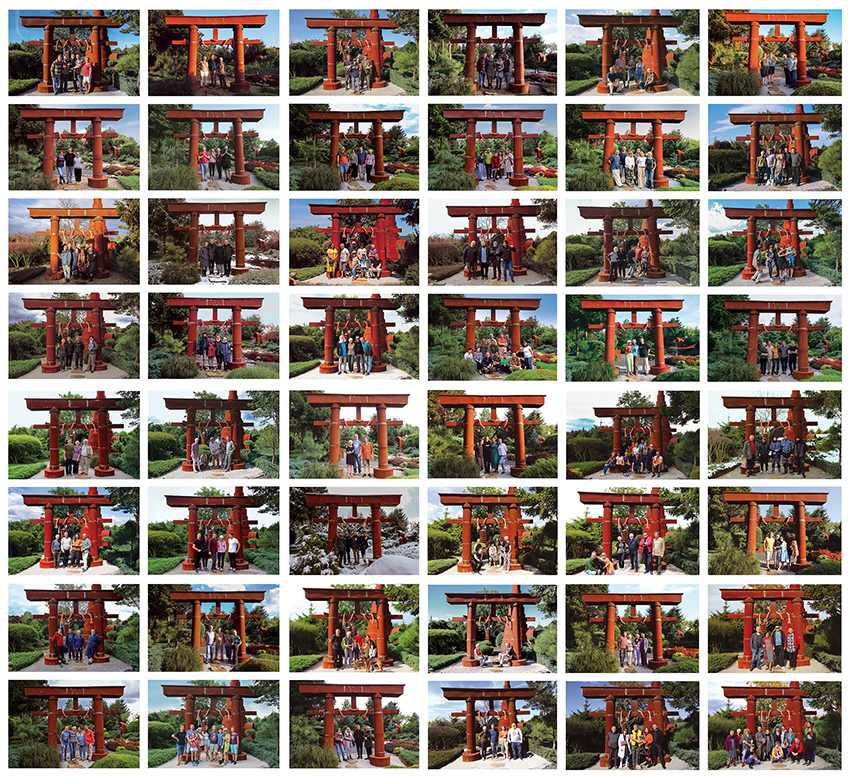
The project addresses several groups of audiences, reflecting the interdisciplinary potential of the place. The first group consists of visitors united by a passion for art but also by an interest in gardens, a universality that attracts local audiences. The second group includes professionals working in fields such as art, landscape architecture, and the creative industries. The third group are the students and pupils seeking inspiration for their future projects. The fourth includes slow-tourism participants, seekers of unusual places in Lower Silesia that, through their unconventional function and appearance, become favourite travel destinations.
Project conveys a clear message to society: the starting point can simply be a ruin, and resources are very often overestimated, while commitment and creativity are underestimated.
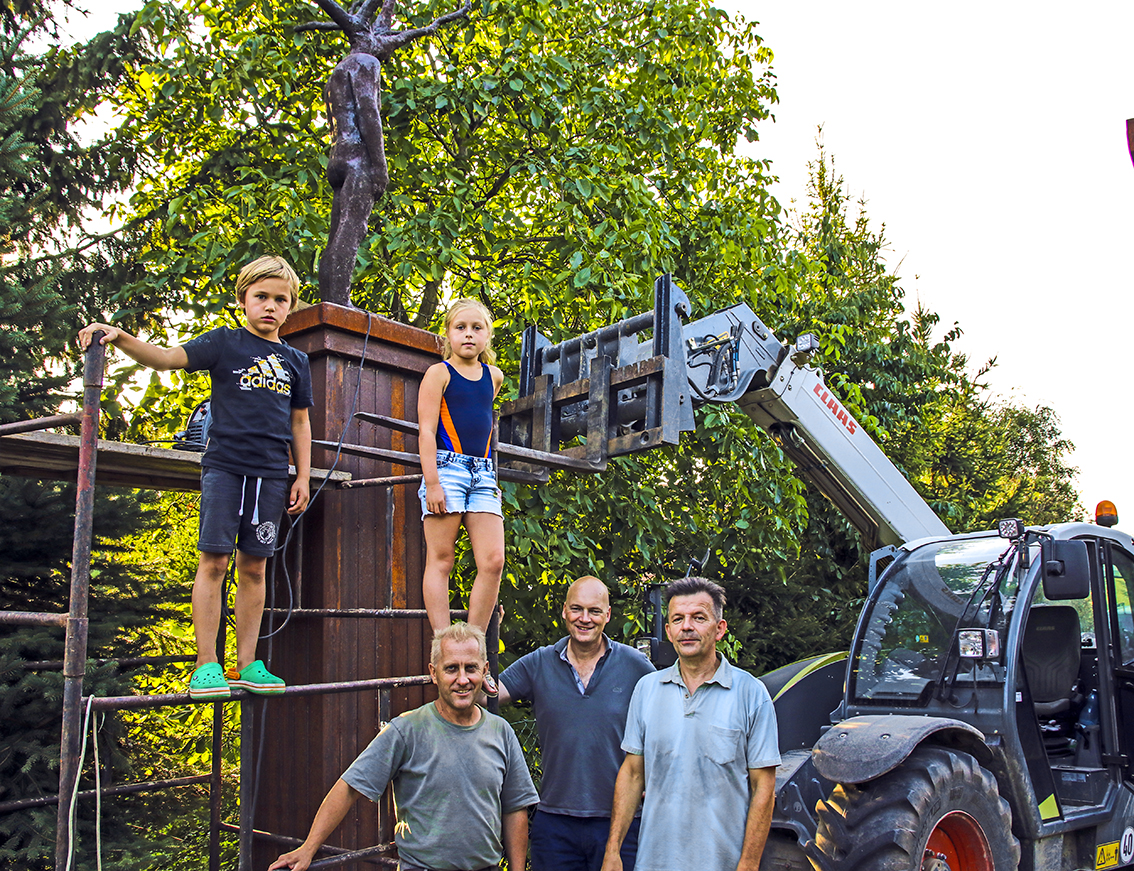
The first concept for the sculpture garden emerged as early as 2004, when the Lower Silesian Art Incubator Foundation was established. Unfortunately, due to a lack of funding, the plans had to be postponed. It was not until 2015 that the artist received funding to realize the first architectural structure, the Tower of Steel Bone, which marked the beginning of work on the sculpture garden.
From the very start, the site attracted both local residents and tourists visiting the Strzelin–Niemcza Hills, where TowerTopia is located. In the following years, additional towers and structures were created, gradually integrating with the garden’s landscape.
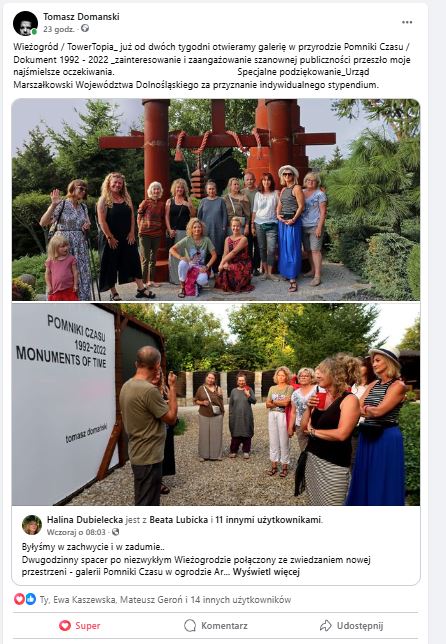
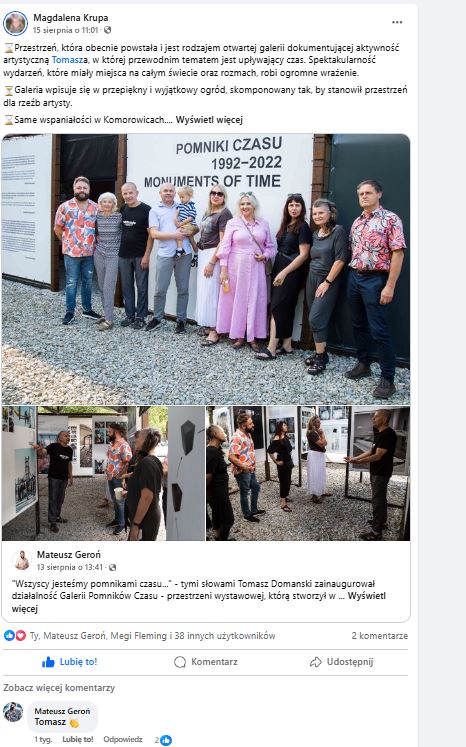
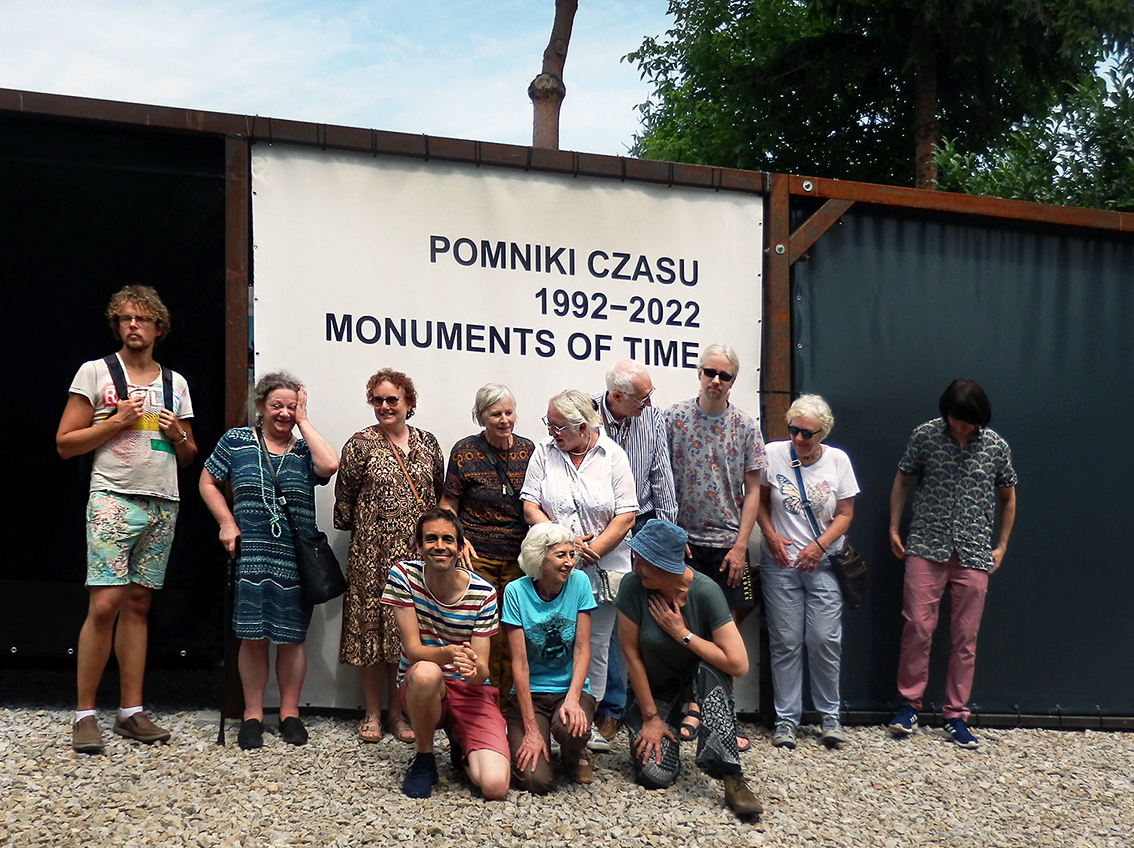
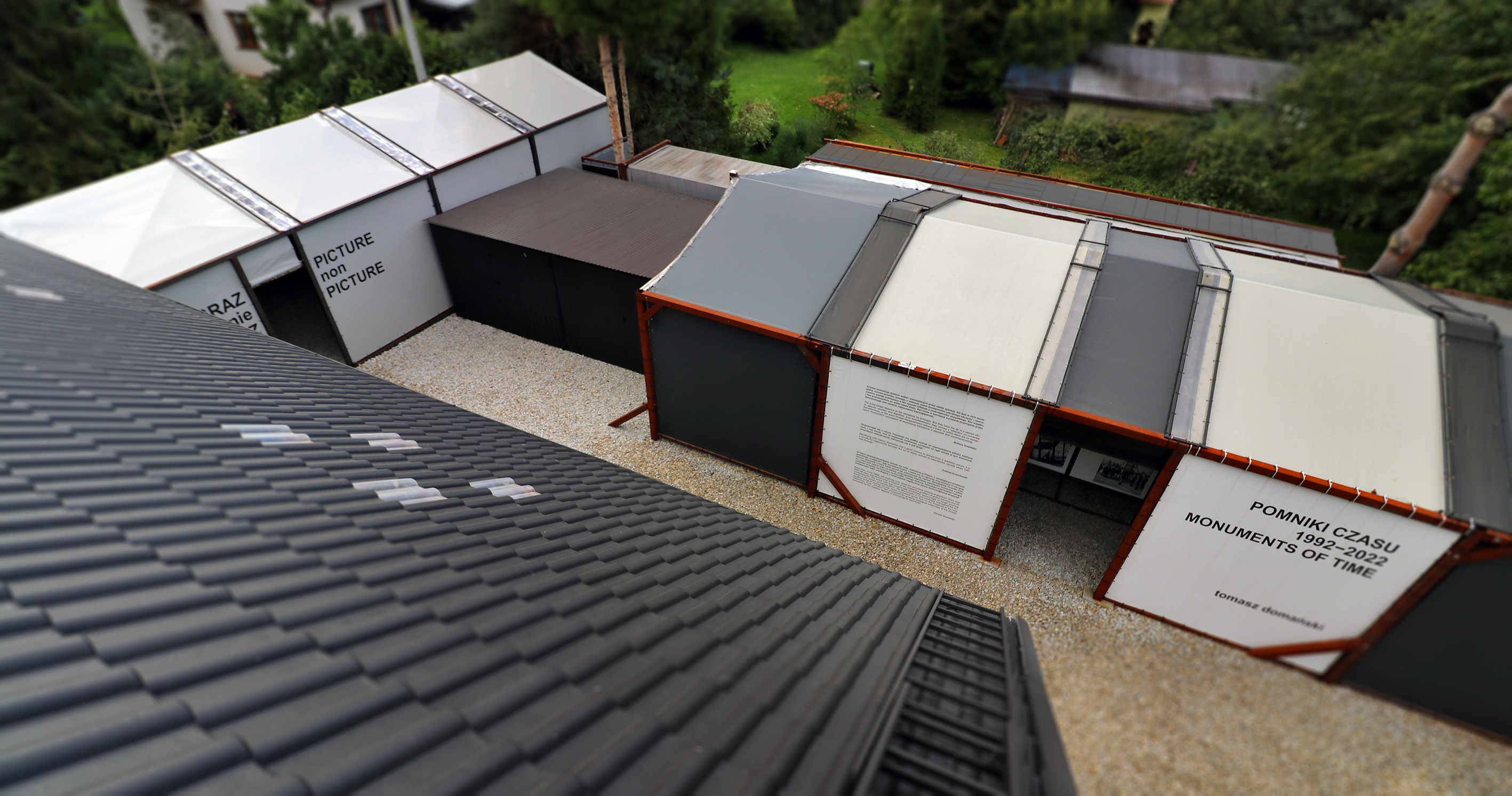
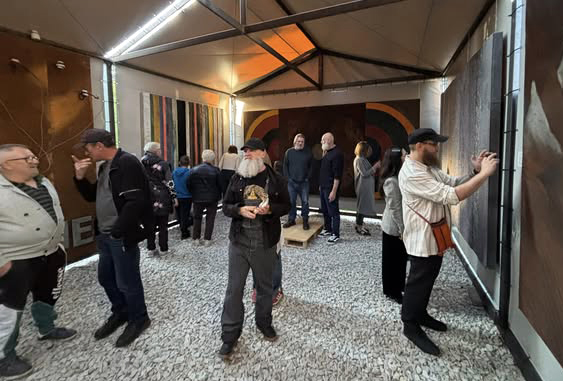
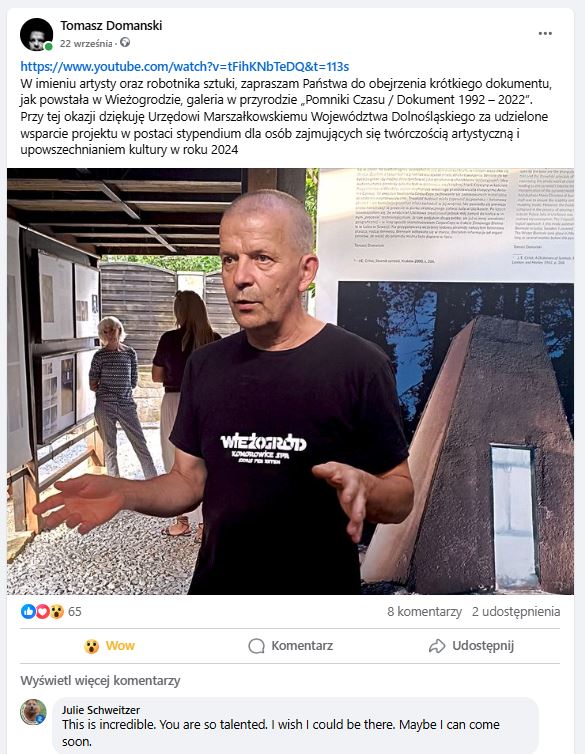
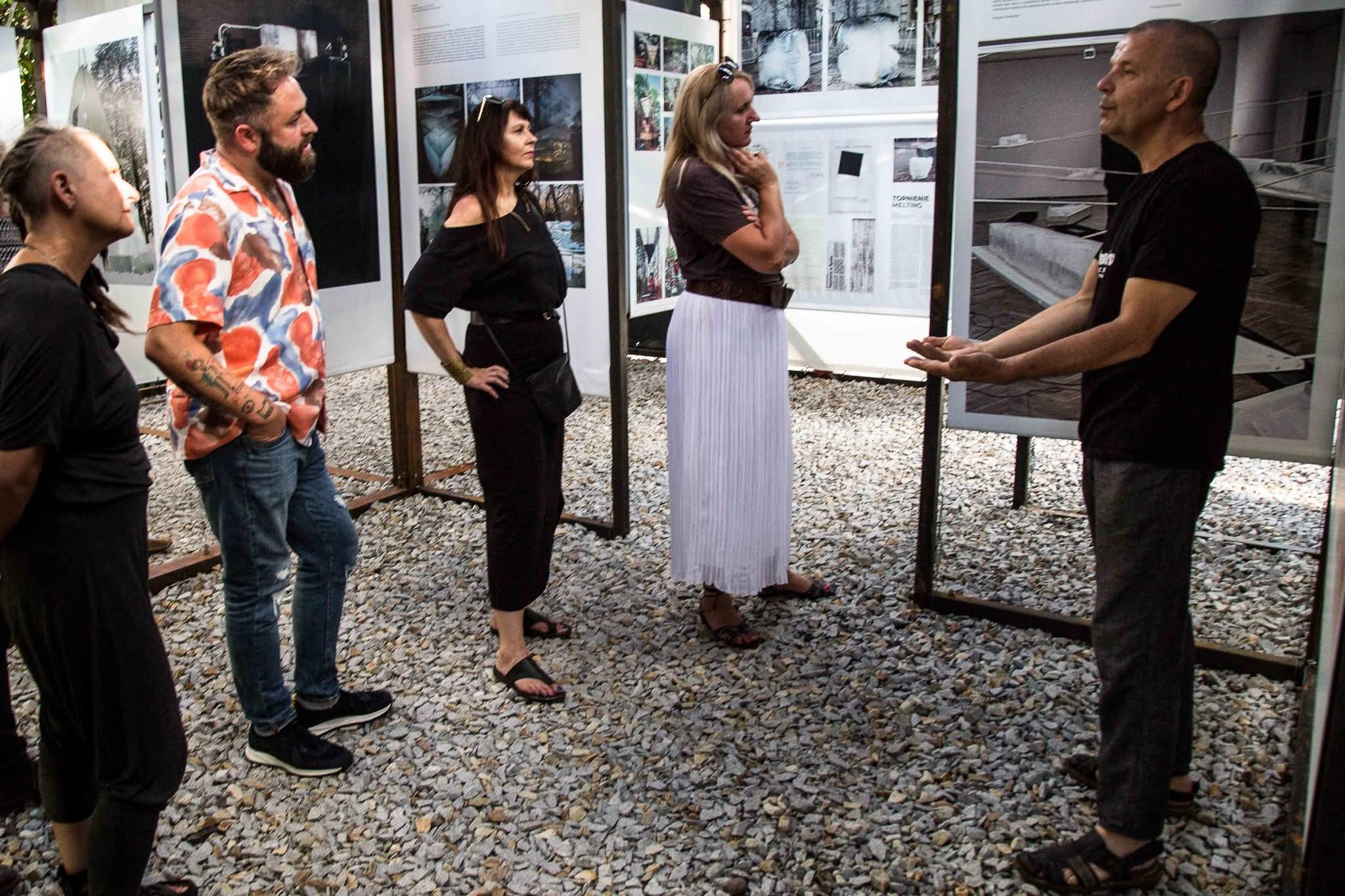
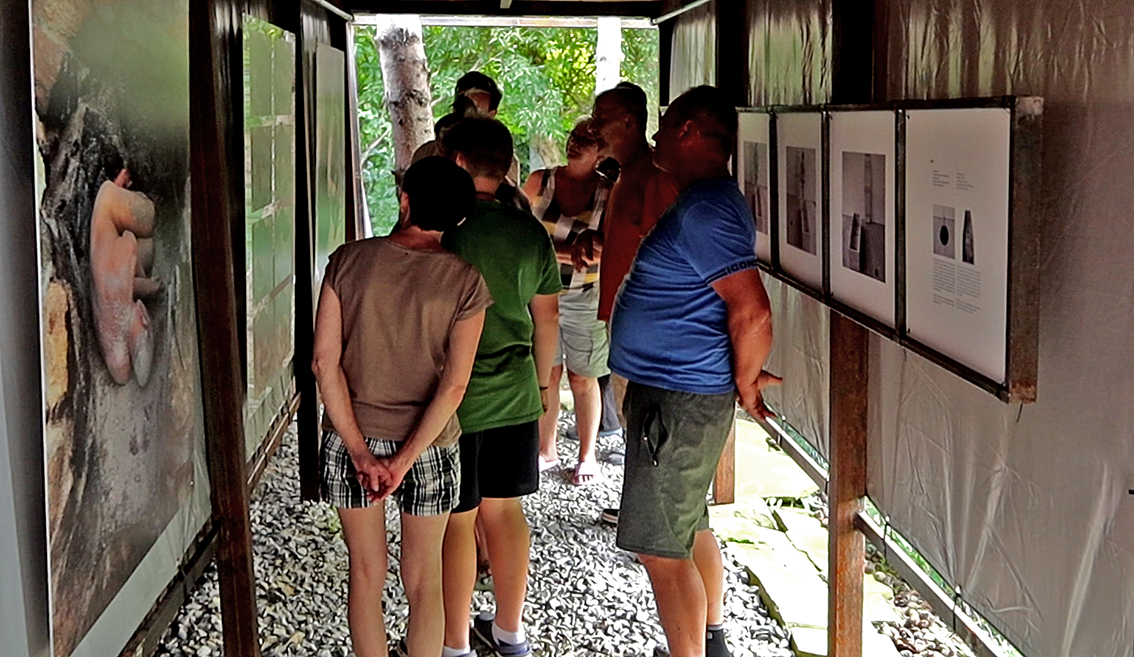
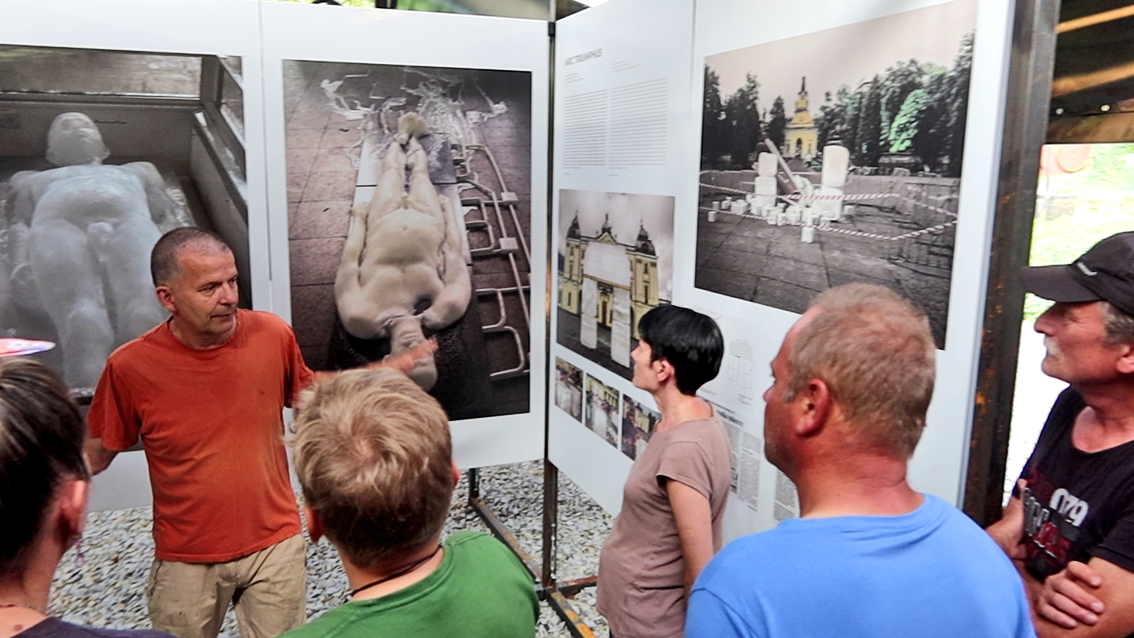
In 2024, the first open gallery was established, presenting documentation of the “Monuments of Time” - installations and public-space actions reflecting the spirit of the emerging democracy and ecological awareness. The TowerTopia project was finally completed in Sep. 2025 with the construction of a second gallery, where works addressing the issues of the Anthropocene and the consequences of its impact are presented.
Currently, work is underway to use the TowerTopia space for musical activities - concerts and sound performances involving musicians who will explore the unique acoustics of the towers. This initiative will expand the project’s scope into the sonic dimension, engaging musical communities and initiating new forms of collaboration between the arts.
Art and Aesthetics
Communities and neighbourhoods
Cultural inclusion
NGOs networking
Collaboration with local government
Protecting the relationship between landscape and humans, and building individual cultural capital, is the highest priority of the TowerTopia project. Its main goal is to create a long-term, sustainable, and harmonious transformation of the village. Sustainable development and the resilience of the local economy largely depend on the mental well-being of society. Stress- and emotion-related ailments already indicate their civilizational character. Contact with art in nature has a therapeutic effect, which many visitors to TowerTopia emphasize.
An important goal of the project was to preserve a symbiotic approach to nature. Due to climate change, TowerTopia is genuinely threatened by structural drought. Showcasing this unique ecosystem serves an educational purpose, raising awareness about the protection of groundwater resources and the degradation of the soil’s water retention capacity caused by clearing remnants of nearby forests.
An important goal of the project was to preserve a symbiotic approach to nature. Due to climate change, TowerTopia is genuinely threatened by structural drought. Showcasing this unique ecosystem serves an educational purpose, raising awareness about the protection of groundwater resources and the degradation of the soil’s water retention capacity caused by clearing remnants of nearby forests.
The concept of the garden and its two outdoor galleries, designed for the presentation of visual art as well as musical and movement improvisations, gives the space a function that goes far beyond that of a place for relaxation. It is a space of relationships and mutual care. The beauty of the garden prepares visitors for more demanding conceptual works and invites them to participate in this dialogue.
In its diversity, TowerTopia enriches its audience, offering appreciation and, in this sense, beautifying their experience. Art is knowledge, and experiencing a work of art means sharing that knowledge and sensitivity. TowerTopia has become a magnet for local residents, encouraging them to identify with the place, creating a sense of belonging and care, while also attracting a steady flow of new visitors.
Creating a cultural venue in a post-state-farm village, where most inhabitants have had little or no contact with culture, helps to establish a new fashion for cultural participation. The project supports the development of local cultural capital and increases community creativity. It effectively strengthens the identity of the district’s residents, who, through the promotion of TowerTopia, develop a stronger sense of connection with the place. Making this site known to visitors from outside the region will help ensure its lasting presence in the cultural landscape. Conducting activities in the form of workshops and performances is a long-term goal aimed at integrating art into the transformation of rural areas and completing this process.
The project is barrier-free and designed to be accessible to diverse groups, with particular attention to the inclusion of young people and seniors. It aims to create a shared platform where different communities can come together to experience art and artistic events collectively. In the face of culture and nature, everyone is equal and has the same opportunities. People with disabilities can take part through a virtual walk, and audio recordings from TowerTopia will soon also be available. The project embodies innovative ways of rethinking the relationship between humans, art, and nature, as well as between the village and the surrounding landscape. It encourages the community to recognize their responsibility for the environment and provides a positive example of sustainable land transformation.
Visitors encounter a new form of participatory experience that engages them emotionally and sensorially. TowerTopia is a special-use place, a garden of interconnected energies: the wind, metallic sounds, the scent of plants and air, and the play of light at sunrise and sunset, in winter, summer, and autumn, revealing a different face with each season. It offers a new perspective on architecture, transcending conventional forms and functions while blurring the boundaries between art, design, landscape, and the sound hidden within the steel objects of the Tower Garden. These sounds refer both to the dynamic processes of the creation, duration, and ageing of the sculptural constructions, and to the organic, regenerative, and “breathing” character of the garden.
Visitors encounter a new form of participatory experience that engages them emotionally and sensorially. TowerTopia is a special-use place, a garden of interconnected energies: the wind, metallic sounds, the scent of plants and air, and the play of light at sunrise and sunset, in winter, summer, and autumn, revealing a different face with each season. It offers a new perspective on architecture, transcending conventional forms and functions while blurring the boundaries between art, design, landscape, and the sound hidden within the steel objects of the Tower Garden. These sounds refer both to the dynamic processes of the creation, duration, and ageing of the sculptural constructions, and to the organic, regenerative, and “breathing” character of the garden.
Experiences of our foundation show that despite numerous cultural programs addressed to local communities, most organized activities fail to reach so-called “native” residents. Meetings and workshops are more often attended by newcomers who already possess habits of cultural participation. Ensuring the participation of people not connected with the arts required cooperation with local non-governmental organizations that have well-established relationships within the community. Thanks to their involvement, it will be possible to reach audiences for whom such an event may become their first direct encounter with artistic activities. Entering an art gallery or attending a concert of improvised music may happen only here, during a unique and unrepeatable moment, expressed in the Japanese phrase adopted in TowerTopia - ichigo ichi-e - “this time, only once in a lifetime.” The project is an example of creative activity outside the metropolis, enhancing the attractiveness and enriching the cultural landscape of the area, while also signaling to local authorities the potential of the place as an interesting destination for so-called weekend cultural tourism.
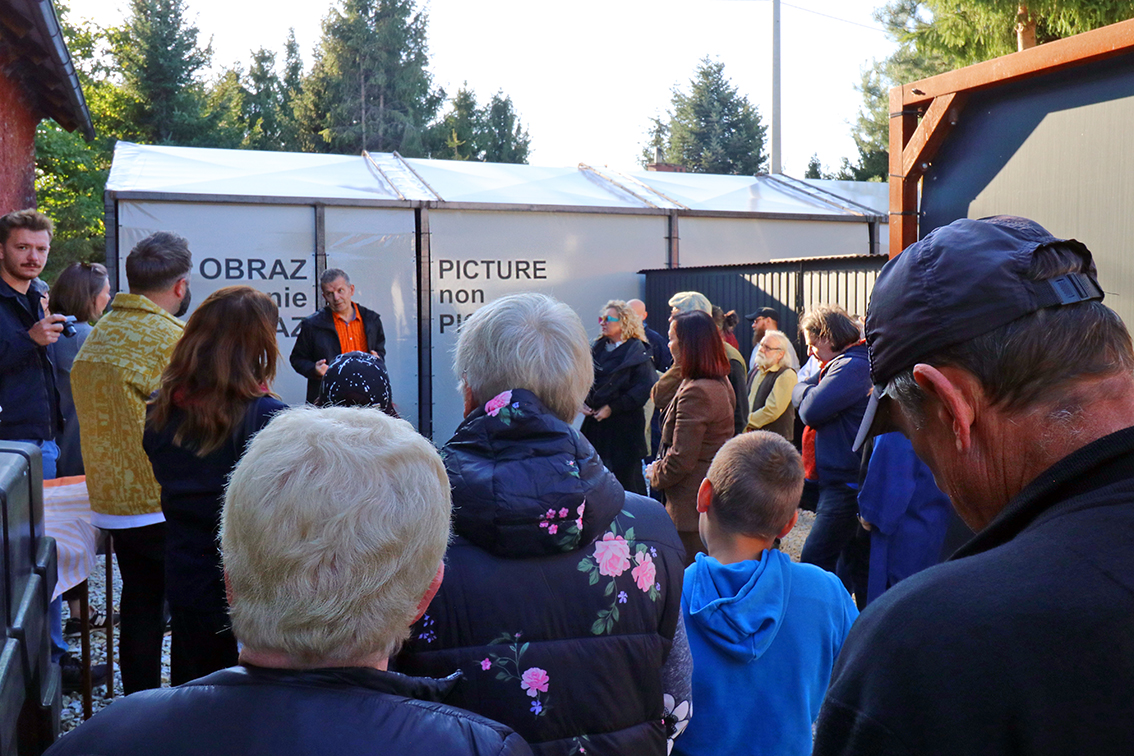
The district authorities participated in the opening of the “Picture Non Picture” open gallery in TowerTopia, financed by the authorities of the Lower Silesian Voivodeship. The Lower Silesian Art Incubator Foundation was the first and only NGO from the field of art involved in developing the local development strategy for the LEADER Local Action Group (LAG). In the following years the situation has remained unchanged, and the Strzelin County continues to be considered one of the so-called “white spots” in terms of the number of NGOs operating in the field of culture.
Opinions collected from residents during the preparation of the LAG strategy indicate that there is still a strong demand for various forms of leisure activities, including cultural initiatives, workshops, thematic meetings, as well as integrative and intergenerational events. However, a major local issue raised during consultations with residents is the lack of attractive places and spaces where activities engaging the community, particularly young people and seniors can be organized.
The development and presentation of successive layers of the sculpture garden constitute the main statutory activity of the applicant organization. TowerTopia will become a new place for cultural events within this space, an original, democratic, and open venue for all audiences, which over time may become a recognizable point on the cultural map of the region.
The TowerTopia project has a transdisciplinary character, combining art, design, ecology, and the social sciences. From the outset, it defines a shared question: how a new art site can be transformed into an inclusive space that responds to contemporary cultural needs, and how interest in such activities can be developed.
These questions became the basis for new public initiatives announced by local authorities and were also discussed by cultural scholars in the publication Lower Silesia in the (Art) Making, issued by the Department of Cultural Studies at the University of Wrocław and The Centre for Culture and Art in Wrocław – a Cultural Institution of the Self-Government of the Lower Silesian Voivodeship.
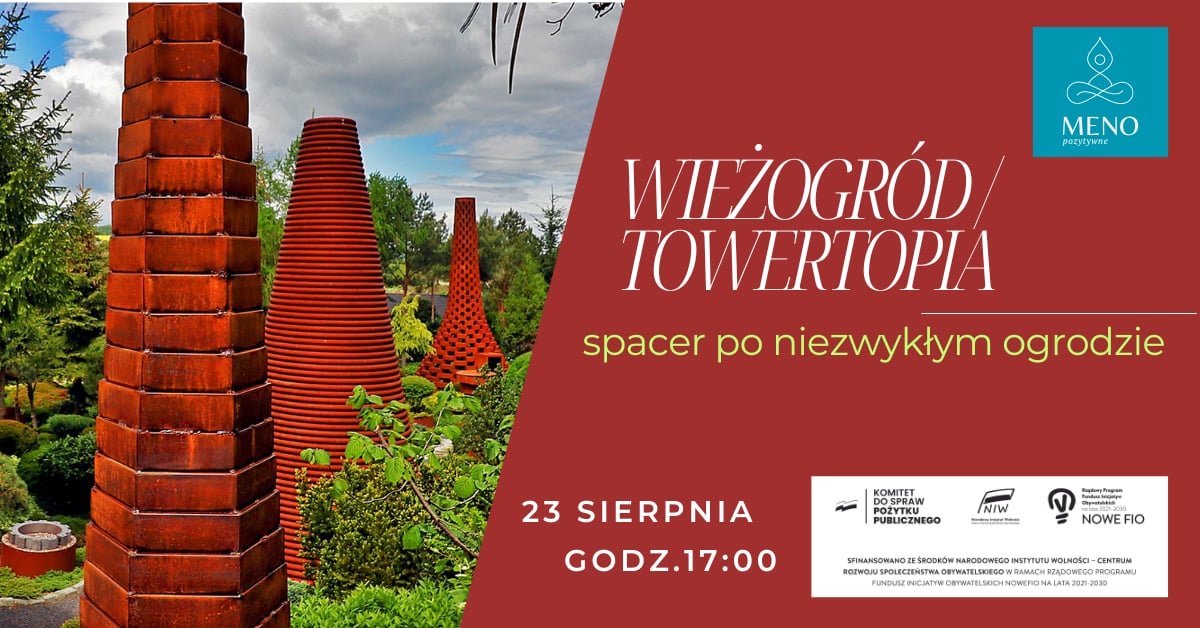
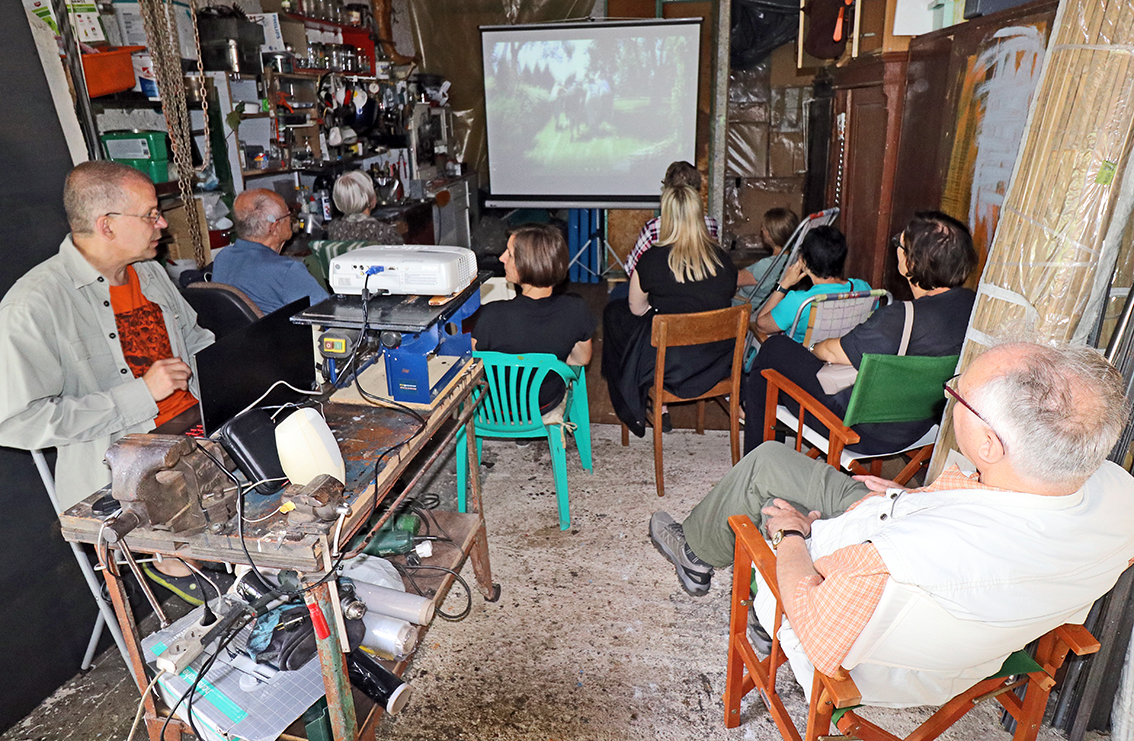
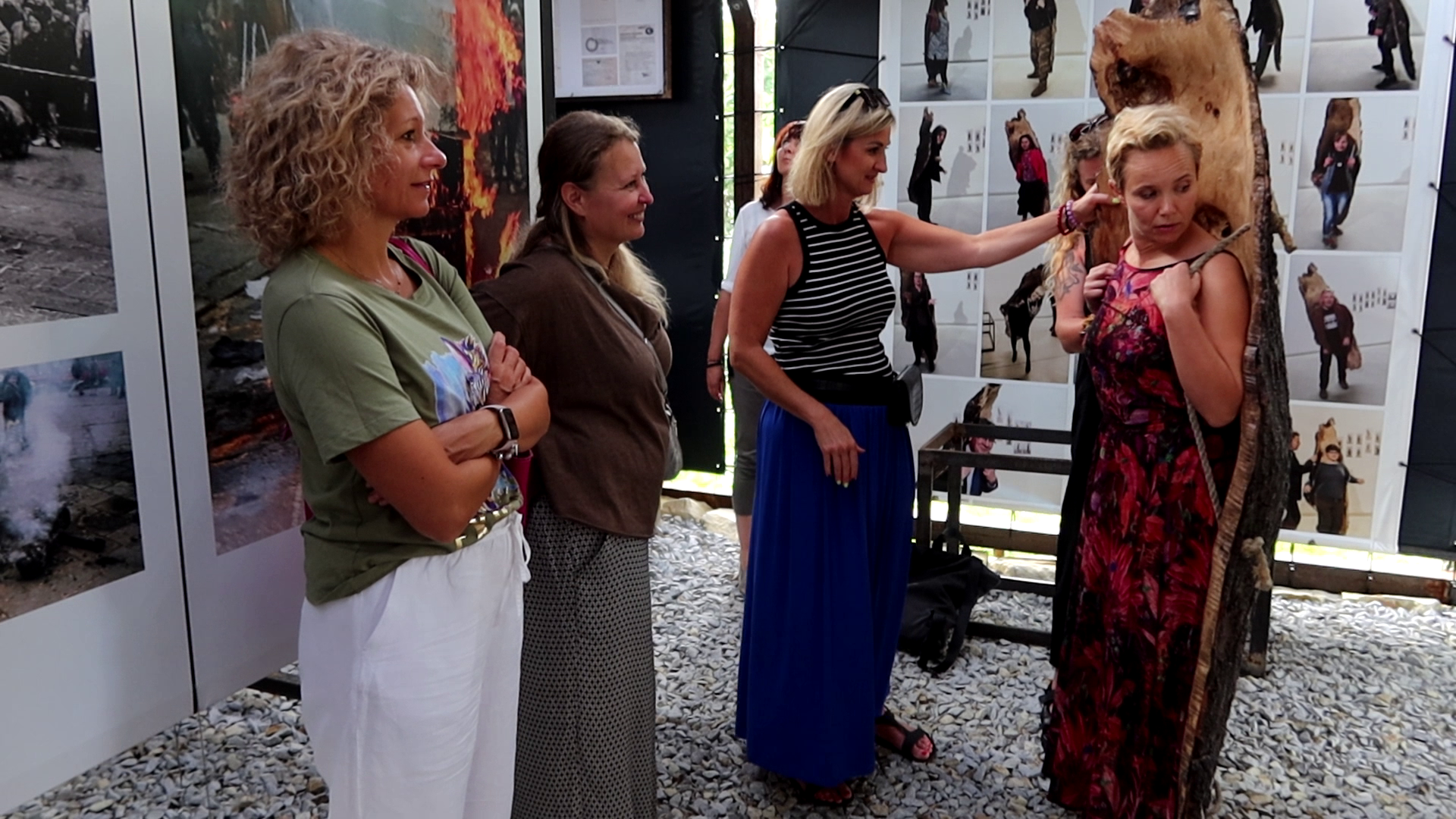
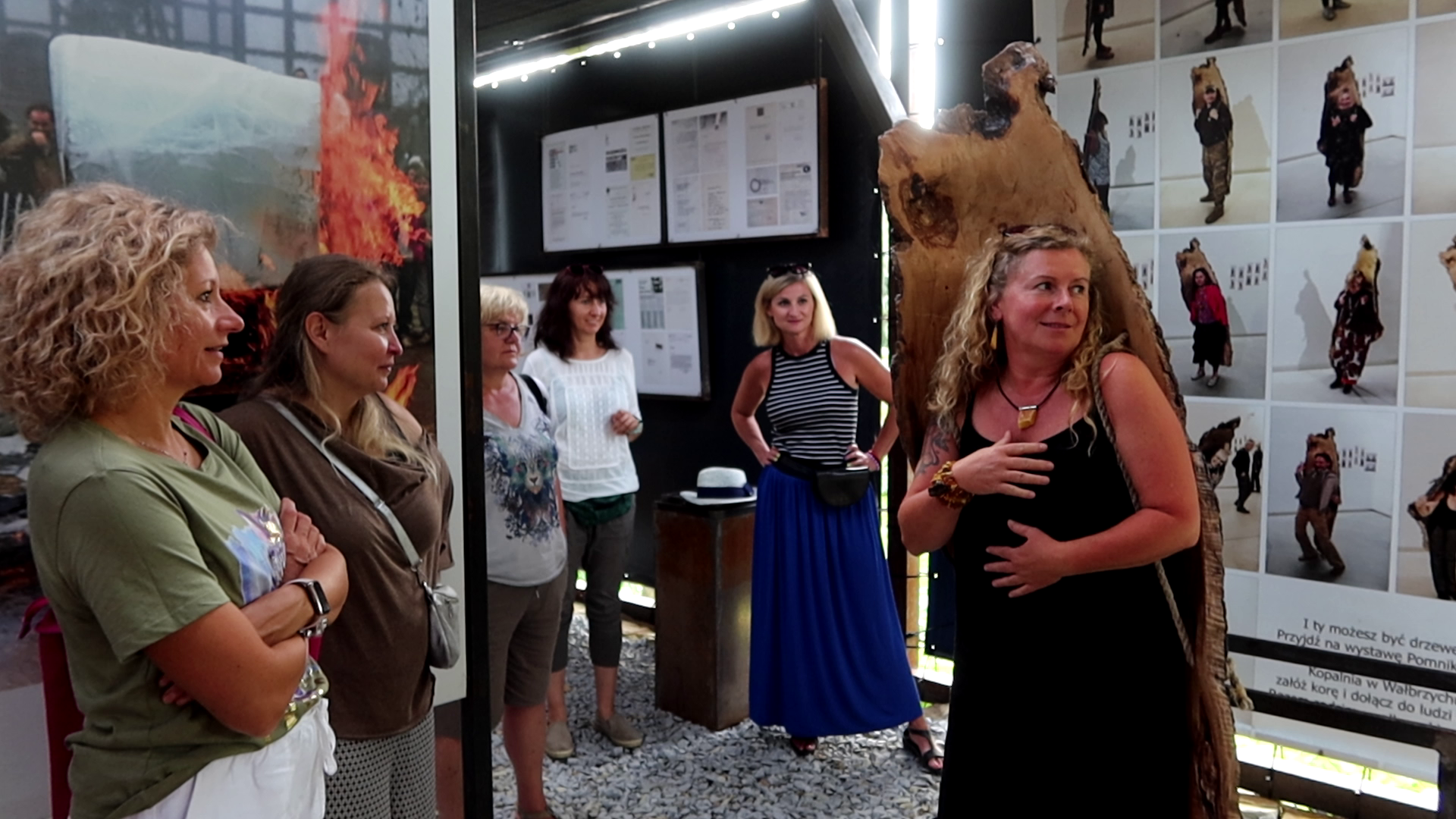
Within the project, formal and informal knowledge are treated as equally important. The experience of TowerTopia’s creators is valued alongside that of local residents and visitors, for whom encountering art may be a new experience. For this reason, moderated guided tours are an integral part of the project.
Communication with audiences unfolds gradually: from experiencing the garden space itself, through issues related to climate change and structural drought - visible, for example, in the dieback of spruce trees to broader questions of the Anthropocene, presented in large-scale reliefs in the Picture non Picture gallery.
TowerTopia project will continue to develop as a not-for-profit foundation, operating thanks to programs aimed at NGOs and funded from public resources. The main instrument is the so-called public tasks, awarded through competitive procedures at the municipal and regional levels, as well as through programs provided by the Ministry of Culture and National Heritage.
In the future, there is the possibility of establishing a business activity to employ facilitators who will help seniors and students access the site. Libraries running their own cultural programs in small towns have also expressed interest in ongoing collaboration.
In the future, there is the possibility of establishing a business activity to employ facilitators who will help seniors and students access the site. Libraries running their own cultural programs in small towns have also expressed interest in ongoing collaboration.
TowerTopia is an example of the development of a so-called local product rooted in local infrastructure and supported by Local Action Groups operating in the region within the framework of the EU LEADER programme. Within this programme, a trend has emerged of transforming rural areas into places that are culturally interesting and attractive for tourism. Increasingly, artists, particularly musicians and performers, are interested in presenting their works in the space of TowerTopia. At the regional level, these activities are integrated with cultural development strategies through so-called public tasks commissioned by the self-government authorities of the county and the voivodeship.
In the coming years, a programme of workshops and musical concerts to be held in the towers of TowerTopia will be established. The DIS Foundation acts as an implementation partner and social mediator, organizing events and activating local artists from various fields.
The activities are also connected with regional strategies for cultural and climate development, ensuring both vertical and horizontal flows of information between institutions. Shared goals and evaluation mechanisms create a coherent framework for cooperation.
The involvement of public authorities increases the durability and scalability of the results, from a single good practice to a model of grassroots initiatives led by NGOs that can be implemented in other municipalities across the Lower Silesia region.