Arts, Culture, and Heritage as Drivers of Change
Q'ART Community art
Q'ART Community Art — Participatory Art and Radical Inclusion as Urban Infrastructure
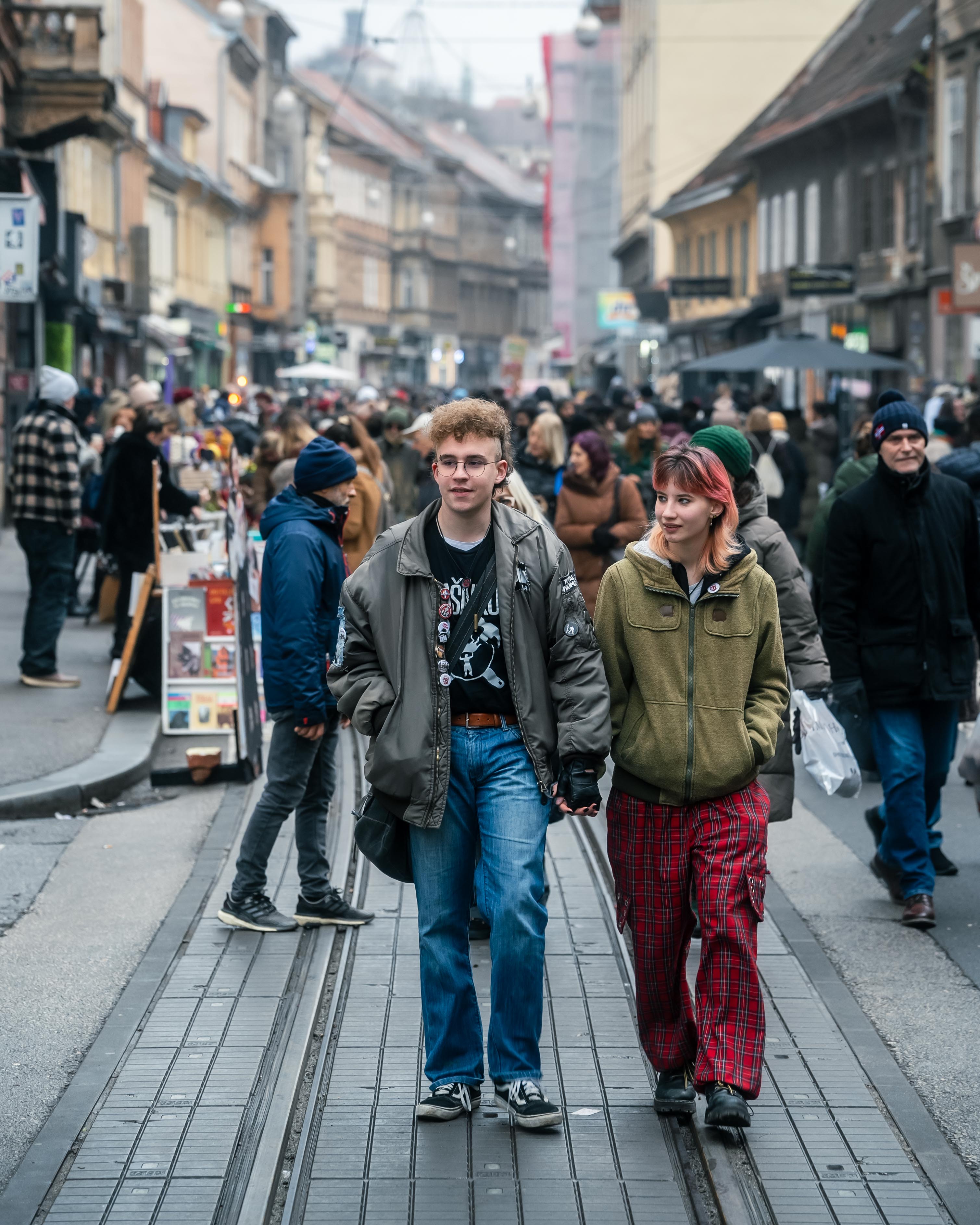
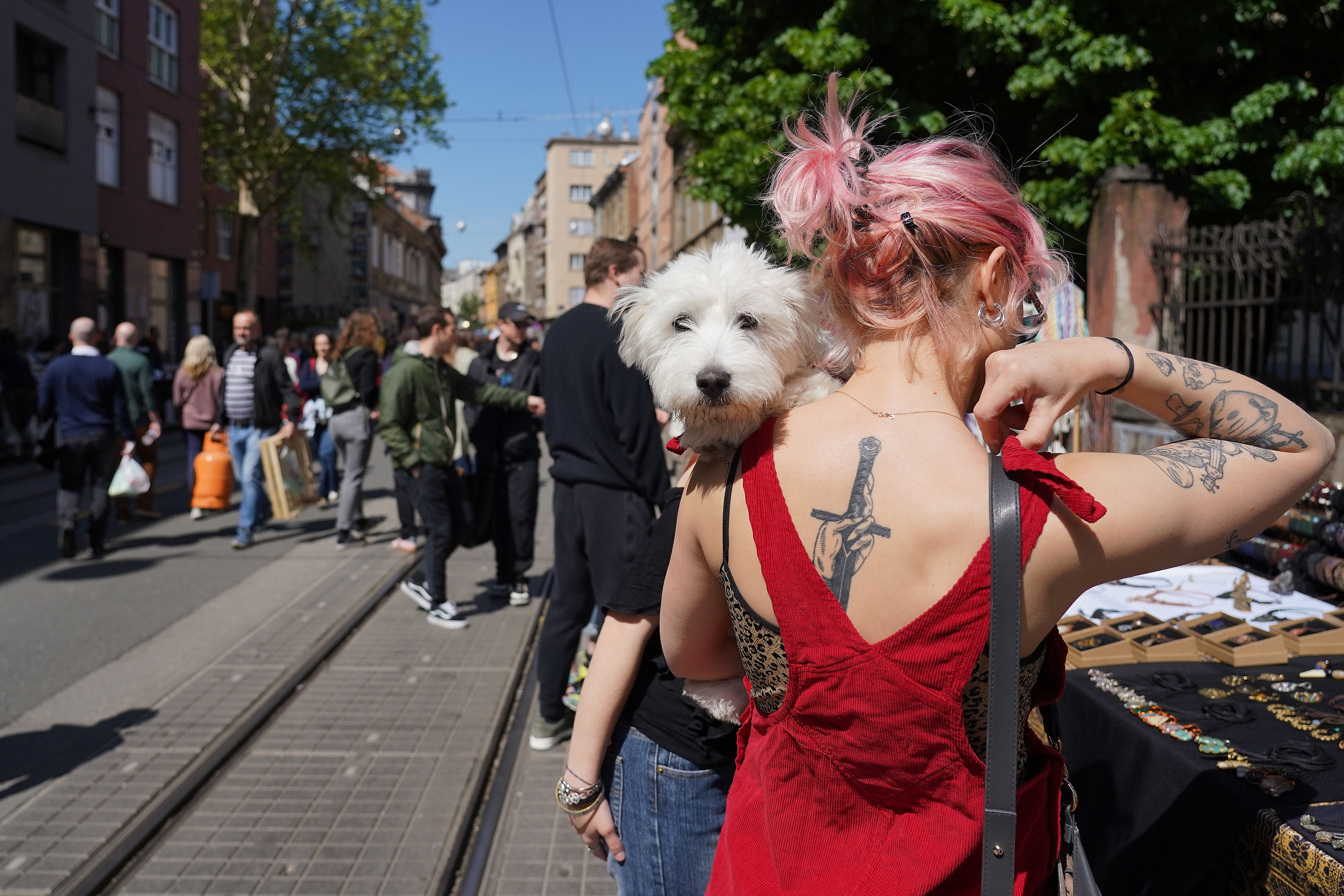
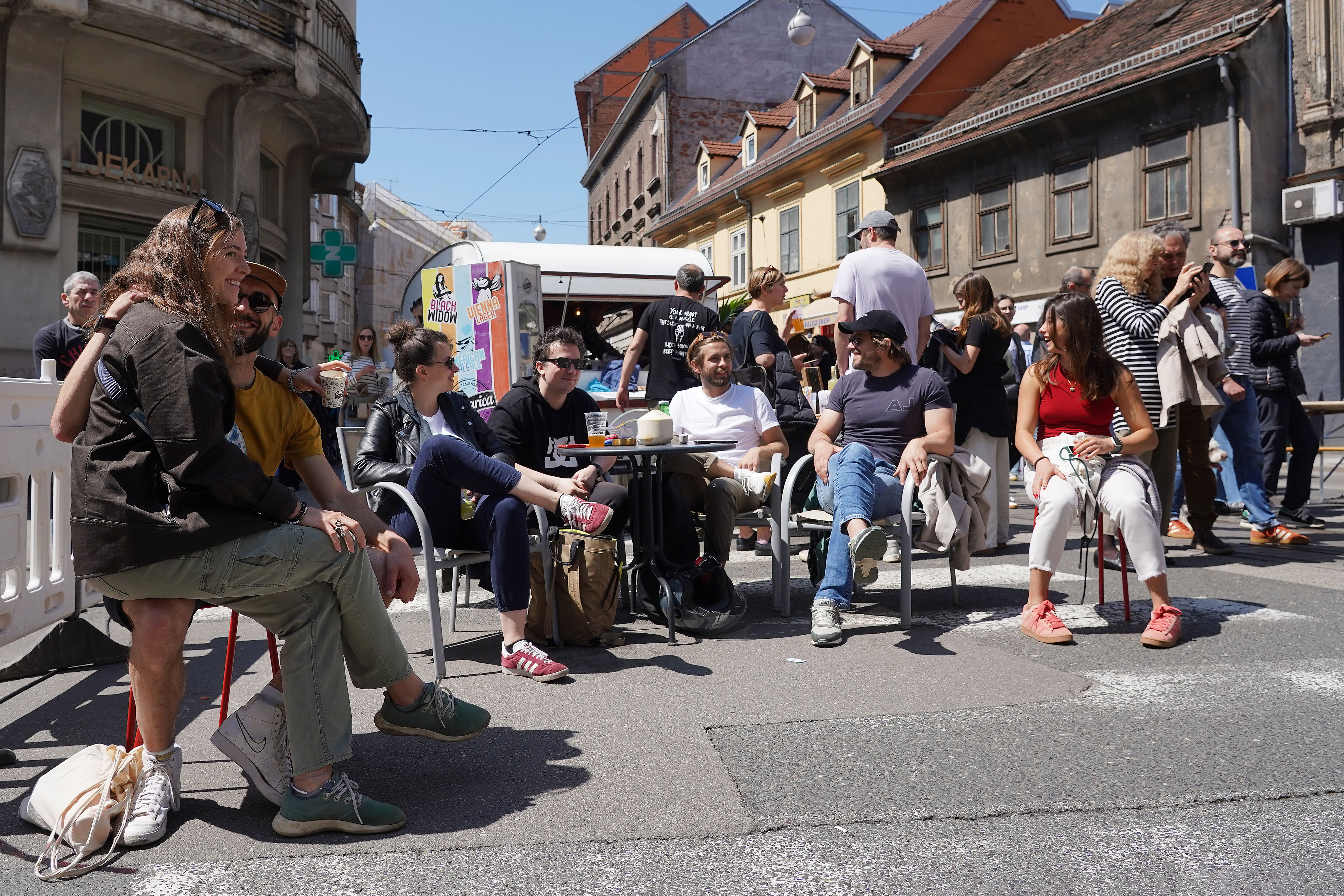
For a decade, Q'ART Community Art has been doing what cities forget to do: turning abandoned streets into living spaces, and invisible people into visible communities. Through festivals, therapeutic art workshops with six vulnerable groups, public forums, and four international CONNECT festivals uniting dance, music, art and literature — Q'ART has engaged over 260,000 citizens across Zagreb. Art here is not decoration. It is infrastructure.
Croatia
Local
City of Zagreb
Mainly urban
It involves other types of transformations (soft investment)
Yes
2025-12-31
Yes
NPOO — National Recovery and Resilience Plan (NextGenerationEU / RRF), funded through the European Union's recovery instrument for artistic research programmes.
No
No
Organisation
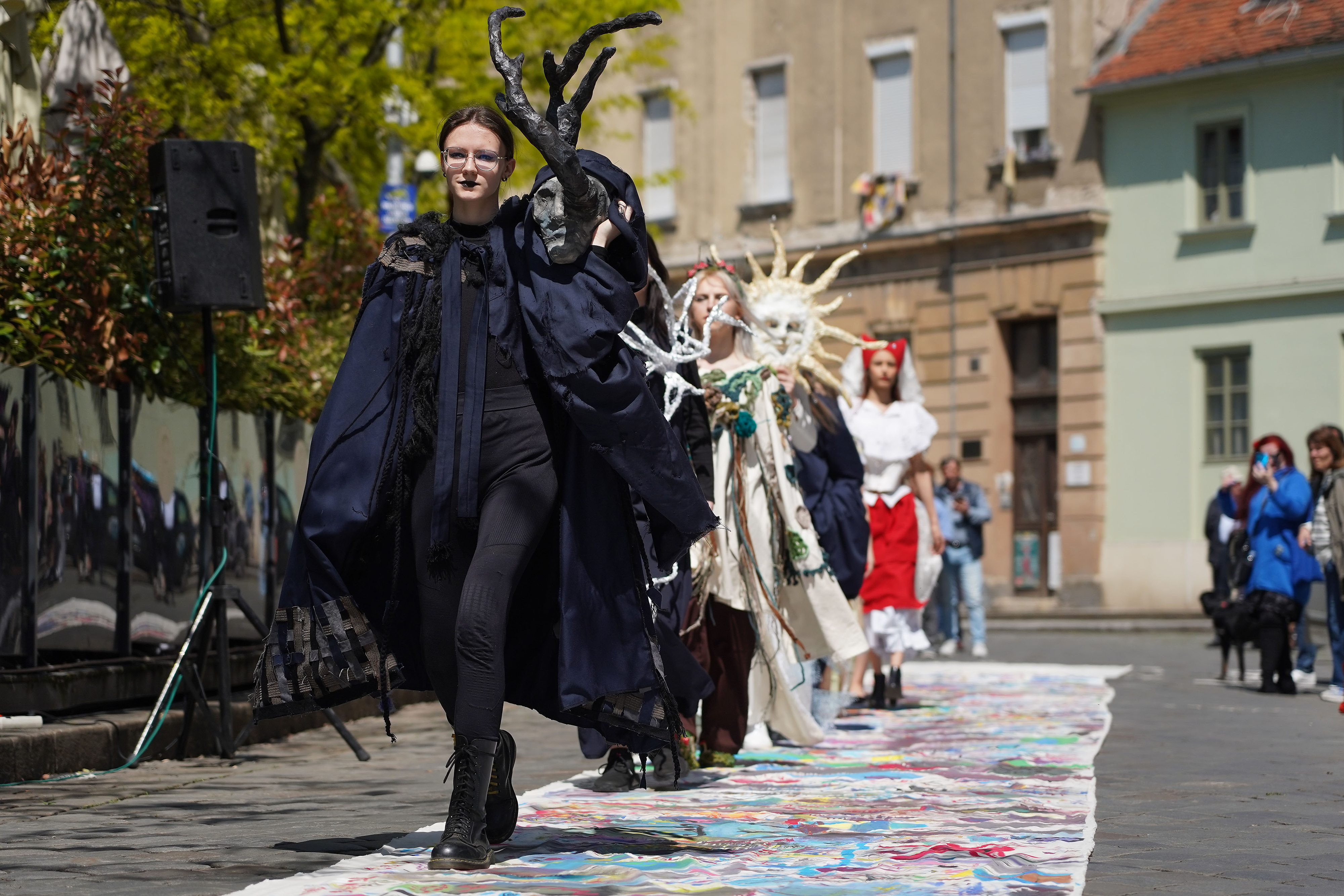
Q'ART Community Art is a ten-year transdisciplinary platform based in Zagreb that uses art as a tool for urban regeneration, social cohesion, and community health. Founded by artist-researchers Ivana Nikolić and Aleksandar Battista Ilić, the project has engaged 260,000+ citizens from Croatia and 32 countries across 5 continents, with 15,000+ visitors at each individual festival. Over a decade: 31 festival-actions (23 on Ilica, 8 across Zagreb neighbourhoods), 2,583 artists and exhibitors from Croatia and 8 countries, 18 abandoned urban spaces activated, 58 workshops, 26 lectures, 11 street exhibitions, 31 gallery exhibitions, 22 performances, 32 film screenings, 138 music concerts, 16 Second Hand fashion shows — all co-created with 49 partner institutions.
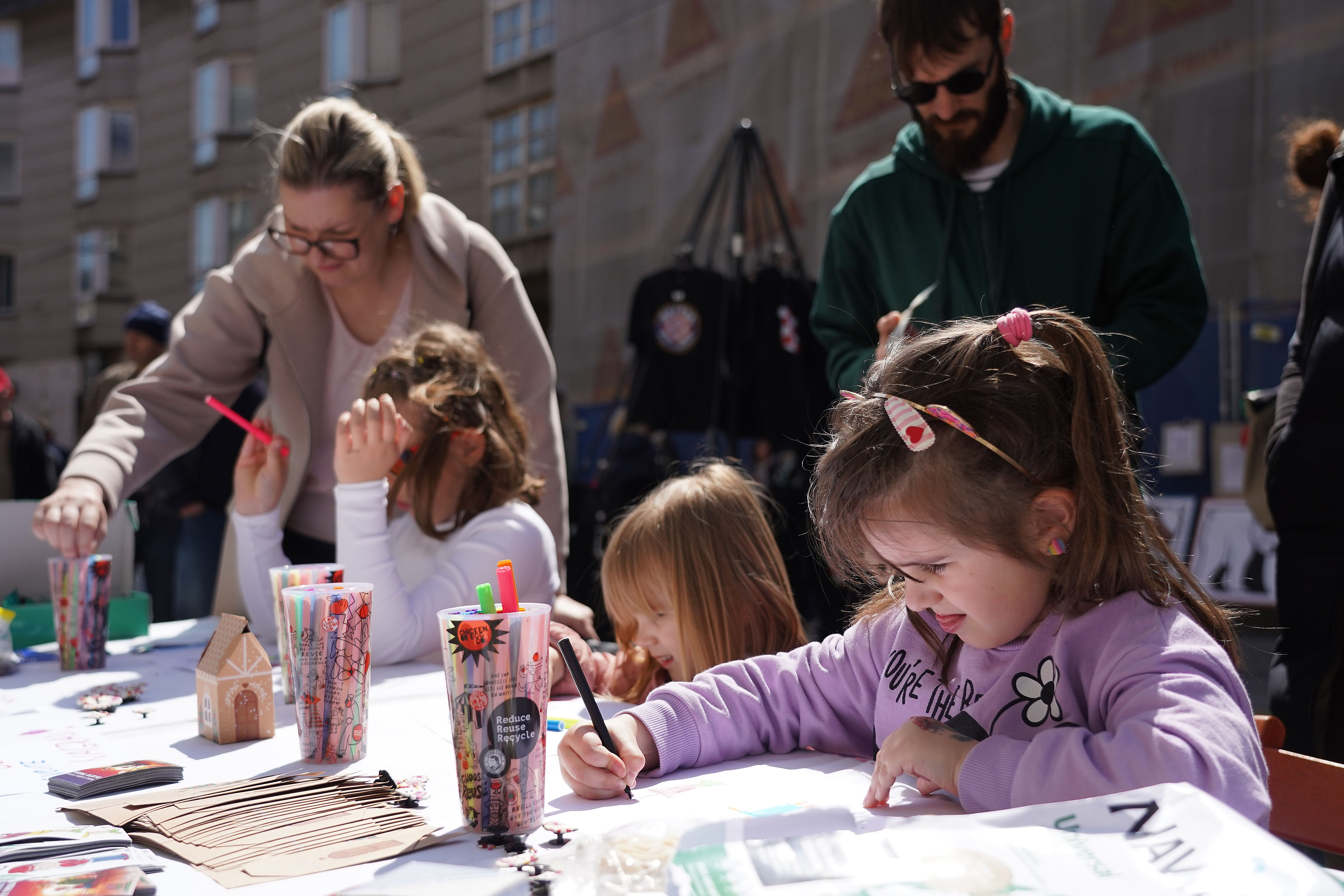
The platform operates through four interconnected programmes. The Q'ART festivals co-create cultural content with citizens, artists, artisans, NGOs, and local institutions through genuine participatory processes. The Q'ART&CARE therapeutic workshop programme — grounded in WHO research and peer-reviewed evidence — delivers art-based interventions to six vulnerable groups: former addicts (in partnership with RETO Centar), oncology patients (IGET/Nismo Same), abandoned children (ARThetip/Dom Matoš), refugees and migrants (JRS), people with mental health challenges (Udruga Svitanje), and young adults in transition. The CONNECT festival series builds international cultural bridges through dance, music, visual art, and literature. The Q'ART DISKURS forum series opens society's hardest questions — on space, health, art, and dignity — to public deliberation.
Long-term impact: a replicable model proving that art is not a cultural luxury but preventive social infrastructure — measurable in activated spaces, strengthened communities, and lives transformed.
Q'ART began in 2016 with a single question: what happens when you treat a neglected street not as a problem to be solved, but as a community waiting to be activated? There was no template for what Q'ART became. The methodology is an original invention — no existing model combined community art, Jungian analytical psychology, colorism, and therapeutic practice into a single participatory urban platform. Starting on Ilica — a historic Zagreb street full of abandoned shopfronts and underused spaces — Ivana Nikolić and Aleksandar Battista Ilić began co-creating festivals directly with residents, local businesses, artisans, and artists. The method emerged from listening.
Over a decade, that method became a platform. Each festival is designed through multilevel engagement: mapping community needs, co-creating content with educational institutions, cultural centres, NGOs, and businesses, and opening results back to the public. No festival repeats the previous one — each responds to where the community is now.
Q'ART&CARE grew from the recognition that the most vulnerable citizens are systematically invisible in mainstream cultural programmes. Working with RETO Centar, IGET, JRS, and others, the team developed art workshop methodologies specific to each group — rooted in Jungian analytical psychology, colorism, and archetype-based narrative practice.
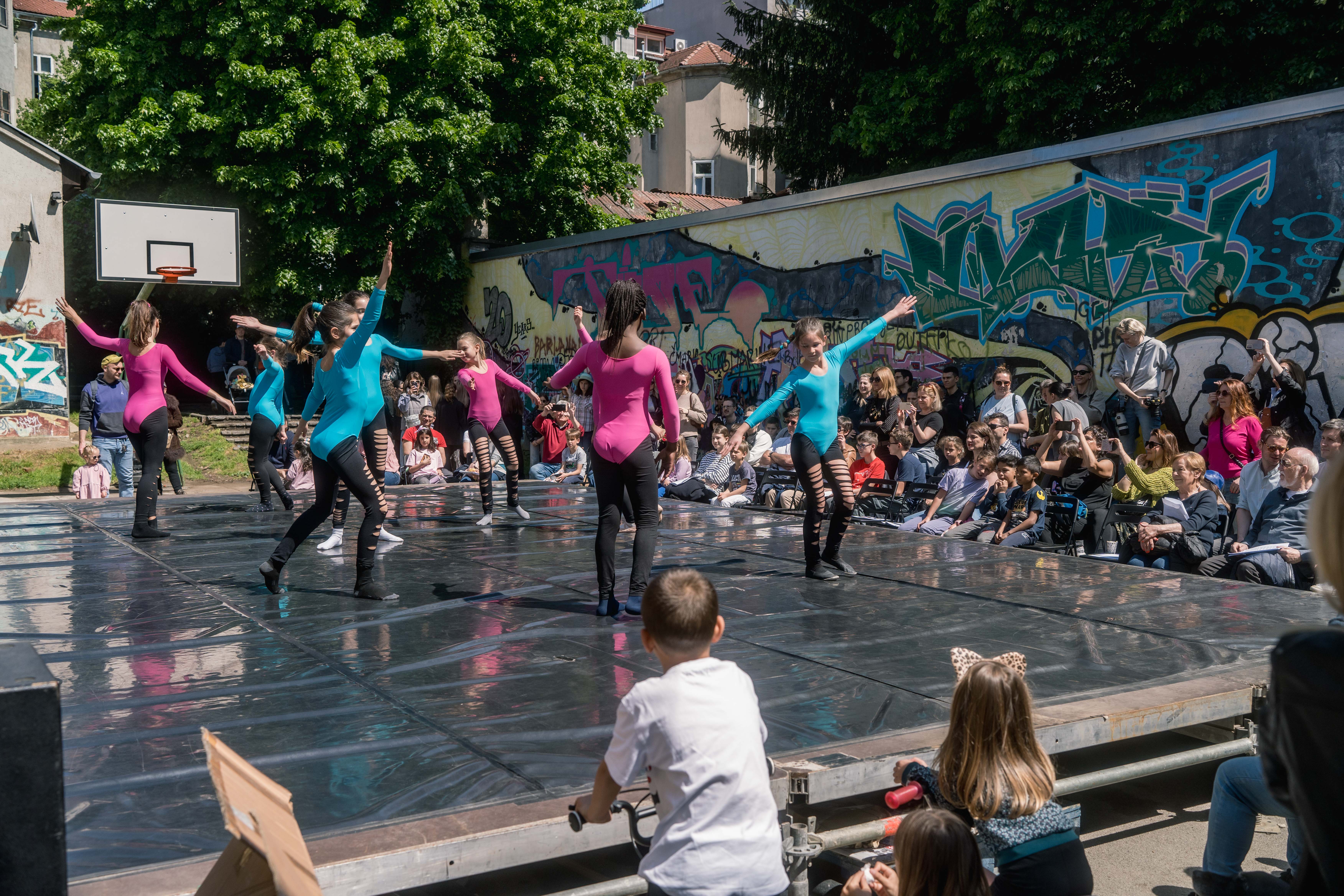
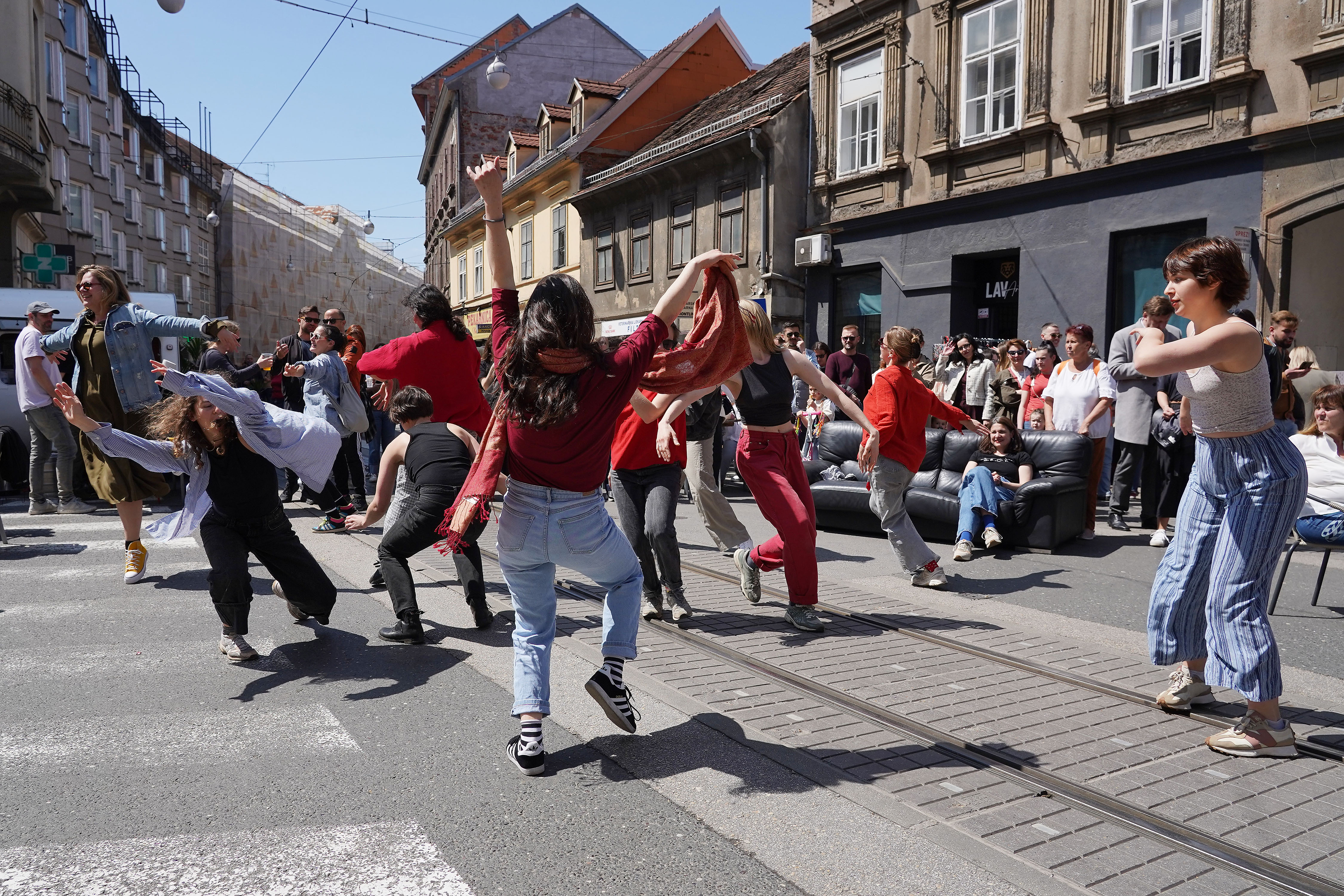
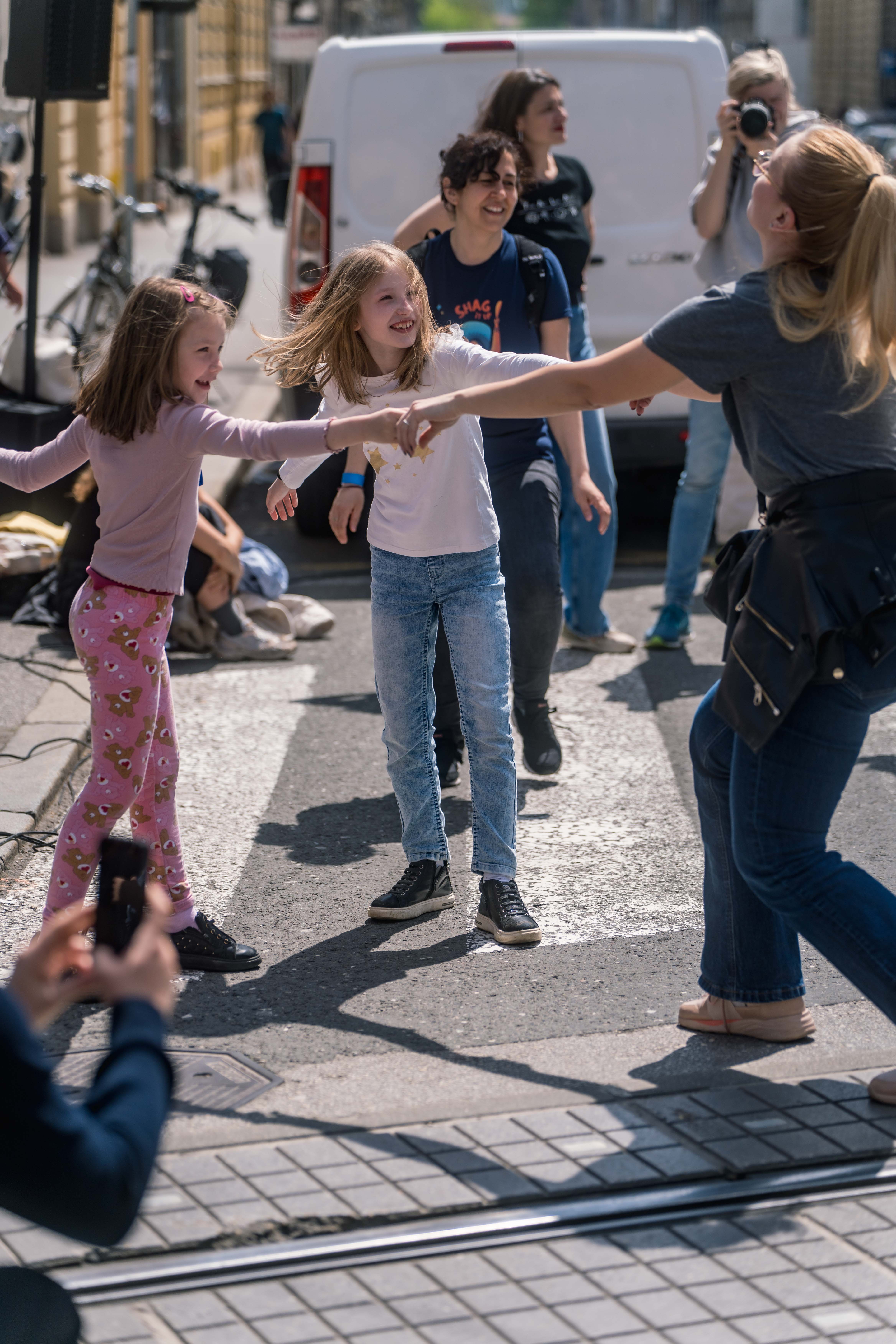
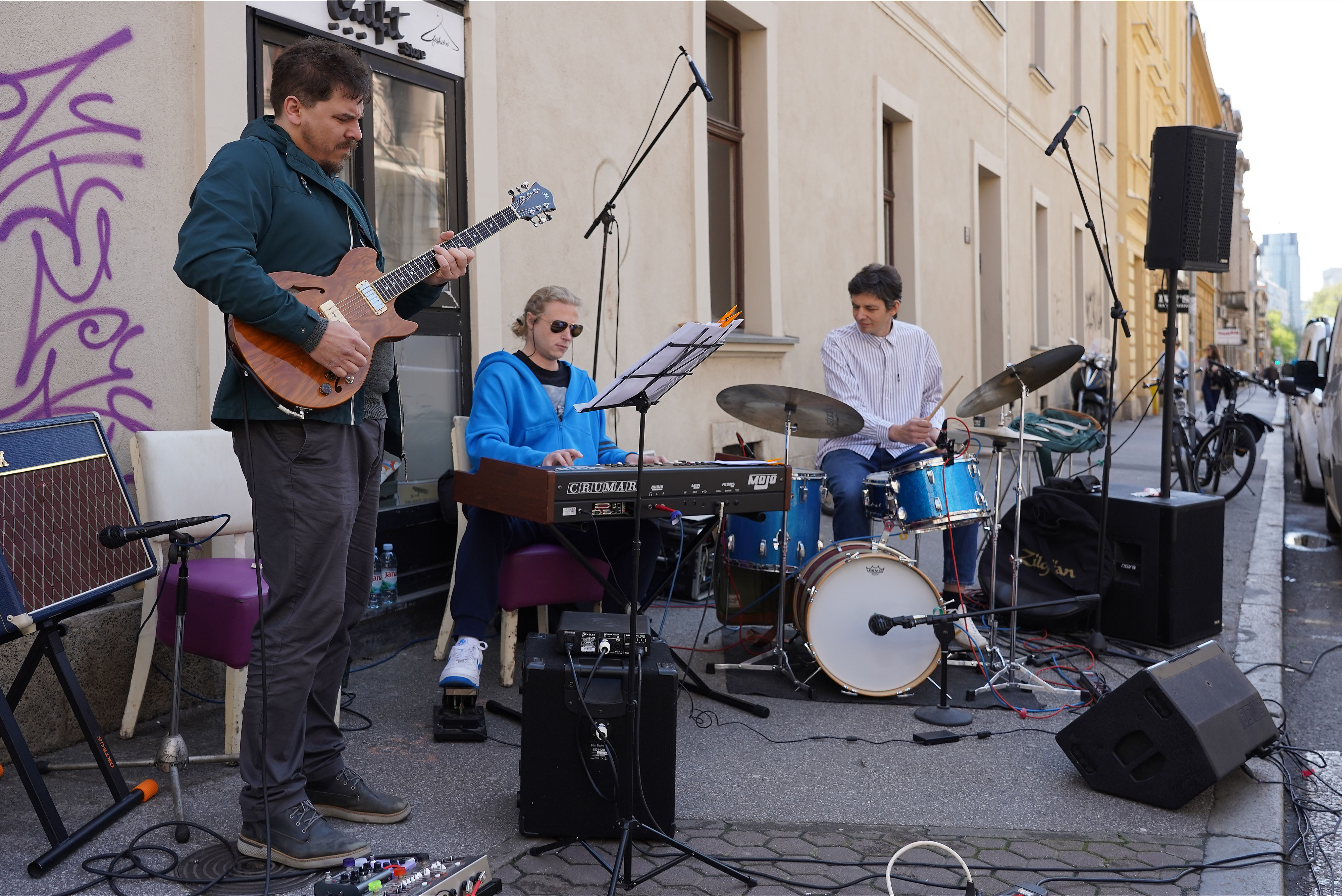
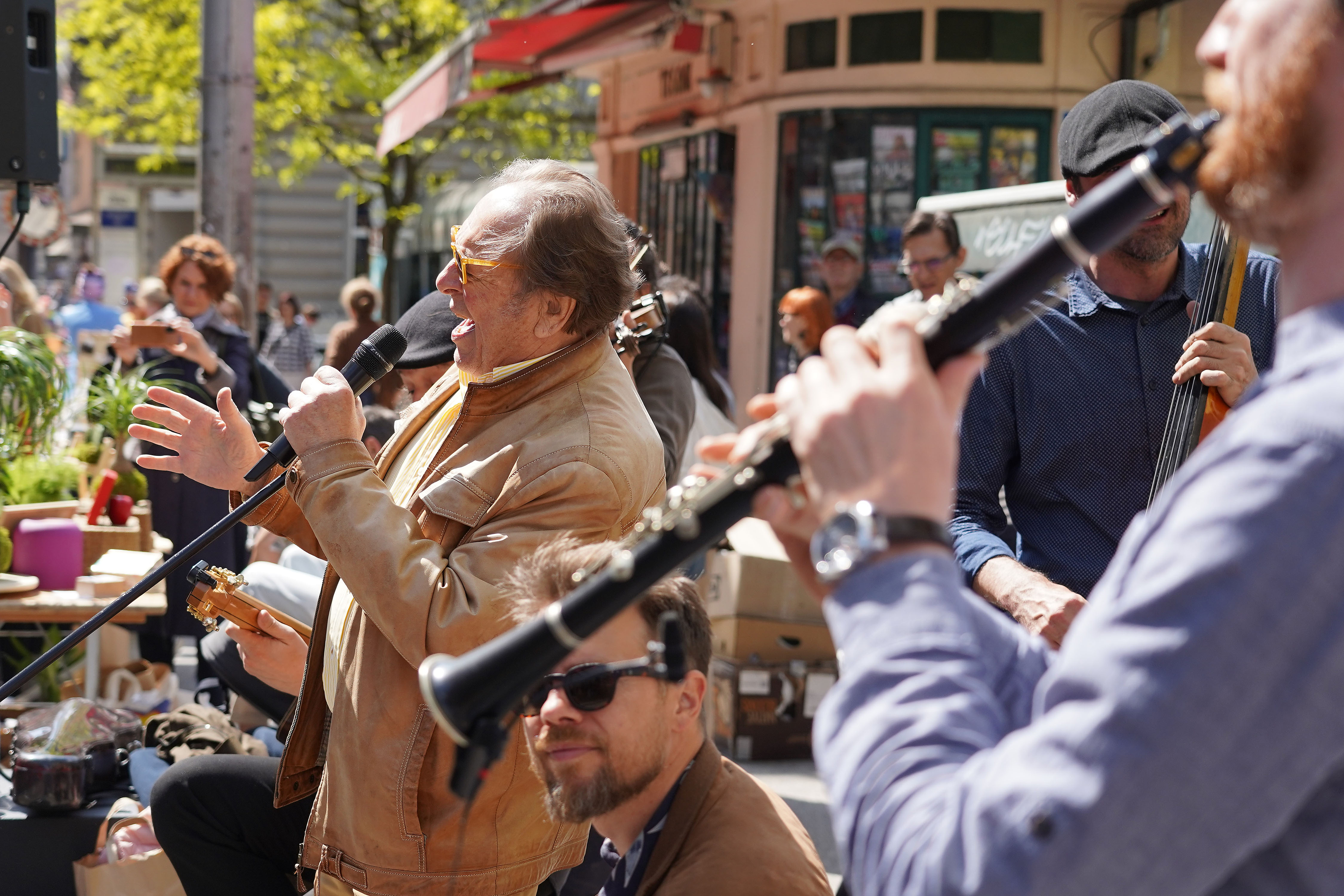
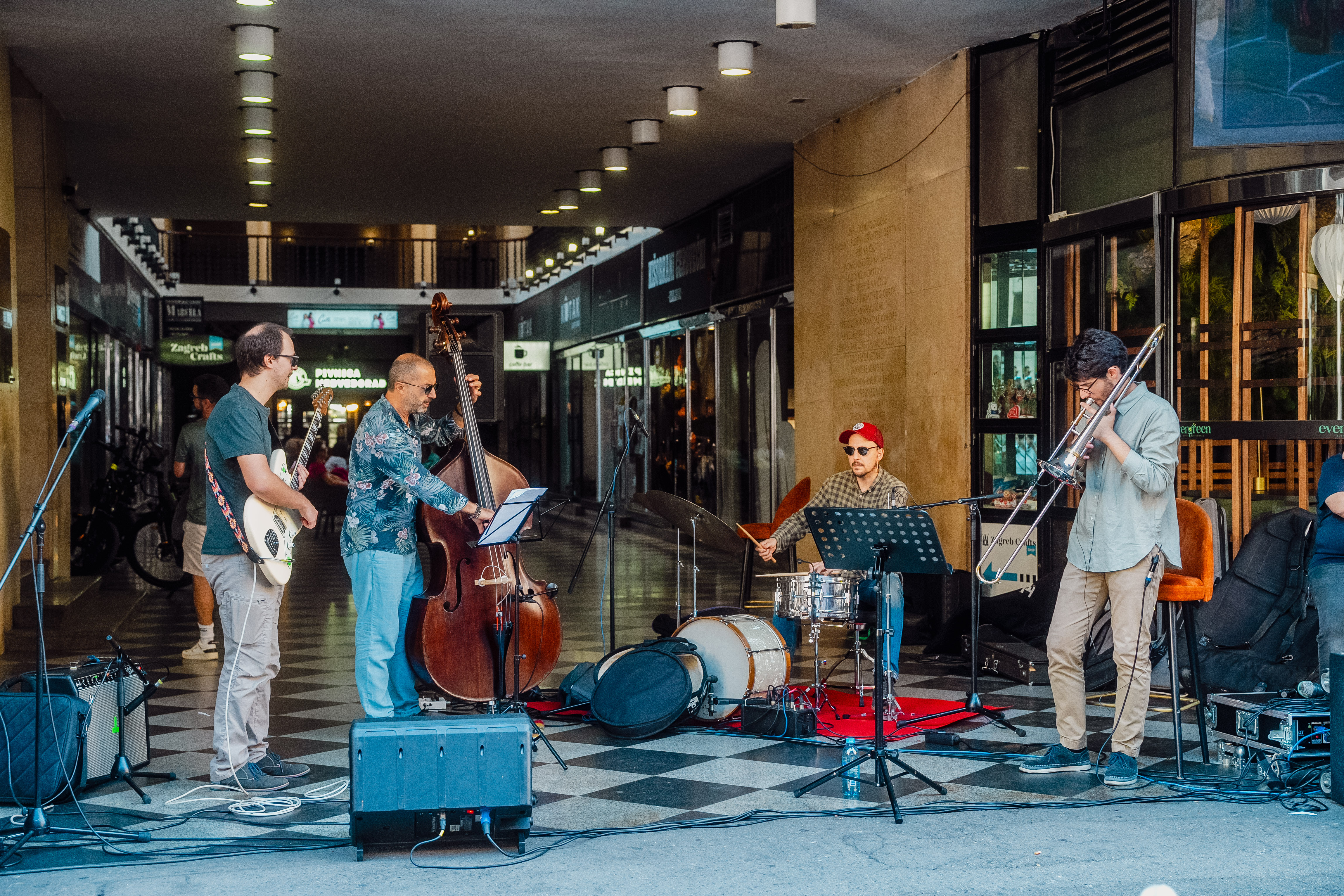
The CONNECT festivals emerged as natural extensions — bringing Cuban salsa masters, Irish dance companies, El Sistema musicians, and international authors not to perform for Zagreb, but to create with it. Citizens are not audience. They are co-authors: dancing alongside international masters, making music with professional ensembles, exhibiting work next to established artists, reading and writing alongside published authors. The community does not receive the programme — it shapes, performs, and owns it.
Today Q'ART is not a project. It is a living urban methodology.
1. Community art & urban regeneration
2. Radical inclusion & vulnerable groups
3. Transdisciplinary participatory practice
4. Art as preventive social infrastructure
5. Cultural co-creation & civic empowerment
Q'ART addresses environmental sustainability through a core principle: activating what already exists rather than building what is new. This approach echoes Duchamp's Readymade — the conviction that transformation begins not with new material, but with a new way of seeing what is already there. It is also the name of our project magazine. Every festival, workshop, and intervention begins with an abandoned, neglected, or underused urban space — and transforms it through cultural practice rather than construction. This approach directly reduces the environmental cost of new development while preventing further urban decay.
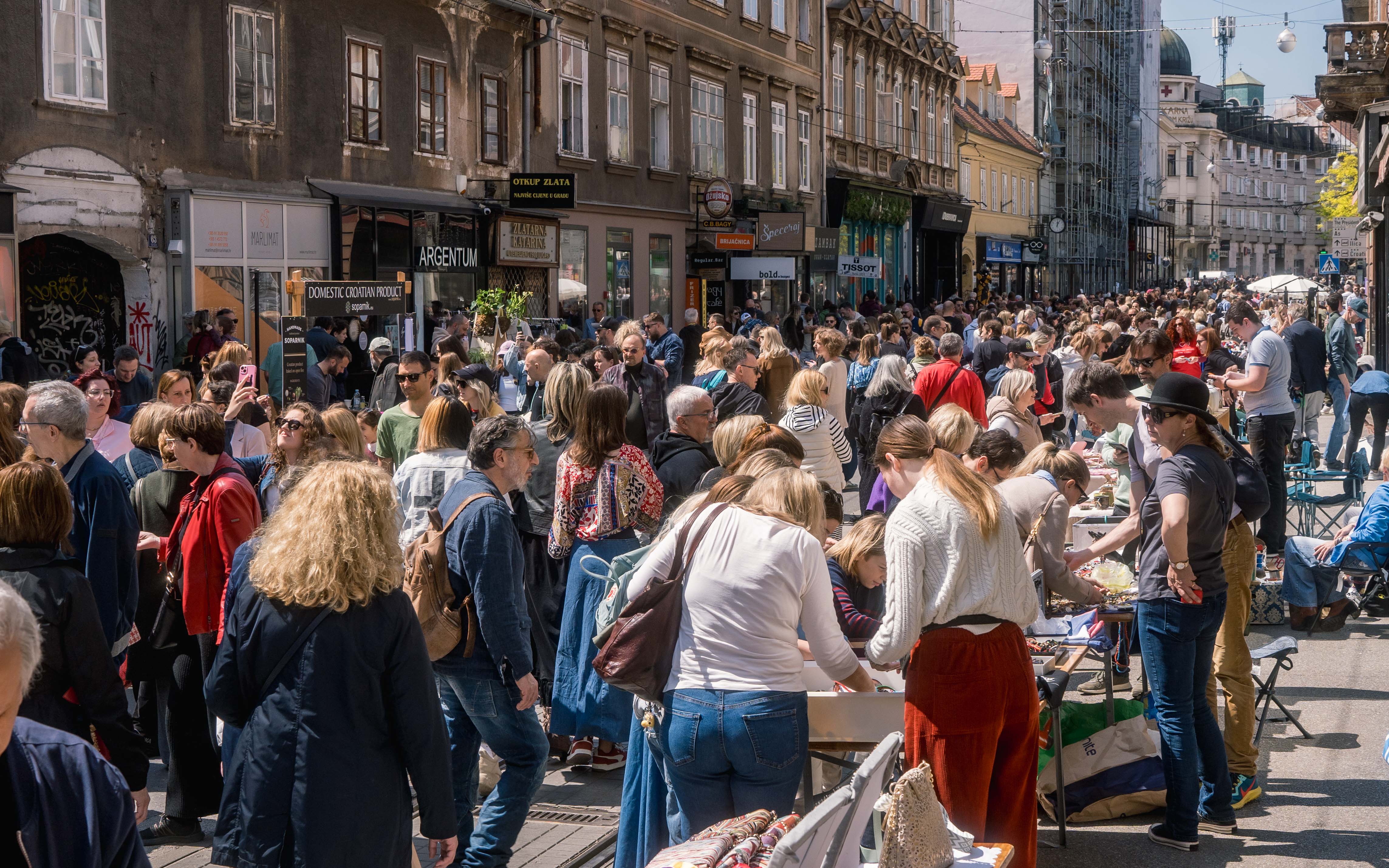
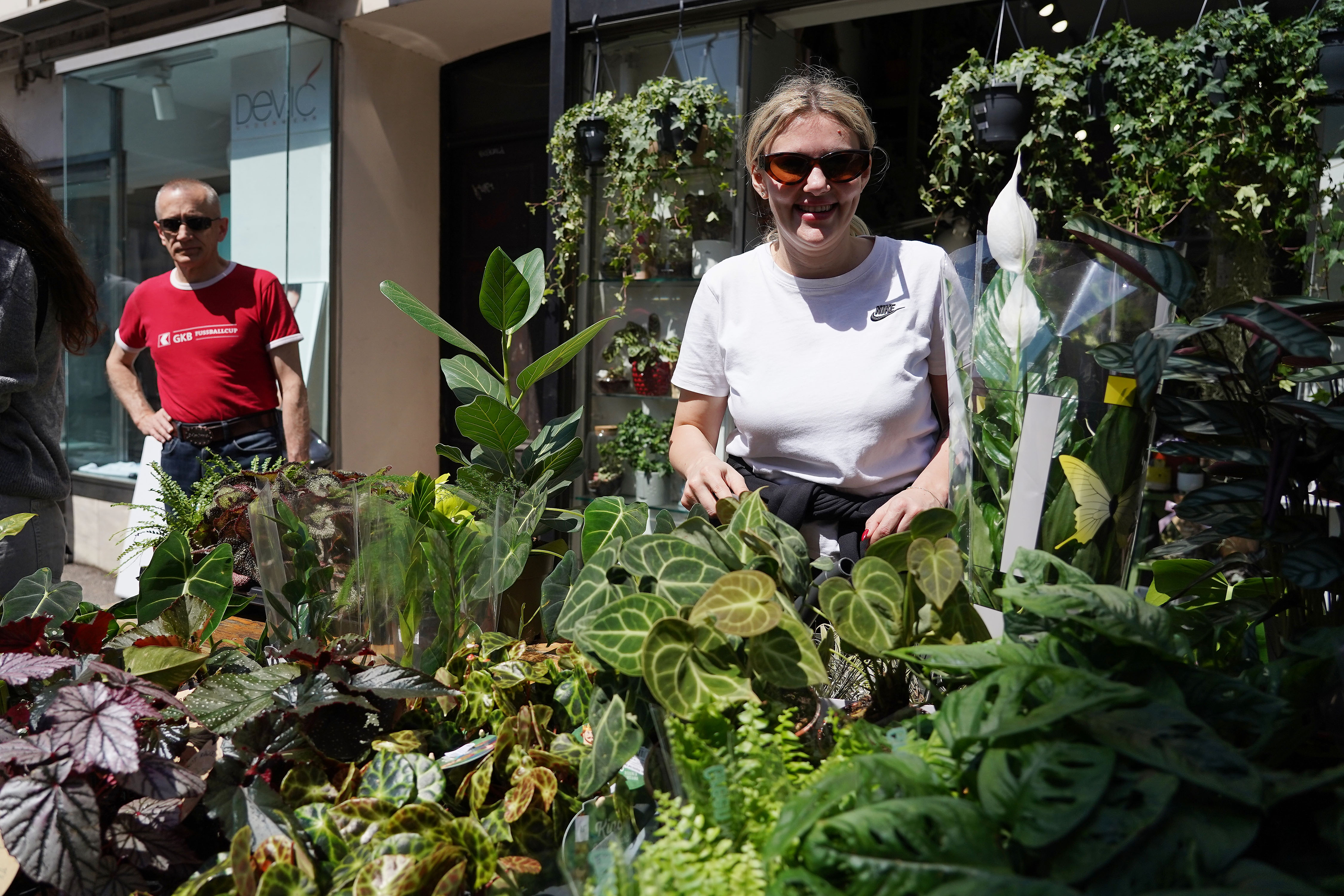
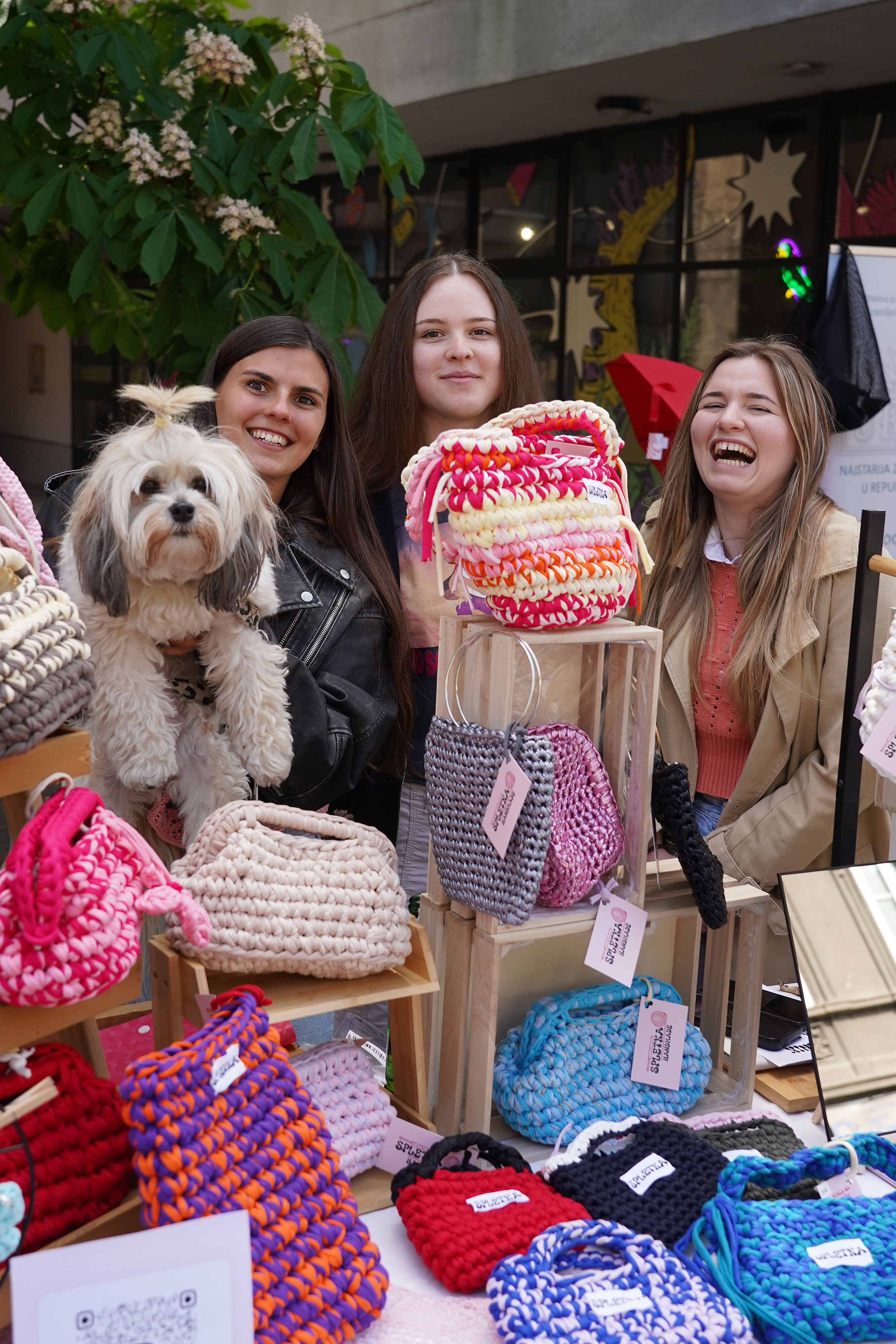
Concretely: 18 abandoned spaces along Zagreb's Ilica street have been reactivated without new construction. Festival installations use exclusively recycled, upcycled, and locally sourced materials. A dedicated Second Hand fashion segment embedded in each festival promotes circular economy principles — reuse, repurpose, upcycle — as lived practice rather than abstract concept, engaging citizens directly in lifecycle thinking.
Nature-based interventions are integral to every programme cycle: greening of neglected facades, community planting initiatives, integration of natural materials in public installations, and urban biodiversity actions in previously sealed or abandoned surfaces. These interventions directly address biodiversity loss and urban heat island effects in Zagreb's historic centre.
The project has produced a formal Climate Resilience Assessment — an elaborat documenting the project's environmental impact analysis and resilience strategies — demonstrating institutional commitment to ecological accountability beyond creative practice.
Q'ART is exemplary environmentally because it demonstrates that cultural intervention is itself a form of ecological urbanism: every activated space is one less demolition, one less new build, one more living surface returned to the city.
For Q'ART, aesthetics is not decoration applied to social work. It is the primary language through which transformation happens.
The project began with a conviction rooted in research: colour, form, and artistic experience are pre-cognitive emotional languages — they reach people before words do. Ivana Nikolić's practice in colorism and analytical psychology underpins every workshop, every mural, every festival installation. Beauty here is not an outcome. It is the methodology.
Concretely: 18 abandoned shopfronts and urban spaces along Ilica have been transformed through site-specific artistic interventions — murals, installations, exhibitions — designed with and for the communities that inhabit them, ultimately improving their lives in the long term. Each intervention responds to the specific emotional and social texture of its location. Nothing is imported or generic. The aesthetic language of each space emerges from the people who live there.
Q'ART&CARE workshops use colour, image, sound, and narrative as tools for rebuilding dignity — with oncology patients, former addicts, refugees, and abandoned children. For these participants, the act of making something beautiful is itself an act of reclaiming agency.
The CONNECT festivals transform public space into shared aesthetic experience — not behind gallery walls, but on streets, in courtyards, in community centres, fully accessible and free.
Q'ART is exemplary in aesthetics because it demonstrates that beauty, when co-created with communities, becomes a form of belonging — and belonging is what makes cities worth living in.
Q'ART does not practise inclusion — it practises radical inclusion. Every member of the community has the opportunity to present themselves, as long as their dignity is not built upon or does not threaten the dignity of others. This is not a policy. It is the foundation of everything Q'ART does.
Radical inclusion is a structural principle embedded in every layer of the project's design — not a target group checkbox.
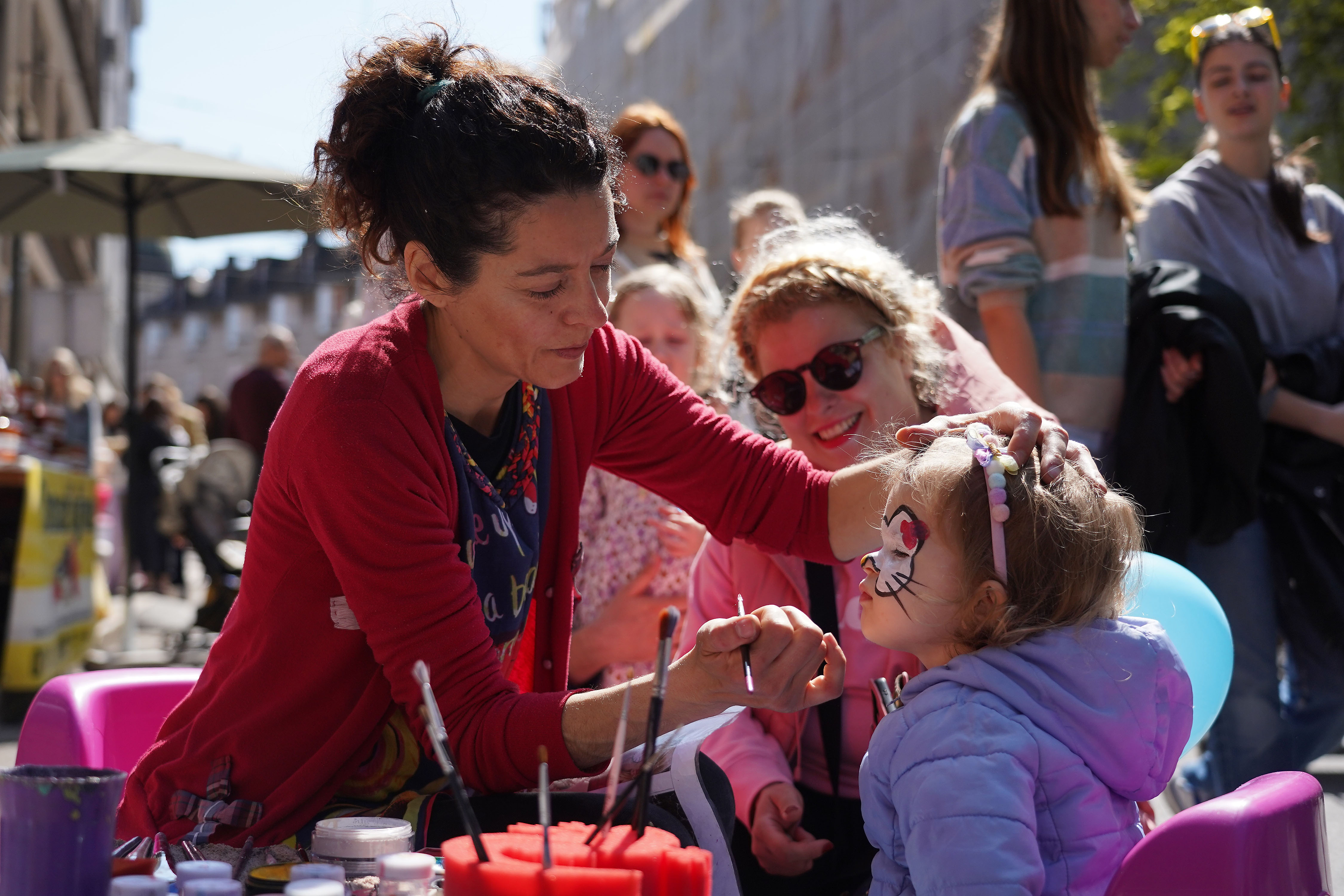
All Q'ART festivals and CONNECT events are free and open to all — regardless of age, background, ability, or economic status. Programming is deliberately designed to be accessible without cultural prerequisites: you do not need to know art history to participate in a mural workshop, or music theory to perform alongside El Sistema musicians.
Q'ART&CARE systematically reaches the six groups most invisible in mainstream cultural programming: former addicts (RETO Centar), oncology patients (IGET, Nismo Same), abandoned children in care homes (ARThetip, Dom Antun Gustav Matoš), refugees and migrants (JRS — Jesuit Refugee Service), people with mental health challenges (Udruga Svitanje), and young adults in social transition. Each programme is co-developed with partner institutions, ensuring that methodology responds to the specific needs and dignity of each group.
Governance is inclusive by design: citizens are co-authors of every festival, not recipients. Community needs are mapped before each programme cycle. Local businesses, NGOs, educational institutions, and public authorities all hold active roles — not advisory ones.
The Q'ART DISKURS forum series opens questions of space, health, artistic labour, and social justice to public deliberation — making policy-level debates accessible to ordinary citizens.
Q'ART is exemplary in inclusion because it has built a model where the most vulnerable members of society are not accommodated or assimilated into culture — they are culture. Our community is not assimilated. It is integrated.
Participation in Q'ART is not consultation. Citizens are not asked for feedback after decisions are made — they are present at the moment of conception and remain co-authors throughout.
Every programme cycle begins with community mapping: direct conversations with residents, local businesses, and neighbourhood associations to identify what the community actually needs — not what an institution assumes it needs. This listening phase shapes the entire programme before a single event is designed.
In festivals, citizens participate as performers, exhibitors, workshop facilitators, and spatial designers — not as audience. In Q'ART&CARE, participants co-develop the thematic direction of workshops alongside artist-researchers. In CONNECT festivals, community members perform on equal footing with international artists — Cuban dance masters, Irish dance companies, El Sistema musicians. In Q'ART DISKURS forums, citizens share the stage with academics, policymakers, and cultural professionals, contributing lived experience as legitimate knowledge.
Civil society organisations are not peripheral partners — they are co-designers. RETO Centar, JRS, Udruga Svitanje, ARThetip, and Nismo Same each co-developed their respective Q'ART&CARE workshop methodology, ensuring that programmes respond to the real conditions of each vulnerable group.
The impact of this participatory model is measurable: 260,000+ citizens engaged over a decade, 2,500+ artists and artisans given platforms, 18 abandoned spaces reclaimed through community-driven intervention. But the deeper impact is cultural: Q'ART has built a community that understands itself as capable of shaping its own environment.
Q'ART operates simultaneously across all governance levels — and each level contributes something the others cannot.
At local level, the project works directly with Zagreb City districts, neighbourhood councils, local businesses, and community organisations. The Zagreb Tourist Board (Turistička zajednica Grada Zagreba) is a key partner, embedding Q'ART within the city's cultural tourism strategy and ensuring that community art reaches both residents and visitors. CeKaTe — Centre for Culture Trešnjevka — provides institutional infrastructure and co-programming capacity.
At regional and national level, the Academy of Fine Arts, University of Zagreb provides academic legitimacy and research frameworks. HDS ZAMP — the Croatian Composers' Society — enables the CONNECT IN MUSIC programme and connects Q'ART to national professional music networks. The project has received funding through the City of Zagreb cultural associations programme, the Ministry of Culture and Media (Programme 29), HEP, and the national NPOO artistic research programme (NextGenerationEU/RRF).
At European level, Q'ART was a finalist for the New European Bauhaus Prize 2025, establishing it within the European cultural policy ecosystem. CONNECT festivals bring international partners from across Europe and beyond — dance companies, music ensembles, literary networks — creating genuine transnational cultural exchange rooted in local community.
The added value of this multilevel structure is coherence: local needs drive the programme, national institutions provide legitimacy and infrastructure, and European frameworks provide visibility and scaling potential. No single level could produce what all levels produce together.
Q'ART is transdisciplinary not as a strategic choice but as a structural necessity — the questions it asks cannot be answered by any single discipline. This integration is what makes Q'ART genuinely innovative — unrepeatable by any single-discipline institution, and replicable as a model precisely because it shows how disciplines can be woven together around a community's actual needs. No comparable methodology exists in Croatian or regional cultural practice.
The project integrates: visual arts and painting (core artistic practice, colorism, mural work); analytical psychology and Jungian archetypes (underpinning Q'ART&CARE methodology and ARThetip framework); social sciences and community research (participatory mapping, needs assessment, impact evaluation); public health and clinical medicine (collaboration with IGET — Institute for Gastrointestinal Tumours — and evidence base from WHO, UCL, and BMJ research on art and health outcomes); music and performing arts (CONNECT IN MUSIC and CONNECT IN DANCE programmes); literary arts and narrative therapy (CONNECT IN BOOKS, storytelling workshops); urban design and spatial practice (reactivation of abandoned spaces, site-specific interventions); education and pedagogy (partnership with Academy of Fine Arts, University of Zagreb); social work and rehabilitation (RETO Centar, JRS, ARThetip, Udruga Svitanje); and cultural policy and strategic communication (IMAGINE platforma za kreativnost).
These disciplines do not operate in sequence — they operate simultaneously. A single Q'ART&CARE workshop with oncology patients involves visual art methodology, Jungian psychological frameworks, clinical context awareness, community facilitation, and narrative practice — all at once, all authored collaboratively.
Q'ART operates through a radically diversified funding architecture in which no single source exceeds 20% of total programme budget. This is not a constraint — it is a deliberate design principle that ensures the project remains accountable to its community rather than to any single funder. The community micro-donation model as primary funding source is itself a financial innovation rarely seen in community art platforms of this scale.
The primary funding base is micro-donations from the community itself — citizens, local businesses, artisans, and neighbours who have participated in Q'ART programmes and choose to sustain them. This grassroots financial foundation is the most meaningful indicator of the project's legitimacy: the community funds what it values.
Public funding provides structural support across multiple levels: the City of Zagreb cultural associations programme, the Ministry of Culture and Media (Programme 29), HEP cultural sponsorship, and the NPOO artistic research programme (NextGenerationEU/RRF) for a four-year research cycle. Each public source is independent, ensuring that no single policy shift can destabilise the platform.
Institutional in-kind partnerships multiply programme capacity: the Academy of Fine Arts contributes research infrastructure; CeKaTe provides venue and co-programming capacity; HDS ZAMP enables music programming; partner NGOs contribute facilitation expertise and community access.
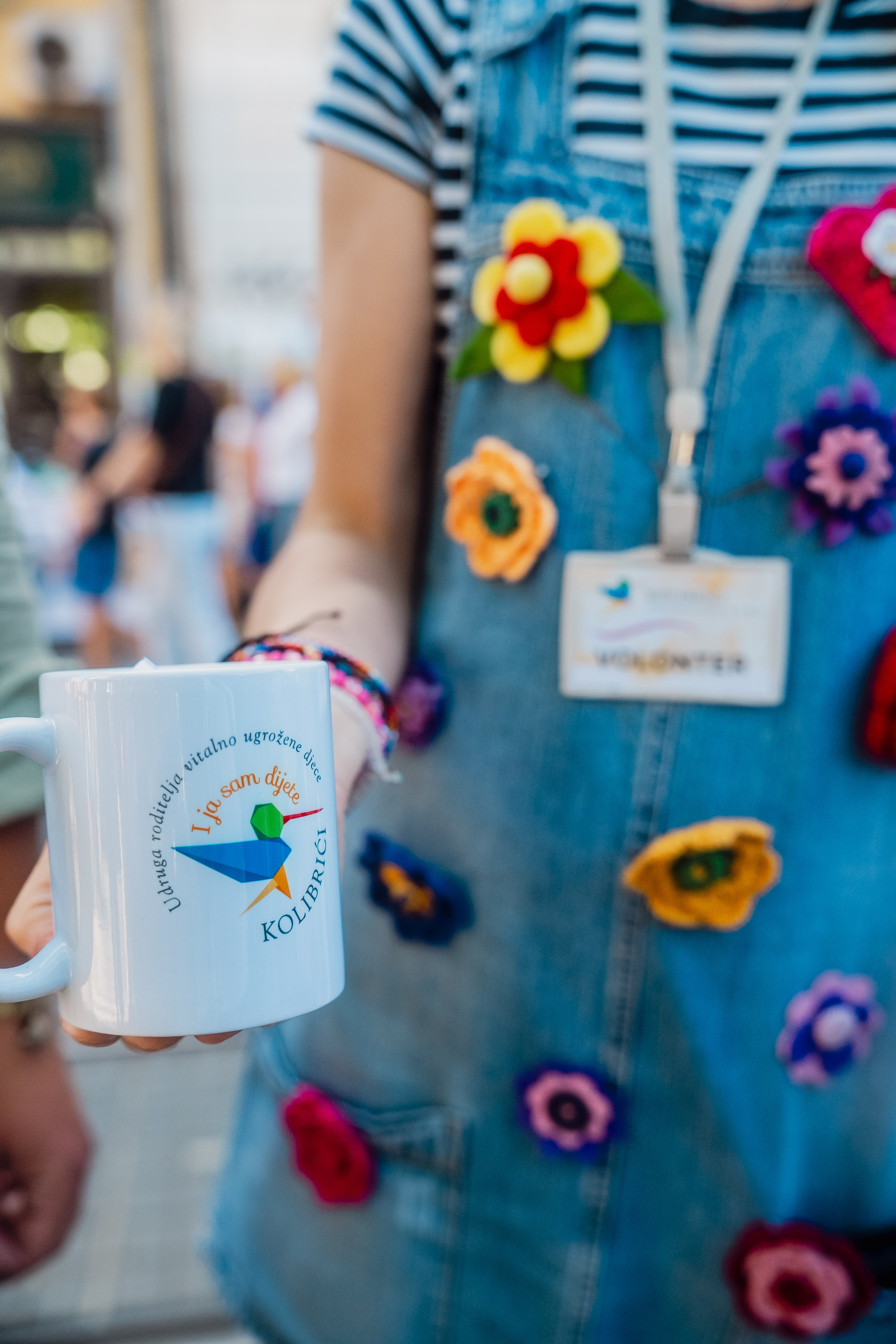
Corporate and humanitarian sponsorships are activated through the PINK humanitarian programme — embedded in every Q'ART and CONNECT festival — in partnership with Udruga Invalida Rada, FAJTER, Nismo Same, and Kolibrići. IMAGINE platforma za kreativnost d.o.o. generates private consultancy revenue that cross-subsidises community programmes.
A platform that community members choose to fund with their own money does not need to prove its relevance. It already has.
Q'ART's scalability is not theoretical — it is already proven. The model has been successfully implemented across 8 different Zagreb neighbourhoods beyond its original Ilica location, each time with a different community, different spatial context, and different partner network. Every implementation worked because the methodology is explicitly designed to be community-dependent, not location-dependent.
This is the core transferable insight: Q'ART does not bring a pre-designed programme to a community. It brings a process through which each community designs its own programme. The artistic and social content emerges entirely from the specific people, spaces, and needs present in each context. This makes the model infinitely flexible — and universally applicable.
Because community members are not visitors or audience but active co-creators and co-authors of every programme, each new implementation builds genuine local ownership from day one. This is why Q'ART's community grows by 20% every year — not through marketing, but through the organic expansion of people who participated, created something real, and brought others with them.
The transferable elements are: the community mapping methodology, the co-creation facilitation framework, the Q'ART&CARE workshop typologies for six vulnerable groups, the CONNECT festival format for international cultural exchange, and the multilevel governance model connecting neighbourhood, city, national, and European partners.
Any city with neglected spaces and invisible communities — which is every city in Europe — can implement this model. Q'ART has already demonstrated it works across diverse urban contexts within Croatia. This prize would be the catalyst for the next scale: European replication.