Strengthening Local Democracy and Inclusion
Therapeutic garden at the VDNG
Therapeutic garden at the Expocenter of Ukraine (VDNG)
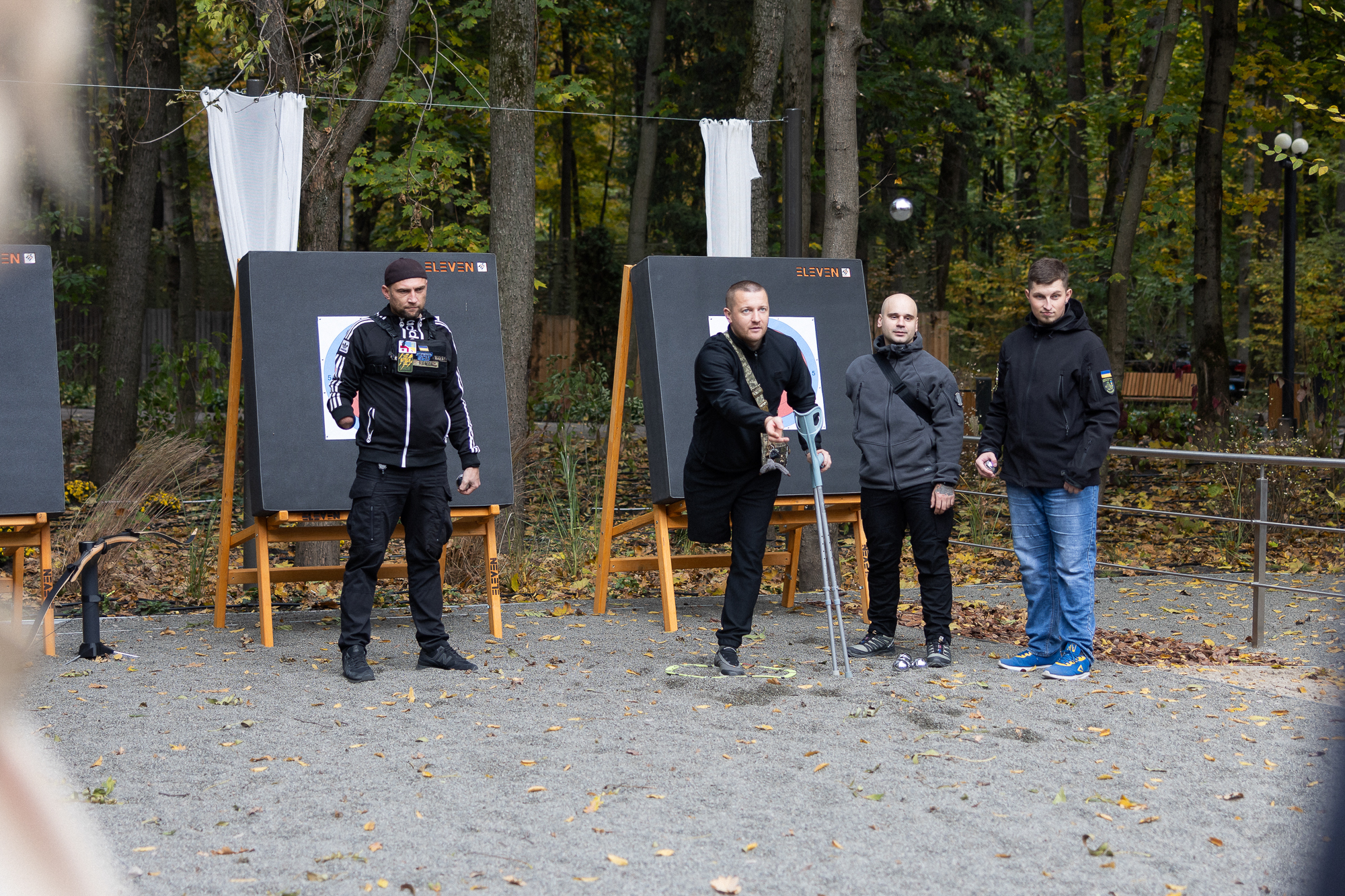
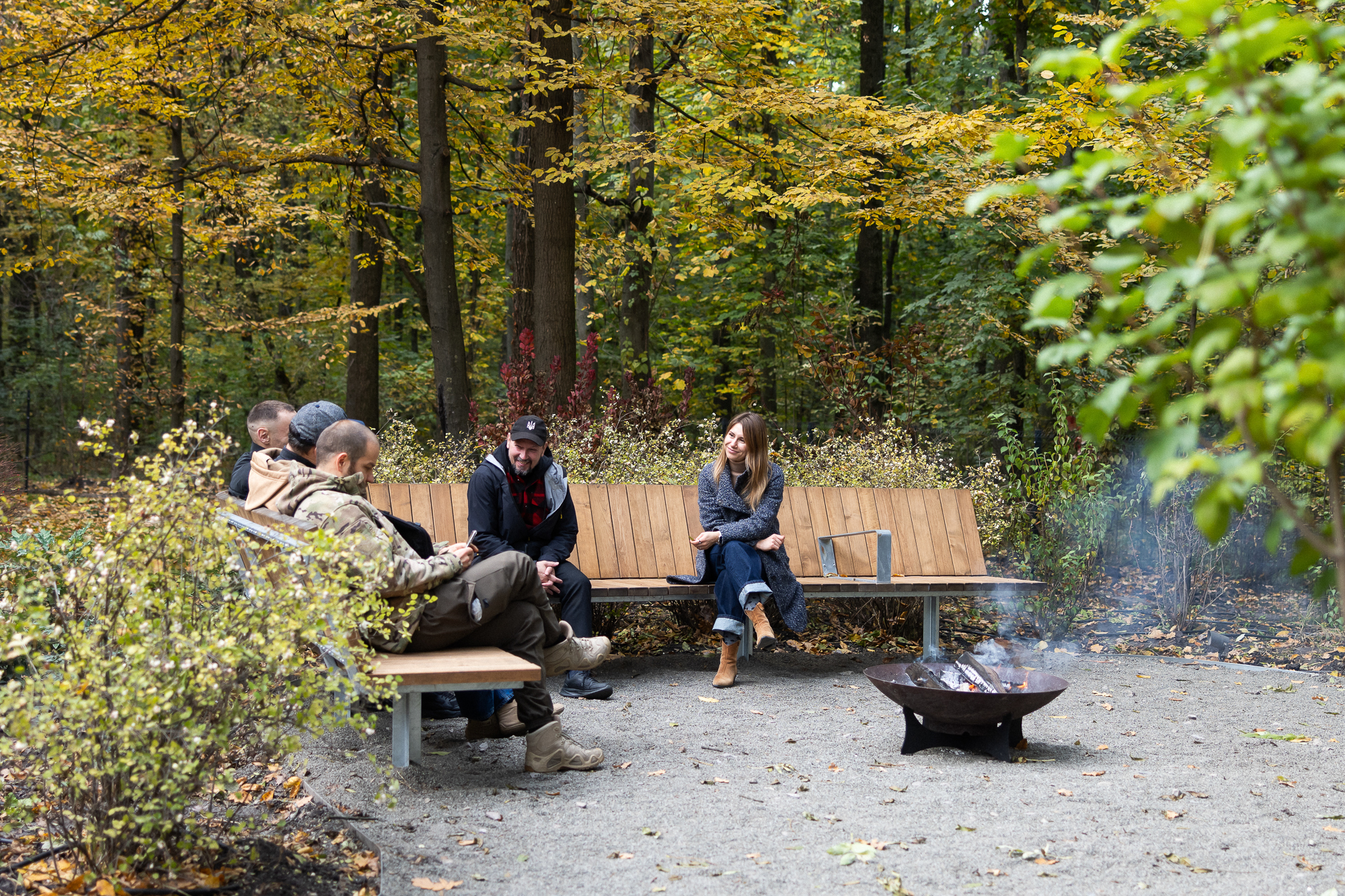
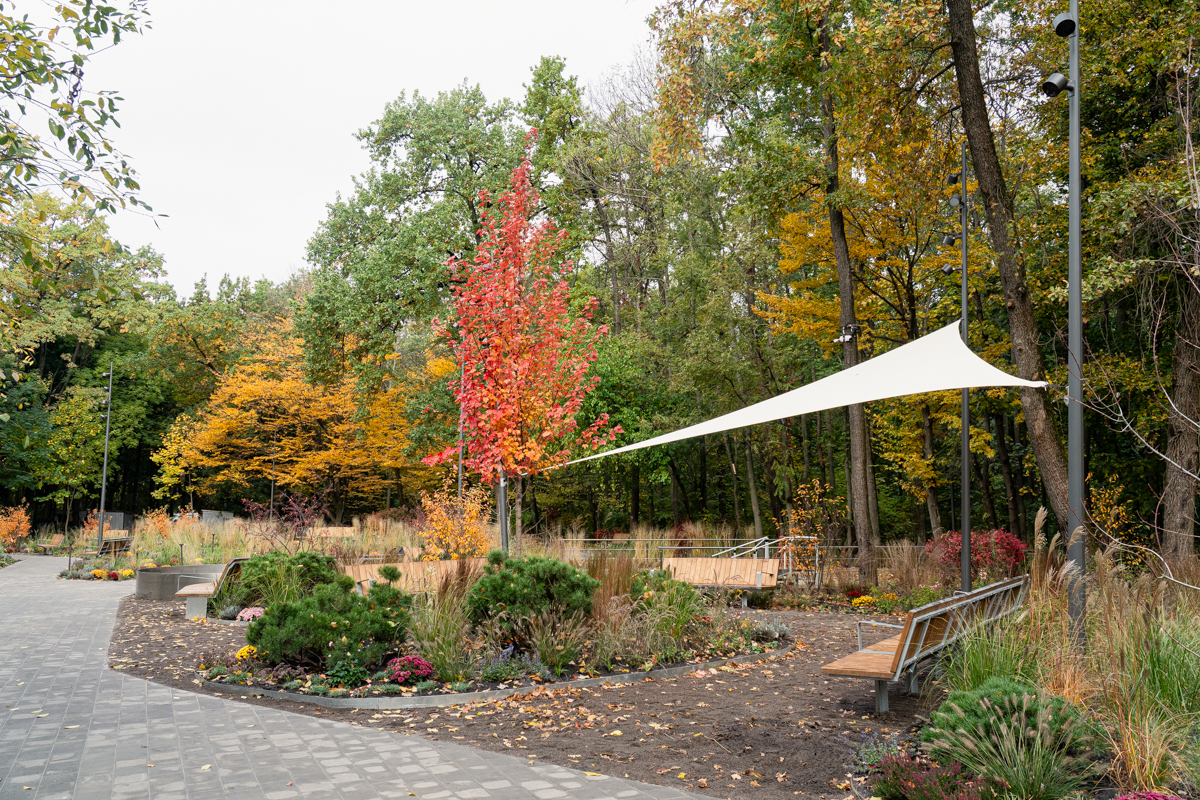
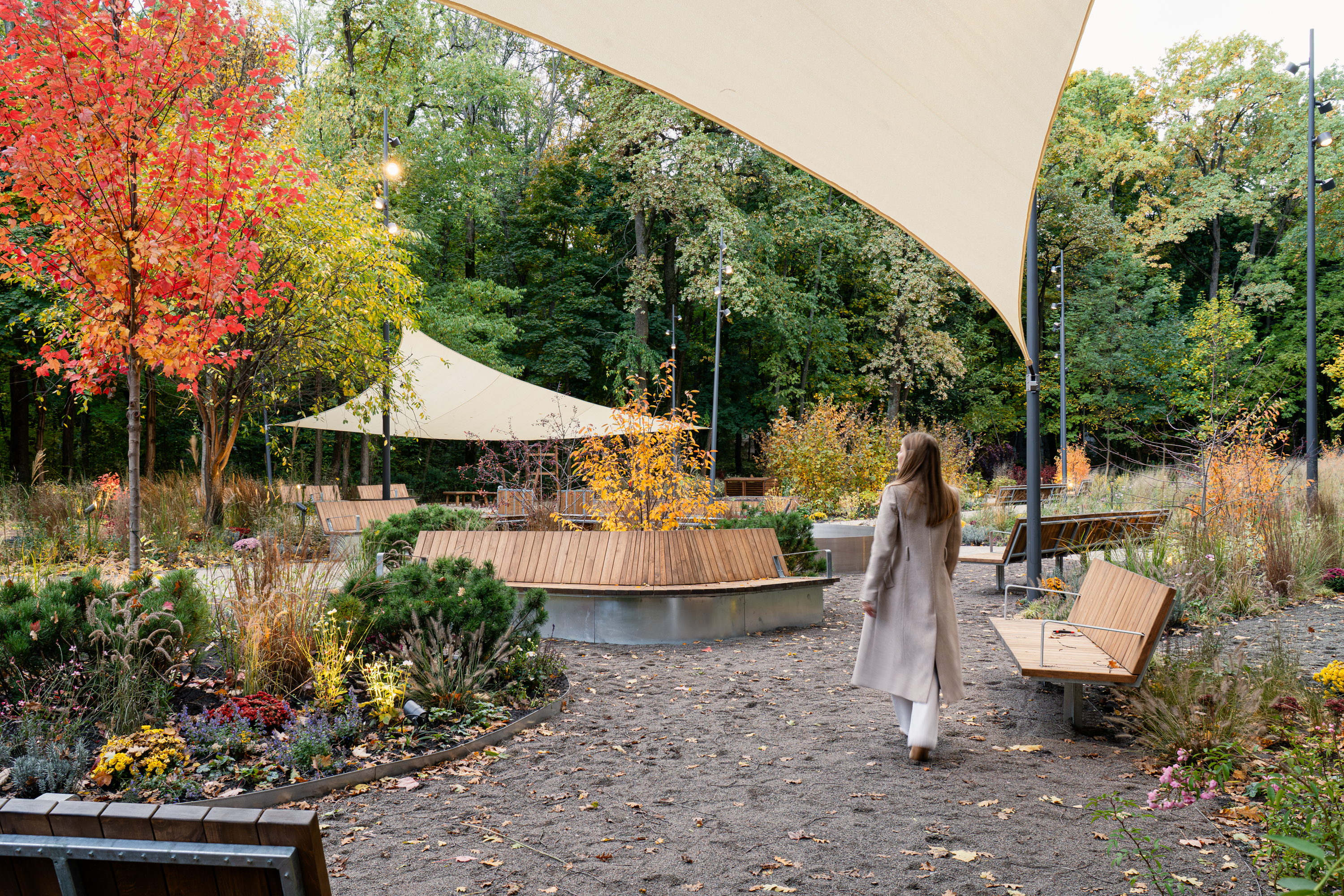
The therapeutic garden at VDNG is a public space for defenders, veterans, and everyone seeking recovery. It merges landscape architecture with therapy, creating inclusive zones shaped by research with veterans, their families, and experts. As a pilot, it establishes a new national standard for healing infrastructure. The space functions as a social reintegration tool, providing sensory-safe environments that reduce stress and help people reclaim their sense of self in a shared urban setting.
Ukraine
Local
Kyiv
Mainly urban
It involves a physical transformation of the built environment (hard investment)
Yes
2025-10-17
No
No
No
Organisation
Therapeutic Garden at VDNG is a pioneering public space in Kyiv designed for the mental recovery of defenders, veterans, and all Ukrainians affected by the war. As the country faces unprecedented psychological challenges, this project serves as a critical pilot for a new generation of healing infrastructure. It proves that landscape architecture, when combined with evidence-based design and a deep understanding of trauma, can become a powerful tool for social reintegration. Developed by Big City Lab & PUPA, the garden is the result of extensive participatory research involving veterans, their families, and experts. This collaborative process ensured the space meets the real needs of those with PTSD and sensory sensitivities, moving beyond traditional park design toward a functional therapeutic environment.
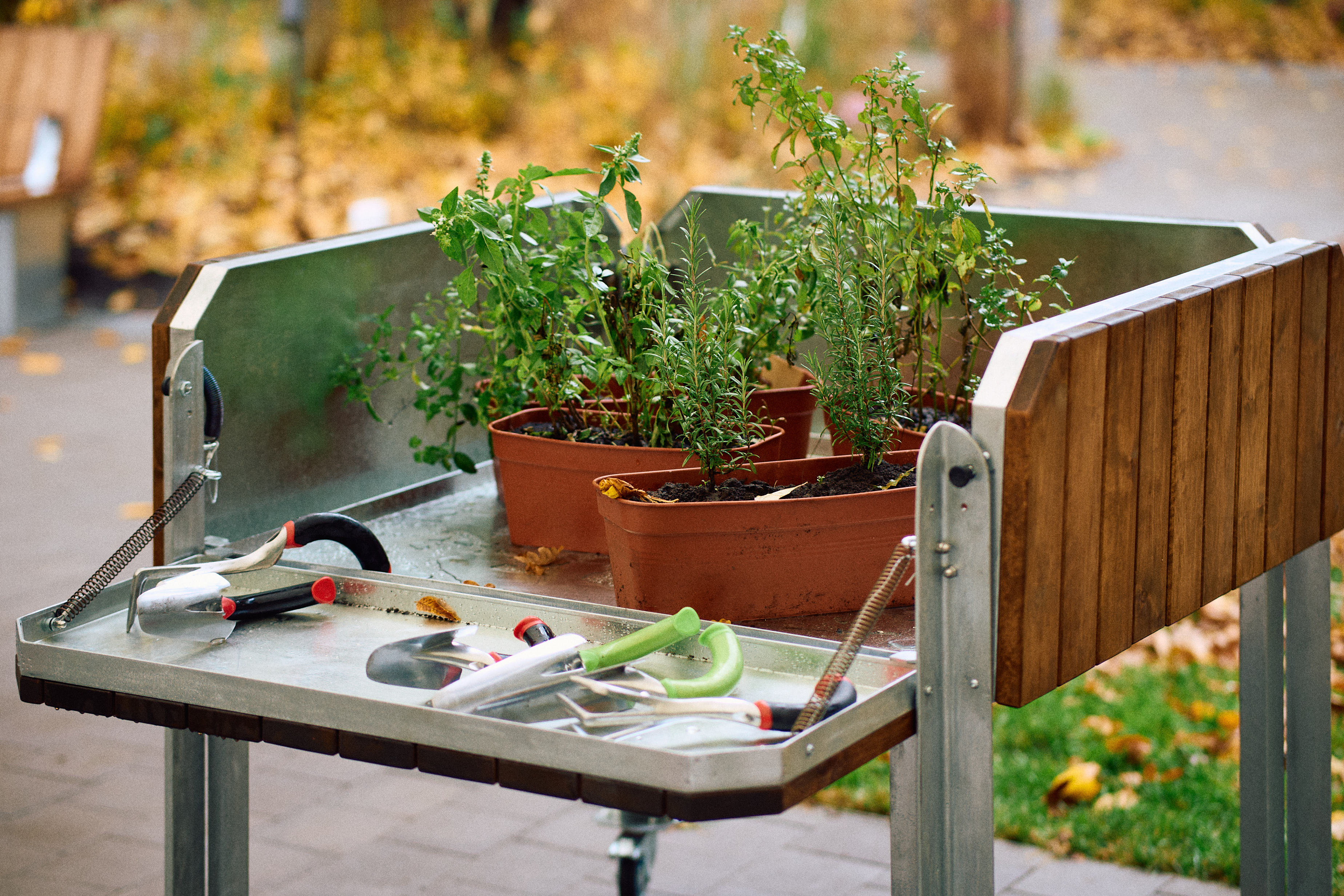
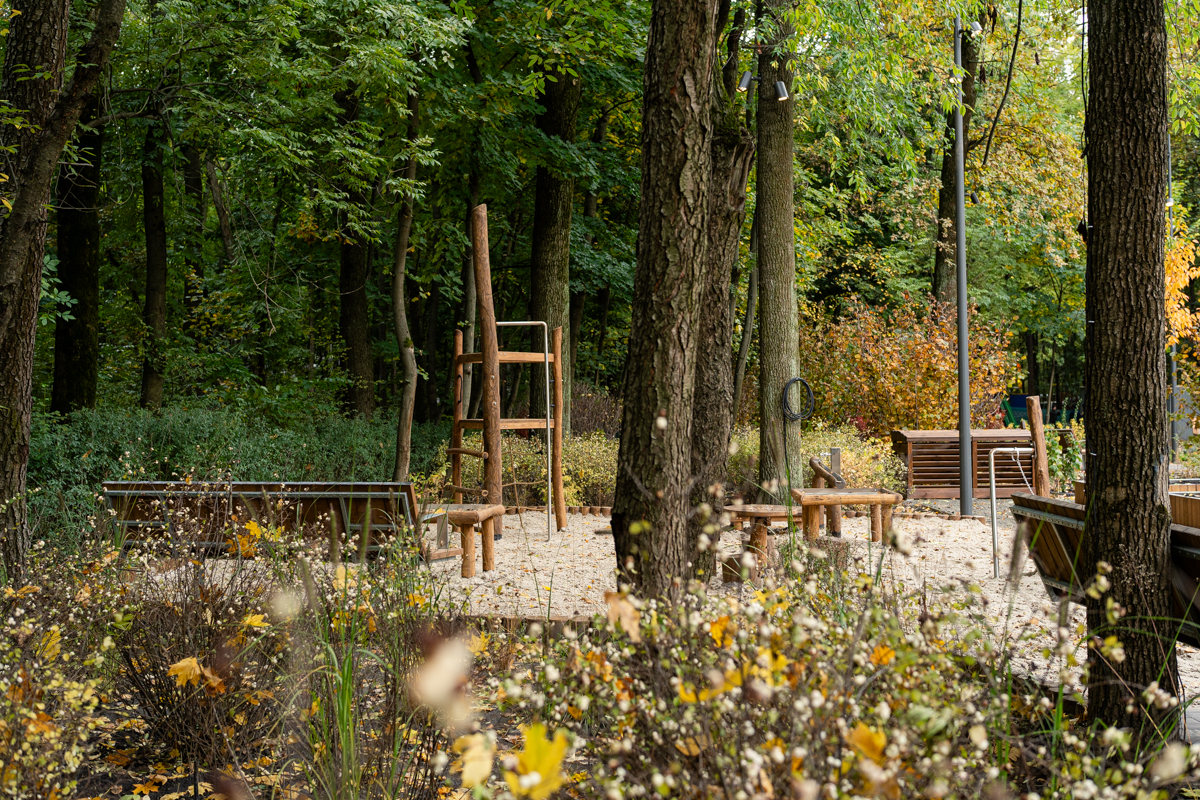
The project has achieved tangible results by transforming a major public hub into a sensory-safe landscape. It features adaptive functional zones that allow users to choose between quiet reflection and social interaction, along with inclusive infrastructure like custom raised flowerbeds accessible for wheelchair users. Resilient perennial plants provide year-round aesthetic support and grounding effects. Since its opening, the garden has become a living laboratory for nature-led recovery, attracting thousands of visitors and serving as a safe space for community reconnection.
In the long term, this project establishes a scalable national standard for healing infrastructure across Ukraine. By creating a successful precedent at VDNG, we have shifted the urban planning dialogue from temporary solutions to sustainable, systemic care. The garden serves as a blueprint for municipalities nationwide, proving that thoughtful, inclusive design is a fundamental requirement for building a resilient post-war society and ensuring that recovery tools are accessible to every citizen.
The project has achieved tangible results by transforming a major public hub into a sensory-safe landscape. It features adaptive functional zones that allow users to choose between quiet reflection and social interaction, along with inclusive infrastructure like custom raised flowerbeds accessible for wheelchair users. Resilient perennial plants provide year-round aesthetic support and grounding effects. Since its opening, the garden has become a living laboratory for nature-led recovery, attracting thousands of visitors and serving as a safe space for community reconnection.
In the long term, this project establishes a scalable national standard for healing infrastructure across Ukraine. By creating a successful precedent at VDNG, we have shifted the urban planning dialogue from temporary solutions to sustainable, systemic care. The garden serves as a blueprint for municipalities nationwide, proving that thoughtful, inclusive design is a fundamental requirement for building a resilient post-war society and ensuring that recovery tools are accessible to every citizen.
The project emerged from an urgent need to address the psychological toll of the war on Ukrainian society. While traditional rehabilitation focuses on clinical settings, we identified a critical gap in public infrastructure: the lack of safe, outdoor environments where recovery continues within the community. Our mission was to transform urban planning from passive decoration into a functional tool for mental health. We selected VDNG, Kyiv’s major public expo center, as the site for this pilot to ensure maximum accessibility and to test the model in a high-traffic urban environment.
The implementation was rooted in a deep participatory process, as we refused to design "for" the community without designing "with" them. We conducted extensive research, including focus groups and interviews with defenders, veterans, and their families. This allowed us to understand specific triggers and needs, such as the requirement for non-linear paths, wide peripheral visibility to reduce anxiety, and sensory-safe lighting. By collaborating with military hospital physicians, occupational therapists, rehabilitation specialists, physiotherapists, and psychotherapists, we bridged the gap between clinical requirements and landscape architecture.
On the ground, we integrated local insights with international expertise, collaborating with botanists, ornithologists, and landscape architects with extensive experience in the EU and UK. This multi-layered redesign transformed the site into a therapeutic environment featuring zones for diverse social engagement: from solitary reflection to collective gardening. Every physical element, from the height of adaptive planters to the texture of paths, was tested for inclusivity. We chose resilient perennial plants to ensure a stable, grounding presence across all seasons. This journey from research to a physical pilot has created a tangible standard for healing infrastructure that can now be implemented in every community across Ukraine.
The implementation was rooted in a deep participatory process, as we refused to design "for" the community without designing "with" them. We conducted extensive research, including focus groups and interviews with defenders, veterans, and their families. This allowed us to understand specific triggers and needs, such as the requirement for non-linear paths, wide peripheral visibility to reduce anxiety, and sensory-safe lighting. By collaborating with military hospital physicians, occupational therapists, rehabilitation specialists, physiotherapists, and psychotherapists, we bridged the gap between clinical requirements and landscape architecture.
On the ground, we integrated local insights with international expertise, collaborating with botanists, ornithologists, and landscape architects with extensive experience in the EU and UK. This multi-layered redesign transformed the site into a therapeutic environment featuring zones for diverse social engagement: from solitary reflection to collective gardening. Every physical element, from the height of adaptive planters to the texture of paths, was tested for inclusivity. We chose resilient perennial plants to ensure a stable, grounding presence across all seasons. This journey from research to a physical pilot has created a tangible standard for healing infrastructure that can now be implemented in every community across Ukraine.
Public space
Nature-Led Recovery
Inclusive Design
Social Reintegration
Transdisciplinary Collaboration
herapeutic garden at VDNG redefines sustainability by integrating environmental resilience with long-term social and economic viability. Environmentally, the project implements nature-based solutions that restore urban biodiversity. In collaboration with botanists and ornithologists, we selected resilient perennial compositions to create a self-sustaining ecosystem requiring minimal irrigation and maintenance. This choice ensures the garden remains a stable, grounding presence year-round, thriving despite fluctuating climates and limited municipal budgets. By reintroducing native flora and supporting local bird populations, the project transforms an underused area into a functional ecological hub that strengthens the city’s environmental fabric.
Socially and culturally, the project treats psychological resilience as a cornerstone of sustainable reconstruction. By providing a public space where defenders and civilians can reclaim their sense of self, we ensure the project's longevity through deep community ownership. The shift from temporary volunteer aid to permanent healing infrastructure represents a sustainable evolution in post-war recovery management. Culturally, the garden fosters a new urban standard where nature is recognized as a strategic partner in public health rather than a mere aesthetic element.
Economically, the garden serves as an exemplary scalable model. It demonstrates a high-impact, low-maintenance approach that is financially viable for municipalities nationwide. By establishing a standardized blueprint for healing infrastructure, we offer a cost-effective solution for large-scale reconstruction that avoids resource-heavy landscapes. This strategic focus on efficiency and durability makes the garden a sustainable asset for Ukraine's future, proving that inclusive, nature-led design is not a luxury but a vital necessity for national recovery and the long-term well-being of the population.
Socially and culturally, the project treats psychological resilience as a cornerstone of sustainable reconstruction. By providing a public space where defenders and civilians can reclaim their sense of self, we ensure the project's longevity through deep community ownership. The shift from temporary volunteer aid to permanent healing infrastructure represents a sustainable evolution in post-war recovery management. Culturally, the garden fosters a new urban standard where nature is recognized as a strategic partner in public health rather than a mere aesthetic element.
Economically, the garden serves as an exemplary scalable model. It demonstrates a high-impact, low-maintenance approach that is financially viable for municipalities nationwide. By establishing a standardized blueprint for healing infrastructure, we offer a cost-effective solution for large-scale reconstruction that avoids resource-heavy landscapes. This strategic focus on efficiency and durability makes the garden a sustainable asset for Ukraine's future, proving that inclusive, nature-led design is not a luxury but a vital necessity for national recovery and the long-term well-being of the population.
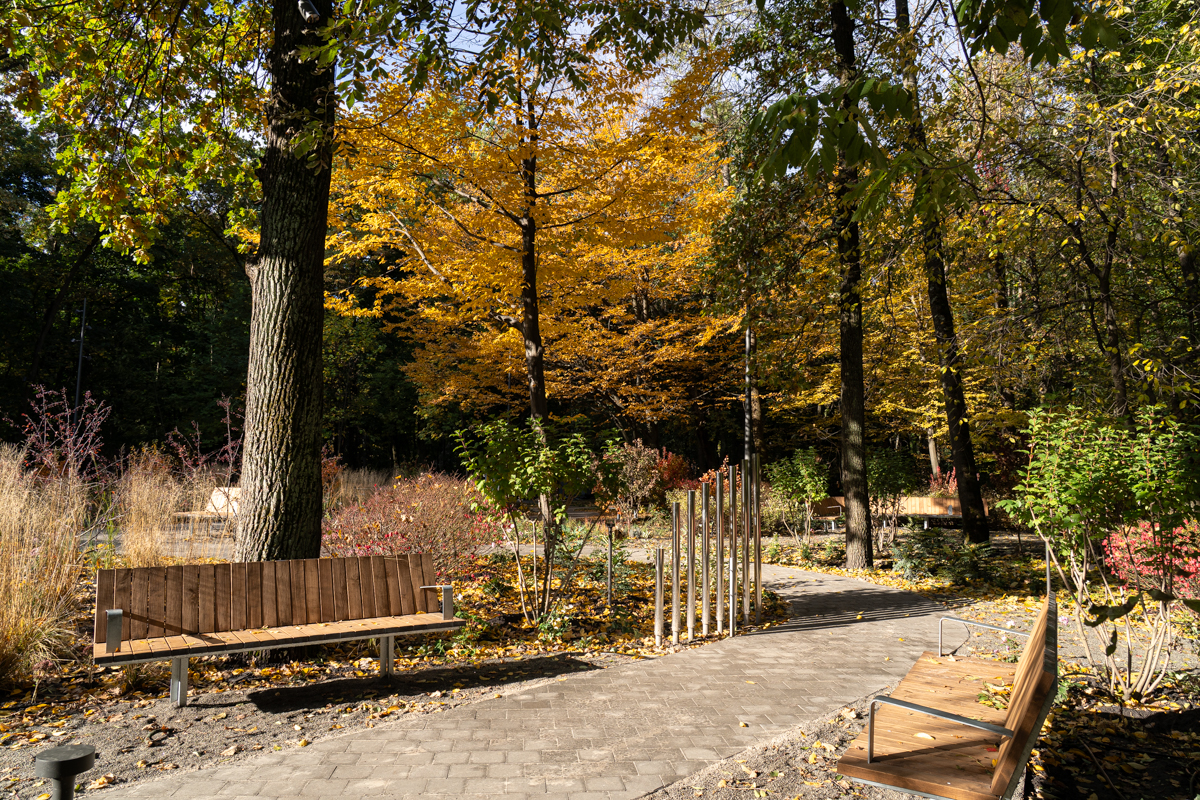
The aesthetics of the Garden redefine beauty as a restorative, living organism. Rather than rigid urban rows, the design follows the "biotope principle," where 12,000 perennials, 700 shrubs, and 16 new trees are grouped naturally, mimicking wild ecosystems. This immersive environment engages all 5 senses: from the rustle of grasses and the scent of mint to the tactile variety of textures. A unique "aesthetic of memory" is woven through the inclusion of familiar endemic plants like raspberries and currants. These nostalgic flavours and scents evoke the feeling of a "grandmother’s garden," creating an emotional bond and a profound sense of belonging for those whose homes have been affected by war.
Visually, the garden is a year-round canvas. We intentionally selected a soothing palette of whites, blues, and purples to reduce cognitive load. The space is designed to evolve: from early spring bulbs to autumn asters and evergreen yew, ensuring that the garden remains "alive" and beautiful in every season. This constant transformation invites visitors to witness the resilience of nature, mirroring their own journey of recovery. As the garden grows and gains strength each year, its beauty deepens, moving from a newly planted site to a lush, self-sustaining sanctuary.
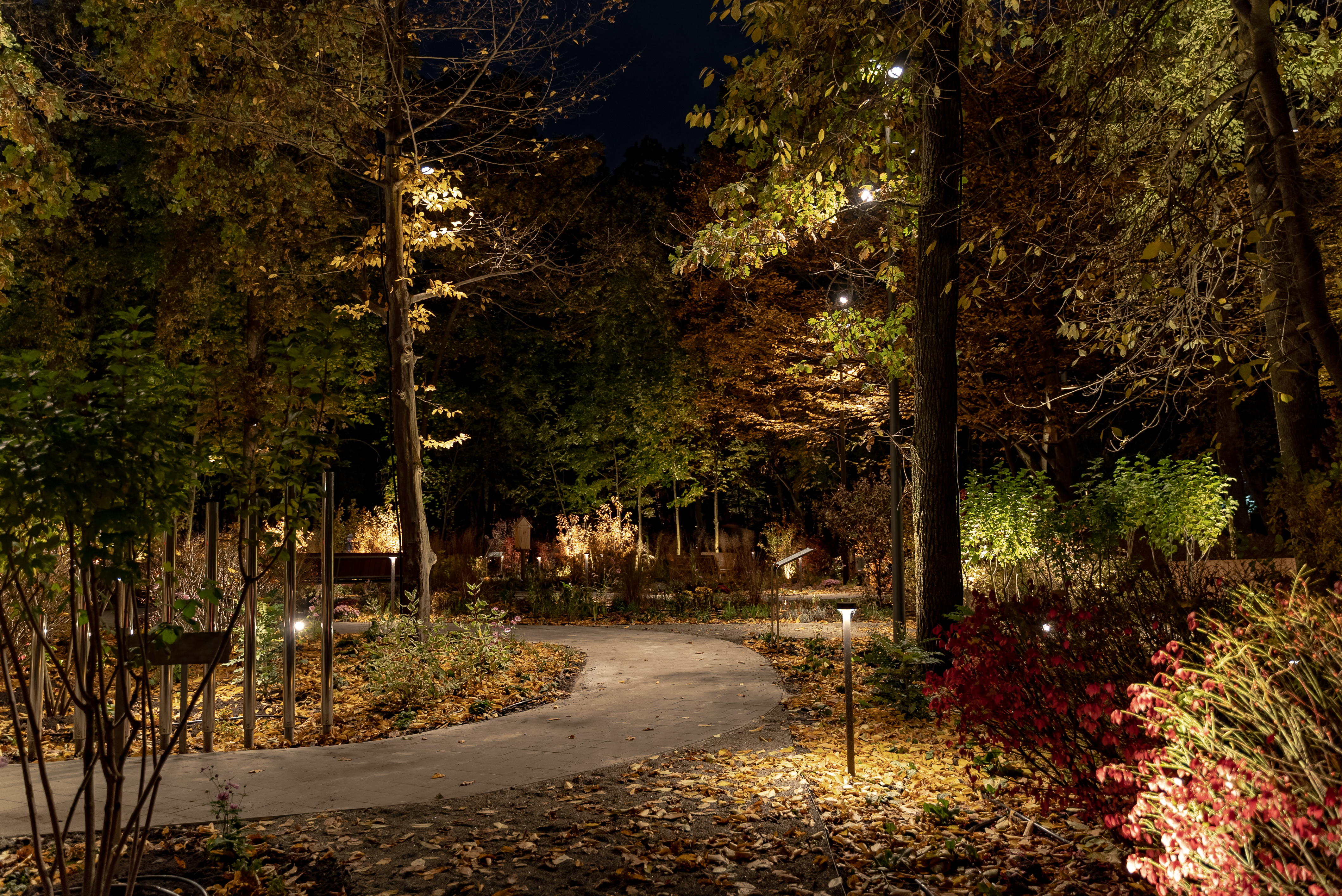
The nighttime aesthetics, developed with Expolight, transform the garden into a realm of "quiet light." We implemented a minimalist, energy-efficient system that uses non-uniform accents to highlight the landscape’s organic forms. Light sources are integrated at varying heights, mimicking natural shadows and preserving the contours of the route without overwhelming the senses. This atmospheric interplay of shadow and soft illumination ensures that the garden remains a safe, dignified, and poetic space after dark. This synergy of botanical diversity and light design establishes an exemplary aesthetic standard—one where beauty is a functional, healing tool that restores the human spirit.
Visually, the garden is a year-round canvas. We intentionally selected a soothing palette of whites, blues, and purples to reduce cognitive load. The space is designed to evolve: from early spring bulbs to autumn asters and evergreen yew, ensuring that the garden remains "alive" and beautiful in every season. This constant transformation invites visitors to witness the resilience of nature, mirroring their own journey of recovery. As the garden grows and gains strength each year, its beauty deepens, moving from a newly planted site to a lush, self-sustaining sanctuary.
The nighttime aesthetics, developed with Expolight, transform the garden into a realm of "quiet light." We implemented a minimalist, energy-efficient system that uses non-uniform accents to highlight the landscape’s organic forms. Light sources are integrated at varying heights, mimicking natural shadows and preserving the contours of the route without overwhelming the senses. This atmospheric interplay of shadow and soft illumination ensures that the garden remains a safe, dignified, and poetic space after dark. This synergy of botanical diversity and light design establishes an exemplary aesthetic standard—one where beauty is a functional, healing tool that restores the human spirit.
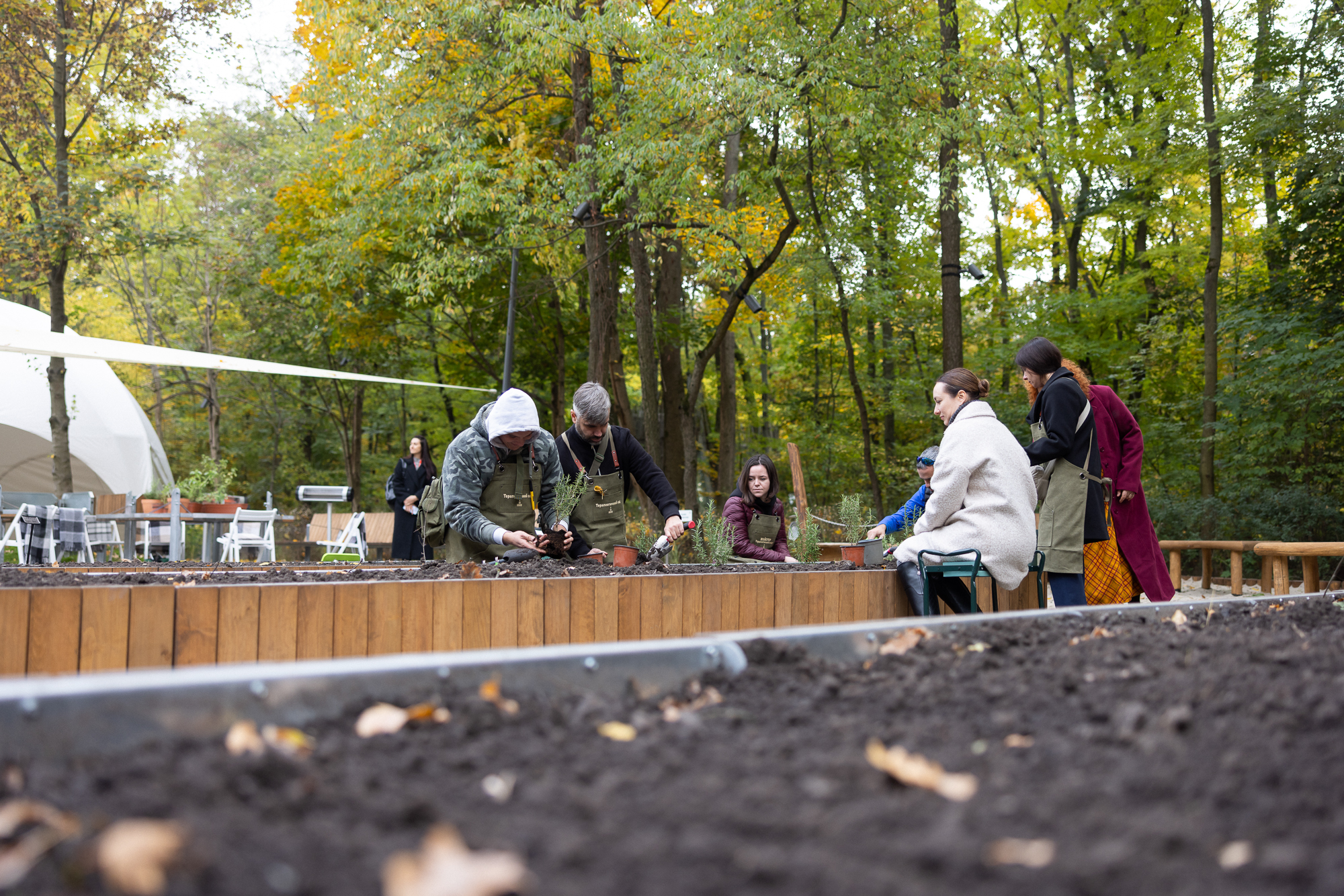
Inclusion is the fundamental DNA of the Therapeutic Garden at VDNG, addressing the critical challenge of reintegrating defenders and veterans into civilian life. The project is an exemplary model of "Design for All," moving beyond basic barrier-free standards to create a space that is emotionally and physically accessible to everyone. Physically, the garden features a completely flat, non-slip surface, extra-wide paths for wheelchairs, and custom-designed mobile raised flowerbeds, which allow individuals with limited mobility to engage in gardening at a comfortable height, transforming a passive visit into an active, empowering experience of tactile recovery.
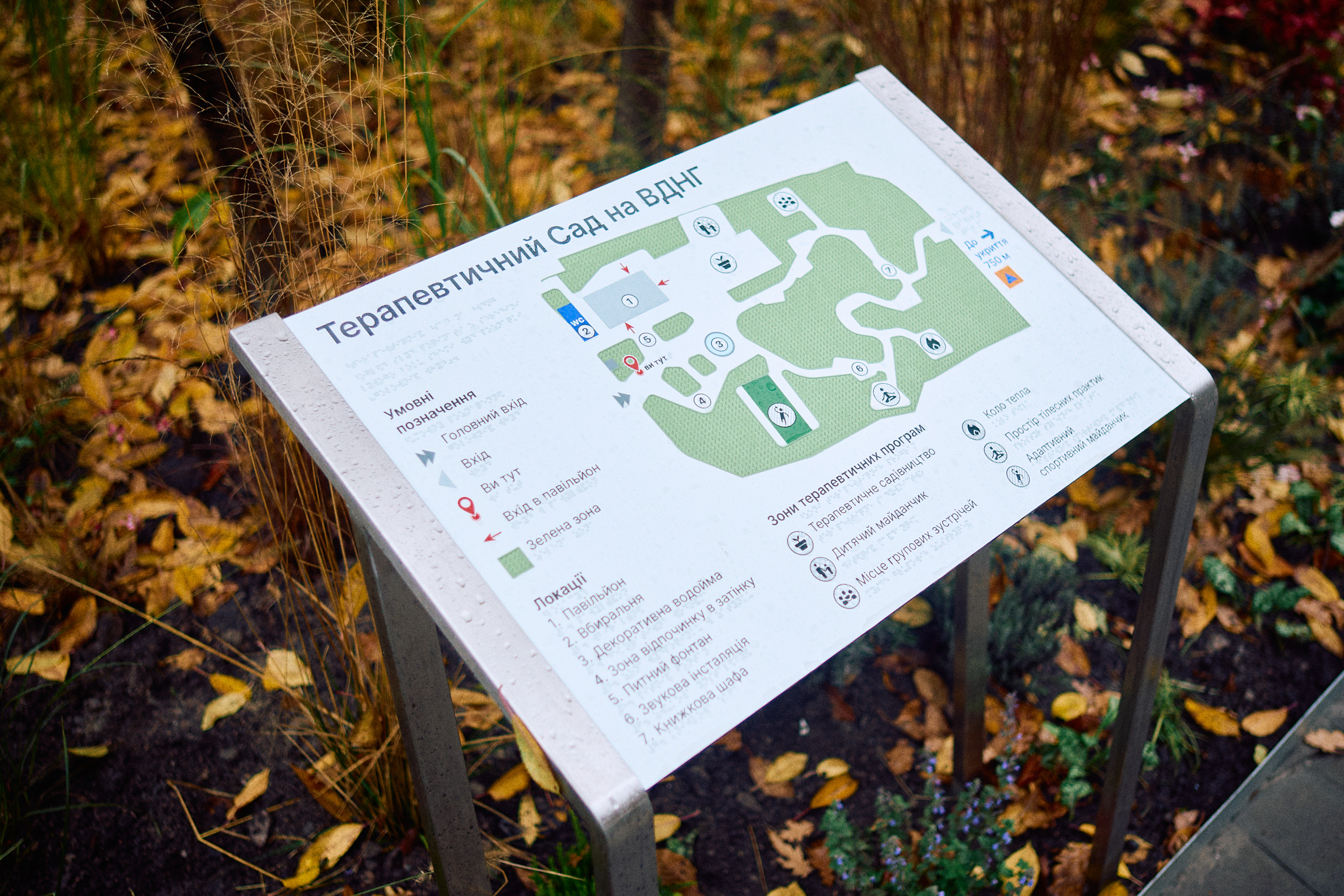
Our inclusive methodology was rooted in a deep participatory process. This allowed us to integrate sophisticated accessibility tools, including a comprehensive tactile navigation system and Braille signage, ensuring that visitors with visual impairments can navigate the garden independently. Simultaneously, the design addresses specific sensory triggers for those with PTSD by providing wide peripheral visibility and quiet "green rooms." By involving diverse end-users from the research phase to implementation, we ensured that both physical and psychological barriers were systematically removed, fostering a sense of community ownership and trust.
In terms of affordability, the garden is a completely free, public resource located within VDNG—a landmark urban hub that welcomes over 5 million visitors annually. It challenges the traditional model of isolated clinical rehabilitation by bringing recovery into the heart of the city. This represents a new societal model for Ukraine: one where defenders are not hidden in hospitals but are welcomed into high-quality public spaces together with their families and fellow citizens. By establishing this project as a scalable national standard, we are proving that inclusive, healing environments are a vital public right.
Our inclusive methodology was rooted in a deep participatory process. This allowed us to integrate sophisticated accessibility tools, including a comprehensive tactile navigation system and Braille signage, ensuring that visitors with visual impairments can navigate the garden independently. Simultaneously, the design addresses specific sensory triggers for those with PTSD by providing wide peripheral visibility and quiet "green rooms." By involving diverse end-users from the research phase to implementation, we ensured that both physical and psychological barriers were systematically removed, fostering a sense of community ownership and trust.
In terms of affordability, the garden is a completely free, public resource located within VDNG—a landmark urban hub that welcomes over 5 million visitors annually. It challenges the traditional model of isolated clinical rehabilitation by bringing recovery into the heart of the city. This represents a new societal model for Ukraine: one where defenders are not hidden in hospitals but are welcomed into high-quality public spaces together with their families and fellow citizens. By establishing this project as a scalable national standard, we are proving that inclusive, healing environments are a vital public right.
The Therapeutic Garden uses a human-centric participatory model, moving from simple consultation to active co-creation. Our methodology involved over a dozen participatory events and deep-dive interviews with veterans, active defenders, their families, and post-operative patients. This bottom-up approach was vital for understanding sensitive needs like spatial privacy, manageable sensory loads, and the balance between solitary reflection and social engagement. By listening to families of POWs and the fallen, and parents of children with disabilities, we transformed the site into a functional therapeutic tool tailored to those most affected by the war.
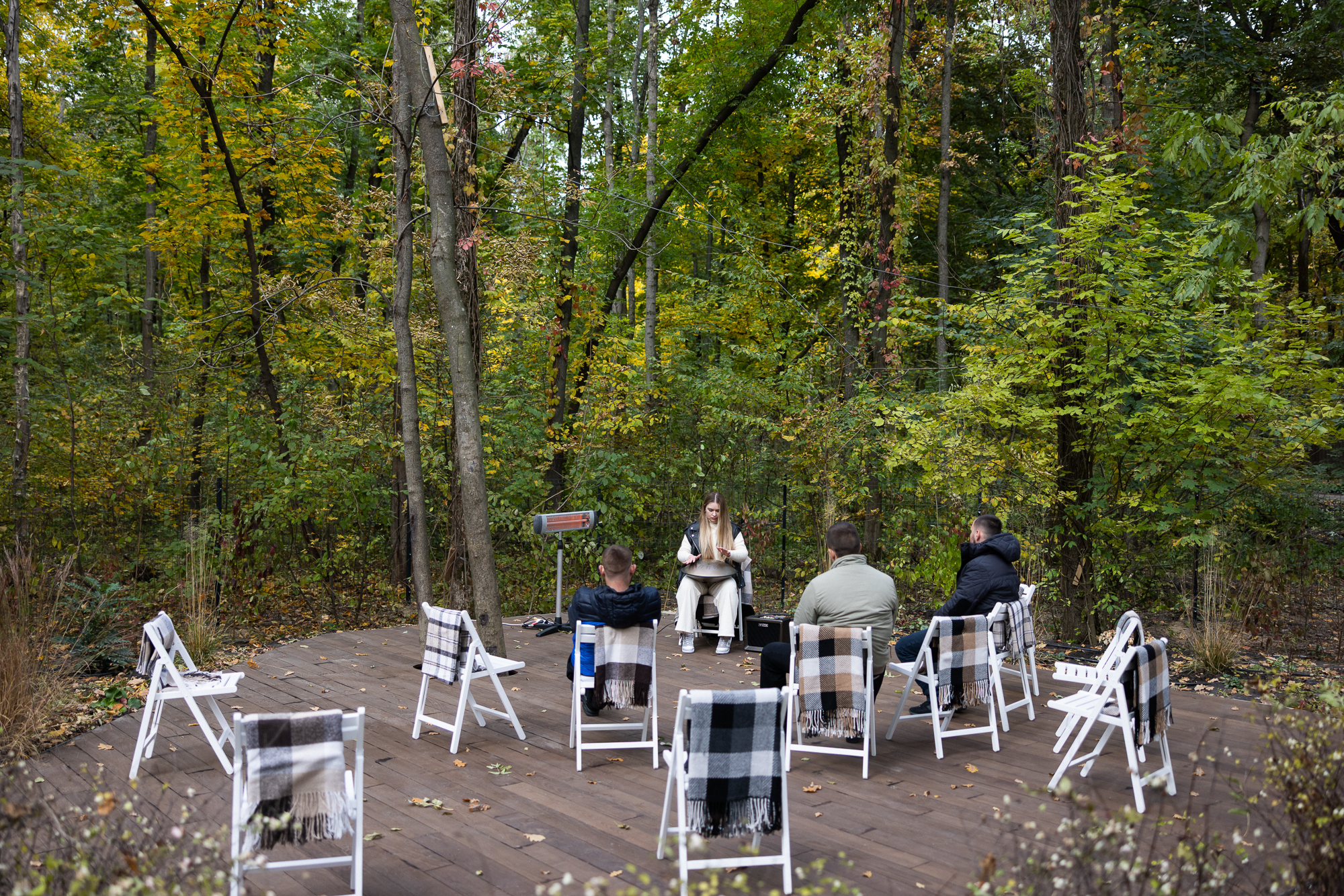
Simultaneously, we engaged a transdisciplinary network of experts, bridging international best practices with local clinical reality. We collaborated with EU/UK landscape architects alongside military hospital physicians, occupational therapists, rehabilitation specialists, botanists, and ornithologists. This ensured every spatial decision—from interactive trails to plant selection—was strictly evidence-based.The involvement of psychologists and art therapists specifically led to the development of Ukraine's first dedicated therapeutic programs integrated into a public landscape, including gardening, adaptive sports, and group sessions.
The impact is a design that fundamentally respects user autonomy. Feedback led to a non-intrusive spatial structure where social interaction is a choice, not a requirement: the garden features paths for quiet isolation as well as zones for collective practices. As a pilot project, the garden remains an active laboratory. We continue to monitor how users engage with the therapeutic zones, allowing real-world data to refine our future solutions. This high level of community and expert ownership ensures the garden is not a static installation but a living, responsive environment that truly belongs to those it serves.
Simultaneously, we engaged a transdisciplinary network of experts, bridging international best practices with local clinical reality. We collaborated with EU/UK landscape architects alongside military hospital physicians, occupational therapists, rehabilitation specialists, botanists, and ornithologists. This ensured every spatial decision—from interactive trails to plant selection—was strictly evidence-based.The involvement of psychologists and art therapists specifically led to the development of Ukraine's first dedicated therapeutic programs integrated into a public landscape, including gardening, adaptive sports, and group sessions.
The impact is a design that fundamentally respects user autonomy. Feedback led to a non-intrusive spatial structure where social interaction is a choice, not a requirement: the garden features paths for quiet isolation as well as zones for collective practices. As a pilot project, the garden remains an active laboratory. We continue to monitor how users engage with the therapeutic zones, allowing real-world data to refine our future solutions. This high level of community and expert ownership ensures the garden is not a static installation but a living, responsive environment that truly belongs to those it serves.
The Therapeutic Garden operates through a sophisticated multi-level governance framework, bridging local community needs with national strategic priorities and European expertise. At the local level, the project was developed in coordination with the VDNG administration and the Kyiv community. Local veterans and residents acted as primary co-designers, ensuring the space is deeply rooted in the city's social fabric and meets the immediate needs of its visitors.
At the national level, the project is implemented in partnership with the Ministry of Veterans Affairs of Ukraine. It is a key part of the National Strategy for Creating a Barrier-Free Space in Ukraine, an initiative by First Lady Olena Zelenska. This high-level institutional support allows the garden to serve as a national pilot—a scalable blueprint for municipalities nationwide. By aligning with the National Strategy, we have moved the project from a local landscape initiative to a strategic component of the country’s post-war recovery and social reintegration infrastructure.
At the European and international level, the project is a landmark collaboration between Big City Lab and the Lithuanian strategic urbanism office PUPA, which co-authored the project concept. By merging Lithuanian expertise with specialized insights from landscape architects in the UK and the EU, we introduced advanced knowledge in therapeutic horticulture and sensory-safe design to Ukraine. This international knowledge transfer allowed us to synchronize urgent local wartime requirements with high European quality standards, creating a globally relevant model for healing infrastructure.
The synergy of these levels created a "multi-directional" governance model: local feedback ensured human-centricity, national leadership provided the systemic framework for scalability, and European partners contributed architectural innovation. The result is a project that is internationally informed, nationally significant, and locally loved.
At the national level, the project is implemented in partnership with the Ministry of Veterans Affairs of Ukraine. It is a key part of the National Strategy for Creating a Barrier-Free Space in Ukraine, an initiative by First Lady Olena Zelenska. This high-level institutional support allows the garden to serve as a national pilot—a scalable blueprint for municipalities nationwide. By aligning with the National Strategy, we have moved the project from a local landscape initiative to a strategic component of the country’s post-war recovery and social reintegration infrastructure.
At the European and international level, the project is a landmark collaboration between Big City Lab and the Lithuanian strategic urbanism office PUPA, which co-authored the project concept. By merging Lithuanian expertise with specialized insights from landscape architects in the UK and the EU, we introduced advanced knowledge in therapeutic horticulture and sensory-safe design to Ukraine. This international knowledge transfer allowed us to synchronize urgent local wartime requirements with high European quality standards, creating a globally relevant model for healing infrastructure.
The synergy of these levels created a "multi-directional" governance model: local feedback ensured human-centricity, national leadership provided the systemic framework for scalability, and European partners contributed architectural innovation. The result is a project that is internationally informed, nationally significant, and locally loved.
The Therapeutic Garden at VDNG is the result of a "hybrid laboratory" where diverse knowledge fields merged to address complex social trauma. Rather than a linear design process, we established a cross-sectoral alliance where the following disciplines functioned as a single system:
Medicine & Healthcare: Military physicians, occupational therapists, and rehabilitation specialists acted as lead consultants. Their clinical requirements for physical mobility and psychological safety were "translated" into architectural parameters, such as specific path widths for wheelchairs and the height of adaptive mobile planters.
Architecture & Strategic Urbanism: The collaboration between Big City Lab (Ukraine) and PUPA (Lithuania) bridged local wartime urgency with international therapeutic standards.
Psychology & Social Sciences: Through extensive participatory research and interviews, psychologists and art therapists helped define the garden’s emotional zones.
Environmental Sciences: Botanists and ornithologists designed a self-sustaining ecosystem using over 12,000 endemic perennials. This "biotope principle" ensures the garden is not just a decorative site but a living organism that supports urban biodiversity.
Lighting Technology: In partnership with Expolight, we integrated energy-efficient lighting design that focuses on sensory comfort. Non-uniform, landscape-integrated lighting ensures safety after dark without causing overstimulation.
Medicine & Healthcare: Military physicians, occupational therapists, and rehabilitation specialists acted as lead consultants. Their clinical requirements for physical mobility and psychological safety were "translated" into architectural parameters, such as specific path widths for wheelchairs and the height of adaptive mobile planters.
Architecture & Strategic Urbanism: The collaboration between Big City Lab (Ukraine) and PUPA (Lithuania) bridged local wartime urgency with international therapeutic standards.
Psychology & Social Sciences: Through extensive participatory research and interviews, psychologists and art therapists helped define the garden’s emotional zones.
Environmental Sciences: Botanists and ornithologists designed a self-sustaining ecosystem using over 12,000 endemic perennials. This "biotope principle" ensures the garden is not just a decorative site but a living organism that supports urban biodiversity.
Lighting Technology: In partnership with Expolight, we integrated energy-efficient lighting design that focuses on sensory comfort. Non-uniform, landscape-integrated lighting ensures safety after dark without causing overstimulation.
The financial model of the Therapeutic Garden at VDNG is built on a public-private partnership approach, ensuring long-term viability through a combination of institutional support, diversified donor funding, and localized revenue generation.
The garden is an integral part of the Expocenter of Ukraine, a major state-owned institution with its own operational budget and administrative infrastructure. This integration provides a permanent legal and physical home for the project, ensuring that the garden is managed as a strategic national asset rather than an isolated initiative.
The initial realization of the project was powered by a robust donor coalition. Two-thirds of the total funding was secured through contributions from leading international and Ukrainian organizations, including Visa, PrivatBank, Work.ua, Expolight, and the Ukrainian Red Cross. This diverse backing demonstrates high trust from the corporate sector and aligns with global CSR standards.
Although the garden is a non-commercial public resource, we have integrated a dedicated revenue-generating pavilion into the design. This space is available for private rentals—such as corporate workshops, closed events, or educational sessions. The income generated from these rentals is strictly earmarked for the garden’s maintenance, specialized landscaping, and the ongoing implementation of therapeutic programs.
This model transforms the garden from a traditional cost-center into a self-sustaining ecosystem. By leveraging the scale of a state institution while utilizing private investments and a circular revenue mechanism, we have created a financially resilient blueprint for healing infrastructure that can be replicated in other urban centers without placing a permanent burden on municipal budgets.
The garden is an integral part of the Expocenter of Ukraine, a major state-owned institution with its own operational budget and administrative infrastructure. This integration provides a permanent legal and physical home for the project, ensuring that the garden is managed as a strategic national asset rather than an isolated initiative.
The initial realization of the project was powered by a robust donor coalition. Two-thirds of the total funding was secured through contributions from leading international and Ukrainian organizations, including Visa, PrivatBank, Work.ua, Expolight, and the Ukrainian Red Cross. This diverse backing demonstrates high trust from the corporate sector and aligns with global CSR standards.
Although the garden is a non-commercial public resource, we have integrated a dedicated revenue-generating pavilion into the design. This space is available for private rentals—such as corporate workshops, closed events, or educational sessions. The income generated from these rentals is strictly earmarked for the garden’s maintenance, specialized landscaping, and the ongoing implementation of therapeutic programs.
This model transforms the garden from a traditional cost-center into a self-sustaining ecosystem. By leveraging the scale of a state institution while utilizing private investments and a circular revenue mechanism, we have created a financially resilient blueprint for healing infrastructure that can be replicated in other urban centers without placing a permanent burden on municipal budgets.
The Therapeutic Garden at VDNG was designed from its inception as a scalable national pilot. It is not a one-off installation but a standardized "healing infrastructure kit" that can be adapted to various urban contexts, geographies, and socio-economic conditions.
The core participatory process—involving the synergy between military medics, psychologists, and urbanists—is a transferable framework. This methodology for translating clinical needs into spatial design can be applied to any healing space, from hospital courtyards to neighbourhood parks.
The physical elements we developed—such as the specific path widths for wheelchair accessibility, non-glaring lighting patterns, and adaptive mobile planters—function as a modular toolkit. These "Universal Design" components can be integrated into existing public parks or new developments regardless of their scale.
Our approach to using resilient, low-maintenance endemic perennials is easily transferable. By following our biotope selection logic, other regions can create self-sustaining landscapes using their own local flora, ensuring the model is ecologically appropriate for different climates.
The PPP structure used for this project—combining state institutional support with corporate donor funding and a self-sustaining revenue pavilion—serves as a viable business model for municipalities with limited budgets.
As part of the National Strategy for Creating a Barrier-Free Space, this project is already being positioned as a standard for all Ukrainian municipalities. The lessons learned here are being codified into a set of guidelines that will enable other cities to implement therapeutic urbanism as a vital part of their post-war recovery.
By proving that high-quality, evidence-based healing environments can be both inclusive and financially sustainable, the VDNG pilot provides a clear roadmap for the systemic transformation of public health infrastructure across Ukraine and beyond.
The core participatory process—involving the synergy between military medics, psychologists, and urbanists—is a transferable framework. This methodology for translating clinical needs into spatial design can be applied to any healing space, from hospital courtyards to neighbourhood parks.
The physical elements we developed—such as the specific path widths for wheelchair accessibility, non-glaring lighting patterns, and adaptive mobile planters—function as a modular toolkit. These "Universal Design" components can be integrated into existing public parks or new developments regardless of their scale.
Our approach to using resilient, low-maintenance endemic perennials is easily transferable. By following our biotope selection logic, other regions can create self-sustaining landscapes using their own local flora, ensuring the model is ecologically appropriate for different climates.
The PPP structure used for this project—combining state institutional support with corporate donor funding and a self-sustaining revenue pavilion—serves as a viable business model for municipalities with limited budgets.
As part of the National Strategy for Creating a Barrier-Free Space, this project is already being positioned as a standard for all Ukrainian municipalities. The lessons learned here are being codified into a set of guidelines that will enable other cities to implement therapeutic urbanism as a vital part of their post-war recovery.
By proving that high-quality, evidence-based healing environments can be both inclusive and financially sustainable, the VDNG pilot provides a clear roadmap for the systemic transformation of public health infrastructure across Ukraine and beyond.