Enhancing Circularity, Sustainability, and Innovation
The Tea House in a Historic Garden
The Tea House in the Tea Garden, New Uses in the Quinteiro da Cruz Historical Garden
A project based at Pazo Quinteiro da Cruz, with a philosophy based on sustainability, which preserves the biodiversity of the environment and promotes respect for nature through environmental and cultural education based on botanical criteria, sustainability, the circular economy and the 2030 agenda in guided tours for people from all over theworld who visit us throughout the year.
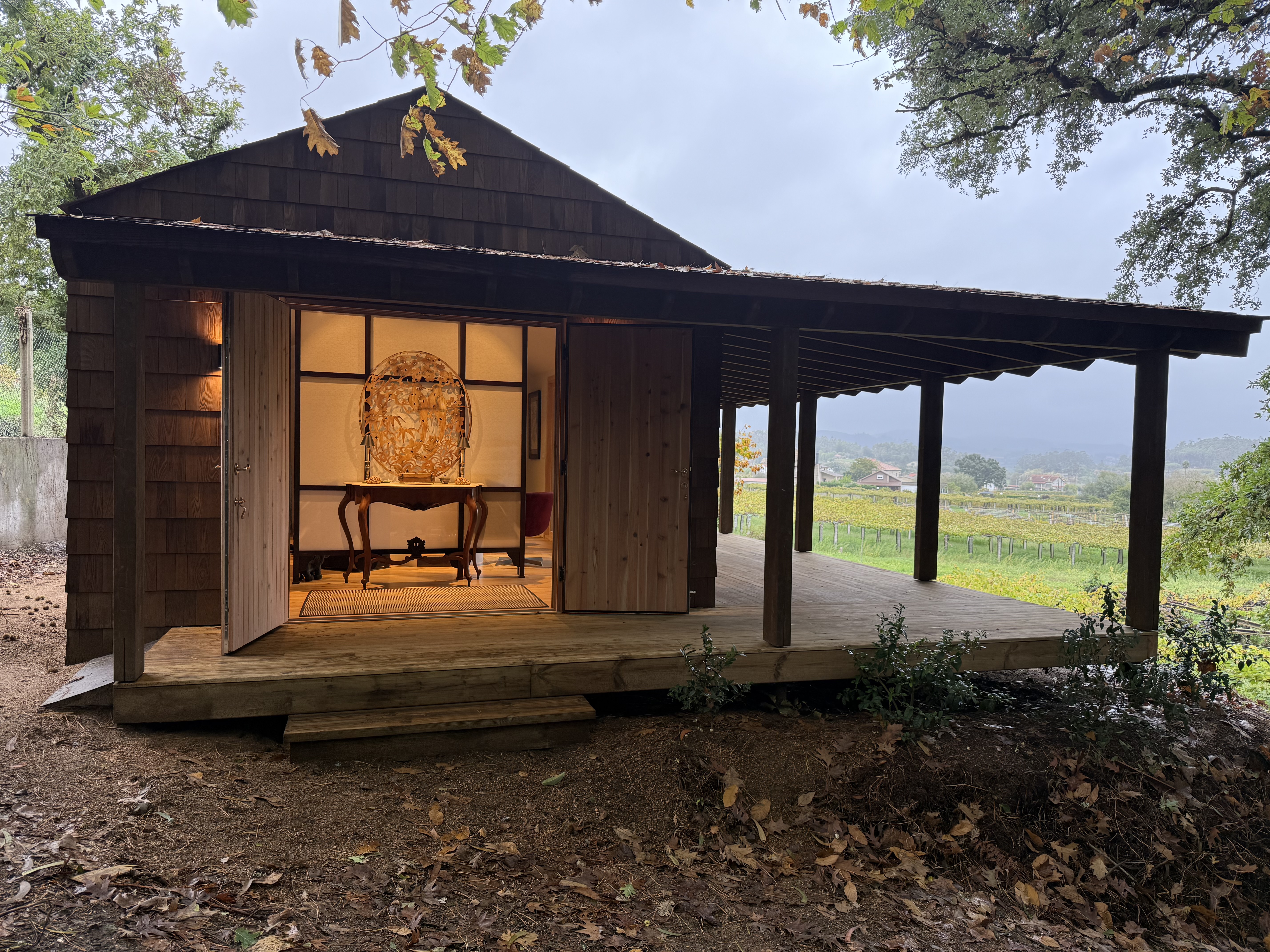
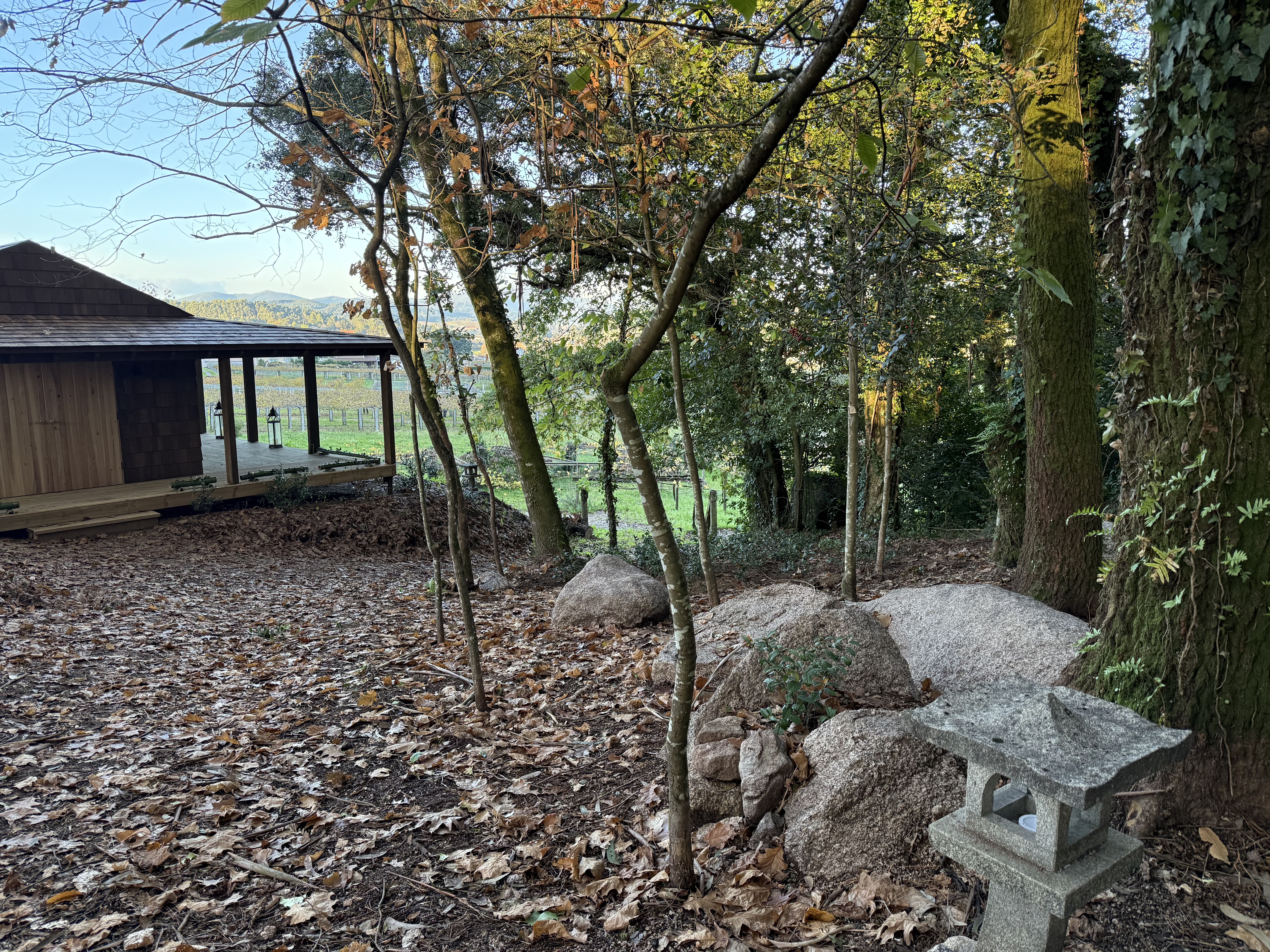
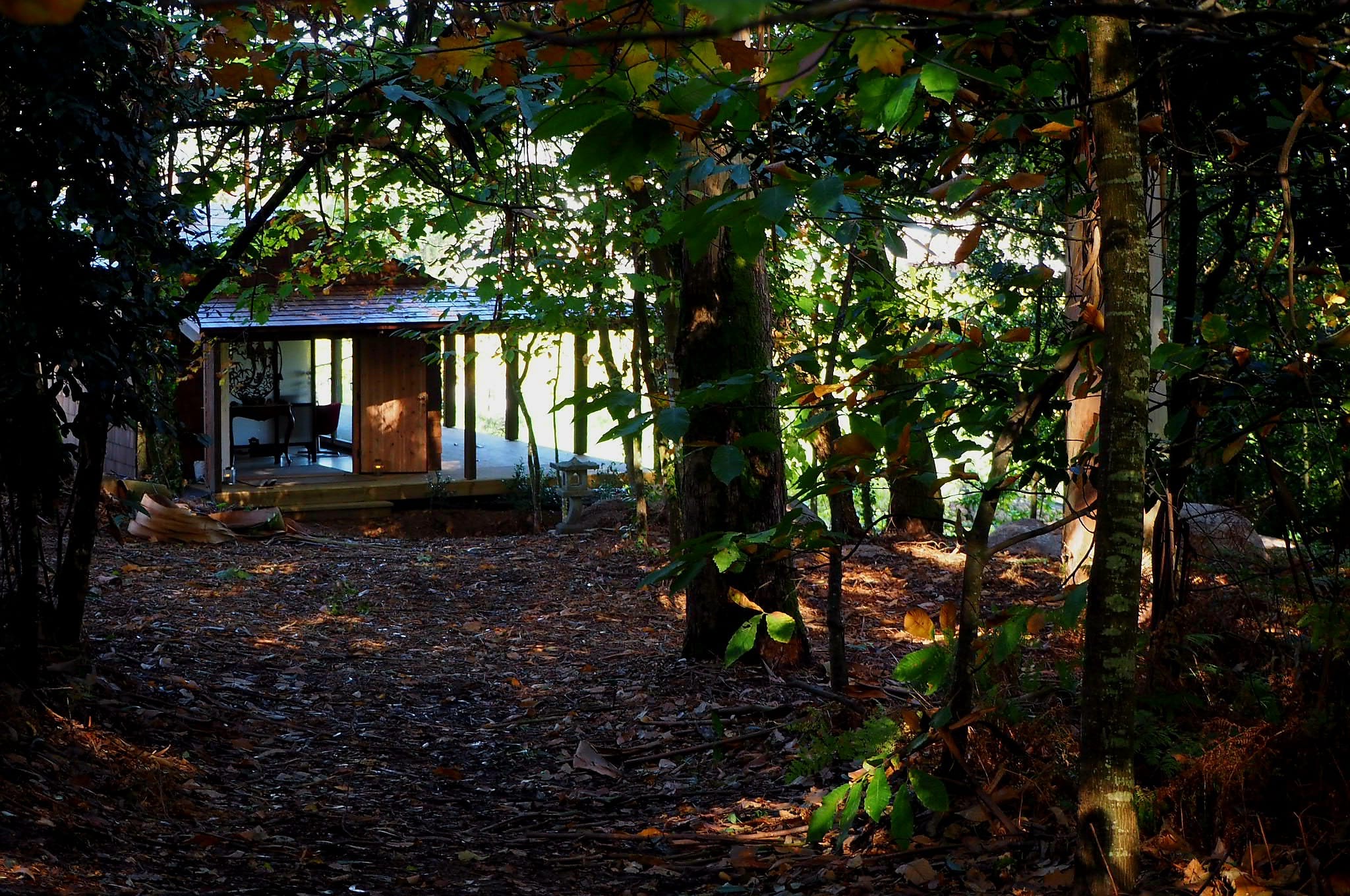
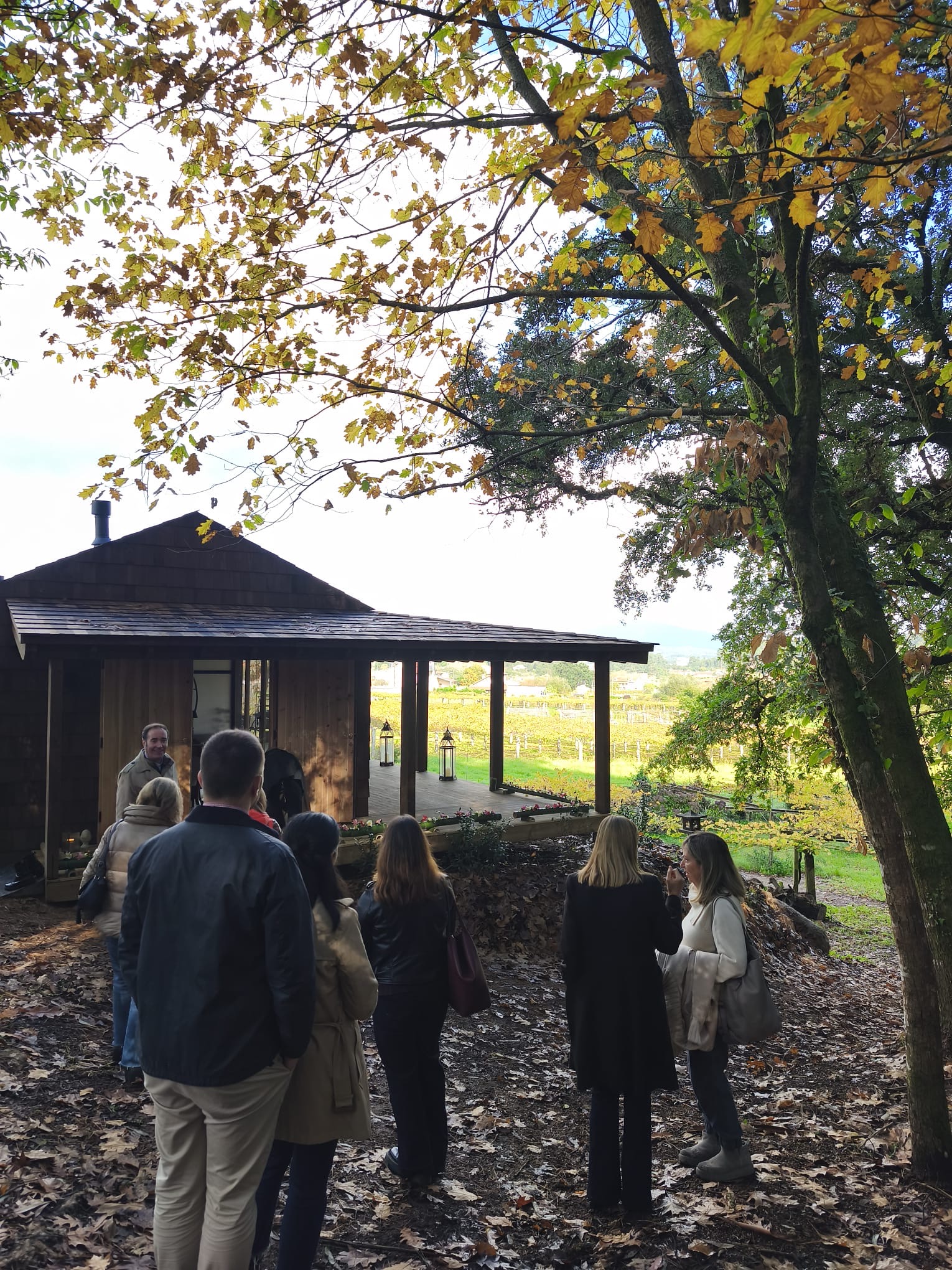
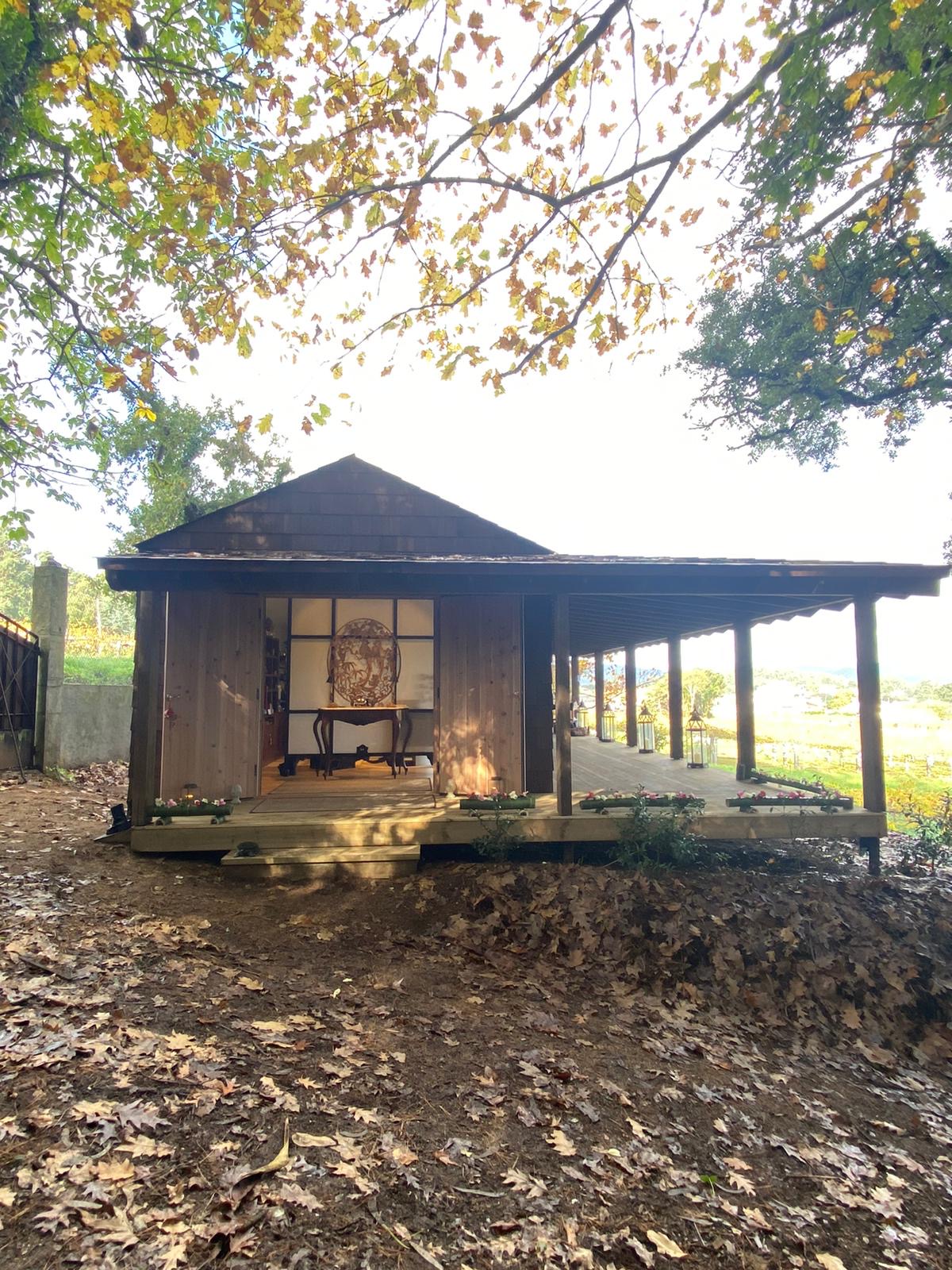
It has the first tea plantation in Spain and, since the end of 2025, it has had a tea house in the forest.
It has the first tea plantation in Spain and, since the end of 2025, it has had a tea house in the forest.
Spain
Regional
Galicia, Rías Baixas
Mainly rural
It involves a physical transformation of the built environment (hard investment)
Yes
2025-12-31
Yes
Grant from the Regional Government of Galicia for projects and works that use timber products as structural elements, 100% funded under the REACT-EU priority axis of the ERDF Galicia 2014–2020 Operational Programme, as part of the EU’s response to the COVID-19 pandemic (procedure code MR502B)
No
Yes
Individual
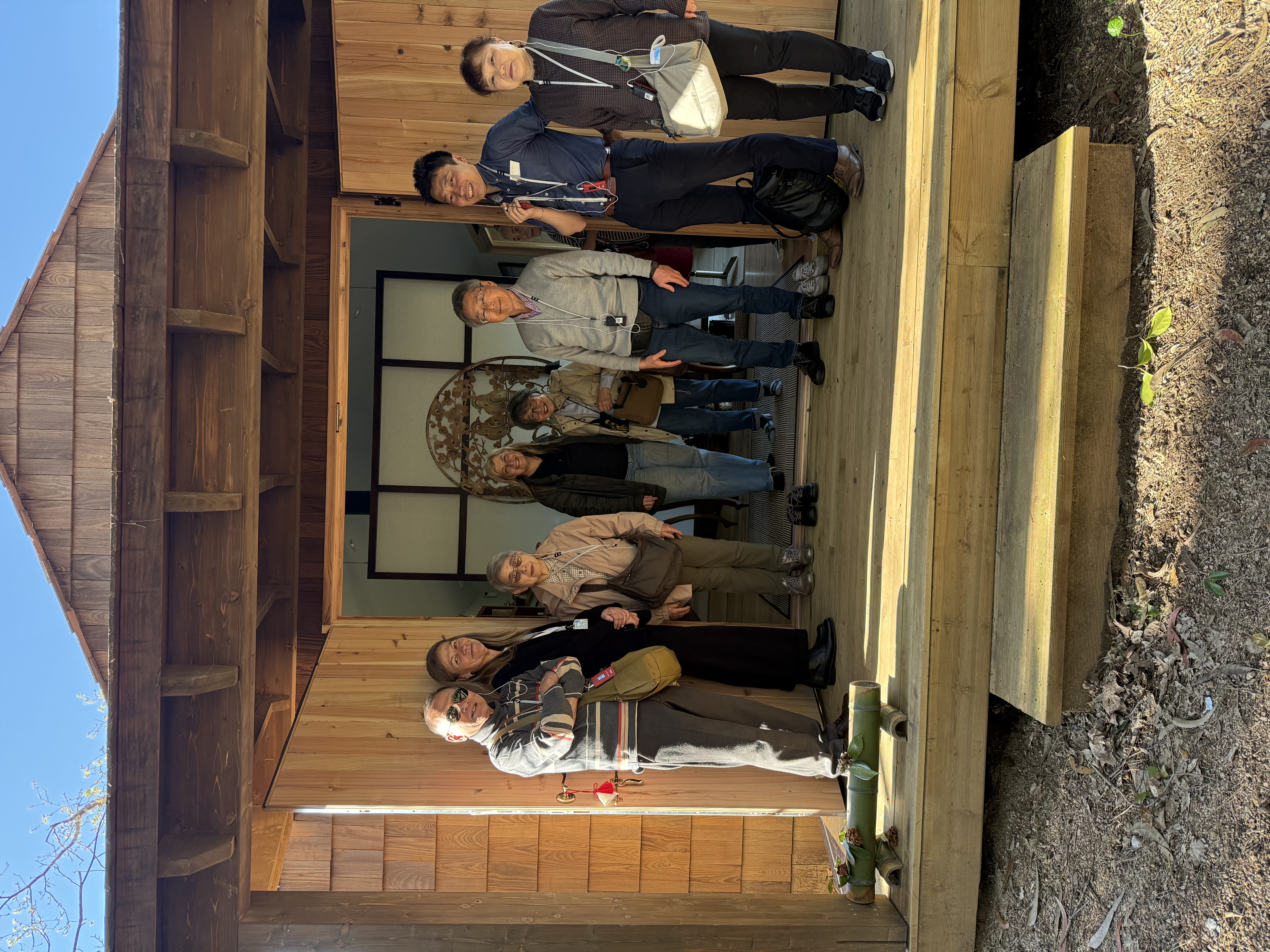
The tea house is located in the woods of Pazo Quinteiro da Cruz, an area that was previously closed to the public and underused, which has enabled sustainable forest management, as well as offering more specific immersive nature experiences than those previously available. A house rooted in traditional Chinese and Japanese tea culture, interwoven with the Western aspect that encompasses the tea project launched 25 years ago to promote the agri-food sector through the production of various types of artisanal tea; the promotion of the tourism sector through the creation of tea-centred experiences and tourism empowerment; and the promotion of the industrial sector through research and its valorisation, with the creation of products, cosmetics and aromatherapy to revitalise the rural area. A project where ideas and emotions converge, a tool that organises and structures inner life, a model of how existence can be given form and meaning. ‘Architecture of the soul’. A modular project with a lightweight wooden structure, offering high energy efficiency; a system to reduce emissions, optimise resources and revitalise underused land; an effective and scalable tool without compromising quality or environmental impact.
A project to build inner life: a model for giving form and meaning to existence through the cultivation of a garden with vision, effort, care and attention ‘here and now’.
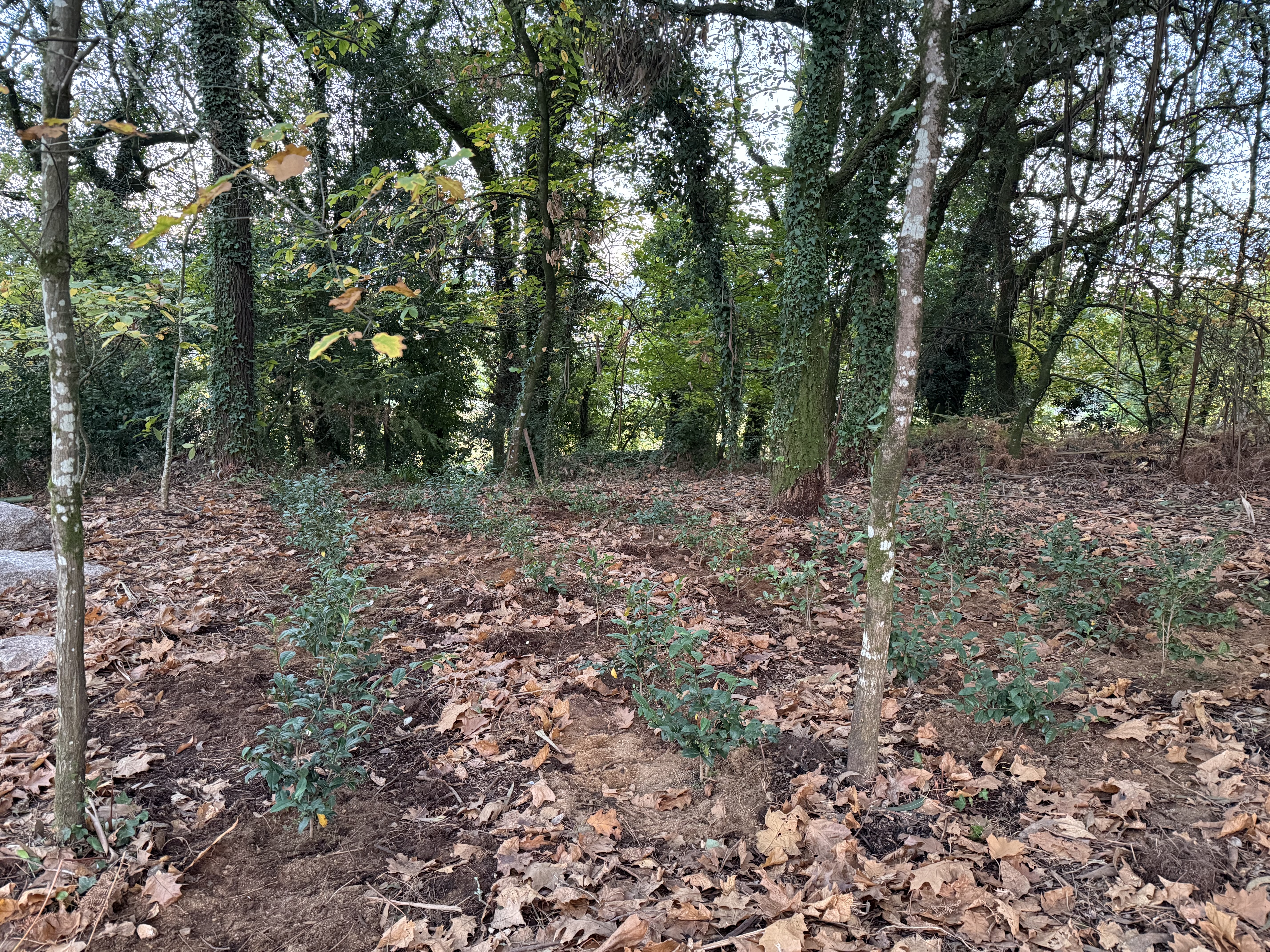
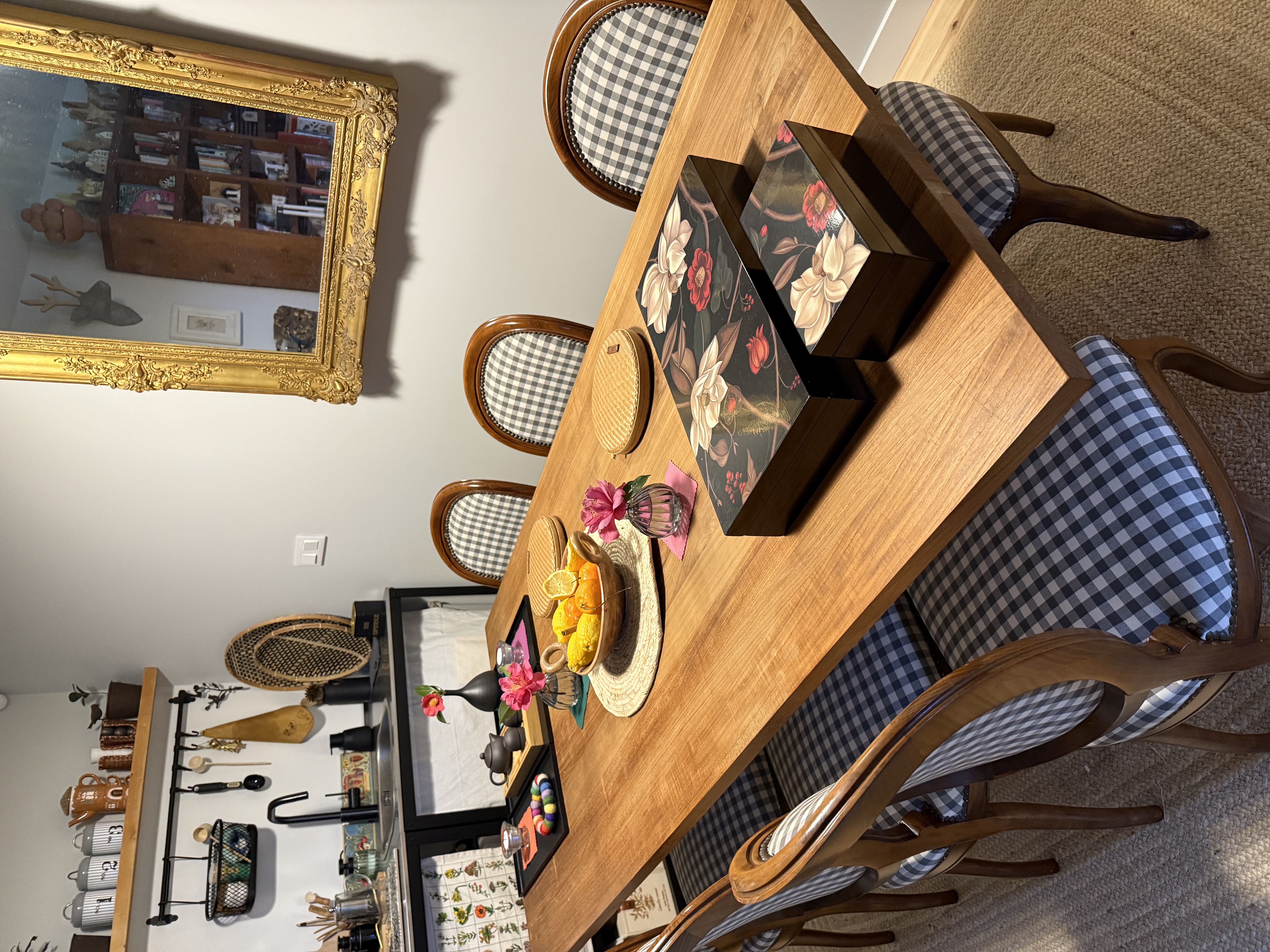
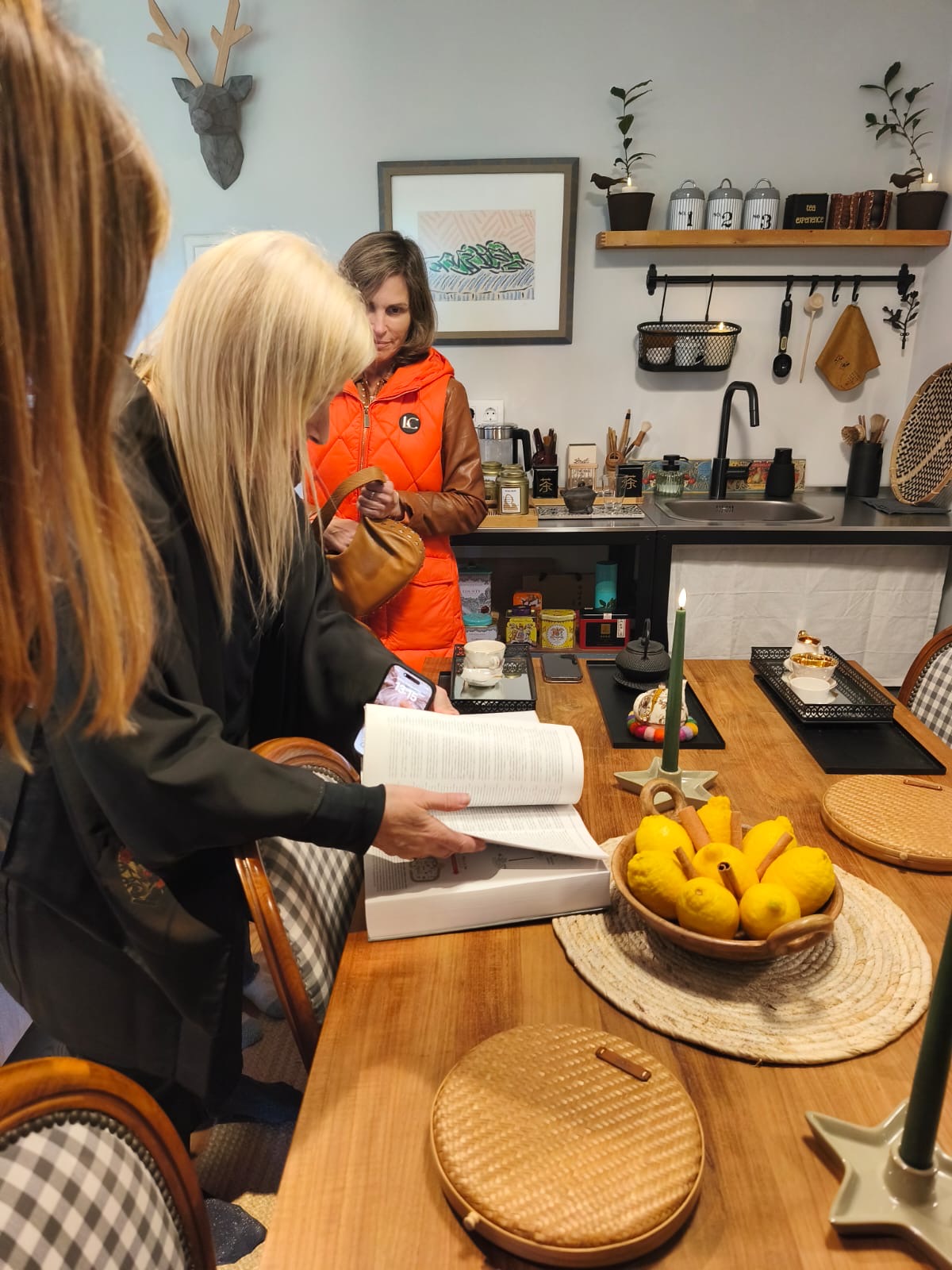
The tea house features a training room and a library dedicated to tea and nature, surrounded by a new tea plantation, grown in the shade, which triples the size of the original 2008 plantation. This new plantation beneath the trees enhances biodiversity and forest protection; camellias are excellent natural firebreaks; thanks to their bark that does not flake off, their dense foliage and their broad, moist leaves do not burn easily; they act as effective barriers against fire, slowing down the flames and ash, and are recommended to rural communities as protection against forest fires.
The project originated at the Pazo de Quinteiro da Cruz, a family-owned estate, featuring a 19th-century garden designed by a French landscape architect and restored by my parents in the 1970s. It is the place where I grew up, surrounded by camellias. Tea is one of the 50 medicines of traditional Chinese medicine and is Camellia sinensis; being a doctor by profession and growing up amongst camellias has led me to develop this project, which has unfolded step by step, with the calm and holistic vision that defines it a life project that promotes the agri-food, industrial and tourism sectors, revitalising the rural area where it is located: the Salnés Valley in Pontevedra, Galicia, Spain. A project that promotes tea culture, sustainability and an improved quality of life for people. Its philosophy, based on sustainability, preserves the biodiversity of the environment and fosters respect for nature through environmental and cultural education grounded in botanical principles, sustainability, circular economy, 2030 Agenda, reaching people from all over the world who visit us throughout the year.
The tea garden was established in 2008 as Spain’s first tea plantation. It is an organic farm, with entirely artisanal harvesting and processing, using its own methodology based on permaculture and the circular economy as the foundation of its design, alongside Chinese and Japanese traditions, and holds food craftsmanship certification. It enjoys highly productive harvests from April to October. Since December 2025, it has featured a wooden tea house built on a foundation of micropiles; this installation process has a minimal impact on the land; its load-bearing structure is a lightweight timber frame made of Galician pine, a sustainable material with low environmental impact and high energy efficiency, which promotes the bioeconomy through responsible forest management and acts as a carbon sink, storing carbon throughout the building’s lifespan.
The tea garden was established in 2008 as Spain’s first tea plantation. It is an organic farm, with entirely artisanal harvesting and processing, using its own methodology based on permaculture and the circular economy as the foundation of its design, alongside Chinese and Japanese traditions, and holds food craftsmanship certification. It enjoys highly productive harvests from April to October. Since December 2025, it has featured a wooden tea house built on a foundation of micropiles; this installation process has a minimal impact on the land; its load-bearing structure is a lightweight timber frame made of Galician pine, a sustainable material with low environmental impact and high energy efficiency, which promotes the bioeconomy through responsible forest management and acts as a carbon sink, storing carbon throughout the building’s lifespan.
Circular Economy
Nature-based solutions
Resilience
Eco-design
social inclusion
Three pillars: the pursuit of sustainability, the promotion of tea culture (the world’s second most consumed beverage after water) and the improvement of people’s quality of life. The tea house is situated in the estate’s woodland, where forest protection and management measures have also been implemented. New Camellia sinensis plantations have been established beneath the trees, creating a shade-grown tea plantation that will help improve biodiversity, retain moisture and act as a firebreak in the event of heat stress. The tea house draws inspiration from Chinese, Japanese and Western cultures, enabling the organisation of various tea ceremonies, tastings and training programmes.
It also houses a thematic library in several languages and aims to foster knowledge, project and product design, and convey the culture of sustainability, the circular economy, nature-based solutions, social inclusion, beauty, the life cycle and belonging the values and pillars of the New European Bauhaus helping people to live in the present moment. The design and construction of the tea house have been subsidised by the Xunta de Galicia; as it uses Galician pine, it holds the FORTRA timber traceability code, and all the timber comes from locally grown Galician pines, managed sustainably.
Since October 2025, we have been part of ‘Galicia Destino Sostenible’, a product club established in 2022 to respond to an ever-growing demand and need: to make tourism a responsible activity, seeking its comprehensive sustainability from environmental, social and economic perspectives. We have joined this club because of our commitment to providing services within the framework of responsible tourism with low environmental impact, which look after people and are dedicated to the conservation of the region’s tangible and intangible heritage. Galicia Sustainable Destination is an initiative of the Galicia Tourism Cluster, funded by the Xunta de Galicia through the Galicia Tourism Agency.
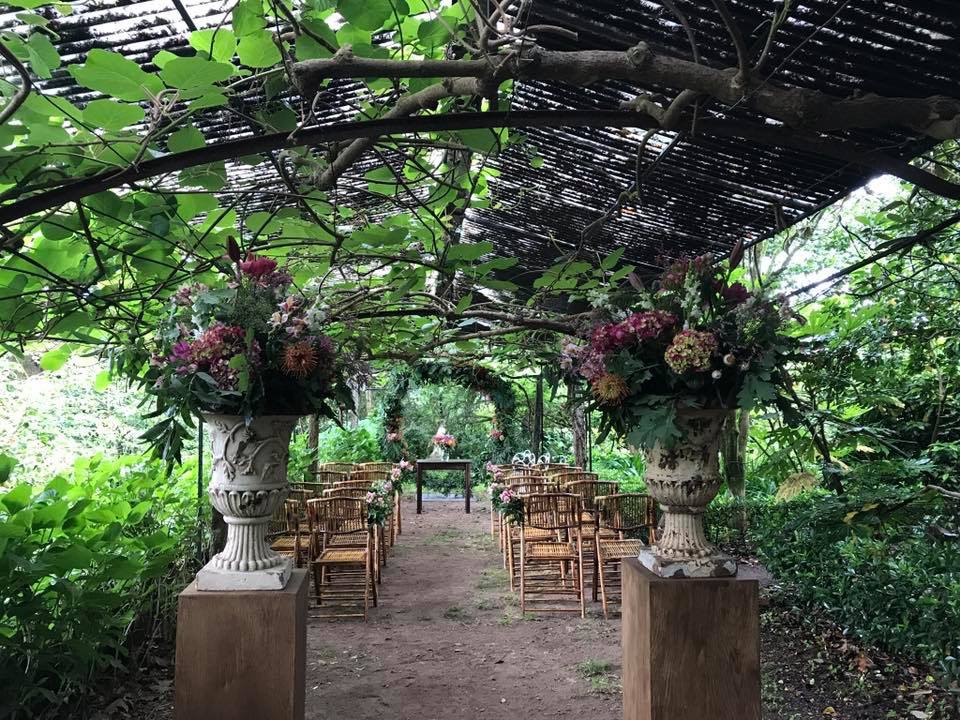
We are part of the European Route of Historic Gardens in Galicia; we are an internationally recognised Garden of Excellence for camellias, and we are a resource that the Galician Regional Government uses to attract tourism to Galicia, just as the Council of Europe, through the route, seeks to promote and raise awareness of historic gardens – as defined by the International Committee on Historic Gardens (ICOMOS-IFLA) in the 1981 Florence Charter – by generating a high-quality cultural and tourism offering that contributes to the sustainable development of the regions where historic gardens are located. The Project contributes to the route’s objectives: to raise awareness of and promote historic gardens through the European Route of Historic Gardens; to foster collaboration with public administrations and private entities to carry out joint initiatives of mutual interest. To develop a relationship with the Council of Europe and other European institutions, working closely with the European Institute of Cultural Routes. To develop and promote educational activities related to the network’s historic gardens and aimed at young people, with the aim of fostering an understanding of their origins and strengthening European identity. To promote research, dialogue and the exchange of best practices regarding the enhancement of cultural heritage. Harmonise, within the framework of sustainable development, the cultural and tourism activities carried out in the areas where the historic gardens are located.We organise themed tours and experiences throughout the year, and more and more people are visiting us thanks to the immersive experience and the beautiful surroundings.
We hold the SIDTEC Quality Tourism certification
We hold the SIDTEC Quality Tourism certification
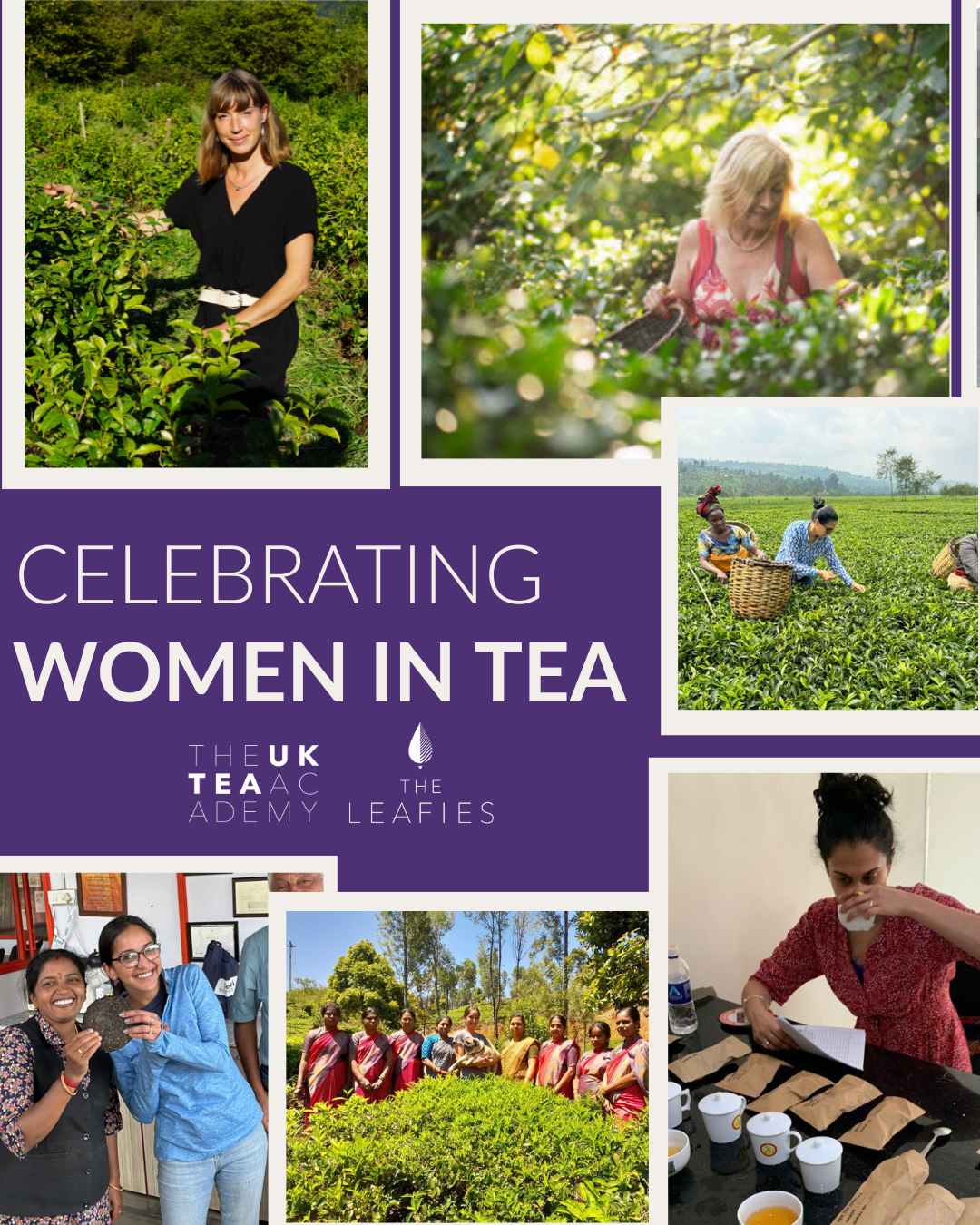
The Pazo Quinteiro da Cruz tea house project involves the creation of a meeting place within a heritage and natural setting, designed in accordance with the principles of universal accessibility, sustainability and social participation, where everyone can enjoy the experience of tea, the garden and the culture without physical, sensory or social barriers. Universal accessibility Removal of architectural barriers: ramps, adapted paths, spaces accessible to people with reduced mobility. Information in various formats. Sensory inclusion: Gardens designed to stimulate smell, touch, sight and hearing, experiences adapted for people with sensory diversity Social inclusion A space open to different groups (families, older people, people with disabilities). We collaborate with the University of Vigo to train students in work integration programmes and also collaborate with local associations. Design for all ages, with a culturally inclusive approach to promoting Galician heritage in a comprehensible and accessible way. Participatory activities (tastings, workshops, adapted guided tours). As a distinguishing feature of the project: It integrates historical heritage, nature and social inclusion. It transforms the tea house into a space for wellbeing and social interaction, a project where the visitor experience. is de 2023, the project was awarded the PIONER prize at THE LEAFIES, an international award that recognises the world’s most outstanding teas and producers. This year, I have been chosen as one of the women who is shaping the future of the tea industry, to mark 8 March and serve as an example of an empowered woman in the world of tea.
The human value of historic gardens, highlighting their role as places of collective memory and emotional resonance, beyond their artistic or botanical significance.
Various events related to feminism, equality, and an art exhibition to give a voice to women and girls who have undergone genital mutilation.
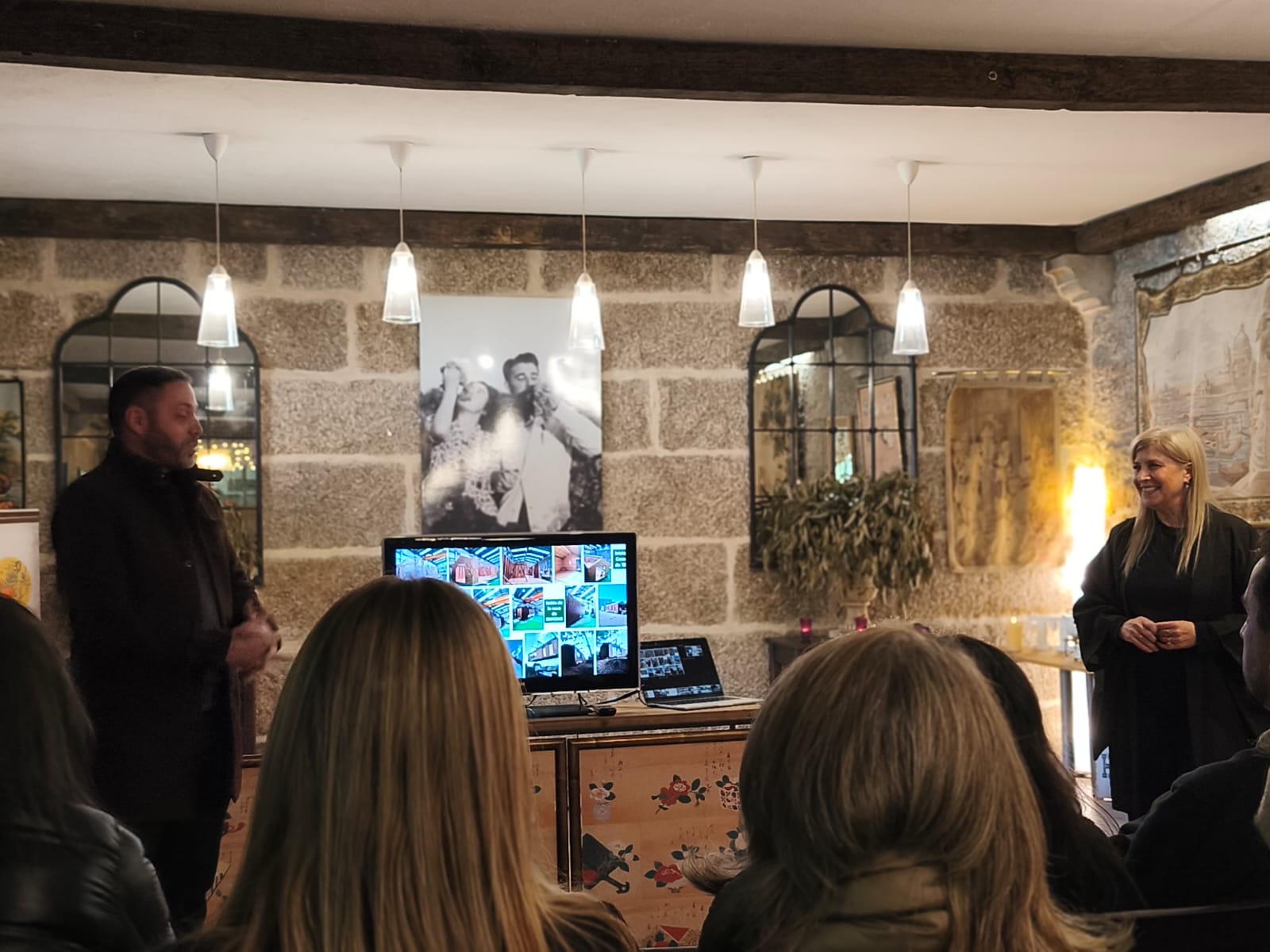
The tea project is a life’s work that has been implemented step by step through the learning and collaboration of many people who have been directly or indirectly involved over time. It has been in the making for 25 years, and the tea house is a dream come true that has been realised Thanks to the collaboration and participation of people such as the architects I have worked with, who understood the project and were able to develop it; people in my circle who offered their support; and various groups and individuals who, over the years, have been able to come and discover the place, enjoying the different experiences that have been developed with the collaboration of people of different nationalities who have enriched the project.
Being part of the International Camellia Society has enabled us to publish papers and present at conferences around the world, which has helped to raise awareness of and promote the project; to participate in research projects with Galician universities and the University of Valencia, where we have developed a cotton fabric with UPF 50 sun protection made from tea, which is now part of MATERIOTECA: natural materials from Galicia, where I was a finalist and helped promote the Xunta de Galicia’s MATERIOTECA; participate in FITUR, the International Tourism Fair, where I held a tea tasting at the Xunta de Galicia’s stand; and give a masterclass at the Xunta de Galicia’s Higher School of Hospitality to share my knowledge.
I have hosted students from Italy at the University of Gastronomic Sciences, taken part in television programmes promoting culture and health, and shared knowledge about the importance of nature. We are part of SLOW FOOD and collaborate with the NGO Interculturas to promote the ‘Light for Girls’ campaign to eradicate violence against girls worldwide. To this end, I have created a charity tea that helps raise awareness of this campaign and also provides financial support.
This project forms part of a family venture that my parents started in the 1970s, focusing on two areas of sustainability: wine and camellias. My parents instilled in us the importance of nature, and this has helped us to become part of various routes at local, provincial, regional, national and international levels. As well as being part of the Galician Historic Gardens Route, the Camellia Route, the Wine Route and the European Historic Gardens Route, this has broadened our knowledge and enabled us to develop various collaborative projects, which have helped us to progress and reach where we are today. Thanks to the Galician Regional Government, which has believed in the project, we have been able to weave together the various initiatives that have made the tea house a reality and ensured the project has the scope I envisaged back in 2000, when I first began to visualise and co-create the Pazo Quinteiro da Cruz tea project. We collaborate with Ribadumia Town Council, as it is an attraction for the area, for the Rías Baixas and the Salnés region – an area dedicated to Albariño wine and very popular in summer – but with this project and the Garden, visitors come all year round to enjoy the camellia garden trail, with the camellias blooming mainly in autumn, winter and spring.In 2014, we were recognised as a botanical garden by the Royal Botanical Garden of Spain, and in 2018, in China, the International Camellia Society recognised the Garden as a Garden of International Excellence for Camellias, highlighting the camellia collection, the tea plantation, and the experiences centred around camellias and tea.
We collaborate with the European Historic Gardens Route to highlight the importance of garden sustainability. Every 26 April, European Historic Gardens Day is celebrated, and we organise a conference featuring a round-table discussion open to the public to share knowledge.This event involves collaboration with Galician universities, the Galician School of Landscape
We collaborate with the European Historic Gardens Route to highlight the importance of garden sustainability. Every 26 April, European Historic Gardens Day is celebrated, and we organise a conference featuring a round-table discussion open to the public to share knowledge.This event involves collaboration with Galician universities, the Galician School of Landscape
The Pazo Quinteiro da Cruz tea house project involves the creation of a meeting place within a heritage and natural setting, designed according to the principles of universal accessibility, sustainability and social participation, where everyone can enjoy the experience of tea, the garden and culture without physical, sensory or social barriers. The project integrates technical, creative and social disciplines to build a complex and coherent experience. It is not just a tea house, but a cultural, environmental and human ecosystem, where architecture, nature, education and inclusion work together to generate value. Principles of inclusion applied: Universal accessibility, Sensory inclusion, Social inclusion, Design for all ages, Inclusive cultural approach, Gardens designed to stimulate smell, touch, sight and hearing, Experiences adapted for people with sensory diversity, Space open to different groups: families, older people, people with disabilities, pet-friendly. Collaboration with local associations. Promotion of Galician heritage in an understandable and accessible way. Participatory activities (tastings, workshops, adapted guided tours).
Distinctive value of the project a space for wellbeing and social interaction that integrates historical heritage, nature and social inclusion. Architecture and spatial design: Restoration and adaptation of a heritage site, Design of functional, welcoming and accessible spaces, Integration between interior (tea house) and exterior (garden), Use of local materials and sustainable solutions, the tea house blends into the surroundings, nature-based solutions. Environmental sciences and landscape architecture Design of the tea garden as a living ecosystem, conservation of biodiversity and responsible water use, creation of sensory trails within the landscape.
Social sciences and cultural management: Design of experiences for diverse visitors, social inclusion and universal accessibility, interpretation of historical and
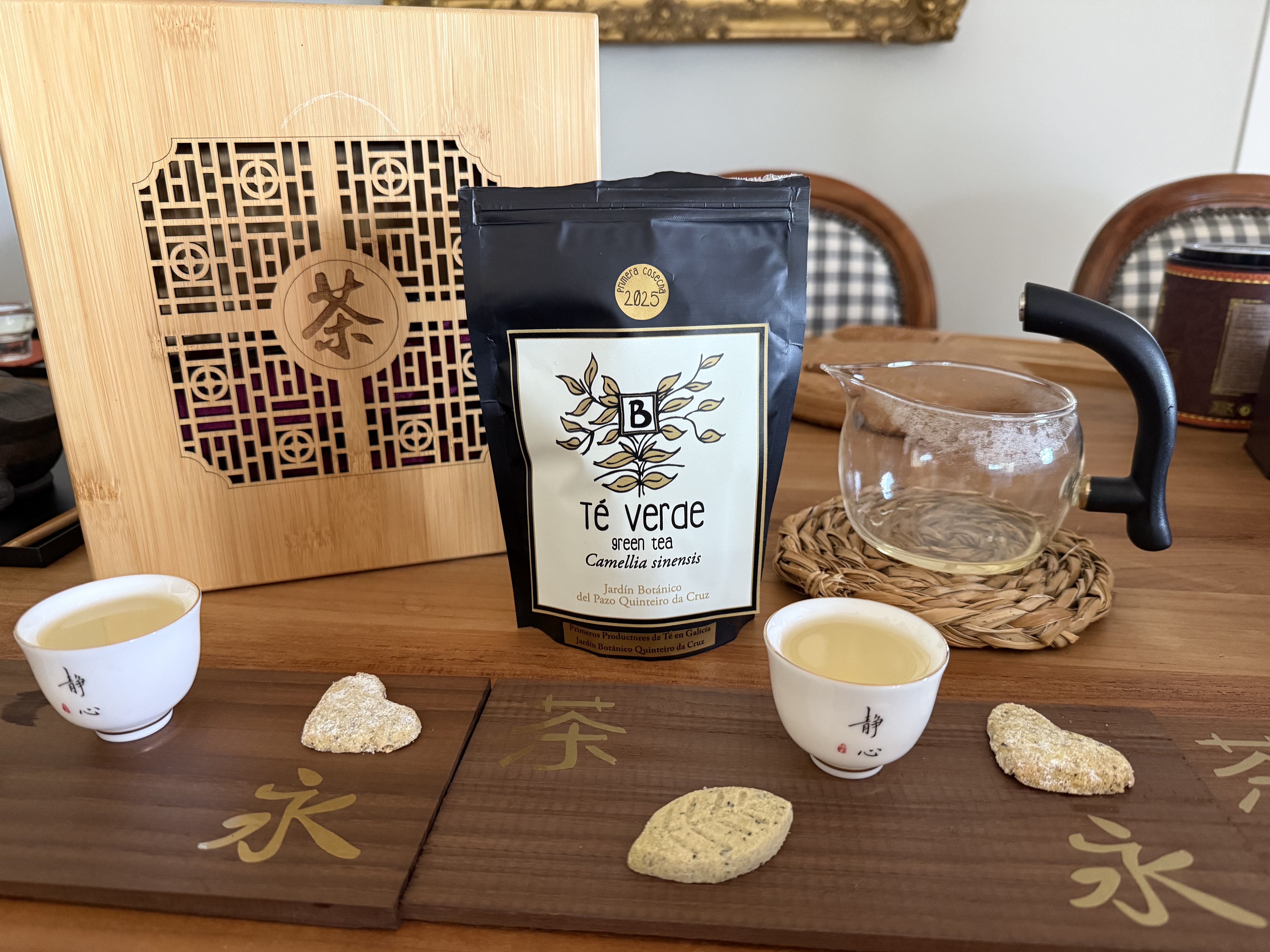
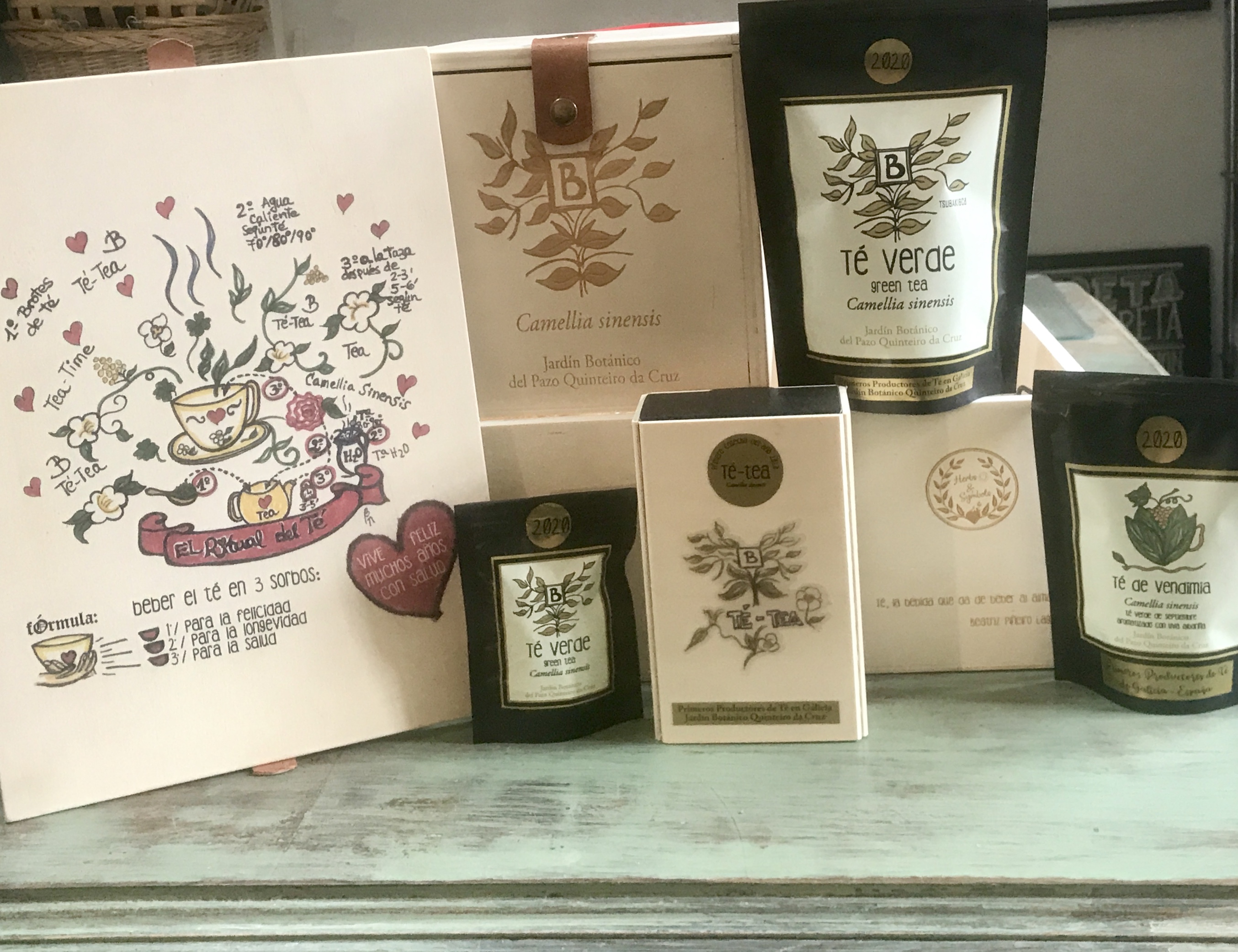
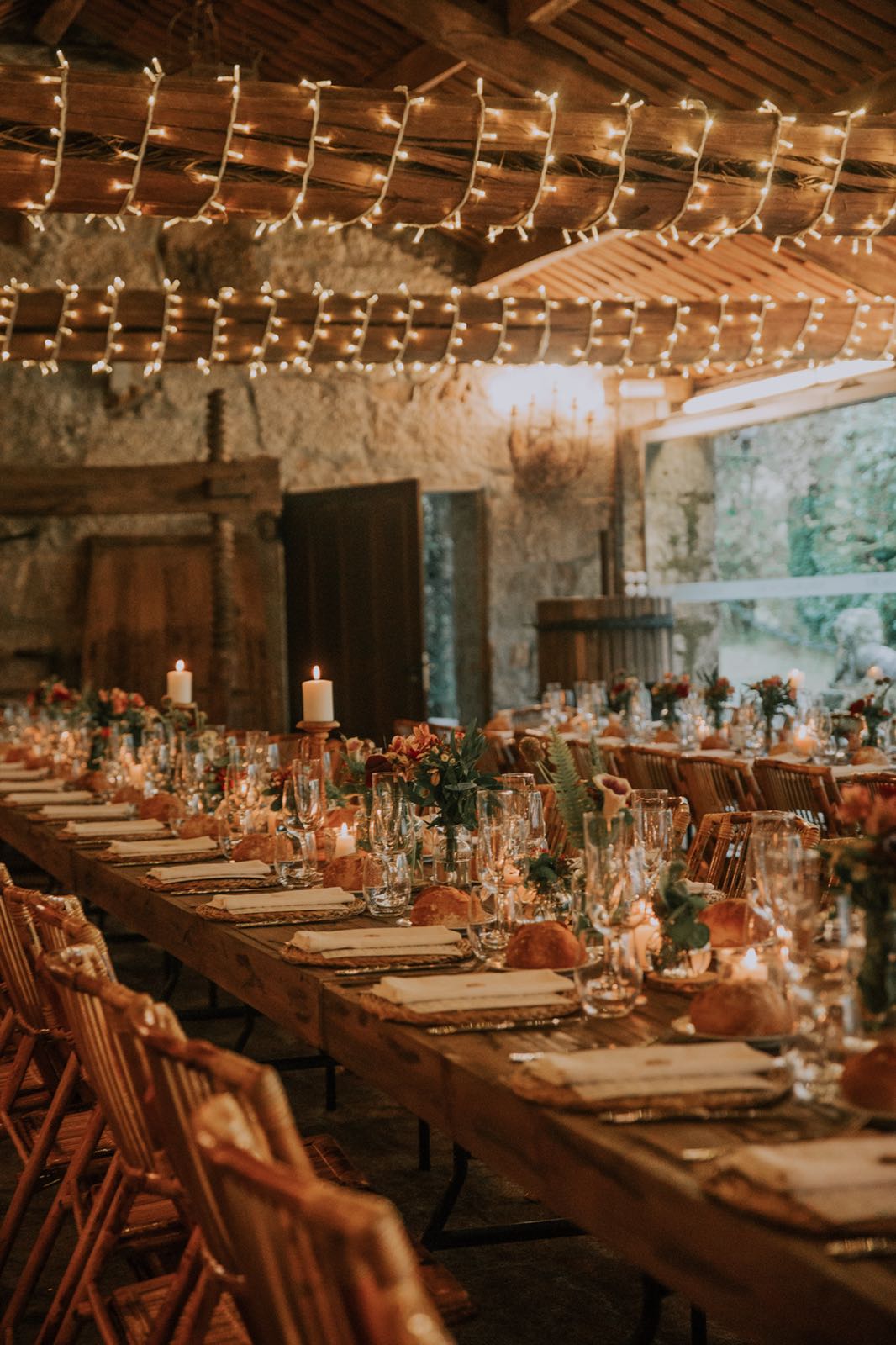
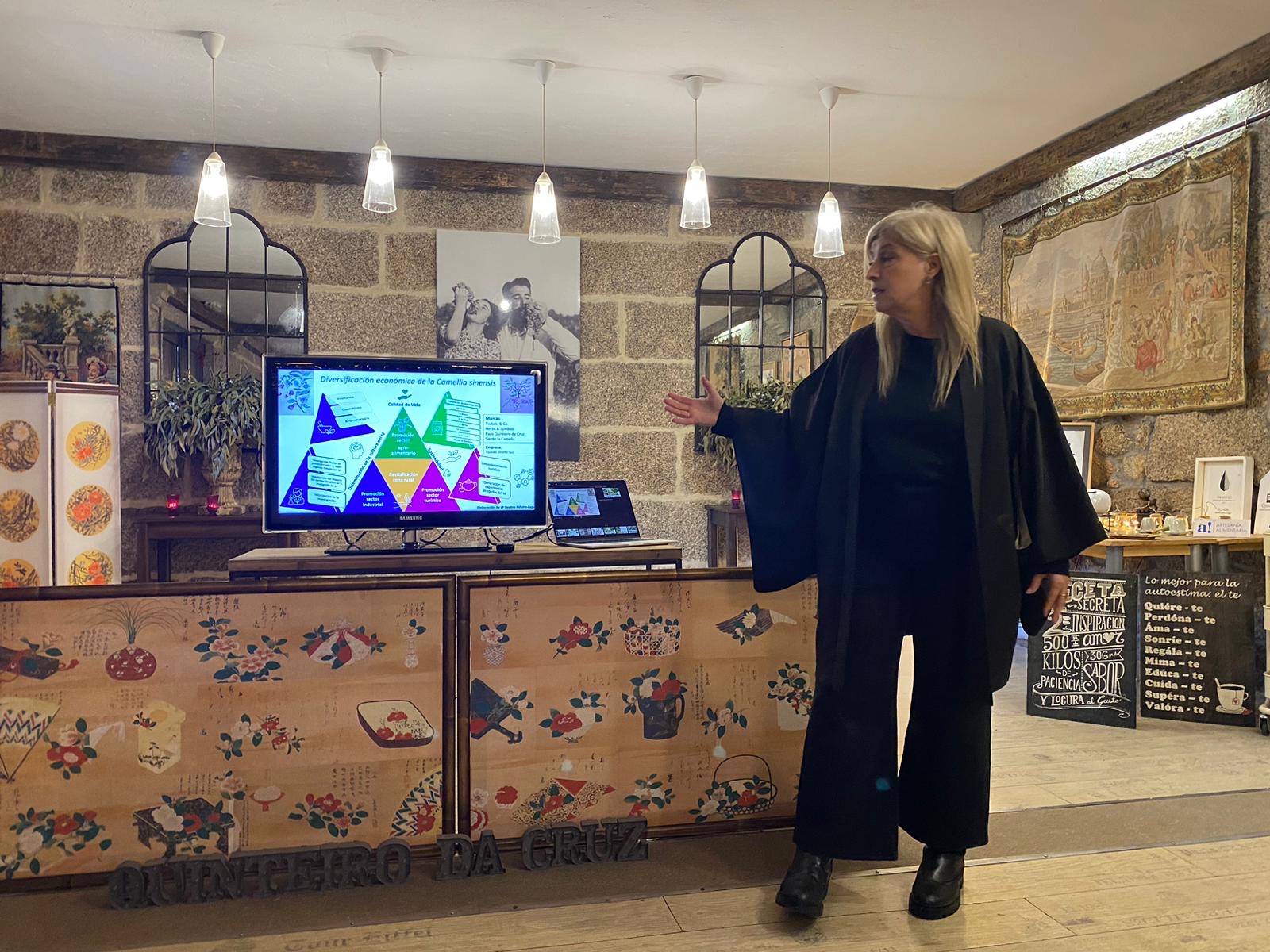
This project is based on the diversification of Camellia sinensis for tea production, product development, experiential activities, research projects and the dissemination of knowledge. Visits are organised throughout the year with an entrance fee; experiences are offered and various products are sold, such as tea and tea-based products; various revenue-generating events are held; the tea house features a dedicated training room, but we also have various spaces on the estate that allow us to host activities for small or large groups. One example is the tea experiences on the tourist trains, where 100 people can take part in a tour and enjoy tea and petit fours. Every year, we hold the international ‘Feel the Camellia’ event https://pazoquinteirodacruz.es/vii-jornada-internacional-de-la-camelia/ https://pazoquinteirodacruz.es/siente-la-camelia/ I have taken part in the Juana de Vega Foundation’s 11th Support Programme for Agri-Food Businesses, ‘TECENDO O FUTURO DA GALICIA RURAL’, to better focus the business model and expand it so that it is financially sustainable. The tea plantation is registered with the health authorities, is recognised as an agricultural holding and holds the Galician artisan food certification. The Galician Government promotes products with this certification that form part of Galician Artisanship, which helps to raise the profile of the products, generate value and ensure the project’s presence at local, regional, national and international levels.Being part of various routes –such as the historic gardens, the camellia route and the wine route and working with tour operators means there is an ever increasing influx of visitors, which helps the project to remain sustainable.The lines of research being developed are part of improving quality of life and developing products that will generate wealth and value.The sale of products also generates income, and this project is thriving, continuing to move forward and developing new avenues of sustai
Which elements of your project could be replicated or transferred to other locations, beneficiary groups or contexts (for example, aspects of the methodology, technology, processes, products, tools or key lessons, etc.)The methodology can be transferred, as has been done with the tea plantation and the design of the tea house, through the design and implementation project; the research processes we are developing are published and can be replicated – this link is an example:
https://www.sciencedirect.com/book/edited-volume/9780123849373/tea-in-health-and-disease-prevention Our project can be transferred to other locations; in fact, my aim is to help ensure it can be replicated in different ways and that tea-producer cooperatives can be developed in this area, where Camellia sinensis grows very well, but it can also be replicated elsewhere.I am a member of the European Tea Producers’ Association and my project is already helping to expand projects already underway in different parts of Europe; in Spain, other projects are being launched that are already based on this Pazo Quinteiro da Cruz tea project; there are many interested parties and the aim now is key takeaways: I share the story of the project at various events, which give me the opportunity to introduce it to others; I have taken part in FITUR:
https://pazoquinteirodacruz.es/presentacion-y-cata-de-te-del-jardin-de-te-del-pazo-quinteiro-da-cruz/
The Pazo Quinteiro da Cruz tea project is now featured in the STUDY OF THE CIRCULAR ECONOMY ECOSYSTEM IN GALICIA; This study forms part of the analysis of Galicia’s circular economy ecosystem within the framework of project 495_CIRCULAR_LABS_6_E (Promoting entrepreneurship for the circular economy in the Iberian region), approved by the Management Committee of the INTERREG V-A Spain-Portugal Cooperation Programme (POCTEP) 2014–2020.
https://marketplace.circularlabstoolkit.eu/sites/default/files/202110/Ecosistema%20economía%20circular%20Galicia%20CircularLabs_.pdf