Arts, Culture, and Heritage as Drivers of Change
On Our Streets
On Our Streets: Youth Voices for Safer and Inclusive Urban Spaces
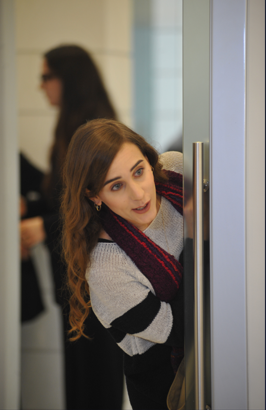
"On Our Streets" is a short film created by young Italians (with European collaborators) to highlight challenges on our streets, inspire youth engagement, and encourage dialogue with local authorities. Through cinema, it transforms urban spaces into platforms for creativity, inclusion, and community action.
Italy
National
It addresses urban-rural linkages
It involves other types of transformations (soft investment)
Yes
2025-03-28
No
No
No
Organisation
“Sulle nostre strade” is a short film project completed in 2024 by Italian youth with participation from young Europeans. It addresses social challenges on local streets, promoting safety, awareness, and civic engagement while empowering youth as active agents of change.
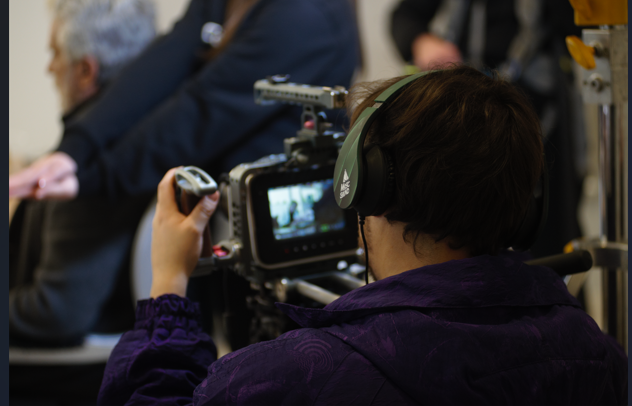
Through practical filmmaking workshops, participatory storytelling, and community activities, young participants co-created the script, acted, and produced the film, applying “learning by doing” and collaborative problem-solving.
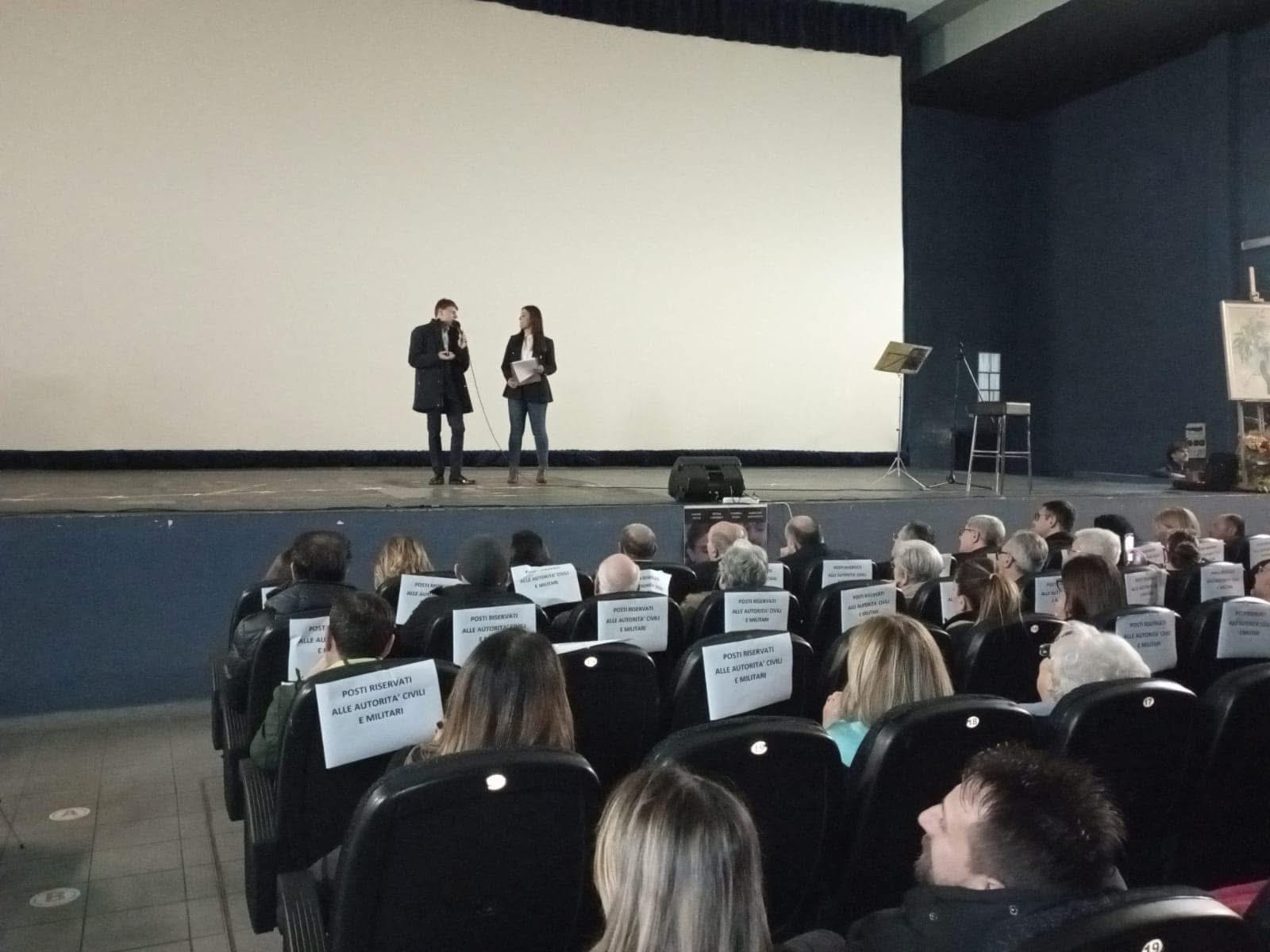
Results achieved: The film has been screened locally and online, reaching over 1,500 viewers. 25 participants, including young people with fewer opportunities, gained skills in filmmaking, communication, and teamwork. The project also fostered dialogue with local authorities on street safety and inclusion.
Long-term impact: The project offers a replicable methodology for youth-led media initiatives, empowering participants with skills, confidence, and civic responsibility. It inspires other communities to use arts and culture for social transformation.
NEB values: Sustainability through long-term social impact, inclusion by engaging underrepresented youth, and beauty by combining artistic expression with meaningful social messages.
Working principles: Participatory process with youth co-creation, multi-level engagement connecting young people, educators, and authorities, and a transdisciplinary approach integrating filmmaking, social research, and community engagement.
“Sulle nostre strade” shows how arts and culture can strengthen communities, foster inclusion, and empower the next generation, fully reflecting the New European Bauhaus values and principles.
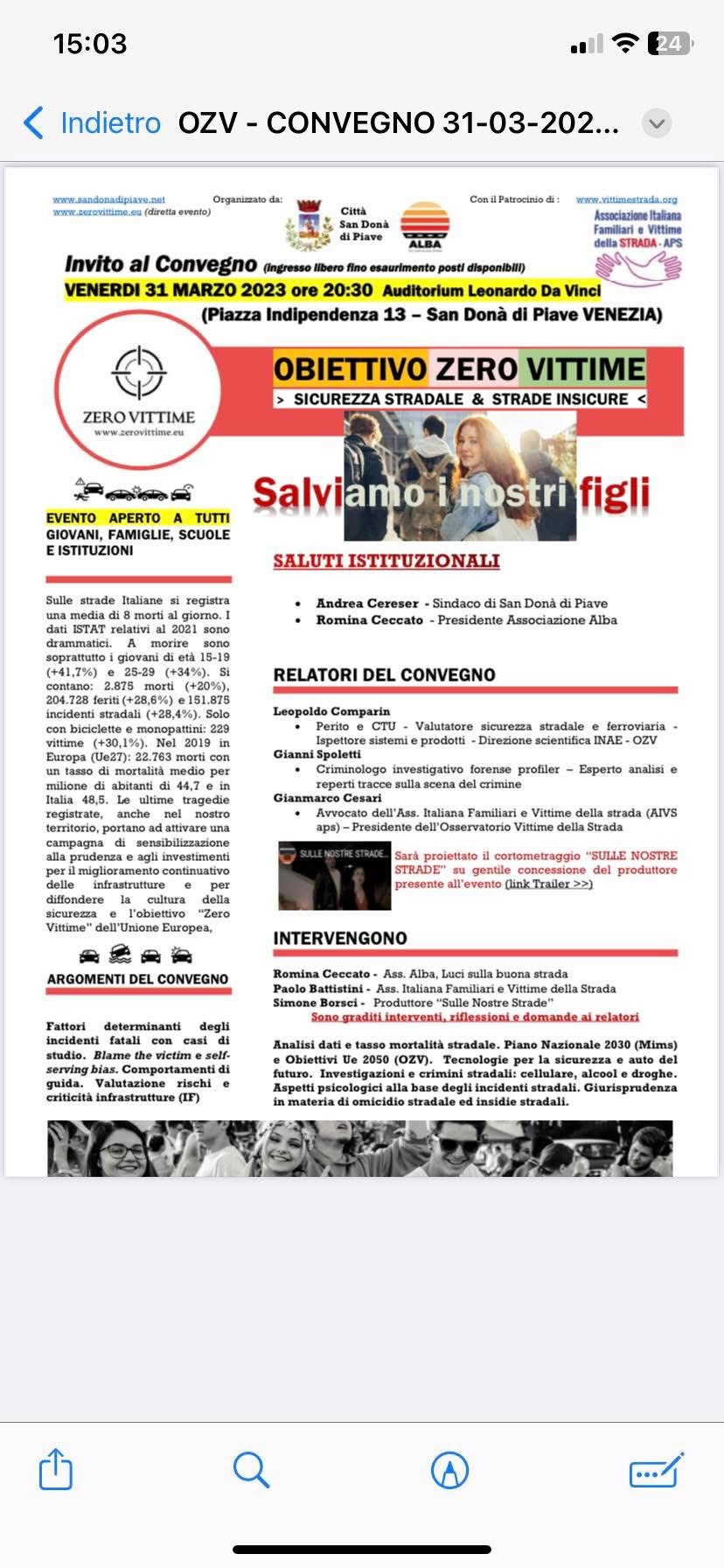
The project “Sulle nostre strade” was born from the personal experiences of families who lost young loved ones in road accidents. Motivated to turn tragedy into awareness and prevention, these families collaborated with Cinegiovani APS to involve youth directly in creating a short film addressing road safety and social responsibility.
The implementation involved several stages: participatory workshops to co-create the script, acting and directing sessions with young participants, and hands-on training in filming, editing, and storytelling. The project engaged 25 young people, including those with fewer opportunities, fostering teamwork, creativity, and civic awareness.
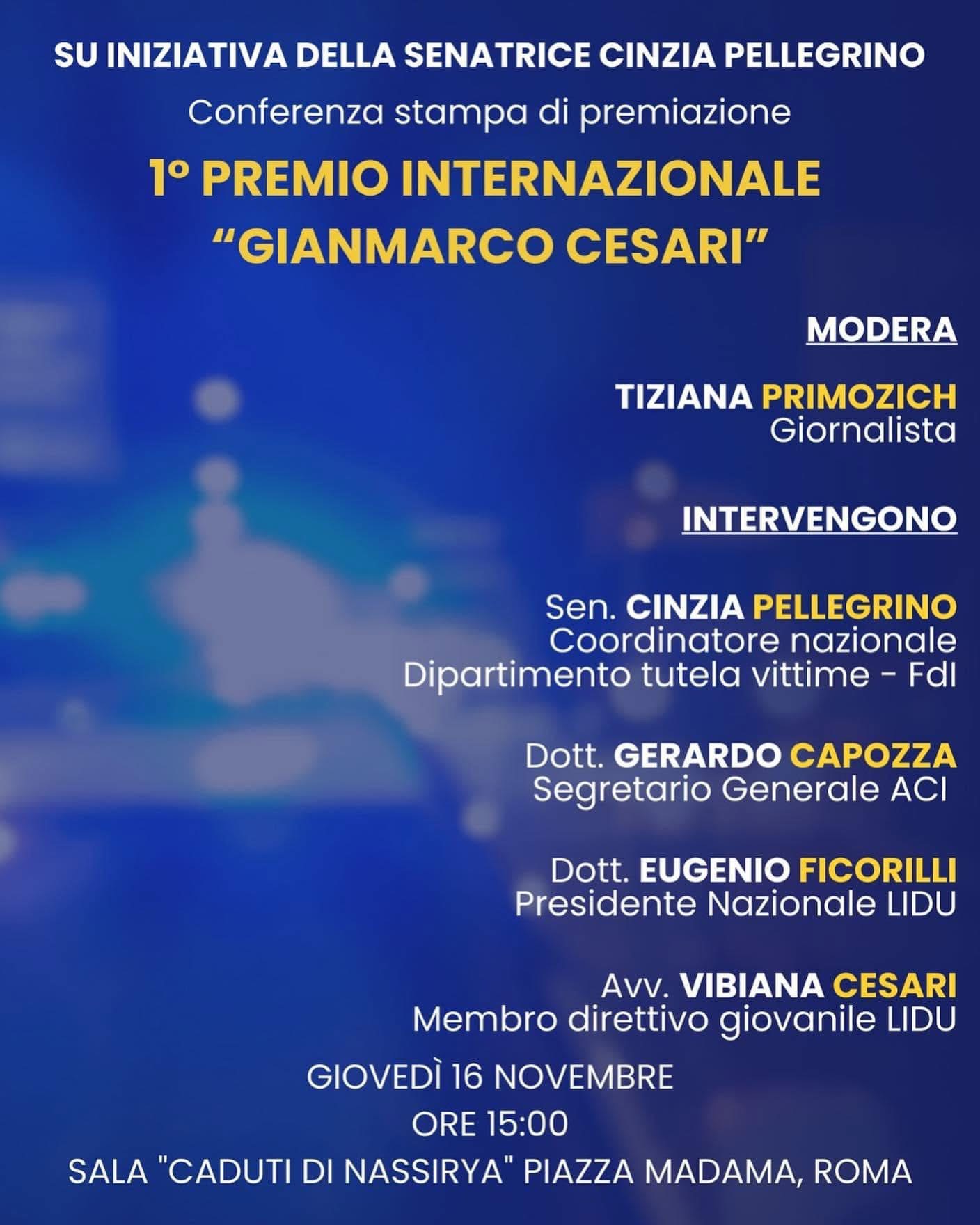
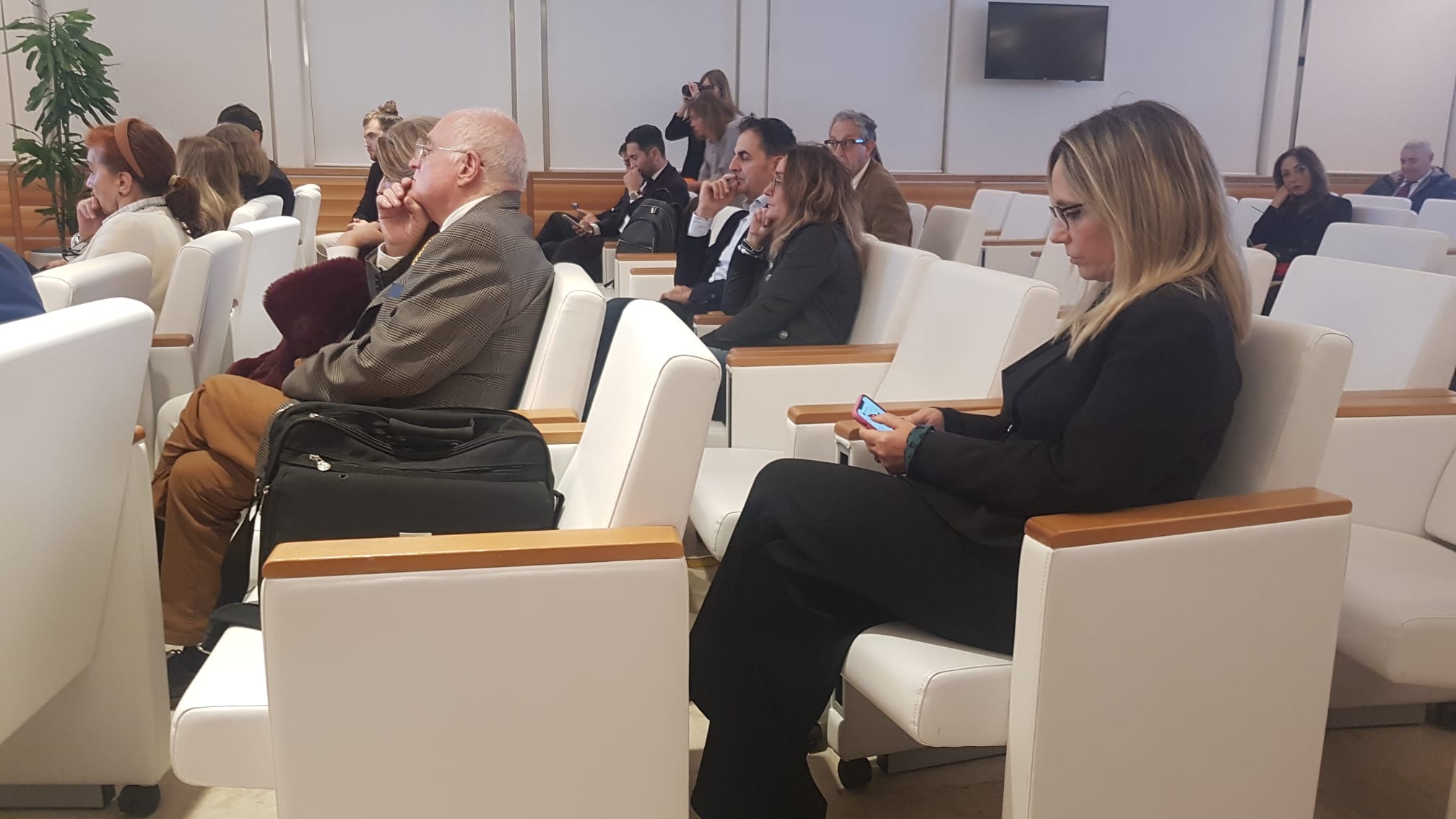
Local schools, community centers, and municipal authorities (also national like "Senato della Repubblica" were actively involved, providing spaces, guidance, and support for screenings. The film was premiered locally and shared online, reaching over 1,500 viewers and sparking public discussion on road safety and youth engagement.
By combining artistic expression, education, and social action, the project not only gave voice to young people but also created a replicable model for using culture and participatory methods to address pressing social issues. It strengthened community ties and encouraged dialogue between youth, families, and local institutions, demonstrating tangible social impact.
Key NEB principles applied: participatory process, multi-level engagement, transdisciplinary approach, inclusion, and creating meaningful experiences with long-term social and cultural value.
Youth empowerment
Road safety awareness
Participatory storytelling
Social inclusion
Community engagement
The project “Sulle nostre strade” addresses social and educational challenges by promoting road safety awareness among young people and engaging local institutions. In terms of social sustainability, the short film creates a lasting impact by including youth with fewer opportunities, developing transversal skills (storytelling, audiovisual production, teamwork), and fostering active community participation. Culturally, it values real-life experiences and participatory narratives, contributing to shared memory and positive behavior change. Economically, its participatory, low-budget approach shows that cultural and social projects can generate long-term value without heavy material resources, minimizing waste and providing a model that can be replicated in other local contexts.
As a NEB sustainability example, the project applies non-formal learning and “learning by doing” methodologies, generating durable social impact, promoting intergenerational collaboration, and ensuring access to creative opportunities for disadvantaged youth. This makes it a sustainable, inclusive, and replicable initiative that strengthens the community while fostering awareness, skill development, and social cohesion.
As a NEB sustainability example, the project applies non-formal learning and “learning by doing” methodologies, generating durable social impact, promoting intergenerational collaboration, and ensuring access to creative opportunities for disadvantaged youth. This makes it a sustainable, inclusive, and replicable initiative that strengthens the community while fostering awareness, skill development, and social cohesion.
The project “Sulle nostre strade” contributes to making life more beautiful by transforming difficult social realities into meaningful, creative experiences. Through the medium of film, it gives voice to young people affected by traffic accidents, turning their stories into shared narratives that foster empathy, reflection, and dialogue. By using audiovisual storytelling, visual composition, and participatory techniques, the project creates an engaging and emotionally resonant experience that encourages communities to care for one another and their public spaces.
The short film also promotes a sense of belonging: participants work collaboratively, share personal experiences, and connect with peers and local institutions, strengthening intergenerational ties and community cohesion. By addressing real-life challenges in a visually compelling and thoughtful way, the project exemplifies how aesthetics can merge with social purpose, offering both immediate emotional impact and long-term cultural value. The combination of creative expression, careful narrative construction, and participatory design makes the initiative a model of aesthetic excellence that inspires pride, reflection, and collective care for the neighborhood and its members.
The short film also promotes a sense of belonging: participants work collaboratively, share personal experiences, and connect with peers and local institutions, strengthening intergenerational ties and community cohesion. By addressing real-life challenges in a visually compelling and thoughtful way, the project exemplifies how aesthetics can merge with social purpose, offering both immediate emotional impact and long-term cultural value. The combination of creative expression, careful narrative construction, and participatory design makes the initiative a model of aesthetic excellence that inspires pride, reflection, and collective care for the neighborhood and its members.
The project “Sulle nostre strade” is exemplary in terms of inclusion because it actively engages young people from diverse backgrounds, including those with fewer opportunities, in all phases of creation—from scripting and acting to production and post-production. By providing accessible workshops and participatory filmmaking, the project removes barriers to cultural and creative participation, ensuring that all voices are heard and valued.
The project promotes inclusive governance by involving participants in decision-making processes, fostering co-creation and shared responsibility, and connecting them with local institutions, educators, and peers. It applies “design for all” principles by making activities physically, socially, and economically accessible, creating safe spaces for expression and learning. By centering the lived experiences of vulnerable communities and amplifying their perspectives through film, the project fosters social cohesion, empathy, and a sense of belonging.
Through these actions, “Sulle nostre strade” demonstrates a replicable model of inclusion: a cultural initiative that empowers participants, strengthens community networks, and ensures equitable access to creative, educational, and civic opportunities for all, leaving a lasting impact on both individuals and their broader social environment.
“Sulle nostre strade” was developed through a deeply participatory approach, involving young people, families affected by road accidents, educators, and local civil society organizations from the very beginning. Participants were not only beneficiaries but co-creators, contributing to scriptwriting, character development, and production decisions. Workshops and collaborative sessions ensured that every voice was heard, fostering ownership and empowerment.
Civil society organizations helped connect the project with local schools, municipalities, and youth groups, ensuring broad and diverse participation. Their involvement enabled the project to address real community needs, raising awareness about road safety while giving young participants practical skills in filmmaking and teamwork.
The participatory process enhanced social cohesion, empathy, and intergenerational dialogue. Participants reported a stronger sense of agency and responsibility, and the project created a shared narrative that reflects the experiences and concerns of the community. By placing citizens and affected families at the center, “Sulle nostre strade” exemplifies a model where co-creation not only produces meaningful artistic outputs but also strengthens civic engagement, trust, and local networks, leaving a lasting impact beyond the film itself.
“Sulle nostre strade” engaged stakeholders at multiple levels to maximize its impact and ensure a broad, coordinated approach. Locally, schools, youth associations, and families of victims were central partners, participating in workshops, script development, and film production. Municipal authorities provided institutional support, facilitated access to public spaces for filming, and promoted the project through local networks.
At the regional level, road safety organizations and cultural institutions contributed expertise, resources, and guidance on awareness campaigns, linking the project to broader public initiatives. Nationally, collaborations with Italian film and youth networks, and the collaboration with the Senato della Repubblica, including a special screening of the film, amplified visibility and highlighted the project’s relevance to national policymaking and civic awareness.
Finally, at the European level, young participants from other EU countries were involved in exchange workshops and co-creation sessions, offering diverse perspectives and fostering cross-border dialogue. This multi-level engagement enriched the project by combining local knowledge with regional, national, and international perspectives, increasing both its social relevance and replicability. The coordinated involvement of stakeholders ensured that “Sulle nostre strade” became a community-driven, culturally resonant initiative with measurable social impact, fostering civic engagement, awareness, and collaboration across all societal layers.
The project “Sulle nostre strade” integrated multiple disciplines and knowledge fields to achieve a holistic approach. The arts and film disciplines were central, with young filmmakers and professional directors collaborating on scriptwriting, cinematography, and editing. Social sciences informed the content, ensuring that the narratives reflected real social issues, risk behaviors, and the psychological impact of traffic accidents on families and communities.
Education specialists contributed to the workshops and learning-by-doing sessions, developing participatory methods for young people to engage creatively and reflect on road safety. Design and digital technologies were applied in the production process, including set design, visual storytelling, and digital editing tools, to enhance accessibility, engagement, and impact. Environmental and urban planning considerations informed the choice of filming locations and public spaces, connecting the project to broader urban safety and community well-being themes.
Finally, governance and civic engagement knowledge shaped the collaboration with municipal authorities and national institutions, including the Senato della Repubblica, ensuring that the project aligned with public policy goals and participatory frameworks. This transdisciplinary approach allowed “Sulle nostre strade” to merge creative, social, educational, and policy-oriented perspectives, resulting in a comprehensive, replicable model that combines artistic expression with tangible social impact and civic awareness.
The project “Sulle nostre strade” is managed by Cinegiovani APS, a non-profit organization with a sustainable operational model. Its financial sustainability relies on a combination of public funding, private sponsorships, and donations from individuals and partner organizations. Previous funding from local authorities and cultural grants enabled the production of the short film and related educational workshops.
Revenue-generating activities include ticketed screenings, both in cinemas and schools, and licensing of the film for educational purposes and community events. In addition, crowdfunding campaigns and in-kind contributions (equipment, volunteer work, technical support) have supported production and dissemination.
The project is designed for long-term impact by creating replicable workshops and educational kits that can be adopted by schools, municipalities, and NGOs, generating both social and modest financial returns to reinvest in future editions. This blended model, combining public, private, and community resources, ensures the project can continue, scale, and expand its outreach across Italy and Europe, while maintaining alignment with NEB values of inclusion, sustainability, and beauty.
The “Sulle nostre strade” project is designed to be highly replicable and transferable to other regions, communities, and target groups. Its core methodology—participatory filmmaking combined with educational workshops—can be adapted to different local contexts, allowing young people to explore social issues relevant to their communities.
Key elements for replication include:
Workshop methodology – hands-on, “learning by doing” approach that engages youth in storytelling, teamwork, and creative expression.
Film production model – low-cost, community-driven short film creation that can be applied to various topics, from road safety to social inclusion or environmental awareness.
Educational and awareness toolkit – materials developed for schools and community organizations can be easily adapted for other regions or countries.
Community engagement framework – participatory co-design of content ensures local relevance while fostering intergenerational dialogue.
Partnership model – collaboration with schools, municipalities, NGOs, and institutions, such as national government bodies, which can be replicated to strengthen local ownership.
By combining cultural production, education, and civic engagement, the project creates a scalable model that can inspire youth-led initiatives, strengthen community resilience, and promote inclusive social action across Europe and beyond. Its tools, methodologies, and partnerships provide a blueprint for replication in both urban and rural settings, maximizing social impact and fostering long-term behavioral change.