Enablers for New European Bauhaus Transformation
Traditions
Traditions
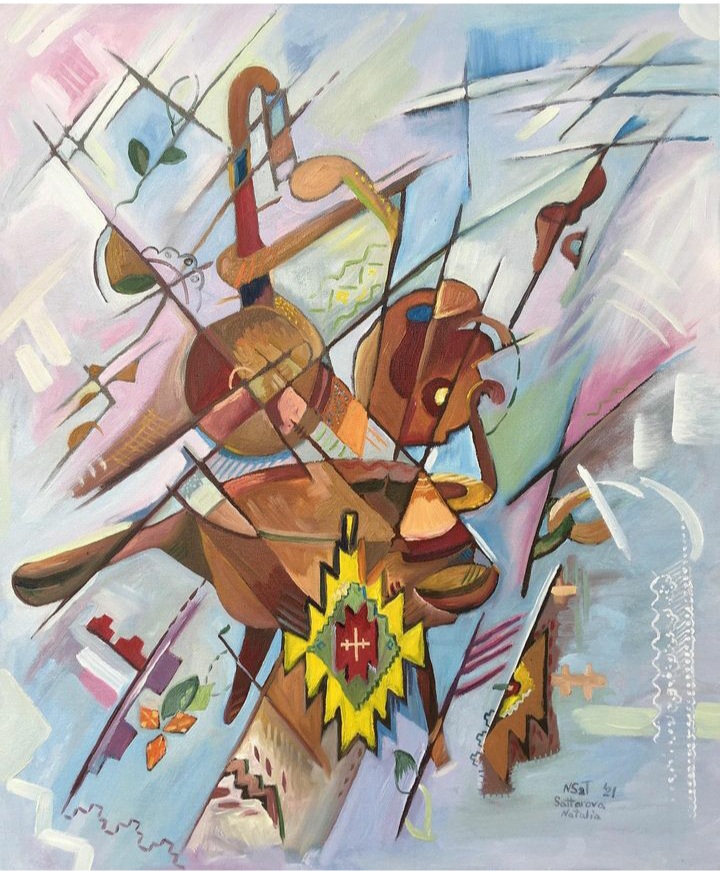
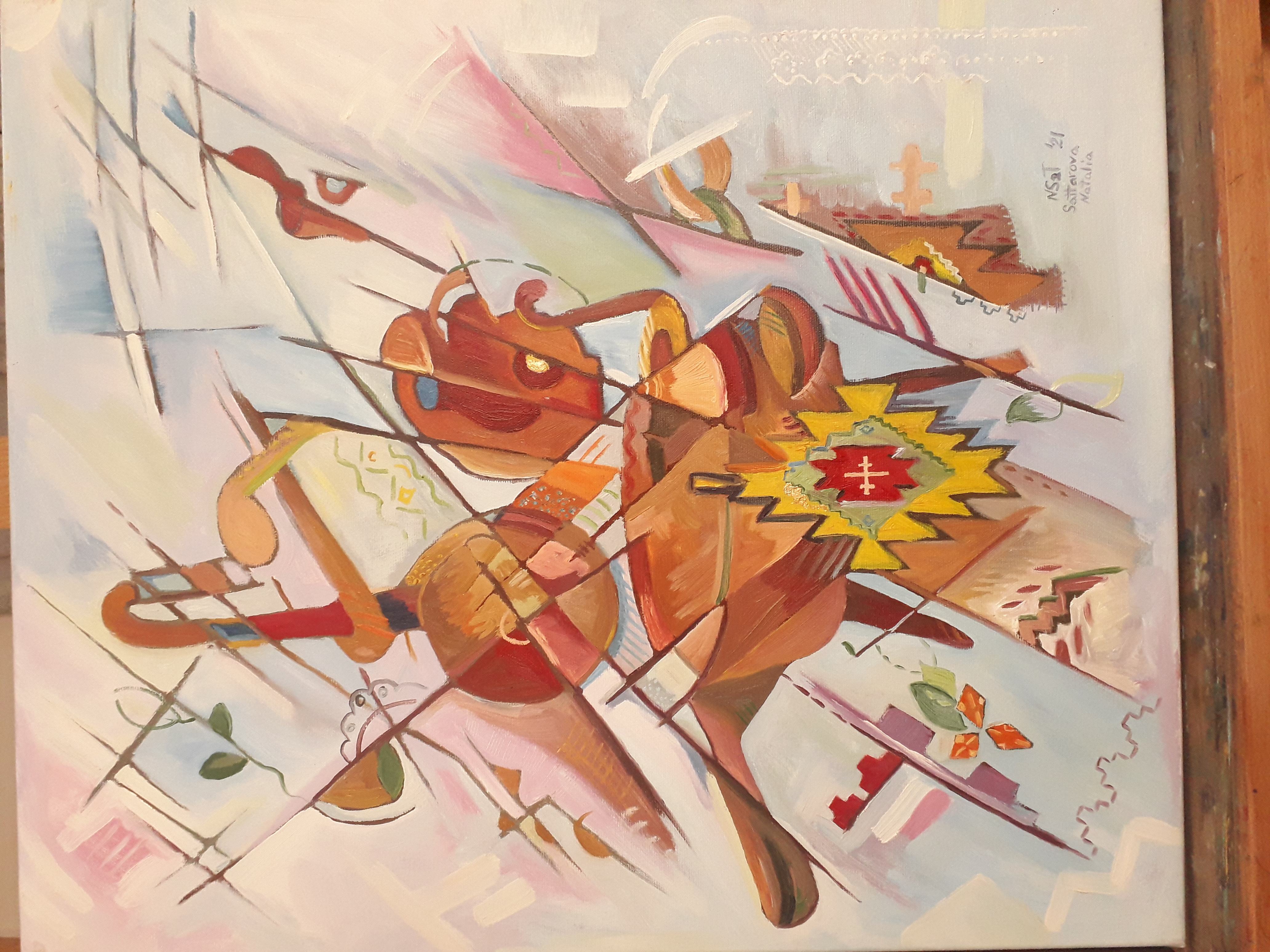
“Traditions” can be understood as a visual metaphor for the continuity of cultural heritage. The combination of folk patterns, abstract shapes, and movement suggests that traditions are not static—they are living elements that connect history, people, and culture.
Moldova
National
It addresses urban-rural linkages
It involves other types of transformations (soft investment)
Yes
2021-08-29
No
No
No
Individual
The project “Traditions” explores the visual language of cultural heritage through contemporary abstract painting. The work investigates how traditional symbols, ornaments, and patterns can be reinterpreted in modern artistic forms while preserving their cultural meaning. By combining geometric structures, organic shapes, and elements inspired by folk art, the project reflects the continuity between past and present.
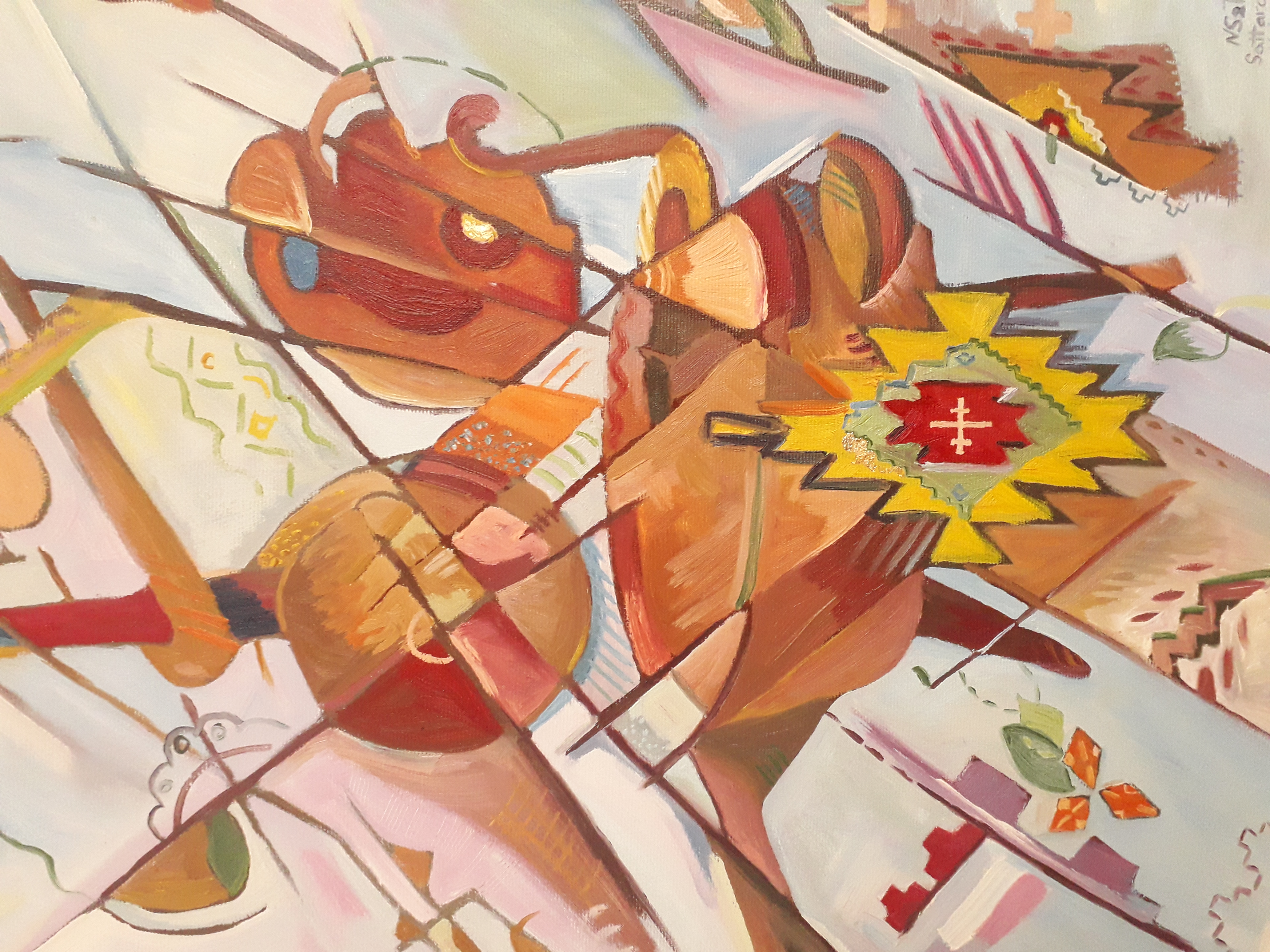
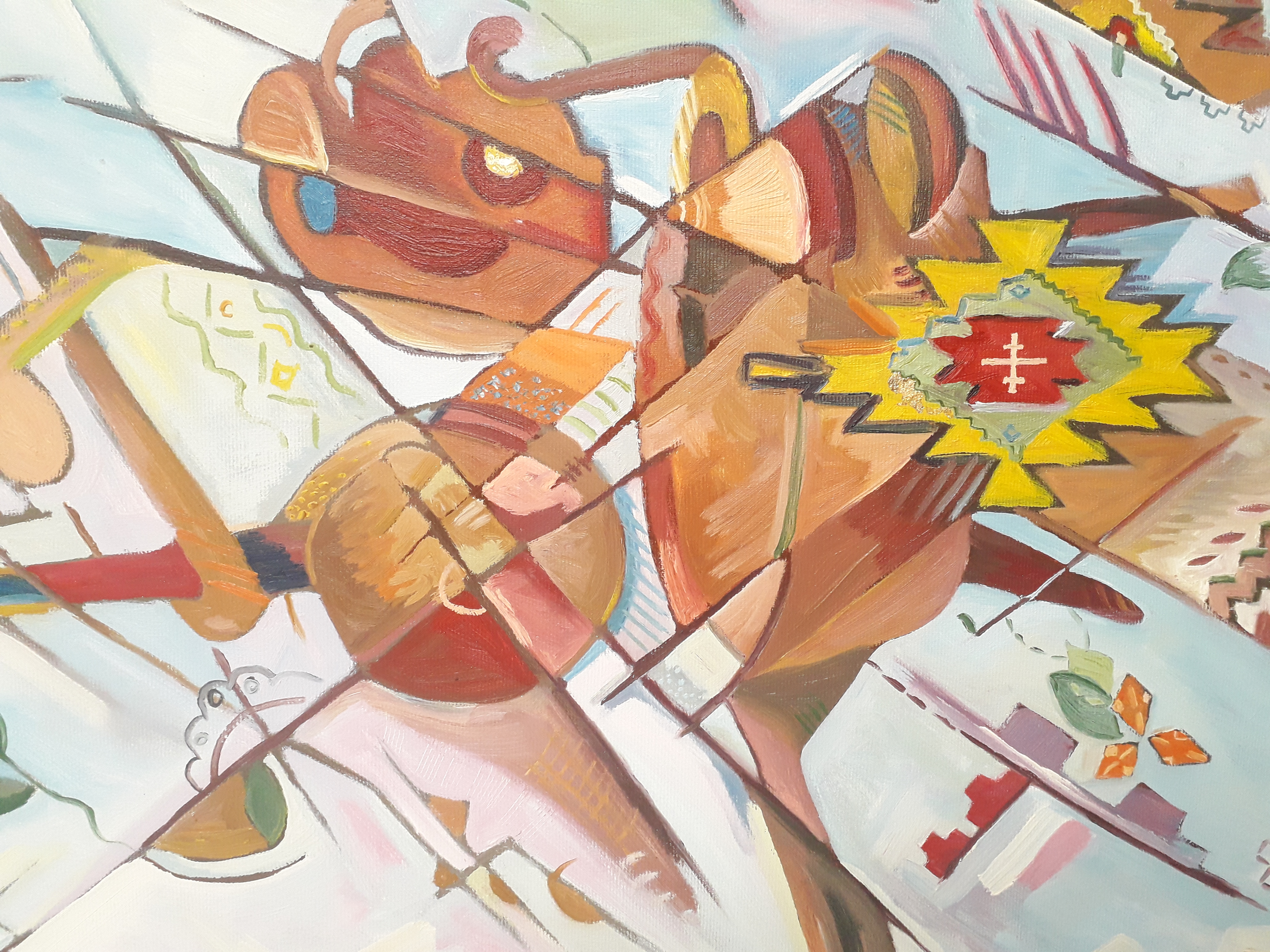
The painting integrates motifs reminiscent of traditional textiles, embroidery, and decorative art. These visual references symbolize cultural memory and the transmission of knowledge across generations. Through layered composition and intersecting lines, the artwork suggests how traditions evolve, interact, and adapt within modern society.
One of the key results of the project is the creation of a visual dialogue between historical cultural elements and contemporary abstraction. The artwork successfully demonstrates how traditional motifs can exist beyond their original context and become part of modern artistic expression. The completed painting serves as both an aesthetic exploration and a reflection on identity, heritage, and collective memory.
In the long term, the project contributes to the preservation and reinterpretation of cultural traditions within contemporary art practice. It encourages audiences to reconsider the value of traditional symbols and recognize their relevance in modern cultural discourse. By transforming traditional visual elements into abstract compositions, the project aims to keep cultural heritage alive while allowing it to evolve creatively for future generations.
It started in a Pein Air with a group of Moldovian artist, in an art residency in Romania. Romania and Moldova have a very close traditions and same origins. In a plein air usualy I painting what I see around, butI wanted to a painting what is in common Romanian and Moldovan people, they like gather together with friends, family and by traditions take spend lots of time in their kitches and prepare traditional foods and share good memories about relatives.
The painting “Traditions”, medium oil on canvas, emerged from a personal interest in exploring how cultural heritage can be translated into contemporary visual language. Inspired from modern art, abstract and bauhaus, Kadinsky but the idea developed from observing traditional ornaments, textiles, and decorative motifs that carry symbolic meanings and represent the identity of different communities. These visual elements inspired a desire to reinterpret traditional culture through abstract painting while preserving its emotional and cultural resonance.
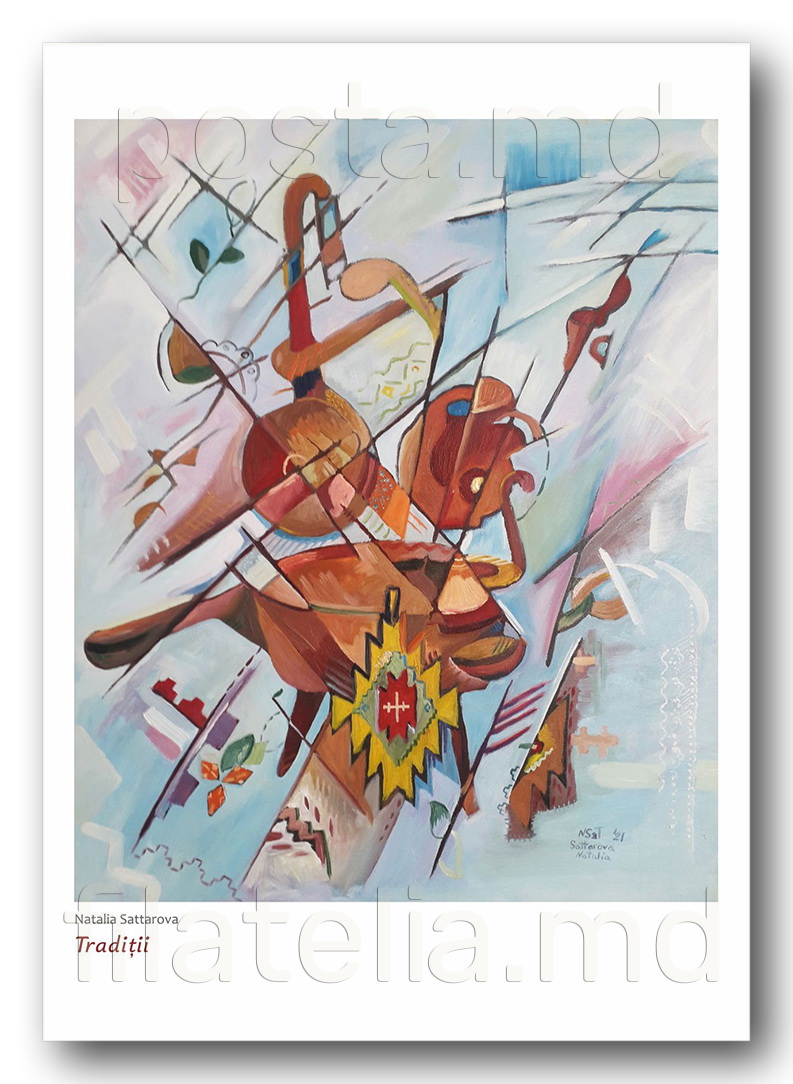
In 2024 this painting was selected by Î.S. "Poșta Moldovei" for national and international use Post card, with limioited edition.
Through this process, the project became not only a finished artwork but also an exploration of how traditional culture can be preserved and reimagined within contemporary art practice.
Traditions
Ethnicity
Modern
Cultural heritage & symbolism
Artistic
The project “Traditions” addresses sustainability by connecting cultural heritage with contemporary artistic practice while encouraging environmentally conscious approaches to art production and public space.
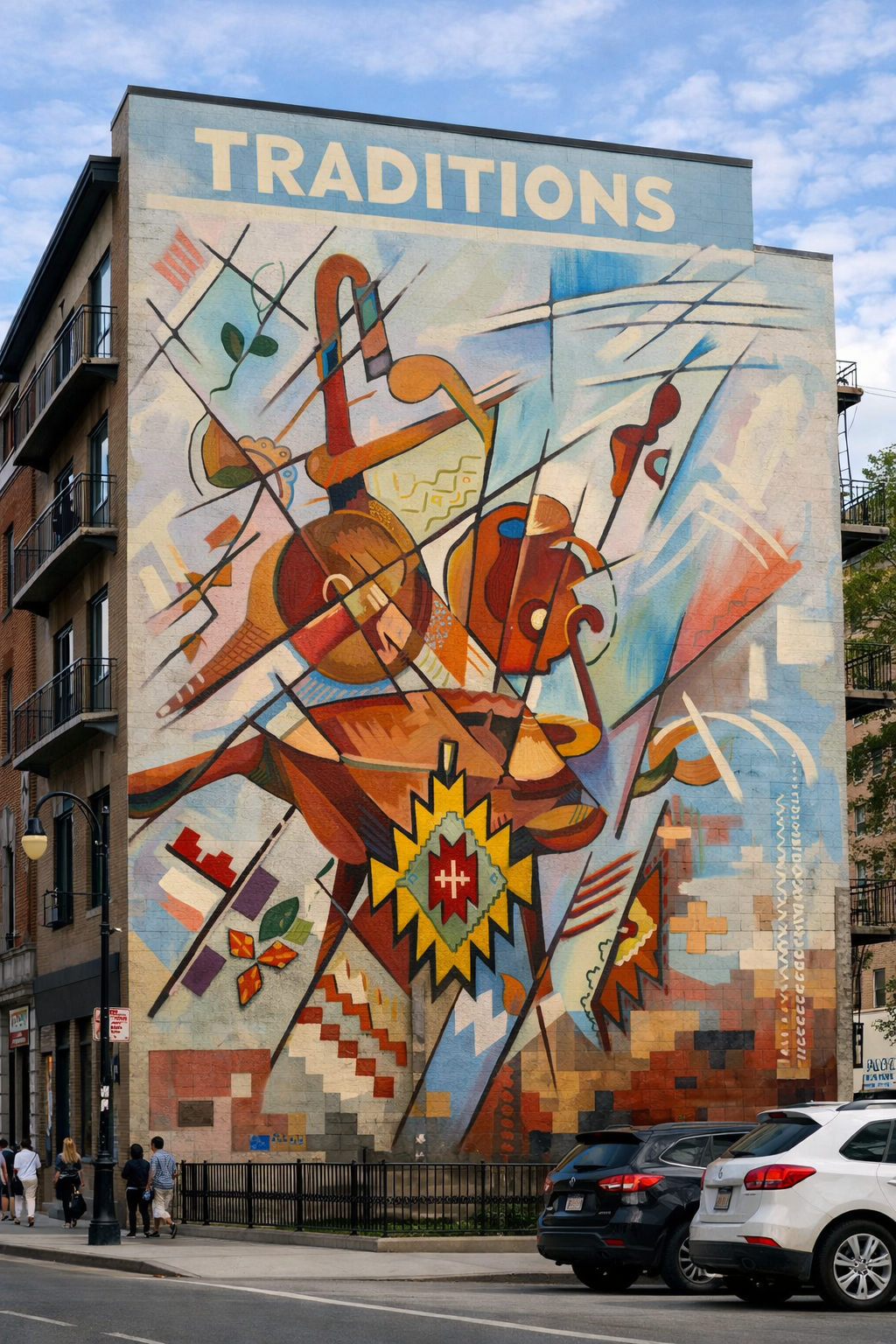
From an environmental perspective, the project promotes long-term artistic value and responsible material use. The artwork can be realized as a large-scale mural using durable, environmentally friendly paints and materials designed for long-lasting outdoor use. This approach supports sustainability by reducing the need for frequent repainting or replacement, minimizing material waste, and encouraging longevity in artistic production.
The project also reflects principles related to circular thinking and eco-design. Instead of creating entirely new visual systems, the artwork reinterprets traditional patterns, ornaments, and folk motifs. By reusing cultural knowledge and visual heritage as a source of inspiration, the project demonstrates how existing cultural resources can be transformed into new contemporary expressions.
If implemented as a mural in an urban environment, “Traditions” can also contribute to more sustainable and human-centered public spaces. Transforming blank building facades into meaningful cultural artworks improves the visual quality of the urban environment and encourages people to engage more positively with their surroundings. Public murals can help create a stronger relationship between communities, culture, and the built environment.
Incorporates organic forms and nature-inspired elements, symbolizing growth, continuity, and the interconnectedness between culture and nature, through these visual references, the project highlights the importance of maintaining balance between cultural development and environmental awareness.
Overall, “Traditions” demonstrates how contemporary art can support sustainability by combining durability, cultural regeneration, and thoughtful use of public space.
The project “Traditions” contributes to aesthetics and quality of experience.
Through a dynamic composition of geometric structures, organic shapes, and motifs inspired by traditional ornaments and folk art, the artwork creates a visually engaging experience that attracts attention and invites reflection.
When will be implemented as a mural in an urban space, the project could transform a plain building façade into a distinct cultural landmark. The visual language of the artwork combines contemporary abstraction with traditional symbols, allowing the mural to resonate with local cultural narratives while remaining open to interpretation by diverse audiences. This combination helps connect the artwork to the unique identity and cultural memory of the place in which it is located.
The project also fosters a sense of belonging by referencing familiar cultural patterns and decorative elements that many people associate with heritage, craftsmanship, and shared traditions. By reinterpreting these motifs in a modern artistic form, the project creates a bridge between generations, encouraging viewers to recognize elements of their cultural background in a new and inspiring context.
In addition to its visual impact, the mural contributes to the quality of everyday life in the neighborhood by introducing color, rhythm, and artistic expression into the built environment. Public art has the ability to transform ordinary spaces into places of encounter, dialogue, and cultural exchange, strengthening emotional connections between people and their surroundings.
Through this approach, “Traditions” integrates enduring cultural values into contemporary urban design, demonstrating how art can enhance public space while celebrating cultural identity and shared heritage. The project exemplifies how aesthetic interventions can create meaningful, lasting experiences that contribute to more vibrant, inspiring, and culturally connected communities.
The project “Traditions” promotes inclusion by making art and cultural heritage accessible to a wide public audience. Implemented as a public mural in urban space, the artwork is freely accessible to everyone regardless of age, background, education, or economic status.
The visual language of the project is intentionally universal and open to interpretation. While inspired by traditional ornaments and cultural motifs, the abstract composition allows viewers from different cultural backgrounds to connect with the artwork in their own way. This approach celebrates cultural diversity and encourages dialogue between generations.
“Traditions” also promotes design for all principles by using clear visual structures, strong color contrasts, and large-scale forms that are easily visible and understandable in the urban environment.
The project encourages community interaction and collective ownership of public space. Public artworks often become meeting points and visual reference points within neighborhoods, helping to strengthen social connections and reduce feelings of spatial isolation.
Through its open accessibility, celebration of cultural diversity, and integration into public space, “Traditions” demonstrates how art can create inclusive cultural experiences, making creativity and cultural reflection available to all members of the community.
The project “Traditions” encourages participation by involving local communities and audiences in the interpretation, discussion, and future development of the artwork.
In the development phase, the project included research and observation of traditional decorative forms and cultural symbols that are part of the local and regional visual culture. These references were used to create a contemporary abstract composition that reflects the cultural context of the community.
If implemented as a public mural, the project provides opportunities for further community involvement.
Residents, local organizations, and cultural groups can be invited to participate in discussions about the themes, location, and interpretation of the artwork. Such engagement encourages dialogue about cultural heritage, identity, and the role of art in public space.
The project “Traditions” supports multilevel governance by creating opportunities for collaboration and dialogue between stakeholders at local, regional, national, and European levels, particularly in the context of public art, cultural heritage, and urban development.
At the local level, the project primarily engages with residents, local cultural organizations, and community members who interact directly with the artwork in their everyday environment.
At the municipal and regional levels, collaboration with local authorities, cultural institutions, and urban development stakeholders can support the integration of the artwork into public space. These actors can facilitate access to appropriate locations, ensure that the mural aligns with urban design strategies, and help promote the project as part of broader cultural and community initiatives.
At the national and European levels, the project aligns with wider cultural and policy frameworks that encourage the preservation of cultural heritage, public art initiatives, and creative approaches to sustainable urban development. Programs that support cultural exchange and artistic innovation can provide visibility, networking opportunities, and potential funding for projects that connect tradition with contemporary creative practices.
The project “Traditions” reflects a transdisciplinary approach by combining knowledge and methods from several fields, including visual arts, design, cultural studies, architecture, and urban space development. The core of the project is contemporary painting, but its concept and potential implementation as a public mural connect artistic practice with broader cultural, spatial, and social perspectives.
From the perspective of visual arts and design, the project explores abstract composition, color relationships, geometric structures, and the reinterpretation of traditional decorative motifs. Design principles such as balance, rhythm, and visual harmony play an important role in shaping the aesthetic language of the artwork.
The project also draws on cultural studies and heritage research, particularly in the exploration of traditional ornaments, folk patterns, and symbolic elements that represent cultural memory and identity.
The project relates to architecture and urban design through its potential realization as a large-scale mural on a building façade. In this context, the artwork interacts with the built environment and contributes to the visual identity of public space.
The project can also engage with education and community knowledge, as public artworks often encourage dialogue about culture, history, and artistic interpretation.
Through this combination of artistic practice, cultural research, design thinking, and urban spatial awareness, “Traditions” demonstrates a transdisciplinary approach that brings together different fields of knowledge to create a meaningful and impactful public artwork.
The business model of the project “Traditions” is based on partnerships, public support, and artistic production that allow the project to remain financially sustainable while creating cultural value in public space.
Key partners include municipalities, cultural institutions, urban development organizations, community groups, and private building owners who provide locations for mural installations. These stakeholders support the integration of the artwork into public environments and contribute to its visibility and long-term impact.
Key activities involve artistic research on traditional motifs and cultural heritage, design and production of mural artworks, collaboration with architects and urban planners, and engagement with local communities. Exhibitions, public presentations, and cultural events further support the dissemination of the project.
The value proposition of the project is the transformation of ordinary urban surfaces into meaningful cultural landmarks. By reinterpreting traditional visual elements through contemporary art, the project enhances the aesthetic quality of neighborhoods while strengthening cultural identity and public engagement with art.
The main revenue streams come from public art commissions, cultural grants, and partnerships with municipalities or cultural organizations. Additional income can be generated through exhibitions, artist talks, and the sale of prints or related visual materials.
The cost structure mainly includes artistic materials, design development, mural production, installation, and communication activities. Since murals are designed to be durable and long-lasting, maintenance costs remain relatively low.
Through this combination of public funding, partnerships, and artistic production, “Traditions” establishes a sustainable model that supports the long-term creation of cultural and aesthetic value in public spaces.
The project “Traditions” has strong potential for scalability because its concept and methodology can be adapted and implemented in different cultural, social, and urban contexts. The core idea of the project—reinterpreting traditional cultural motifs through contemporary artistic language—can be transferred to many places while reflecting the unique heritage and identity of each location.
One of the most scalable elements of the project is its methodological approach. The process begins with research into local cultural traditions, patterns, and visual symbols, followed by the transformation of these elements into abstract compositions that can be applied to public spaces.
The mural format itself is also highly transferable. Large-scale public artworks can be implemented on different architectural surfaces such as residential buildings, public institutions, schools, or cultural centers. Because murals can be adapted to different scales and environments, the project can be realized in both small communities and larger urban contexts.
Another transferable aspect is the project’s community engagement process. By encouraging dialogue about cultural heritage and local identity, the project can involve residents, cultural organizations, and educational institutions in discussions and activities related to the artwork.
The project can also expand through collaboration networks with municipalities, artists, and cultural institutions in different regions. Each new implementation can reinterpret local traditions while maintaining the central idea of connecting heritage with contemporary art.
“Traditions” can be replicated in multiple locations, contributing to more vibrant public spaces while celebrating diverse cultural identities across communities.