Strengthening Local Democracy and Inclusion
Small Town Biotope Vöcklabruck
Small Town Biotope Vöcklabruck – Inclusive City Centre Transformation
The Small Town Biotope Vöcklabruck transforms a vacant historic building into an inclusive urban hub where business, culture, and social services thrive together. Around 80 people – including employees with disabilities – co-create a solidarity-based economic model in the heart of the city. With shared infrastructure, accessible design, and consumption-free spaces, it revitalises the town centre and strengthens local democracy, participation, and community life.
Austria
Local
Vöcklabruck, Upper Austria, Austria
It addresses urban-rural linkages
It involves a physical transformation of the built environment (hard investment)
Yes
2023-10-27
Yes
LEADER, EFRE
No
No
Organisation
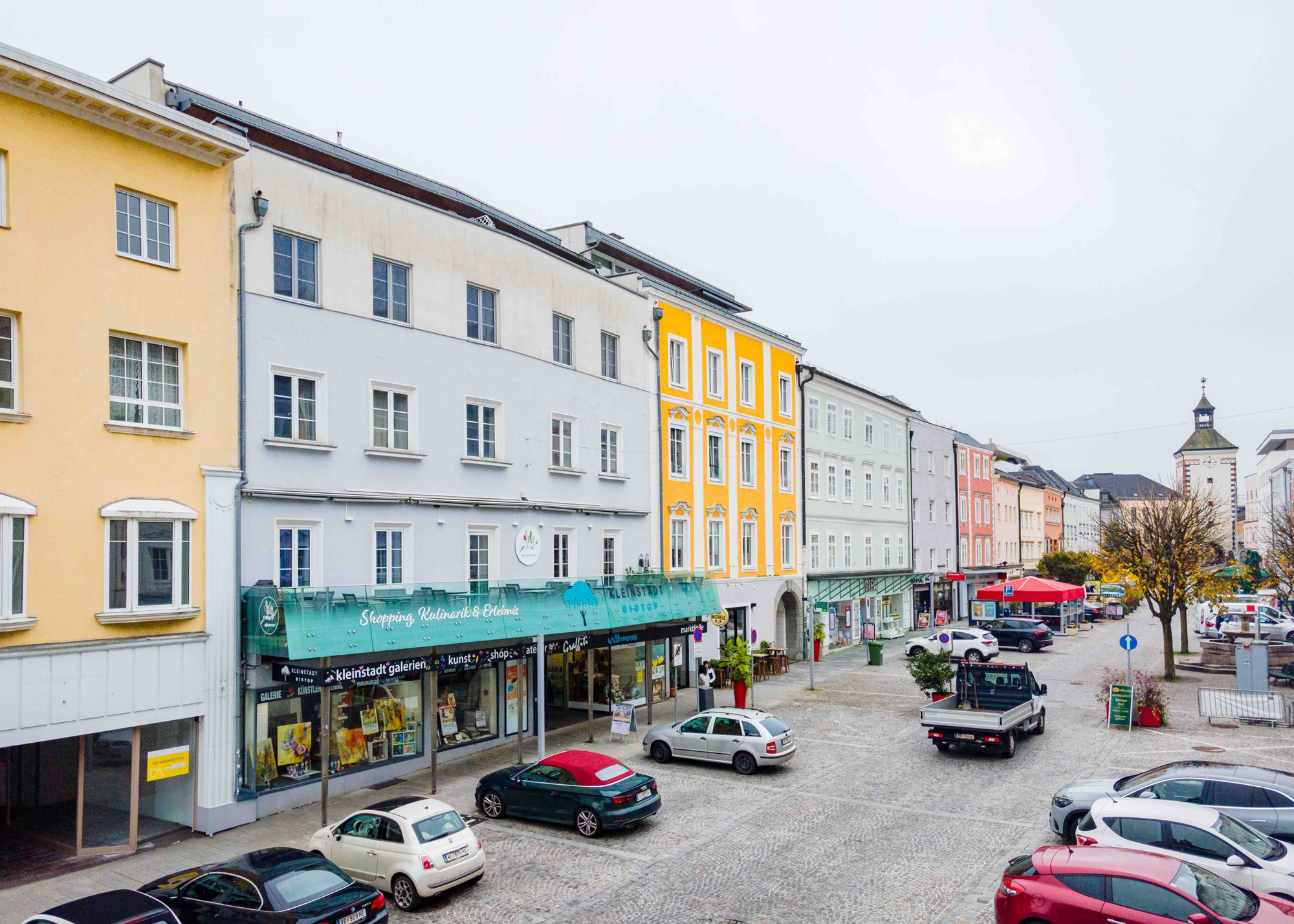
The Small Town Biotope Vöcklabruck is an operational urban regeneration project that transformed 1,300 m² of vacant historic space at the town’s main square into an inclusive economic, social and cultural ecosystem. What had long stood empty in a structurally weakened town centre is now a multifunctional hub reconnecting economic activity with social participation and democratic engagement.
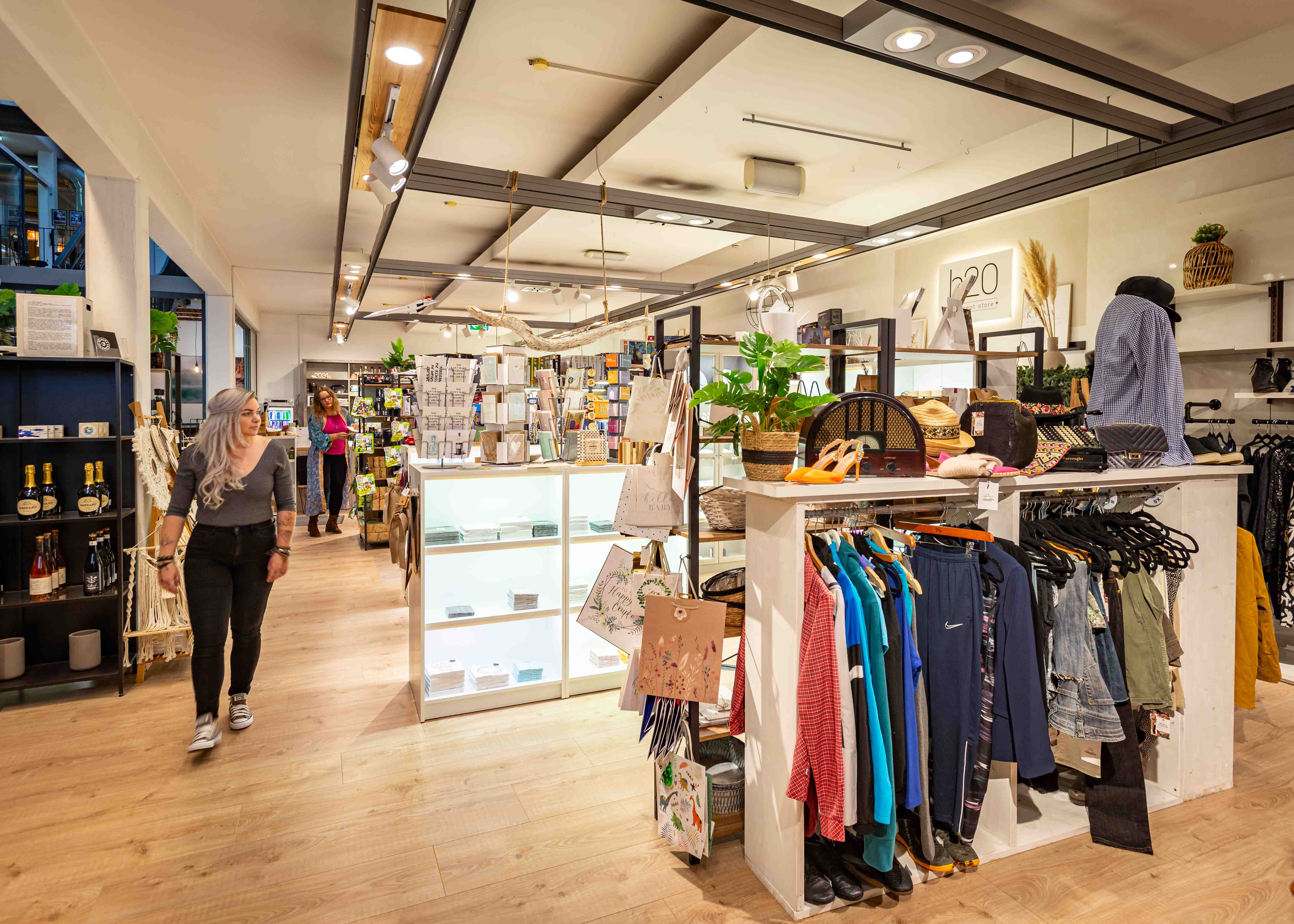
Since opening in October 2023, the Biotope has reactivated daily urban life, attracting an average of 190 visitors per day and strengthening local value creation. Eleven retail units and two restaurants operate within a solidarity-based system supported by a shared cash register and joint infrastructure model.
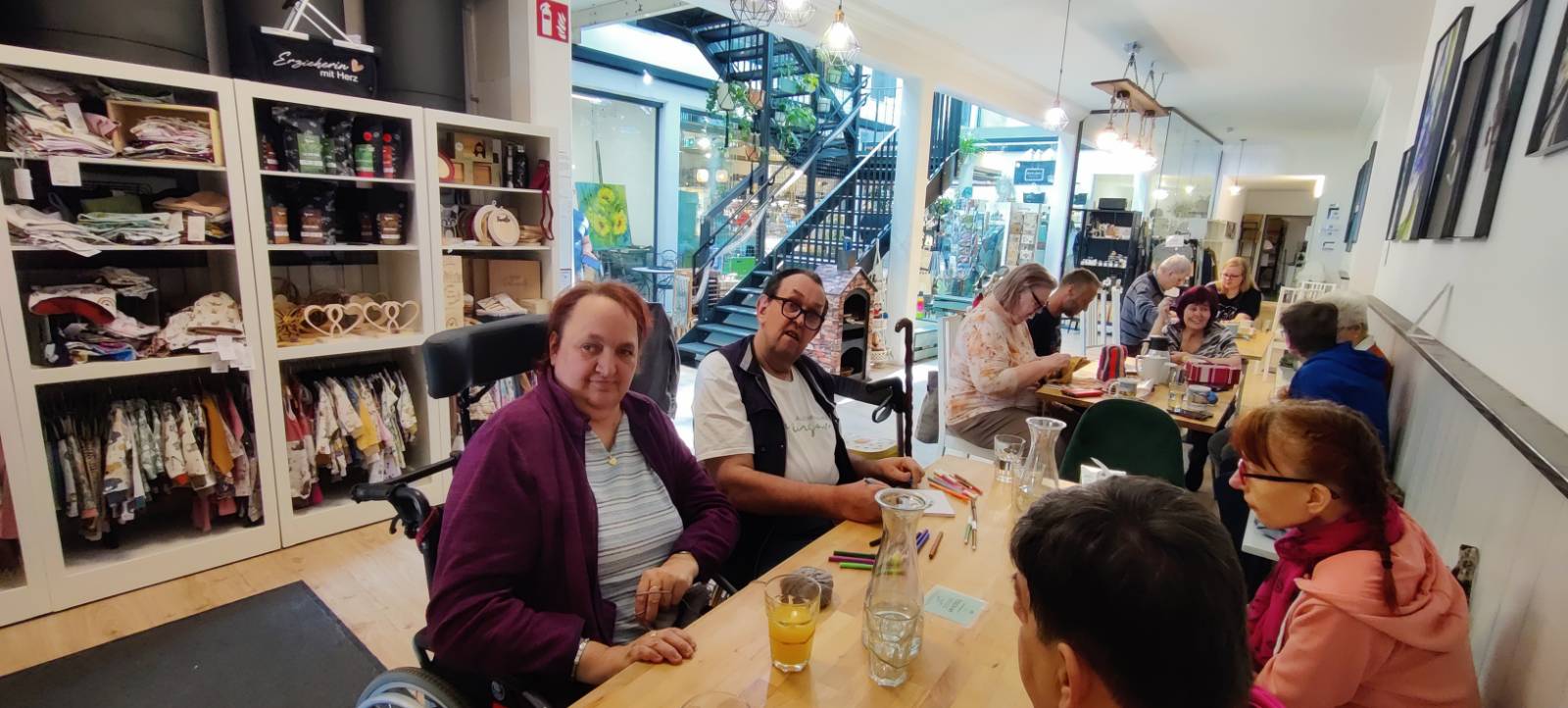
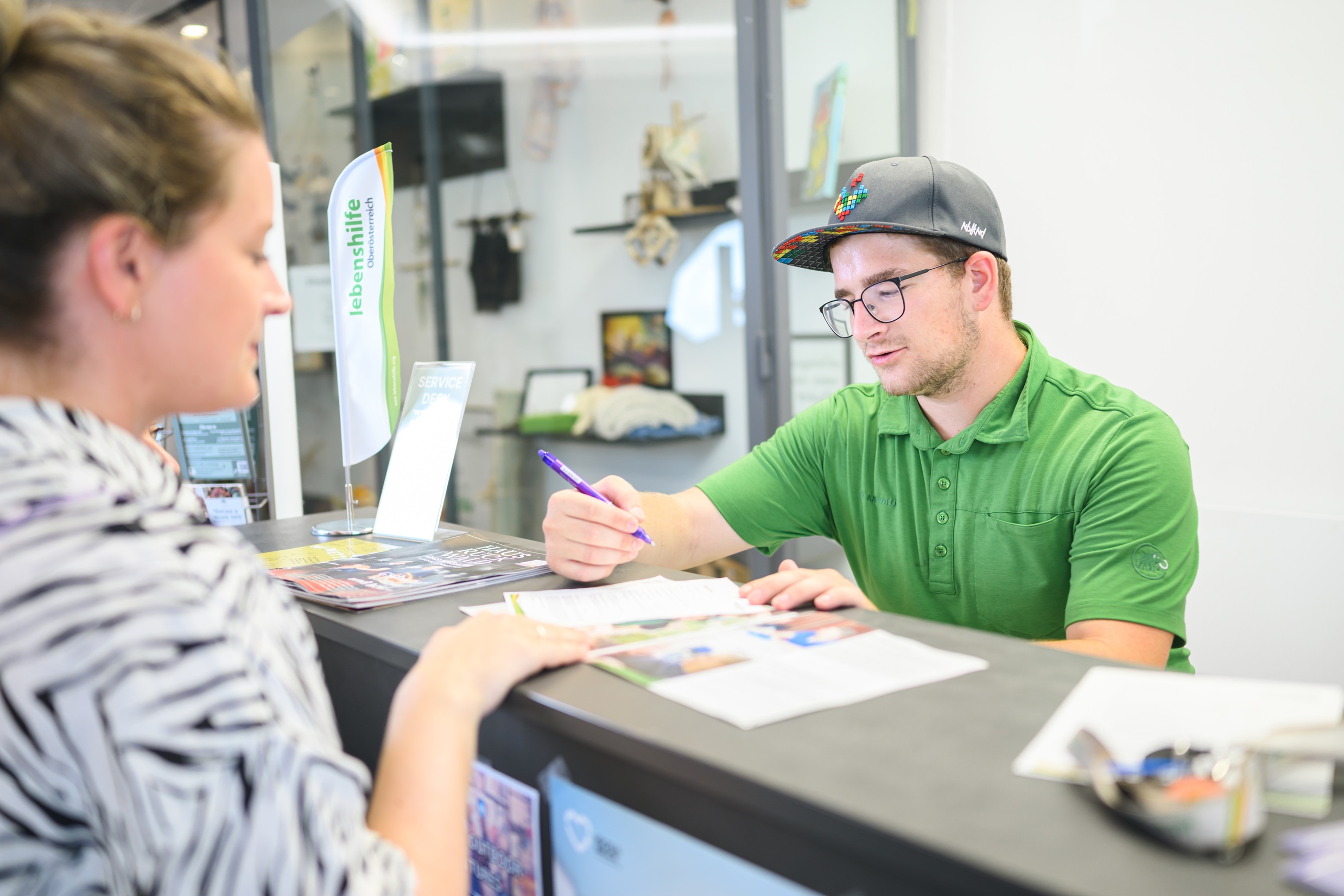
Around 80 people are actively involved in operations and governance, including nine permanently integrated employees with intellectual or physical disabilities who are structurally embedded in retail, gastronomy and services. Their visible inclusion challenges segregated employment structures and enables genuine economic participation in the heart of the city.
Developed through a structured Local Agenda 21 participation process, the project integrates adaptive reuse, inclusive employment, cooperative economics and participatory governance into one coherent system. It operates without structural reliance on permanent operational subsidies.
Beyond its local impact, the Biotope serves as a replicable model for resilient small-town centres across Europe, demonstrating how civic co-creation and solidarity-based economic structures can sustainably transform underused urban spaces.
Since opening in October 2023, the Biotope has reactivated daily urban life, attracting an average of 190 visitors per day and strengthening local value creation. Eleven retail units and two restaurants operate within a solidarity-based system supported by a shared cash register and joint infrastructure model.
Around 80 people are actively involved in operations and governance, including nine permanently integrated employees with intellectual or physical disabilities who are structurally embedded in retail, gastronomy and services. Their visible inclusion challenges segregated employment structures and enables genuine economic participation in the heart of the city.
Developed through a structured Local Agenda 21 participation process, the project integrates adaptive reuse, inclusive employment, cooperative economics and participatory governance into one coherent system. It operates without structural reliance on permanent operational subsidies.
Beyond its local impact, the Biotope serves as a replicable model for resilient small-town centres across Europe, demonstrating how civic co-creation and solidarity-based economic structures can sustainably transform underused urban spaces.
The Small Town Biotope emerged from a structured Local Agenda 21 participation process initiated in 2020 in response to increasing vacancy and declining vitality in the historic town centre of Vöcklabruck. Around 30 core stakeholders and approximately 50 participants in three vision workshops co-developed the project’s foundations. Citizens, entrepreneurs, social organisations and municipal representatives worked together to define functions, governance principles and economic logic.
The process was supported methodologically by Regional Management Upper Austria (Agenda.Zukunft) and SPES Future Academy and closely aligned with the municipality. After feasibility studies, spatial assessments and economic modelling, a suitable historic property at the main square was secured.
In late 2022 the non-profit association KLEINSTADTBIOTOP was prepared and formally established in early 2023 to implement the project. During renovation planning, future tenants and social partners—particularly Lebenshilfe Upper Austria, Caritas and Amnesty Youth—were actively involved. Their input directly informed accessibility solutions, workplace design and inclusive service structures.
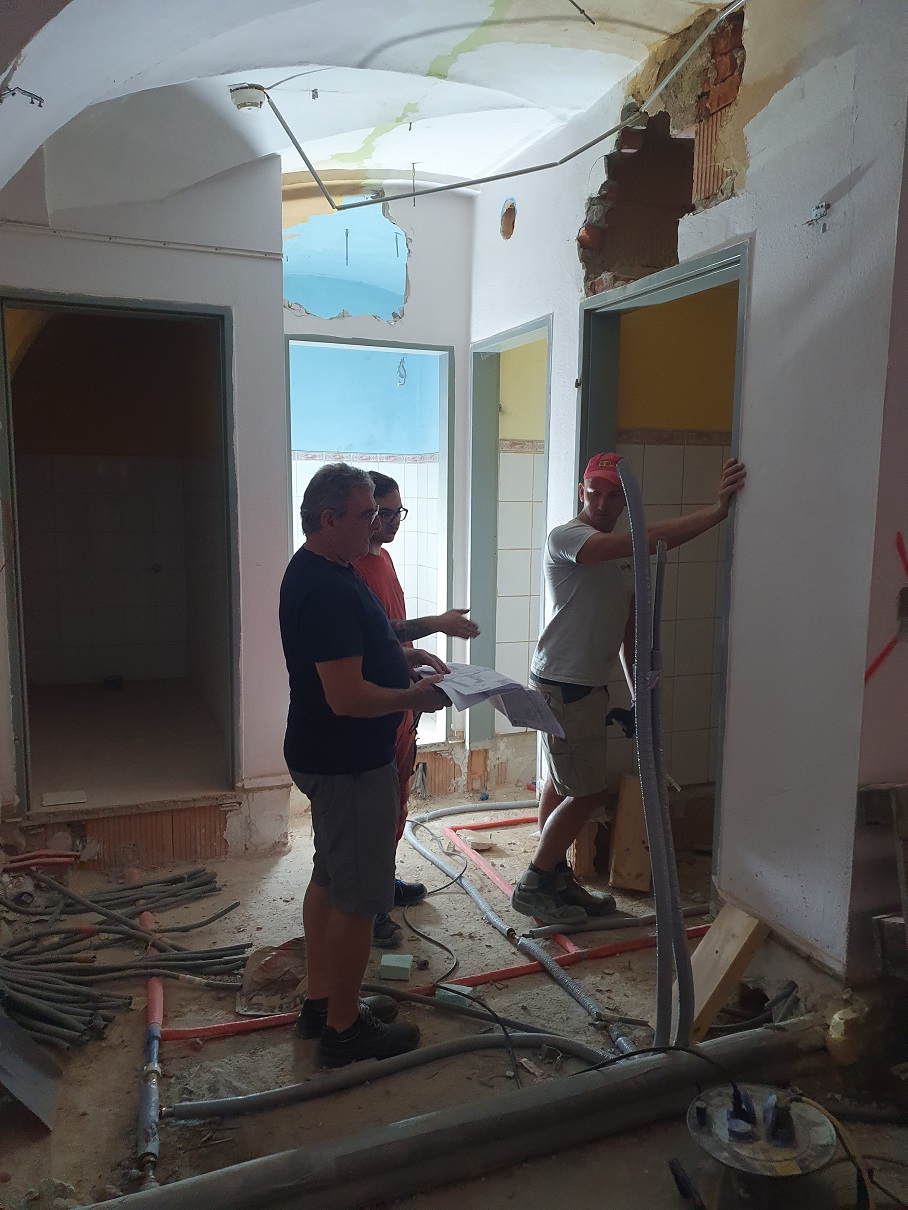
The building was renovated in 2023 with a strong focus on adaptive reuse and universal accessibility (“Design for All”). A shared cash register system and solidarity-based tenant model were implemented to reduce risk and enable cooperative operations.
In October 2023, the Biotope opened to the public and has since operated as a fully functioning economic and civic ecosystem. What began as a participatory vision has become a structurally embedded and democratically governed urban transformation model.
The process was supported methodologically by Regional Management Upper Austria (Agenda.Zukunft) and SPES Future Academy and closely aligned with the municipality. After feasibility studies, spatial assessments and economic modelling, a suitable historic property at the main square was secured.
In late 2022 the non-profit association KLEINSTADTBIOTOP was prepared and formally established in early 2023 to implement the project. During renovation planning, future tenants and social partners—particularly Lebenshilfe Upper Austria, Caritas and Amnesty Youth—were actively involved. Their input directly informed accessibility solutions, workplace design and inclusive service structures.
The building was renovated in 2023 with a strong focus on adaptive reuse and universal accessibility (“Design for All”). A shared cash register system and solidarity-based tenant model were implemented to reduce risk and enable cooperative operations.
In October 2023, the Biotope opened to the public and has since operated as a fully functioning economic and civic ecosystem. What began as a participatory vision has become a structurally embedded and democratically governed urban transformation model.
Urban regeneration
Participatory governance
Solidarity-based economy
Social inclusion
Community co-creation
The Small Town Biotope addresses sustainability as an integrated environmental, social, cultural and economic strategy rather than a single technical measure.
Environmentally, the project prioritised adaptive reuse over new construction. Instead of consuming new land, 1,300 m² of vacant historic inner-city space were renovated and reactivated. By reusing existing structures and infrastructure, material consumption and land pressure were reduced. Shared resource management, second-hand retail models and bike repair services promote circular local economies. The concept strengthens short supply chains by prioritising regional producers and local gastronomy, lowering transport-related emissions and reinforcing regional value creation.
Social sustainability is structurally embedded. Nine people with intellectual or physical disabilities are permanently integrated into daily economic operations across retail, gastronomy and services. The Biotope also hosts social organisations such as Lebenshilfe, Caritas and Amnesty Youth, embedding inclusion directly within the urban centre. Consumption-free community spaces foster social cohesion and intergenerational exchange.
Economically, the solidarity-based retail system enhances resilience. Eleven shops and two restaurants operate within a shared infrastructure and centralised cash register model, reducing fixed costs and distributing risk. The project operates without structural reliance on permanent operational subsidies, demonstrating long-term viability.
Culturally, the revitalisation preserves a historic building while activating it through continuous artistic, educational and youth programming.
The project is exemplary because sustainability is not treated as an add-on but as a systemic model linking adaptive reuse, inclusive employment, cooperative economics and participatory governance into one coherent and operational framework.
Environmentally, the project prioritised adaptive reuse over new construction. Instead of consuming new land, 1,300 m² of vacant historic inner-city space were renovated and reactivated. By reusing existing structures and infrastructure, material consumption and land pressure were reduced. Shared resource management, second-hand retail models and bike repair services promote circular local economies. The concept strengthens short supply chains by prioritising regional producers and local gastronomy, lowering transport-related emissions and reinforcing regional value creation.
Social sustainability is structurally embedded. Nine people with intellectual or physical disabilities are permanently integrated into daily economic operations across retail, gastronomy and services. The Biotope also hosts social organisations such as Lebenshilfe, Caritas and Amnesty Youth, embedding inclusion directly within the urban centre. Consumption-free community spaces foster social cohesion and intergenerational exchange.
Economically, the solidarity-based retail system enhances resilience. Eleven shops and two restaurants operate within a shared infrastructure and centralised cash register model, reducing fixed costs and distributing risk. The project operates without structural reliance on permanent operational subsidies, demonstrating long-term viability.
Culturally, the revitalisation preserves a historic building while activating it through continuous artistic, educational and youth programming.
The project is exemplary because sustainability is not treated as an add-on but as a systemic model linking adaptive reuse, inclusive employment, cooperative economics and participatory governance into one coherent and operational framework.
The Small Town Biotope enhances everyday beauty by transforming a formerly vacant historic building at the main square into a vibrant, welcoming and human-centred place. Through careful adaptive reuse, architectural identity was preserved while the interior was redesigned as an open, flexible and multifunctional marketplace.
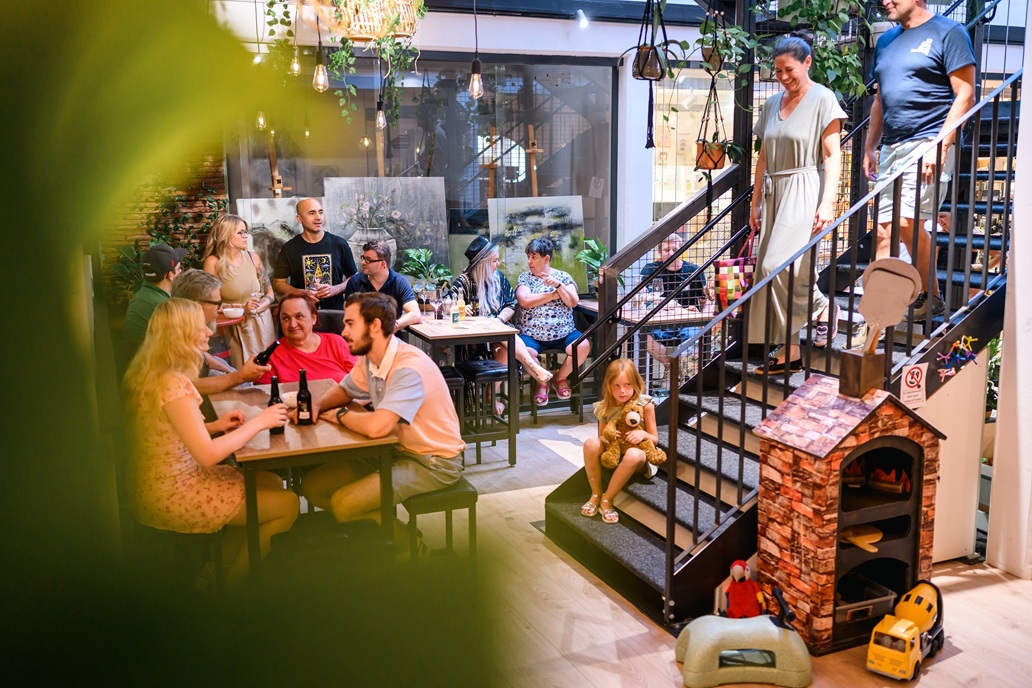
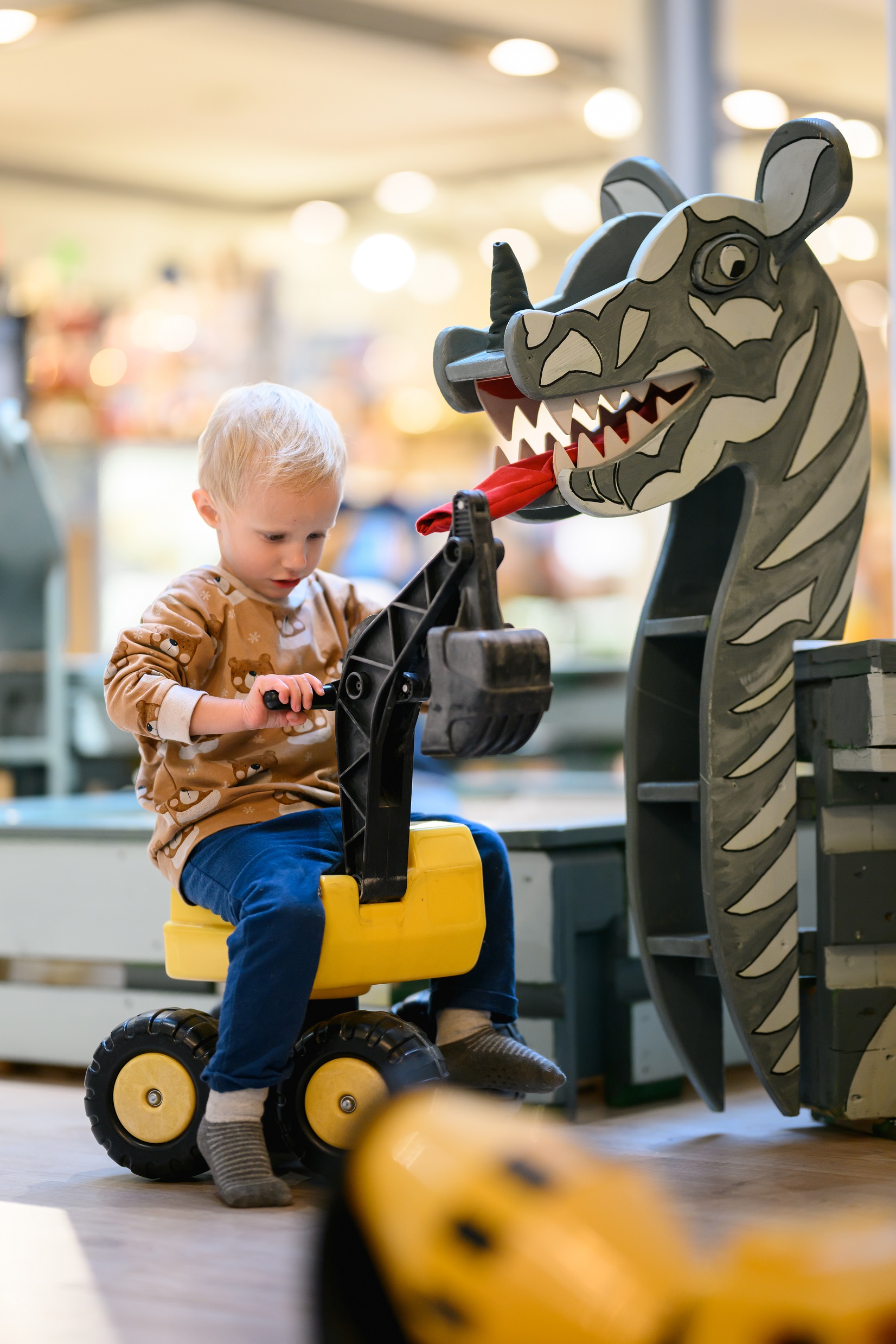
Beauty in the Biotope is defined by accessibility and lived experience rather than exclusivity. The space is fully barrier-free and designed according to “Design for All” principles. Open seating areas, a 130 m² children’s play zone, exhibition spaces for regional artists and consumption-free meeting areas create a warm and inclusive atmosphere where people can stay without obligation to buy.
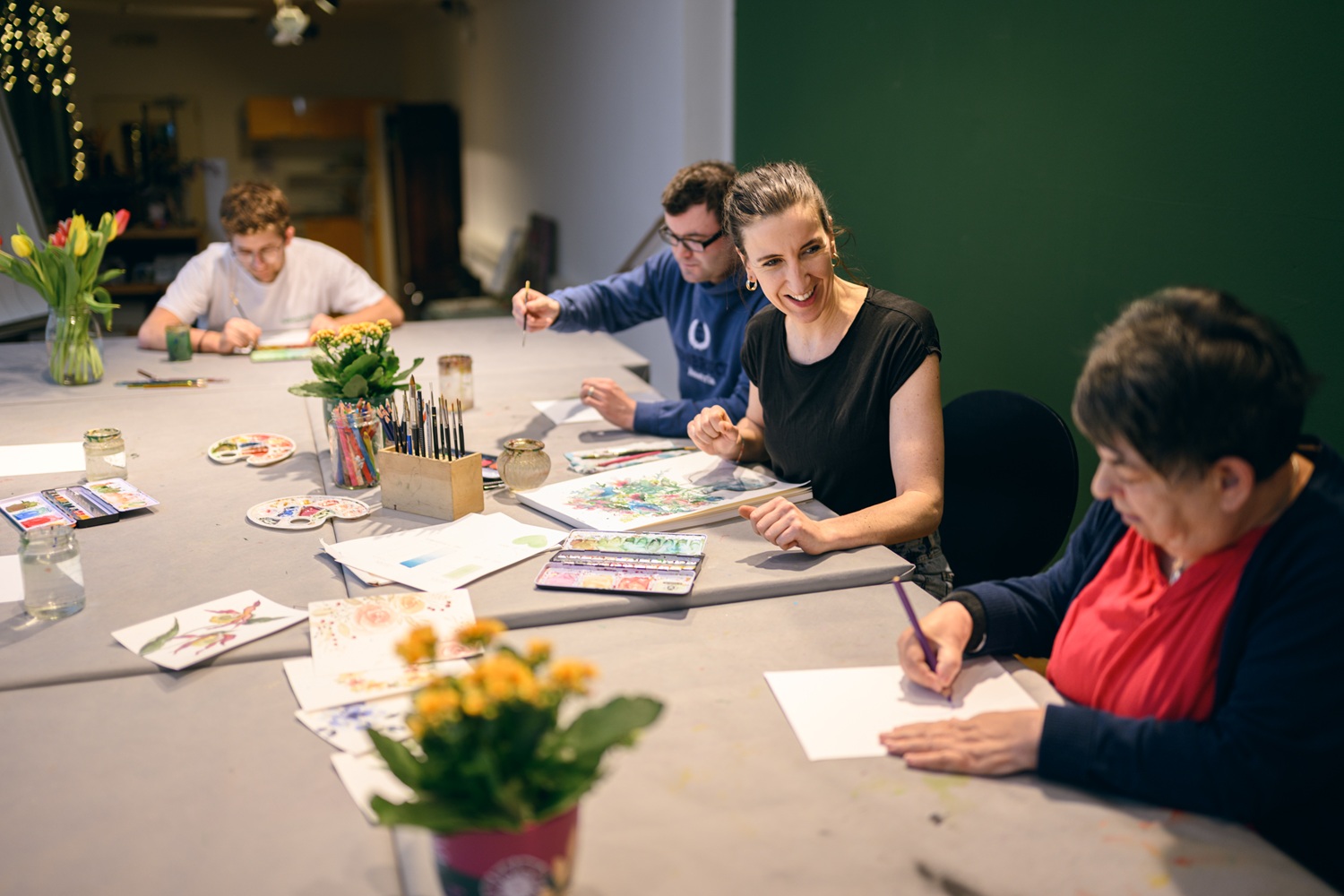
The marketplace functions as a public “third place” in the town centre — a space between home and work where community life unfolds daily. Continuous programming such as the Graffiti Atelier, exhibitions, workshops, youth activities and themed markets makes artistic production visible and integrates culture into everyday routines.
Because the project emerged from a Local Agenda 21 participation process, citizens helped shape the spatial concept and continue to influence its development. This shared authorship fosters a strong sense of belonging and care for the place. What was once an underused building has become a recognisable and lively landmark in the city centre.
The project is exemplary in showing that aesthetics emerge from participation, inclusiveness and respect for existing structures. Beauty here lies not only in architectural form, but in social interaction, cultural expression and the collective stewardship of a shared civic space. The spatial transformation not only reduced environmental impact but also restored architectural dignity and public presence in the town centre.
Beauty in the Biotope is defined by accessibility and lived experience rather than exclusivity. The space is fully barrier-free and designed according to “Design for All” principles. Open seating areas, a 130 m² children’s play zone, exhibition spaces for regional artists and consumption-free meeting areas create a warm and inclusive atmosphere where people can stay without obligation to buy.
The marketplace functions as a public “third place” in the town centre — a space between home and work where community life unfolds daily. Continuous programming such as the Graffiti Atelier, exhibitions, workshops, youth activities and themed markets makes artistic production visible and integrates culture into everyday routines.
Because the project emerged from a Local Agenda 21 participation process, citizens helped shape the spatial concept and continue to influence its development. This shared authorship fosters a strong sense of belonging and care for the place. What was once an underused building has become a recognisable and lively landmark in the city centre.
The project is exemplary in showing that aesthetics emerge from participation, inclusiveness and respect for existing structures. Beauty here lies not only in architectural form, but in social interaction, cultural expression and the collective stewardship of a shared civic space. The spatial transformation not only reduced environmental impact but also restored architectural dignity and public presence in the town centre.
The Small Town Biotope treats inclusion as a structural principle rather than a symbolic gesture. Accessibility, affordability and participation are embedded in both the physical space and the governance model.
The building was renovated according to “Design for All” principles and is fully barrier-free. Level entrances, accessible sanitary facilities and clear spatial organisation ensure independent use for people with physical disabilities. Inclusion is embedded economically: nine people with intellectual or physical disabilities are permanently integrated into daily operations across retail, gastronomy and services. Their visible presence in the heart of the town challenges segregated employment models and enables equal participation in economic life.
The Biotope also hosts social organisations such as Lebenshilfe Upper Austria, Caritas and Amnesty Youth, embedding social support structures directly within the city centre. This integration normalises diversity and strengthens cooperation between economic and social sectors.
Affordability is addressed through consumption-free community areas. The marketplace functions as a public “third place” without obligation to buy, allowing families, elderly citizens, young people and socially vulnerable groups to meet and participate without financial pressure. Youth art programmes and workshops further widen access to cultural participation.
Governance is organised through a non-profit association with participatory working groups. Originating from a Local Agenda 21 process, decision-making involves businesses, civil society, social organisations and municipal actors.
The project is exemplary because it integrates accessible design, inclusive employment, affordable public space and democratic co-governance into one operational system, demonstrating a new societal model for inclusive small-town development.
The building was renovated according to “Design for All” principles and is fully barrier-free. Level entrances, accessible sanitary facilities and clear spatial organisation ensure independent use for people with physical disabilities. Inclusion is embedded economically: nine people with intellectual or physical disabilities are permanently integrated into daily operations across retail, gastronomy and services. Their visible presence in the heart of the town challenges segregated employment models and enables equal participation in economic life.
The Biotope also hosts social organisations such as Lebenshilfe Upper Austria, Caritas and Amnesty Youth, embedding social support structures directly within the city centre. This integration normalises diversity and strengthens cooperation between economic and social sectors.
Affordability is addressed through consumption-free community areas. The marketplace functions as a public “third place” without obligation to buy, allowing families, elderly citizens, young people and socially vulnerable groups to meet and participate without financial pressure. Youth art programmes and workshops further widen access to cultural participation.
Governance is organised through a non-profit association with participatory working groups. Originating from a Local Agenda 21 process, decision-making involves businesses, civil society, social organisations and municipal actors.
The project is exemplary because it integrates accessible design, inclusive employment, affordable public space and democratic co-governance into one operational system, demonstrating a new societal model for inclusive small-town development.
The Small Town Biotope originated from a structured Local Agenda 21 participation process launched in 2020 in response to increasing vacancy in the historic town centre. Around 30 core stakeholders and approximately 50 participants in three vision workshops co-developed the project’s foundations. Citizens were not consulted after decisions were made – they were co-creators from the outset.
Entrepreneurs, regional producers, social organisations, neighbours and engaged residents participated in workshops, expert sessions and design-thinking formats. Together, they defined the spatial functions, governance principles and solidarity-based economic model. The participatory phase directly shaped feasibility studies, building selection and operational design.
When an initial property option proved unfeasible, the coalition remained intact and jointly identified a new location at the main square, demonstrating resilience and shared commitment. During renovation planning, future tenants and social partners – particularly Lebenshilfe Upper Austria, Caritas and Amnesty Youth – were actively involved. Their input informed accessibility solutions and workplace design.
After the establishment of the non-profit association in early 2023, participation continued through thematic working groups (market hall, events, public relations, inclusion). Around 80 people are now involved in governance and operations, and new actors can join the structure.
The impact of this participatory approach is visible in strong local ownership, high acceptance and sustained daily use. Participation is not a one-time phase but an ongoing governance practice, transforming a vacant building into a shared civic asset.
Entrepreneurs, regional producers, social organisations, neighbours and engaged residents participated in workshops, expert sessions and design-thinking formats. Together, they defined the spatial functions, governance principles and solidarity-based economic model. The participatory phase directly shaped feasibility studies, building selection and operational design.
When an initial property option proved unfeasible, the coalition remained intact and jointly identified a new location at the main square, demonstrating resilience and shared commitment. During renovation planning, future tenants and social partners – particularly Lebenshilfe Upper Austria, Caritas and Amnesty Youth – were actively involved. Their input informed accessibility solutions and workplace design.
After the establishment of the non-profit association in early 2023, participation continued through thematic working groups (market hall, events, public relations, inclusion). Around 80 people are now involved in governance and operations, and new actors can join the structure.
The impact of this participatory approach is visible in strong local ownership, high acceptance and sustained daily use. Participation is not a one-time phase but an ongoing governance practice, transforming a vacant building into a shared civic asset.
The Small Town Biotope was developed and implemented through coordinated engagement across multiple governance levels.
At the local level, citizens, entrepreneurs, social organisations and neighbouring residents co-created the concept within a structured Local Agenda 21 process. The municipality of Vöcklabruck supported the initiative politically and strategically, aligning it with local urban development objectives and facilitating administrative procedures.
At the regional level, Regional Management Upper Austria (Agenda.Zukunft) and SPES Future Academy provided methodological guidance during the participation phase. Regional funding programmes supported the renovation and activation of vacant space. Regional stakeholders contributed expertise in urban revitalisation, social innovation and cooperative economic models.
At the national level, cooperation with organisations such as Lebenshilfe Upper Austria, Caritas and Amnesty Youth ensured professional integration of inclusive employment structures and social services directly on site. Their involvement strengthened operational quality and embedded the project within broader civil society networks.
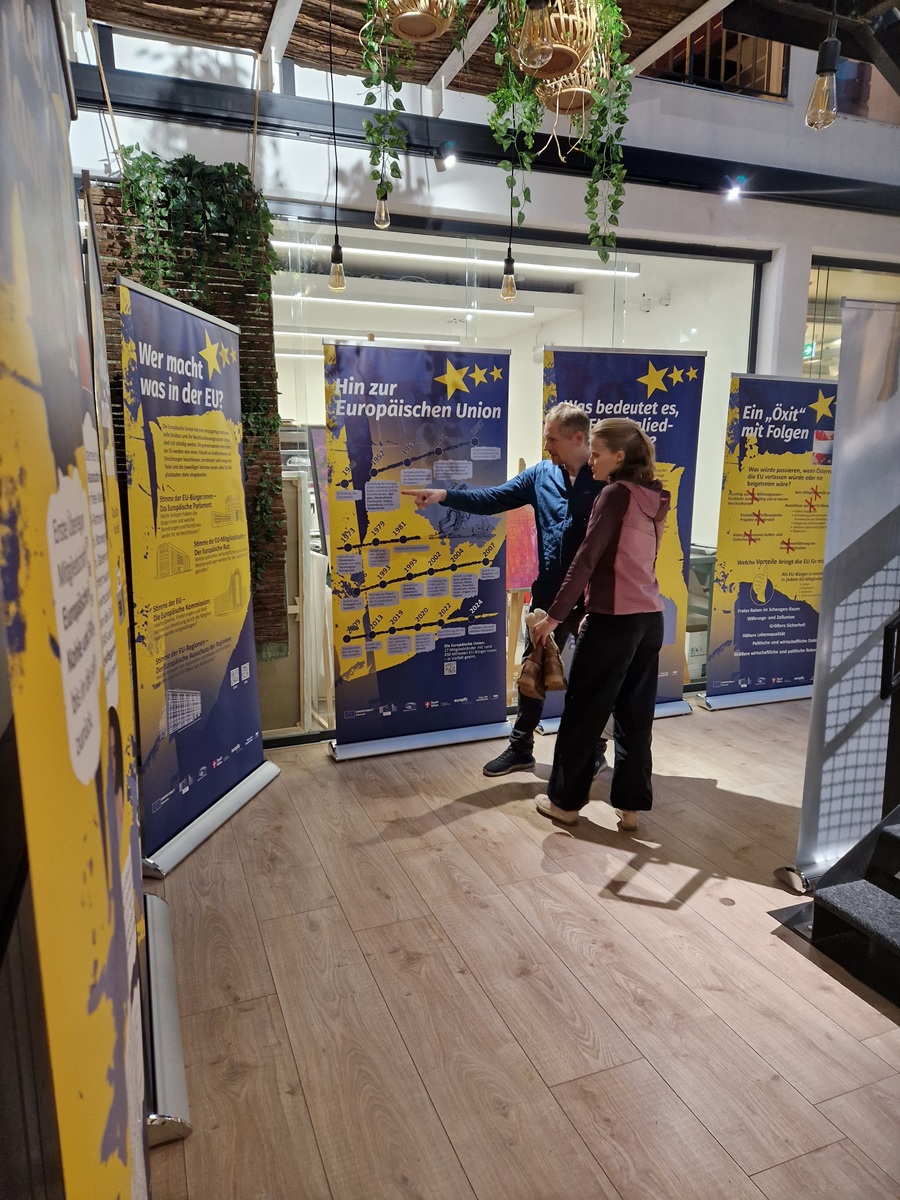
At the European level, the project was selected by EUROPE DIRECT Austria and presented at the “Experience Europe” exhibition in Brussels. Through SDG-related programmes and sustainability initiatives, the Biotope connects local action with wider European priorities.
The added value of this multilevel engagement lies in combining grassroots ownership with institutional support. Local participation ensured relevance and acceptance, while regional and national actors provided expertise, legitimacy and structural stability. European visibility enhances replicability and transfer potential.
The Biotope demonstrates how coordinated governance across levels can transform a citizen-driven idea into a resilient and scalable urban model.
At the local level, citizens, entrepreneurs, social organisations and neighbouring residents co-created the concept within a structured Local Agenda 21 process. The municipality of Vöcklabruck supported the initiative politically and strategically, aligning it with local urban development objectives and facilitating administrative procedures.
At the regional level, Regional Management Upper Austria (Agenda.Zukunft) and SPES Future Academy provided methodological guidance during the participation phase. Regional funding programmes supported the renovation and activation of vacant space. Regional stakeholders contributed expertise in urban revitalisation, social innovation and cooperative economic models.
At the national level, cooperation with organisations such as Lebenshilfe Upper Austria, Caritas and Amnesty Youth ensured professional integration of inclusive employment structures and social services directly on site. Their involvement strengthened operational quality and embedded the project within broader civil society networks.
At the European level, the project was selected by EUROPE DIRECT Austria and presented at the “Experience Europe” exhibition in Brussels. Through SDG-related programmes and sustainability initiatives, the Biotope connects local action with wider European priorities.
The added value of this multilevel engagement lies in combining grassroots ownership with institutional support. Local participation ensured relevance and acceptance, while regional and national actors provided expertise, legitimacy and structural stability. European visibility enhances replicability and transfer potential.
The Biotope demonstrates how coordinated governance across levels can transform a citizen-driven idea into a resilient and scalable urban model.
The Small Town Biotope integrates multiple disciplines in both its design and long-term implementation. Rather than operating within a single sector, it connects spatial, social, cultural, environmental and economic knowledge fields into one coherent system.
Architecture & Spatial Design
Adaptive reuse of a historic building; barrier-free design according to “Design for All”; multifunctional and flexible spatial concepts developed through participatory planning.
Urbanism & Regional Development
Revitalisation of vacant inner-city space; strengthening a small-town centre as decentralised cultural and economic infrastructure; contribution to local resilience.
Social Sciences & Community Development
Structured Local Agenda 21 participation process; inclusive governance; empowerment of youth and marginalised groups; cooperation with organisations such as Lebenshilfe, Caritas and Amnesty Youth.
Arts & Cultural Practice
Continuous artistic programming including exhibitions, workshops and the Graffiti Atelier; art as a tool for community building and social transformation.
Education & Informal Learning
Workshops, skill-sharing formats, SDG-related programmes, intergenerational learning and youth engagement; non-formal civic education embedded in everyday practice.
Sustainability Practice & Circular Economy
Adaptive reuse, shared infrastructure, second-hand retail models and bike repair services promoting resource efficiency and circular local economies.
Digital Systems & Cooperative Management
Shared cash register system, coordinated communication strategy and organisational structures enabling solidarity-based retail operations.
Social Entrepreneurship & Cultural Management
Hybrid organisational model combining civic engagement, inclusive employment and cooperative economic mechanisms.
The project demonstrates that meaningful small-town transformation emerges from the intersection of disciplines rather than isolated sectoral action.
Architecture & Spatial Design
Adaptive reuse of a historic building; barrier-free design according to “Design for All”; multifunctional and flexible spatial concepts developed through participatory planning.
Urbanism & Regional Development
Revitalisation of vacant inner-city space; strengthening a small-town centre as decentralised cultural and economic infrastructure; contribution to local resilience.
Social Sciences & Community Development
Structured Local Agenda 21 participation process; inclusive governance; empowerment of youth and marginalised groups; cooperation with organisations such as Lebenshilfe, Caritas and Amnesty Youth.
Arts & Cultural Practice
Continuous artistic programming including exhibitions, workshops and the Graffiti Atelier; art as a tool for community building and social transformation.
Education & Informal Learning
Workshops, skill-sharing formats, SDG-related programmes, intergenerational learning and youth engagement; non-formal civic education embedded in everyday practice.
Sustainability Practice & Circular Economy
Adaptive reuse, shared infrastructure, second-hand retail models and bike repair services promoting resource efficiency and circular local economies.
Digital Systems & Cooperative Management
Shared cash register system, coordinated communication strategy and organisational structures enabling solidarity-based retail operations.
Social Entrepreneurship & Cultural Management
Hybrid organisational model combining civic engagement, inclusive employment and cooperative economic mechanisms.
The project demonstrates that meaningful small-town transformation emerges from the intersection of disciplines rather than isolated sectoral action.
The Biotope operates through a hybrid, solidarity-based business model combining tenant contributions, earned income, civic engagement and selective project-based public funding. Its financial sustainability is rooted in cooperative economic structures rather than reliance on permanent operational subsidies.
The core revenue logic is tenant-based. Eleven retail units and two restaurants operate within a shared system and contribute to common infrastructure, joint marketing and operational costs. A centralised cash register system transparently allocates revenues while reducing administrative effort. Shared personnel structures and coordinated opening hours lower fixed costs and distribute risk across actors, increasing survival rates of small enterprises in structurally weak regions.
Additional income is generated through space rentals, workshops, educational programmes and selected events. Membership contributions and partnerships with local businesses further strengthen operational stability. Public funding at municipal and regional levels supported the initial activation and innovation-oriented formats, but day-to-day operations are not structurally dependent on permanent subsidies.
A significant non-monetary pillar is voluntary engagement. Around 80 people contribute to governance and operations, reinforcing ownership while keeping overhead costs manageable.
Cost efficiency is strengthened through adaptive reuse of existing infrastructure and shared resource management. The integration of social organisations such as Lebenshilfe, Caritas and Amnesty Youth within the same economic ecosystem further stabilises the model.
By combining cooperative retail, inclusive employment and diversified income streams, the Biotope demonstrates a financially resilient and transferable model for small-town urban regeneration.
The shared retail system reduces market entry barriers and increases survival rates of small enterprises in structurally weak regions.
The core revenue logic is tenant-based. Eleven retail units and two restaurants operate within a shared system and contribute to common infrastructure, joint marketing and operational costs. A centralised cash register system transparently allocates revenues while reducing administrative effort. Shared personnel structures and coordinated opening hours lower fixed costs and distribute risk across actors, increasing survival rates of small enterprises in structurally weak regions.
Additional income is generated through space rentals, workshops, educational programmes and selected events. Membership contributions and partnerships with local businesses further strengthen operational stability. Public funding at municipal and regional levels supported the initial activation and innovation-oriented formats, but day-to-day operations are not structurally dependent on permanent subsidies.
A significant non-monetary pillar is voluntary engagement. Around 80 people contribute to governance and operations, reinforcing ownership while keeping overhead costs manageable.
Cost efficiency is strengthened through adaptive reuse of existing infrastructure and shared resource management. The integration of social organisations such as Lebenshilfe, Caritas and Amnesty Youth within the same economic ecosystem further stabilises the model.
By combining cooperative retail, inclusive employment and diversified income streams, the Biotope demonstrates a financially resilient and transferable model for small-town urban regeneration.
The shared retail system reduces market entry barriers and increases survival rates of small enterprises in structurally weak regions.
The Small Town Biotope is designed as a transferable small-town transformation model. Its scalability lies not in copying a building, but in replicating its methodology, governance structure and cooperative economic logic.
The following elements are directly transferable:
Participatory Agenda 21 process
A structured co-creation model (vision workshops, feasibility phase, governance setup) involving citizens, businesses and the municipality.
Solidarity-based retail system
A shared cash register and joint infrastructure model enabling eleven retail units and gastronomy to reduce costs, distribute risk and strengthen local value chains.
Hybrid governance structure
A non-profit association with thematic working groups ensuring continuous civic involvement and transparent decision-making.
Inclusive employment integration
Permanent embedding of supported employment within daily operations in cooperation with organisations such as Lebenshilfe, Caritas and Amnesty Youth.
Adaptive reuse strategy
Revitalisation of vacant inner-city buildings instead of new construction.
Diversified financial model
Tenant-based contributions and selective project funding ensuring resilience without reliance on permanent subsidies.
The model is particularly relevant for towns facing vacancy and demographic change.
Key learning: small-town transformation succeeds when participatory governance, cooperative economics and inclusive employment are structurally integrated.
The project is not a cultural centre with retail components, but a structurally embedded economic ecosystem with cultural and social dimensions.
The following elements are directly transferable:
Participatory Agenda 21 process
A structured co-creation model (vision workshops, feasibility phase, governance setup) involving citizens, businesses and the municipality.
Solidarity-based retail system
A shared cash register and joint infrastructure model enabling eleven retail units and gastronomy to reduce costs, distribute risk and strengthen local value chains.
Hybrid governance structure
A non-profit association with thematic working groups ensuring continuous civic involvement and transparent decision-making.
Inclusive employment integration
Permanent embedding of supported employment within daily operations in cooperation with organisations such as Lebenshilfe, Caritas and Amnesty Youth.
Adaptive reuse strategy
Revitalisation of vacant inner-city buildings instead of new construction.
Diversified financial model
Tenant-based contributions and selective project funding ensuring resilience without reliance on permanent subsidies.
The model is particularly relevant for towns facing vacancy and demographic change.
Key learning: small-town transformation succeeds when participatory governance, cooperative economics and inclusive employment are structurally integrated.
The project is not a cultural centre with retail components, but a structurally embedded economic ecosystem with cultural and social dimensions.