Villanueva del Duque 360º
Basic information
Project Title
Full project title
Project Description
Current stage development
Project Region
Municipality
EU Programme or fund
Which funds
Other Funds
Ayudas para el apoyo de la actividad comercial en zonas rurales 2023 - NextGenerationEU
Description of the project
Summary
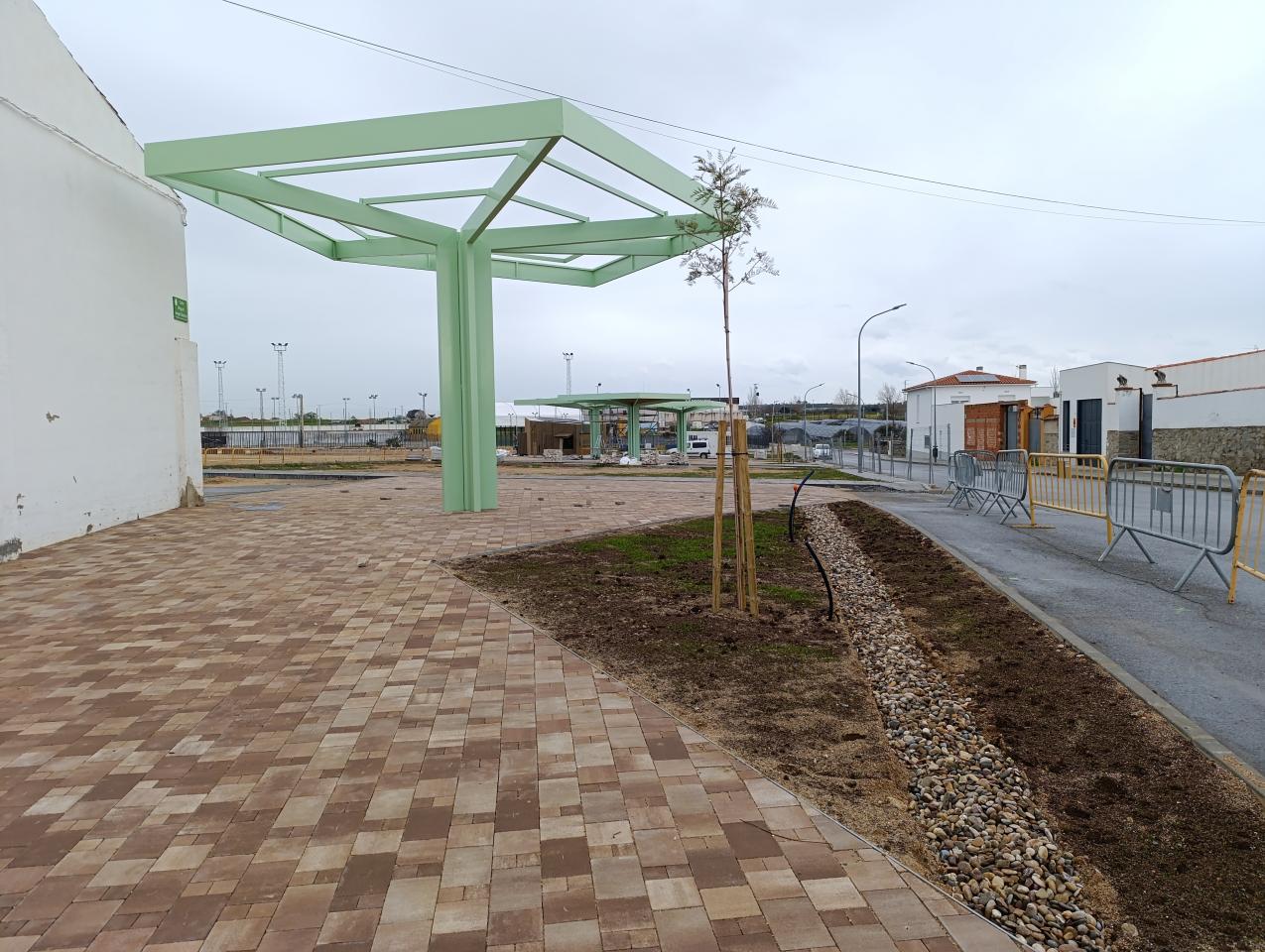
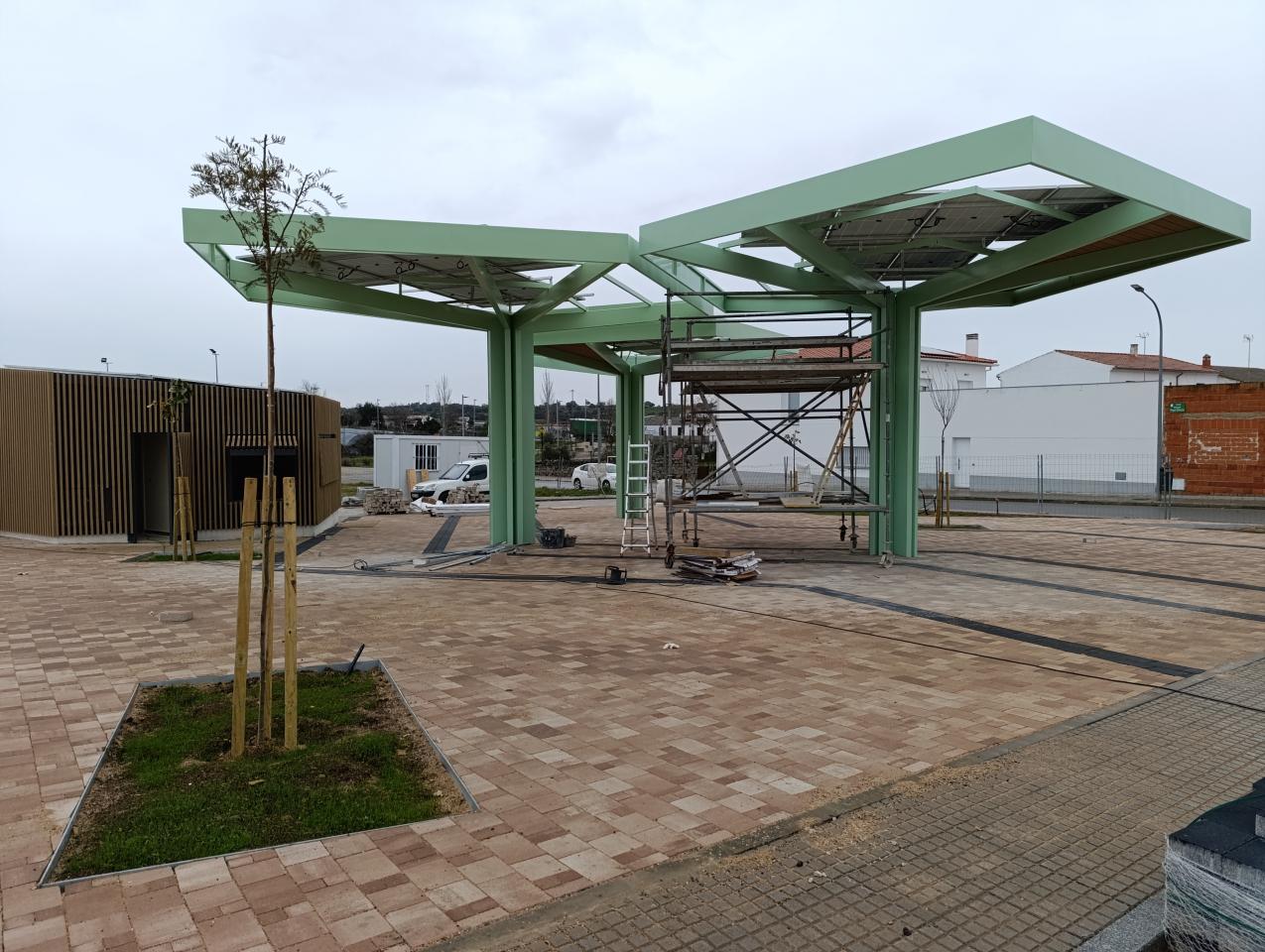
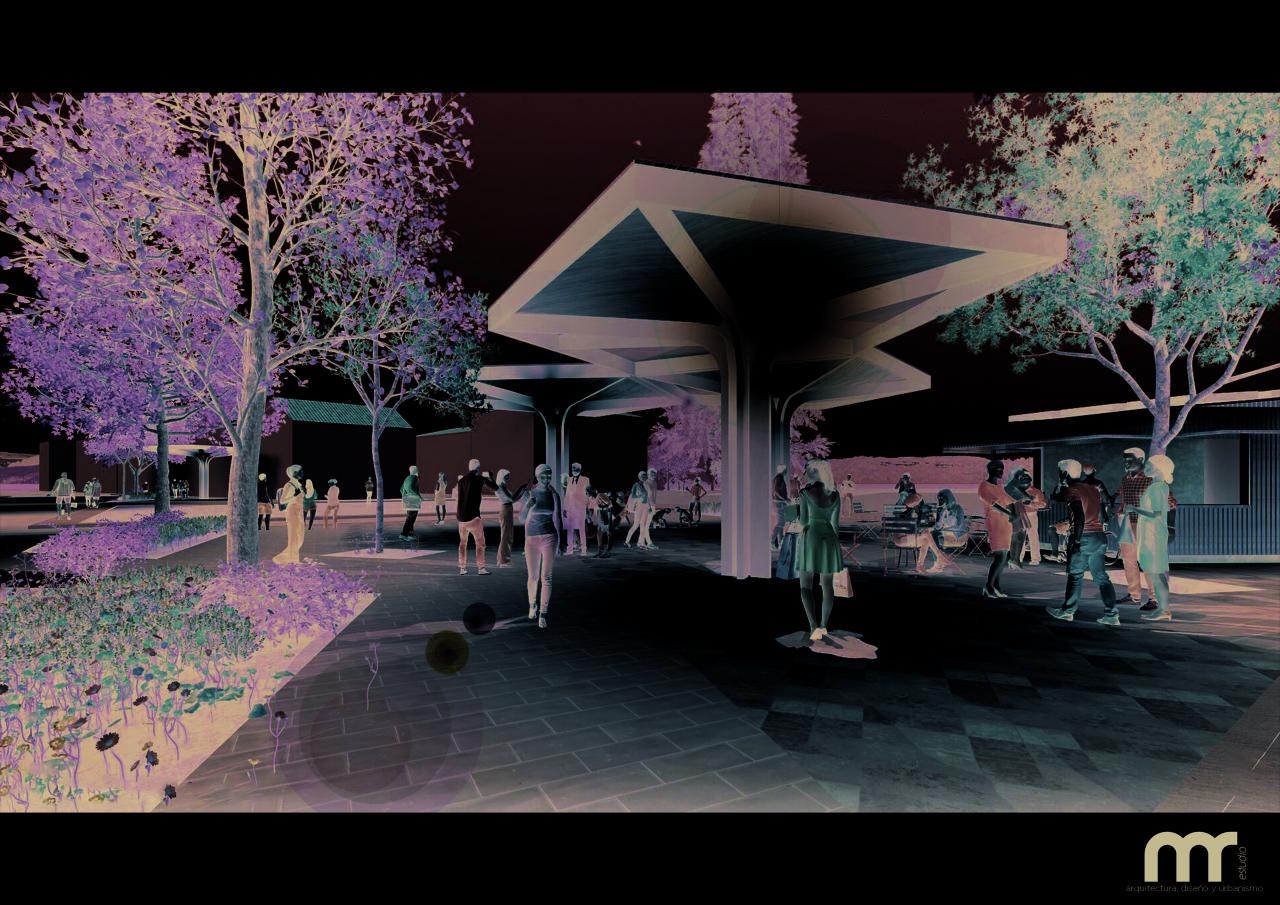
One of the key elements of this transformation is the installation of four large-scale structures equipped with solar panels, which not only provide shade and comfort to merchants and visitors but also generate renewable energy to supply market needs and promote collective self-consumption. These structures include motion-sensor lighting and electrical connections for vendor stalls, fostering a more efficient and sustainable marketplace.
Pavement improvements are another essential aspect, replacing existing asphalt with permeable, eco-active, and photocatalytic surfaces capable of removing pollutants such as carbon dioxide, nitrogen oxides, and sulfur oxides, thus improving air quality. This enhances the environmental performance of the space while ensuring a durable and safe surface for pedestrians and vendors. Additionally, rain gardens are implemented to capture and filter rainwater, allowing for natural water absorption into the soil.
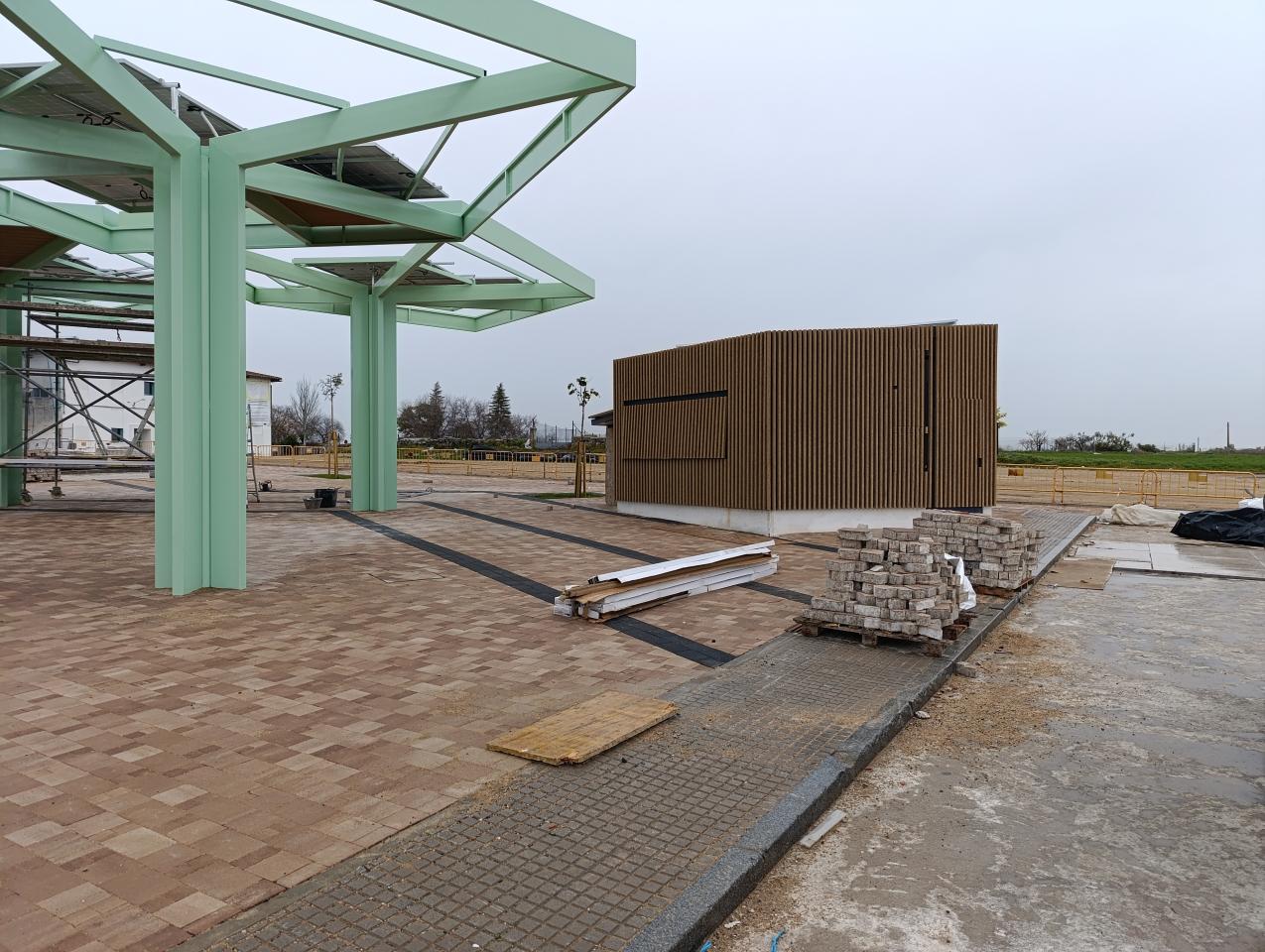
To complement the intervention, a multifunctional kiosk is installed, providing public restrooms and a small commercial space, ensuring essential services for merchants and visitors while generating continuous commercial activity in the area. A local recycling station is also incorporated, facilitating waste separation and promoting the circular economy.
Key objectives for sustainability
One of the main achievements is environmental responsibility, with the installation of solar pergolas and recycled materials, which not only generate clean energy to power the street market, but also encourage collective self-consumption, reducing reliance on conventional electricity sources. Additionally, the initiative introduces eco-active and photocatalytic pavements, which help reduce air pollution, improving local air quality.
Water management is enhanced through permeable pavements and rain gardens, designed to filter and absorb rainwater, preventing flooding and integrating it into the natural water cycle. This approach optimizes urban drainage, supports biodiversity, and strengthens climate resilience. A local recycling station further promotes waste reduction and the circular economy.
These elements position the project as a benchmark for sustainable modernization in rural commercial spaces. Its holistic approach proves that it is possible to transform urban-rural environments without compromising ecological balance, enhancing residents' quality of life, and fostering more efficient and competitive commerce. The scalability of these solutions to similar municipalities highlights the initiative's potential as an exemplary case of commercial modernization based on efficiency and environmental stewardship.
Key objectives for aesthetics and quality
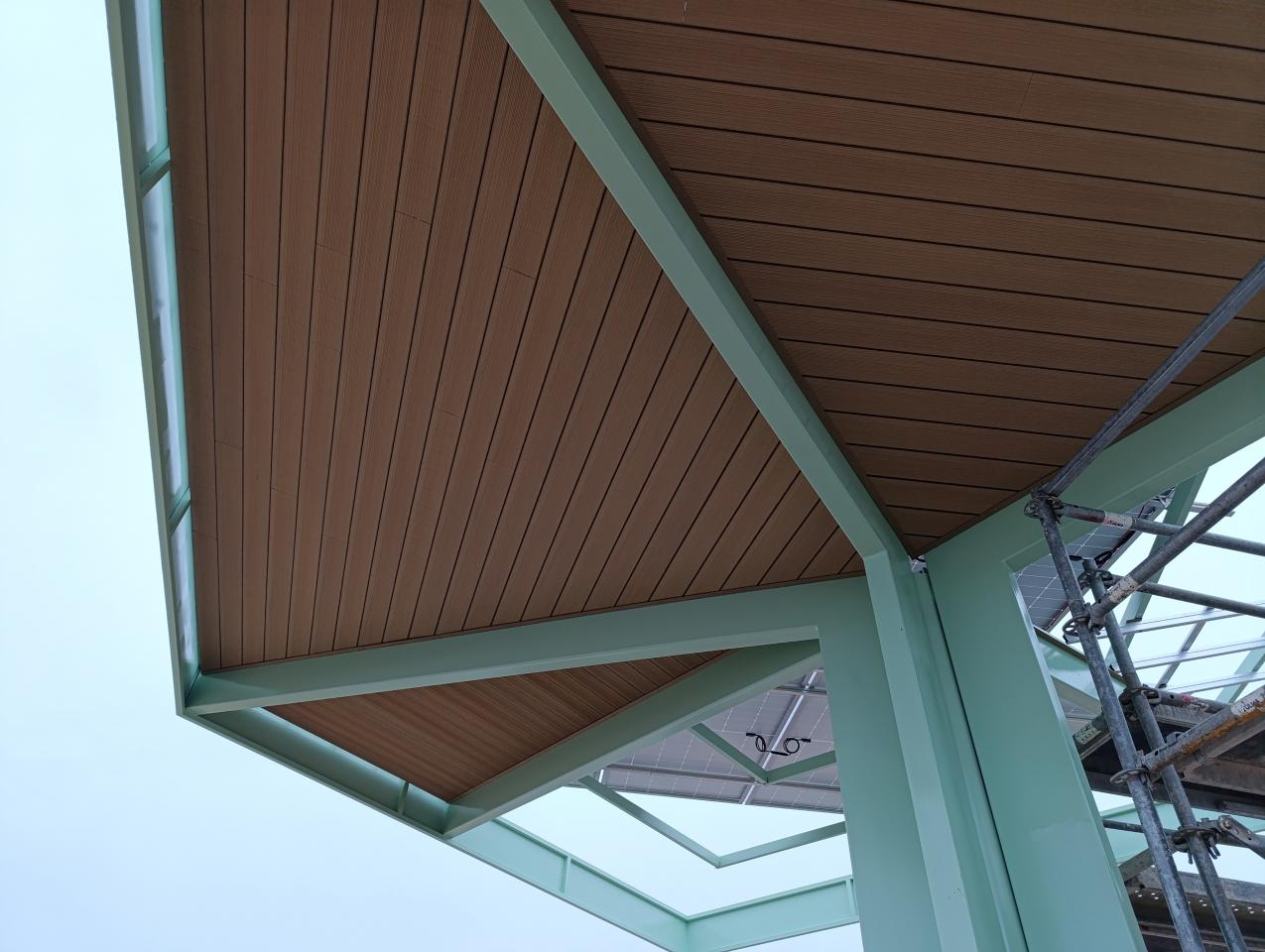
Harmonious and modern design: The intervention opts for a contemporary design that respects the identity of the municipality, integrating light and elegant structures, such as the steel pergolas in soft green tones, which provide a distinctive character without breaking the scale of the surroundings. The roofing material blends recycled PVC, limestone, and rice husk, offering a sustainable, durable, and visually appealing alternative to wood, particularly suited for extreme weather conditions like those in Villanueva del Duque. This recycled skin enhances technological innovation while harmoniously integrating solar panels into the design.
Open and welcoming spaces: The new market and plaza layout encourages social interaction with a fluid, accessible distribution. Wide pedestrian zones have been created, featuring pavements in varying shades to add visual dynamism and guide visitors' movement.
Positive emotions and well-being: The incorporation of green areas and natural materials, such as engineered wood finishes on the kiosk and shading elements, creates a warm and comfortable atmosphere. The combination of greenery and shaded pergolas improves thermal comfort, encouraging prolonged use of the space.
Cultural benefits and commercial revitalization: The initiative strengthens local commerce by blending tradition and innovation. The architectural design not only enhances market functionality but also transforms it into a cultural hub, where people can enjoy a well-designed, engaging environment that reinforces community identity.
Key objectives for inclusion
Universal accessibility: The market is designed as a barrier-free space, allowing smooth passage for people with reduced mobility, strollers, and bicycles. Unnecessary steps and level changes have been removed, improving circulation and safety.
Affordability and access to commerce for all: The intervention supports small producers, local entrepreneurs, and street vendors, fostering a fairer and more diverse market. Shared infrastructure, such as energy access points and common areas, reduces costs and facilitates commercial activity for those with fewer resources.
Design for all: Shading elements provide thermal comfort, while the open layout fosters social interaction, making commerce more inclusive and community-driven.
Inclusive governance systems: The planning process actively involved merchants and residents, ensuring their needs were reflected in the final design. The new market management model incorporates digital tools that enhance communication and coordination among vendors, democratizing access to information.
New models for a more equitable and sustainable society: The initiative goes beyond infrastructure improvements—it redefines rural commerce as an accessible, cooperative, and sustainable space. The integration of renewable energy and eco-friendly materials ensures that local development remains inclusive, forward-thinking, and environmentally responsible, benefiting both present and future generations.
How Citizens benefit
During these meetings, valuable information was gathered on the difficulties of the sector, such as the lack of generational replacement, the low digitalisation of the shops and the need to improve the urban infrastructure. In addition, citizens contributed with concrete proposals, such as the creation of a digital market and the reorganisation of the street market to make it more accessible and attractive. Previously, however, work had been done to establish the collaborative commitment of the commercial sector through signed documents attached to the application.
This active involvement ensured that the project directly addresses local needs, avoiding top-down solutions and fostering a sense of belonging and shared responsibility. Thanks to citizen participation:
Priority measures with real impact were identified, such as improving commercial spaces and promoting new business models.
Social cohesion was strengthened by reinforcing the commercial network and creating collaborative links between entrepreneurs.
A participatory governance model was established, where the Municipality acts as a facilitator rather than merely an executor, ensuring long-term community involvement.
Innovative character
One of its main innovations is the reconfiguration of the street market from a landscape perspective. While in many commercial modernisation projects accessibility remains a secondary aspect, here it has become a central design focus. Multifunctional pergolas with solar panels have been incorporated to provide shade, comfort, and renewable energy, enabling self-consumption for merchants, reducing operational costs, and promoting energy self-sufficiency in the marketplace.
Another key innovation is the use of permeable photocatalytic pavements, an uncommon solution in rural areas that reduces air pollution. This approach proves that commercial infrastructure modernization can be not only aesthetic and functional but also an active tool in the fight against climate change. Additionally, rain gardens are introduced to enhance landscape quality and improve rainwater management, reducing runoff and promoting natural infiltration into the soil.
An efficient logistics system has also been integrated, featuring smart pick-up points and sustainable transportation, optimizing product distribution without generating negative environmental impacts.
The project’s innovative nature is also reflected in its participatory methodology. While many urban and commercial projects follow a top-down planning approach, this initiative has promoted true co-creation with merchants, residents, and experts from various disciplines. This ensures that the proposed solutions genuinely address real needs and remain sustainable in the long term.
Disciplines/knowledge reflected
Architecture, engineering, and landscaping: The design of an accessible, functional, and landscape-integrated street market ensures compliance with universal mobility criteria, environmental harmony, and optimized land use. Engineering played a key role in incorporating renewable energy installations and permeable pavements.
Sociology: Fundamental in the participatory process, helping to understand community dynamics, needs, and expectations regarding the modernization of local commerce.
Environmental sustainability: Provided innovative solutions for natural resource management, such as rain gardens that absorb stormwater and mitigate the impact of heavy rainfall. The project also prioritizes the use of recyclable materials and clean energy for urban infrastructure.
Economy and commerce: Developed strategies to strengthen the local commercial fabric, including a digital marketplace that expands business opportunities and training in technological tools to improve sector competitiveness.
Design and art: Enhanced the aesthetic quality of the space, incorporating attractive signage, artistic interventions in urban furniture, and a strategic use of color to create a visually dynamic market experience.
This fusion of disciplines has transformed the physical space while fostering economic, social, and cultural development within the municipality.
Methodology used
The multidisciplinary approach has integrated the expertise of architects, engineers, sociologists, historians, environmental specialists, economists, and designers to develop a comprehensive solution. Each discipline has provided its perspective, fostering a continuous dialogue that has enriched the project and ensured its technical, social, and environmental feasibility. This collaborative effort has guaranteed that the architectural design is accessible, sustainable, and aesthetically appealing, while economic and technological solutions have facilitated the modernization of local commerce.
The methodology is grounded in the principles of sustainability and circular economy, incorporating eco-active materials, renewable energy sources, and nature-based solutions to ensure a long-term positive impact. The implementation of digital tools, such as sustainable logistics systems, follows an agile approach, adapting to the evolving needs of merchants and users.
How stakeholders are engaged
The Municipality has played a central role as a facilitator, coordinating actions and ensuring that citizen proposals are technically, financially, and legally feasible. Additionally, it has secured funding and led the project's integration into the Recovery, Transformation, and Resilience Plan, aligning it with sustainable development and digitalization strategies.
A multidisciplinary technical team has translated community proposals into a concrete architectural design, ensuring that interventions are functional, accessible, and sustainable. The team has worked on adapting the street market to transform it into an innovative rural commercial infrastructure, promoting a modern and inclusive retail model.
Global challenges
The initiative also tackles economic and social inequality by strengthening local commerce through a digital marketplace, allowing small businesses to access new markets, and by offering technology training for merchants, fostering economic inclusion and equitable growth in rural areas (SDG 8: Decent work and economic growth and SDG 10: Reduced inequalities).
In response to rural depopulation, the project revitalizes public spaces, improving quality of life with an attractive, sustainable, and technologically adapted environment (SDG 11: Sustainable cities and communities).
Finally, the project enhances citizen participation and inclusive governance by actively involving residents, merchants, and experts in its design and implementation. This ensures that the adopted solutions meet real community needs and serve as a replicable model for other municipalities seeking collaborative and sustainable development (SDG 16: Peace, justice, and strong institutions).
Learning transferred to other parties
The use of sustainable technologies is also highly replicable. The installation of solar pergolas for renewable energy generation, eco-active pavements that reduce pollution, and rain gardens for efficient water management (nature-based solutions) can be easily implemented in other municipalities with minimal adaptations.
Additionally, the installation of smart lockers for local commerce and electric bicycles for product distribution are simple, scalable solutions that enhance commercial dynamism and can serve as a replicable pilot model for other rural and urban areas.
Finally, the interdisciplinary approach, integrating architecture, engineering, sociology, history, environmental science, and economics, has proven that collaboration across multiple fields leads to more holistic and sustainable solutions. This method can be replicated in urban regeneration projects worldwide, promoting innovation through cross-sector cooperation.
Next steps
Among the main activities, the reorganization of the street market stands out, creating an accessible space, removing architectural barriers, and ensuring inclusive environments for all citizens. The installation of solar pergolas and eco-active pavements contributes to environmental sustainability, generating clean energy and improving air quality, aligning with the NEB principle of creating environmentally respectful spaces. Additionally, rain gardens not only enhance the aesthetic value of the space but also introduce nature-based solutions for water management, fulfilling the NEB vision of harmonizing functionality and beauty.<br />
Training programs for merchants ensure that modernization is accessible to all, particularly for vulnerable sectors. So far, the NEB values have been integrated through an active participatory process, where citizens have played a central role in the project’s design, ensuring that the adopted solutions respond to real community needs while fostering a sense of ownership and collaboration.<br />
The next steps for implementing the initiative include:<br />
-Completion of architectural works, ensuring the use of sustainable materials and responsible construction processes.<br />
-Implementation of the digital local commerce system, guaranteeing accessibility and ease of use.<br />
-Development of continuous educational programs to train merchants and residents in sustainability, circular economy, and digital tools.