ToGather Homes
Basic information
Project Title
Full project title
Category
Project Description
Current stage development
Geographical Scope
Project Region
Urban or rural issues
Physical or other transformations
EU Programme or fund
Which funds
Other Funds
NEB Cataylse
Description of the project
Summary
What are we doing? We're using timber construction (way better for the planet!), digital tools, and—most importantly—putting communities at the center of design. We believe housing should bring people together, not drive them apart.
We work with affordable housing developers, local governments, and social housing organizations to offer:
- Faster building times (we're talking 30% quicker!)
- Much smaller carbon footprint (40% less CO₂)
- Lower costs through smart design
- Spaces that help neighbors connect
Our toolkit includes pre-designed timber housing options that communities can adapt, a digital platform to make planning super simple, and a growing network of builders who share our values.
This isn't just about putting roofs over heads—it's about creating places where people thrive together. We're inspired by the New European Bauhaus vision: homes should be sustainable, beautiful, AND inclusive. No compromises!
Key objectives for sustainability
Our housing approach is all about bringing good things together. We use timber construction that cuts carbon emissions by 30-40% compared to traditional building methods. Think about that - nearly half the climate impact!
We've simplified housing development by creating a digital toolkit that makes planning way easier. Our pre-designed options and digital modeling mean projects move 30% faster, waste less material, and cost less - making homes more affordable for real people.
Every home comes with planet-friendly features built right in - solar panels, efficient heating and cooling, and smart water systems. We're not just meeting green standards - we're helping communities live them!
What makes us special? We've cracked the code on scaling good housing ideas. Our digital platform lets communities quickly adapt designs to local needs while keeping all the environmental benefits. Instead of reinventing the wheel for each project, we've created a community of builders, suppliers, and designers who can work together smoothly.
In plain language: we're making it easier for everyone to create housing that's good for people and good for the earth. That's what real progress looks like!
Key objectives for aesthetics and quality
We prioritize human-centered design that serves diverse community needs. Our housing typologies accommodate singles, families, and seniors, ensuring accessibility and fostering social cohesion. Each residence maximizes natural daylight and thermal comfort while minimizing energy consumption.
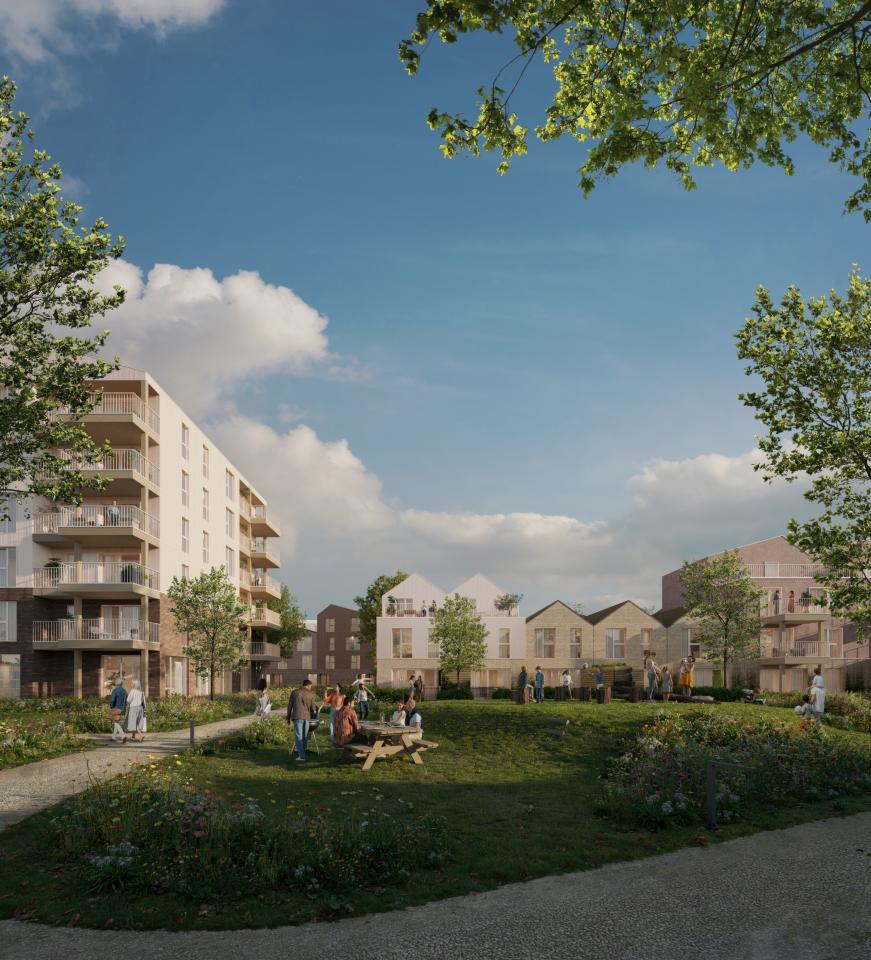
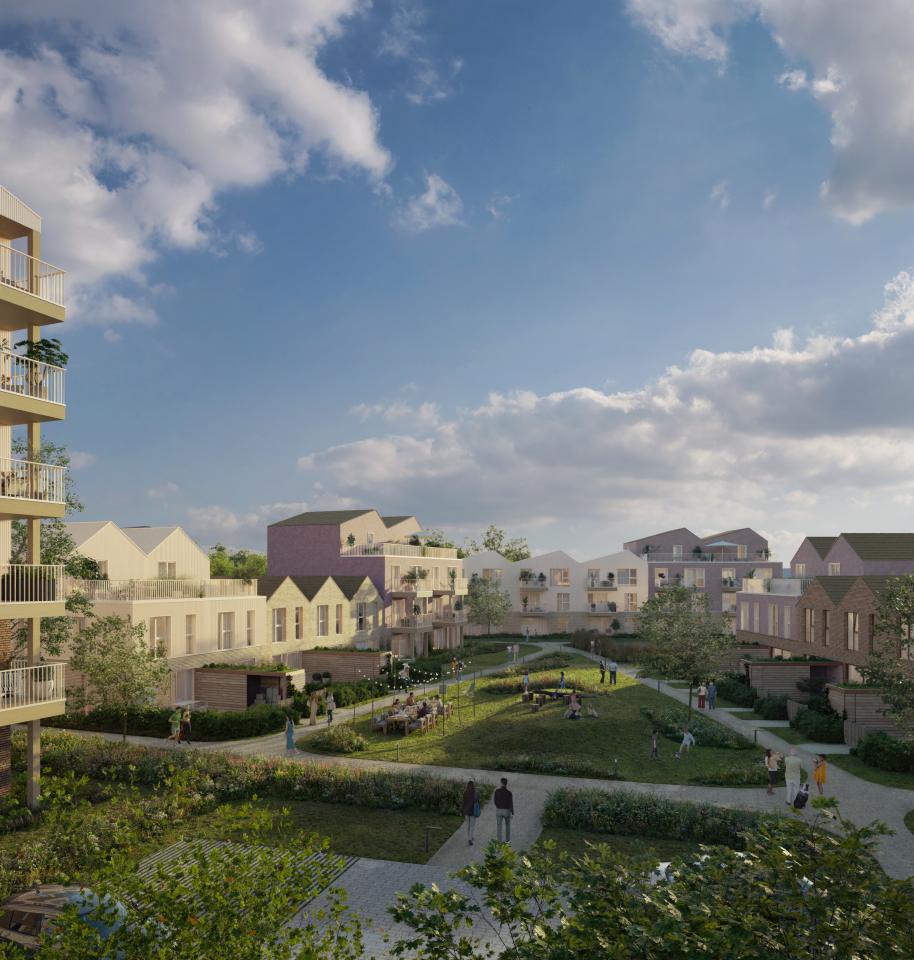
Shared spaces are carefully designed to nurture community connections. Common gardens, terraces, and pedestrian-friendly pathways encourage social interaction and enhance resident wellbeing. Our Building Information Modeling (BIM) platform enables efficient customization to reflect local cultural context and community requirements.
ToGatherHomes demonstrates how affordable, sustainable housing can honor cultural heritage while creating future-ready communities. Our model delivers high-quality living environments that celebrate diversity and enhance wellbeing across European cities.
Key objectives for inclusion
Our comprehensive accessibility strategy incorporates universal design principles, featuring wheelchair-accessible ground-floor units and adaptable layouts that accommodate diverse household configurations. The architectural design deliberately creates visual cohesion across social, affordable, and market-rate housing, promoting social integration and preventing community segregation.
We facilitate inclusive decision-making through our digital platform, which connects residents, developers, and policymakers in the planning process. This open-access configurator enables meaningful community participation in housing design and development.
Our commitment to social impact extends to environmental stewardship and economic opportunity. The circular design approach facilitates material reuse while creating local employment in sustainable construction. Our pending B Corporation certification reflects our dedication to transparency and measurable social impact.
ToGatherHomes maintains strong connections with the European Community Land Trust Network, positioning us to deliver housing through established collective social frameworks. This integrated approach—combining affordable and adaptable housing with digital governance tools and community participation—establishes a new benchmark for inclusive urban development across Europe.
How Citizens benefit
Our Community Review Panel, comprising social housing developers, real estate managers, and community land trust representatives, ensures housing designs align with local priorities and requirements. This dedicated oversight structure validates that our developments serve genuine community needs.
The parametric design system responds directly to citizen input, enabling housing configurations that reflect neighborhood-specific requirements. This technical flexibility, combined with our community engagement process, ensures developments enhance social cohesion and maintain long-term affordability.
Civil society organizations serve as essential partners in validating our social impact metrics and policy compliance. Their involvement strengthens our ability to secure funding and meet regulatory requirements while maintaining our commitment to community-driven development.
This comprehensive stakeholder engagement framework supports our mission to deliver scalable, carbon-neutral housing solutions. The model demonstrates how structured community participation can enhance sustainable urban development across diverse European contexts.
Physical or other transformations
Innovative character
System Innovation
- 85% pre-engineered, 15% adaptable parametric housing system
- Streamlined permitting and localization processes
- Integrated digital platform combining BIM, configurator, and automated cost estimation
- Significant reduction in process inefficiencies and material waste
Environmental Leadership
- Timber-based construction delivering 30-40% carbon emission reduction
- Enhanced energy performance while maintaining affordability
- Circular design principles enabling material reuse and modularity
- Systematic approach to sustainable construction
Platform-Based Ecosystem
- Centralized digital infrastructure connecting suppliers, manufacturers, and housing partners
- Economies of scale making sustainable housing accessible to lower-income communities
- Streamlined supply chain and production processes
- Enhanced collaboration across stakeholder network
Digital Transformation
- End-to-end process automation
- Reduced time-to-market and cost overruns
- Community empowerment through adaptable housing solutions
- Accelerated adoption of digital tools and sustainable practices
This comprehensive approach distinguishes ToGatherHomes from traditional project-by-project development models, establishing new standards for efficiency, sustainability, and accessibility in European social housing.
Disciplines/knowledge reflected
Design Integration
- Architectural and urban planning teams developed adaptive, community-focused housing typologies
- Balanced requirements for density, affordability, and sustainability
- Specialized social housing architects ensured designs meet resident needs and promote social integration
Technical Innovation
- Structural engineering expertise in timber construction
- Optimized prefabrication systems for resource efficiency
- Demonstrated carbon footprint reduction through innovative design
Sustainability Framework
- Collaboration with EIT Climate-KIC for impact forecasting
- Alignment with European Green Deal objectives
- Focus on carbon sequestration, material circularity, and energy efficiency
- Development of resilient, sustainable neighborhoods
This integrated approach delivers multiple benefits:
- Accelerated project implementation
- Minimized material waste
- Enhanced environmental performance
- Strengthened social cohesion
- Improved long-term community resilience
The synthesis of these diverse disciplines, supported by digital collaboration tools, has produced a comprehensive housing solution that addresses both immediate construction needs and long-term sustainability goals.
Methodology used
Sustainable Construction
Our methodology prioritizes prefabricated timber construction and off-site manufacturing, delivering measurable benefits in waste reduction, construction speed, and carbon emissions. This systematic approach to materials and manufacturing optimizes both environmental performance and project efficiency.
Community Integration
Stakeholder engagement remains central to our methodology. We work closely with local communities and social housing agencies to ensure developments address genuine housing needs. This collaborative approach, supported by our digital platform, enables efficient customization while maintaining standardization benefits.
This integrated methodology creates a scalable, replicable model for housing development that simultaneously addresses affordability challenges and climate objectives across European regions.
Digital Infrastructure
The foundation of our approach is a custom digital platform incorporating Building Information Modeling (BIM) and automated tools for cost estimation, feasibility analysis, and procurement. This infrastructure enables real-time collaboration among stakeholders while ensuring compliance with social housing regulations. Our standardized design library (85% pre-engineered, 15% locally adaptable) significantly reduces project timelines and costs.
How stakeholders are engaged
Our stakeholder engagement strategy operates across multiple governance levels:
Local Implementation
- Collaboration with social housing developers, municipal agencies, and community land trusts
- Community panel engagement influencing design priorities
- Focus on affordability, accessibility, and social cohesion
Regional Development
- Partnership with Flemish governmental bodies, including VMSW (Flemish Society for Social Living)
- Alignment with regional policy frameworks
- Secured funding for pilot project implementation
National Innovation
- Strategic partnerships with Belgian architectural and engineering firms
- Collaboration with Abscis Architecten and Arcade Engineers
- Development of scalable timber construction systems
European Integration
- Alignment with EU Green Deal objectives
- Implementation of sustainable construction and circular economy principles
- Engagement with impact investors and policy stakeholders
Our international reach extends to social housing agencies across North Rhine Westphalia, the Netherlands, Ireland, and northern France. Active membership in Proptech EU, Construct Innovate Ireland, and the Irish Green Building Council further strengthens our European network.
This engagement strategy has produced a housing solution that combines innovation with practical implementation, delivering reduced carbon emissions, accelerated project timelines, and enhanced social cohesion.
Global challenges
Housing Accessibility
Our pre-designed, prefabricated timber housing system delivers significant reductions in construction costs and timelines while maintaining superior living standards. The integration of BIM technology and digital configurators ensures cost predictability and process efficiency, directly addressing Europe's pressing housing affordability crisis.
Environmental Leadership
The project demonstrates measurable climate impact through innovative material choices and processes. Mass timber construction enables CO₂ sequestration and reduces embodied carbon emissions by up to 30%. Our circular economy approach incorporates material passports, modular design, and energy efficiency measures to enhance environmental resilience and support sustainable resource management.
Community Development
ToGatherHomes promotes social cohesion through thoughtful urban integration of social, affordable rental, and market-rate housing. The development model incorporates green infrastructure, shared mobility solutions, and community spaces, enhancing urban livability while supporting EU Green Deal and Net Zero objectives.
This comprehensive approach demonstrates how digitally-optimized, sustainable construction can effectively address both immediate housing needs and long-term environmental objectives across European contexts.
Learning transferred to other parties
The system's transferability is supported by three key elements:
Technical Infrastructure
Our integrated digital platform, incorporating BIM technology and parametric design tools, enables seamless adoption across different regions. This standardized yet flexible approach maintains efficiency while accommodating local building requirements and cultural preferences.
Construction Methodology
The prefabricated timber construction system demonstrates adaptability across urban and rural contexts. This approach delivers consistent benefits in construction speed, cost reduction, and environmental performance, while maintaining compatibility with local supply chains and workforce capabilities.
Implementation Framework
Our collaborative model unites social housing agencies, municipalities, and private developers through structured engagement processes. The financing structure, combining impact investment with public funding, ensures project viability while maintaining affordability across different economic contexts.
This comprehensive framework aligns with EU climate objectives while delivering practical, replicable solutions for Europe's diverse housing needs. The system's inherent flexibility enables successful adaptation across varying regulatory, cultural, and economic environments.
Next steps
ToGatherHomes presents a structured expansion strategy focused on system enhancement, partnership development, and market implementation across multiple European regions.<br />
<br />
Technical Development<br />
Our immediate focus encompasses the expansion of our digital library to include German and Dutch product specifications, alongside continued refinement of our BIM-based configurator. These enhancements will optimize project planning efficiency and cost estimation accuracy across new markets.<br />
<br />
Partnership Expansion<br />
Strategic collaboration with social housing agencies, developers, and municipal authorities will strengthen integration within existing housing frameworks. Initial pilot projects in Flanders will demonstrate system effectiveness, with structured feedback mechanisms enabling continuous optimization.<br />
<br />
Market Implementation<br />
The implementation strategy prioritizes:<br />
<br />
- Execution of pilot projects demonstrating cost efficiency and sustainability metrics<br />
- Enhanced engagement with government stakeholders and impact investors<br />
- Promotion of timber-based prefabrication as a scalable housing solution<br />
- Pursuit of diverse funding streams including public grants and impact investment<br />
<br />
Geographic Expansion<br />
Our phased approach begins with comprehensive implementation in Belgium, followed by strategic market entry in Germany and the Netherlands, ensuring regulatory compliance and local market adaptation.<br />
<br />
This systematic development strategy establishes a foundation for successful scaling of sustainable, affordable housing solutions across European markets.