Technologically sustainable park
Basic information
Project Title
Full project title
Project Description
Current stage development
Project Region
Municipality
EU Programme or fund
Description of the project
Summary
Key objectives for sustainability
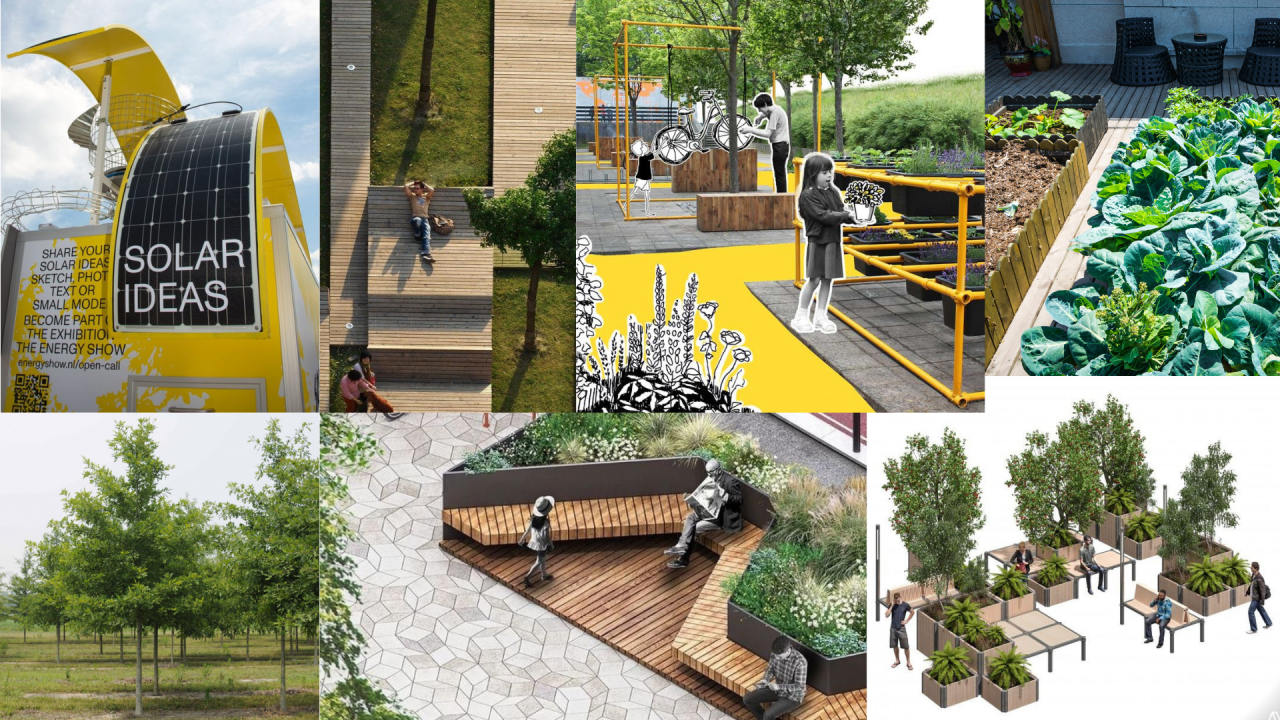
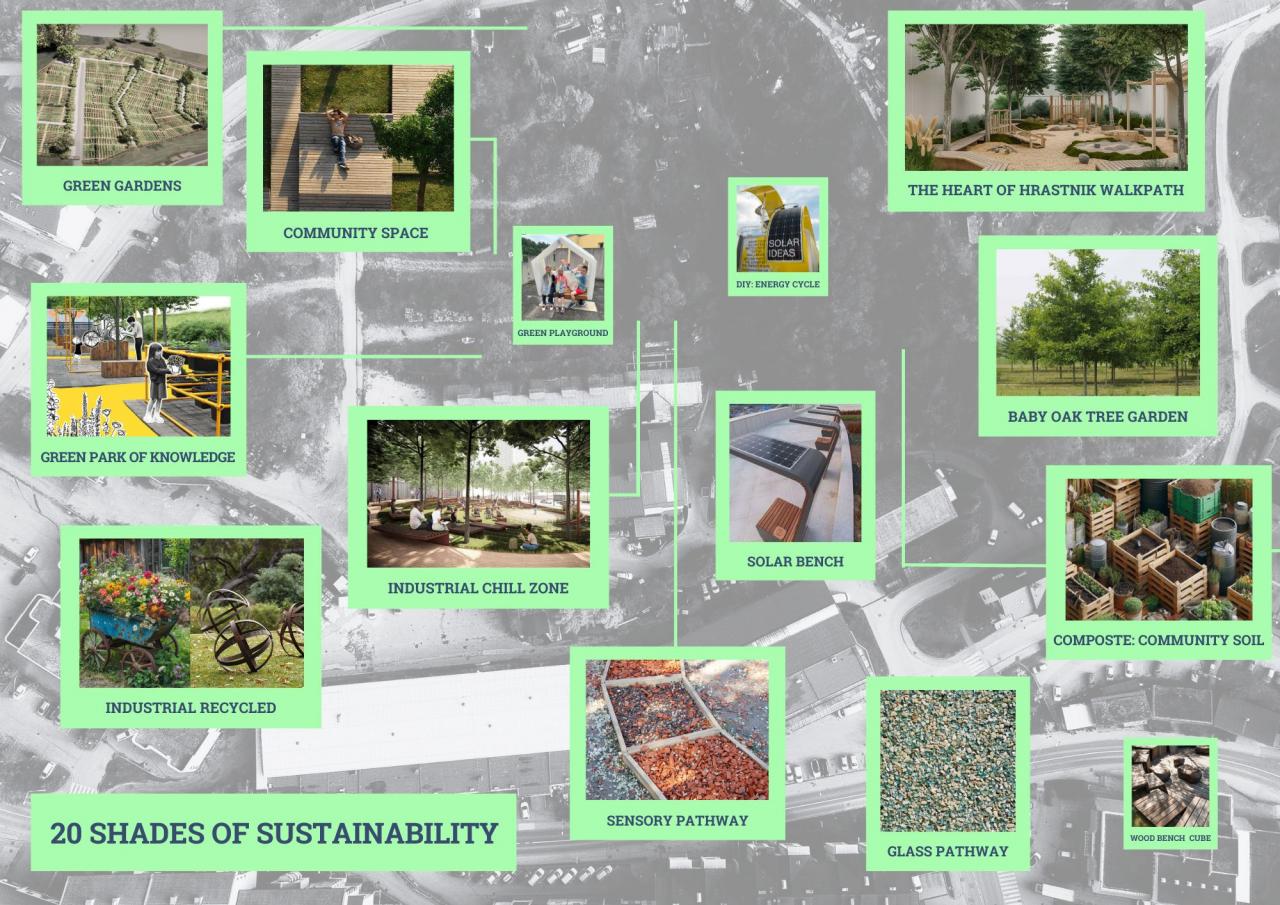
The park integrates sustainable design, including flooring made from recycled glass, play areas and pathways from recycled materials, energy-generating surfaces where children produce electricity by moving, and buildings with green roofs to reduce heat islands. These buildings also feature rainwater retention systems and promote water circulation, responding to increasing rainfall. Rainwater collection tanks and solar panels will power park lighting, with boards explaining the renewable energy systems. Benches, fences, and play structures are made from eco-friendly materials like sustainable wood and recycled plastic.
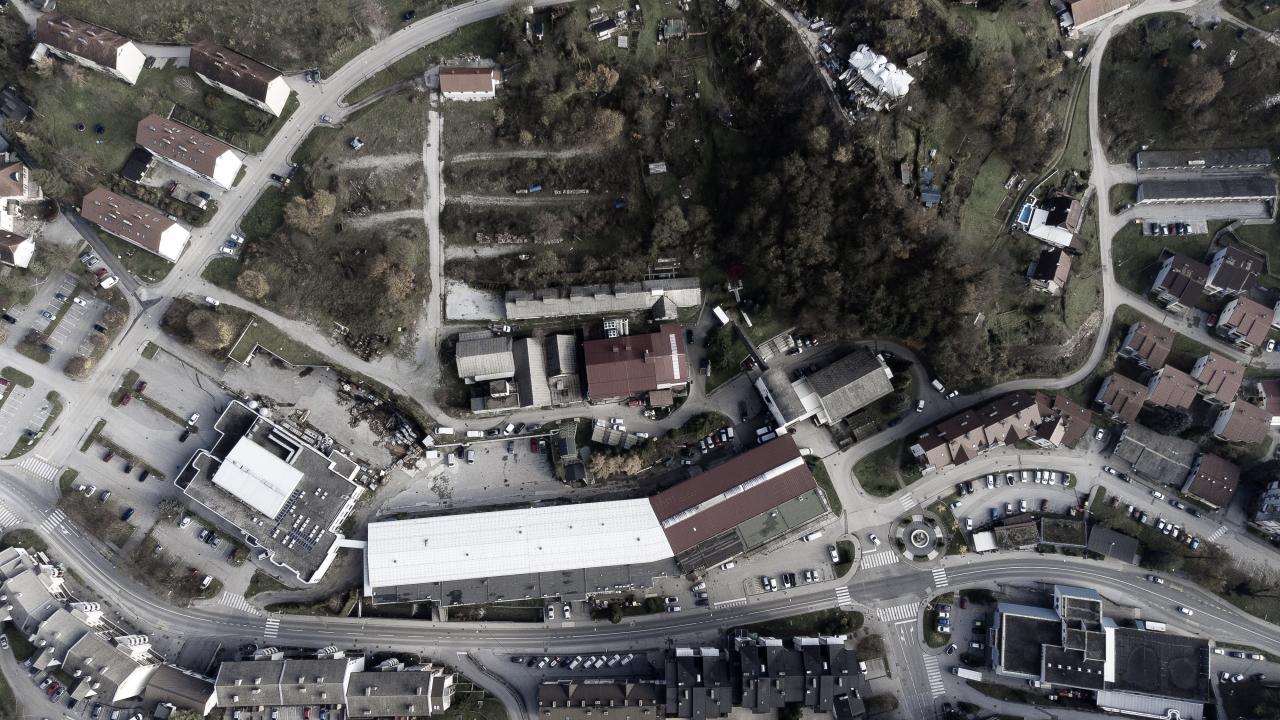
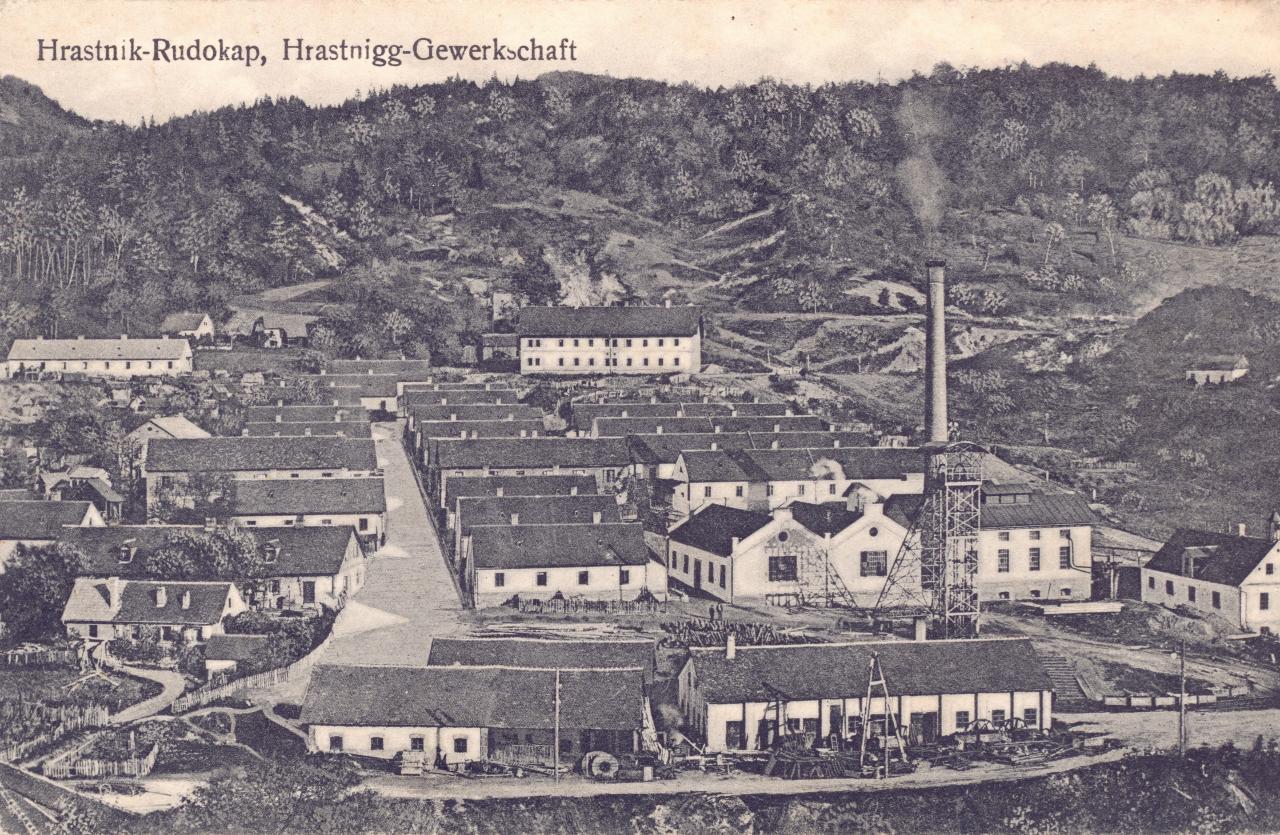
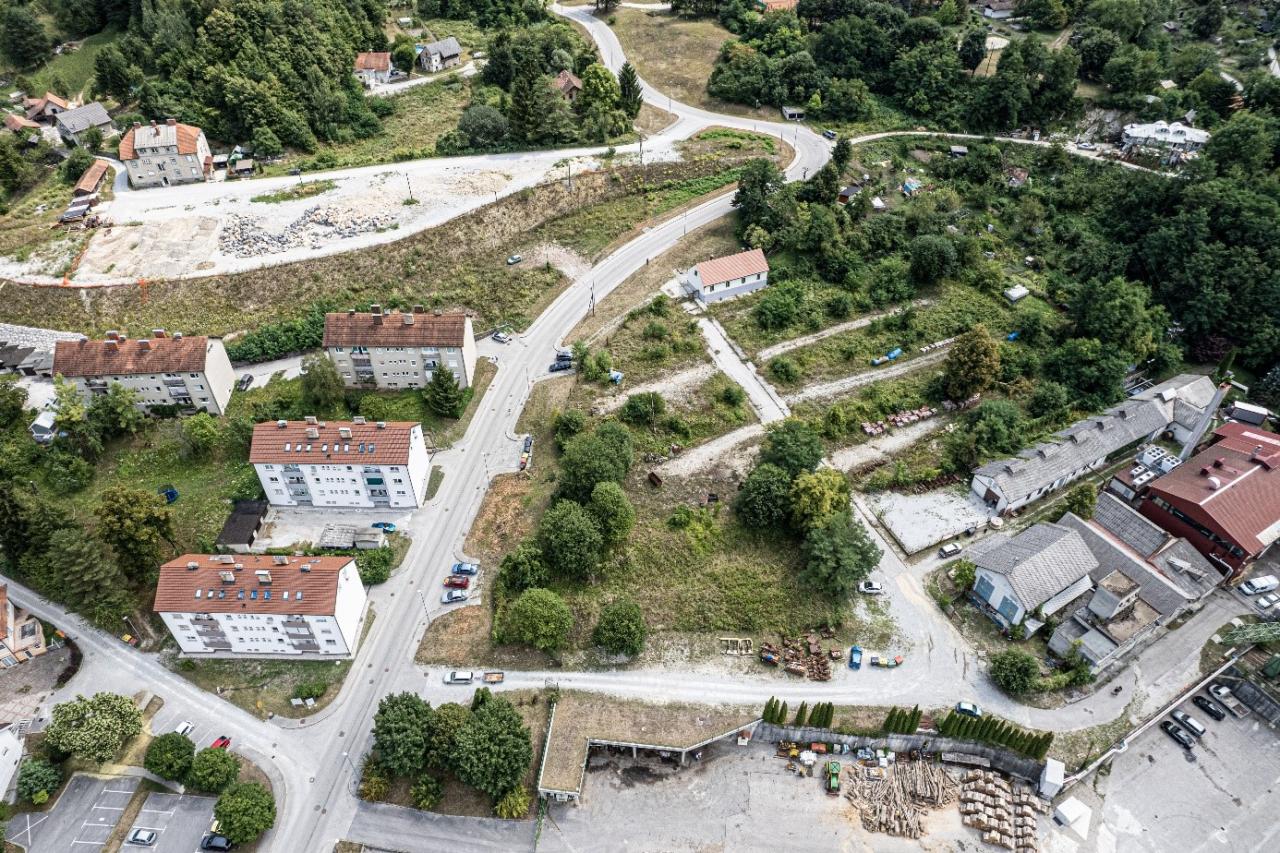
Near the park, a tree nursery will grow over 200 oak seedlings, which will be given as protocol gifts to the municipality. The nursery will include mining heritage elements and a composting area to fertilize the trees. The composting center will educate visitors about producing natural compost from organic waste. This project will also promote sustainable green practices with the municipality's logo.
An urban gardening network will allow residents to rent plots for growing food, encouraging local self-sufficiency. This initiative will promote social interactions, intergenerational collaboration, and the sharing of knowledge about sustainable living. Residents can cultivate vegetables, fruits, and herbs, reducing their reliance on industrial food production while enjoying a space for relaxation and connection with nature.
Key objectives for aesthetics and quality
This project is a model of space design that blends aesthetics, functionality, and sustainability. Its inclusive design for all generations, innovative solutions, and integration of natural and cultural elements will serve as an example for future sustainability projects, improving quality of life, respecting the environment, and promoting social cohesion.
Key objectives for inclusion
Key features include accessible public spaces, with pathways and areas adapted for those with limited mobility. The park will have sensory pathways with various textures for visually impaired and blind individuals. Economically, the project ensures that all spaces and activities, such as green areas, urban gardens, and educational content, are accessible to everyone, regardless of social status. Urban gardens will offer affordable plot rentals, promoting local self-sufficiency and food security for vulnerable groups.
The initiative encourages intergenerational collaboration, where older residents can share sustainable gardening and circular economy knowledge, while younger generations bring innovative and digital sustainability solutions. This fosters social cohesion, mutual learning, and a strong sense of community.
The project also follows an inclusive governance model, with participatory workshops allowing residents to contribute ideas, initiatives, and solutions. This ensures the space reflects local needs and aligns with community values. The project is an exemplary model of inclusive planning, combining accessibility, social justice, and active co-creation by residents, enhancing quality of life and building a more resilient, connected, and sustainable society in line with the goals of the New European Bauhaus.
How Citizens benefit
In the urban gardening area, residents will have the opportunity to actively engage in growing their own food, promoting sustainable agriculture, self-sufficiency, and a healthy lifestyle. This will strengthen social connections and create a sense of community. Within the eco-technological sustainability park, residents will participate in composting by contributing organic waste to the local waste management center, reducing waste and encouraging environmental responsibility. Additionally, local businesses will support the project through donations, expert assistance, and services, strengthening civil society, enhancing ties with the economic sector, and contributing to the project's long-term sustainability.
Community involvement is essential and significantly reinforces social cohesion. Shared participation in gardening and education will strengthen bonds among residents and increase their sense of belonging, helping to build a more connected community. Through composting and gardening activities, residents will gain knowledge about sustainable environmental practices, fostering a more environmentally conscious society.
Active resident participation ensures the long-term maintenance of the space and contributes to its preservation and sustainability goals for the future. By acquiring sustainable skills, residents will share their knowledge, further spreading these practices throughout the community. The comprehensive inclusion of residents and civil society guarantees that the project becomes a long-term, community-driven initiative that evolves in line with local needs and values.
Innovative character
A central feature is the active co-creation of the community. Local residents, cultural groups, and other stakeholders are involved at every stage, from planning to implementation, ensuring the project reflects community needs. This fosters intergenerational and intercultural collaboration, strengthening social cohesion.
Unlike conventional approaches that focus only on modernization, we actively engage local historians, cultural experts, and residents in preserving the area’s historical heritage. Collaboration among multidisciplinary teams—ecologists, urban planners, social scientists, and cultural heritage experts—ensures a comprehensive approach.
The initiative evolves based on feedback and environmental assessments, remaining relevant and impactful over time. Public accessibility and long-term sustainability are prioritized, ensuring the project benefits the local population beyond its initial stages.
Our project sets a new standard in Slovenia for sustainable urban and rural regeneration, integrating environmental awareness, economic empowerment, and community participation. It embodies the values of the New European Bauhaus, demonstrating that sustainable development and aesthetics can create accessible, functional spaces in harmony with the community’s needs.
Disciplines/knowledge reflected
Social scientists analyzed community needs and developed participatory methods to engage residents. Community designers facilitated stakeholder collaboration, built trust, and ensured active involvement throughout the process.
Interdisciplinary collaboration allowed for the integration of diverse perspectives and the development of more innovative solutions. Regular coordination among experts ensured that solutions were adapted based on shared findings, enhancing the project's relevance. Instead of a fragmented approach, solutions were developed holistically, taking into account social, cultural, and spatial aspects. This ensures that, beyond its functional purpose, the initiative is inclusively designed and provides long-term benefits for the community.
Methodology used
Our methodology relies on three key pillars:
Sustainable Development and Circular Economy – The project incorporates simple practices such as composting, urban gardening, recycling, and reducing environmental impact.
Participatory Approach and Community Engagement – Sustainable development is most effective when local residents are involved in all project phases.
Education and Awareness – We emphasize educating all generations through hands-on workshops and interactive learning to increase environmental awareness and equip young people with skills for sustainable living.
The project integrates sustainable practices like composting and urban gardening, reducing waste and promoting environmental responsibility. A key element is community involvement, as sustainable development thrives when local residents are engaged. Through education, particularly among younger generations, we aim to raise awareness of environmental issues and teach skills for sustainable living. Topics include waste reduction, energy conservation, eco-friendly construction, and biodiversity.
Our approaches—urban gardening, tree nurseries, oak planting, composting facilities, and sustainable parks—are flexible and adaptable to various communities, from urban to rural. This adaptability makes the project transferable worldwide, contributing to global sustainability goals. The project is a comprehensive, community-focused initiative that integrates sustainability, education, and collaboration to achieve long-term environmental and social benefits.
How stakeholders are engaged
Global challenges
By involving residents in these processes, environmental awareness is raised, and responsible resource management is encouraged. The initiative also promotes sustainable agriculture and self-sufficiency, reducing food transportation needs and minimizing pollution from industrial food production. In today’s globalized world, where authentic connections are fading, the project fosters social cohesion and community collaboration through shared activities like gardening, workshops, and ecological initiatives. This collaborative approach strengthens bonds, enhances belonging, and builds resilience against global social challenges like inequality and exclusion.
The development of nurseries and the planting of oak trees helps restore local ecosystems and biodiversity. Educational activities further raise environmental awareness and promote responsible resource management, contributing to both local and global sustainable development efforts.
The project provides concrete, local solutions that are adaptable and transferable to various regions, helping address climate change, social inequality, and other global challenges. The key connection between all activities is the shared use of public spaces, designed inclusively to respond to global and climate changes affecting daily life. These safe, communal spaces benefit the entire community and its residents.
Learning transferred to other parties
The urban garden network model, where residents grow their own food, can be successfully transferred to different urban or suburban communities. The concept is suitable for urban areas where access to gardening spaces is limited, as well as for rural communities looking to reduce their dependence on industrial food production.
The tree nursery and composting model can be easily implemented in other communities, regardless of geographic or cultural context. This practice will be particularly integrated into the education system (schools, community centers, and urban neighborhoods), as it raises awareness about the importance of recycling and sustainable resource management.
The eco-technological sustainable park model, which promotes the use of recycled materials for pathways, playgrounds, and other infrastructure elements, can be adopted by various local communities—especially those seeking to improve their environmental infrastructure. Features such as energy-efficient children’s play equipment or recycled materials used for building pathways and public spaces can serve as examples for other regions that wish to emphasize the importance of green initiatives.
All these practices can be adapted to different age groups and cultural contexts, as they are based on universal principles of sustainability, community collaboration, and environmental responsibility. In this way, our initiative can serve as a model for other projects striving to enhance quality of life, foster social cohesion, and achieve sustainability goals in diverse settings.
Next steps
The further development and implementation of our initiative will align with the values of the New European Bauhaus,focusing on sustainability,inclusion and respect for history and the environment.Our project aims to reduce environmental footprints through the use of natural materials,recycling and promoting reuse,while influencing habits and raising awareness of human impact.Primary goal is to create an environment that minimizes resource consumption and has a minimal ecological impact.An example of this is the design of the nursery for growing trees as protocol gifts, which not only promotes local production but also supports the expansion of green spaces within municipalities.Community involvement and accessibility are central to our approach.We aim to create a space open to all generations,designed both aesthetically and functionally to engage visitors of different ages and cultural backgrounds,offering them opportunities to participate in various activities.Public access ensures that everyone can contribute to revitalizing the area,leading to long-term community growth and coexistence.The project also emphasizes the connection to the local heritage, preserving and recognizing the area’s cultural significance.It will positively impact local residents by improving their quality of life and raising awareness about sustainable practices.Monitoring user needs will be key to ensuring the project continues to evolve in line with the community's future requirements.Throughout the development,we followed the principles of the New European Bauhaus,establishing active communication with local residents,regional, and national stakeholders.This collaboration has fostered the creation of multidisciplinary teams addressing challenges in ecology,urban design and social and economic sustainability.We will continue to build collaboration,monitor progress and respond to feedback to create a more inclusive and sustainable built and natural environment,in the short and long term.<br />