Straw bale tiny house as a village devel
Basic information
Project Title
Full project title
Project Description
Current stage development
Project Region
Municipality
EU Programme or fund
Description of the project
Summary
The self-sufficient tiny house built from straw bales, as well as the surrounding design in the center of the village, offers the possibility of highly effective public relations and climate education work even during development and is an example of sustainable conversion and cultural revitalization of agricultural wasteland in the center of the village. The straw bale house combines the conversion of a hall, two other existing houses with living and overnight accommodation, the bakery and a community garden within a manageable cost framework. The straw insulation material is here in a lively context for the extraction and use of straw from regional agriculture. Straw is grown and the annual agricultural waste in Germany would be enough to insulate 350,000 single-family homes. The community benefits in many ways from networking with cultural and educational institutions such as the Vogelsberg climate education landscape and Pier F Future Port Frankfurt, village development, cultural and tourism development with a wide range of offers in the areas of land art, art, sustainability, stays and overnight stays.
Key objectives for sustainability
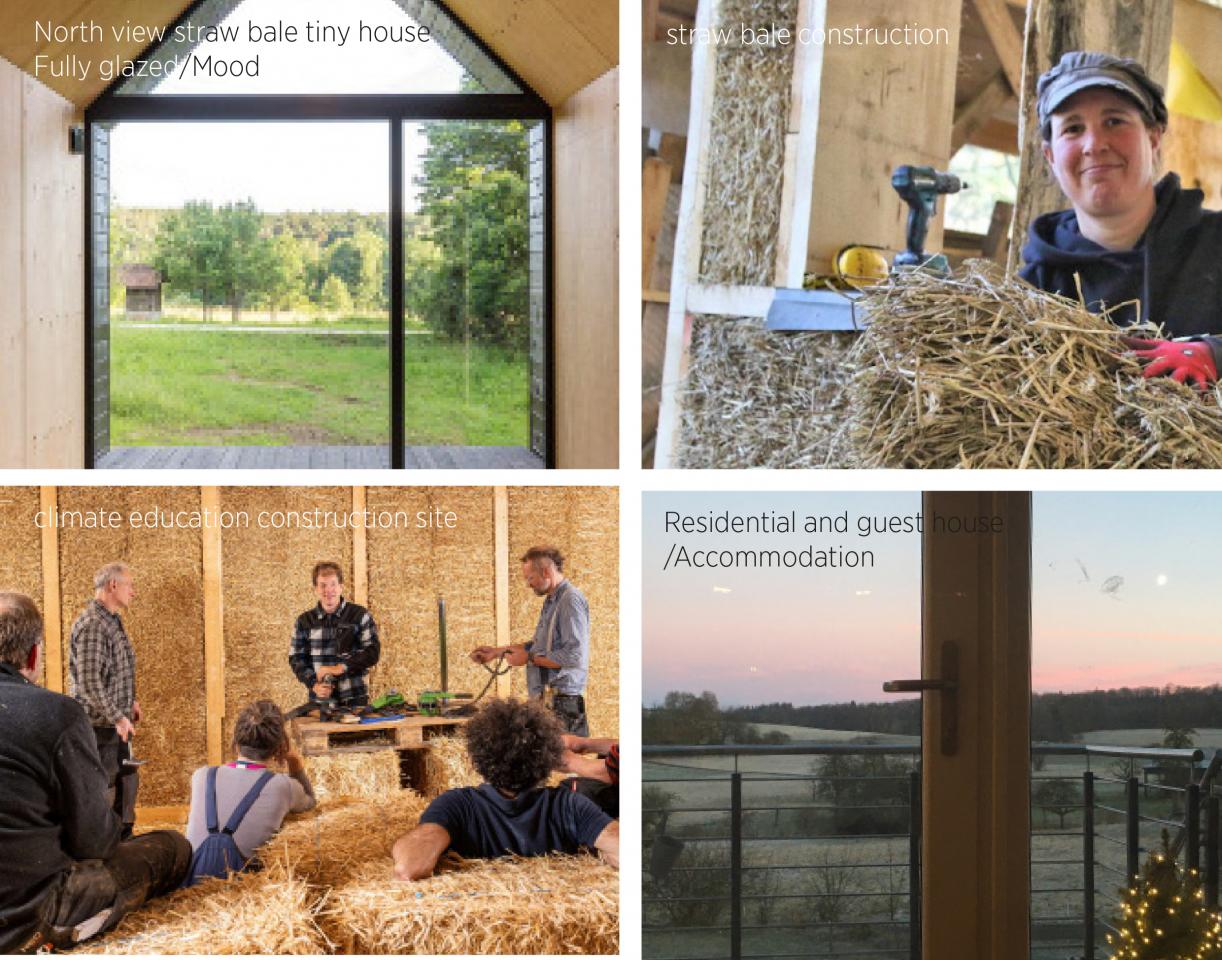
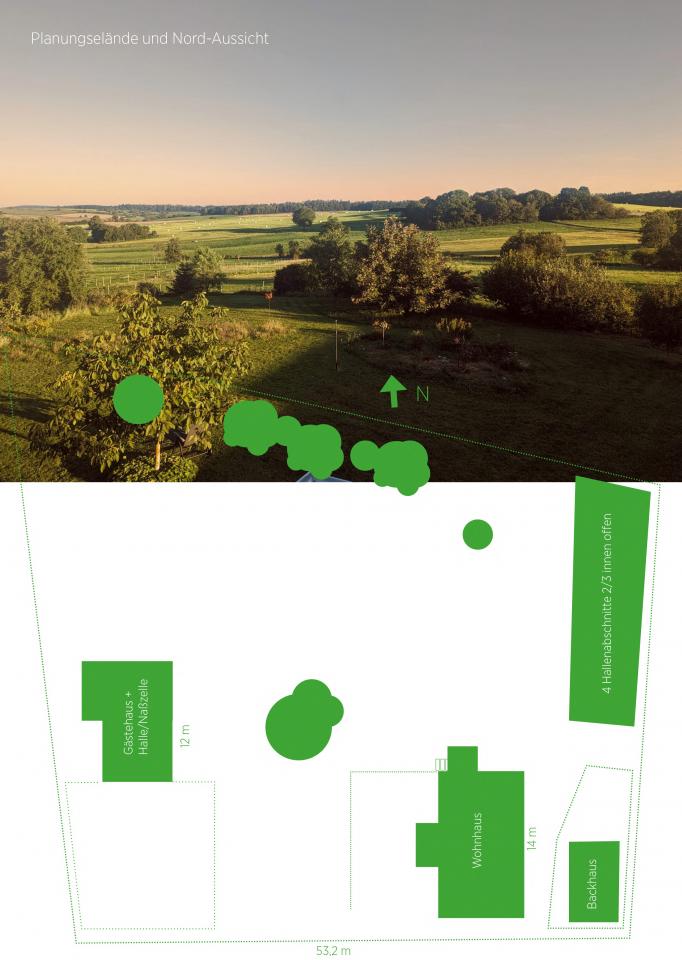
The project is located in the center of the town and yet at the back in an outstanding landscape location. In conjunction with the conversion of a hall area, the existing residential units, as well as the bakery with commercial kitchen and a communal garden, the straw bale tiny house offers the opportunity to transform on multiple levels - as a climate education construction site, as a beacon for highly effective public relations work, as a special overnight accommodation option in the landscape, as an upgrade and use of the entire ensemble.
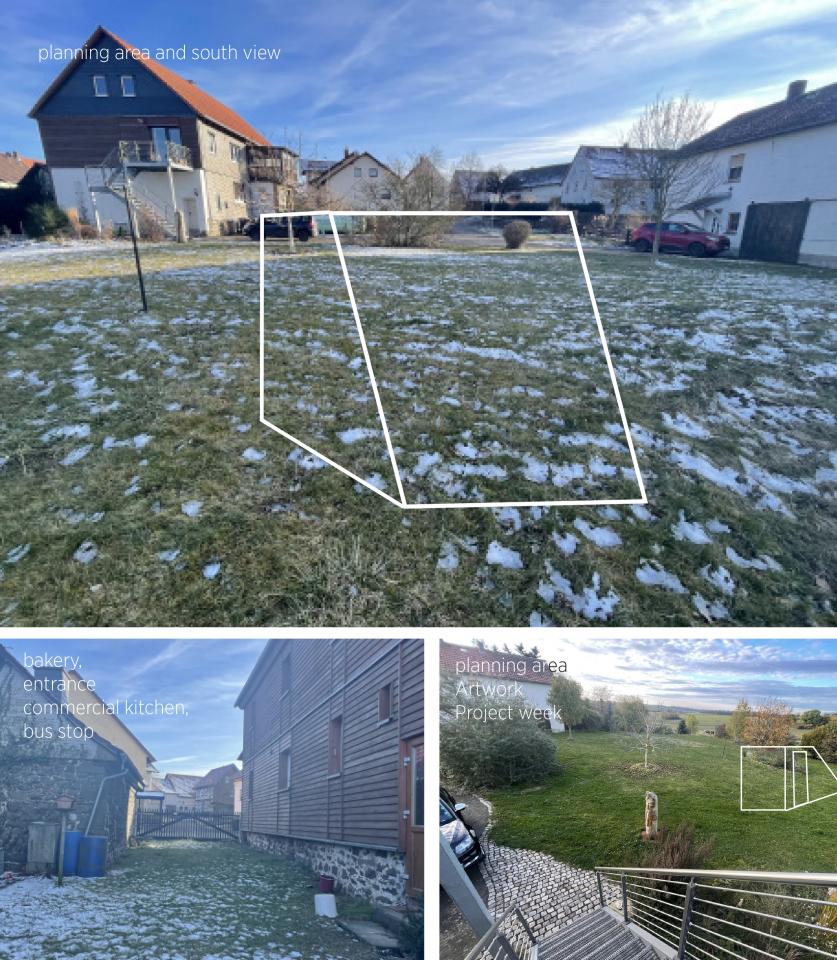
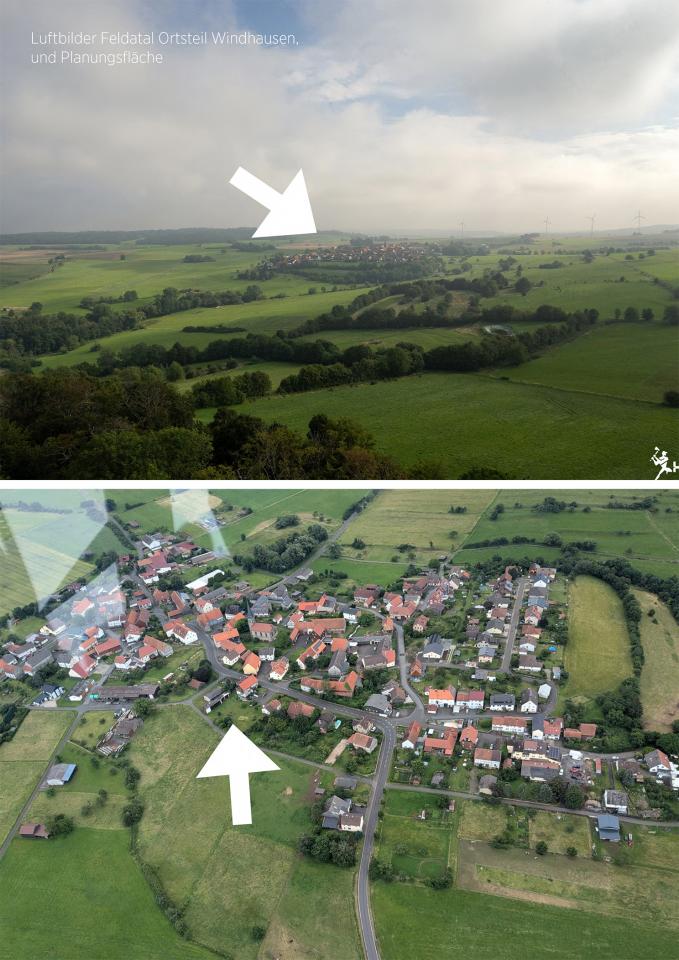
The district had the highest proportion of farms in Feldatal until 1990 and since the closure of the farms has had problems with the conversion or sale of the farms due to their size, especially due to the necessary preservation of the farm buildings and the monument protection requirements. The community benefits in many ways from the collaboration with cultural and educational institutions, as well as village development, cultural and tourism development in the areas of land art, art, sustainability, stay and overnight accommodation
Key objectives for aesthetics and quality
through the fully glazed windows it will open up an unobstructed view, like a studio, into an unobstructed, outstanding landscape situation with three forest horizons and a distant view. The design and the views create a new architectural impression in the village landscape, enhance the center of the village and turn the entire ensemble into a stage.
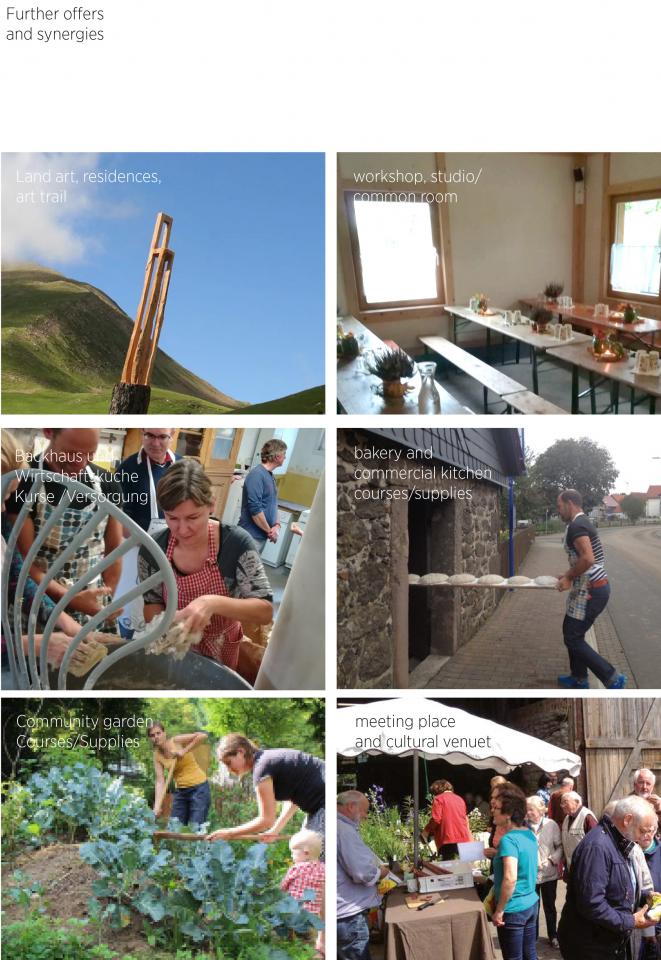
The additional work and accommodation options, the conversion of the workshop into a studio, as well as the bakery, the commercial kitchen with dough machine and the community garden make courses and residencies possible. Like the straw bale construction, the regional values in the area of sustainability and quality of life are to be lived and addressed here and complete the overall ensemble. The landscape experience and contemplation, the communal baking and the provision from the country kitchen as part of the offerings make the country culture a valuable cultural event.
Key objectives for inclusion
Together with the existing and planned living and overnight accommodation options, the community garden, the bakery and the commercial kitchen, further offers in the field of ecology and art, co-working space and space for the cultural participation of the village residents and guests will be created here. Like the straw bale house, the buildings and works created in the community remain like a first wooden work of art on a park-like area, which was created as part of a project week on culturally valuable topics in the region, thus creating a public cultural place.
How Citizens benefit
The people in the town regularly use the main building's commercial kitchen and the bakery and enable participation and exchange in all activities. The bakery on the property is an important cultural heritage of the Vogelsberg region.
The construction of the straw bale tiny house and the accompanying public relations work effectively promotes all other activities and offers, revitalizes the place and makes the community visible.
The project promotes the cultural participation and identification of the people in the town, as well as immigration and tourism.
Innovative character
The design and the views create a new architectural impression in the center of the village and turn the entire ensemble into a stage.
At the same time, the climate construction site is developing a wasteland in the center of the village in an exemplary manner and creating an incomparable cultural and meeting place instead. With the diverse networking and participation, the energy-self-sufficient and unique straw bale building and the entire ensemble will make the place and the community more sustainable and achieve maximum attention and appreciation, all at a relatively low cost of 2,500 euros per square meter.
Disciplines/knowledge reflected
Methodology used
How stakeholders are engaged
Global challenges
The project creates cultural participation, gives courage and shows how to deal with sustainable and regional construction methods. In this way, the community and its cultural heritage are upgraded, it strengthens the community and promotes immigration and tourism development.
The "straw bale cube" is an ecologically innovative and self-sufficient tiny house that closes the wasteland of a former farm with the design of the surrounding area and the conversion of the barn.
Through participation and networking with cultural and educational institutions such as the BNE network, the Vogelsberg climate landscape and Pier F Future Port Frankfurt, the energy-self-sufficient construction project is being developed in an interdisciplinary manner and thus has a wide public reach.
The insulating material straw is forward-looking and is here in a lively context for the extraction and use of straw in agriculture and as a product of the Vogelsberg eco-model region. The annual waste from German agriculture alone is enough to insulate 350.000 single-family homes. Apart from that, straw binds CO2 emissions and can be returned to the biological cycle without leaving any residue after use.
Learning transferred to other parties
Next steps
In addition to involving the community, the municipal and local educational institutions,<br />
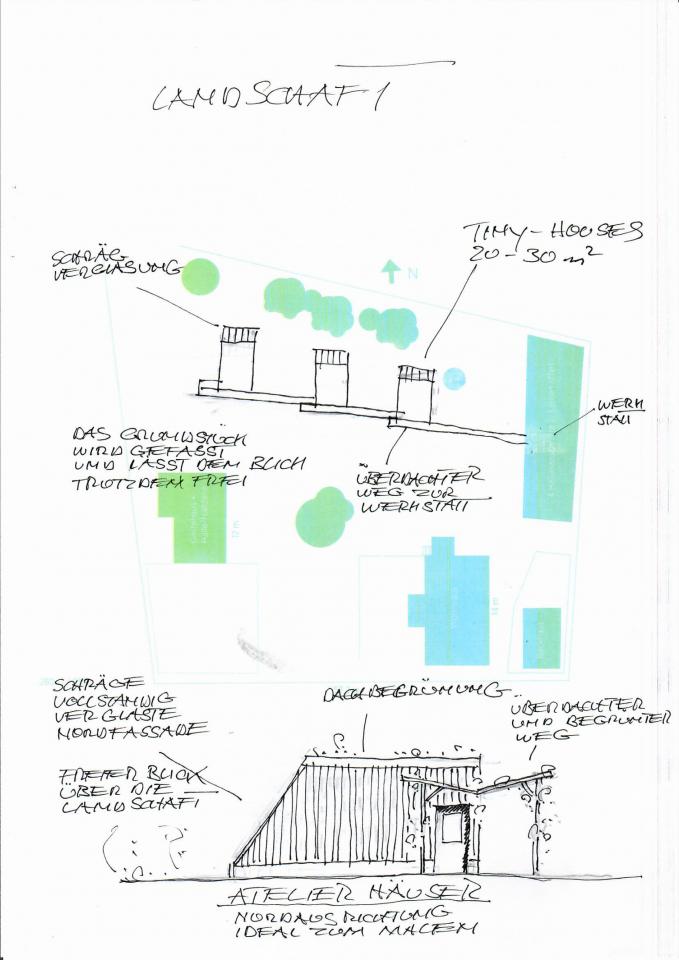
Rook Architekten Frankfurt, who are experienced in straw bale architecture, visited the site. The office advised us and made initial sketches for the implementation of a first straw bale house, which the architects can also imagine in a row that should connect the house<br />
with the workshop studio via a covered corridor. The straw bale building is self-sufficient with solar energy and does not require approval because the wet rooms are located in the hall area with the workshop and the construction on the site of a former commercial building is a conversion. Initial discussions have been held with the Vogelsberg Climate Education Landscape for an educational offer on the climate construction site for 2026. Pier F Zukunftshafen Frankfurt supports the project with public relations work and excursions.<br />