Soundscape Among Junipers
Basic information
Project Title
Full project title
Project Description
Current stage development
Project Region
Municipality
EU Programme or fund
Description of the project
Summary
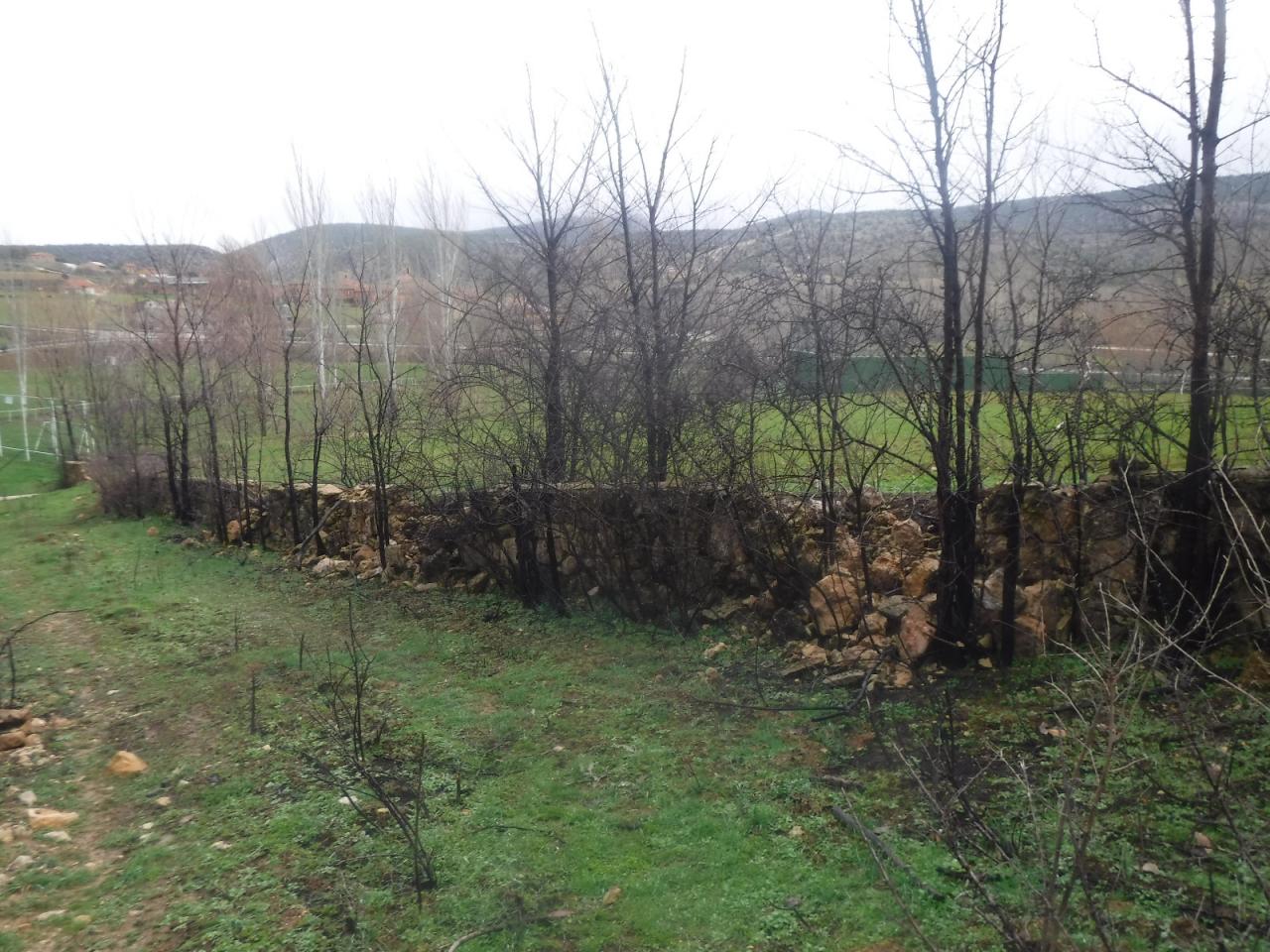
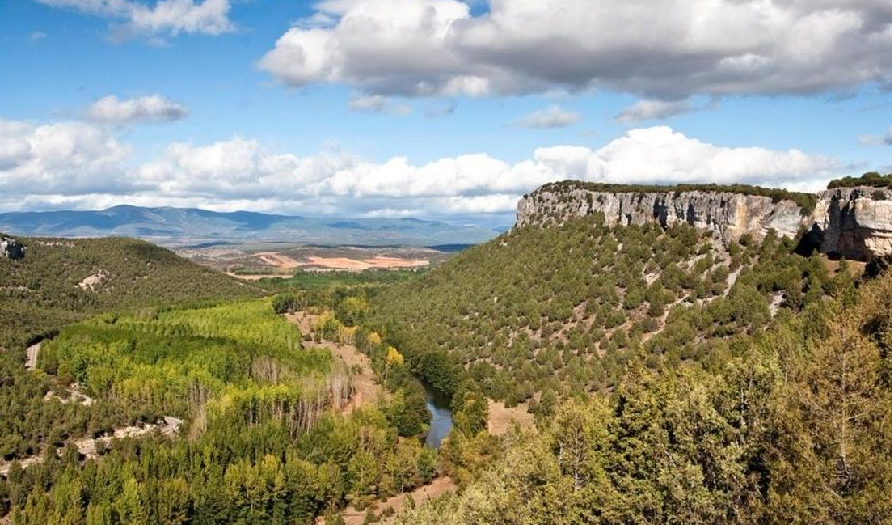
This initiative is an innovative action in a unique environment—a protected natural space home to juniper trees over 2,000 years old.
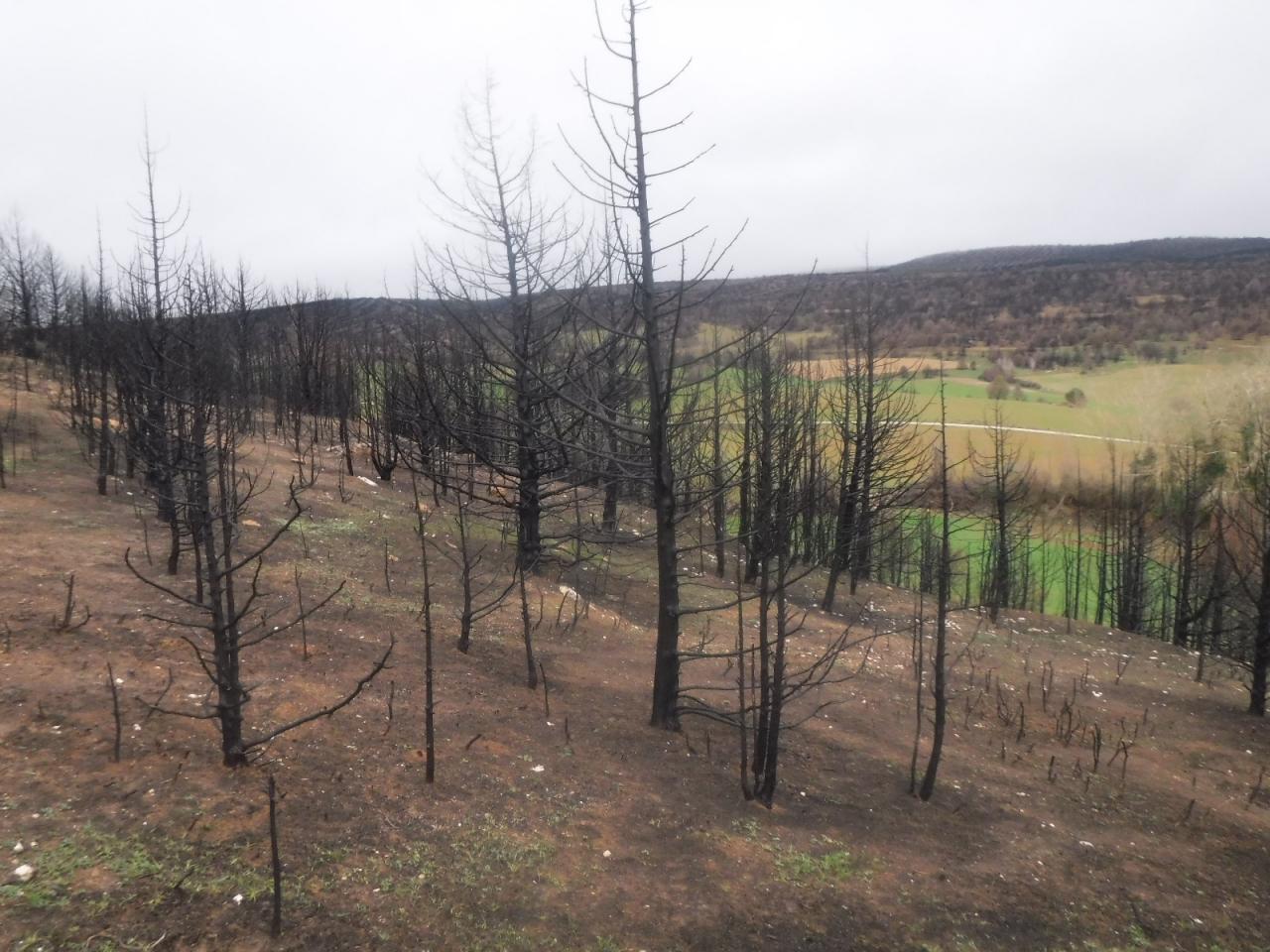
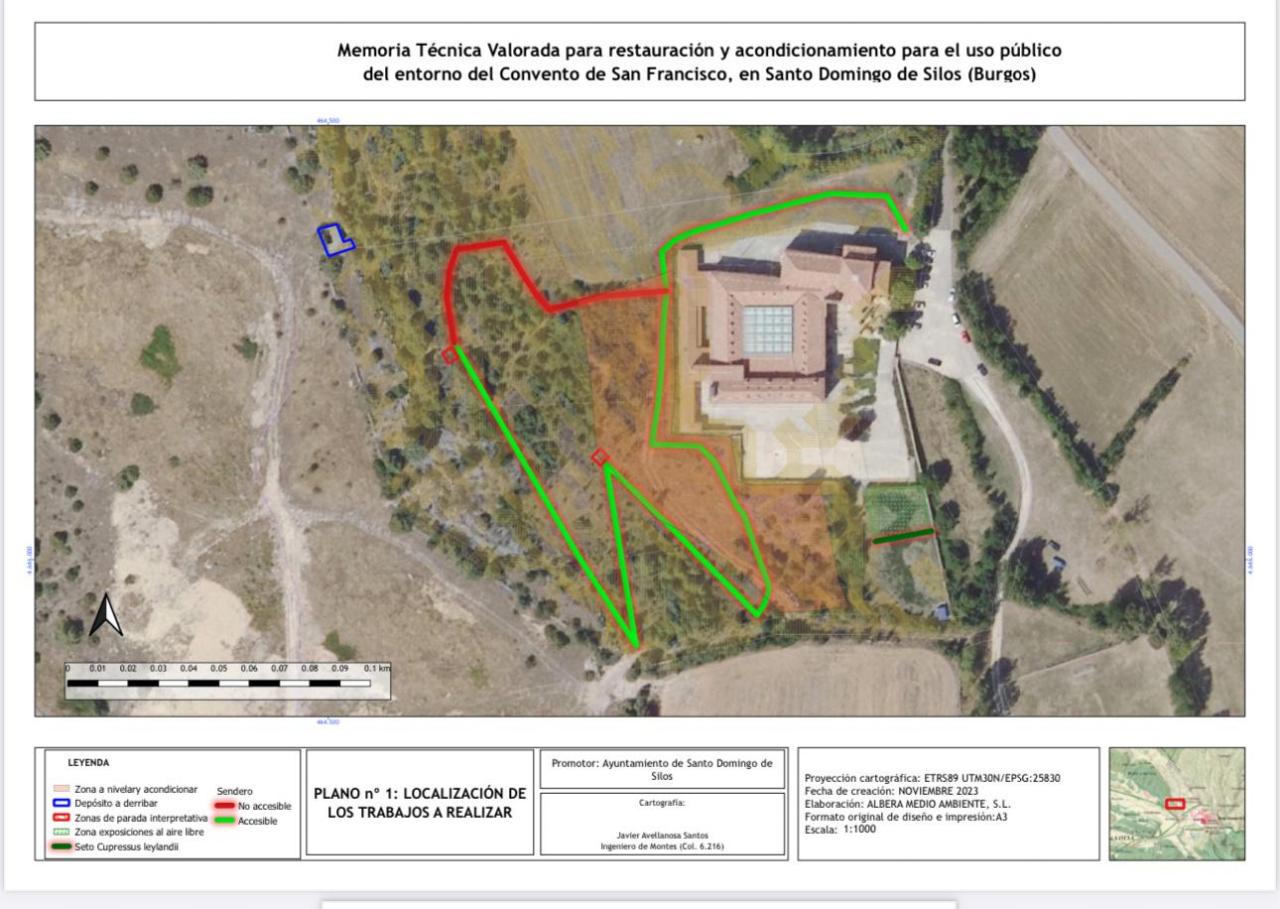
The project focuses on reforesting the park and creating an itinerary—a trail where visitors can enjoy the Natural Park while experiencing a unique journey through interactive sound installations, QR codes, and other technological tools. These elements will allow visitors to explore the sonic richness of the landscape, learn about the history and traditions of the municipality, and promote environmental and heritage education. Additionally, the project has been designed to be accessible and inclusive, ensuring access for people with diverse abilities and different visitor profiles.
The project aligns with the values of the New European Bauhaus, combining sustainability (natural restoration), inclusion (universal accessibility), and aesthetics (innovative trail design). Furthermore, it promotes a replicable model for other rural areas affected by natural disasters and fosters community empowerment through active participation in its development.
The project engages local residents to foster community involvement, tourists seeking nature and culture, and people with disabilities ensuring inclusivity. It supports local businesses for economic growth and educational institutions for awareness. Key goals include reforesting, creating an interactive trail, and promoting cultural heritage.
Key objectives for sustainability
Environmental Restoration & Biodiversity – Reforestation with native species and sustainable land management to restore ecosystems and protect biodiversity.
Sustainable Tourism – Development of a low-impact visitor experience, integrating QR-coded digital content and sound installations to educate while preserving nature.
Community Engagement & Economic Growth – Involvement of local residents through volunteer programs, training, and partnerships, fostering economic opportunities in ecotourism.
Cultural Heritage Conservation – Promotion of local history and traditions through storytelling, interactive media, and educational initiatives.
Accessibility & Inclusion – Designing an inclusive trail with multisensory experiences, braille signage, and digital narrations to ensure universal access.
Why This Initiative is Exemplary?
The "Soundscape Among Junipers" model is scalable and adaptable to other regions with similar characteristics, serving as an innovative precedent for the regeneration of degraded natural areas:
• Other rural municipalities can apply this methodology to revitalize their natural and cultural heritage.
• Areas affected by wildfires or extreme climatic events can benefit from the implementation of sustainable routes that promote environmental resilience.
• Natural parks and protected reserves can integrate digital tools and immersive experiences to enhance environmental education and citizen engagement.
• Sustainable tourism networks can adopt this strategy as a model to diversify the tourism offer and reduce pressure on fragile environments.
Key objectives for aesthetics and quality
Harmonious Integration with Nature & Heritage – The trail is carefully designed to blend with the natural scenery and cultural landmarks, ensuring a visually pleasing and ecologically sensitive experience.
Multi-Sensory & Immersive Engagement – Visitors interact with the environment through a combination of visual, auditory, and tactile elements, deepening their connection with nature and heritage.
Cultural & Artistic Enhancements – Strategic placement of art installations and interpretative storytelling adds depth to the experience, linking the past with the present in a compelling way.
Technology-Enhanced Exploration – The use of QR codes, augmented reality (AR), and sound installations enhances learning and engagement without disturbing the ecological balance.
Why This Initiative is Exemplary?
Innovative Approach to Design – By integrating nature, culture, and technology, the project creates a holistic and interactive tourism model.
Emotional & Cultural Resonance – The initiative fosters positive emotions, curiosity, and a deeper appreciation of local traditions, making it a memorable experience.
Replicability & Sustainability – This model serves as a scalable blueprint for other rural areas seeking to promote cultural heritage, nature conservation, and immersive tourism.
Key objectives for inclusion
Key Objectives and Implementation
Accessible Infrastructure: The project integrates barrier-free routes for individuals with reduced mobility, Braille signage, and interactive audioguides to ensure an inclusive experience.
Community Engagement & Governance: A volunteer program actively involves local residents, organizations, and stakeholders in conservation, reinforcing a sense of ownership and shared responsibility.
Educational & Awareness Initiatives: Through workshops and activities in collaboration with schools and local associations, the project raises awareness about environmental conservation and cultural heritage.
Economic Inclusion & Job Creation: It fosters employment opportunities for youth and marginalized groups, offering training in ecotourism and environmental management to enhance local capacity.
Multisensory & Inclusive Experiences: By incorporating visual, auditory, and tactile elements, the project ensures meaningful participation for individuals with visual or hearing impairments.
Why This Initiative is Exemplary? Universal Design & Accessibility: The project embraces a design-for-all approach, ensuring that diverse visitor groups, including those with disabilities, can fully experience and engage with the environment.
Social & Economic Empowerment: It strengthens social cohesion, community identity, and economic resilience by actively including local stakeholders in its governance and development.
Replicability & Scalable Impact:This model can be adopted by other regions, demonstrating how rural areas can integrate accessibility, sustainability, and cultural preservation
How Citizens benefit
Innovative character
Key Innovations Compared to Mainstream Actions
Integration of Soundscapes as a Core Element – While most nature-based tourism projects focus on visual engagement, "Soundscape Among Junipers" introduces an auditory dimension, allowing visitors to experience natural and cultural heritage through immersive soundscapes. This approach enhances sensory engagement and fosters a deeper emotional connection with the environment.
Use of Interactive Digital Technology Without Ecological Disruption – Unlike many tourism-driven development projects that introduce physical infrastructures which may impact the environment, this initiative utilizes QR codes, augmented reality (AR), and digital storytelling to guide visitors through the trail. These elements provide rich educational content while keeping the landscape untouched and preserved.
A Holistic and Accessible Visitor Experience – Traditional eco-tourism sites and cultural heritage trails often lack inclusive design for individuals with disabilities. This project prioritizes accessibility by incorporating Braille signage, tactile pathways, interactive audioguides, and sensory elements to ensure a fully inclusive experience for all visitors.
Community-Driven Conservation Model – Unlike mainstream projects that rely solely on institutional funding and external expertise, this initiative actively involves local communities in its development, from volunteer conservation programs to educational workshops and economic inclusion initiatives.
Disciplines/knowledge reflected
Disciplines and Knowledge Fields Involved
Environmental Science & Ecology – Experts guided reforestation, biodiversity conservation, and land management to restore the ecosystem.
Cultural Heritage & History – Historians and anthropologists shaped the narrative and interpretive elements, enriching visitor engagement.
Sustainable Tourism & Ecotourism – Specialists ensured low-impact visitor management and economic benefits for the local community.
Technology & Digital Innovation – Interactive QR codes, audioguides, and sound design enhance the immersive experience.
Social Inclusion & Accessibility – Advocates implemented Braille signage, tactile paths, and multisensory features for universal access.
Interdisciplinary Collaboration and Added Value
Cross-sector workshops and consultations ensured seamless integration of expertise. Ecologists worked with planners to balance conservation and accessibility, while historians collaborated with sound designers to create a rich, immersive experience. Tourism experts and community representatives co-developed engagement strategies for economic viability.
This collaborative approach ensures sustainability, cultural preservation, and accessibility, making the project an exemplary model of integrated conservation, heritage, and technology-driven tourism.
Methodology used
Key Methodological Approaches
Community Participation & Co-Design
Local residents, experts, and stakeholders actively shape the project through workshops, surveys, and volunteer programs.
A community-led conservation effort ensures long-term stewardship and local engagement.
Sustainable Environmental Restoration
Native reforestation and biodiversity conservation guided by ecological principles.
Low-impact land management prevents erosion and protects the ecosystem.
Innovative Use of Technology
QR codes, sound installations, and augmented reality (AR) enhance the visitor experience without harming the landscape.
Soundscapes and digital storytelling make the journey immersive and interactive.
Accessibility & Inclusive Design
Braille signage, tactile pathways, and interactive audioguides ensure a fully inclusive experience.
Collaboration with disability advocacy groups enhances accessibility.
Sustainable Tourism & Local Economy
Low-impact tourism promotes cultural and environmental conservation.
Job creation and training programs support local businesses, youth, and at-risk groups.
This holistic, interdisciplinary approach integrates community voices, conservation science, and digital engagement, setting a new standard for inclusive, sustainable tourism. By ensuring cultural and environmental preservation while fostering economic opportunities, the initiative serves as a scalable and replicable model for other rural and natural areas.
How stakeholders are engaged
Strategic alliances have been established with organizations that promote sustainable rural development and heritage conservation, including:
• Society for the Development of Burgos (SODEBUR)
• Local Action Group of Sierra de la Demanda (AGALSA)
• Camino del Cid
• Arlanza Wine Route
• D.O. Arlanza
• Sabinares del Arlanza-La Yecla Natural Park
• Silos Foundation
Additionally, the project is closely linked to other major initiatives in the region, such as:
• Camino del Cid
• Sad Hill Cultural Association
• Sabinares del Arlanza-La Yecla Natural Park
In December 2024, the Department of Culture, Tourism, and Sports of the Junta de Castilla y León approved €2,250,000 in funding for 21 projects of regional tourism interest, along with €250,000 for 20 signage projects.
In Burgos province, the Junta has granted €170,891 to the Santo Domingo de Silos Town Council for the 'Soundscape Among Junipers' project, providing initial funding to kickstart its implementation.
Global challenges
Addressing exclusion and inaccessibility in tourism, the project follows universal accessibility principles, ensuring Braille signage, tactile pathways, interactive audioguides, and multi-sensory experiences for all visitors, making it a model for inclusive tourism that is both socially equitable and economically viable. The initiative also tackles economic inequality and rural unemployment by fostering a sustainable local economy, integrating eco-tourism, training programs, and local business partnerships to create employment opportunities in environmental management, cultural tourism, and digital innovation, particularly benefiting youth and at-risk groups. Furthermore, it addresses disconnection from nature and lack of environmental awareness by offering interactive, technology-enhanced outdoor learning experiences, using QR-coded storytelling, soundscapes, and digital content to engage visitors in ecosystem conservation and responsible tourism.
Learning transferred to other parties
The use of QR codes, augmented reality (AR), and digital soundscapes provides an engaging, non-intrusive way to present cultural and ecological content, making it transferable to museums, archaeological sites, and eco-tourism destinations. The multi-sensory experience, combining sound, visual storytelling, and interactive elements, can be implemented in parks, heritage trails, and urban spaces to enhance visitor engagement. The reforestation model using native species and sustainable land management can be applied in degraded natural areas globally to promote biodiversity conservation, while the low-impact visitor infrastructure design can be adapted to protected natural areas.
The initiative’s volunteer and training programs in ecotourism, cultural preservation, and environmental management can be used in other rural communities, fostering sustainable employment opportunities. Its collaborative governance model, involving local authorities, environmental groups, and tourism sectors, can be replicated in regions aiming to develop community-driven tourism strategies. By integrating technology, sustainability, accessibility, and community empowerment, serves as a blueprint for responsible tourism and conservation initiatives.
Next steps
The "Soundscape Among Junipers" initiative continues to develop with a focus on sustainability, inclusivity, and innovation, fully aligned with the New European Bauhaus (NEB) values of sustainability, aesthetics, and inclusion. Key activities include enhancing accessibility through Braille signage, tactile navigation, and interactive audioguides, and expanding digital content with QR-coded storytelling, AR, and immersive sound installations, created in collaboration with historians, artists, and environmental experts.<br />
<br />
Community engagement remains central, with training programs for volunteers, youth, and at-risk groups, ensuring their long-term participation in ecotourism and conservation. The project also advances reforestation using native species and wildlife conservation monitoring while integrating eco-conscious tourism guidelines and a circular economy model to support local artisans and businesses.<br />
<br />
Following NEB principles, the initiative merges nature restoration, heritage conservation, and innovative digital tools to create a sustainable and inclusive experience. It fosters participatory co-creation, multi-disciplinary collaboration, and sustainability-driven innovation, ensuring equitable access while preserving cultural and natural heritage.<br />
<br />
Next steps include pilot testing and community feedback, scaling the model for replication, securing long-term governance and financing through public-private partnerships, and implementing a monitoring system to track environmental, economic, and social impact. By continuously incorporating NEB values, "Soundscape Among Junipers" stands as a leading model for sustainable, inclusive, and culturally rich tourism, offering a replicable blueprint for future conservation and heritage projects.