Seenergy
Basic information
Project Title
Category
Project Description
Seenergy's mission aligns with the growing demand for renewable energy by offering design-driven solutions that seamlessly combine functionality with sustainability. These products not only enhance living spaces but also actively contribute to a greener future by reducing carbon footprints.
Current stage development
Geographical Scope
Project Region
Urban or rural issues
Physical or other transformations
EU Programme or fund
Description of the project
Summary
Our primary target groups are eco-conscious consumers, particularly urban dwellers who appreciate design and sustainability, and commercial clients interested in integrating green technology into their infrastructure without aesthetic compromise.
Specific Objectives:
- To develop and market furniture and household items that function as renewable energy sources without sacrificing aesthetic appeal.
- To reduce the carbon footprint associated with energy consumption in residential and commercial settings.
- To democratize access to sustainable energy through cost-effective solutions.
- To foster partnerships with academic and manufacturing entities to enhance product development and scalability.
Achieved Outcomes:
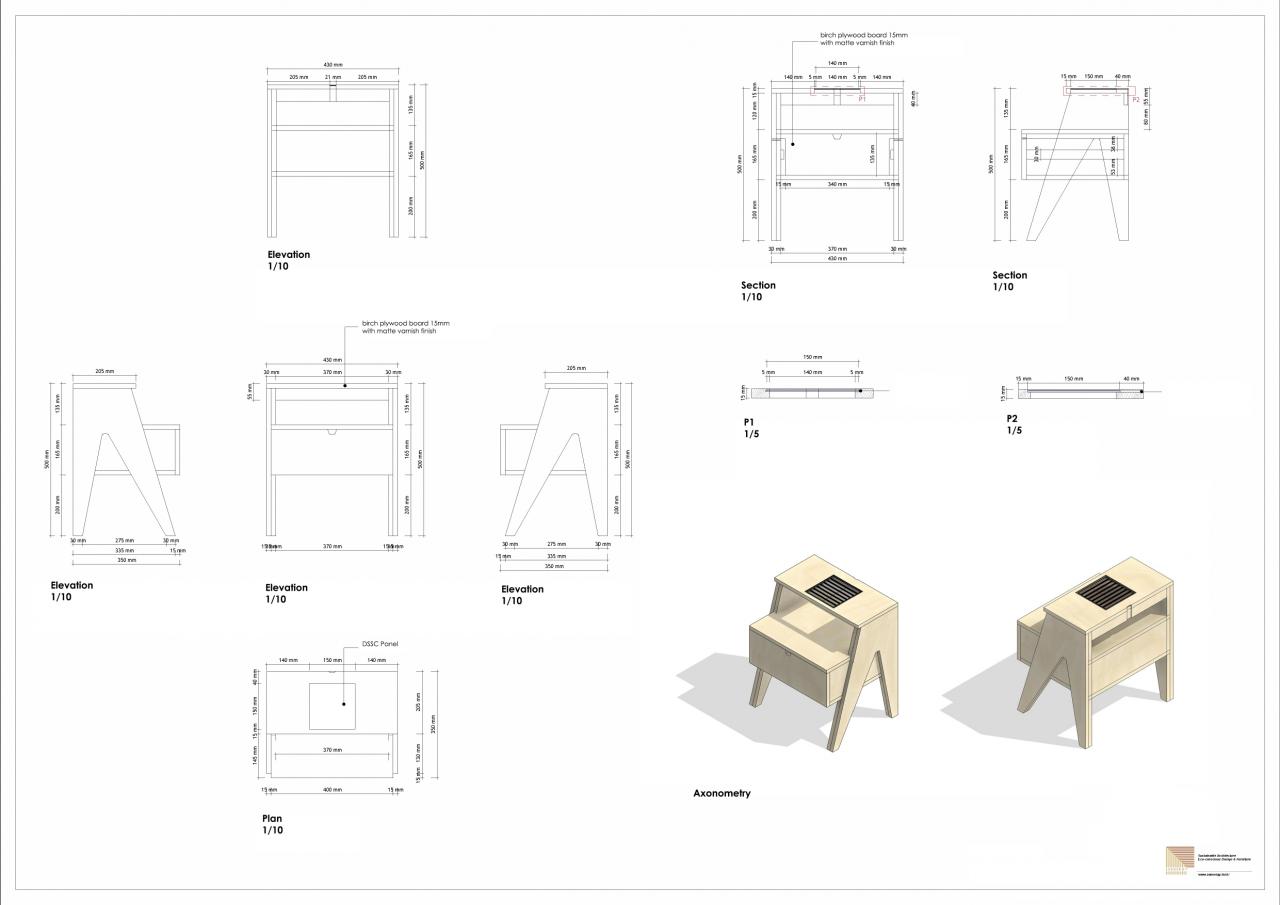
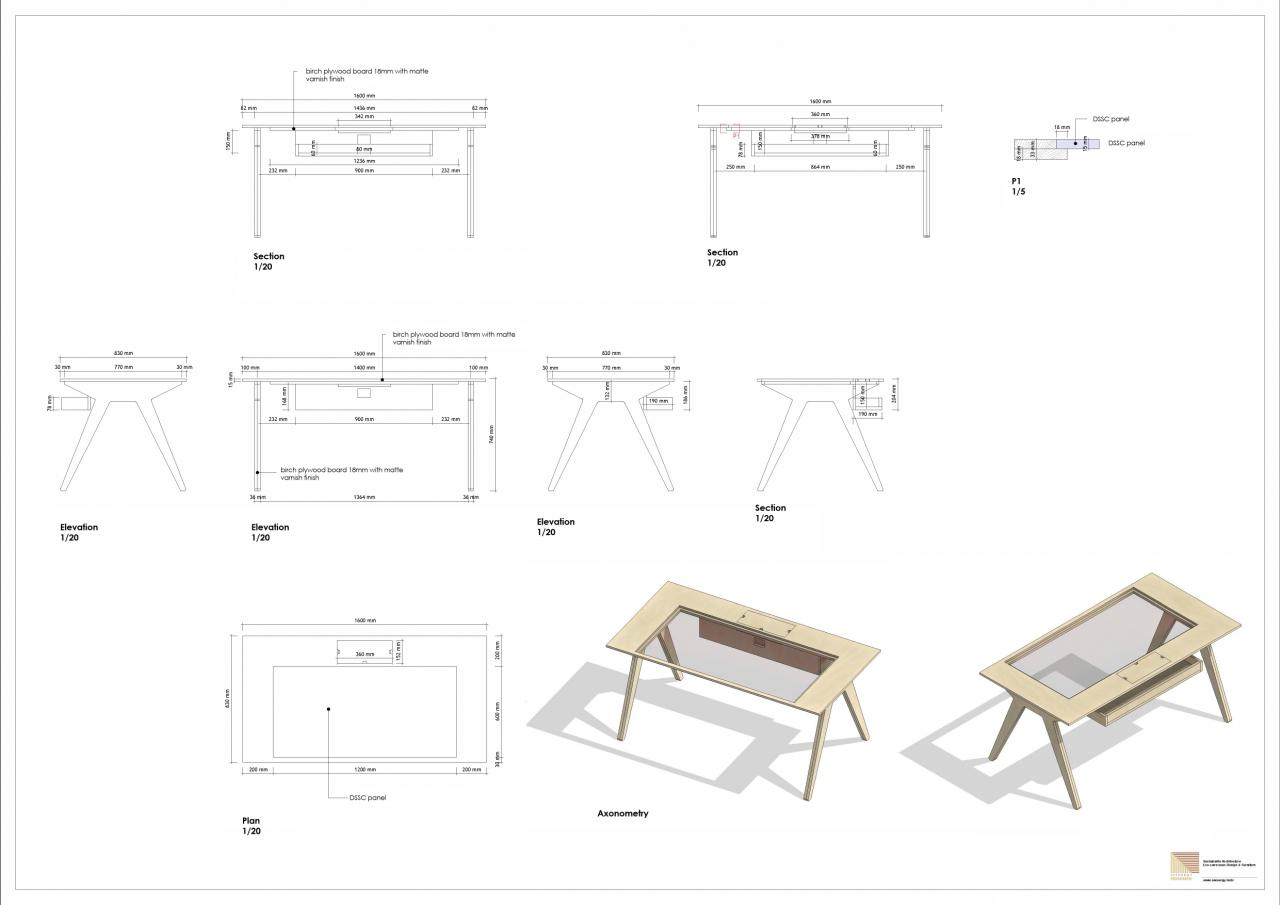
- Established a line of DSSC-integrated prototypes that is both visually appealing and energy-efficient.
- Formed strategic partnerships with the University of Porto, LEPABE, ALiCE, and Francemar for R&D and manufacturing excellence.
- Initiated comprehensive market research and developed prototypes that have been well-received in validation interviews.
- Advanced the concept of life-cycle thinking in product design, demonstrating the viability of multi-functional, sustainable household items.
Seenergy encapsulates a blend of technology, sustainability, and design, setting a new standard for renewable energy products in the market. Our project is not just about creating sustainable products; it's about inspiring a shift in the perception and utilization of solar energy to meet the needs of a modern, eco-friendly society.
Key objectives for sustainability
Seenergy's approach is exemplary in the context of sustainability as it transcends the conventional application of solar technology. By embedding DSSCs into furniture, the project capitalizes on the ubiquity of household items to decentralize and democratize energy production. This strategy not only promotes energy self-sufficiency but also encourages the widespread adoption of renewable energy by seamlessly integrating it into the fabric of daily life without the aesthetic disruption typically associated with solar panels.
Moreover, the project's commitment to sustainability is evident in its full product lifecycle. From the sourcing of materials to the end-of-life disposal, Seenergy ensures that each stage is aligned with environmental stewardship principles. The use of non-toxic and recyclable materials in DSSCs, coupled with energy-efficient production processes, underscores the project's dedication to minimizing environmental impact.
Seenergy's model is exemplary as it serves as a blueprint for how design and technology can coalesce to address the pressing need for sustainable energy solutions. By prioritizing both form and function, the project sets a precedent for future innovations in the renewable energy sector, showcasing how sustainability can be embedded into the very objects that populate our living spaces.
Key objectives for aesthetics and quality
The design philosophy of Seenergy transcends the mere functionality of solar cells; it seeks to evoke positive emotions through the integration of sustainable technology into everyday objects. The choice of colors is not arbitrary; it is informed by the efficiency spectrum, with hues like red and orange offering superior performance, especially in indoor environments. This thoughtful selection ensures that each piece is not only visually appealing but also culturally resonant, reflecting a commitment to environmental stewardship.
In crafting an exemplary user experience, Seenergy products embody clean lines, ergonomic shapes, and a color harmony that complements the space they inhabit. The technology, while sophisticated, becomes invisible in its integration, allowing the design to speak for itself. This seamless blend of technology and aesthetics ensures that the products are not just passively present but actively enrich the user's living space, both functionally and emotionally.
By embedding an emotional value in our designs, Seenergy fosters a deeper connection between the user and the product. It is this connection that elevates the experience from mere satisfaction to a sense of pride and ownership over one's contribution to sustainability.
Key objectives for inclusion
Inclusivity in Seenergy's model is multifaceted. Firstly, it is about accessibility and affordability. By harnessing freely available light, our products reduce the financial burden of energy costs, making sustainable living attainable for a broader demographic. The reduced costs of installation and maintenance further lower the barriers to entry, allowing individuals from varied economic backgrounds to partake in and benefit from the energy transition. Secondly, Seenergy's design philosophy embodies 'design for all' principles. Our products are crafted to be user-friendly, ensuring that the transition to renewable energy is not a privilege but a choice readily available to everyone. Thirdly, the decentralized nature of Seenergy's energy solutions promotes a distributed model of energy generation, which inherently supports a more democratic and equitable system of energy production and distribution. This model not only empowers individuals by giving them control over their own energy resources but also fosters a collective responsibility towards energy consumption and its impact on the environment.
Moreover, Seenergy aspires to be exemplary in promoting a new societal model where clean and renewable energy is not just a commodity but a shared resource that contributes to the collective well-being. Our concept encourages inclusive governance systems, where decisions regarding energy production and distribution are made with the participation of all stakeholders, ensuring that the benefits of solar energy are distributed equitably.
How Citizens benefit
Citizens have been (and will continue to be) involved through a series of consultations and pilot programs designed to assess the practicality and aesthetic appeal of the products in real-world settings. Their feedback has been crucial in refining the design and functionality of Seenergy offerings, ensuring that they meet the needs and preferences of potential users. This direct engagement has fostered a sense of ownership among the community, further aligning the project with the values and expectations of those it aims to serve.
Civil society organizations, particularly those focused on environmental advocacy and sustainable development, have played a supportive role in promoting the project and facilitating dialogue between Seenergy and the broader public. Their involvement has amplified awareness of the benefits of renewable energy, thereby increasing the potential market uptake of Seenergy products.
The impact of this community and civil society involvement has been significant, leading to a concept that is not only technologically innovative but also socially responsive. The collaborative approach has ensured that Seenergy's solutions are well-received by the market, fostering a more sustainable and energy-conscious community.
Physical or other transformations
Innovative character
Our approach is innovative in its integration of DSSCs into furniture and everyday household items, transforming passive objects into active energy-generating entities. This not only makes the technology more accessible to the end-user but also expands the application of solar cells beyond traditional settings. The transparent or semi-transparent nature of DSSCs allows for their incorporation into the very fabric of architectural design, offering a dual function of utility and aesthetic enhancement.
The mainstream solar energy solutions have not fully capitalized on the potential of integrating solar technology into the built environment in a way that complements or enhances the design. Seenergy fills this void by providing a customer-ready solution that is poised for large-scale application. Our products are designed to be seamlessly adopted into daily life, promoting the use of renewable energy through a subtle blend of form and function.
Disciplines/knowledge reflected
Electrical engineers and materials scientists are instrumental in the development of the Dye Sensitized Solar Cells (DSSCs). Their technical acumen ensures the conversion of solar energy into electrical power is optimized, and the energy storage solutions are robust and reliable. They are the backbone of the product's functional design, ensuring that the energy harvested is both sufficient and sustainably stored.
Architects and industrial designers bring the vision of seamless integration to life. Their role transcends mere aesthetics; they ensure that the solar panels and battery systems are not just added components but are intrinsic to the furniture's design. This integration guarantees that the furniture retains traditional comfort and usability while embodying a modern, sleek appeal.
Environmental scientists and ecologists provide the compass for sustainability. Their insights guide the selection of materials and the design process, ensuring that the environmental footprint is minimized. They evaluate the lifecycle impact of the furniture, advocating for materials and processes that align with the ethos of environmental conservation.
Marketing strategists and business development experts craft the narrative and commercial pathway for the product. They identify the target demographics, gauge market receptivity, and sculpt a pricing strategy that balances accessibility with sustainable business practices. Their expertise ensures that the product reaches its intended audience with a compelling value proposition.
The added value of this interdisciplinary approach is a product that is not just a sum of its parts but a cohesive solution that addresses a spectrum of consumer needs and desires.
Methodology used
Our design philosophy is rooted in iterative prototyping, ensuring that each iteration is informed by user feedback and practical testing. Our prototypes undergo rigorous validation to meet our high standards for safety, durability, and performance. Concurrently, we cultivate strategic partnerships with manufacturers to ensure quality production and with professionals in architecture and design to facilitate seamless product integration into buildings and homes.
As we aim to transition from prototyping to manufacturing, our focus shifts to maintaining the sustainability and quality that our brand promises. Our marketing strategy unfolds alongside product development, aiming to articulate the unique benefits of our offerings through various channels to build a strong market presence. In the future, we aim to establish robust sales and distribution networks to make our products widely available. Integral to our approach is a feedback loop that allows for continuous product and process enhancement, ensuring that Seenergy remains at the forefront of sustainable energy solutions that are as practical as they are aesthetically pleasing.
How stakeholders are engaged
Moving to the regional tier, municipalities and regional authorities offer a macroscopic view of the project's integration into the broader urban fabric. Their engagement ensures alignment with regional development plans and sustainability goals. This collaboration can often unlock synergies with existing initiatives, amplifying the project's impact and facilitating smoother implementation.
At the national level, the engagement is pivotal for aligning the project with national energy strategies and regulatory frameworks. National stakeholders can provide critical infrastructure insights, financial incentives, and policy support, which are essential for scalability and sustainability.
European stakeholders, including trans-national bodies and policy-makers, bring a continental perspective, ensuring that Seenergy's concept aligns with European Union directives on renewable energy and innovation. Their involvement can lead to access to funding streams, such as Horizon Europe, and integration into pan-European networks of innovation in renewable energy.
The added value of this multi-tiered stakeholder engagement is multifaceted. It ensures that Seenergy's solutions are well-rounded, contextually relevant, and sustainable. It also fosters inclusivity, ensuring that the concept is responsive to the diverse needs of communities at every level.
Global challenges
The design of solar-powered urban furniture exemplifies a localized response to a global issue. Such furniture not only serves its conventional purpose but also functions as a sustainable energy source, curbing carbon emissions within public spaces. This localized approach ensures that the implementation of clean energy solutions is tailored to the specific context and needs of a community, enhancing effectiveness and fostering public engagement with renewable energy technologies.
Furthermore, Seenergy's approach democratizes access to clean energy. By making solar technology more affordable and integrating it into common household items, Seenergy ensures that the transition to renewable energy is inclusive, extending across different socioeconomic strata. This equitable distribution of energy solutions is crucial for building resilient communities and ensuring that the benefits of sustainable practices are universally accessible.
Learning transferred to other parties
The methodology of integrating DSSCs into everyday objects can be replicated across various contexts, offering a dual benefit of functionality and aesthetic enhancement. For instance, the technology underpinning Seenergy's signature furniture pieces can be adapted to create energy-generating surfaces in public spaces, such as benches or bus shelters, thereby contributing to the urban infrastructure's energy autonomy.
Furthermore, the potential for scaling this concept is significant. By incorporating transparent solar panels into building facades, Seenergy's technology can transform commercial and residential buildings into self-sustaining energy hubs. This application could be particularly transformative in dense urban environments where the integration of traditional solar panels is often limited by space constraints.
The replication of Seenergy's technology extends beyond mere physical products to encompass a broader philosophy of sustainable design. The learnings from Seenergy's R&D can inform future innovations in the field of renewable energy, particularly in the integration of solar technology into the built environment. This knowledge transfer can catalyze a paradigm shift in how new constructions are conceptualized, promoting a harmonious blend of form, function, and sustainability.
Next steps
In the year following our application, we at Seenergy have charted out a strategic plan to further develop, promote, and implement our concept of integrating dye-sensitized solar cells (DSSCs) into furniture and household items. Here’s an overview of our envisioned steps:<br />
<br />
- Optimization of DSSC Technology: We will continue to refine our DSSC technology to enhance its efficiency and adaptability to different lighting conditions. This will involve ongoing R&D collaborations with academic institutions.<br />
- Design Refinement: Based on feedback from initial market research and stakeholder input, we will iterate on our product designs to ensure they meet consumer needs and preferences while maintaining our commitment to sustainability.<br />
- Prototyping and Testing: We will develop advanced prototypes and subject them to rigorous testing in simulated real-world conditions to ensure they are robust, safe, and user-friendly.<br />
- Manufacturing Process Development: We will work closely with our manufacturing partners to develop a scalable and sustainable production process, ensuring that our products are of the highest quality.<br />
- Supply Chain and Distribution Network: We will establish a reliable supply chain and distribution network to ensure that our products are accessible to our target markets.<br />
- Sales Strategy: We will develop a sales strategy that targets early adopters and leverages B2B channels to introduce our products to a wider audience.<br />
<br />
Throughout the year, we will maintain a focus on adaptability and responsiveness to market feedback, ensuring that our development and promotional efforts are aligned with consumer needs and industry trends. Our ultimate goal is to establish Seenergy as a leader in sustainable energy solutions that are both functional and aesthetically pleasing, paving the way for a more sustainable future.