Robotics Valley
Basic information
Project Title
Full project title
Category
Project Description
Current stage development
Geographical Scope
Project Region
Urban or rural issues
Physical or other transformations
EU Programme or fund
Description of the project
Summary
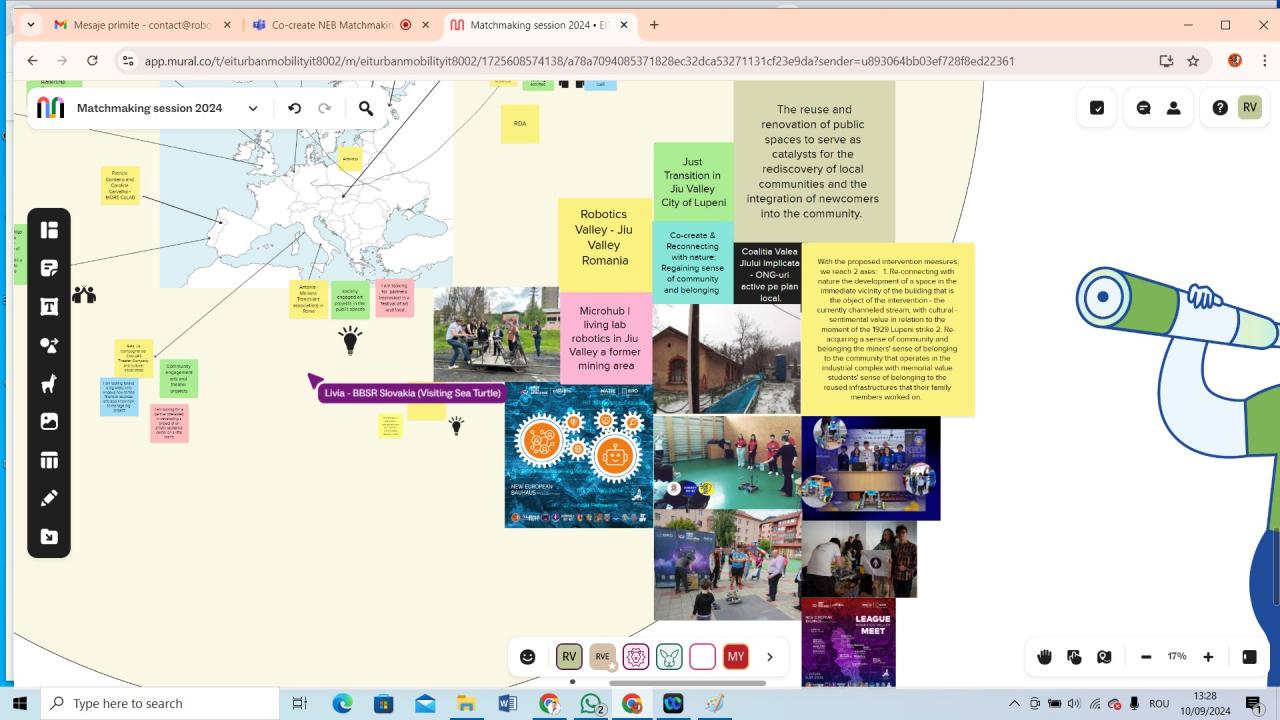
A key objective is to repurpose part of the industrial heritage at former Petrila Mine into a state-of-the-art Robotics Hub. This facility serves as an advanced learning environment, preserving cultural heritage while equipping students with skills relevant to emerging industries. Additionally, the hub aims to stimulate local economic growth by nurturing a highly skilled workforce and attracting new investment to the region.
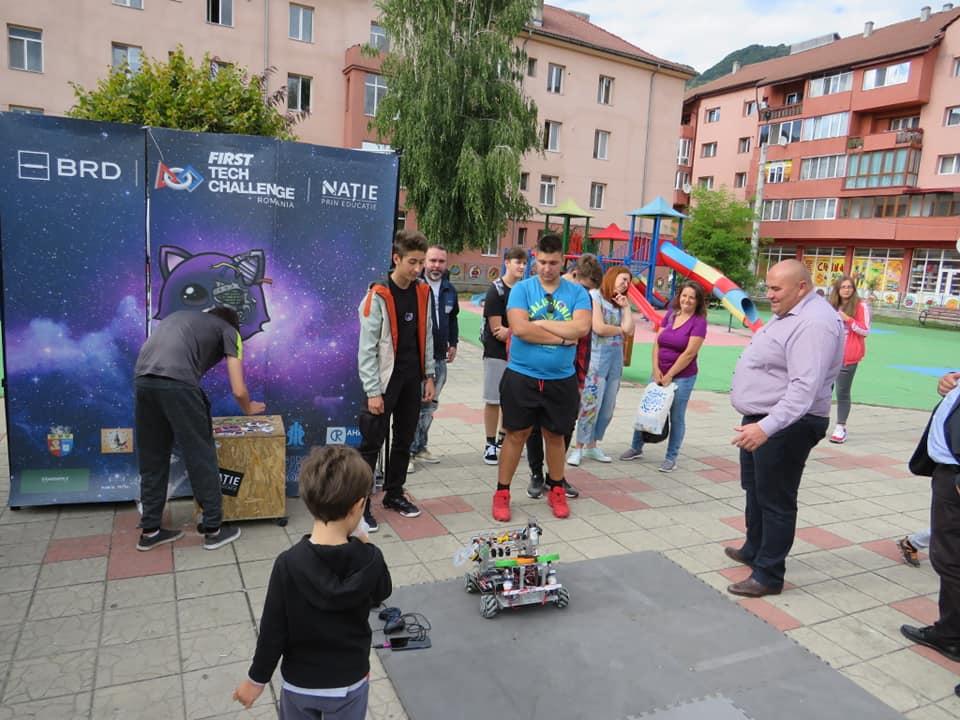
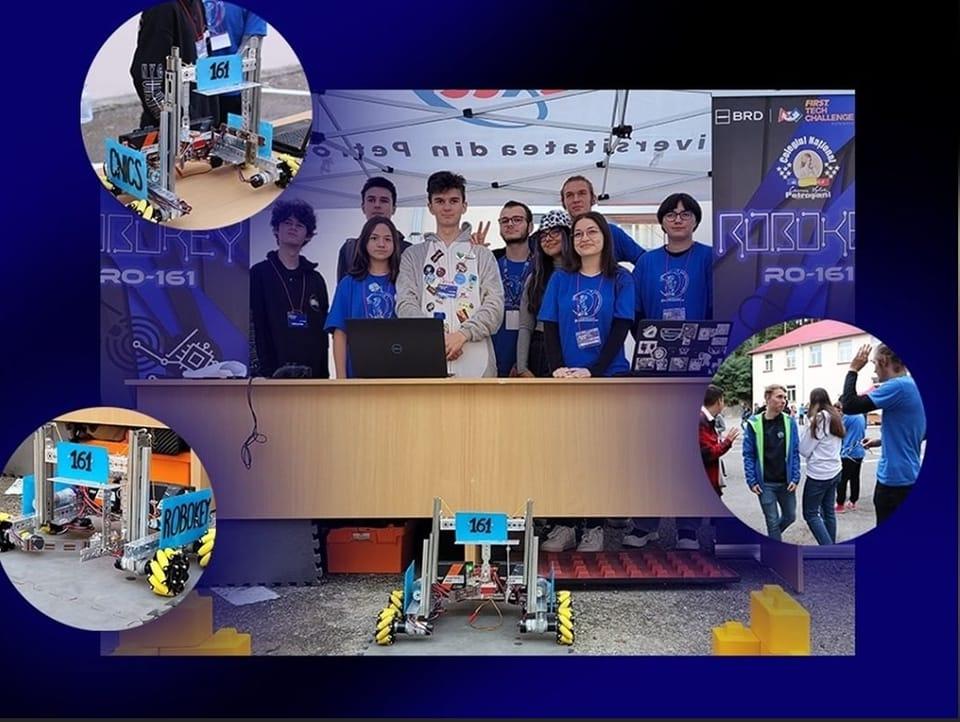
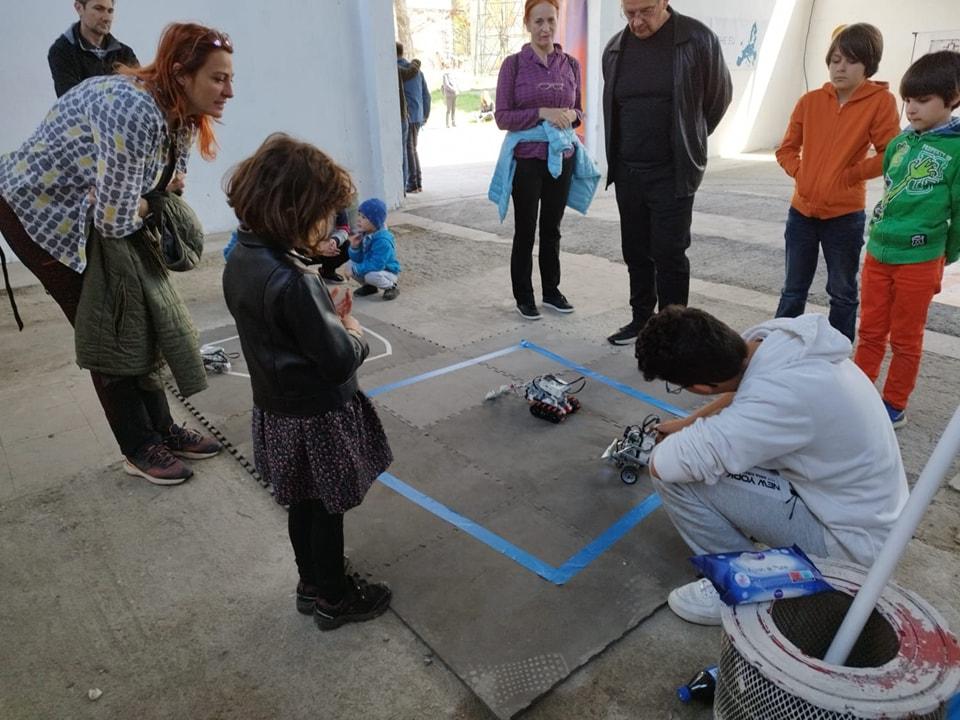
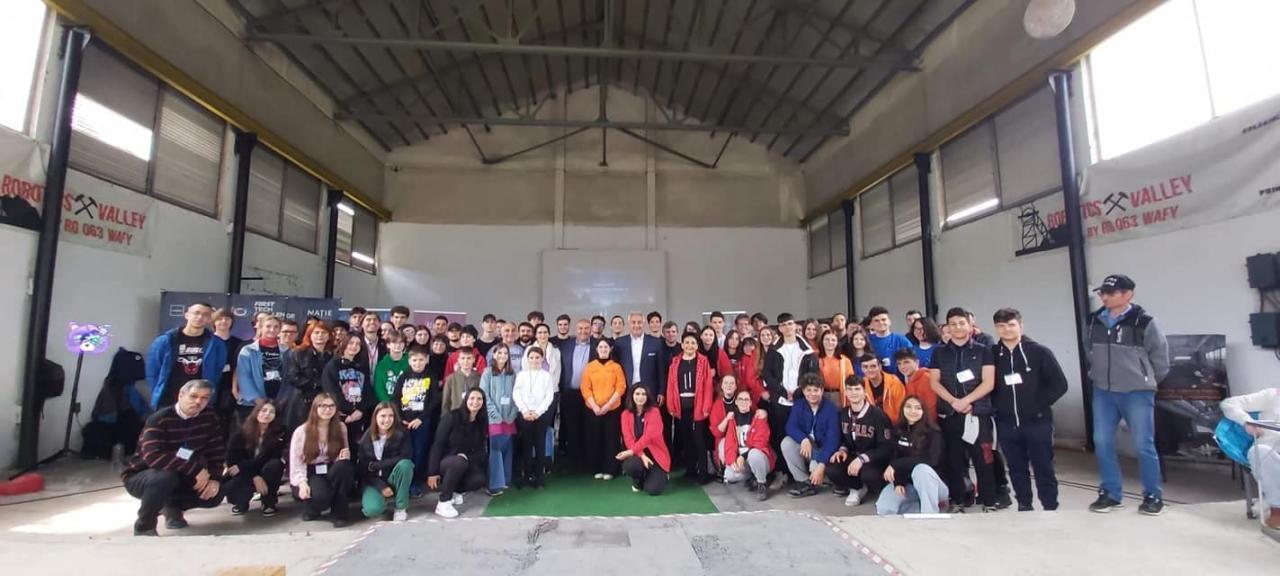
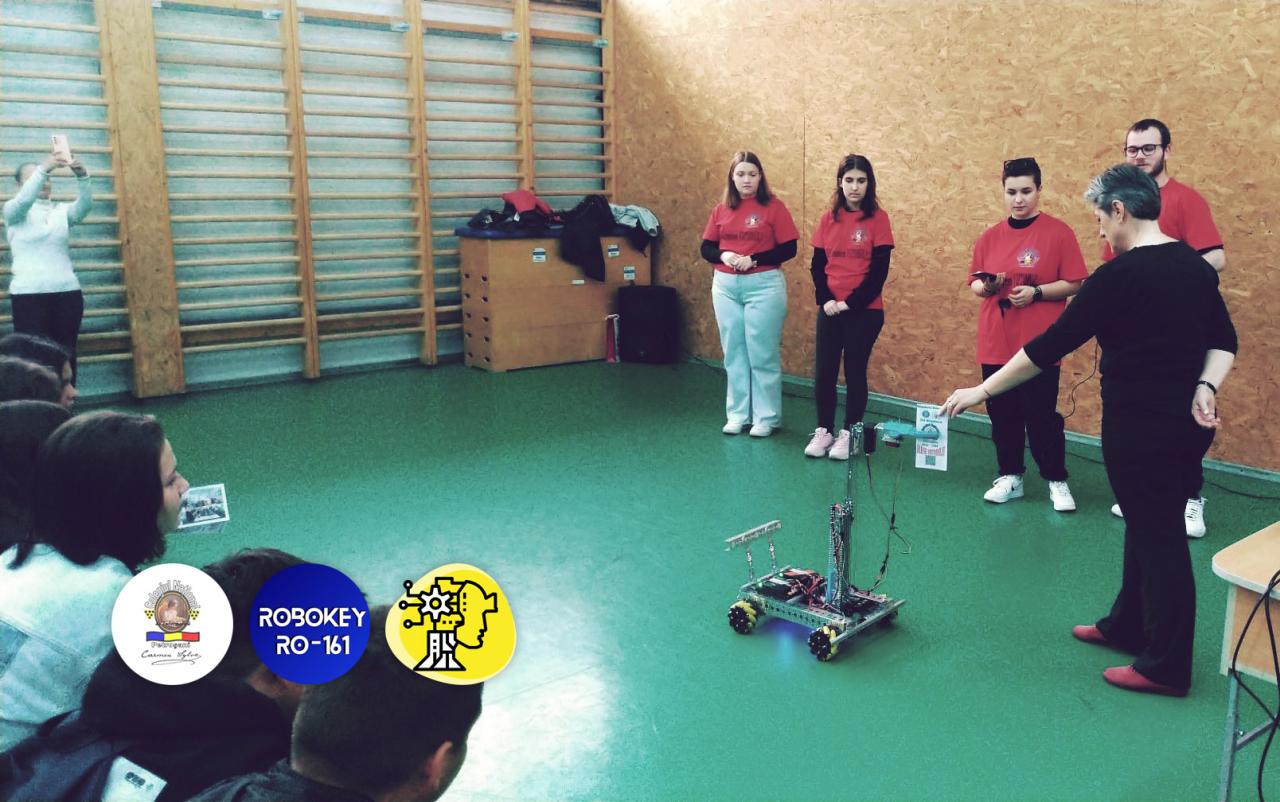
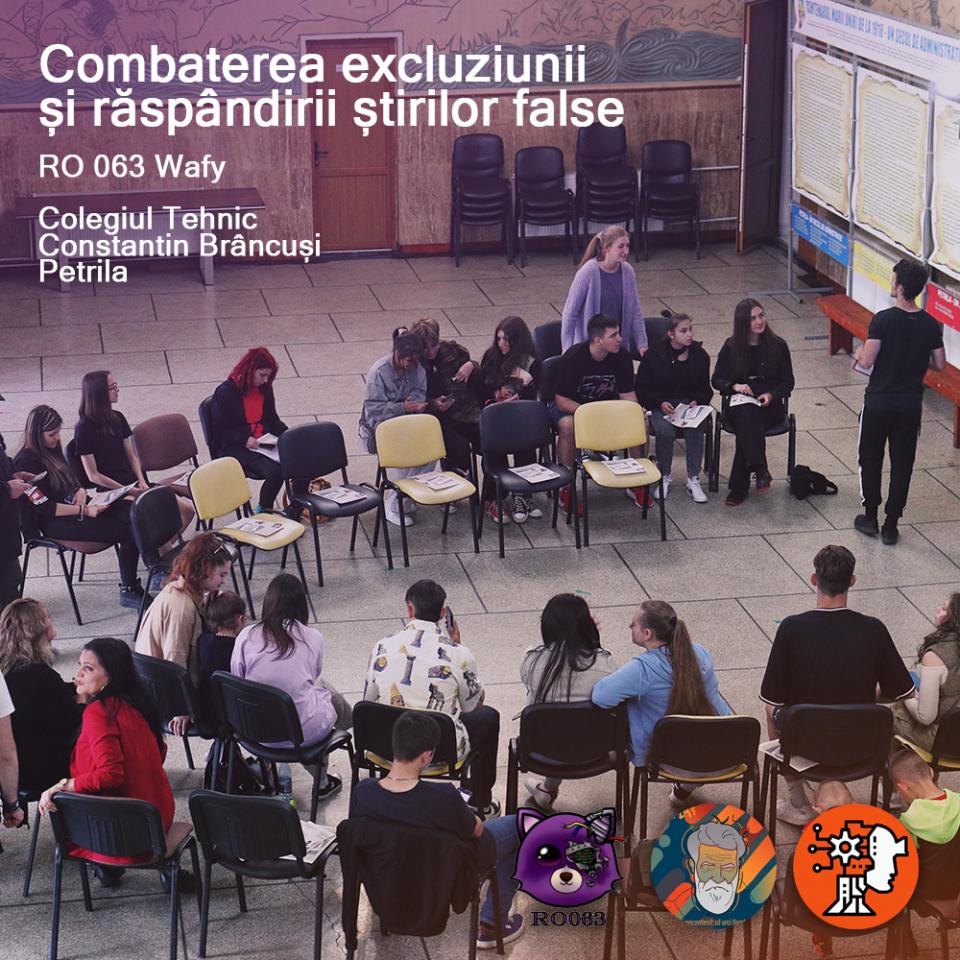
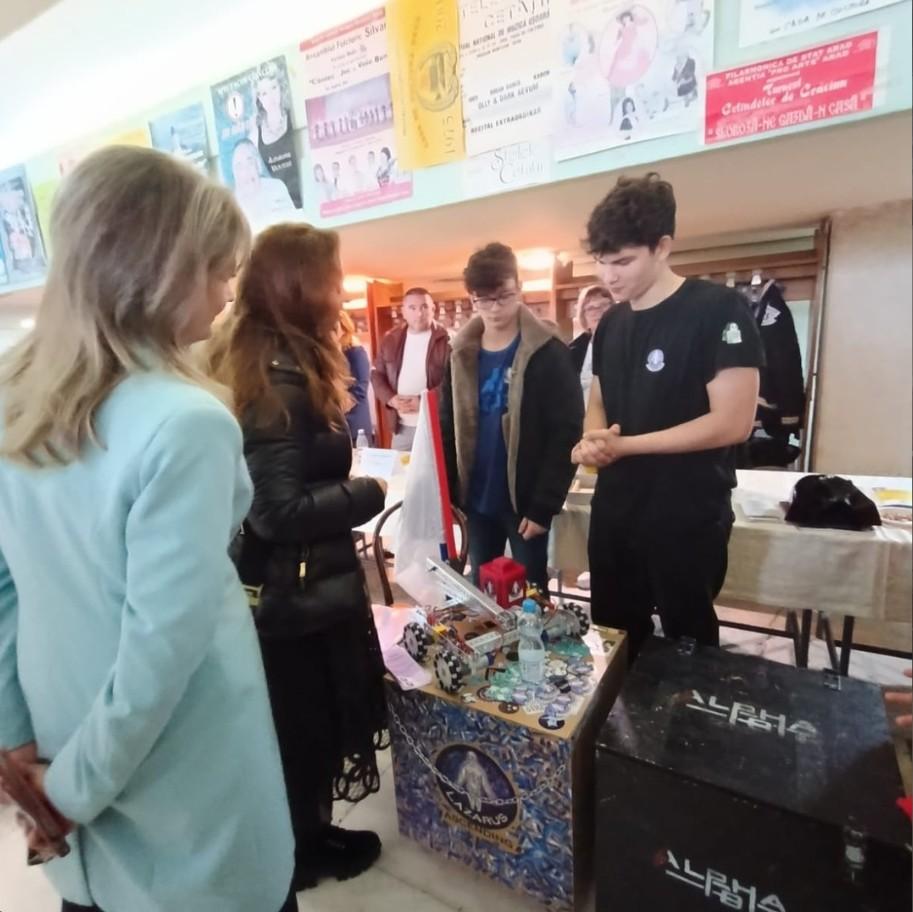
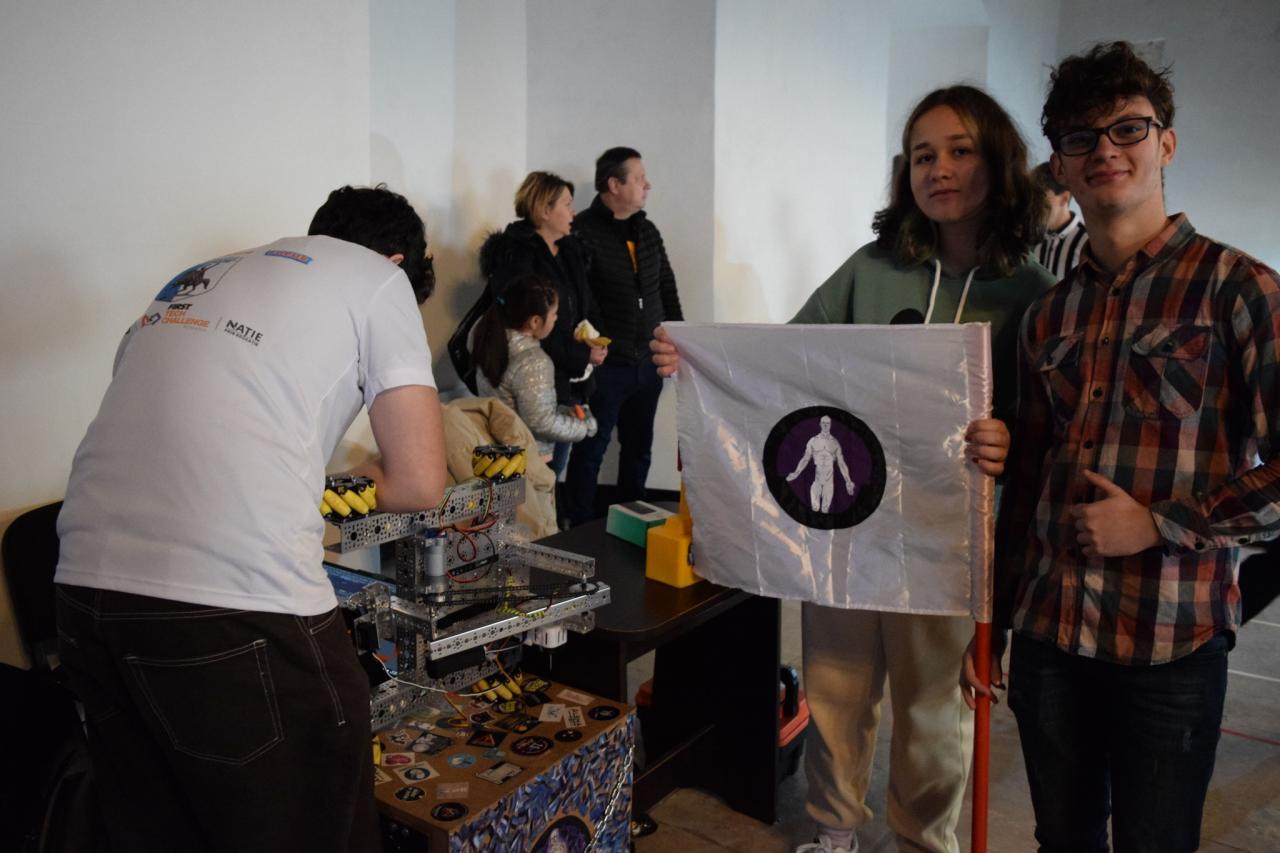
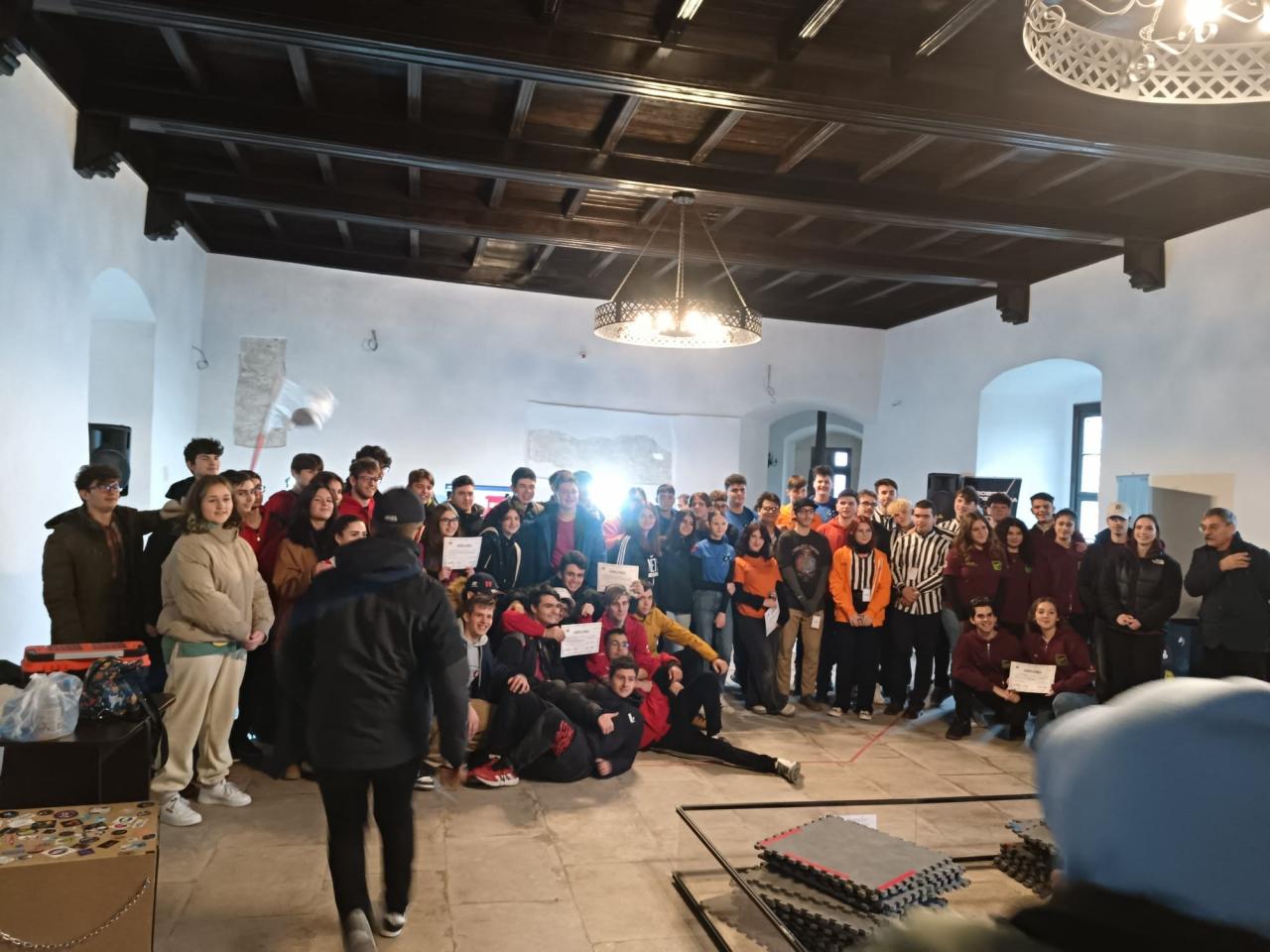
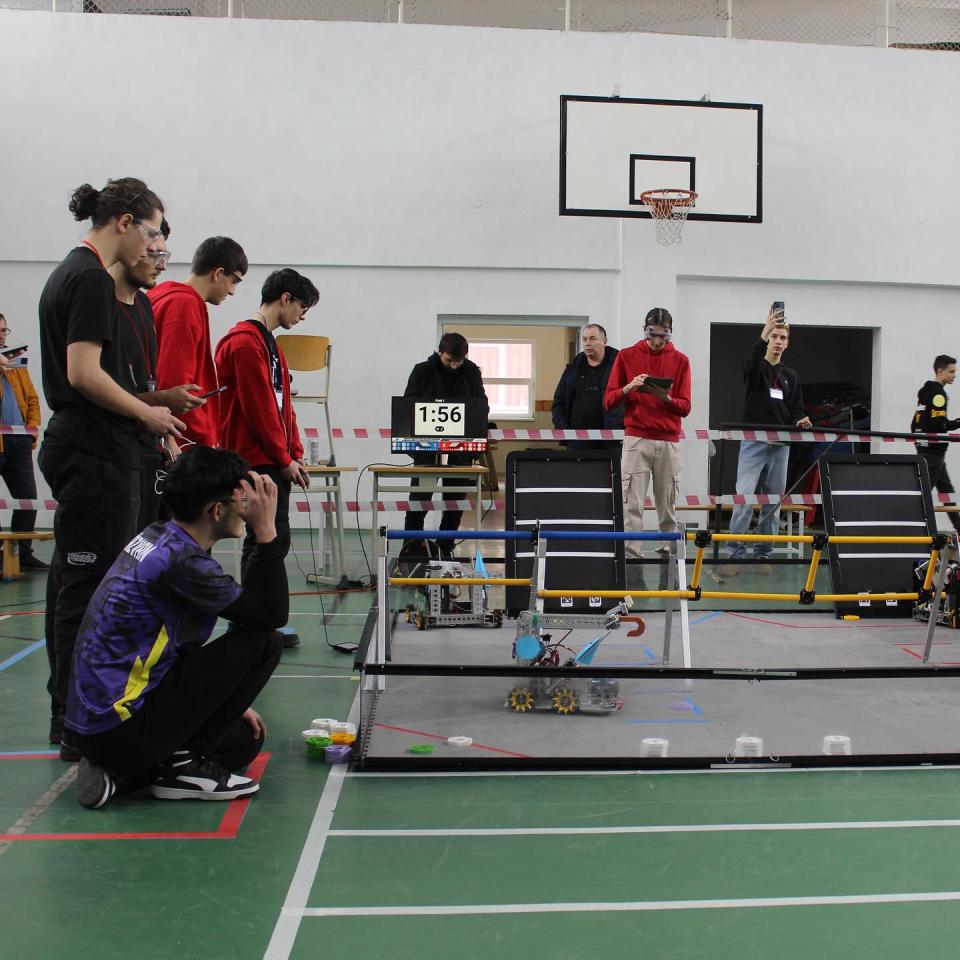
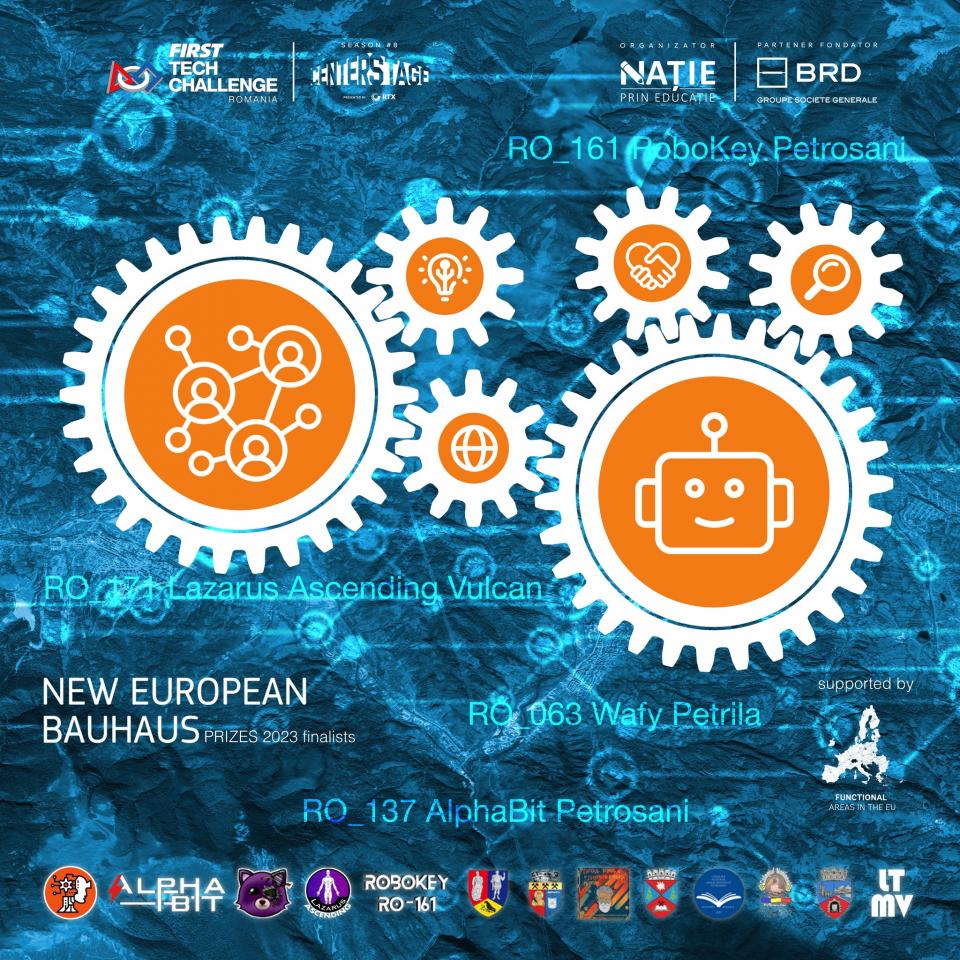
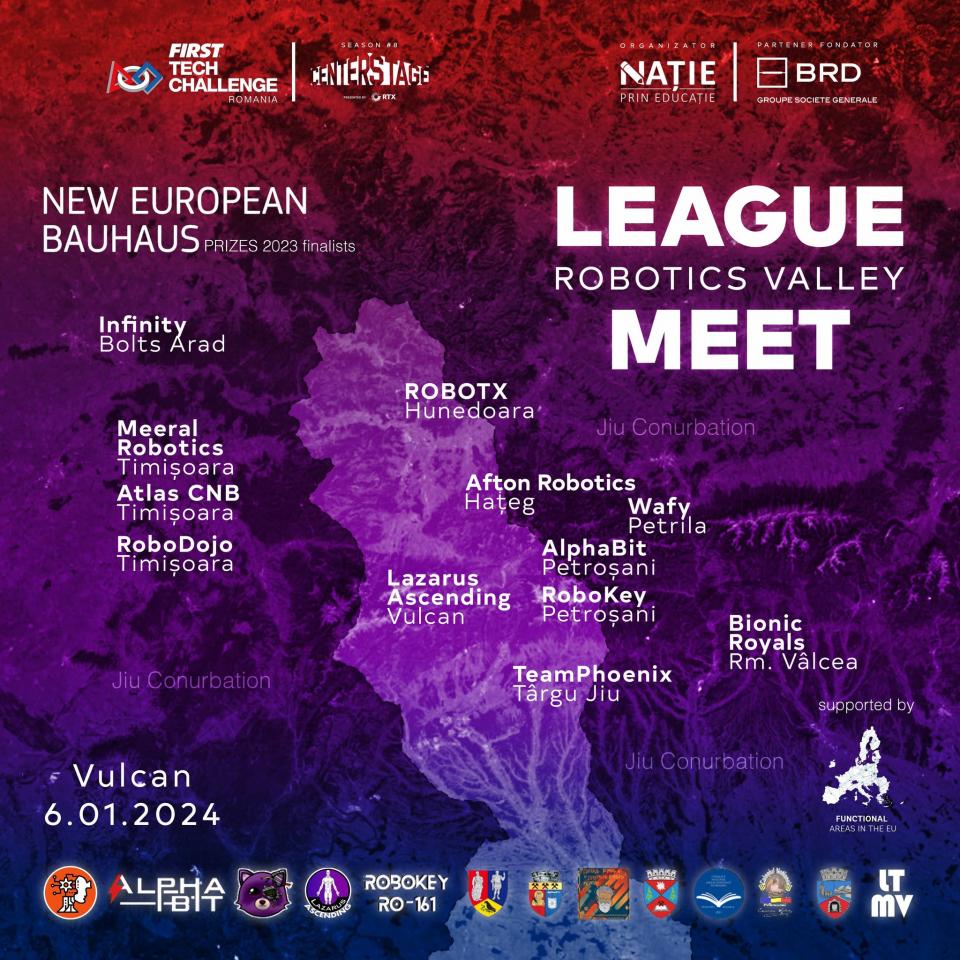
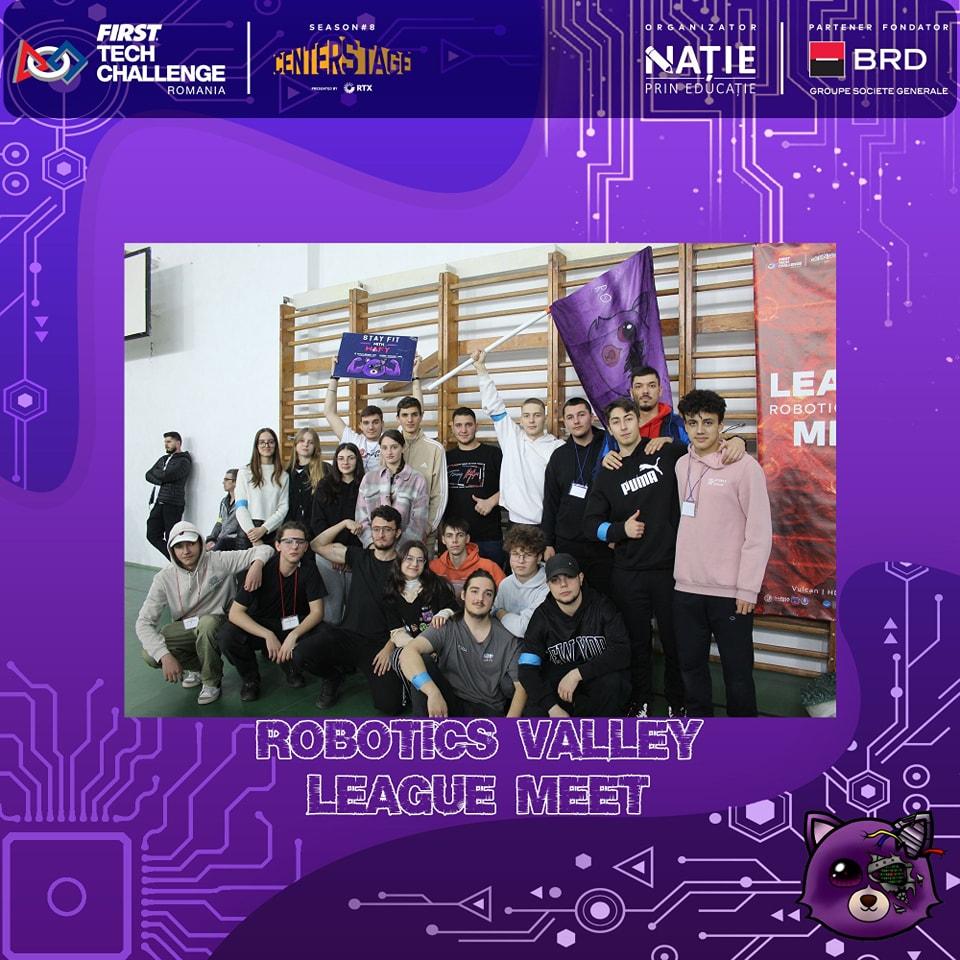
Since its inception in 2019, RV has successfully connected and supported 5 local robotics teams, engaging over 100 students in national competitions and regional events. Notable achievements include hosting three League Meet programmes at Petrila Mine and establishing the Robotics Valley Association (ARV) to provide a formal structure for the initiative’s expansion. Educational activities include artistic interventions, financial literacy workshops & intergenerational collaborations with the University of Petroșani & local NGOs.
The project aligns with the principles of the NEB, with a focus on sustainability, inclusive design & entrepreneurship. By involving students in designing robotic solutions that address community needs, RV not only enhances their skills but also contributes to the revitalization of the local economy. Through strategic partnerships with local authorities and stakeholders, the initiative empowers young people to become agents of change in their community, positioning them as rising stars in innovation and sustainable development.
Key objectives for sustainability
A key objective is to equip students with sustainability skills such as critical thinking, systemic thinking, and collective action. Through robotics and financial education, students learn to address community challenges with a sustainability mindset. The context of Just Transition also promotes values of fairness, problem-solving&future literacy, empowering students to contribute to a sustainable economy.
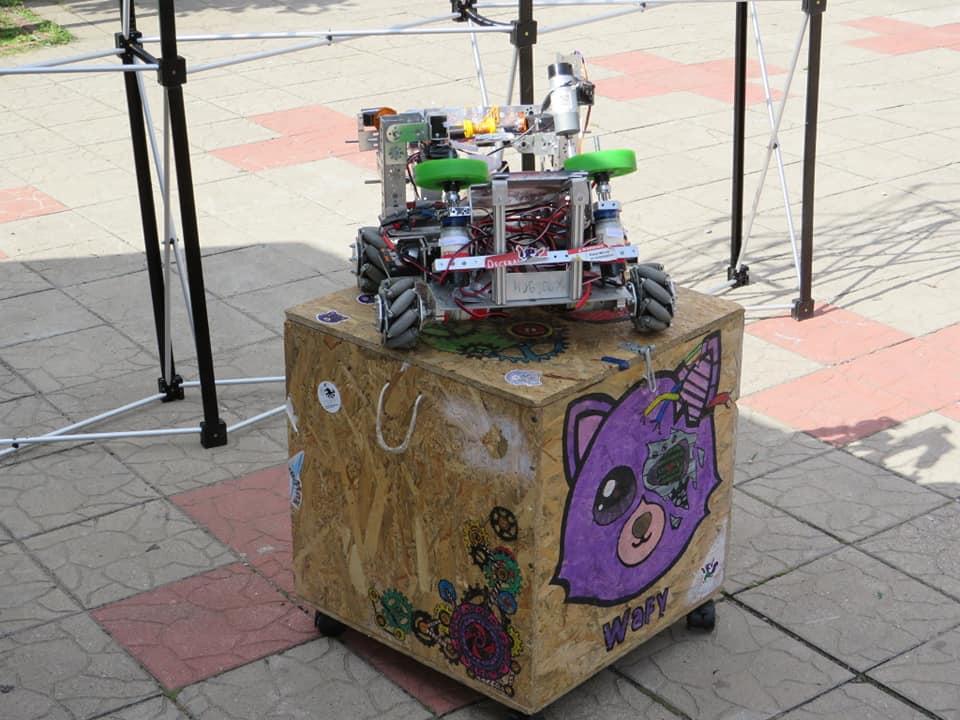
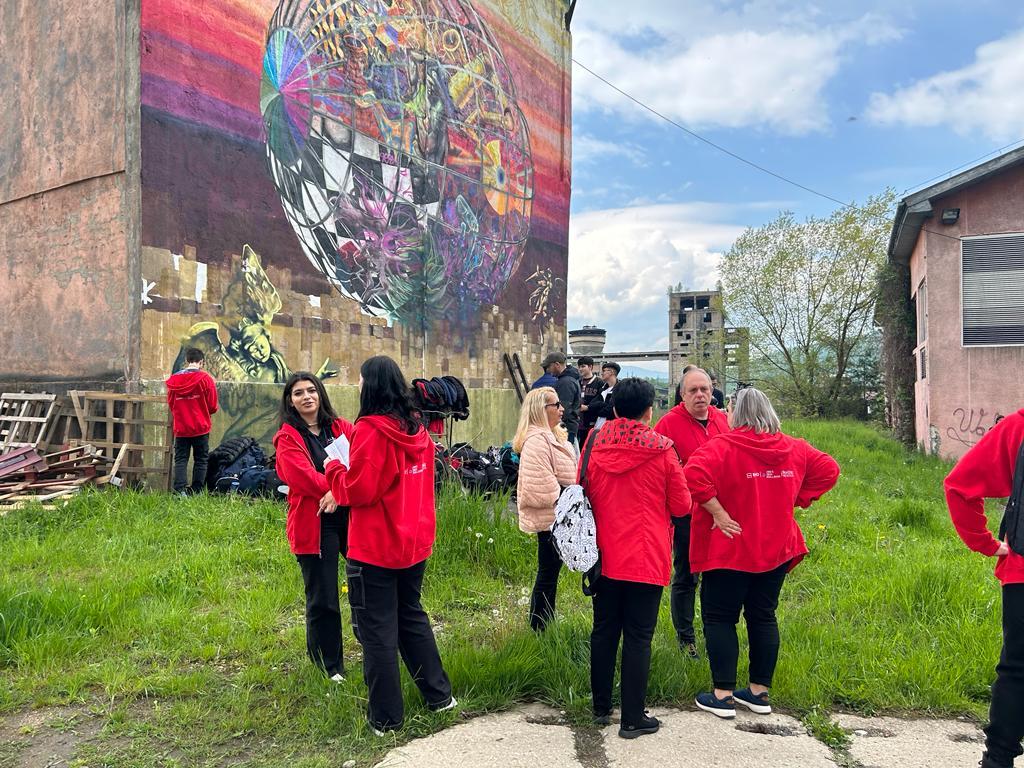
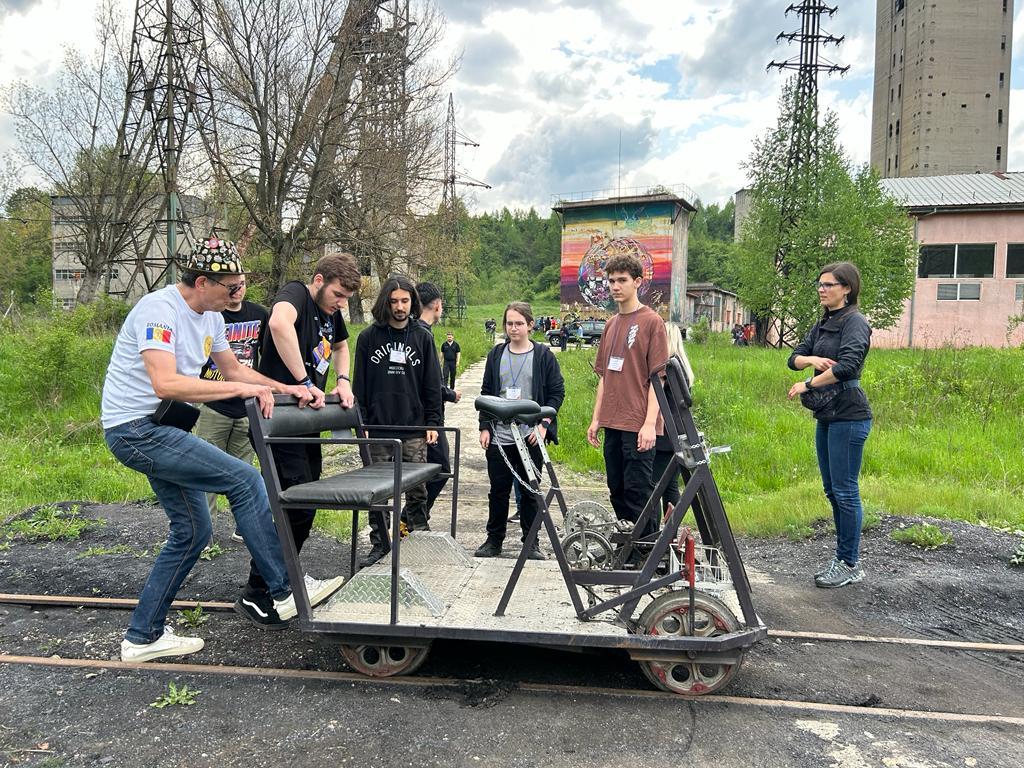
Environmental sustainability was prioritized throughout the initiative. Events were designed to minimize environmental impact, focusing on reducing energy consumption and waste. 3 of the 5 editions of RV were hosted at Petrila Mine, where abandoned mining structures were revitalized for educational purposes. This adaptive reuse preserved cultural heritage and demonstrated the potential of repurposing existing infrastructure. Additionally, robots developed during the program, such as the air quality measurement kit, were designed with sustainability in mind.
A key achievement is the creation of the Robotics Hub at Petrila Mine, showcasing adaptive reuse as a model for sustainable development. The Hub follows principles of nZEB building circularity, positive energy, and recycling, ensuring a minimal environmental footprint. Following this, similar projects are planned for Lonea & Lupeni, expanding the initiative’s impact across the Jiu Valley. Robotics Valley equips youth with sustainability skills, advancing the green economy.
Key objectives for aesthetics and quality
Looking forward, the main aesthetic objective is the transformation of the Robotics Hub, which is housed within the former Petrila Mine, with the potential for extension to other sites. The new Hub will breathe new life into the old industrial space with vibrant colors, creative furniture, and communal areas that spark collaboration and creativity. The outdoor spaces will encourage connection with nature, providing areas for mental relaxation and holistic well-being. The overall design foster a sense of openness, creativity & inclusivity, inviting the community to interact and share their knowledge, talents and passions.
The Robotics Hub not only stimulate intellectual growth but will also nourish the soul. Designed to be an inclusive and accessible space, it promotes a sense of belonging and fulfillment. With features that accommodate people with disabilities, the Hub offers beautiful & meaningful experiences for everyone.
Through its combination of technology, culture & innovative design, Robotics Valley demonstrates how a community can rejuvenate and transform its industrial heritage into a space that promotes learning, innovation, and unity. This project stands as an exemplary model for how aesthetics and functionality can co-exist to create a sustainable, inclusive future, highlighting the power of design in shaping social and cultural progress.
Key objectives for inclusion
Our goal is to create a supportive, inclusive environment where all young people in the Jiu Valley can access free and open learning opportunities. RV offers workshops, competitions, and educational events that equip students with the skills needed for a sustainable future. Our facilities are fully accessible to people with disabilities, ensuring equal opportunities for all.
The initiative encourages inclusion by collaborating with local schools, NGOs, volunteers& professionals, creating an ecosystem that supports youth development. Students benefit from access to workspaces, mentoring, and guidance in fields such as robotics, entrepreneurship, finance, and the arts. Intergenerational initiatives allow them to learn from both professionals and peers, promoting collaboration, respect & shared knowledge.
Our approach integrates sustainability principles across sectors, teaching students to apply these concepts to robotics, entrepreneurship, culture, and public policy. This holistic model equips them with the skills to drive positive change and contribute to the revitalization of their community.
Therefore, our model of inclusive and open education through robotics encourages young people to stay in Jiu Valley, where they can propel their community with their skills, creating an ideal environment for professional and personal prosperity. By instilling confidence in our young residents, we aim to restore hope to their families and over time, reinvigorate the entire community.
How Citizens benefit
This support network offers resources like funding, materials, and promotion, and provides educational visits and competition assistance. The community’s role extends beyond passive support — students are co-creators, involved in organizing activities such as workshops and shaping the Robotics Hub. Their active participation fosters a sense of ownership and connection to the ecosystem, empowering them to be agents of change.
The impact of this collaboration is profound, shifting youth perspectives on Jiu Valley’s future. They now envision themselves as contributors to the region’s development, with many planning to start businesses or work in local NGOs. This collective involvement revitalizes the area by equipping youth with skills for an inclusive, sustainable future.
Our project also honors the legacy of Jiu Valley’s mining history, channeling the resilience of miners into environmentally friendly educational and economic activities. Women’s involvement is key, as we redefine gender roles, empowering women to lead change.
By engaging the entire community and civil society, we are creating a dynamic, forward-looking region where every citizen, regardless of gender or background, can actively participate in the transformation of Jiu Valley.
Physical or other transformations
Innovative character
Stakeholders Lens:
Colleges: While many schools support robotics teams, few manage to gather such energy around them. Some involve private companies or public authorities to praise students, but we managed to unite an entire local community, along with external actors, around our students.
Students: While several initiatives support students in gaining new skills, they often focus on one-time interventions. Our initiative is not a short-term project but a local reform, placing students at the heart of the green, inclusive, and sustainable revival of our community, based on new sustainability skills.
Local Community: Instead of merely supporting students, our project fosters genuine collaboration and mutual exchange. Local entrepreneurs, decision-makers, NGOs, and experts not only support but actively collaborate with students.
NEB V:
Aesthetics: The Hub, located in a repurposed coal mine, symbolizes transformation, aligning with the aesthetic vision of revitalizing abandoned industrial sites.
Sustainability: From 2024 to 2027, workshops focuses on creating sustainable robots, both in terms of structure/materials and functionality. These activities are in parallel with the infrastructure renewal of the mining area.
Inclusion: The project addresses the territory's needs from children to adults, creating an inclusive environment for all ages.
Typology:
Process: The project promotes lifelong learning, starting with students but involving the entire community, regardless of age.
Product: Jiu Valley’s “Phoenix generation” is reborn from the ashes of industrial decline, gaining new skills inspired by the NEB, contributing to the sustainable development of the region.
By transforming young individuals into proactive agents of change and supporting companies in need of skilled workers, the project not only advances technology but nurtures community collaboration,ensuring long-term impact.
Disciplines/knowledge reflected
Urban planning and environmental care are also key aspects, facilitated by partnerships with NGOs such as UrbanLab JV. These partnerships ensure that technological advancements align with sustainable development goals, ensuring that robotics not only advances technology but also contributes to urban development and environmental protection.
Representatives from diverse fields interact through various platforms, including workshops, competitions, and collaborative events. Students engage directly with university mentors, blending youthful creativity with academic expertise. Urban planners collaborate with technical teams to integrate robotics into city development plans, ensuring that innovations are rooted in practical applications that benefit the community.
The value of this interdisciplinary collaboration is immense. Students gain not only technical skills but also an appreciation for how their work can address societal needs. This enhances their problem-solving abilities and their engagement with the community. The local population benefits from projects that are socially inclusive, environmentally sustainable, and economically beneficial.
The Hub creates an environment where education, technology, and community development intersect, accelerating regional growth, inspiring the community, and offering a strong example of how interdisciplinary cooperation can drive significant change. Our project does not only build robots – it builds bridges between people, ideas, and fields of knowledge, paving the way for a sustainable and innovative future.
Methodology used
We integrate informal education through workshops, training sessions, and practical activities, concentrating on robotics, sustainability, and Green Deal principles. We aim to equip high school students with future-oriented skills in robotics and sustainability, fostering a mindset focused on STEM education. This approach helps students realize how they can build a prosperous future within their community, despite challenges such as limited local opportunities.
Our methodology also stresses lifelong learning, combining fundamental knowledge with modern skills to promote creativity, problem-solving, and innovation. The learning environment extends beyond the classroom, actively engaging the entire community in activities and events that foster shared growth.
Multidisciplinary collaboration is central to our methodology. We bring together experts from high schools, universities, local authorities, and civil society organizations. Robotics professionals, urban planners, sustainability advocates, and community leaders all contribute, ensuring the project is well-rounded and impactful.
A particular focus is placed on empowering young people, particularly girls, to become agents of change and leaders in their communities. By addressing gender disparities and promoting an inclusive environment, we ensure that everyone can contribute to the sustainable development of Jiu Valley.
Ultimately, we aim to build a skilled workforce and a sustainable, inclusive community that will drive the region’s transformation through innovation and collaboration.
How stakeholders are engaged
Hunedoara County Council contributed essential funding and resources, recognizing the project's potential. Universities like the University of Petroșani and Polytechnic University of Timișoara provided expertise and mentoring, contributing to curriculum development. Local NGOs, including the "Association for Education and Culture EMINENS" and "Jiu Valley Involved Coalition," organized events, raised awareness and mobilized the community. "UrbanLab VJ Association" brought innovative design ideas, while the "Parents Association - Mircea Eliade" fostered a supportive environment for students. The "Association for Integrated Territorial Development of the Jiu Valley" aligned the project with regional development strategies.
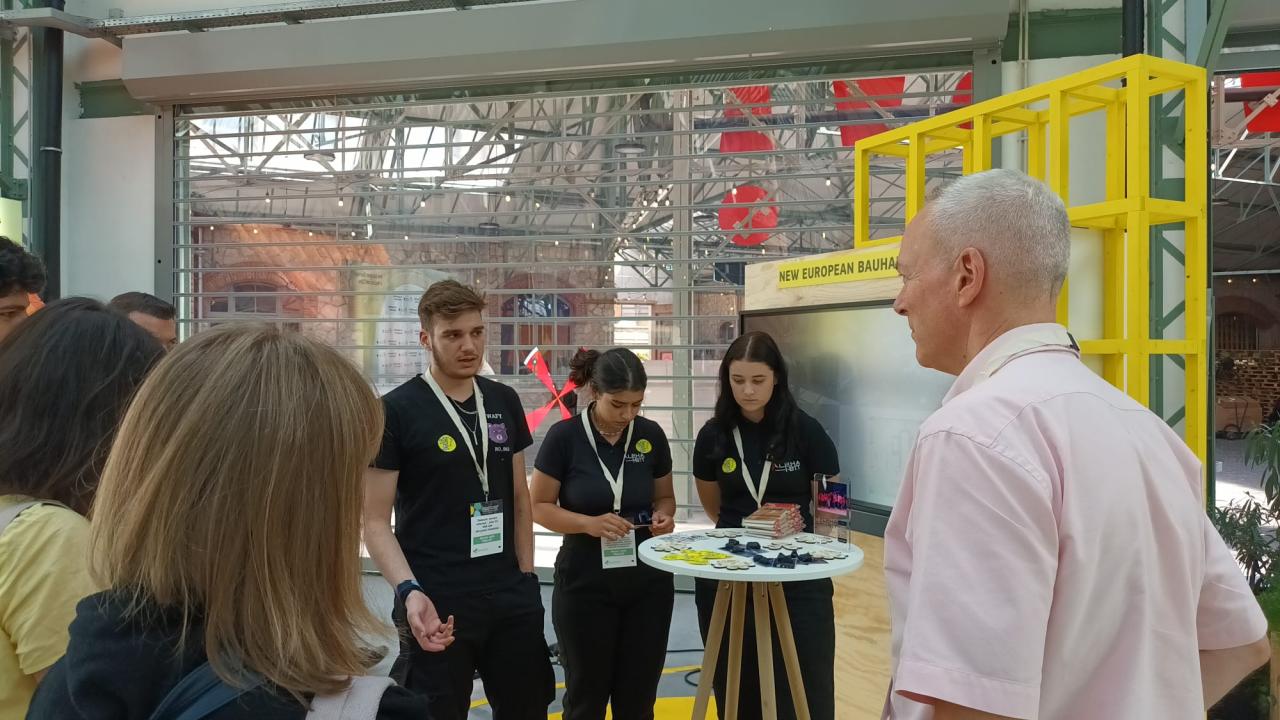
National organizations such as FIRST Tech Challenge Romania gave students a platform to showcase their skills, raising the project's profile. At the European level, the European Green Deal (GD) and New European Bauhaus (NEB) principles guided the project’s design, ensuring sustainability and helping secure future funding and recognition from EU institutions. European partnerships are expected to provide further expertise and best practices.
Stakeholders are consulted quarterly, ensuring continuous involvement in decision-making. Their collaboration has enhanced innovation, fostered creativity, and mobilized resources, while community building has extended beyond students to include educators, professionals, and local organizations dedicated to regional growth.
Global challenges
Aging:Our project focuses on young students, particularly those in need, to retain talent and rejuvenate the region. By teaching robotics, we empower them to create solutions that improve the lives of seniors in our community, addressing the challenge of an aging population.
Gender Balance: We actively combat gender stereotypes, especially in smaller communities where traditional roles persist. Our initiative aims to involve 50 girls and young women in robotics, offering them equal opportunities in a field often dominated by men. This helps break down barriers and promotes gender equality in education and the workforce.
Climate Change: Students are trained in sustainability and climate change, equipping them to address environmental issues. They will design robots focused on environmental solutions. Additionally, we plan to repurpose the Petrila Mine into a climate-neutral, eco-friendly hub, contributing to urban regeneration and the fight against climate change.
Education:We enhance the education of over 100 students, preparing them for future jobs in technology, sustainability, and innovation. By offering robotics, digital skills, and knowledge in sustainable entrepreneurship, we ensure that students are equipped with the necessary tools to address global challenges and contribute to the future of Jiu Valley
Democratization:We provide a space for young people to innovate and take action, empowering them to drive positive, inclusive change in their community. This approach promotes civic engagement and the democratization of knowledge, encouraging students to contribute to the region’s transformation.
Poverty: Many of our students come from families impacted by the closure of mines. We offer free training, enabling them to break the cycle of poverty and pursue new career opportunities. By equipping them with skills in robotics and sustainability, we prepare them for the job market or entrepreneurial ventures,promoting economic inclusion.
Learning transferred to other parties
FOUNDING VISION:Empowering local youth by equipping them with future-ready skills, rather than allowing them to confine themselves to the grey walls of their home or seek opportunities elsewhere for personal development.
MODEL:Providing informal education beyond the limits of traditional schooling, fostering co-participation among diverse students, always with the support of local stakeholders and not limited to a specific group. This model is inclusive and cost-effective due to the support from the community and the ecosystem, ensuring that financial constraints do not hinder students' participation.It's also based on a complementary approach, which means that while the focus is on robotics, it also encompasses other activities such as financial education and art, with students being either spectators or volunteers.
PROCESS:The mechanisms through which we organize events under the banner of Robotics Valley and engage with the local ecosystem, including NGOs, volunteers, companies and public administration. This collaborative approach unites the entire community in pursuit of a common goal: co-generating beauty, innovation and sustainability through robotics.
FRAMEWORK:The Robotics Hub, the detailed concept of which is presented in the Urban Regeneration Masterplan for Petrila Cultural Exploitation. This Hub can be replicated in various spaces, not limited to former mining areas.
Replication is particularly well-suited for regions undergoing a Just Transition, especially cities facing the closure of coal mines and the subsequent restructuring of their economies and societies as a whole.
Next steps
The planned steps envisioned to further advance, promote, and implement the model we endorse encompass the following:<br />
SHORT TERM (WITHIN 1 YEAR ):<br />
- 4 robotics hubs concepts, 1 for each other municipality<br />
-Organizing 6 local events under the Robotics Valley umbrella.<br />
-Participating in 5 regional and (inter)national robotics competitions.<br />
-Engaging in 10 multidisciplinary events to expand our knowledge base.<br />
-Increasing the number of students within existing robotics teams by 60 members.<br />
-Securing funding<br />
MEDIUM TERM (2-5 YEARS):<br />
-Expanding the number of robotics teams in Jiu Valley to a total of 6 teams.<br />
-Finishing the Robotics Hub by repurposing a section of the former Petrila Mine.<br />
-Providing training to 100 local students in the field of robotics, with 10 of them entering the job market as specialists in this domain.<br />
-Launching 1 robotics-related businesses, including startups, spin-offs and limited liability companies.<br />
LONG TERM (6-10 YEARS):<br />
-Transforming the educational model endorsed by Robotics Valley into an ongoing program that annually trains new local students.<br />
-Converting the Robotics Hub into Jiu Valley’s epicenter of creativity, innovation and technology.<br />
-Mitigating the issue of high school student migration from Jiu Valley upon completing their secondary education.<br />
-Accelerating Jiu Valley’ Transition through sustainable and inclusive pathways, effectively replacing the collective despair resulting from mine closures with local hope for a brighter future, that envisions a green, resilient, gender-balanced and thriving local economy, thanks to local advancements in robotics.<br />
Summary of frame events planned with participation of Robotics Valley:<br />
Visit of Vlad Alex Ionescu, Silicon Valley<br />
RV League Meet, 2025 edition<br />
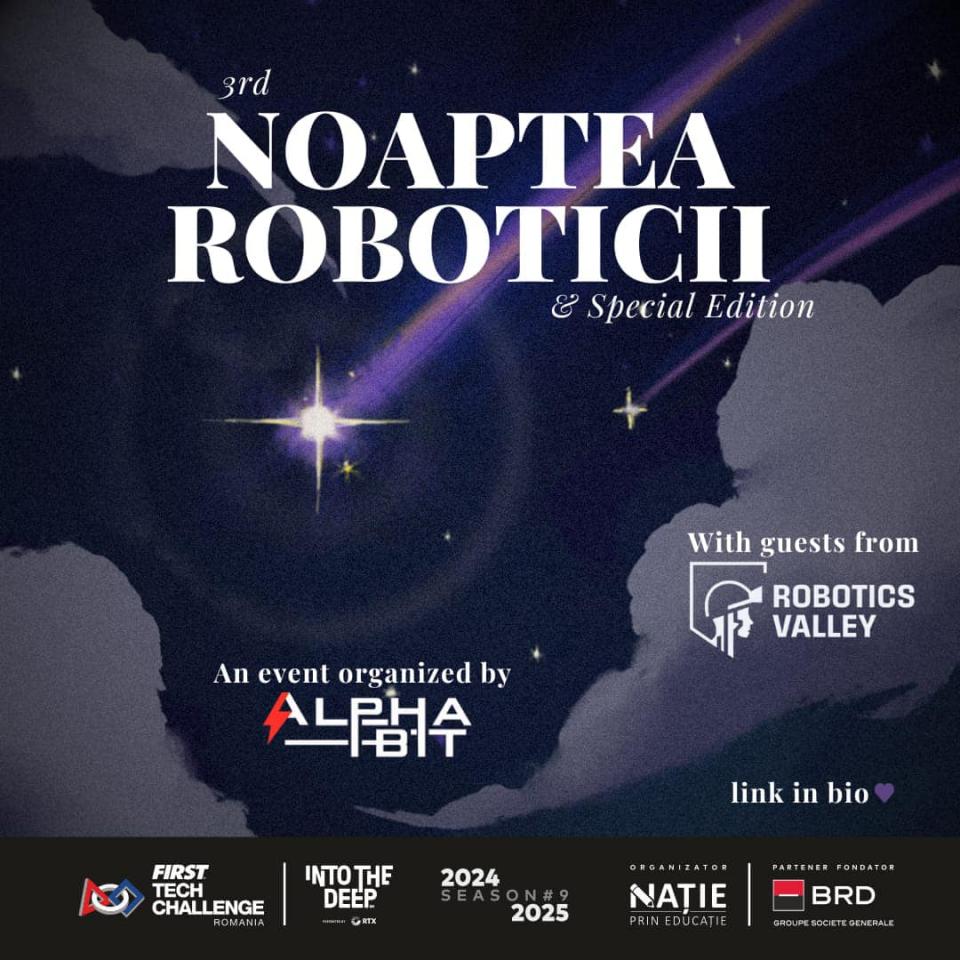
The third edition of the Robotics Night in Jiu Valley<br />
2025 Tech Day in Jiu Valley<br />
Digital Coffee with the Universities<br />
Night of European Researchers 2025<br />
JTP Groundwork conference 2025<br />
RV League Meet 2026 edition.