RI-GEN Borghi
Basic information
Project Title
Full project title
Project Description
In the heart of the Marche Apennines, the RI-GEN Borghi project revitalizes an abandoned early 20th-century agricultural consortium into an innovative Beer Hub—a dynamic space for culture, sustainability, and experiential tourism. Merging industrial design, inclusivity, and local heritage enhancement, RI-GEN Borghi establishes a replicable model of territorial regeneration, where tradition and innovation come together to create new opportunities for local c
Current stage development
Project Region
Municipality
EU Programme or fund
Which funds
Other Funds
Italian Ministry of Tourism
Description of the project
Summary
Overall Aim
The project aims to foster sustainable tourism and local development by converting an industrial heritage site into a center for knowledge exchange, craft beer culture, and community engagement. It preserves the original architecture while introducing innovative functions to enhance local attractiveness and promote sustainability.
Target Groups
Local community: Residents, entrepreneurs, and associations in a shared, participatory space.
Tourists: Visitors interested in sustainable tourism, craft beer, and eno-gastronomy.
Researchers: Academics exploring cultural heritage and sustainable tourism.
Craft brewers: A hub for networking and innovation.
Specific Objectives
Urban regeneration: Restore and preserve an abandoned historical building.
Sustainable tourism: Create a hub for visitors that respects the environment.
Community engagement: Develop an inclusive space for local and visitor interactions.
Innovation in brewing: Promote Apecchio’s beer culture through workshops and education.
Expected Outcomes
Restoration and activation of the Beer Hub.
Increased sustainable tourism flows.
Strengthened local economy through business support.
Community-driven cultural and economic development.
RI-GEN Borghi is a replicable model for small municipalities, demonstrating how industrial heritage can foster sustainable development.
Key objectives for sustainability
Alongside renovation, the project integrates energy efficiency measures, including the installation of photovoltaic panels on the consortium's roof. Solar energy will ensure the HUB’s self-sufficiency, supporting long-term sustainability and reducing environmental impact by lowering CO₂ emissions from fossil fuel-based energy. The panels will be installed directly on the roof, preserving the building’s original shape and lines, ensuring that sustainable technology blends seamlessly with the historical architecture.
A key goal of the RI-GEN Borghi project is to create a sustainable supply chain by linking the restoration of the Agricultural Consortium with the promotion of local products, particularly Apecchio’s craft beer, fostering sustainability in both product and process. This model not only adds value to the project but also attracts conscious travelers interested in sustainability, gastronomy, and well-being.
The Beer Hub will also function as a center for research, training, and exchange, expanding the sustainable supply chain. Planned events will raise awareness and encourage dialogue among visitors, fostering stronger connections between sustainability and local culture.
Key objectives for aesthetics and quality
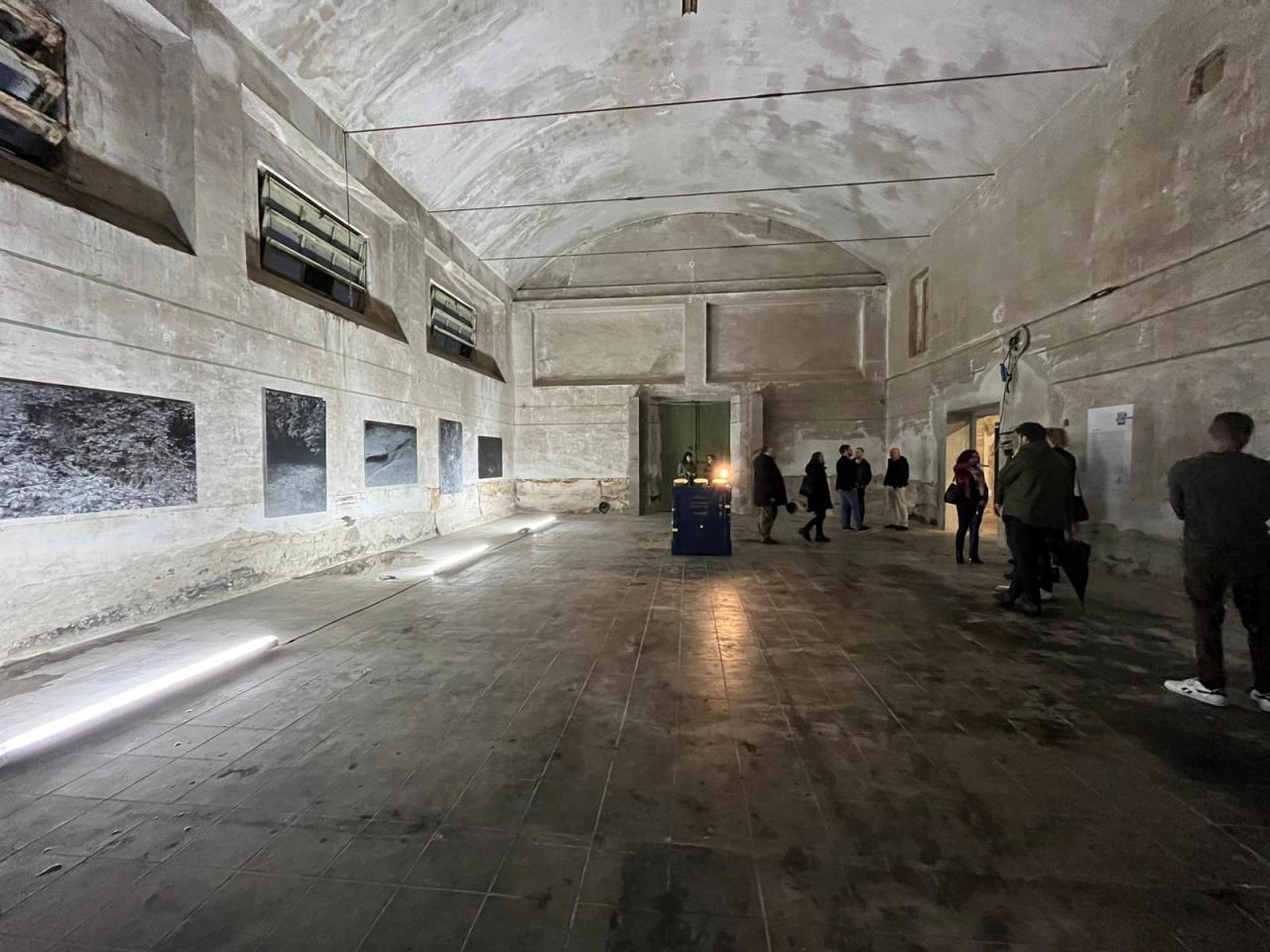
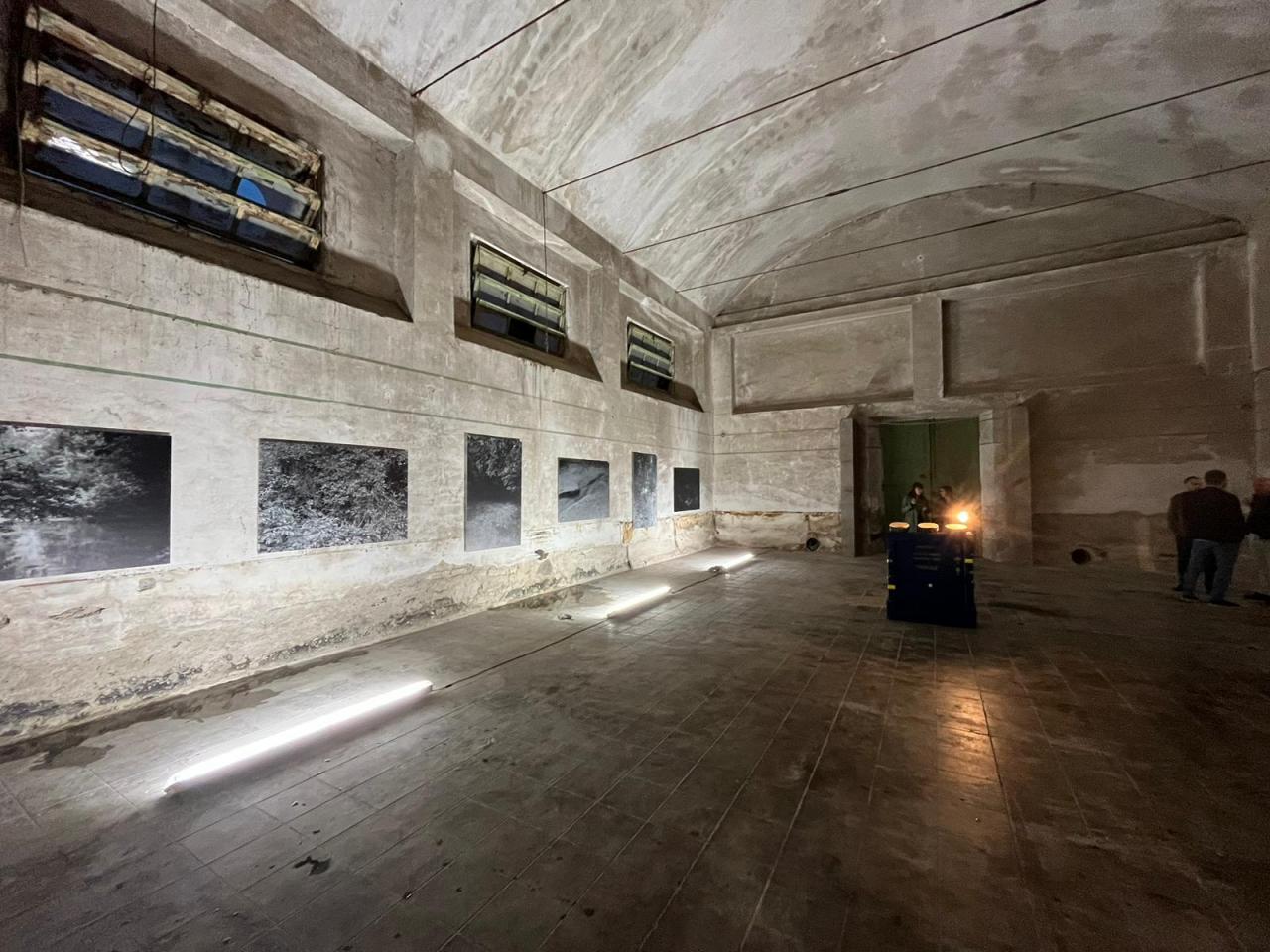
For the local community, the former agricultural consortium holds emotional, historical, and social significance, as it was once the central hub for exchanging agricultural products and a key gathering place for farmers. This project aims to preserve its original function by revitalizing it into a reference point and community hub.
The main objective is to establish a Beer Hub — a space fostering knowledge exchange, research, and cultural interactions around the craft of brewing. This hub will host exhibitions, interactive workshops, and recreational areas, with a special focus on knowledge hybridization workshops that engage enthusiasts and generate tourism flows toward the area.
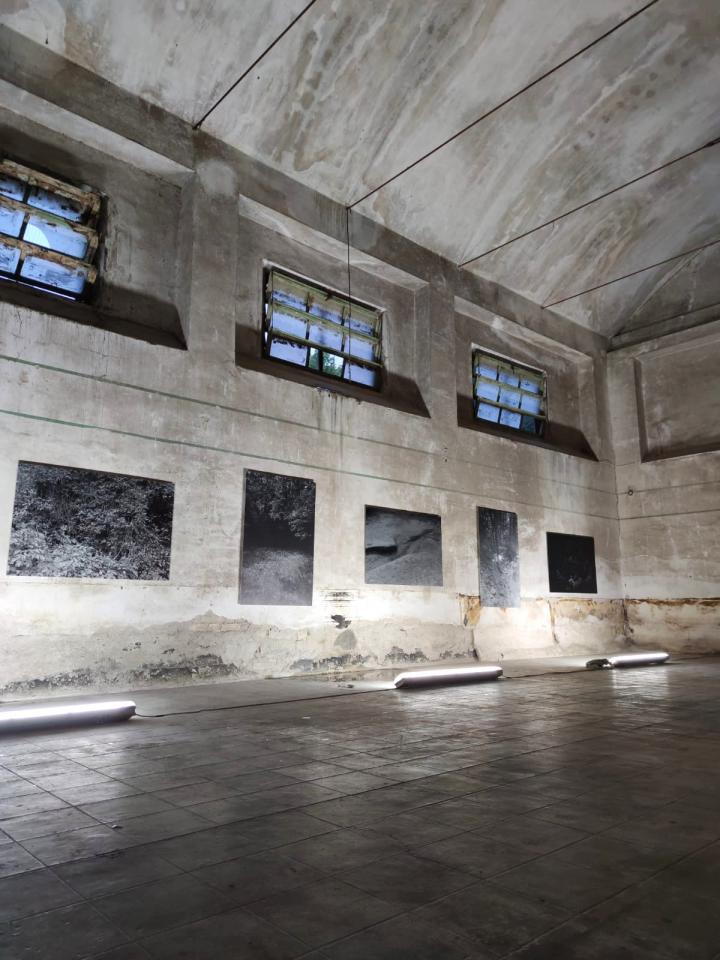
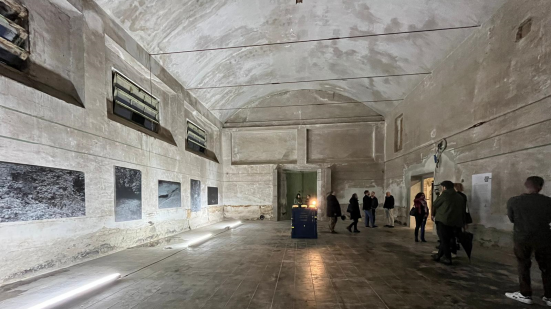
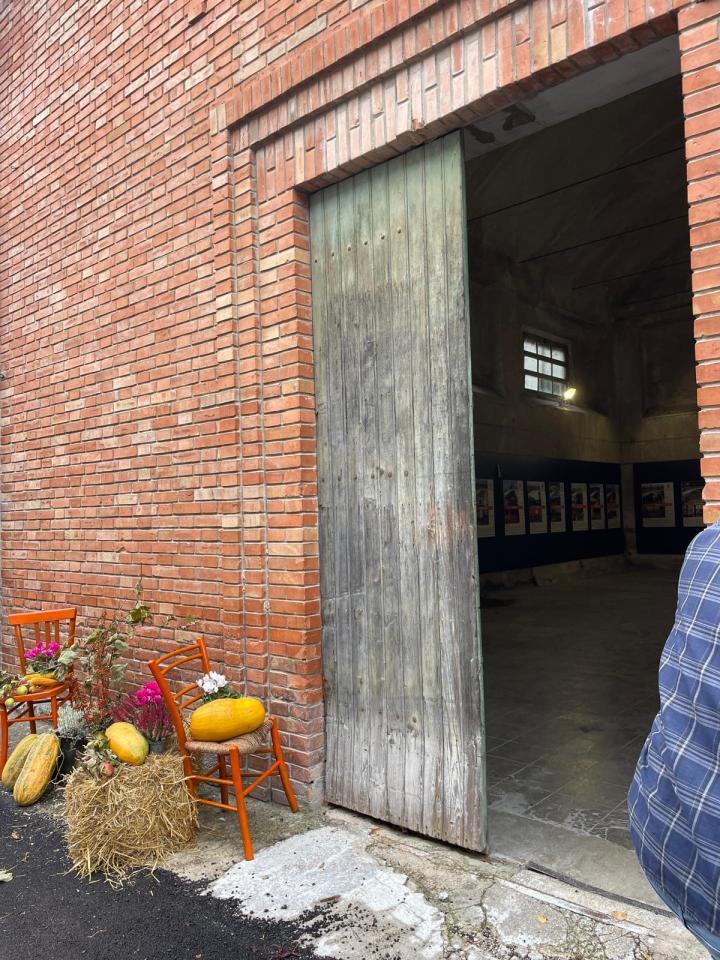
The former Agricultural Consortium is located in the heart of Apecchio but has been abandoned for years. The municipality acquired it with the goal of restoring it as a sustainable tourism and idea-sharing hub.
Through RI-GEN Borghi, the redevelopment and restoration of the former agricultural consortium will preserve its key architectural features, including its original shape, flooring, and exterior façade. The design prioritizes functionality, authentic materials, clean lines, and essential geometric forms, creating a space where past and future merge.
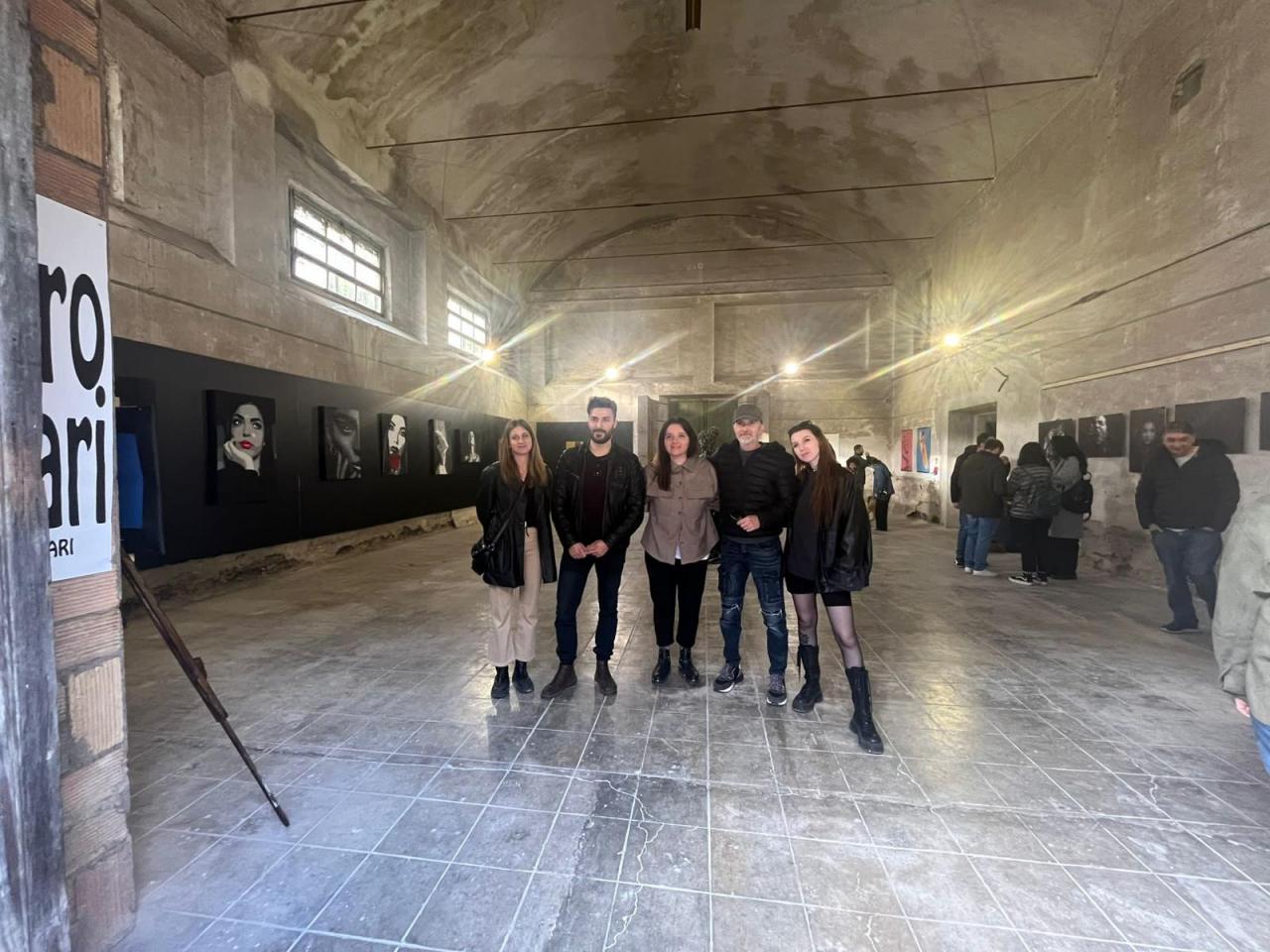
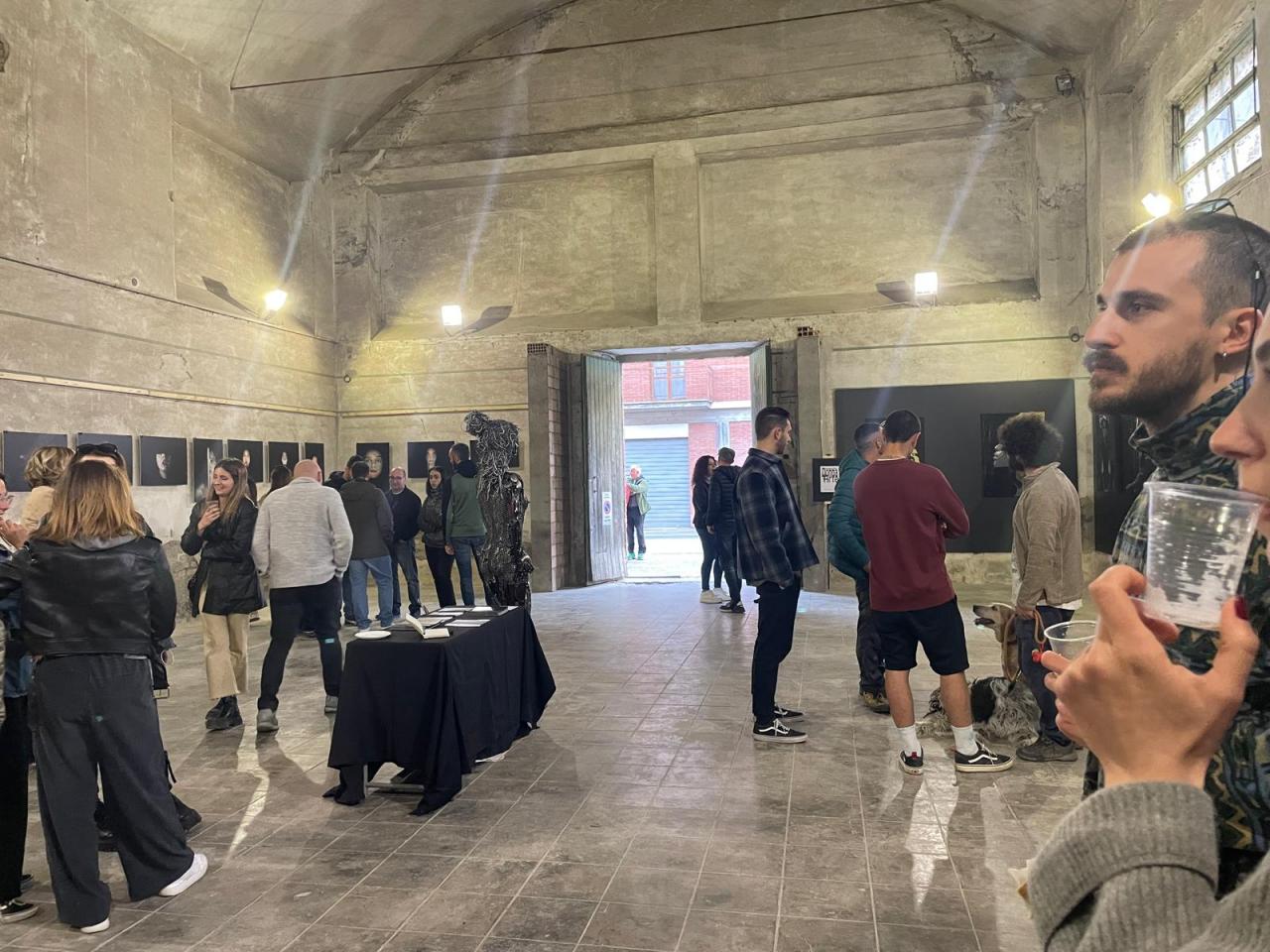
The new hub will feature large open spaces designed for flexibility, furnished with modular elements that allow for a variety of activities: from photographic exhibitions and workshops to training courses, local product tastings, and craft beer experimentation.
Key objectives for inclusion
In line with the NEB Compass value TOGETHER AMBITION I TO INCLUDE, the project also promotes inclusivity, creating a space that welcomes and values every individual, without distinction. Once the renovation is completed, the area will become a meeting and activation point for people of all ages, backgrounds, and skills, opening its doors to entrepreneurs, schools, tourists, artists, and more.
The architectural design ensures full accessibility, eliminating physical barriers so that everyone, including people with disabilities, can safely and seamlessly access and enjoy the space. This inclusive approach aims to foster an integrated environment, where every individual feels part of a cohesive community, encouraging dialogue and collaboration between diverse groups.
The project creates meaningful experiences by blending craft beer, research, and culture, fostering interactions among brewers, scholars,
How Citizens benefit
A participatory project like RI-GEN Borghi involves stakeholders as key partners and consultants in defining and/or co-creating the project's rules and objectives. Emerging ideas are developed collaboratively by the project team and its stakeholders. The flow of information is dynamic, exchanges take place on an equal footing, and information is co-designed.
The Beer Hub is a concrete example of this participatory approach. Its development includes the active involvement of local communities, not only in the decision-making phase but also in the design and management of activities. Through working groups, public meetings, and consultations with key stakeholders (businesses, associations, local authorities, and residents), the project ensures that the needs of the territory are genuinely represented and integrated into the management model of the space.
This participatory approach empowers local communities, making them active players in the process of enhancing their cultural and economic heritage. The goal is to foster the creation of a collaborative ecosystem where the public and private sectors work in synergy, sharing resources, expertise, and visions to promote sustainable and inclusive tourism development.
Innovative character
A key aspect of this innovation is the creation of a multifunctional physical space as the hub of activities, where public and private stakeholders can co-design and co-manage initiatives aimed at enhancing local heritage.
Innovation also lies in the development of new tourism proposals that can be implemented and integrated with other initiatives in the surrounding area. This approach fosters a broader and more structured collaboration model, not only between the two villages but within a territorial system that presents itself to travelers as a unified and well-positioned tourist destination.
Thanks to this innovative vision, RI-GEN Borghi goes beyond mere tourism promotion, introducing a new model of territorial development that combines authenticity, experience quality, and sustainability, creating synergies between local products and actors, culture, and innovation.
Disciplines/knowledge reflected
The RI-GEN Borghi project is structured as a transdisciplinary initiative, integrating knowledge and expertise from various fields to holistically address the challenges of sustainable tourism development. This approach goes beyond mere multidisciplinarity, promoting effective collaboration between different disciplines to co-create innovative and context-specific solutions.
By engaging tourism experts, local economy specialists, communication professionals, and the education sector, the project develops strategies based on a shared problem definition, built through dialogue among stakeholders. The diverse educational and professional backgrounds involved expand the scope of the intervention, bridging the gaps between disciplines through integrated work methodologies and mutual learning processes.
The project management team consists of:
Administrative personnel from local municipal administrations,
A local development manager,
A community process expert.
Methodology used
The approach focuses on collaboration between the public sector, local businesses, and cultural associations, creating a space for co-creation and continuous exchange. Through public meetings, workshops, and consultations, the project ensures that all voices are heard, and the final outcome reflects a shared and inclusive vision.
Another key pillar is sustainability. Every phase of the project is designed to reduce environmental impact by integrating energy-efficient solutions and focusing on the recovery and enhancement of existing structures rather than building new ones. The use of eco-friendly technologies like photovoltaic panels ensures energy autonomy without altering the historical appearance of the site.
The project develops following a transdisciplinary approach, integrating expertise from various fields, including urban planning, culture, sustainable tourism, and social innovation. This allows for a holistic approach to territorial regeneration, creating a positive and lasting impact in multiple areas: cultural, economic, social, and environmental.
How stakeholders are engaged
The RI-GEN Borghi project adopts a multi-level approach that connects horizontal informal networks (citizen groups, local associations, and communities of practice) with formal institutions (public entities, local administrations, and sectoral departments). This model fosters the exchange of knowledge and resources across different levels of governance, allowing for active influence on the local environment with a territory-based approach.
Through networking activities, co-design events, and structured collaborations, the project ensures ongoing dialogue between the various stakeholders involved. The goal is to create an interconnected system that values the contributions of each stakeholder, integrating local and institutional perspectives to develop shared and sustainable tourism strategies.
Global challenges
Cultural Heritage Preservation: By focusing on the regeneration of Apecchio's industrial heritage, the project tackles the global challenge of preserving cultural identity and heritage. It transforms a historical site into a space that tells the story of the local community, helping safeguard intangible cultural assets, while strengthening the sense of identity and belonging.
Inclusive Economic Growth: The initiative addresses global challenges of inequality and social exclusion by creating an inclusive space that brings together diverse groups, including residents, tourists, entrepreneurs, and researchers. This approach stimulates local economic growth by supporting small businesses and artisans, creating community engagement opportunities, and ensuring equal access to resources and opportunities for all stakeholders.
Sustainable Development and Replicability: RI-GEN Borghi embodies a sustainable model for small towns, one that can be replicated elsewhere. It offers a plan to integrate sustainability, community engagement, and heritage preservation into urban regeneration, providing a scalable solution to the global challenges of economic decline and rural depopulation in small municipalities.
Sustainable Tourism: By focusing on sustainable tourism as a key goal, the promote a shift toward responsible and slow tourism in smaller and less exploited areas. This helps to support the local economy sustainably.
Learning transferred to other parties
The model proposed by the RI-GEN Borghi project is highly replicable in other small municipalities, as it can adapt to specific territorial and productive characteristics. Its transferability is based on each community's ability to develop a tourism offering rooted in its own typical products, while simultaneously building a network of local collaborations and creating a multifunctional space that tells the story and enhanc
Next steps
We have signed letters of support from our partners confirming their commitment to engaging key stakeholders in the decision-making process.This collaborative approach is central to our methodology, aligning with the NEB principles of co-creation and participation.The project fosters active community involvement, ensuring the solutions are inclusive, sustainable, and impactful.RI-GEN Borghi, funded by the Italian Ministry of Tourism, has undergone a feasibility assessment, ensuring the project’s viability. The Municipality of Apecchio has allocated €90,000 in co-financing, further demonstrating its commitment. The project is included in the municipal budget for 2024-2025, supported by technical documentation and an approved executive plan (“Documento Unico di Programmazione”), aligning with the municipality's development strategy.<br />
To further develop and implement the project, the following steps will be taken to align with NEB values:<br />
Sustainability: Energy-efficient technologies, such as photovoltaic panels, will be integrated into the renovation of the Agricultural Consortium. This supports environmental sustainability, contributing to energy self-sufficiency and reducing CO₂ emissions, in line with Sustainable Ambition.<br />
Inclusivity: The design will prioritize accessibility for all, ensuring the space is inclusive and welcoming, in line with the NEB principle of inclusivity. This will be a space that fosters a sense of belonging for diverse communities.<br />
Aesthetic Value: We will integrate contemporary design with the building’s historical features, respecting its architectural integrity while introducing innovative elements, in alignment with Beautiful Ambition.<br />
Cultural and Social Impact: The Beer Hub will serve as a community and cultural center, hosting workshops and knowledge exchanges.This will encourage local heritage promotion, fostering social sustainability and cohesion.The implementation will be participatory, with stakeholders actively involved in