Repairability classification system
Basic information
Project Title
Full project title
Category
Project Description
Current stage development
Geographical Scope
Project Region
Urban or rural issues
Physical or other transformations
EU Programme or fund
Description of the project
Summary
RCS serves multiple stakeholders, including consumers seeking repair-friendly products, manufacturers looking to improve sustainability practices, repair professionals benefiting from increased accessibility, and policymakers advocating for a circular economy. By bridging these groups, RCS fosters a shift towards a more repairable and sustainable future.
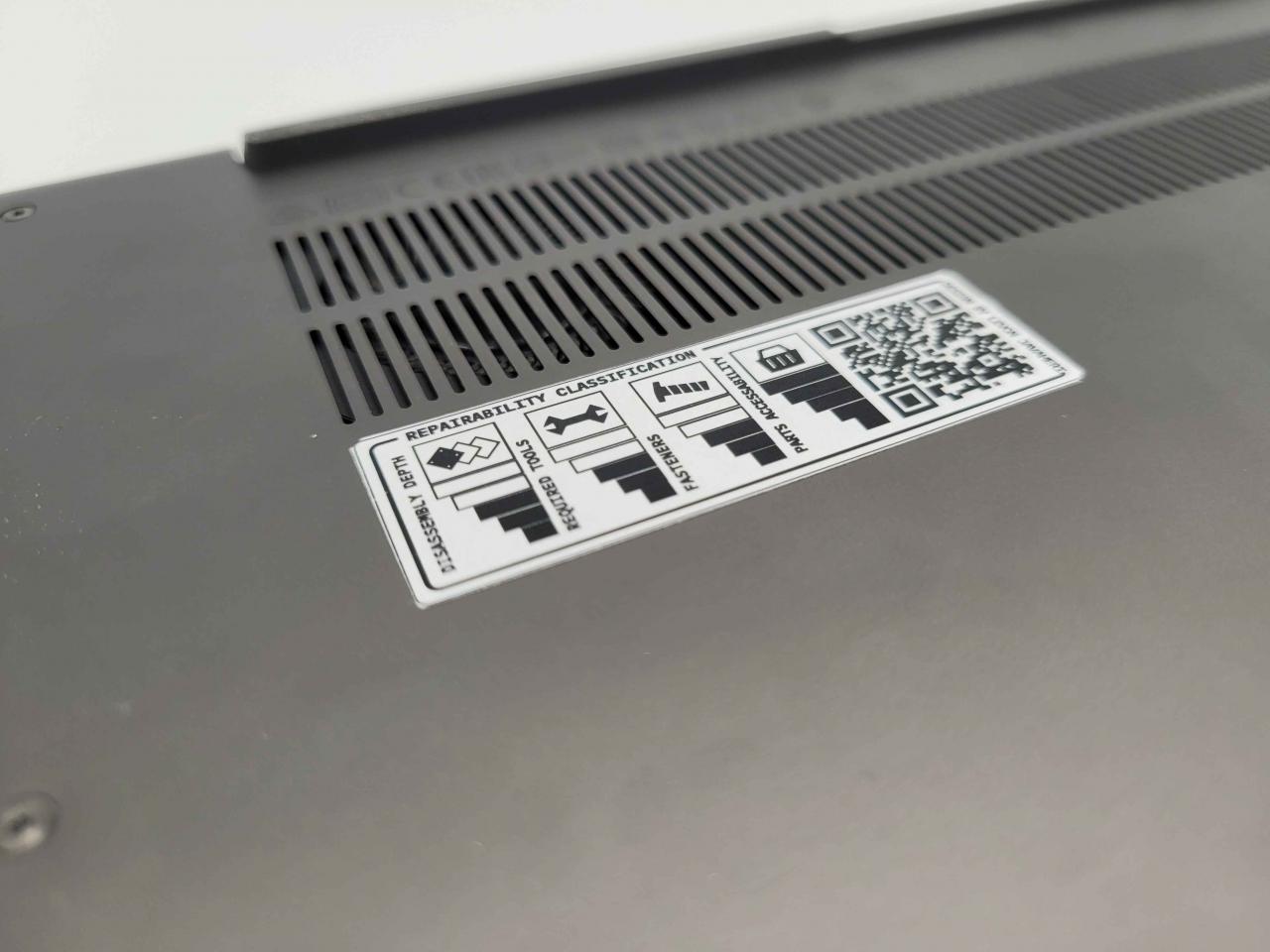
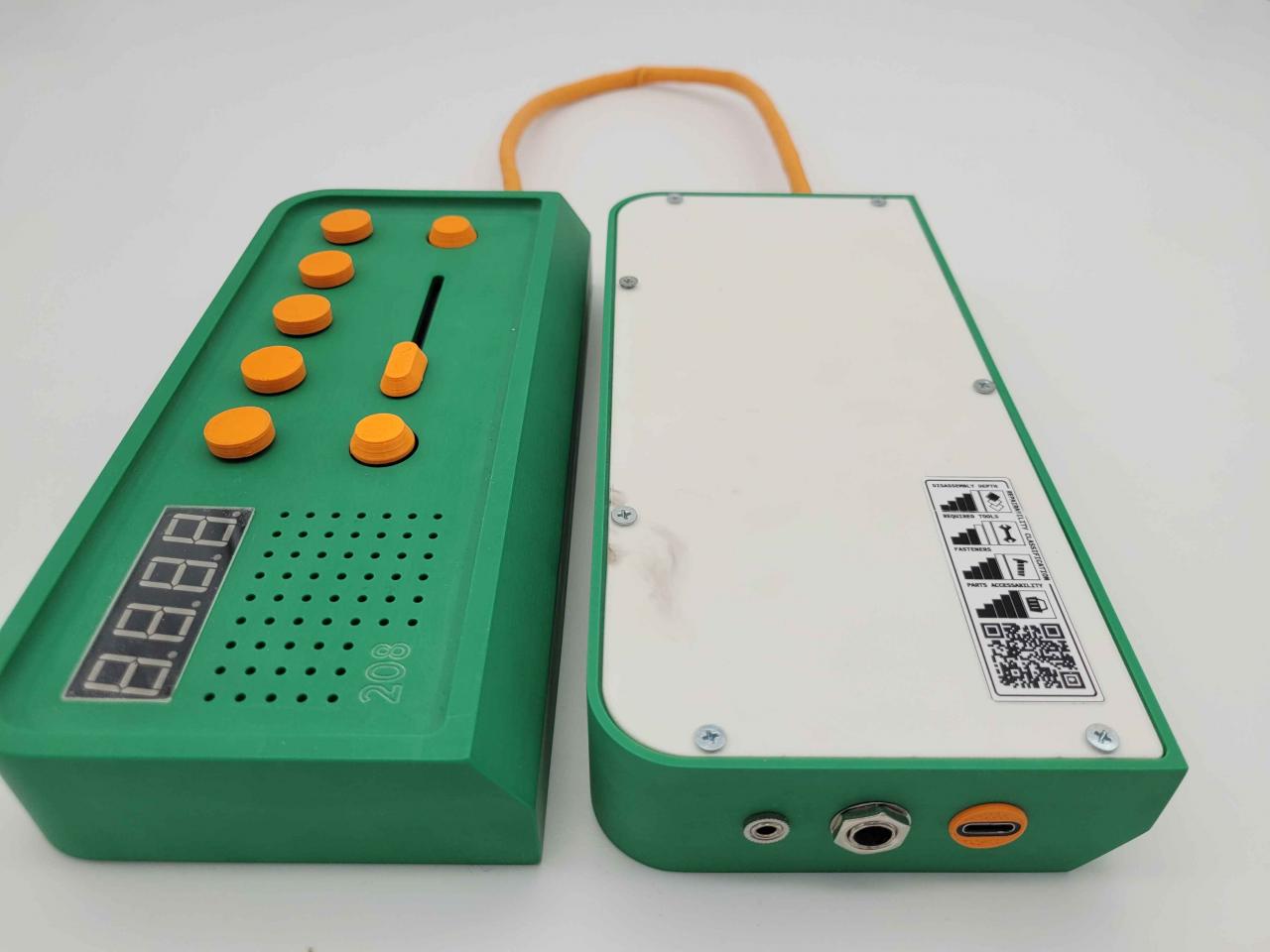
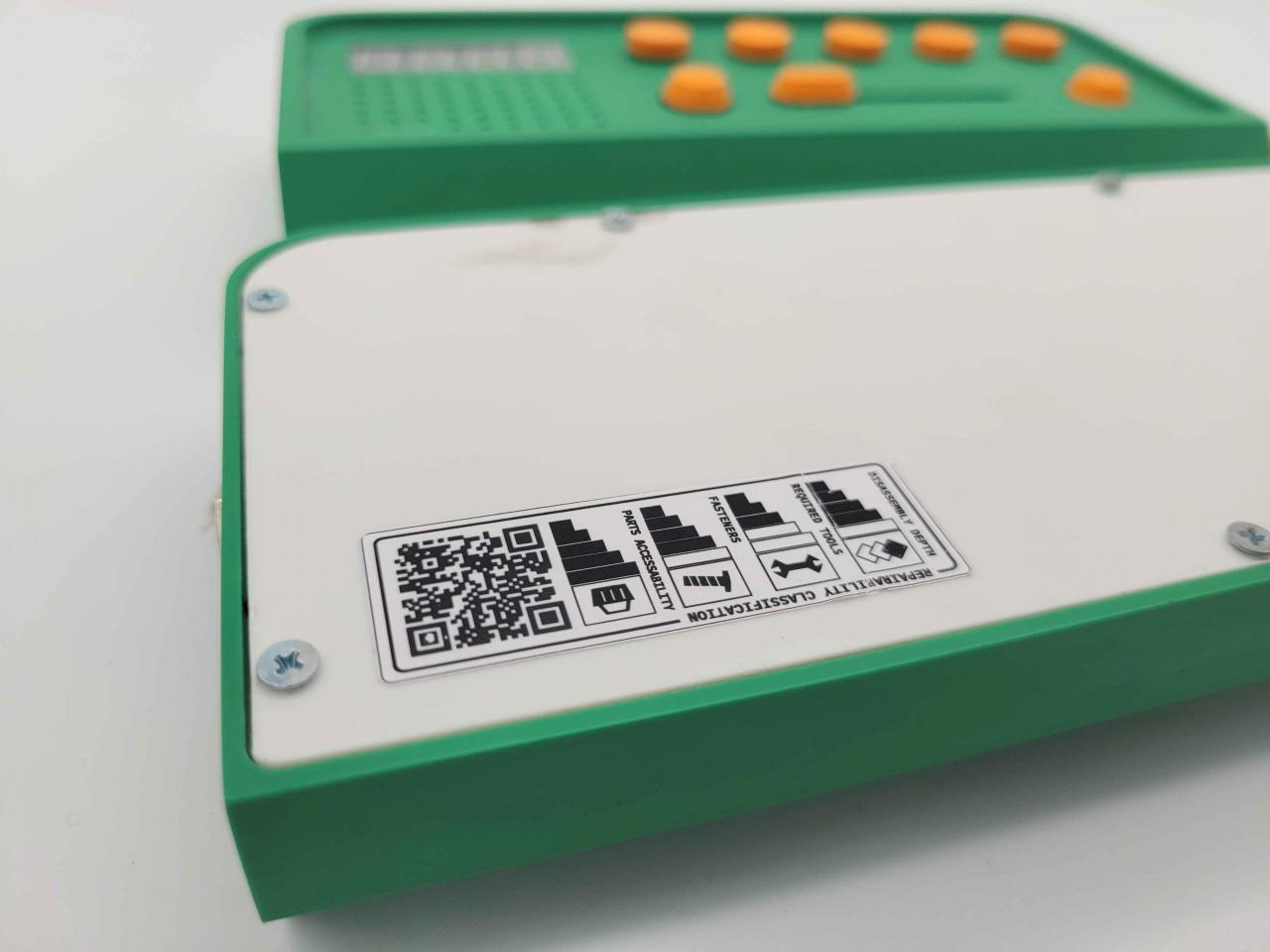
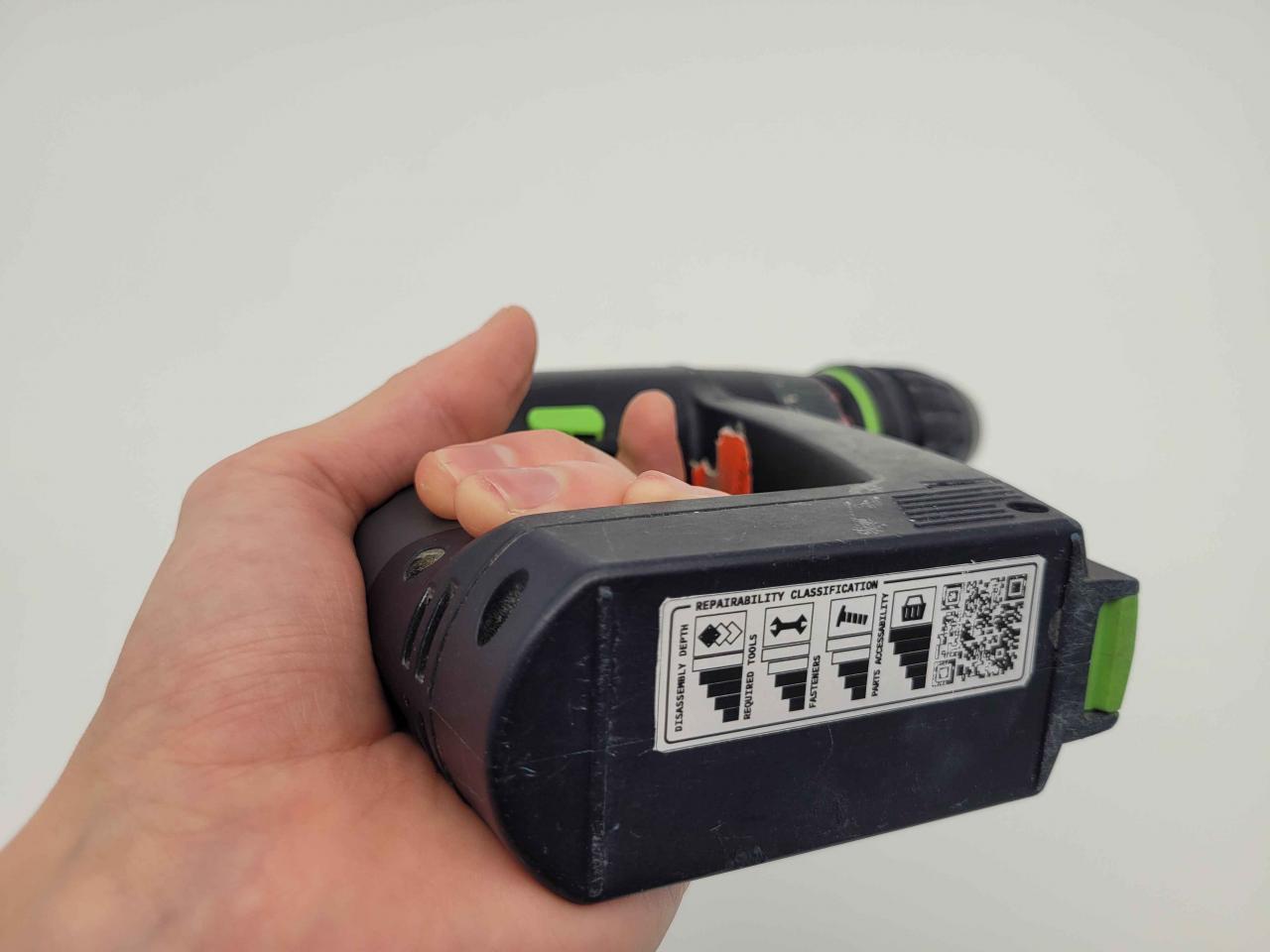
The labeling system evaluates products based on four key criteria: depth of disassembly, required tools, fasteners, and spare part availability. Each category is rated from 1 to 5, with higher scores indicating a more repair-friendly design. A QR code on each label links to a community-driven repair platform that provides product-specific repair guides, a map of local repair shops, and a space for users to share repair experiences.
By making repairability information visible and accessible, RCS facilitates informed purchasing decisions, extends product lifespans, and highlights the need for improved design practices. Rooted in existing EU research and repairability metrics, the system is designed to evolve through continuous testing and engagement with the repair community.
Key objectives for sustainability
Aligned with the principles of a circular economy, RCS supports the design of products intended for repair and reuse, rather than for premature obsolescence. The system provides consumers with clear, actionable repairability ratings, enabling them to make informed purchasing decisions that emphasize durability and long-term usability.
Furthermore, RCS incentivizes manufacturers to incorporate repairability into product design, thereby challenging unsustainable practices that contribute to planned obsolescence. Products designed with repairability in mind help reduce e-waste, conserve valuable materials, and promote more sustainable manufacturing practices.
Summarizing the above, the RCS is an effective tool for advancing sustainability by simplifying the repair process, reducing waste, and encouraging both consumers and manufacturers to adopt more durable, eco-conscious design practices.
Key objectives for aesthetics and quality
Culturally, the RCS promotes the values of sustainability and repair, encouraging a shift in how society views product longevity and waste. By making repairability visible and easily accessible, it fosters a sense of ownership and responsibility among consumers, contributing to a more sustainable, circular mindset. The project also facilitates a deeper connection between consumers and the objects they use, emphasizing the value of maintaining and extending the life of products.
In this context, the project is exemplary because it not only meets the functional needs of repairability but also integrates these principles into the aesthetic and cultural fabric of everyday consumer goods. It exemplifies how sustainable practices can be seamlessly woven into product design, offering both a practical solution and a cultural shift towards responsible consumption.
Key objectives for inclusion
How Citizens benefit
There have also been Interviews with designers which could try the labeling system on their own objects as "manufacturers" to understand the possible needs from the production side.
As this project is still in it's early phases, the prototypes now have to be tested with various stakeholders and develloped including the knowledge of repair-professionals from different fields. This will be further described in the Project-Outline.
Physical or other transformations
Innovative character
Disciplines/knowledge reflected
Methodology used
This approach guarantees that the system is both accessible and practical for a diverse range of users, from novice to experienced repairers.
The project follows an iterative approach, where ongoing feedback from users and repair professionals informs continuous improvements. This ensures that the RCS remains relevant, user-friendly, and based on up-to-date insights from the repair community, driving sustainability through accessible, long-lasting product repair solutions.
How stakeholders are engaged
Product specific application to Smartphones and Tablets" would be very benefitial for the success of this innitiative.
Further stakeholders would be local governments and policy makers which could support to spread the innitiative. This kind of Project is not able to be realized without the support of governal structures like the EU and so their involvement is crucial for further steps.
Global challenges
The project also tackles the global problem of planned obsolescence, where products are designed to have a limited lifespan, making repair difficult or impossible. By providing clear repairability information, RCS incentivizes manufacturers to design products that are more durable, modular, and easier to repair, contributing to more sustainable production practices.
On a broader scale, RCS promotes the principles of the circular economy by encouraging the repair and reuse of products rather than their disposal. This approach reduces resource consumption, lowers environmental impact, and helps preserve valuable materials. By focusing on local solutions, such as connecting users to nearby repair shops and resources through a community-driven platform, RCS fosters local economies and strengthens repair ecosystems and sustainable devellopments on global scales.
Learning transferred to other parties
The technology behind the system, particularly the use of QR codes linking to a community-driven repair platform, can be expanded to various product categories and geographical regions. This technology allows consumers to easily access repair guides, locate local repair shops, and share knowledge. The platform itself can be adapted to serve different languages, cultures, and needs, creating a international network of resources that benefits consumers worldwide.
The processes used in the RCS, including the collaborative, user-driven platform where individuals contribute repair experiences and tips, can and should be replicated in diverse cultural and social contexts. This model fosters a sense of shared responsibility for sustainability and empowers communities to engage in repairs, reducing dependency on disposable products.
Finally, the learnings gained from feedback provided by users and repair experts are valuable for future iterations of the RCS, allowing the system to continuously evolve based on real-world experiences. These insights can be applied to similar projects in different regions or industries, improving the design, usability, and impact of the system.
Together, these elements create a scalable and adaptable framework that can promote repairability, sustainability, and responsible consumption on an international scale, benefiting a wide range of consumers, manufacturers, and local communities aswell as the European Union as a resource for further projects.
Next steps
In the year following the application, the Repairability Classification System has to be refined with the help of EU-Researchers and a wider scope of expertise has to be gathered aswell as usability testing and conversations with producers. Also the RCS should be expanded in its product range, focusing on categories like electronics and appliances. It will enhance the repair platform with more guides and resources while fostering stronger connections between users and manufacturers, encouraging the adoption of repairable designs. The digital platform has to be set up and will be improved with multilingual support and new features. Collaboration with policymakers and partnerships with sustainability-focused organizations will further promote the system, ensuring continuous refinement through feedback, ultimately driving a shift towards a more sustainable, repairable future. <br />
<br />
Most importantly, after the refinement phase, the RCS has to be tested on a product range and these pilot implementations have to be observed and used to increase the feasibility of the whole initiative. Also additional educational media has to be generated to get the users to participate and take part in the repairability transformation.