Renovation Lehár Theatre Bad Ischl
Basic information
Project Title
Full project title
Project Description
Current stage development
Project Region
Municipality
EU Programme or fund
Description of the project
Summary
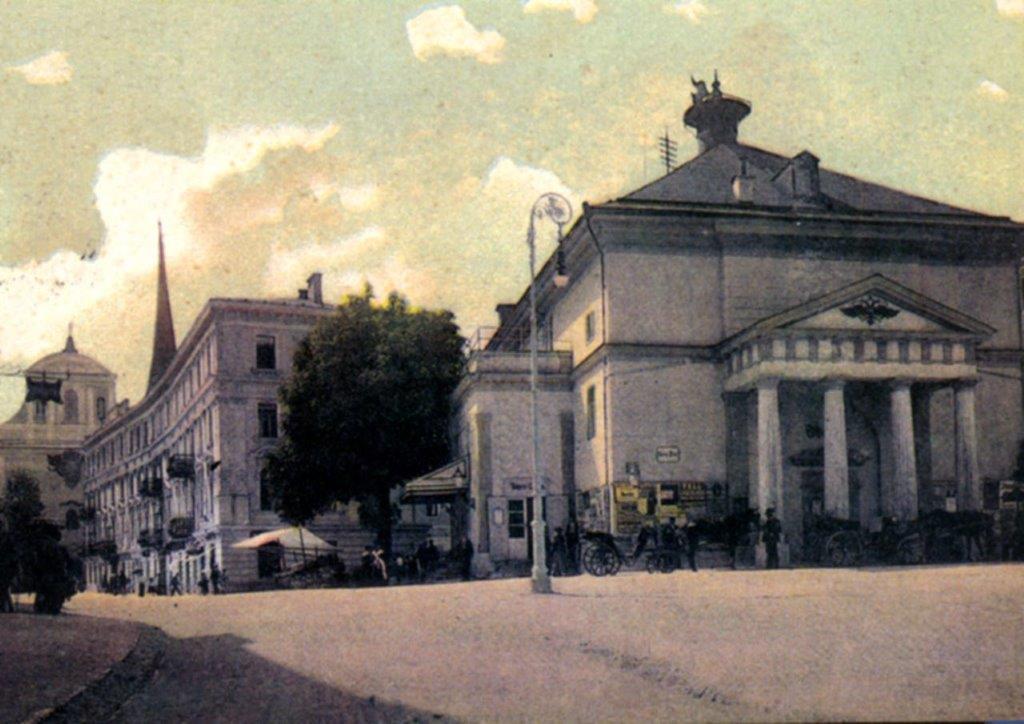
The renovation will create a modern barrier free infrastructure that provides a platform for both, renowned artists and local initiatives. The architectural integration of the imperial summer theater with the charm of a 1950s cinema, preserves the building's historical identity making it a unique cultural landmark. The involvement of authorities and the civil society ensures high acceptance and identification with the project.
The project is aimed at cultural creators by providing a high-quality venue for theater music and interdisciplinary art projects. It offers citizens an open space for cultural participation and social interaction. Tourists benefit from a new highlight in Bad Ischl's cultural offerings, enhancing the region's attractiveness. Local businesses profit from the strengthened regional economic cycle through increased visitor frequency and new cooperation opportunities.
The renovation follows sustainable principles by preserving the historic building fabric while integrating energy efficient technologies to reduce environmental impact. The project also improves barrier free accessibility ensuring unrestricted participation in arts and culture for all. The flexible use of space allows for a variety of event formats. Community involvement plays a key role as the local population actively participates in planning and design processes strengthening their identification with the cultural venue.
Key objectives for sustainability
The project prioritizes the conservation of resources and the reduction of CO₂ emissions by maintaining the historic building fabric, repurposing materials, and implementing energy-efficient solutions within the constraints of monument protection. The planned energy optimization demonstrates how heritage buildings can actively contribute to climate goals.
The revitalization enhances the long-term economic viability of the Lehar Theater by enabling multi-functional use. It will allow the venue to accommodate cinema screenings, theater productions, concerts and community events. This flexible approach maximizes revenue potential while preserving cultural authenticity.
By transforming the theater into an accessible, open cultural hub, the project fosters inclusive cultural participation. Barrier-free access, improved safety standards, and a welcoming environment ensure that people of all ages and abilities can engage. Through diverse programming, the Lehar Theater becomes a vital meeting point for the local community, strengthening social cohesion and reinforcing Bad Ischl’s identity as a European Capital of Culture.
This project sets a benchmark for the sustainable transformation of historic theaters. It demonstrates that the careful integration of climate-friendly technologies, adaptive reuse, and community-oriented planning can secure both the ecological and cultural legacy of a building. By proving that sustainability and heritage conservation can go hand in hand, the revitalization of the Lehar Theater contributes to the New European Bauhaus vision—combining beauty, sustainability, and inclusivity in a forward-thinking way.
Key objectives for aesthetics and quality
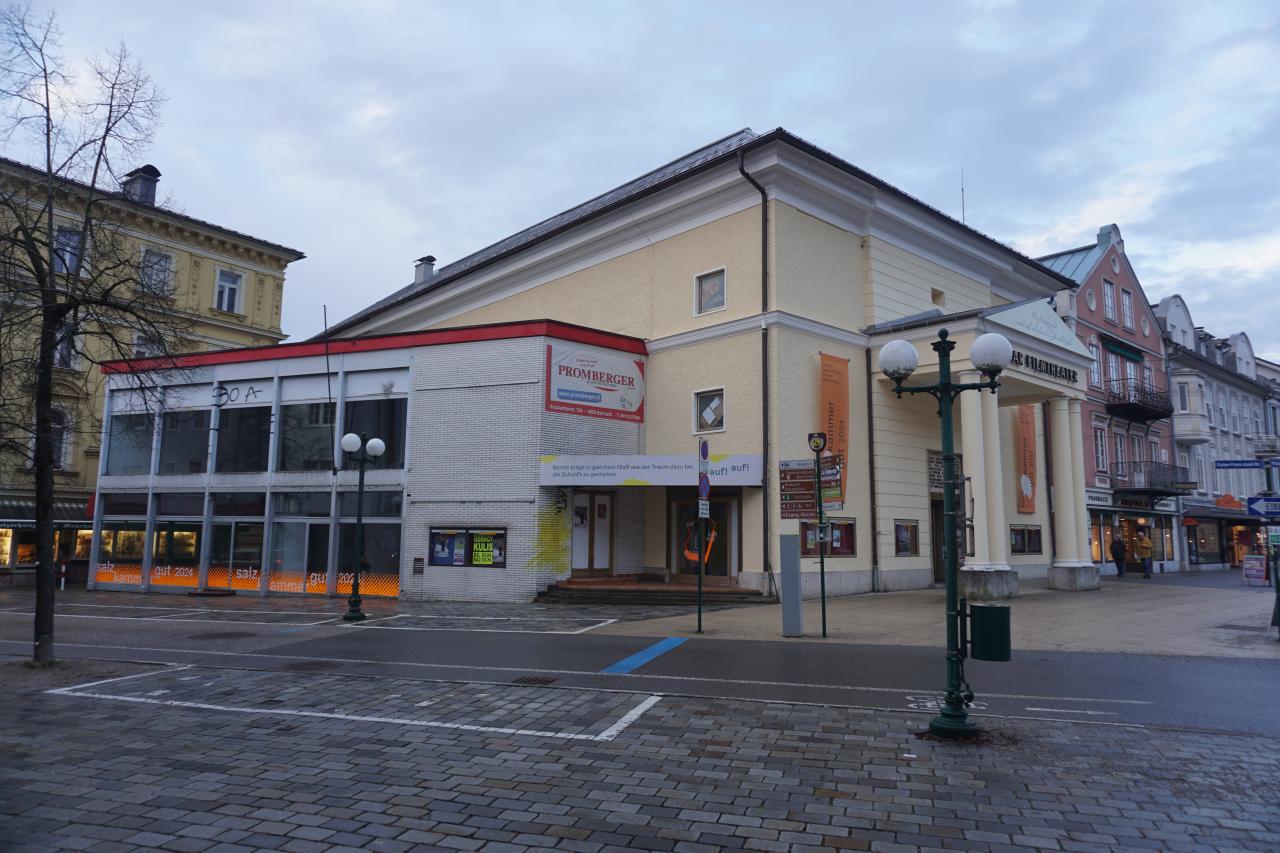
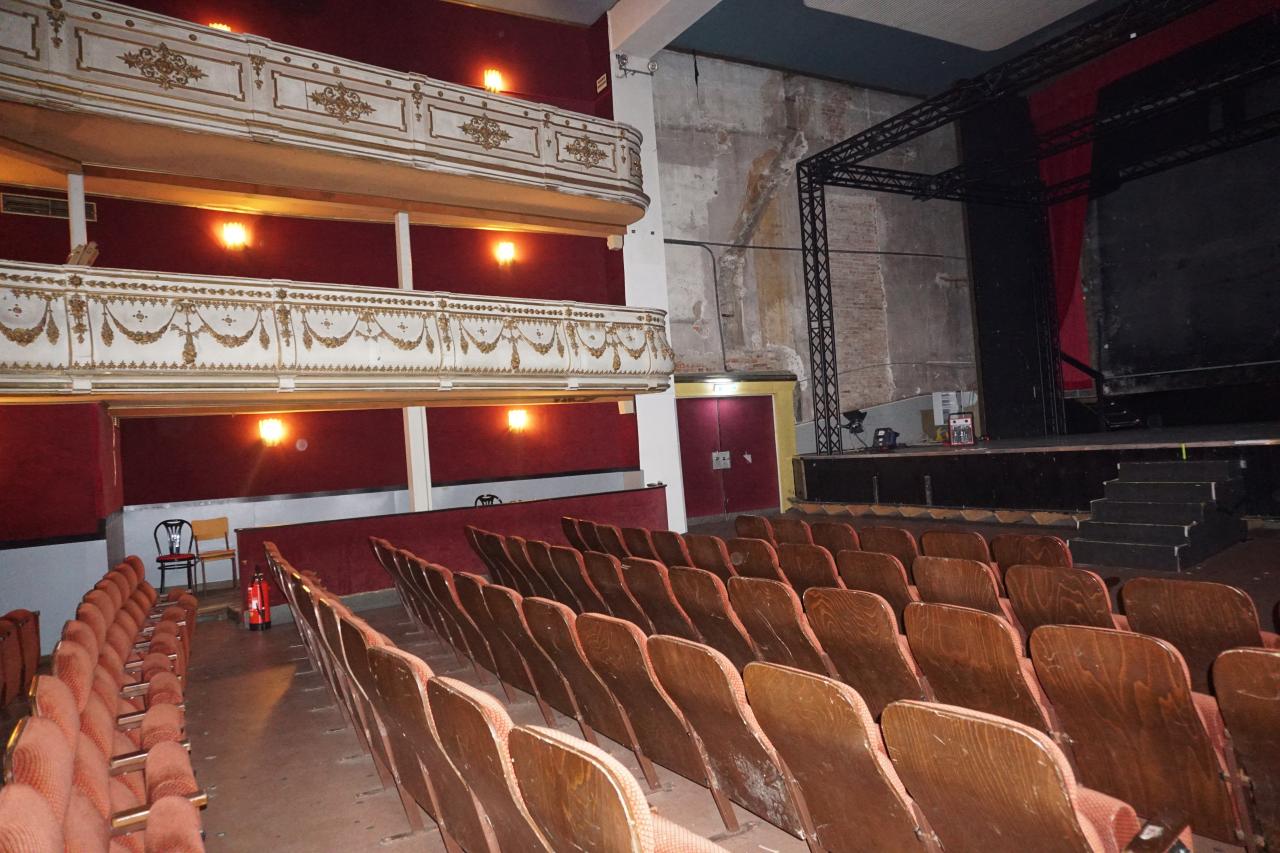
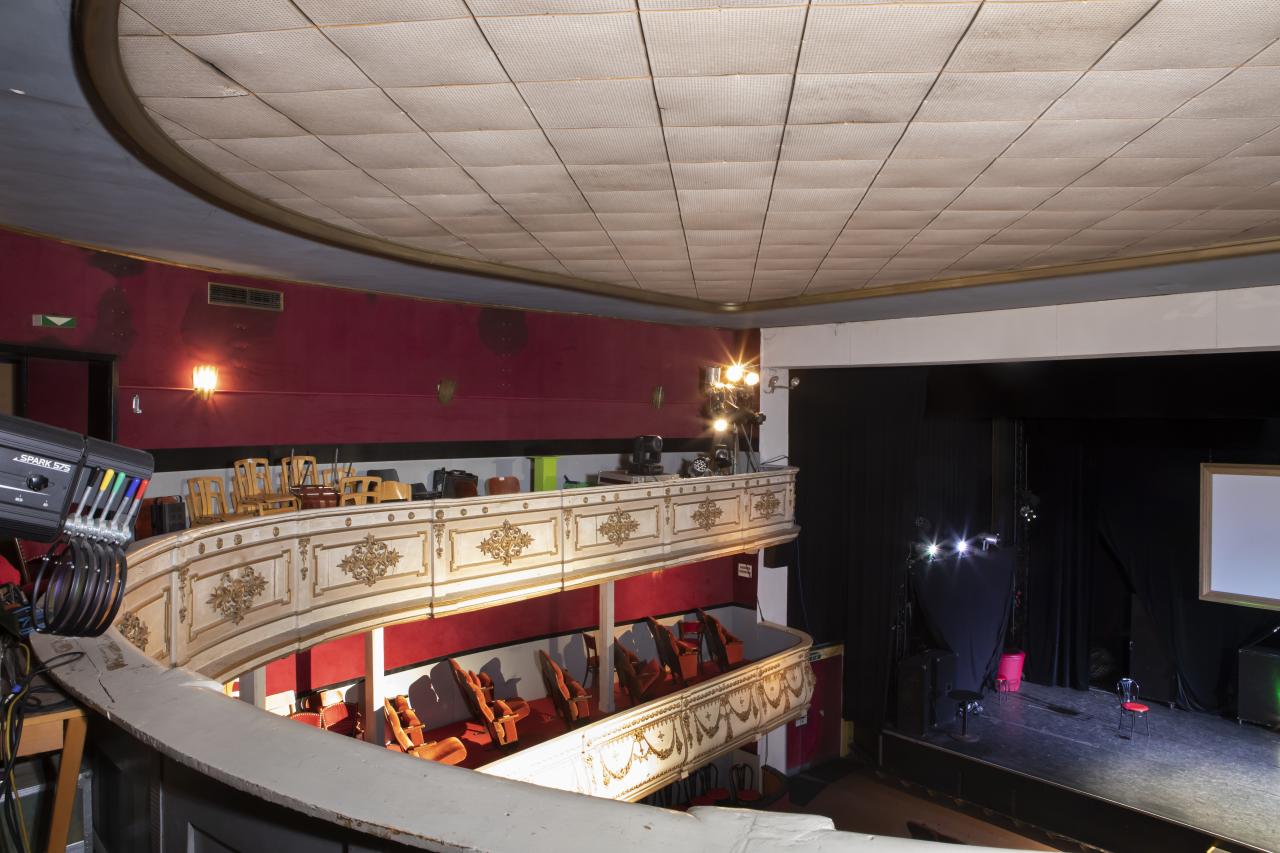
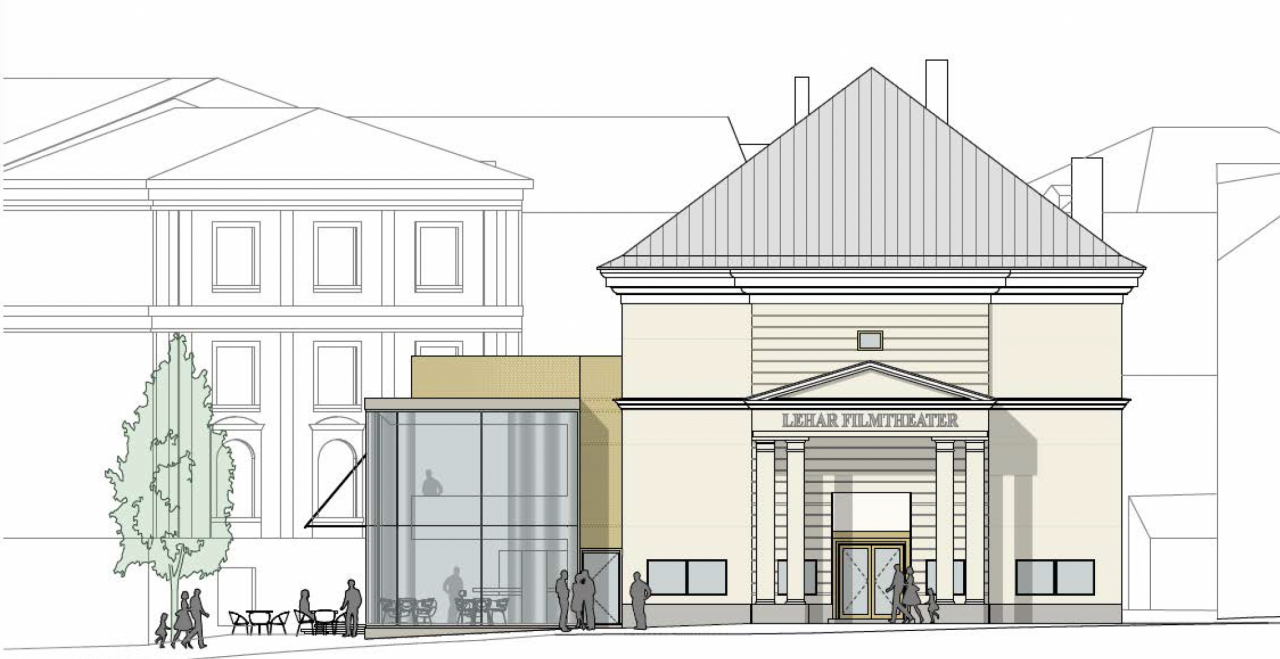
The historic effect, particularly the 1950s-style theater hall, is meticulously maintained, allowing the venue to retain its original charm while introducing thoughtful updates. Foyer areas will stay in their historic design but are optimized for modern functionality, ensuring a seamless experience for guests. A new annex integrates gastronomy, restrooms, and cloakrooms in a way that harmonizes with the existing architecture, enhancing comfort without disrupting the ensemble’s distinctive character. The redesign of the surrounding plaza enhances the urban experience, restoring the building’s original presence and contributing to the revitalization of the district as a vibrant hub for social interaction and cultural exchange.
The theater remains a place of history while offering contemporary comfort. Thoughtfully designed lighting highlights architectural details and creates an inviting atmosphere that shifts with different events. A flexible concept with height-adjustable stage platforms allows for various event formats, making the space dynamic and adaptable. Stylish furnishings inspired by the 1950s evoke nostalgia while providing elegance and warmth, reinforcing the theater’s identity as both a cultural landmark and a place of shared experience.
By combining heritage and innovation, this project demonstrates how historic buildings can be sensitively modernized to enhance their aesthetic, emotional, and cultural value. The seamless fusion of past and future transforms the Lehar Theater into more than just a venue.
Key objectives for inclusion
Striking a balance between historic preservation and modern accessibility standards, the theater is designed to be fully barrier-free. Key features include step-free access to all central areas—including the auditorium, foyer, and restaurant—ensuring that visitors with mobility impairments can navigate the space independently. Optimized escape routes and state-of-the-art safety measures provide security for all attendees. The flexibility of the seating arrangements and adaptable stage technology enables the venue to host a wide variety of performances and events, accommodating different artistic disciplines and audience needs.
To make cultural engagement financially accessible, ticket pricing and venue rental fees are designed to be inclusive, preventing economic barriers from limiting participation. The diverse program—spanning theater, music, dance, exhibitions, and community-driven cultural activities—ensures that people from all backgrounds can find something meaningful and engaging. Additional spaces, such as a café and informal meeting areas, encourage spontaneous interaction and foster a welcoming, inclusive atmosphere where people can gather, exchange ideas, and connect beyond the performances themselves.
A sustainable and participatory management model guarantees the long-term accessibility and openness of the theater. Partnerships with cultural institutions, social initiatives, and local organizations help ensure that the venue is not only a stage for artistic expression but also a dynamic space for education, dialogue, and civic engagement.
How Citizens benefit
Public discussion forums and citizen participation have already enabled the population to contribute their needs and ideas. Cultural initiatives and associations will continue to be involved in the development and, once implemented, in the use of the venue in order to ensure that the program is diverse and locally anchored. The ownership structure ensures cooperation with the city administration and ensures that the revitalization is sustainable and in the interests of the citizens.
Needs-oriented usage concepts are created through dialog with citizens - which is why an artistic advisory board was also established to promote the broadest possible acceptance and identification with the project. Long-term security of use is thus created through a concept that is oriented towards the wishes of civil society and ensures the involvement of all levels. The result is an exemplary initiative for participatory urban development.
The Lehar Theater shows how listed buildings can be transformed into lively community spaces through participation. The close cooperation with civil society makes it a model project for participatory urban development.
Innovative character
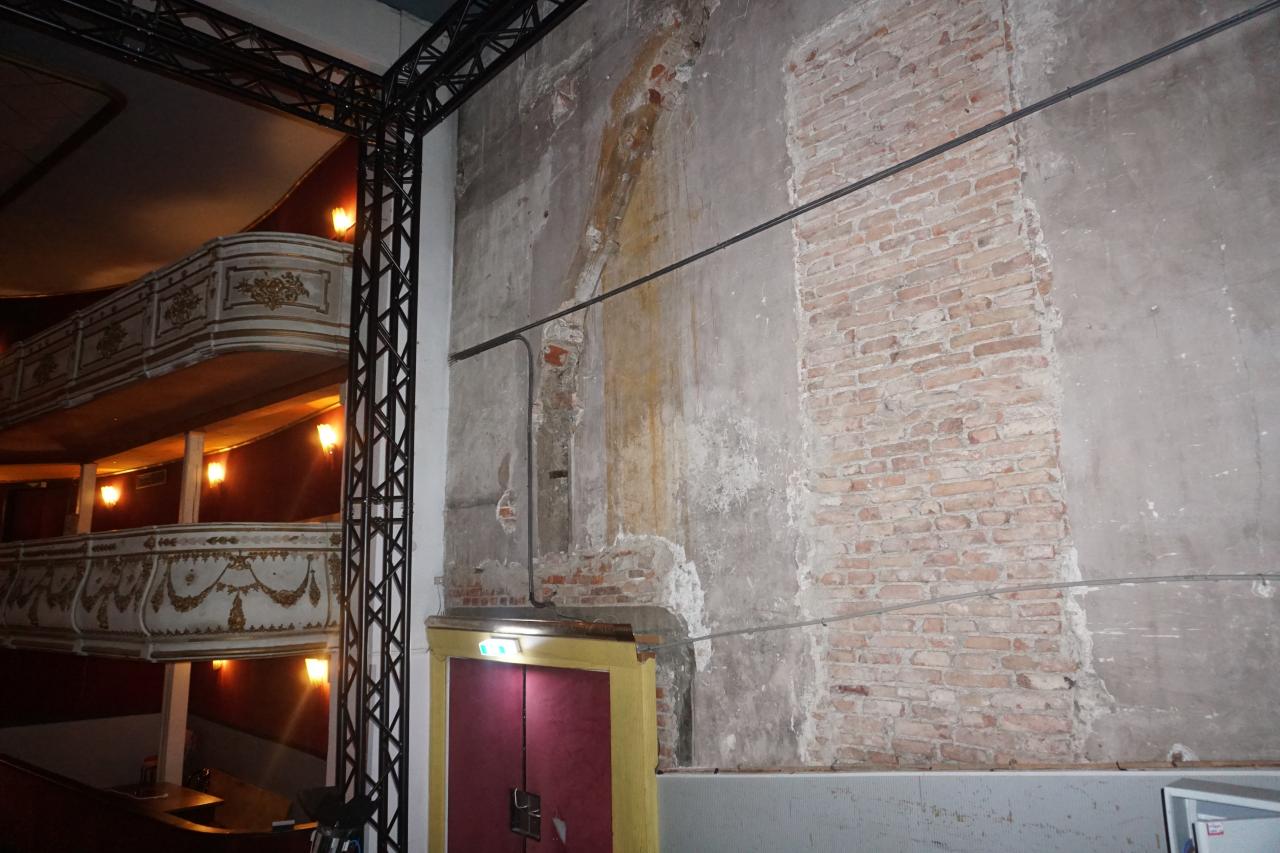
A key element of this concept is the "collage" method, which preserves the building’s historical complexity rather than opting for a full reconstruction. While conventional restorations often aim to return a structure to a specific historical state or pursue radical modernization, this approach deliberately integrates different architectural layers. As a result, both the imperial-era summer theater and the 1950s cinema remain defining elements of the space.
Another innovative aspect is the building’s flexible use, enabled by modern infrastructure. Whereas traditional theaters often rely on rigid spatial concepts that limit versatility, the Lehar Theater features an adjustable stage and flexible seating arrangements, allowing the hall to be adapted for a wide range of event formats.
Furthermore, the revitalization follows principles of sustainability and inclusion. While past renovations often focused solely on structural preservation without considering social and ecological factors, this project prioritizes barrier-free access, energy-efficient technology, and social participation. This makes the theater not only more environmentally sustainable but also more accessible to a wider audience.
A defining characteristic of the project is its participatory development process. While restorations in the past were often carried out without active community involvement, the Lehar Theater is being revitalized in close collaboration with citizens, cultural initiatives, and local authorities. This cooperative approach ensures that the theater functions as a vibrant cultural space that meets the needs of contemporary society.
Disciplines/knowledge reflected
Methodology used
A central concept of this approach is the "collage" method, which combines preservation and development. Instead of opting for a complete reconstruction or a purely contemporary redesign, the project deliberately maintains the historical complexity of the building. Elements of the imperial-era summer theater and the 1950s cinema are purposefully retained and integrated, preserving the unique character of the space while enhancing its functionality.
Another key aspect of the initiative is participatory planning and interdisciplinary collaboration. Citizens, experts, and local authorities work together to shape the theater’s transformation. Regular consultations with heritage conservation experts, architects, cultural stakeholders, and urban planners ensure that diverse requirements and interests are taken into account.
The theater is also being adapted to contemporary needs through flexible and sustainable usage concepts. While many historic buildings face significant limitations in their use, this project creates a multifunctional space. A height-adjustable stage and flexible seating allow the hall to accommodate a variety of event formats, from traditional theater performances to concerts and social gatherings.
A strong focus is placed on heritage-sensitive restoration, modern technology, and accessibility. By upgrading building systems, implementing energy-efficient solutions, and ensuring an inclusive design, the project enhances both the environmental sustainability of the theater and its accessibility to a broad audience.
How stakeholders are engaged
At the local level, the city of Bad Ischl and Immobilien Bad Ischl GmbH, as owners and administrators of the building, are responsible for coordinating the implementation. Citizens, cultural associations, and artists actively contribute ideas for the use and programming of the space, while local businesses and the hospitality sector benefit from the revitalization of the city center.
At the regional level, the State of Upper Austria provides both financial and conceptual support, guiding the planning processes. The Federal Monuments Office – Regional Conservatorate of Upper Austria ensures the preservation of the building’s historic substance in accordance with monument protection guidelines.
On the national level, the Federal Monuments Office and cultural funding bodies safeguard compliance with heritage and cultural requirements. As part of the European Capital of Culture Bad Ischl 2024, the project is linked to other initiatives and gains additional visibility.
At the European level, EU cultural funding programs can offer financial and strategic support, while exchange with other European cultural cities fosters synergies for sustainable urban development.
An exemplary cross-level collaboration, the revitalization of the Lehar Theater demonstrates how a significant cultural project can be realized through close cooperation among diverse stakeholders. By combining local citizen participation, regional backing, and national and European structures, this initiative serves as a model for successful and sustainable urban development.
Global challenges
Learning transferred to other parties
By linking heritage conservation, sustainability, and participatory development, the revitalization of the Lehar Theater serves as a model for similar restoration and cultural projects across Europe. The innovative methodology demonstrates that it is possible to preserve historic buildings while adapting them to modern requirements and securing their social relevance for the long term.
Next steps
The NEB principles, sustainability, inclusion, and aesthetics, are not only implemented but further developed throughout the project. The renovation will be carried out in a sustainable manner by preserving the historical building fabric while integrating resource-efficient modernization. The use of energy-efficient technologies (materials, heating system, etc.) will help to minimize the ecological footprint and ensure long-term environmental benefits. At the same time, the project places a strong emphasis on inclusion by creating barrier-free access, a new annex that integrates the public space and offering a wide range of affordable cultural events. This will transform the theater into an open and welcoming space where people from different backgrounds can come together and participate in cultural life, either traditional or also modern or contemporary. The aesthetic quality of the building will be carefully maintained through a "collage" approach that preserves both the character of the imperial-era summer theater and the mid-20th-century cinema.<br />
In the coming years, specific steps will be taken to ensure the successful realization of the project in line with NEB values. By 2025, the focus will be on completing detailed planning and obtaining the necessary official approvals. Throughout this phase, active collaboration with citizens and experts will be a priority to ensure that the needs and expectations of the community are fully considered. Starting in 2026, the construction phase will begin, integrating modern technology and flexible usage concepts to adapt the space to contemporary cultural demands. The theater will be firmly embedded in the city’s cultural scene, offering a diverse and dynamic program that reflects its historical significance while embracing future opportunities. By 2027 and the 200th anniversary of the building, the work should be completed and the opening celebrated together with the local population and all those involved.