Radica
Basic information
Project Title
Full project title
Project Description
Current stage development
Project Region
Municipality
EU Programme or fund
Description of the project
Summary
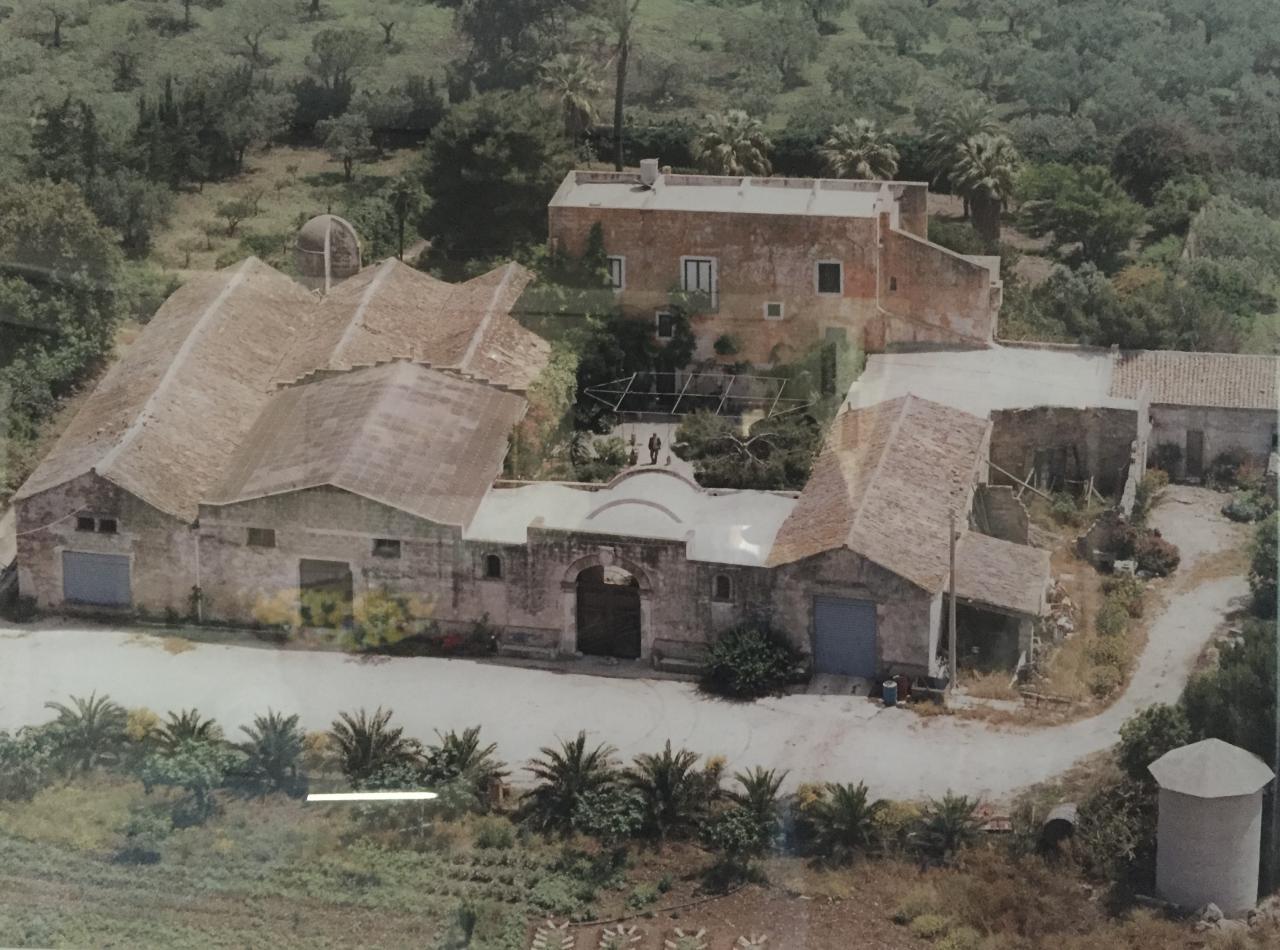
The initiative benefits from the active involvement of the Liberameliberatutti association, one of the most dynamic cultural centers in Trapani.This organization will provide the Baglio as a venue and share its expertise from years of international exchanges, transforming the Baglio into a vibrant hub where communities meet, exchange ideas, and produce cultural and artistic content, revitalizing the territory.The overall goal is to empower women by offering spaces and programs that enhance their social, cultural, and economic roles while connecting Misiliscemi’s urban and rural landscapes. Target groups include young women focused on leadership and entrepreneurship, older women as custodians of tradition, and vulnerable women facing economic or social challenges, with benefits extending to the broader community.
Key objectives include fostering empowerment and inclusion through dedicated programs and spaces, promoting cultural and creative growth via craft workshops, storytelling, and artist residencies, enhancing sustainability by using the Baglio as an eco-hub, and encouraging intergenerational collaboration. Expected outcomes are increased social cohesion through women-led initiatives, new economic opportunities in agriculture, crafts, and creative industries, heightened awareness of sustainability and heritage preservation, and the revitalization of Misiliscemi as a model of inclusive, sustainable development led by women
Key objectives for sustainability
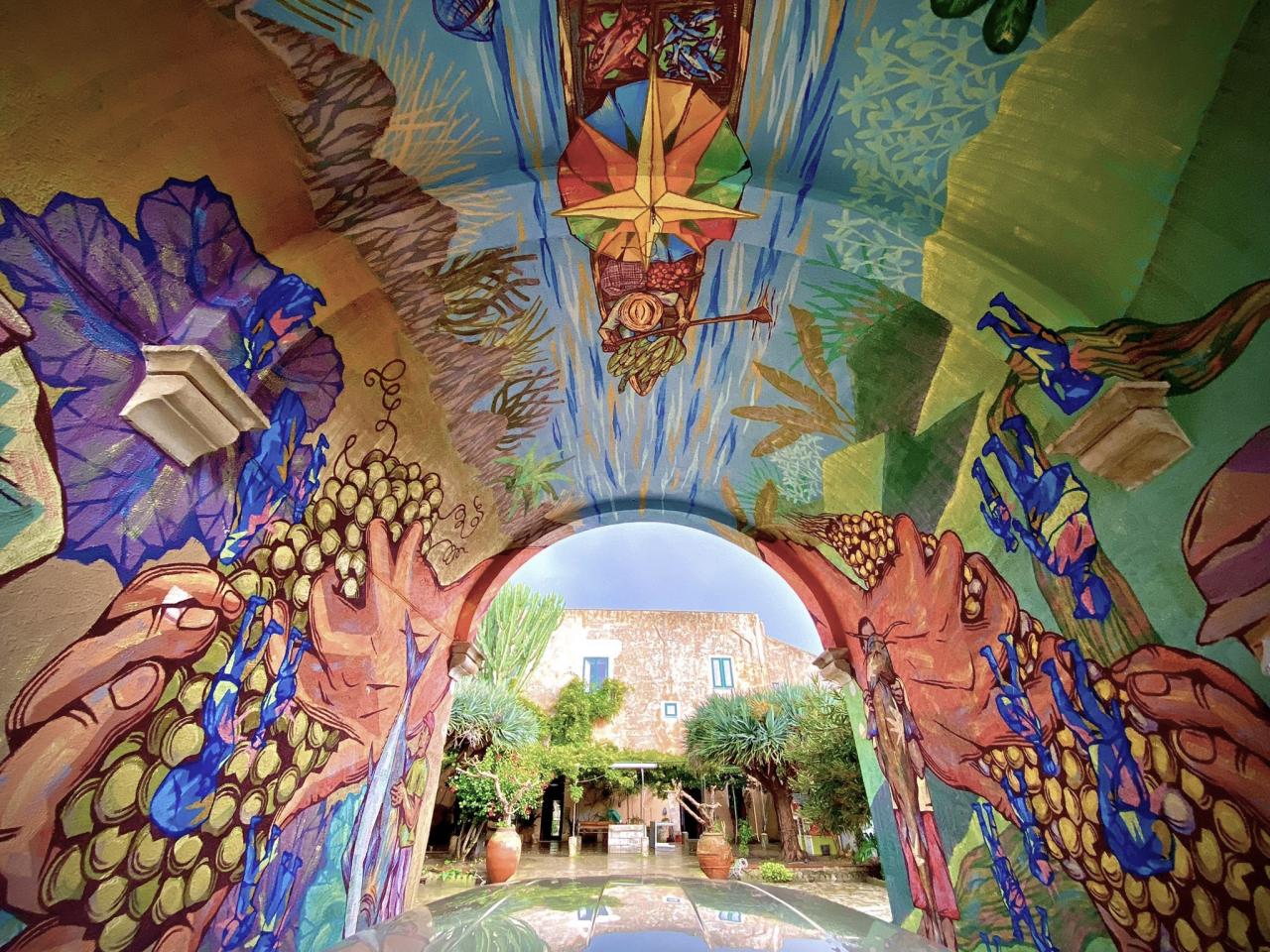
The Baglio Liberameliberatutti, a cornerstone of the project, will evolve from an agricultural hub into a center for artistic production, where tradition merges with contemporary creativity. In this space, sustainable agriculture workshops covering organic cultivation, water conservation, and circular resource use will be integrated with artistic activities and creative residencies, yielding outputs such as a community garden and site-specific artworks. These initiatives will generate tangible impact, demonstrating that environmental sustainability and artistic innovation can coexist and reinforce each other.
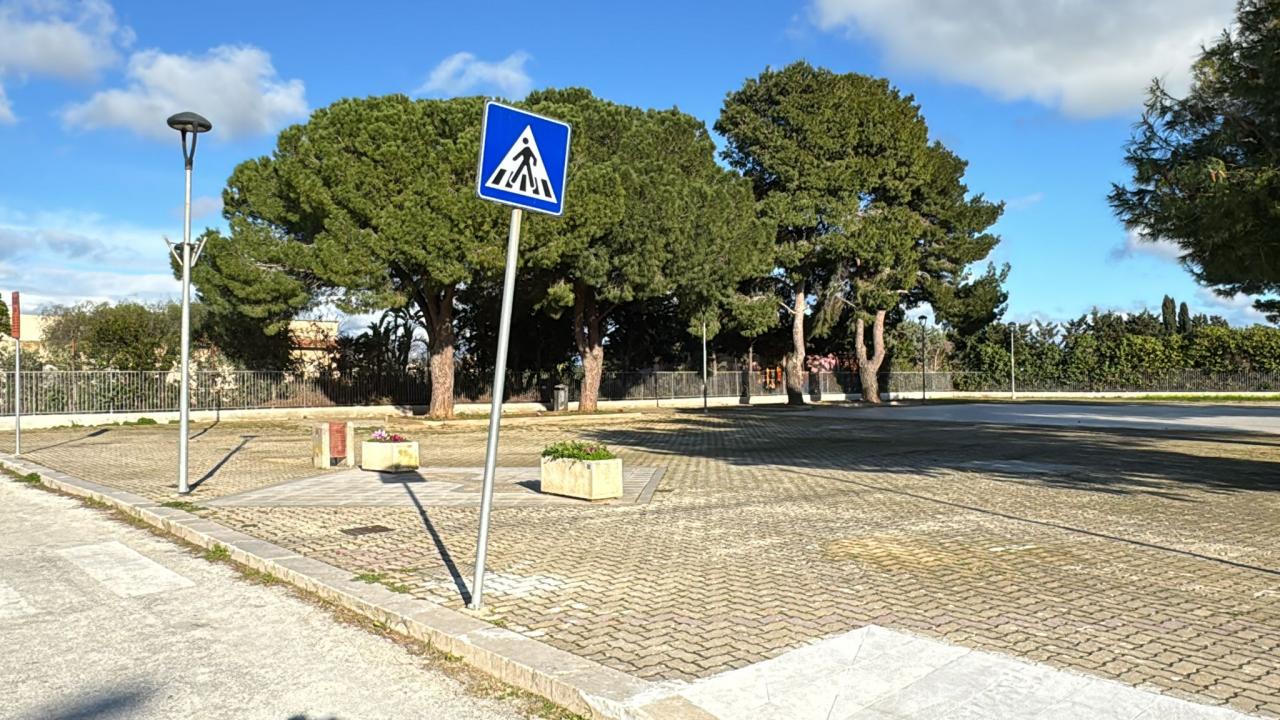
Moreover, Radica aims to create a dynamic green connection between the urban center and the Baglio via a thematic pathway that emphasizes pedestrian and cycling mobility, fostering an exchange of ideas and resources between city and countryside. The project is designed with flexibility: intervention sites will adapt to local needs while keeping the goal of transforming the recreational center into a focal point for female empowerment.
In summary, Radica stands as a beacon of innovation and sustainability, uniting art, tradition, and active participation. It will show that empowerment, heritage preservation, and eco-friendly practices can transform a community into a resilient, environmentally conscious model that inspires others.
Key objectives for aesthetics and quality
The Baglio Liberameliberatutti will evolve from an agricultural hub into a center for artistic production, where tradition merges with contemporary creativity. In this space, sustainable agriculture workshops covering organic cultivation, water conservation, and circular resource use will integrate with artistic residencies, site-specific exhibitions, storytelling evenings, and craft workshops. These initiatives will produce tangible outcomes like a community garden and innovative artworks, demonstrating that environmental sustainability and artistic innovation can reinforce each other.
Additionally, Radica aims to create a dynamic green link between urban and rural areas via a thematic pathway that emphasizes pedestrian and cycling mobility, fostering continuous exchanges of ideas and resources between the city and the countryside. The project is designed with flexibility in mind, with intervention sites adaptable to local needs while maintaining the primary goal of transforming the recreational center into a hub for female empowerment.
In summary, Radica stands as a beacon of innovation and sustainability. It will show that empowerment, heritage preservation, and eco-friendly practices can transform a community into a resilient, environmentally conscious model that inspires others.
Key objectives for inclusion
Additionally, the initiative will embrace universal design principles by providing multifunctional and flexible spaces in both the urban hub and the Baglio. These spaces, designed to host creative workshops, community meetings, and other activities, will be accessible to participants of all ages and cultural backgrounds, thanks to artistic installations and programs specifically designed to encourage inclusive participation. Finally, the project's exemplary approach will be realized through active community engagement, where placing women at the center as leaders and collaborators will ensure an inclusive and transparent decision-making process.The proposal also stands out for its cost-effectiveness and accessibility, offering free or low-cost programs and barrier-free design solutions that set a new standard for inclusivity.Moreover, the intergenerational impact of the initiative will help bridge the gaps between different age groups, promoting mutual learning and shared respect key elements for developing a cohesive and resilient community
How Citizens benefit
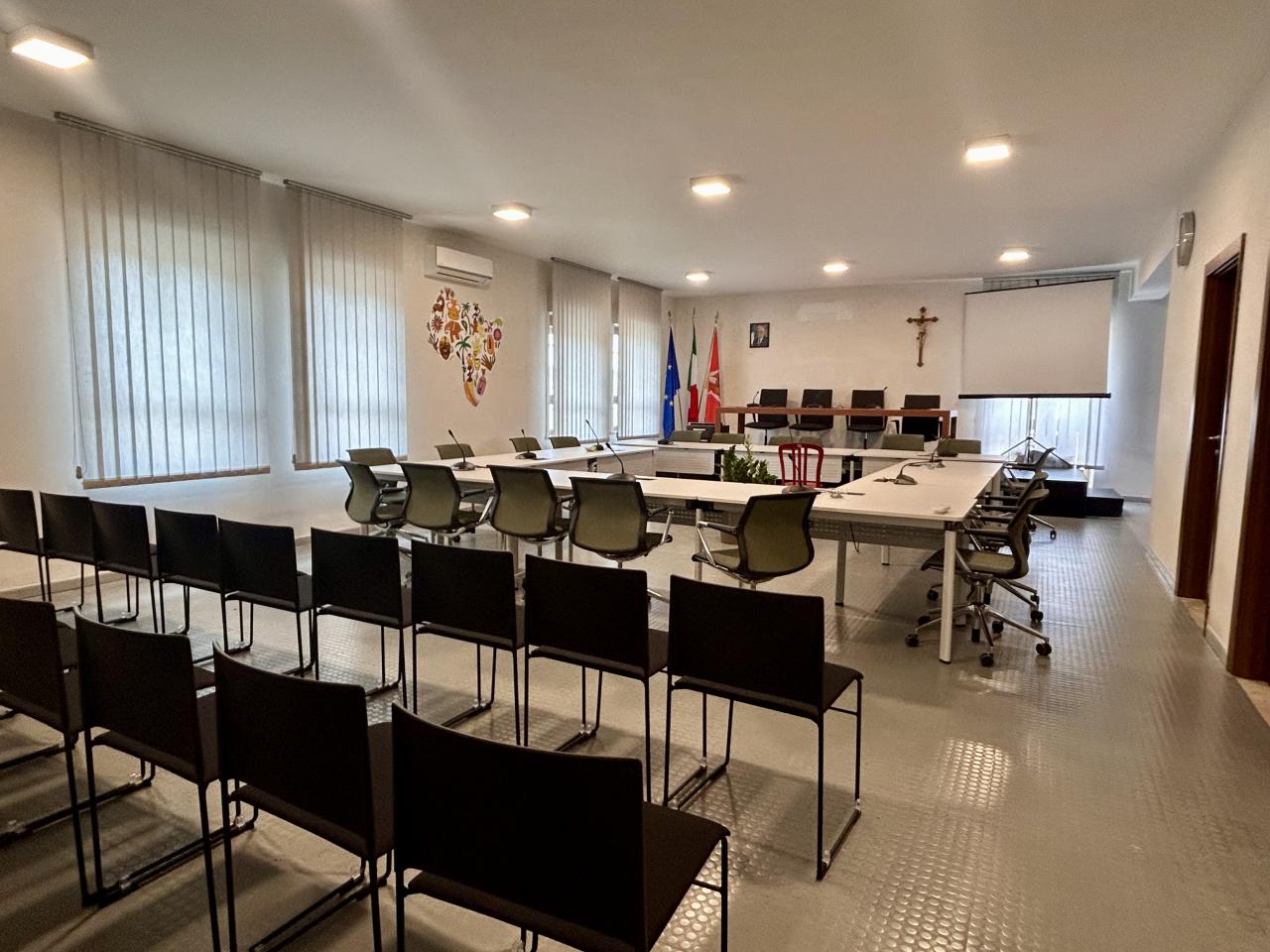
In parallel, the project will promote inclusive governance by establishing a community committee led by women to oversee its strategic direction, ensuring that the initiative meets local needs and aspirations. Regular town hall meetings and community forums will gather feedback and ideas, creating a participatory governance model rooted in local perspectives.
Furthermore, the initiative embraces universal design principles by providing multifunctional, flexible spaces in both the urban hub and the Baglio. These areas—designed to host creative workshops, community meetings, and other activities—will be accessible to people of all ages and cultural backgrounds through artistic installations and tailored programs that encourage inclusive participation.
Finally, the project will be driven by active community involvement, placing women at the center as leaders and collaborators. This inclusive, transparent decision-making process, supported by free or low-cost programs and barrier-free design, will set a new standard for accessibility. The intergenerational impact will bridge age gaps, promote mutual learning, and foster shared respect—essential elements for building a cohesive and resilient community.
Innovative character
A key innovative element lies in gender-sensitive urban planning. The project will revitalize spaces using an inclusive, sustainable design tailored to the specific needs of women of all ages. A thematic pathway connecting the urban center to the Baglio will serve as a unique example of linking city and countryside, significantly boosting empowerment and sustainability.
The project also emphasizes community-rooted sustainability by leveraging local knowledge and combining traditional agricultural practices with ecological innovations. Participatory workshops on organic cultivation techniques and creative resource reuse will ensure a lasting, sustainable impact.
Furthermore, the governance model will be groundbreaking: Radica will be co-designed and co-managed by local women through an inclusive governance committee and participatory decision-making, ensuring deep beneficiary engagement that surpasses traditional approaches. The initiative will also prioritize intergenerational dialogue by uniting young and older women in shared learning and creative activities, thus promoting knowledge transfer and preserving tradition.
By integrating these innovative elements, Radica will become a replicable model for other contexts, demonstrating that female inclusion can serve as the cornerstone of sustainable and participatory territorial regeneration.
Disciplines/knowledge reflected
Disciplines involved and their interaction:
- Art and culture: Artists, craftswomen, and cultural curators will develop creative residencies, workshops, and art installations, using art to tell the stories of Misiliscemi’s women and strengthen community belonging.
- Environmental sustainability and agriculture: Experts in sustainable agricultural practices and bioconstruction will guide space design and organize courses on organic cultivation techniques, conservation of natural resources, and circular economy principles.
- Urban planning and inclusive design: Architects and urban planners will focus on regenerating spaces, ensuring accessibility and harmony between urban and rural environments, by creating a thematic pathway that connects the urban center to the Baglio.
- Social sciences and anthropology: Researchers studying local communities will conduct in-depth studies on the traditions and historical memory of Misiliscemi’s women, facilitating the creation of intergenerational activities for effective knowledge transfer.
- Social economy and female entrepreneurship: Local development experts will provide training and support to create job opportunities in agriculture, crafts, and the creative sectors, thereby enhancing women’s economic independence.
Added value of the interdisciplinary process:
The integration of these disciplines will yield an innovative model in which culture, sustainability, and inclusion merge through a participatory process.
Methodology used
How stakeholders are engaged
The Misiliscemi municipal administration will provide essential logistical support, facilitate access to urban spaces, and integrate the project into local development plans. Collaborations with schools, youth groups, and local NGOs will broaden participation, while local women’s associations and cultural groups will drive program development focused on empowerment, intergenerational dialogue, and sustainability. The Liberameliberatutti association will offer vital support to the municipal administration in executing project activities.
Regionally, Sicilian institutions will be invited to support the initiative by offering funding opportunities and promoting it within broader cultural and rural development strategies. Partnerships with regional universities, research centers, and artistic networks will enrich the project and help connect it with local artists, elevating its profile.
Nationally, the initiative will align with Italian policies on gender equality, rural revitalization, and cultural heritage, facilitating recognition and access to state funding. Collaborations with national women’s rights groups and cultural heritage institutions will further expand the project’s impact.
At the European level, the project will be integrated into EU frameworks—especially the New European Bauhaus—adopting its principles of sustainability, inclusion, and beauty. Collaborations with European cultural and women empowerment networks will promote knowledge exchange.
Global challenges
Regarding climate change, the project will promote sustainable agricultural practices, responsible water resource management, and the circular economy. By using the Baglio as an ecological hub, it will test solutions to reduce waste, improve energy efficiency, and spread regenerative agricultural techniques that can be transferred to other rural communities.
In terms of gender inequality, Radica will create spaces where women can develop skills, strengthen leadership, and access new economic opportunities. Workshops, mentoring programs, and a participatory governance model will form the core of female empowerment, which can be adopted in other contexts.
The project will also address rural depopulation by stimulating new local economies based on culture, craftsmanship, and sustainable agriculture. The connection between Misiliscemi’s urban center and the Baglio will demonstrate how targeted regeneration actions can counteract depopulation.
To combat the loss of cultural heritage and intergenerational disconnect, the initiative will adopt an intergenerational approach that values the knowledge of older women and transfers it to younger generations through storytelling activities, artistic residencies, and traditional craft workshops.
Finally, in response to social exclusion and low civic participation, the project is based on a co-creation and inclusive governance model that will actively involve the community in designing and managing shared spaces, thereby strengthening social cohesion and local democracy.
Learning transferred to other parties
Furthermore, the urban-rural connection approach, which integrates spaces and resources through functional thematic pathways, allows for the enhancement of local resources and the development of circular economies, strengthening the bonds between urban and rural areas. Training programs and intergenerational mentoring activities, including storytelling, craft workshops, and artistic residencies, serve as effective tools for transferring cultural heritage and creating new economic opportunities.
Sustainable agricultural practices and creative resource reuse, implemented in the Baglio as an experimental hub, represent additional replicable elements capable of adapting to local climatic and socio-economic specificities, contributing to environmental protection and entrepreneurial development. Simultaneously, the inclusive governance model, based on management committees and participatory decision-making processes, will strengthen community decision-making and ensure transparent, shared resource management.
Finally, the adoption of digital tools for documenting and sharing experiences—such as online platforms, multimedia archives, practical guides, and toolkits—will extend the initiative's impact beyond local boundaries, enabling other actors to adopt and adapt the best practices developed within the Radica framework.
Next steps
Radica will be implemented using a methodology rooted in New European Bauhaus values—sustainability, inclusion, and aesthetics—by integrating participatory processes, technological innovation, and a multi-stakeholder governance model.<br />
In Phase 1, the project will refine its operational model by revitalizing key urban spaces through new programming to become hubs for creativity, inclusion, and sustainability, all without major structural change. Simultaneously, existing initiatives at the Baglio will be strengthened to blend traditional practices with innovation, emphasizing sustainability and female empowerment. Multidisciplinary experts will collaborate with the community to co-design strategies for cultural, artisanal, and environmental regeneration.<br />
Phase 2 will activate governance and participation by establishing a multi-actor committee of local stakeholders to oversee the project. A digital co-creation platform, public forums, and participatory workshops will continuously gather feedback.<br />
Phase 3 involves launching cultural and educational programs. Training courses on sustainable crafts, female leadership, agroecology, and circular entrepreneurship will be offered, while European artists engage in residencies to create site-specific works. The initiative will also host thematic events and festivals to promote sustainability, intergenerational exchange, and cultural heritage.<br />
Phase 4 will validate, monitor, and scale the project by implementing impact metrics and developing guidelines for replicating the Radica model in other European contexts.<br />
By applying NEB principles—using natural, local materials, agroecological practices, and universally accessible, art-integrated spaces—the project will ensure a lasting, inclusive, and aesthetically enriched impact. Next steps include optimizing space design through co-creation, forming partnerships with European research centers, and maintaining continuous impact monitoring to adapt to evolving needs.<br />