Palazzo Gallina BIS: a Community Center
Basic information
Project Title
Full project title
Project Description
Current stage development
Project Region
Municipality
EU Programme or fund
Description of the project
Summary
The Library is the only cultural institution in this village of 3,000 inhabitants. It is managed in collaboration with the "Amici della biblioteca" Association, a non-profit organization that has been promoting reading as a tool for fostering social inclusion and increasing the cohesion inside the community since 1998. As of 2024, the Library contains over 20,000 books for children, teenagers and adults.
Over the years, the Municipality has allowed members of the Association to express their spirit of enterprise through numerous projects. Since 2018 Marene has held the national acknowledgement of "Reading City", a recognition of its commitment to cultural divulgation.
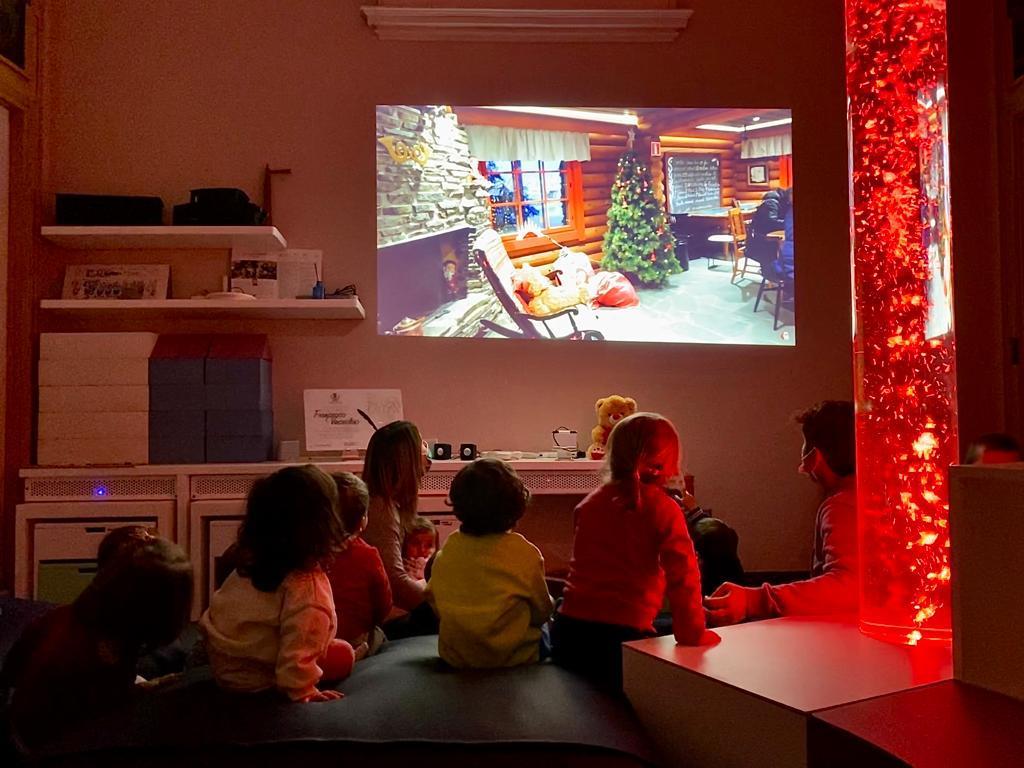
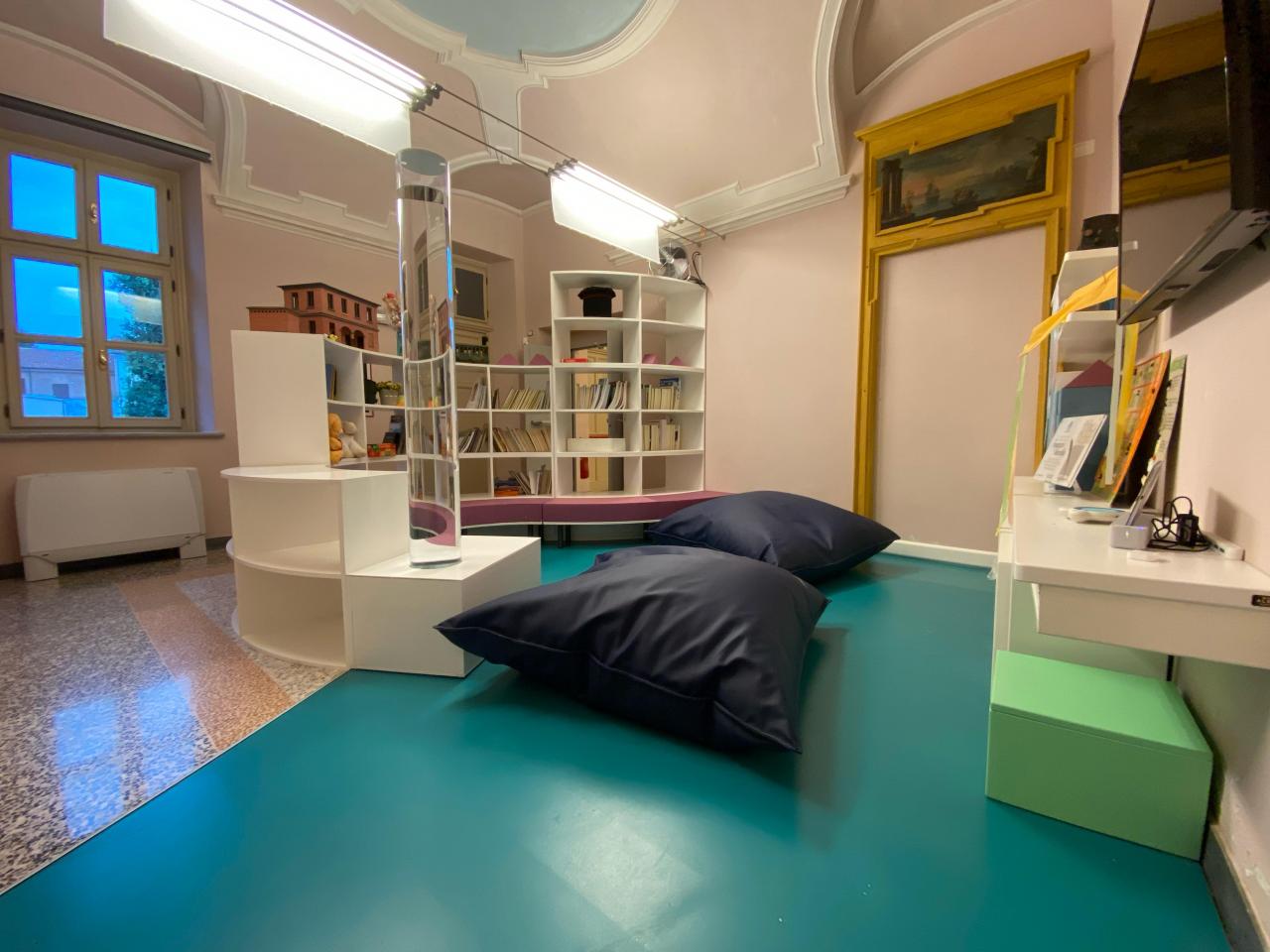
In 2019, the project "I colori del vento," a multi-year program promoting a facilitated access to reading, with a special regard toward people with disabilities, was awarded as one of the best initiatives at a national level. This enabled the renovation of the ground-floor spaces and the consequent creation of a study room for teenagers and of a new area dedicated to children aged from zero to eleven years old. This space features an innovative multisensorial room inspired by Snoezelen rooms, designed to use new technologies in order to give a “tridimensionality" to the readings and stimulate new feelings in the visitors.
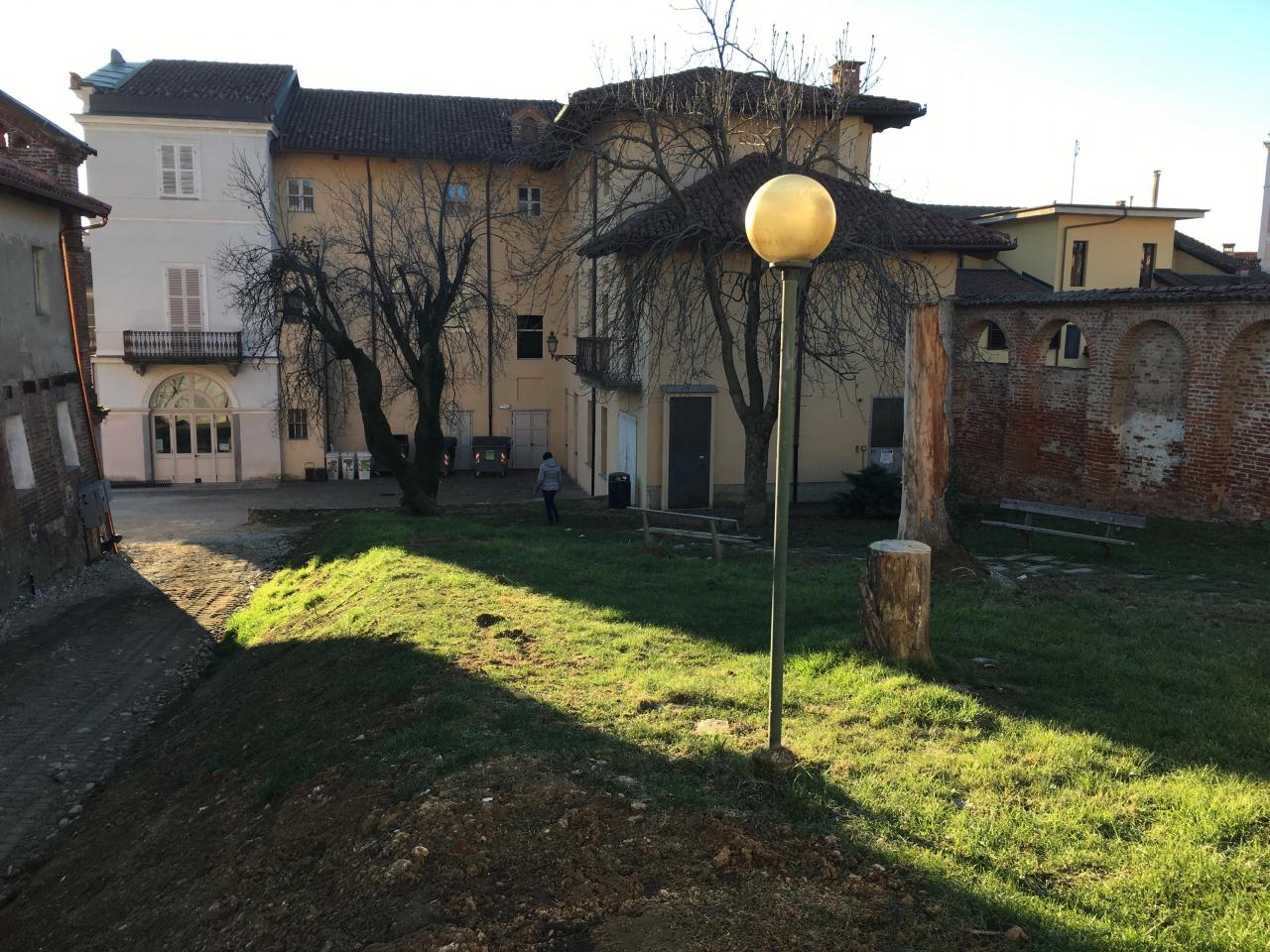
With this new project the goal is to continue in this direction, to strengthen the role of the Library and to create new pleasant and inclusive spaces. Thanks to some volunteers, the new furniture for the first and second floors will be designed and the internal park will be renovated in order to create a multisensorial garden
Key objectives for sustainability
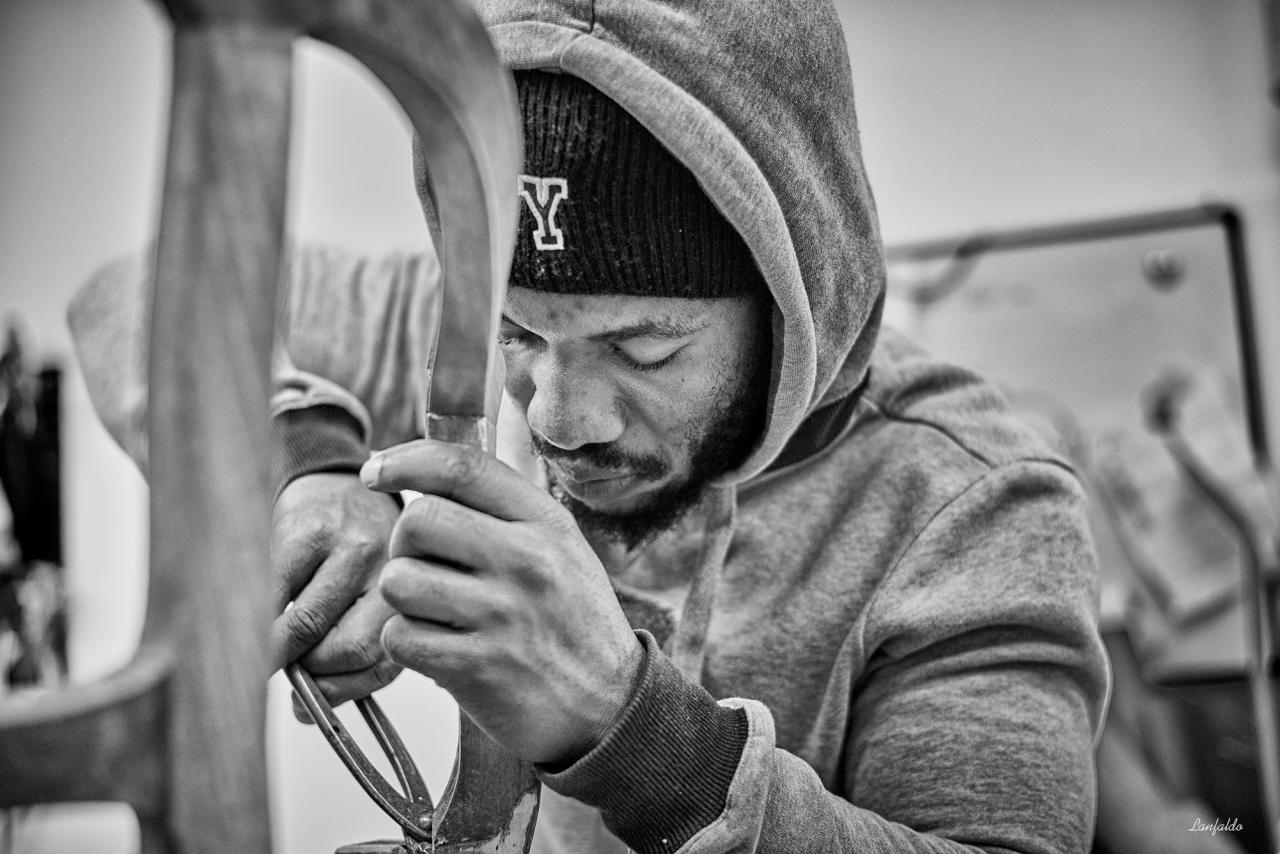
The initiative is the result of a public-private collaboration aimed at providing citizens with a high-quality service whilst avoiding wasting valuable economical and technical resources. Over the years strategic partnerships have been established with various local stakeholders, which led to forming working groups consisting of people with different skills in social, managerial and educational fields. This project seeks to keep fostering new collaborations, including one with Blu-lab, a social carpentry workshop in the nearby city of Savigliano, that supports people in difficulty (migrants, individuals with disabilities, those at risk of social exclusion and people with low educational level). The workshop does not create furniture using new raw materials, it uses recycled ones instead and gives new life to old furniture donated by private citizens.
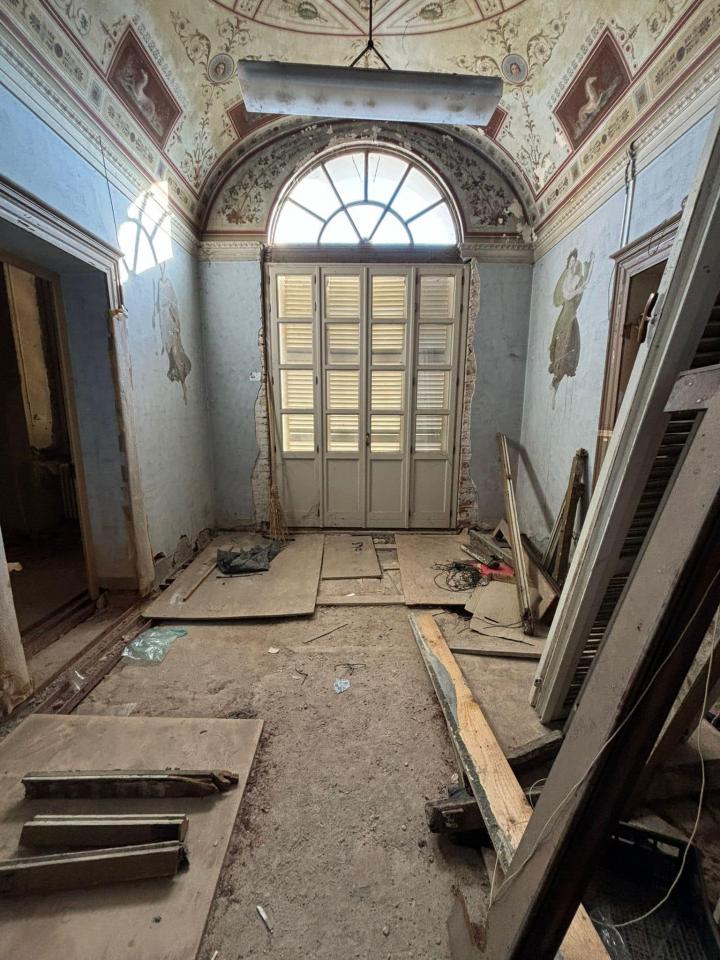
Today, as in the past, one of the main objectives is also to enhance the architectural heritage and its historical and cultural beauty -such as Palazzo Gallina- thus discouraging the abandonment of these sites in favor of unnecessary land consumption.
Like previous enterprises this project places great emphasis on the careful use of limited economic resources, adopting an investment-oriented approach aimed at creating social impact and fostering an ecosystem that generates new ideas. At the same time, efforts will be made to define cultural services and products that will be able to self-sustain in the future.
Key objectives for aesthetics and quality
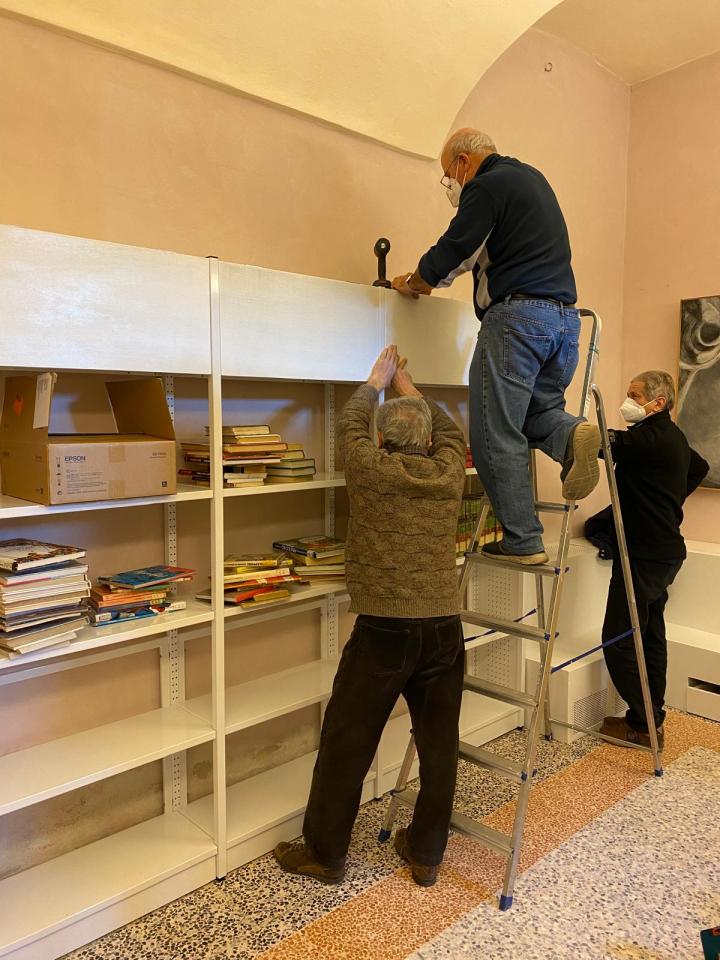
Over the years librarians have also worked to make sure that citizens have access to an attractive and friendly environment by acquiring furnishings or crafting some, drawing inspiration from the best libraries in Europe. The furniture in Marene’s Library has been fashioned with the support of local architects and artisans who have voluntarily offered their services to the community.
The use for free of the multisensorial room also aims to evoke new emotions in visitors through the power of artistic beauty.
Moreover, special attention will be given to the aesthetics, which will reflect in the careful styling of both the interior spaces (the rooms on the first and second floors) and the multisensorial garden. As previously mentioned, the collaboration with Blu-Lab in Savigliano will be crucial, both in terms of aesthetics—thanks to the high quality of its handcrafted pieces—and of the social value of the creations.
The use of aromatic plants, colorful flowers, and flowering trees will make the sensorial garden a more enjoyable area while serving as a venue for new activities as well, activities that will ameliorate the multisensory experience of the community.
Key objectives for inclusion
Even the activities promoted within the Library are conceived to be fully accessible by everyone. Together with the multisensorial room the Library has been equipped with a collection of Braille, tactile, and AAC (Augmentative and Alternative Communication) books that are available to everyone for free.
With the completion of the renovation in 2025 the community will benefit from new areas, including a study room for university students and additional rooms for organizing after-school programs and homework assistance. These services will be open to around 50 children, with priority given to those facing economic and social difficulties.
The inclusion of people with disabilities or those in exceptionally vulnerable conditions will be a key aspect in the process of creating new furnishings. The goal is to actively involve these individuals throughout the ideation and setup phases, turning the experience into an opportunity for both personal and professional growth.
How Citizens benefit
The intention is to actively involve the community in the generative process of this initiative, engaging them through non-profit organizations that will help imagine and create the spaces. This engagement would give a sense of self-determination and fulfillment to the citizens.
Innovative character
In addition to that, the creation of the new multisensorial garden within the courtyard aims to provide a new outdoor space where young people and residents will have a place to study and meet at any time. At the same time, this installation will allow for the development of new activities linked to the multisensorial room, encouraging new experiences in contact with nature.
The NEB resources will be used to create the furnishings for the new spaces and equip them with new technological devices (touch monitors, Wi-Fi, etc.). However, the goal is not only to purchase materials, but also to seize the chance of forging new social connections and creating opportunities for inclusion during the process of crafting the new furnishings. This will be achieved through the involvement of the Blu-Lab workshop.
Disciplines/knowledge reflected
The "I colori del vento" project and the new after-school service have led to the creation of a heterogeneous working group, in fact they encouraged the sharing of personal experiences in the cultural, social, educational, and disability fields. The volunteers from the Library, its collaborators, the local school teachers and the recreational center operators are all involved. For the “accessible reading” project, the staff from the local nursing home are also participating.
Thanks to PNRR funding, the working group has been able to attend training courses where they learnt how to use the multisensory setup.
With the aim of setting up the new spaces that are to be donated to the community by the end of 2025, the operators from the Blu-Lab workshop will be involved. Over time, they have acquired expertise in engaging with people affected by disabilities and vulnerabilities in carpentry activities, achieving excellent results both aesthetically and functionally.
Like in other initiatives, a steering committee will be determined for this project and then coordinated by the Library manager; an appropriate monitoring system will be implemented.
Methodology used
The investment in training activities also aims to ensure the sustainability of these actions in the future, for training the staff and providing them with new soft and hard skills would improve the beneficiaries' experience.
At the same time, the opportunity will be seized to create events that will highlight the contributions of all those involved, including people in vulnerable situations, such as individuals with disabilities or those experiencing psycho-social challenges.
How stakeholders are engaged
Global challenges
Learning transferred to other parties
It is believed that the generative model that will produce the furnishings can also be replicated in other places and territories. Thanks to the collaboration with the "Muovi le mani per Marene" Association and the social carpentry workshop Blu-Lab, a dual objective will be achieved: on the one side, new furnishings and equipment for the redeveloped spaces, and on the other, a new group of people supported by and integrated in the community, ensuring indeed that they are not marginalized.
Furthermore, the intent is to define and reach a model of public library in a small community, open and active during the whole day, offering many services that go way beyond the sole book-lending service. This model should not be a standard, but rather a source of inspiration for other communities. With this intention, the volunteers and the entire team are available to share their experience with other organizations, also by the means of this award.
Next steps
At the moment, the municipal administration is engaged in the redevelopment works of the first and second floors of Palazzo Gallina. In particular, workers are carrying out construction-related interventions, with a public investment of approximately €1,200,000.<br />
Over the past few months, the Municipality -in collaboration with its partners- has been finalizing the details regarding the use of the new spaces. Plans include the expansion of the municipal library, the introduction of a new after-school and homework assistance service and dedicated spaces for local volunteer associations.<br />
Thanks to the collaboration with Blu Lab, efforts will be made in the upcoming months to determine and to design the future furnishings, which will be designed and crafted by the beneficiaries of the project. At the same time, the municipal administration -together with some volunteers- will define the equipment to be purchased (monitors, computers, Wi-Fi network, shelves, etc.).<br />
During this process, the values of the New European Bauhaus—sustainability, inclusivity and beauty—will be actively pursued and fulfilled.<br />
The redevelopment work is expected to be completed by the end of 2025, while the new furnishings are expected to be set up by mid-2026, to then become accessible and available for the envisioned services.