MusAQ - Community Culture Sustainability
Basic information
Project Title
Full project title
Project Description
Current stage development
Project Region
Municipality
EU Programme or fund
Description of the project
Summary
Target groups: a) Local residents (200 people, 50-75 years old) – custodians of the memory and identity of the territory, actively involved in the conservation of the intangible heritage; b) Local non-resident visitors and pilgrims (150 people part of the total, 30-50 years old) – attracted by the cultural and natural heritage of the valley and its experiential paths that combine nature and culture; c) Young residents (100 people, 13-25 years old) – children and grandchildren of residents, often excluded from decision-making processes, who will be involved in practical training and digital inclusion programs, with an expected participation rate of 50%.
Specific objectives: a) Community involvement: Implement 3 workshop cycles with at least 120 participants, generating 20 new cultural proposals and increasing the sense of belonging measured through surveys by 30%; b) Space redevelopment: Increase the perception of accessibility of the museum in the surveys by 30%, installing multisensory paths and creating inclusive spaces, involving at least 50% of the local population; c) Community management: Establish a local cooperative with at least 11 volunteer members and create 2 new permanent part-time jobs, and ensure economic sustainability through self-financing; d) Cultural programming: Develop an annual calendar with 20 inclusive cultural events, involving 2000 visitors and strengthening the bond between community and territory.
Key objectives for sustainability
1. Continuous community involvement: The goal is to involve at least 50% of the local population (about 450 people) in co-design and programming activities of the museum. Through 3 cycles of annual workshops, residents, young people and visitors will collaborate in defining the activities, reducing social isolation and strengthening the bond with the territory.
2. Sustainable redevelopment of the Golden Eagle Museum: The museum will be transformed into a multifunctional and eco-sustainable space. The ground floor will host exhibitions and educational activities, the first floor exhibitions and meetings, while the garden will become a space for outdoor events and environmental activities. Solutions such as sensory paths will be adopted, allowing an inclusive experience for visitors with visual and hearing disabilities.
3. Creation of a community cooperative: A cooperative of at least 11 local members will manage the museum and the surrounding paths. This model promotes economic self-sufficiency through training, space rental and collaborations with local artisans to produce sustainable materials and merchandising, strengthening the resilience of the community.
The project stands out for its participatory approach, which integrates the community at every stage and creates economic, social and educational opportunities, becoming a concrete example of sustainability applied in the valorization of cultural and natural heritage.
Key objectives for aesthetics and quality
Currently, the museum's programming enhances heritage through contemporary art, cultural mediation and the contribution of experts and stakeholders, raising awareness in the community on environmental issues and on the protection of tangible and intangible heritage.
The specific objectives were:
- Feed participatory processes: Actively involve residents and neighboring communities in brainstorming and meetings to gather ideas and define cultural programming, ensuring inclusiveness and responding to local needs, rooting the project in the territory.
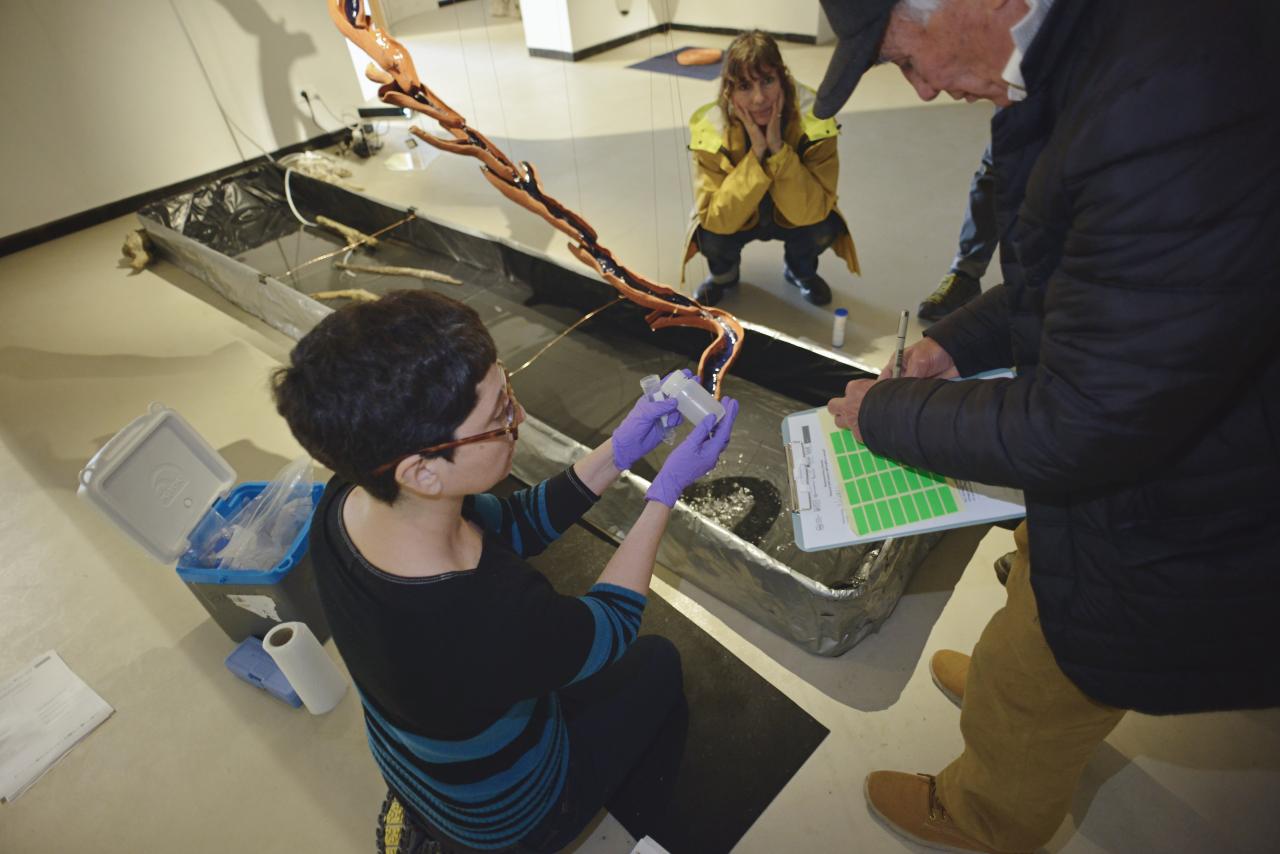
- Integrating multimedial language into a STEAM approach: the Collective promotes the valorization of the territory through participation in citizen-science and environmental monitoring initiatives, with experts contributing to the public debate on ecosystems and providing data to be translated into artistic works.
This multidisciplinary approach has transformed the project into a dynamic process of cultural regeneration, where natural heritage, cultural accessibility and sustainability are progressively intertwined. The museum experience becomes more inclusive every day, thanks to activities designed to improve accessibility. In addition, targeted programs are developed for less digitized local groups, such as migrants and the elderly, promoting training, active participation and the integration of these communities, thus strengthening the quality of the experience and creating a positive impact on an increasingly diverse society.
Key objectives for inclusion
- Creating an emotional bond between people and the built environment: the design of the places enhanced the cultural principles of the territory. The cultural activities were designed to involve a heterogeneous and intergenerational audience, ensuring inclusive and stimulating experiences. The focus on accessibility materialized in multisensory cultural activities, also encouraging the active participation of elderly people and children from local communities, transforming MusAQ into a more open and inclusive place.
- Promoting the common management of heritage: MusAQ adopted a system of participatory governance and laboratory activities, involving citizens in the co-management and programming of activities. This approach has been successfully tested in initiatives such as our LaVALLE festival for public art and participatory practices. The program aims to promote social cohesion by creating a community cooperative for the management of the museum and the cultural heritage of the territory, ensuring long-term sustainability.
- Implement projects and good practices: an annual cultural program has been developed to ensure accessibility and inclusion of different segments of the population. To ensure its replicability, the project includes the creation of a “NEB MusAQ Toolkit” with practical guidelines, governance models and engagement strategies, to be shared with other small municipalities. The project aligns with the principles of the New European Bauhaus, and aims to promote a replicable model of community regeneration, demonstrating how culture, beauty and sustainability have generated a positive impact on the community and have been catalysts for future initiatives.
How Citizens benefit
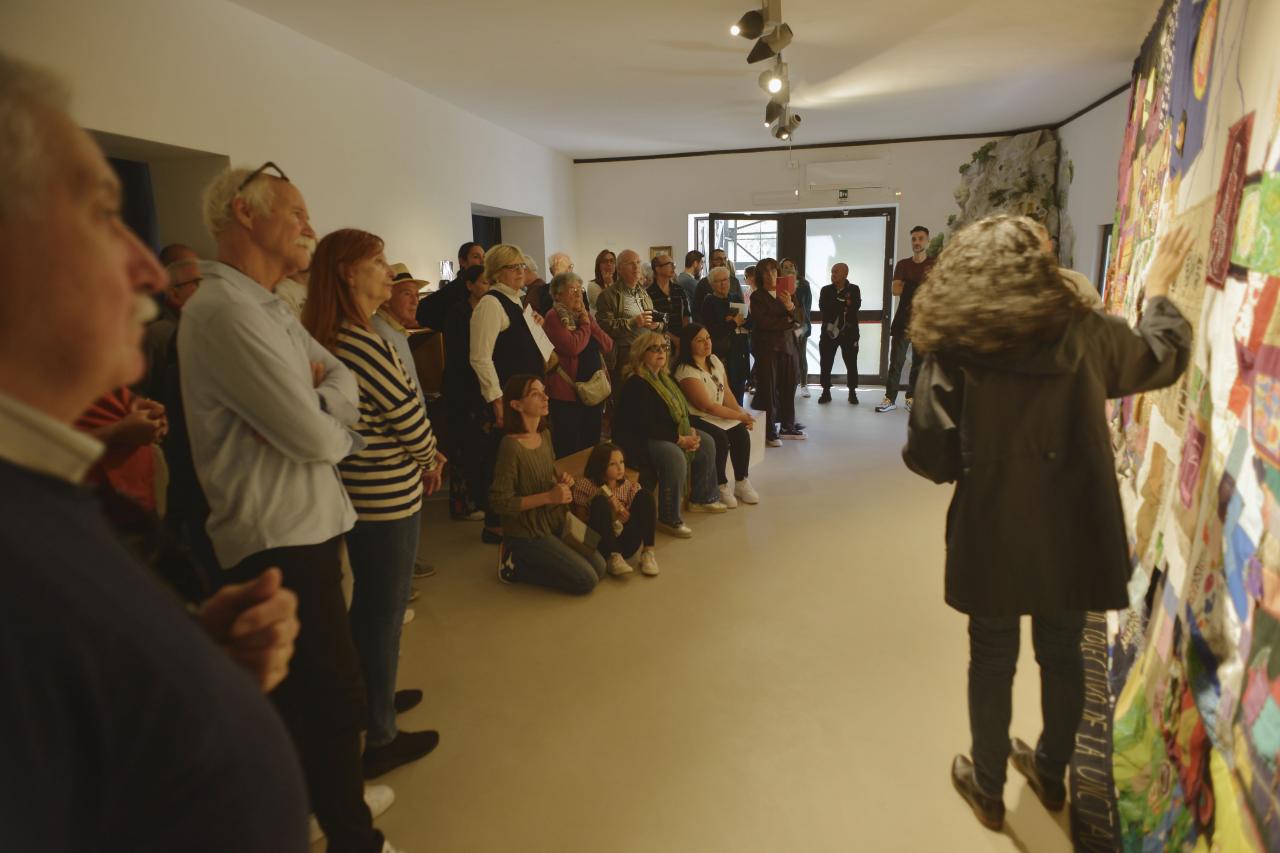
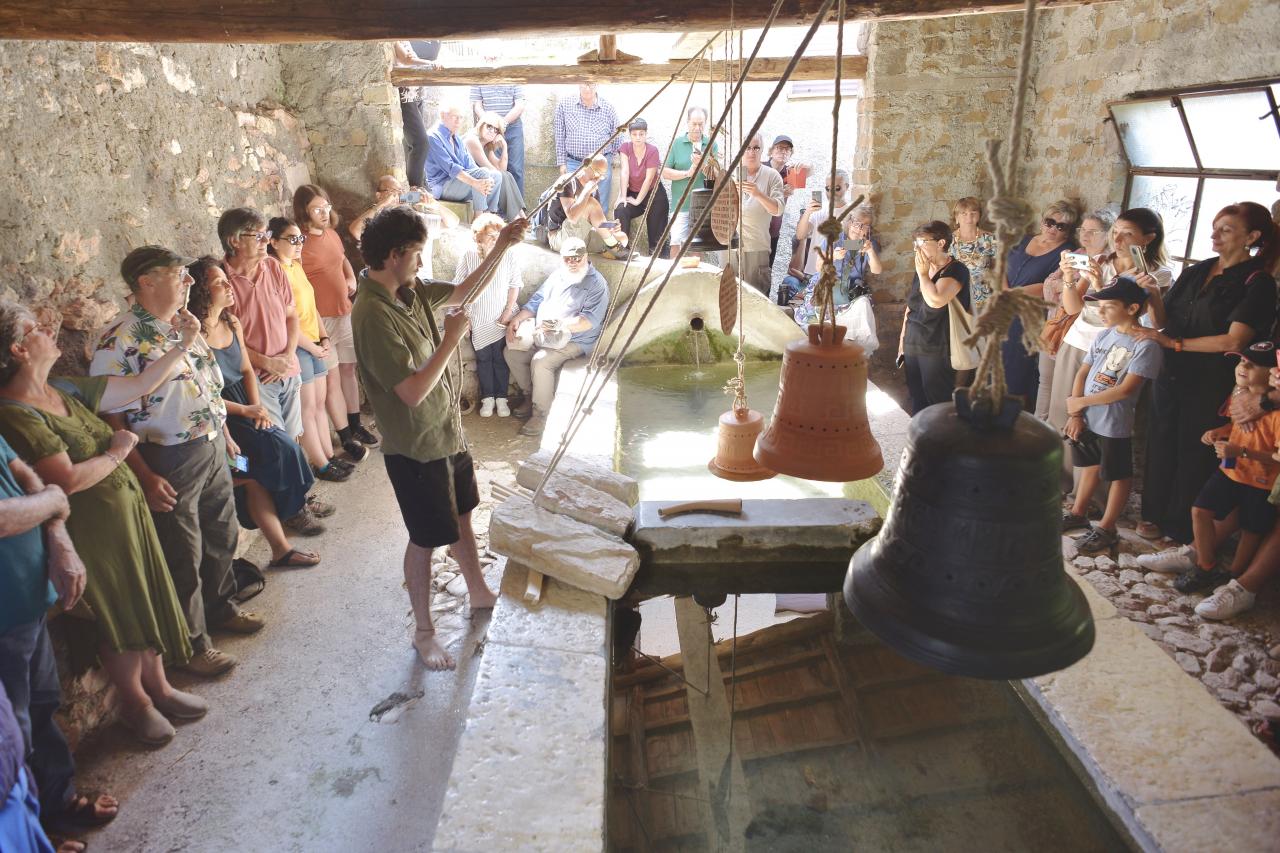
Residents and stakeholders have actively participated in international artistic research projects, contributing to the planning, direction and implementation of community works, such as the creation of collective tapestries and site-specific sound performances. This has strengthened the co-design network, which has grown from 5 to 14 local authorities for the LaVALLE Festival, allowing for shared and sustainable management of the activities related to the museum.
The integration of residents has created an active, supportive and inclusive community, which welcomes international visitors and artists with initiatives such as artistic residencies open to the public and intercultural events. This led to an increase in local cultural offerings and an increase in visitors, from 50 to 100 per event. The integration of workshops, interactive exhibitions and community activities further strengthened participation.
In terms of impact, between 2021 and 2024, visitors increased from 0 to 100 per month, 3 permanent part-time jobs were created, over 125 cultural activities have been carried out, more than 10 houses per year were rented for artists, researchers and pilgrims, a community library and archive was opened and over 125K euros in were managed by the Collettivo L’Aquila Reale through European calls (Creative Europe, Erasmus Plus and others), allocated to staff, cultural activity, training and maintenance of the museum.
Innovative character
The activities of MusAQ, which have reached over 1,000 visitors, enhance the tangible and intangible heritage of the Aniene Valley, with a direct involvement of around 100 members of the Aniene Valley community in awareness-raising and training activities. The active participation of citizens is at the heart of the project, thanks to the use of innovative methodologies such as Design Thinking and Universal Design, which have led to the creation of more inclusive and functional spaces, responding to the emerging needs of the community.
The project also stands out for its measurability: the use of continuous evaluation tools (interviews, surveys, visitor path mapping) allows it to adapt the cultural offer to the community's requests. This empirical and adaptive approach has made MusAQ a replicable model for other rural and peripheral realities, with the aim of documenting and sharing the good practices developed, offering a point of reference for the future refunctionalization of cultural spaces.
Disciplines/knowledge reflected
In particular, the process allowed the development of a network of stakeholders that included cultural institutions, local authorities and research centres. Thanks to the active participation of the local community, the museum promoted numerous initiatives, such as excursions, creative workshops and environmental awareness-raising activities, involving over 200 participants per year, with a 40% increase compared to previous years. The activities were evaluated through tools such as interviews and surveys, with a positive response of 95% from participants, who appreciated the inclusive cultural approach, the relevance of the topics covered and the co-design process of the space.
This process has created a tangible added value, not only by increasing participation in the activities, but also by strengthening the link between the museum and the local community. The dialogue with external professionals has allowed the model to implement innovative methodologies, increasing the effectiveness of the program in terms of social and cultural inclusiveness, and economic sustainability.
Methodology used
The activities aim to protect pre-mountain, mountain and river ecosystems and aim to guarantee the economic sustainability of the program in the long term. The creation of a local cooperative will make the project autonomous, directly involving the community in the care of the heritage.
In quantitative terms, the project, since 2022, has seen the participation of over 500 people in events and activities, with an increase of 70% compared to previous years. 70 public events were organized, including workshops and exhibitions, with the participation of approximately 250 local residents. The involvement of minorities and young people increased by 15%. Qualitatively, feedback from participants highlighted a 40% improvement in the sense of belonging and a 30% increase in perceived quality of life. The project, documented as a good practice, is configured as a replicable model for the refunctionalization of cultural spaces in rural and peripheral contexts.
How stakeholders are engaged
From 2021 to 2024, the museum's regeneration has been supported by European and international funds (Erasmus Plus, Culture Moves Europe, the Ministry of Culture of Chile and Spain), with the implementation of 5 exhibition projects and 55 artistic research projects, involving 60 international artists and 80 institutional partners. From 2021 to 2024, the Collettivo L'Aquila Reale has managed 60 artistic residencies, with the active participation of 65 artists from Italy, Chile, Spain, Mexico, Germany, Austria and France.
In 2024, the participation of the local community had a direct impact with the involvement of over 100 citizens in workshops, exhibitions and conferences, leading to a 100% increase in the cultural offering and a 90% increase in initial annual visitors. The museum has fostered a growing integration between local and international culture, with over 10 volunteer activities that have enriched the collective experience, contributing to a significant strengthening of the link between the community and cultural initiatives.
Global challenges
Learning transferred to other parties
The creation of a local cooperative as a model of autonomous and sustainable management, which directly involves citizens in the care of the heritage, is another key element that can be replicated in rural and peripheral contexts. The transdisciplinary approach and the collaboration between different skills, including experts in public art, ecosystems and cultural mediation, has produced measurable positive results, such as a 30% increase in the quality of life perceived by the community.
In terms of technology, the use of cultural mediation tools contributed to greater access and inclusiveness, encouraging the participation of groups with different languages, ages and backgrounds. Furthermore, the project allowed the documentation of good practices, creating a useful reference for other cultural regeneration initiatives.
Finally, the adoption of a long-term economic sustainability model, which includes self-financing through the cooperative and community involvement in management, is replicable also in other areas with limited resources.
Next steps
The program plans to involve 450 local residents and those from neighboring municipalities (about 50% of the population) in co-design and programming activities of the museum, with an inclusive goal that reduces social isolation and strengthens the bond with the territory. To this end, 3 annual cycles of workshops will be organized in which residents, young people and visitors will collaborate in defining the activities, making the project sustainable and rooted in the territory.<br />
In the context of the regeneration of the Golden Eagle Museum, the goal is to transform the space into a multifunctional and eco-sustainable center, suited for educational activities, exhibitions, meetings, events and environmental activities, with the inclusion of sensory paths for users with visual and hearing disabilities. These transformations aim to make the museum an example of accessibility and sustainability.<br />
Another key element is the promotion of economic self-sufficiency through the community cooperative composed of at least 11 local members, which will manage the museum and the surrounding area. The cooperative will offer training and contribute to the rental of spaces and collaboration with local artisans for the production of sustainable materials and merchandising. This integrated model of participation and sustainability will strengthen the resilience of the local community, creating economic, social and educational opportunities.<br />
With this data, the project presents itself as a concrete example of cultural regeneration, in line with the principles of the New European Bauhaus, promoting sustainability and beauty through an inclusive, participatory and long-term approach.