Multi Product Dispenser
Basic information
Project Title
Full project title
Category
Project Description
Current stage development
Geographical Scope
Project Region
Urban or rural issues
Physical or other transformations
EU Programme or fund
Description of the project
Summary
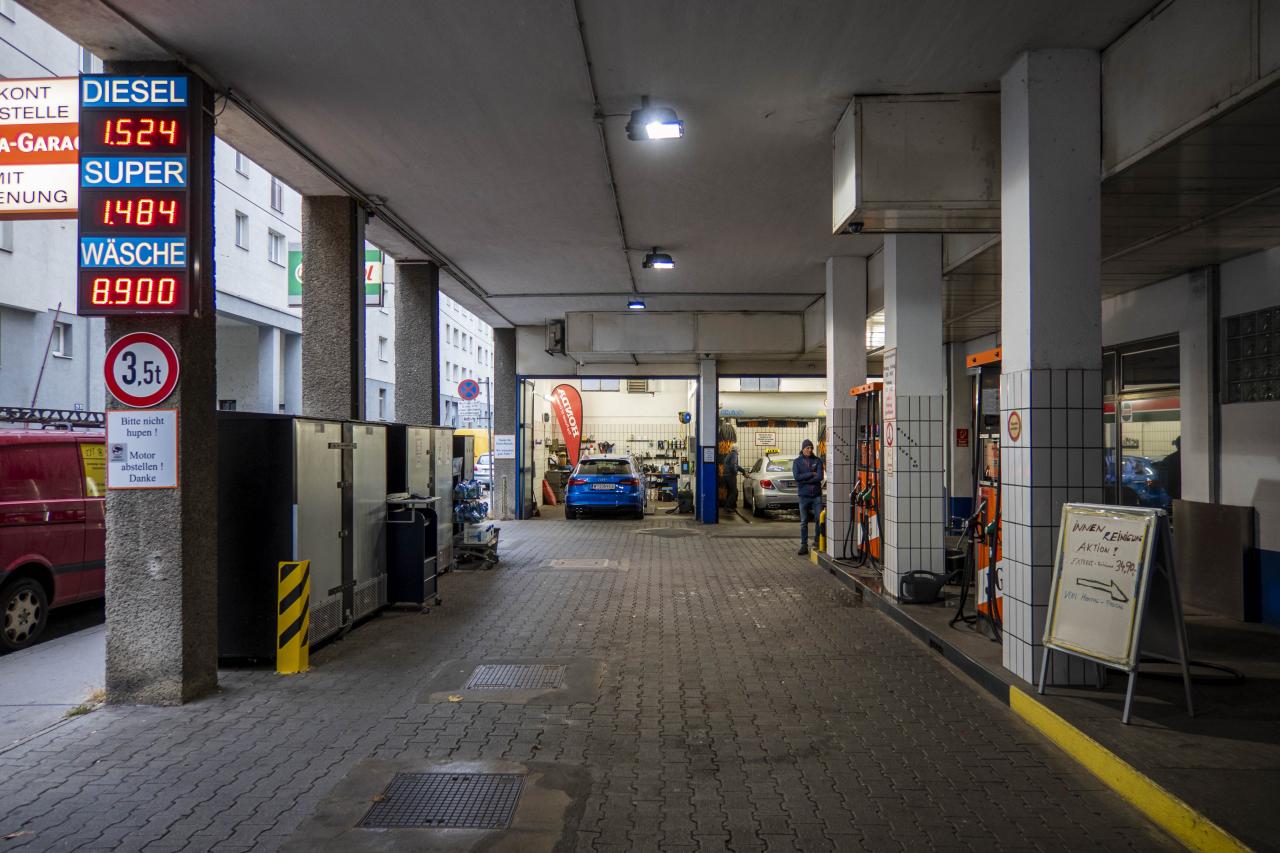
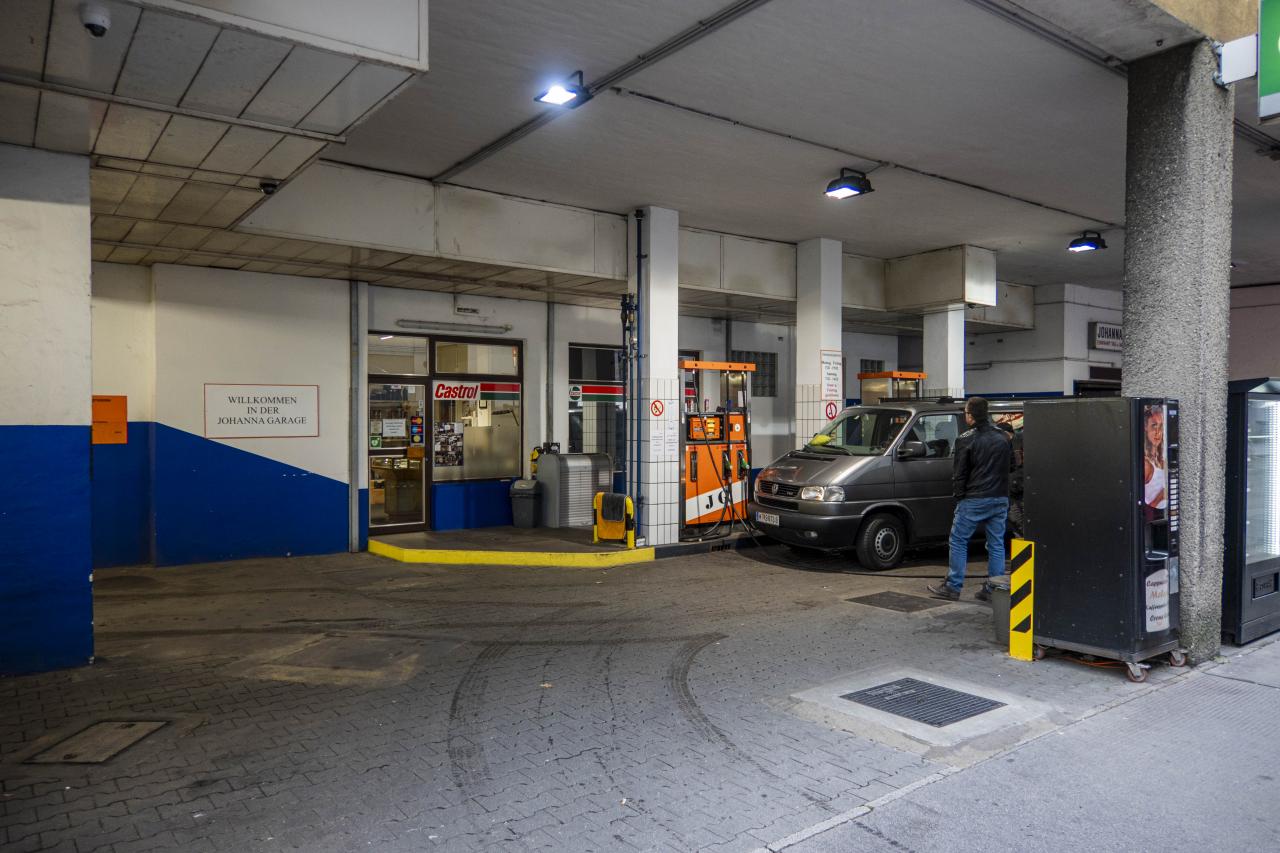
Our target group was the local urban neighborhood and the employees of the gas station. We (1) tested the potential of this place as an urban hub, doing interventions and self-empowered the community on re-using carbon infrastructure, (2) explored the place and figured out different ideas of future usage in a common/ participatory approach and (3) reflected on infrastructural changes, narratives of oil dependencies, complex nostalgia and carbon infrastructure by transforming the space into a exhibition itself
Key objectives for sustainability
With our approach we used the specific location of a viennese "arcarde" gas station and opened it up for the local public as a space to meet, do sports and explore it. Our aim was to develop new perspectives and interpretations, particularly with regard to alternative uses for filling stations. We gave the area a new context and created impulses to deal creatively with our built environment. The buildings and their past do not have to be demolished.
Key objectives for aesthetics and quality
In one of our interventions, our aim was to integrate the dynamics of the location itself as art objects. In doing so, we went one step further: we didn't just want to use the petrol station as a parallel location, but to turn it into an exhibition itself. In doing so, we addressed the critical aspects of our research and made them accessible to the local residents. Stories about crude oil infrastructures, capitalist spaces, subsequent use and structural change in the world of work: We let Johanna Garage tell us all this herself. The big exhibition happened on 01/12/2025.
Key objectives for inclusion
We designed flyers, organized snacks, punch and waffles, took care of a table tennis table and rackets and came up with a loose format to capture visitors' thoughts on possible parallel uses. Then we distributed the flyers in the immediate neighborhood, to passers-by, customers and employees of the gas station. The events were a complete success. Interested neighbors of all ages came by, some even attended both events. A young flat share from across the street, an older writer above the petrol station, passers-by, Sinbad with his children and many friends of the petrol station attendant from the Polish community. The gas station became again a social hub, accessible for everyone close by. The 5th. district in Vienna is heavily populated and lacking of public spaces and facilities for doing sports. The feedback of the visitors was amazing. They told us how happy they were to have such an interesting place to meet, chat and do sports.
How Citizens benefit
The impact of this collaboration was profound: the project fostered new social interactions, strengthened local engagement with the built environment, and inspired discussions on urban sustainability. By giving people a voice in the repurposing of infrastructure, we demonstrated that these spaces can serve public needs rather than become urban voids.
Now, we invite artists, urban thinkers, and community organizers to explore new ways of involving citizens in the transformation of petrol stations. How can these spaces become platforms for civic engagement, social innovation, and cultural exchange? What role can local communities play in shaping their future?
Physical or other transformations
Innovative character
Rather than viewing these "car temples" as obsolete infrastructure, we approached them as valuable urban spaces with untapped potential.
Our project challenges the traditional ways cities deal with outdated infrastructure, proving that petrol stations can evolve rather than disappear.
All our interventions are happening and already happened in a gas station, that is still in use. That also means the parallel-use is arising together with all the employees and the owner. It's not a dead object but a still living business that is connected to the broad economical world, knowing it's logics.
Disciplines/knowledge reflected
Architecture & Urban Planning: To analyze the structural and spatial possibilities of repurposing these stations within the urban fabric.
Environmental Science: To address challenges such as soil contamination, sustainability, and ecological rehabilitation.
Social Sciences and Community Engagement: To understand how citizens interact with these spaces and how their needs could shape the transformation. Also having a deeper look into the labour work that is conected with this place.
Art and Design: To experiment with creative interventions that redefine the meaning of petrol stations beyond their original function.
Research: Critically engaging with power relations on fossil infrastructure, climate change and sustainability.
This interdisciplinary exchange was not just theoretical—it was embedded in the project’s design and implementation.
Methodology used
How stakeholders are engaged
Global challenges
By activating these spaces with activities like table tennis tournaments, workshops, and artistic interventions, the project fosters community engagement and social inclusion. It invites local residents to use their built environment and get in touch with the shops, businesses and people in the neighborhood.
The approach is scalable and adaptable to different locations, showing how cities worldwide can repurpose underutilized car-spaces in innovative ways. By combining cultural, social, and environmental perspectives, the project provides a replicable model for urban transformation.
Learning transferred to other parties
Communication can be adapted to the local context via social media, flyers, or neighborhood networks. A key aspect is involving the local community—through workshops, discussions, or artistic contributions, the project becomes a space for shared exchange. Together you can think about different usaeges of gas stations.
Additionally, the format can be expanded with music or food offerings. Documentation through photos, films, or publications enables knowledge transfer and inspires similar projects in other cities.
Through participatory formats, collective memories, oil dependency, and visions for the future can also be explored. This way, functional spaces become places of encounter, making change visible and discussions about sustainable urban transformations.
Next steps
In the coming year, we will further develop and expand the project by actively engaging the local community and exploring new uses for the gas station.<br />
<br />
We will start with a community event featuring table tennis and a film screening, creating a welcoming space for neighbors to gather. A first meeting with interested artists will be held to collect ideas for a future exhibition at the gas station.<br />
<br />
Building on this momentum, we will organize another local event featuring AI karaoke and host a collective meeting with employees and neighbors to decide on upcoming activities. Possible ideas include tango, choir, or even bowling at the station.<br />
<br />
Beyond cultural events, we will also explore new functions for the gas station, such as a carpool center for holiday trips into nature or a social hub for sustainability in the neighborhood.<br />
<br />
The next steps will be guided by a participatory decision-making process, ensuring that future activities align with the interests of neighbors and employees. This will lead to a large community event, featuring sound performances, tango, and choir, reinforcing the station’s role as a vibrant meeting place.<br />
<br />
Finally, the project will be showcased at the "urbanize" City Planning and Art Festival, connecting it to broader urban transformation discussions.<br />
<br />
Through these steps, we aim to transform the gas station into a dynamic, community-driven space that fosters creativity, social interaction, and sustainable urban life.