mnemotope magazine
Basic information
Project Title
Full project title
Category
Project Description
Current stage development
Geographical Scope
Project Region
Urban or rural issues
Physical or other transformations
EU Programme or fund
Description of the project
Summary
Our target group is people from all backgrounds with an interest in storytelling, who feel isolated or excluded by the current literary climate. According to a survey we conducted in December, the majority of our 250+ contributors had never been published before, and 89% of respondents stated that they had a transformed perspective on publishing after taking part in mnemotope - they stated that it felt more accessible, that it felt like a new possibility for them and that it made them feel like part of a larger community.
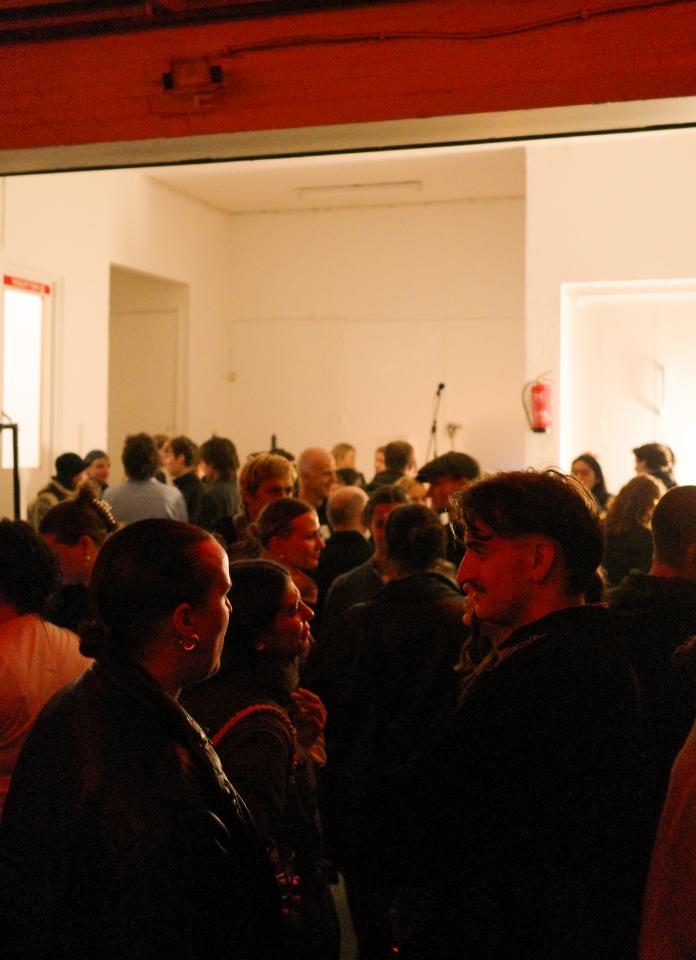
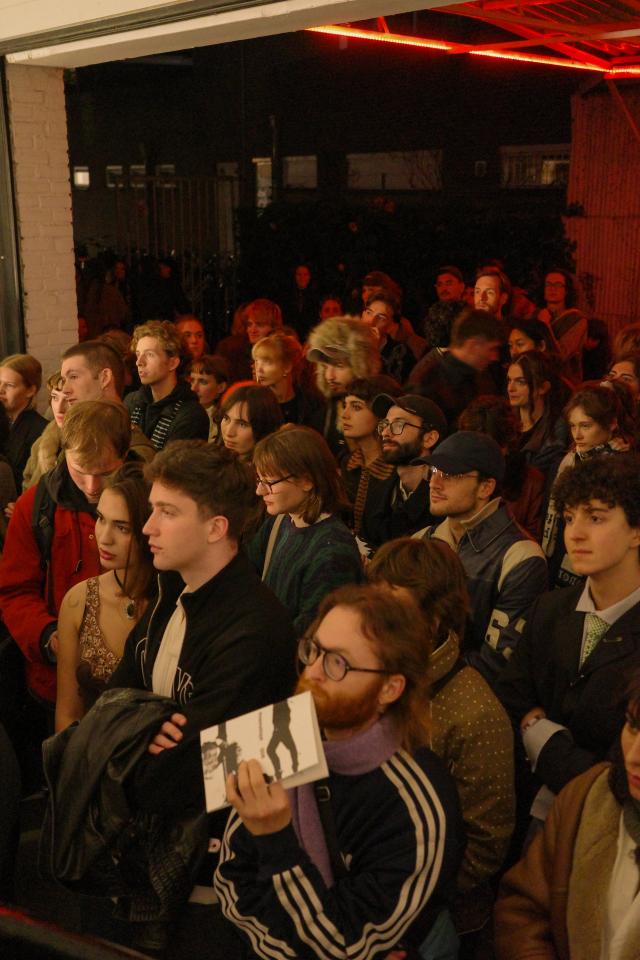
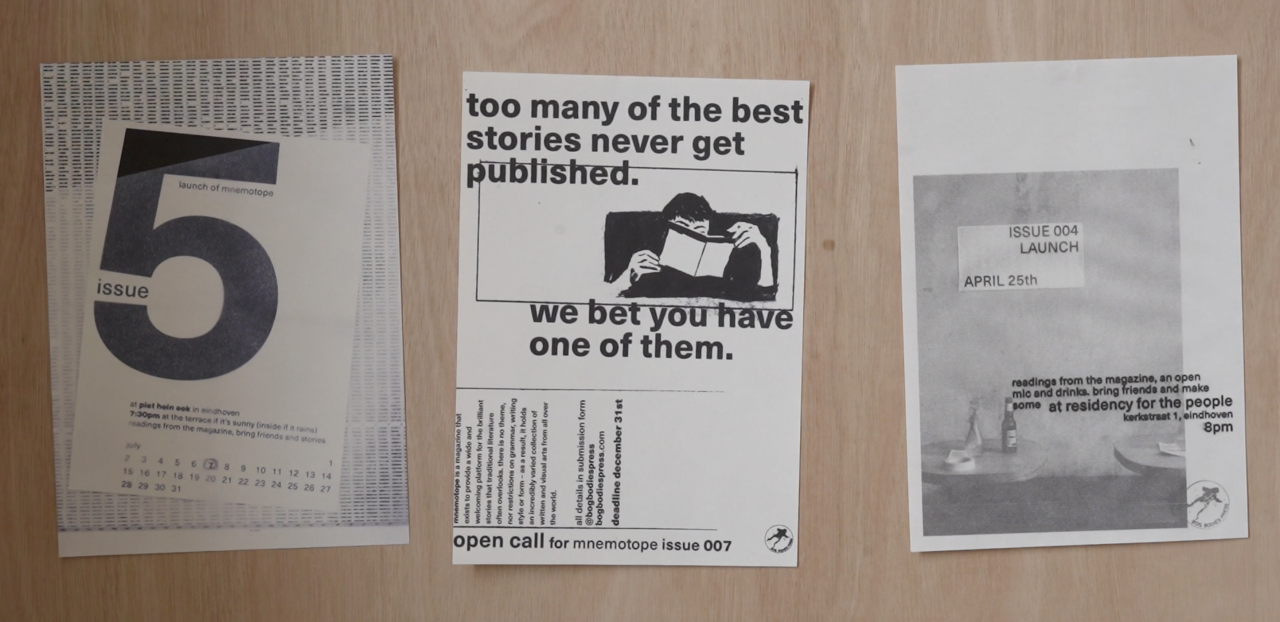
Our key objectives are to grow a tangible, sustainable, diverse community of storytellers and to create both regional and global platforms through which their stories are heard. Through bold publication design and events in partnership with local hospitality and cultural spaces, we foster a sense of empowerment and confidence in the voice of each person in our community. In the first year of mnemotope, our contributors have come from more than 70 towns and cities across 22 countries and four continents. Their work is now stocked in over 35 bookstores worldwide. We’ve also hosted over 1000 attendees at six live events in the Netherlands, Belgium and Ireland to date.
Key objectives for sustainability
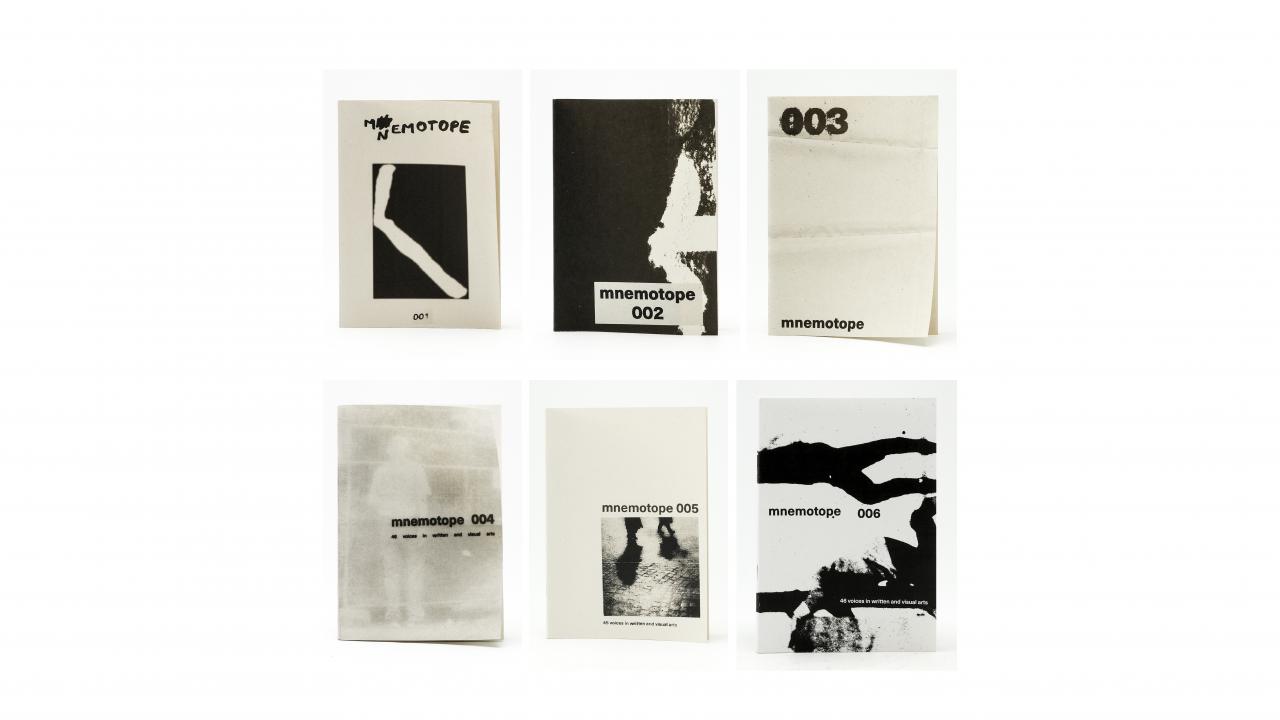
The design of the magazine itself is directly informed by our sustainability guidelines. We use exclusively recycled paper (PaperWise and BioTop) with the most economical format possible (A5) to ensure minimal waste and paper cutoff. We also print exclusively in black and white, as colour printing typically requires more energy through the usage of multiple ink cartridges. Our production is based in the Netherlands, which not only supports local infrastructures but minimises shipping emissions in our supply chain and distribution. For the most recent issue of the magazine, we switched the cover to a thicker BioTop paper to increase the durability of the publication and extend its life-cycle.
Key objectives for aesthetics and quality
We consciously design the layout of the magazine to be accessible and legible, whilst still visually interesting. We utilise analogue techniques such as scanning manipulation, transfers and drawn elements to create a warm and unique visual language.
During the editorial process we reinforce the collective aspect of the magazine by pairing pieces together that speak to each other, either thematically or in tone. We use layout to emphasize the connections between stories from different contributors, for example through non-linear formatting or creating visual bridges between them.
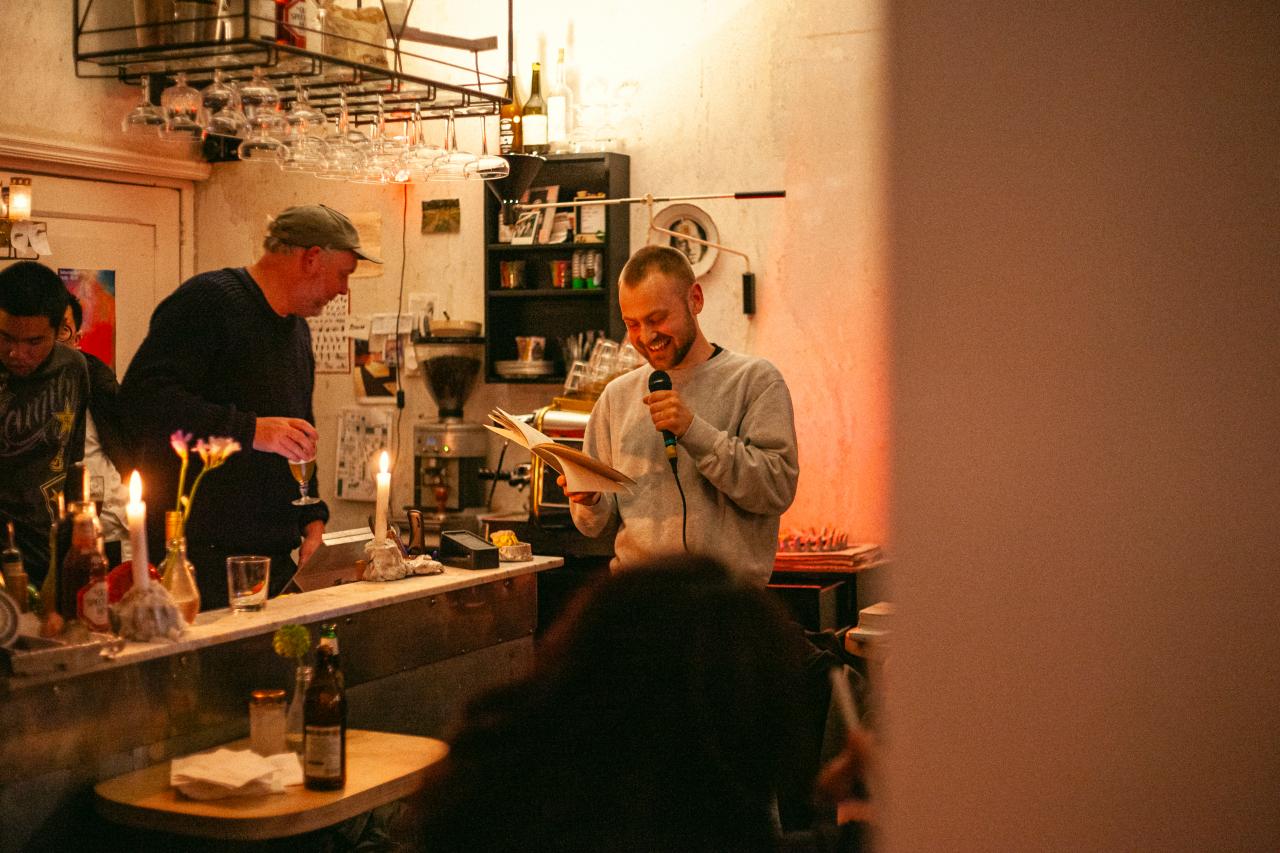
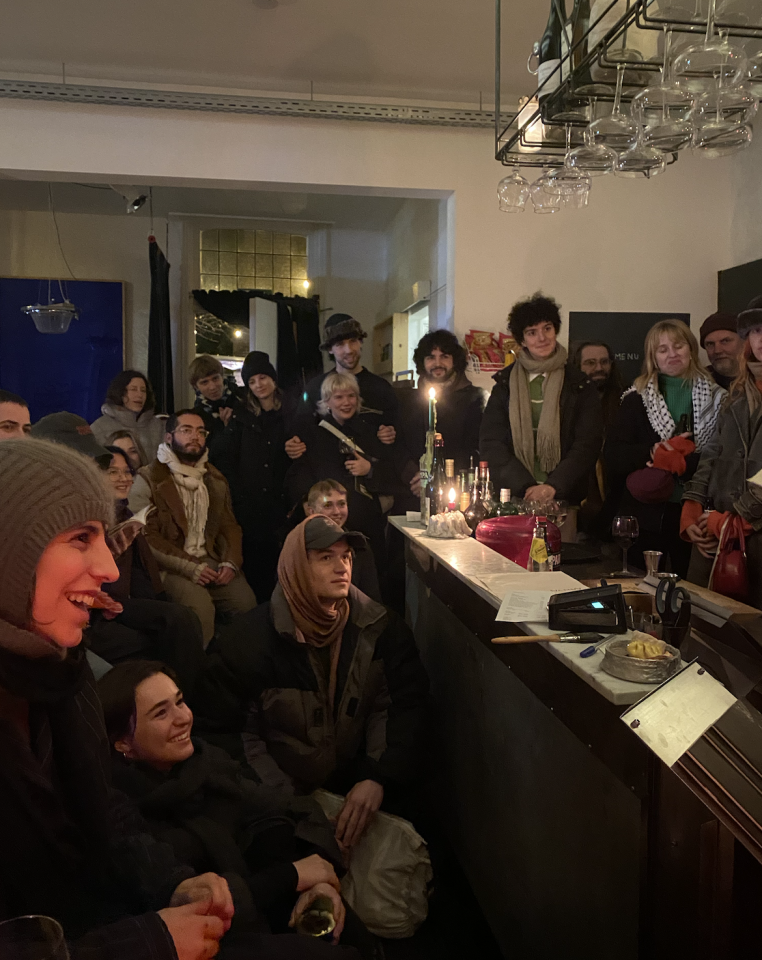
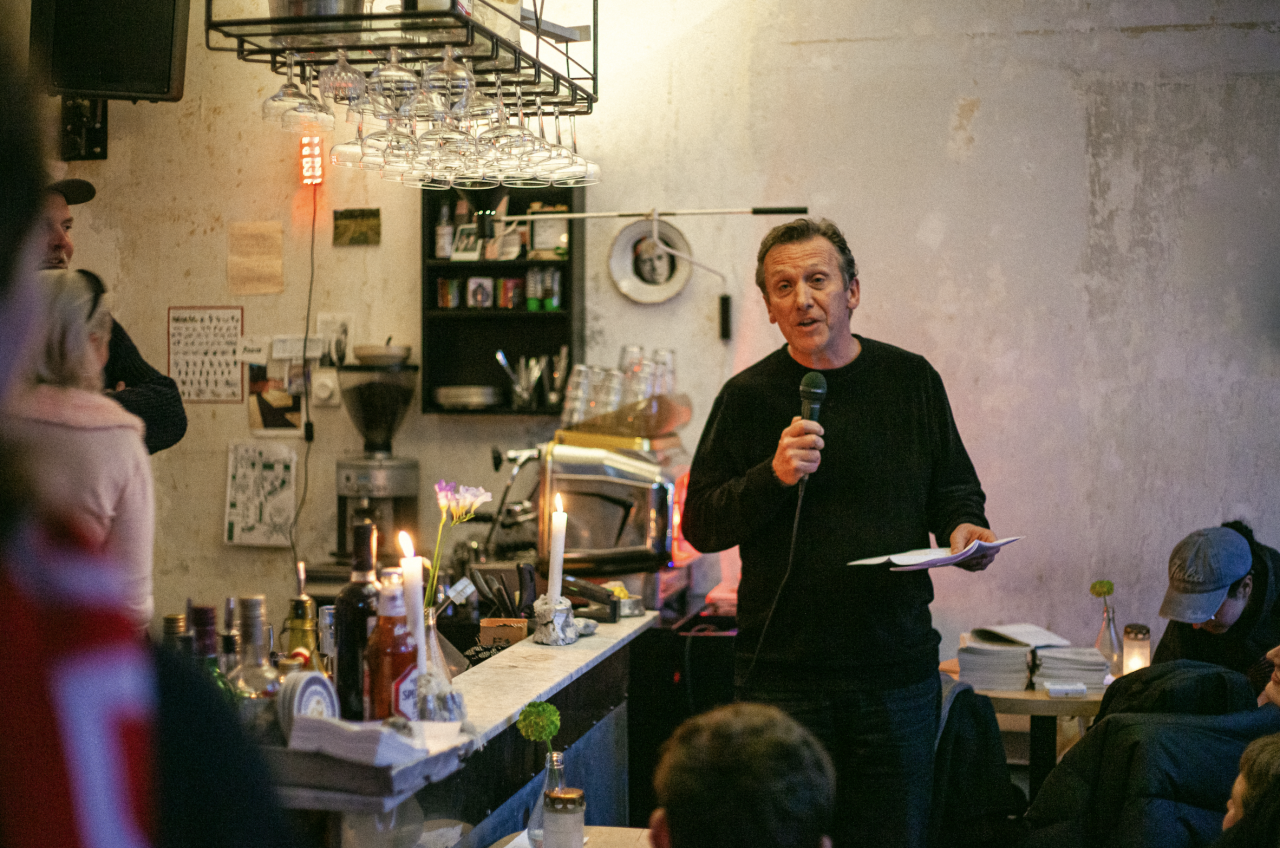
The design of our events is tailored to encourage attendees to rediscover community storytelling within existing public space. The majority of our events are hosted in local hospitality venues such as bars during their regular opening hours, integrating collective storytelling practices into the fabric of their role as local meeting places. The familiarity of these spaces helps us to immediately create a welcoming and easeful atmosphere, which is essential for people reading their work aloud for the first time. We work with the custodians of the space on multi-sensory considerations, such as custom playlists and mood lighting, and repurpose the bar as a live stage for the sharing of diverse stories within the local community.
Key objectives for inclusion
The submission process for the magazine is designed as simply as possible - we use a straightforward Google Form with minimal entry fields, and offer a detailed FAQ sheet to help people through the process.
Alongside our sustainability goals, we have designed the magazine to be low-cost. We have maintained low but sustainable profit margins, allowing us to keep the magazine at a retail cost of €10. Marc Robbemond of Athenaeum Nieuwscentrum, the biggest seller of independent magazines in the Netherlands, stated that Mnemotope was one of the lowest cost magazines in his store and he believed that to be a contributing factor to its popularity. This means that the publication is accessible to a diverse group of readers, which directly influences our future contributors - 14% of contributors found Mnemotope through retail locations.
How Citizens benefit
We also maintain consistent communication via email with our contributors during the development of the magazine. When we are making larger editorial decisions relating to a specific piece, we always consult with the author to make sure that they like how their piece is being represented. After feedback from contributors who could not make it to the in-person launch events, we started a new platform on our Substack and Instagram that features voice recordings of them telling their stories aloud. As the oral tradition of storytelling amongst community is so central to our ethos, this platform extends that beyond physical restrictions. This, in turn, has allowed readers who can’t attend local events to experience the magic of live, audible storytelling.
Physical or other transformations
Innovative character
Our focus on multi-disciplinary, participatory platforms for our storytellers is a key differentiator for Mnemotope. The magazine serves as a meeting point, from which we develop in-person events and digital media that we invite both readers and contributors to take part in. The project, therefore, becomes more than a sum of its parts - it grows into a layered and diverse expression of storytelling beyond literature, and a community that explores what that means for them and to each other.
We can clearly see the impact of Mnemotope - 89% of survey respondents reported a transformed view of publishing as being accessible, and a newfound feeling of belonging in print. Considering that 60% of those respondents already engage with small press or independent publishing on a frequent or moderate basis, it becomes even clearer that Mnemotope is singular in its field. Our submissions have grown exponentially - in the first 16 months we have seen them skyrocket by 572%. This shows us that the need for inclusive spaces in publishing is not being met, and that more initiatives like Mnemotope are deeply necessary.
Disciplines/knowledge reflected
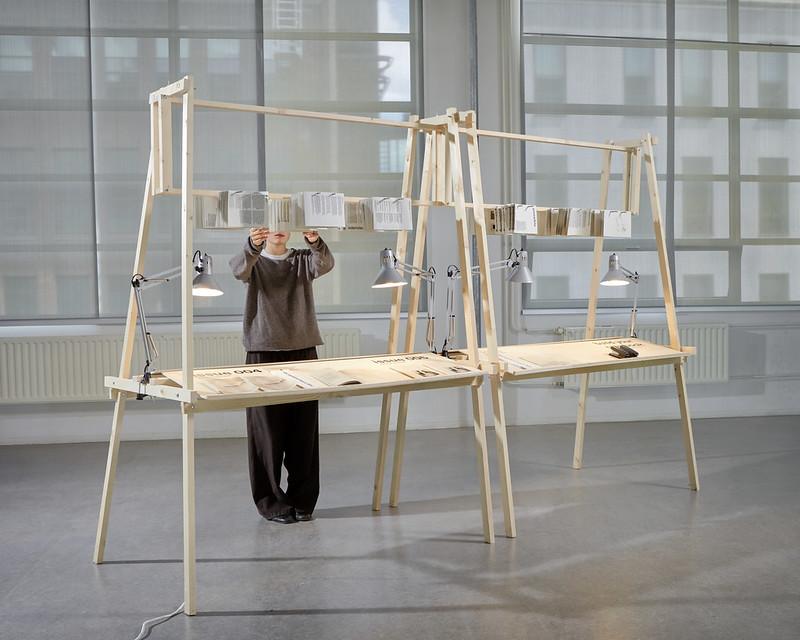
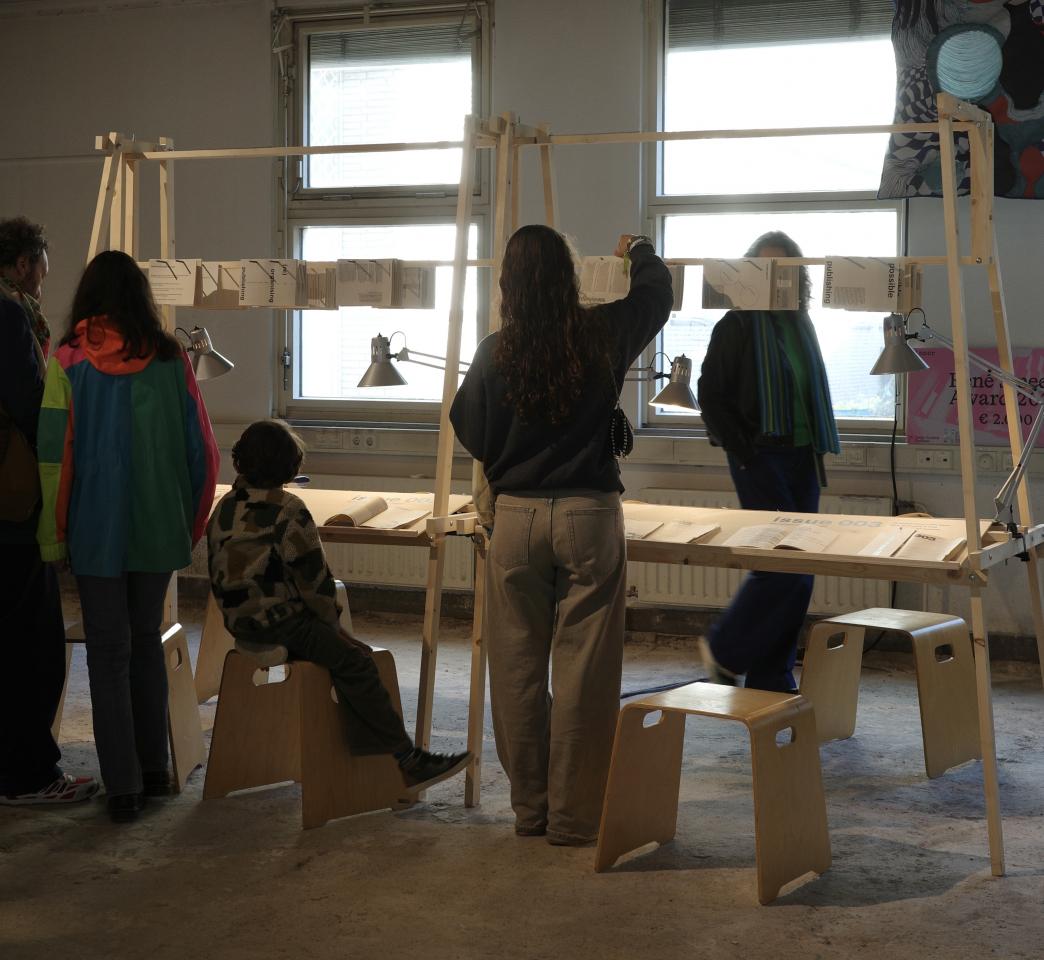
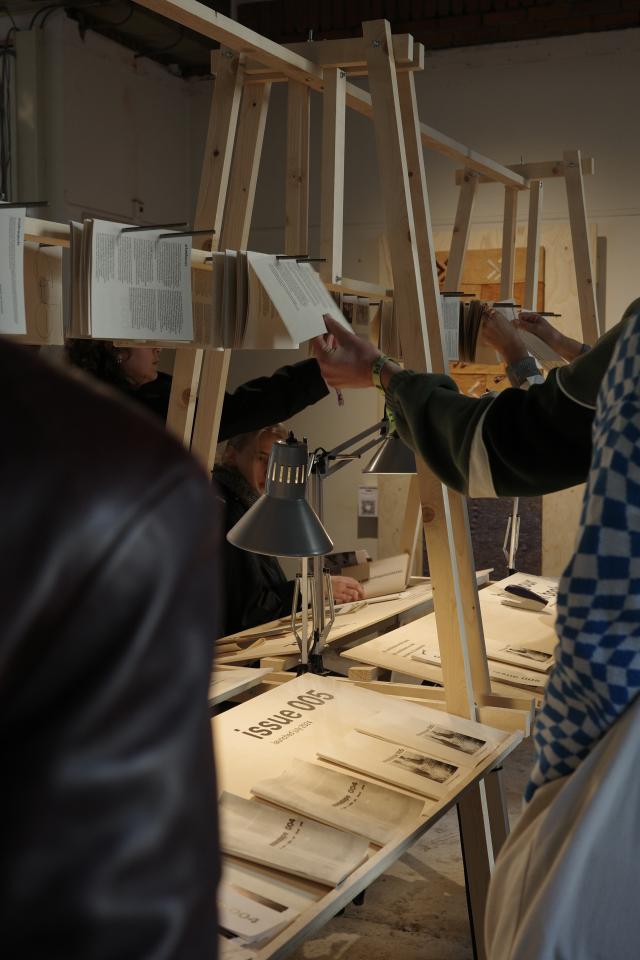
We exhibited our project at Dutch Design Week 2024, and hosted a live event during that week. This was an opportunity for us to bring the design professionals who saw our project in the context of the fair and exhibition to see the real life community that it serves, which helped us to build credibility in the graphics and design world, while also supporting our objective of reactivating appreciation and valuation of non-literary storytelling. Giving the stories of our contributors a platform during one of the most esteemed design festivals in Europe was an incredible experience for all of us.
We studied the traditional literary institutions closely, putting tremendous efforts into distribution and ensuring that the voices of our contributors reach as widely as possible. Through this, we not only forged connections with European bookstores but also attracted two distributors. This enabled us to bring the voices of our 250+ storytellers to those stores, mostly for the first time, which added credibility to the project and gave our contributors confidence in their voices and published stories, as well as reinforcing their trust in the project.
Methodology used
Our design research included interviews with different publishing professionals from grass-roots organisers within independent publishing to highly regarded figures within the art and design publishing field. These were vital windows into the existing practices and dogmas of the sector. We compiled these in a research document outlining the practices we wanted to adopt and those we wanted to subvert.
Simultaneously, we were engaged in the practicalities of working in this sector - our early launch allowed for immediate and personal feedback from those interested in participating, and forged important connections with our emerging community. We used a highly transparent approach from the beginning, fostering a sense of co-authorship with contributors and readers and inviting them to partake in the development of Mnemotope. This early launch also allowed us to test the theory that we were accumulating in our design research strand, through immersing ourselves in aspects of the industry like distribution, book fairs and production networks.
This innovative integration of two methodologies resulted in an immediate and responsive feedback loop which formed the project as it develops. The ability to receive information from the existing publishing industry, act upon it directly and receive feedback from our emerging community in real time was indispensable to the development of Mnemotope.
How stakeholders are engaged
On a local level, we have collaborated on each of our live events with local cultural and hospitality venues. We have co-organised all aspects of the event to ensure that the repurposing of the space was as seamless as possible, and included their pre-existing communities to the best of our combined ability. This has been apparent in different ways, such as differing start times, for example to accommodate a dinner sitting before the event began, or the integration of their existing networks, for example in one instance where we designed the setup around the sculpture of a local artist that they were showing. This flexibility ensures that we forge sustainable relationships with local enterprises and venues, as well as making each event unique and inclusive of their existing communities.
On a European level, we’ve attended events such as the ‘If Librarians Ran Europe’ summit hosted by The Europe Challenge in Amsterdam. We watched fascinating panel discussions and engaged in productive dialogue with other initiatives bridging literature and social engagement across Europe, from whom we learned a huge amount. This has led to the ongoing development of our collective and community publishing storytelling workshops, which will provide more in-depth support and guidance for emerging/non-literary storytellers.
Global challenges
In order to tackle this global crisis, we need to return to communal practices in which we feel heard and empowered in our voices, adjusted for the modern day - creating inclusive, trans-disciplinary platforms for storytelling and connection at local levels are vital ways to begin rebuilding the networks of social connection that are so crucial in the development of our confidence in our own voices.
We asked contributors to share how they feel after being published in Mnemotope during our survey in December. Some of the responses are as follows;
‘The world is very accessible all of a sudden.’ ‘It made me feel more confident.’ ‘It seems possible now. I felt insecure about sharing in the past.’ ‘It felt surreal to have my work being read by others during an event.’
These responses are a powerful example of the impact this project has had in its first year of development alone. By continuing to build strong, empowered communities of storytellers through platforms like Mnemotope we can create meaningful global impact, using this timeless tool for connection to address today's pressing issues of disenfranchisement and isolation.
Learning transferred to other parties
The usage of collective publications in the formation of meaningful communities at local, regional and global levels can be effectively replicated. While the publication itself must be executed to a high standard, it is equally important to develop the trans-disciplinary aspects of the platform. Live events are crucial to create sustained and meaningful connections amongst participants and to make tangible the impacts and possibilities of community storytelling. Digital platforms are also important in ensuring the inclusion of participants who cannot attend local events. In order to foster trust in the project, it is vital to involve key industry and local stakeholders early in the project. Having the publication stocked in bookstores early on, for example, is an effective way of showing participants that it has solid foundations and real dedication to amplifying the voices of its community.
Storytelling is innate to all of us, and that other regions can use these methodologies to create sustainable, positive impact in their communities; it has been a powerful tool for connection through the ages, and is crucial to reinvigorate today to tackle isolation and disenfranchisement worldwide.
Next steps
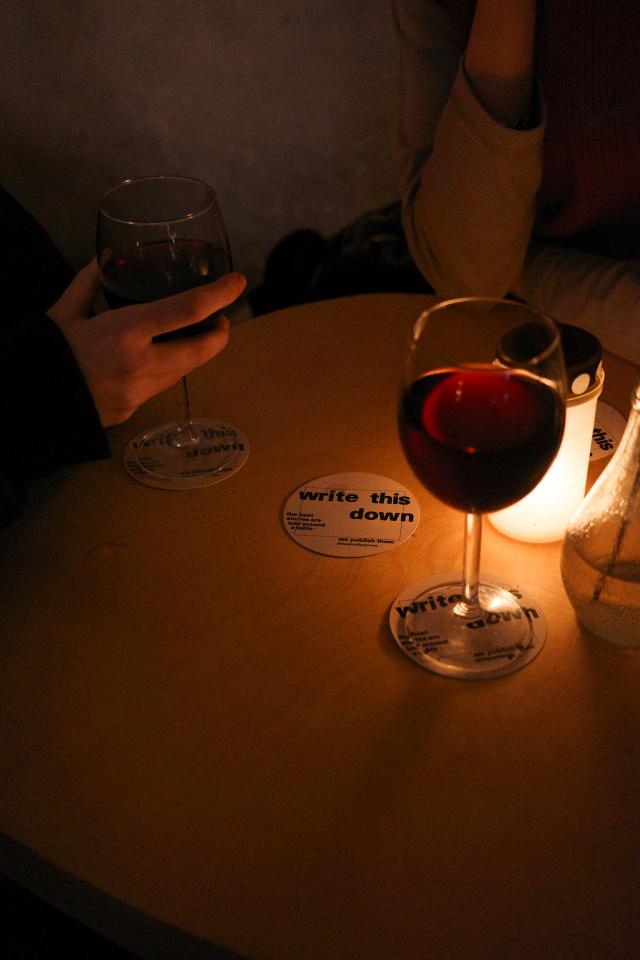
We plan to continue using data to monitor the sustained growth of the project - in the first 16 months of mnemotope we’ve seen a 572% increase in submissions to our open calls, and aim to grow that figure to 1000% by the end of our second year through expanded marketing campaigns in partnership with local hospitality venues, similar to our coaster campaign.<br />
Another key objective of ours is to bring collective storytelling to traditional literary spaces - we have already scheduled workshops on boundless storytelling and collectivity in publishing at the European Night of Literature 2025 in collaboration with the British Council, as well as at the Passa Porta Literature Festival this March. Over the course of this year, we aim to develop further connections in this field.<br />
Through our surveys last quarter, we discovered that many respondents would like more ways to be involved if they can’t attend physical events. We are planning to develop our digital platforms over the next 18 months to include a podcast where people from the community share their stories and we host discussions on the power of communal storytelling.<br />
We also found that, on a local level, people are looking to connect with others in the community and develop their own storytelling practice. We plan to diversify our in-person events, including storytelling supper clubs in collaboration with local venues, as well as informal writing circles.<br />
We’re also looking to expand our distribution with a focus on open access spaces. Working with our distributors Antenne Books and Jesse Presse, we aim to be available in over 70 locations by the end of 2025, with 10% of those being libraries.<br />
Within the next 5 years, our goal is to open a community storytelling space in Brussels, where we can activate our community through more workshops and public events and invite people interested in starting a similar project to view our archive and discuss how they could implement our methodologies within their contexts.