MITTENDRIN.GUT.LEBEN
Basic information
Project Title
Project Description
Current stage development
Project Region
Municipality
EU Programme or fund
Description of the project
Summary
In 2022, Gmunden developed a climate strategy with 16 measures in 4 dimensions. The aim of the submitted project is to implement these climate action measures where they are most needed. Special support will be provided to lower-income households to help them adapt to the impact of climate change.
What is the project about? Structured discussions will be held with stakeholders (including local businesses, housing developers, educational institutions, associations, and NGOs), and outreach participation efforts will be organized to gather feedback directly from citizens and businesses. This will help identify areas for improvement, as well as suggestions and ideas for enhancing the district’s climate resilience and adaptation to climate change.
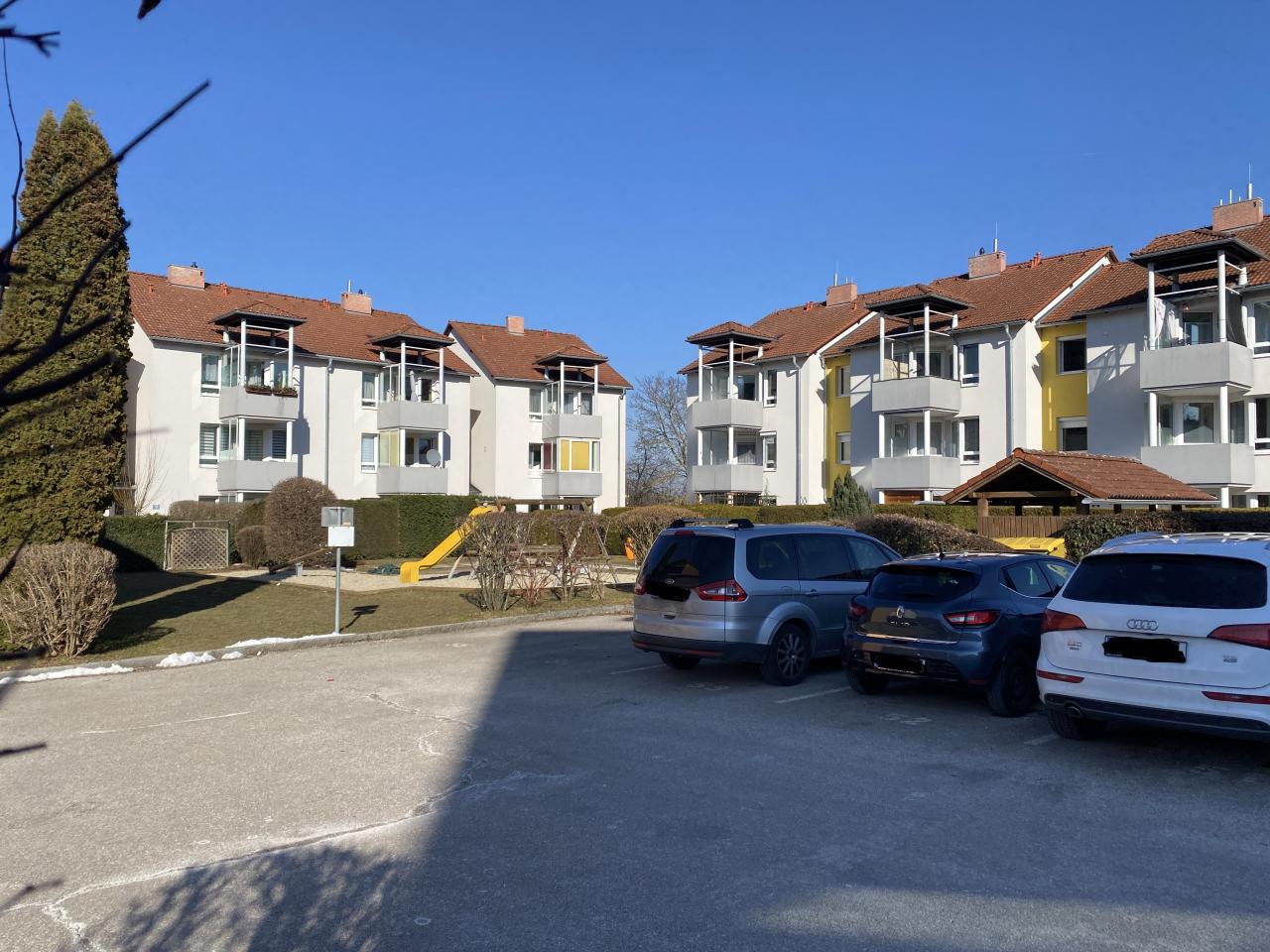
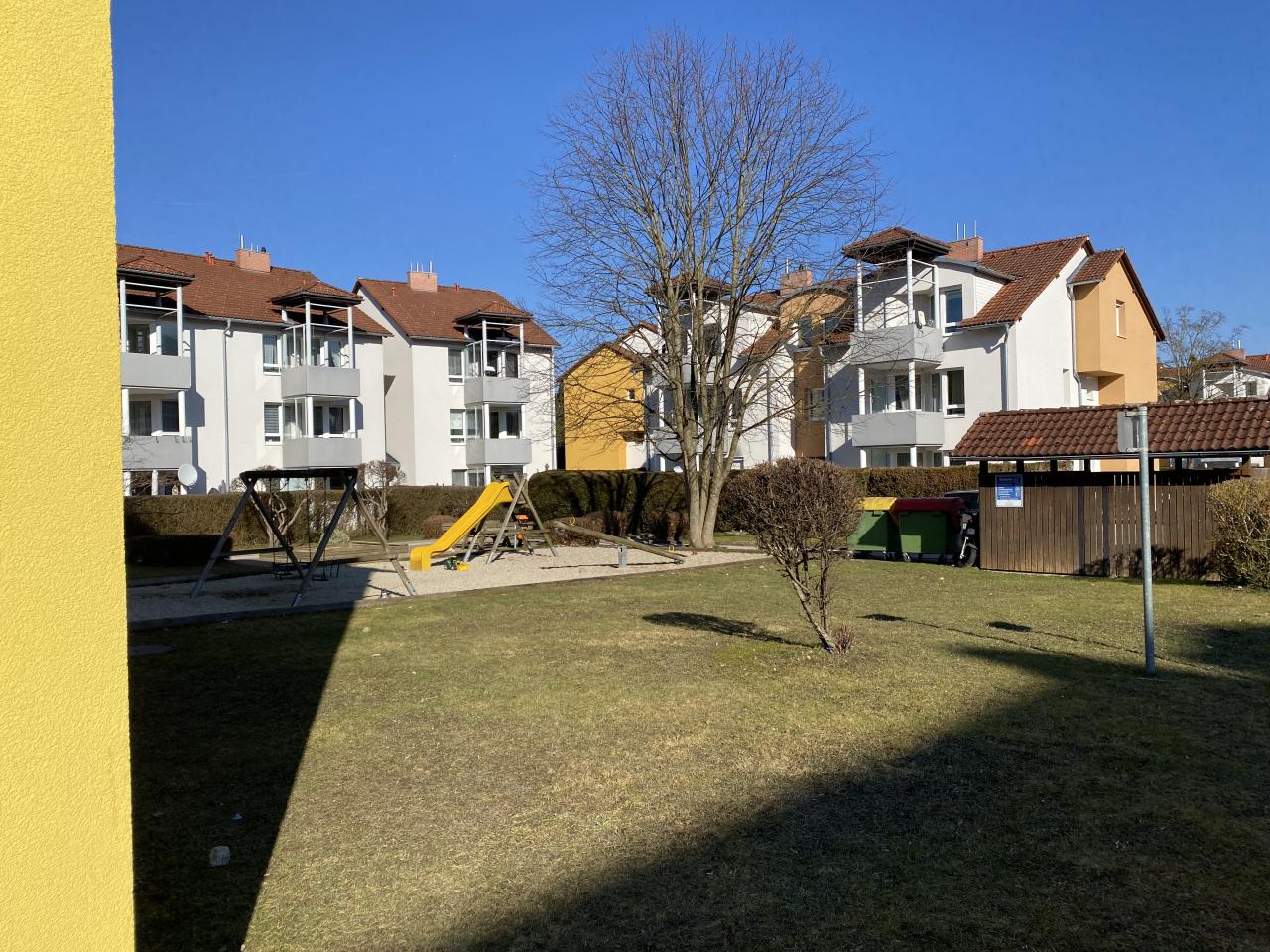
Who can participate? Anyone who live, works, or belongs to an association based in the Schörihub district is eligible to participate.
In which areas can ideas be submitted? Possible topics include climate-friendly mobility, renewable energy, circular economy, soil and nature, adaptation to heatwaves, and resilience to extreme weather events.
Project Phases
Phase 1 – Initiation & Planning
Phase 2 – Contributing ideas
Phase 3 – Assessing ideas
Phase 4 – Selecting ideas
Phase 5 – Developing projects
Phase 6 – Implementing projects
The projects are expected to be ready for implementation within two years.
Key objectives for sustainability
The initiative aims to reduce greenhouse gas emissions, promote renewable energy, and implement climate-friendly mobility solutions. By encouraging the use of renewable energy, optimizing energy efficiency, and supporting sustainable urban planning, the initiative helps reduce the district’s carbon footprint. Additionally, by integrating circular economy practices and promoting nature conservation, it works to enhance local biodiversity and reduce waste. These efforts contribute to a sustainable, low-carbon future, ensuring that environmental resources are preserved for future generations.
Exemplary Aspects:
• Replicability: The initiative's district-by-district model allows for scalability and adaptability to different urban or rural contexts. The participatory processes and stakeholder engagement provide a replicable framework for other communities to implement similar climate action strategies.
• Collaboration Across Sectors: By fostering partnerships between local government, businesses, housing developers, educational institutions, and citizens, the initiative demonstrates how collaboration can drive systemic change and achieve long-term sustainability in tackling climate challenges.
This comprehensive approach ensures that the initiative is not only addressing the immediate climate challenges but also fostering long-term, sustainable development for future generations.
Key objectives for aesthetics and quality
Positive Emotional Impact:
By creating climate-friendly and green spaces, the initiative aims to improve mental health and emotional well-being. Green spaces provide opportunities for relaxation, social interaction, and recreation, which have been proven to reduce stress and enhance quality of life. Accessible, attractive public spaces encourage social engagement, providing areas where people can gather, connect, and engage in community activities. This contributes to a positive atmosphere and strengthens social bonds.
Community Engagement: Involving residents and employees in the design process ensures that the spaces created align with their needs and desires, leading to more meaningful and lasting emotional connections.
Positive Social Impact: The initiative fosters a sense of belonging and well-being, demonstrating how climate action can contribute not only to environmental sustainability, but also to improving quality of life.
By focusing on aesthetics and emotional experience, the initiative offers a blueprint for creating districts that are not only sustainable but also vibrant, culturally rich, and enjoyable to live in.
Key objectives for inclusion
1. Accessibility:
The initiative ensures that climate-resilient infrastructure and public spaces are designed to be accessible to all, including people with disabilities, elderly residents, and those with limited mobility. A core objective is ensuring that all community members, especially lower-income households, are empowered to participate in and benefit from climate action. The participatory approach also ensures that citizens’ voices shape the solutions, fostering a sense of ownership and community engagement as well as strengthening resilience.
2. Inclusive Participation and Governance:
The initiative is built on a participatory model where all residents, including marginalized groups, are invited to contribute their ideas and shape the development of their district. Through structured stakeholder discussions, an outreach program, and a co-creative workshop, the initiative ensures that decisions are made inclusively. Local government and administration, businesses, housing developers, educational institutions, NGOs and citizens collaborate to identify challenges and develop climate solutions, ensuring broad representation and ownership of the process. Material provided for the participatory outreach will be designed in simple language, supported by visuals, to include non-native speaking residents.
In this way, the initiative offers a model for creating inclusive, equitable climate solutions that prioritize accessibility, affordability, and broad participation, ensuring that no one is left behind in the fight against climate change.
How Citizens benefit
1. Initial Engagement and Idea Contribution:
Citizens, local businesses, and organizations are encouraged to actively contribute their ideas and perspectives through a structured participatory process. This early involvement ensures that the projects developed are reflective of the community's specific needs and aspirations.
2. Collaboration in Decision-Making – co-creation:
Through a transparent decision-making process, local residents have direct input into the selection of ideas and projects that will be implemented in their district. This participatory model creates a shared responsibility between citizens and local authorities. By involving citizens in shaping the future of their neighbourhood, the initiative fosters ownership and a sense of accountability, increasing the likelihood of successful project outcomes.
3. Empowerment and Education: Through active participation, citizens are empowered with knowledge and skills related to climate change, sustainability, and community engagement. This educational aspect helps foster a culture of environmental stewardship and social responsibility.
In conclusion, involving citizens and civil society in the initiative not only ensures that the projects reflect the community's needs and values but also builds a strong foundation for lasting, impactful change. This participatory approach empowers people to be part of the climate solution, strengthening both the environmental and social fabric of the district.
Innovative character
1. Participatory Approach One of the most innovative aspects of this initiative is its focus on participatory governance beyond sole consultation. The initiative empowers local residents and stakeholders to provide input on climate-friendly solutions for their district. This bottom-up approach ensures that the measures taken are deeply rooted in the specific needs, values, and preferences of the community.
2. District-Level Climate Fitness This localized strategy allows for targeted climate adaptation and mitigation measures that are tailored to the unique characteristics and challenges of each district. The district-specific focus enables more precise and effective responses to local climate risks (e.g. heat islands, flooding) and community needs (e.g. affordable energy solutions, accessible public spaces) than usual one-size-fits-all strategies.
3. Inclusive and Affordable Climate Solutions Another innovative feature is the focus on ensuring that climate solutions are accessible and affordable to all, particularly low-income households. Many mainstream climate programs overlook the social dimension of climate action, often leaving economically disadvantaged groups behind.
5. Scalable and Replicable Model The ability to transfer materials, processes, and learnings to different districts or cities makes this initiative highly innovative in terms of its potential for wider application and replicability. It can serve as a model for other municipalities looking to implement climate-resilient urban strategies tailored to their unique local contexts.
Disciplines/knowledge reflected
Key Disciplines and Knowledge Fields:
1. Climate Adaptation:
Online-tools in environmental science, climate change adaptation, and sustainability provide the necessary knowledge to assess the specific climate risks faced by the district (e.g. heatwaves, flooding, air quality) and to develop targeted solutions.
2. Community Engagement:
Community engagement specialists will help design the participatory process that will allow residents and local stakeholders to contribute their ideas. Their expertise will ensure that the voices of marginalized groups, including low-income households and people with disabilities, are included in decision-making, fostering social equity and community ownership of the projects.
3. Governance:
Local government representatives will ensure that the initiative is aligned with existing local regulations and policies. Their expertise is crucial in ensuring the initiative’s scalability and replicability.
In summary, the added value of this interdisciplinary approach lies in the ability to design solutions that are not only technically sound and feasible, but also socially inclusive, economically viable, and aligned with long-term sustainability goals. The holistic nature of the initiative ensures that the outcomes address multiple dimensions of climate resilience, from physical infrastructure to community well-being, creating a model that can be replicated in other contexts.
Methodology used
1. District-Specific, Contextual Approach
The initiative adopts a district-by-district method. Each district is treated as a unique entity with its own specific climate challenges, infrastructure, social dynamics, and environmental needs. This localized focus allows for solutions that are custom-tailored to the area's geography, climate vulnerabilities, and community characteristics, ensuring a more precise and effective impact.
2. Citizen Participation and Co-Creation
Central to the methodology is the principle of citizen involvement and co-creation. The initiative’s outreach events promote active participation from local residents, businesses, house developers, educational institutions and community organizations, in shaping the solutions for their district. By directly involving the community, the initiative fosters ownership and strengthens the legitimacy and acceptance of the measures taken.
3. Continuous Feedback and Iteration
Throughout the process, feedback from citizens and stakeholders is incorporated to refine ideas, assess progress, and adjust processes where necessary. This iterative approach ensures that the project remains responsive to emerging challenges and evolving needs of the community. In this way innovative ideas and evolving best practices keep the initiative adaptive and forward-thinking.
4. Focus on Equity and Accessibility
The methodology places a strong emphasis on inclusivity and social equity. It actively seeks to involve underrepresented groups, such as low-income residents and vulnerable populations, in the design and implementation of climate solutions.
How stakeholders are engaged
Primarily, the initiative will directly engage residents, businesses, housing developers, educational institutions, and local organizations. The participatory process will allow community members to contribute ideas and solutions through an outreach process, ensuring that the solutions are tailored to their specific concerns and aspirations. Additionally, local businesses and community groups play a role in providing resources, expertise, and potential support for implementation. The involvement of the local authority will ensure that the initiative is integrated into the municipality's existing governance structure and aligned with local policies.
• Coherence and Alignment: The initiative will benefit from alignment with both multiple local stakeholders and residents, ensuring that local actions contribute to national and European climate goals.
• Knowledge Sharing: Multi-level engagement will foster knowledge exchange and the sharing of best practices between local stakeholders, enriching the project and strengthening its outcomes.
In conclusion, the active involvement of stakeholders at various levels will ensure that the initiative is not only locally relevant but also integrated into broader climate frameworks, enhancing its impact and sustainability. By building partnerships across different stakeholder groups, the initiative will create a more cohesive, collaborative, and impactful approach to addressing climate change and fostering sustainable communities.
Global challenges
1. Climate Change and Adaptation: The initiative works to mitigate and adapt to the impacts of climate change at the local level. The initiative enables local districts to develop climate-resilient infrastructures and systems to combat climate change impact directly in their own neighbourhoods, fostering local solutions to a global crisis and helps create a larger, scalable model that can be applied in other regions.
2. Localizing Global Solutions: By focusing on district-level actions, the initiative provides a way to localize global climate goals, making them more actionable and relevant to each community's specific needs. Local solutions—like promoting climate-friendly mobility, renewable energy, and sustainable urban planning—are designed with the unique characteristics of each district in mind, ensuring that the approaches are effective and feasible on the ground.
3. Public Participation: One of the initiative's core strengths is its focus on participation—involving citizens, businesses, and local organizations in the decision-making process. This participatory approach not only empowers communities to take ownership of their climate goals but also ensures that solutions are tailored to the needs of local residents. This bottom-up approach allows for more inclusive, democratic decision-making and increases the likelihood of successful implementation. By engaging multiple stakeholders, the initiative builds consensus around climate solutions, improving the chances of long-term success.
Learning transferred to other parties
1. Participatory Methodology and co-creation: The participatory approach, involving local residents, businesses, housing developers, educational institutions, and NGOs in decision-making can be adapted for use in different geographic areas. This methodology ensures that solutions are relevant to local needs.
2. District-by-district approach: The district-by-district approach, focusing on specific local challenges and opportunities, can be applied to various urban areas. Tailoring climate strategies to each district's unique characteristics makes this approach flexible and adaptable.
3. Digital Platforms for Idea Submission: The use of digital platforms to collect ideas and facilitate online participation can be transferred to other contexts where digital access is available. These platforms can be customized for different languages, regions, and cultural contexts, enabling effective citizen engagement in urban and rural settings worldwide.
4. Structured Process for Climate Action: The six-phase process provides a clear framework that can be replicated in other communities. This step-by-step approach ensures that projects are thoroughly planned, ideas are carefully evaluated, and implementation is systematically carried out. Other regions can adopt this process to effectively develop and execute climate adaptation projects.
5. Collaborative Networks and Partnerships Across Sectors: The initiative’s collaboration with local businesses, housing developers, educational institutions, and NGOs is a model that can be replicated in other regions. This cross-sector partnership ensures that diverse expertise is brought together to address climate challenges. Other communities can form similar networks to combine resources and expertise, from technical knowledge to financial support.
Next steps
The initiative focuses on creating climate-resilient, inclusive, and sustainable districts, beginning with the district of Schörihub. The development and implementation of this initiative are aligned with the core values and principles of the New European Bauhaus (NEB), which prioritize sustainability, inclusivity, aesthetics, and community-centered design. <br />
1. Foster Strong Partnerships: The project will continue to strengthen partnerships between local government, citizens, and stakeholders to ensure that all relevant voices are heard and that decisions are made collaboratively.<br />
2. Refine and Expand the Participation Model: As the project progresses, the participatory approach will be constantly refined and expanded to include a co-creative workshop, ensuring that the implemented projects are informed by a diverse range of perspectives and expertise.<br />
3. Focus on Holistic and Integrated Design: Future stages of the project will further emphasize the integration of sustainability, aesthetics, and social inclusivity in all designs. Special attention will be given to ensuring that public spaces are designed to enhance well-being and climate friendly mobility.<br />
4. Continuous Learning and Feedback: The initiative will incorporate continuous learning from stakeholders, evaluating the impacts of projects and refining methods. Regular feedback loops will allow for adaptive management of the initiative in line with NEB principles.<br />
5. Scalability and Replication: As the project moves forward, the lessons learned and methodologies developed in Schörihub will be transferred to other districts, ensuring that the NEB principles of sustainability, inclusivity, and aesthetic quality are embedded in future urban transformations at a larger scale.