Maison bioclimatique C303
Basic information
Project Title
Maison bioclimatique C303
Full project title
Maison bioclimatique en béton de terre (terre du site)
Category
Reconnecting with nature
Project Description
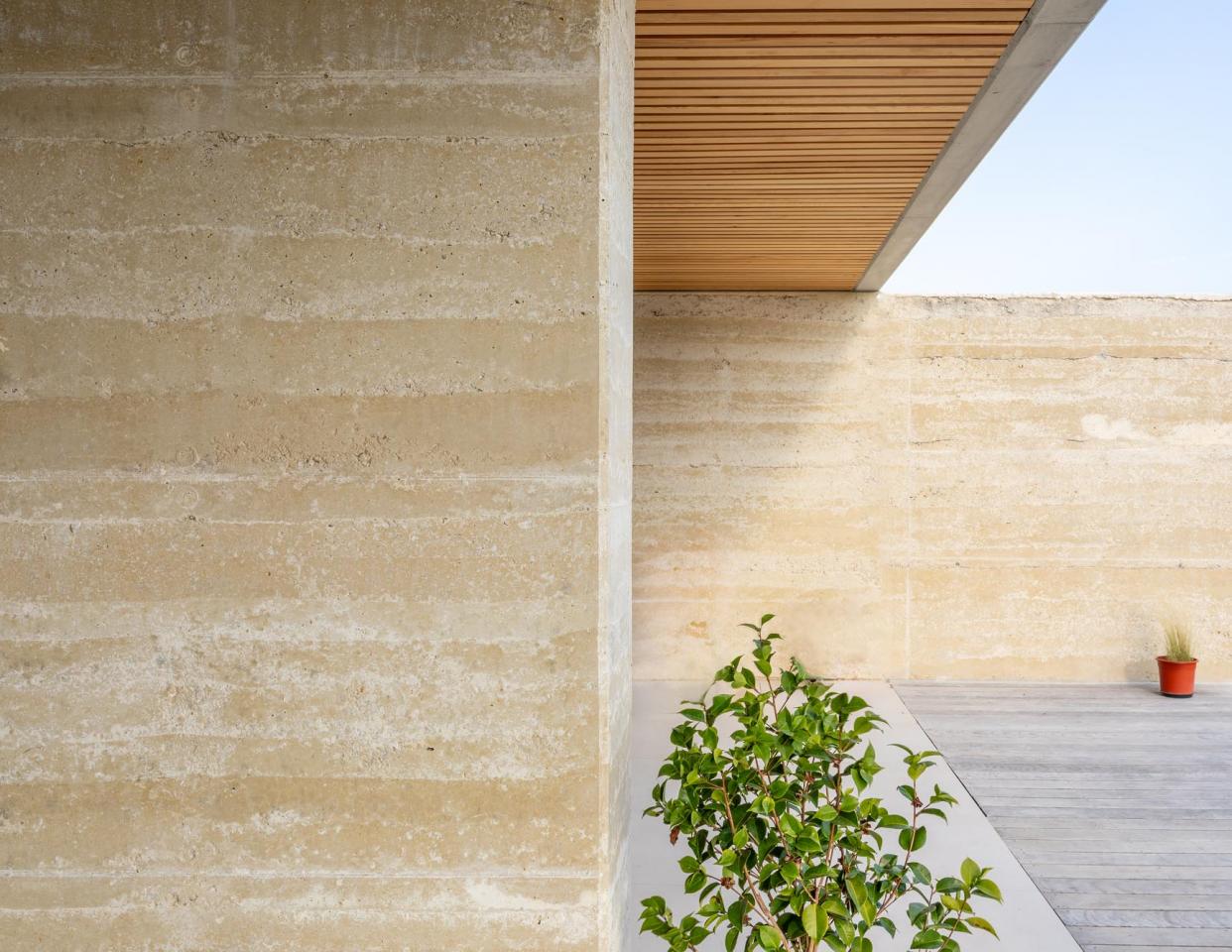
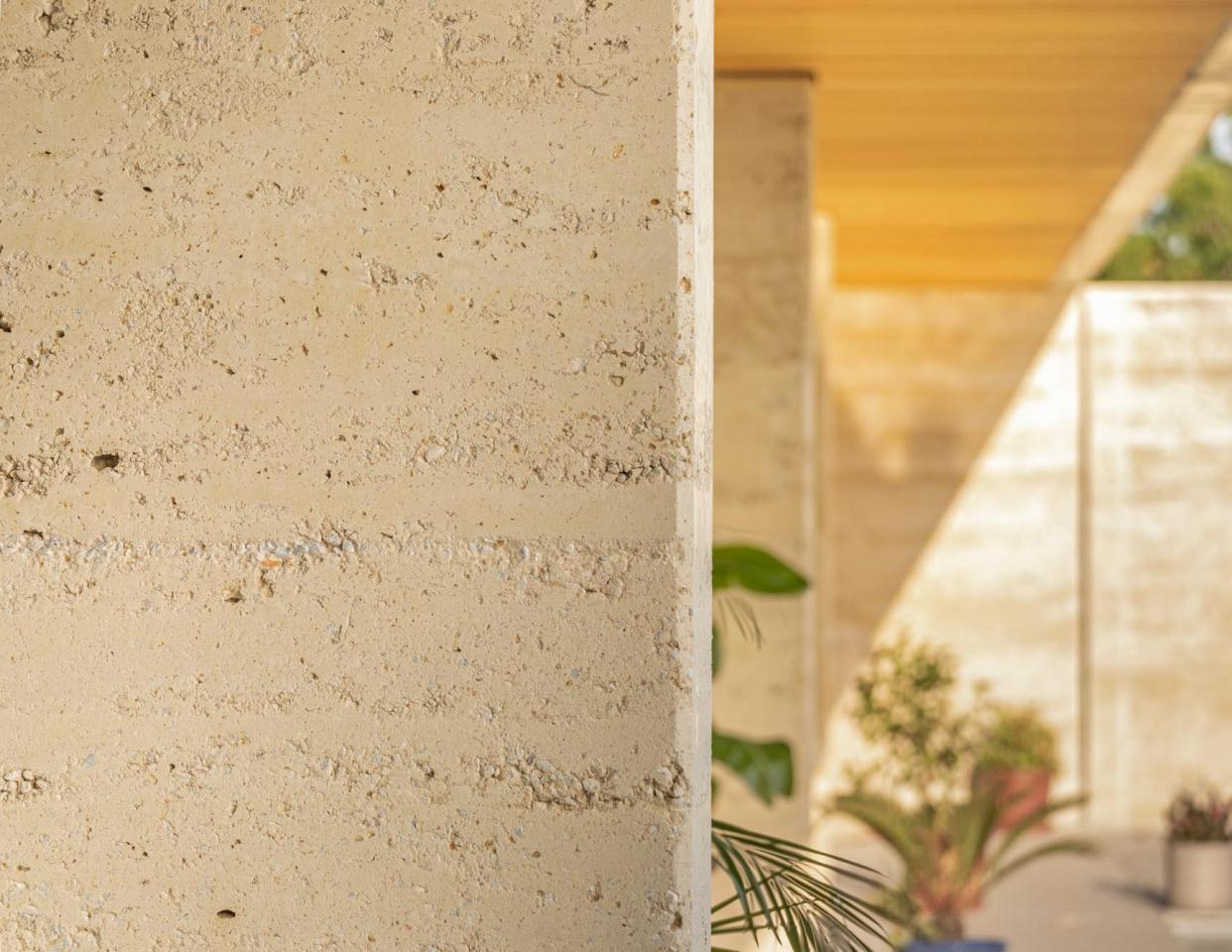
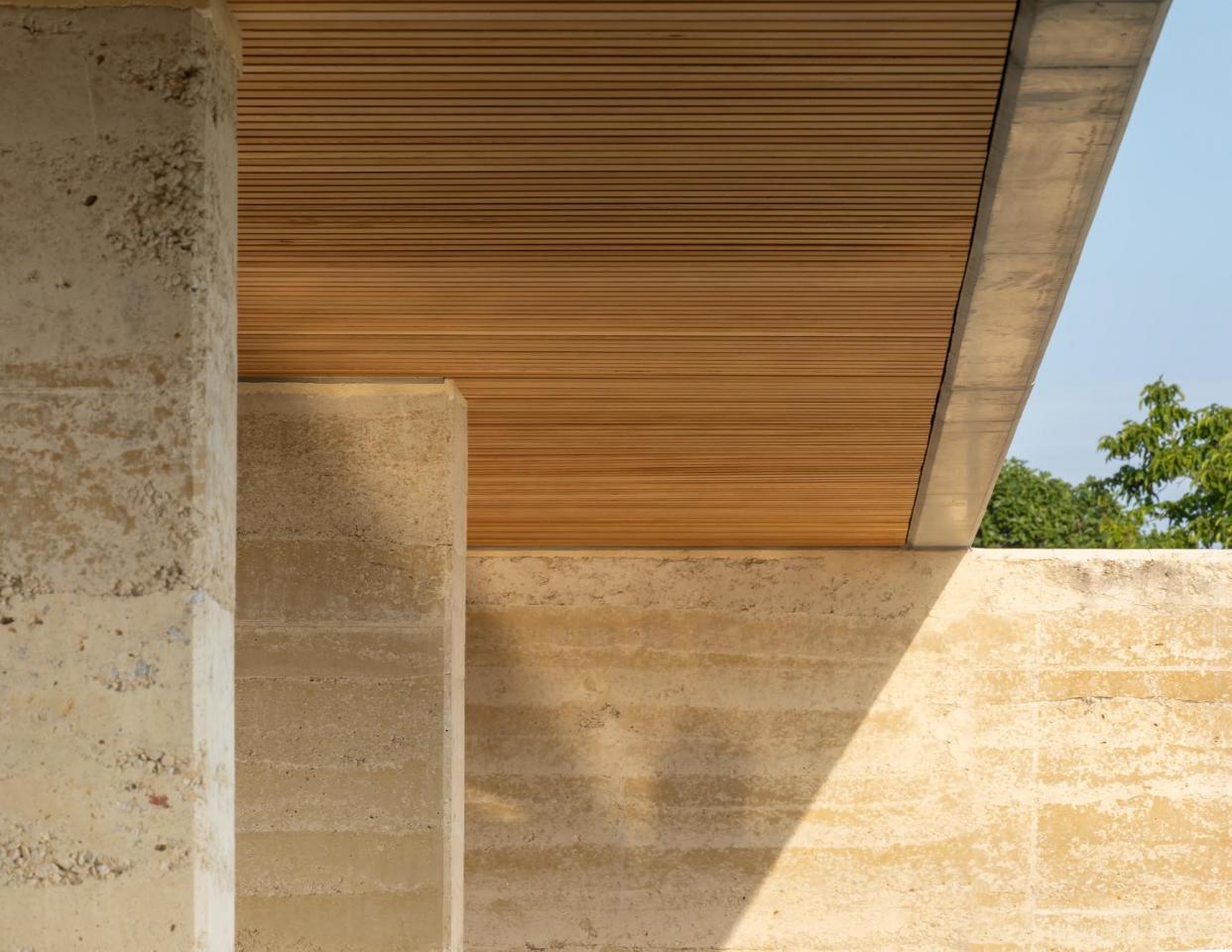
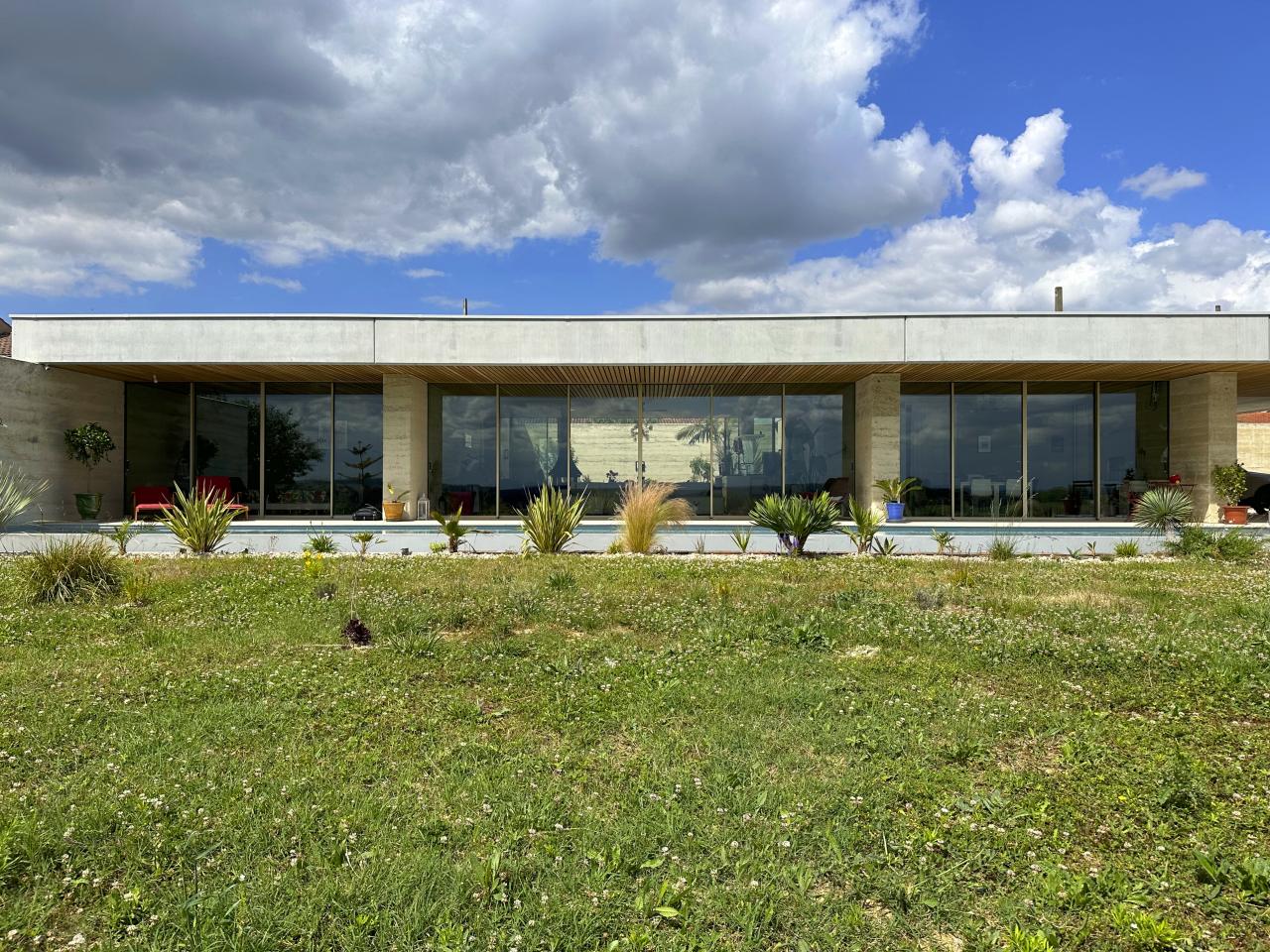
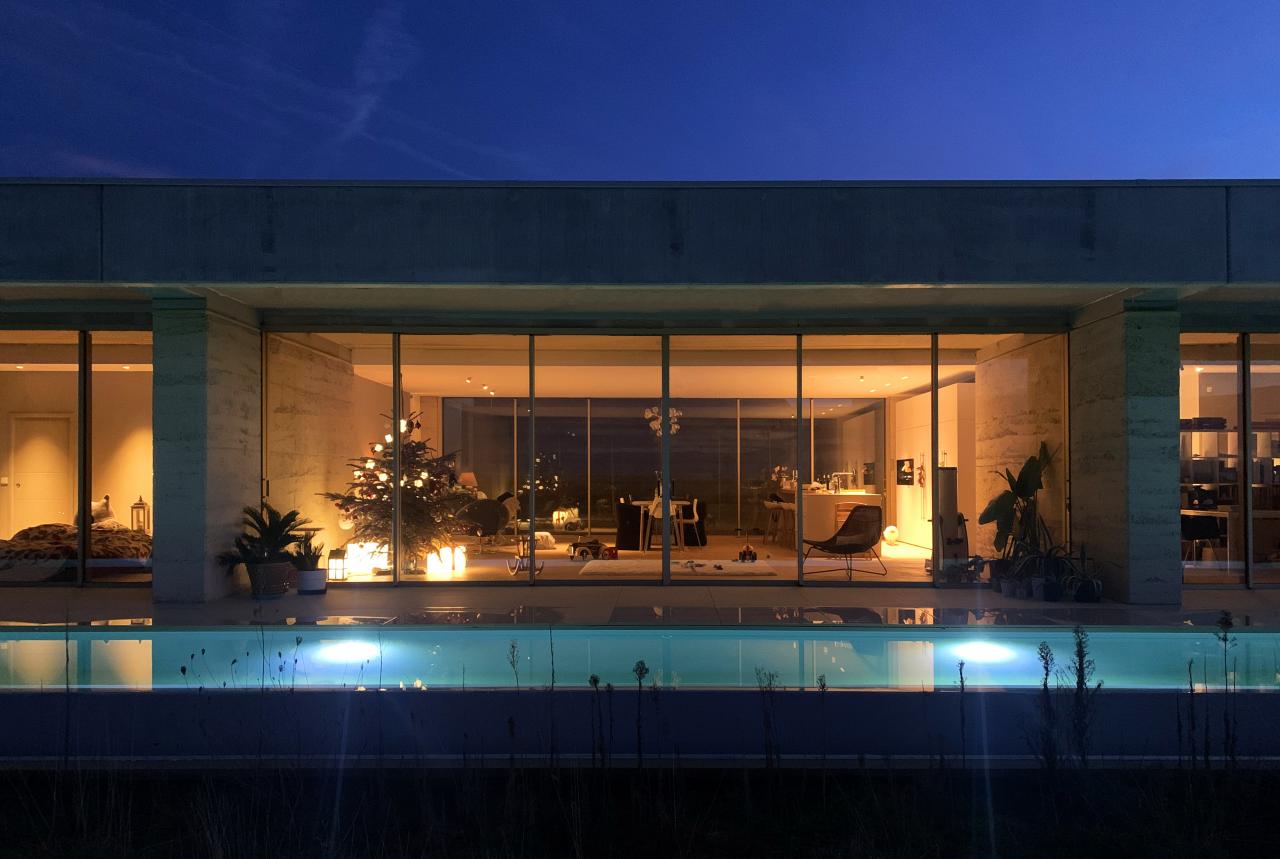
The construction project for this single-storey bioclimatic individual house was developed according to bioclimatic, low-tech principles, but also integration with the site and reconnection to the surrounding nature. Echoing ancestral construction practices, and also in a circular economy initiative, the walls were erected in stabilized earth concrete, uninsulated and unreinforced, implemented using the traditional rammed earth technique.
Geographical Scope
Local
Project Region
Belberaud, France
Urban or rural issues
Mainly rural
Physical or other transformations
It refers to a physical transformation of the built environment (hard investment)
EU Programme or fund
No
Description of the project
Summary
The objective of this project was to demonstrate that:
- earth construction could adapt to contemporary architecture;
- the know-how of yesteryear can be brought up to date;
- we can do without insulation when we work on matter and inertia, with the sun;
- the relationship with nature is essential;
We obtained a material of more than 10 mpa by using 30% of the site's soil in the formulation of the unreinforced and unreinforced load-bearing walls.
Winter and summer, the results in terms of comfort and energy consumption are convincing.
The building fits into the large landscape without difficulty.
Socially, the artisan finds pleasure in working, in contact with the earth, and regains the pride of being a craftsman.
Recognitions obtained:
- Construction Trophy 2024 - BATIACTU/SMA
- Décarbonnons Materials&Light Trophy - DA
- Special mention Constructive Process - AVIVRE
- earth construction could adapt to contemporary architecture;
- the know-how of yesteryear can be brought up to date;
- we can do without insulation when we work on matter and inertia, with the sun;
- the relationship with nature is essential;
We obtained a material of more than 10 mpa by using 30% of the site's soil in the formulation of the unreinforced and unreinforced load-bearing walls.
Winter and summer, the results in terms of comfort and energy consumption are convincing.
The building fits into the large landscape without difficulty.
Socially, the artisan finds pleasure in working, in contact with the earth, and regains the pride of being a craftsman.
Recognitions obtained:
- Construction Trophy 2024 - BATIACTU/SMA
- Décarbonnons Materials&Light Trophy - DA
- Special mention Constructive Process - AVIVRE
Key objectives for sustainability
Reconciling the earth and the building, for a more sustainable architecture that respects its environment and the living people who practice it.
All over the world, projects using earth material have persisted over the centuries.
All over the world, projects using earth material have persisted over the centuries.
Key objectives for aesthetics and quality
The main objective was to demonstrate that earth is an aesthetic material and that it participates in the osmosis between nature and the built environment. His presence in the project goes well beyond aesthetics.
Visitors, whether they like the old or the contemporary, agree that they find the project magnificent.
Visitors, whether they like the old or the contemporary, agree that they find the project magnificent.
Key objectives for inclusion
This prototype is the prototype of a house that could adapt to all types of users: young people, retirees, families with children, people with reduced mobility. It was designed to adapt to its users, and not the other way around. The place of the craftsman who builds is rediscovered. The price per m2 remains under control.
Results in relation to category
Reconnecting with nature: this project falls completely within the scope of this theme: producing a habitat:
- in connection with the surrounding nature which is omnipresent in the project
- built with the surrounding nature itself
- which fits into the large natural landscape
- which provides winter and summer comfort without air conditioning and with natural light maintained all year round
Nature was the common thread of this project and has always driven my designs.
- in connection with the surrounding nature which is omnipresent in the project
- built with the surrounding nature itself
- which fits into the large natural landscape
- which provides winter and summer comfort without air conditioning and with natural light maintained all year round
Nature was the common thread of this project and has always driven my designs.
How Citizens benefit
It is a research and development project carried out by individuals and an architectural agency. The involvement of both parties in taking risks, in the search for solutions, without looking at the hours spent, contributed to the success of this project.
Physical or other transformations
It refers to a physical transformation of the built environment (hard investment)
Innovative character
Innovative material, reuse of earth
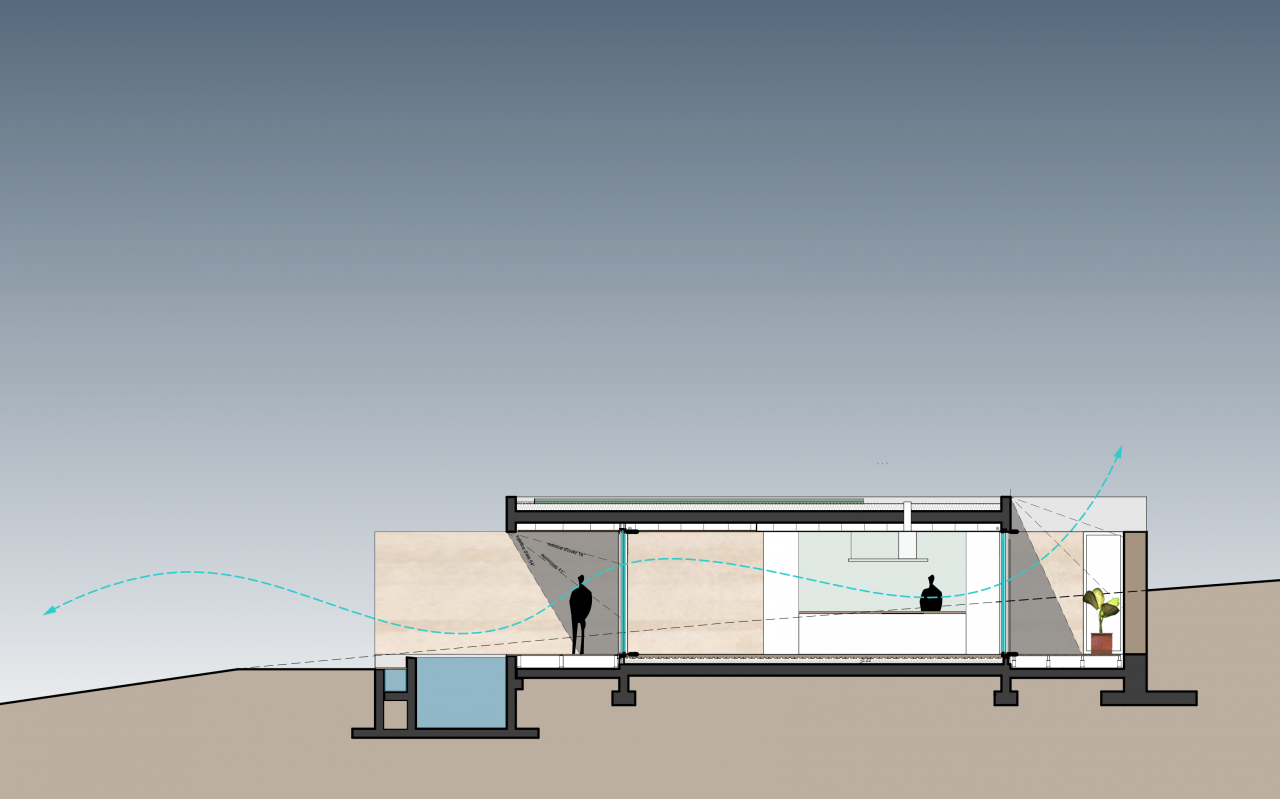
Bioclimatic design with winds and sun (summer comfort without air conditioning and winter comfort by limiting the use of fossil energy)
Large openings allowing natural light to enter in winter and summer
infrastructure optimization
Interior patio allowing quality natural ventilation
swimming pool allowing adiabatic cooling
Natural and healthy materials
Autonomous sanitation based on phytopurification
Bioclimatic design with winds and sun (summer comfort without air conditioning and winter comfort by limiting the use of fossil energy)
Large openings allowing natural light to enter in winter and summer
infrastructure optimization
Interior patio allowing quality natural ventilation
swimming pool allowing adiabatic cooling
Natural and healthy materials
Autonomous sanitation based on phytopurification
Disciplines/knowledge reflected
Architecture
Structural engineering
Climate engineering
Thermal engineering
Materials science
Masonry
Research laboratory
These different representatives interacted with each other in a difficult context (covid), but with the conviction of carrying out a project that makes sense.
Structural engineering
Climate engineering
Thermal engineering
Materials science
Masonry
Research laboratory
These different representatives interacted with each other in a difficult context (covid), but with the conviction of carrying out a project that makes sense.
Methodology used
1) Observation of the old building
2) Numerous readings of works and translations
3) Exchanges with other countries: England, Spain, Canada, United States, Australia, New Zealand, etc. which have been practicing this constructive method for over 40 years or more
4) Design of plans according to the construction technique used
5) Laboratory tests
6) Support for construction companies
2) Numerous readings of works and translations
3) Exchanges with other countries: England, Spain, Canada, United States, Australia, New Zealand, etc. which have been practicing this constructive method for over 40 years or more
4) Design of plans according to the construction technique used
5) Laboratory tests
6) Support for construction companies
How stakeholders are engaged
Numerous exchanges have taken place with other companies in Europe and around the world, which are interested in this construction method and the integration of earth in construction. It is these exchanges and this generosity that allowed trust to be established between everyone (client, architectural agency, companies, etc.) and the project to succeed.
Global challenges
The global challenges are the heaviness of standards which tend to limit the return to constructive common sense, and de facto the return to financially affordable projects.
Learning transferred to other parties
Anywhere in the world where there is land.
Infrastructure or public space
No
Political support
No
Monetary value awarded
No