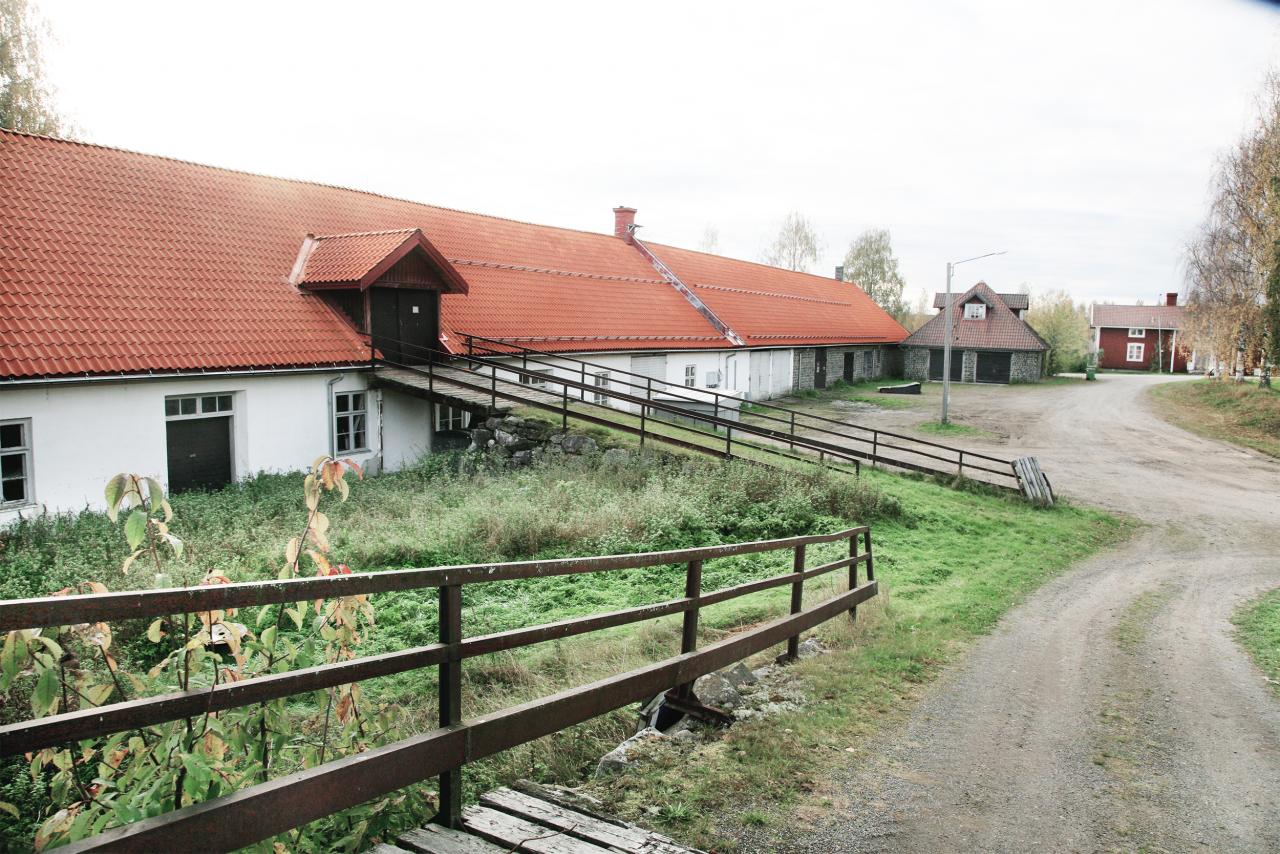
Kulturbruket (The Culture Hub)
Basic information
Project Title
Full project title
Project Description
Current stage development
Project Region
Municipality
EU Programme or fund
Which funds
Description of the project
Summary
The initiative prioritizes inclusivity by engaging local residents, creative professionals, and public stakeholders in shaping the future of the site. Ongoing collaborations with various actors, both locally and internationally, will ensure knowledge exchange and innovation. Potential partnerships with other heritage sites and artist residencies in the Nordic region are being explored to encourage creative exchange and cross-sector synergies. The project also aligns with climate transition goals by emphasizing reuse, shared resources, and sustainable renovation practices.
Beyond its economic and environmental benefits, the initiative aspires to become a social and cultural anchor for the region. By creating an inspiring and collaborative environment, it will not only attract and retain talent but also contribute to the identity and vitality of Robertsfors. This project demonstrates how small municipalities can lead in sustainable cultural development while ensuring that heritage remains a living and evolving part of the community.
Key objectives for sustainability
Social sustainability and inclusion are central, ensuring local artisans, designers, and businesses can collaborate, innovate, and grow. The space is shaped through participatory processes, engaging the community in decision-making and creating a welcoming environment for diverse users. By bridging traditional craftsmanship with contemporary design and production, the initiative strengthens both local economies and cultural heritage.
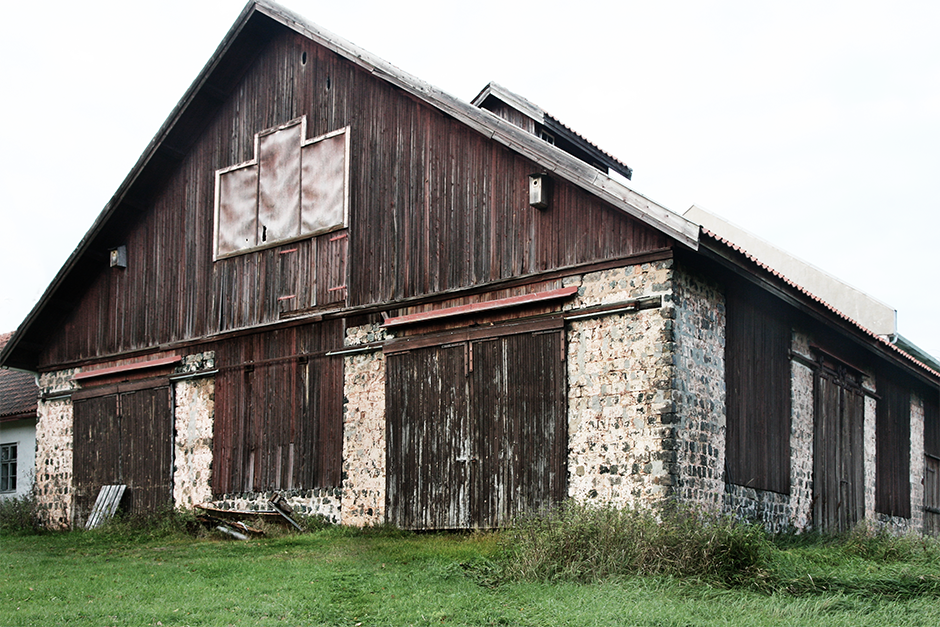
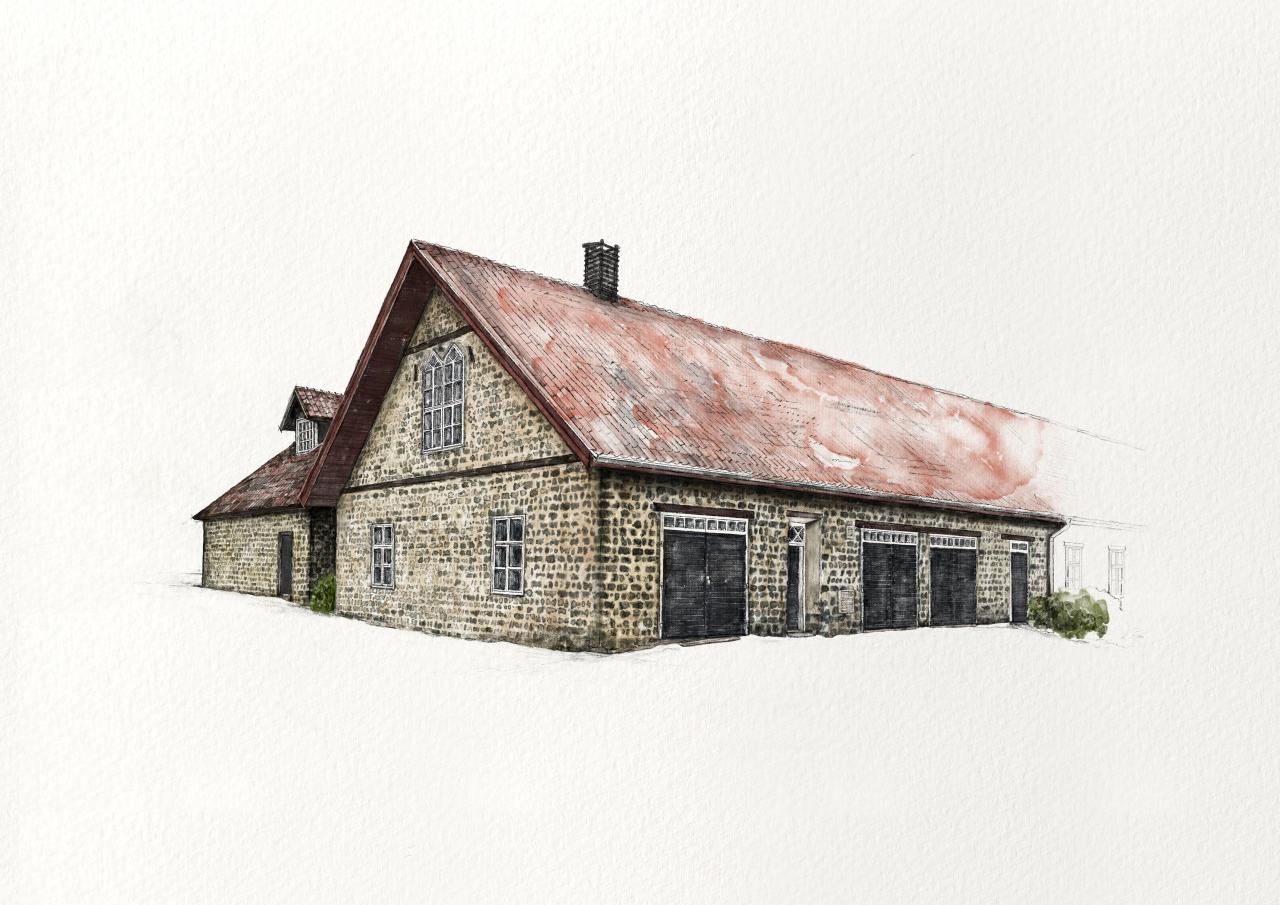
Architecturally, the project respects the site’s historical character while adapting it for modern needs, ensuring both aesthetic and functional excellence. As a model for other small municipalities, Kulturbruket demonstrates how heritage-led regeneration can drive climate action, creative industry growth, and social well-being, offering a blueprint for sustainable rural development.
Key objectives for aesthetics and quality
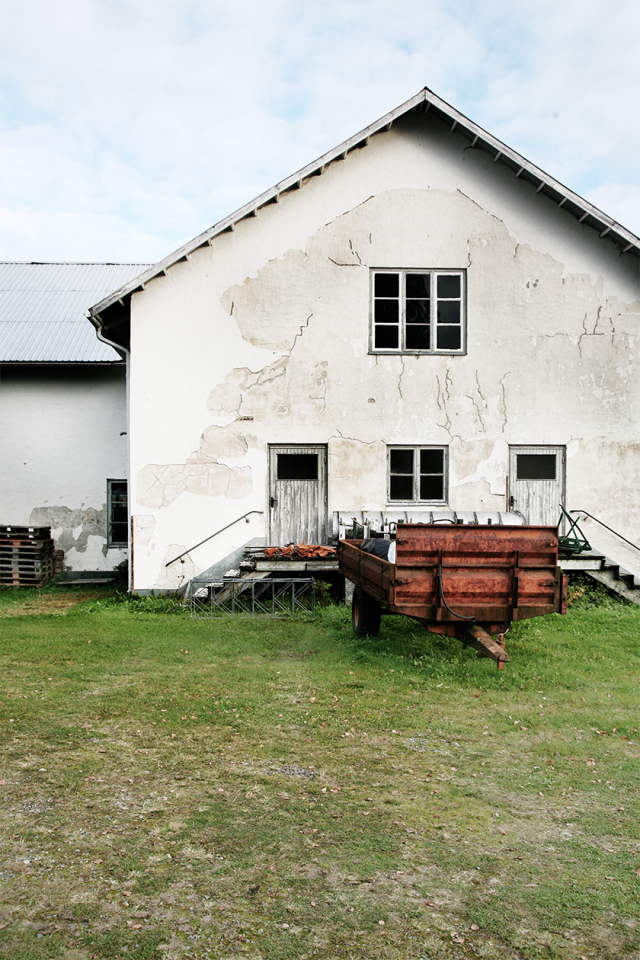
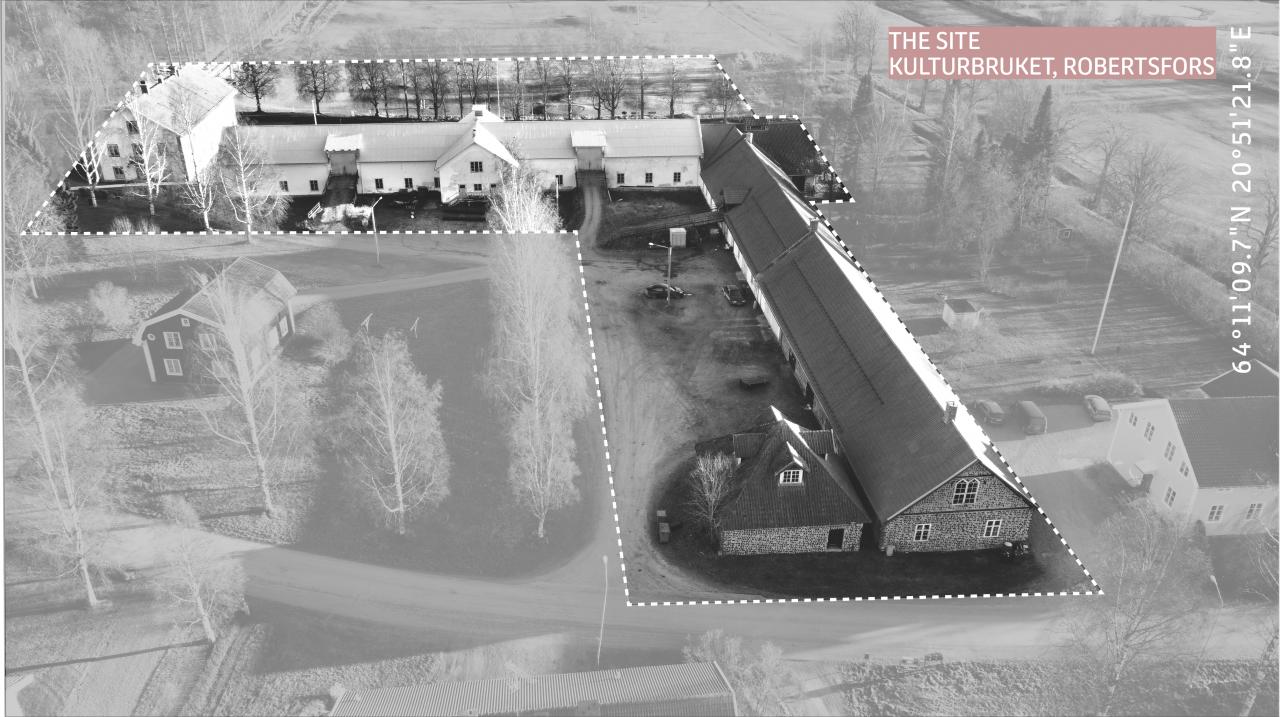
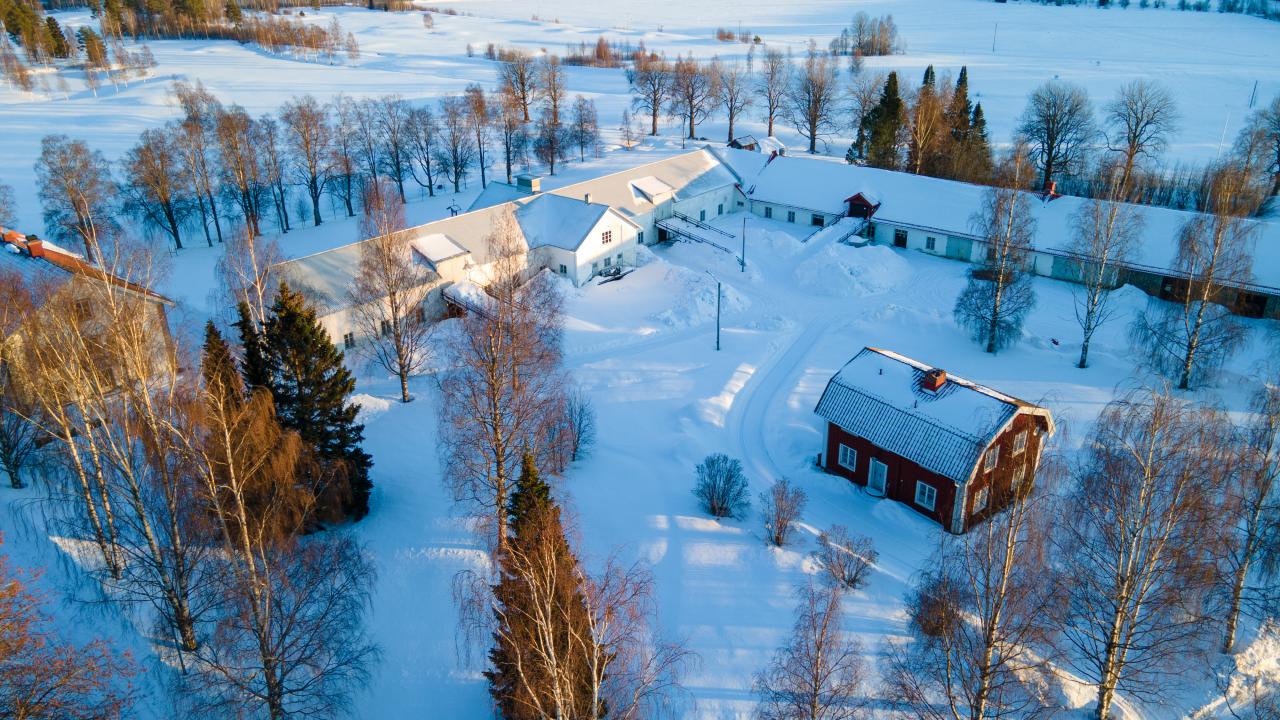
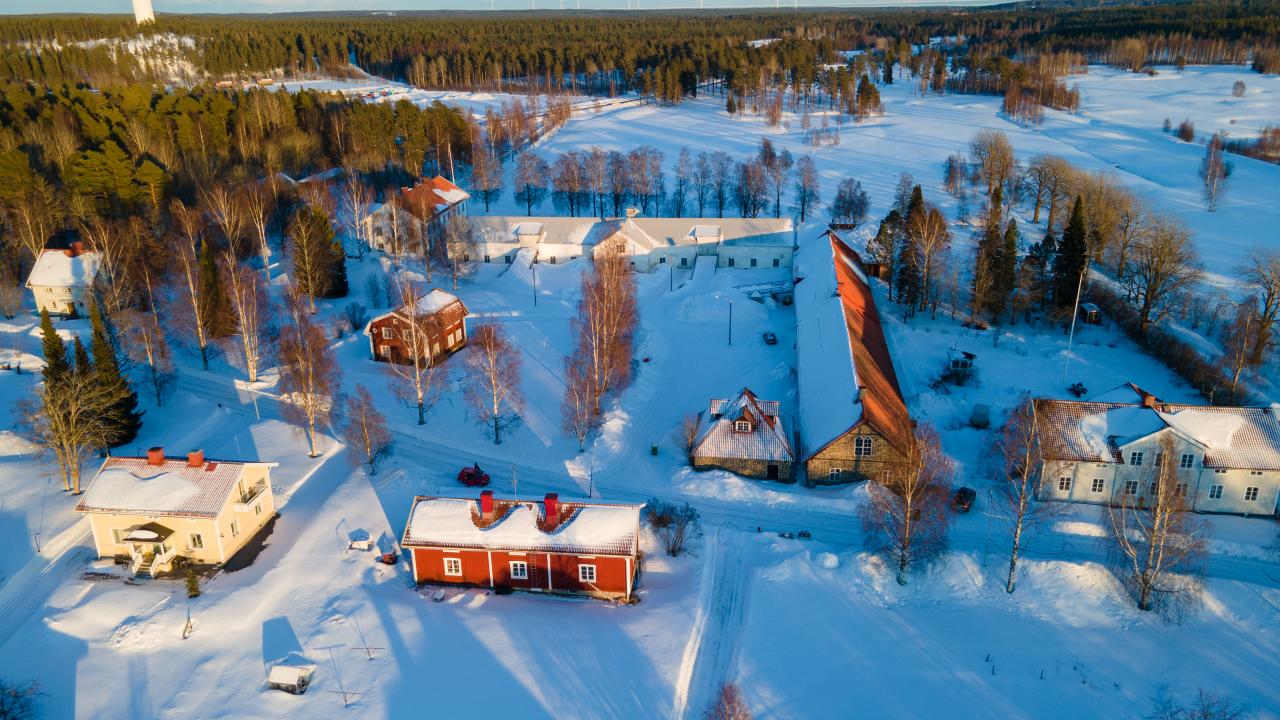
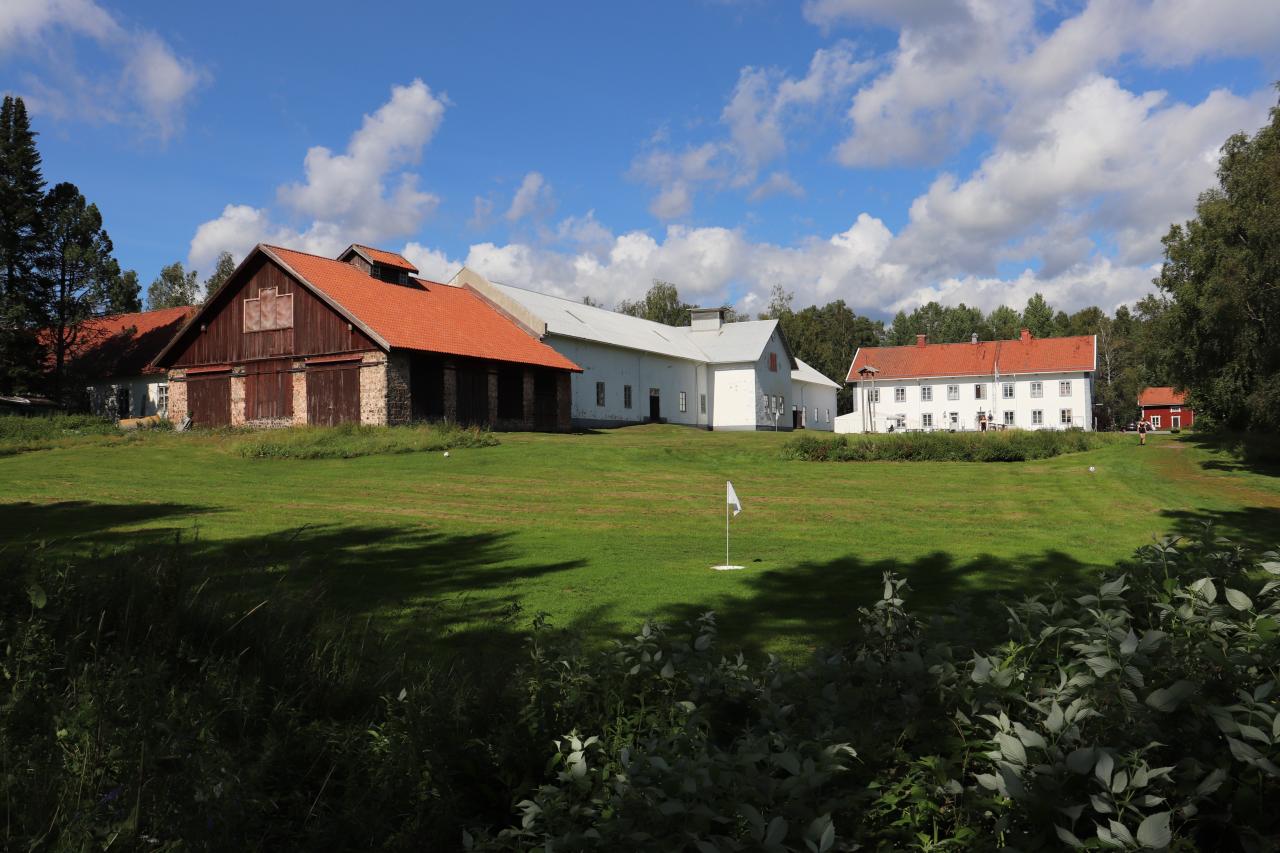
However, the project’s aesthetic and experiential quality extends beyond the buildings. The outdoor environment, an integral part of the site’s cultural and ecological heritage, carries equal significance. As a former agricultural landscape, the site’s open spaces tell a story of past land use while offering vast potential for biodiversity, recreation, and social well-being. Thoughtful landscaping will ensure a balance between historical authenticity and modern functionality, with green areas designed to enhance biological diversity, encourage interaction, and create a sense of openness that complements the creative activities indoors.
Beyond physical aesthetics, quality of experience is at the heart of the initiative. The space will evoke emotion, creativity, and connection, making it a dynamic gathering point for artists, craftspeople, and the public. By integrating exhibitions, workshops, and cultural activities, the site will offer meaningful experiences that celebrate local craftsmanship and storytelling. Visitors will not just observe history—they will actively engage with it.
The initiative serves as a model for how small municipalities can revitalize historic environments into thriving creative spaces, where design excellence, cultural heritage, and emotional resonance come together to enhance well-being, strengthen community ties, and inspire new generations.
Key objectives for inclusion
Governance is built on collaborative decision-making, engaging local creatives, businesses, and residents to co-develop the site. This ensures long-term sustainability and empowers local voices in shaping the space. Through interdisciplinary workshops, shared spaces, and interactive programs, the project fosters new ways of working together, strengthening local identity and social cohesion.
By bridging the area’s industrial heritage with contemporary cultural industries, Kulturbruket sets a model for how historical environments can be transformed into thriving, inclusive meeting places. The initiative promotes creative exchange, regional development, and cross-sector collaboration, ensuring that culture remains a driving force for community well-being and engagement.
How Citizens benefit
Although the buildings are municipally owned, the initiative will foster strong engagement and collaboration between the municipality, cultural practitioners, and the local community. Decision-making processes will incorporate input from creatives, local businesses, and residents, ensuring that Kulturbruket remains a relevant and vibrant space. The initiative also plans to collaborate with civil society organizations, educational institutions, and local businesses to create a network that strengthens regional cultural development.
A key ambition of Kulturbruket is to highlight the well-documented connection between cultural participation and mental well-being. Research shows that access to cultural activities and creative environments can reduce stress, enhance social cohesion, and contribute to a greater sense of purpose. By fostering an inclusive and welcoming space, Kulturbruket aims to improve both individual and collective well-being, making cultural engagement a vital part of community health and resilience.
The impact of this engagement is expected to extend beyond the immediate project, reinforcing local networks, supporting entrepreneurship, and cultivating a stronger sense of belonging and identity. By embedding participatory governance and co-creation at its core, Kulturbruket aspires to set an example of how municipally owned heritage sites can be revitalized through inclusive, citizen-driven processes.
Innovative character
A key innovation lies in the focus on shared resources and circularity. Instead of individual production units, Kulturbruket envisions a collaborative space where creative entrepreneurs, small businesses, and the public can engage in shared workshops, reuse materials from local industries, and collectively strengthen local supply chains. Plans include hubs for repurposed materials, a reuse store, and spaces for sharing tools and equipment, making sustainability more accessible and embedded in everyday practice.
Governance is another area where the project challenges mainstream models. Rather than a top-down planning process, Kulturbruket is being developed through ongoing dialogue with artists, businesses, residents, and local authorities. The goal is to create a space that grows organically based on real needs, ensuring long-term relevance and engagement.
By reimagining underutilized industrial spaces for artistic residencies, cultural production, and interdisciplinary collaboration, the project is testing new ways to foster resilience in smaller municipalities. The initiative explores how cultural investment can serve as a catalyst for well-being, social cohesion, and environmental responsibility—offering an alternative to traditional economic development models. Through this integrated approach, Kulturbruket aims to set a precedent for rethinking industrial heritage as a driver of holistic growth.
Disciplines/knowledge reflected
Kulturbruket integrates expertise from multiple disciplines to ensure a holistic and sustainable transformation of the industrial heritage site. Architecture and building conservation guide the preservation and adaptation of heritage structures, ensuring both cultural continuity and modern usability. Urban planning and landscape design shape the site’s public spaces, promoting accessibility, biodiversity, and social interaction. Creative industries and design thinking drive the development of shared workspaces, fostering circularity, resource-sharing, and innovation.
Sociology and community development contribute insights into social inclusion, ensuring the site is shaped by and for the local community. Business development and cultural entrepreneurship help structure long-term governance and economic sustainability. Additionally, environmental sciences and circular economy principles guide the reuse of materials, energy efficiency, and sustainable operations.
These disciplines collaborate through workshops, stakeholder meetings, and co-design sessions. Their interaction fosters a deeper understanding of how heritage, culture, and innovation intersect, leading to more inclusive, functional, and forward-thinking solutions. As Kulturbruket is still in its feasibility study phase, this interdisciplinary work is ongoing, and new insights will continue to shape the project's development, ensuring that it evolves in a way that is both sustainable and responsive to community needs.
Methodology used
At its core, the methodology embraces place-based and heritage-sensitive design, combining traditional knowledge with contemporary sustainable strategies. The built environment is preserved and adapted with minimal ecological impact, in collaboration with conservation specialists, architects, and urban planners. Cross-sector collaboration is also fundamental to the initiative, bringing together experts in architecture, urban development, cultural management, and social innovation. Partnerships with municipal authorities, cultural institutions, and academic researchers provide a holistic perspective on the site’s potential and long-term governance.
Rather than implementing a static masterplan, Kulturbruket adopts an experimental and test-based approach, where spaces are gradually activated through pilot projects, temporary interventions, and cultural programming. These real-world trials allow for insights into community engagement, usage patterns, and infrastructural needs before long-term investments are made. The initiative is designed to remain flexible and responsive, ensuring that the site evolves based on continuous feedback. By integrating these methodologies, Kulturbruket not only seeks to revitalize an industrial heritage site but also to create a replicable framework for similar projects in other small municipalities.
How stakeholders are engaged
Kulturbruket is developed through collaboration across local, regional, national, and European levels. Locally, Robertsfors Municipality leads the project in close dialogue with cultural practitioners, small creative enterprises, and civil society, ensuring a needs-driven approach. Regionally, Region Västerbotten supports Kulturbruket as part of its strategy for strengthening creative industries and cultural entrepreneurship.
At the national level, Kulturbruket engages in dialogue with RISE, ArkDes, and the Swedish National Heritage Board, exploring best practices in sustainable transformation of cultural heritage sites. These partnerships help integrate architectural quality, innovation, and cultural sustainability into the project.
At the European level, Kulturbruket aligns with the New European Bauhaus principles and seeks future collaborations, including knowledge-sharing and artist residencies with similar European initiatives. By fostering engagement across all levels, Kulturbruket ensures long-term sustainability, innovation, and regional development through culture.
Global challenges
Learning transferred to other parties
One of the most transferable aspects is the co-creation process, where a broad range of stakeholders—including local creatives, businesses, policymakers, and residents—are actively involved in shaping the site’s development. This participatory approach ensures that the space remains socially relevant and adaptable to evolving community needs. The focus on shared resources, such as collaborative workshops, upcycling initiatives, and multifunctional spaces, makes it a replicable model for other municipalities aiming to foster cultural and economic resilience.
Workshops and knowledge-sharing within the site—both for cultural and creative industries and for heritage conservation—create valuable learning opportunities that can extend beyond Robertsfors. These methods can be applied to similar environments, forming networks of expertise and best practices. The initiative also envisions potential for creative residencies and cross-site collaborations, where experts, artists, and craftspeople move between heritage sites, sharing knowledge and exploring how different environments influence creative processes. This network-based approach fosters new synergies between cultural actors and heritage management, ensuring that industrial history continues to inspire innovation and sustainable development elsewhere.
Next steps
The feasibility study for "En nod för kulturens bruk" (Kulturbruket) explores how to transform a historic industrial site into a sustainable, inclusive, and creative hub. Aligned with New European Bauhaus (NEB) values, the project prioritizes adaptive reuse of existing buildings, minimizing waste and integrating energy-efficient solutions to support a circular economy.<br />
A key factor is the planned Norrbotniabanan railway, with a station within walking distance, improving green mobility and accessibility. The study includes stakeholder engagement and participatory workshops, involving residents, cultural practitioners, and businesses to shape the site’s future. Lessons are drawn from similar projects, such as Tändsticksområdet and Norrahammars bruk in Jönköping, where heritage sites have been successfully repurposed.<br />
Next steps include finalizing a site development plan, defining spaces for co-working, creative industries, and events, while refining governance structures for long-term collaboration between public and private actors. To ensure implementation, funding applications are being prepared for EU and national grants, including the New European Bauhaus Prizes.<br />
Early activation will involve temporary cultural events and artistic residencies to engage the community and test future uses. The initiative will also assess its environmental, social, and economic impact, ensuring development aligns with NEB’s core values. By combining heritage preservation, circular economy principles, and sustainable transport, Kulturbruket aims to be a scalable model for small municipalities, demonstrating how cultural sites can be revitalized through innovative and inclusive urban regeneration.