Horta Sud Resilient
Basic information
Project Title
Full project title
Category
Project Description
Current stage development
Geographical Scope
Project Region
Urban or rural issues
Physical or other transformations
EU Programme or fund
Description of the project
Summary
This initiative is developed in collaboration with civil society organizations, the business sector, academia, and public institutions and is targeted at local communities affected by the “DANA” meteorological phenomenon, as well as the broader network of territorial stakeholders. It aims to create a platform for dialogue and collaboration among key actors to support economic, urban, and social recovery, while fostering a more democratic and participatory governance model for the territory.
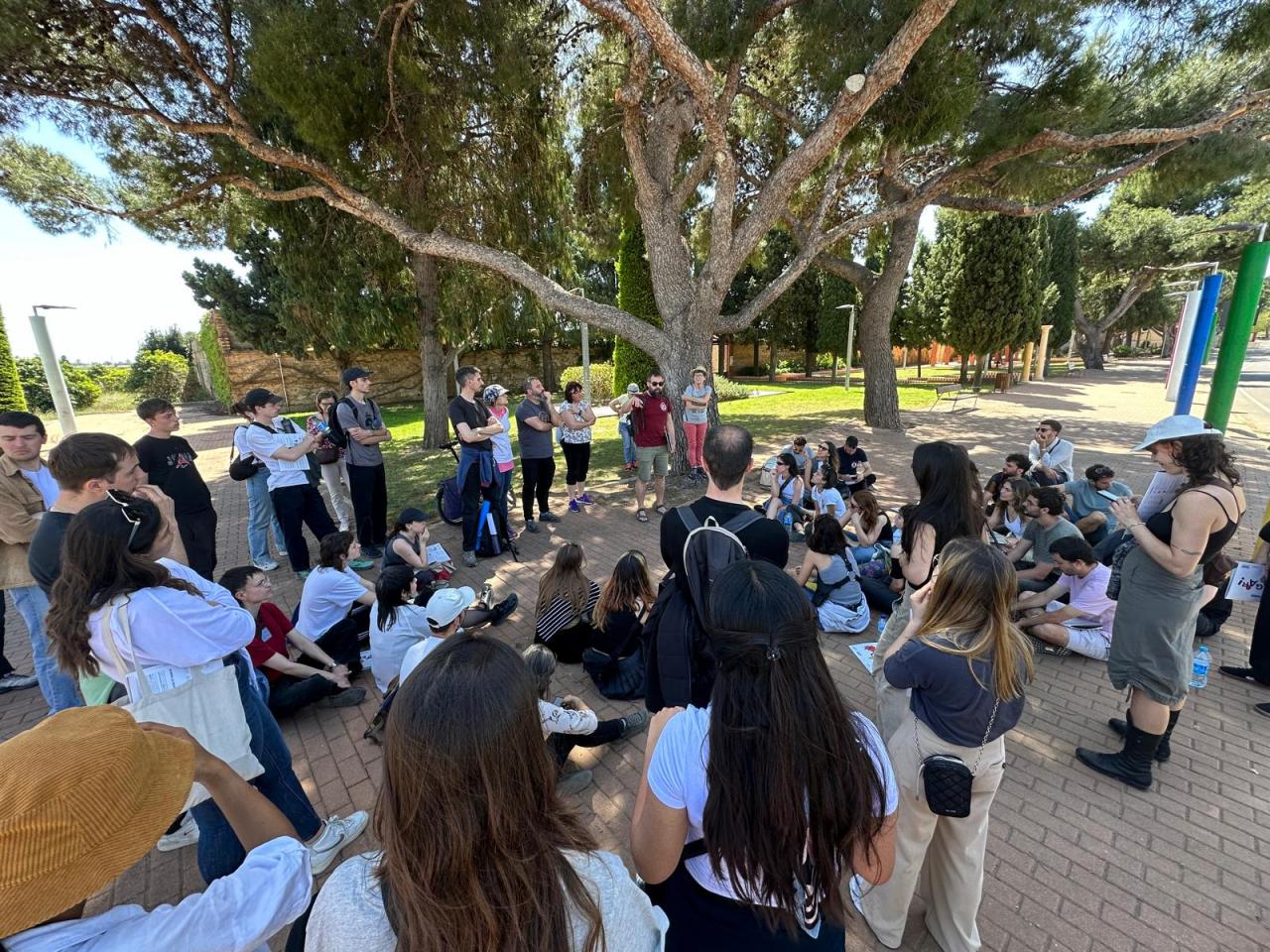
A citizen participation and co-design process will be implemented, incorporating citizen forums, sectoral working groups, and territorial innovation labs to develop a long-term, inclusive, and climate-resilient roadmap for l’Horta Sud.
The project aligns with the "Prioritising the places and people that need it the most" category, as it directly responds to a territory highly impacted by extreme climate events, where vulnerable communities urgently require inclusive and sustainable recovery solutions.
Horta Sud Resilient is developed in partnership with "Serà Horta Sud 2030", an initiative launched to enhance and transform the region. This project represents a continuation and evolution of this effort, expanding its reach through short-, medium-, and long-term strategies for territorial reconstruction and regeneration. Additionally, it seeks to contribute to public policy formulation and facilitate access to funding, ensuring structural improvements for a better quality of life for the region’s inhabitants.
Key objectives for sustainability
Building upon the "Serà Horta Sud 2030" initiative, "Horta Sud Resilient" is conceived as a participatory process that will enable the co-design of strategies and proposals for a sustainable and resilient recovery of the territory. Through a collaborative process, stakeholders —including citizens, public administration, the business sector, and academia— will work collaboratively to identify nature-based solutions, restore green and blue infrastructure, and plan adaptive urban and territorial development models, integrating sustainable mobility and energy efficiency to achieve a harmonious balance between the region and its agricultural, environmental, and cultural assets.
Through these mechanisms, "Horta Sud Resilient" will foster awareness and environmental education, promoting the collective construction of a sustainable and climate-resilient territorial model. Additionally, it will support the development of policies and projects to strengthen territorial adaptation and response capacity to future environmental crises. With this approach, the project aims to contribute to the consolidation of an environmentally balanced and socially inclusive future for Horta Sud.
Key objectives for aesthetics and quality
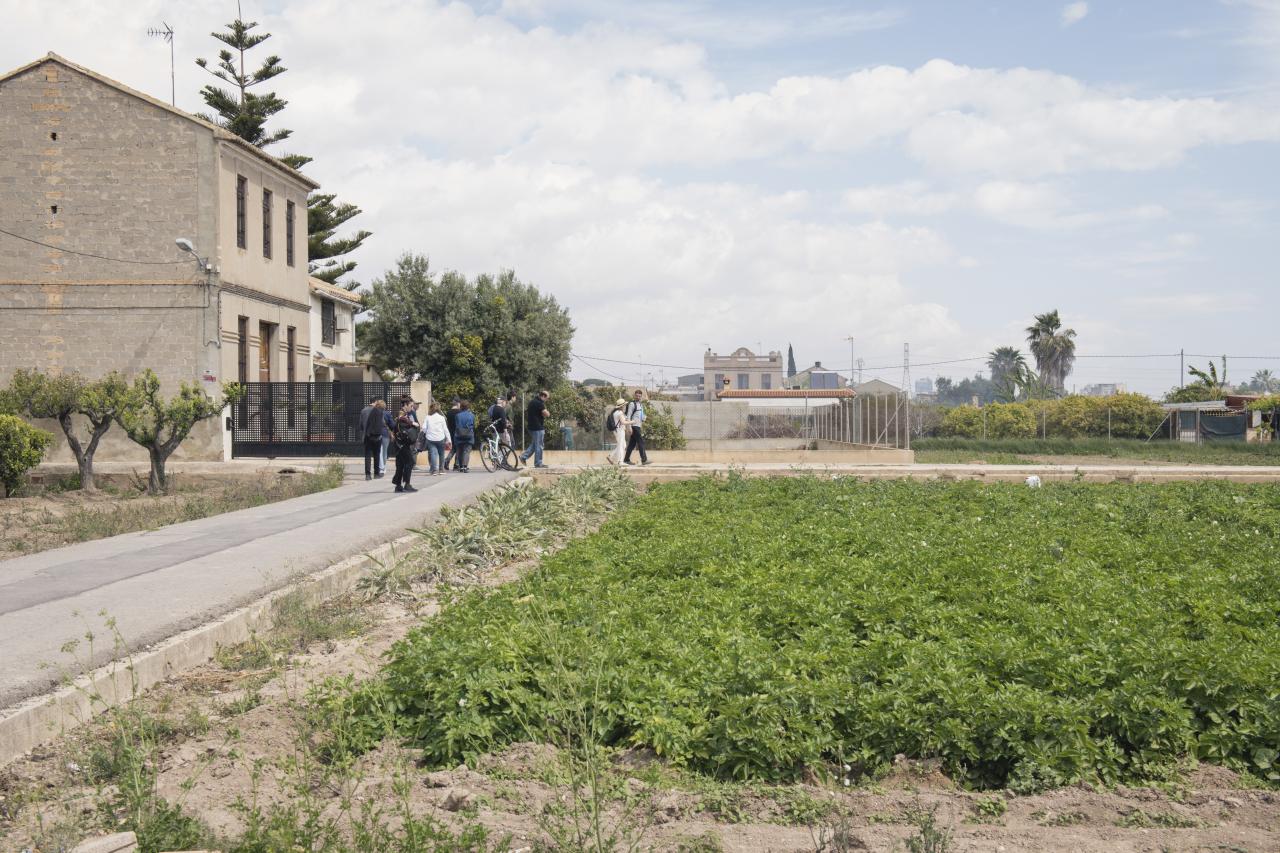
In this context, the landscape and cultural identity of Horta Sud is key to its reconstruction after the 2024 floods. The loss of architectural heritage, deterioration of key public spaces, and damage to agricultural zones and natural areas, such as the Albufera Natural Park, have highlighted the need to recover not only infrastructure but also the cultural, aesthetic, and landscape values of the territory, essential for strengthening identity and community cohesion.
"Horta Sud Resilient" is envisioned as a co-creation process for territorial regeneration strategies, integrating local stakeholders in defining a reconstruction model that respects and reinforces the landscape identity. Through forums, innovation labs, and co-design dynamics, the project will generate a platform for dialogue on the role of design and aesthetic quality in Horta Sud’s recovery.
The initiative will enable the development of proposals for the revitalization of damaged heritage, the restoration of traditional elements, and the creation of accessible public spaces with high urban quality. Furthermore, it will promote new collective imaginaries that strengthen social cohesion and the symbolic identity of the territory.
This approach will ensure that the territory’s recovery is not only functional and resilient but also culturally meaningful and aesthetically enriching, fostering emotional connection and a strong sense of belonging between the community and its environment.
Key objectives for inclusion
Engaging affected communities in the recovery process after a natural disaster like the one suffered in Horta Sud is essential not only for developing solutions tailored to the territory, but also for strengthening social cohesion, long-term resilience, and ensuring fair distribution of recovery benefits. The active participation of citizens and local stakeholders is key to building a more inclusive future, better prepared for new challenges.
"Horta Sud Resilient" proposes a deliberation and collective reflection process, where civil society, public administrations, local organizations, and the private sector actively participate in designing recovery strategies. Through citizen forums, sectoral working groups, and territorial innovation labs, the project will create an inclusive dialogue space, fostering the co-design of proposals that ensure fair access to resources and opportunities within the territory.
This approach will enable the co-creation of an urban and territorial model adapted to the region’s real needs, facilitating the development of effective public policies and reconstruction projects. Furthermore, it will strengthen the role of citizens in decision-making, ensuring their active engagement in planning and territorial regeneration.
Additionally, the project opens the door to exploring new forms of metropolitan governance, promoting social and territorial cohesion and turning Horta Sud’s recovery into a laboratory for developing more democratic and sustainable governance models in the medium and long term.
How Citizens benefit
Its participatory foundation is strengthened through its connection with "Serà Horta Sud 2030", an initiative that brings together territorial stakeholders and has a strong track record of fostering citizen engagement and territorial regeneration from the local communities themselves.
The project will facilitate the participation of all local actors, with particular attention to the communities most affected by the October 2024 floods, represented by the Local Emergency and Reconstruction Committees established in early 2025. To ensure a robust and effective process, expertise from the academic and business sectors will be integrated, along with input from local organizations, recognizing traditional knowledge and local expertise as key elements in constructing a coherent and context-sensitive territorial model.
Throughout the project's implementation, it will provide spaces for dialogue and exchange, facilitated by professionals and designed for key local actors engaged in economic, urban, and social recovery, as well as for non-organized citizens. A participatory and co-design process will be implemented, structured through citizen forums, sectoral working groups, and territorial innovation labs, aiming to develop a resilient and inclusive future strategy for l’Horta Sud.
This process will enable the co-creation of an urban and territorial model tailored to the region’s needs, supporting the development of more effective and inclusive public policies and reconstruction projects. Furthermore, it will foster collaborative and democratic governance, ensuring active citizen engagement in territorial planning and regeneration.
Physical or other transformations
Innovative character
The project establishes a collaborative territorial reconstruction model, where affected communities, public administrations, the private sector, and academia collectively design strategies for the region’s recovery. Through a co-design process, it guarantees that territorial regeneration aligns with the real needs of the population, ensuring a long-term vision based on sustainable urban development and social cohesion.
Another key innovation of the project is its combination of nature-based solutions and participatory governance, bridging the community with the territory’s environmental assets, including the Horta de València and Albufera Natural Park. Unlike conventional interventions that often overlook the biophysical matrix of the region, Horta Sud Resilient promotes regenerative methodologies, integrating sustainable drainage systems, soil restoration, and climate mitigation strategies.
The initiative also prioritizes multi-level governance, ensuring the engagement of metropolitan, municipal, and community actors, creating a scalable and replicable model for other climate-vulnerable territories.
Disciplines/knowledge reflected
The project fosters collaboration between academia, public administration, civil society, and the private sector, creating synergies between applied research, strategic planning, and the implementation of social and urban innovation projects. Academic institutions, including the Universitat Politècnica de València, contribute methodological frameworks and technical expertise in territorial planning, climate adaptation, and urban governance. Public administrations at local and regional levels play a crucial role in designing development strategies and public policies, ensuring the feasibility of proposed actions.
The initiative integrates applied research and local development studies, facilitating evidence-based decision-making. It focuses on strategic planning and urban regeneration, linking territorial design and management with the social and economic dynamics of the València metropolitan area. Participatory processes and collaborative governance are central to the project, ensuring the inclusion of diverse perspectives and local knowledge.
Beyond technical and academic expertise, "Horta Sud Resilient" values traditional knowledge and local expertise, including farmers, neighborhood associations, and small businesses, whose insights are essential for the territory’s reconstruction. By combining scientific, institutional, and community-based knowledge, the project develops context-adapted solutions, ensuring a balance between innovation and tradition, sustainability and livability.
Methodology used
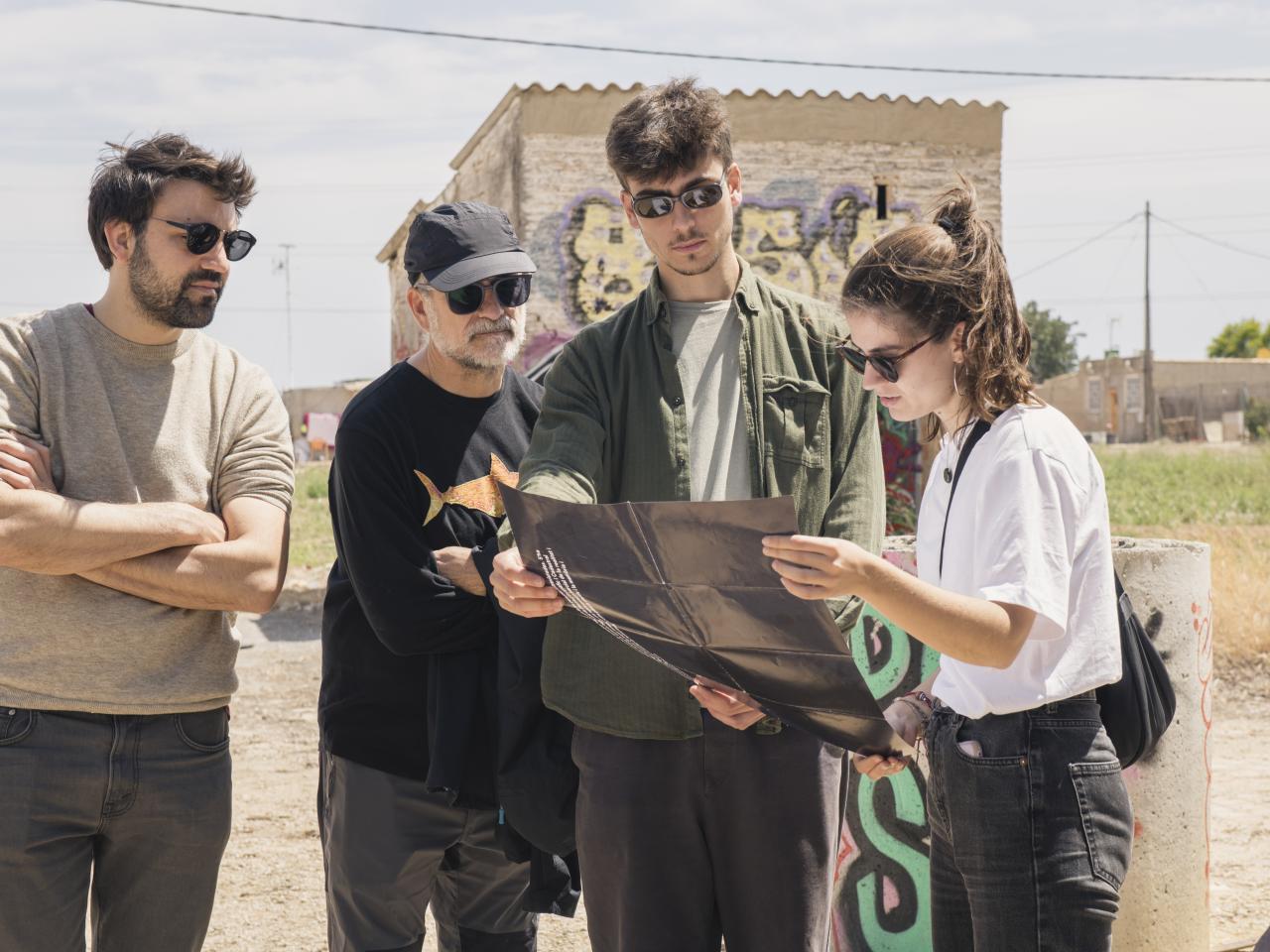
The methodological framework begins with a participatory diagnosis, combining social mapping tools, vulnerability assessments, and climate impact analysis to identify the territory’s main challenges and establish priority actions.
Subsequently, deliberation and co-design spaces are activated, organized through citizen forums, sectoral working groups, and territorial innovation labs. These spaces allow the local community and key stakeholders to collaboratively define concrete strategies for the regeneration of l’Horta Sud, ensuring that solutions align with sustainability, equity, and the preservation of territorial identity.
The process is supported by a collaborative governance model, built around the "Serà Horta Sud 2030" initiative in coordination with other key stakeholders. Mechanisms of shared responsibility among public administrations, civil society organizations, and the private sector will be established, ensuring the technical feasibility and institutional support of the strategies developed.
Finally, the project includes a monitoring and evaluation phase, where insights from the process will be documented in a territorial roadmap. This roadmap will serve as a foundation for implementing pilot projects and influencing public policies, promoting a long-term transformation towards a more resilient and sustainable future.
How stakeholders are engaged
The foundation launched this initiative to support the region’s recovery following the socio-economic crisis caused by COVID-19, involving different levels of Valencian governance (autonomous, regional, and municipal), local associations, third-sector entities, businesses, and academic institutions. The initiative develops proposals aligned with the SDGs and the Agenda 2030, promoting regional transformation while serving as a key interlocutor among stakeholders.
Furthermore, the foundation is a signatory of the Accord de la Florida (Florida Protocol), an agreement between the regional government, all municipalities of Horta Sud, social organizations, private sector representatives, and academic institutions aimed at fostering cooperation among key actors for the regeneration and revitalization of the territory.
Since 2023, architect and urban planner Pau Mendoza has collaborated with Fundació Horta Sud on the research project "Strategies for the Regeneration and Transformation of the Metropolitan South of València" (Universitat Politècnica de Catalunya, 2025) and the development of citizen engagement processes.
Horta Sud Resilient emerges in the post-DANA context to promote a citizen-led co-creation process. Through previously established alliances with "Serà Horta Sud 2030", the initiative will facilitate the engagement of local stakeholders, with a particular focus on fostering cooperation between public institutions and vulnerable communities. Additionally, the project will benefit from the expertise of territorial planning specialists, social innovation experts, and climate transition researchers, ensuring scientific rigor and feasibility in the development of strategies.
Global challenges
The project seeks to develop territorialized and innovative solutions to address global challenges while strengthening urban and territorial resilience, particularly in Mediterranean contexts like l’Horta Sud. The DANA storm of October 2024 in València exposed the fragility of these territories, highlighting the urgent need for a reconstruction model based on sustainability, equity, and ecological regeneration.
The project will design strategies for a just and inclusive ecological transition, promoting solutions that enhance the metropolitan green infrastructure, sustainable water management, and adaptive territorial planning. It will also foster urban regeneration and equitable access to housing, ensuring territorial cohesion and the empowerment of local communities.
Additionally, it will promote the protection and revitalization of peri-urban agricultural areas to strengthen food security, a key priority in the European agenda. Strategies will be developed to balance urban development with the preservation of the landscape of l’Horta de València and the Albufera Natural Park.
This integrated approach enables the project to address both global and local challenges, such as equitable access to resources, the resilience of local economies, and the protection of cultural and landscape heritage, ensuring a sustainable development model adapted to 21st-century challenges.
Learning transferred to other parties
This project is particularly relevant for other Mediterranean regions exposed to severe climate events, such as floods, droughts, and wildfires. The DANA storm in València (October 2024) adds to other recent episodes, including floods in Murcia (2019), Sardinia (2020), Athens (2023), and Sicily (2021). These disasters have highlighted the urgent need to develop territorial planning processes that integrate climate adaptation, sustainable land management, and cross-border risk management strategies.
Beyond post-disaster contexts, the project’s approach is also applicable to territories undergoing climate transition, where urban and rural strategies must adapt to new environmental and socioeconomic conditions. Experiences in cities like Barcelona, Athens, and Palermo have demonstrated the importance of citizen engagement in territorial planning, ensuring that solutions are effective and aligned with the real needs of communities.
By combining nature-based solutions, collaborative governance, and community resilience, this model can be adapted to various scales and contexts, from small localities to large metropolitan areas. Furthermore, knowledge transfer and methodological documentation play a key role in its replicability, ensuring that the process can serve as a reference for other administrations and organizations working on territorial planning and climate adaptation.
Next steps
The first step will be the design and definition of the participation process and methodologies, in coordination with "Serà Horta Sud 2030" and its stakeholders, ensuring alignment with the initiative’s values and objectives.<br />
Following this, a prototype of the process will be validated, defining the methodological framework and project programming, with a clear timeline and specific objectives. Simultaneously, engagement with local and regional administrations, third-sector organizations, and business actors will be activated, securing their involvement in the process.<br />
Parallelly, collaboration with the Local Emergency and Reconstruction Committees will be established, fostering trust-based relationships and ensuring that the most affected communities actively participate in the dialogue and reflection process of Horta Sud Resilient.<br />
Once coordination with all key stakeholders is completed and the structure, shared objectives, and expected outcomes have been validated, the public launch and dissemination of the project will take place, utilizing the communication channels of Fundació Horta Sud and collaborating entities.<br />
Subsequently, the implementation of the participatory and co-design process will be carried out in its different phases and formats, ensuring systematic documentation of learnings and results. These findings will be presented to the community and will serve as the foundation for dialogue with public institutions responsible for the reconstruction of the territory.<br />
The project aims to develop pilot projects or “Missions” that will generate successful initiatives, inspiring community engagement and supporting the definition of public policies aligned with the principles of resilient reconstruction.