GUALDO NEXT GEN
Basic information
Project Title
Full project title
Project Description
Current stage development
Project Region
Municipality
EU Programme or fund
Description of the project
Summary
The project has engaged over 4,000 students from Gualdo Tadino and five neighboring municipalities through four large-scale educational programs: RETE!, WELL-TREE, MEET, and P-TREE. (https://www.educareallavitabuona.it/home). These initiatives integrate formal education with non-formal learning experiences, including STEM activities, cultural events, and mentoring programs, creating a resilient and innovative educational ecosystem.
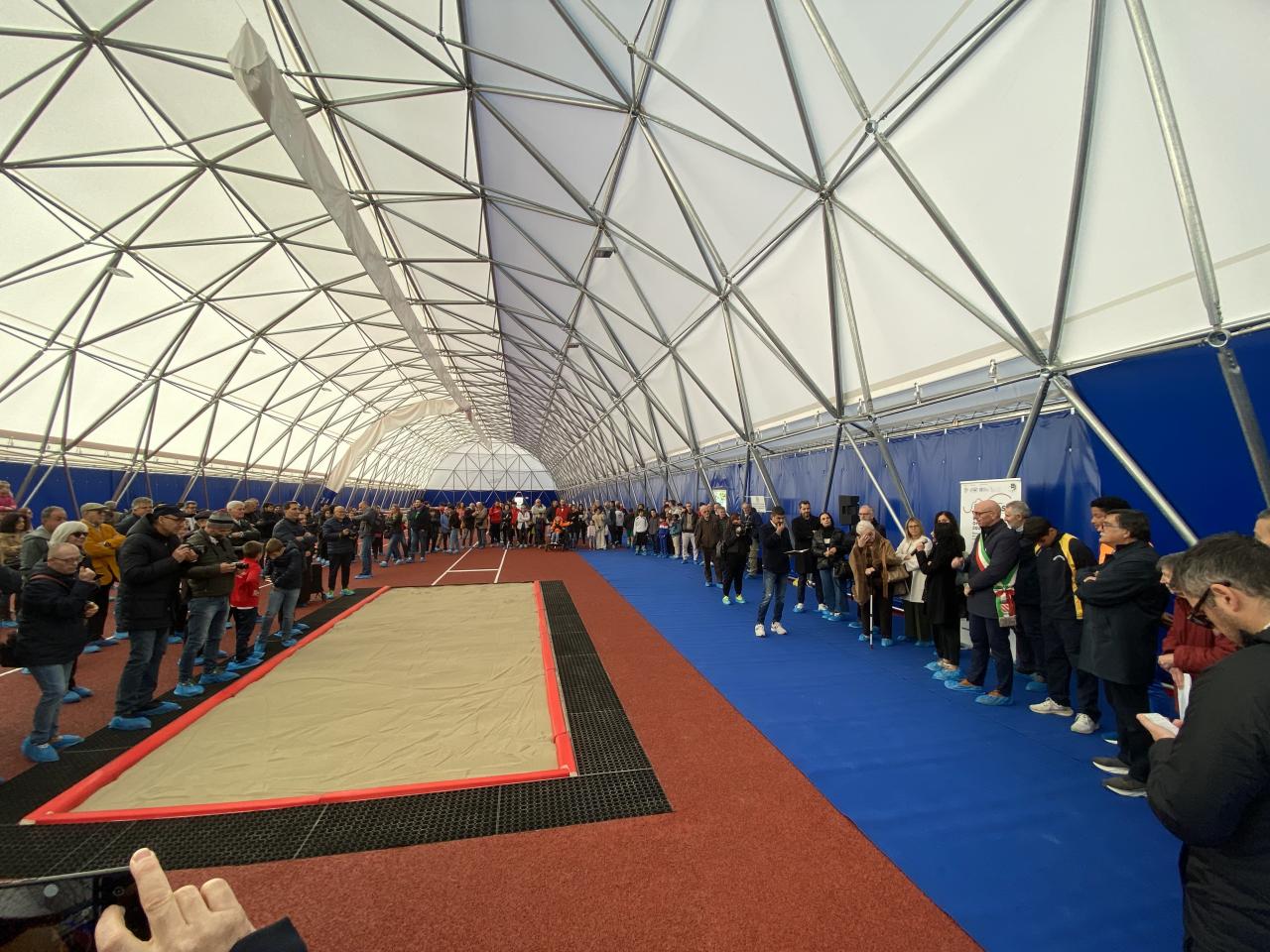
Through strong public-private partnerships and over €1 million in investments, the project has developed state-of-the-art learning spaces, including multimedia rooms, a co-working hub for young professionals, interactive laboratories and an indoor athletics facility. The long-term goal is to establish the P-TREE educational hub as a permanent resource center for interdisciplinary learning and skills development. This initiative ensures local youth are empowered to drive regional innovation and sustainability.
Key objectives for sustainability
A significant part of the project’s sustainability efforts involves energy-efficient learning environments and the reuse of existing infrastructure for educational purposes. The P-TREE hub, for example, transforms underutilized public buildings into dynamic educational spaces equipped with green technology, low-energy multimedia facilities, and digital learning tools. Additionally, the project encourages circular economy principles through workshops on sustainability topics, such as responsible consumption and ecological awareness.
The initiative aims to reduce rural depopulation by providing young people with opportunities to study and work locally. By addressing the lack of educational resources in the Umbrian Apennine region, GUALDO NEXT-GEN contributes to regional resilience and social cohesion.
Key objectives for aesthetics and quality
The initiative includes:
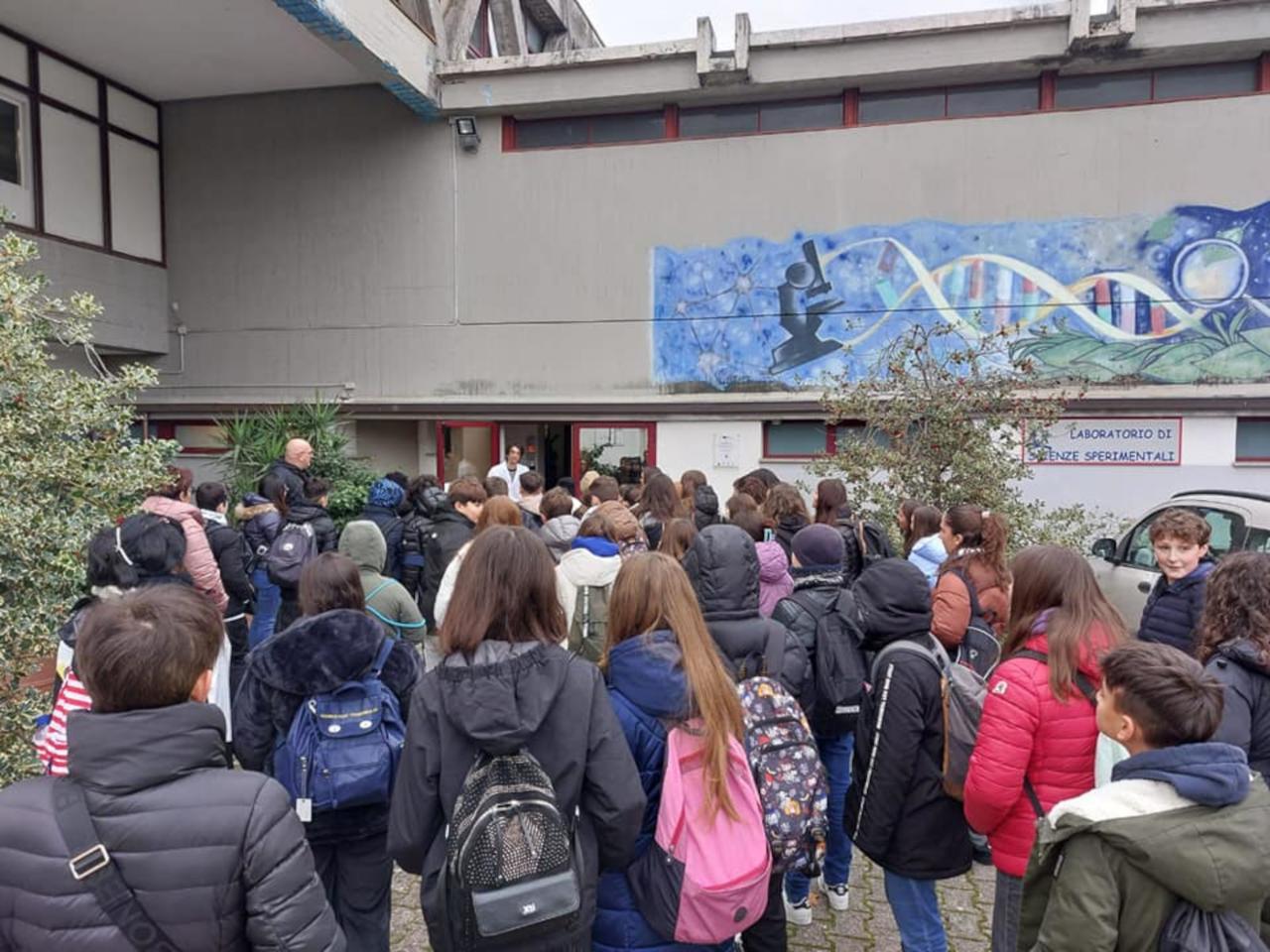
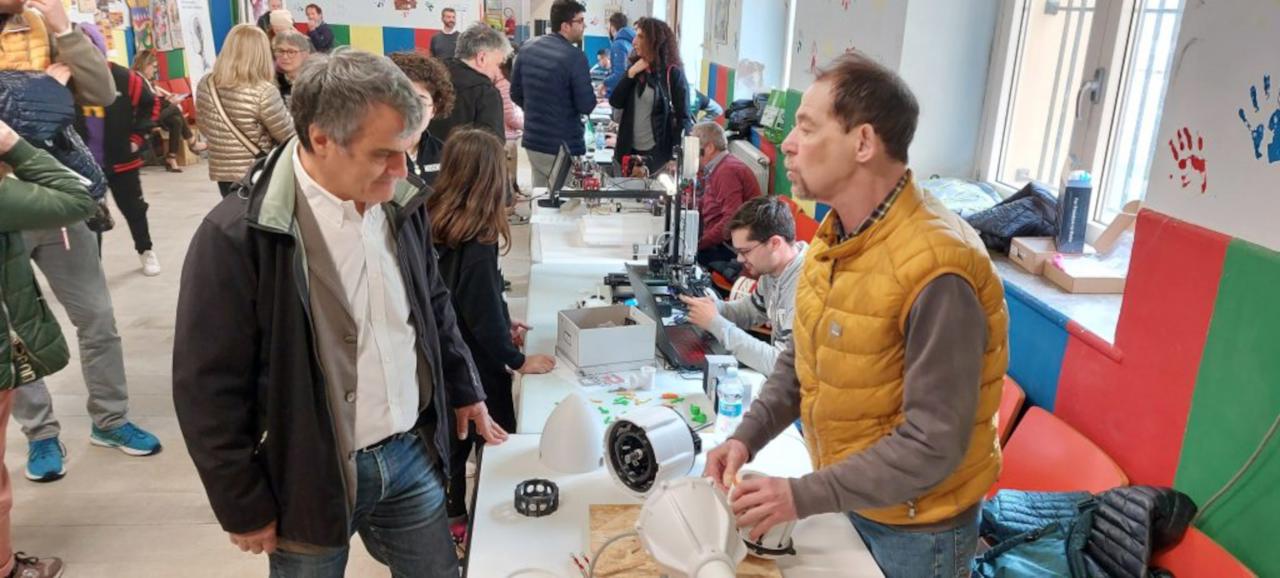
Interactive STEM labs that enhance experiential learning through hands-on experiments.
Music rehearsal spaces that provide artistic outlets for creative expression and emotional well-being.
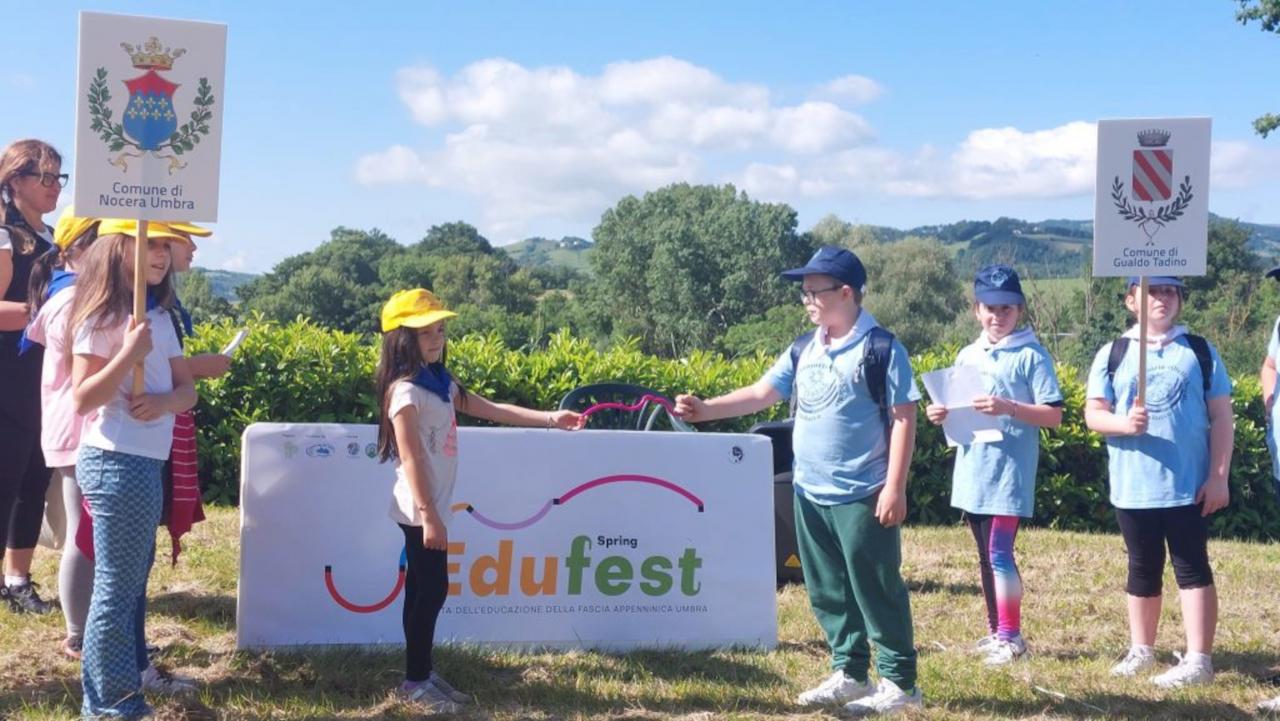
Cultural festivals such as Oktober.edu-FEST and Spring.edu-FEST, offering immersive educational experiences that connect students, families, and the broader community.
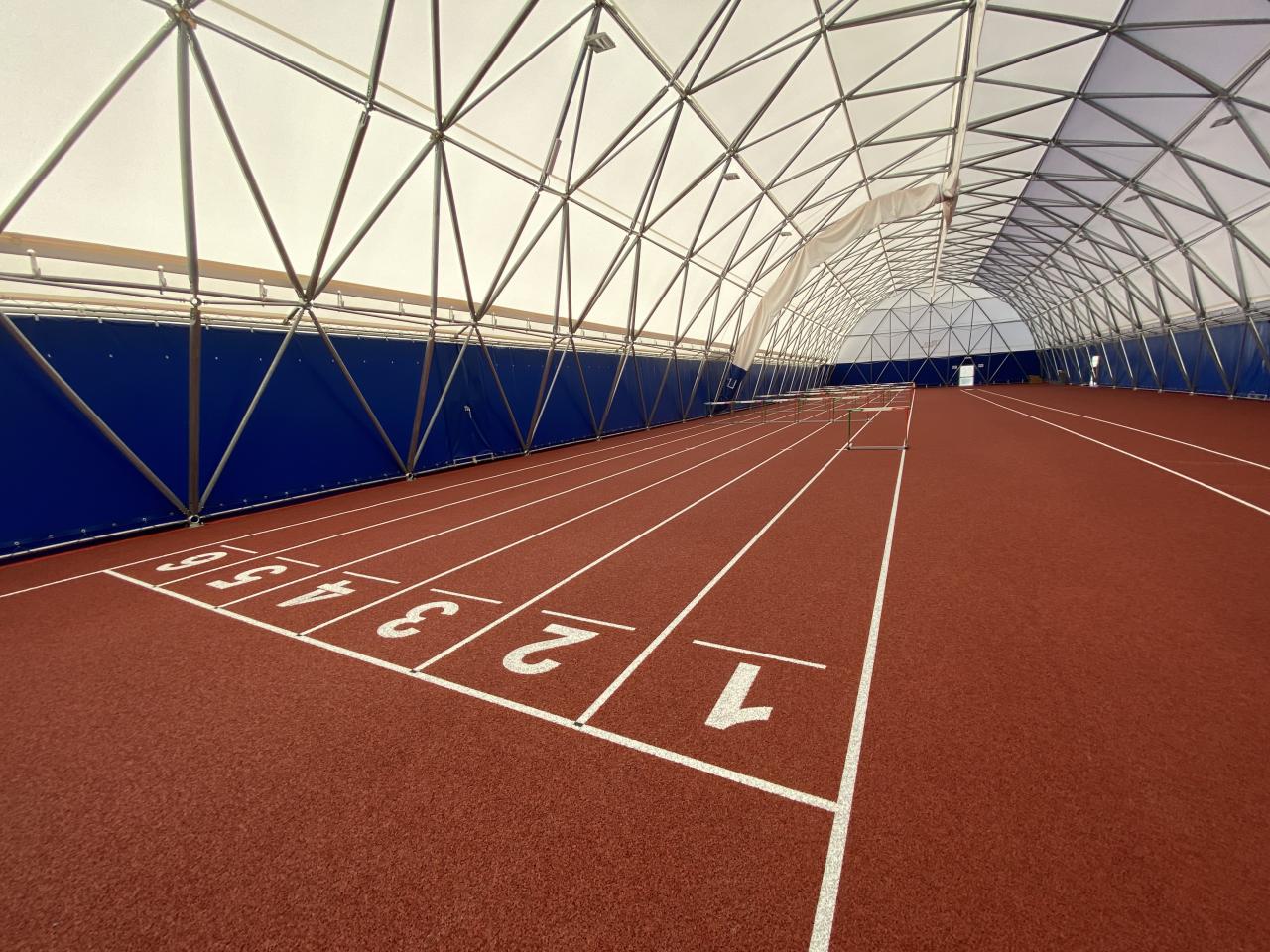
The first indoor athletics facility in Umbria region. The center is equipped with a 60 meter athletics track, a long jump track and spaces for the high jump and pole vault.
By combining modern design principles with inclusive educational strategies, GUALDO NEXT-GEN fosters a positive relationship between education and cultural identity, ensuring that learning is not only effective but also enjoyable and meaningful.
Key objectives for inclusion
GUALDO NEXT-GEN fosters co-creation by engaging local schools, universities, and youth organizations in the design and implementation of learning pathways. This participatory approach ensures that curricula and extracurricular activities are adaptive, needs-driven, and contextually relevant.
Furthermore, the initiative promotes digital inclusion by offering free access to online learning platforms, coding workshops, and STEM activities, equipping students with 21st-century skills essential for future employment.
How Citizens benefit
Local parents, teachers, and volunteers have been integral to the project's success, particularly through the association “Educare alla Vita Buona”, which brings together a network of families and educators. Public meetings, participatory workshops, and community-driven decision-making processes have shaped the educational programs, ensuring they are tailored to local needs.
The initiative has also fostered strong youth engagement, empowering students to take an active role in shaping their learning experiences. Through focus groups, student-led projects, and leadership programs, young participants have influenced the design of new learning environments, including the P-TREE educational hub.
The impact of this involvement has been significant:
Increased motivation and participation among students, leading to a more dynamic learning environment.
Strengthened social cohesion, as families, educators, and local organizations work together to support youth development.
Improved access to education, particularly for disadvantaged groups, due to direct input from those experiencing educational barriers.
Policy influence, as insights from citizen engagement are used to shape long-term educational strategies in the region.
By fostering an inclusive and participatory educational model, GUALDO NEXT-GEN ensures that its initiatives are not only effective but also deeply rooted in the community’s needs and aspirations.
Innovative character
A key innovation is its strong community and civil society engagement, with Educare alla Vita Buona playing a central role in co-designing educational programs with students, teachers, and families. Instead of relying solely on conventional school structures, the initiative repurposes public spaces into multifunctional learning hubs, such as the P-TREE educational hub, equipped with co-working spaces, multimedia labs, and creative environments. Unlike short-term educational projects, GUALDO NEXT-GEN ensures long-term sustainability through public-private partnerships, securing investments from businesses, universities, and third-sector organizations. It also introduces festival-based learning, with Oktober.edu-FEST and Spring.edu-FEST offering interactive workshops, cultural events, and community discussions, making education more engaging and participatory. A major innovation is the strong integration of digital and technological tools, including coding, robotics, and STEM disciplines, equipping students with future-ready skills. Collaborations with universities and tech companies provide access to cutting-edge resources, bridging the gap between education and the job market. Designed as a scalable and transferable model, GUALDO NEXT-GEN can be replicated in other rural and semi-urban areas, serving as a blueprint for future educational reforms. By merging community participation, digital transformation, and interdisciplinary collaboration, it establishes a new paradigm for education, making learning more inclusive, sustainable, and forward-thinking
Disciplines/knowledge reflected
The project involves collaboration between schools, universities (particularly the Department of Physics and Geology at the University of Perugia), museums (POST-Museum of Science in Perugia), and local associations (e.g., Atletica Tarsina, Accademia dei Romiti, and the Astronomical Association of Umbria). These entities work together to create a multidisciplinary approach to education, combining formal schooling with extracurricular activities, workshops, and events.
For example, the partnership with the University of Perugia and the POST-Museum has introduced STEM-focused activities, motivating students in a peripheral and economically depressed area to engage with scientific disciplines. Meanwhile, cultural and artistic associations contribute to creative and social development through music, art, and community events.
The added value of this interdisciplinary collaboration lies in the creation of a holistic educational ecosystem. By merging formal education with experiential learning, the initiative not only reduces educational poverty but also fosters a sense of community and belonging. The interaction between different fields has led to innovative solutions, such as the establishment of the Polo Territoriale di Eccellenza Educativa (P-TREE), a physical hub for educational activities, co-working spaces, and community engagement. This integrated approach ensures that students receive a well-rounded education, preparing them for future challenges while revitalizing the local community.
Methodology used
GUALDO NEXT-GEN combines formal education with experiential, hands-on learning, integrating traditional classroom instruction with interactive workshops, mentorship programs, and project-based learning. This ensures a dynamic and engaging educational experience that fosters both technical and personal development.
Public-Private Partnerships – Collaboration with universities, businesses, and third-sector organizations strengthens the initiative’s impact. Partnerships with technology firms and research institutions enable students to access cutting-edge tools and methodologies, while corporate involvement ensures real-world applicability. Transformation of Public Spaces into Learning Hubs – The project repurposes existing community spaces, into educational innovation hubs. The P-TREE educational hub provides students with collaborative workspaces, multimedia labs, and STEM-focused environments that enhance learning beyond traditional school settings.
Mentorship and Community Involvement – A key aspect of the initiative is its emphasis on intergenerational mentorship. Local professionals, university students, and trained educators serve as mentors, providing guidance and support to young learners and fostering a culture of knowledge exchange and community building. Festival-Based Learning and Cultural EngagThe initiative leverages educational festivals, such as Oktober.edu-FEST and Spring.edu-FEST, to promote interactive and experiential learning. These events provide an immersive educational platform, engaging youth through workshops and hands-on activities, integrates digital skills development into its core methodology, ensuring students gain experience with coding, robotics
How stakeholders are engaged
At the regional level, the Umbria Region has provided institutional and financial support, ensuring the integration of the initiative’s methodologies into high schools and vocational training centers. Educare alla Vita Buona has been key in aligning policies with educational needs and securing funding from Fondazione Perugia, which has sustained major projects like WELL-TREE and MEET.
At the national level, the project has secured funding from governmental education programs, including collaboration with the national network “Con i Bambini”, allowing large-scale investments to combat educational poverty. Educare alla Vita Buona has played a crucial role in accessing these resources, leveraging its expertise in coordinating large-scale educational projects and facilitating stakeholder participation. Universities have contributed by developing STEM-focused educational models and innovative pedagogies.
At the European level, GUALDO NEXT-GEN aligns with EU policies on youth empowerment and inclusion, establishing links with Erasmus+ to facilitate student and teacher exchanges. The project integrates New European Bauhaus principles, reinforcing its sustainability and innovation. Educare alla Vita Buona has helped connect the initiative with European best practices, making it a scalable model for other rural regions.
Global challenges
Youth Unemployment and Skills Gap: Through its focus on STEM education and partnerships with universities and science museums, the initiative equips young people with skills relevant to the modern job market. The project addresses the global skills gap and prepares youth for future employment opportunities, particularly in high-demand sectors.
Social Exclusion and Community Fragmentation: The initiative fosters social inclusion by creating a community educante (educational community) that brings together schools, families, local authorities, and third-sector organizations.
The project aims to reverse the demographic decline typical of rural and peripheral regions. The establishment of the Polo Territoriale di Eccellenza Educativa (P-TREE) as a hub for educational and community activities helps retain young people in the area. Lifelong Learning and Adult Education: The initiative promotes lifelong learning through events like Oktober.edu-FEST, which targets adults, teachers, and educators. Sustainable Development Goals (SDGs): The project aligns with several SDGs, including SDG 4(Quality Education) and SDG 1 (No Poverty), by providing equitable access to education and supporting vulnerable groups. It also contributes to SDG 8 (Decent Work and Economic Growth) by preparing youth for future employment and SDG 11 (Sustainable Cities and Communities) by fostering inclusive and resilient communities.
Learning transferred to other parties
Interdisciplinary Approach: The integration of STEM education (through partnerships with universities and science museums) with arts, culture, and sports (via local associations) provides a holistic educational model. This multidisciplinary approach can enrich learning experiences and engage students in diverse fields. Polo Territoriale di Eccellenza Educativa (P-TREE): The establishment of a physical hub for educational activities, co-working spaces, and community engagement is a replicable concept. Such hubs can serve as permanent centers for educational excellence, fostering collaboration between public and private entities. Festival and Events: The organization of annual educational festivals like Oktober.edu-FEST (for adults, teachers, and educators) and Spring.edu-FEST (for students) can be replicated to promote lifelong learning and community involvement.
Methodology for Tackling Educational Poverty: The project’s methodology, combining formal education with extracurricular activities to prevent school dropout and motivate students, can be applied in other regions.
Partnership Building: The initiative’s success in forging partnerships between public institutions, universities, museums, and local associations can serve as a model for other areas. Use of Technology and Multimedia: The project’s use of multimedia tools and digital resources. Focus on STEM and Future Skills: The emphasis on motivating students toward STEM disciplines through partnerships with universities and science museums is a replicable strategy. Sporting activity as a vehicle of involvement can also be exported.
Next steps
Key future steps include:<br />
1. Expansion of the P-TREE Hub: The Polo Territoriale di Eccellenza Educativa will grow to include more co-working spaces, digital labs, and green areas, ensuring functionality and aesthetic appeal in line with NEB principles.<br />
2. STEM and Green Education: New programs on STEM and sustainability will be introduced, aligning with NEB’s focus on innovation and environmental stewardship.<br />
3. Community Engagement: The initiative will strengthen its community educante model by involving locals, especially youth, in co-designing activities and spaces, reflecting NEB’s inclusivity and collective creativity principles.<br />
4. Festivals and Cultural Events: Annual events like Oktober.edu-FEST and Spring.edu-FEST will continue, incorporating themes of sustainability and cultural heritage, in line with NEB’s emphasis on aesthetics and cultural richness.<br />
5. Digital Expansion: Enhanced use of digital tools will create more interactive and accessible learning experiences, particularly for remote or disadvantaged students, aligning with NEB’s principle of leveraging technology for inclusive solutions.<br />
NEB Values Incorporated So Far<br />
• Sustainability: Through STEM programs and energy-efficient designs for the P-TREE hub.<br />
• Inclusivity: By involving diverse stakeholders and focusing on marginalized groups.<br />
• Aesthetics: Through the design of the P-TREE hub and culturally rich events.<br />
Expected Steps for NEB-Aligned Implementation<br />
1. Sustainable Design: Future expansions will use sustainable materials and energy-efficient designs.<br />
2. Inclusive Co-Creation: Continued community involvement in decision-making, ensuring all voices are heard.<br />
3. Aesthetic Integration: Incorporating local cultural heritage into educational programs and spaces.<br />
4. Green Education: Teaching sustainability topics like climate change and renewable energy.<br />
5. Digital Innovation: Expanding digital tools to bridge gaps and promote inclusivity.