Gradara Beyonds The Walls
Basic information
Project Title
Full project title
Project Description
Current stage development
Project Region
Municipality
EU Programme or fund
Description of the project
Summary
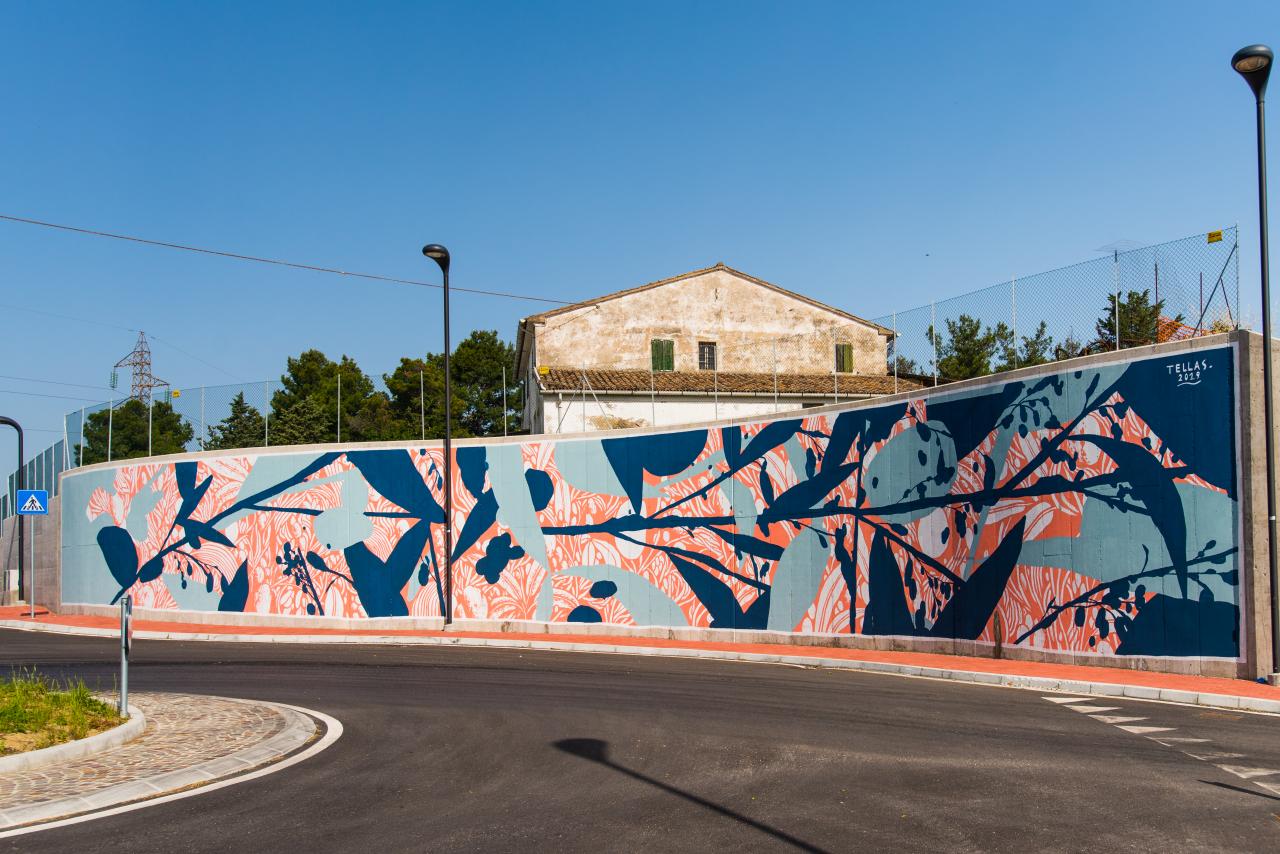
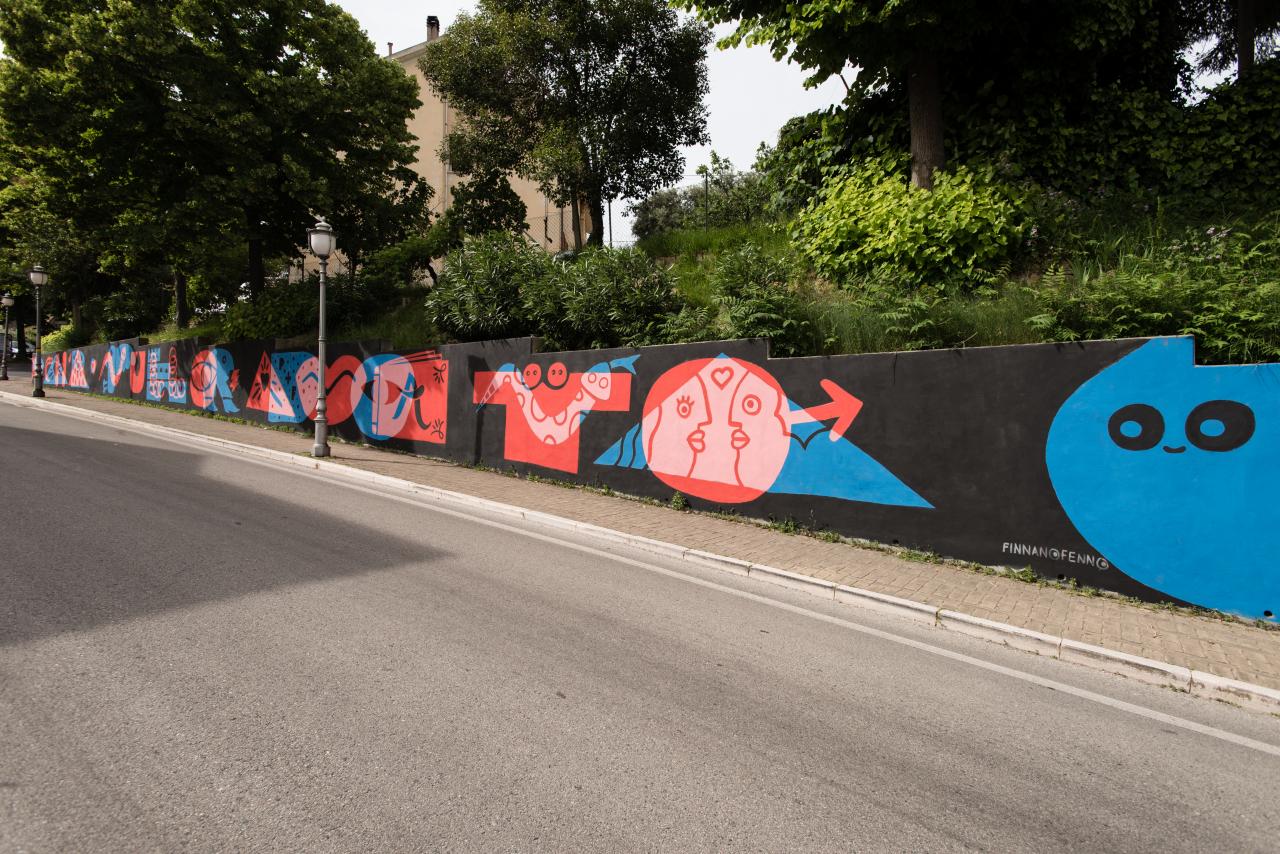
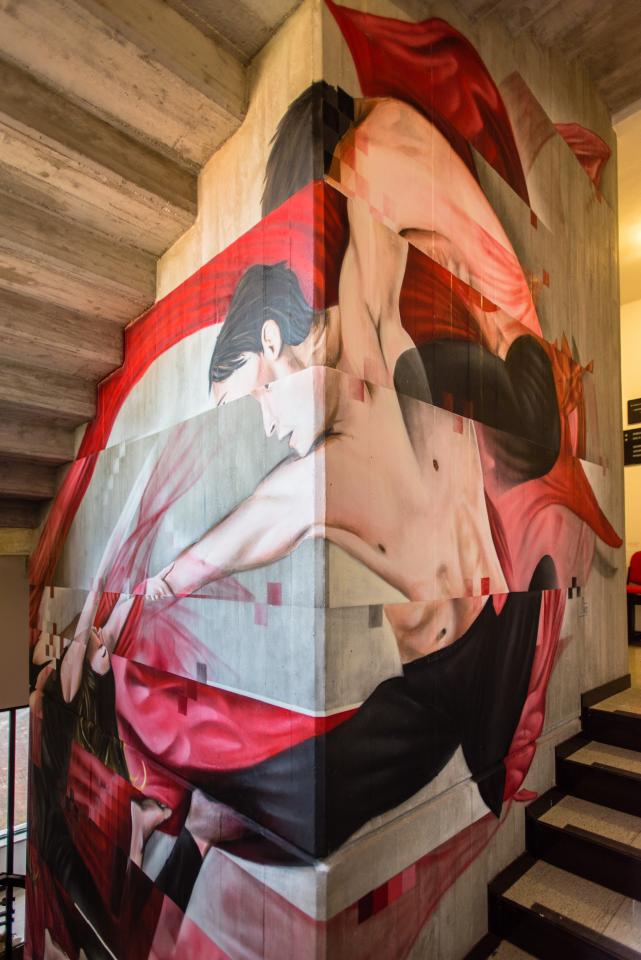
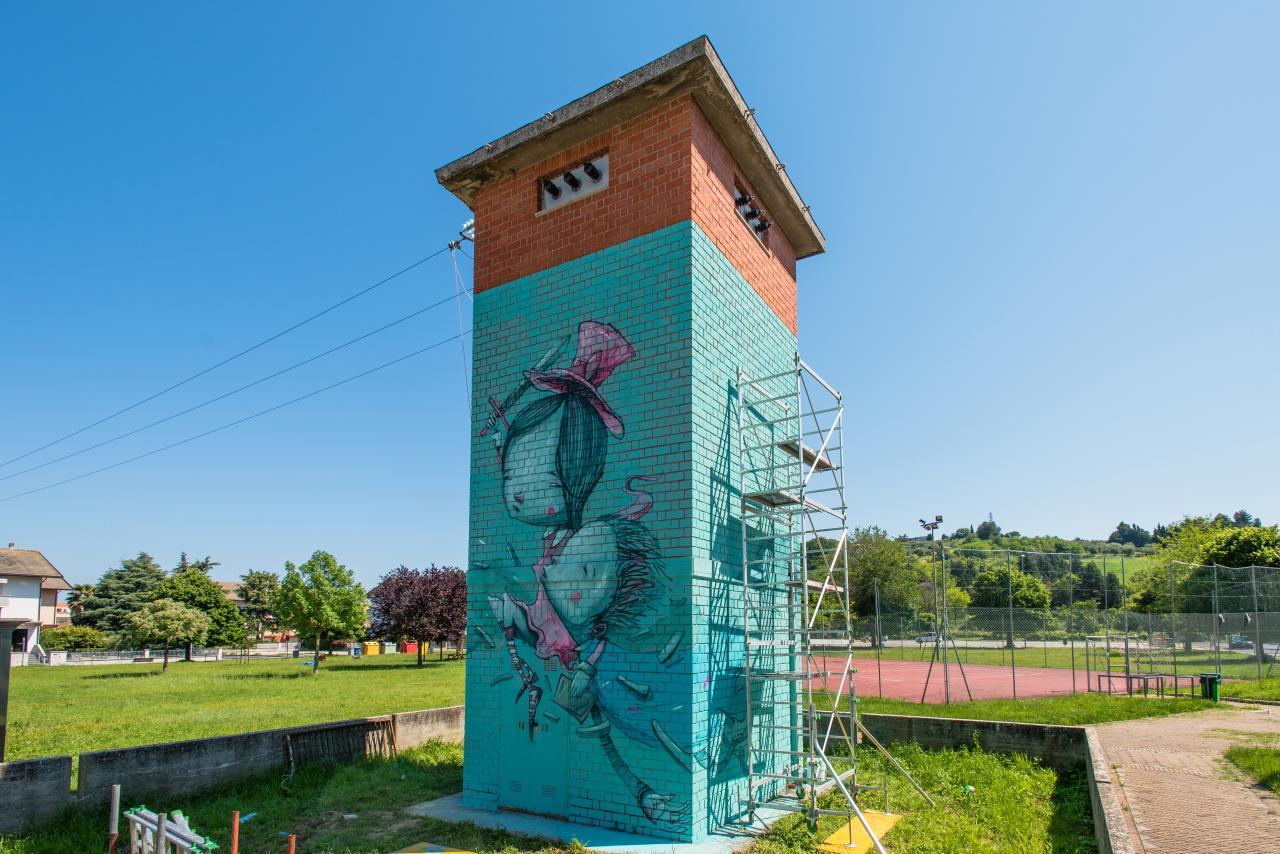
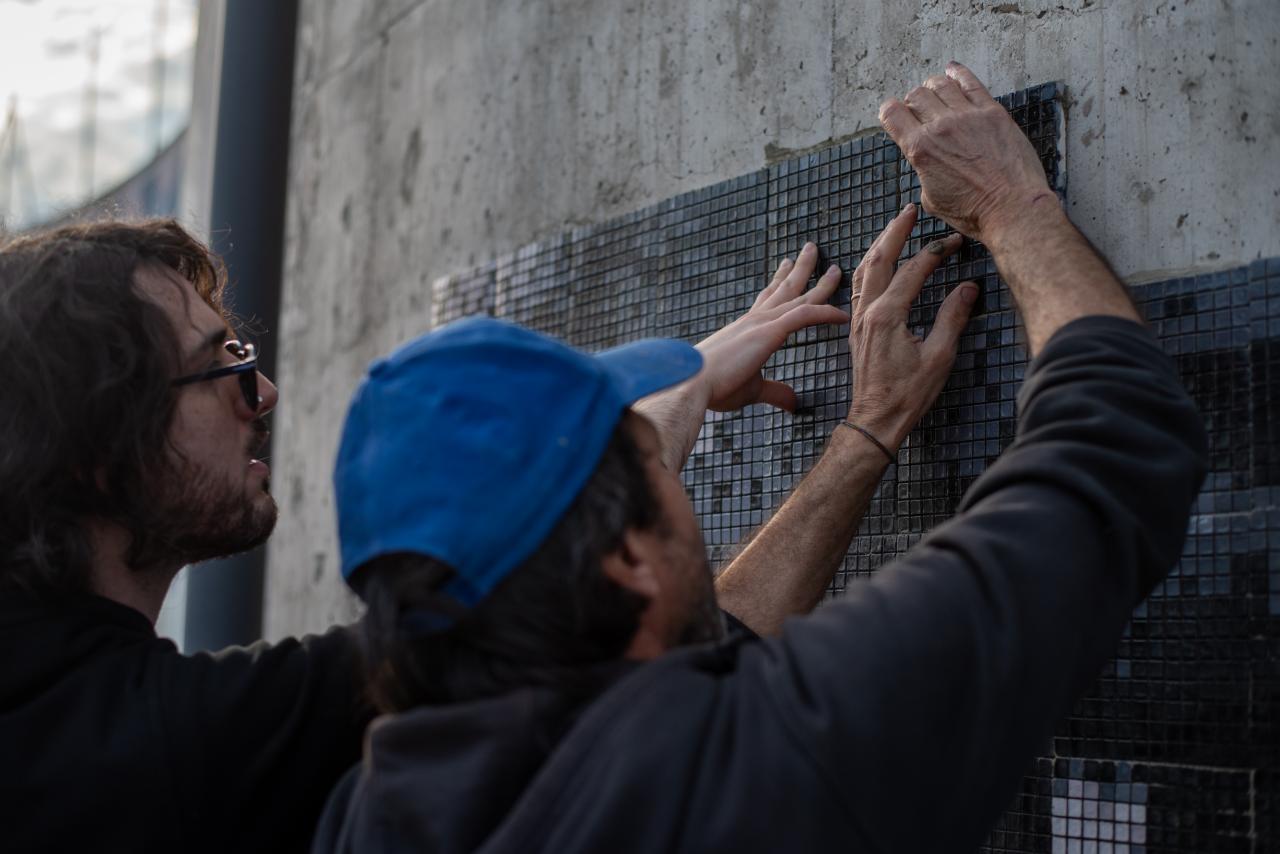
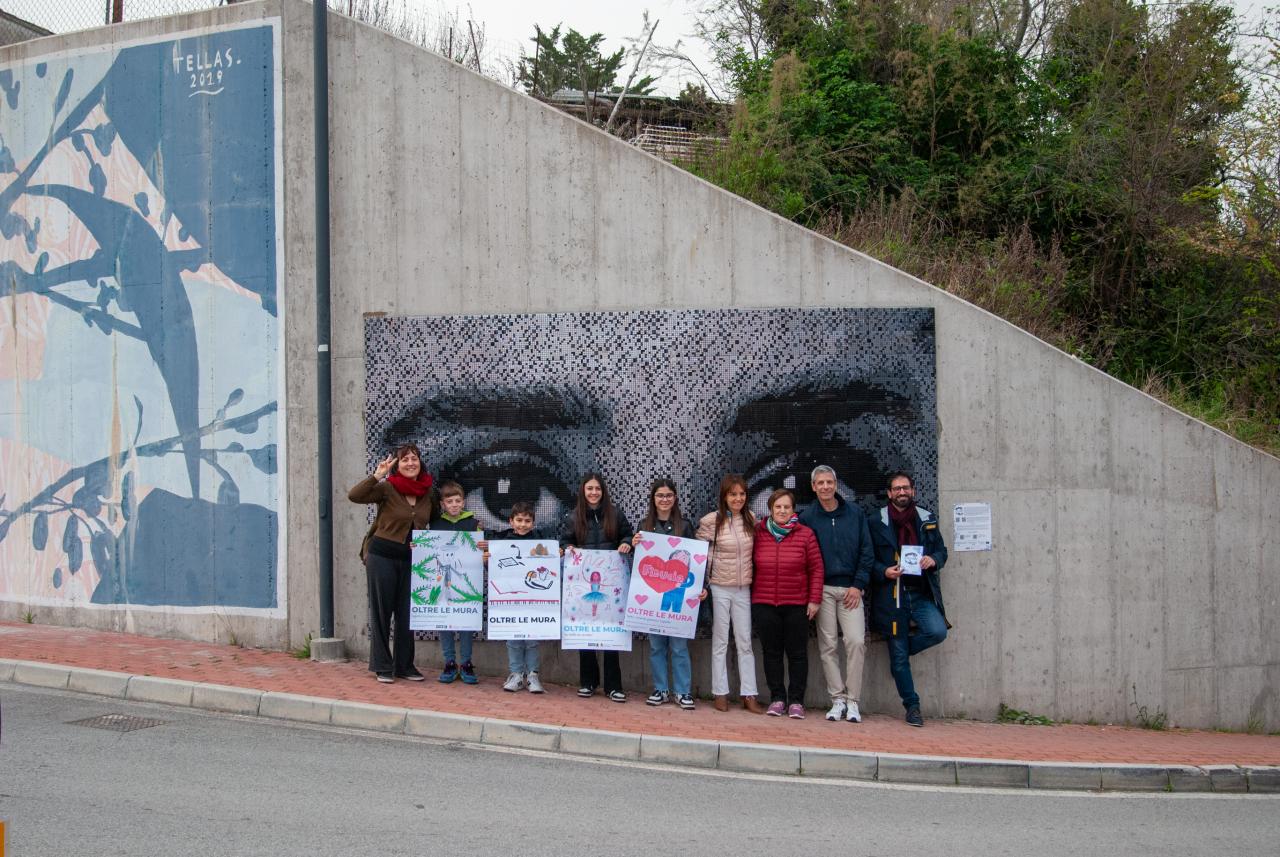
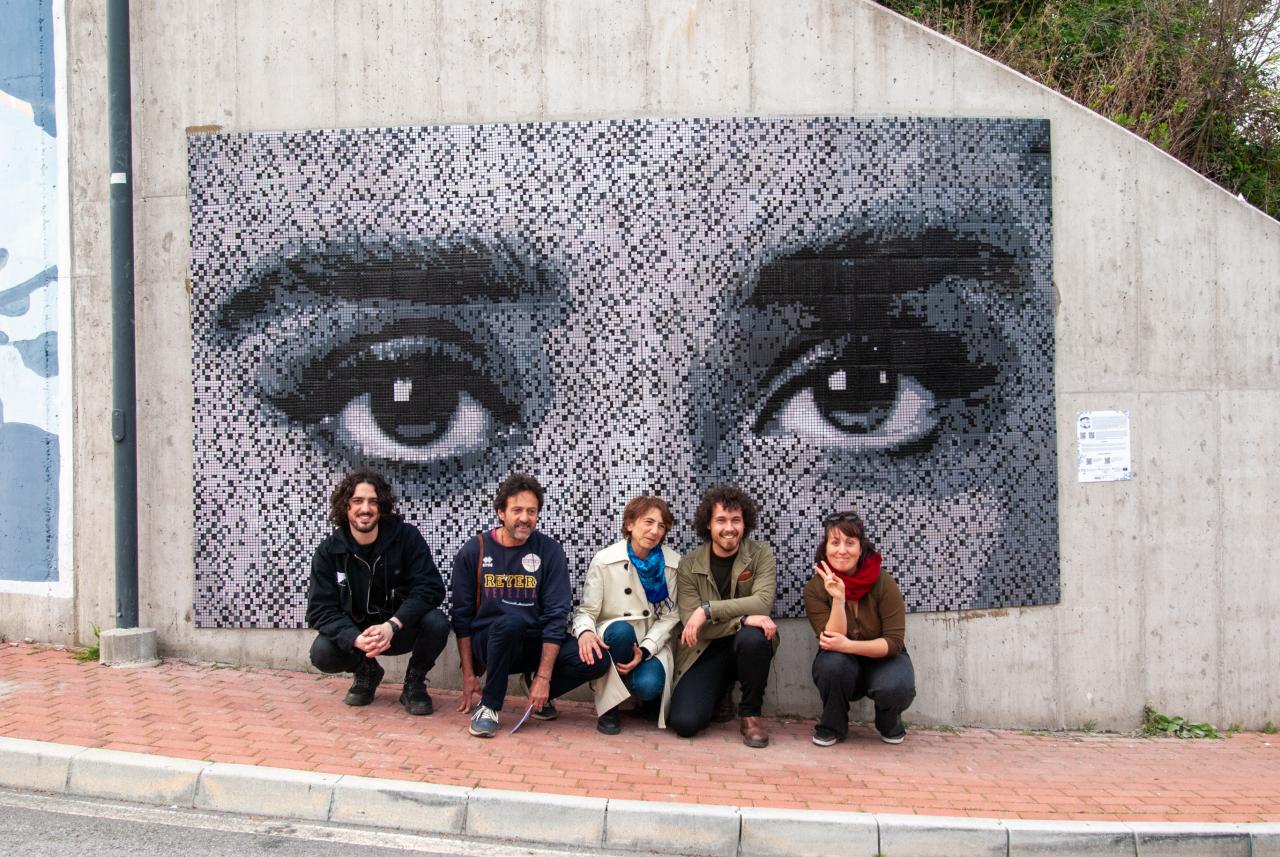
Launched in 2018 with the International Study Days on Francesca da Rimini, the project has promoted a contemporary reinterpretation of this iconic figure from Dante’s Divine Comedy. In 2019, six Italian street artists created murals offering modern perspectives on Francesca. Between 2020 and 2021, the initiative evolved into a participatory process, involving students with disabilities from Viale Trieste School in Pesaro in the creation of a collective artwork for the “Lovers’ Walk.” The spontaneous interaction of citizens with this piece highlighted the potential of public art as a catalyst for social cohesion.
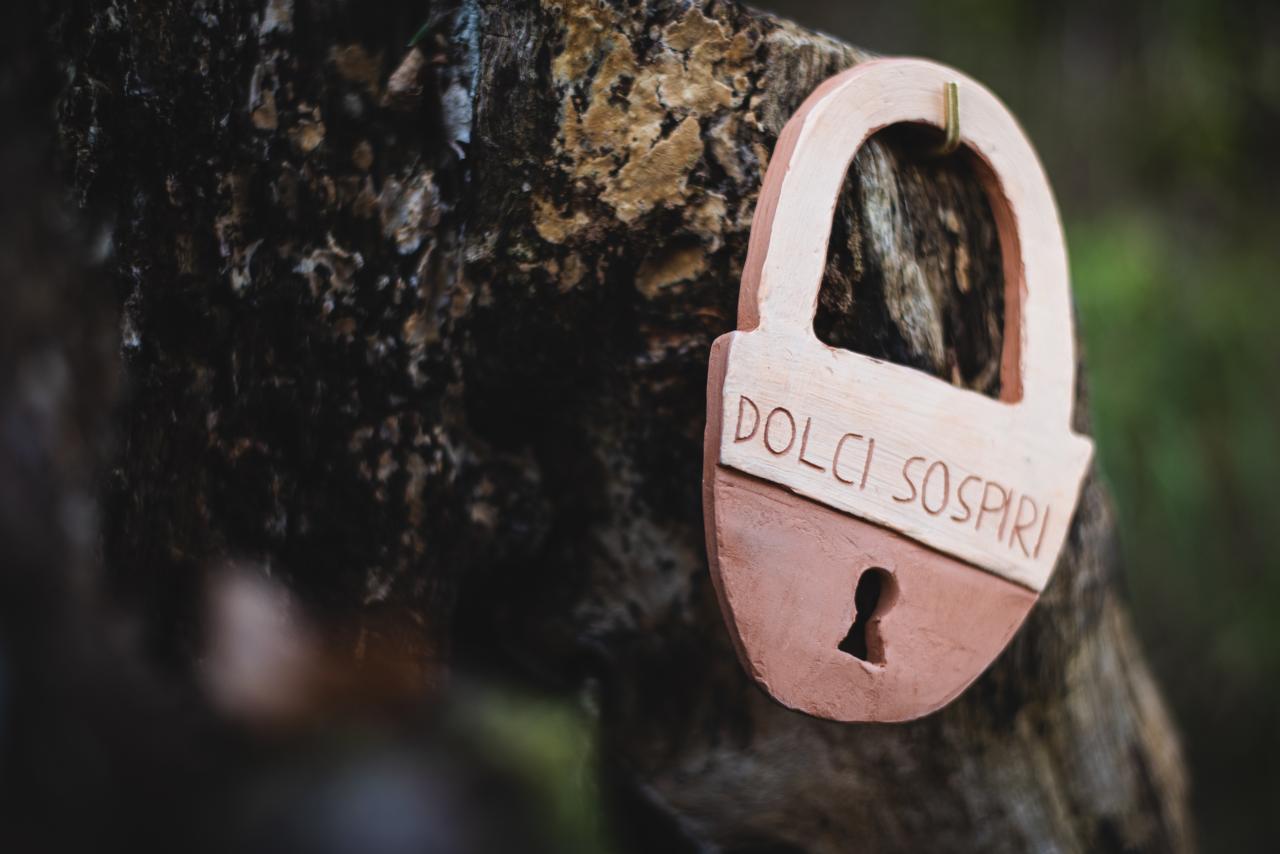
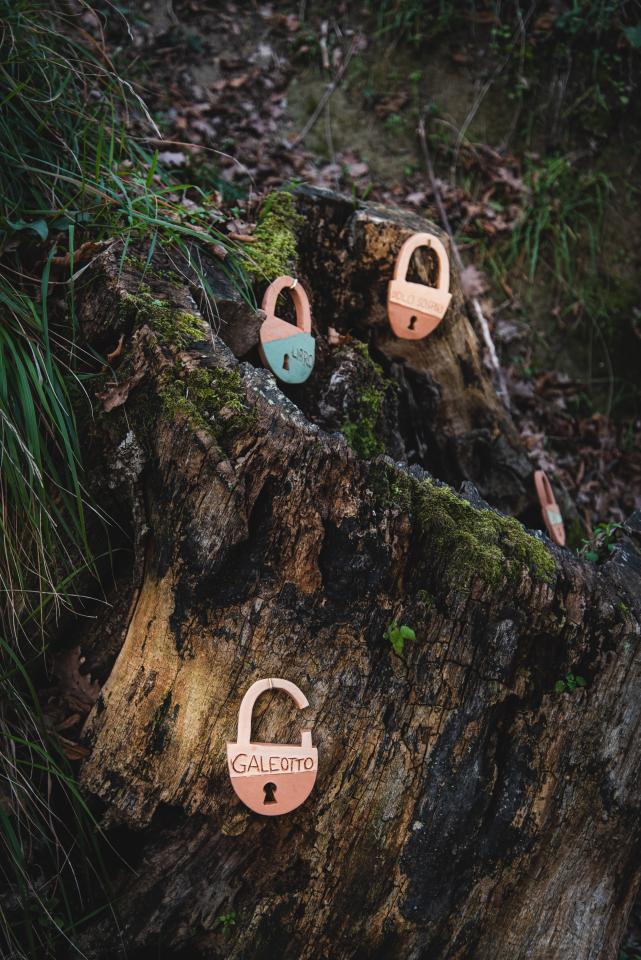
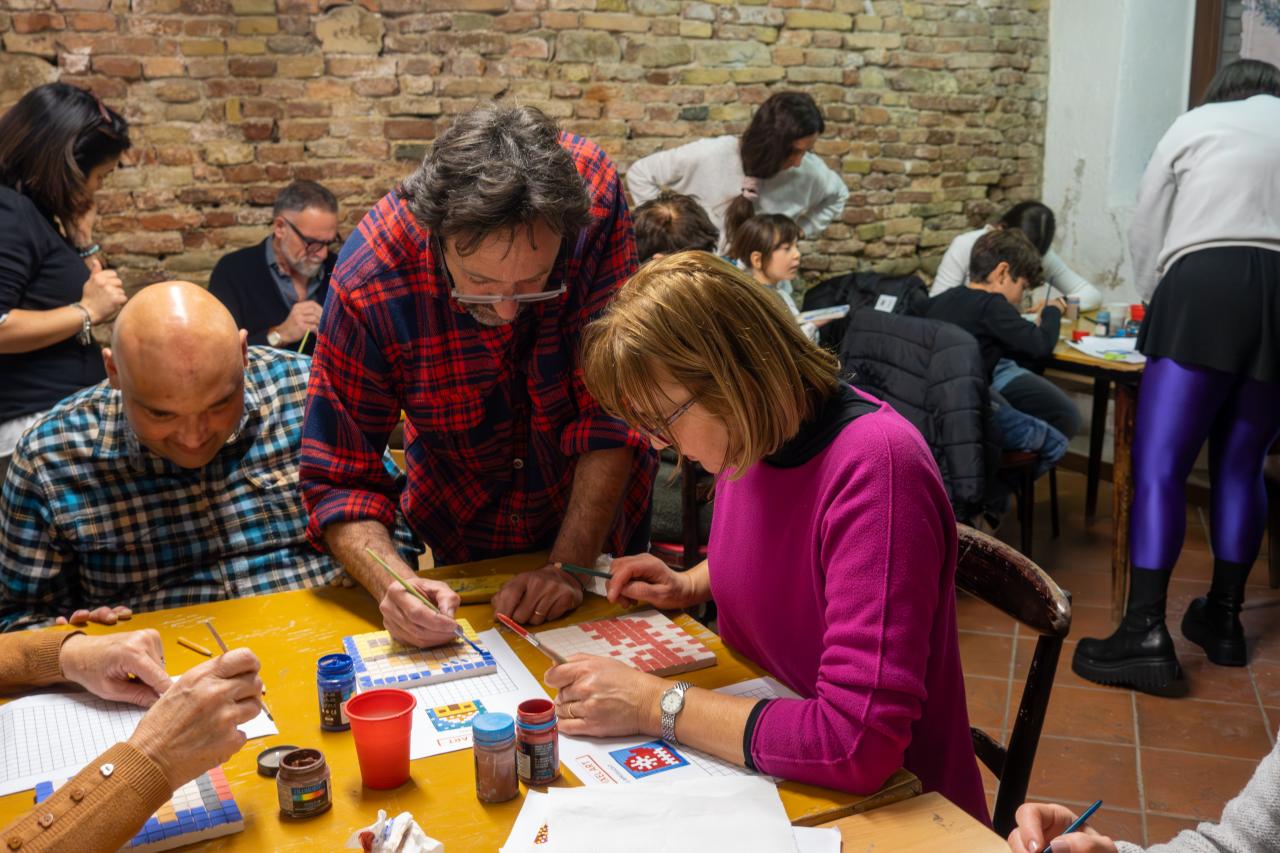
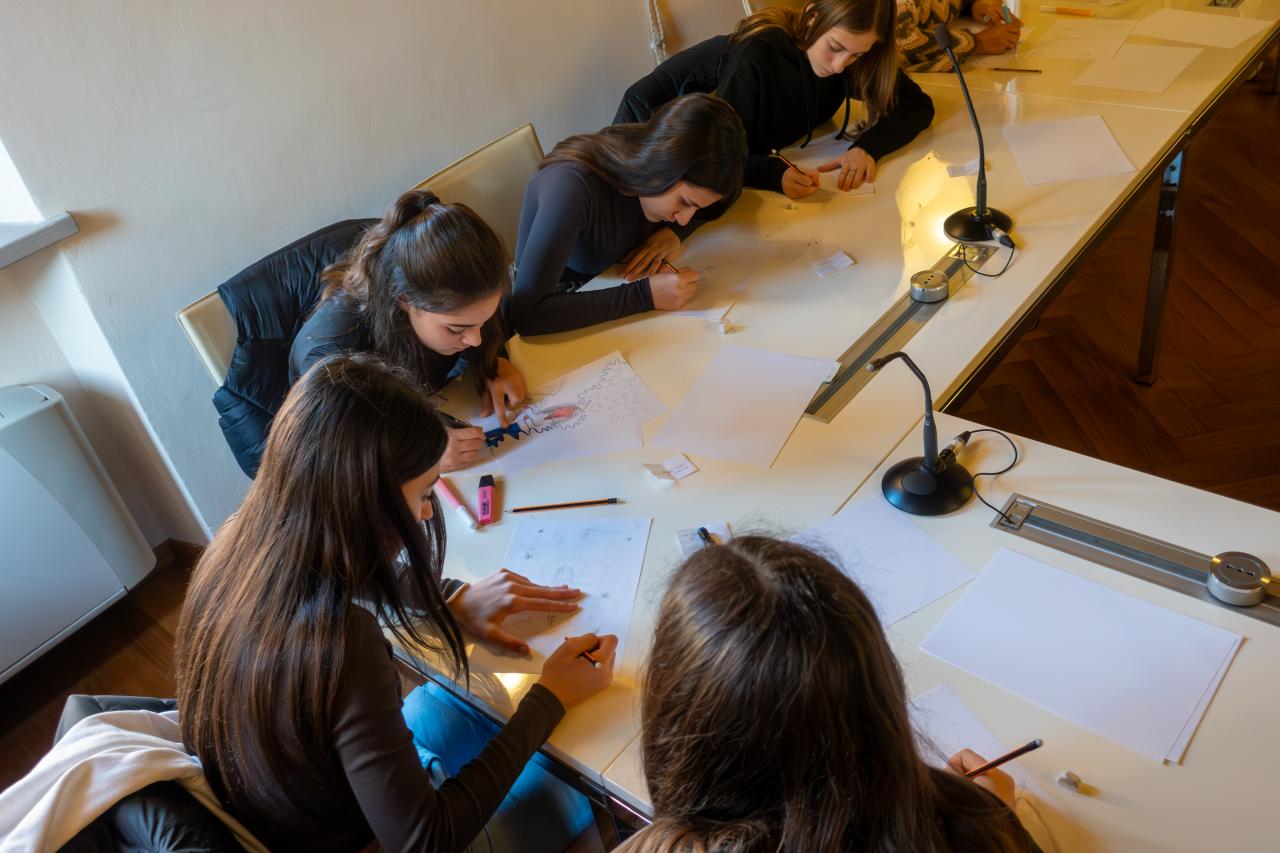
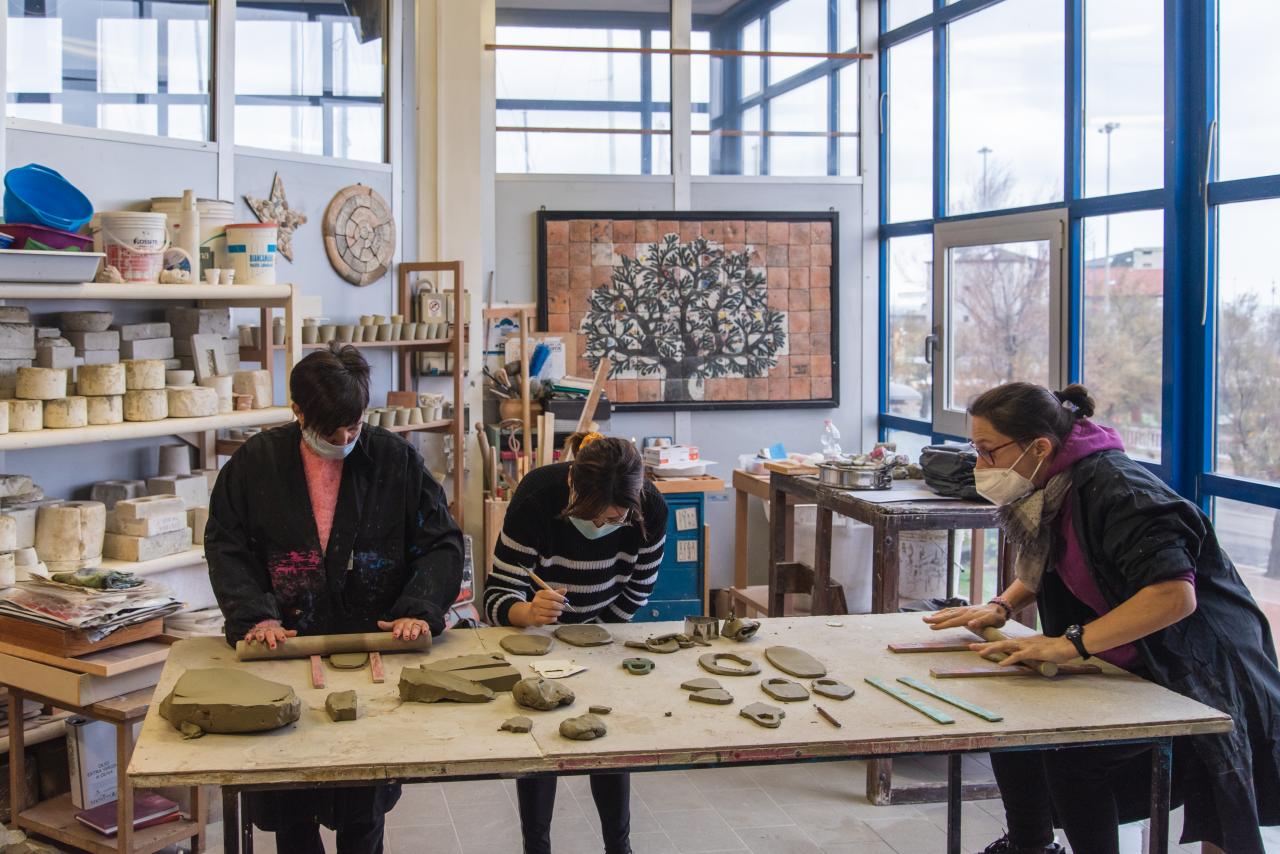
In 2023–2024, the project strengthened community ties through ceramic workshops and educational activities addressing themes like individual freedom and emancipation. These contributions inspired an innovative artwork by visual artist Giovanni Contardi and ceramist Roberto Pompucci, enhanced with an augmented reality experience sharing reflections gathered from meetings with citizens and students from Gradara’s Lower Secondary School.
Expected outcomes include 1) the creation of an accessible open-air public art museum; 2) the promotion of education on beauty and care for shared spaces with a focus on environmental and social sustainability; 3) the reinforcement of cultural identity through active participation and innovative artistic experiences. The project aspires to make Gradara a model of dialogue between contemporary art and historical tradition, fostering shared narratives and inclusive, sustainable spaces of beauty, replicable in other European contexts.
Key objectives for sustainability
- Cultural sustainability is expressed through the regeneration of local intangible heritage, transforming a historical myth into a tool for social innovation. The open-air museum integrates historical memory with contemporary art, fostering intergenerational dialogue that ensures the transmission and evolution of cultural values over time.
- In terms of social sustainability, the project has developed a civic participation model through inclusive workshops involving diverse groups, including people with disabilities. The spontaneous appropriation of art by citizens, as seen in their interactions with ceramic works, highlights the project’s success in fostering a sense of belonging and shared responsibility.
- The environmental dimension is reflected in the revitalization of existing public spaces without new constructions. Digital technologies, like augmented reality, minimize material impact while enhancing cultural experiences. The project also redevelops a public park, The Park of Emotions (in Italian, Parco delle Emozioni), into an accessible, inclusive ecosystem through the planting of native species, promoting biodiversity and micro-habitats for pollinators, key to ecological balance. This action improves environmental quality and raises awareness of urban nature conservation.
A site-specific artwork, co-designed with the community, transforms the park into a cultural and educational space, merging art with environmental awareness.
The initiative’s strength lies in integrating beauty, inclusion, and sustainability through a systemic approach, offering a replicable model for communities seeking to enhance their heritage in contemporary ways.
Key objectives for aesthetics and quality
Key objectives for inclusion
How Citizens benefit
This initial phase significantly enhanced democratic access to culture, removing physical and symbolic barriers between citizens and artworks.
The second phase deepened participation by actively involving specific groups, such as students with disabilities from Viale Trieste School in Pesaro. Their creative input led to a site-specific artwork along the “Passeggiata degli Innamorati”, sparking spontaneous interaction within the local community. The modifications and personal touches added by citizens reflect a strong sense of emotional and cultural ownership, transforming art into a catalyst for social cohesion.
The current phase further expands participation through ceramic workshops and educational activities with schools, fostering reflection on themes like individual freedom and emancipation. Ideas emerging from these activities have inspired new artworks and been integrated into an augmented reality experience, creating a continuous dialogue between art and the community.
In the upcoming implementation phase, the community will remain central through a co-design approach, actively shaping new artworks and contributing to the redevelopment of public spaces, including the urban park targeted by the project. This inclusive process will strengthen the sense of belonging and shared responsibility for the city’s cultural and environmental heritage.
This evolving engagement impacts three key areas:
1) transforming citizens from passive spectators to active co-creators;
2) fostering new collective narratives tied to local identity and values;
3) establishing a cultural participation model replicable in other contexts.
The project’s evolution is driven by continuous dialogue with the community.
Innovative character
- Narrative innovation: The project overturns the conventional interpretation of Francesca da Rimini, transforming her from a controversial figure into a symbol of female emancipation. This innovative approach demonstrates how historical heritage can be reinterpreted through a contemporary lens to address current social issues.
- Methodological innovation: Unlike traditional temporary exhibitions or permanent installations, the project has developed an evolving model that grows over time through different phases and artistic languages. The spontaneous interaction of citizens with the artworks—often perceived as vandalism—is instead embraced as a form of creative participation.
- Technological innovation: The integration of augmented reality transcends traditional approaches to art engagement, creating a layered experience that blends the physical with the digital. This solution not only enriches the artistic encounter but also documents and makes the participatory process itself accessible, turning it into an integral part of the artwork.
- Social innovation: The project challenges the traditional museum paradigm by creating a distributed cultural space where citizens – including groups often at the margins, such as young people with disabilities – become co-creators of cultural heritage. Transforming public space into a permanent creative laboratory represents an innovative model of cultural democracy.
The multidimensional nature of this innovation makes the initiative a significant example of how cultural heritage can be reimagined as a catalyst for social and urban transformation.
Disciplines/knowledge reflected
- Historical and literary studies: The Francesca da Rimini International Study Center provided the scientific foundation for a critical reinterpretation of Francesca da Rimini. Academic research was transformed into accessible cultural content, fostering contemporary reflections on universal themes.
- Contemporary visual arts: Street art, ceramics, and digital art merged into a multifaceted artistic language. The collaboration among artists from different disciplines produced site-specific works that reinterpret the myth in a modern key, transforming public spaces into an open-air museum.
- Pedagogy and social sciences: Educators from Cooperativa Labirinto translated the myth into inclusive educational experiences, actively involving students with disabilities and youth from various backgrounds.
This participatory approach promotes social inclusion and empowers new generations.
- Digital technology: The integration of digital technologies enriched the artistic experience, creating a dialogue between physical and virtual dimensions, offering new ways to engage with cultural heritage.
- Environment and sustainability: The redevelopment of a public park exemplifies environmental sustainability. Planting native species, creating micro-habitats for pollinators, and using recycled materials for artworks support biodiversity and sustainable urban green management. Educational activities promote environmental awareness and foster community stewardship of natural spaces.
The interaction among these disciplines democratizes culture through diverse expressive languages, establishes an innovative model of a dispersed museum, and transforms a historical myth into a tool for contemporary reflection, transcending traditional disciplinary boundaries and offering an integrated, inclusive, replicable and sustainable cultural experience.
Methodology used
The process is structured into two interconnected phases: design and implementation (Phase 1) and consolidation (Phase 2).
Phase 1 – Design and 1st implementation:
The project emerged from a co-creation process involving cultural institutions, artists, educators, students, and citizens. Key activities include:
- Context analysis and needs mapping: Historical and social studies identified Francesca da Rimini’s symbolic potential and relevance to Gradara’s cultural identity.
- Co-design workshops: Participatory meetings with the community and local stakeholders defined project guidelines, fostering a bottom-up approach that values local skills and expectations.
- Artistic experimentation: Collaboration among visual artists, ceramicists, and digital developers led to site-specific artworks integrated into the urban fabric, enhanced by augmented reality.
Phase 2 – 2nd Implementation and consolidation:
This phase relies on collaborative and sustainable governance:
- Participatory public space regeneration: The revitalization of an urban park through shared management, involving citizens, schools, and associations in planting and green care, focusing on biodiversity and eco-friendly materials.
- Educational and awareness programs: Training activities on art, environment, and active citizenship to promote sustainability and inclusion.
- Continuous monitoring and evaluation: An impact assessment system with qualitative and quantitative indicators ensures the model’s replicability in other European contexts.
This methodology fosters a resilient cultural ecosystem, evolving through continuous interaction between art, community, and territory, transforming Gradara into a living laboratory of social, cultural, and environmental innovation in line with NEB values.
How stakeholders are engaged
Phase 1 (Design and 1st Implementation):
- European level: The project aligned with the ERDF Operational Programme, supporting regional development and cultural innovation, promoting urban regeneration, and enhancing intangible heritage.
- Regional level: The Marche Region, through the Department of Culture, provided institutional and strategic support, fostering project sustainability and links with other cultural initiatives.
- Local level: The Francesca da Rimini International Study Center provided the scientific-cultural basis for an innovative reinterpretation of Francesca da Rimini.
Stakeholders:
- Educational institutions: Viale Trieste School in Pesaro involved students with physical/cognitive disabilities in creating a collective artwork.
- Social Organizations: Cooperativa Labirinto promoted inclusive activities.
- Artists: Italian street artists reinterpreted Francesca da Rimini through contemporary perspectives.
- Digital Professionals: Nanometri Collective integrated digital technologies and augmented reality.
Phase 2 (2nd Implementation):
The current phase focuses on strengthening community engagement through co-design and environmental-social sustainability.
Stakeholders:
- Gradara Innova: Coordinates and monitors implementation.
- MARV Museum of Gradara: Cultural partner for project promotion.
- G. Lanfranco Comprehensive Institute (Gradara/Gabicce Mare): Leads educational and creative workshops for kindergarten, primary, and lower secondary students.
- Lorenzo Malloni: Commissioned to create a site-specific artwork, designed with the local community.
- Experts in Art, Digital Technologies, and Media: Support contemporary artistic expressions, as reflected in the attached letters of intent.
Global challenges
To counter the loss of cultural heritage and cultural homogenization, the initiative promotes Gradara’s intangible heritage through a contemporary reinterpretation of Francesca da Rimini. The use of public art and digital technologies helps preserve and reinterpret cultural traditions in an inclusive and accessible way.
In response to climate change and environmental degradation, the project supports the sustainable regeneration of public spaces, enhancing biodiversity through the planting of native species and the creation of micro-habitats for pollinators. The use of eco-friendly materials and sustainable green management practices strengthens environmental resilience and reduces the carbon footprint.
To address the environmental, cultural and digital education crisis, the initiative offers educational programs that integrate sustainability, cultural heritage, and technology. The digitization of cultural content and the development of interactive augmented reality experiences improve accessibility, fostering digital and cultural inclusion.
Cultural inclusion and accessibility are central, with artworks and educational pathways designed to be accessible to people of all abilities. Innovative technological solutions create personalized experiences, promoting a more equitable society. The participatory and replicable approach contributes to SDGs of the 2030 Agenda, demonstrating how local actions can inspire global change.
Learning transferred to other parties
Replicability
- Adaptability: The co-design methodology can be easily transferred to diverse urban and rural areas, tailored to local specificities and community needs.
- Model exportability: Integrating public art, environmental education, and civic participation creates a replicable model for revitalizing underused urban and green spaces.
- Transferable tools: Communication strategies and engagement tools (workshops, educational pathways, digital platforms) can be adapted to different contexts, supporting local and European dissemination.
Transferability
- Modular approach: Interventions, designed as independent modules (art installations, educational activities, green regeneration), can be implemented gradually or combined based on resources and objectives.
- Expansion potential: It can evolve over time, adding inclusive play areas, urban gardens, fitness trails, or cultural spaces, fostering continuous public space regeneration.
- Network creation: It encourages networks of regenerated spaces using the same methodology, fostering knowledge exchange and best practices across national and European levels.
Key factors for replicability and transferability:
- Best practice dissemination: Documenting experiences and methods through a website, digital contents and international events to share results.
- Capacity building: Organizing workshops and training for professionals, administrators and citizens to replicate the model, enhancing skills and knowledge.
- Networking: Creating networks of communities engaged in public space regeneration, promoting collaboration and knowledge sharing at multiple levels.
The project aims to create lasting impact, transforming regenerated spaces into vibrant, inclusive community hubs, replicable and transferable across Europe.
Next steps
The planned activities aim to achieve innovative regeneration of the “Park of Emotions (in Italian Parco delle Emozioni)” grounded in participatory co-design and the integration of sustainability, inclusion, and beauty. The objective is to create a space that fosters biodiversity while strengthening the sense of community through shared experiences. <br />
The project focuses on 3 key areas:<br />
1. Active community engagement:<br />
Co-design workshops open to all citizens will gather ideas for the park’s redevelopment. Practical activities, such as tree planting and birdhouse building, will foster emotional connections with green spaces. Participants can "adopt" a plant or birdhouse, enhancing their sense of belonging. Online and paper surveys will ensure broad community feedback.<br />
2. “Parco delle Emozioni” transformation:<br />
The park will feature themed areas like the Aromatic Plant Garden with 19 species and inclusive sensory activities, and the Pollinator Flower Garden with 24 varieties to raise ecological awareness. An insect hotel and birdhouses (assembled in workshops led by illustrator Sabrina Gennari) will enrich biodiversity. Gennari will also design plant plaques and a “Good Citizen’s Handbook”, with 3D signage co-designed by experts with the community.<br />
3. Art and Beauty:<br />
2 site-specific artworks, co-created with the community through workshops led by artist Lorenzo Malloni (mallonilorenzo.com), will promote art as a tool for urban and social regeneration.<br />
The project will unfold in 6 phases in 2025(detailed in the attached document):<br />
1 Community consultation (March)<br />
2 Environmental assessment & planning (April)<br />
3 Art installations (May–June)<br />
4 Educational programs (July)<br />
5 Planting & community activities (Aug–Sept)<br />
6 Tourism integration (Oct–Dec), promoting the park as part of Gradara’s visitor routes.<br />
This approach ensures a dynamic, inclusive, and sustainable transformation of the park, rooted in community participation and environmental awareness.<br />
<br />