The Garden of Welcoming
Basic information
Project Title
Full project title
Project Description
Current stage development
Project Region
Municipality
EU Programme or fund
Description of the project
Summary
Key objectives for sustainability
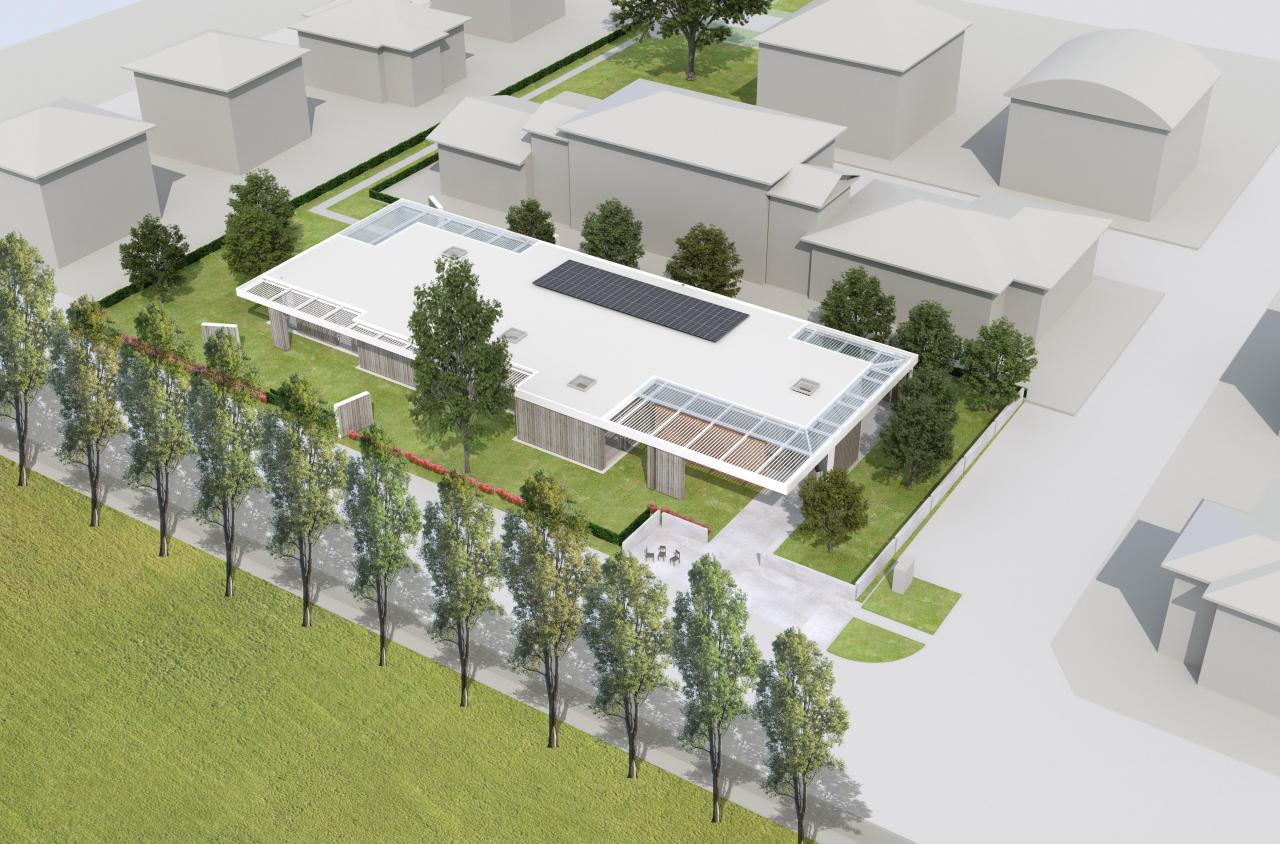
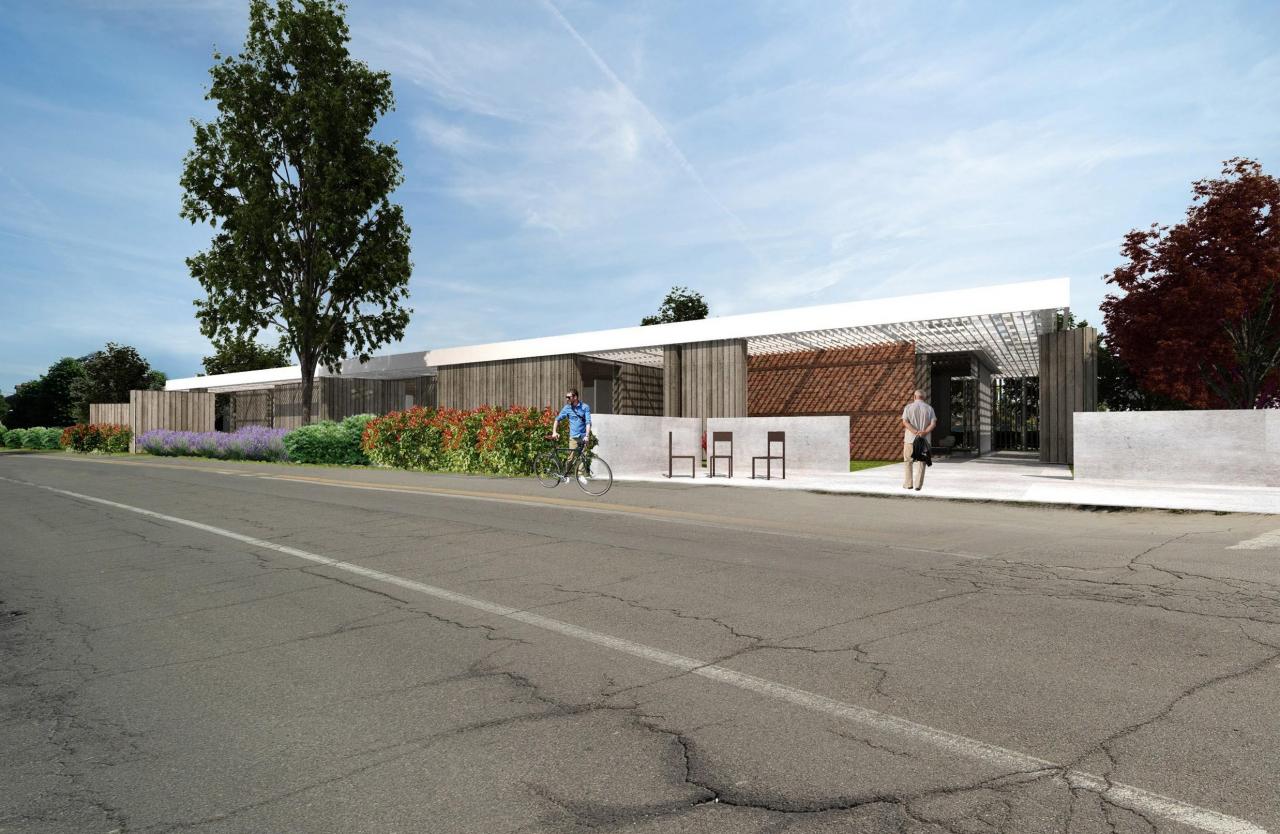
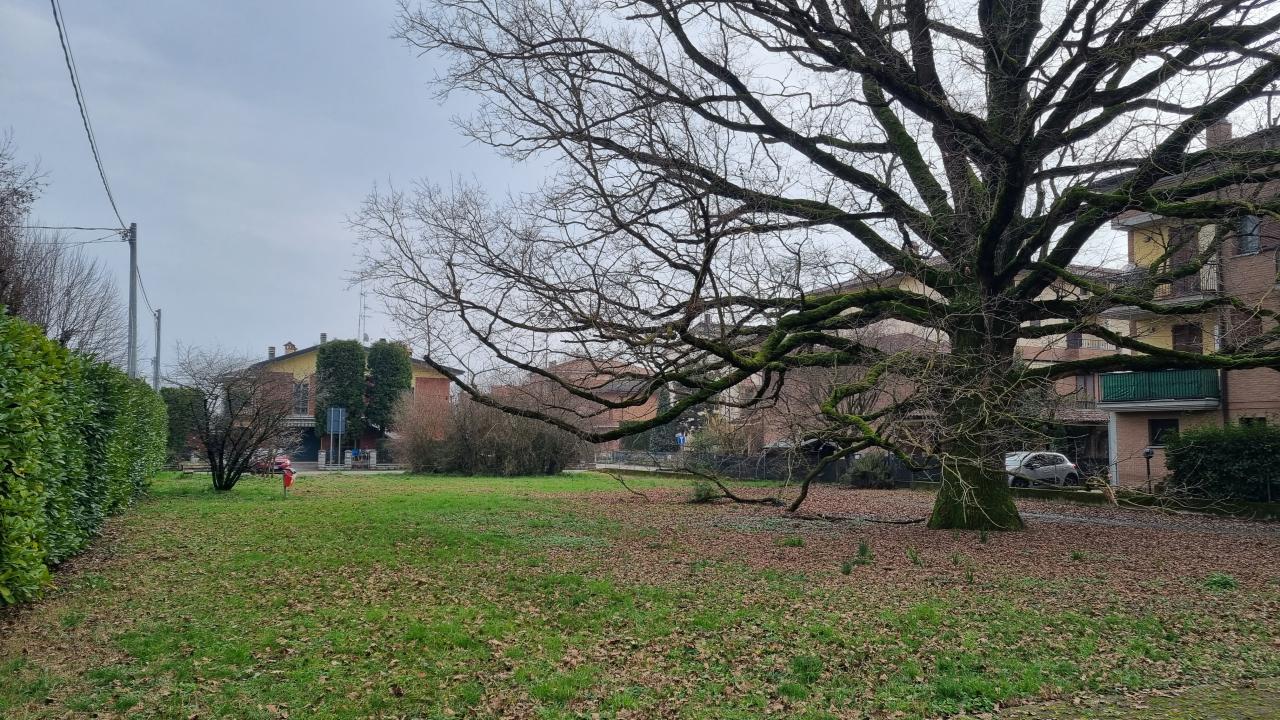
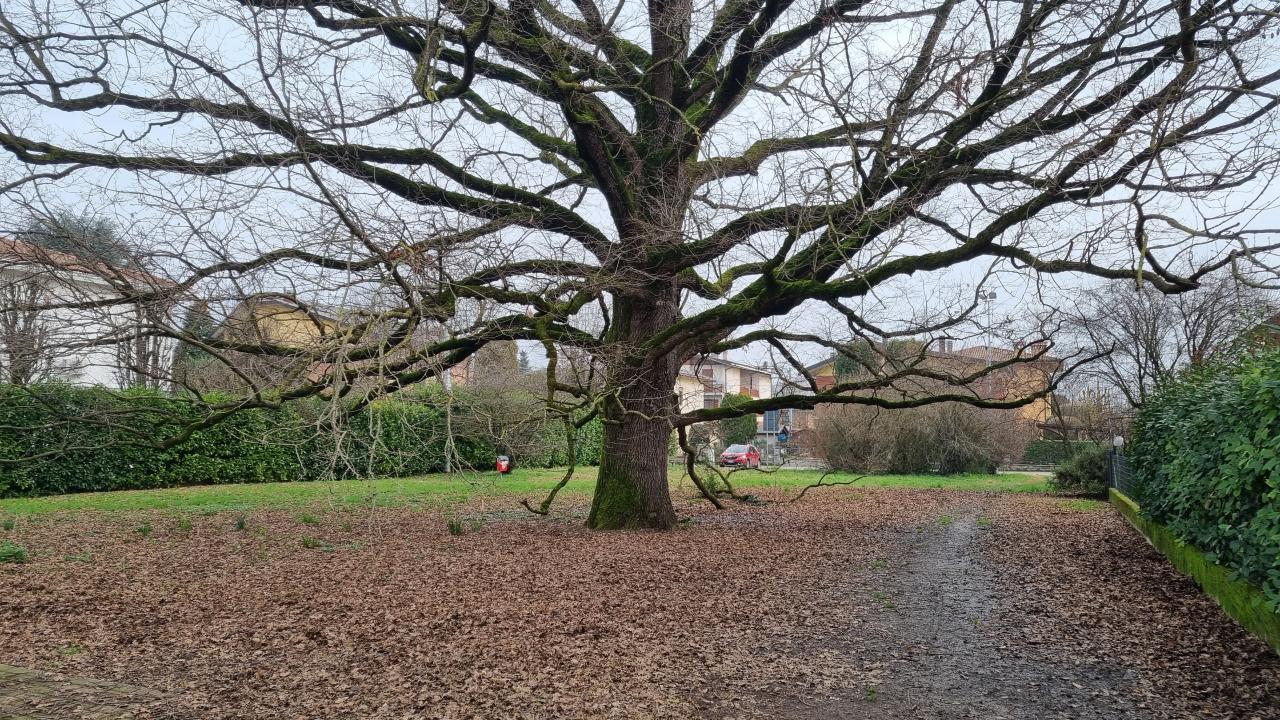
The two trees currently in the area - a horse chestnut tree along Mavora Street and a century-old oak located in the lawn on Rossini Street - will be flanked by rustic and easy-to-maintain trees, such as Acer campestre (maple), Prunus cerasifera pissardii (red plum) and Arbutus unedo (strawberry tree). The perimeter of the parcel along Mavora Street will be bordered by hedges of Photinia serrulata (photinia), Cornus sanguinea (dogwood), Lavandula spica (lavender) and Viburnum opulus (viburnum). The same plants, chosen from the list of “Specie arboree ed arbustive consigliate per il Comune di Nonantola” (Recommended tree and shrub species for the city of Nonantola), will also be used to create hedges and shrub areas within the garden.
The outdoor areas will largely be treated with permeable materials: the pedestrian paths inside the garden will be made of limestone (stabilized quarry mix) with a non-slip surface. Much of the outdoor area will be made of low-maintenance green lawn and flower meadow, which can attract pollinating insects (bees, butterflies, beetles), thus preserving the biodiversity of the area.
Key objectives for aesthetics and quality
In addition, the project includes the creation of an artistic itinerary, marked by small chairs, the ultimate welcome and hospitality symbol. The bronze-cast chairs will be placed near some landmarks of the story. Their purpose is to highlight the strong existing relation between the main memorial scene, placed in front of the place where the story took place, the historic center of Nonantola, and its immediate outskirts. In turn, those places represent the poles around which it was organized welcoming, friendship between the persecuted and the locals, and the final rescue of the group.
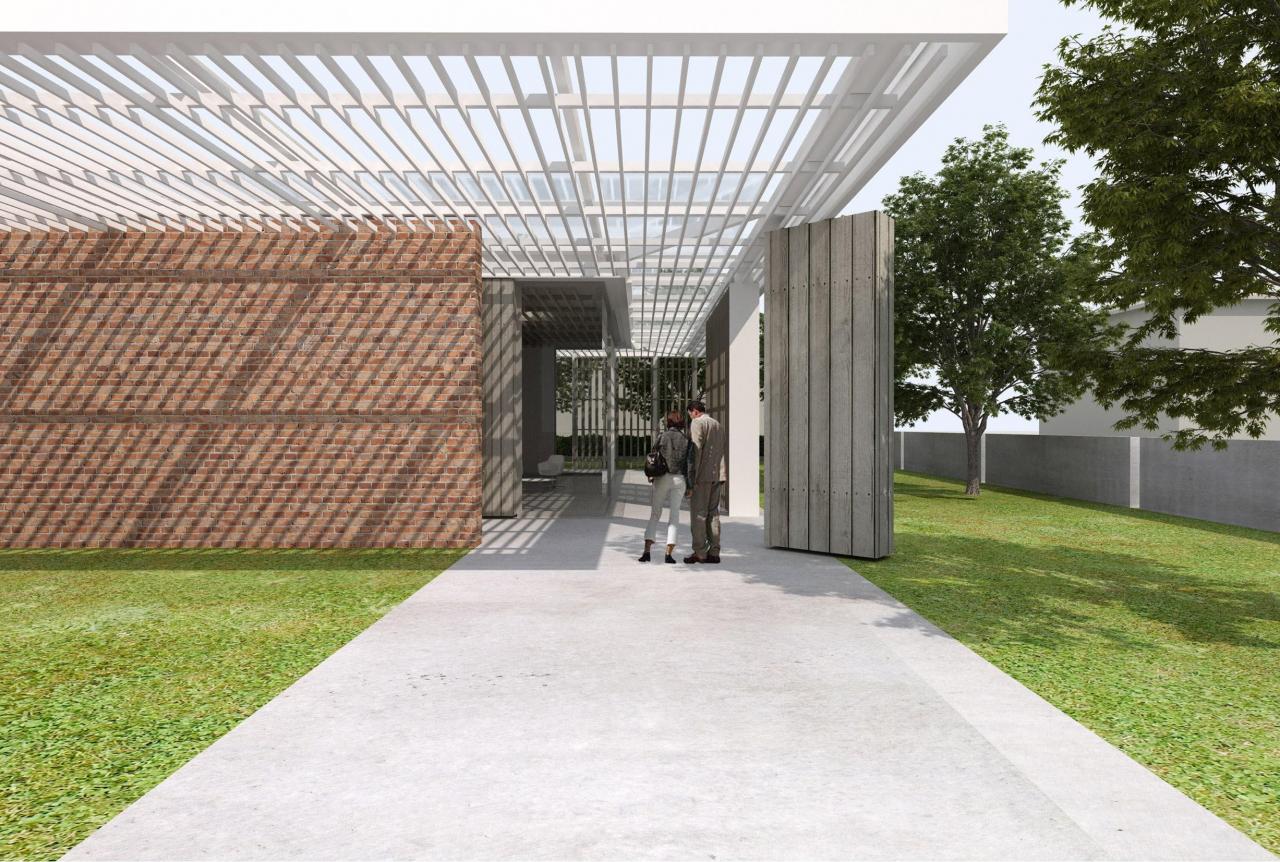
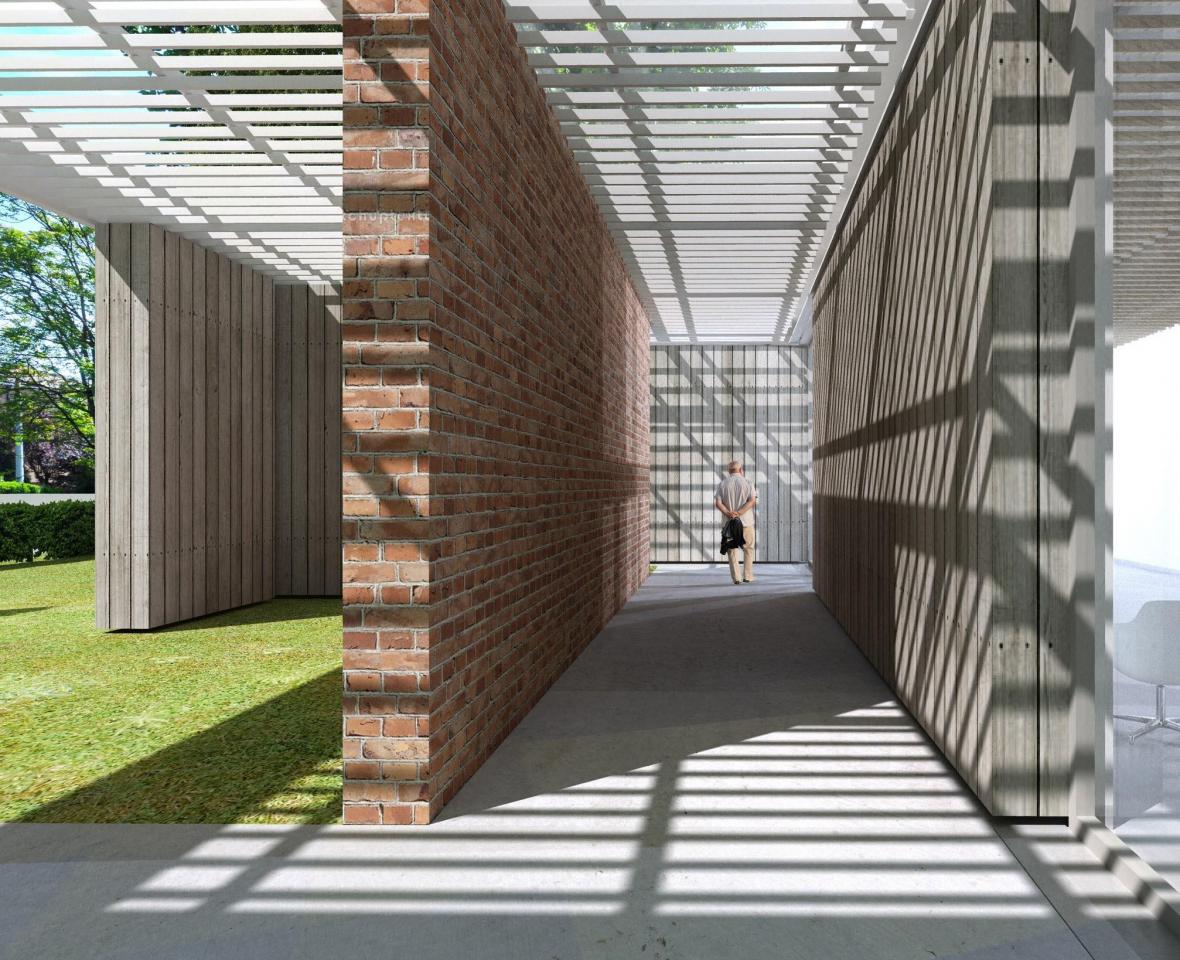
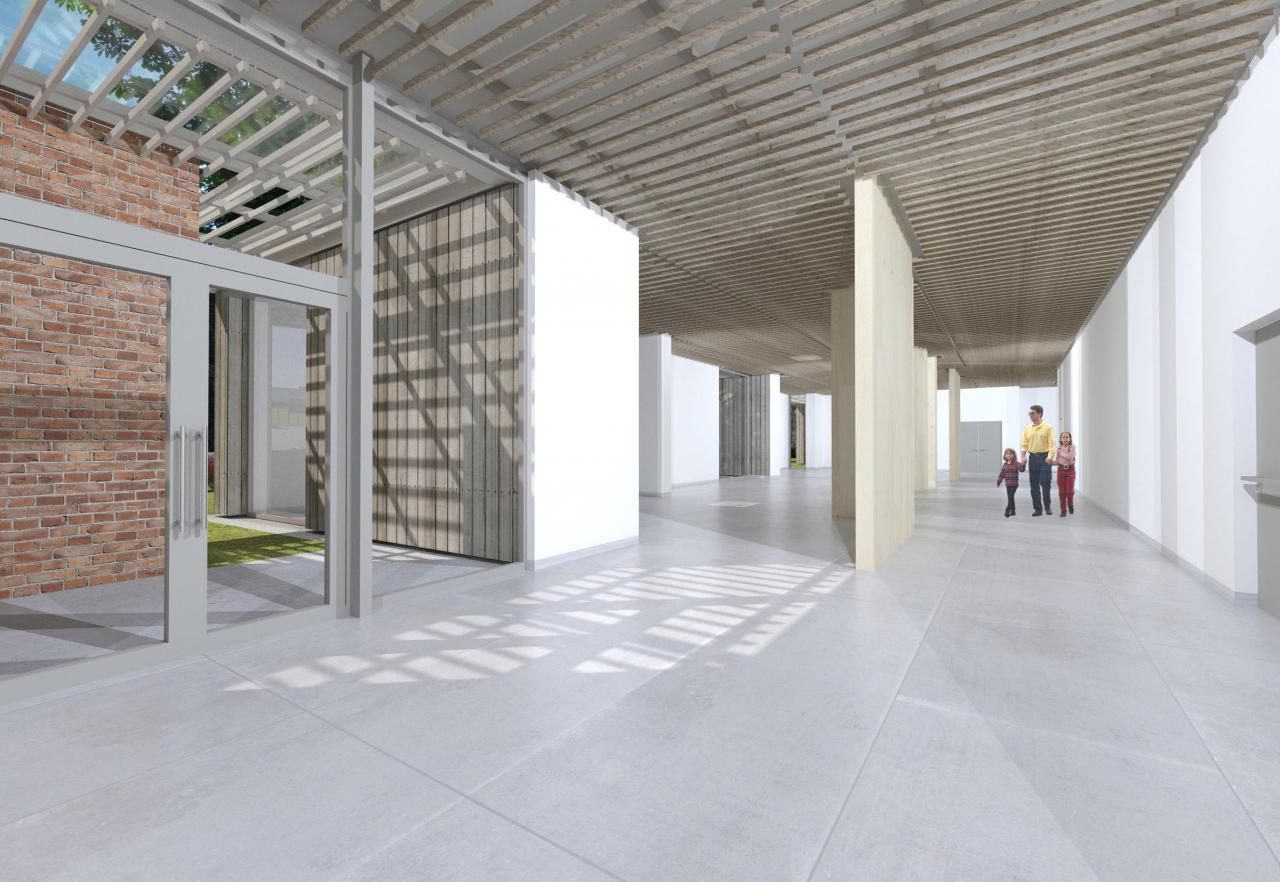
Conceived as an extension of the building, the outdoor area will strengthen the knowledge of heritage - cultural and natural - and the recognition of the relationship between history and memory: the ultimate goal is to develop an attitude of care towards this heritage, thanks to the possibility of establishing a meaningful relationship with the society, that can only reinforce democracy and human rights. The creation of a community garden will also allow the Prato Galli area to be configured as a place of encounter and dialogue between people of different ages, geographical backgrounds and cultural traditions, then as now.
Key objectives for inclusion
At the time of the story of the young Jewish refugees welcomed in Nonantola during World War II, the area was somehow part of the habits of the two communities - that of locals and that of foreigners - allowing the progressive acquaintance of the two worlds and facilitating the consolidation of friendships and customs. Similarly, the garden we intend to create at Prato Galli aims to be a place of aggregation open to the local community: in fact, we propose to entrust the management and maintenance of the garden to voluntary associations and groups of citizens interested in promoting environmental protection, and to create an outdoor educational space where students and families can learn through observation, experimentation and direct contact with nature, thus promoting social interaction and intergenerational exchanges.
How Citizens benefit
The program aimed to fuel a public discussion on the main objectives of the project and on the relationships between memory, landscape and its community of reference, adopting participatory methods capable of involving groups of citizens engaged, at various levels, in the enhancement and protection of the cultural and landscape heritage. Thanks to the discussions started during the meetings organized by the Villa Emma Foundation, it has also been possible to activate collaborations with citizens who are experts in agronomy and entomology, able to cooperate with the designers in the selection of tree, shrub and flower species to be included in the garden, which can integrate into the surrounding countryside and attract pollinating insects, thus promoting biodiversity and providing a safe shelter for multiple animal species.
Innovative character
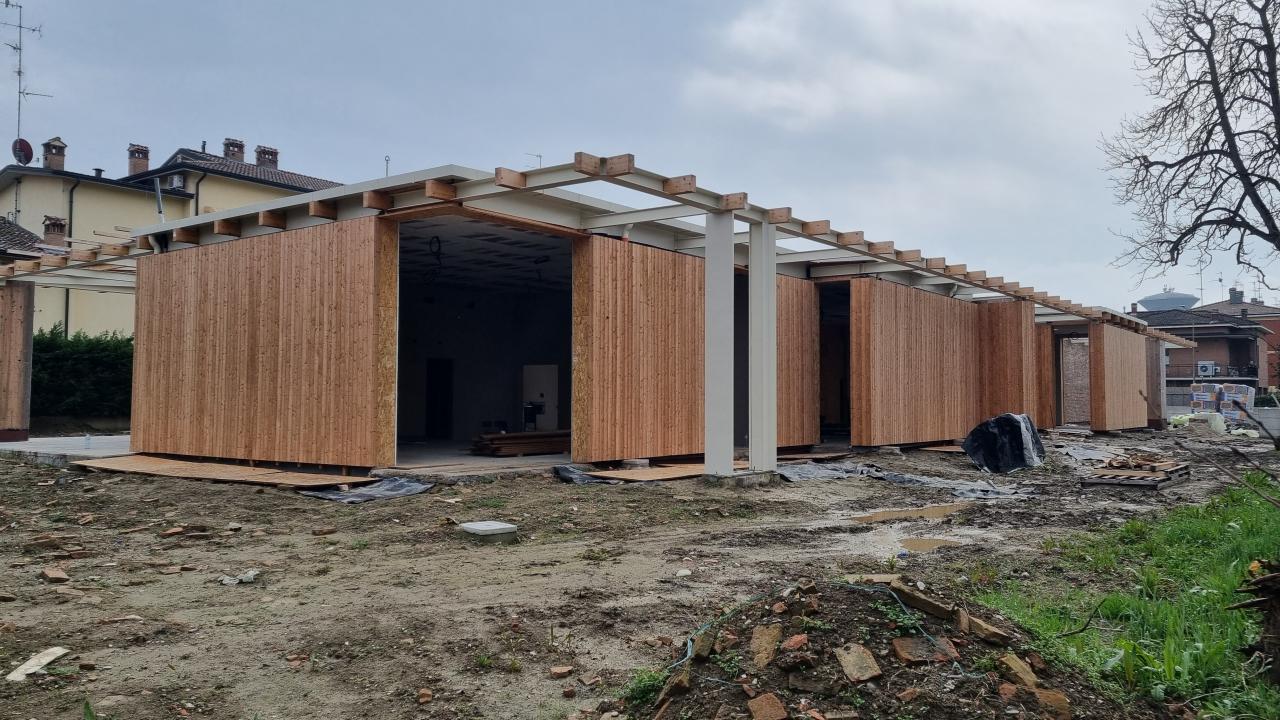
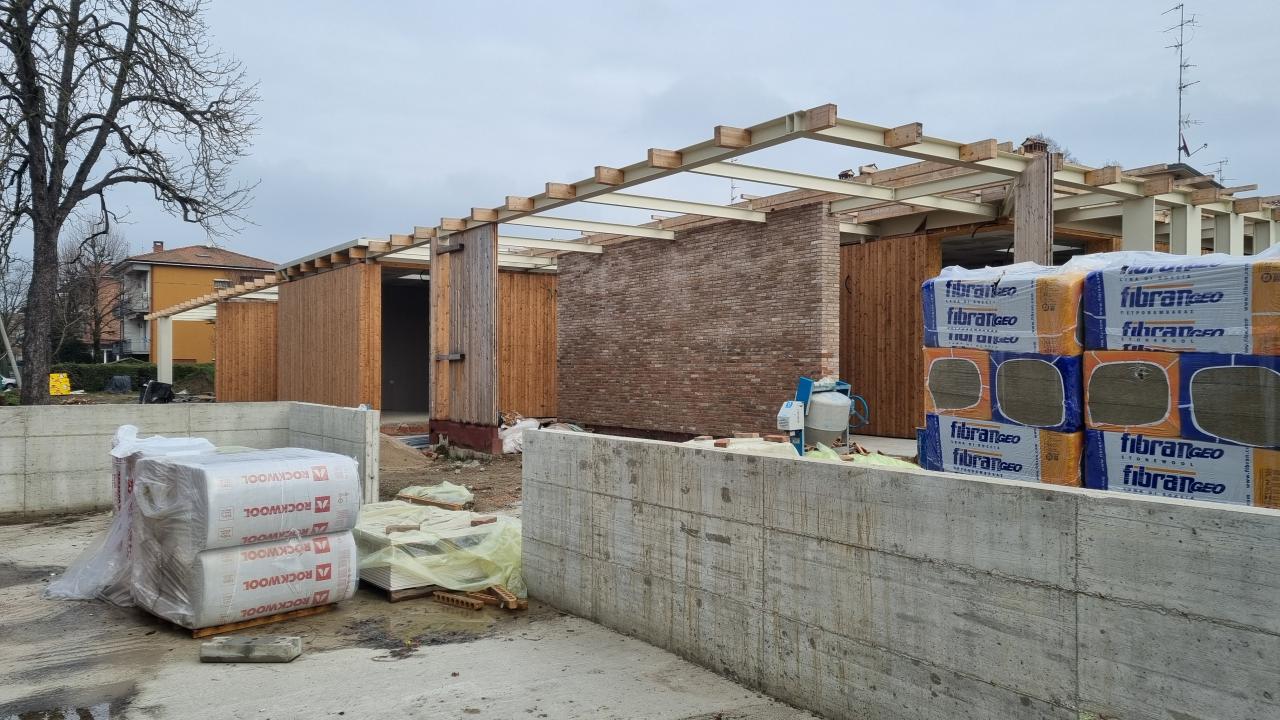
In addition, the memorial complex “Davanti a Villa Emma” - which also includes the outdoor area targeted by the intervention - has two further elements of innovation. On the one hand, in the activities promoted by the other places of memory, as well as at school, often - when dealing with the Second World War - the issue of the victims is brought to the forefront: there is now a codified narrative of the horrors of the Holocaust, with countless examples of installations and practices aimed at the educational side: it is different to design a space dedicated to the narration of an episode of salvation, such as that of Villa Emma. On the other hand, this is a complex built in accordance with the principles of energy efficiency and emission reduction, also thanks to the photovoltaic panels placed on the building's flat roof, the predilection for natural lighting, and the use of mechanical ventilation with thermal recycling.
At the local area level, moreover, this is one of the first projects in which a wide-ranging participatory method was tested through meetings and discussions with stakeholders and members of the community within which the project is located.
Disciplines/knowledge reflected
The participatory process allowed other specific areas of knowledge, such as agronomy, entomology, and botany, to be included within the architectural design. Agro-technical experts were involved in the selection of tree and shrub species to be included in the garden, respecting the natural ecosystem within which the project fits. In addition, thanks to the collaboration with the Partecipanza Agraria di Nonantola, a low-maintenance flower meadow was chosen, selecting flower varieties capable of attracting pollinating insects, thus promoting the development of biodiversity.
Essential, too, was the collaboration between the CEAS (Sustainability Education Center) of the Municipality of Nonantola and the Villa Emma Foundation, which made it possible to include the principles of environmental education in the larger educational project of the memorial site “Davanti a Villa Emma,” geared toward the fight against all forms of racism, the promotion and defense of citizenship rights and the activation of workshops for the exploration of new ways of coexistence and dialogue.
Methodology used
Moreover, the garden will host an outdoor educational space in which children and youth can learn through observation and experimentation: the park will be configured as an open-air workshop, offering opportunities to develop curiosity, creativity and soft skills, fostering an educational experience that promotes psychophysical well-being and a deep connection with the environment. Outdoor education, integrated with the historical and natural context of the memorial complex, will allow young users to explore, observe and understand the world around them through a learning methodology based on direct and collective experience: children will be able to develop cognitive, motor, historical-cultural and social skills and grow as conscious and responsible citizens, learning to respect nature and face the challenges of the modern world.
How stakeholders are engaged
The project also includes the involvement of local institutions committed to environmental protection projects, such as the Partecipanza Agraria di Nonantola, a form of collective land ownership that has its roots in medieval times and a recognized institution since 1894. Between the 1980s and 1990s, anticipating a mentality of environmental protection that is increasingly widespread today, the Partecipanza Agraria - in collaboration with the municipal authority - created a vast area of ecological restoration - the Torrazzuolo Oasis - by planting more than 50,000 indigenous plants and creating an important area for wildlife repopulation.
Another privileged stakeholder in the participatory process is then the world of education, the main target of the activities that will be carried out within the area that is the subject of the intervention. The participation process has involved teachers and students from schools in the local area, together with former teachers from the Istituto Tecnico Agrario (Agricultural Technical Institute) Lazzaro Spallanzani in Castelfranco Emilia (Modena), as well as members of local associations involved in environmental protection.
Global challenges
Parks have a positive impact on people's mental and physical well-being, reducing stress and improving quality of life. A community garden will provide not only an area where people can escape from urban chaos, but also a space where they can relax and restore themselves: studies have demonstrated that exposure to nature reduces anxiety levels and improves mood, contributing to community health.
Together with the memorial site “Davanti a Villa Emma,” the garden will be the location of educational workshops and activities dedicated to the study of historical, memorial and environmental heritage: inside the building, students and citizens will be able to learn more about the story of the young Jewish refugees welcomed and rescued by the local population during World War II, while the outdoor area will be able to host educational tours and practical activities that will raise awareness among the younger generation about the need to create greener and more sustainable cities. In this way, the garden will become not only an example of urban sustainability, but also a model of peace and solidarity education.
Learning transferred to other parties
Furthermore, we believe that the coexistence of cultural-historical and environmental education projects can be replicated in other urban contexts, such as museums, libraries, and other cultural venues. In this sense, too, the participation of those involved in the activities that will be carried out there and of the stakeholders (users, schools, families) is essential to make sure that the project is carried out taking into account the specific needs of the community in which it is located or implemented.
Global challenges related to climate and geo-political changes require concrete and local solutions. In this perspective, our community garden stands as an opportunity to contribute to people's growth and well-being by raising awareness of the importance of sustainability and dialogue among future generations.
Next steps
Within the community garden created in the outdoor area of the memorial site “Davanti a Villa Emma,” thanks to the collaboration between the CEAS (Sustainability Education Center) of the Municipality of Nonantola and the Villa Emma Foundation and the scientific support offered by professional educators and botanical experts, we intend to implement outdoor education activities targeted at families and students of local schools. The project involves the implementation of four itineraries: 1) a botany workshop in which children will learn to recognize and classify the plants in the garden through a playful-scientific and historical approach; 2) a sensory workshop, where through the tactile exploration of aromatic plants, flowers and other botanical species, children will be guided through a sensory experience that will help them to develop their perception of the natural world around them; 3) a sustainability education activity, which will involve young visitors in the maintenance of the garden, learning how to care for plants, respect biodiversity and understand the importance of sustainability; 4) a creativity and imagination workshop, during which children can create stories, scenarios and symbolic games using natural materials collected in the garden. Moreover, we have planned to implement two specific programs aimed at preschool children: the first dedicated to the exploration of the natural environment through the use of the five senses, with the aim of stimulating curiosity about the main mechanisms that regulate natural balances; the second focused on learning about the relation between biodiversity and the territory through the implementation of experiential activities based on creativity and multisensory.