Fragment
Basic information
Project Title
Full project title
Category
Project Description
Our project's motto: The future is in your handle!
Current stage development
Geographical Scope
Project Region
Cities and towns involved: Francavilla Fontana, Grottaglie and Lecce., Italy
Urban or rural issues
Physical or other transformations
EU Programme or fund
Description of the project
Summary
For the past ten years, our region has lost nearly 20 million olive trees, more than just vegetation, these trees are a symbol of our heritage and resilience.
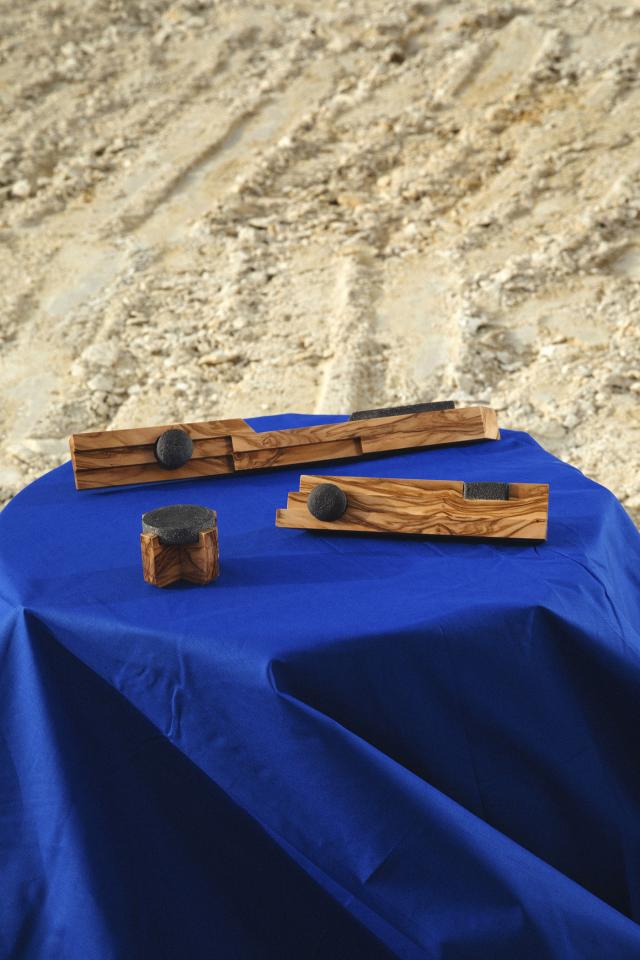
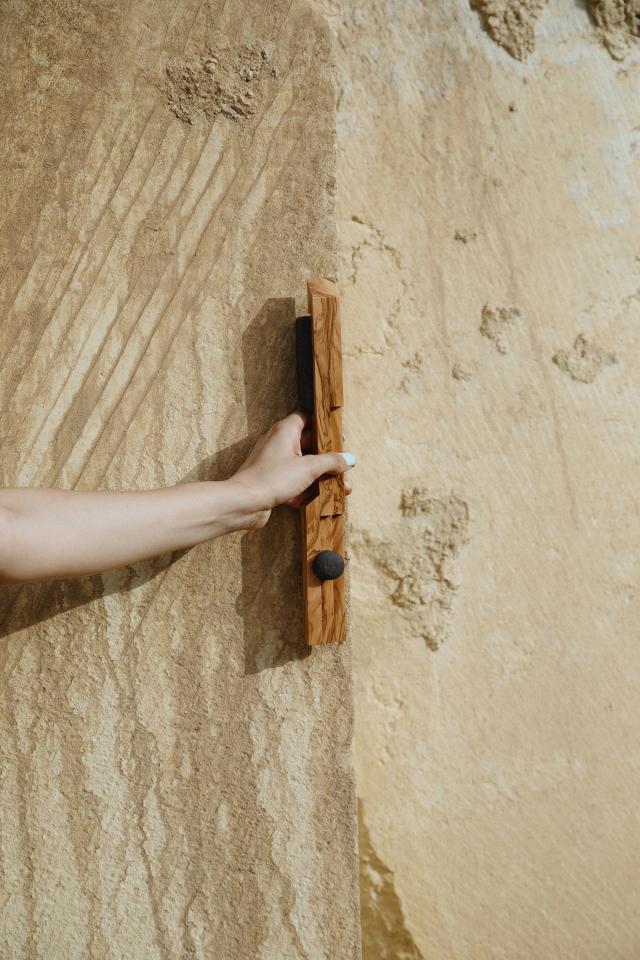
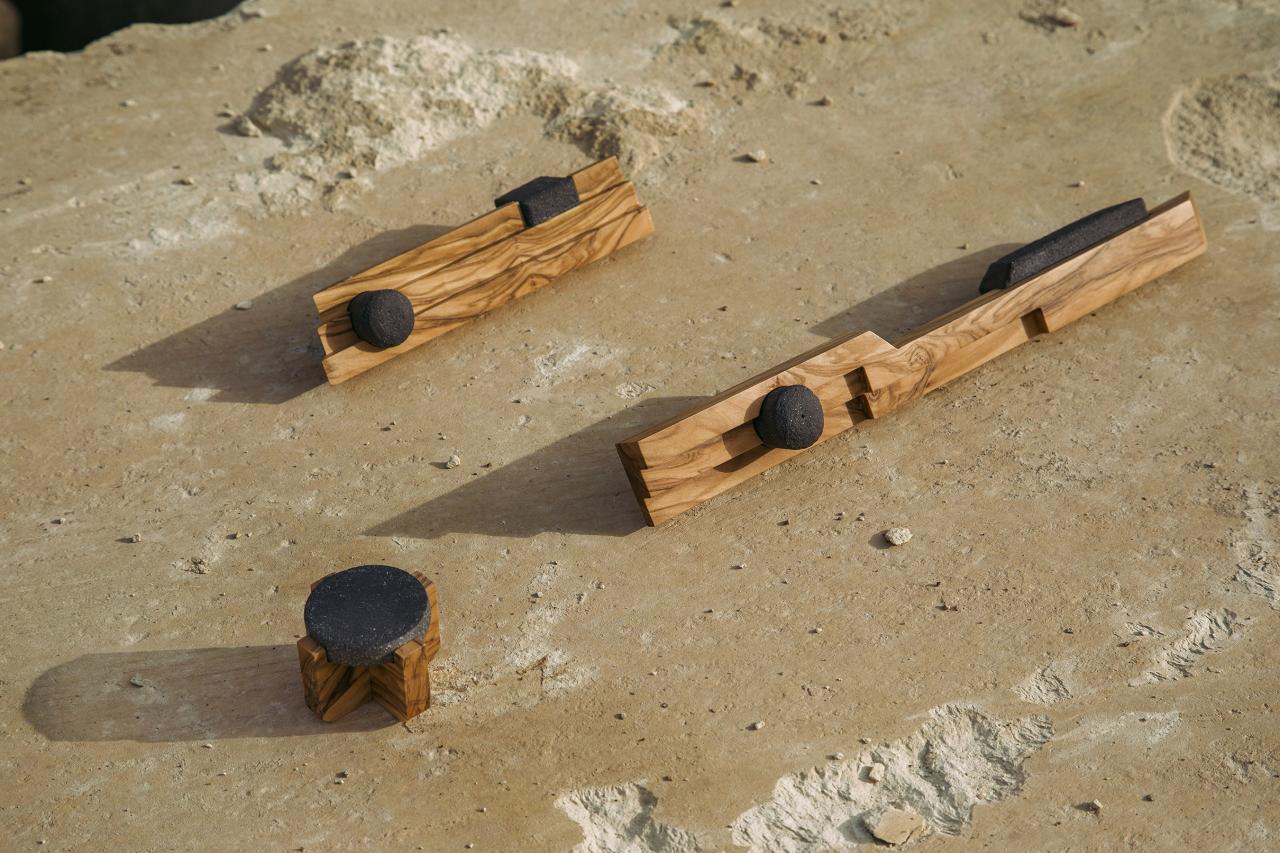
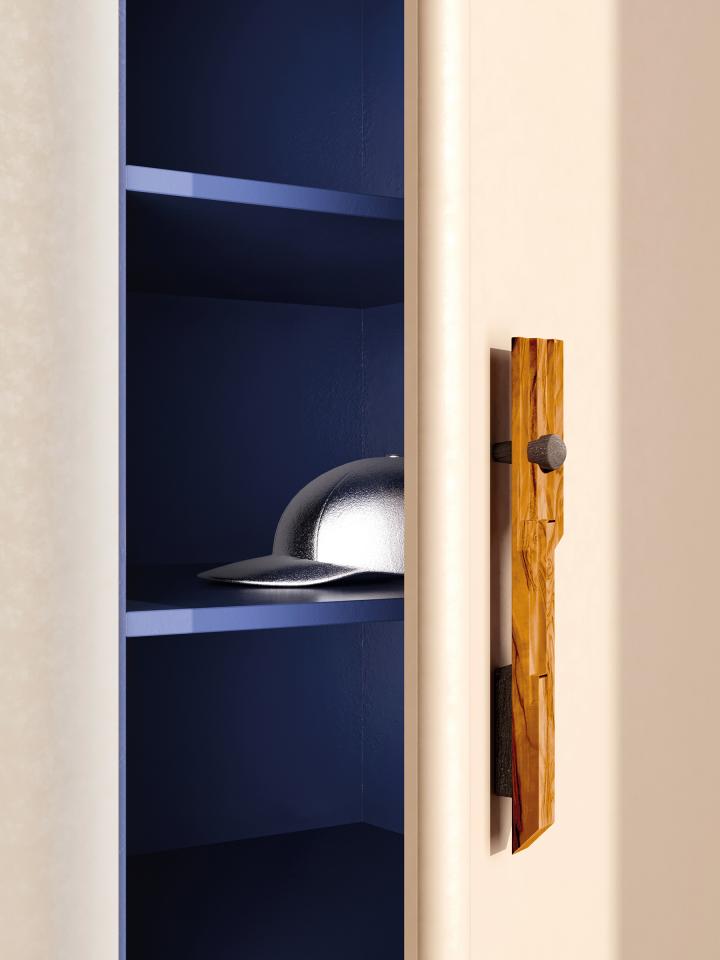
Born from the devastation caused by Xylella fastidiosa, a bacterium that has destroyed millions of olive trees in Apulia, Fragment transforms crisis into opportunity by repurposing affected olive wood into unique, sustainable furniture handles!
Our project supports artisans, reduces waste, and gives people an affordable way to refresh their furniture sustainably.
By collaborating with Apulian artisans, Fragment ensures that traditional skills endure while responding to the modern demand for sustainability. Our goal is to make sustainable design accessible. Our high-quality, locally sourced handles offer an affordable way to refresh furniture, supporting a circular economy and reducing waste. Instead of replacing entire pieces, people can simply enhance existing décor with thoughtful, sustainable details.
Beyond design, Fragment fosters cultural revival and economic regeneration. The loss of olive trees has deeply affected Apulia’s identity. By working with local artisans, we help rebuild livelihoods, strengthen the economy, and reinforce social resilience.
With the potential support from the NEB prize, 2025 can mark Fragment’s official launch. Our collection will feature customizable ceramic finishes and many other novelties, bringing sustainability, inclusion and aesthetics into everyday homes.
Key objectives for sustainability
A key sustainability objective is material reuse, combining CNC machining for efficiency with traditional woodworking to retain the wood’s organic beauty. Each handle is crafted with precision, reducing waste while celebrating local craftsmanship. By integrating ceramic inserts from Grottaglie, renowned for its centuries-old pottery tradition, Fragment strengthens artisanal heritage while introducing a contemporary design perspective.
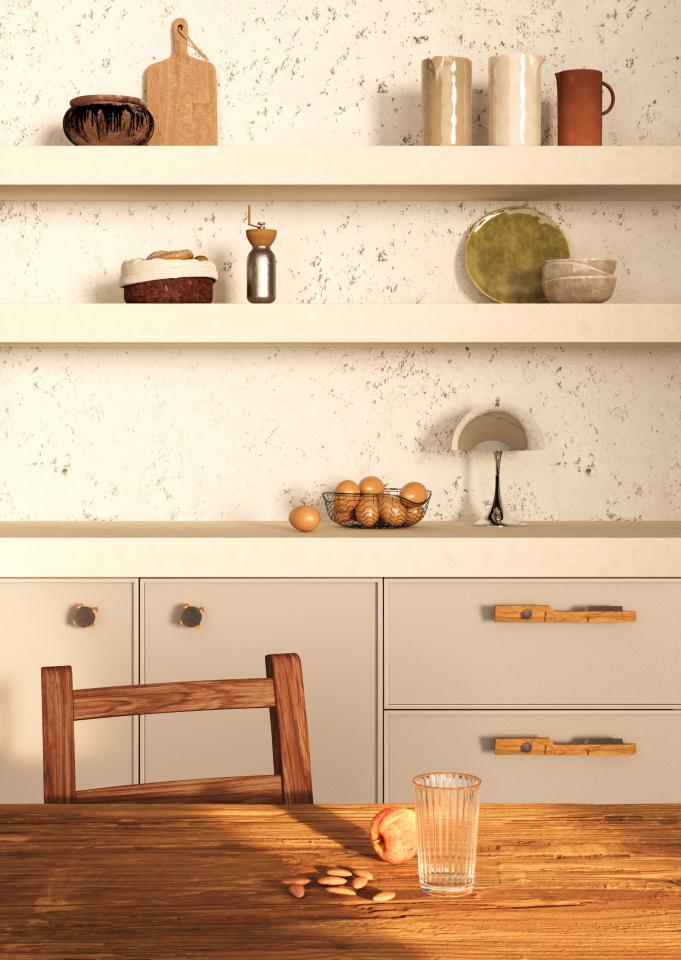
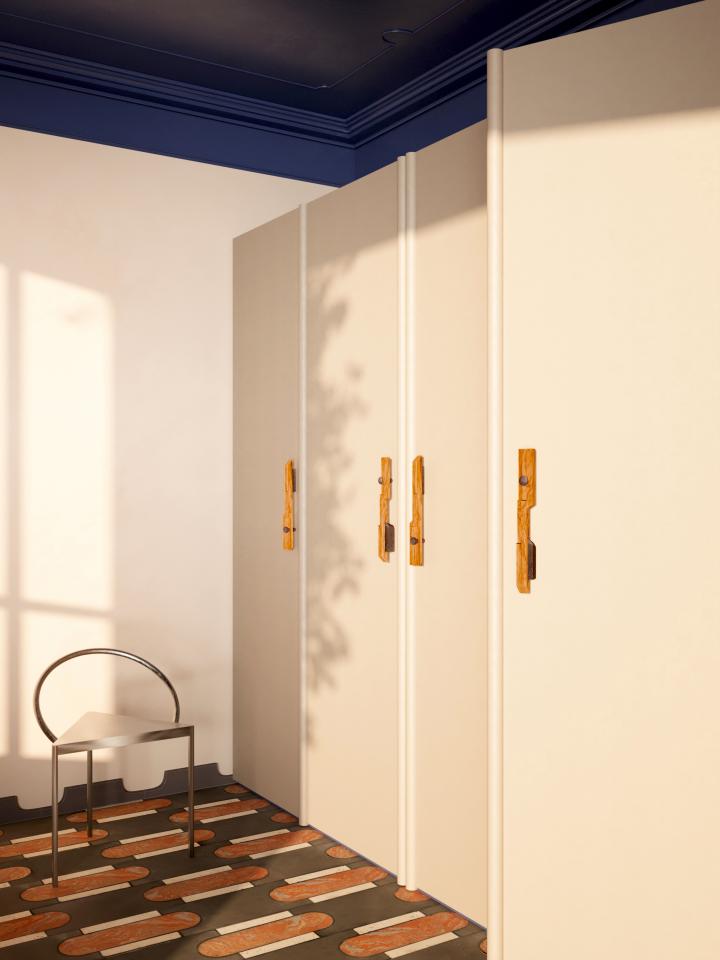
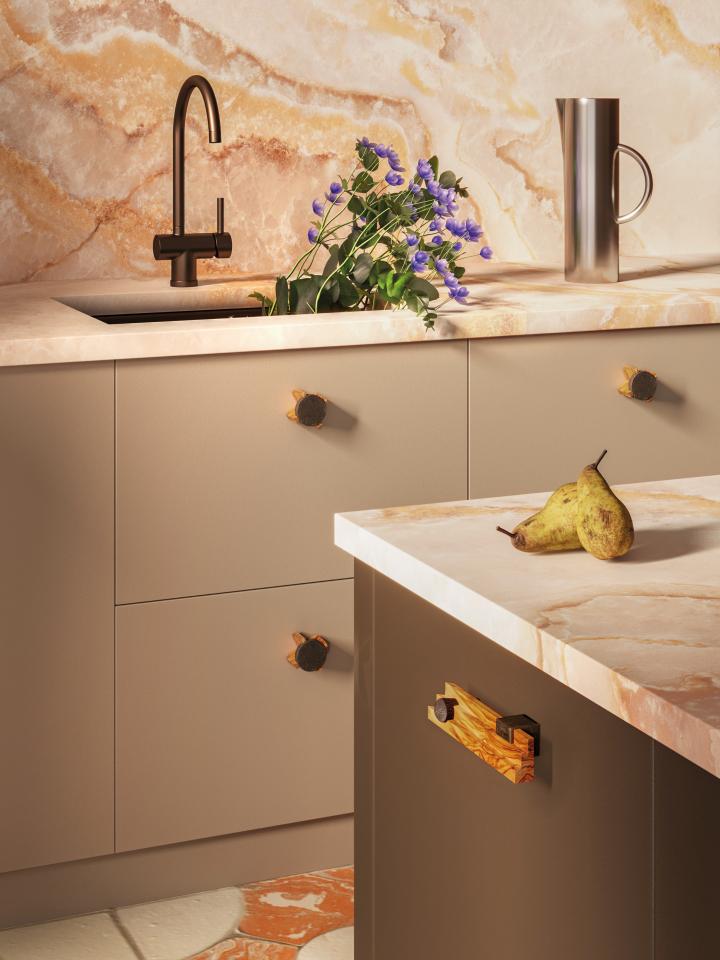
Beyond material sustainability, Fragment redefines consumer habits by promoting upcycling. Instead of replacing entire furniture pieces, users can refresh their interiors simply by changing handles. This extends product lifecycles, countering the disposable culture of fast furniture. In one of our launch campaigns, we created the slogan ‘The future is in your handle’, as an invitation to take ownership of sustainable choices.
Affordability and accessibility further enhance Fragment’s impact. By offering locally sourced and high-quality handles, the project makes sustainable design an attainable choice. Instead of costly furniture replacements, Fragment provides an economical way to enhance interiors while supporting local economies.
Every handle is a one-of-a-kind piece, shaped by skilled woodworkers in Apulia and finished with ceramic inserts, safeguarding cultural heritage alongside with a contemporary design perspective. It demonstrates that sustainability is not only about large-scale interventions but also about thoughtful, everyday choices that collectively shape a more responsible future.
Key objectives for aesthetics and quality
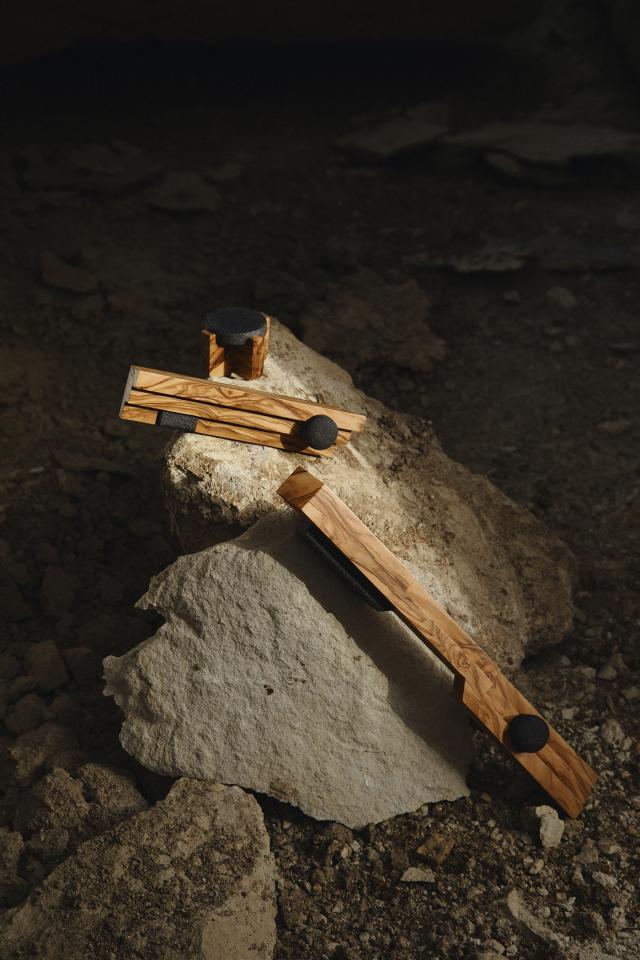
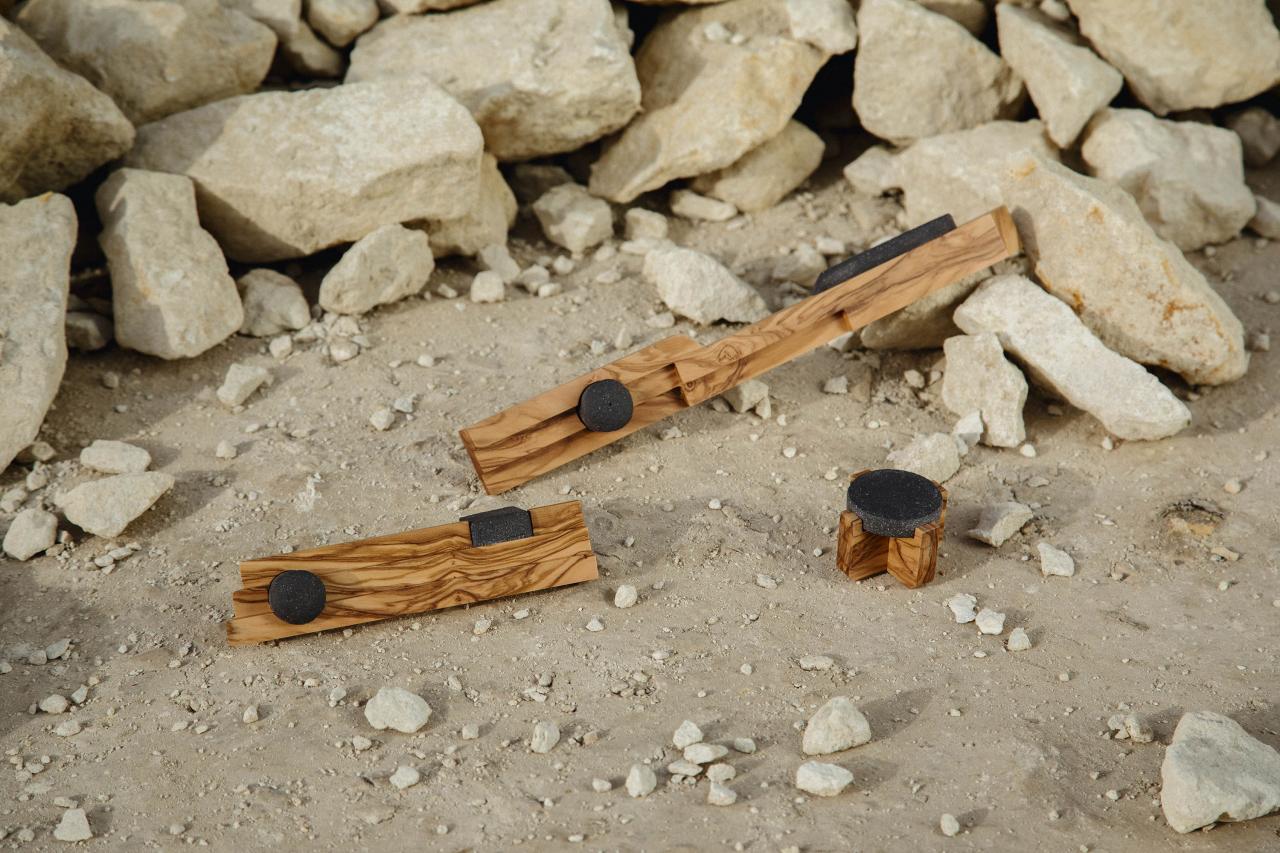
At its heart, Fragment is a tribute to craftsmanship, merging reclaimed olive wood with handcrafted ceramics to create a high-quality, tactile product rich in cultural and ecological significance. The wood, sourced from trees affected by Xylella fastidiosa, carries a powerful narrative of resilience and regeneration, turning environmental adversity into a story of renewal. Each handle embodies a piece of Apulia’s landscape, history, and artisanal tradition.
Fragment’s design philosophy is inspired by Carlo Scarpa, an Italian architect known for blending modernity with artisanal craftsmanship. His respect for material authenticity and attention to detail resonate with Apulian traditions of stonework and ceramics, where human touch and natural textures shape the aesthetic experience. Scarpa’s approach to restoration mirrors Fragment’s core: rejuvenating existing items through thoughtful, artful details rather than discarding them.
A key aesthetic feature is the interplay between materials. The ceramic inserts come in two variations: raw, unglazed ceramic: A deep, stone-like texture that contrasts with the smooth olive wood. And secondly, glazed ceramic: a polished finish in various colors, offering a refined, adaptable design. This material contrast transforms handles into sculptural elements, enriching furniture with depth and character.
The ability to mix and match ceramic finishes with reclaimed wood ensures each handle is unique and adaptable to personal aesthetics.
Key objectives for inclusion
Key objectives are:
-Affordability & Accessibility: Fragment is designed for a wide audience, ensuring that sustainable design is an attainable choice. It empowers individuals to reduce waste, rethink consumption habits, and extend the life cycle of their objects. This challenges the throwaway culture and fosters a deeper connection between people and their objects.
-Inclusive Design: The handles are versatile, adaptable to various furniture styles and settings. This ensures the project is accessible to diverse communities, from urban dwellers to rural artisans. The production process itself is inclusive, with local ceramicists, woodworkers, and artisans contributing, reinforcing the project’s community-driven and circular economy principles.
-Inclusive Cultural Storytelling & Social Impact: Each handle reflects Apulia’s resilience after the Xylella crisis. This narrative of recovery resonates with users who value sustainability and cultural heritage. Fragment allows people to connect with the land, the artisans, and the movement toward sustainable design, making them active participants in positive change.
-Economic Inclusion & Empowerment: By collaborating with artisans, Fragment supports craftsmanship, fosters innovation, and strengthens local economies, showing that design can drive both cultural preservation and environmental responsibility.
-Promoting Social Change: Fragment challenges consumerism by encouraging repair, reuse, and longevity in design, proving sustainability and beauty can coexist.
How Citizens benefit
Local artisans, particularly potters and woodworkers, are at the heart of the project. Their involvement goes beyond execution; they blend traditional methods with modern techniques like CNC machining, preserving valuable heritage skills while providing sustainable employment. This collaboration not only keeps their craftsmanship relevant but also strengthens the local economy, allowing artisans to regain pride in their work.
The landowners affected by the Xylella fastidiosa play an essential role by supplying reclaimed olive wood from diseased trees. This wood, which would otherwise go to waste, is transformed into something valuable, turning environmental devastation into an opportunity for ecological and economic renewal. By integrating the landowners into this sustainable production cycle, the project highlights the resilience of local communities and empowers them to transform loss into meaningful action.
Citizens, too, are engaged as consumers who actively participate in the project’s mission. By choosing Fragment handles to refresh their furniture, they support responsible consumption, local craftsmanship, and sustainable design. The project encourages a shift away from disposable culture, allowing people to feel a sense of ownership in their contribution to sustainability. This interaction fosters a collective effort toward a more conscious way of living.
In the near future for Fragment, we plan more exhibitions, talks, and workshops to be part of the effort to educate the public about the role of design in addressing environmental challenges, further strengthening the community’s connection to sustainability and cultural heritage.
Ultimately, Fragment demonstrates how accessible, community-driven design fosters sustainability, empowerment, and heritage preservation.
Physical or other transformations
Innovative character
We reimagine handles as both functional and expressive design objects, transforming them into aesthetic and tactile elements that personalize and extend the life of existing furniture.
Unlike traditional wooden handles often made from freshly harvested timber, we bring a sustainable approach by repurposing olive wood from trees affected by the Xylella fastidiosa epidemic. Typically discarded or burned, this wood is reclaimed, turning environmental waste into a valuable resource and aligning with circular economy principles. This regenerative process sets Fragment apart from conventional handle production.
Most handles are purely utilitarian, Fragment challenges this norm by combining refined aesthetics with ergonomic design. The use of handcrafted ceramics and reclaimed wood creates a unique material contrast that offers a sensory experience beyond mainstream handles.
Fragment merges artisanal techniques, like handcrafted ceramics and woodworking, with CNC machining precision.
This hybrid approach ensures intricate detailing while maintaining scalability, allowing for artisanal authenticity in mass production, something rarely achieved in the furniture accessory market.
By promoting a slow design philosophy, Fragment encourages consumers to repair and personalize their furniture, offering a sustainable alternative to the fast-furniture culture. This disrupts the disposable nature of mass-produced goods and promotes longevity.
Fragment’s potential is publicly recognized, winning third place in the "Living" category at the Agorà Design Contest in 2023. In 2024, it showcased at Milan Design Week and Genova BeDesign Week (winning two non-monetary awards), and it was selected for exhibition at the ADI Design Museum.
Disciplines/knowledge reflected
The selection of reclaimed olive wood required expertise in wood science and material engineering, ensuring the wood maintained its durability and aesthetic appeal despite being salvaged. The ceramic components combined ancient pottery techniques with modern firing methods, optimizing both strength and texture.
A solid foundation in color theory guided the choice of ceramic glazes, allowing the handles to harmonize with various interior styles and evoke emotional and cultural connections. The design process also prioritized ergonomics, ensuring the handles are visually appealing and comfortable to use.
To move from handcrafted to precise production, Fragment utilized industrial design and CNC machining, a field within mechanical engineering, to minimize material waste while achieving high precision. This blend of manual craftsmanship and digital fabrication allowed for scalable production while preserving artisanal quality.
Visual communication specialists played a key role in crafting the project’s identity, using art direction, photography, and branding to convey the mission of sustainability and cultural regeneration.
Collaboration between these disciplines enriched the project’s final outcome: craftsmen and engineers optimized production, designers and material scientists maintained aesthetic integrity, color experts and ethnographers reinforced emotional significance, and visual communicators enhanced storytelling.
Fragment exemplifies how multidisciplinary collaboration leads to a design that is functional, beautiful, and socially and environmentally transformative.
Methodology used
The starting point was research and context analysis to gain knowledge on the environmental issue and consequences of Xylella on Apulian olive trees. We studied the affected material and the cultural and economic impact on our communities.
Secondly, we moved the focus to material sourcing, by collaborating with landowners to recover wood that would otherwise go to waste, integrating circular economy principles, we engaged with artisans to co-create ceramics and CNC experts to balance tradition and innovation.
We then moved to the design and prototyping phase, by applying iterative design process, testing material behavior, ergonomics, and durability.
A key pillar of the methodology is Design Thinking, a human-centered approach that prioritizes usability and continuous refinement. From the early stages, prototypes were tested directly by users to assess ergonomics, comfort, and practicality. Feedback loops allowed for multiple iterations, ensuring that each handle was not just visually compelling but also intuitive to use. This iterative process, where adjustments were made based on real user experience, helped fine-tune the balance between form and function.
Following the testing phase, we produced efficient, small-scale, and sustainable prototypes with minimal waste.
Once ready, we started engaging our community and stakeholders by launching targeted campaigns and participating in key events to get Fragment be known by the general public and designers in the field.
In the future, we would like to explore how our methodologies can be transferred to stakeholders, including open-access sharing of design and production data.
The approach behind Fragment is not just about crafting an object, it’s about creating a system where where material, design, and sustainability come together in harmony.
How stakeholders are engaged
Regionally and nationally, Fragment partners with companies specializing in CNC machining to refine shapes, minimizing waste and ensuring material efficiency. Collaborating with artisans like Vincenzo Del Monaco, the project bridges history and innovation, strengthening our national economy.
On the European level, Fragment aligns with sustainability and cultural heritage initiatives, particularly the New European Bauhaus. The project addresses Xylella’s impact by transforming devastation into regeneration. We reached a wider European public by participating in relevant and key design events like Milan Design Week, which has a wide audience. This helped us raising awareness and connecting with a broader audience committed to sustainable design.
Stakeholder engagement brings significant value: local artisans and landowners gain new income, CNC precision cutting ensures sustainability, and the fusion of ceramic and wood preserves regional heritage. Aligning with EU circular economy models, Fragment also serves as a replicable example for other regions affected by environmental crises.
In sum, Fragment constitutes a solid example of how collaboration at local, national, and European levels can address contemporary challenges through sustainable design, creating a meaningful impact on communities, craftsmanship, and the environment.
Global challenges
By repurposing diseased wood from olive trees and other affected species, Fragment offers a sustainable and circular solution that directly counters the negative impact of the disease. Instead of allowing the wood to go to waste, it is transformed into high-quality design pieces, demonstrating how local environmental challenges can be turned into new economic and cultural opportunities. This approach aligns with the EU's stringent regulations aimed at controlling the spread of Xylella and protecting agricultural heritage, offering a creative alternative that supports sustainability and environmental resilience.
In a broader context, the project also highlights the importance of sustainable production models that challenge traditional consumerism. By repurposing resources, Fragment reduces reliance on new materials, cuts down on waste, and promotes the longevity of objects, an essential shift in today’s world facing overconsumption and resource scarcity.
Additionally, Fragment empowers local communities by involving artisans, landowners, and manufacturers in the process, creating an inclusive economic model. This local engagement contributes to job creation and supports the preservation of traditional crafts, helping communities become more resilient to the effects of both environmental crises and economic downturns.
Ultimately, Fragment demonstrates that global challenges like climate change and environmental damage can be addressed through local innovation, where sustainable practices lead to positive social, economic, and environmental outcomes.
Learning transferred to other parties
We researched some areas and similar issues in Europe, and we identified some core areas, such as Spain and Portugal, where the spread of Xylella fastidiosa and other invasive species has affected citrus trees. Instead of discarding infected trees, their wood could be repurposed into design objects, offering farmers an economic alternative. Ash trees across Europe are also affected by invasive species, this issue can be found in different countries, increasing the possibility to disseminate our project.
The contagious nature of the phenomenon shows the need for sustainable removal strategies. Repurposing urban and rural tree waste into design elements could offer an innovative solution.
Concretely, the key replicable and transferable aspects are:
1.Material Reclamation: Diseased trees can be transformed into valuable resources instead of being destroyed.
2.Hybrid Craftsmanship & Technology: Combining traditional artisanal techniques with CNC precision cutting ensures efficiency while preserving cultural heritage.
3.Community Engagement & Economic Resilience: In regions across Europe, small enterprises and local artisans can drive income and preserve local craftsmanship.
To facilitate wider replication, we plan to make the CNC cutting files open access, allowing others to implement similar projects.
Communities worldwide can turn environmental crises into opportunities for sustainable design.
Looking ahead to 2025, our communication efforts will also extend beyond Italy, with a primary focus on the Mediterranean region, to build cross-country cooperation and potential new partnerships.
Next steps
Fragment is set to enter its next phase in 2025: production and market launch. This phase will focus on scaling up manufacturing, strengthening partnerships, and expanding the project’s impact. We identified the following key steps:<br />
1. Enhanced personalization. We will introduce new ceramic color variations, to broaden the appeal, making it a versatile design choice.<br />
2. We will reinforce collaborations with CNC specialists and artisans, ensuring high-quality production while seeking new partners to enhance distribution. Winning the NEB 2025 Prize would provide crucial market positioning, increasing Fragment’s visibility and accelerating its growth.<br />
3. A targeted communication strategy will amplify Fragment’s presence on social media and at international design events. Following the success of previous exhibitions, the project will continue fostering connections with designers, institutions, and environmentally conscious consumers. Fragment plans to collaborate with schools, museums, and cultural institutions to raise awareness about Xylella’s impact and demonstrate the potential of circular economies. Exhibitions, talks, and workshops will be part of the effort to educate the public about the role of design in addressing environmental challenges.<br />
4. We aim to advance circular economy strategies, trying to integrate a Cradle-to-Cradle (C2C) approach, ensuring that all materials used for the handles are biodegradable or recyclable. <br />
5. We will explore a tree-replanting initiative where a portion of profits from each handle sold will support olive tree replantation. This initiative directly contributes to restoring the Mediterranean landscape affected by Xylella. Planting an olive tree costs approximately €10-20, we will assess the feasibility of incorporating this into the product’s pricing, ensuring a tangible environmental impact.<br />
These steps position Fragment as a leading example of regenerative design, bridging material innovation with cultural preservation.