The Forge
Basic information
Project Title
Full project title
Project Description
Current stage development
Project Region
Municipality
EU Programme or fund
Which funds
Description of the project
Summary
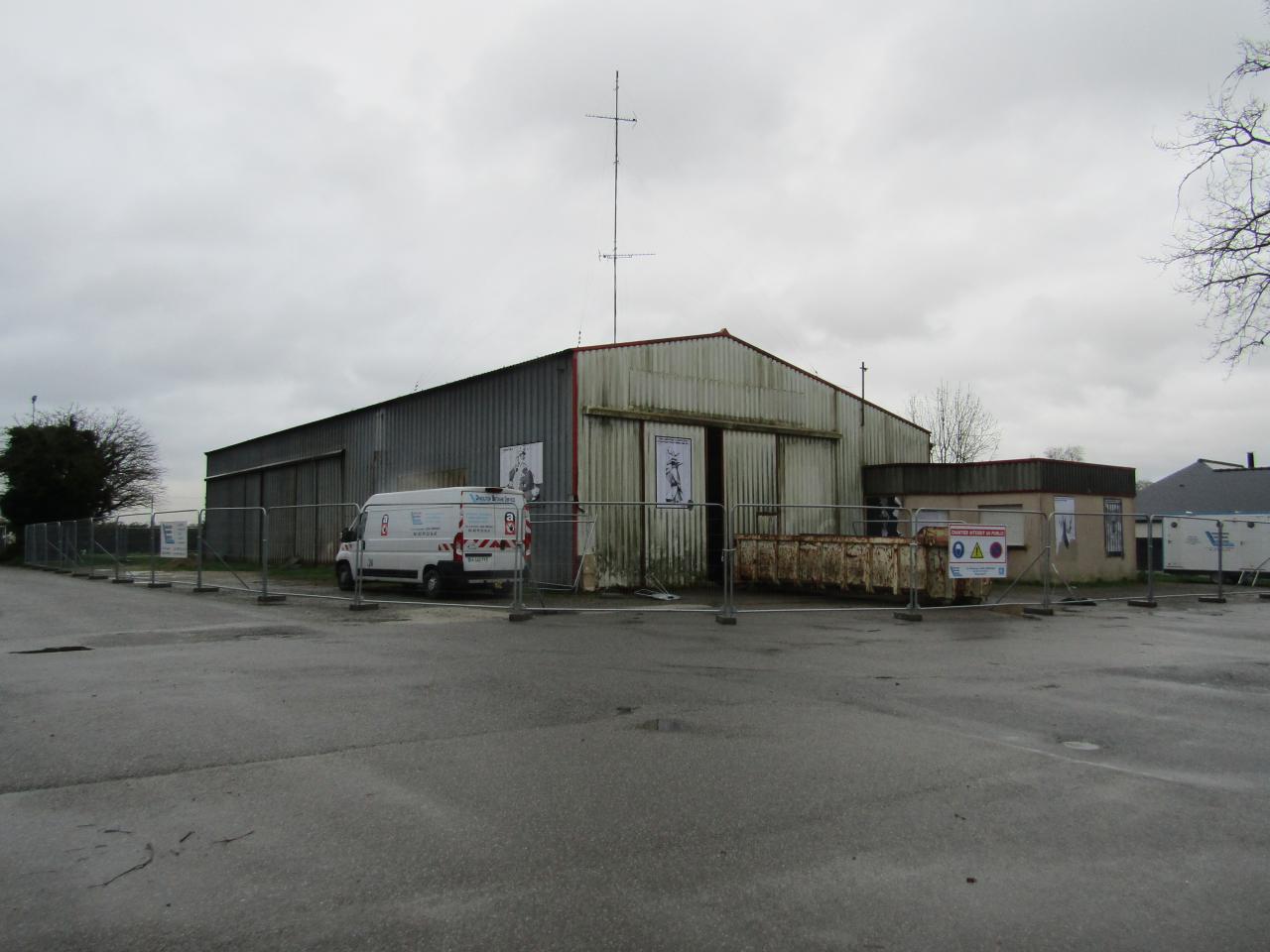
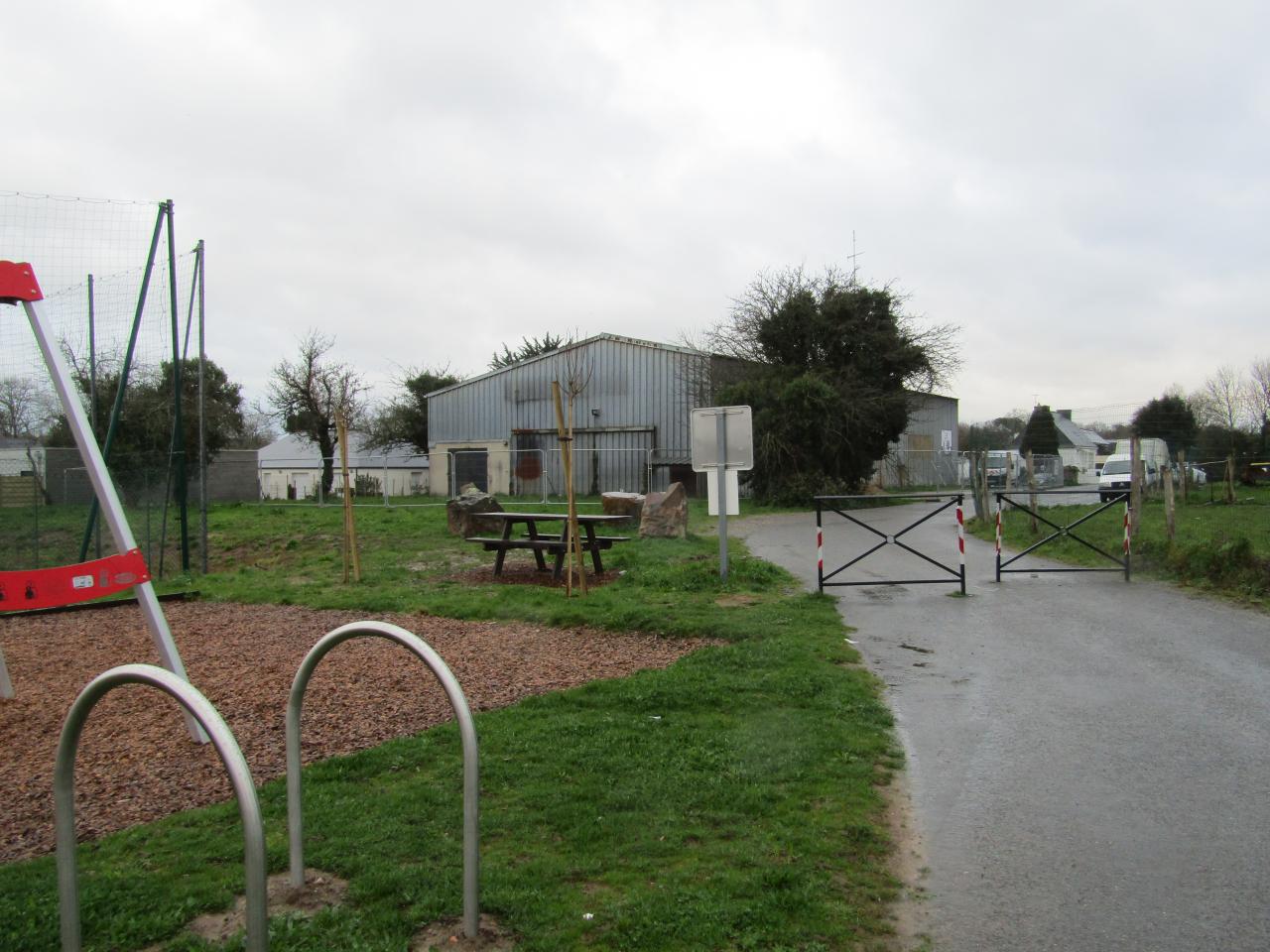
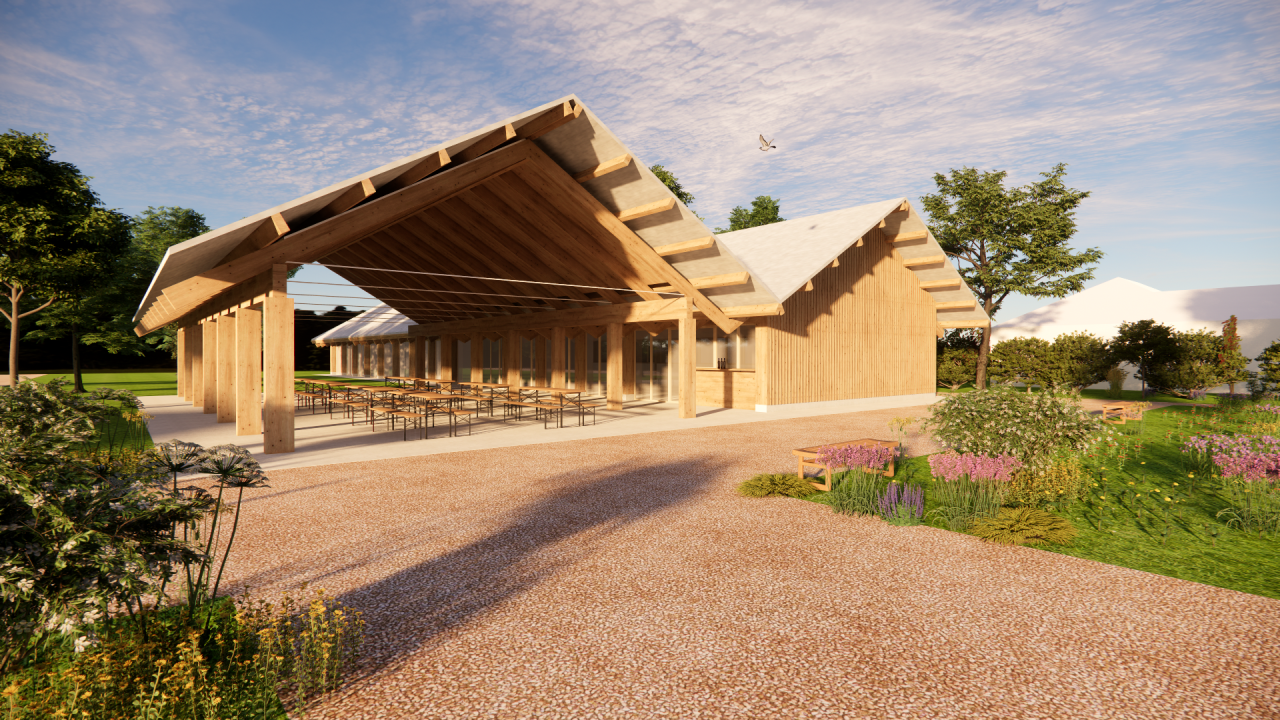
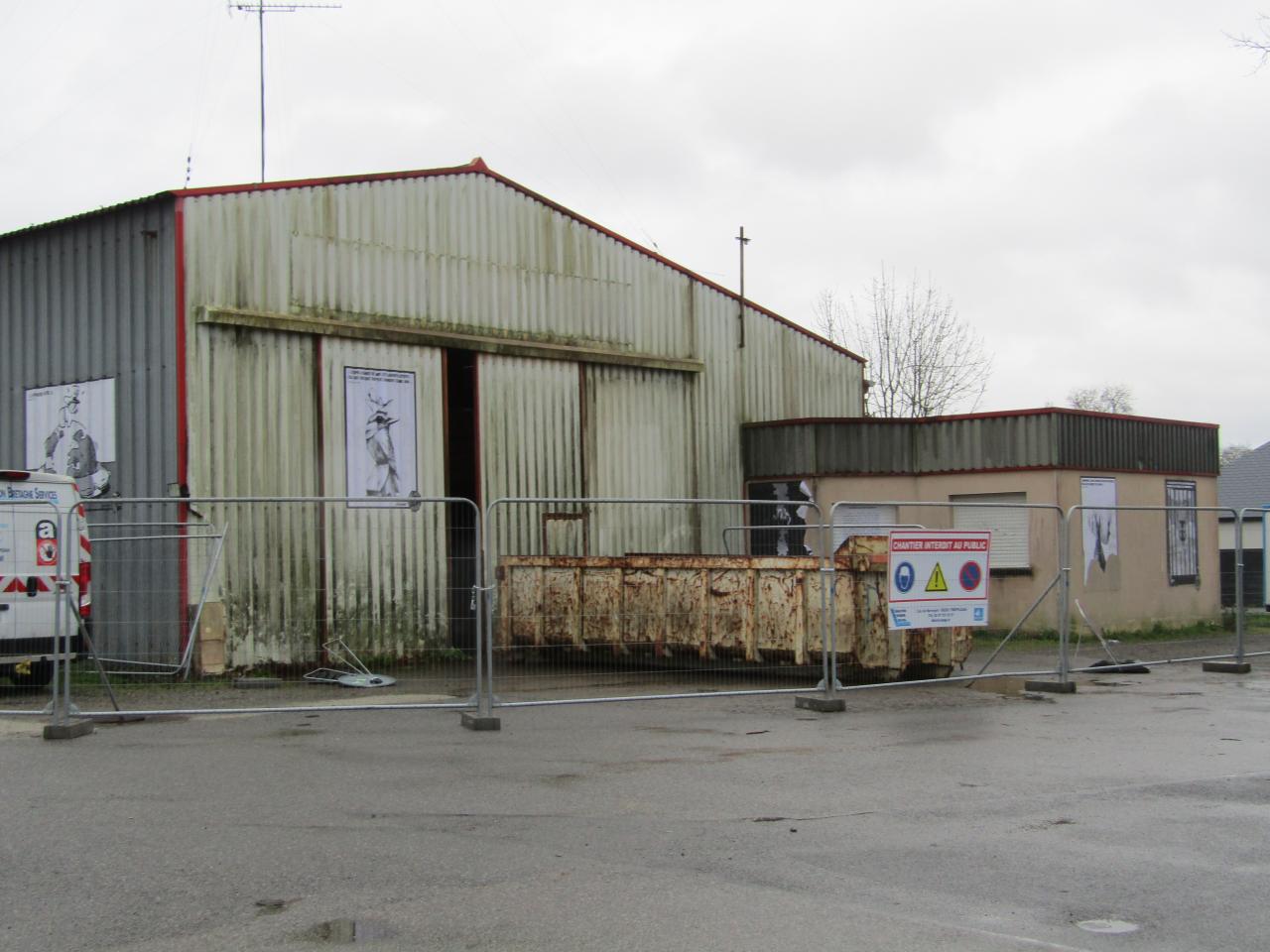
The municipality decided to revitalize the center of the commune through the rehabilitation of a brownfield site, located near the school and the bakery. Prior becoming a brownfield, this place was occupied by an agricultural machinery garage. This old garage was unsightly and gave a feeling of abandonment. The municipality decided to demolish it for rebuild a multifunctional third place aiming at offering a new convival place to meet for dwellers.
Target groups are fourfold: i) children eating lunch in another municipal facility; ii) elderly people living in the center without any car and looking for a lunch restaurant; iii) local associations looking for places; iv) artistic and cultural companies
Specific objectives are:
i) to provide a new municipal place for lunch restaurant for kids, fitting with comfort and ergonomic standards;
ii) to open this lunch restaurant to local dwellers and especially to elderly people living in the center;
iii) to give opportunities to local NGOs and artists in residence to meet for cultural/artistic activities and projects.
Expected outcomes are:
- to improve intergenerational linkages among kids and elderly people
- to improve the day-to-day experience of dwellers using the lunch restaurant and the third place
- to contribute further to the architectural embellishment of the village
- to develop pride and the sense of belonging of dwellers from such a participative project
- to reinforce the attractiveness of the village
This project is a community-led local development initiative driven by a sense of aesthetic, inclusion and sustainability.
Key objectives for sustainability
Key objectives for aesthetics and quality
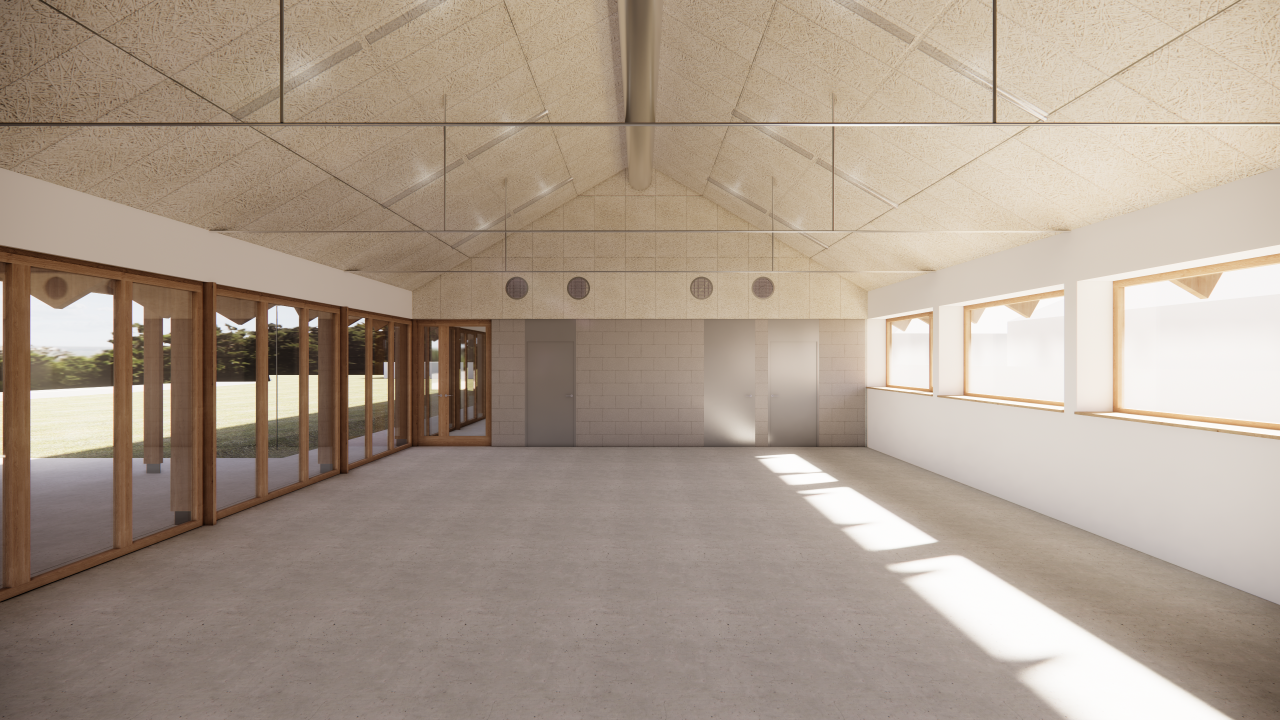
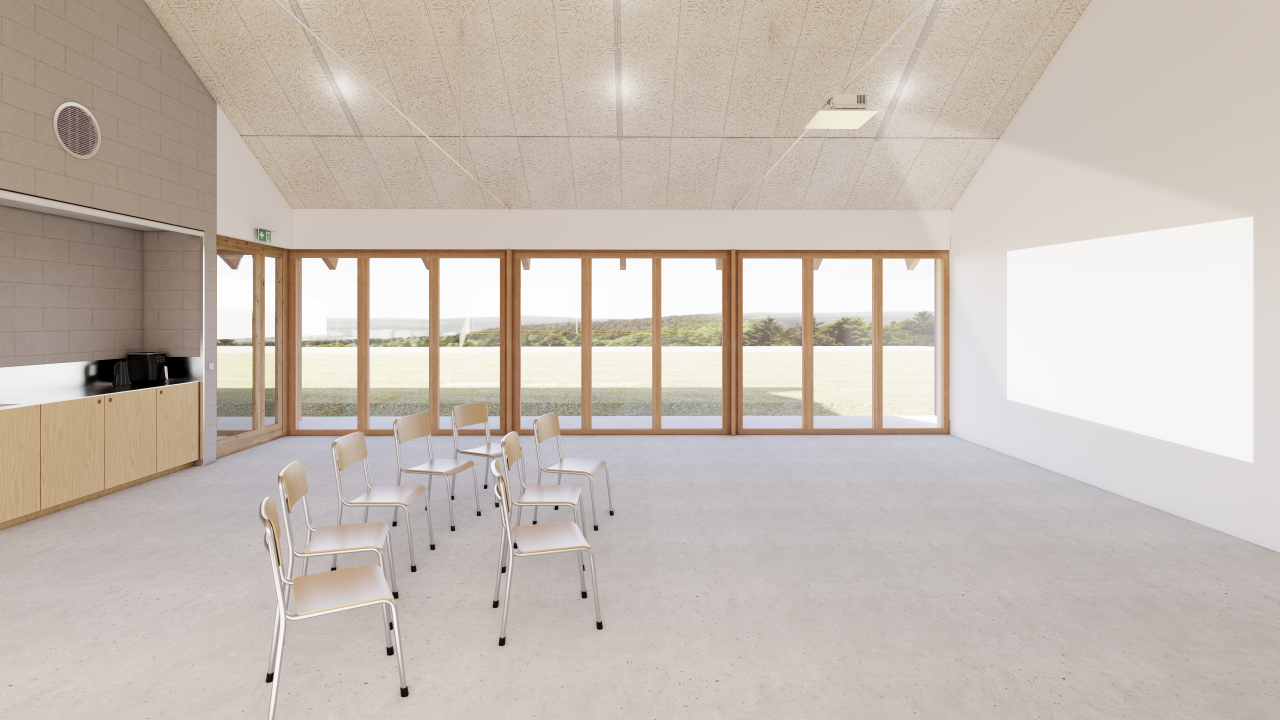
The building was designed in the shape of a farmhouse with double slopes. The first features two rooms, sanitary facilities and a pantry, while the second is an open hall. The geometry and volumes of this building blend seamlessly into the village centre. The choice of a total opening with bays on the east side will create a large convivial space, integrating the hall, while on the west side a minimum of opening is planned in order to limit nuisance to neighbours.
Public space will be redesigned near the school entrance. The creation of a square between The Forge and the school will make traffic safer while creating a place for pedestrians to wander around, while the landscaping on the south side will provide a green link to the town's sports facilities. In front of the future building, future places to sit and contemplate are foreseen for dwellers as it lacks places to sit outdoor in the center.
Key objectives for inclusion
How Citizens benefit
We met also the baker that have its facilities in the same street. The baker was interested by the possibility to get renewable electricity from the solar panel on the roofs, as he was hit bit the skyrocketed prices of electricity from the Ukrainian’ war.
Later, elderly neighbours said their interest to have access in the future municipal restaurant, given that the last private restaurant shut down late 2023. In addition, the elderly club of the village told the municipality that many of their 155 members living in the center would be keen to have access to the municipal restaurant as well.
Local associations and NGOs ware happy to have extra facilities and places to meet, either indoor with meeting rooms and outdoor under the future hall. This extra offer will bring an added value to existing building offer. But above all, as « La Forge » place will be a third place, local dwellers and associations understood the potential to be embarked and to embark new people, members or visitors to participate to their respective cultural and artistic projects and activities.
The fact that « The Forge » will offer a residence for artists and cultural associations will encourage and stimulate creativity, commitment, ownership and sense of belongness from the Arzal local community.
Innovative character
1. The original situation of having an old agricultural garage in the center village and being able to turn it into an opportunity for the community.
2. The architectural design is also innovative for the local authority, with covered halls and no upper storey to make the space more accessible.
3. A land recycling operation in the heart of the village, there's no urban sealing, no use of extra intake of agricultural or natural land for building this project.
4. The decision to enable rainwater infiltration into the plot and store some of it in underground tanks, in order to manage this resource sustainably.
5. Intergenerational social inclusion, which will take the form of lunchtime meals for schoolchildren and older people living in the village who no longer have access to catering in the village or who do not wish to eat at home every day. This will involve the creation of a municipal food service before the project for a central kitchen using local agricultural produce by 2027-28.
6. Secondly, the choice of a high environmental quality building, which was not compulsory for this type of facility, was necessary to reduce energy bills and produce electricity from solar panels. The materials chosen for the structure of the building are wood and straw for the insulation.
7. Public participation from the inception of the project, consisting of asking residents through questionnaires, walks and dialogue what their needs are in terms of development options for the site in question.
8. The provision of fully-equipped rooms in a pleasant third-party venue for artists in residence in the commune - something that has never been done before in small communes like ours in our area, bearing in mind that the commune already owns a holiday village for their accommodation.
9. It's a project that ticks many aspects in terms of ecological transition,social inclusion, aesthetism and circular economy.
Disciplines/knowledge reflected
The municipality decided to build a new narrative from this story, to engage the rebirth of a place that was central at the time when there were more farmers than there are today. « The Forge » ambitions to become an inspired place reborn in a new form from an architectural, aesthetic, functional, inclusive and convivial perspectives. This local spirit has been shared with the dwellers members of the working group, with the project management assistance team as well with the architect team prior designing first working drawings of the future building and surroundings.
The oral transmission of the new history of the “la forge” site will continue, as the municipality plans to organize visits and briefings for school children in the presence of the architect, at the end and/or beginning of each phase of work on the site. Children will be able to ask questions about the materials used, such as the choice of straw for insulation, and express their wishes for the interior layout of the canteen room.
Methodology used
Defining and planning the project
1.Framing the project (what ?)
- Defining the needs with dwellers and future users
- Establishing diagnosis and SWOT analysis
- Featuring the project in relation with the comprehensive town project
2.Planning the project (how ?)
- Setting the timeline, deliverables and milestones
- Clarifying legal aspects, budgetary context and public procurement regulations
3.Project management (who?)
- Appointing a councillor as project manager, establishing the project team
- Team project, working group and project management assistance
- Defining of validation procedures
Implementation of the project
4. Allocation of tasks, resources and costs (how?)
- Characterising and allocating work tasks
- Estimating costs and resources
5.Public procurements (with whom ?)
- Selecting the architect
- Characterising and allocating work tasks
- Technical dialogue with service providers
- Analysing and selecting best bidder
6.Fundraising
- Exploring and identifying financing options
- Drafting and submitting funding requests
7.Building overseeing
- Setting worksite meetings
- Observing and reporting the deadlines
- Reporting to the municipal council and the working group
8.Communication and interactions with dwellers and partners (with whom?)
- Internal communication
- Interactions with institutionnal partners
- Links with service providers and suppliers
- Interactions with citizens
- Communication tools
How stakeholders are engaged
Global challenges
- Demographic trends: Arzal area is becoming very attractive for new residents, especially retired households, as it is in the whole south of Brittany, which is very attractive for its quality of life between land and sea. Ageing of the population in rural areas requires new inclusive solutions in terms of access to basic services in centrality.
-However, for attracting active households, local policymakers face the challenge of avoiding the risk of becoming a “bedroom village”. That’s why we need to provide appropriate housing and public facilities solutions, especially for young active households, as they will play a role for keeping classrooms opened at school by 2030.
- Fighting loneliness and isolation of elderly people living in rural areas will be essential, i.e. by recreating places to meet and intergenerational linkages with younger and children. Experience and evidence have demonstrated that inclusive and convivial places to meet for elderly people slowed down the shift in health and mental health
- Making the ecological and climate transition a reality through municipal projects for new facilities and services for the population in a rural area that are exemplary in terms of their impact on the environment and climate.
- Basic service in rural areas where the latest restaurant in the village center shut down one year ago. We need to provide local catering solutions to avoid people to use their car for a small journey.
- Ownership, citizenship, participation and democracy considerations are key challenges as well: "La Forge" initiative is an answer to geography of discontent growing in rural areas (i.e. see the ‘yellow jackets’ protests in 2018), where people are nor associated to key decisions affecting their daily life and experience. That's why it's not an option anymore to not integrate future users and dwellers to structural projects impacting village centralities experience.
Learning transferred to other parties
Particular elements could be replicated to other places :
- the municipal catering service provided to school pupils, to elderly people and all dwellers of the commune ;
-the multi-functional characteristic of the future building, so each m² is maximised in use all the year, i.e. the lunch room canteen which can be used or other purpose during school holidays.
-the architectural concept and quality of the building, built from natural and carbon-neutral materials.
In a nutshell, intergenerational, aesthetic and climate-proofed features of the project would enable a strong potential for replication and transfer to other places.
Next steps
The Forge project is already on track as we decided to implement it in 2022. <br />
NEB values and working principles have been embarked from the beginning and along the the project development. Inclusive participation was at the hear of our municipal action through various processes (see blow). Sustainability and environmental performance is part of our DNA as the municipality shall be examplary towards its dwellers. In terms of aesthetic design, together with the citizen working group we agreed to build beautiful things in beautiful surroundings and that's why we chose the architect having the closest approach to these values.<br />
Below are the key activities and steps of the project:<br />
- 2022: citizen consultation on needs and future use of municipal building and areas; setting up of a citizen working group and decision is taken to kick-off The Forge project;<br />
- 2023: selection of the architect, meetings of the citizen working group; ephemeral poster exhibition on the ecological transition on the walls of the old agricultural garage<br />
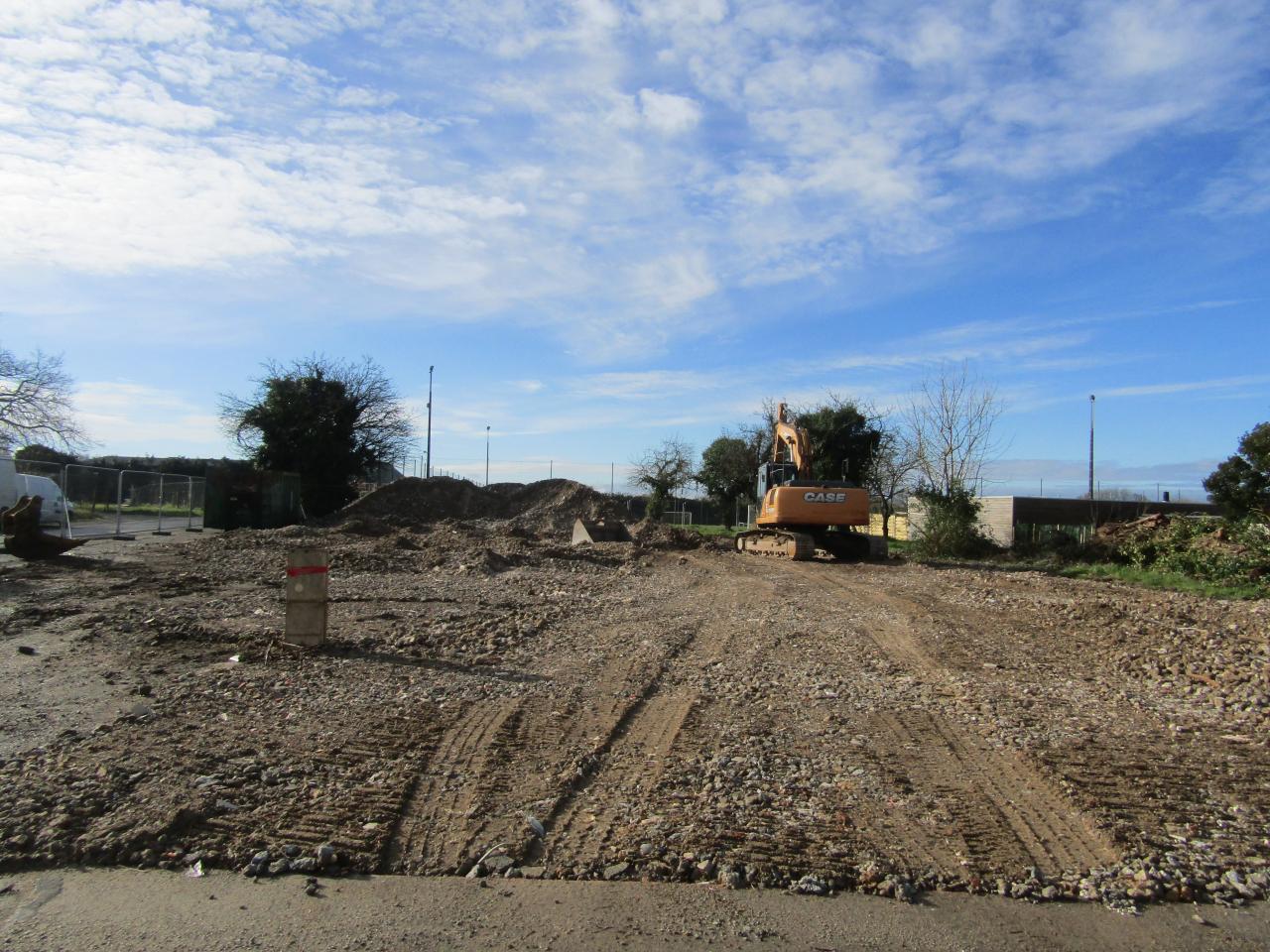
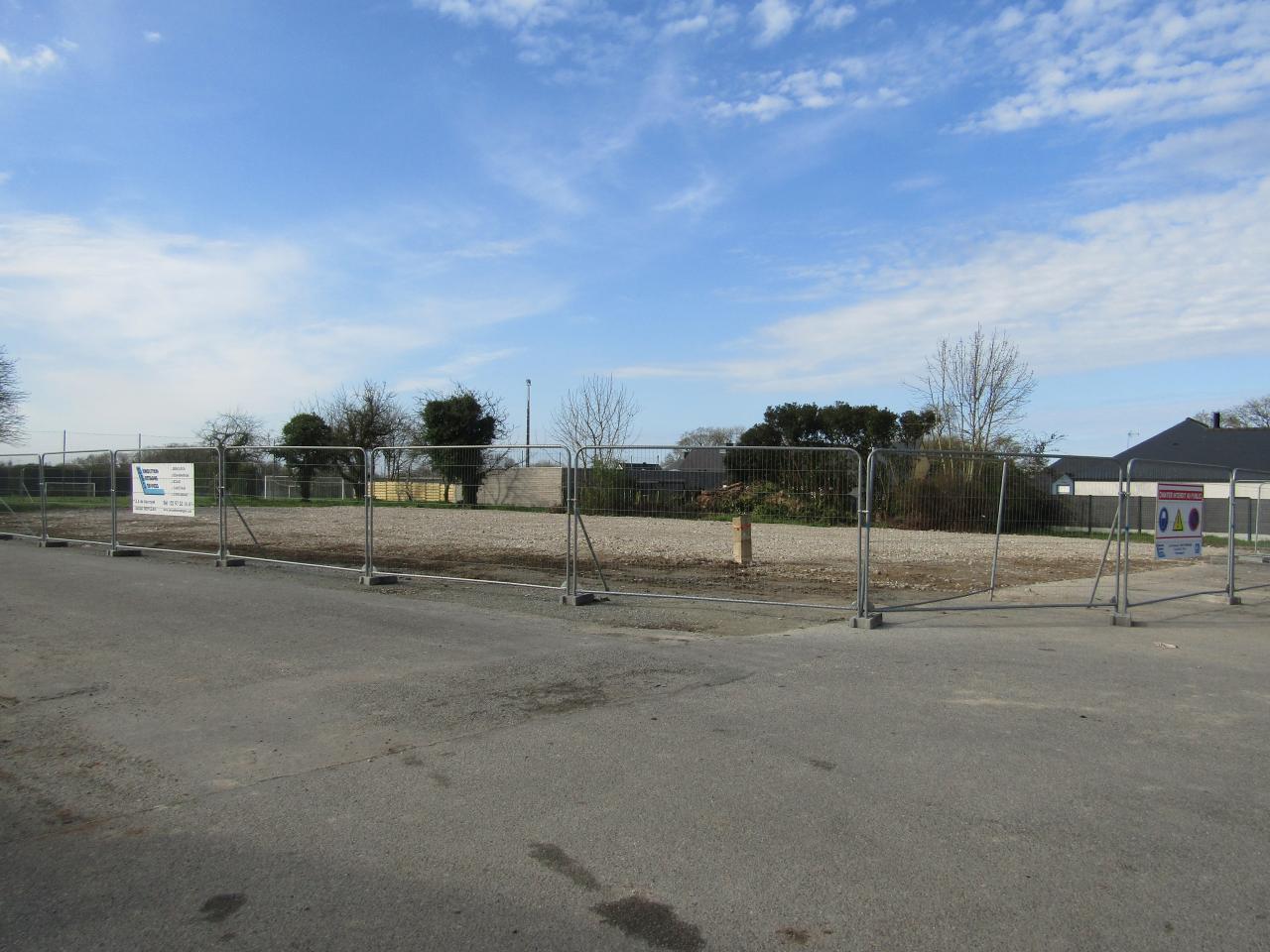
- 2024: demolition of the building; work packages' public procurement; vote of budgets by the municipal council to approve the comprehensive budget and to allocate work packages to companies. <br />
Further development and implementation of the project include in 2025: work packages’ notification to awarded companies; 1st building meeting with companies (January). 2nd building meeting and preparation of the building timeline (February-March). During the construction: set up of the first straw bale (May); open day to the building site with school’ children (June). <br />
A public exhibition open to pupils and dwellers for each key step of the construction is also foreseen with the participation of the architect.<br />
End of construction work and public opening of the new place for dwellers: September 2026